Retail News CRM

Tag: triumphs

  • Home Credit Vietnam Triumphs Again: Wins Coveted Finance and Sustainability Awards for 2026

    Home Credit Vietnam Triumphs Again: Wins Coveted Finance and Sustainability Awards for 2026

    Home Credit Vietnam has been awarded ‘Finance Company of the Year’ for the second consecutive year, and also received the ‘Sustainability Initiative of the Year’ at the Asian Banking & Finance Retail Banking Awards 2026. The awards acknowledge the company’s robust business performance, as well as its endeavors in financial inclusion, promoting environmentally friendly consumption, and fostering community development.

    Striving for Sustainable Growth

    The FiinGroup’s Vietnam Consumer Finance Report 2026 indicates that Vietnam’s consumer finance market is evolving, with a shift in focus towards the quality of growth, operational efficiency, and risk management in the wake of a period of market instability. In this context, Home Credit Vietnam has consistently invested in augmenting its governance capabilities and integrating technology into its operations and customer service. The company has fortified its credit assessment models and digital systems, which has facilitated quicker processing of applications and honed loan portfolio management.

    Moreover, the company has crafted financial solutions tailored to diverse customer segments, considering their repayment capacity, and has enhanced the transparency of product information and loan terms to aid customers in making more informed borrowing decisions. These efforts have culminated in Home Credit Vietnam receiving the ‘Finance Company of the Year’ award, which acknowledges financial institutions based on their operational performance and adaptability to fluctuating market conditions. The company’s 2025 financial statements reveal a 36.8% increase in total assets compared to the start of the year, with an after-tax profit of VND2.077 trillion (US$79 million).

    Embedding Sustainability in Business Practices

    Pham Ngoc Khang, the Chief Strategy Officer and Chairman of Home Credit Vietnam’s ESG Steering Committee, emphasized that sustainable development forms a key part of the company’s long-term strategy. He asserted that a company’s growth should align with the interests of customers and communities, as financial solutions are truly meaningful only when they improve the quality of life and broaden people’s access to financial services.

    The company’s sustainability strategy, which was recognized by the ‘Sustainability Initiative of the Year’ award, centers on increasing access to responsible finance, promoting green consumption, and supporting community development. In 2025, Home Credit Vietnam launched preferential financing packages for electric motorcycles to spur the use of zero-emission transportation. They also broadened their financial literacy initiatives. By the end of 2025, the company’s Home Smart online platform had reached over 21 million people, and they had organized personal finance management workshops for over 4,000 students and women.

    Questions & Answers

    What awards did Home Credit Vietnam receive at the Asian Banking & Finance Retail Banking Awards 2026?
    Home Credit Vietnam was recognized as ‘Finance Company of the Year’ for the second year in a row and also received the ‘Sustainability Initiative of the Year’ award.

    What are some of the initiatives Home Credit Vietnam has undertaken to promote sustainable growth?
    The company has been investing in enhancing its governance capabilities, integrating technology into its operations, and crafting tailor-made financial solutions for diverse customer segments. They have also increased the transparency of product information and loan terms to aid customers in making informed decisions.

    What is the focus of Home Credit Vietnam’s sustainability strategy?
    The sustainability strategy of the company involves expanding access to responsible finance, promoting green consumption, and supporting community development. They have launched financing packages for electric motorcycles and extended their financial literacy initiatives to promote responsible lending.
  • Singapore Triumphs over Indonesia as Southeast Asias Dominant Stock Market

    Singapore Triumphs over Indonesia as Southeast Asias Dominant Stock Market

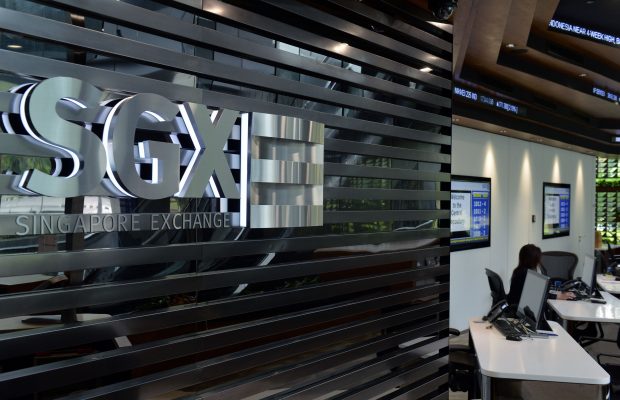
    Singapore has taken over from Indonesia as the leading stock market in Southeast Asia. This shift has come as Indonesia’s market capitalization has dropped dramatically due to an uncertain future outlook. From its peak in January, the total market capitalization of Indonesian businesses has fallen by over 30% to US$618 billion. In contrast, the market value in Singapore has increased to $645 billion.

    Investor confidence in Indonesia has seen a decline in recent months due to the possibility of its equities market being downgraded to frontier status. This uncertainty is coupled with Fitch Ratings and Moody’s Ratings both downgrading the country’s credit outlook to negative. The Indonesian stock index is currently among the most underperforming globally, and the rupiah has hit record lows repeatedly.

    Indonesia’s Struggles and Singapore’s Strength

    Despite these setbacks, Soh Chih Kai of Lion Global Investors believes that a future recovery should not be dismissed. However, he notes that the current momentum is not in Indonesia’s favor. In contrast, he points out that Singapore’s market has further strengthened its position as capital flows continue to seek certainty amid global policy ambiguity.

    In an attempt to bolster the economy, Indonesia’s central bank recently increased its policy interest rates for the first time in two years. This move aims to support the rapidly falling rupiah currency. Governor Perry Warjiyo explained that the increase is a further step to stabilize the rupiah exchange rate in the face of global volatility.

    On the other hand, Singapore’s equities have been boosted by political and economic stability, along with government-led market reforms. The Straits Times Index reached a record high this week, as investors looked for safe investments amid the instability caused by the Iran war.

    Head of research at Maybank Securities, Thilan Wickramasinghe, noted that Singapore’s equity market has remained resilient despite ongoing global volatility. This resilience is due to its defensive sector composition and consistent inflows, putting the market in a relatively advantageous position.

    Future Trends and Predictions

    Singapore’s equities are projected to outperform Indonesian stocks by a record margin in 2026. Carmen Lee, head of equity research at OCBC, attributes this to wealth being a significant driver for earnings growth. Paired with a strong Singapore dollar, Lee expects more funds to flow into the market.

    Questions & Answers

    What has led to the decline in Indonesia’s market capitalization?
    Investor confidence in Indonesia has deteriorated due to the potential reclassification of its equities market to frontier status and negative revisions in the country’s credit outlook.

    What steps has Indonesia’s central bank taken to support the economy?
    Indonesia’s central bank has raised its policy interest rates for the first time in two years in order to support the rupiah currency, which has fallen to record lows recently.

    What factors have contributed to the strength of Singapore’s equities market?
    Singapore’s equities have been boosted by the country’s political and economic stability, along with market reforms driven by the government.

  • A2 Milk Triumphs in Trademark Tussle: Historic Australian Court Victory Over Care A2 Plus

    A2 Milk Triumphs in Trademark Tussle: Historic Australian Court Victory Over Care A2 Plus

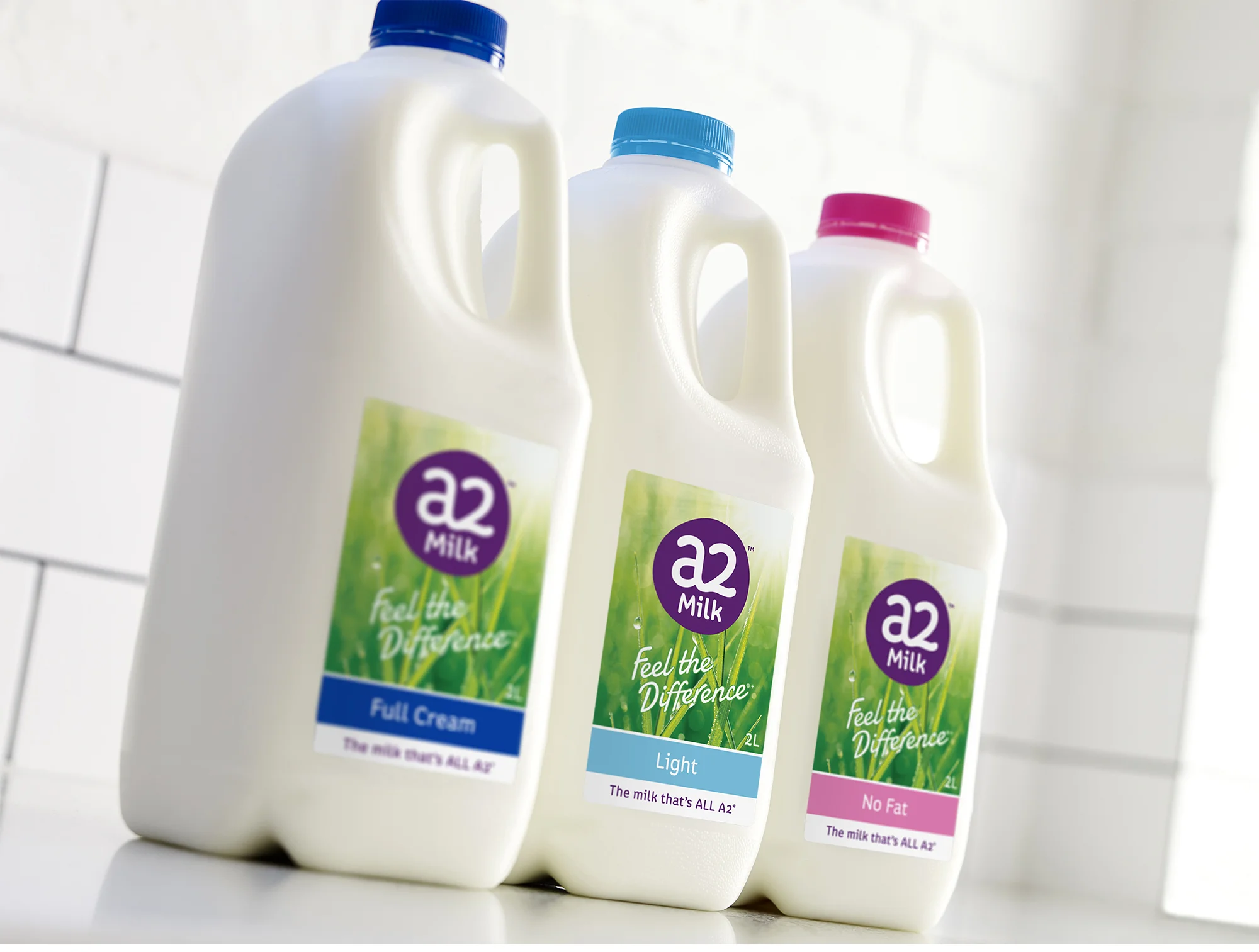
    The Federal Court of Australia has ruled in favor of The A2 Milk Company in a trademark lawsuit against its competitor, Care A2 Plus. The A2 Milk Company, a dairy company based in New Zealand, has several registered trademarks in Australia, including ‘A2 Milk’ and ‘A2’, that encompass a variety of products such as milk and infant formula.

    Care A2 Plus’s Alleged Infringement

    Care A2 Plus, another infant and toddler formula producer, markets its products in Australia under the branding ‘Care A2+’. The lawsuit was initially filed by A2 Milk against Care A2 Plus in 2023. The plaintiff accused Care A2 Plus of violating its trademark rights in contravention of the Australian Consumer Law.

    The A2 Milk Company asserted that Care A2 Plus consciously used the similar ‘A2/A2+’ branding even after requests to cease. The plaintiff also claimed that Care A2 Plus indulged in litigation strategies that escalated costs, and subsequently sought either damages or an account of profits.

    Court’s Stance on the Dispute

    At a hearing that took place this past Thursday, the court backed The A2 Milk Company. However, the court mandated both parties to present further submissions before it pronounces the final verdict concerning relief, including damages and costs.

    Despite Care A2 Plus’s claims that its packing was entirely distinctive, the court maintained that the conspicuous ‘A2/A2+’ branding could potentially indicate a connection to The A2 Milk Company.

    The court justified its ruling by stating that an average consumer encountering Care A2 Plus’s products for the first time would likely presume a connection with The A2 Milk Company. The consumer might even think that these products are part of The A2 Milk Company’s range or endorsed by the company.

    Questions & Answers

    What was the dispute between The A2 Milk Company and Care A2 Plus about?
    The dispute was about Care A2 Plus allegedly infringing on The A2 Milk Company’s registered trademarks by using a similar ‘A2/A2+’ branding.

    What did The A2 Milk Company seek from the lawsuit?
    The A2 Milk Company sought either damages or an account of profits from Care A2 Plus for using a similar branding and escalating litigation costs.

    What was the court’s ruling in the trademark dispute?
    The court ruled in favor of The A2 Milk Company, stating that Care A2 Plus’s ‘A2/A2+’ branding might lead consumers to believe that there is a connection between the two companies.

  • “Tiger Triumphs over Puma: Singapore Regulators Dismiss Trademark Dispute Over ‘Big Cat’ Logos”

    “Tiger Triumphs over Puma: Singapore Regulators Dismiss Trademark Dispute Over ‘Big Cat’ Logos”

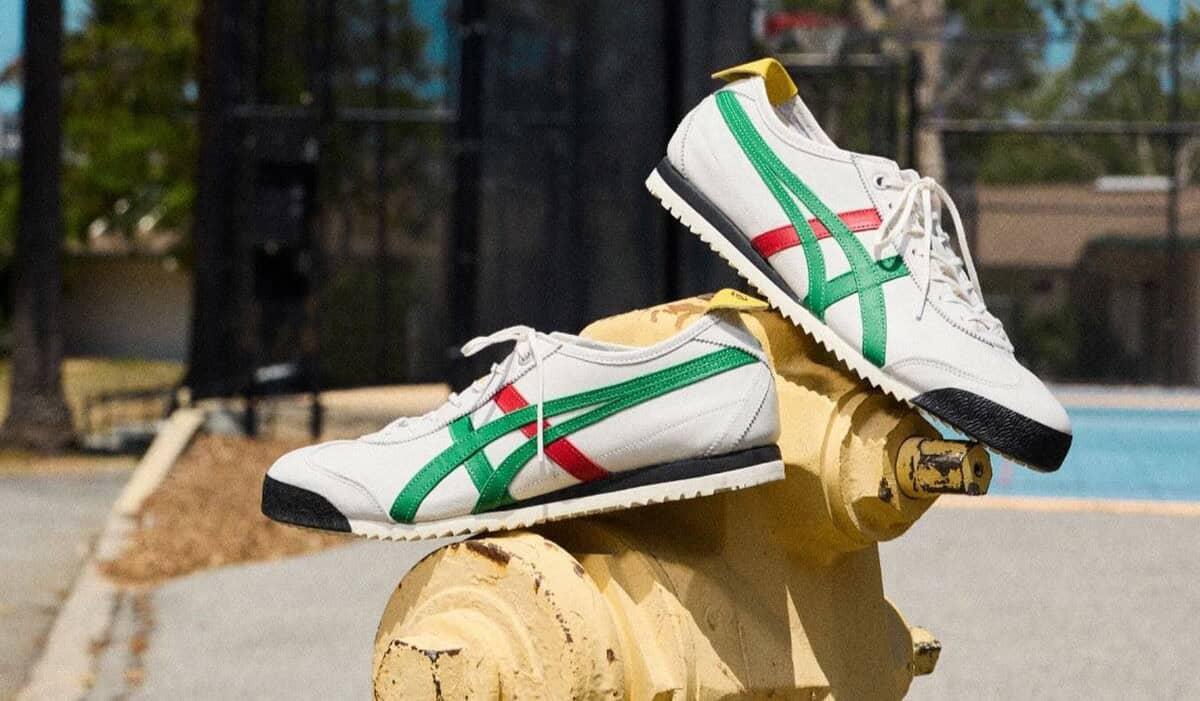
    In a recent trademark dispute involving two sportswear brands, Puma and Sun Day Red by Tiger Woods, both known for their “big cat” logos, Singapore regulators have concluded that there is no risk of causing confusion among consumers. The controversy was brought to an end by the Intellectual Property Office of Singapore (Ipos).

    Trademark Dispute Settlement

    The dispute was sparked by Sun Day Red’s trademark application, which was met with opposition from Puma. The trademarks, both featuring “big cat” designs, were scrutinized following an application submitted by Sun Day Red on January 18, 2024. Puma declared its opposition to the application just 11 days later.

    According to Ipos, the onus was on Puma to prove the likelihood of confusion between the two marks. To successfully oppose the trademark application, Puma needed to show similarities in the design of the logos, as well as in the goods and services associated with each logo.

    Brand Backgrounds

    The brand Sun Day Red was founded in 2024, with golf legend Tiger Woods and TaylorMade Golf as its creators. The brand name was inspired by Woods’ tradition of wearing red during the final rounds of golf tournaments. Puma, however, has been a staple in Singapore since 2007, when it set up its Southeast Asia hub in the city-state.

    In its defense, Sun Day Red argued that the animals depicted in the competing trademarks were distinct, highlighting that its logo features a tiger, indicated by a stripe pattern, whereas Puma’s logo is based on the animal of the same name.

    Regulator’s Ruling

    Upon reviewing the evidence presented by both parties, Ipos determined that the competing marks had significant visual differences. “The competing marks differ in terms of composition, shape, features, and movement, and these differences influence the consumer’s overall impression of the marks,” Ipos stated.

    In relation to the potential confusion among consumers, Ipos clarified that, due to the visual dissimilarities and the level of attention typically given during the purchasing process, consumers were unlikely to mistake one brand for the other.

    Questions & Answers

    What was the basis of the trademark dispute between Puma and Sun Day Red?
    The dispute centered around the “big cat” logos used by both brands, with Puma opposing Sun Day Red’s trademark application.

    Which factors did Ipos consider in resolving the trademark dispute?
    Ipos evaluated the visual similarities between the logos, the goods and services associated with each logo, and the potential for consumer confusion.

    What were the final conclusions of Ipos regarding the trademark dispute?
    Ipos concluded that the logos were visually different and that consumers would not likely confuse one brand for the other due to these differences and the degree of attention involved in the purchasing process.

  • Hugo Boss Triumphs Amid Challenges: Sees Uplift in Annual Sales Regardless of China’s Downturn

    Hugo Boss Triumphs Amid Challenges: Sees Uplift in Annual Sales Regardless of China’s Downturn

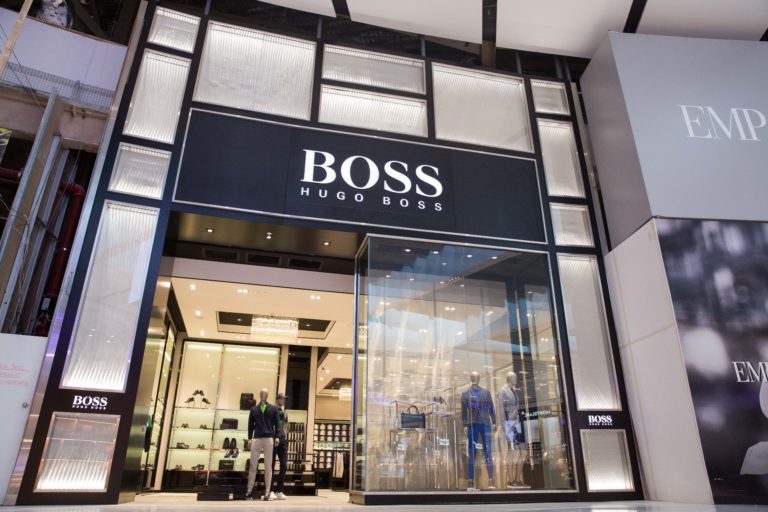
    Hugo Boss, a renowned German fashion company, recently disclosed a slight increase in sales for the preceding fiscal year, which concluded with a robust last quarter.

    The company’s sales for the fiscal year 2025 demonstrated a 1% drop, reaching EUR 4.27 billion (US$4.97 billion). This decrease is attributed to unfavorable currency fluctuations and subdued consumer confidence triggered by macroeconomic and geopolitical instability. However, after considering the impact of currency exchange, there was a 2% rise in sales.

    Geographical Sales Breakdown

    Examining sales by region, Hugo Boss saw a 5% decrease in currency-adjusted sales in the Asia-Pacific region, largely due to restrained local demand in China. In contrast, the company enjoyed a 2% increase in revenues in the EMEA region, propelled by advancements in major European markets such as Germany and France.

    Company management emphasized the remarkable growth in the fourth quarter, with a reported 2% sales increase and 7% rise on a constant currency basis.

    Growth Factors

    This positive performance is credited to a resurgence in physical retail, a modest uptick in comparable-store sales, a fruitful holiday season, and impactful brand and product initiatives.

    The Boss Menswear brand saw a 3% increase in currency-adjusted revenues for the year. However, sales for Boss Womenswear and Hugo dropped by 5% and 4% respectively.

    Americas and Licensing Business Performance

    In the Americas, revenues saw a 3% increase, indicative of progressive improvements in the US market. Conversely, the company’s licensing business experienced a 5% decline in sales.

    The fiscal year ended on a high note, with EBIT (Earnings Before Interest and Taxes) growing 8% to reach EUR 391 million. This figure includes a significant 22% uplift in the fourth quarter.

    Hugo Boss CEO, Daniel Grieder, highlighted the rapid transformation of the fashion industry throughout the year. He pointed towards technological innovation, changing consumer preferences, and persistent macroeconomic and geopolitical instability as key influencers on the industry’s trajectory.

    Future Prospects

    Looking ahead to fiscal year 2026, Hugo Boss anticipates a mid- to high-single digit decline in currency-adjusted sales. This projection is based on the initiation of brand and channel realignments.

    Questions & Answers

    What were Hugo Boss’s sales for fiscal year 2025?
    Hugo Boss reported sales of EUR 4.27 billion (US$4.97 billion) for the fiscal year 2025.

    Which region experienced sales growth for Hugo Boss?
    The EMEA region saw a 2% increase in revenues, driven by performance in key European markets such as Germany and France.

    What are the company’s sales expectations for fiscal year 2026?
    Hugo Boss is forecasting a mid- to high-single digit decline in currency-adjusted sales for fiscal year 2026, due to brand and channel realignments.

  • DFI Retail Group Triumphs with 35% Profit Surge Amid Strategic Overhaul – An In-depth Look at the 2025 Fiscal Year

    DFI Retail Group Triumphs with 35% Profit Surge Amid Strategic Overhaul – An In-depth Look at the 2025 Fiscal Year

    DFI Retail Group, a prominent pan-Asian retailer, has confirmed the efficacy of its ongoing strategic alterations, following a successful 2025 fiscal year. The group reported a substantial 35% increase in underlying profits to US$270 million, despite no growth in its year-end revenue stream, which remained consistent with the 2024 figure at $8.8 billion.

    Strategic Execution and Profitability

    The robust financial performance and enhanced shareholder returns in 2025 have been attributed to the effective implementation of strategic initiatives. DFI Retail Group’s Chairman, Lincoln Pan, emphasized that this was achieved despite the challenging circumstances in the retail industry. Significant strides in portfolio simplification have notably increased the group’s investment capabilities. This shift has facilitated the prioritization of strategic initiatives, providing greater value for customers and paving the way for sustainable growth and returns through accretive inorganic opportunities.

    Portfolio Adjustments and Performance

    In an effort to adapt to changing market conditions and consumer preferences, DFI Retail Group has made adjustments to its brand portfolios. As part of this strategy, 7-Eleven, one of the group’s brands, has shifted its focus towards higher-margin, non-cigarette categories. Ready-to-eat offerings now account for 24% of convenience sales for the brand in 2025, highlighting a considerable change in product focus.

    Financial Performance

    The group’s strong financial performance is also reflected in its operating cash flow. After making lease payments, the operating cash flow for the group stood at $430 million, marking a 30% increase from the previous year. In addition, the group’s free cash flow saw a remarkable year-on-year increase of 78%.

    Questions & Answers

    What were the underlying profits for DFI Retail Group in the fiscal year 2025?
    In the fiscal year 2025, DFI Retail Group reported underlying profits of US$270 million.

    What strategical changes did 7-Eleven, a brand under DFI Retail Group, adopt in 2025?
    7-Eleven shifted its focus towards higher-margin, non-cigarette categories. Ready-to-eat offerings constituted 24% of the brand’s convenience sales.

    How did the operating cash flow of DFI Retail Group fare in 2025?
    After lease payments, DFI Retail Group’s operating cash flow in 2025 stood at $430 million, which was a 30% increase from the previous year.

  • Hermès Triumphs Over Luxury Market Struggles: Unveiling the Secret to Surging US Sales

    Hermès Triumphs Over Luxury Market Struggles: Unveiling the Secret to Surging US Sales

    In a rapidly shifting luxury retail landscape, renowned players such as Kering and LVMH are finding it increasingly challenging to retain the interest of elite and aspirational customers alike. However, amid this tumultuous environment, luxury goods company Hermès has managed to find sustained success.

    Impressive Revenue Growth

    Hermès recently reported remarkable growth in its fourth-quarter revenue. This surge was largely attributed to robust sales in the United States and Asia. The company announced that their product sales, including iconic items such as Birkin and Kelly bags, silk scarves, and perfumes, saw growth of 9.8 per cent in currency-adjusted terms for the fourth quarter. This increase surpassed the predicted growth rate of 8.4 per cent.

    The sales growth was mainly driven by the Americas, particularly the United States, where sales escalated by 12.1 per cent, outperforming the anticipated growth of around 9 per cent. Sales in Asia also demonstrated robust growth of 8 per cent, excluding Japan.

    The company’s full-year operating profit amounted to €6.57 billion (US$7.79 billion), with a profit margin of 41 per cent, slightly above the predicted 40 per cent margin.

    Continuous Expansion

    Over the last three years, Hermès has witnessed a steady growth in annual sales by about 38 per cent, and its shares have also risen by 36 per cent. This growth has been achieved in spite of the ongoing challenges confronting the broader luxury retail industry.

    Hermès CEO, Axel Dumas, expressed confidence in the brand’s prospects. He announced that the company plans for price increases of around 5-6 per cent for the coming year, a decrease from the previous year’s hike of 6-7 per cent.

    Key to Success

    The company’s success has been credited to two main factors. Firstly, the consistent buying habits of its ultra-wealthy clientele, and secondly, Hermès’ persistent emphasis on brand storytelling.

    Moreover, the company’s strategic expansion plans, including the opening of new stores such as the latest one in Nashville, Tennessee, opened in October 2025, have further contributed to its success. It is also worth mentioning that Hermès recently acquired a high-priced real estate property in Beverly Hills for a future store, marking the most expensive real estate acquisition in the area since the early 2000s.

    Brand Identity and Steadfastness

    Hermès’ emphasis on desirability and exclusivity has also been pivotal to its success. Unlike its competitors, Hermès has maintained a laser-focus on its offerings, clientele, and creating an unparalleled luxury experience.

    The brand’s commitment to exclusivity has enabled it to retain its competitive edge in the struggling luxury market. Its strategy of creating a sense of rarity and allure around its top-tier items, such as the iconic Birkin bag, has offered a unique shopping experience for its affluent customers.

    Questions & Answers

    What factors contributed to the robust sales growth of Hermès?
    Sales in the United States and Asia primarily contributed to the substantial sales growth. Additionally, the company’s strategic expansion plans and consistent approach to brand storytelling also played significant roles.

    What is Hermès’ strategy for maintaining its competitive edge?
    Maintaining exclusivity and rarity of its top-tier items, and creating an unparalleled luxury experience for its customers has allowed Hermès to stay ahead in the competitive luxury retail industry.

    What is the anticipated price increase for Hermès products in the coming year?
    The company plans for price increases of around 5-6 per cent for the coming year, a decrease from the previous year’s hike of 6-7 per cent.

  • IconSiam Triumphs at Mapic Awards 2025, Securing Top Honors for Siam Piwat as Global Retail Innovator

    IconSiam Triumphs at Mapic Awards 2025, Securing Top Honors for Siam Piwat as Global Retail Innovator

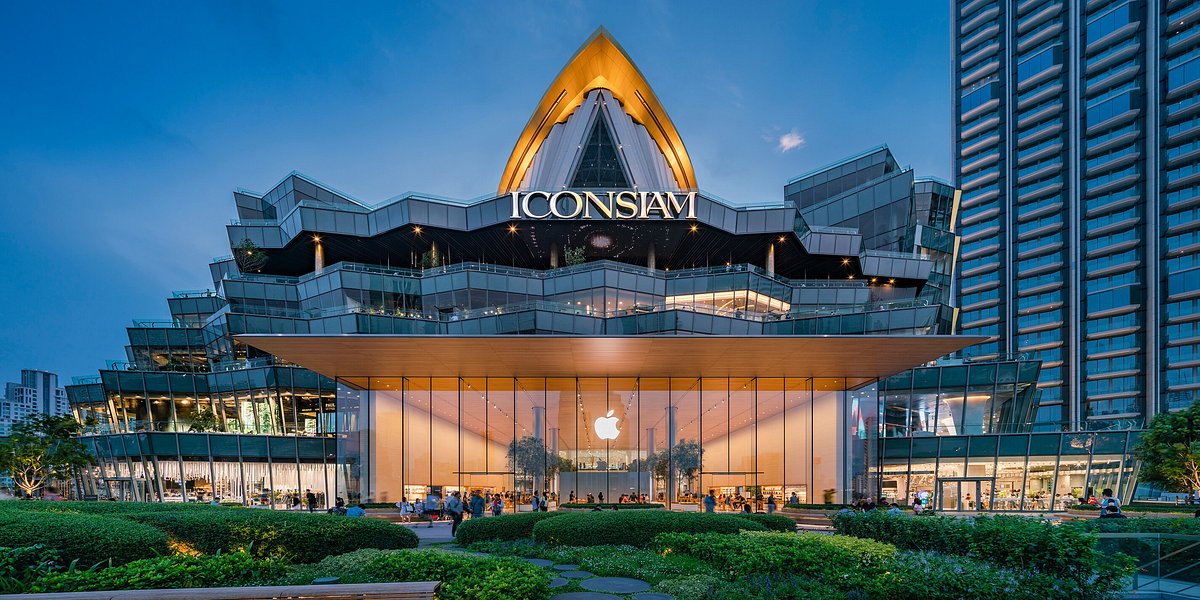
    Siam Piwat has recently carved out a significant spot for itself in the global retail market. Its IconSiam project has been named one of the Top 3 Most Influential Retail Property Projects of the Past 30 Years at the prestigious Mapic Awards in Cannes. This distinction is especially impressive as it’s the first time that an Asian establishment has received this honor.

    Leadership Recognition

    Chadatip Chutrakul, the CEO of Siam Piwat Group, was also celebrated at the event. She received the ‘Pioneers of Places’ Lifetime Achievement Award, adding her name to the list of a select few international leaders that have been recognized with this award. This recognition highlights her innovative contributions in reshaping the global retail landscape throughout the past three decades.

    The Mapic Awards, known as the ‘Oscars of the Retail Industry’, is a globally respected retail real estate forum that draws more than 4000 participants from 75 nations each year. Attendees are comprised of developers, investors, and international retail industry leaders.

    About IconSiam

    IconSiam is a collaborative project between the Siam Piwat Group, Magnolia Quality Development Corporation (MQDC), and Charoen Pokphand Group. With a cumulative investment exceeding US$1.8 billion, the 750,000 square meter development overlooks the Chao Praya River in Bangkok. The project seamlessly integrates a top-tier retail complex, ultra-luxury residences, and the ‘7 Wonders of IconSiam’. It was meticulously crafted to embody the best of Thailand and create a benchmark for holistic urban development.

    Mapic director, Francesco Pupillo, hailed IconSiam as one of the most remarkable retail destinations in the world. According to Pupillo, the development has set new standards for modern mixed-use development, blending design, innovation, and culture to present the unique spirit of Thailand and Bangkok on the international stage.

    Impact on Thailand

    Beyond its global recognition, IconSiam has had a significant impact on Thailand locally. It has elevated the nation’s global stature and created shared prosperity for Thonburi, including areas along the Chao Phraya River where property values have tripled and business growth has surged by over 60 percent. This growth illustrates IconSiam’s transformative role in driving tourism, infrastructure, and economic revitalization.

    IconSiam also promotes diversity and equality, serving as a platform that has empowered 35,000 Thai entrepreneurs and close to 1000 designers to become successful. The project has created over 400,000 jobs and attracted 115 million visitors from around the world.

    Looking Ahead

    Siam Piwat is dedicated to ensuring that IconSiam continues to represent Thai excellence on a global scale. Chutrakul concluded that their aim is to show the world how every nation can leverage its unique identity to create value far beyond what is typically imagined. This global recognition is dedicated to Her Majesty Queen Sirikit, the Queen Mother of Thailand, whose vision and lifelong dedication have inspired them to showcase the remarkable grace and grandeur of Thai culture to the world.

    Questions & Answers

    What is the IconSiam?
    IconSiam is a mixed-use development project in Bangkok, Thailand, that combines a world-class retail complex, ultra-luxury residences, and other attractions. It has been recognized as one of the most influential retail property projects of the past 30 years.

    Who are the partners behind IconSiam?
    IconSiam is a joint venture between the Siam Piwat Group, Magnolia Quality Development Corporation (MQDC), and Charoen Pokphand Group.

    What impact has IconSiam had on Thailand?
    IconSiam has significantly uplifted Thailand’s global stature, and has been instrumental in driving economic growth, tourism, and infrastructure development in the country. It has also created over 400,000 jobs and drawn more than 115 million visitors from around the world.