Retail News CRM

Tag: turns

  • Balenciaga Turns Heads with Voluminous Capes and Feathered Fashions at Paris Haute Couture Show

    Balenciaga Turns Heads with Voluminous Capes and Feathered Fashions at Paris Haute Couture Show

    Under the scorching midday sun, models strutted around a circular runway, donning oversized gowns, capacious capes, and trousers encrusted with ostrich feathers. This dramatic display marked designer Pierpaolo Piccioli’s debut haute couture collection in Paris, showcased on a sweltering Wednesday.

    Piccioli’s collection, designed for the autumn/winter season, comprised rich cashmere coats, elongated leather gloves, and feather-laden gowns. As the heatwave intensified in the city, these magnificent creations gracefully passed by spectators who were attempting to cool down by fanning themselves.

    The collection featured dresses with expansive balloon hems and jackets with curved backs, a nod to the unconventional, architectural fashion that Cristobal Balenciaga, the brand’s founder, was renowned for. Piccioli, with his 16-year tenure as creative director for Valentino under his belt, took the reins at Balenciaga a year prior and is keen to leave his imprint on the brand. His task is to balance the legacy of his predecessor, Demna, who during his 10-year stint introduced streetwear phenomena such as “ugly” oversized sneakers.

    Balenciaga, a component of the Kering luxury group, might be one of the smaller fashion houses, but it shares the limelight with other illustrious brands such as Gucci, Yves Saint Laurent, and Bottega Veneta. In 2020, the fashion house revived its haute couture collection, which had been on a hiatus since 1968.

    The show concluded with Piccioli’s appearance, accompanied by 30 of his key creative team members, all clad in white lab coats. They received a round of applause. The front-row attendees included renowned actors Demi Moore and Cynthia Erivo, with Kering’s CEO, Luca de Meo, also observing the spectacle that unfolded across the gardens of the historic Cite Universitaire student housing complex.

    Questions & Answers

    Who is Pierpaolo Piccioli?
    Piccioli is a renowned fashion designer who previously served as the creative director of Valentino for 16 years. He took over Balenciaga a year ago.

    What constituted the primary theme of Piccioli’s debut collection for Balenciaga?
    Piccioli’s debut collection was characterized by oversized forms and unconventional, architectural fashion, reminiscent of the styles that Cristobal Balenciaga, the brand’s founder, was known for.

    When did Balenciaga reinstate its haute couture collection?
    Balenciaga reinstated its haute couture collection in 2020, after a hiatus that began in 1968.

  • Coconut Oil Prices Skyrocket In Asia: Exploring The Causes And Impact On Global Market

    Coconut Oil Prices Skyrocket In Asia: Exploring The Causes And Impact On Global Market

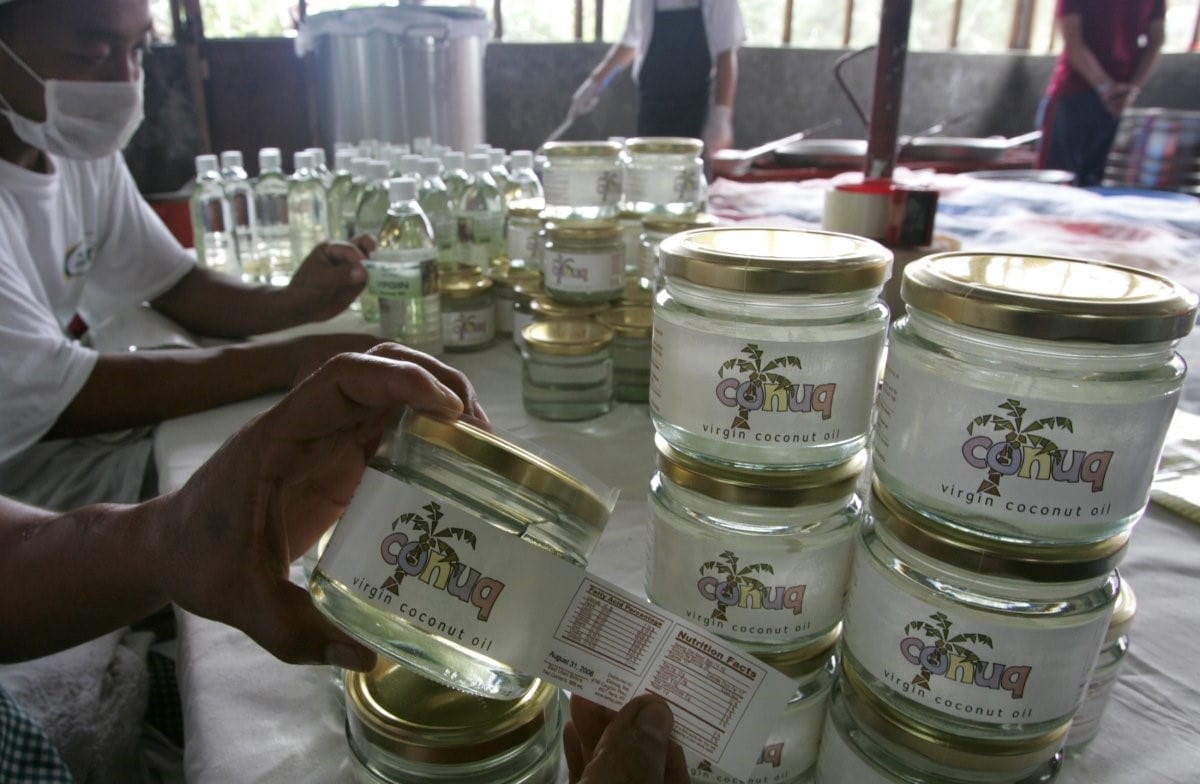
    Coconut oil prices are soaring in Asia, spearheaded by India—the largest consumer of the product—which has witnessed a tripling in prices within two years. This is attributable to a combination of supply shortages and burgeoning demand for the nutrient-filled water found within the coconut, elevating this common kitchen ingredient to a luxury commodity.

    Consumer Adjustments

    The escalating prices have put coconut oil beyond the reach of many budget-conscious consumers. As such, those who were once fond of its unique flavor, deeply entrenched in regional cuisines, are now exploring alternatives. For instance, Leelamma Cherian, a resident of Kerala in southern India, has stated intentions to switch to the more affordable refined sunflower oil for day-to-day cooking, reserving coconut oil for dishes where its flavor is critical.

    Price Surge Contributions

    The price increase, which began in the second half of 2024, was further propelled by production interruptions across many of the main producer nations, from India to Southeast Asia. These interruptions were due to seasons marked by decreased rainfall, extended heat, and increased damage from pests and diseases. Prices in India have nearly tripled in less than two years, reaching a record high of 423,000 rupees (US $4840) per metric ton, while global prices have swelled to an unprecedented $2990 per ton over the same period.

    Predictions by the International Coconut Community

    The International Coconut Community (ICC), a consortium of producer nations, predicts that the increasing demand amid production restrictions will maintain second-half global prices within the US $2500 to $2700 range, far exceeding the 2023 figure of approximately $1000.

    Effects of Price Surge

    This price surge is also impacting green coconuts harvested for their electrolyte-rich water, and other products such as copra, milk, and powder. It is putting pressure on manufacturers of shampoo and skincare items, who value the oil for its high lauric acid content.

    Challenges to Coconut Oil Production

    Worldwide, coconut oil production is declining as trees age, replanting efforts fall short, and plantations struggle with a scarcity of superior seed varieties. Weather conditions veering from hot, dry spells to sudden heavy rainfall are also disrupting coconut production. Additionally, the neglect of plantations and unfavorable weather in recent years are likely to hinder a broader production recovery, especially when supplies of other similar lauric oils are limited.

    Global Demand

    While coconut oil is a favorite among Asian consumers, other coconut products such as copra, coconut cream, and milk, are in high demand in Britain, China, Europe, Malaysia, the United States, and the United Arab Emirates. To seize the opportunity presented by this burgeoning demand, Indonesian farmers are increasingly exporting whole coconuts instead of processing them for their oil.

    Questions & Answers

    What has been the impact of the coconut oil price surge?
    The price surge has affected a range of related products, including green coconuts harvested for water, copra, milk, and powder. It has also put pressure on manufacturers of hair and skincare products, who value the oil for its high lauric acid content.

    Why is coconut oil popular in the market?
    Coconut oil is popular for its unique flavor, deeply embedded in regional cuisines, and its high content of lauric acid, which is prized by the hair and skincare industry.

    What measures are being taken to stabilize the price of coconut oil?
    To stabilize prices, the Association in Indonesia has urged for a suspension of coconut exports for six to 12 months. In India, the Solvent Extractors’ Association has appealed to New Delhi to permit imports of coconut oil and copra.

  • Coupang Surpasses $8 Billion Mark: Record Revenue And Profit Turnaround Amid Taiwan Expansion

    Coupang Surpasses $8 Billion Mark: Record Revenue And Profit Turnaround Amid Taiwan Expansion

    South Korean retail behemoth Coupang has experienced substantial growth this year, boasting a record revenue of $8.52 billion in Q2, a rise of 19% year-over-year with an FX-neutral basis. This marks the first time the company has surpassed the $8 billion mark.

    Additionally, Coupang achieved a net profit of $31 million, a significant turnaround from last year’s Q2 deficit of $105 million. The company’s adjusted EBITDA hit $428 million.

    Core Strengths

    Coupang’s primary source of income comes from its Product Commerce sector, which encompasses Rocket Delivery, Rocket Fresh, Rocket Growth, and the marketplace. The adjusted EBITDA for this segment climbed to $663 million, and margins reached an unprecedented 9%.

    Most of the revenue growth in Q2 came from existing customers. According to Bom Kim, Coupang’s founder and CEO, even the oldest customer cohorts demonstrated robust spending increases in the double digits.

    Kim stated, “As we expand our selection to match customer preferences, they’re also purchasing across a broader number of categories.”

    The Rocket Delivery model, previously criticized for its extravagant spending and capital intensity, is now viewed as a competitive advantage. Same-day and dawn delivery volumes soared over 40% year-over-year, primarily due to the addition of over half a million new Rocket SKUs in Q2.

    Taiwan’s Progress

    Coupang’s Developing Offerings segment, which encompasses Taiwan Rocket Delivery, Coupang Eats, Coupang Play, and Farfetch, posted a revenue of $1.19 billion, an increase of 33% year-over-year. Although this unit is still not profitable, with an adjusted EBITDA loss of $235 million, a majority of this loss can be attributed to increased investment in Taiwan.

    Coupang’s CFO, Gaurav Anand, noted that Taiwan is the main reason behind a revised full-year EBITDA loss prediction for the segment, estimated to be between $900 million and $950 million.

    Coupang launched its Wow membership program in Taiwan in March, targeting a population of 23 million and a retail sector valued at $152.7 billion. Since entering the market in 2022, the company has invested approximately $355 million in expanding its logistics infrastructure and product selection.

    This investment appears to be producing early results, with Taiwan’s revenue surging 54% quarter-over-quarter and recording triple-digit growth year-over-year. These improvements are not only due to customer acquisition but also improved customer retention and spending.

    Kim commented, “Our Taiwan offering is growing faster and stronger than even the most optimistic forecasts we set at the beginning of the year.” He added that they see a similar growth trajectory in Taiwan as they did in the early years of scaling their retail offering in Korea.

    Despite initial concerns, Coupang’s aggressive investment indicates growing belief that Taiwan could become a second profitable market in the long term.

    While Taiwan’s progress overshadows other areas, Coupang’s other businesses continue to develop. Food delivery service Coupang Eats showed continuous double-digit growth, benefiting from the company’s established logistics infrastructure.

    Additionally, Coupang Play, its streaming platform, has added new features like a Sports Pass, providing access to premium sports leagues ranging from the Premier League to Nascar.

    Although these businesses are not yet profitable, they help to retain users within the Coupang ecosystem.

    Looking forward, Coupang faces significant challenges. The South Korean retail sector has been declining for 13 consecutive quarters – the longest recorded downturn. With limited room for further growth at home, the company’s future hinges on maximizing each customer’s value or finding new customers abroad. Taiwan is off to a strong start, but expanding it into a second growth engine may prove challenging, and the level of investment required could test investor patience if results don’t keep up the pace.

    Questions & Answers

    What contributed to the growth of Coupang’s Q2 revenue?
    Existing customers contributed to most of the growth, with spending increases across all cohorts. Additionally, the company expanded its product selection, leading to customers buying across a wider range of categories.

    What is the role of Taiwan in Coupang’s financial strategy?
    Taiwan is a significant focus for Coupang’s investment, aimed at expanding its market beyond South Korea. The company’s aggressive investment in Taiwan indicates a growing belief that it could become a second profitable market in the long term.

    What challenges does Coupang face moving forward?
    Coupang is challenged by the continuous decline in the South Korean retail sector. With limited potential for domestic growth, the company’s future success increasingly relies on maximizing value from each customer and expanding its customer base abroad. Additionally, the level of investment required in markets like Taiwan could test investor patience if results don’t match the pace of investment.

  • Grab Holdings Surpasses Wall Street Expectations With Multi-service Superapp Strategy Amid Global Economic Uncertainties

    Grab Holdings Surpasses Wall Street Expectations With Multi-service Superapp Strategy Amid Global Economic Uncertainties

    Grab Holdings, a Singapore-based tech company, surpassed Wall Street’s revenue expectations in Q2, with a surge in consumption across its ride-hailing and food delivery services, seemingly unaffected by global economic uncertainties.

    Superapp Drive Pays Off

    The company’s robust growth can be attributed to its strategic efforts to transform its platform into a multi-functional, superapp. This expansive integration of various digital services, including ride-hailing, food, and grocery delivery, continues to entice a growing number of users, who are increasingly investing in the offered subscription plans.

    Despite the unease in global economic stability induced by ongoing US trade negotiations, resulting in worries over tariffs and heightened costs, particularly in Southeast Asia, the Singaporean economy remains robust. In Q2, it witnessed a growth rate of 4.3%, successfully averting a technical recession.

    According to Peter Oey, Grab’s CFO, the company’s growth strategy focuses on affordability, which not only encourages growth but also serves as a protective shield against global macroeconomic factors. In a bid to attract price-conscious consumers, the company has been simultaneously working on expanding its driver base to keep up with the rising user demand.

    Financial Performance

    Grab reported an impressive revenue of US$819 million for Q2, surpassing analyst predictions of $811.3 million. The company attributed a significant portion of this success to its robust performance in Indonesia. Previously identified as a market with potential for deeper penetration, the company is now striving to capitalize on the country’s vast population and expand its market share.

    According to Oey, Indonesia has proved to be a profitable market for the company, prompting increased investment efforts in the region.

    Market Consolidation

    The online service market in Southeast Asia is witnessing a phase of consolidation, with larger entities acquiring smaller firms to diversify their service offerings. Though rumors of Grab’s potential acquisition of smaller Indonesian competitor GoTo were circulating earlier this year, Oey confirmed that no such discussions are underway.

    The company’s Q2 financials indicate a remarkable turnaround, with a profit of $20 million, in stark contrast to a $68 million loss in the same period the previous year.

    Questions & Answers

    How has Grab Holdings managed to exceed Wall Street’s revenue expectations in Q2?
    Grab Holdings has successfully surpassed revenue projections by transforming its platform into a superapp, integrating various digital services and appealing to a growing number of users.

    How is the company responding to global economic uncertainties?
    Grab Holdings is focusing on affordability as a protective shield against global macroeconomic factors. It is also endeavoring to keep up with increasing user demand by expanding its driver base.

    What is Grab Holdings’ strategy for the Indonesian market?
    Considering the robust performance and profitability in Indonesia, Grab Holdings is aiming to capitalize on the country’s vast population and increase its market share by investing more in the region.