Retail News CRM

Tag: under armour

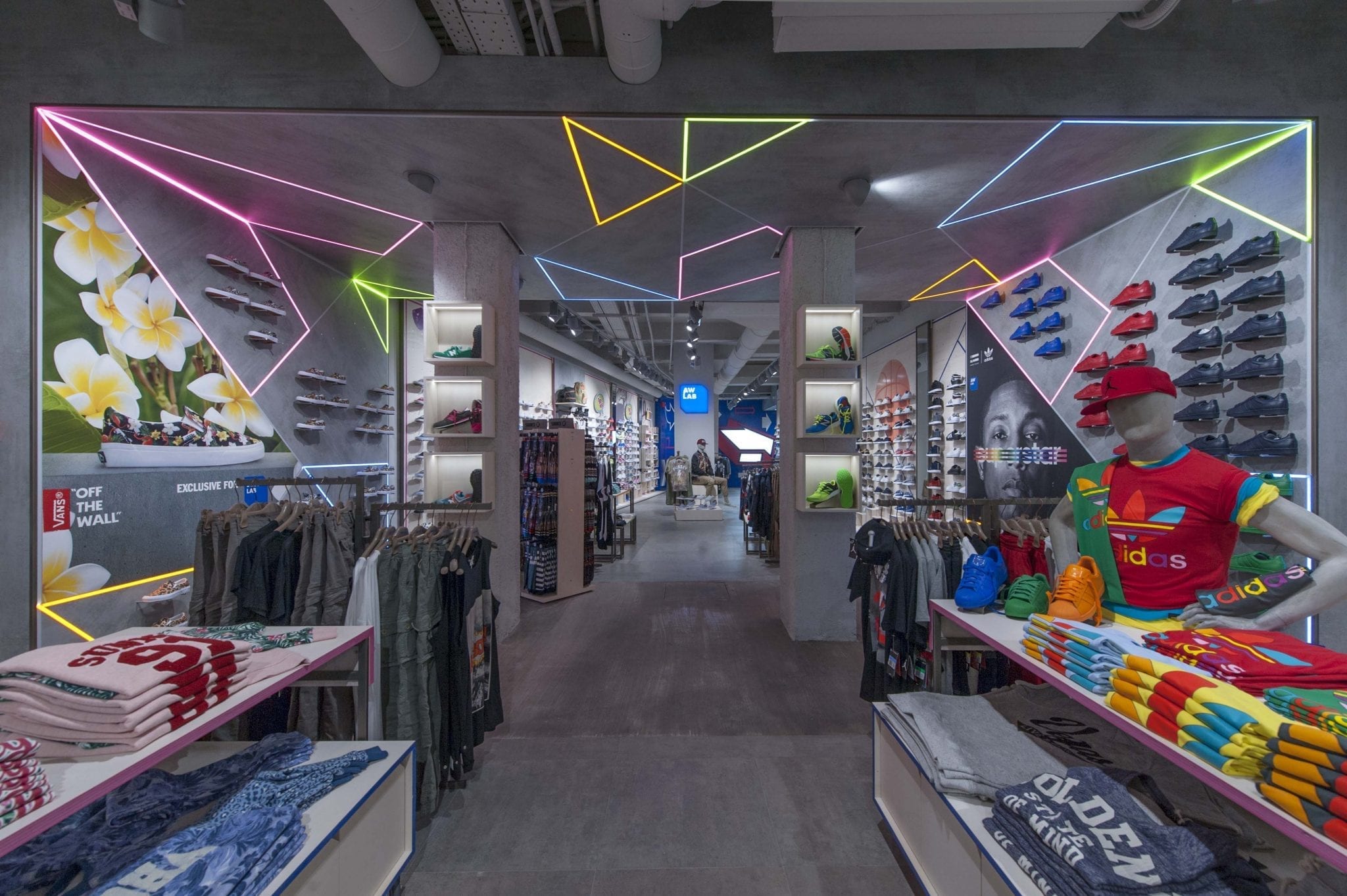
  • AW Lab Singapore to open in Suntec City

    AW Lab Singapore to open in Suntec City

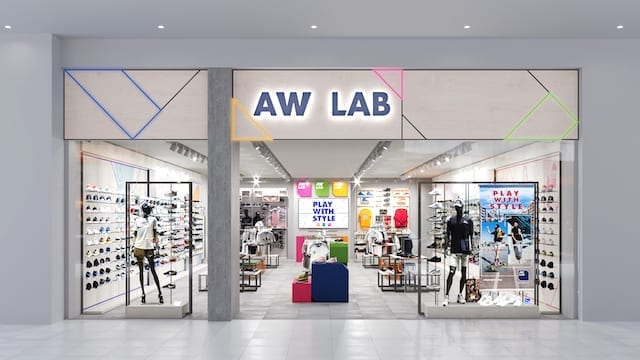
    AW Lab Singapore has opened a store in Suntec City, the first brick-and-mortar outlet in Asia Pacific for the Italian sports apparel retailer.

    Covering 2630sqft (240sqm), the store has a futuristic concept that invites young people to “play with style”. Whited out from floor to ceiling with blocks of bright colours, the outlet features ultra-sleek shelving and bright, stark lighting to present footwear from such brands as Adidas Originals, New Balance, Nike and Vans.

    Galvanised-steel racks are stocked with apparel from brands like Jordan and Under Armour, as well as AW Lab’s own fashion and street apparel labels, Down Up and Two of a Kind.

    The store also offers exclusive collaborations and limited-edition sneakers.

    “We have trust in the commitment and planning of the team to tap into the market’s potential, and it is high time we focus our attention here,” says head of Asia Giuseppe Nisi of AW Lab, which has opened more than 200 stores across Italy and Spain in its first three years.

    “Singapore has always offered its own style, and sometimes the best way to explore a city is simply to walk the streets,” he says. “That’s what we’ve always envisioned for AW Lab – to let the people define their own style while keeping it playful and exciting.”

    AW Lab is known for its exclusive collaboration collections with brands such as Adidas, Champion and Puma, and in Singapore will be releasing several special sneakers and collaborations in the coming months.

  • Under Armour sales numbers hit the wall

    Under Armour sales numbers hit the wall

    Sportswear brand Under Armour sales have dropped by 12.1 per cent in North America, part of a worldwide trend to hit the once powerhouse brand of sports retail. In its third quarter update, Under Armour said revenue was down 5 per cent to $1.4 billion while revenue to wholesale customers declined 13 percent to $880 million and direct-to-consumer revenue was up 15 percent to $468 million.

    Profit has slumped nearly 60 per cent.

    Apparel revenue decreased 8 percent to $939 million, as growth in golf and sportstyle was more than offset by declines in outdoor, women’s training and youth. Footwear revenue was up 2 percent to $285 million, driven by strength in running and outdoor, offset by basketball and youth. Accessories revenue increased 1 percent to $123 million led by golf and men’s training, tempered by a decline in outdoor.

    “While our international business continues to deliver against our ambition of building a global brand, operational challenges and lower demand in North America resulted in third quarter revenue that was below our expectations,” said Under Armour Chairman and CEO Kevin Plank.

    “Based on these issues in our largest market, we believe it is prudent to reduce our sales and earnings outlook for the remainder of 2017.”

    “Against this difficult backdrop, our management team is working aggressively to evolve our strategy and level of execution to proactively address these challenges.

    “We understand that success in our next chapter requires managing with focused financial discipline and driving excellence into every area of our business while we amplify innovation, deliver fresh product and connect even more deeply with our consumers.”

    “The question arising from the latest set of results is: how did the one-time powerhouse of sports retail lose so much traction so quickly?”, asked Neil Saunders, managing director of GlobalData Retail, who added that with revenue growth moderating for the past couple of quarters, and with North American sales down across the first half of the year, the signs of a slowdown have been present for some time for the retailer.

    “Given the gentleness of these previous shifts, it has been easy to pin the blame on external factors such as a tapering down of demand for athleisure apparel, or the bankruptcy of leading sports retailers,” he said.

    “The third quarter numbers represent a marked deterioration from those previously modest declines.”

    “In our view, this is now about more than external factors; it demonstrates issues with the brand and its proposition. Especially so since other brands and retailers, including Lululemon, have not posted such calamitous figures.”

    “This is an abrupt about-turn for a company that, until recently, was on a mission to challenge the might of Nike and other major brands. In our view, there are several reasons for this fall from grace.”

    The first of these, said Saunders, is that Under Armour has put down very shallow roots.

    “While awareness has soared over recent years and customer numbers have risen, loyalty to the brand is not deep-rooted in the same way that it is at Lululemon and Nike. What this means is that as demand moderated, Under Armour has been quick to drop off the radar of many consumers.”

    The second reason relates to Under Armour’s focus with Saunders pointing to Lululemon and Nike possessing “a unifying purpose” to its brand.

    “As it has expanded, Under Armour appears to have lost some of its brand essence, and its proposition and purpose have become confused. Admittedly, communication in its own stores and online is better, but in third-party shops the focus is completely lost and, in some instances, Under Armour has become just another brand in a sea of brands.”

    Saunders added that a “failure to connect with women” despite attempts to increase its appeal to female shoppers – its brand remains “very masculine” and has limited appeal outside the professional sports market.

    “Under Armour is not so broken that it cannot be fixed. But the days of glory, when it would post double-digit uplifts in sales, are over,” said Saunders.

  • Under Armour Asia sales skyrocket

    Under Armour Asia sales skyrocket

    Under Armour Asia sales soared 89 per cent in the latest quarter to US$93.6 million as Chinese continued to embrace the sports brand.

    Profit in the region rose an equally spectacular 53.8 per cent to $15.2 million.

    The US-headquartered sportswear company said the Asian regional performance was driven by China, Taiwan and Korea as it continued to resonate with consumers in key categories such as basketball and running.

    But the Under Armour Asia results were a bright spot in an otherwise disappointing quarter which ended with the company downgrading its sales and profit expectations and announcing a restructure which will reduce its workforce by 277, or about 2 per cent. Investors responded by punishing the company’s share price, which fell 10.4 per cent on Tuesday.

    Ironically, the second-quarter sales results were actually better than Wall Street had expected – it was a surprise decline in the footwear category and the decrease in growth projection for the full year from between 11 and 12 per cent to between 9 and 11 per cent which gave the market the jitters. Under Armour had previously targeted $10 billion in annual sales by 2020 – a huge increase from last year’s $4.8 billion.

    “We enjoyed hyper-growth for several years and I want to be clear we still believe we’re a growth company,” CEO Kevin Plank told analysts on a conference call, describing the layoffs and restructuring program as “a demonstrative sign that we’re not standing still, but acting quickly to evolve Under Armour to become a stronger, faster and smarter company”.

    “Some of the growing pains that we feel, while difficult, are the ones we believe necessary in securing the infrastructure, systems, processes, leadership and discipline to realise the full strength and potential of the Under Armour brand. Reinforcing and building the Under Armour brand remains a vision for our company, and we’re in this fight. We’ve got a couple of competitors in front of us, there’s a number behind us, and you’ll see us continue to separate ourselves as we move forward in building the brand that we believe is the brand of the future.”

    Total second quarter sales rose 8.7 per cent to $1.1 billion. Gross margin declined 190 basis points to 45.8 per cent, hit by currency rates, rising air freight costs and the implementation of a new enterprise resource planning system. The company posted a net loss of $12.3 million, significantly lower than the $52.7 million loss of the same quarter last year.

    Regionally, North America sales rose a mere 0.3 per cent and Latin America by 10.4 per cent. Total revenues outside the US rose 57 per cent.

  • Under Armour braces for first loss since IPO

    Under Armour braces for first loss since IPO

    Under Armour is poised to report its first quarterly loss since going public in 2005, a setback for a high-flying growth company that’s already had a tumultuous start to the year.

    The sports-apparel maker in January cut its growth forecast, sending the stock plummeting. Soon after, Chief Executive Officer Kevin Plank’s favorable comments about President Donald Trump sparked a consumer backlash. Plank, who founded the company, also raised eyebrows this month when a proxy filing showed that businesses he controls received $73 million in payments from Under Armour.

    “Under Armour has gone from being an incredibly loved stock to now having a lot of concern around it,” said Simeon Siegel, an analyst at Instinet LLC. Negative sentiment on Wall Street, he said, “has hit a fever pitch.”

    On Thursday, the athletic brand will probably post a loss of about 4 cents a share in the first quarter, according to the average of analysts’ estimates. Revenue projections call for 5.9 percent growth to $1.11 billion. That would mark the company’s first dip below double-digit gains since the height of the recession in 2009.

    Under Armour’s prospects have done an about-face as it struggles to recapture the rapid growth that saw revenue double about every three years. Plank has blamed the company’s woes on overall retail weakness and store closings, including the liquidation of key customer Sports Authority. The result has been a glut of merchandise, meaning profit margins took a hit as discounting was needed to clear it. In January, the company lowered its forecast of 2017 revenue growth to as much as 12 percent from the low-20-percent range.

    Under Armour shares have fallen 33 percent this year after dropping 30 percent in 2016. They slid 0.5 percent to $19.44 at 9:35 a.m. in New York on Wednesday, with its price trading at about half the level of seven months ago.

  • If You Think Sports Retail in Singapore is Dead, Read This.

    If You Think Sports Retail in Singapore is Dead, Read This.

    The great debate — about whether or not eCommerce will nail the coffin on bricks and mortar retail shops — has droned on for as long as the Internet began cannibalizing sales.

    So asking a pertinent question — If retail stores are disappearing from the Singapore scene, why do new sports stores keep popping up? — is a logical one, particularly from the perspective of runners on ever-present searches for the latest gear and fashion.

    Can history unravel the mystery?

    The evolution of retail stores began when markets sprung up thousands of years ago across Asia, Europe and Africa. Ultimately open-stall, outside markets morphed into enclosed shops.

    As competition exerted influence, stores carrying a wide range of merchandise replaced speciality stores, though today, innovative small boutiques have managed to survive, and no niche is healthier than sporting goods stores kept alive by Singaporeans who are deeply invested in the nation’s fitness movement.

    Then, along came the Internet. Even chain and big-box stores suffered as eCommerce gobbled up shoppers. Even “Store-within-a-store” concepts, pioneered by Asian retailers could not stop the steady, ever-present incursion of online retail marketing, and nothing has prompted consumer dependency more than an ability to shop using smartphones and devices.

    Forrester Research reports that 56-percent of consumers use smartphones to shop.
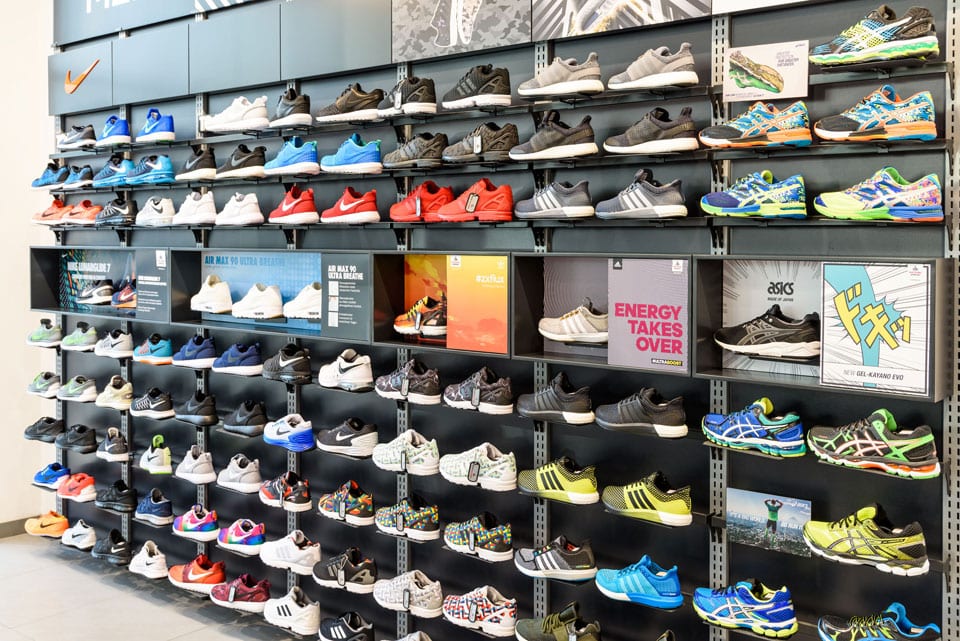
    If You Think Sports Retail in Singapore is Dead, Read This.

    Specialty stores remain viable

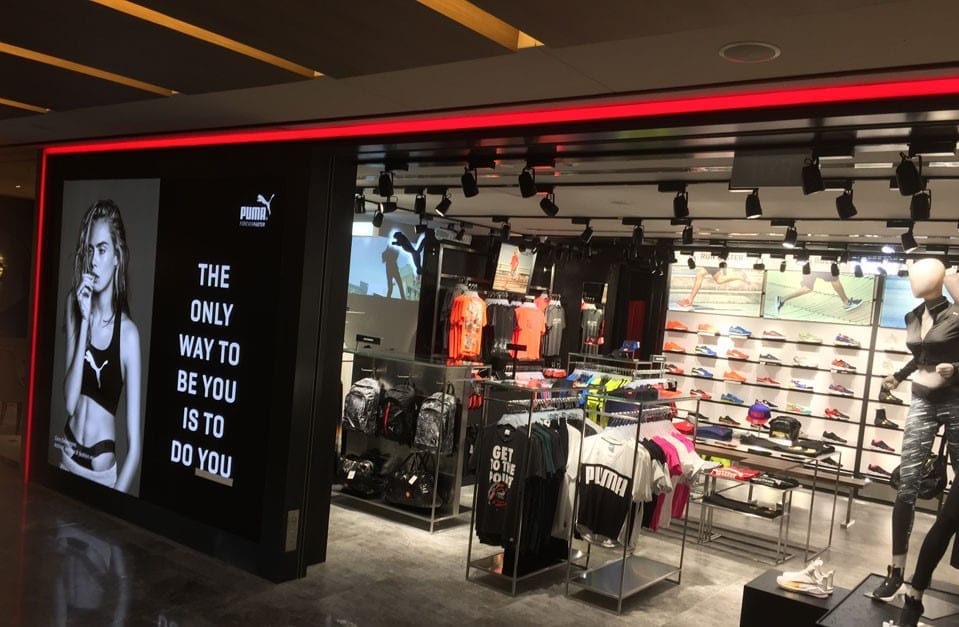
    PUMA recently opened two concept stores at Paragon and Bugis+, hoping to lure runners and sports enthusiasts away from their mobiles and computers.

    PUMA believes that dedicated store sections have the power to bring shoppers to these new locations because they’re strategically located within concentrated shopping areas that attract a youth market eager to find deals and promotions.

    Not to be outdone, ASICS saw an untapped market in northeastern Singapore and launched a stand-alone shop at the NEX shopping mall recently.

    ASICS believes that identifying an under-served populace is the key to in-person shopping. Their spacious new location is thoughtfully merchandised to encourage avid runners to browse the latest in ASICS innovations.

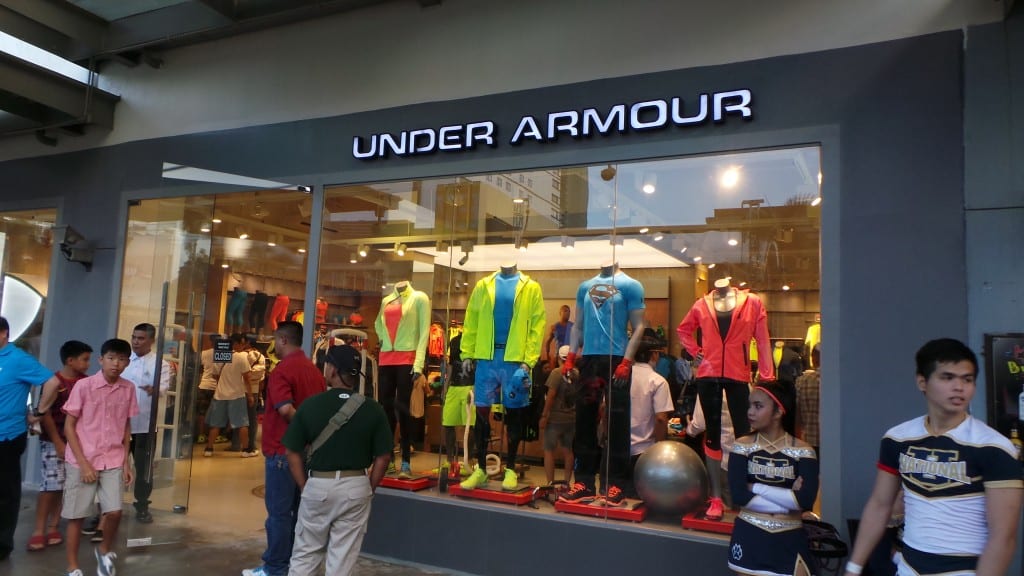
    Further, the new Under Armour presence at Vivo City Brings UA’s Singapore stores to five, including their new retail presence sprawling across 1,980 square feet of product display area and trendy décor touches.

    Under Armour has become an expansive presence throughout Southeast Asia and it’s considered by many athletes to be the coolest brand on the planet, even when measured against big dogs like Nike and adidas.

    Why is UA so cool? Because everything about their products is superior, starting with the brand’s quirky tagline: “It’s what you do in the dark that puts you in the light.”

    That light, of course, is a spotlight shining on the impeccable taste of runners who prefer to be seen wearing the UA logo on everything they own!

    Non-branded stores continue to open, too

    The space-age design of Running Lab’s two new locations — Marina Square and Tampines Mall — is reason enough for passionate runners to browse the retailer’s unique enclaves which are sorted by brand and gender, and there is no shortage of signature brands on display that are beloved by running enthusiasts and athletes.

    To drive traffic, Running Lab organises free runs throughout Singapore on Tuesdays and Thursdays, but they’re not the only show in town.

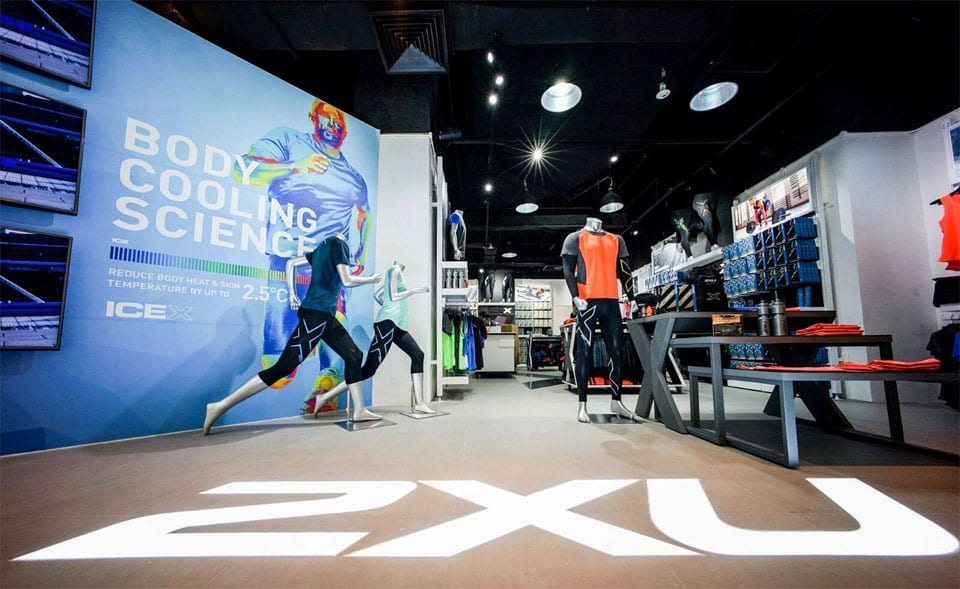
    The first 2XU Performance Centre opened just weeks ago at Suntec City Tower Three. Their ambitious marketing plan — to become the epicentre of performance compression wear — sets it apart from competitors because the niche alone has the potential to drive traffic into the store.
    If You Think Sports Retail in Singapore is Dead, Read This.

    Always a trendsetter, we toss the iconic Uniqlo into the mix. Uniqlo’s Orchard Central grand opening recently introduced Singapore to what can only be described as a sensory playground filled with wall-to-wall digital displays and rotating mannequins, while there’s a nice balance of innovative activity-related products, ideas and wares and the prestigious brands to which runners remain loyal.

    For Uniqlo, size matters. This 29,000-foot retail spot has become a destination unto itself, catering to sports-minded Singaporeans of every age group.

    It’s not all good news

    Common sense would lead one to believe that the opening of new sporting goods stores in Singapore portends good news for the future of retail, but business writers warn that, “what you see isn’t necessarily what you can believe.”

    In fact, a steady stream of popular stores continue to close because they have become unprofitable.

    Singapore economics played some part in this exodus, but not all blame-placing can be ascribed to fiscal decline due to online shopping and tech-savvy consumers continuing to find favour with cyber shopping.

    But the reality is this: retailers start every day in the red, supporting rental space, salaries, power bills, taxes and marketing expenses. Further, brands and stores refusing to track changing shopper behaviours aren’t likely to survive.

    What are solutions to this mystery?

    Absent a crystal ball, it’s obvious that Singapore retailers won’t survive without retooling their business models and no niche is worthier of emulation that the nation’s sports boutiques because the folks that run and manage them keep a pulse on Singapore’s vibrant fitness movement and watch trends like hawks.

    Further, a mindful balance of retail and online business practices keep shops afloat in addition to taking advantage of trend-tracking.

    Here’s why we think sporting goods stores have an advantage over other retailers:

    1. A shared retail/online presence has been the secret that has helped many sporting goods stores stay afloat.
    2. Management understands that athletes aren’t particularly crazy about the idea of having to return merchandise bought online and aren’t shy about using promotions and specials to a bring them in.
    3. More runners frequent sports stores for social reasons than analysts report. In-person shopping beats scrolling through screens of merchandise says TANGS Assistant Vice President of Communications Ms. Jocelyn Teo.
    4. Sporting goods shoppers are a different breed. Their performance depends upon the right shoe fit and gear choices, and while time-crunched athletes may turn to online shops for some purchases, retailers give athletes more reasons to show up in person, including incentives, promotions and deals.
    5. A CBRE Asia Pacific research study asked 11,000 Singapore consumers (ages 18 to 64) to weigh in on the online/in-person shopping debate, concluding: “… consumers are more comfortable with the traditional shopping format where they can touch and feel the products before purchasing.”
    6. Integrated shopping patterns are the wave of the future and savvy sporting goods retailers know this. The ability to switch back and forth between store and website drives traffic since returns, purchases, exchanges apply equally.
    7. Look for a more dynamic retailer consortium to cooperate on shared functions like integrated warehousing, shipping and order-fulfillment that can lower overheads resulting in merchandise price reductions.
    8. Common-sense changes — staying open more hours, sponsoring in-store events, offering a fully-integrated online/in-store experience and making sure employees behave more like concierges and less like clerks are but a few of the ways sporting goods stores will not only survive, but thrive.

    If you were forced to choose between online and in-store shopping and were required to pick just one, which would it be and why?
  • Under Armour Korea flagships planned

    Under Armour Korea flagships planned

    Under Armour Korea plans to open flagship stores to make the most of its growing popularity in the Asian market.

    The US-headquartered sports brand says it has opened an office in South Korea to operate its business directly from next year, after taking over distribution from local partner Hyosung Galaxia.

    “Under Armour will strengthen its marketing, distribution and retail efforts, providing Korean consumers with the best brand and shopping experience,” said David Song, country manager of Under Armour Korea.

    “We will open our flagship store in southern Seoul in January. The brand will also continue to connect with athletes directly and promote sports, fitness and healthy living through its connected fitness platform, which is the world’s largest digital health and fitness community.”

    Song said Korea is a “pivotal component” in the company’s international growth plan.

    “Through design, innovation and our Under Armour connected fitness platform, we look forward to forging long-term relationships directly with athletes at every level in the country.”

  • Global Brands Group sales among best in class

    Global Brands Group sales among best in class

    Global Brands Group sales rose 15 per cent in the second half year.

    That’s a figure CEO Bruce Rockowitz believes puts the Hong Kong brand licensee and manager second only to Under Armour in business performance in the current lacklustre global economy.

    Sales soared 49 per cent in women’s and men’s apparel, its gross margin stretching from 39.9 per cent to 41. 7 per cent.

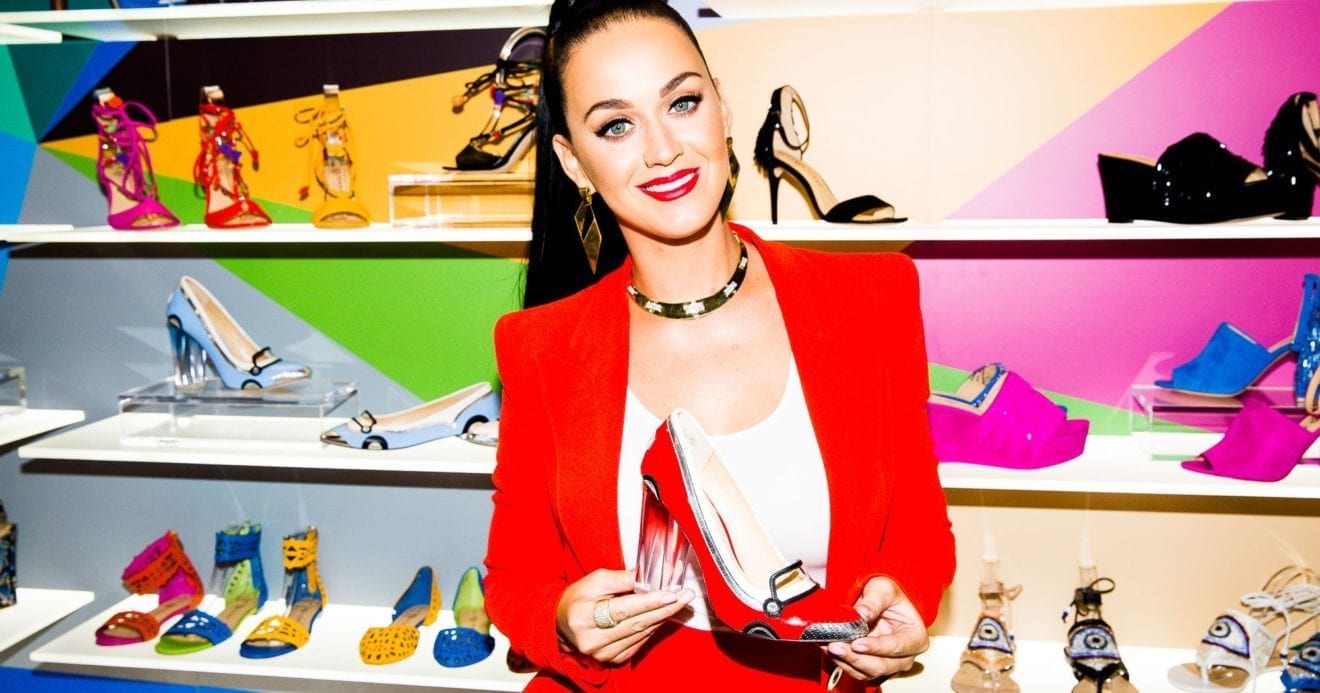
    It’s biggest category – childrenswear – recorded a 10.3 per cent sales increase and an improvement in gross margin from 34.8 per cent to 36.3 per cent. Footwear and accessories sales rose 3.4 per cent and its brand management business, its smallest division at present, improved by 52.8 per cent. That business will benefit from a significant boost when the company launches its first Katy Perry-branded products, a footwear range, in early 2017, targeting consumers in the US and Europe.

    “We’ve had a very strong year in relation to the market,” said CEO Bruce Rockowitz at a results presentation in Hong Kong late Thursday. “We’re two years into the spin-off [from Li & Fung Group] and we’ve done a lot of heavy lifting. Our top line is exceptional compared to the market.

    The momentum we have so far is in spite of the market and in spite of the [US] election which put a lot of uncertainty out there.

    “Our revenue is up 15 per cent , driven by organic growth, and with no acquisitions.”

    Hong Kong will underperform

    Rockowitz says Asia remains a small market for the group, which is developing it with David Beckham and the Spyder brand and in the children’s sector.

    “Asia remains promising given an expanding middle class, despite China’s growth rate slowing.

    “Hong Kong is different to the rest of the world because we are tied to China and tourists from China to here. I think the Hong Kong market will still be underperforming for the rest of the [fiscal] year.”

    He said high rents were affordable when business is good – “which it is not right now”.

    Within Asia, Korea is performing strongly.

    “Korea is a place where you can develop great design and great DNA of brands.”

    Spyder is performing well there, with GBG expecting to have 100 stores trading by the end of March.

    Global Brands Group now holds licenses of varying terms but up to 30 years in its core categories. In kidswear, its brands include Disney, Calvin Klein, Tommy Hilfiger, Under Armour and Nautica. In men’s and women’s fashion Spyder, Juicy Couture, Jones New York, Joe’s Jeans, Buffalo Jeans and David Beckham. In footwear, Calvin Klein, Cole Haan, Michael Kors, Kate Spade and GBG’s own brands including Aquatalia and Frye.  It’s fast-growing brand management group formed a joint venture with Creative Artists Agency in July propelling it instantly into the world’s largest company in the space. Brands include Katy Perry, David Beckham and Jennifer Lopez.

    High hopes for Katy Perry

    Rockowitz believes securing the Katy Perry brand management will bring huge benefits to GBG, suggesting US$20 million in sales in the first year of the partnership. Perry has 100 million followers on Twitter and is revered across the northern hemisphere and Asia. The company will launch the footwear collection in February-March 2017 after revealing it to the trade last August.

    It will be distributed to leading US and European retailers initially, with Asian consumers having to buy it online or wait until two or three seasons ahead before their regional launch.

    “Neither of us want to grow too fast and get it wrong. The products are in line with Katy’s image. Retailers are excited, but consumers haven’t seen it yet.”

  • Under Armour opens office in Korea

    Under Armour opens office in Korea

    U.S. sports brand Under Armour said Thursday that it has opened an office in Korea to operate its business directly next year. So far, its clothes, shoes and sports equipment have been imported, marketed and sold through business partner Hyosung Galaxia.

    The company said it decided to bring its products directly to Korean consumers as the country’s sports and fitness market continues to grow.

    “Under Armour will strengthen its marketing, distribution and retail efforts, providing Korean consumers with the best brand and shopping experience,” said David Song, country manager of Under Armour Korea. “We will open our flagship store in southern Seoul in January. The brand will also continue to connect with athletes directly and promote sports, fitness and healthy living through its connected fitness platform, which is the world’s largest digital health and fitness community.”

    Song said driving deeper growth in Korea is a pivotal component of the firm’s comprehensive international growth strategy. “Through design, innovation and our Under Armour connected fitness platform, we look forward to forging long-term relationships directly with athletes at every level in the country.”

    Under Armour Korea plans to open premiere retail shops and carry out robust marketing campaigns to tell its unique brand story, as well as invest in the next generation of Korean athletes to exemplify its brand.

  • Grand opening for Olympia 66 in Dalian

    Grand opening for Olympia 66 in Dalian

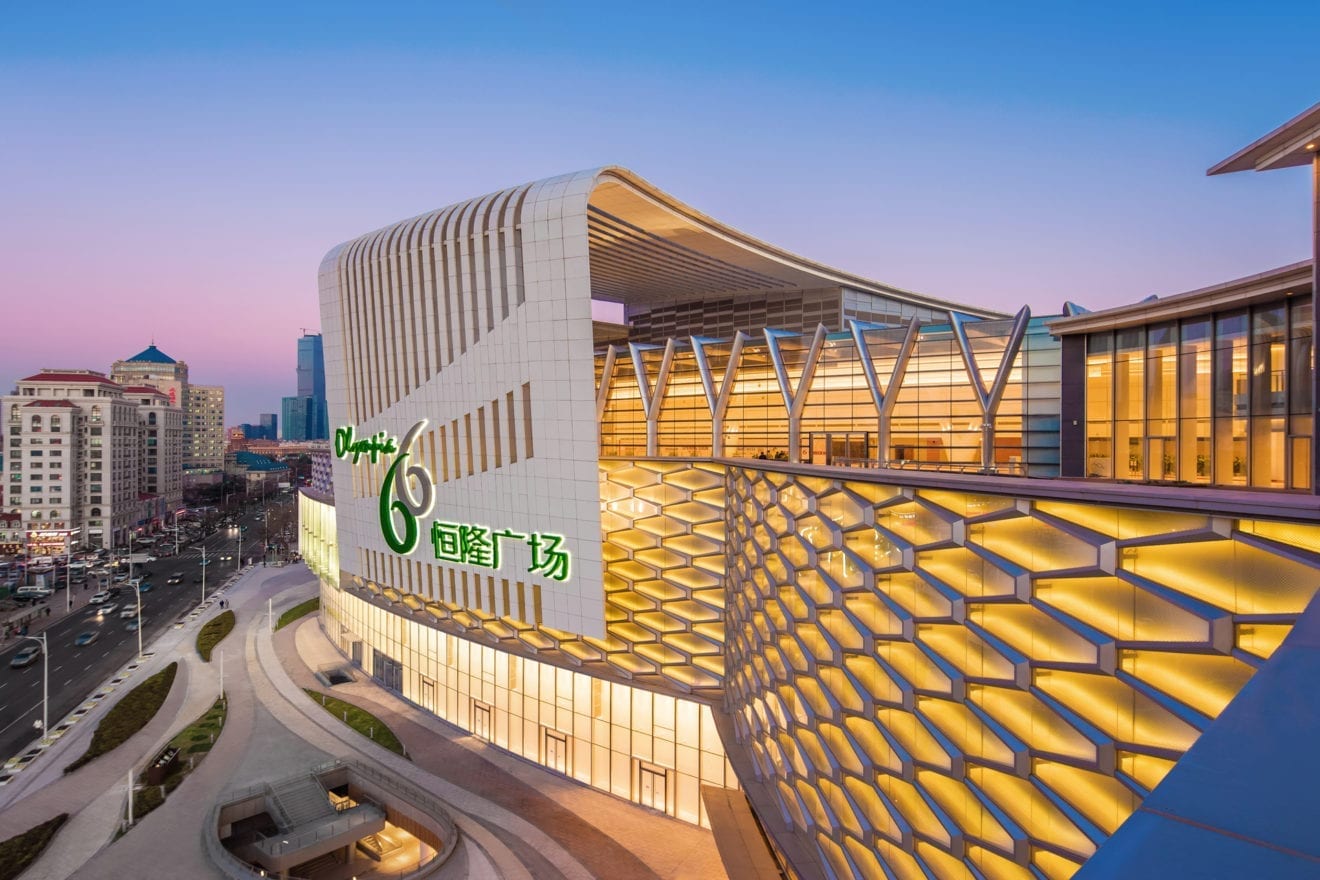
    Hang Lung Properties has staged a grand opening for Olympia 66 in Dalian, the Hong Kong-based developer’s eighth commercial complex in China.

    Located in the Xigang business and financial district of Dalian, the megamall joins Hang Lung’s other world-class projects in the northeast, namely Palace 66 and Forum 66 in Shenyang, and Riverside 66in Tianjin.

    Chairman Ronnie Chan and MD Philip Chen officiated at the event with senior management and guests.

    “Although China’s economy remains weak, Olympia 66 has performed on par with expectations since its soft opening in December,” says Chan.

    With more than 220,000 sqm of retail space, plus parking for 1200 cars, the mall’s design is based on the design concept of Tai Chi twin dancing carps. It has a 300m-long façade decorated with about 3000 glass ornaments shaped like fish scales, and 9900m of LED lights that can display images and text.

    More than 40 brands have made their debut at Olympia 66, including Apple, Cos, Coterie, Nannini and Under Armour. F&B outlets account for 30 per cent of the trade mix, and the mall has an ice-skating rink as well as Dalian’s first Palace cinema with 1600 seats in 10 theatres.

    Olympia 66 is the second Hang Lung mall in China to implement the company’s EST (experience, service and technology) program. This enables customers to combine online services with offline shopping, and a WeChat app offers mall news and promotions. There is also a location service to find particular stores, a digital queuing service for F&B outlets, a car-parking tracker and, to be introduced soon, mobile payment at the car park.

  • Under Armour app gets personal with fitness freaks

    Under Armour app gets personal with fitness freaks

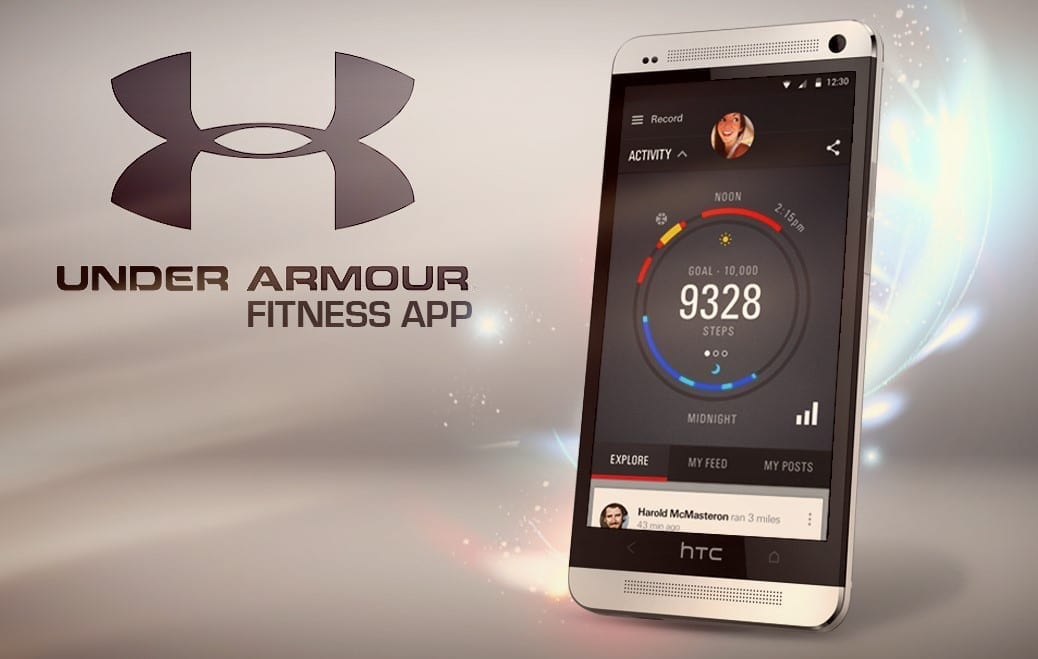
    Under Armour has launched UA Shop, a mobile app dedicated to elevating the consumer shopping experience built on the Under Armour Connected Fitness platform.

    Under Armour appIntegrating data from the world’s largest digital fitness community allows the Under Armour app provides “a deeply personalised experience” based on athlete inspiration, workout history and previous purchase history. UA Shop is available for download on the App Store and will be available soon on Google Play.

    “UA Shop is the next step in our connected fitness evolution as Under Armour becomes a true Math House,” said Jason LaRose, senior VP, revenue, at Under Armour. “This app was created to maximise our digital platform and complement our existing in-store experiences by bringing consumers a way to find the products they want, when they want it. We are now able to provide custom experiences across our various categories specific to our diverse customer base.”

    The UA Shop app will bridge the brand’s digital communities with Under Armour’s core business – performance apparel, footwear and equipment. UA Shop will connect consumers to the right gear driven by data through in-app recommendations. For example, a consumer living in a warmer climate who has logged several runs through MapMyRun might be exposed to UA CoolSwitch apparel and running footwear, a technology that pulls heat away from the skin and allows the user to feel cooler, longer. Meanwhile a customer in the Northeast who prefers hiking might see the latest Armour baselayer and outerwear. The Under Armour app is the only retail app on the market powered by the health and fitness information of more than 170 million members worldwide.

    UA Shop is also the first app in the Under Armour Connected Fitness suite that will launch with the new Under Armour Account – the creation of a single profile for all Under Armour apps. Members of UA Record and MapMyFitness can sync their existing account information to UA Shop, with MyFitnessPal and Endomondo integration being added soon. Additional features of UA Shop include one-touch purchasing with Apple Pay, expanded product content and customer reviews, and apparel tag scanners for enhanced in-store experiences.

  • Under Armour in trademark fight with Uncle Martian

    Under Armour in trademark fight with Uncle Martian

    Uncle Martian, a new competitor for sportswear brand Under Armour in one of its main markets, China, is in hot water for co-opting the US company’s logo.

    Under Armour uses a U over an inverted U that intersect to form a stylised A. Uncle Martian has the same two-U configuration, but the letters do not touch.

    Apparel manufacturer Tingfei Long Sporting Goods in Fujian province, in southeastern China, is the company behind the new brand, which is offering shoes in its first foray into athletic wear.

    Executive Huang Canlong says the brand aims to be associated with “comfort, excellence and innovation”. He told Shoes.net.cn he wants to create a high-profile brand with “high standards”.
    Out of Baltimore in the US, Under Armour has seen its sales in China almost triple in the first quarter of this year compared with the same period last year.

    Meanwhile, Chinese consumers have been criticising Uncle Martian for its blatant hijack of the Under Armour logo.

    “How come you can’t even design a logo? All you do is plagiarise – don’t you feel it’s disgusting?” one critic wrote on Weibo.
    Another Weibo user, Zhang Gemeng, has pointed out that such blatant copying goes against the national policy of encouraging homegrown creativity.
    “Don’t blame people when they say they look down upon domestic brands,” wrote another user, indicating the move as a “loss of face” for China.

    Under Armour, of course, is also unamused and is pursuing “all business and legal courses of action” according to spokesperson Diane Pelkey.

    “Uncle Martian’s uses of Under Armour’s famous logo, name and other intellectual property are a serious concern and blatant infringement.”

  • Under Armour’s big first quarter

    Under Armour’s big first quarter

    Apparel and footwear chain, Under Armour, has reported net revenue growth of 30 per cent for the first quarter of 2016.

    The increase saw the sports brand reach net revenue of $1.05 billion, with the 2016 outlook raised to $5.0 billion representing growth of 26 per cent over 2015.

    “For the past 24 consecutive quarters or six years, we have driven net revenue growth above 20 per cent and we are incredibly proud of our start to 2016 with first quarter net revenue growth of 30 per cent,” said Under Armour chairman and CEO, Kevin Plank. “The strong results posted this quarter truly demonstrate the balanced growth of our brand across product categories, channels and geographies.”

    During the first quarter, wholesale net revenues grew 28 per cent year-over-year to $744 million compared to $579 million in the prior year’s period. North America net revenues for the first quarter grew 26 per cent year-over-year, or 27 per cent on a currency neutral basis.

    International net revenues, which represented 14 per cent of total net revenues for the first quarter, grew 56 per cent year-over-year, or 65 per cent on a currency neutral basis.

    “In footwear, this includes the remarkable success of the Stephen Curry signature basketball line, as well as the exciting launches of our first smart running shoe and our new line of Jordan Spieth inspired golf shoes,” said Plank.

  • Lululemon figures shroud ‘weakness’

    Lululemon figures shroud ‘weakness’

    Lululemon’s final quarter numbers look fairly solid on the surface, especially when compared to the rather lacklustre performance during the prior quarter.

    However, while there has been a pickup in sales momentum, the underlying figures continue to show signs of weakness.

    At headline level, net revenue from the Canadian athleisure wear retailer rose by an impressive 17 per cent. Most of this was propelled by the 62 new store openings across the fiscal year. There is nothing inherently wrong with this and, indeed, we would argue that it underlines the latent opportunity Lululemon has to increase its fleet across many geographies. However, the slight issue is that such expansion has come at the expense of profit growth, which at net income level rose by a subdued 6 per cent during the quarter.

    Margin was also eroded by another contributor to growth – direct sales. On a year-on-year basis direct sales grew by 28 per cent during the period to stand at just over a fifth of all company sales. Such a rise comes off the back of the continued traction of online and, as such, is aligned with consumer demand. However, we also believe the direct sales model to be marginally less profitable than sales made via stores – a fact reflected in the margin position which has fallen slightly compared to last year.

    As much as new stores and online have made positive contributions, the growth from physical stores is less impressive. Revenue from this channel grew by a paltry 1 per cent, certainly an uplift on the flat position of last quarter but still worryingly slow considering that many stores in the fleet are still relatively new. The meagre rise is made all the worse by the fact that prior year comparatives, when sales rose by 2 per cent, are relatively soft.

    Part of the reason for slower store sales growth is down to the stronger dollar. On a constant currency basis store sales rose by a more pleasing 5 per cent, but even so this remains a long way below the growth of other channels and somewhat below the growth rate for athleisure as a whole across the fourth quarter.

    While Lululemon should be applauded for its efforts around direct sales, its stores should be working much harder. There is still plenty of growth left in the athleisure segment and stores remain, for many consumers, become an important touchpoint for advice, inspiration and information. On these fronts Lululemon has more work to do on the in-store experience. This is especially so in light of a much more competitive marketplace in which players like Under Armour are rolling out more experiential stores.

    Looking ahead, the Lululemon brand remains strong, especially among its target market. However, while loyalty is relatively solid among its core constituency it also needs to look outside of this group if it is to drive growth. One area of opportunity is the push into more embryonic areas like men’s and teens. However, while Lululemon has made some good progress, the brand still has a somewhat limited appeal to many of these groups, and there is much more work to be done in making the brand connect with new segments.

    In the year ahead, Lululemon will continue to make progress on the sales front, however underlying sales will be fairly weak. The market for athleisure is unlikely to slow down any time soon, but it is now much more difficult to grow simply because there are so many players vying for share. Against this backdrop Lululemon needs to focus on refreshing its brand, both to draw existing shoppers back to its stores and attract new and lucrative consumers.

  • Under Armour Singapore store largest yet

    Under Armour Singapore store largest yet

    The new Under Armour Singapore store at Bugis Junction is the fast-growing sportswear brand’s largest in the city, and second largest in Southeast Asia.

    The fashionable sportswear brand is growing rapidly, especially in Asia where it has 15 solo-brand retail stores and a presence in nine markets.

    The new Bugis Junction store is 2960 sqft (275 sqm), a fraction smaller than its largest, the 3000 sqft store at the Pavilion in Kuala Lumpur, Malaysia.

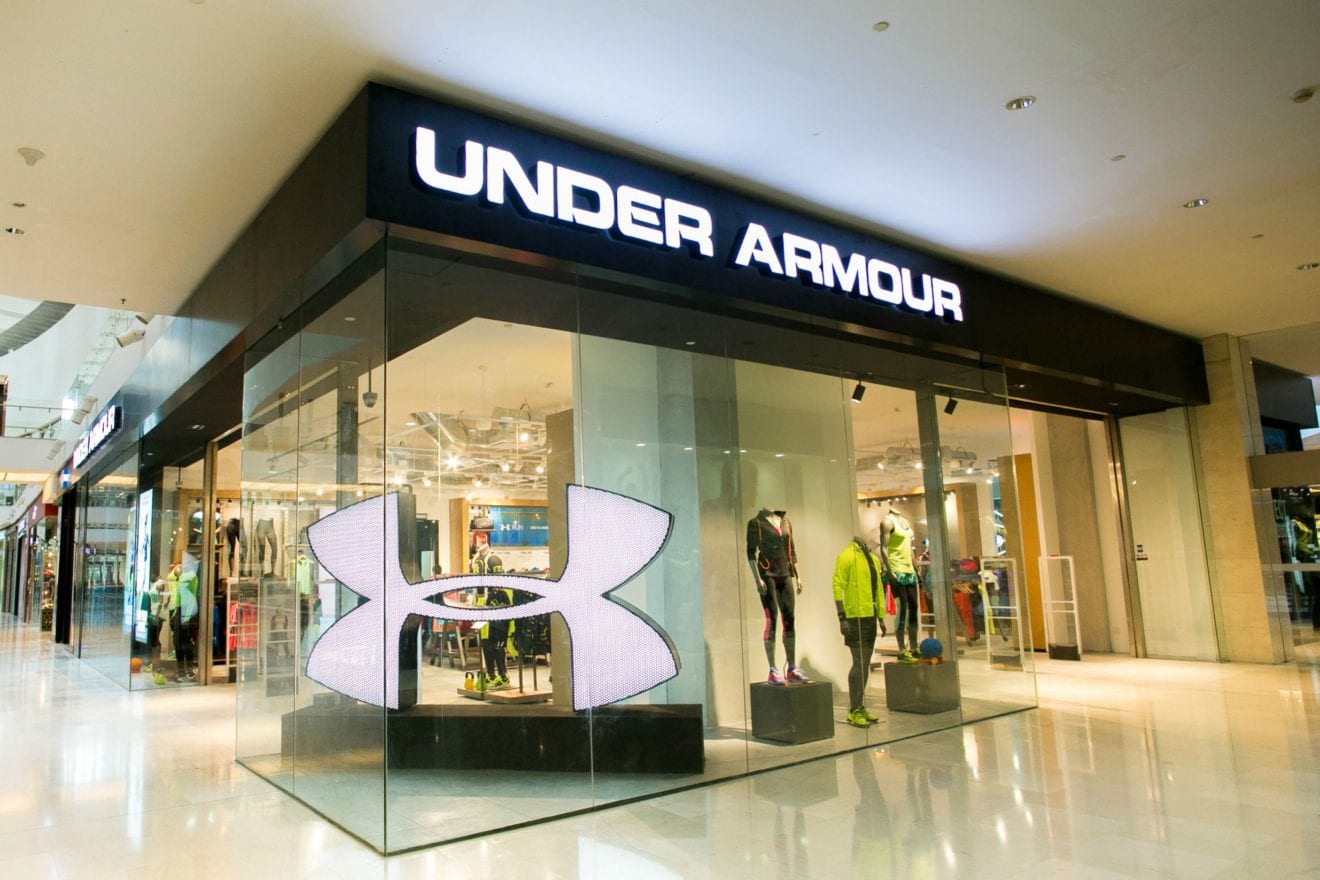
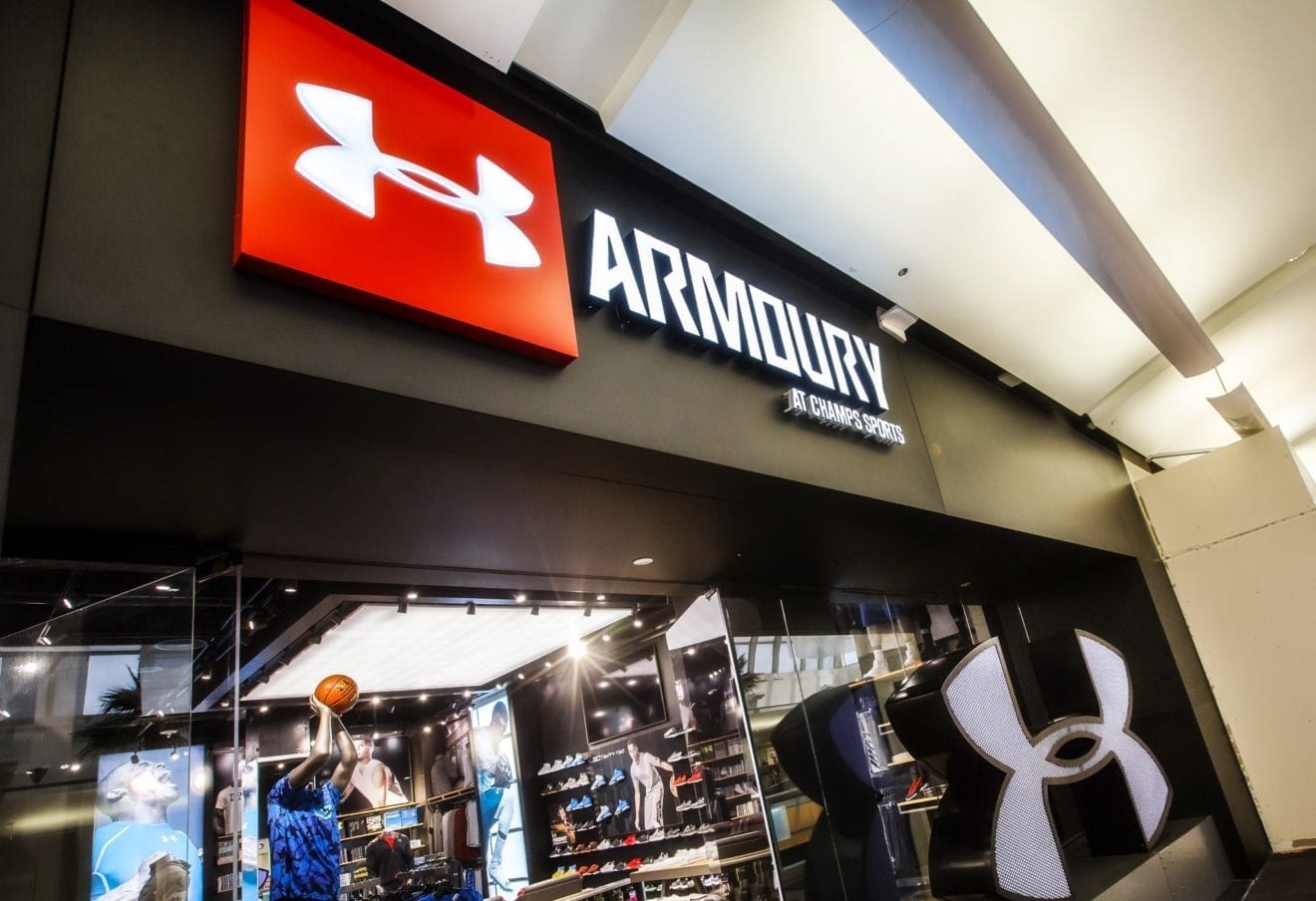
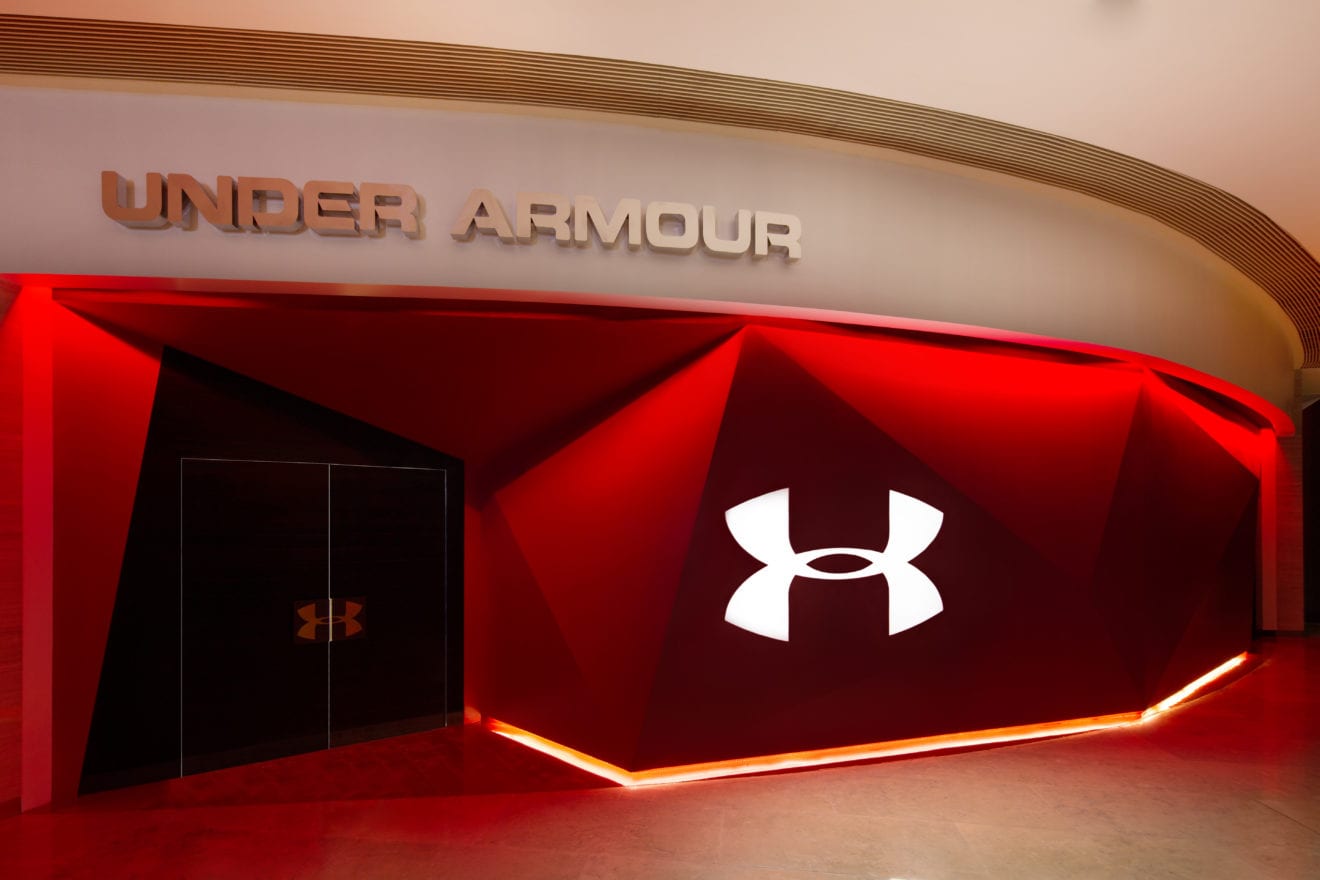
    An instantly recognisable statuesque Under Armour logo is proudly erected at the front of the new brand house, while the concept for it echoes the industrial and gym-inspired interiors displayed in existing Under Armour brand houses, retaining the signature accents consistent to all global Under Armour stores – including the use of metal and wood furnishings and the Under Armour Thrones, large black leather seats with the logo stitched in red built within the footwear zone.

    Under Armour says the Bugis Junction store “embodies a retail experience that awakens the fierce and high- intensity energy and signature philosophy of the Under Armour brand”.

    It is the first store to exclusively stock the basketball range and childrenswear, and will soon exclusively stock the Hunting, Tactical and Outdoor series.

    “Bugis Junction has been a key locale for entertainment, recreation and retail for both the youth and working professionals for decades. With many specialised gyms and fitness destinations in the area, Under Armour Bugis Junction is the ideal complement to kickstart or to maintain a fit and healthy lifestyle,” explains Michael Binger, CEO of Triple, the local licensee of the brand.

  • Beneath Armour Asia plans enlargement

    Beneath Armour Asia plans enlargement

    Japanese buying and selling firm Mitsui & Co has purchased a stake in Singapore-based Triple, which runs Underneath Armour Asia.

    Triple thus far has 5 Beneath Armour shops and concessions in Singapore, three within the Philippines and three in Malaysia. One other 4 shops are deliberate for this yr, together with the primary in Thailand, and one other 5 or 6 in 2016. The corporate additionally plans to enter Vietnam, Indonesia and Brunei with a objective of 35 shops throughout Southeast Asia by the top of 2018.

    Mitsui, a common buying and selling enterprise, has been negotiating a stake for about eight months. It was interested in the enterprise by its robust eCommerce focus.

    Triple CEO, Michael Binger, says Mitsui and Triple hope to leverage on their new partnership to broaden the retailer’s eCommerce base throughout Asian markets, from a Singapore hub.

    Toshi Sakurai, GM of shopper service with Mitsui Asia Pacific, stated his firm’s present technique focuses on model advertising in downstream sector, amongst which sports activities and way of life is the important thing class judging from the worldwide development.

    “Establishing the retail community in quickly rising market reminiscent of Southeast Asia is considered the important thing aspect to leverage this model advertising technique.

    “Triple’s participation is the perfect match to those factors.”

    Mitsui’s funding may also assist Triple develop partnerships with different manufacturers, capitalising on its present relationships with retail landlords.

    Stated Binger: “Triple sees Mitsui as a robust long-term strategic companion with good complementary strengths. Mitsui has a community of relations with manufacturers that aren’t but represented in Southeast Asia, and with the extensive enterprise pursuits of Mitsui and Triple’s speedy progress, there might be different areas of cooperation, together with logistics.”