Retail News CRM

Tag: unprecedented

  • China Targets $9 Trillion Retail Sales in Unprecedented Consumption-Driven Five-Year Plan

    China Targets $9 Trillion Retail Sales in Unprecedented Consumption-Driven Five-Year Plan

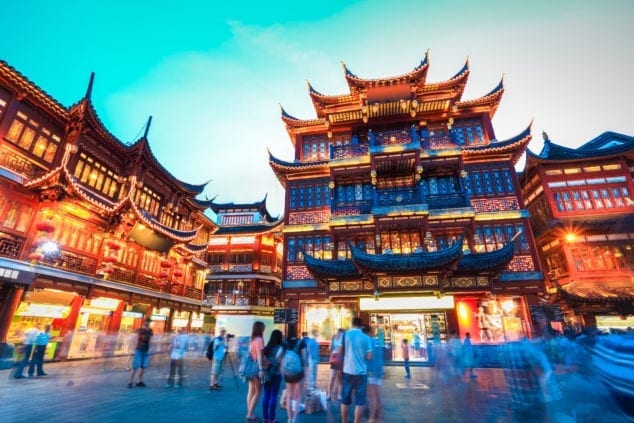
    China has unveiled its inaugural five-year scheme centered on consumption, where it anticipates annual retail sales to reach approximately 60 trillion yuan (US$9 trillion) by 2030. This indicates a deceleration in year-on-year growth to roughly 3.7 per cent, compared to the estimated 5 per cent noted between 2021 to 2025.

    Encouraging Household Consumption and Spending

    In addition to scaling retail sales, China also committed to enhancing household incomes and significantly augmenting the share of household consumption in the economy, which presently stands around 40 per cent. The yearly target for retail sales growth mirrors a declining impetus in goods consumption, prompting policymakers to shift the focus towards bolstering household expenditure as a key growth propeller.

    China’s State Council approved and unveiled the plan on Monday, with a pronounced focus on service consumption. Target sectors encompass elderly care, childcare, healthcare, culture, tourism, sports, and education. The State Council anticipates that, by 2030, the consumer market will expand further, the household consumption rate will increase considerably, and the economic growth’s reliance on consumption will be solidified further.

    The new blueprint also advocates for substantial tourism-related spending, broadening of visa-free entry to additional countries, and increasing direct international flights to Europe, the US, and countries involved in the Belt and Road Initiative.

    Addressing Consumption Imbalances and Enhancing Services

    While China’s services expenditure has outpaced goods consumption growth in recent years, it remains significantly behind developed economies. In 2025, per capita services consumption amounted to 46.1 per cent of total consumption, markedly lower than the approximately 70 per cent observed in the US.

    To redress the deepening imbalance between robust industrial output – buoyed by exports – and tepid domestic consumption, some government economists have advocated for long-overdue income and welfare reforms.

    The plan also aims to make China’s social security system more streamlined and sustainable, providing individuals with greater spending confidence and stability.

    The five-year plan underscores the need to strengthen household spending power via higher wages, increased property income, enhanced social security, and improved public services. Commitments have also been made to eliminate “unreasonable restrictive measures” in areas like car purchases, housing, and approvals for entertainment events.

    Fiscal and financial policy is expected to place heightened emphasis on direct benefits to consumers, spending related to livelihood, and consumption-related infrastructure.

    Questions & Answers

    What is China’s anticipated annual retail sales by 2030?
    China aims for annual retail sales to reach approximately 60 trillion yuan (US$9 trillion) by 2030.

    What sectors does China’s inaugural five-year scheme on consumption target?
    The industries of focus encompass elderly care, childcare, healthcare, culture, tourism, sports and education.

    What measures does China’s consumption plan propose to strengthen household spending power?
    The plan proposes measures such as increasing wages, enhancing property income, improving social security, and boosting public services. It also promises to remove restrictive measures in areas like car purchases, housing, and approvals for entertainment events.
  • Unprecedented GDP Growth Spurs HSBC to Boost Hong Kong Economic Forecast

    Unprecedented GDP Growth Spurs HSBC to Boost Hong Kong Economic Forecast

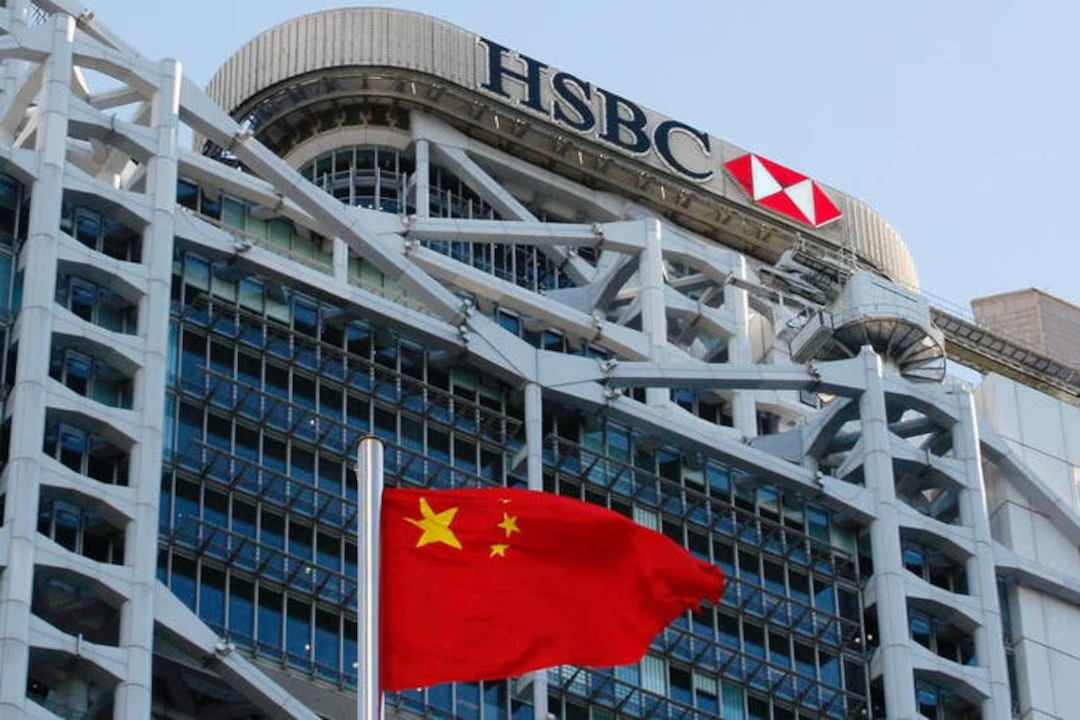
    Hong Kong’s robust economic performance earlier this year has culminated in an improved financial forecast from HSBC, despite minimal influence from the Middle East conflict.

    Bright Economic Outlook and Impacts of Conflict

    HSBC’s Global Investment Research revised its GDP growth predictions for 2026 and 2027 from 2.7% and 2.8% to 3.8% and 3% respectively. This adjustment comes on the heels of Hong Kong recording a first-quarter GDP growth rate of 5.9%, a figure near a five-year high. Essential factors contributing to this positive outlook include the minimal direct effects of the Middle East conflict and evidence of domestic economic stability.

    Hong Kong’s economy is primarily service-based. Although most energy is imported, a significant amount originates from mainland China, while only a minor portion is sourced from the Middle East. To offset the potential impacts, the government has introduced direct support measures such as fuel subsidies and tunnel toll concessions. In the midst of increased uncertainty, Hong Kong’s reputation as a safe haven may draw in capital inflows seeking stability.

    Moreover, the surge in demand stimulated by advancements in AI and an uptick in trade with mainland China are expected to provide a safety net for trade activities this year. However, if the Middle East conflict continues and suppresses global demand, this could lead to potential economic risks.

    Recovery and Growth within Domestic Markets

    As for the domestic landscape, the residential property market’s recovery is creating positive wealth effects, and improvements in the labor market indicate signs of amplified consumption.

    HSBC predicts this year’s consumption to gravitate more towards discretionary goods and services. The swift enactment of major government projects such as the Northern Metropolis, in addition to AI-driven demand, will bolster investment activity. Fiscal support through infrastructure bonds and a relatively favorable monetary setting should also aid in maintaining investment momentum.

    Questions & Answers

    What factors contributed to the increased GDP growth predictions for Hong Kong?
    The first-quarter GDP growth reaching almost a five-year peak and the limited direct impact from the Middle East conflict contributed to the revised GDP growth predictions.

    How has the government aided in mitigating the impact of the Middle East conflict on the Hong Kong economy?
    The government has introduced direct support measures such as fuel subsidies and tunnel toll concessions.

    What is expected to drive consumption in Hong Kong this year?
    The consumption shift is predicted to lean towards discretionary goods and services, driven by the positive wealth effects from the recovering residential property market and improvements in the labor market.

  • Unprecedented Dip in Vietnam’s Gasoline Prices: Lowest Rate Since March Amid Falling Global Petroleum Market

    Unprecedented Dip in Vietnam’s Gasoline Prices: Lowest Rate Since March Amid Falling Global Petroleum Market

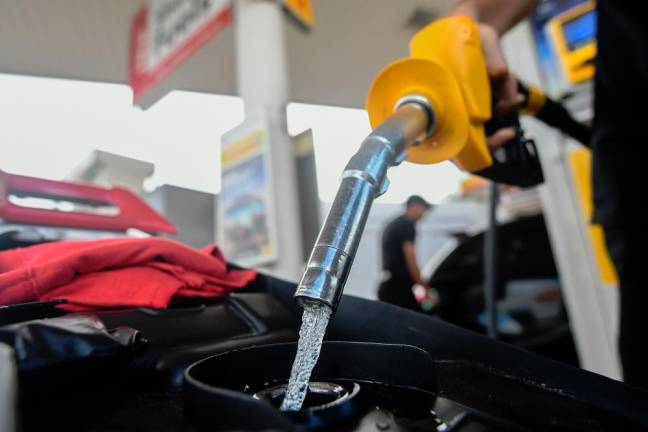
    On Thursday afternoon, gasoline prices in Vietnam plunged to their lowest levels since March 5, marking the fifth consecutive session of declines. The most commonly used fuel, RON95, dipped 0.69% to VND22,880 (US$0.87) per liter.

    Fuel Price Drops

    Biofuel E5 RON92 experienced a decline of 0.45%, bringing its price down to VND21,830 per liter. Diesel prices also fell significantly, with a decrease of 4.17% to VND26,690.

    Global Factors Influencing Prices

    The international petroleum market has been impacted by ongoing conflicts in the Middle East over the past two days. The peace negotiations between the United States and Iran have made little headway, and tensions have risen in the Strait of Hormuz, leading to global fluctuations in fuel prices. Globally, the price of RON95 has increased by 0.5%, while diesel prices have dropped by 3.8%.

    Government Interventions

    In an effort to control prices, the Vietnamese government has eliminated several taxes on gasoline, including the environmental protection tax, special consumption tax, and value-added tax.

    Presently, import tariffs on petroleum and blending materials are set at 0%. However, this measure is slated to expire on April 30. The Ministry of Finance is currently proposing an extension of this tax reduction until June 30.

    Questions & Answers

    What is the current price of the most commonly used fuel, RON95, in Vietnam?
    The current price of RON95 in Vietnam is VND22,880 (US$0.87) per liter, following a decline of 0.69%.

    What global factors are currently affecting petroleum prices?
    Ongoing conflicts in the Middle East and the escalating tensions in the Strait of Hormuz following stalled peace negotiations between the United States and Iran are currently impacting petroleum prices.

    What measures has the Vietnamese government taken to control gasoline prices?
    To control gasoline prices, the government has abolished several taxes, including the environmental protection tax, special consumption tax, and value-added tax. Additionally, the Ministry of Finance is proposing an extension of the 0% import tariff on petroleum and blending materials until June 30.

  • Unprecedented Silver Boom: Vietnam Witnesses Record-Breaking High Amid Global Supply Crunch

    Unprecedented Silver Boom: Vietnam Witnesses Record-Breaking High Amid Global Supply Crunch

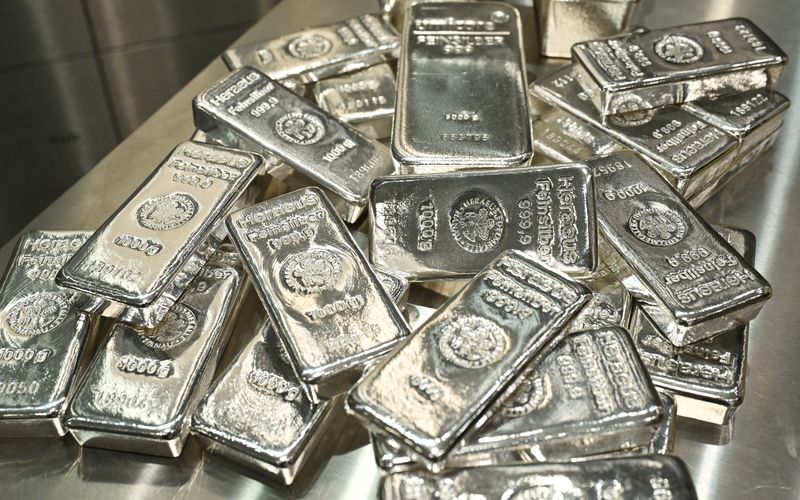
    Vietnam’s silver prices reached record heights on Monday morning. This surge was triggered by a worldwide increase in the value of the precious metal due to a supply shortage. The selling price at the jewelry chain Phu Quy increased by 6% from Sunday, standing at VND3.07 million (US$117) per tael (37.5 grams). The rate has experienced a substantial increase of 169% within the year.

    Global Silver Prices

    On an international scale, the price of silver soared past the $80-per-ounce mark for the first time. However, it later saw a sharp decrease in a volatile trading environment on Monday.

    Charu Chanana, the Chief Investment Strategist at the investment bank Saxo, said precious metals have experienced a boost this year due to a potent combination of factors. These include rate-cut tailwinds and hedging against geopolitical and fiscal uncertainties. She noted, “Adding supply concerns to the mix has resulted in a parabolic movement. However, the abrupt spike towards the end of the year, particularly in silver prices, also points towards the possibility of greater volatility. In the short-term, the risk is primarily technical and positioning-led.”

    Investments in Silver and Other Alternatives

    Significant debt loads in major economies such as the U.S., France, and Japan, combined with a lack of political determination to address these issues, have encouraged some investors to turn to silver and other alternative assets this year.

    Moreover, the global production of silver from mines has been restricted due to decreasing ore grades and a lack of new project development.

    Questions & Answers

    What has driven the recent surge in silver prices in Vietnam?
    The recent upsurge in Vietnam’s silver prices has been driven by a global increase in the value of the precious metal due to supply shortages.

    What factors have boosted the value of precious metals this year?
    The value of precious metals has surged due to a combination of rate-cut tailwinds and hedging against geopolitical and fiscal uncertainties.

    Why have some investors been accumulating silver and other alternative assets this year?
    Significant debt loads in major economies, coupled with a lack of political will to address these issues, have prompted some investors to accumulate silver and other alternative assets.

  • Hong Kong Ascends to Top of Global IPO Rankings: Unprecedented Surge Sets Firm Foundation for 2026

    Hong Kong Ascends to Top of Global IPO Rankings: Unprecedented Surge Sets Firm Foundation for 2026

    Hong Kong has made a strong comeback as the global leader in Initial Public Offerings (IPOs) for the first time since 2019. This resurgence comes on the heels of a record number of A+H listings and a robust pipeline of over 300 applicants. This return to form positions Hong Kong to maintain its momentum in the capital markets through 2026, according to the most recent market review by KPMG.

    Global IPO Market Trends

    According to KPMG, global IPO markets garnered $158.4 billion across 1,227 deals in 2025, which is an 18 percent increase in total funds raised. Interestingly, this was achieved despite a four percent decrease in the volume of deals made.

    Hong Kong managed to outperform all other markets, surpassing the US exchanges and reclaiming its traditionally held leadership position in the global fundraising arena. Paul Lau, partner and head of capital markets and professional practice at KPMG in China, emphasizes that it was the threefold rise in funds raised by Hong Kong that played a significant role in the global market’s recovery.

    A+H Listings: The Key Driver of Record Performance

    A remarkable 17 A+H listings were completed in Hong Kong in 2025, the highest ever recorded, accounting for half of the city’s total IPO proceeds. This even included the largest global IPO of the year, in which the world’s top EV battery manufacturer raised HK$41.0 billion.

    KPMG credits this momentum to supportive government policies and recent mega-listings that bolstered market confidence. This surge underlines Hong Kong’s strategic role in linking domestic and international capital.

    Expansion of Biotech and Technology Pipelines

    Several reforms in the city’s listing regulations, including the Technology Enterprises Channel and confidential filing for biotech and specialist technology issuers, have played a key role in stimulating market activity. The number of pre-revenue biotech firms listed under Chapter 18A increased from four to 14 in 2025. There were also three specialist technology companies listed under Chapter 18C. These easier pathways for listing reinforce Hong Kong’s determination to establish itself as an international hub for high-growth industries.

    Promising Signs for 2026

    As of December 7, 2025, the IPO pipeline in Hong Kong had reached an unprecedented 316 active applications. This represents a 267 percent increase from the end of 2024. KPMG suggests that the broad and deep pipeline provides a solid foundation for a strong start to 2026.

    Regulatory Enhancements: Boosting Market Attractiveness

    Regulators in Hong Kong are contemplating updates to the weighted voting rights system. Proposed changes include lower market capitalization thresholds, revised eligibility definitions, and adjusted voting power limits. These policy revisions aim to broaden access to WVR structures while maintaining investor protections.

    Hong Kong’s Resurgence as a Global Capital Gateway

    KPMG suggests that the resurgence of Hong Kong is a testament to the resilience of its capital markets and the city’s renewed attractiveness to technology, biotech, and foreign issuers. Louis Lau, head of Hong Kong capital markets group at KPMG in China, notes that the growing participation of global investors and the expansion of new-economy listings reinforce Hong Kong’s status as a preferred gateway to Chinese assets.

    With strong policy support, demand from issuers, and investor interest, the year 2026 is anticipated to mark a significant milestone in the evolution of the market.

    Questions & Answers

    What has contributed to Hong Kong’s return to the top of global IPO rankings?
    Hong Kong’s return to the top of global IPO rankings has been primarily driven by a record number of A+H listings and a robust pipeline of over 300 applicants.

    What are some key regulatory enhancements considered by Hong Kong regulators?
    Hong Kong regulators are contemplating updates to the weighted voting rights system that include lower market capitalization thresholds, revised eligibility definitions, and adjusted voting power limits.

    What role is Hong Kong expected to play in 2026?
    With strong policy support, demand from issuers, and investor interest, Hong Kong is anticipated to continue its leadership in the global capital markets, positioning it as a preferred gateway to Chinese assets.