Retail News CRM

Tag: urban

  • Ikea Japan Bids Farewell to Harajuku and Shinjuku Outlets: A New Chapter in Urban Retail Strategy

    Ikea Japan Bids Farewell to Harajuku and Shinjuku Outlets: A New Chapter in Urban Retail Strategy

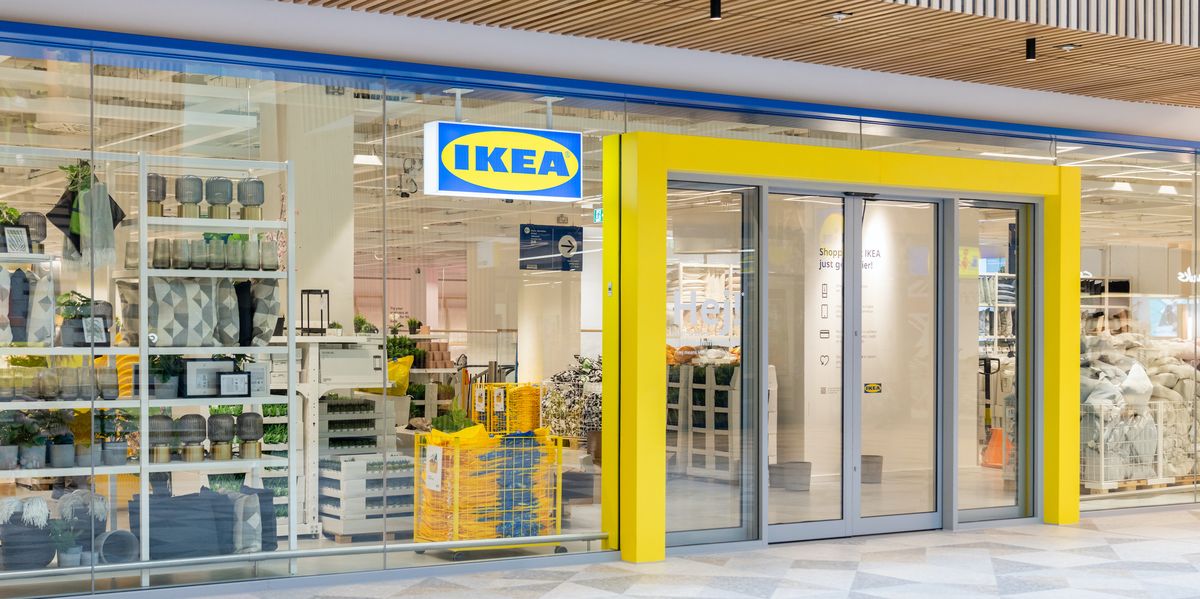
    IKEA Japan is set to shut down its Harajuku and Shinjuku city-format stores later this month. This brings an end to the retailer’s brief yet notable venture in two of Tokyo’s bustling shopping districts.

    Details of the Store Closures

    The renowned Swedish home furnishings group has confirmed that operations at both locations will cease on February 8, with doors shutting at 6 pm. This decision is part of a larger examination of IKEA Japan’s urban store network and its multichannel strategy.

    The Harajuku store was inaugurated in 2020, followed by the Shinjuku store in 2021. IKEA’s objective was to engage with younger, urban consumers by introducing smaller-format stores.

    IKEA’s Future Plans

    Despite the closures, IKEA has expressed plans to further solidify its presence in central Tokyo. The IKEA Shibuya will serve as the main city store, supplemented by larger suburban stores and its digital platform.

    In addition to these changes, IKEA also declared last month that it plans to close seven stores in China as of February 2. The list includes one suburban Shanghai location, another in Guangzhou, and multiple others in the second-tier Chinese cities of Nantong, Xuzhou, and Harbin.

    Questions & Answers

    When are the IKEA stores in Harajuku and Shinjuku closing?
    The stores are scheduled to close on February 8, with operations ending at 6 pm.

    What is the reason behind IKEA’s decision to close these stores?
    The decision to close the Harajuku and Shinjuku stores is part of a comprehensive review of IKEA Japan’s urban store network and omnichannel strategy.

    What are IKEA’s plans for its presence in Tokyo following these closures?
    IKEA plans to enhance its presence in central Tokyo, with the IKEA Shibuya serving as the main city store. This will be supplemented by larger suburban stores and the company’s online platform.

  • AI Revolution: The Blossoming Era of Robotaxis Redefining Urban Mobility in Asia

    AI Revolution: The Blossoming Era of Robotaxis Redefining Urban Mobility in Asia

    In Asia, the evolution of urban mobility is accelerating with the advent of robotaxis, which are autonomous vehicles that offer ride-hailing services with minimal to no human involvement. The progress in this field is fueled by advancements in artificial intelligence (AI), machine learning (ML), sensor technology, and supportive regional policies. Due to these factors, Asia is rapidly emerging as a global hub for autonomous vehicle (AV) research, trials, and initial commercial launches.

    Unlike traditional ride-hailing services, robotaxis offer advantages such as reduced operational costs, increased safety, and wider access to transportation. This is especially beneficial for densely populated cities grappling with driver shortage, traffic congestion, and growing transportation needs.

    China: At the Vanguard of Robotaxi Development in Asia

    China is at the leading edge of robotaxi development in Asia, and possibly globally, with substantial governmental support that has elevated autonomous technology to a national strategic priority. As part of initiatives like the 14th Five-Year Plan, Chinese authorities have integrated autonomous vehicles into broader digital economy objectives, promoting pilot programs, regulatory frameworks, and infrastructure development in numerous cities.

    By the middle of 2024, authorities had issued 16,000 test licenses and designated over 32,000 kilometers of public roads for autonomous vehicle testing, marking the largest testing area among all countries.

    Tech behemoths and AV specialists in China, including Baidu, Pony.ai, WeRide, Didi, and others, are fiercely competing to expand robotaxi operations in major cities like Beijing, Shanghai, Guangzhou, Shenzhen, and Wuhan. Baidu’s Apollo Go service has alone completed millions of driverless trips and logged substantial commercial mileage through its app-based ride-hailing service. Similarly, Pony.ai offers commercial robotaxis in multiple Tier-1 cities and has significantly reduced hardware costs for autonomous stacks, a trend influencing scalability.

    The progress of China’s autonomous mobility sector is closely linked to its prowess in AI and data processing. Firms heavily invest in machine learning systems that integrate sensors (LiDAR, radar, cameras) and AI models for perception and decision-making. These systems allow vehicles to navigate complex urban environments, a significant challenge in cities with dense traffic, mixed road users, and variable conditions.

    Singapore: An Incubator for Autonomous Shuttles and Robotaxis

    Singapore is becoming a regional center for autonomous mobility experiments, supporting robotaxi and automated shuttle projects in line with its Smart Nation and sustainable transport strategy. Authorities have teamed up with Chinese robotaxi specialists WeRide and Pony.ai to introduce autonomous shuttle services in residential areas like Punggol, slated to begin in early 2026, pending regulatory approval and mapping preparations.

    These initial services will feature autonomous vehicles navigating fixed routes and providing travel options complementary to existing public transportation. Singapore’s regulatory ecosystem, often viewed as efficient and innovation-friendly, makes the city-state a top pilot zone for AV integration in Southeast Asia.

    Partnerships and Strategic Expansion

    Beyond Singapore, the broader Southeast Asian region is starting to attract commercial robotaxi ventures. Notably, Grab, Southeast Asia’s leading ride-hailing and super app, has revealed a strategic investment in China’s WeRide to expedite the deployment and commercialization of autonomous vehicles across the region, integrating WeRide’s Level 4 robotaxis with its ride-hailing platform.

    The partnership between Grab and WeRide is anticipated to broaden access to autonomous mobility in high-density urban areas, addressing labor limitations and mobility gaps.

    Regional ride-hailing operators are recognizing AI-driven mobility as a supplement to traditional driver-based services, particularly in markets where driver shortages and surging labor costs present challenges.

    Malaysia and Beyond: Commercial Expansion from China

    Key Chinese companies, such as Baidu, are also eyeing cross-border expansion in Southeast Asia. Baidu has declared plans to introduce its Apollo Go robotaxi services to Singapore and Malaysia as early as late 2025, marking the first commercial robotaxi launches in Southeast Asia outside China.

    If executed as planned, these deployments signify crucial milestones in the regional adoption of advanced autonomous mobility services, and illustrate how AI-driven transport can be integrated into existing urban transit networks.

    Japan and South Korea: Testing and Future Markets

    While not as advanced in commercial deployment as China or Singapore, Japan and South Korea are strategically evaluating autonomous technologies and creating ecosystems for future robotaxi operations. In Japan, prominent players like Waymo (operated by Alphabet) have started testing autonomous vehicles in Tokyo, which could be the first step toward commercial robotaxi operations there.

    In South Korea, government-backed pilot initiatives, such as the National Strategic Smart City Program (NSSCP) in Seoul, suggest a growing interest in autonomous solutions, with wider commercialization anticipated in the coming years.

    In Japan, an aging population and robust demand for accessible transportation are driving policy momentum for autonomous mobility solutions, as driverless vehicles can potentially address labor shortages in traditional taxi and delivery services.

    Economic Impact and Challenges

    Market research indicates that the Asia Pacific robotaxi market is poised for substantial expansion. Forecasts predict the sector’s regional value to surge to over USD 60 billion by 2034, growing at a compound annual growth rate (CAGR) exceeding 50%.

    This brisk growth is spurred by strong governmental policy support, particularly in China, coupled with the rise of strategic partnerships between tech companies and ride-hailing platforms. Rising AI capabilities are also reducing hardware costs and enhancing safety, making autonomous mobility more viable. Meanwhile, pressures of urbanization are driving cities toward scalable and efficient transport solutions, whereas labor shortages in driver-based services are hastening the shift toward automation as a practical alternative.

    In spite of the clear momentum, considerable challenges persist across Asia:

    Regulatory Frameworks: Autonomous mobility operates in regulatory gray areas in many jurisdictions. While China and Singapore have established frameworks that encourage testing and limit commercial use, other countries are still formulating safety and liability standards, especially for fully driverless (Level 4/5) operations.

    Safety and Public Perception: AI-powered robotaxis depend on intricate sensor and decision-making systems that must function safely in dynamic urban conditions. Public skepticism about safety, accident liability, and data/privacy concerns can hinder adoption. Effective regulation, robust testing, and transparent reporting will remain key to building trust.

    Infrastructure and Costs: Urban infrastructure, from detailed HD maps to roadside connectivity, must evolve to support reliable autonomous operations. Integration with existing traffic systems and communication networks (vehicle-to-everything technologies) will be crucial for scaling robotaxi services.

    With ongoing progress in AI, machine learning, and regulatory frameworks, robotaxis have the potential to revolutionize how millions of city dwellers commute, creating safer, more efficient, and more accessible transportation networks.

    However, technological advancements must be balanced with inclusive policy development, ethical AI standards, and infrastructure planning to ensure that autonomous mobility benefits society at large. As Asian cities balance swift innovation with public safety and economic impact, robotaxis could not merely reshape transportation, but also redefine urban life in the future.

    Questions & Answers

    What are the advantages of robotaxis over traditional ride-hailing services?
    Robotaxis promise lower operating costs, improved safety, and broader access to mobility, especially in densely populated cities dealing with driver shortages, congestion, and increasing transportation demand.

    Why is China considered a leader in the development of robotaxis?
    With substantial government support, China has integrated autonomous vehicles into its broader digital economy objectives. It has also issued a large number of test licenses and designated a significant amount of public roads for autonomous vehicle testing, which has bolstered its position in the field.

    What challenges do autonomous vehicles face in Asia, and how can they be addressed?</b
  • Asia’s Fashion Giant Urban Revivo Makes Strategic Inroad Into Europe With Uk Flagship Store

    Asia’s Fashion Giant Urban Revivo Makes Strategic Inroad Into Europe With Uk Flagship Store

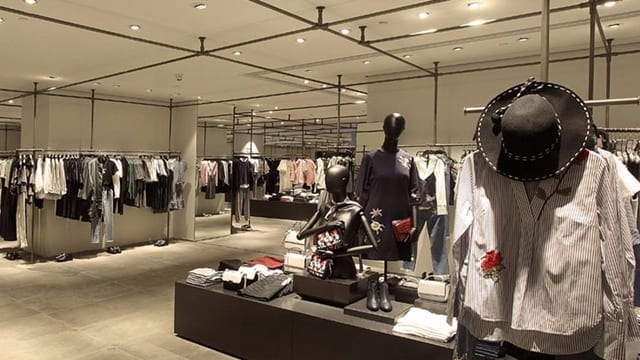
    Urban Revivo, a leading fashion brand from Asia often dubbed as “the Zara of Asia,” has recently launched its flagship store in the UK, on Neal Street in Covent Garden. The 515 square meter store is nestled among unique boutique stores and established heritage brands, marking a strategic inroad into Europe’s vibrant fashion industry and demonstrating the brand’s global ambitions.

    Establishing a Global Presence

    Urban Revivo, founded in 2006, has expanded rapidly across Asia, with over 400 stores spread across China, Southeast Asia, and recently, the United States. The company’s launch in Covent Garden follows its debut in New York’s SoHo district in February, and is set to be followed by further entries into other global fashion hubs including Hong Kong and Tokyo.

    The Covent Garden location offers an exciting opportunity for Urban Revivo to engage with London’s dynamic fashion scene. Vivian Chen, CEO of Urban Revivo International, recognizes that the introduction of new brands often face high entry barriers, necessitating time for consumers to build trust and familiarity. Approximately 60% of the Covent Garden store’s offerings are designed by the company’s London-based European Design Center. This reflects the brand’s “quiet luxury” aesthetic, which Chen describes as a blend of timeless sophistication and subtle individuality.

    Adapting to Different Markets

    Urban Revivo is quick to adapt its brand to resonate with the distinct tastes of its different markets. Chen notes that the European market values longevity in design, quiet luxury, and a clear brand identity, differing from Asian markets, particularly China, where fast-changing fashion trends and brand experimentation are more prevalent.

    Boasting design centers in Guangzhou and London, Urban Revivo is building a connecting bridge between Eastern and Western aesthetics, aiming to create a brand that resonates globally. The brand plans to replicate its successful consumer research and feedback system, which is supported by millions of members, in the UK and European markets.

    Challenges and Opportunities

    Chen recognizes that Europe, home to three major fashion capitals, presents unique challenges due to its rich tradition of art and fashion, and consumers with avant-garde perspectives on cultural trends. However, the company’s success in the UK market serves as a solid foundation for its expansion into the broader European market and other new regions.

    While Urban Revivo is characterized by its fast-fashion model, with a typical turnaround from trend to retail shelf in just 10 days, its approach is more considered. The London store, for example, carries only 800 Stock Keeping Units (SKUs).

    Future Ventures

    Urban Revivo’s global expansion plan includes new ventures into Hong Kong and Tokyo, two of Asia’s most mature and fashion-forward markets. The company plans to open a flagship store in Hong Kong’s Harbour City, a luxury shopping destination in Tsim Sha Tsui, and is preparing to debut its store in Japan’s fashion capital, Tokyo, by the end of this year.

    Questions & Answers

    What is Urban Revivo’s expansion strategy?
    Urban Revivo’s expansion strategy involves establishing a presence in global fashion capitals such as London, New York, Hong Kong, and Tokyo, and adapting its brand to resonate with the distinct tastes of its different markets.

    How does Urban Revivo’s approach differ from traditional fast-fashion brands?
    Unlike traditional fast-fashion brands that flood stores with high-volume, high-turnover SKUs, Urban Revivo’s strategy is more measured. The London store, for example, carries only 800 SKUs.

    What are Urban Revivo’s future expansion plans?
    Urban Revivo plans to expand into Hong Kong and Tokyo, two of Asia’s most mature and style-conscious markets. The company will open a flagship store in Hong Kong’s Harbour City and is preparing to debut its store in Japan’s fashion capital, Tokyo, by the end of this year.

  • India’s Urban Boom: A Magnet for Private Equity Investment

    India’s Urban Boom: A Magnet for Private Equity Investment

    In a recent meeting in Zurich, the founders of RootBridge, Ajay P. Singh and Nayan Srivastava, discussed the potential impact of the new free trade agreement between Switzerland and India, which takes effect on October 1. While the treaty may not have an immediate investment angle, Singh expressed optimism about its long-term stimulating effects, remarking, “We do expect a stimulating effect, including for our activities.”

    Investing in India’s Transformative Growth

    RootBridge has unveiled the Diversified India Growth Fund, a Luxembourg-domiciled evergreen investment vehicle that allocates 47.5 percent to private and publicly listed Indian companies. The focus centers on PIPE transactions, or Private Investments in Public Equity. “In India, even listed firms are often controlled by anchor shareholders, and with our investments, we are able to join them at the table,” Srivastava shared, painting a vivid picture of strategic investing in a dynamic market.

    A Cultural Connection to Entrepreneurial Success

    The ethos behind RootBridge resonates with the Swiss and German Mittelstand tradition, where investment is often sourced from personal capital. “We usually invest with our own capital. That’s why we are accepted by Indian entrepreneurs as peers,” Srivastava noted, underlining the importance of building trust and camaraderie in business relationships.

    Growing Ambitions with a Strong Foundation

    The fund aims to raise an initial target of 100 million francs by the end of 2025, with about half already secured. Envisaged to grow to one billion francs over the coming years, this evergreen fund is also compatible with the new free trade agreement, which anticipates that EFTA states and the U.S. will invest $50 billion in India over the next decade.

    Targeting Wealth Managers and Investors

    Initially aimed at wealth managers, family offices, and qualified private investors in Switzerland, RootBridge has plans to extend its reach across Europe in the future. The founders’ unique narratives add richness to their investment approach; both men grew up in Germany after their parents emigrated from India in the 1960s, seeking new opportunities amidst tight social structures.

    Experience Backed by Expertise

    Singh, armed with a doctorate in theoretical physics, has a background in consulting with McKinsey and technology sectors. As the chief representative of the Indian Chamber of Commerce in Germany, he leverages his expertise to bridge investments in the region. Meanwhile, Srivastava, who also represents the Chamber in Switzerland, cut his teeth at UBS’s investment bank before co-founding Praefinium with Singh in 2009. The firm invested for years in small and mid-sized companies, laying the groundwork for their current fund.

    A Focused Investment Thesis

    The core investment thesis of RootBridge is about “capturing the rising demand curve of India’s urbanization and formalization.” With India being the world’s youngest major economy, the founders are keenly aware of the country’s burgeoning consumer base, which is increasingly digitally connected. Their investment sectors include consumer goods, retail, food and beverage, IT, fintech, industry, and mobility, all poised for growth. They target an ambitious net annual return of 16 to 18.5 percent, a figure Singh insists is within reach.

    Welcoming Developments in the Swiss Market

    As a cherry on top, the founders welcomed the news that UBS Asset Management is gearing up to launch an India ETF in Switzerland. “Anything that highlights India’s opportunities is good news for us,” they agreed, noting that India’s market is more accessible to investors than that of its colossal neighbor, China. Their mission with RootBridge is clear: to create a pathway connecting international capital to India’s growth narrative, harmonizing family-driven ownership with Swiss private equity discipline.

    Questions & Answers

    What is the primary focus of RootBridge’s investment strategy?
    RootBridge emphasizes investing in the urbanization and formalization of India’s economy, targeting consumer goods, retail, IT, and other growing sectors.

    How much capital is RootBridge aiming to raise for its Diversified India Growth Fund?
    The fund aims to raise an initial target of 100 million francs by the end of 2025, with plans for expansion to one billion francs in subsequent years.

    What unique perspective do the founders bring to RootBridge?
    Ajay P. Singh and Nayan Srivastava’s backgrounds as children of Indian immigrants in Germany enable them to blend cultural understanding with investment acumen, creating a bridge between India and European investors.

  • The Future of Urban Retail: Blending Community, Lifestyle, and Commerce

    The Future of Urban Retail: Blending Community, Lifestyle, and Commerce

    Urban retail is undergoing one of the most dramatic shifts in decades. Once defined by department stores, shopping malls, and busy downtown corridors, the retail landscape is being reinvented. The traditional model of purely transactional retail—where consumers simply enter, purchase, and leave—is giving way to something more dynamic: a blend of community, lifestyle, and commerce. This transformation is shaping how people shop, socialize, and connect in cities across the world.

    Moving Beyond Transactions

    Today’s consumers want more than products; they want experiences. A clothing boutique is no longer just about racks of apparel—it’s about the story, the environment, and the connection that comes with the purchase. Urban retailers are responding by rethinking how they engage with customers. Spaces are being designed to foster exploration, encourage interaction, and create memories.

    For instance, some bookstores have reinvented themselves as community hubs with cafés, live readings, and co-working spaces. Fitness studios are merging with retail, selling branded lifestyle apparel and healthy snacks. Even grocery stores are reimagining themselves with in-store dining, cooking classes, and events that make shopping less of a chore and more of an outing.

    The Rise of Hybrid Spaces

    A big driver of this change is the rise of hybrid spaces—retail concepts that combine shopping with entertainment, hospitality, or wellness. These spaces turn a visit into an experience rather than just a transaction. Picture walking into a sneaker store that doubles as an art gallery, or a coffee shop where you can also browse vinyl records or vintage clothing.

    These hybrid spaces not only attract diverse audiences but also encourage customers to linger longer, deepening brand connection. In dense urban centers, where competition for attention is fierce, creating places that offer multiple reasons to visit is becoming essential.

    Digital and Physical Worlds Collide

    No conversation about the future of retail is complete without technology. Smartphones have fundamentally reshaped consumer behavior, and urban retailers are weaving digital experiences into physical storefronts. QR codes, augmented reality, and virtual try-ons allow customers to interact with products in new ways. Mobile apps seamlessly connect in-store purchases with online accounts, loyalty programs, and home delivery services.

    Rather than seeing e-commerce as a threat, many retailers are embracing it as part of a holistic ecosystem. Click-and-collect options, in-store pickup for online orders, and even live-streamed shopping events held inside stores are blurring the lines between the physical and digital worlds. The best retailers understand that the modern customer doesn’t want to choose between convenience and community—they want both.

    Local Identity and Community Ties

    Another defining aspect of the urban retail transformation is the embrace of local identity. Consumers are increasingly drawn to brands that reflect the character of their city or neighborhood. Pop-up markets, collaborations with local artists, and limited-edition product drops create a sense of uniqueness and exclusivity.

    Retailers that invest in community engagement—whether by hosting workshops, sponsoring neighborhood events, or giving back through local partnerships—are earning loyalty beyond the transaction. For many city dwellers, shopping at a store isn’t just about what they buy, but about what that brand represents in their lives and their communities.

    Health, Wellness, and Lifestyle Convergence

    Retail is also intersecting with broader lifestyle movements. Wellness, fitness, and sustainability are increasingly integrated into the retail experience. Urban consumers expect retailers to support not just their shopping needs but their values and aspirations. That’s why many stores now highlight eco-friendly products, showcase transparent sourcing, and design spaces that feel restorative and inspiring.

    As Aaron Keay has pointed out in discussions about consumer shifts, the lines between industries—health, tech, retail, and hospitality—are disappearing. The next generation of urban retail spaces will reflect this convergence, offering products and experiences that align with consumers’ desire for healthier, more intentional living.

    The Role of Investment and Innovation

    Investors are paying close attention to these shifts. Traditional retail models have struggled in recent years, but those embracing innovation and community-driven experiences are gaining momentum. For entrepreneurs and investors, the opportunity lies in supporting concepts that merge lifestyle with commerce in creative, scalable ways.

    Aaron Keay has emphasized that the future belongs to retailers who create ecosystems rather than standalone storefronts. These ecosystems thrive on blending digital engagement, physical experiences, and meaningful community ties.

    Looking Ahead

    The urban retail landscape of the future will look very different from the malls of yesterday. It will be defined by spaces that are social, experiential, and deeply connected to the neighborhoods they serve. The winners will be the brands that move beyond the transaction to build real community, blending lifestyle and commerce in ways that feel authentic and exciting.

    As consumers continue to demand experiences that enrich their lives, urban retail has a chance to redefine itself—not just as a place to shop, but as a vital part of the cultural and social fabric of the city.


  • Piaggio India Launches Vespa Urban Club 125 In India

    Piaggio India Launches Vespa Urban Club 125 In India

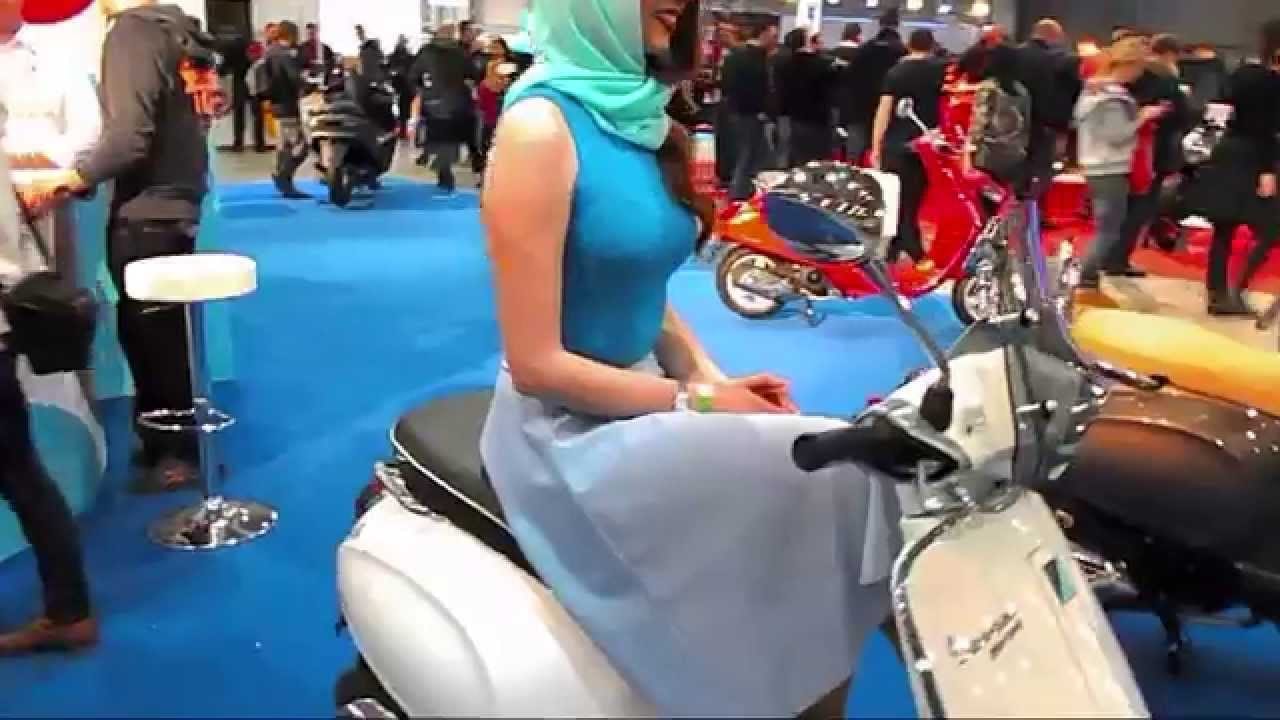
    Piaggio India has announced the launch of its new 125 cc scooter range, the Vespa Urban Club. Priced at ₹ 73,733, the new Urban Club 125 is currently the of the most affordable Vespa scooter available in India, right below the Vespa ZX that is priced at ₹ 81,829 (both ex-showroom, Delhi). The new Vespa Urban Club 125 is offered in four vibrant colors of Azzurro Provenza, Maze Grey, Glossy Yellow, and Glossy Red, with glossy black embellishments like mirrors, grab rail, brake levers and wheels, with all options.

    Commenting on the launch of Vespa Urban Club, Diego Graffi, CEO and MD Piaggio India said, “We are delighted to launch the classy Vespa Urban Club in India. Drawing inspiration from the timeless brand, Vespa Urban Club is a culmination of elegance and new trends, backed by cutting edge technology. We believe the new Vespa Urban Club will add to the style quotient of the rider and will be well-appreciated by Vespa fans.”

    Like the other Vespa such as SXL, VXL, and Elegante, the new Urban Club is also powered by the same 125cc single-cylinder air-cooled engine that is tuned to churn out 9.5 bhp at 7,250 rpm and develops a peak torque of 9.9 Nm at 6,250 rpm. The 3-valve motor comes with an aluminum cylinder head, overhead cam, roller rocker arm, and variable spark timing management.

    In terms of features, the new Vespa Urban Club comes with 10-inch black alloy wheels, equipped with drum brakes, both at the front and back, assisted by a Combined Braking System. It also offers additional provisions for owners to install Piaggio’s mobile connectivity feature to operate and control features of the scooter at a click.

  • Urban Tea to roll out More China Stores

    Urban Tea to roll out More China Stores

    Chinese beverage and baked-goods retailer Urban Tea says it plans expansion from the middle of this year.

    The company will expand its network to 28 stores initially, through a combination of franchise partnerships and opening its own stores, with plans to speed up the rollout next year.

    Last October, Urban Tea set up a subsidiary company Shanghai Ming Yun Tang Tea, which controls Hunan Ming Yun Tang Brand Management Co (Hunan MYT), to focus on catering, along with health, training, retail and wholesale. Headquartered in the Changsha Xingingmen Fanchen International Center, Hunan MYT will integrate strategic brand positioning, offline operations, store management and brand marketing – all which will be used to expand the planned retail cafe network.

    Hunan MYT will operate stores under three brands: Buoyance Manor, Your Ladyship Tea (pictured) and Meet Honey. Buoyance Manor mainly features bakery products and coffee. Your Ladyship Tea sells specialty teas and light snacks and Meet Honey will primarily sell snacks and kitchen goods such as coffee mugs and tea cups.

    Currently, the company operates seven stores itself in Hunan province branded Buoyance Manor, along with a tea shop in Changsha Youyou Township.

    Urban Tea plans to focus on health and nutrition, using fresh, green, high-quality ingredients, positioning itself as an “all-natural baker”. Beverages offered include milk teas, fresh fruit teas and coffee.

    Light meals include salads, sandwiches, tacos, pizza, pastas and other meals primarily drawing from French cuisine and other western cuisines, and emphasising healthy meals and fresh ingredients.

    The company says it has established a research-and-development centre and will place an emphasis on seasonal research and product development, by picking fresh fruits, using seasonal tea, and using in season grains.

    “By offering seasonal menus we ensure fresh delivery to meet customers health and dietary needs to cultivate long term customers,” the company said in a statement.

    Urban Tea CFO Kan Lu said: “Our professional operations and R&D teams have many years of industry experience. We desire to make every product uniquely impressive to our customers, and bring consumers fresh, healthy and beautiful food and beverages.”

  • Urban Outfitters China plans to expand

    Urban Outfitters China plans to expand

    US retailer Urban Outfitters has announced global expansion plans which involve a broadened commitment to China. According to a statement from the brand’s CEO Richard Hayne, Urban Outfitters China will be housing inventory while the company opens new locations in Europe and the Middle East, as well as taking on new distribution partners.

    The brand’s parent firm Urbn recently posted third quarter net sales of US$973.5 million, a 9 per cent increase over the same period last year.

    Urban Outfitters enjoyed strong sales while participating in the singles day shopping spree on e-tail platform Tmall.

    “We plan to establish a larger presence [in China] by mid-next year. To do this we will switch to the much larger Tmall Classic platform, hold inventory in-country and fulfill orders through a third-party service provider in China. In addition, we plan to sign leases for several stores to open in calendar year 2020,” said Hayne.

    Urbn will be expanding its network of 61 stores in Europe to 100 within three years, and will operate more than 10 stores in the Middle East by 2020.

  • BMW i3 Wins Inaugural World Urban Car

    BMW i3 Wins Inaugural World Urban Car

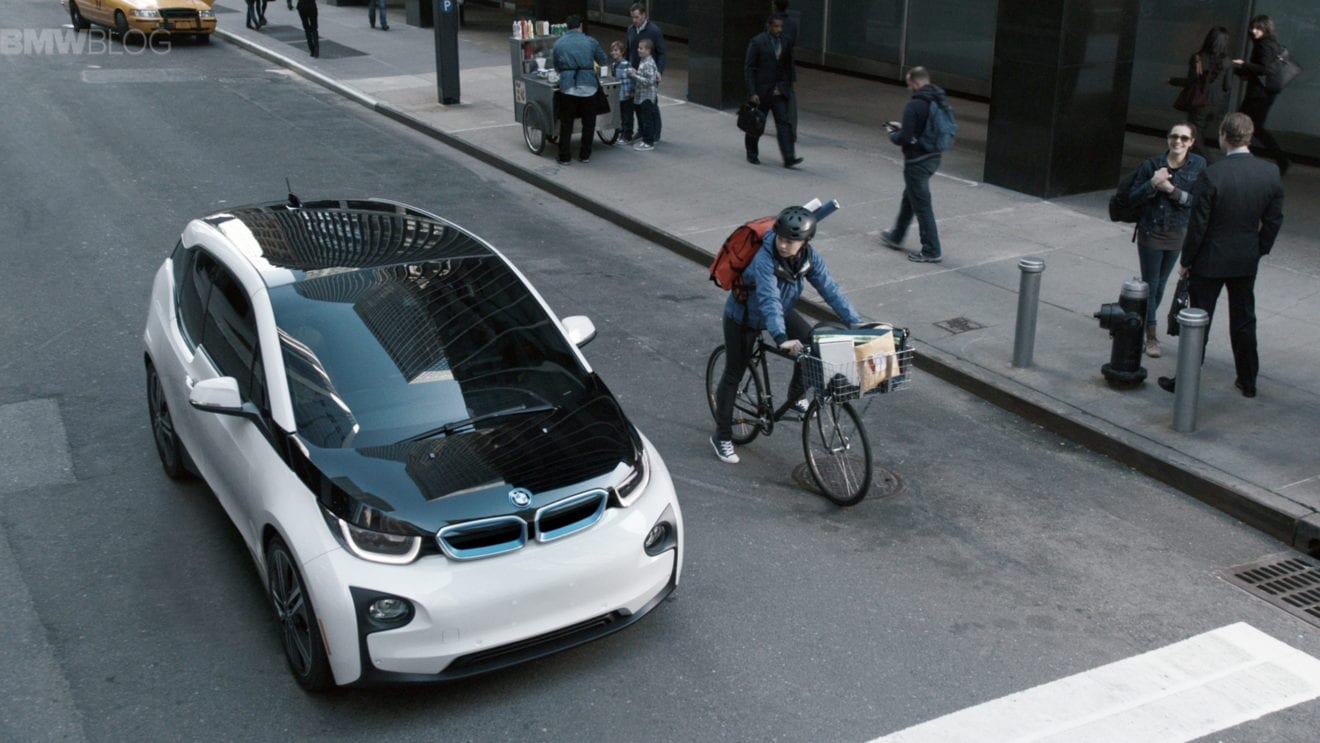
    At a press conference hosted by the New York International Auto Show, Bridgestone Corporation, and Autoneum, the BMW i3 (94Ah) was declared the inaugural winner of the 2017 World Urban Car award.

    “We are delighted and honored that the BMW i3 has been recognized as the World Urban Car,” said Ludwig Willisch, Head of BMW Group Region Americas. “This award highlights BMW Group’s commitment to sustainable mobility through BMW’s first all-electric vehicle made primarily of carbon fiber. The design brief for the BMW i3 was to create a Mega City Vehicle for the cities of the future. Today, the new 2017 BMW i3 (94 Ah) provides more range paired with a high-level of dynamic performance, making it the perfect urban vehicle for people around the world.”

    2017 marks the first year for the World Urban Car award. World Car vice-chairman, Mike Rutherford, commented, “It’s an award whose time has come. Everyday cars in many – perhaps most – parts of the world will have to become smaller if road and parking space is to be found for them in increasingly packed towns and cities whose populations are swelling annually. This year’s winner in our inaugural World Urban Car category proves that these small vehicles don’t have to be cheap, undesirable and unpleasant to drive. Quite the opposite. It is among the best value-for-money products on the market”.

    This year’s winner was chosen from an initial entry list of 7 cars from all over the world, then a short list of three finalists as announced in Geneva last month: the BMW i3 (94 Ah), the Citroen C3 and the Suzuki Ignis

    Vehicles in all award categories are selected and voted on by an international jury panel comprised of 75 top-level automotive journalists from 23 countries around the world. Each juror was appointed by the World Car Steering Committee on the basis of his or her expertise, experience, credibility, and influence. Each juror typically drives and evaluates new vehicles on a regular basis as part of their professional work. Through their respective outlets they collectively reach an audience of many millions world-wide. The international accounting firm KPMG tabulates the jurors’ ballots.

    The Road to World Car began in Paris on September 29, was followed by test-drives in Los Angeles in November, continued in Geneva with the Top Three in the World announcement, and finally ended today with the declaration of the winners in six categories at the New York International Auto Show.

    2017 marks the 11th anniversary of the partnership between World Car and the New York show, and the fourth consecutive year that the World Car Awards have retained their ranking as the number one automotive awards program in the world in terms of media reach.

    The Global Trends Report, co-presented annually by Prime Research and Autoneum, was also released today.The report is the culmination of research and insights across the past six months. Autoneum CEO Martin Hirzel said, “The auto industry is in the midst of an upheaval that goes far beyond anything it has experienced in the past 100 years. Emerging industry trends such as autonomous driving, electric mobility and connected cars are changing not only vehicles and their technologies but also their concepts and forms. As the market leader in acoustic and thermal management for vehicles, Autoneum today already offers a large variety of multifunctional and lightweight technologies and components to meet the requirements of modern mobility. With our recently established “Competence Center for New Mobility” in Sunnyvale, California, Autoneum is taking a committed and active role in driving vehicle advancement by developing innovative technologies and components for all forms of mobility.”

    World Car of the Year is more than just an awards program. The World Car community brings together a large cross section of experts and professionals from every segment of the automotive industry. World Car connects the global industry around the very best of today and inspires, with insights, the ideas and trends of tomorrow. Thus defining The Road Ahead platform shared with our presenting partners Bridgestone Corporation, Prime Research, Autoneum and, most recently, Brembo.

    “As the world’s largest tire and rubber company, we are proud to partner with the World Car program for the 9th consecutive year,” said Mike Martini, president, original equipment tire sales, U.S. and Canada, Bridgestone Americas Tire Operations. “This is an important forum for leaders in the automotive industry to celebrate achievements in innovation, performance and sustainability. As new mobility preferences emerge, we must continue to collaborate across our industry to deliver cutting-edge technology and world-class products that meet the needs of a changing global customer base.”

    In a rapidly changing automotive world, Brembo is also focused firmly on the future and the vehicles it will bring to market. Brembo is committing significant resources to perfecting ever more sophisticated virtual simulation methodologies that includes the study of forms, materials, technologies and surface treatments able to meet the needs of the new-generation vehicles, with a particular focus on environmental impact aspects, which drives all of Brembo’s development activities.

  • BollorĂ© Logistics Korea Installs an Urban Farm in the Center of Seoul

    Bolloré Logistics Korea Installs an Urban Farm in the Center of Seoul

    Bolloré Logistics Korea recently installed an urban farm on its office rooftop building in Seoul, South Korea, as part of the Group’s initiative to promoting “Green Projects” and protecting biodiversity.

    Urban farming is a practice of growing your own food in the city, with limited space. Bolloré Logistics Korea has transformed the available rooftop space of its 6-floor office building into an urban farm, optimizing current available space resources. This urban farm is split into four parcels and covers a total space of 264 sqm.

    Bolloré Logistics Korea signed an agreement with Pajeori*, a non-profitable organization, to maintain the farm with volunteers from the nearby neighborhood in order to cultivate each a small parcel of the Urban Garden, therefore making it a community base project as well.

    The urban farm is growing organic fruits and vegetables as only natural fertilizers mostly made from rice bran are and will be used. Bolloré Logistics Korea also plans to grow traditional Korean fruits and vegetables which are not always found anymore in big retail stores, as they are difficult to grow and conserve since they require a wide range of unique resources for food and agriculture.

    Some honey plants will also be planted in order to attract pollinators. Back in 2016, Bolloré Logistics Korea sponsored a wooden beehive structure (“Honey Factory”) to create awareness of the vital role of bees in our lives as they are a crucial component of food production and are responsible for a third of the food that we eat.

    Bolloré Logistics Korea looks forward to harvesting the very first crops in the upcoming months.

    Fully in line with the biodiversity action plan put into effect within the Group, Bolloré Logistics’ biodiversity strategy has three fundamental pillars based on the ARC concept (Avoid / Reduce / Compensate):

    • Embracing biodiversity as one of the company’s environmental concerns;
    • Working with customers and suppliers on biodiversity issues and the impact of our activities;
    • Make our sites models for biodiversity, all over the world.
  • New technologies to enable greater supply chain efficiencies in Singapore

    New technologies to enable greater supply chain efficiencies in Singapore


    Singapore is set to enjoy greater supply chain efficiencies in near future, thanks to the Urban Logistics technology roadmap for 2020 that was unveiled by the Infocomm Media Development Authority (IMDA) on 28 November 2016.

    The roadmap includes the testing and implementation of new technologies in 12 additional retail malls in Singapore next year.

    The Urban Logistics programme is dedicated to analysing challenges in the logistics sector, identify technologies that can significantly improve Singapore’s supply chain processes, and improve efficiencies.

    2020’s gameplan will address different stages of the urban logistics process, outlining requirements that ensure the Urban Logistics solutions, systems and processes are interoperable, and remain open for interested industry players to adopt and/or adapt.

    This will also help optimise resources, as well as improve turnaround times and process efficiencies.

    Dynamic scheduling

    IMDA’s technology roadmap also includes steps that enable dynamic scheduling to accommodate early or late arrivals as well as complex algorithms to manage increasingly larger volumes of deliveries.

    A unique In-Mall Distribution model of delivery management establishes an in-mall operator to receive goods at the mall unloading bay. This model is designed to improve current delivery/acceptance processes and reduce congestion of delivery vehicles leading to the unloading bay.

    Moreover, this model also enables Singapore’s malls to have extended hours of delivery/acceptance operations, and foster greater automation, professionalism and security of such services.

    “Since the implementation of the In-Mall Distribution solution at Tampines Mall and Bedok Mall in June and September respectively, we have noticed an easing of road congestion around our malls as the queuing time for delivery trucks reduces,” said Teresa Teow, head of Retail Management, Singapore, CapitaLand Mall Asia. “This has resulted in greater efficiency for the different parties along the delivery chain and a better experience for all visitors who drive to our malls, including shoppers.”