Retail News CRM

Tag: usage

  • Vietnam tops world in growth of entertainment apps

    Vietnam tops world in growth of entertainment apps

    Vietnam was the world’s fastest-growing market for entertainment-based mobile apps last year, fueled by demand for video streaming services.

    Its growth score was 44.96, significantly higher than the global average of 24.27, according to a report by German mobile measurement firm Adjust. The report assessed data from nearly 3,500 apps released in 2018 and 31 countries based on four industry verticals, e-commerce, entertainment, gaming, and utilities.

    Adjust’s Mobile Growth Map uses the growth score, a new metric it developed, to chart the rise of apps in global markets. It is calculated by dividing the total app installs per month by the number of monthly active users for each vertical and country to reveal the rate of growth.

    The growth of entertainment apps in Vietnam was fueled by the demand for video streaming services, the report said. The country was seeing a trend of people switching from traditional TV to over-the-top media services which allowed them to watch movies and other shows online. Video streaming services, karaoke and music apps engaged users for long stretches of time, and presented an opportunity for diverse, relevant advertising, the report said. Russia was second behind Vietnam with a growth score of 44.21, followed by Thailand (36.61) and Colombia (34.87).

    Vietnam had also experienced robust growth in gaming apps with a growth score of 51.40 against the global average of 42.85 to place sixth in a list topped by Colombia.

    “The Asia Pacific is a perfect place to soft-launch a new app without the heavy lifting of full localization. Indonesia, Singapore and India, as well as Vietnam, Myanmar and Thailand represent great opportunities.”

    Vietnamese spend an average of four hours a day on their smartphones, 65 percent of that time on apps, according to a survey done last July by HCMC market research firm Q&Me. Around 64 million people, or over half of the country’s population, are online.

  • Smartphone owners use an average of 10 apps daily

    Smartphone owners use an average of 10 apps daily

    Time spent in apps has surged to nearly 1.7 billion hours during the first quarter, largely a result of an exploding global user base, according to App Annie’s latest Consumer App Usage report.

    The report reveals that despite each operating system having a separate top trending app category, there is actually no one size fits all app category.

    People now manage their lives with apps as an average of 10 apps are used each day. On average, only 25% to 50% of the apps downloaded are used regularly each month.

    Apps from the Utility and Tools category are most used due to them being pre-installed. This is followed by Social Networking, Communication and Social apps – these make up the largest category by average apps used.

    Android users have over 30% more games than iPhone users, however iOS still leads in gaming revenue due to their higher average revenue per user.

    Singaporeans use an average of 40 apps per month, with around 99 apps downloaded onto their phones. This brings the average daily usage to 12 apps per day – higher than the global average.

    Dating and Productivity apps saw the highest average sessions per day with around four minutes, while Finance and Productivity apps were used for less than one minute per session.

    App usage jumped 10% in the first quarter of 2017 compared to the same quarter of 2016, to reach an average of 192 minutes were spent on apps.

    On global average, over 80% of time spent in apps were spent outside of the country’s top app.

    Key learnings for publishers include, first, there is no one size fits all due to the huge variability across categories in user behaviours.

    Second, brands have to define their KPIs based on the app’s specific use by aligning their engagement strategy with their target users.

    Third, consumers prefer to manage their lives through apps and are increasingly becoming a must-have component for many companies across several industries.

    And fourth, Social Network and Communication apps have heavy influence over users, and underscores the continued importance for marketing efforts for all types of apps.

  • Myanmar needs to stub out growing tobacco usage

    Myanmar needs to stub out growing tobacco usage

    Myanmar is experiencing tremendous economic growth. With a young, growing population and a liberalised economy, it has been slated as one of 20 ‘markets of the future’ that will offer the most opportunities for consumer goods companies.

    Tobacco has been identified as one of Myanmar’s top 20 key industries. Its market size is worth an estimated US$450 million — up there with dairy products and dried processed foods. The compound annual growth rate from 2013–18 for tobacco is 16 per cent, overtaking apparel (14 per cent) and consumer appliances and electronics (15 per cent).

    With market liberalisation, British American Tobacco (BAT) re-entered Myanmar in 2013 a decade after it exited the country. When re-establishing itself in the country, it announced that it will invest US$50 million in a tobacco manufacturing factory. BAT already has a significant 22 per cent market share in the growing cigarette market.

    Myanmar currently has over 6 million smokers. Like other Asian countries, a high percentage — 44 per cent — of adult men smoke. This number is set to increase given the growing adolescent smoking population.

    In 2010 cigarette sales in Myanmar were about 13 billion sticks, but these sales are projected to almost double to 25 billion sticks in 2018. Myanmar’s projection is the highest increase among all ASEAN countries. This is bad news for the public health system given that Myanmar already has more than 70,000 tobacco-related deaths annually. Myanmar also has the lowest Human Development Index among Asian countries with a global ranking of 148 out of 188 and public health expenditure is a low 1.8 per cent of GDP.

    Myanmar is a typical developing country in that the bulk of smokers are from the lower-income category. Cigarettes are also extremely cheap in Myanmar and within easy reach for the poor. The most popular pack of cigarettes costs only US$0.57. A survey on smoking indicates that about 40 per cent of Myanmar’s youths can purchase cigarettes from a store. Even more worrying is that 15 per cent of non-smoking youths have indicated that they intend to start smoking next year — again the highest percentage in the ASEAN region.

    Myanmar has some basic tobacco control measures in place to address the problem. Since ratifying the global tobacco treaty in 2004 — the WHO Framework Convention on Tobacco Control (FCTC) — the country has passed legislation banning all tobacco advertising and making public places smoke-free, but there is still plenty of room for improvement.

    Myanmar needs to further increase taxes on tobacco products and put it out of reach for the poor and youths. While tobacco advertising and promotions are banned, there are loop holes that can be exploited. Myanmar faces sleek marketing tactics from transnational tobacco companies who take advantage of government officials’ inexperience.

    For example, in 2016 Myanmar passed legislation requiring a 75 per cent pictorial health warning on tobacco packs, making it the second largest health warning in the region after Thailand’s 85 per cent. Japan Tobacco International placed an ‘announcement’ in a major newspaper (Myanmar Times) in October on how it will be complying with the Health Ministry’s requirements. The announcement showed photos of all its packs with and without the pictorial health warnings —  an outright advertisement for its brands.

    Penalties for violations are miniscule for wealthy tobacco companies. Even if authorities act against a company for non-compliance of pictorial health warnings, the fine is a paltry US$7.95 for the first offence.

    This is where civil society groups come into play, they should play a more prominent role in exposing the unethical and exploitative practices of transnational tobacco companies operating in Myanmar.

    It is important for Myanmar to keep abreast of ASEAN countries’ achievements on tobacco control measures. Most countries have already banned advertising at points of sale. Brunei, Thailand and Singapore have banned pack displays at retail outlets. These are the next steps for tobacco control in Myanmar.

    But Myanmar lacks the resources needed for enforcement — particularly staff. It is the only country in the ASEAN region that has not committed national funds for tobacco control efforts. Strengthening tobacco control measures and allocating more resources to enforcement will send a strong message to the public and private sector that the government is serious about protecting public health from the ravages of tobacco.

  • Card usage adds THB 113 billion to the Thai economy in the past five years – the largest increase in Asia

    Card usage adds THB 113 billion to the Thai economy in the past five years – the largest increase in Asia

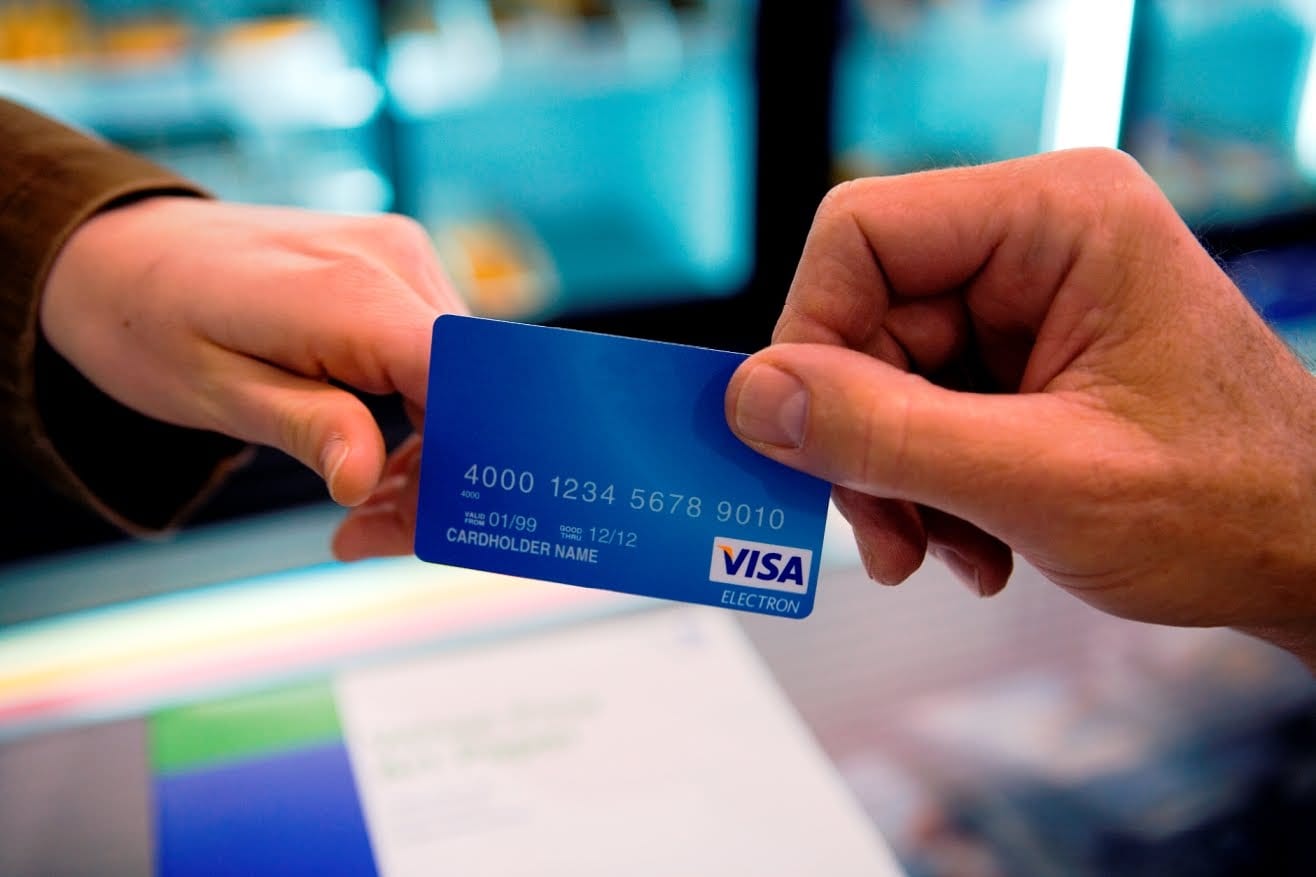
    Increased use of electronic payments, including credit, debit and prepaid cards, added US$3.18 billion (approximately THB 113 billion) or 0.19% GDP growth to Thailand’s economy from 2011 to 2015, the largest weighted average increase in Asia, according to research conducted by Moody’s Analytics for Visa.

    Thailand’s growth triples that of the regional average GDP increase of 0.06% with Vietnam following at 0.14% and Singapore at 0.1%. Increased electronic payment usage also created the equivalent to an average of 75,730 jobs in Thailand per year in the same period.

    Suripong Tantiyanon, Visa Country Manager, Thailand said: “These findings reinforce the many positive benefits that electronic payments bring to local economies not just in Thailand but all over the world. This research also suggests that the right public policies can create an open, competitive payment environment, and contribute to economic growth and job creation.”

    “In Thailand, Visa has partnered with financial institutions, merchants, technology companies, and government agencies such as Tourism Authority of Thailand to make electronic payment accessible to everyone – accelerating electronic acceptance, growing commerce both online and offline, facilitating tourism, and in general bringing the benefits of card payments nationwide,” added Mr. Suripong.

    The Moody’s Analytics study analyzed the impact of electronic payments on economic growth across 70 countries between 2011 and 2015. The Visa-commissioned study found that increased use of electronic payment products, including credit, debit and prepaid cards, added US$296B to GDP, while raising household consumption of goods and services by an average of 0.18 percent per year.

    In addition, Moody’s economists estimate that the equivalent to 2.6 million new jobs were created on average, annually, over the five-year period as a result of increased use of electronic payments. The 70 countries in the study make up almost 95 percent of global GDP.

    “Electronic payments are a major contributor to consumption, increased production, economic growth and employment creation,” noted Mark Zandi, Chief Economist, Moody’s Analytics. “Those countries which saw large increases in card usage also saw larger contributions to overall growth in their economies.”

    Findings from the study were shared in the report, “The Impact of Electronic Payments on Economic Growth,” which also indicated that the electronification of payments benefited governments and contributed to a more stable and open business environment. Additionally electronic payments helped to minimize what is commonly referred to as the grey economy — economic activity that is often cash-based and goes unreported.  As a result, electronic payments provided a higher potential tax revenue base for governments, while also bringing the added benefits of lower cash handling costs, guaranteed payment to merchants and greater financial inclusion for consumers.


    Highlights of the global study include:

    • Growth Opportunities:

    Card Penetration: Real consumption grew at an average of 2.3 percent from 2011 to 2015, of which 0.01 percent is attributable to increased card penetration. This implies that card usage accounted for about 0.4 percent of growth in consumption. Since consumption growth is, on average, faster in emerging economies, those countries also have more to gain by increasing card usage.

    Card Usage: Countries with the largest increases in card usage experienced the biggest contributions in growth.  For example, big increases in GDP were recorded in Hungary (0.25%), the United Arab Emirates (0.23%), Chile (0.23%), Ireland (0.2%), Poland (0.19%) and Australia (0.19%). In most countries, card usage increased regardless of economic performance.

    • Contribution to Employment:

    Increased card usage added the equivalent to almost 2.6 million jobs on average, per year, across the 70 countries sampled between 2011 and 2015. Notably, the two countries with the greatest average job increases were China (427,000 jobs added) and India (336,000 jobs added), which both had large gains in employment due to the combination of fast growing labor productivity and increased card usage.

    • Emerging Markets and Developed Countries:

    Both emerging markets and developed countries experienced gains in consumption due to higher card usage. Increased card usage added 0.2 percent to consumption in emerging markets, compared with 0.14 percent in developed countries between 2011 and 2015. The corresponding figures for GDP were 0.11 percent for emerging economies and 0.08 percent for developed countries, and suggests that all markets, regardless of current card penetration rates, can benefit from increases in consumption due to increases in card usage.

    • Potential Future Growth:

    Across the 70 countries in the study, Moody’s found that every 1 percent increase in usage of electronic payments could produce, on average, an annual increase of approximately $104 billion in the consumption of goods and services. Assuming all future factors remain the same, this could result in an annual average increase of 0.04 percent to GDP attributable to card usage.

    The study highlights that expanding electronic payments alone will not necessarily increase a country’s prosperity — it requires the support of a well-developed financial system and healthy economy to have the greatest impact. The report recommends at a macro-level, to encourage the further electronification of payments, countries must promote policies that streamline regulation, create a robust financial infrastructure, and lead to greater consumption.