Retail News CRM

Tag: valuation

  • Shein’s IPO Dreams Tumble as EU E-commerce Fees Threaten $50 Billion Valuation Goal

    Shein’s IPO Dreams Tumble as EU E-commerce Fees Threaten $50 Billion Valuation Goal

    Shein, the fast-fashion retailer, is looking at a tough road ahead as it aims for a valuation of up to US$50 billion in its highly anticipated IPO in Hong Kong. This is mainly due to new fees imposed on e-commerce parcels in Europe, which are expected to negatively affect sales growth and profits. The proposed valuation is a significant drop from the $100 billion valuation that the company held in 2022, during a funding round when it initially considered a New York listing.

    The company generated global revenue exceeding $40 billion last year, alongside a net profit of nearly $2 billion, according to undisclosed sources. In comparison, the company’s 2024 filings in Singapore show $37 billion in revenue and a profit of $1.29 billion.

    Challenges Presented by New EU Fees

    The company’s growth trajectory this year is likely to face setbacks, following the European Union’s introduction of a €3 fee on low-value e-commerce imports. This measure is aimed at curbing what the EU believes to be unfair competition from China. Shein’s CEO, Sky Xu, will need to reassure investors that this is a temporary setback, with growth expected to rebound in 2027. A significant portion of Shein’s products are manufactured in China, and Europe accounts for a third of the company’s revenue.

    Eddie Tam, Chief Investment Officer at Central Asset Investments in Hong Kong, voiced his concerns about the company’s valuation, stating, “If its valuation is $40 billion, I think that’s still a bit expensive. But if it’s closer to $30 billion, maybe it looks more attractive,” He further added that the new European fees will significantly impact the company’s performance.

    Effects of Increased Fees on European Demand

    Before the imposition of the new fees, e-commerce parcels worth less than €150 (US$171.96) entered the European Union duty-free. Now, each parcel is subject to €3 fees per customs code, which means a parcel with five different items could be charged €15 in duties.

    One e-commerce industry analyst, Juozas Kaziukenas, noted the significant impact of the fee increase by stating, “If you’re used to buying €3 T-shirts on Shein, those are now double the price which is quite significant, even if they’re still cheaper than local alternatives.”

    To better navigate the new fee structure, Shein has been expanding warehouse space in Wroclaw, Poland, and shipping popular products to the EU in bulk. However, like its competitor Temu, the company has cut back advertising spending in Europe as it monitors consumer reactions to the price increases.

    Questions & Answers

    What is the primary challenge facing Shein’s upcoming IPO?
    The main challenge is the new fee imposed by the European Union on e-commerce imports, which is likely to affect the company’s sales growth and profits.

    How has Shein been preparing for the change in the European Union’s e-commerce fee structure?
    Shein has been expanding its warehouse space in Wroclaw, Poland, and shipping popular products to the EU in bulk. It has also reduced advertising spending in Europe.

    What was the valuation of Shein during its 2022 funding round, and how does it compare to the expected valuation in the upcoming IPO?
    During the 2022 funding round, Shein was valued at $100 billion. However, the company is seeking a valuation of $40 to $50 billion in the upcoming IPO, indicating a significant drop.
  • UBS Challenges Swiss Court Verdict on Credit Suisse’s AT1 Bond Valuation: A Game Changer in Bank Recovery?

    UBS Challenges Swiss Court Verdict on Credit Suisse’s AT1 Bond Valuation: A Game Changer in Bank Recovery?

    The Swiss Federal Administrative Court issued a partial ruling on October 13, 2025, which put up for debate the legality associated with deeming Credit Suisse’s Additional Tier 1 (AT1) bonds as worthless. The ruling came in response to an appeal lodged by Switzerland’s financial regulator, Finma. Now, UBS has declared its intention to lodge their appeal as well.

    UBS to Appeal Ruling

    In line with the release of its results for the third quarter of 2025, UBS announced its plan to challenge the partial ruling of the Federal Administrative Court relating to the AT1 litigation. The bank clarified that this step is being undertaken with the aim of ensuring that the court considers its perspective regarding the relevant facts associated with the acquisition of the AT1 bonds.

    UBS also emphasized that the appeal is essential in order to preserve the credibility of AT1 instruments, considering the integral role these play in the resolution and recovery process of banks.

    Key Component of the Bailout Package

    UBS highlighted that the devaluation of Credit Suisse’s AT1 instruments was an important part of the bailout package. The bank maintained that the devaluation was in line with the contractual terms of the AT1 instruments and the applicable legislation. It also asserted that the decision taken by Finma was lawful.

    UBS pointed to the conclusions reached by the Parliamentary Inquiry Commission, which determined that Credit Suisse would have faced insolvency without the bailout package and would not have been able to continue its operations after Monday, March 20, 2023.

    Challenging A Questionable Verdict

    In October, the Federal Administrative Court ruled that the legal foundation for Finma’s decision to deem Credit Suisse’s AT1 bonds as worthless was inadequate. Finma has already taken a step to challenge this decision at the Federal Supreme Court, and UBS has now announced its decision to do the same.

    UBS has also addressed several questions related to the AT1 issue on its FAQ page.

    Questions & Answers

    Why is UBS appealing the ruling?
    UBS is appealing the ruling to ensure the court considers their view regarding the acquisition of the AT1 bonds and to safeguard the credibility of AT1 instruments due to their key role in the resolution and recovery of banks.

    Why was the devaluation of Credit Suisse’s AT1 instruments a critical part of the bailout package?
    The devaluation was crucial as it was in line with the contractual terms of the AT1 instruments and the applicable law. Without the bailout package, Credit Suisse would have faced insolvency.

    What was Finma’s decision regarding Credit Suisse’s AT1 bonds?
    Finma decided to render Credit Suisse’s AT1 bonds worthless. However, the Federal Administrative Court ruled that the legal basis for this decision was insufficient. Finma and UBS have both decided to appeal this decision.

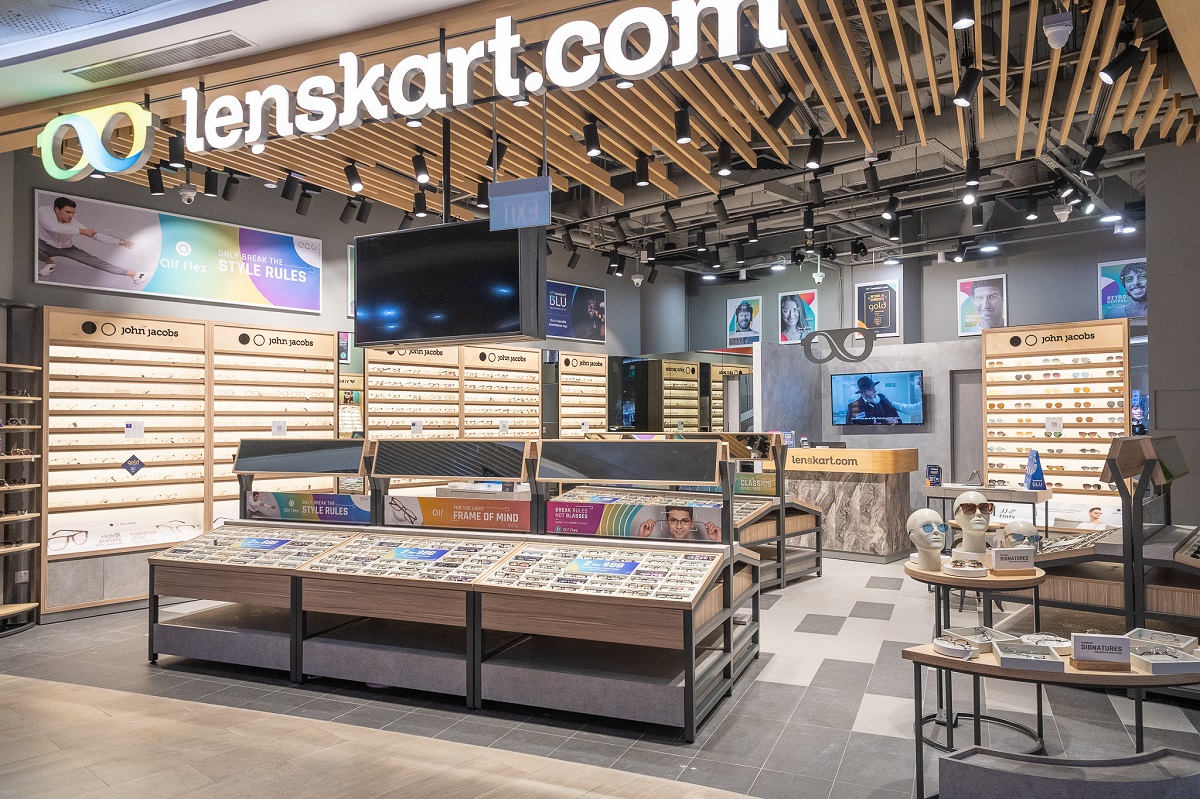
  • Lenskart to launch IPO this week, seeking US$7.9b in valuation

    Lenskart to launch IPO this week, seeking US$7.9b in valuation

    Lenskart Solutions, a leading Indian eyewear retailer, is preparing to unveil its Initial Public Offering (IPO) this week. The company is targeting a valuation of approximately 695 billion rupees, which equates to around $7.91 billion.

    Details of the IPO

    Lenskart Solutions has established a price range of 382-402 rupees per share, which translates to around $4.35 to $4.57. As part of the IPO, Lenskart will issue fresh shares amounting to 21.5 billion rupees. Current investors, inclusive of the company’s founders, are also set to sell approximately 128 million shares, as indicated in an updated prospectus.

    The IPO will commence on October 31 and continue until November 4, with anchor investors beginning to submit their bids on October 30.

    Lenskart’s Success Story

    Lenskart Solutions was established in 2010 and has its headquarters in Gurgaon. As of September 10, the company was valued at $6.1 billion. It operates more than 2060 stores throughout India and has more than 650 outlets internationally.

    The main shareholders, often referred to as ‘promoters’, encompass a Mumbai-based private equity firm named Kedaara Capital, Temasek, a state-owned investment company from Singapore, and SoftBank from Japan.

    Future Plans

    In a statement released in July to the Securities and Exchange Board of India (SEBI), Lenskart Solutions announced that the funds procured from the IPO will be utilized to invest in the establishment of new company-owned, company-operated stores nationwide.

    Questions & Answers

    What is the targeted valuation for Lenskart Solutions’ IPO?
    The company is aiming for a valuation of approximately 695 billion rupees or around $7.91 billion.

    Who are the main shareholders of Lenskart Solutions?
    The primary shareholders include a Mumbai-based private equity firm named Kedaara Capital, Singapore’s state investment company, Temasek, and Japan’s SoftBank.

    What will the funds procured from the IPO be used for?
    Lenskart Solutions has stated that the funds will be utilized to invest in the establishment of new company-owned, company-operated stores across India.

  • Potential $10b Valuation As Investors Eye Stake In Starbucks’ China Operations

    Potential $10b Valuation As Investors Eye Stake In Starbucks’ China Operations

    Starbucks’ China Operations Draw Interest from Potential Buyers

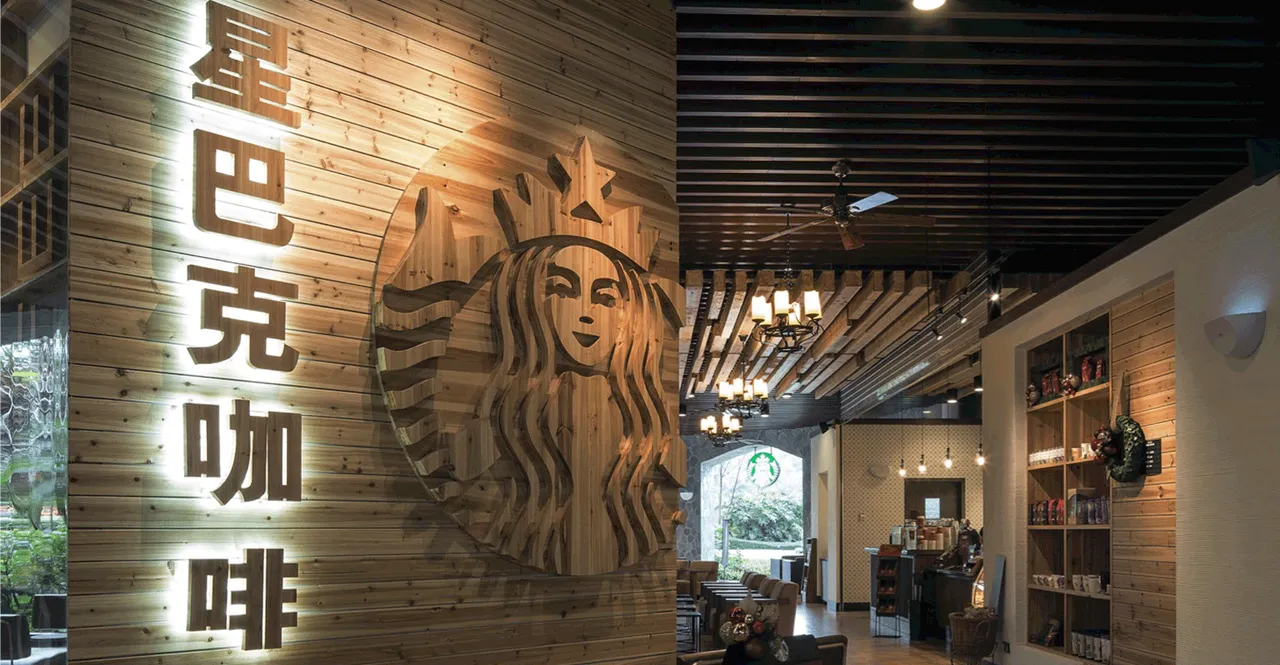
    Starbucks’ business operations in China may soon undergo changes, as several prominent investors have shown interest in acquiring a stake. This signifies a potential valuation of Starbucks’ China unit at approximately US$10 billion.

    Among the investors vying for a stake in the coffee giant’s China business are Asia-based private equity firms Centurium Capital and Hillhouse Capital, as well as their US counterparts Carlyle Group and KKR & Co.

    Starbucks May Retain 30% Stake

    According to sources, it is a possibility that Starbucks might retain a stake of 30 percent, with the remainder distributed among a group of purchasers, each owning less than 30 percent. However, the company and the potential buyers have not yet provided any comments on the matter.

    No Plans for Full Sale

    Last month, Starbucks confirmed that it does not plan to fully sell off its China operations. This announcement followed the commencement of a formal sales process for its China business in May.

    Offers Under Consideration

    Around 30 domestic and international private equity firms in China have submitted non-binding offers for a stake in Starbucks’ China business. Currently, the company is in the process of evaluating the bids, deal structure suggestions, and value creation proposals from the potential investors.

    This selection process is expected to result in a shortlist within the next two months. However, it is unlikely that the entire arrangement will be finalized before the end of this year.

    Questions & Answers

    Which companies are vying for a stake in Starbucks’ China business?
    Asia-based private equity firms Centurium Capital and Hillhouse Capital, as well as US counterparts Carlyle Group and KKR & Co, have shown interest in acquiring a stake.

    How much of a stake might Starbucks retain in its China operations?
    Starbucks may retain up to 30 percent stake in its China operations, with the remaining stake distributed among the group of buyers.

    Is Starbucks planning a complete sell-off of its China operations?
    Last month, Starbucks confirmed that it has no plans to fully sell off its China operations.

  • Starbucks’ China Venture Sparks Interest: Possible $10 Billion Stake Sale On Horizon

    Starbucks’ China Venture Sparks Interest: Possible $10 Billion Stake Sale On Horizon

    Starbucks’ China Business Draws Significant Interest

    Starbucks’ China venture has recently garnered substantial interest for a potential stake sale. The unit is speculated to be worth up to a staggering $10 billion. According to insider information, a multitude of entities is in the race for the stake, including Asian private equity firms Centurium Capital and Hillhouse Capital, as well as American counterparts Carlyle Group and KKR & Co.

    Possible Ownership Structure

    The multinational coffee company may retain a 30% stake in its China business if a deal goes through. The remaining portion would be divided among several investors, each maintaining a stake of less than 30%.

    No Official Comments Yet

    At this point, there has been no official response from Starbucks, Centurium, Hillhouse, Carlyle, or KKR regarding these claims. Until now, this information has not been independently corroborated.

    No Full Sale for Starbucks China

    Despite the current speculation, Starbucks clarified last month that it is not considering a complete sale of its China operations. This announcement followed the initiation of a formal sale process for Starbucks’ China operations that commenced in May.

    Offers Under Evaluation

    Starbucks has received non-binding offers from approximately 30 domestic and foreign private equity firms. The coffee giant is currently assessing these proposals, the proposed deal structures, and the value creation plans presented by the bidders.

    According to sources, the shortlist of potential investors could be ready within the next two months. However, it is unlikely that the transaction will be finalized by the end of this year.

    Questions & Answers

    Who are some of the potential buyers for Starbucks’ China business?

    Potential buyers include Asia-based private equity firms Centurium Capital and Hillhouse Capital, as well as US firms Carlyle Group and KKR & Co.

    What percentage of the Starbucks China business might the company retain after the sale?

    Starbucks may retain a 30% stake in its China operations post-sale.

    When is the deal likely to be finalized?

    While this is subject to change, the deal is currently unlikely to be completed before the end of this year.