Tag: vdo
-

Netflix CEO admits Disney+ hurt it in the U.S.
Netflix on Tuesday announced its fourth-quarter earnings for 2019 and the streaming video company reported the addition of 420,000 net new subscribers in the U.S. during the period. But before you use that stat as proof that the November launch of Disney+ did not effect Netflix during the fourth quarter, guess again. The company expected that it would report 600,000 new subscribers in the states for the period. The 180,000 subscriber shortfall might have been related to the strong start that Disney+ got off to, with 10 million subscribers signed up in the first 24 hours.Netflix CEO Reed Hastings admitted after the earnings announcement that Disney+ has “great” content and said that the rival streamer’s strong lineup “takes away a little from us.” While Netflix often falls short of its estimates (it happens half the time, says the Times), Netflix stated that during this past quarter it was impacted by the seven weeks that Disney+ was up and running during the fourth quarter. In the states, Netflix has 61 million subscribers and expects that figure to keep rising until it hits 90 million.Netflix added 8.4 million net new subscribers globally from October through December and set company records for the number of subscribers it picked up in Latin America, Asia and Europe during the period. On a quarterly basis, Netflix saw its global subscriber list rise 5.5% bringing the total to 167.1 million customers.Netflix will also have some more competition coming starting in the second quarter of this year when NBC Universal’s Peacock streamer launches. The latter’s inventory of content will include extremely popular fare including The Office. NBC/Universal reportedly paid $500 million for a five-year exclusive run for the sitcom on Peacock starting in 2021. The service will have two ad-supported tiers that will be free to Comcast and Cox subscribers although anyone can pay $4.99 a month for the Premium service. Comcast and Cox subscribers can also pay a monthly fee for ad-free streaming.Hastings doesn’t expect that Disney+ will negatively impact Netflix in the long term. “Most of their growth in the future is coming out of the linear TV,” the executive said. And frankly, the same might turn out to be true for Peacock.During the fourth quarter, Netflix reported net income of $570 million or $1.30 per share. That compares to net of $134 million or 30 cents per share during 2018’s fourth quarter. But last year’s quarter includes a $438 million tax benefit. Revenue rose 30% from the $4.2 billion recorded during 2018’s Q4 to $5.7 billion in 2019. The company announced that The Witcher was viewed by 76 million member households. But Netflix has changed the definition of a view to mean that a subscriber “chose to watch and did watch for at least 2 minutes — long enough to indicate the choice was intentional.” Previously, a viewer had to watch 70% or more of an episode or film to qualify as a view. As a result, Netflix’s future view counts will be hiked by 35%. For example, the number of views credited to Our Planet went from 33 million under the old definition to 45 million using the new definition.For the current quarter, Netflix estimates that it will add 7 million net new subscribers globally vs the 9.6 million it added during last year’s first quarter. Netflix expects to see elevated churn levels in the U.S. from January through March. Once again alluding to Disney+, the company’s Chief Financial Officer Spencer Neumann said that Netflix has been experiencing “some elevated churn from pricing and competition.” -

Live streaming becomes a growing livelihood in Vietnam
Broadcasting video games and selling goods using live-streaming is now a real profession in Vietnam, where a tech-savvy population lives and breathes social media. Pham Thanh Nam has been “shooting” people for a living for the last five years, not in real life, but in a game, he broadcasts to thousands of viewers every day.
Nam, or Nam Blue, one of the most popular Vietnamese streamers of the first-person shooting game PUBG, broadcast his games on Facebook for six hours a day, and now has 1.5 million followers.
The 29-year-old who has given up his business to focus entirely on streaming says: “A decade ago most Vietnamese would have said gaming has no future, but game streaming is now a job. Many people and I take seriously.”
Industry insiders say top streamers in Vietnam earn thousands of dollars a month from followers’ donations and ads. Many companies, seeing the rising popularity of game streaming, are now paying streamers to promote their products to young consumers.
This makes Nam one of an increasing number of Vietnamese choosing streaming as their profession amid the country’s increasing Internet penetration and e-commerce growth.
Broadcasting games and selling products are currently the two most popular streaming jobs. Bre Miller, a product design manager at Facebook, said in June 2019 that Vietnam has among the largest number of people in the world watching live game streams.
Last year Vietnam had 15 million esports players and 5.2 million people who regularly watched esports streams, according to digital platform developer Appota.
Industry insiders estimate there are thousands of Vietnamese streaming games on Facebook, thanks to the rising interest in competitive gaming.
Each of Nam’s streaming sessions gets around 500,000 views and a peak of two million. Nam’s followers surged 2.5-fold in just over a year.
He also manages a group of 12 other streamers. His audience comprises mostly of males aged 24-35. They could become a supporter of his page by paying VND47,000 ($2) a month in return for exclusive content.
This rising popularity of game streaming in Vietnam is aligned with the global trend. On Facebook Gaming, the streaming time grew by 210 percent last year to 356 million hours, according to live-stream production tool provider StreamElements.
Dang Thai Son, marketing director of Appota, said the increasing popularity of live streaming and esports among young Vietnamese means they could gradually replace traditional forms of entertainment.
Live shopping
Commercial streaming is also gaining traction among Vietnamese shoppers.
Hong Quan visits a fashion store in Hanoi’s Thanh Xuan District every day, not to shop for clothes, but to film them with a phone camera and stream the images to thousands of viewers.
Since he constantly appears in the shop’s live videos and even offers discounts, the 20-year-old university student could be mistaken for the shop owner thought he is only hired to host live Facebook videos to market the goods.
Quan, who has been doing this job for almost a year, says: “Streaming is not a usual job for most people, but I take it seriously. It offers good pay with short working time for a student like me.”
On the Facebook news feed, a user can find dozens of live videos in which a variety of products like clothes, footwear, sunglasses, watches, and skin care products are presented, often by a host wearing an attractive outfit and with an enthusiastic and fun attitude.
Sellers could appear on the stream themselves, or hire someone like Quan to sell the products for two or three sessions a day, each last 90-120 minutes.
Quan is paid VND300,000 ($13) per session, but he is usually hired for the whole month for VND10 million ($434), which includes a commission on orders, the same amount an office employee might earn.
“I could get shop owners 20-30 orders per session, adding to their revenues from the brick-and-mortar store.”
Since Facebook introduced its live streaming feature in 2016 small businesses in Vietnam have been taking advantage of it to promote their products just like in China and Thailand.
Vietnam ranks seventh in the world in the number of Facebook users, 58 million, according to U.K. advertising agency We Are Social.
It accounted for 30.9 percent of e-commerce web traffic in Southeast Asia in the third quarter of 2019, second only to Indonesia, according to Malaysian market researcher iPrice Group.
All this means small businesses can use live streams to reach new buyers and even as their main selling channel since it saves them the cost of listing on large e-commerce websites or buying expensive target ads.
A streamer only needs a smartphone and a good Internet connection to do the job. Advanced streamers could buy a lighting kit to better showcase products. Once the streamer has ended the session, sales staff start making phone calls to customers to confirm orders.
While setting up a stream is simple, doing it well takes great skill and effort. Thao Sang, a senior college student in Ho Chi Minh City who sells clothes, often has to talk non-stop for three hours to keep her audience interested.
“There were times when I lost my voice or got sick after sessions.”
Besides, there is pressure to achieve sales targets while women streamers say they have to suffer sexual and abusive comments to earn a salary of VND200,000-300,000 ($9-13) for a 90-minute session.
But all the effort is worth it when customers place orders. Mai Hoa of Hanoi, an avid Facebook user, has in recent months been watching four or five live streams a day from her favorite shops to find clothes and accessories.
Last month the 25-year-old received a 30 percent discount on a skin lotion and lipsticks for just sharing the stream with three public groups.
“It took me less than a minute to place the order, and I received exactly what I wanted three days later. The physical shop was in Saigon, but it was also beneath my fingertips.”
Buyers say real-time interaction is what they like most about live streams, as they can ask questions or make suggestions by just typing a comment instead of having to wait for hours or days after sending a message to an inbox.
The engagement also benefits sellers since they can ask their audience to share the stream with friends and groups to increase their reach. Streamers often reward sharers with discounts or limited products, and can thus attract 250,000 views and 20,000 comments in a session.
Communications expert Nguyen Ngoc Long says streaming has become trendy because Facebook prioritizes live streams more than texts and regular videos, and sellers love this because they can reach more people.
Some companies have been using celebrities and social media influencers to promote their products on live streams.
Even Singapore-based shopping giant Lazada has been using the live streaming feature since 2017. Its app has a LazLive section for Vietnamese sellers to promote their products.
Long says, “Live streaming will continue to be popular in Vietnam for the next five to 10 years.”
-

Disney+ is removing content but not the way that Netflix does
Disney+ is certainly off to a great start. Back in November, 10 million subscribers signed up in the first 24 hours although some of those were Verizon customers taking advantage of a free year of service. Others might have signed up for a free seven-day trial that everyone gets to use one time to try the service. The video streaming app might not have as wide a range of content as Netflix, but with titles from the Disney Channel, Disney, Pixar, Marvel, Lucasfilm (including Star Wars) and National Geographic, there is something for everyone.
Just two weeks after its debut on Disney+, The Mandalorian was the most-watched television series in the U.S. on any platform. The episodic series is part of the Star Wars universe and has already had a breakout “star” in Baby Yoda. The series is so important to the service that some Disney+ subscribers have already let their monthly subscription lapse now that the first season of The Mandalorian has ended. Unlike Netflix, Disney drops its new episodes weekly instead of all at once, and those departing Disney+ say that they will return in the fall when the show’s second season is expected to premiere. By leaving Disney+ and returning for The Mandalorian’s next season, these consumers are saving $6.99 for each month they wait on the sideline.
Fans of The Mandalorian aren’t the only “things” that are leaving Disney+. Several movie titles have disappeared from the app. Films such as Home Alone, Home Alone 2, The Sandlot, Dr. Dolittle, and Pirates of the Caribbean: On Stranger Tides ended their run on Disney+ once the calendar hit 2020. Unlike Netflix, Amazon Prime and other streamers, Disney removed these movies without making any announcement; the other services provide their subscribers with an advanced warning to give them one last shot at watching a particular film or series before it is removed.
Disney has been promoting new additions to Disney+ and has never hinted that non-classic content would stay on the service forever. As for classic Disney movies, a spokesman said last year that “there will not be a ‘rotating slate’ of licensed movies each month […] With Disney Plus, beloved classics from the Disney vault will now stream in a permanent home, including Snow White and the Seven Dwarfs, Pinocchio, Cinderella, The Jungle Book, The Little Mermaid, and The Lion King — the entire 13-film Signature Collection — all available on day one.”
Polygon’s sources say that legacy deals made before the development of the streaming site is the reason for the departure of non-classic titles. Once those deals are completed, the movies removed could return to Disney+ permanently. For example, one of the top movies on Disney+ is Marvel’s Black Panther. In 2026, streaming rights for the film revert back to Netflix where the movie was found before the launch of Disney’s video streamer. Ironically, Disney does own all of the content on Disney+ even though it must abide by previously agreed to contracts with other streamers.
There remains the possibility that some deals could be renegotiated. That’s how Disney was able to wrest away Star Wars: The Force Awakens from Starz. As it is, besides Black Panther, Netflix is expected to have Star Wars: The Last Jedi, Coco and some other films back in its inventory by 2026. Sure, that seems so far away but before you know it, it will be time for Disney to jettison those titles.
Speaking of Netflix, as of last month one million of the latter’s subscribers were “stolen” away by Disney+ according to brokerage firm Cowen & Co. And while that might not have Netflix executives quaking in their shoes, a survey conducted by Rosenblatt Securities analyst Bernie McTernan found that 29% of Disney+ subscribers dropped a rival streaming service to join Disney’s offering; 9% specifically left Netflix. Disney’s goal is to hit 60 million to 90 million paying customers worldwide by the end of its fiscal year 2024. At last count, Netflix had 158.3 million global subscribers.
-

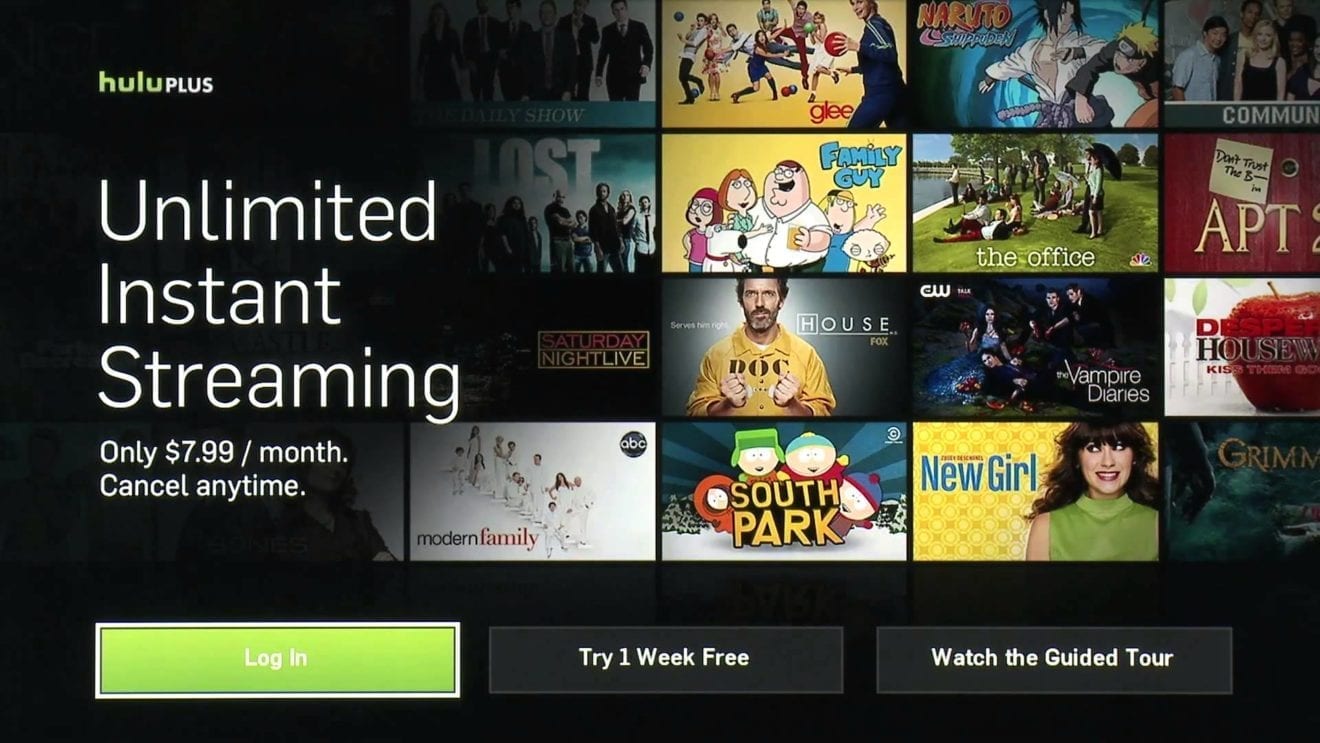
Hulu launches new rewards system for select viewers
After increasing the prices of its streaming services, Hulu announced a new rewards system for those who love to binge. A new ad system is now available for Hulu viewers who like to watch TV shows back-to-back, the company announced.
The new ad experience has been specially designed for binge-watchers, so here is how it will work. If you plan to watch an entire season of your favorite show in one sitting or at least several episodes, you will certainly qualify for Hulu’s new rewards system.
Let’s say you’re watching a show and you reach the third episode, then you’ll be able to choose a reward from Hulu, as the streaming service will let you choose from either an ad-free episode or a unique offer from its brand partners.
Speaking of brand partners, Hulu announced that for the time being, it will give binge-watchers offers from the following brands: Kellog’s, Maker’s Mark and Georgia-Pacific. Of course, Hulu may add more brands in the future, but for now, you’re limited to these three. Or, you can always choose the ad-free episode and don’t bother with any special offers from these advertisers.
-

Hulu is the latest streaming platform to announce a price hike
Hulu is just the latest name on the long list of streaming services that increased their prices within the past few years. Netflix, YouTube TV, and AT&T TV Now are just some of the most popular platforms that admitted defeat and decided to make customers pay more for their services.
Starting December 18, customers who wish to subscribe to Hulu + Live TV will have to pay no less than $55 per month, up $10 from its current price of $45 per month, Hulu announced. Of course, existing customers will be affected by the price hike as well, so they should see the changes reflected in their subsequent billing cycle after December 18.
The new price better reflects the substantial value of Hulu + Live TV and allows us to continue offering all of the popular live news, sports and entertainment programming included in the plan.Hulu recommends those who can’t afford to pay for Hulu + Live TV to choose one of its less expensive on-demand plans during those months when there’s nothing interesting to watch that would only be available through Hulu + Live.
Hulu + Live TV includes all of Hulu’s on-demand content, access to over 60 live sports, news and entertainment channels, as well as Hulu Originals like This is Us, The Good Doctor, Family Guy, ER and Lost.
The price changes might be hard to stomach for many Hulu customers, but at least they’ll have the option to switch back and forth between plans to best suit their needs.
-

Disney+ is already rocking the streaming industry with incredibly early milestone
One full year of hyping after Disney formally threw its hat in the Netflix-dominated video streaming ring, the most highly anticipated new platform of 2019 finally made its commercial debut yesterday, November 12. Today, November 13, the Mouse House is already boasting about the insane subscriber numbers of Disney+, which might explain why it was initially so tricky for so many users to access their family-friendly content.
According to CNBC, which is quoting an official company announcement, no less than 10 million people have signed up for the surprisingly affordable and incredibly extensive VOD service roughly 24 hours after its Tuesday launch. While the platform’s free 7-day trial makes it impossible to know how many of those “subscribers” will actually end up paying for the service, the figure remains outstanding, giving Disney the perfect start in a very competitive and increasingly crowded market.
It’s obviously not fair to make these comparisons, but Netflix barely added 6.8 million paying subscribers worldwide between July and September this year for a grand total of more than 158 million people, with Hulu, which just so happens to also be owned by Disney, lagging far behind, at around 28 million subscribers as of the end of Q1 2019, up by 3 million compared to the previous quarter.
It’s almost hard to imagine just how fast Disney+ will be able to expand its reach when it becomes available around the world. Don’t forget, the November 12 launch was a US, Canada, and Netherlands-only thing, which makes the 10 million milestones that much more impressive. Then again, one important thing that may have helped inflate the number somewhat artificially (apart from the aforementioned free trial) is Verizon’s killer deal for both new and existing customers.
Of course, Apple TV+ started off with a similarly “unfair” advantage over Netflix earlier this month, as recent iPhone, iPad, iPod Touch, Mac, and Apple TV buyers are all eligible for a free year of service, and we’re not seeing the Cupertino-based tech giant crowing over the platform’s achievements… yet.
Clearly, the Disney+ debut can be considered a smash hit, which obviously makes sense given the sheer size and mainstream appeal of its library, as well as the low $6.99 monthly rate, all the premium features and perks included in that price, and the fact you can even share your account with family members and friends… for the time being.
-

YouTube TV subscribers can now offer 2 weeks of free service to friends
It looks like YouTube TV is running a promotion aimed at its subscribers to bring more people under its umbrella. Many YouTube TV subscribers received a free trial code that they can share with friends and family who’d like to check out the service for the first time.
The code is sent via email and contains a shareable link or code (or both) to make it easier for potential subscribers to redeem the offer. To offer the two weeks extended free trial code, you’ll have to forward the email to whoever you wish to benefit from the offer, or you could share the link directly.
We can’t confirm if these 2-week free trial codes are given to all YouTube TV subscribers in the US, but if you get one, make sure to share it with whomever you want fast. The promotion will only last until October 16, so those who are given these codes have five more days to redeem them.
Currently, YouTube TV offers access to more than 70 TV channels, including ABC, CBS, NBC, Fox, AMC, CNN, Discovery, and ESPN. A cloud-based DVR service with unlimited storage that saves recordings for nine months is included in the $50 monthly subscription, which can be shared among six accounts.
-

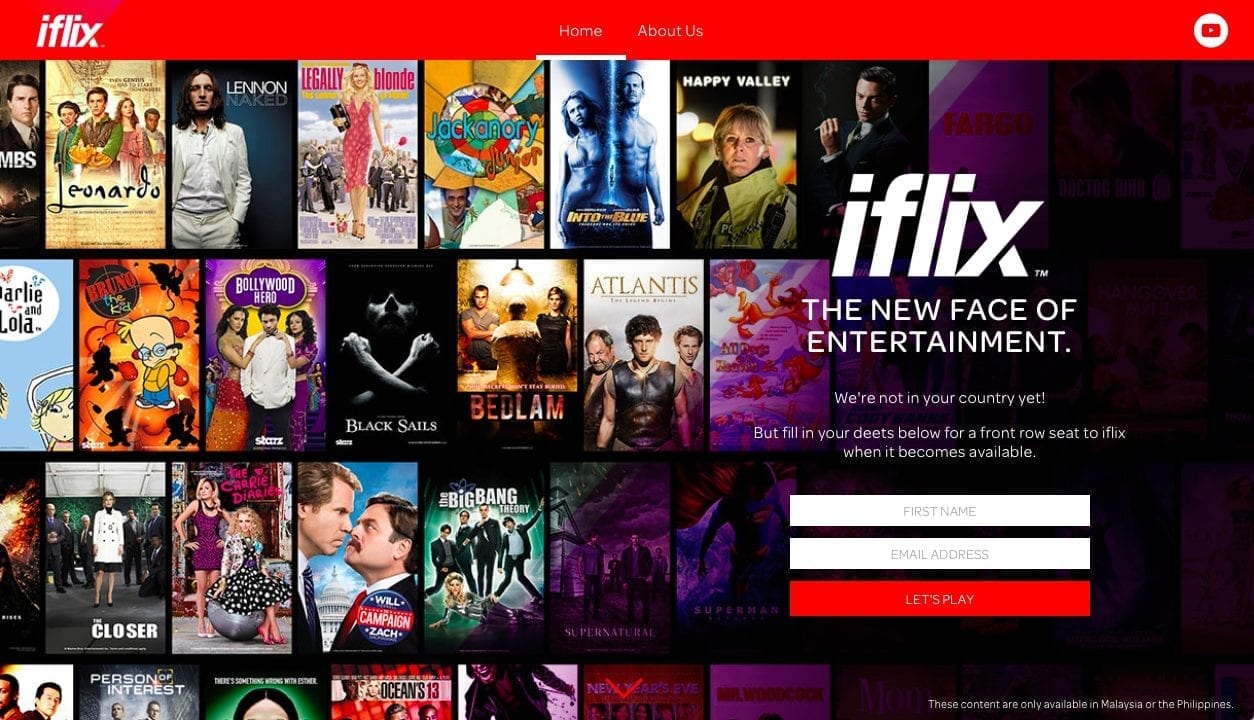
After Netflix, another foreign video streaming provider connects in Vietnam
Foreign companies have long been salivating over the local streaming media market’s potential. Malaysia-based video streaming startup iflix has officially launched in Vietnam with the aim of tapping into the country’s sizable population, the company said on Tuesday at a press conference.
Vietnam is currently ranked by Internet World Stats at 18th globally in terms of the number of internet users, making it a lucrative proposition in the eyes of foreign streaming platforms.
The streaming video provider sees Vietnam as a huge market with enormous potential mainly because the country has a growing population and fee-based online streaming services like iflix are still virtually new in this market, citing David L.Goldstein, iflix manager in Asia, as saying.
Vietnamese consumers have long enjoyed access to free online videos, however, with the arrival of the U.S video streaming giant Netflix a year ago, and now Malaysia’s iflix, this is changing.
iflix makes its money from charging subscribers a monthly fee of VND59,000 ($2.59) after a 30-day free trial. This is about three times less than subscription fees currently offered by Netflix, and could start a price war between the two.
Customers in Vietnam can watch iflix on a variety of devices, including desktop computers, tablets, televisions and smart phones.
The streaming platform also allows its subscribers to select subtitles in English or in Vietnamese, said Country Manager Hoang Tung at the press conference.
iflix is now available in eight Asian markets, and its catalog includes both Hollywood hits and local content in Malaysian, Chinese and other regional languages. It has secured more than 1 million subscribers since its launch in 2015.
-

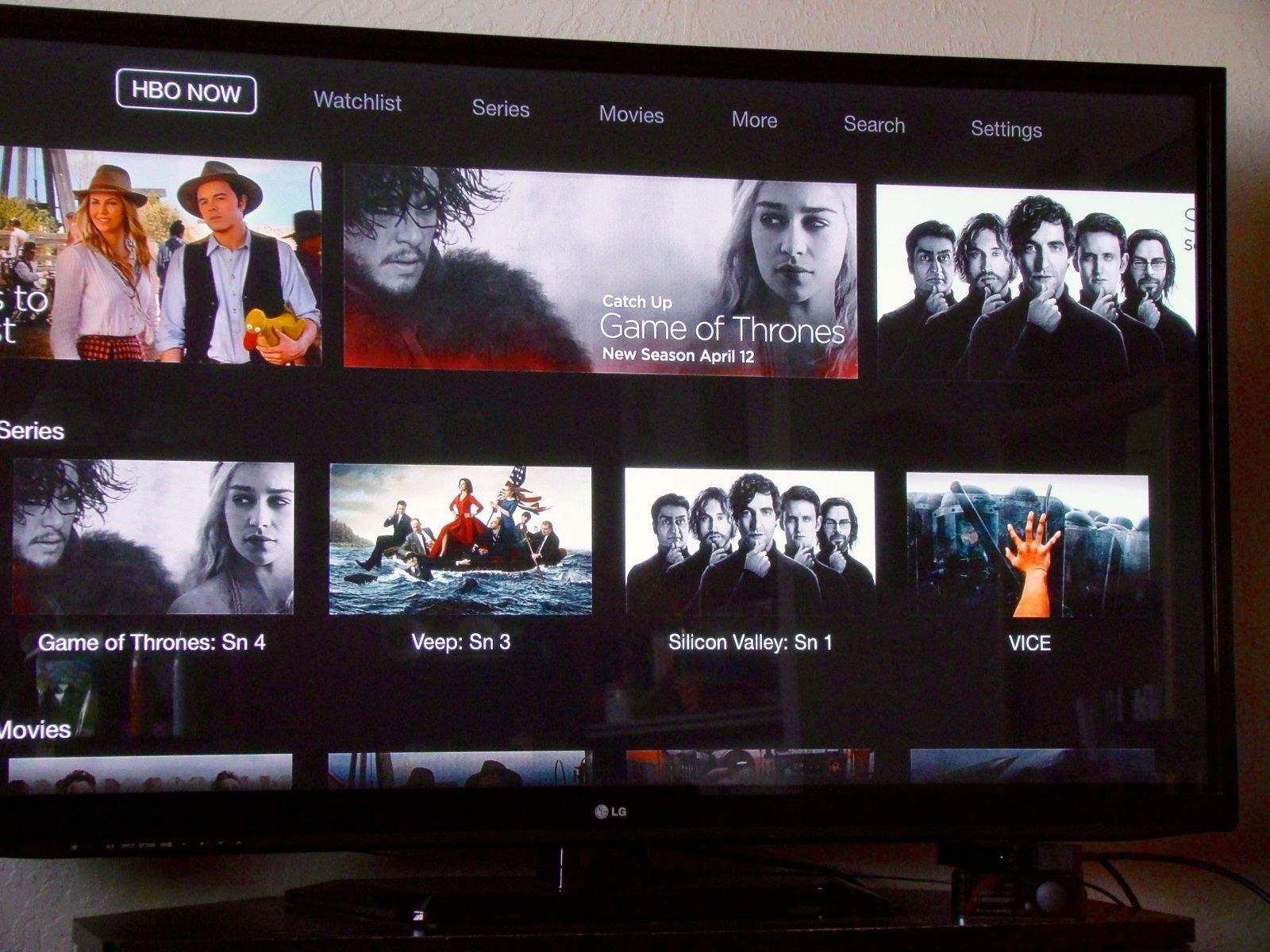
HBO tops SVOD customer satisfaction
HBO Now ranks highest for customer satisfaction in 11 of 14 categories among subscription video on-demand (SVOD) services examined, a new report released by Strategy Analytics shows.
The report measured customer satisfaction in 14 categories across three key areas — the number and availability of TV shows/films, how easy it is to find them, and the overall value of the service.
HBO Now had the highest score for all but three of the categories examined – availability of children’s programming (Hulu scored top), content recommendations and the cost of the subscription (Netflix topped both).
Hulu outscored Netflix in six of the 14 categories, while Amazon Prime was at the bottom in every one.
When compared to the other three services, HBO Now scored particularly highly in the availability of current and past season’s TV shows as well as the number of hit movies and original programs.
Wu Zhaowen, digital media strategies analyst at Strategy Analytics, said that though HBO Now has a much smaller library than other SVOD services, it has more blockbuster movie and hit series such as “Game of Thrones” and “Westworld.”
When subscribers were asked to give a single “overall” score for the services, however, Netflix came out on top, with Hulu very narrowly ahead of HBO.
Michael Goodman, director of digital media strategies said people have been talking about it being a Netflix vs. Amazon battle in terms of which service viewers choose, with the others left to pick up the scraps.
“However, if HBO continues on this vein, we’re more likely to see a situation where people will have one ‘blockbuster’ service like HBO or HBO Now and either a Netflix or Amazon in support,” said Goodman.
-

Viu reaches 4m unique users in 1 year
PCCW has announced that its Viu OTT video service has reached 4 million unique users one year after launch.
Viu is now available in Hong Kong, Singapore, Malaysia, India, Indonesia and the Philippines, offering a range of premium Asian video content.
Viu’s content library includes Korean content from the top four broadcasters, as well as Japanese, Malaysian, Indonesian, Taiwanese, Hollywood and now Thai content in some markets. The company differentiates with fast local subtitling, and by producing its own entertainment news in collaboration with Korea’s K1 Headlines.
During the third quarter of 2016, Viu recorded over 218 million views, with users consuming an average of 1.2 hours of content per day or 12 videos per week.
“As OTT takes root and continues to develop rapidly in Asia, Viu continues to stride forward with the launch of its service in the Philippines, a vibrant market with over 30 million viewers who regularly watch videos online,” PCCW Media Group MD Janice Lee said.
“We are confident that our Philippine launch will replicate the growth and success we have experienced in the region.”
-

3HK to offer a year’s free OTT video subscription
Hutchison Telecommunications Hong Kong Holding’s mobile division 3 Hong Kong is offering a year’s free subscription to its premium subscription TV and VOD service to all new and existing 4G users.
The mobile version of the myTV SUPER and TVB Premium subscription VOD service will be made available free of charge. A 12-month subscription has a usual price of HK$380 ($49).
The operator has also launched the TVB Data Pack subscription service, offering 1GB, 3GB or 6GB of data for HK$20, HK$50 or HK$80 respectively.
HTHKH COO Jennifer Tan said the company has introduced the offer to help usher Hong Kong into the 4.5G era after converging its FDD and TDD networks.
“Our smooth and stable network, together with abundant bandwidth from our 4.5G network, provides the capacity needed to build an OTT service platform, so we are now ready to carry all kinds of dynamic mobile apps,” she said.“myTV SUPER has become one of the most popular OTT offerings following inception earlier this year – and we are delighted to offer 12 months’ service free of charge to all 3 Hong Kong’s 4G users to help celebrate launch of our 4.5G network.”
Broadcaster TVB has been expanding the reach of its myTV SUPER subscription TV service. Earlier this month, the broadcaser expended its relationship with fixed line operator HKBN to cover the delivery of more myTV SUPER set top boxes for the company’s fixed line customers.
-

TV, video viewing shifts rapidly towards mobility
Average viewing times on mobile devices has grown by more than 200 hours a year since 2012, driving up overall TV and video viewing by an additional 1.5 hours a week, according to the latest Ericsson ConsumerLab TV & Media Report.
The surge in mobile viewing is offset with a decline in fixed screen viewing of 2.5 hours a week, however the appetite for TV and video is not waning.
Weekly share of time spent watching TV and video on mobile devices has grown by 85% (2010-2016). On fixed screens it has gone down by 14% over the same period.
Also, 40% of consumers globally are “very interested” in a mobile data plan that includes unrestricted video streaming.
In the US, 20% of mobile viewing is paid-for content using services such as Netflix, Hulu, and Amazon Prime.
A major issue is low consumer satisfaction when trying to find something to watch, 44% of US consumers say they can’t find anything to watch on linear TV on a daily basis, an increase of 22% compared with last year (36%).
In contrast, US consumers spend 45% more time choosing what to watch on VOD services than linear TV.
Paradoxically, 63% of consumers claim that they are very satisfied with content discovery when it comes to their VOD service, while only 51% say the same for linear TV.
The findings suggest that although the VOD discovery process is more time consuming than with linear broadcast TV, consumers rate it as less frustrating, as it implicitly promises the opportunity to find something they want to watch, when they want to watch it.
-

Vudu picks Ooyala for new free streaming servic
Ooyala now powers the new advertising (AVOD) service, Vudu Movies on Us, from Vudu, Walmart’s subscription-free, premium video streaming service.
Advertisers are now able to access Vudu’s millions of customers, reaching millions of streams every month across thousands of titles on connected devices.
Ooyala is the exclusive technology provider for Vudu’s entire free-ad-supported service and is also representing the advertising inventory, helping them expand the business beyond the current leading transactional-based (TVOD) service.
Vudu uses Ooyala Pulse, Ooyala’s holistic advertising platform, to manage every campaign running across its ad-supported service in real-time. With forecasting capabilities that come out-of-the-box with Ooyala Pulse, Vudu can see if campaigns are on track to reach their goals and impression commitments. If not, Vudu is able to adjust and optimize campaigns on the fly to ensure all campaigns are successful.
Also, Ooyala is powering all video for Toca TV, the first video streaming service from Toca Boca.
With Ooyala, Toca Boca now delivers its extensive video library of original and curated content to its global audience as the company moves into a new category of kids’ entertainment.
To maximize viewership and return on every asset, they chose Ooyala as its technology partner to deliver personalized recommendations so its audience engages longer and gets the most value out of every video, everytime.
Using Ooyala Discovery, Ooyala’s content recommendation technology, videos are served based on contextual factors such as like-viewing patterns on similar devices and geographical locations.
-

Millennials to Decide Future of TV in Indonesia
As of 2016, according to the Central Statistics Agency’s estimations, Indonesian millennials — born between the 1980s and early 2000s — make up about 41 percent of the 258.8 million population.
“The future will be in OTT and many want to capture this market. The number of millennials is going to be big in Indonesia and infrastructure is now being prepared. The government has rolled out 4G and smartphone prices are getting lower each year,” Greeny said.
Genflix offers its customers thousands of videos, Japanese cartoons and other exclusive content. Genflix currently has three million subscribers, 60 percent of whom are paying customers. Most of them access the service via their smartphones.
The catch
Hendy Lim from the Redemption Entertainment said this is the moment for the local talents and content creators as the content-hungry OTT services will keep on coming to tap into the growing Indonesian middle-class. But there is a catch.
Hendy, who has just left his position as the vice president of the media company MNC Group, said the OTT services need to compete with the deep-pocketed free-to-air televisions.
“These free-to-airs can pay up to $30,000 per episode. I can’t tell the exact number, but I think [the OTT] can pay only 5 percent of it,” he said, adding that free-to-air revenues are high because many people still watch television.
The on-demand services will also have to face uncertain regulations with regard to corporate establishment, taxes and censorship.
Communications and Information Technology Minister Rudiantara promised that this year the government will produce a regulation governing the OTT services. The regulation will take into account the international tax treaty and censorship measures similar to those applied for televisions.
Desmond Poon, chief technology officer of the listed internet service provider Link Net, said during the summit that censorship as such is against the idea of the internet.
Despite the challenges posed by censorship and the not yet fully available broadband connectivity, especially in the easternmost part of the country, Poon remains optimistic the OTT business will continue to grow.