Retail News CRM

Tag: white

  • Malaysia’s OldTown White Coffee ramps up Philippine expansion

    Malaysia’s OldTown White Coffee ramps up Philippine expansion

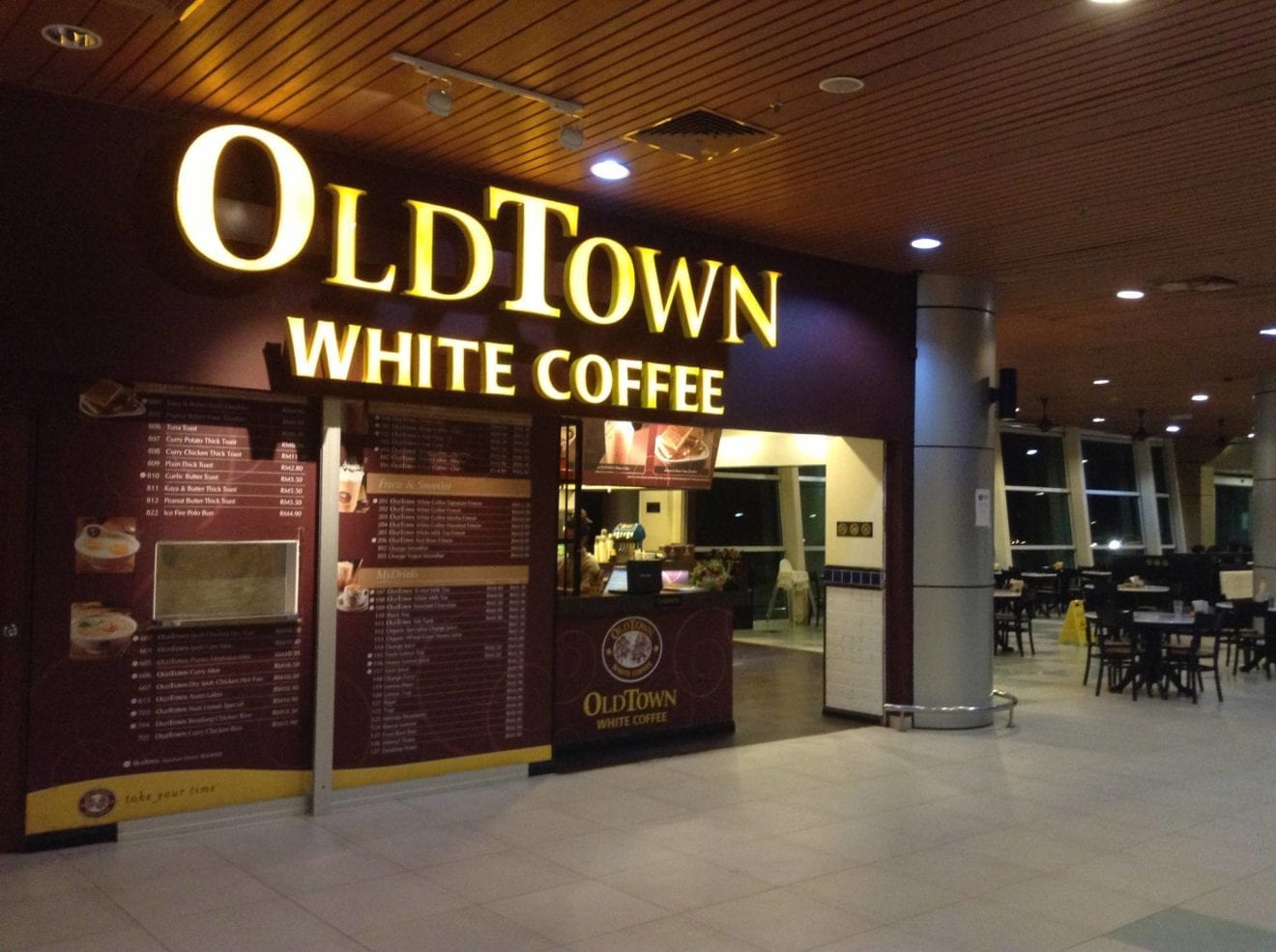
    OldTown White Coffee, a renowned Malaysian coffee brand, is charting an ambitious growth trajectory in the Philippines with a hefty investment amounting to US$21 million (PHP400 million). The funding will facilitate the introduction of 20 additional outlets over the next half-decade.

    This strategic expansion is spearheaded by the brand’s Philippine licensee, Del Mundo Group. This follows hot on the heels of the inauguration of OldTown’s inaugural branch in Zamboanga City. This new entrant marks the 11th OldTown outlet in the Philippines and the first in Western Mindanao.

    The new café, nestled in Tumaga’s Pasonanca Road, is the entrepreneurial venture of Pherhan and Jhulie Saiddi. The duo aims to enrich Zamboanga’s vibrant food and beverage landscape with their venture.

    “We aspire to introduce a global brand to Zamboanga that resonates with quality and cultural authenticity. OldTown White Coffee encapsulates this aspiration perfectly,” expressed the Saiddis.

    Debuting in 1999, OldTown White Coffee has earned a name for its signature roasted white coffee and authentic Malaysian cuisine. With more than 200 outlets across Malaysia, the brand has extended its footprint to Singapore, Indonesia, and Hong Kong.

    The Philippine chapter of OldTown White Coffee began in 2023, under the aegis of Del Mundo Group. The group is also known for managing brands like Mesa Filipino Moderne, Ramen Bari Uma, Buchiton, Hayashi Yakiniku, and Cravy.

    Matt Ablis, the COO of Del Mundo Group, revealed the group’s intention to penetrate key provincial markets with burgeoning consumer demand and local economic growth. “This expansion is not just about opening new stores, it extends to bringing OldTown’s established café format and menu to previously untapped regions,” he shared.

    Questions & Answers

    What is OldTown White Coffee planning for the Philippines?
    OldTown White Coffee aims to expand its presence in the Philippines with a US$21 million investment, planning to open 20 more outlets over the next five years.

    Who is leading the expansion of OldTown White Coffee in the Philippines?
    The expansion of OldTown White Coffee in the Philippines is being spearheaded by the Del Mundo Group.

    What is the vision of the owners of the new café in Zamboanga City?
    The owners of the new café in Zamboanga City aim to enrich the city’s food and beverage scene by introducing OldTown White Coffee, which they believe encapsulates quality and cultural authenticity.

  • Xiaomi India to foray into appliances, white goods space

    Xiaomi India to foray into appliances, white goods space

    Xiaomi is all set to convert its India arm into an end-to-end consumer durables company. According to a report, Xiaomi officials are currently identifying potential categories including air-conditioners, washing machines, refrigerators, laptops and small appliances like vacuum cleaners and water purifiers for the Indian market. All the products will be smart appliances based on Internet of Things (IoT) or which can connect to the internet and other devices, and operated remotely.

    Xiaomi entered the Indian television market in February this year with products 30-50 percent cheaper than the top three brands — Samsung, LG and Sony. It eventually expanded TV sales to offline stores and started assembling them in India in partnership with contract manufacturer Dixon. It recently announced having shipped more than a million televisions into the Indian market.

    The company will follow the same model for appliances. The products will be priced aggressively in line with its announced strategy of keeping just 5 percent profit margin for itself and start local assembly after gaining some scale to take advantage of Make in India duty benefits, according to the report.

  • The plain white shirt is a best seller for Esquel

    The plain white shirt is a best seller for Esquel

    Why is selling white shirts a good business in China? It’s because the world’s second largest economy is seeing an increasing number of youngsters taking white collar jobs, according to John Cheh, vice-chairman and chief executive of Esquel Group.

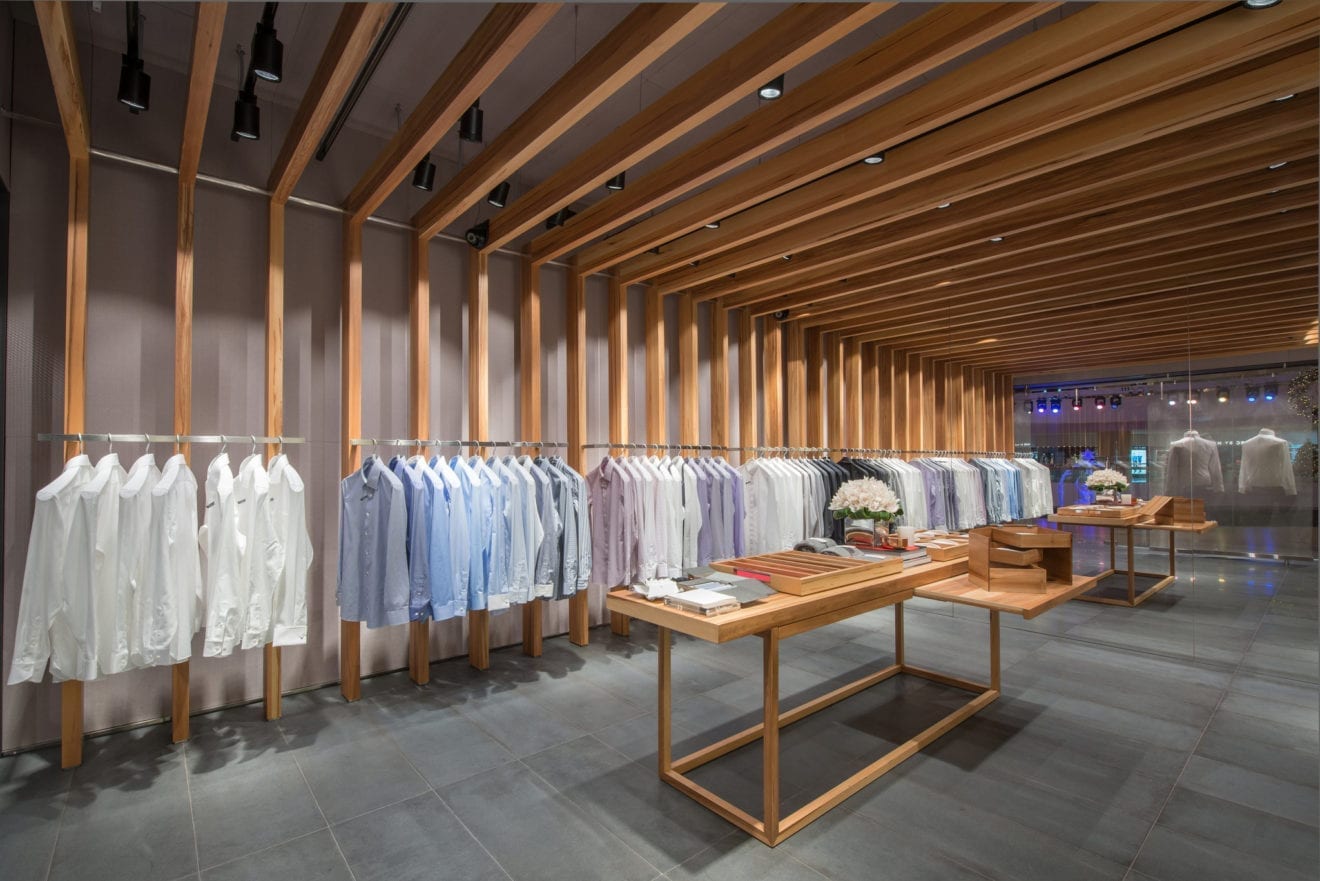
    Esquel, the world’s largest woven shirt manufacturer, last month launch a new retail brand called Determinant which sells mainly white shirts costing about HK$300 each for the mass market of mainland youngsters.

    “The new generation of youngsters in mainland China are white collar employees who need to dress decently to go to work. There are millions of youngsters who have graduated from universities in China every year. They all need a white shirt for their job interview or for their work,” Cheh said.

    He said Determinant would target these youngsters so it could sell the shirts online at an affordable price for the mass market.

    White shirts are not just for junior staff. When they climb up the corporate ladder, they also need a shirt to wear to work and when meeting with their clients. The quality and price tag of the shirts they buy may well move up along with their promotions.

    Cheh is wearing a white shirt during the interview with the Post but as chief executive of the group, he wears one from the company’s deluxe retail brand called Pye.

    Pye, headed by Dee Poon, managing director of Esquel Brands and Distribution and granddaughter of the founder of Esquel, has six shops in Hong Kong and mainland China. It sells more high quality shirts at a minimum of HK$1,000 each.

    Cheh said the company invested in the retail business to diversify its income source but added that manufacturing remains its core business.

    “We plan to only focus the retail business on what we are good at – shirts. China has an increasing number of middle class who can afford to buy good quality shirts and clothes. A simple white shirt may not be fancy fashion but it is suitable for many occasions. It is always a best seller,” he said.

  • Domestic white pepper prices sink

    Domestic white pepper prices sink

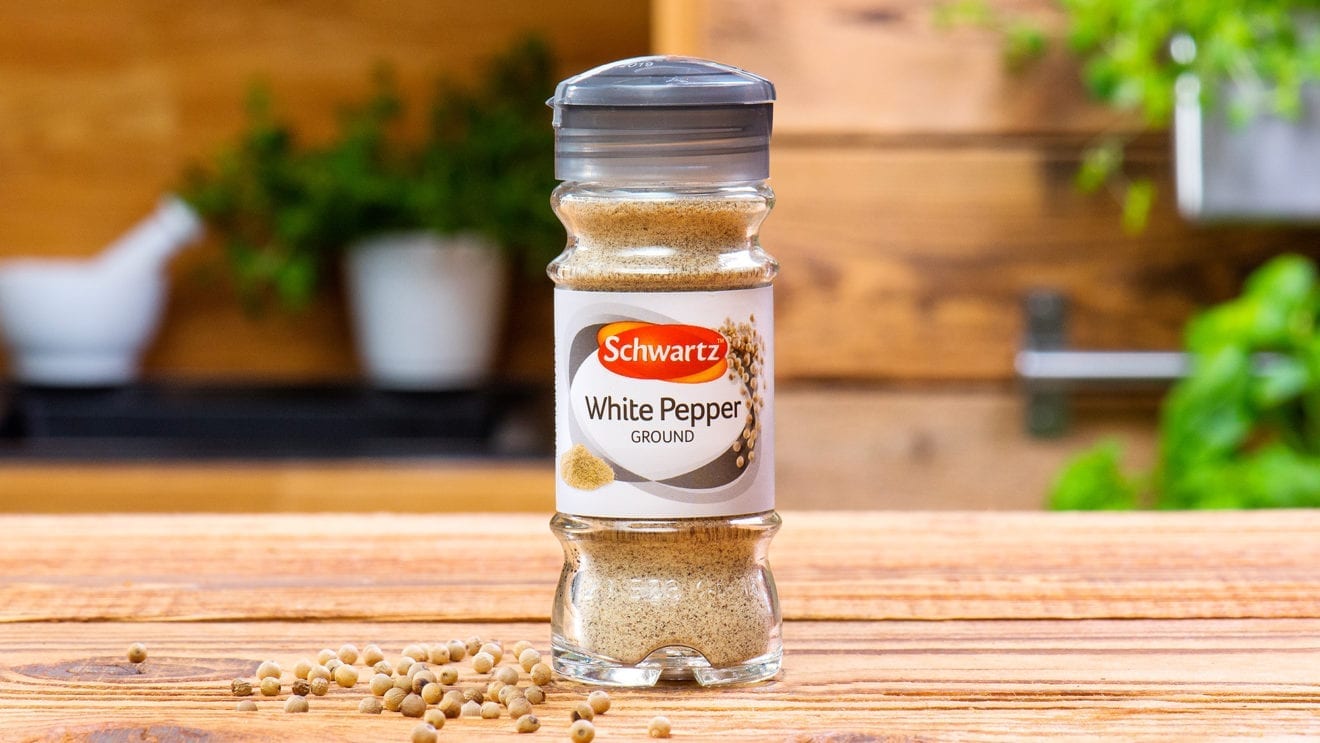
    Domestic white pepper prices have fallen sharply in recent weeks, losing a hefty RM12,000 per tonne or 24% year-to-date after sustaining at an all-time high level of RM50,000 per tonne for months.

    Kuching Grade 1 white pepper dropped to RM38,000 per tonne on Friday (Sept 2) based on Malaysian Pepper Board (MPB) published price. The slide was particularly steep in the past two months, from RM48,500 per tonne in early July.

    For Kuching Grade 1 black pepper,its price has retreated to RM25,000 per tonne from a record high of RM30,000 per tonne or a drop of nearly 17%.

    The white and black pepper soared to RM50,000 and RM30,000 per tonne respectively in September, last year in a spectacular six-year rally, the longest in history, riding on the growing global demand for the spice that outpace supply. The run-up began in 2009 when the white and black pepper were hovering around RM11,300 and RM6,500 per tonne levels respectively.

    And what has caused the recent pullback in the prices?

    The correction in domestic pepper prices, according to a MPB senior official, comes ahead of the harvesting of new crop in Indonesia,the world’s second largest producer.

    “Indonesia has begun to harvest the new crop which will enter the market soon. Indonesia is a key producer of white pepper,” the official told.

    Last year,Indonesia produced some 71,500 tonnes of the golden crop against Vietnam’s (world’s No 1 producer) 130,000 tonnes. Other key producing countries,which are International Pepper Community (IPC) members, are India (65,000 tonnes), Brazil (41,500 tonnes) and Malaysia (28,000 tonnes).

    Due to the recent El Nino weather phenomenon,the market has anticipated Indonesia’s new crop output to be affected.

    The official said another reason for the drop in domestic white pepper prices was due to an anticipated increase in white pepper output during the traditional September-October period. Sarawak, which contributes some 95% of the country’s pepper production, is currently into the tail-end of harvesting the new crop,which normally begins in May.

    (Black and white pepper are processed differently. Pepper berries are harvested when ripe and after sun-dried,the outer layer will turn black and become black pepper. White pepper is the result of the outer layer being removed, normally after soaking in clean water in the river and then dried, leaving only the inner seed.)

    Due to the tedious processing procedures for white pepper,most farmers prefer to produce black pepper. Only some 20% of Malaysia’s pepper production are in white pepper.

    The official said despite the softening of pepper prices of late,there is no cause for alarm.

    According to IPC weekly price bulletin (August 22-26),with the exception of Malaysia,pepper prices at source markets remained stable,even increased in Sri Lanka. In India,local price of Malabar black increased almost daily during the week.

    The bulletin said a marginal decrease of local price in dollar terms seen in Bangka and Lampung Indonesia was due to the weakening of local currency against the US dollar.

    “The domestic white and black pepper prices are still firm at current levels even though they have come down quite a bit. The drop is temporarily and the prices will recover,” added the official,whose reason is that global supply remains tight and is unlikely to increase significantly in the near future.

    Based on IPC’s 2016 projections,global consumption for the year is about 463,000 tonnes against production of 414,000 tonnes,resulting in a supply deficit of 49,000 tonnes. Of the forecast production,only 312,000 tonnes are available for export against the export market’s requirement of 320,000 tonnes.

    In 2015,,global consumption was estimated at 439,282 tonnes against production of 407,158 tonnes. World demand for the spice grows at around 4% per annum against production increase of merely 0.7% per annum.