Retail News CRM

Tag: year

  • VIPshop Cash-In: Lunar New Year Boosts Quarterly Profits Amid Strong Apparel Sales

    VIPshop Cash-In: Lunar New Year Boosts Quarterly Profits Amid Strong Apparel Sales

    Chinese retail giant, VIPshop, has recently announced an increase in their first-quarter profits, a result of robust clothing sales and enhanced margins during the Lunar New Year shopping period.

    The firm revealed a total net revenue of RMB26.6 billion (US$3.9 billion) for the quarter which concluded on March 31, marking an increase of 1.2 per cent compared to the previous year.

    In addition to this, the number of active customers saw a moderate rise to 41.7 million, and total orders experienced a growth of 3.2 per cent, equating to 172.6 million.

    Key Factors Behind The Growth

    Eric Shen, the Chairman and CEO, attributed the company’s successful quarter to robust clothing sales and escalated expenditure by high-value customers throughout the Lunar New Year shopping period. He stated that their SVIP client base saw commendable growth in both numbers and contribution, showcasing their continued attractiveness to high-value consumers.

    Shen stated, “In conjunction with these outcomes, we have made consistent progress in our product range, customer engagement, and AI integration. All these factors are aiding us in further capitalizing on our off-price retail model for expansion. We remain committed to the brand-discount space and are confident in our capacity to ensure sustainable, profitable growth in the long term.”

    Mark Wang, the CFO, further elaborated that consumer expenditure was primarily concentrated within the first two months of the quarter. This was due to the earlier occurrence of the Lunar New Year holiday. This, combined with a more robust product mix and disciplined cost management, led to an improvement in profitability.

    Projected Future Revenue

    Looking forward, VIPshop anticipates their second-quarter revenue to fall between RMB24.5 billion (US$3.6 billion) and RMB25.8 billion (US$3.79 billion). This represents a prospective year-over-year decrease of approximately 5 per cent to 0 per cent.

    Questions & Answers

    What was the key factor contributing to VIPShop’s increased first-quarter profits?
    High apparel sales and improved margins during the Lunar New Year shopping season were significant contributors to the increased profits.

    How has the SVIP customer base been significant to VIPShop’s success?
    The SVIP customer base has demonstrated solid growth in both numbers and contributions, indicating the brand’s sustained appeal to high-value consumers.

    What are VIPShop’s expectations for the second-quarter revenues?
    VIPShop anticipates their second-quarter revenue to be between RMB24.5 billion (US$3.6 billion) and RMB25.8 billion (US$3.79 billion), indicating a potential year-over-year decrease of approximately 5 per cent to 0 per cent.
  • Vietnam’s VN-Index Takes Steepest Dive in a Year Amid Geopolitical Tensions and Skyrocketing Oil Prices

    Vietnam’s VN-Index Takes Steepest Dive in a Year Amid Geopolitical Tensions and Skyrocketing Oil Prices

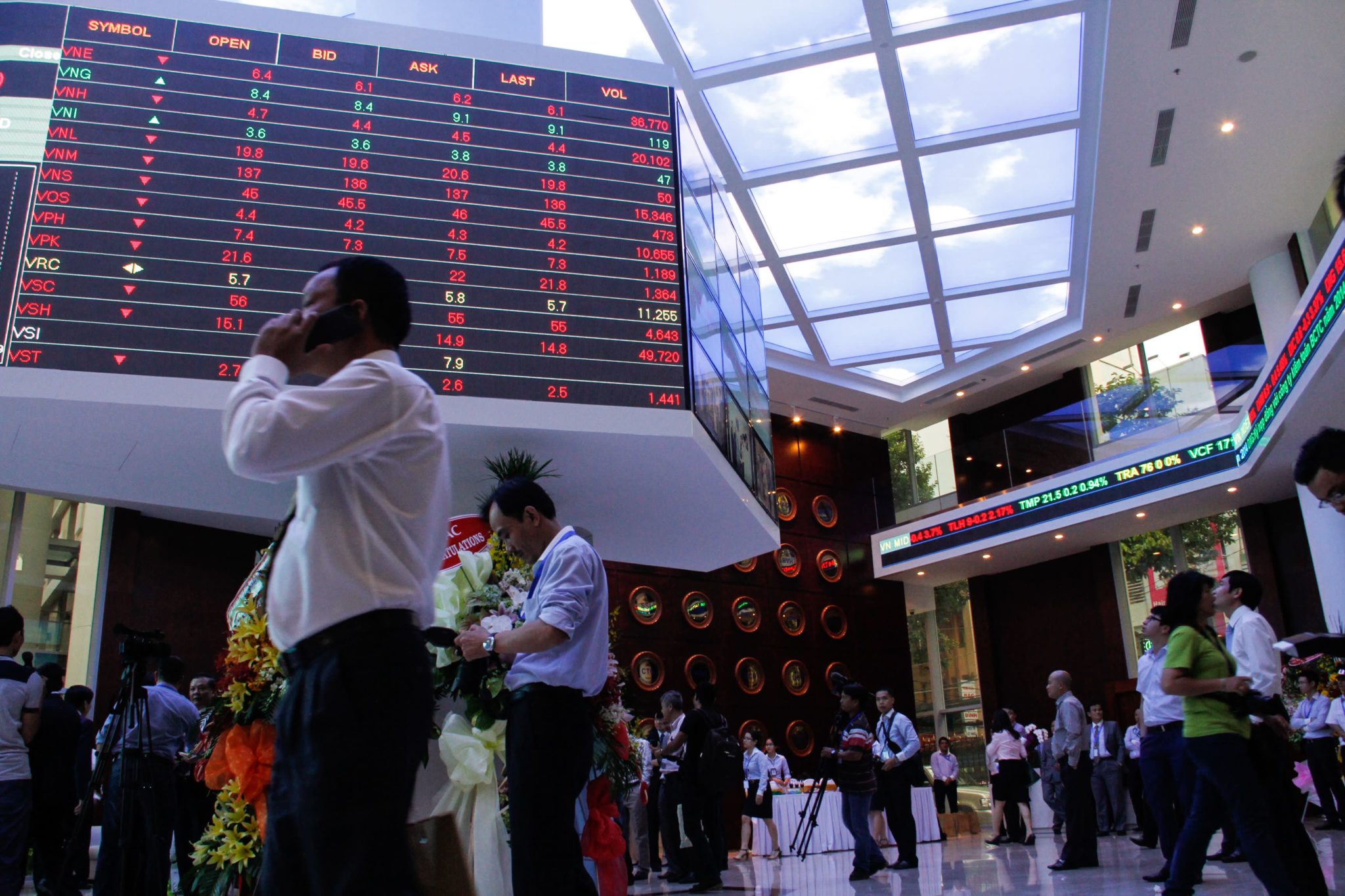
    Vietnam’s primary stock index, the VN-Index, experienced a significant drop of 5.86% during Monday morning trading, as investors initiated a sell-off due to geopolitical uncertainties and rising oil prices.

    Steep Fall of VN-Index

    On Monday, the VN-Index experienced a 6.38% fall from its reference level, marking the sharpest dip in almost a year. The last substantial drop was seen on April 8, when the index declined by 6.43%. This was a result of a prolonged market correction after the announcement of reciprocal tariffs by the U.S. President.

    Despite pessimistic predictions regarding short-term market developments from many securities companies prior to Monday’s trading, a drastic drop in the VN-Index was not anticipated. Amidst pressure from negative events at home and abroad, MBS analysts predict that the index may drop to around 1,700–1,750 points, a decline of about 20–70 points compared to the previous week’s closing level.

    Similarly, Yuanta Securities Vietnam suggested that the index could decline to a support zone of 1,715–1,740 points before a potential technical rebound occurs.

    Various Factors Influencing the Index Drop

    An MBS analyst pointed out that the domestic stock market showed strong resilience to the pressure of slightly increasing deposit interest rates before the Middle East conflict. The VN-Index had reached the 1,900-point level. However, the market now faces risks related to inflation, exports, financial instability, and supply chain disruptions due to the interest-rate pressure and the Middle East conflict.

    Tyler Nguyen Manh Dung, Senior Director of Market Strategy Research at HSC Securities, attributed the sharp market correction to a sudden increase in margin calls from securities firms. Dung warned of a potential sharp market fall tomorrow if there is a lack of capital to absorb the volume of shares waiting for forced liquidation at floor prices.

    Le Vu Kim Tinh, branch director at Phu Hung Securities, echoed Dung’s thoughts, adding that the deeper cause of the market correction is a series of negative developments related to geopolitical tensions.

    Signs of Hope Amid the Market Decline

    Despite the shocking correction, there are still some positive market signals. Tinh noted that oil and gas stocks continue to act as a market pillar due to benefits from the escalating Middle East conflict.

    Dung also highlighted that shares of some banks and many securities companies have corrected to levels that present attractive buying opportunities.

    Despite the widespread decline, 16 stocks remained in positive territory after an hour of trading on the HoSE, with oil and gas shares accounting for most of these gainers. The rally in oil and gas stocks is expected to continue as Brent crude oil prices surged nearly 20% to $111 due to escalating conflict in the Middle East raising investor concerns that supply could tighten further.

    Questions & Answers

    What was the extent of the drop in the VN-Index?
    The VN-Index experienced a significant drop of 5.86% during Monday morning trading.

    What factors led to the drop in the VN-Index?
    The drop in the VN-Index was attributed to a series of negative developments related to geopolitical tensions and a sudden increase in margin calls from securities firms.

    Despite the market decline, what positive signals were identified?
    Despite the market correction, oil and gas stocks continue to act as a market pillar, and shares of some banks and many securities companies present attractive buying opportunities.

  • Lady M Conquers Singapore Again: Jewel Changi Debut and Spectacular Lunar New Year Horse Gift Set Launch

    Lady M Conquers Singapore Again: Jewel Changi Debut and Spectacular Lunar New Year Horse Gift Set Launch

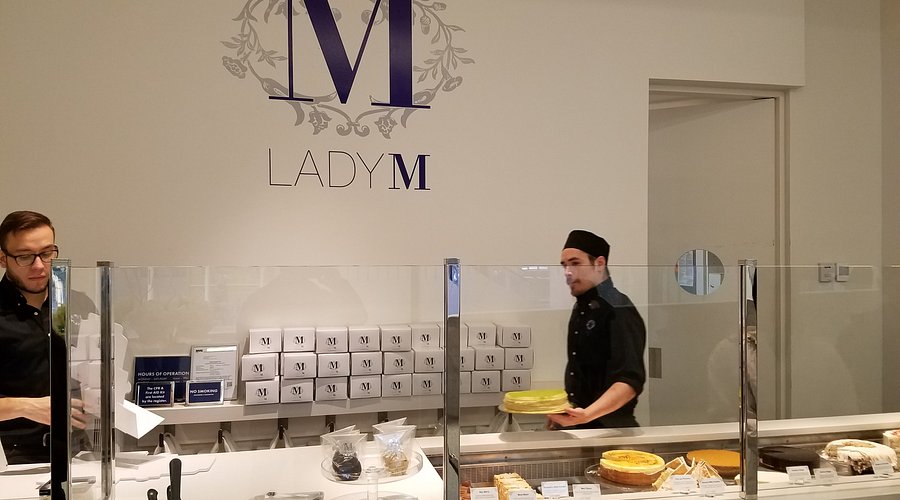
    Lady M, a prominent New York-based patisserie, has announced its return to Singapore, establishing a shop at Jewel Changi Airport. This announcement is accompanied by the unveiling of a special gift set, the 2026 Year of the Horse, in anticipation of the Lunar New Year.

    Year of the Horse Gift Set

    The gift set, created in honor of the Year of the Horse, is designed with a vivid moire pattern on its exterior. Upon opening, a horse in mid-gallop is revealed, reflective of the energy associated with the upcoming year. The set contains 32 mini crepe biscuits, each elegantly wrapped in glistening foil. These delights are available in a variety of four flavors: Coconut, Chocolate Hazelnut Orange, Vanilla, and Raspberry.

    An additional feature of the set is a collectible horse-bag charm fashioned from vegan leather. This charm, tucked away in the set’s drawers, serves as a symbol of good luck for the forthcoming year.

    The package also includes Lady M’s signature confetti-red envelopes, with each scattered piece embodying blessings, prosperity, and festivity.

    A Symbolic and Vibrant Return

    Ken Romaniszyn, CEO of Lady M, expressed that the brand wanted to commemorate its return with a collection that was “symbolic and vibrant”.

    He stated, “The moire horse motif encapsulates the dynamism and vigor we associate with the year ahead. We aspire for these creations to become treasured keepsakes and joyous gifts for all who celebrate.”

    After the Lunar New Year period, Lady M Singapore intends to provide its complete assortment of cakes and products to its customers.

    Questions & Answers

    What is the significance of Lady M’s Year of the Horse gift set?
    The gift set is both a celebration of the Lunar New Year and the symbol of the upcoming year, the horse. The set includes 32 mini crepe biscuits and a horse-bag charm as a token of luck.

    What are the flavors of the mini crepe biscuits included in the gift set?
    The biscuits come in four flavors: Coconut, Chocolate Hazelnut Orange, Vanilla, and Raspberry.

    What are the plans of Lady M following the Lunar New Year?
    After the Lunar New Year period, Lady M Singapore plans to offer its full range of cakes and products to its customers.

  • Hanoi-HCMC Soars High: World’s 4th Busiest Flight Route for Second Year Running

    Hanoi-HCMC Soars High: World’s 4th Busiest Flight Route for Second Year Running

    The flight route between Hanoi and Ho Chi Minh City (HCMC) once again ranked as the fourth busiest worldwide in 2025, boasting a seat capacity of 11.07 million, according to data from an aviation intelligence firm. The route saw a 4% increase in seat numbers from the previous year.

    Consistent Top Contender

    The Hanoi-HCMC route has consistently held a position in the top ten busiest flight routes over the past eight years. Notably, this was its fourth consecutive year in the fourth position.

    The average cost of a one-way flight along this route decreased by 11% in 2025, with the current average ticket price sitting at $67. This is highly competitive due to the presence of six carriers operating the route in 2025.

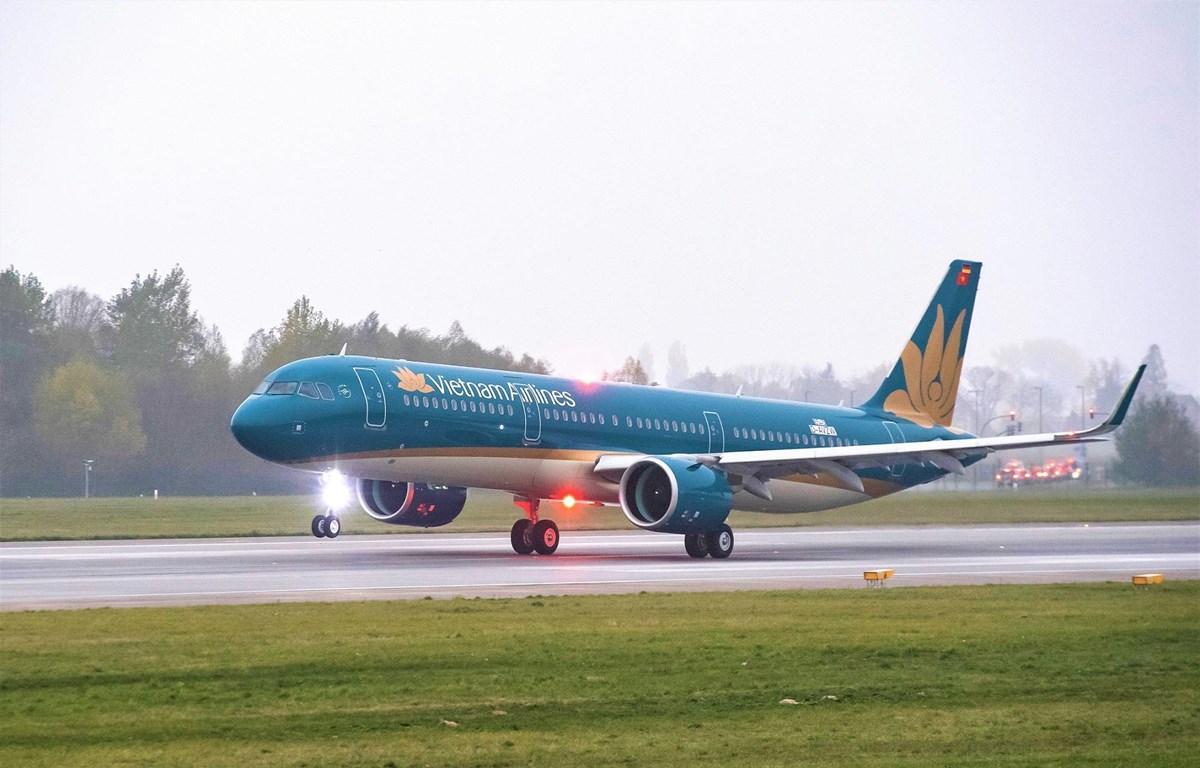
    Vietnam Airlines and Vietjet are the main operators on this 1,000-km route, providing several daily flights. The recent addition of Sun PhuQuoc Airways in the last quarter has added to the competition on this route. Other service providers on this sector include Bamboo Airways, Pacific Airlines, and Vietravel Airlines.

    Global Ranking: Top Five Busiest Flight Routes in 2025

    When it comes to the world’s busiest flight routes in 2025, the top five remain largely unchanged from the previous year. South Korea’s Jeju International-Seoul Gimpo route takes the lead with 14.38 million seats, followed by Japan’s Sapporo New Chitose-Tokyo Haneda with 12 million seats and Fukuoka-Tokyo Haneda with 11.5 million seats.

    Saudi Arabia’s Jeddah-Riyadh route, with a seat capacity of 9.8 million, has dethroned Australia’s Melbourne-Sydney route (8.9 million seats) to claim the fifth spot. Interestingly, the Jeddah-Riyadh route also reported the fastest growth, with a 13% increase in seat capacity. It is also the only non-Asia-Pacific route in the top ten.

    Questions & Answers

    What was the fourth busiest flight route in 2025?
    The flight route between Hanoi and Ho Chi Minh City ranked as the fourth busiest flight route in 2025.

    Which flight routes were the busiest in 2025?
    The busiest flight routes were South Korea’s Jeju International-Seoul Gimpo, Japan’s Sapporo New Chitose-Tokyo Haneda, Fukuoka-Tokyo Haneda, Vietnam’s Hanoi-HCMC, and Saudi Arabia’s Jeddah-Riyadh.

    Which route showed the fastest growth in 2025?
    Saudi Arabia’s Jeddah-Riyadh route reported the fastest growth, with a 13% increase in seat capacity.

  • China’s Economy Under Pressure: Factory Output And Retail Sales Hit Yearly Lows

    China’s Economy Under Pressure: Factory Output And Retail Sales Hit Yearly Lows

    October witnessed the slowest growth in China’s factory output and retail sales in more than a year, applying added pressure on policymakers to overhaul the nation’s $19 trillion export-driven economy. Increasing supply and demand strains are poised to further hinder growth.

    For many years, those accountable for maintaining the momentum of the world’s second-largest economy had the choice of stimulating its massive industrial complex to enhance exports if domestic consumer spending dwindled. Alternatively, they could delve into public funds to finance GDP-boosting infrastructure projects.

    However, the tariff war initiated by former US President Donald Trump underscores the manufacturing behemoth’s dependency on the world’s most extensive consumer market. There are limits to how much growth the Chinese economy can derive from constructing more industrial parks, power substations, and dams.

    The Current State of Affairs

    The indicators released last Friday provide little optimism for a rapid recovery. As each month’s data worsens, the call for reform becomes more critical.

    According to data from the National Bureau of Statistics (NBS), industrial output experienced a yearly growth of 4.9% in October. This marks the weakest annual growth since August 2024, compared to a 6.5% increase in September, falling short of the anticipated 5.5% surge.

    Meanwhile, retail sales, a measure of consumption, saw a 2.9% expansion last month, which is also their slowest pace since last August. This decelerated from a 3.0% growth in September, albeit exceeding the projected gain of 2.8%.

    Fred Neumann, Chief Asia Economist at HSBC, remarked, “China’s economy is facing pressures from all sides.” He believes that the robust support from exports in the recent quarters will be challenging to maintain into the next year, even if US import tariffs are now lower than earlier feared.

    Policy Implications and Economic Outlook

    Policymakers are aware of the need for change to rectify historical supply-demand imbalances, spur household consumption, and confront the enormous local government debt that complicates provinces’ self-sufficiency.

    However, they also understand that structural reform will be challenging and politically risky, particularly at a time when the trade war has heightened economic pressure.

    Last week, separate data revealed that China’s exports unexpectedly collapsed in October. This is as manufacturers grapple to secure profits in other markets after months of front-loading intended to outpace Trump’s tariff threats.

    Contrary to expectations, China’s car sales also broke an eight-month growth streak. This is concerning, given that the fourth quarter is typically the strongest for auto sales, and the slump occurred despite an extra day due to a national holiday in October compared to 2024.

    Questions & Answers

    What are the main challenges faced by the Chinese economy?
    The Chinese economy is currently grappling with a slower growth pace in factory output and retail sales, increased supply and demand strains, manufacturers’ struggle to stay profitable because of the tariff war, and an unexpected decline in car sales.

    What measures are needed to boost China’s economy?
    Policymakers must address historical supply-demand imbalances, promote household consumption, and tackle the enormous local government debt. Structural reform, while challenging and politically risky, is crucial to enhance the nation’s economic outlook.

    How has the trade war affected China’s economy?
    The trade war has underscored China’s dependency on the global consumer market and increased economic pressure, leading to an unexpected collapse in exports in October. Manufacturers have been struggling to secure profits in other markets as they try to outpace tariff threats.

  • 7-eleven Eyes Nationwide Expansion: 5000 Stores In Philippines By Next Year

    7-eleven Eyes Nationwide Expansion: 5000 Stores In Philippines By Next Year

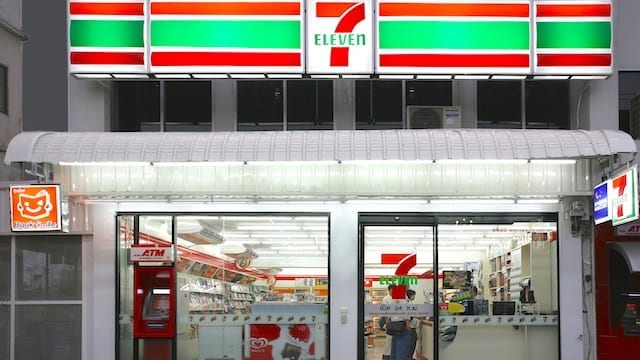
    Philippine Seven Corp (PSC), the company that operates 7-Eleven stores domestically, has plans to significantly increase the number of outlets across the country by next year. The ambitious goal is to expand their current network to an impressive 5000 branch total.

    Ambition for Expansion

    During a recent press briefing, PSC Chairman Jose Victor P Paterno confirmed that the company is well on its way to reaching this considerable goal. He expressed confidence by stating it was “safe to say” that the 5,000-store landmark will be achieved by next year.

    As it stood at the close of last year, PSC was operating 4,130 7-Eleven stores throughout the Philippines. This indicates an intent to open between 450 and 500 new outlets over the course of this year.

    Funding the Growth

    The expansion will be facilitated by a PHP5.5-billion (US$97 million) capital expenditure program. Although this is somewhat less than the previous PHP6-billion allocation, it is by no means a small investment.

    Strategic Expansion

    The planned growth of 7-Eleven outlets is not just about increasing numbers. PSC’s strategy is to target areas that are currently underserved in terms of retail, responding to the growing nationwide demand for retail options that are both accessible and convenient.

    Questions & Answers

    What is the goal of Philippine Seven Corp (PSC) for their 7-Eleven outlets by next year?
    The company aims to expand its current network to a total of 5000 stores nationwide.

    How many new 7-Eleven stores does PSC plan to open this year?
    PSC plans to open between 450 and 500 new outlets over the course of this year.

    What is the strategy behind PSC’s expansion of 7-Eleven outlets?
    The expansion is part of a broader strategy to reach underserved markets and respond to increasing demand for accessible and convenient retail options nationwide.

  • Google Fi users are now eligible for the traditional year-end gift

    Google Fi users are now eligible for the traditional year-end gift

    If you’re a new Google Fi subscriber, you’re probably not aware that the MVNO typically offers gifts to its customers at the end of the year. Although this time around the rewards isn’t as exciting as it was in the previous years, you’ll still get something. Also, it’s always the gesture that counts, not the value of the gift.

    Starting today, Google Fi users with active service as of December 15, 2021, are eligible for a $10 Play Store credit. Of course, your account must be in good standing to qualify for the offer. Also, one thing worth noting is the Fi for Googlers accounts are not eligible for the $10 Play Store credit.

    According to Google Fi, the offer ends January 5, 2022, but customers can redeem it by January 12, 2022. The promotion is aimed at US residents only and requires Google Pay and Google Fi accounts.

    Once you add the $10 Play Store credit to a Google Payments account, you must use it on Google Play by June 30, 2022, otherwise, you’ll lose it.

  • Myanmar Year in Review 2015

    Myanmar Year in Review 2015

    A decisive victory for the opposition in Myanmar’s general elections in late 2015 generated a fresh wave of investor optimism, raising hopes of increased economic stability in 2016 after a somewhat uncertain year.

    Victory at the polls in November for the National League for Democracy (NLD), under Daw Aung San Suu Kyi, will see greater civilian participation in government, although the military will retain control of the Ministries of Defence, Interior and Border Affairs in the new Cabinet, alongside a minimum of 25% of seats in parliament and substantial economic holdings.

    Growth leaders

    Growth was robust in 2015 despite cooling in the global economy, with Myanmar posting GDP growth of 8.5%, according to the IMF. This ranks ahead of average growth among the five original ASEAN member nations – Indonesia, Malaysia, the Philippines, Singapore and Thailand – which stood at 4.6%, and average global growth, which reached 3.1%. GDP growth is expected to remain relatively steady in 2016, easing somewhat to 8.3%, as per IMF forecasts.

    Strong consumer demand helped drive expansion in Myanmar’s retail sector, while also boosting the appeal of the industry to foreign brands. International brewers like Heineken and Carlsberg opened in-country production facilities through joint ventures with local partners during the year, and Japan’s Kirin acquired a 55% stake in market leader Myanmar Beer for a reported $560m in August.

    The year also saw strong growth in commercial property development, buoyed by rising demand for prime business space, particularly in Yangon, the country’s financial and business capital. Such demand should help sustain activity in Myanmar’s construction sector, which already has several infrastructure projects on its books.

    In a key development for the country’s financial services sector, nine foreign banks granted licences to operate in the market commenced operations, albeit on a limited scale, by early 2016.

    Trade and budget prospects

    However, the incoming NLD government, expected to be formally sworn in this March, will inherit an economy faced with ongoing structural challenges, including a widening fiscal deficit, projected to reach 5.5% of GDP, according to the IMF.

    Rising inflation also weighed on Myanmar’s economic performance somewhat in 2015, having gained momentum on the back of high levels of liquidity, rising demand and food shortages caused by mid-year nationwide flooding. In its latest Article IV consultation with Myanmar, the IMF projected inflation would rise to 13.3% by the end of FY 2015/16, up from 7.4% in FY 2014/15.

    Price increases have been exacerbated by depreciation of the kyat, which lost around 21% of its value against the US dollar over the year, driving up the cost of imports and affecting both consumers and firms that rely on overseas technology and equipment for expansion.

    To ease pressure on the kyat and rein in inflation, the Central Bank of Myanmar announced plans in late November to raise the reserve requirement ratio of banks and increase the value of its fortnightly deposit auction, with an interest rate hike also signalled as a possibility.

    A weaker kyat contributed to a widening of the trade deficit, with the gap between imports and exports reaching MMK3.1trn ($2.4bn) for the first six months of FY 2015/16, up 27% year-on-year.

    Major flooding weakened export trade further in mid-2015, after damage to farmlands led to lower production. To maintain food security and stabilise domestic food prices, the government imposed a six-week freeze on rice exports, one of the mainstays of Myanmar’s foreign trade.

    Investment forecast

    Foreign investment has also slowed somewhat, reaching $4.1bn as of December 2015, according to the Directorate of Investment and Company Administration. By the end of FY 2015/16, foreign investment was expected to reach $6bn, down from $8bn in FY 2014/15.

    The oil and gas sector has attracted the bulk of the investment to date, accounting for more than $2bn of the total as at December, while transportation and communications saw $736m worth of investments and manufacturing received $685m.

    Investment inflows are expected to ramp up again in 2016, with a smooth election in hand and the promised transition of government scheduled in the coming months.

    According to U Aung Naing Oo, secretary of the Myanmar Investment Commission, greater investment from EU countries in particular is forecast during the first six months of 2016.