Retail News CRM

Tag: Yoghurt

  • Kingland Debuts Indulgent Dairy-Free Yoghurt in Hong Kong: A Major Move in Asia-Pacific Expansion

    Kingland Debuts Indulgent Dairy-Free Yoghurt in Hong Kong: A Major Move in Asia-Pacific Expansion

    The Kingland Dairy Free Yogurt range has been introduced in Hong Kong by Australian plant-based food manufacturer, King International. This launch signifies a significant milestone in the company’s expansion strategy within the Asia-Pacific region.

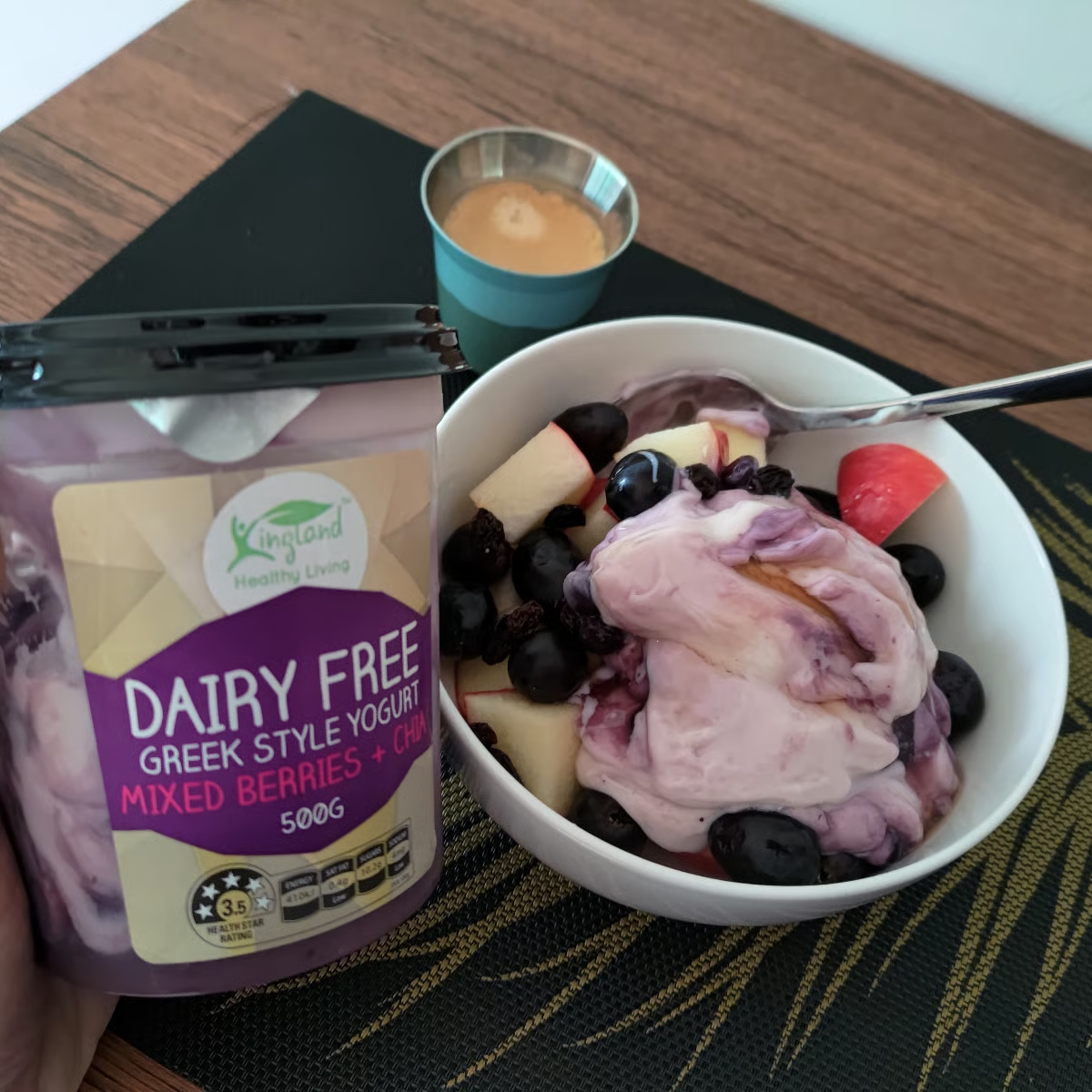
    The Kingland Dairy Free Yogurt range, available in two sizes, can now be found in selected upscale and mainstream retail stores, such as Oliver’s The Delicatessen, Market Place, 3hreeSixty and Wellcome.

    The company offers its Greek Style range in 500g tubs with a variety of flavors including Natural, Mango & Peach, and Apple Cinnamon. Additionally, the Fruit Yogurt range comes in 250g single-serve pots featuring Mango & Peach, and Strawberry flavors.

    Eric Hsu, co-founder and managing director of King International, expressed his joy in launching the dairy-free yogurt in Hong Kong. He described Hong Kong as a dynamic city that perfectly blends tradition and modernity. Hsu emphasized that their products are crafted to offer indulgence without sacrificing nutrition, sustainability, or inclusivity for all lifestyles. He expressed confidence that the quality and consideration put into every pot of Kingland yogurt will appeal to consumers in Hong Kong.

    In terms of health claims, King International stated that all products have a minimum 4.5 Health Star Rating, as per the Health Star Rating System of the Australian and New Zealand governments. This rating reinforces the brand’s health-focused positioning and supports consumer trust in the product.

    King International was established in Queensland in 1987 by Eric and Rachel Hsu. Over the years, the company has transitioned from a local tofu producer to a supplier of plant-based foods throughout Australasia and the Asia-Pacific.

    Questions & Answers

    What is the significance of the Kingland Dairy Free Yogurt range launch in Hong Kong?
    The launch is a crucial step in King International’s expansion strategy within the Asia-Pacific region.

    What variety does the Kingland Dairy Free Yogurt range offer?
    The Greek Style range comes in 500g tubs in Natural, Mango & Peach, and Apple Cinnamon flavors, while the Fruit Yogurt range is offered in 250g single-serve pots in Mango & Peach and Strawberry flavors.

    What is King International’s health rating for their products?
    All products by King International carry a minimum 4.5 Health Star Rating as per the Health Star Rating System of the Australian and New Zealand governments, supporting the brand’s health positioning.
  • Gippsland Dairy And Beechworth Honey Unveil Honey-infused Yoghurt Exclusively At Coles

    Gippsland Dairy And Beechworth Honey Unveil Honey-infused Yoghurt Exclusively At Coles

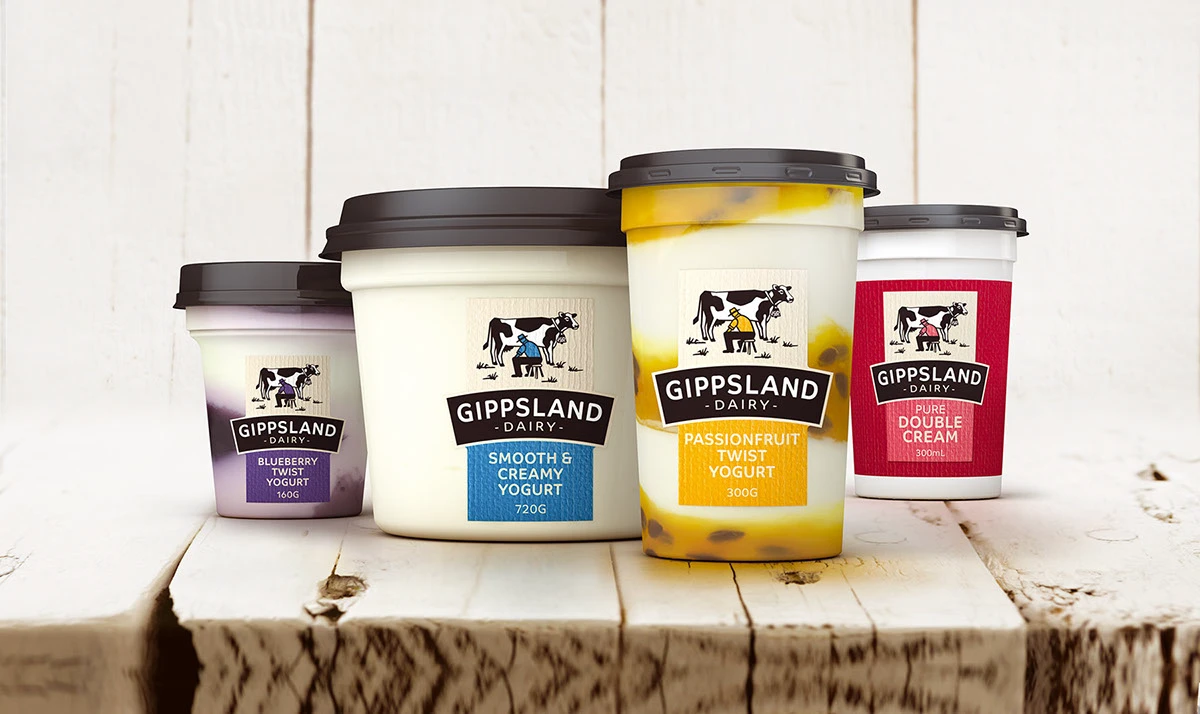
    Gippsland Dairy, a subsidiary of Chobani, has joined forces with Beechworth Honey to introduce two new honey-infused yoghurt products into the market.

    Exclusive Partnership Product Launch

    The dynamic collaboration merges Gippsland Dairy’s premium yoghurt with the rich, sweet flavors of Beechworth Honey’s Australian-produced honey. Shoppers can exclusively find these products on the shelves of Coles supermarkets.

    The newly unveiled range features a 160g Honey Pot blend and a Honey Praline Medley Mix-In, the latter of which includes a delightful addition of almonds. Beechworth Honey expressed their exhilaration about the new products, stating, “Tasty is beyond an understatement! We couldn’t be more excited to see this one hit the shelves.”

    Chobani’s Expansion in Australia

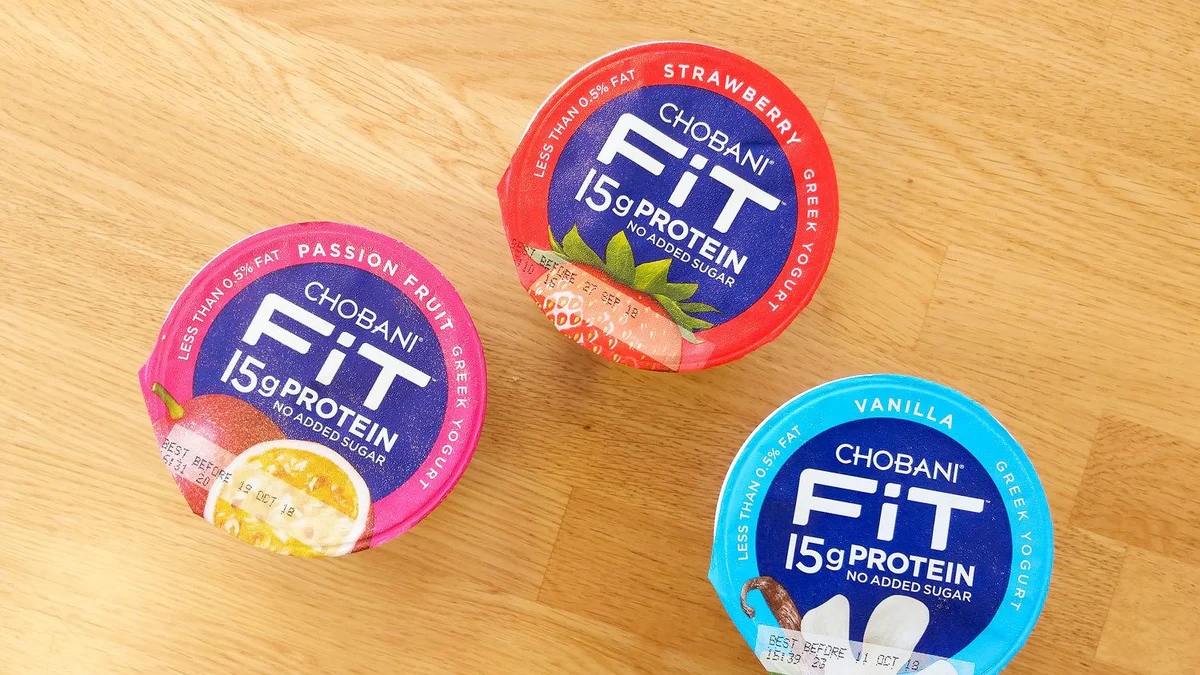
    This innovative launch comes on the heels of Chobani’s recent growth of its Fit portfolio in Australia. The expansion saw the debut of Fit Flip, a protein-rich Greek yoghurt product that comes with a side of crunchy mix-ins.

    Questions & Answers

    Where can customers find the new honey-based yoghurt products from Gippsland Dairy and Beechworth Honey?
    These products are exclusively available at Coles supermarkets.

    What are the new products in the honey-based yoghurt range?
    The range features a 160g Honey Pot blend and a Honey Praline Medley Mix-In, which includes almonds.

    What was the recent addition to Chobani’s Fit portfolio in Australia?
    The Fit portfolio was recently expanded with the introduction of Fit Flip, a high-protein Greek yoghurt paired with crunchy mix-ins.

  • Chobani Launches High-protein, No-added-sugar Fit Flip Yoghurt In Australia

    Chobani Launches High-protein, No-added-sugar Fit Flip Yoghurt In Australia

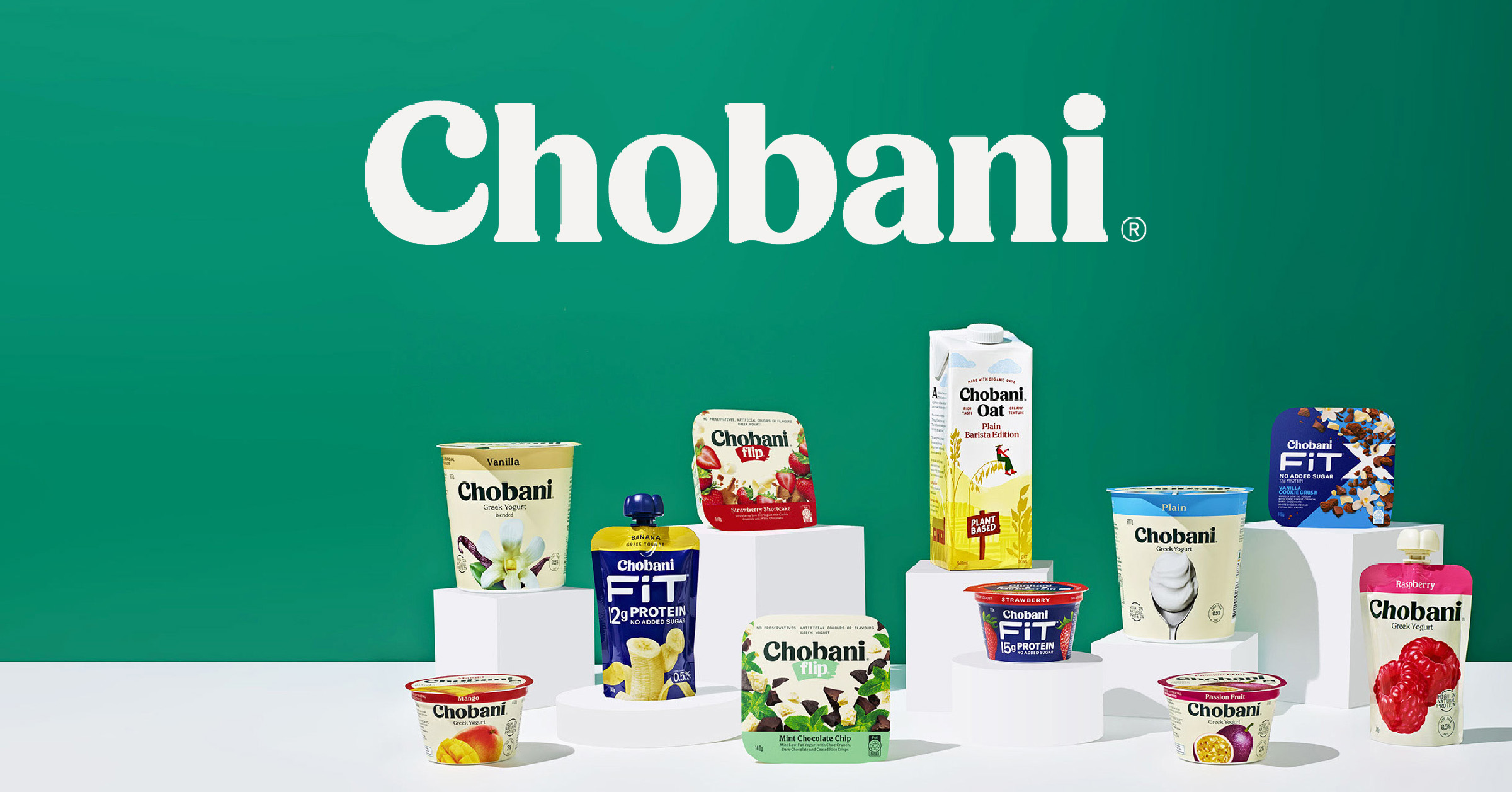
    Chobani, the popular yoghurt brand, has extended its product line in Australia with the introduction of its high-protein Greek yoghurt, Fit Flip, which comes with a crisp, crunchy side serving.

    High-Protein, Sugar-Free Yoghurt for Everyday Snacking

    The Fit Flip range from Chobani offers 16 grams of protein per serve, making it an ideal choice for those seeking a post-exercise recovery snack. It is also beneficial for anyone seeking a convenient and healthy snack option, with no added sugar.

    Delicious Flavour Combinations

    Fit Flip is being introduced in three exciting flavour combinations. The first is a combination of rich vanilla Greek yoghurt teamed with roasted almonds, crispy cocoa soy crisps, and dark chocolate with no added sugar.

    There’s also a tantalizing banana Greek yoghurt variant that comes with roasted peanuts, soy crisps and dark chocolate. Adding to the selection is a variant featuring salted caramel Greek yoghurt paired with coated peanuts, cocoa soy crisps, dark chocolate and choc fudge.

    Availability

    The new Fit Flip yoghurt range from Chobani is now on sale at Coles and Woolworths retail outlets across Australia.

    Questions & Answers

    What is the protein content of the new Fit Flip yoghurt range?
    The Fit Flip yoghurt range offers 16 grams of protein per serve.

    Are there any sugars added to the Fit Flip yoghurts?
    No, the Fit Flip yoghurts do not contain any added sugars, making them a healthier snack option.

    Where can the Fit Flip yoghurts be purchased?
    The Fit Flip yoghurts can be found at Coles and Woolworths stores in Australia.

  • South Korean Yogurt Giant, Yoajung, Makes Debut In Singapore Amidst Competitive Market

    South Korean Yogurt Giant, Yoajung, Makes Debut In Singapore Amidst Competitive Market

    South Korean yogurt chain, Yoajung, has officially launched its first store in Singapore, located on the bustling Orchard Road’s Scape.

    Yoajung, established in 2021, has seen rapid expansion in its short existence. The brand currently boasts over 650 branches in its home country of South Korea and has extended its international footprint to countries including Japan, China, Hong Kong, and Australia.

    This bold move into the Singaporean market was made possible through a partnership with Hong Kong’s Modu Consulting. Modu Consulting owns the master franchise rights for Yoajung in various regions, including Hong Kong, Macau, and now Singapore.

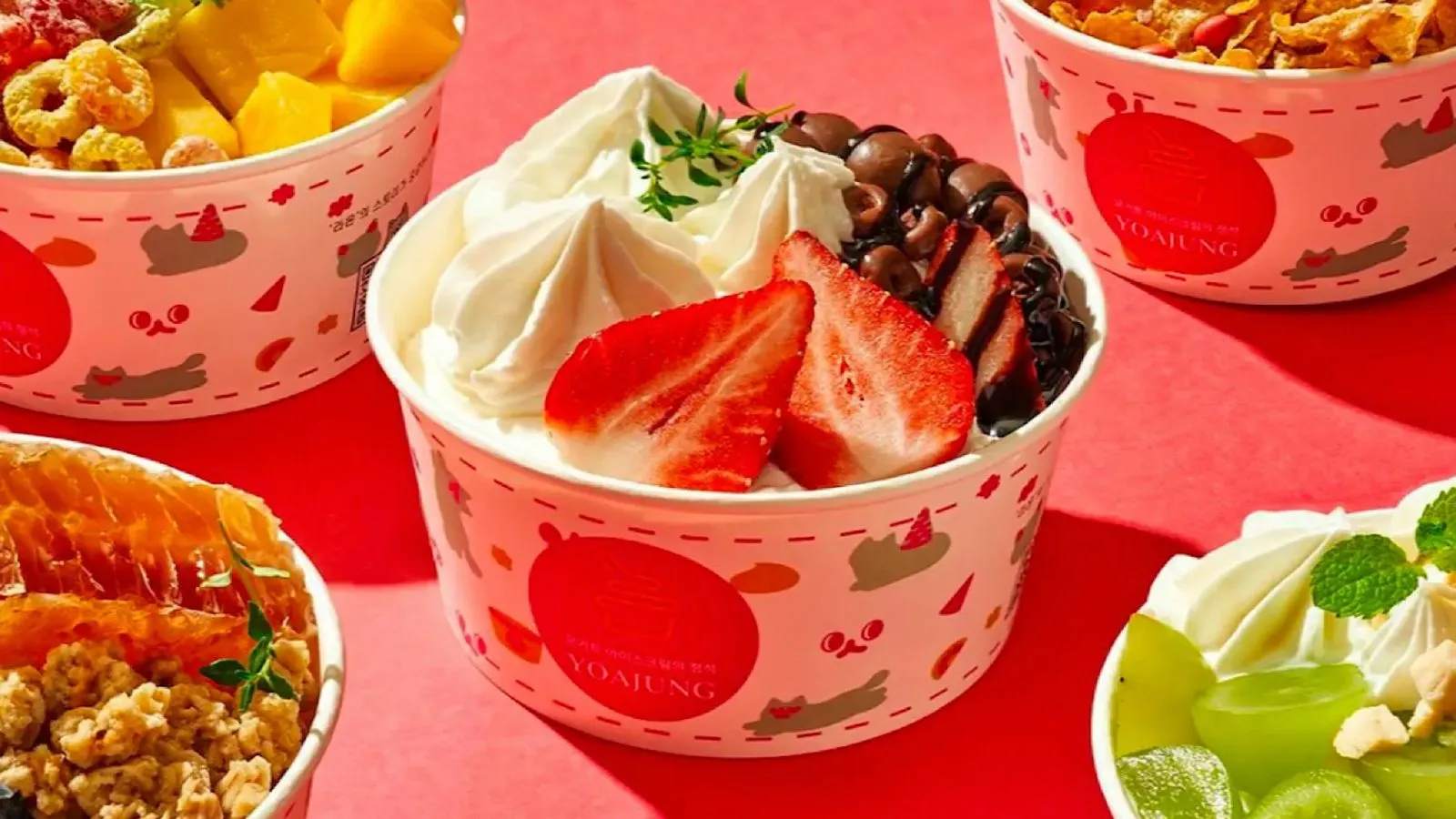
    The newly opened outlet on Orchard Road offers a customizable menu, with a focus on frozen yogurt and acai bowls. Customers have the opportunity to personalize their bowls with an extensive range of toppings and premium upgrades.

    Yoajung’s entry into Singapore is hot on the heels of another international yogurt brand, Yo-Chi. The Australian-based chain made its own foray into the Singapore market last month, opening a 60-seat outlet at Orchard Central.

    Questions & Answers

    When was Yoajung established, and how many outlets does it currently have?
    Yoajung was established in 2021 and currently operates over 650 outlets in South Korea, in addition to its branches in Japan, China, Hong Kong, and Australia.

    Who holds the master franchise rights for Yoajung in Singapore?
    Modu Consulting, a Hong Kong-based company, holds the master franchise rights for Yoajung in Singapore.

    What is unique about the menu at Yoajung’s Orchard Road outlet in Singapore?
    The Orchard Road outlet offers a customizable menu focusing on frozen yogurt and acai bowls with a broad variety of toppings and premium add-ons.

  • Chobani Australia unveils oat yoghurt range

    Chobani Australia unveils oat yoghurt range

    Chobani Australia has extended its non-dairy offering, adding a range of oat yoghurts to its suite of products.

    According to a company statement, Chobani Australia recognised the growing ‘flexitarian’ market, and was motivated to provide these consumers with a greater variety of plant-based food options.

    The company also saw this as an opportunity to diversify the dairy-free yoghurt category, “currently dominated by high fat, strong tasting coconut yoghurt options,” the statement reads.

    The new oat yoghurt range follows Chobani’s entry into the dairy alternative market in 2021, when it launched its oat milk.

    There are two sizes (150g and 500g) and five flavours in the new range: Strawberry, Mango, Blueberry, Vanilla and Natural.

    The range is available in all Woolworths and Coles outlets, and soon to be in independent retailers.

  • Yoghurt and cheese experience consistent high value retail sales growth

    Yoghurt and cheese experience consistent high value retail sales growth

    While the overall dairy market in China is growing stably, the various categories are experiencing differing performance. New research from Mintel reveals that yoghurt and cheese are the market’s winning categories in recent years with yoghurt maintaining an annual retail sales growth of over 20% since 2014. Meanwhile, the cheese category has seen a growth rate of 15-25% from 2015-17. Looking ahead, Mintel forecasts the dairy market to grow at a 6.6% CAGR (compound annual growth rate) in value, to reach RMB 349.7 billion in 2022.

    Despite consistent sales growth for yoghurt and cheese, Mintel Market Sizes data shows that annual per capita volume consumption for major dairy products remains low compared to other countries. For example, per capita volume milk consumption in China is 14.3 litres, compared to 36.8 litres in Japan and 51.7 litres in the US; per person consumption of yoghurt in China is 3.43 kg, 4.92 kg in the US and 9.66 kg in Japan. Finally, the Chinese consume a mere 0.02 kg of cheese per person, while the Japanese take in 1.46 kg per person and, in the US, an impressive 6.89 kg per person.

    Summer Chen, senior food and drink analyst at Mintel, said,

    “Dairy consumption in China is still low when compared to Japan, where consumers share a similar dietary tradition to China. Mintel research indicates that China’s dairy market growth will be driven by increased consumption, resulting from the expansion of consumption occasion, value increase due to the rising price of raw milk, and consumers trading up to more premium options. When we look specifically at the yoghurt market, thanks to the recent craze over ambient yoghurt, the category is now leading not only in China’s dairy market, but among all food and drink products.”

    When it comes to dairy products, health-related factors are the main areas consumers are willing to pay more for. Among the four surveyed dairy products (including milk, yoghurt, butter and cheese), milk and yoghurt are perceived by consumers to be healthier and more nutritious (51% and 48% respectively), helping to improve immunity (49% and 44% respectively), and also good for kids (51% and 49% respectively) and the elderly (46% and 37% respectively).

    In addition, milk is more closely related with being high in protein (47%), and yoghurt with being easy to digest (60%). Butter is less likely to be associated with the same benefits, rather with issues such as being high in calories (50%), fat (45%) and cholesterol (34%). Cheese is somewhere in between, associated with benefits such as being high in protein (38%) and nutritious (37%), as well as being high in calories (43%) and fat (41%).

    Both plus claims, ie with additional nutrients (47%) and other healthy food as ingredients (44%), and minus claims, ie low fat or fat free (47%) and no-additives (45%), are critical improvements consumers are most willing to pay more for. Products designed for a special group of people (38%), such as those who are getting fit, is also among the top features consumers are willing to pay a premium for.

    By comparison, packaging- and taste-related factors—such as convenient packaging (29%) and limited seasonal flavours (22%)—are secondary factors for consumers considering buying premium options.

    “As consumers gradually become more aware of their dairy intake, both in quantity and quality, our research shows that plus and minus health claims are seen as worthy of paying extra for by urban Chinese consumers,” Summer added.

    In general, urban Chinese consumers prefer dairy products from big (65%) and nationwide (59%) dairy brands. While their attitudes towards local milk sources are pretty divided—44% believe they are reliable, while 36% believe local milk sources are not reliable. Nevertheless, more consumers prefer imported dairy products (43%) than domestic ones (34%). Even among those who trust local milk sources, 32% prefer imported dairy products.

    “When looking at the battle between domestic and imported dairy products, it seems that while urban Chinese consumers are regaining confidence in domestic milk sources and products, they still prefer imported options. To appeal more to consumers, domestic brands need to strengthen their offering in other areas, like positioning with a premium brand image, showcasing additional health benefits, and spotlighting innovative flavours in order to compete with imported brands,” Summer concluded.