Retail News CRM

Category: Logistics

Retail News Asia is committed to providing both local and global retailers with the latest Logistics news throughout the Asian market. This on a daily base.

  • Vietnamese export containers worth $517,000 go missing at Dubai port

    Vietnamese export containers worth $517,000 go missing at Dubai port

    Four Vietnamese companies could lose five containers of spices and cashew worth US$517,000 they shipped to Dubai under what seem mysterious circumstances.

    According to the Vietnam Pepper Association, they had sold pepper, cashew, cinnamon, and anise to Bab Al Rehab Foodstuff Trading Llc.

    But four of the containers have been claimed by unidentified parties at Jebel Ali Dubai Port without paying the Vietnamese companies.

    The export was done under the documents against payment method, which requires the buyer to show proof of payment before collecting the goods.

    The documents had been sent by banks in Vietnam to UAE’s Ajman Bank, which confirmed receipt.

    But apparently it no longer has them, and has yet to explain why, the exporters said.

    They are concerned the remaining container, set to land on July 26, will also be misappropriated.

    They have repeatedly asked the buyer to make payments, but the company has yet to respond.

    The Vietnam Pepper Association, representing the four companies, has reported to Vietnamese authorities and the UAE embassy in Vietnam.

    The Vietnam Trade Office is working with Ajman Bank, Jebel Ali Dubai port and the Dubai police to investigate possible fraud.

  • John Dietrich to join FedEx as finance chief

    John Dietrich to join FedEx as finance chief

    Ex-Atlas CEO, John W. Dietrich, is set to join FedEx as executive vice president and chief financial officer, effective 1 August.

    With more than more than 30 years of experience in the aviation and air cargo industries, Dietrich held several leadership roles at Atlas Air Worldwide since 1999, including serving as president and chief executive officer, and member of the board of directors from 2020.

    Prior to Atlas Air, Dietrich was with United Airlines for 13 years. He currently serves as chairman of the National Defense Transportation Association, as a director on the board of AAR Corporation, as a board member of the International Air Transport Association, and a member and former chairman of the National Air Carrier Association.

    Together with Dietrich’s appointment, FedEx also announced strategic shifts within the finance organization to further bolster its ongoing transformation.

    “The evolution of our Finance leadership team is critical to our transformation as we continue to build a more intelligent, flexible and efficient network,” said Raj Subramaniam, president and chief executive officer. “I am pleased to welcome John to FedEx. He is an accomplished and seasoned leader in the transportation industry whose unique combination of financial and operational expertise is a strong complement to the existing executive leadership team at this important time for the company. His appointment, along with the other strategic changes within the Finance leadership team, will further strengthen our ability to generate efficiencies, improve margins, and enhance returns.”

  • DHL Supply Chain to spend €500m in Latin America

    DHL Supply Chain to spend €500m in Latin America

    DHL Supply Chain has announced a landmark investment of €500 million into Latin America over the next years (until 2028) as part of a strategy to strengthen its capabilities in high-demand sectors like healthcare, automotive, technology, retail and e-commerce.

    Projects in the pipeline include decarbonizing the domestic fleet through greener alternatives; building, developing and retrofitting real estate assets and warehouses in the market; as well as significant investments into new technologies, robotics and automation solutions.

    DHL Supply Chain is confident in its plans for the region, citing its proximity to large consumer markets in North America as well as booming sales markets which make it attractive for industries to invest and therewith request additional logistics support.

    The company has been growing its operations in Latin America with more than 240 locations. In Mexico last year, it acquired NTA, a company focused on logistics services for the pharmaceutical industry.

    In Brazil, it recently announced the expansion and modernization of its distribution centre located in Goiás, while expanding its operations and presence in Extrema Minas Gerais for various clients in pharmaceuticals and retail fashion. It also opened a new distribution centre in Pudahuel, Chile, and expanded its presence in Mexico with new warehouses in Tijuana and Monterrey, including a new campus in the State of Mexico, which will serve the e-commerce, retail, fashion, consumer, medical devices, aerospace, electronics, and automotive sectors.

    Following the announcement of the investment, DHL Supply Chain Mexico inaugurated a new center of excellence for electric vehicles to provide synergy to the automotive industry in the region.

  • DHL tops up with Turkish Cargo in Istanbul

    DHL tops up with Turkish Cargo in Istanbul

    DHL Global Forwarding is strengthening its air cargo partnerships in Istanbul and has signed a memorandum of understanding that will extend its operations at Turkish Airline’s modern SMARTIST cargo facility.

    Turkish Cargo supports DHL forwarding unit’s global hub concept with its vast knowledge and advanced operational capabilities at Istanbul Airport.

    Based on the MoU, DHL Global Forwarding will leverage SMARTIST, the mega cargo facility of Turkish Cargo at Istanbul Airport, as one of its global hubs. DHL said the cooperation will not only further improve each other’s operational efficiency, but also enhance Istanbul’s potential to become a leading logistics hub for the world. The two inked the deal at the IATA World Cargo Symposium held in Istanbul in April.

    “Spanning the European and Asian continents, Türkiye is geographically well-positioned to act as a logistics hub for Europe, Asia as well as the MEA region and the US,” said Thomas Mack, Global Head of Air Freight, DHL Global Forwarding

    “We are happy to intensify our long-lasting partnership with Turkish Cargo, that not only provides us with reliable air cargo capacity, but also state-of-the-art logistics infrastructure to handle air freight,” he added.

  • DHL Express to build new Helsinki facility

    DHL Express is set to build a logistics center for international air shipments at Helsinki-Vantaa Airport and is allocating around €100 million for the entire lease period for new premises and technology in the Aviapolis area.

    Once operational, the airside access will DHL aircraft parked on the apron to be reached directly from the new building. All incoming and outgoing express shipments in Finland will be handled in the logistics center, which is scheduled to be completed in the second half of 2025.

    DHL said the new facility comes in response to growing shipment volumes in Finland, powered by international e-commerce and remarkable growth in demand in all customer segments.

    “The new state-of-the-art gateway facility will enhance our ability to continue to create reliable and fast transport services that support the competitiveness of Finnish export and import companies,” said Oktay Nuri, Managing Director DHL Express Finland.

    “The new facility will be about 16,000 gross square meters in size, more than double the size of our current gateway in Vantaa. The automated sorting system can handle approximately 6,500 items per hour. 90 direct loading bays enable efficient sorting of shipments directly from the conveyor to the delivery vans. All bays will be equipped with charging stations for e-vehicles, supporting our goal to electrify our entire pick-up and delivery fleet within a few years,” explained Janne Appel, perations director of DHL Express Finland.

    DHL said the new facility will be built by AVIA Real Estate Oy, with Meijou Oy as the main contractor, and has been designed to be carbon neutral. The new Helsinki gateway is part of an extensive network infrastructure improvement program that the group is undertaking, which includes a new Nordic Express opened in Copenhagen a couple of months ago and a similar gateway facility being built in Munich.

    Some 150 employees will be employed at the new gateway with the head office of DHL Express Finland located in separate premises.

  • DHL Express expands electric van fleet in Indonesia

    DHL Express expands electric van fleet in Indonesia

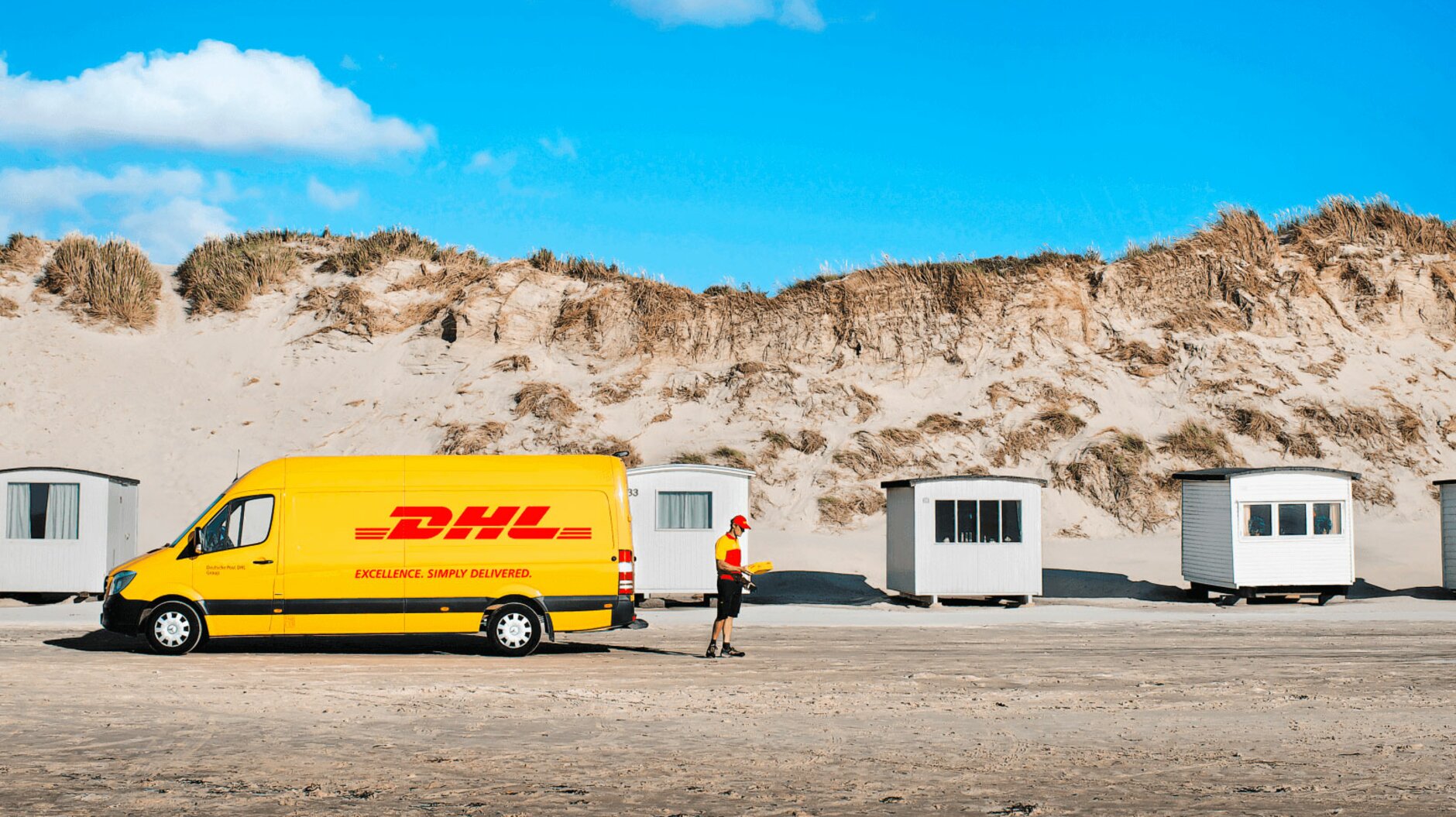
    Leading international express service provider DHL Express has geared up to electrify its last-mile delivery fleet with the deployment of 24 electric vans in Jakarta and Bandung.

    The introduction of the new e-vans, which are expected to cut 177 tonnes of annual carbon emissions, underscores the company’s commitment to more sustainable operations and contributing to climate protection.

    The new electric vehicles will join the existing fleet which includes four electric vans and six electric bikes serving areas in Jakarta and Surabaya.

    Ahmad Mohamad, Senior Technical Advisor, DHL Express Indonesia, said the plan is to transition the company fleet to electric vehicles and make them available in other Indonesian cities. The company will also invest in other low-carbon solutions, such as e-trucks and solar panels for facilities in Indonesia.

    As announced in its Sustainability Roadmap, Deutsche Post DHL Group will invest 7 billion euros until 2030 in CO2 reduction measures. This includes electrifying 60 percent of the last-mile delivery fleet across the Group.

  • Changi Airport outlines top priorities for cargo

    Changi Airport outlines top priorities for cargo

    Singapore Changi Airport saw muted cargo volumes in March compared to the same period last year, as the Asia Pacific hub recorded 152,000 tonnes. For the first quarter, air freight movements at Changi totalled 417,000 tonnes, sliding 9 percent year-on-year. The group said demand remained soft, especially in the first two months of the year, no thanks to global economic uncertainty and inflationary pressures. Collegues talk to Lim Ching Kiat, executive vice president for air hub and cargo development, to find out more about the group’s top priorities for cargo.

    What are Changi’s top priorities for cargo? What’s the group’s overall direction?
    While global air cargo demand has weakened, Changi Airport remains optimistic on long-term growth, especially in Southeast Asia. Despite the recent economic headwinds, Southeast Asia’s air trades with the rest of the world continued to expand over the past four years. Given the expectation of strong long-term progress with urbanisation and industrialisation, Southeast Asia is primed for growth in manufacturing, trade and logistics. Singapore, being in the heart of Southeast Asia, will have a critical role to play in global supply chains, contributing to the flow of international goods.

    Towards this end, while cargo connectivity remains critical for Changi Airport to anchor its position as a leading air cargo hub, our other priorities are to raise service quality in cargo handling and unlock capacity for long-term sustainable cargo growth by leveraging automation and digitalisation. At the same time, we are also putting in place steps to reduce the carbon impact of cargo activities in order to strengthen our resilience and secure our competitiveness as an air cargo hub.

    To raise service quality in cargo handling, we firmly believe in taking a collaborative approach by working closely with our partners in the air cargo community. One key development is Changi Airport Group’s introduction of a cloud-based community data-sharing platform—the Changi Air Cargo Community System (ACCS). This is an open ecosystem of collaborative and community-based applications that aggregates data from all parties involved in the cargo handling process. Within that system, we developed a truck dock slot booking (TDSB) application, which aims to even out cargo lodgement and collection at our cargo handler’s air freight terminals, thereby reducing waiting time, optimising resources, and providing greater insights to airport landside activities. This move to digitalise provides greater predictability for forwarders, trucking companies, and cargo handlers. It also supports Changi Airport’s sustainability efforts to reduce carbon and tailpipe emissions. We have since completed the pilot and plans are underway for community-wide implementation later this year.

    In the area of automation, CAG, together with our partners, has been investing in resources to trial autonomous solutions like autonomous tractors to reduce the manpower resources required for point-to-point transportation of baggage and cargo. Ongoing trials are promising and we expect to trial fully driverless operations for baggage delivery by 2024. On the digital front, solutions such as the tracking of all motorised ground support equipment will help optimise equipment deployment, boosting productivity and improving the quality of cargo handling capabilities. Additionally, we are working closely with our cargo handlers on warehouse automation and digitalisation projects to improve productivity and efficiency, as well as increase capacity.

    Can you share more about the recent partnership on cargo with Brussels Airport? What are the opportunities in the Asia-Europe market?
    In 2022, Europe remained Changi’s second largest region by air trades. Belgium-Singapore is a key air trade lane for high-value cargo such as biopharmaceuticals. Both countries place strong importance on international trades and advanced manufacturing, and have been established as key trusted pharmaceutical hubs in Asia and Europe respectively. Changi Airport and Brussels Airport share similar ambitions in shaping our air cargo hub and place strong priorities in areas such as cargo operations excellence and digitalisation.

    Under the MOU signed on 2 March 2023, Changi Airport and Brussels Airport will jointly drive initiatives to enhance capabilities in pharmaceutical logistics, undertake studies and trials in the fields of digitalisation and sustainability, as well as exchange best practices in the handling of special cargo segments and community-wide cargo initiatives to transform the air cargo supply chain.

    On the environmental sustainability front, under the ambit of Pharma.Aero, both airports will be actively participating in the Green Air Pharma Logistics project. Together with other Pharma.Aero members, we aim to define the parameters and framework for a green air pharma lane and develop a set of standards and measurements to quantify and qualify the lane.

    How important is the refinery expansion by Neste for Changi and Singapore?
    To enable the adoption of sustainable aviation fuel (SAF), CAG had been working closely with industry and regulatory partners on stakeholder engagement, as well as facilitating trials. Neste’s refinery expansion will provide for up to one million tonnes of annual SAF production capacity in Singapore. Having domestic SAF production will enable Changi Airport’s airline partners to achieve their sustainability objectives with lower carbon footprint compared to importing SAF from other production locations. In addition to building this production capability, Neste has established an SAF supply chain to Changi Airport to offer blended SAF directly to airlines operating at Singapore Changi Airport.

    Since July 2022, Singapore Airlines and Scoot flights out of Changi Airport have been using a blend of regular jet fuel and SAF as part of a year-long trial. With Neste’s refinery expansion, we look forward to working with more airline partners to promote the acceleration of SAF uplift in Changi Airport.

    How has the concept of sustainability evolved from an airport perspective? Can ‘sustainable’ be ‘profitable’ in the long run?Over the past years, sustainability has evolved into a license to grow for many businesses and industries. Although airports account for only about 2 percent of global aviation emissions, we form the common platform upon which a multitude of aviation partners operate. As such, it is a priority for us to work hand in hand with the airport community to achieve responsible and sustainable growth.

    Over 99 percent of CAG’s Scope 1 and Scope 2 emissions come from the use of electricity in operating our passenger terminals. As such, we concentrate our efforts in raising building energy efficiencies through constant upgrading of our systems to the best-in-class energy efficient models. For example, past upgrading of our chiller plants has seen up to 30 percent savings in energy consumption, which achieves not only cost savings but also carbon emissions reduction. We are also expanding on-site generation of solar energy, which offers energy resilience against the backdrop of fluctuating energy prices and volatile macro-economic conditions.

    Most of our efforts in reducing Scope 3 emissions centre around working with airline partners and ground handling agents at Changi Airport. Our recent development on SAF (detailed above) is one example. As an industry, more work has to be done to address the SAF price premium through balancing supply and demand. Different types of policy levers are being employed around the world, ranging from mandates to incentives. We are in close engagement with the Civil Aviation Authority of Singapore in its development of a Singapore Sustainable Air Hub Blueprint, which will set out tangible pathways to achieve sustainability goals for the Singapore aviation industry.

    To decarbonise ground operations including those pertaining to air cargo, we started working with our ground handling agents in 2017 to transition towards electric baggage tractors. Today, we have installed a network of more than 100 EV charging points to support a 100 percent electric baggage tractor fleet at Changi Airport. Moving forward, all new airside light vehicles, tractors and forklifts will have to be electric from 2025. This target was developed with cost parity and availability of viable electric variants in mind. In the longer term, we aim to have all airside vehicles running on cleaner energy by 2040. In tandem, we are working towards a community roll-out of the TDSB initiative, which aims to reduce truck waiting time, hence reducing carbon and tailpipe emissions.

    CAG is committed to zero carbon growth up to 2030, with absolute emissions to be capped at 2018 levels even as we continue to grow our business and strive for cost parity while stepping up our sustainability efforts. At the same time, we will aspire for net zero carbon emissions by 2050 as Singapore transitions towards renewable energy and through technological advancement.

    What can you say about Singapore’s status as a major logistics hub? Do you see any opportunities with intermodal operations?
    In today’s highly dynamic environment, intermodal transport has emerged as an alternative and risk mitigation transportation strategy. The utilisation of intermodal operations can provide companies with more transportation options. It provides a middle ground between cost, transit time and efficiency. It could also help overcome geographical challenges, enable cost efficiencies in transporting products to new markets, while also securing supply chain resilience.

    Singapore is home to the world’s 2nd busiest container port and 10th busiest international air cargo airport. Changi Airport has been working closely with PSA Singapore to drive intermodal transportation cargo flows through Singapore. Singapore’s modern port infrastructure, state-of-the-art air cargo facilities and close proximity between the air and sea ports allow seamless intermodal transshipments. During the Covid-19 pandemic which saw different transportation disruptions, Singapore’s uninterrupted operations and ability to handle intermodal transportation was a source of helpline for global shippers and logistics players.
  • FedEx expands its capabilities in Guangzhou

    FedEx expands its capabilities in Guangzhou

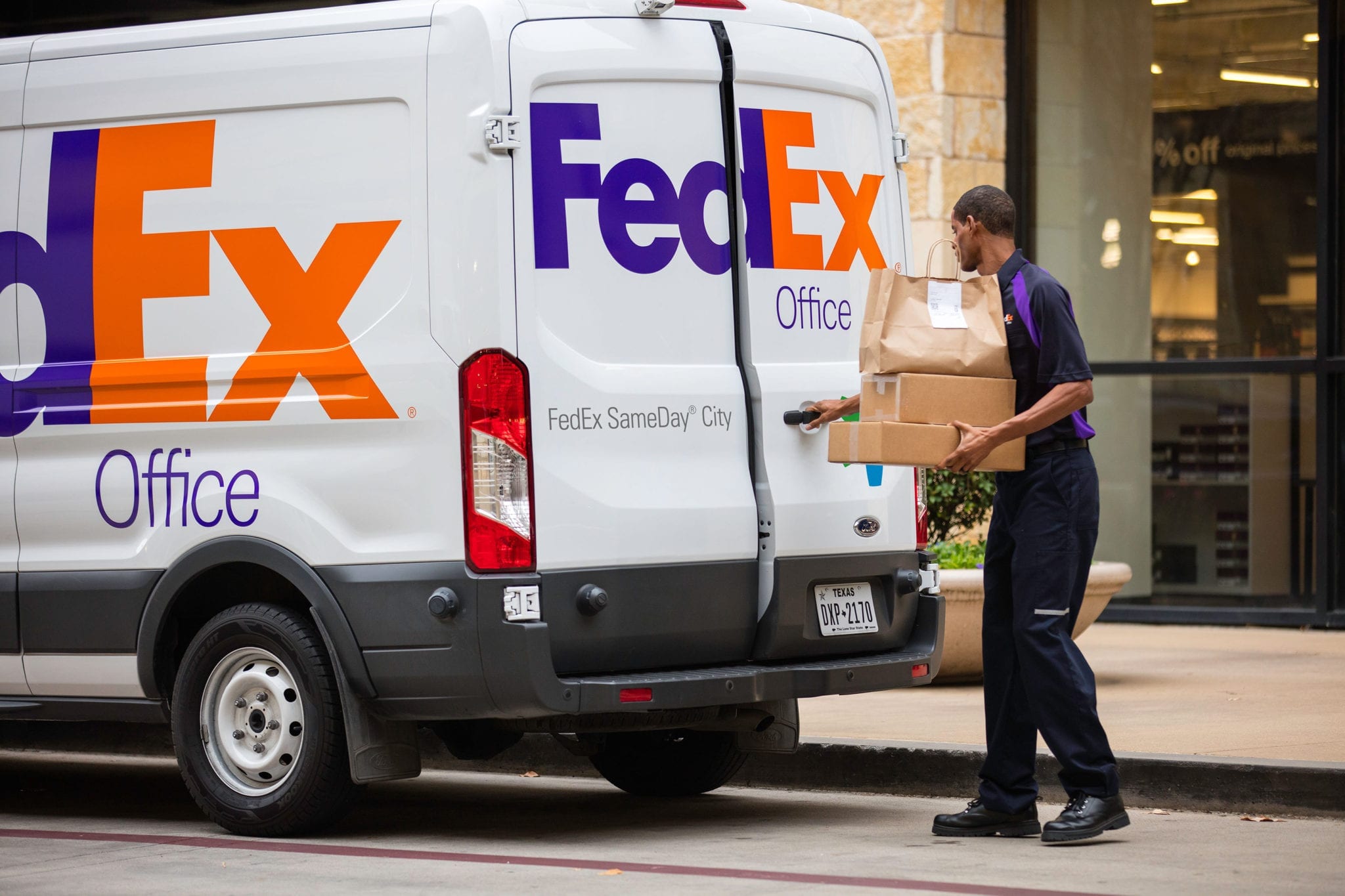
    FedEx Express recently signed a memorandum of understanding (MOU) with the Guangzhou Municipal Government to form an in-depth strategic collaboration.

    Under the MOU, FedEx and the Guangzhou Municipal Government will fully cooperate on customs clearance, cross-border e-commerce, and the establishment of the South China Operations Center.

    The two sides will jointly promote FedEx strategy and business development in Guangzhou, expand e-commerce logistic services, and support Guangzhou’s development as an international cargo hub.

    The FedEx APAC Hub is located at the Guangzhou Baiyun International Airport. Since its initiation in 2009 as a major hub in APAC, the facility currently operates more than 210 international flights weekly.

    In 2022, FedEx launched an AI-powered sorting robot at the company’s South China E-Commerce Shipment Sorting Center in Guangzhou to handle the ever-growing volumes of e-commerce-related shipments in the region. This was followed by the announcement that it would expand its Guangzhou Gateway by establishing a new South China Operations Center at Guangzhou Baiyun International Airport.

  • Bolloré Logistics appoints new Asia Pacific chief

    Bolloré Logistics appoints new Asia Pacific chief

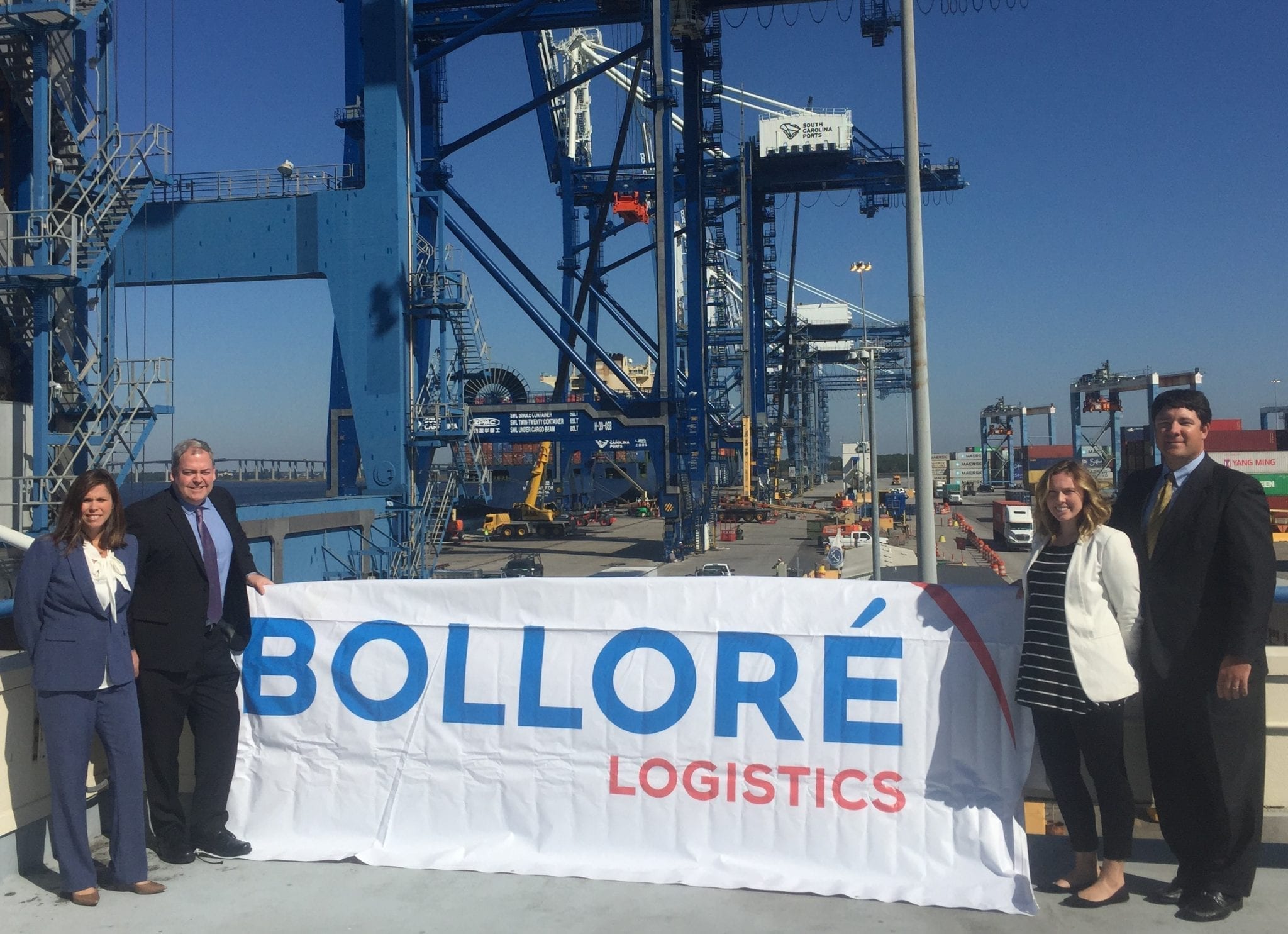
    Bolloré Logistics has named Olivier Boccara as its next chief executive officer for Asia Pacific, taking over the duties of Cyril Dumon.

    Prior to taking on the new role, Boccara, who joined the Bolloré Group in 1994, was the company’s chief commercial officer. He held various positions at SAGA and became its CEO in 2007.He was promoted to managing director of Bolloré Logistics France in 2016.

    He was notably involved in a number of major structuring projects, including the merger of the SAGA and SDV subsidiaries in 2015 and the acquisition in 2021 of a majority stake in Ovrsea, a startup specialising in digital freight forwarding.

    Olivier will be based in Singapore, where he will pursue the development strategy implemented by Dumon. He also aims to launch new projects in several key sectors, including aeronautics, healthcare, luxury goods and cosmetics.

  • Exports down 12% in four months

    Exports down 12% in four months

    Vietnam’s exports totaled US$108.57 billion in the first four months of this year, a year-on-year decrease of 11.8%, the General Statistics Office announced.

    Some $96.1 billion, or 88.5% of the turnover, came from processed industrial products.

    In April alone, exports dropped by 7.3% against March, and by 17.1% against April 2022, for a total of $27.54 billion.

    According to the Ministry of Industry and Trade, exports from many key industries – including electronics, computers, phones, phone components and textiles – dropped in the first quarter of this year.

    Early last week, the ministry said the decrease in production and exports stemmed from high inflation and weaker demand, especially for non-essential goods, from foreign markets.

    Along with that, many countries applied trade remedy investigations. “The cost of input materials has become higher, while export prices have not increased, which has reduced the competitiveness of Vietnamese products, and prompted enterprises to moderate production to avoid risks,” the ministry reported.

    In the first four months of this year, Vietnam spent $102.22 billion importing goods for production, mainly materials and tools, posting a year-on-year decline of 15.4% and leaving a trade surplus of $6.35 billion, or $4 billion more than over the same period last year.

    The domestic economic sector posted a trade deficit of more than $8 billion, while the foreign-invested sector saw a surplus of nearly $14.4 billion.

    In early April, Prime Minister Pham Minh Chinh asked local industries and authorities to simplify administrative procedures to create easier access to capital and more favorable conditions for businesses to facilitate exports, investment, and consumption.

  • Port operators want container fee raised

    Port operators want container fee raised

    Seaport operators want the government to increase its terminal handling charge as they claim they lose billions of dollars annually at the current level, which is lowest in Southeast Asia.

    In a proposal to the government by the Private Sector Development Committee, port operators say that the current terminal handling charge (THC) in Vietnam is only 40-50% that of other countries in the region.

    Le Quang Trung, Deputy Chairman of the Vietnam Logistics Association, said that international shipping firms collect a THC of $140 per 20-foot container from their customers, but only pay Vietnamese seaport operators $45-52, or 37% of the total.

    Cambodian port operators, however, get as much as $90 per container, and operators in Singapore receive $115.

    According to international norms, 80% of the THC must go to the port operator, and therefore Vietnamese operators should get $80-100 per container instead of $45-52 as current, Trung said.

    Port operators have therefore proposed that the Ministry of Industry and Trade raise the THC in Vietnam gradually to reach the same level as other regional countries.

    A 15-20% increase annually for four or five years will bring THC in Vietnam to the regional average of $101 per container.

  • Sanctions hit Vietnamese exports to Russia

    Sanctions hit Vietnamese exports to Russia

    Vietnam’s exports to Russia fell by nearly 60% year-on-year to US$205 million in the first two months of this year.

    Iron and steel, footwear and electronics exports almost came to a halt while those of agriculture produce like rice, vegetables and seafood fell by 20-50%, according to the Vietnam Trade Office in Russia.

    Rubber, garment and coffee were the only items whose exports increased.

    The ongoing Russia-Ukraine war is said to be the main cause as sanctions on Russia limit its trade with other countries, including Vietnam.

    Major shipping firms and airlines have stopped their Russia operations, and so Vietnamese business have trouble sending goods to the country.

    Bilateral trade fell by nearly 62% to $402 million.

    The trade office said Russian businesses are increasingly interested in establishing trade partnership with their Vietnamese counterparts, and the number of Russian companies participating in Vietnam’s fairs and exhibitions is rising.

    Many Russian retailers want to sell agricultural products, clothes and footwear from Vietnam, it added.

  • Air cargo transport plunges

    Air cargo transport plunges

    Aviation cargo transport passing through Vietnam’s airports dropped 28.2% year-on-year in the first two months of 2023 to 168,000 tons, according to the Civil Aviation Authority of Vietnam (CAAV).

    Industry insiders say that the spreading global economic recession has led to a decline in consumption. Although China has reopened its economy, the delivery of Chinese materials and goods to other countries has not fully resumed yet.

    Do Xuan Quang, deputy CEO of Vietjet Air, said that the ongoing Russia-Ukraine war is also limiting global deliveries even though shipping costs have dropped.

    Vietjet Air has seen its cargo transport fall from nearly 100,000 tons in previous years to around 65,000 tons last year, Quang told VnExpress.

    Vietnam Airlines Group transport in the first two months also declined from the same period in recent years. The company did not reveal by how much.

    A representative of an air cargo transportation company, who asked not be identified, said that in the first two months of the year delivery from Vietnam to Japan plunged 20% year-on-year.

    Other routes that the company operates still have not recovered from Covid-19.

    Data from the CAAV shows that domestic cargo in the first two months rose slightly year-on-year to 51,000 tons, while international cargo fell 37.3% to 117,000 tons.

    Domestic airlines delivered only 42,500 tons in the period, down 14.2 % year-on-year.

    The Vietnam Logistics Association (VLA) expects air cargo transport in Vietnam to recover later this year, but slowly as there are many uncertainties in the global market.

    This is shown by transportation data from local logistics companies. The industry is capable of delivering 1.5-2 million tons a year but currently they are shipping only nearly 1 million tons.

    The busiest route in the country, HCMC to Hanoi, is operating at only one-third of cargo capacity.

    Dang Anh Tuan, a media representative of Vietnam Airlines, said that there is still a niche market for aviation transport, such as delivering high-end tech equipment.

    Vietnam’s cargo transport market is dominated by foreign airlines. There are 29 international carriers which are specialized in delivering cargo and they account for over 80% of market share.

    Vietnamese companies, however, are seeking to change that.

    Vietravel Airlines last year launched its own cargo carrier Vietravel Airlines Cargo in partnership with HCMC-based Asean Cargo Gateway.

    Earlier this year Bamboo Airways established Bamboo Airways Cargo.

  • Sea shipping costs dip amid sliding demand

    Sea shipping costs dip amid sliding demand

    Sea shipping costs have plunged by over 80% from the previous peak as consumption has dropped amid inflation concerns. Tran Lam Son, CEO of wood and furniture exporter Thien Minh, said that shipping a container to Europe now costs around $1,700, down nearly 92% from the peak of $20,000 a couple of years ago.

    The price drop poses opportunities for businesses like Thien Minh but is perceived as a negative sign for the logistics sector.

    Logistics platform Phaata has data showing that shipping a 40-foot container from Ho Chi Minh City to Northern Europe now costs $1,700, down from $15,000 in January.

    From HCMC to Los Angeles, the average price is now $1,400, compared to $12,000 in September 2021. To New York, freight costs $2,900 against $15,000 two years ago.

    From Asia to India costs have plunged by over 90%, said Le Thi Lan Anh, business director of logistics firm MH Great Sun.

    Phaata CEO Nguyen Hoai Chung said that prices are now plunging because consumer demand in North America and Europe has plummeted due to inflation and forecasts of economic difficulties.

    Inventory in these regions is still high and so importers do not need to buy more from Asian countries, including Vietnam, he added.

    Slower manufacturing activity in China in recent years has reduced pressure in ports and congestion is no longer a problem, he said.

    Weak demand is likely to persist throughout this year. The International Monetary Fund last month forecast that global trade growth will drop from 5.4% last year to 2.4% this year.

    American spending on goods has dropped 5.4% from the peak in March 2021.

    Logistics giant Maersk anticipates that container shipping demand will drop by 2.5% this year.

    The supply of container ships, however, is expected to rise in this and next year and many ships are set to be completed.

    Container ship capacity is set to increase by 7.8% this year while demand is expected to rise 3.5%. In 2024 the two figures are expected to be 8.3% and 3.5% respectively.

    This shows that there will be an oversupply of container ships in 2023 and 2024, and competition in the logistics sector is set to be intense, Chung said.

    SSI Securities Corp. analysts said in a report that demand for goods from Vietnam will likely resume in the second half of the year when the shopping season arrives and after unsold inventory has been liquidated in Europe and the United States.

    Anh, however, has a more pessimistic forecast.

    “There is no sign that the financial market will recover this year,” said Anh. “Deposit interest is still rising and a recovery in the logistics industry is not expected until the very end of 2023.”

    Phaata CEO Chung said that container shipping prices to North America and Europe will continue to stay low until recovering in the fourth quarter as Christmas shopping rises.

    Next year, prices will continue to fall as container supply outweighs demand.

    “The logistics sector will see brighter signs in 2025 and prices will resume to pre-pandemic levels,” said Chung, “with a more balanced supply and demand relationship.”

    Chung advises logistics firms to expand their markets to other Asian destinations such as China, Japan, South Korea and Southeast Asian countries.

  • FedEx to cut global management jobs by over 10% as e-commerce demand wanes

    FedEx to cut global management jobs by over 10% as e-commerce demand wanes

    FedEx is cutting global officer and director jobs by more than 10 per cent, the courier’s latest cost-saving step as economic concerns and waning e-commerce weigh on demand for package delivery.

    The company plans to consolidate some teams and functions in addition to the headcount reduction, part of an effort to become a “more efficient, agile organisation”, chief executive Raj Subramaniam said on Wednesday in a memo to employees. The changes will align the size of the network with customer demand, he said.

    “This process is critical to ensure we remain competitive in a rapidly changing environment, and it requires some difficult decisions,” Mr Subramaniam said in the memo.

    The slump in parcels is industrywide, with rival United Parcel Service reporting on Jan 31 lower volumes in the United States and a forecast for declining sales in 2023.

    Couriers are facing a market in which consumers have returned to shopping in stores, inflation is eating away at purchasing power and companies are sending fewer goods by airfreight now that maritime shipping rates have plummeted and supply chain delays have been corrected.

    The latest cuts bring FedEx’s total employee reductions to 12,000 since June, a spokesman said. As at May, the company had 345,000 full-time workers, according to a regulatory filing.

    FedEx said the job losses include “executive management”, but did not give additional details on which units would be most affected. During an analyst call in December, the company said the Express unit requires more work to improve margins.

    “At Express, the team is transforming the network to be more agile, efficient and digitally led,” Mr Subramaniam said on the call. FedEx is also making changes at its Ground unit to weed out underperforming delivery contractors.

    FedEex shares rose 4.3 per cent on Wednesday in New York, bringing the gain in 2023 to 17 per cent.

    Since taking over as CEO from founder Fred Smith in June, Mr Subramamian has unveiled US$3.7 billion (S$4.8 billion) in cost cuts for this fiscal year in response to a rapid decline in parcel demand. The steps include worker furloughs, cutting cargo flights and parking some planes.