Retail News CRM

Category: Logistics

Retail News Asia is committed to providing both local and global retailers with the latest Logistics news throughout the Asian market. This on a daily base.

  • Ninja Van Unveils White Paper on Live Selling in Southeast Asia

    Ninja Van Unveils White Paper on Live Selling in Southeast Asia

    Ninja Van Malaysia, a tech-enabled logistics company, has released its first-ever white paper on Live Selling in Southeast Asia. The white paper introduces Live Selling as one of the up-and-coming Southeast Asia’s e-commerce trends and shares Live Selling insights collected from over 1,000 Ninja Van’s e-commerce sellers across Malaysia, Singapore, Indonesia, The Philippines, Thailand, and Vietnam.

    While Live Selling is still a nascent industry in most Southeast Asian countries, the increase in the number of Live Selling solutions shows that the new retail trend shaping the future of e-commerce is here to stay – and sellers are taking note.

    In Malaysia alone, 40% of live sellers conduct their sessions daily, ranking higher than its regional neighbours Singapore (17%), Indonesia (23%), and Vietnam (27%). Additionally, 47% of live sellers in Malaysia conduct each session for up to 2 hours.

    “Live Selling is an interesting marketing tactic for e-commerce sellers,” says Winston Seow, chief marketing and enablement officer, Ninja Van Group. “It’s the only tactic that can fast-track shoppers’ purchase journeys from awareness straight to conversion. Live Selling also gives e-commerce sellers the ability to build relationships at scale with their shoppers, both new and existing.”

    One in three of the surveyed Southeast Asian e-commerce sellers is now doing Live Selling, spending up to six hours weekly conducting Live Selling sessions. Most of the early adopters of Live Selling are from low-involvement product categories such as fashion, beauty & personal care, food and beverages, as well as home & living.

    While Shopee (27.0%), Facebook (25.5%), and TikTok (22.5%) are ranked as the top three Live Selling channels, the close margins signal that the champion has yet to emerge in Southeast Asia. This could be explained by the fact that on average, the surveyed e-commerce sellers use two channels for Live Selling, presumably to maximise their outreach to shoppers.

    Live Selling also offers e-commerce sellers a new way to better connect with customers. “Since we started Live Selling, we’ve seen an increase in our sales and have built a stronger relationship with our customers.

    “We sell over 1,600 household products made from different materials and through our live sessions, we’re able to engage directly with our customers and answer any questions they may have about our products. I believe this makes for a more positive shopping experience for our customers, allowing them to make informed decisions about their purchases,” says Tan Jie Xian, Digital E-commerce marketing executive at Elianware.

    The white paper also explores the challenges of Live Selling, such as keeping Live Shoppers engaged, preparing on-set logistical requirements, as well as sales and post-sales arrangements. Recommended solutions are included too.
  • Vietnam posts trade surplus of $3.6B in January

    Vietnam posts trade surplus of $3.6B in January

    Despite decreases in both imports and exports, the country still enjoyed a trade surplus of $3.6 billion in the first month of 2023, according to the General Statistics Office (GSO).

    The office reported that in the month, total import-export turnover reached $46.56 billion, with exports dropping 21.3% to $25.08 billion, and imports falling 28.9% to $21.48 billion.

    While the domestic sector saw a trade deficit of $1.04 billion, the foreign-invested sector (including crude oil) posted a surplus of $4.64 billion.

    Experts attributed the result to the long New Year and Lunar New Year (Tet) holidays, which were all in January, reducing the number of working days. Last year, the Tet holiday fell in February.

    The GSO reported that the manufacturing-processing sector earned the highest export revenue with 22.32 billion USD, accounting for 89% of the country’s total.

    Meanwhile, there were three goods groups with imports of over $1 billion.

    In January, the U.S. remained the biggest importer of Vietnamese goods with a revenue of about $7.6 billion, while China was the biggest exporter to Vietnam with $8.1 billion.

    The GSO held that many countries are facing the threat of inflation and economic recession, leading to reduction in global consumption, thus affecting Vietnam’s import-export activities.

    Export activities showed signs of slowing down from the fourth quarter of 2022 with fewer orders, it said, adding that 2023 is likely to be a tough year for Vietnam’s import-export.

    In 2023, the MoIT sets a target of a 6% rise in goods export revenue, with trade surplus maintained.

  • Bamboo Airways establishes cargo carrier

    Bamboo Airways establishes cargo carrier

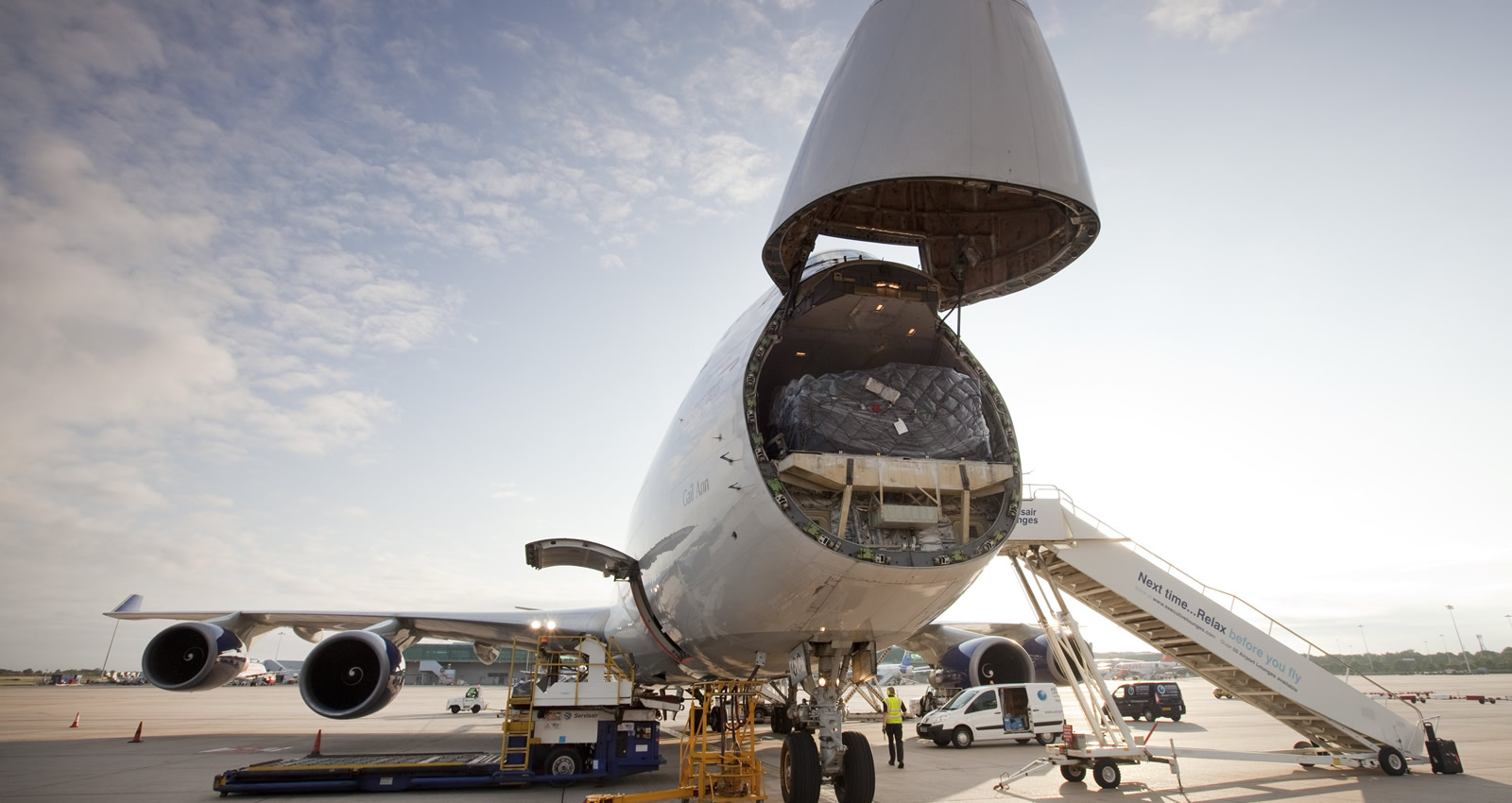
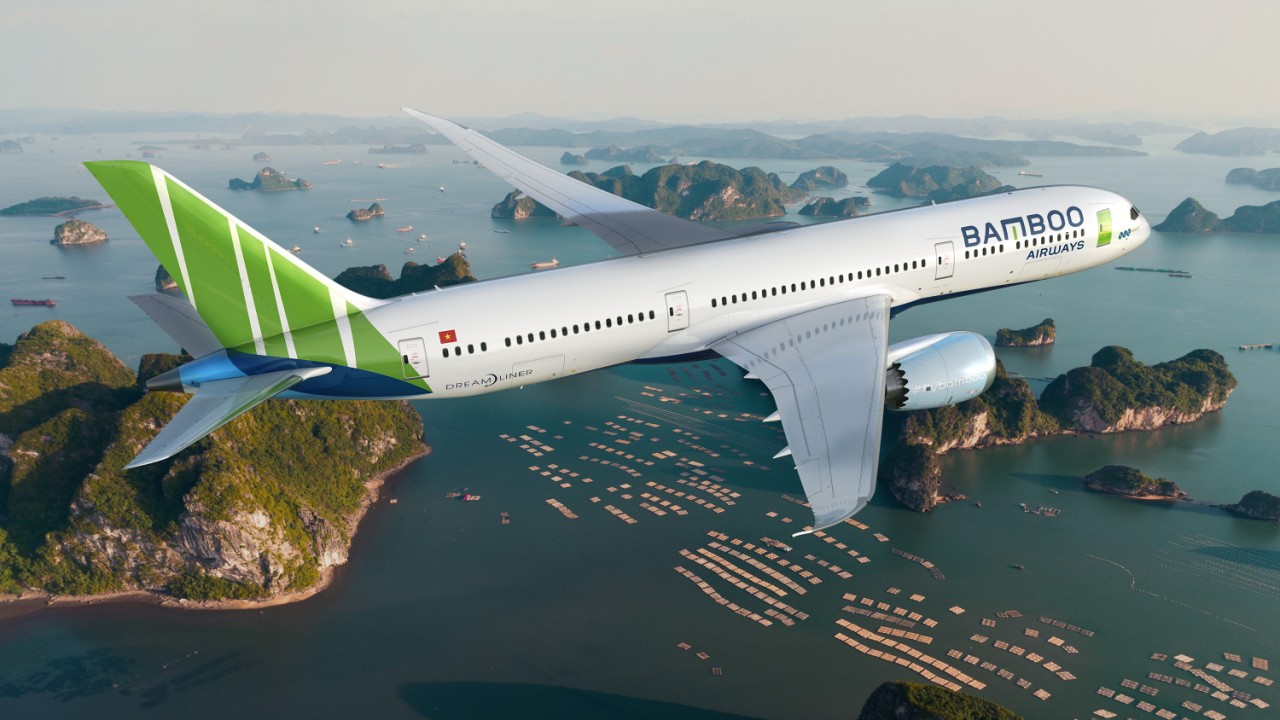
    Bamboo Airways has announced the founding of Bamboo Airways Cargo in an effort to develop a larger network of affiliates in Vietnam’s sparse aviation ecosystem.

    Hanoi-based Bamboo Airways Joint Stock Company (BAC) is launching with a charter capital of VND20 billion ($833,000), 75% of which has been contributed by Bamboo Airways, the carrier said Wednesday.

    The remainder belongs to three other individual shareholders.

    Bamboo Airways named its vice chairman Doan Huu Doan as chairman of the new BAC, while Bamboo Airways deputy general director Nguyen Khac Hai will be BAC’s new CEO.

    Bamboo Airways is present at 21 out of 22 airports in Vietnam, and at other major airports in the Asia-Pacific region and Europe.

    In September 2022, Vietravel Airlines said it would cooperate with HCMC-based Asean Cargo Gateway Joint Stock Company to launch an air cargo service, contributing 51% and 49% of the capital, respectively.

    Vietravel Airlines CEO Vu Duc Bien has noted that the region’s air cargo market lacks carriers and therefore carries immense untapped potential.

  • Thien Long Group further invests in production and distribution

    Thien Long Group further invests in production and distribution

    Thien Long Group has inaugurated its Clever Box store chain, put into operation a new plant and distribution center in the final quarter of 2022.

    According to a representative of Thien Long, the group had set a plan years ago to upgrade shopping experiences by building a store chain that brings customers many personal experiences like in well-known stationary store chains in Asia as well as the world.

    The target was partly reached as Thien Long Group opened Clever Box stores in October and November this year. The store chain offers stationeries and creates a world of creative toys, and souvenirs through DIY and STEAM items.

    Aside from a wide range of products and creative toys with high educational values, Clever Box provides unique experiences to customers.

    The stores have cozy spaces featuring eye-catching designs and arrangements that inspire customers of all ages to discover “a creative world.”

    Clever Box also has a high-tech platform offering a quick transaction experience to customers. In the coming time, the group will expand the store chain’s online channel cleverbox.vn, e-commerce platforms, and offline channels.

    The Clever Box store chain has further improved the distribution system of Thien Long. The group currently manages 55,000 selling points and channels from GT to MT and B2B and e-commerce channels.

    In the final quarter of 2022, Thien Long Group also put into operation Thien Long Long Thanh Factory in the southern Dong Nai Province and a distribution center in Le Minh Xuan Industrial Zone in HCMC’s Binh Chanh District.

    The new factory covering nearly 10,000 square meters has a capacity of 739 million products per year. The project required a total investment of VND230 billion. The Thien Long Long Thanh Factory plays a role of helping the group diversify products and increase sales.

    Once the new factory is completed, the Thien Long Long Thanh factory complex will have a total area of 28,450 square meters. The new plant and the current Nam Thien Long factory covering 15,750 square meters in Tan Tao Industrial Park in HCMC will help raise the group’s production capacity to meet the market demand and contribute to the growth of Thien Long.

    In mid-October, Thien Long Group opened the distribution center in Le Minh Xuan 3 Industrial Zone in HCMC’s Binh Chanh District. Work began on the project in December 2021. The five-story facility covering 14,000 square meters can handle 14,000 tons of goods and 1,000 orders from e-commerce channels each shift.

    Recently, Thien Long Group was also named one of the Top 100 Sustainable Businesses by Vietnam Chamber of Commerce and Industry (VCCI) and Vietnam’s 50 Best-Performing Companies by Nhip Cau Dau Tu Magazine.

  • Trade to surpass $730B for first time

    Trade to surpass $730B for first time

    Vietnam’s trade is expected to reach US$732 billion this year, the highest ever, increasing 10% against last year, the Ministry of Industry and Trade said.

    Exports are estimated at $371.5 billion, up 10.5% against 2021, and imports at $360.5 billion, up 8.5%, resulting in a trade surplus of $11 billion, the ministry announced at a foreign trade review meeting Monday.

    The country has gained a trade surplus for seven straight years.

    Among exports, there 39 items accounted for a turnover of over $1 billion, compared to 35 items against last year. Nine items recorded a turnover of over $10 billion.

    Processed and industrial products accounted for more than 86% of total export turnovers.

    Vietnam exported less raw products, while shipping more processed and industrial goods, creating favorable conditions for local products to penetrate more deeply into global production and supply chains, said Deputy Minister of Industry and Trade Tran Quoc Khanh.

    Some 74% of the total export turnovers in Vietnam came from foreign-invested enterprises. Exports from domestic enterprises, especially small- and medium-sized ones, remained modest.

    Vietnam has targeted a rise of some 6% in foreign trade as well as a trade surplus in 2023, he said.

    Deputy Minister of Foreign Affairs Nguyen Minh Vu said that in 2023 many economies around the world experience high inflation, and the world economy would likel have a technical recession, leading to a decrease in global purchasing power. Meanwhile, trading partners will be more demanding, and may adjust regulations related to carbon emissions reductions, and tighten import requirements.

    In 2021, the World Trade Organization had ranked Vietnam 23rd in terms of exports and 20th in imports. In the 10-member ASEAN, Vietnam ranked second behind only Singapore.

  • Vietnam poised for record trade

    Vietnam poised for record trade

    Vietnam’s foreign trade is set to exceed US$700 billion this year, the highest ever, the customs department said.

    It has risen steadily from $500 billion in 2020 and $600 billion last year.

    In the first 11 months exports rose bviy 13.4% from a year earlier to $342.2 billion, and imports were up 10% to $331.6 billion, resulting in a surplus of $10.6 billion.

    Exports to the U.S. alone, the largest export market, were worth $101.5 billion. Imports from China, the
    country’s biggest source, topped $109.9 billion.

    According to the General Department of Vietnam Customs, the country’s global import-export ranking
    will go up this year.

    In 2021 the World Trade Organization had ranked Vietnam 23rd in terms of exports and 20th in imports.

    In the 10-member ASEAN, Vietnam ranked second behind only Singapore.

  • Vietnam firm reluctant to launch cargo flights, foreign carrier eager

    Vietnam firm reluctant to launch cargo flights, foreign carrier eager

    Local IPP Air Cargo has axed plans to become Vietnam’s first cargo airline, but Germany’s Lufthansa Cargo has expanded operations.

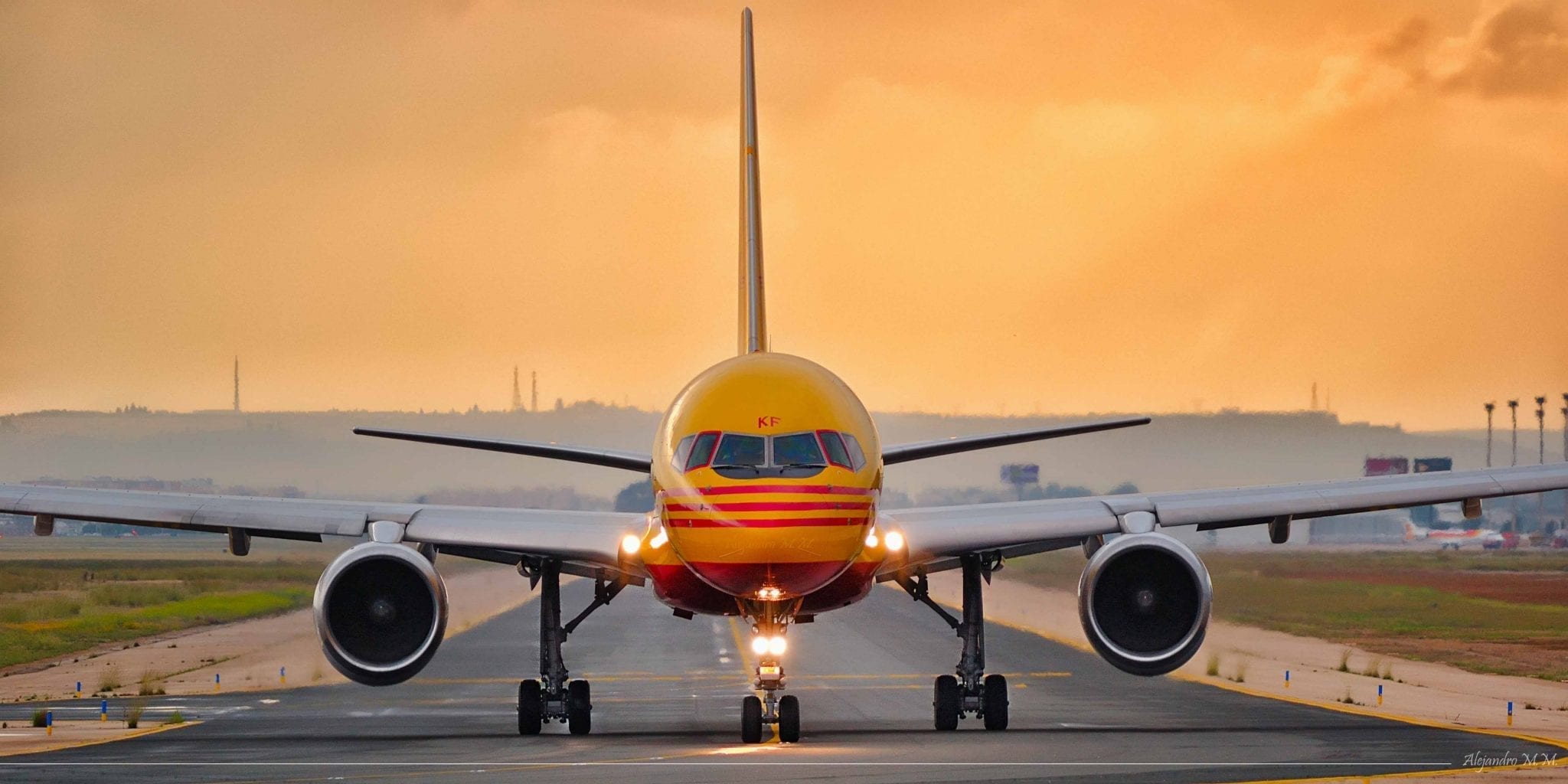
    In late October, IPP Air Cargo canceled its application to launch what would have been the nation’s first cargo airline. However, the company had already completed the procedures to lease four Boeing Converted Freighters 737 800BCF.

    Jonathan Hanh Nguyen, chairman of the airline’s parent company Imex Pan Pacific Group (IPPG), said that global air cargo demand was declining due to current turmoil.

    “We have decided to end our plan to avoid causing more damage to carriers that are already incurring losses,” he said, adding that the company aimed to reinstate the plan when the market stabilizes.

    Last month, Lufthansa launched its first direct flight from Frankfurt to Hanoi.

    The carrier had previously run two weekly flights from Germany to HCMC before diverting operations to Thailand.

    CCO Ashwin Bhat said his airline could not ignore the Vietnamese market, where 30% of exported items are electronics and high-tech goods.

    Vietnam’s plentiful bilateral trade agreements with major markets, especially Europe, were attractive to Luftnasa, said Bhat.

    He added that the country’s rapid economic recovery from the Covid-19 pandemic had also interested the dominant European airline.

    According to government statistics, the total volume of goods transported by air in Vietnam has increased 2.5 times over the last ten years. The number is forecasted to surge to 4.1 million tons by 2030.

    According to the Vietnam Logistics Business Association (VLA), Vietnamese airlines hold an international freight forwarding market share of only 12%, while nearly 30 foreign carriers hold the rest.

    VLA president Le Duy Hiep said the withdrawal of IPP Air Cargo from the market was a pity because domestic logistics enterprises are in dire need of Vietnamese cargo airlines.

    According to Hiep, Vietnam’s massive amount of total imports and exports were worth over $700 billion in 2022, with over half being exports. Over two million tons of goods are exported by air from Vietnam each year.

    Analysts have said that these factors have made the potential of the Vietnamese cargo market plain to see for Lufthansa Cargo.

    Hiep said Vietnam should be home to cargo airlines with larger market shares, but noted that this would require much more investment and a wider network of agents and customers.

  • Malaysia to test air cargo community system at KUL

    Malaysia to test air cargo community system at KUL

    Efforts are coming in all forms to support Malaysia’s competitiveness in its transport and logistics sectors as plans to introduce a platform that will connect stakeholders of Kuala Lumpur International Airport are underway.

    Air cargo software provider Kale Logistics Solutions and tech company Dagang NeXchange (DNeX), through its subsidiary Dagang Net, have signed a partnership agreement to introduce the Airport Cargo Community System (ACS) platform in Malaysia.

    The ACS is a neutral and open platform, enabling intelligent and secure information exchange between public and private stakeholders and is planned to be integrated with other community systems such as the National Single Window (NSW) and Port Community Systems (PCS) for trade facilitation.

    Vineet Malhotra, co-founder and director at Kale Logistics Solutions, said the latest development presents a powerful case that cargo community platforms need to integrate to bring greater value. And the plan is to create a global network of smart logistics hubs, starting in Malaysia.

    “Our role is to support businesses, especially SMEs, by providing an efficient and comprehensive global logistics network that can serve a larger international customer base and reduce trade barriers.”

    DNeX says the partnership with Kale complements Dagang Net’s capability to grow trade facilitation e-services for air mode through the ACS platform.

    “The ACS enables seamless electronic transactions, equipped with intelligent and secure information exchange among stakeholders to enhance the airport community competitiveness,” commented Tan Sri Syed Zainal Abidin Syed Mohamed Tahir, Group Managing Director.

    “This, in turn, can contribute to efforts in improving Malaysia’s competitiveness in its transport and logistics sectors as well as overall operational efficiency, connectivity, and productivity across the country’s supply chain,” he noted.

    Dagang Net has been using electronic Customs-related services to ease trade facilitation and streamline international trading processes for imports and exports, trade and logistics industries, and this initiative is aligned with the company’s direction, he added.

    Both Kale and Dagang Net are part of the Pan Asia e-Commerce Alliance (PAA), a 16-member regional e-commerce alliance in Asia that aims to promote and provide secure, trusted, reliable and value-adding IT infrastructure and facilities for efficient global trade and logistics.

  • CargoAi offers Neste jet fuel to drive SAF takeup

    CargoAi offers Neste jet fuel to drive SAF takeup

    Freight forwarders of all sizes can now play a more significant role in reducing cargo-related carbon emissions with a new tie-up between CargoAi and Neste.

    The cargo booking platform and the leading producer of sustainable aviation fuel (SAF) have announced a partnership that will allow the voluntary purchase of SAF.

    Starting November, CargoAi offers the option to purchase Neste MY Sustainable Aviation Fuel when booking a cargo transport. This can be done during the booking process, that is, either after a booking is confirmed or when the cargo is being tracked.

    During the booking or tracking phase, freight forwarders on cargoAi will be prompted with the CO2 emissions data that their shipment will emit, calculated based on IATA standards. They now have an option to purchase to reduce emissions with the access to buy in smaller quantities.

    “Building on the CO2 Efficiency Score already available in our Cargo2ZERO solution, will further encourage forwarders to enter into discussions with their own clients about what is needed for the industry to move forward towards reaching the industry’s Net Zero targets together,” says Matthieu Petot, CEO of CargoAi.

    “We are also enabling access for smaller freight forwarding companies in 110 countries to purchase SAF in smaller quantities.”

    CargoAi said Neste will ensure specific SAF volumes purchased are delivered and used by partner aircraft operators. The company considers SAF as a ‘key element’ to reach aviation’s ambitious goal of net-zero carbon emissions by 2050.

    “Purchasing SAF remained until now a hard-to-navigate, resource-intensive process and often required purchases of large volumes, which made reducing emissions at the transactional level very difficult,” said Magali Beauregard, Chief Commercial Officer of CargoAi.

    “With the direct purchase of SAF now embedded in the booking execution and tracking flows, we’re taking the next steps to empower climate action by offering our clients straightforward, user-friendly and verifiable means to ensure reduced emissions. We are extremely delighted about this landmark partnership with Neste and confident that this will enable clients of any size to take effective climate action without further delay.”

  • DB Schenker to deploy robots for Prague facility

    DB Schenker to deploy robots for Prague facility

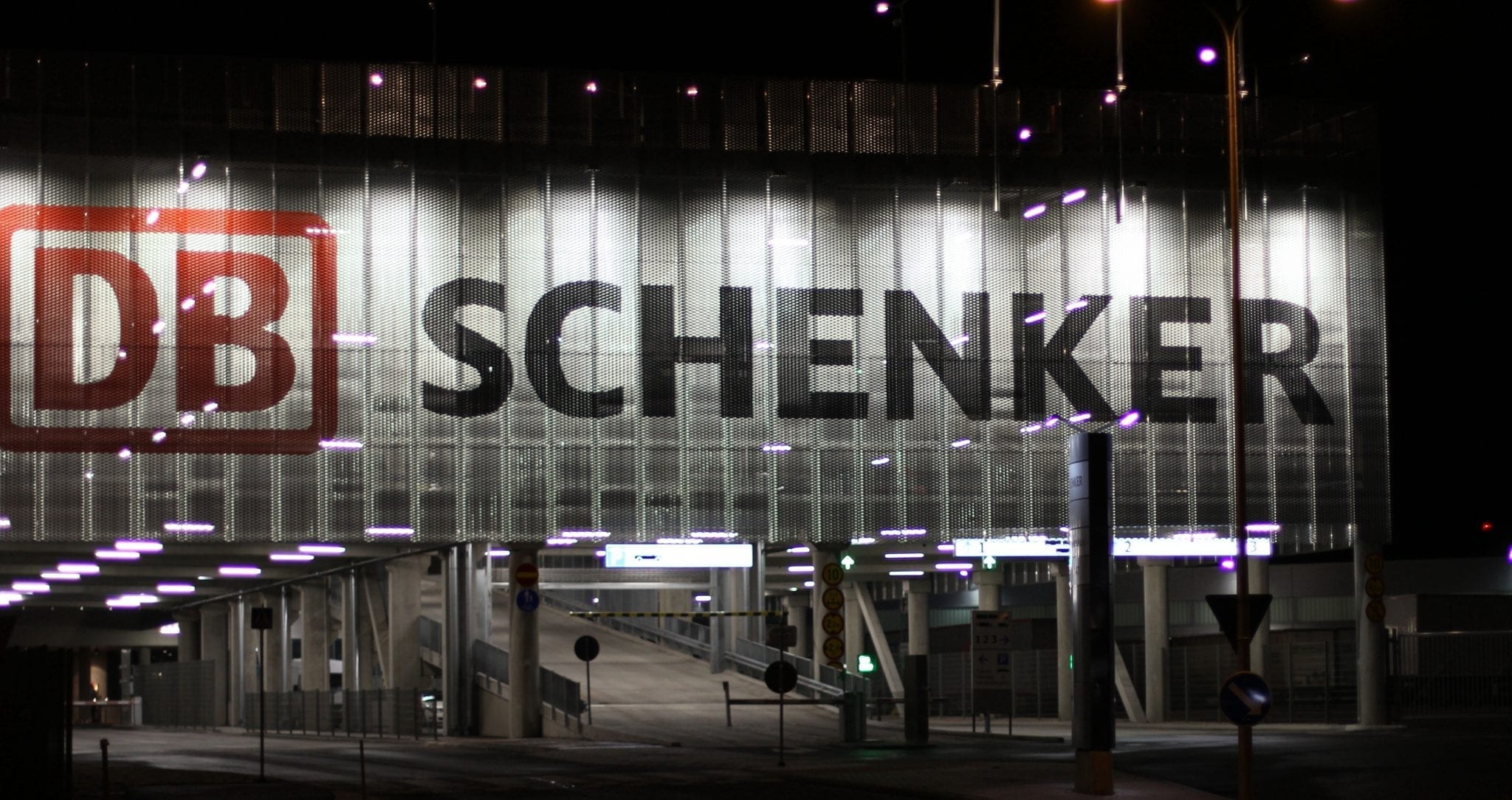
    DB Schenker is set to open a new automated fulfillment warehouse in the Prague region next year.

    Along with retail operations, the new 55,000-sqm distribution center will manage B2C e-commerce activities, including an extensive value-added services area addressing the demand for personalized products requested by consumers.

    The fulfilment center, which will be located near Prague Airport and a major highway that runs to Germany, is schedule to begin operating in the summer of 2023 to serve Central and Eastern Europe.

    DB Schenker said the current distribution center, also located in the Prague region, cannot accommodate the future demands of the customer. The current site will not be closed but used for reverse logistics services.

    The new distribution center will feature a highly scalable, modular G-T-P (goods-to-person) system combined with an extensive conveyor system and a high-performance cross-belt sorter provided by partner Körber.

    The facility will also feature one of the largest deployments of autonomous mobile robots in Eastern Europe. Körber’s software solution will control more than 100 AMRs that will be part of the highly automated logistics ecosystem.

    Despite the high automation level, the distribution center will require more than 1,000 operators at peak times, DB Schenker noted.

  • Shipping firms sail past annual profit target in 9 months

    Shipping firms sail past annual profit target in 9 months

    Many shipping firms have earned profits surpassing their annual target in the first nine months of the year, riding a wave of high demand and high freight rates.

    The Petrovietnam Transportation Corporation recorded after-tax profits of nearly VND390 billion ($15.7 million) in the third quarter, more than 2.5 times year-on-year. Its pre-tax profits of over VND1.035 trillion in the first nine months exceeded 72% of its annual plan.

    The Hai An Transport and Stevedoring Joint Stock Company saw its Q3 after-tax profit increase by over 2.7 times year-on-year to VND270 billion. The firm’s profit in the first nine months was 1.5 times bigger than its yearly plan.

    Similarly, Gemadept Corporation’s profit in the third quarter surged by over 76% to nearly VND290 billion. Its after-tax profit rose nearly 84%, realizing 94% of the annual plan.

    The Vietnam Ocean Shipping Jsc Earned gained pre-tax profits of VND566 billion in the first nine months, a 38% year-on-year increase, and exceeding the annual plan by 45%.

    While it saw a fall in Q3 profit, the Vietnam National Shipping Lines posted profits of over VND2.77 trillion in the first nine months, a year-on-year increase of more than 30% and more than 10% of the annual plan.

    Many shipping firms attribute the bigger profits to high demand and high freight charges. A manager with the Petrovietnam Transportation Corporation said freight charges had increased in the third quarter, resulting in bigger revenues.

    Over 77.8 million tons of cargo was transported by sea in the first nine months, up 27.5% over the same period last year, according to the General Statistics Office.

    According to data from Freightos, one of the world’s largest freight booking platforms, Feightos Baltic Index, the global container shipping index, fell from $6,577 to $4,060 in the third quarter. However, the rate was still 2-3 times higher than the average of $1,800-2,000 in the same period last year. Compared with the third quarter of 2019, the rate was nearly 3.5 times higher.

    In Vietnam, the sea freight index increased nearly 5% in the third quarter, and rose over 11% in the first nine months.

    Brokerage firm SSI Securities has predicted that the global index will gradually return to normal due to weaker demand and bigger supply of container ships in the last months of this year. Freight charges may decrease sharply next year if supply chain disruptions die down and China reopens to the outside world, it said.

    In Vietnam, charges may remain at their peak in 2023 as the market is still undersupplied as most of the Vietnamese fleet is leased to foreign markets under long-term contracts, according to SSI Securities.

  • FedEx drafts on-ground team in Cambodia

    FedEx drafts on-ground team in Cambodia

    Recent data show that economic recovery in Cambodia is gathering speed with first-half exports up 20 percent over the same period last year, reaching US$27 billion.

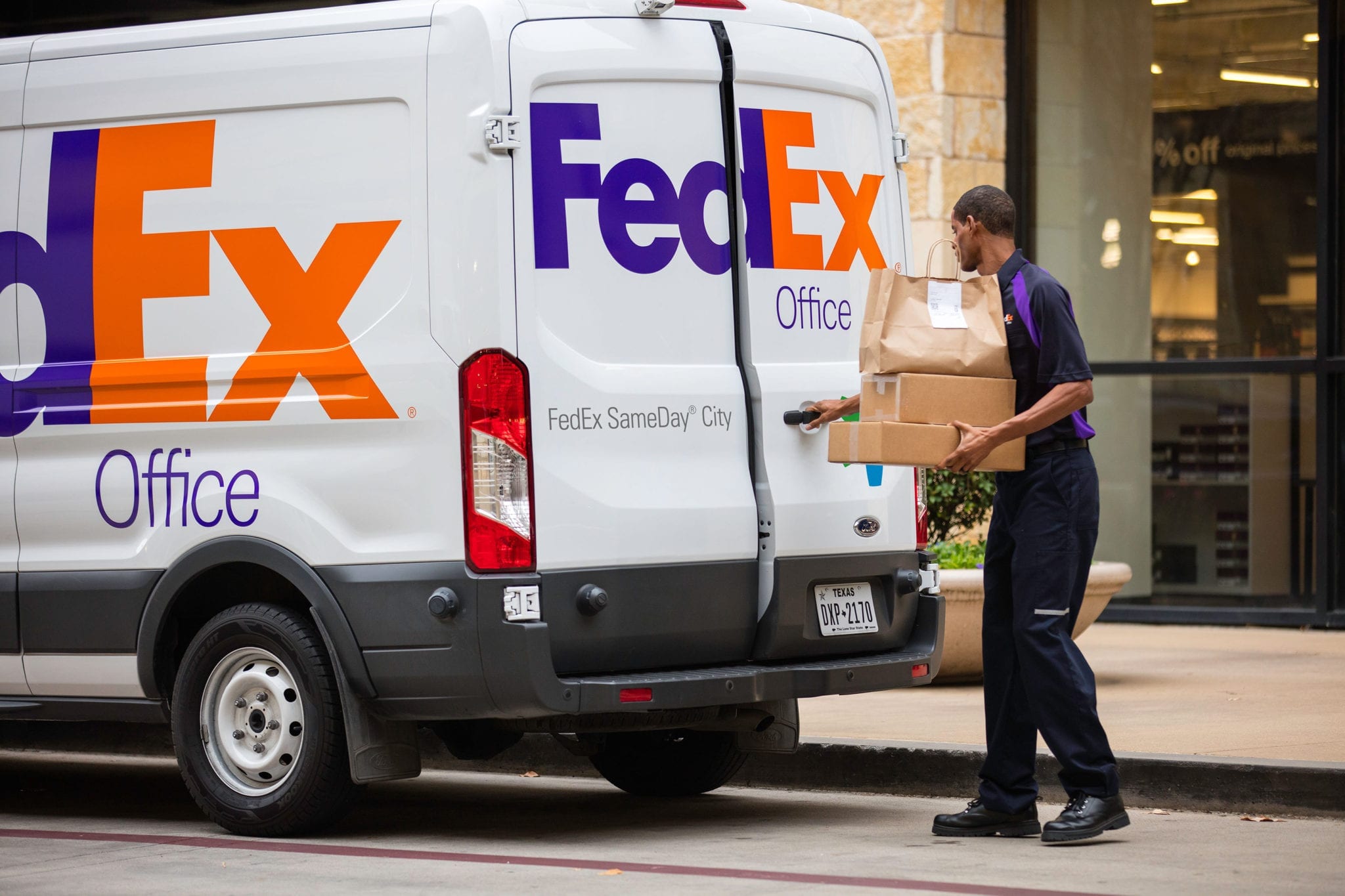
    With this, FedEx Express is establishing a direct commercial presence in Cambodia, to meet the country’s growing international shipping demands.-

    FedEx has been operating in Cambodia since 1994, offering international shipping services through local company TSP Express.

    With a direct presence in the country, local customers will now have access to a range of digital tools for easier and more efficient shipping through the FedEx website. This includes opening a new account, tracking shipment status in real time, creating shipping air waybills, scheduling courier pickups, and managing billing.

    FedEx will now have dedicated sales and customer service team members on ground to interact and provide enhanced logistics expertise to help local businesses grow their cross-border trade.

    “FedEx continues to enhance its presence and services in emerging Southeast Asia markets like Cambodia to support the growth of small and medium sized enterprises (SMEs),” said Kawal Preet, president of the Asia Pacific, Middle East, and Africa at FedEx Express.

    “Many of Cambodia’s biggest trading partners are located beyond the Asia region, in North America and Europe making a network like ours essential to provide greater access to international markets.”

    “We’re making shipping easier for Cambodian customers as they look to export to more international markets,” added Hardy Diec, managing director, FedEx Express Indochina.

  • DHL Supply Chain launches direct-to-consumer solution

    DHL Supply Chain launches direct-to-consumer solution

    DHL Supply Chain has partnered with digital commerce agency Tryzens, to offer brands a rapid-start, scalable and cost-effective direct-to-consumer (D2C) route to market.

    The solution, named ConsumerDirect, was created to simplify access to digital and supply chain capabilities. It is intended to make entry into D2C simple and low risk for established brands that are currently selling through wholesale or retail channels. From consultation and initial setup, through to navigating the hurdles of acquiring a direct customer base, the partners will launch digital storefronts and reconfigure the supply chain to help brands launch D2C solutions that can scale with them as they grow. In addition, Tryzens and DHL will support the growing demand for capabilities such as subscriptions, personalization of products and packaging and sustainable solutions.

    The solution is intended to enable brands to operate a D2C solution through DHL’s infrastructure and range of services, alongside its wholesale B2B supply chain. With low entry costs and a pay-as-you-grow mechanism, the solution is expected to diminish the pain of investment risk, especially while the D2C channel is being established.

    Since 2018, the companies have observed an increasing number of consumer and retail brands establishing direct e-commerce channels to reach their customers, ensure supply, increase customer loyalty, understand consumer behavior and improve margins. The ConsumerDirect proposition from DHL and Tryzens enables brands to reach their customers across the world with a high-quality end-to-end experience, without great commercial risk or investment.

    Alex Hislop, chief customer officer of DHL Supply Chain UK and Ireland, said, “We are delighted to be partnering with Tryzens, who bring further strength to our one-stop-shop, local and global fulfillment solution. In the market, there is often a misconception that for established consumer goods brands the transition to selling direct is simple, but compared with pureplay online retail, it can be a real challenge to reconfigure supply chains to improve agility and flexibility, build brand loyalty and deeper customer relationships, and maintain important wholesale and retail channel relationships. That’s why we’ve established our partnership with Tryzens; both businesses understand that complexity and bring complementary expertise to guide brands on the entire digital and physical journey.”

    Andy Burton, CEO of Tryzens, said, “The ability for brands to directly engage with consumers not only provides an additional means of selling their products but enables real insight to be gleaned and customer loyalty maintained. D2C provides a channel for building brand reputation and controlling the narrative in differentiating a brand’s products from others in the mind of the consumer. The consumer promise is made up of online shopping, the real-world fulfillment experience and the product quality experience, so we at Tryzens are truly proud to be working with DHL as global leaders in supply chain management to offer the market a comprehensive and cost-effective solution for brands to launch swiftly and scale their D2C capability with the full assurance that the promise they provide to market can be fulfilled.”

  • Fedex Express Expands It’s Direct Presence in Cambodia

    Fedex Express Expands It’s Direct Presence in Cambodia

    FedEx Express, a subsidiary of FedEx Corp., has  announced it is establishing a direct commercial presence in Cambodia, to meet the country’s growing international shipping demands.

    With a direct presence in the country, businesses in Cambodia gain greater access to a wider portfolio of FedEx shipping solutions, while the local service provider continues to provide the local infrastructure for ground operations. Local customers will have access to a range of FedEx digital tools that makes shipping easier and more efficient through the FedEx website. This includes opening a new account, tracking shipment status in real time, creating shipping air waybills, scheduling courier pickups, and managing billing. Additionally, FedEx will now have dedicated Sales and Customer Service team members on ground to interact and provide enhanced logistics expertise to help local businesses grow their cross-border trade.

    Economic recovery in Cambodia is gathering speed with exports up 20% over the same period last year, reaching USD $27 billion during the first half of 2022.

    “FedEx continues to enhance its presence and services in emerging Southeast Asia markets like Cambodia to support the growth of small and medium sized enterprises (SMEs). Southeast Asia is one of the world’s fastest growing regions and its young and increasingly urbanized population is estimated to grow by 140 million new consumers by 2030,” said Kawal Preet, president of the Asia Pacific, Middle East, and Africa, FedEx Express. “Many of Cambodia’s biggest trading partners are located beyond the Asia region, in North America and Europe3 making a network like ours essential to provide greater access to international markets. As Cambodia’s stature in global trade continues to grow, its businesses need a more comprehensive range of services to help fuel the local economy.”

    “Expanding our direct presence in Cambodia enables us to be closer to our customers and deliver greater support for their international shipping needs. With a dedicated FedEx support team offering logistics expertise and access to an extended portfolio of time-definite international shipping services, we’re making shipping easier for Cambodian customers as they look to export to more international markets,” said Hardy Diec, managing director, FedEx Express Indochina.

    FedEx has been facilitating trade in Cambodia since 1994, offering international shipping solutions and connectivity through local service provider TSP Express. FedEx supports Cambodia’s coordinated efforts outlined in its Industrial Development Policy 2015 – 2025 to build an efficient transportation network to drive the country’s future economic growthThe FedEx direct presence in the country will help local businesses trade with ease and expand their reach to over 220 countries and territories that FedEx serves.

  • One in five Vietnamese spend 9 hours a day online

    One in five Vietnamese spend 9 hours a day online

    A total 22% of Vietnamese use the internet for more than nine hours a day studying, entertainment and shopping, with the majority on their smartphones, a report has found.

    This is a surge from 2020 when only 9% of respondents used the internet for more than nine hours a day, according to the Vietnam E-commerce 2022 report by the Vietnam e-Commerce and Digital Economy Agency (iDEA).

    However, there were declines in internet usage time in other segments. As many as 27% say they use the internet from three to five hours a day, compared to 31% in 2020. Besides, 23% log five to seven hours, against 27% in 2020. Most respondents access the internet on their smartphones.

    The main reason Vietnamese people use the internet are studying, watching movies or listening to music, and online shopping said the report, which surveyed 4,584 respondents nationwide.

    Nearly 75% of respondents say they shop online, while 91% use their smartphones.

    The top sales categories are “clothes, footwear and cosmetics,” “household appliances”, and “electronic devices”. Cash remains king as 73% pay cash on delivery. But there is a rise in e-wallet usage, from 23% in 2020 to 37% last year. A quarter of respondents, 24%, say they spend more than VND10 million ($422) a year shopping online.

    Reputation of an e-commerce platform is the most important factor for online consumers, according to 74% of respondents.

    Other key factors are quick delivery and promotions.

    Vietnam’s e-commerce economy is set to grow 20% to 16.4 billion this year, approaching the 25% growth achieved in 2019 before the Covid-19 pandemic.

    iDEA estimates that at least 57 million people will shop online this year, up 4% from 2021.