Retail News CRM

Tag: abercrombie & fitch

  • Abercrombie & Fitch Conquers Asia: Opens New Store in Manilas SM Mall of Asia

    Abercrombie & Fitch Conquers Asia: Opens New Store in Manilas SM Mall of Asia

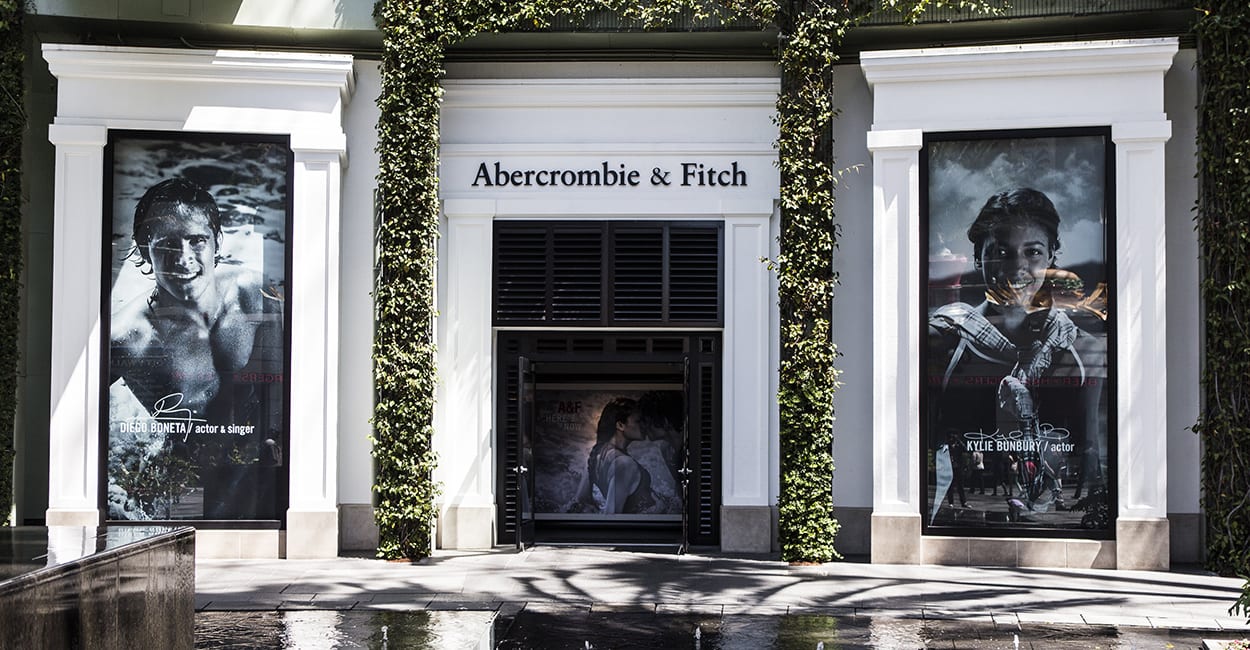
    Abercrombie & Fitch, the well-known American fashion label, has extended its global reach with the opening of a new store in the Philippines. Nestled within the bustling SM Mall of Asia, this marks a significant milestone for the brand’s continued foray into the Asian market.

    Continued Expansion into Asia

    Abercrombie & Fitch’s expansion into Asia has been strategic and steady. The brand recently widened its presence in India through a strategic franchise agreement with Myntra Jabong India Private. Besides this, it also established a retail presence in Jakarta and further added three Abercrombie & Fitch and Hollister stores in Hong Kong.

    To facilitate this expansion across Southeast Asia, Abercrombie & Fitch has partnered with MAP Group, a leading retail partner in the region. Steven Sare, Abercrombie & Fitch’s Managing Director for Asia-Pacific, expressed his delight at the warm reception the brand received at the SM Mall of Asia. He praised the new retail store’s aesthetic appeal and thanked his global team for their unwavering support during the rollout.

    Future Endeavors and Financial Highlights

    While the physical store is now open, Abercrombie & Fitch’s official website for the Philippines is still under development. The brand’s increased focus on expanding its Asian presence has been highly profitable. Abercrombie & Fitch Co, the controlling group, reported sales of US$46.5 million in the Asia-Pacific region in its fiscal first quarter. This represents a 24% increase from the previous year, making it the fastest-growing region for the group.

    Questions & Answers

    Where is Abercrombie & Fitch’s newest store located?
    The latest Abercrombie & Fitch store has opened in the SM Mall of Asia, Philippines.

    Who is Abercrombie & Fitch’s retail partner for Southeast Asia expansion?
    Abercrombie & Fitch’s is partnering with MAP Group for its Southeast Asia expansion.

    How has the brand’s expansion into Asia impacted its financial performance?
    The brand’s expansion into Asia has resulted in a significant boost to its sales. Abercrombie & Fitch Co reported US$46.5 million in sales in the Asia-Pacific region in the fiscal first quarter, marking a 24% increase from the previous year.

  • Abercrombie & Fitch sales tumble in SE Asia

    Abercrombie & Fitch sales tumble in SE Asia

    US apparel retailer Abercrombie & Fitch suffered a 51-per-cent fall in sales in Asia Pacific in its first quarter as Covid-19 forced store closures across the region.

    Worldwide, the company suffered a 34-per-cent decline, but at least one analyst is impressed that the company’s sales did not fall further.

    “The group was one of the first to close its physical stores as this crisis broke and it is very heavily exposed to discretionary apparel categories that took a battering during the depths of the pandemic,” said GlobalData Retail MD Neil Saunders.

    “Compared to rivals, A&F has performed relatively well.”

    The loss of sales in physical stores was compensated for in part by a 25-per-cent rise online.

    “Over the period, A&F did a good job with digital marketing and kept customers regularly informed of various offers and deals,” said Saunders. “This both helped to keep the brand on the radar and stimulated some buying activity in a market that would otherwise have been very subdued.”

    In terms of sales across all channels, the company’s namesake brand performed the best, declining 30 percent worldwide. Sales at the surfwear concept Hollister declined by 36 percent. By geography, sales fell 31 percent in the Americas and by 35 percent in Europe, Middle East and Africa (EMEA).

    The soft sales saw the company record an operating loss of US$209 million and a net loss of $244 million.

    As at the end of May, Abercrombie & Fitch has reopened about half of its global store network in the wake of the Covid-19 crisis. Sales at those stores are running at about 80 percent of the levels of one year ago in North America, and 60 percent in EMEA.

    “This is not a bad initial come-back figure, especially as our data shows that where reopening has occurred, customer traffic and spend is gradually building which indicates the numbers will strengthen as time progresses,” says Saunders.

    “Nevertheless, the numbers show that trade is not coming back with a bang and given A&F is in a relatively good position in terms of brand and product mix, productivity levels will be significantly worse in other parts of the apparel market.”

  • New leader appointed in APAC for Abercrombie & Fitch

    New leader appointed in APAC for Abercrombie & Fitch

    Abercrombie & Fitch has hired two key senior staff to lead its Europe, Middle East, and Africa (EMEA) and Asia-Pacific (APAC) regions.

    Olga Wu will oversee Abercrombie & Fitch Asia-Pacific and Daniel Le Vesconte will manage the company’s EMEA regional operations. Both have been appointed group VPs.

    They will report to global brands president Kristin Scott and are responsible for executing the company’s brand strategies to drive growth in their respective local markets.

    In conjunction with these appointments, the company continues to build its international presence and has selected the London and Shanghai offices as its regional EMEA and APAC headquarters respectively.

    Le Vesconte, 50, joins the company most recently from footwear and clothing brand Dr. Martens, where he served as president, EMEA. Wu, 54, joins the company from VF Corporation, where she most recently served as GM of Timberland in China.

    “As we seek to drive global growth and adapt our playbooks for markets around the world, we’re investing in our international teams to drive further closeness to our customers in every region,” said Abercrombie & Fitch CEO Fran Horowitz. “We are pleased to welcome Dan and Olga to our A&F team; they each bring deep experience and understanding of consumer behavior and brand leadership across their respective regions. Their insights and leadership will help support our goal of consistently bringing relevant products and brand experiences to our customers around the world.”

  • Abercrombie & Fitch results going uphill

    Abercrombie & Fitch results going uphill

    Abercrombie & Fitch is on the right road to recovery. Third-quarter net income is up by 133 per cent year on year, supported by a 75 per cent increase in operating profit. The company has still delivered positive comparables both overall and for each of the Hollister and Abercrombie brands. And at 6 per cent growth, US comparables are still on fairly solid ground.

    While Abercrombie & Fitch’s sales growth has slowed, both overall and on a comparable basis, and total sales at the Abercrombie brand have slipped into negative territory, a calendar shift in reporting periods, currency fluctuations and some tough-to-match prior year comparable figures are mitigating factors.

    GlobalData’s consumer-tracking data continues to show a number of positive movements in consumer sentiment about both of the main brands. Over the past year, there has been a 4 percentage point increase in the number of American shoppers who say they consider Abercrombie when shopping for apparel. For Hollister, the same metric rose by just shy of 6 percentage points. The same research also reveals that among core shoppers, perceptions of quality and design at both Abercrombie and Hollister are up sharply on last year.

    The results justify the step changes that have been made to things like fabrication, detailing and styling of the product set. The range – especially at Abercrombie – is now more sophisticated, more on-trend, and better reflects what modern consumers want. There is also a cohesiveness to the assortment which stimulates multiple purchases and helps to push up average transaction values. However, as good as these things are, both brands have more to do yet in making consumers aware of the changes and getting them to take a fresh look at the brands.

    Many of the positive movements are far more pronounced in the US than they are elsewhere. In our view, the geographical difference in the pace of recovery is telling. While it is right that the company has focused its recovery efforts on its most important market, there is now a need to adapt some of the strategies and plays so that they are relevant overseas. Customer dynamics, competitive sets, and perception of the brands are all very different in markets like the UK and a degree of localisation is needed to ensure that the brands fully resonate with regional consumers. We believe management recognises this and has already taken some steps, such as opening a new-format mall-based store in the UK at Manchester’s Intu Trafford Centre.

    Overall, the recovery at Abercrombie & Fitch is still a work in progress. However, turning around a once very-troubled brand is far from easy. Progress and advancement do not all come at once; this is a step-by-step process that will build over time.

  • Abercrombie and Hollister lead A&F path to recover

    Abercrombie and Hollister lead A&F path to recover

    Following on from a robust fourth quarter, Abercrombie & Fitch has continued its run of success with another solid set of sales numbers. Although growth has come off the back of soft prior year comparatives, the positive comparable sales numbers are an indication of momentum at both the Abercrombie and Hollister brands.

    Under the leadership of Fran Horowitz and her team, the business now has a much clearer sense of direction and a strategy that is producing results.

    Last quarter the Abercrombie brand delivered its first positive comparable sales number in five years, an advancement that has continued into this period with the division reporting a 3 per cent uplift. While this represents something of a bottoming out of sales declines, we also believe that Abercrombie is benefitting from the many improvements that have been made over the past year.

    One of the biggest shifts at Abercrombie has been the change in tone of the business. It has moved from a brash brand to a somewhat confused brand to a brand with a much clearer and more focused identity.

    While we would argue that this reinvention is still a work in progress, we think that the more authentic tone and the coalescing around an effortless American casual theme has paid dividends.

    A key part of the reinvention has been a focus on the product. There are two things we particularly like here. The first is the more disciplined approach to merchandising, which has involved having fewer items in the assortment but making sure that the pieces stocked are a mix of staples and on-trend garments.

    This has made the range much easier to shop. Alongside this, there have been significant improvements to quality and styling. Most of this is subtle and seen in small details like stitching, discrete monograms, or the design of buttons and zippers. The net effect is a range that is more mature and sophisticated, with many more ‘must have’ elements.

    Although it has traditionally been a stronger business, Hollister has also benefited from a more focused approach. Its carefree casual position resonates with the target audience and this is helping to differentiate it and drive sales in a crowded marketplace.

    Across both brands, there are some impressive changes which are supporting sales growth. Marketing efforts are much more comprehensive, with social channels and influencers being used to gain attention.

    Importantly, the company is now marketing where its customers are rather than just through traditional channels, using platforms like Snapchat and app-based games to create brand awareness and affinity.

    Stores have also been an area of focus and we applaud the continued efforts to rightsize the chain.

    Moreover, we remain impressed with the new store formats of both Abercrombie and Hollister. These represent an enormous shift in thinking and allow customers to see and experience the new face of the brands. Digital has not been neglected and we equally welcome changes made to the websites and the development of more omnichannel services.

    Admittedly, all of this has added to costs, which contributed to this quarter’s loss. That said, the company is a lot less in the red than it was this time last year, which represents progress.

    Abercrombie & Fitch’s work is not yet complete. The past couple of years were about stabilising and transforming the business, something we think has been achieved.

    In the year ahead, the focus must be on accelerating growth.

  • New USA tariff plan draws backlash from US retailers

    New USA tariff plan draws backlash from US retailers

    Failing US president Donald Trump is facing widespread backlash from US retailers and brands over his intention to trigger a trade war with China and other nations.

    Just days after announcing tariffs on steel imports against the advice of officials, lawmakers and industry, Trump is now believed to be formulating sweeping tariffs on imported goods from China – a move retail and business groups warn will wipe away gains for the economy from the recent tax cuts.

    “This is not American industries crying wolf,” said Sandy Kennedy, president of the Retail Industry Leaders Association, which organised a letter to Trump, sounding alarm that such tariffs will boost prices of numerous consumer goods, including shoes, apparel and appliances.

    Twenty-four US retailers signed Kennedy’s letter, including Walmart, Target, Best Buy, Abercrombie & Fitch, American Eagle Outfitters, Columbia Sportswear, Costco, Dollar Tree, Gap, JC Penney, Kohl’s, Ikea, Levi Strauss, Sears, VF Corp and Wolverine World Wide.

    A second letter was signed by 82 shoe companies, including Nike, Payless ShoeSource, Under Armour and Shoe Carnival.

    “Adding even more tariffs on top of this heavy burden would mean higher costs for footwear consumers and fewer US jobs,” one of the letters said.

    “Given the price sensitivity of our products, any additional increases in our costs would strike right at the heart of our ability to keep product competitively priced for our consumers.”

    One of the issues worrying retailers and manufacturers is that Trump does not need approval from Congress to implement tariffs. He can impose unilateral tariffs on China citing national security grounds – the same rationale behind the steel tariffs – because a US government investigation had found Chinese had violated intellectual property rules.

    Trump has previously stated he does not fear a trade war because he believes America would win it.

    Widespread media debate about tariffs and the rationale behind them would also distract public attention from numerous controversies surrounding the Trump presidency, including a growing list of women revealing extramarital affairs with him, election tampering and his links to a company under investigation by the FTC for stealing personal details of 50 million Facebook users.

  • Hollister sales hits US$2 billion as A&F rebounds

    Hollister sales hits US$2 billion as A&F rebounds

    Hollister sales helped drive a strong fourth quarter for parent Abercrombie & Fitch in both revenue and profit.

    In the past year, Hollister sales broke the US$2 billion sales threshold for the first time, rising 19 per cent in the final quarter to February 3, to $709.2 million.

    All of the Abercrombie & Fitch brands posted increased sales in the quarter, as did all geographical markets.

    Net sales were $1.193 billion, up 15 per cent for the quarter, which included an extra week. The company said the additional week benefited fourth-quarter net sales by approximately 4 per cent.

    Comparable sales rose 9 per cent and comparable operating income doubled, according to CEO Fran Horowitz.

    “We are pleased by our performance. Our focus on staying close to our customer, executing to our playbook and maintaining our disciplined approach to expense management delivered a strong performance on both the top and bottom line,” she said.

    The company’s main brand, Abercrombie, returned to positive sales for the quarter after a series of declines, in part reflecting the success of a new store format now being rolled out across the US and in selected international markets, including Hong Kong. Global sales rose 9 per cent.

    The company also recorded record digital sales across all brands.

    “We continue to improve the customer experience with ongoing investments in loyalty programs, stores, direct-to-consumer and omnichannel capabilities,” said Horowitz.

    “We have a strong balance sheet, proven cost management discipline and a clear plan for building on the foundations we laid last year. This year, we will continue to focus our attention and our investments on engaging our customers with compelling assortments and new experiences, in clearly defined brand voices, positioning our business for sustainable long-term growth.”

    US sales rose 13 per cent and international sales by 20 per cent,with direct-to-consumer sales accounting for 34 per cent of total company sales, up from 31 per cent in the same period last year.

  • Abercrombie & Fitch opens new mega Hong Kong store

    Abercrombie & Fitch opens new mega Hong Kong store

    Abercrombie & Fitch has opened its first overseas store designed with the retailer’s new boutique outfit, launching a mega store in Hong Kong.

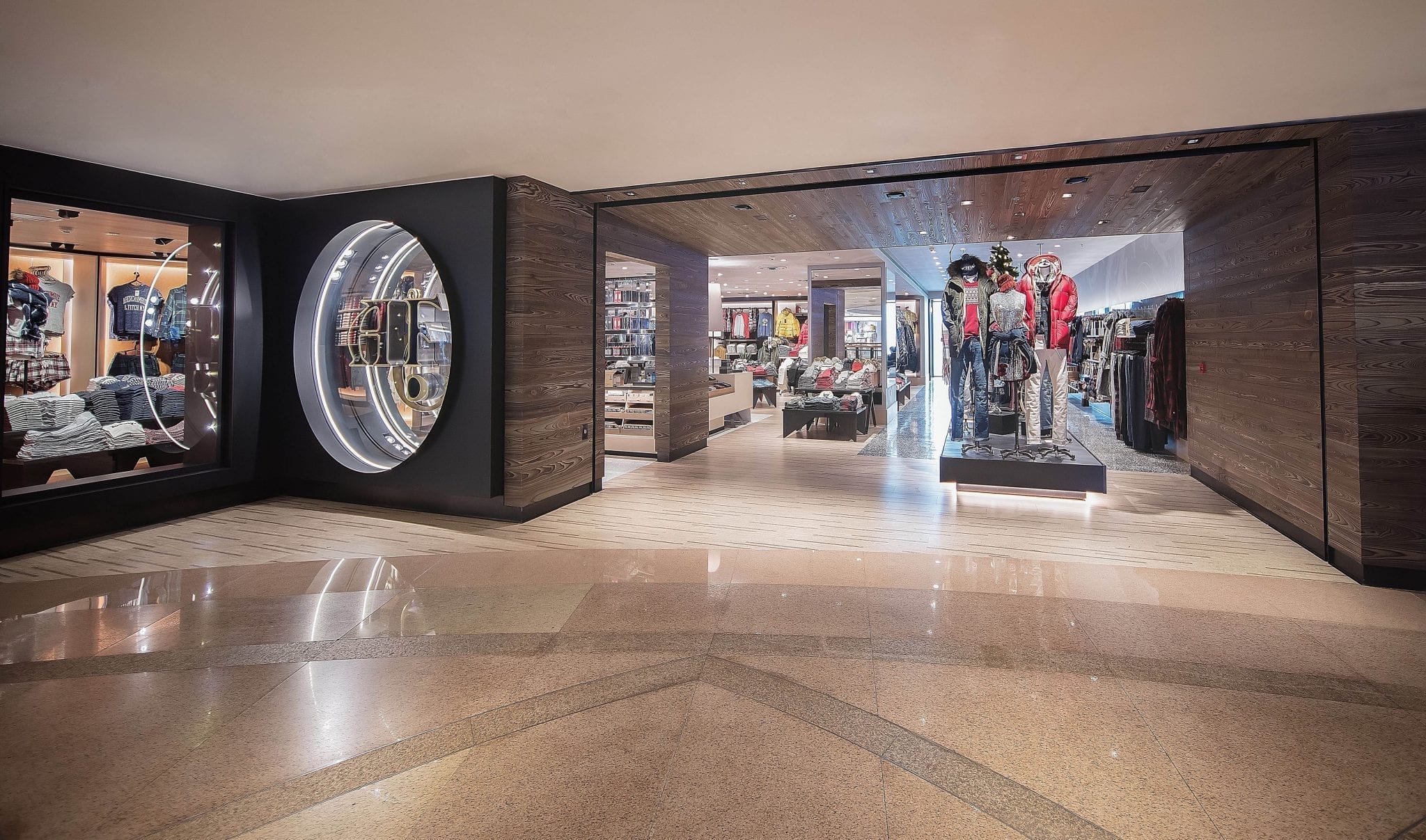
    Located in the Harbour City mall, the 6,800 square-foot-flagship design reflects the evolution of the brand as it aims to flick its sexy image and attract a more mature audience. It is the largest Hong Kong store to date and forms part of Wharf Holdings in Harbour City.

    “Harbour City is a world-renowned mall and it will be a premier location for our updated Abercrombie & Fitch experience. While we continue to invest in our omnichannel capabilities, enabling our customers to engage with us whenever, wherever and however they choose, our stores remain an important gateway to our brands,” said Fran Horowitz, Chief Executive Officer of Abercrombie & Fitch Co.  “In this new space, we expect to deliver greater productivity on a significantly smaller footprint than our previous Hong Kong store. We are looking forward to bringing our new store experience to existing and new customers in Hong Kong.”

    Inside the store, the new layout looks to make customers stay in the store for longer, as well as promoting “product trial.” Other unique features included gender-neutral fitting rooms quipped with controls for lighting and music, as well as a phone charging dock.

    There are three separate spaces and three “suite-style” rooms for shoppers to share looks with friends or family while browsing.

    “We designed this new space based on our customers’ feedback, and our understanding of how they like to shop,” said Stacia Andersen, brand president for Abercrombie & Fitch.

    “The result is an open, comfortable, technology-enabled and service-first experience that reflects the shopping experience of today.”

    Abercrombie first announced in June that it would open the Hong Kong flagship before Christmas. It is one of seven new concept stores that will be completed by the end of 2017, all of which will be in the US. The first new prototype store opened in February of this year in Columbus, Ohio.

    The largest mall in Hong Kong, including shopping, dining, entertainment and sightseeing, Harbour City attracts more than 80 million visitors a year, and its tenants include many of the world’s leading brands.

  • Abercrombie opens eyes after a long sleep

    Abercrombie opens eyes after a long sleep

    After an extended run of decline, Abercrombie & Fitch is finally back with a market-beating 4.5 per cent uplift in total sales.

    Although the result comes off the back of a weak prior year comparable, it nevertheless provides comfort that the group’s strategies are starting to bear fruit.

    As good as the headline figure is, it masks disparities between A&F’s two core brands. Hollister’s 8 per cent increase in comparable sales is impressive and represents a significant acceleration from the first half of the year. Meanwhile, Abercrombie is still in the red with a 2 per cent drop in same-store numbers – a disappointing outcome, but one that marks a significant improvement over the double-digit declines the brand was previously recording.

    That Hollister is performing better than Abercrombie is not surprising. Hollister’s brand reinvention program is more advanced, and initiatives like the Club Cali loyalty program have had much longer to play out. As a result, the brand is engaging far more with its customer base and enticing them with relevant on-trend product across categories like denim and intimates.

    Abercrombie has not been neglected, but the division’s reinvention is at an earlier stage and so financial results are nowhere near as positive. Arguably, the task of finding a new voice and pitch for a brand that carries so much baggage has been far more difficult than Hollister’s reasonably gentle evolution. However, having seen the work undertaken at Abercrombie, it is clear that progress is being made and that the direction of travel is correct.

    Ditching the logos

    On the product front, there have been significant improvements in quality, especially to fabric and stitching. Subtle detailing, like more stylish buttons on shirts, has also helped to give basic garments a lift. On top of this, the big logos of the past have been firmly ditched in favour of no-branding or very subtle A+F monograms. The net effect is a range that is more mature and sophisticated, with much more emphasis on fit and function than branding.

    The new Abercrombie prototype store, which has been opened in a select number of locations, is impressive. It is revolutionary rather than evolutionary and is a significant step forward for the brand. The two most immediately striking things about the new design are how light and open it is, and how subtle the branding is. Alone, these make the shops almost unrecognisable as A&Fs.

    Beyond these significant shifts, there are more subtle changes, foremost among them a smaller footprint, with some new prototypes being around half the size of older stores. This is made possible by a much more efficient use of space and also because ranges have been thinned out.

    A&F is now putting more weight behind key items and cutting back on slower, less relevant lines.

    The consumer impact of all these changes is positive. The new format is more pleasant to shop, and the ‘less is more’ approach makes putting outfit ideas together easier. From A&F’s perspective, the new format provides financial benefits, with higher sales densities and lower rents.

    With only a few new stores open so far, the impact on Abercrombie’s sales is currently small.

    However, this should grow as the concept is rolled out further. In the meantime, there is much more work to do to reconnect the brand with customers. While initiatives like the loyalty scheme are working well, Abercrombie needs to communicate its new essence more effectively and more widely.

    Overall, Abercrombie & Fitch is still a company in transition and is not back to full health.

    However, it is now showing some encouraging signs of life.

  • Gap results to be saved by Old Navy

    Gap results to be saved by Old Navy

    At headline level, the latest Gap Inc results are not too bad. Overall revenue rose by 1.1 per cent, a respectable increase that is some way above that posted over the last two quarters. Net income also increased by 12.3 per cent compared to the previous year.

    Unfortunately, behind the headline, it is the same old story. Old Navy is driving group performance while the other two leading brands are struggling. Admittedly, the 0.8 per cent US revenue decline at Gap and the 2.6 per cent dip at Banana Republic are better than recent reporting periods, but neither demonstrates a fully-fledged recovery.

    Management has been keen to emphasise the changes that are being made to revitalize the challenged brands. On the ground, there is some evidence of this happening. At Gap, for example, there have been marginal improvements in quality and greater emphasis has been placed on in-demand products like athletic wear. However, the majority of the offer remains samey, as do things like store environments and point of sale material. In our view, Gap has very little newness to communicate and, as such, is still finding it difficult to inspire customers.

    The new marketing campaign, ‘Meet me in the Gap’, is not terrible, but neither is it particularly compelling. As such, while it has helped rather than hindered sales, it has not succeeded at pulling in new shoppers or getting lapsed shoppers to take a fresh look. Given the offer has not shifted very much, perhaps this is just as well.

    In essence, the change at Gap is lacklustre – especially when compared to a brand like Abercrombie & Fitch which has ripped up the rulebook and completely reinvented itself. Gap needs to emulate this bravery and do something radical to put the business back on a sustainable growth trajectory.

    Stuck in a rut

    If Gap has made some progress, Banana Republic still seems stuck in a rut. Despite a change of leadership, the proposition still lacks energy and focus. As such, it is hard to understand who the brand is targeted towards or what needs it is trying to address. Until these things are resolved, Banana Republic will remain on the back foot. To be fair, management always said that the latter part of this year would be about stabilising the brand rather than reinventing it, but this could amount to a tacit admission of not knowing what changes to make or how to make them.

    Fortunately, Gap Inc has been able to rely on Old Navy to push up performance. While sales growth moderated this quarter, the brand remains a popular destination for younger and family shoppers. The new winter and fall collections are compelling, which should benefit sales over the holiday quarter.

    There has been good progress within Gap’s stable of smaller brands like Athleta and Intermix. Both of these concepts have significant potential, with Athleta in particular positioned to grow its market share. Unfortunately, the revenue contribution of these divisions is insufficient to make a material difference to the group’s overall numbers.

    In summary, Gap has become a more stable business and sales declines appear to be starting to bottom out. However, the company has no real sense of direction or ambition for two of its major brands.

  • Zalora to stock Abercrombie & Fitch in Asia

    Zalora to stock Abercrombie & Fitch in Asia

    Abercrombie & Fitch has entered into a wholesale agreement with Asia’s online fashion destination, Zalora.

    From next week, Zalora will stock Abercrombie & Fitch in Asia – first Hollister-branded merchandise, followed by Abercrombie & Fitch-branded lines later this month.

    The deal puts authentic Abercrombie & Fitch products into 11 Asian markets including Hong Kong, Singapore, Indonesia, Malaysia, Brunei, the Philippines and Taiwan.

    “This partnership will provide Abercrombie & Fitch access to more than 600 million of Zalora’s online customers,” said Fran Horowitz, CEO of the US fashion giant.

    “We are looking forward to partnering with Zalora to build on our strong base of loyal customers across Southeast Asia. We work hard to connect with customers wherever, whenever, and however they prefer to shop and we continue to invest in relationships and innovation to support that.”

    Horowitz said Zalora provides customers benefits including quick deliveries – as fast as three hours in some markets – and up to 100-day free returns.

  • Abercrombie & Fitch ends year weak

    Abercrombie & Fitch ends year weak

    Abercrombie & Fitch ended the year in a tailspin, with sales down by almost 7 per cent and operating profit falling 49 per cent.

    The embryonic recovery seen at the start of this fiscal is now little more than a faded memory. Fortunately, the group has a fairly strong balance sheet and remains profitable, which provides some comfort that it has the time and financial firepower to try and turn things around.

    That said, it is now clear that fairly decisive and radical action is required to reconnect the brands with consumers. Especially so for Abercrombie which has, like last quarter, seen same-store sales deteriorate at a rapid pace. While factors like reduced tourist spend at flagship stores and negative mall traffic have pushed down sales, the main reason for the decline is that Abercrombie simply doesn’t resonate with customers like it once did. In essence it has lost its reason for existing.

    This is a serious issue and is one that needs an urgent remedy. Worryingly, A&F has already tried to shift perceptions and engineer a turnaround, but this is clearly not delivering. Part of this comes down to the fact that, to date, the company’s efforts have been rather patchy and piecemeal, and this has been insufficient to cut through with consumers.

    The recent marketing campaign, with the strapline of “people have a lot to say about us, they think they’ve got us figured out”, exemplifies this approach. Not only is the message confusing and opaque, but the promise of change that it suggests is not entirely delivered on by stores which look and feel the same as they have always done. To be fair, some developments – including making products more mature and stylish – have been substantial. However, when the package they are delivered in has not evolved it is difficult to communicate such efforts effectively.

    Fortunately, A&F is making an effort to change its stores – as the new format launch in Columbus, Ohio proves. This is a step forward and is more reflective of what the brand now wants to stand for. The integration of improved customer service elements – like better fitting rooms and the ability to place online orders from the store – are also helpful in making the environment more friendly, inclusive and welcoming.

    As good as the new format looks and feels, A&F will only roll out seven of them this year, so it is unlikely they will have a material impact on sales growth. However the cautious pace is sensible given the new concept has yet to be proven. In any case, it is likely that there will be existing stores in some locations where poor performance and declining traffic does not justify significant capital expenditure on refurbishments.

    A&F is clearly hoping that all of its changes will allow Abercrombie to shift into a higher gear – much as has been the case for Hollister, where positive same-store sales were achieved this quarter. But A&F still has much more work to do in building a new base of customers and this is a long-term effort that may not have a tangible impact on sales for many quarters.

    This noted, A&F is going in the right direction. As it has shown with Hollister, which is more advanced in its redevelopment program, the reinvention work will ultimately pay dividends. However, the company cannot turn on a dime and there will likely be a number of bumpy quarters ahead before recovery comes.

  • Abercrombie & Fitch unveils new store concept

    Abercrombie & Fitch unveils new store concept

    US casualwear retailer Abercrombie & Fitch is about to unveil its first concept store for 15 years.

    In a dramatic change of direction, customers will be able to actually see the stock on display, the brand’s heavy scenting has been toned down and stock will be visible from outside.

    Only two images have been released by the brand, but these show the magnitude of the change of direction.  The concept store will open its doors on February 17, inside the Polaris Fashion Mall in Columbus, Ohio.

    Abercrombie & Fitch previously took pleasure in assaulting customers’ nasal senses as well as providing never-ending entertainment for store staff members who could watch customers walking into mirrors, squinting as bright spotlight beams shining directly into their eyes – and for special kicks, watching mothers with pushchairs trying to navigate narrow aisles, staircases and darkened passages, or children crying because they were scared of the dark.

    In place of the “mausoleum” style of store, the new design is a soft brown hue, strong lighting and subtle fixtures. The concept store was designed by MJ Sagan Architecture, which was also involved in creating the company’s New Albany headquarters.

    An A&F statement says the prototype’s look and feel “is in line with the brand’s new evolution”.

    However, A&F is in serious trouble. In November, Neil Saunders, New York-based MD of GlobalData Retail, described the company’s latest quarterly performance as “disastrous” by any standard.

    “Not only are total sales sequentially worse than last quarter, but revenues at Abercrombie have slumped and net income is down by more than 80 per cent.”

    At the core of the problem is the fact that consumers have grown out of clothing ranges bearing oversized logos.

    “A&F is changing – moving away from its traditional brash, image-obsessed focus toward a more inclusive and more gentle approach with an emphasis on stylish, quality clothing,” said Saunders.

    A&F concept store 2017

    First of seven

    Meanwhile, the new Ohio boutique, which covers 4860 sqft (451 sqm), is the first of seven to be built this year, providing the customer “with a new vision of the brand,” A&F says in a statement.

    “In line with the changes that have taken place over the past 18 months, the space was imagined with the best customer experience in mind, encouraging the discovery of the brand’s new collections.”

    A&F and Abercrombie Kids brand president Stacia Andersen says she hopes customers old and new will rediscover what is at the core of the American Heritage brand: “timeless, high-quality clothing you want to live in”.

    “The new A&F store design illustrates a strong brand, with a rich history that is evolving and moving forward. A cohesive material palette, an elevated collection and residential-scale elements enhance the personal, more intimate aspect of the A&F shopping experience,” says architect MJ Sagan.

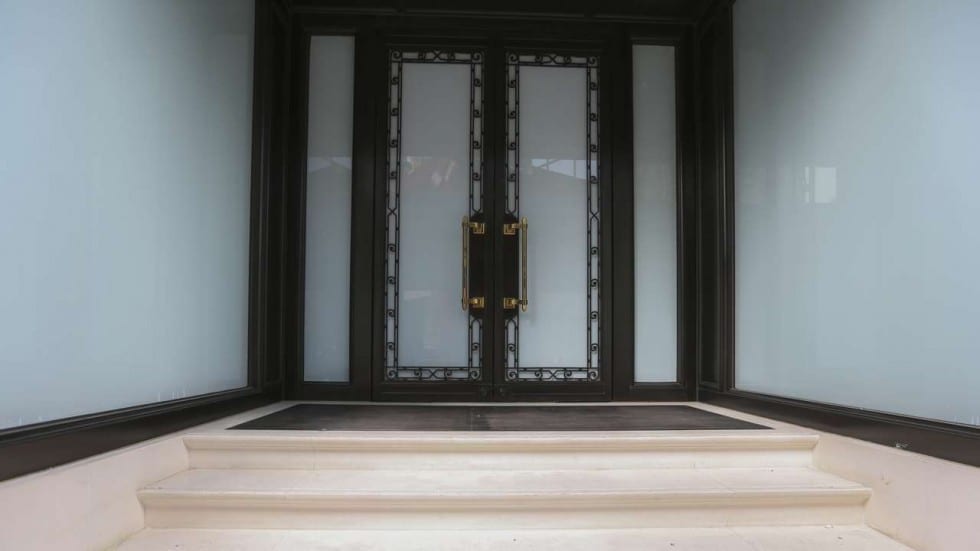
    In place of the dark, product-devoid entrances more akin to a theme park’s “House of Horrors” than a retail store, the new storefront is transparent and features a metal sculpture of an A&F logo first used in the early 1900s. Inside, there are two shops-in-shops: a fragrance “apothecary” and an area for seasonal capsule collections. There is also a dedicated denim room.

    Mannequins for both genders stand on a concrete platform running from the storefront through the middle of the store, showcasing key trends and ideas for the current season. Throughout the store, the collections are merchandised to inspire the customer and showcase how pieces can be mixed together.

    “Looking to provide a unique and personal shopping experience, the updated layout includes accommodating features such as innovative fitting rooms and omni-channel capabilities,” says the company.

    “The fitting rooms will serve as a comfortable haven from the mall or street, comprising two individual capsules within a larger private suite. This allows each guest to share new looks with a friend or family member while also enjoying privacy. Each suite has thoughtful amenities that heighten the customer’s mood, including separate controls for light and music, as well as a phone-charging dock.”

    The interior features a cohesive palette of modern, tactile materials including cork, bronze, galvanised steel, concrete, “vegan leather”, wood and marble that act as a neutral but complementary background to the collections.

    And that obnoxious olfactory assault that is a trademark of A&F will – thankfully – be laid to rest: “The store will be subtly scented with a lighter, cleaner, gender-neutral fragrance.”

    Store staff members will help shoppers place and pick up online orders in store, and cash wraps will be located throughout the space rather than hidden in a back corner, which was a challenge for first-time visitors to find. Clearly, A&F realised it was too hard to find the register in the old store format, its statement conceding the new approach will “enable a quicker and more accessible checkout experience”.

    Gilly Hicks in comeback

    Meanwhile, A&F’s Hollister Co brand says it has relaunched its intimates brand, Gilly Hicks, in all Hollister stores across the US and will sell it globally online at HollisterCo.com.

    Gilly Hicks, “the brand to start and end your day with”, includes bras, bralettes, undies, swimwear, loungewear and sleepwear. The company launched the brand in 2008 and built a network of 28 exclusive stores, but these were closed in 2013. An online store was rolled into Hollister two years later.

    “We recognised an opportunity to redefine the Gilly Hicks brand, and we know our Hollister customer will enjoy another destination for fun and cozy bras, undies and sleepwear,” says brand president Kristin Scott. “We’ve designed our Gilly product to be effortless and comfortable to align with our customer’s on-the-go, busy lifestyle.”

    Some US stores will host shops-in-shops to provide “a unique Gilly Hicks brand experience”.

    The Old A&F look...(Image: A&F Canada)

    The Old A&F look…(Image: A&F Canada)
  • More stores closing the door in Hong Kong

    More stores closing the door in Hong Kong

    A “new wave” of Hong Kong store closures lies ahead, because many retailers have over-extended their footprints, says OC&C Strategy’s Pascal Martin.

    Commenting on the sudden closure of the Ralph Lauren flagship store in Causeway Bay this week, Martin said there will be a continuing wave of closures for the next one to two years because the lease contracts attached to each location have different terms, and in most cases tenants wait until the right time in which they can exit without incurring high penalties. The market will probably return to ‘normal’ in 2018, he said.

    “There is a common thread between the closing of Forever 21, Abercrombie & Fitch and Ralph Lauren. These three brands are experiencing challenges in terms of their overall performance. Therefore we think that they probably need to adjust their cost structure.”

    OC&C predicts that luxury and premium brands are more likely to adjust their store networks, the closures ahead “maybe not as spectacular” as the closures of those three flagships.

    More regular size stores will close because many brands over-extended their footprint in Hong Kong when there was a strong stream of Chinese tourists who were hungry for foreign brands.

    “Many of these brands had, and some continue, to have more stores in Hong Kong than in their home city. Now, they are investing more in their home city flagship stores including examples such as Louis Vuitton on the Champs-Elysees in Paris and Burberry on Regent Street in London, putting more emphasis on their roots and history, serving Chinese tourists who have upgraded their travel destinations to such global capital cities. At the same time, they have been closing a number of stores to adjust to a lower but more sustainable business in Hong Kong.”

    Martin said the exorbitant rent levels of flagship stores in Hong Kong can have significant impact on global brands’ overall bottom line. For example, Forever 21 took a big gamble opening in Causeway Bay because it takes exceptional levels of productivity to stay profitable given the level of rent they had to pay for such a large space there.

    “That being said, the Hong Kong retail context is creating opportunities for new players to take over spaces that are freed-up by store closures such as the above. And, new tenants can probably do that with better rent conditions than their predecessors in the same spaces.”

    OC&C predicts that brands that have upward momentum in their home markets and want to accelerate their momentum in Asia are the best candidates to take over large flagship space in Hong Kong, as long as these spaces are in good locations, like Victoria’s Secret taking over the Forever 21 location in Causeway Bay. Brands with on-going strong momentum like Zara and H&M may also be interested in taking up these vacant spaces.

    “Until recently, Hong Kong was often a key part of a brand’s strategy to build brand equity with Chinese tourists in view of entering China. This is still true to some extent, but now brands rely more on building brand equity directly with Chinese visitors in their flagships in Europe and the US, as well as online, rather than in Hong Kong. Therefore they rely less on opening flagships in Hong Kong as they once did. Hence, brands are more rigorous in their pursuit to achieve self-sustaining economics even in their flagship brand-building stores.”

    Martin said landlords will target the ‘up-momentum brands’ first in order to maximise rent.

    “If they are not successful with such brands, they will have to downgrade their expectations to less known but newer brands in smaller spaces, or to more experiential offerings, i.e. gyms, restaurants, who need large spaces but cannot afford apparel-brand level of rents.”

  • Ralph Lauren Hong Kong closes flagship

    Ralph Lauren Hong Kong closes flagship

    Following other international fashion labels, Ralph Lauren Hong Kong has closed its flagship store.

    Four years ago, its then CEO Ralph Lauren said the company was transforming its presence in China, “a region we believe will become an important driver of growth for us over the long term”.

    He was announcing plans to open 60 stores in greater China by 2015. A year after the announcement, the label launched its first men’s flagship store in Asia, in the Landmark Prince’s in Hong Kong’s Central district, and in October 2014 opened a “mansion” store at the Lee Gardens complex, offering accessories, watches and jewellery as well as men’s and women’s fashions.

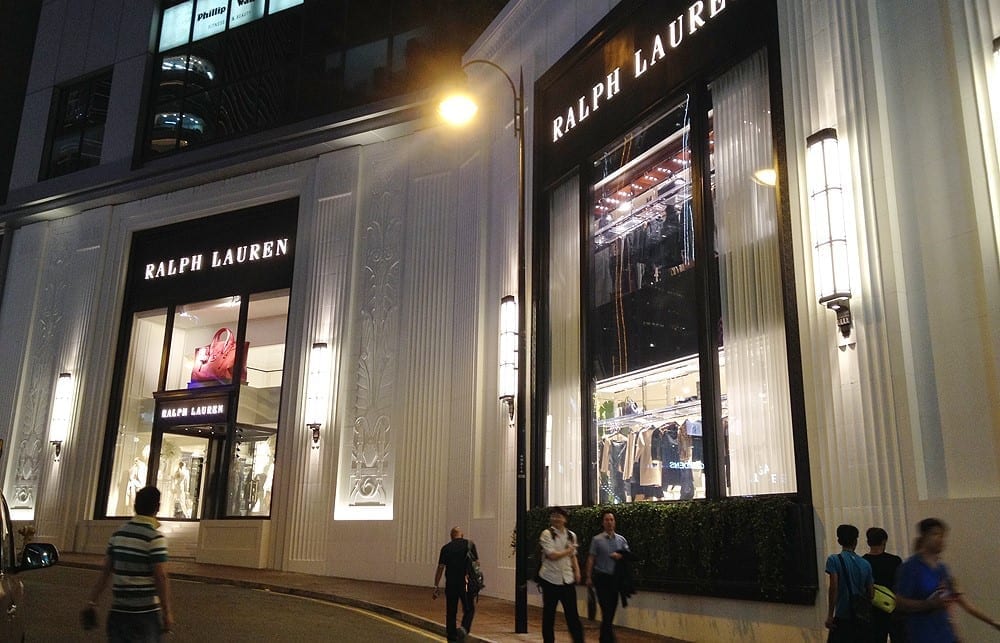
    Now its 20,000 sqft (1858 sqm) store in Causeway Bay has been closed overnight, with a representative of the brand saying the closure was “part of our strategic and financial plan”.

    “We are redeploying assets to focus on new concept stores and transition away from unprofitable formats and locations,” the spokeswoman says.

    Ralph Lauren will combine its men’s and women’s flagships in the newly renovated Prince’s Building location, she says.

    The move is part of a new strategy from Stefan Larsson, who replaced Lauren as CEO a year ago (Lauren is still executive chairman and chief creative officer). Larsson previously worked for Swedish fast-fashion retailer H&M for 15 years.

    The restructuring will cut more than 50 stores and 1000 jobs worldwide, saving the company between US$180 million and US$220 million a year, reports The South China Morning Post.

    Meanwhile, American fast-fashion label Forever 21 has announced it will close its multi-storey Causeway Bay flagship store. British label Paul Smith has already closed its Times Square store, and Italian luxury clothing and accessories label Tonino Lamborghini has also closed more than 10 stores and in-store counters.

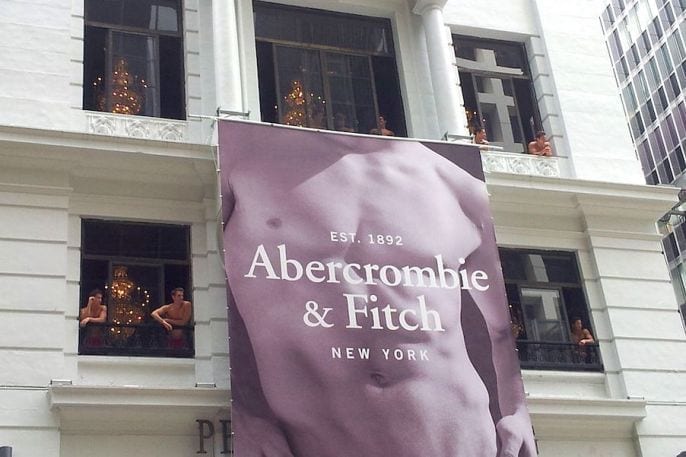
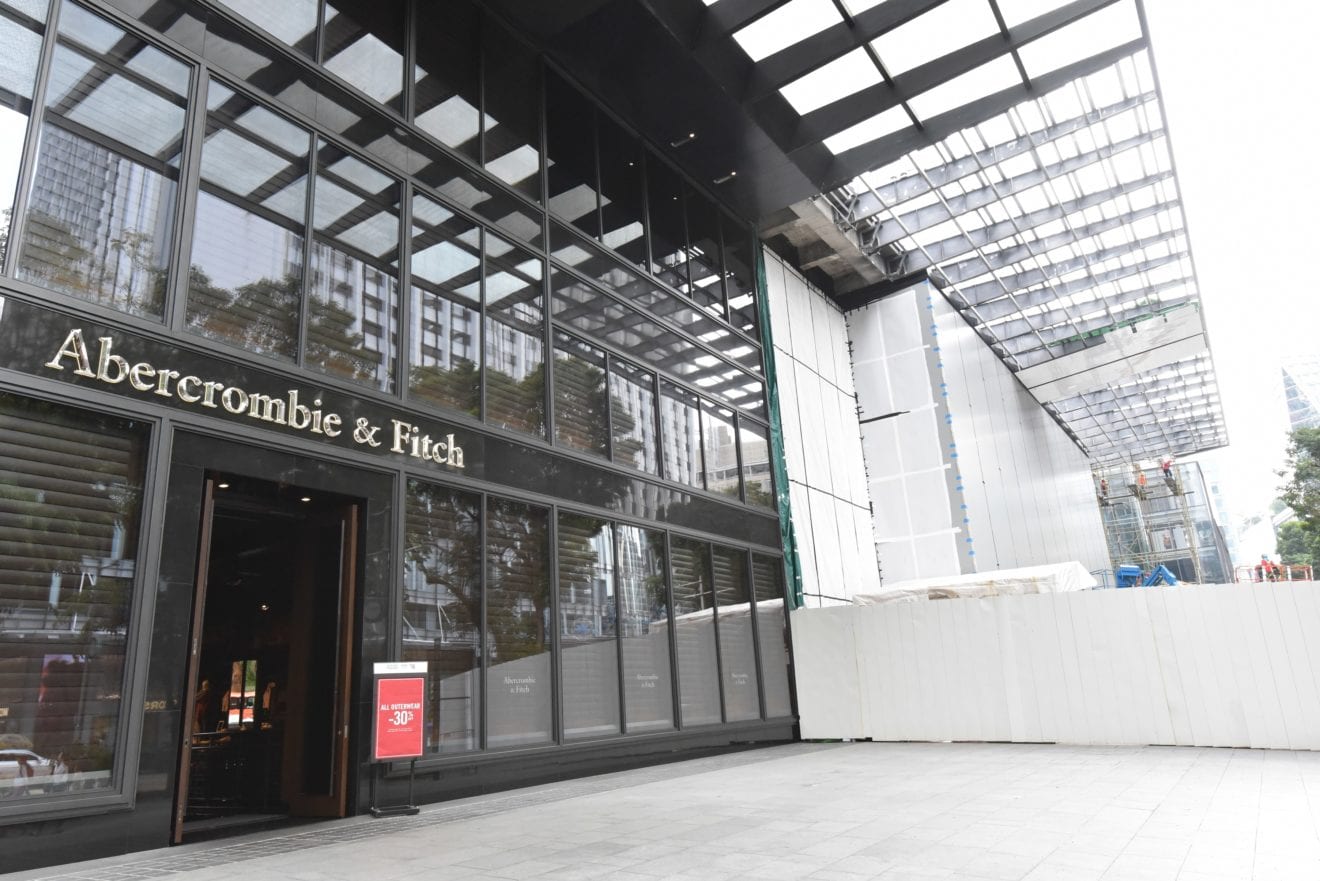
    Abercrombie & Fitch is set to leave its prime location in the Pedder Building in Central, which will leave it without a stand-alone store in Hong Kong. This follows it closing about 50 stores in the US this year. But the US company plans to open a flagship store in Beijing.