Retail News CRM

Tag: airline

  • AirAsia seeking govt loan

    AirAsia seeking govt loan

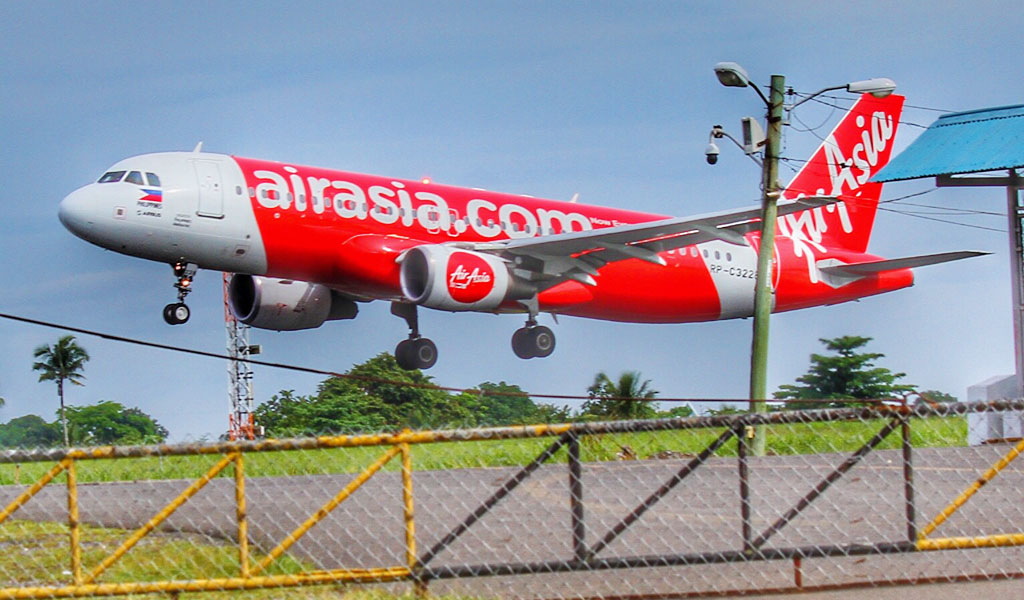
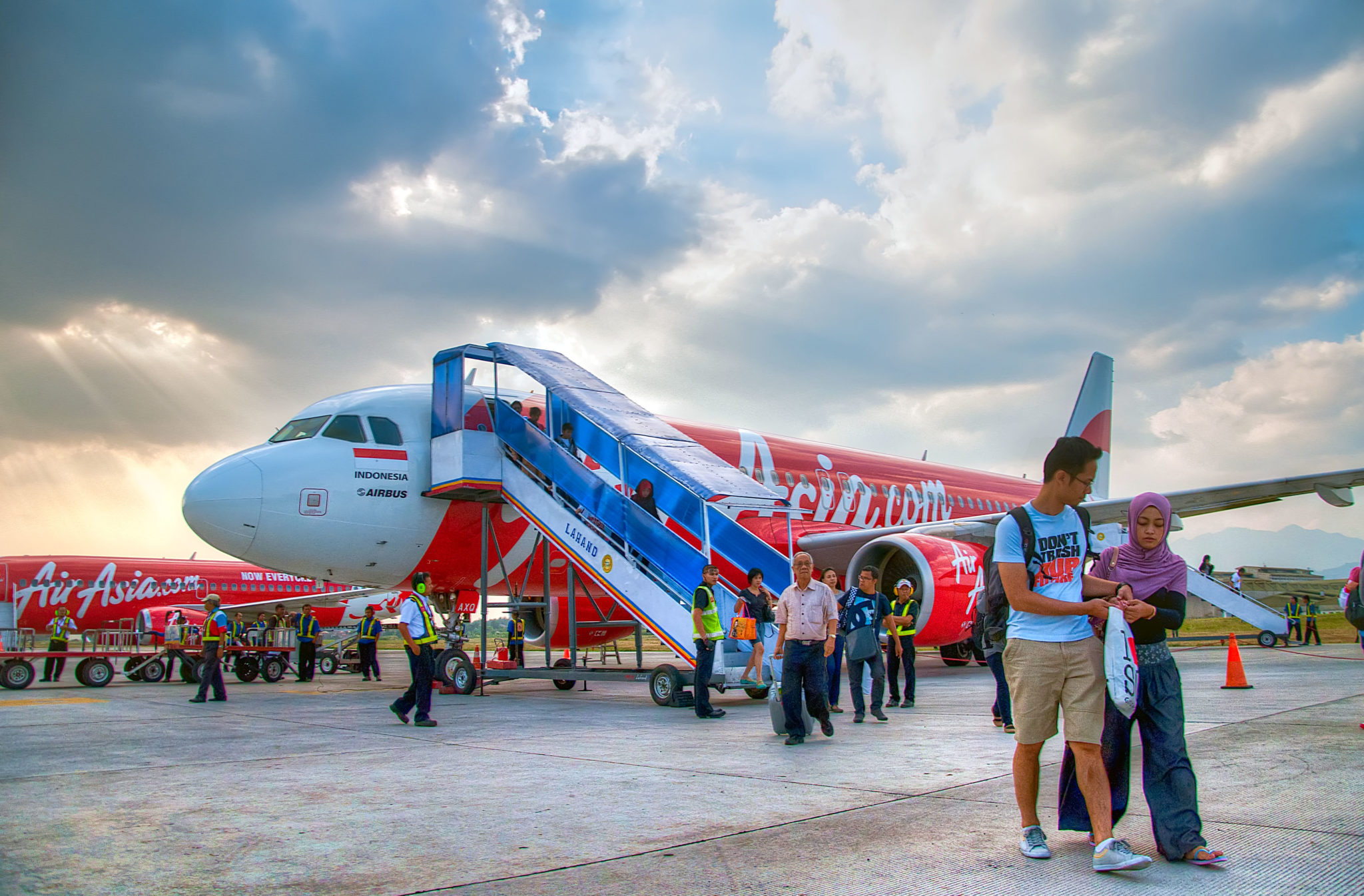
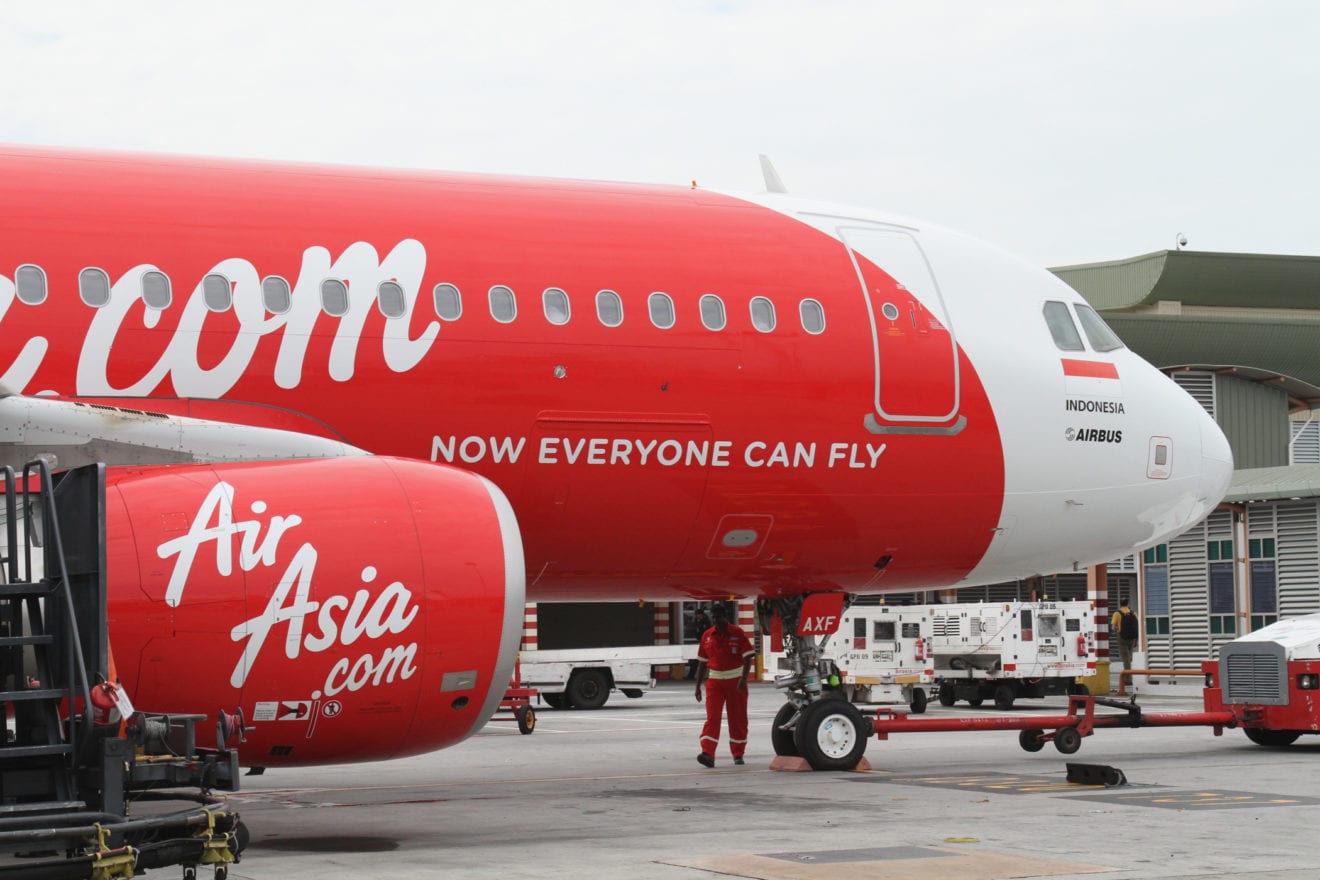
    Airasia may have enough cash to last them for most of 2020 but it is currently seeking out a loan from the Malaysian government to cushion the impact from the challenging economic environment.

    The low-cost carrier’s chief executive officer Tan Sri Tony Fernandes(pic) said there was no need for bailouts and what most airlines were looking for were loans.

    “We think the cash will last us for the most part of this year and when the sales return, then we’re okay.

    “It’ll be great to get a loan as well and we’re working on that with our government. We think liquidity is available in Malaysia and Thailand, ” he told Bloomberg Markets in an interview.

    And amidst the tough environment that airlines are operating in, Fernandes remained optimistic, adding that AirAsia was lucky to have restructured its business a lot and moved towards the digital end.

    He also said the airline’s cost structure is robust enough and the group is restructuring further.

    He admitted that the coronavirus disease (Covid-19) pandemic was currently the worst crisis he has ever been through.

    “We have a lot of ideas to get going again.

    “It’s going to be an uphill slog but we remain optimistic. It’s always better to have more cash.

    “We have enough at the moment but we’ll be very happy to raise some.

    “And it’s about getting our planes flying again, that’s the most important thing right now.

    “Growth will come later, ” he said.

    Fernandes also said that AirAsia had made its representations to the government and he was sure that something would come out.

    “Tourism is 15.8% of the gross domestic product (GDP) and AirAsia itself is 1.8% of that GDP.

    “So we’re sure our suggestions will be listened to, ” he said.

    On its non-airline businesses such as e-wallet, F&B and cargo, Fernandes said the businesses were doing very well and the beauty was, they did not burn a lot of cash on that side.

    He added that they were far from others but the challenging environment currently might give them the chance to catch up.

    Asked about the talks of a merger between AirAsia and Malaysia Airlines, Fernandes said he was not aware of it as AirAsia was just focussed on getting themselves in order as he had never looked at mergers and acquisitions as a solution.

    “But at this point, we’ll keep all options open, but it’s not being discussed at the moment.

    “I think it will be very silly of me and the board to close all options, ” he said.

    On the long haul carrier AirAsia X Bhd, Fernandes said it was doing very well over the last fourth quarter and the beginning of January prior to Covid-19.

    He said it was rationalizing its fleet and most of AirAsia X’s flights have become medium-haul.

    “We’re changing the fleet, we’re bringing down routes to shorter distances and we think we’ll be beneficiaries in some ways because people want to save some money.

    “When we return, a low-cost product would be more viable and we think in the immediate future, travel will be very regional and won’t be cross-continental so we think we’re in a good spot, both AirAsia and AirAsia X, ” he said. Asked if there were any considerations for AirAsia to switch from Airbus’ A330 to Boeing’s 787, Fernandes replied no, stressing that AirAsia has an “interesting relationship” with Airbus and it has a large order book with them.

    “Whether its Boeing or Airbus, I can’t see anyone taking new planes at least for a while. I don’t think any airline is looking at growth right now.

    “The airline industry has to recover, numbers have to come down and business models will have to change. The world is changing but we’re prepared. You can put your head in the sand and cry or you can get up there and do something, ” Fernandes said
  • Cebu Pacific net income doubled in 2019

    Cebu Pacific net income doubled in 2019

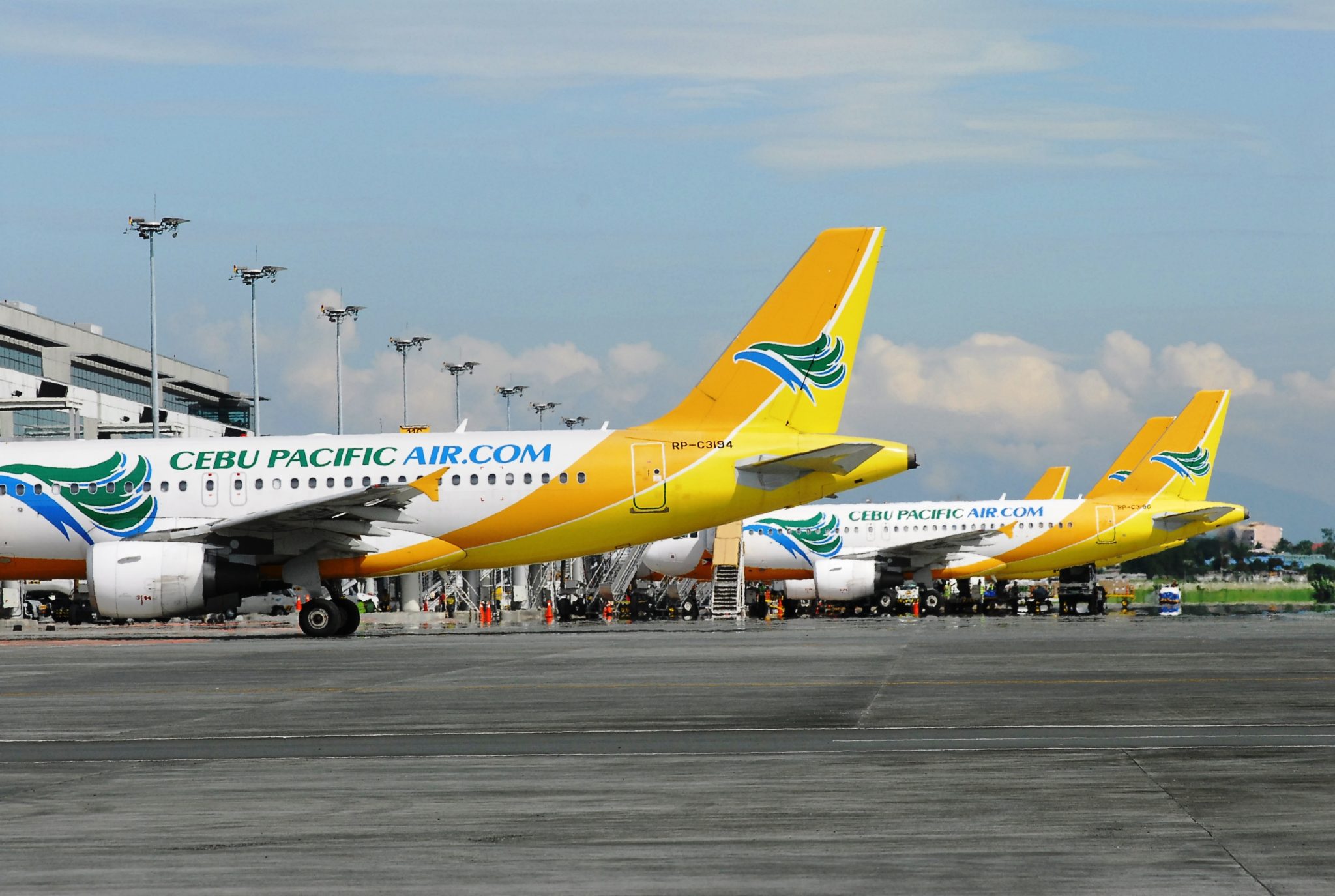
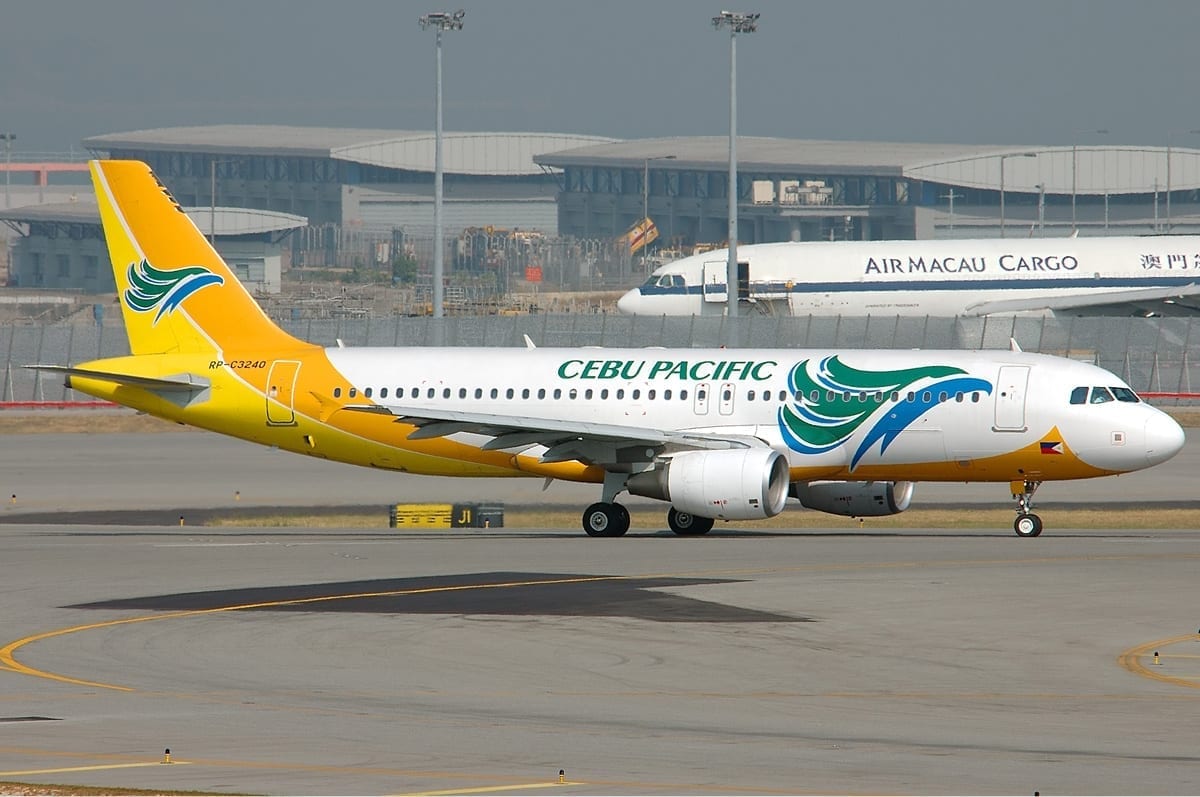
    Cebu Pacific on Wednesday reported a 132.6-percent jump in net income for 2019, before the coronavirus pandemic grounded world travel and plunged airlines into financial turmoil.

    The Philippines’ largest airline posted net income of P9.123 billion last year from nearly P4 billion in the previous year, according to a stock exchange filing. Passenger revenue grew 8.7 percent to P4.3 billion while cargo revenue rose 19.3 percent to P887.8 million.

    Gokongwei-led Cebu Pacific, Philippine Airlines and AirAsia Philippines on Tuesday sought credit relief from Manila, saying their survival was at stake. Flight were suspended throughout the 1-month Luzon lockdown, scheduled to end on April 12.

    “While it is difficult to predict when operating conditions will improve, the Group believes that it remains a going concern, given the measures undertaken, its liquidity position, its access to short and long term funding, and the strong relationships it has with major suppliers,” Cebu Pacific said.

    Cebu Pacific earlier said its senior management took pay cuts to avoid layoffs.

  • Two more AirAsia carriers suspend operations from April

    Two more AirAsia carriers suspend operations from April

    Indonesia AirAsia and Thai AirAsia are the latest among the AirAsia Group carriers to suspend operations, leaving just AirAsia Japan in service.

    Indonesia AirAsia will suspend domestic flights until 21 April and international flights until 17 May. Thai AirAsia will halt all domestic services during the month of April, having suspended international flights since 22 March. Indonesia AirAsia’s grounding will not have a significant impact on Indonesia, as Lion Air dominates the market.

    The grounding of Thai AirAsia will have a more significant impact on Thailand, as the airline accounts for 19% of Thailand’s total capacity in February.

    Thai AirAsia’s parent Asia Aviation says the airline is implementing cost reduction measures. This includes voluntary pay cuts for management and senior employees, halting non-essential employee travel, and imposing a hiring freeze.

    Asia Aviation expects a reduction in Thai AirAsia’s variable expenses, which makes up around 70% of its total cost. General administrative expenses could also be reduced through a work-from-home scheme for employees.

    To cope with the suspension, the company is building up its liquidity levels. At the end of 2019, its cash on hand and current investments were collectively valued at Bt3.98 billion ($122 million).

    It says: ”Thai AirAsia also has unutilized revolving credit facilities with banks and has the ability to mobilize the liquidity further by way of the credit facility backed by the remaining no-encumbrance owned aircraft and/or other approaches in the future.”

    It discloses that a transaction announced in January, for the sale-and-leaseback of nine aircraft and the outright sale of one, has been completed in March, with net proceeds totaling Bt3.6 billion.

    Moving forward, Thai AirAsia will not take delivery of any aircraft this year and will study the number of aircraft it needs. The parent company adds that any significant capital expenditures will either be suspended or delayed.

  • Thai AirAsia X Schedules Airbus A330 Charter Flights To Croatia

    Thai AirAsia X Schedules Airbus A330 Charter Flights To Croatia

    Bangkok-based long-haul airline Thai AirAsia X has scheduled four charter flights between Bangkok and the Croatian capital Zagreb in May and October. However, seeing that AirAsia recently announced it is suspending almost all flight operations, will these actually go ahead?

    AirAsia is temporarily parking almost all of its fleet as a consequence of severe travel restrictions imposed by countries across the world to which AirAsia affiliate airlines operate.

    Earlier this month, the airline had an incredible promotion called the Big Sale with deals on flights scheduled until 1st of July 2021. Tickets were being sold with either very heavy discounts, or completely free. Passengers only had to pay the tax charge, which on some flights amounted to as little as $2.83.

    Flights from Kuala Lumpur to Seoul in Korea, and to Australia’s Gold Coast, Perth, Melbourne, Sydney, and Taipei in Taiwan, were priced at just $16 during the sale. However, even though these reductions were incredible, they clearly were not enough to stimulate sufficient demand for air travel. Thus, AirAsia is now parking much of its fleet.

    Unlike AirAsia, Thai AirAsia X has actually suspended all flights, not just international ones. The suspension started on the 16th of March and will last for three months. It is therefore unclear whether the scheduled charter flights from Bangkok to Zagreb will even take place.

    Five rotations have been scheduled for the planned Thai AirAsia X charter services from Bangkok to Zagreb.

    The dates are the 1st of May, the 6th of May, the 11th of May, the 13th of October and the 19th of October. Clearly, the scheduling is done to cater for tourist demand outside of the peak holiday season. An Airbus A330 will be operating the flights on all dates.

    Thai AirAsia X is relying on evidence of existing demand to support these charter services. Presently, passengers wishing to reach Zagreb from Bangkok have a variety of connecting options of reasonable affordability.

    For example, for a seven-day journey departing Saturday 3 October and returning Saturday 10 October, options include:

    • Emirates ($750): a 14-hour journey with a stop in Dubai of under two hours
    • Turkish Airlines ($750): a 14-hour overnight journey with a stop of under two hours in Istanbul Airport for (though this might be a very short stopover given the difficulties Istanbul’s new airport is facing)
    • Turkish Airlines ($680): a 15.5-hour daytime journey with a stop in Istanbul of under three hours
    • Qatar Airways ($700): a 15-hour journey with a 1.5 hour stop in Doha
    • Austrian Airlines ($675): a 13-hour journey with a one-hour stop in Vienna
    • Eva Air and Croatia Airlines ($2,000): a 13.5-hour journey with a 1.5-hour stop in Vienna
    • Air France ($785): a 17-hour journey with a three-hour stop in Paris
    • Lufthansa and Croatia Airlines ($785): a 17.5-hour journey with a four-hour stop in Frankfurt

    For a relatively small market, and given that Zagreb Airport is not highly attractive to airlines, this is a highly satisfactory range of services. Stopovers as short as one hour are on offer, and competition from carriers of various alliances keeps prices reasonably low.

    Thai AirAsia X will be entering an already crowded market.

  • AirAsia Group hibernates fleet

    AirAsia Group hibernates fleet

    AirAsia Group announced, at the weekend, it is temporarily hibernating most of its fleet across its entire network in Asia, in view of the COVID-19 pandemic that led to extensive border restrictions.

    The actual fleet downtime differs with each of the group’s member airlines.

    AirAsia Malaysia suspended all flights, international and domestic, 28 March and that continues to 21 April.

    AirAsia Philippines suspended all flights 20 March, and that continues to 14 April

    AirAsia Thailand suspended all international flights from 25 March to 25 April and now suspends all domestic services from 1 to 30 April.

    AirAsia Indonesia suspends all domestic flights 1 to 25 April and international flights from 1 April to 17 May.

    AirAsia India suspended all flights 25 March for 21 days. (The airline flies only domestic routes)

    AirAsia X Malaysia suspended most flights from 28 March until 31 May. The airline only services international routes.

    AirAsia X Thailand suspended all flights 16 March for three months. Its DMK-ICN service suspended until 19 April.

    Issued on behalf of the entire AirAsia Group and the AirAsia X Group the statement said: “With governments imposing travel and movement restrictions including home quarantine orders, AirAsia is also playing its part in helping curb the spread of the virus in order to keep flying safely for everyone.”

    The group added that it was prepared to reinstate services as soon as the situation improves and subject to the necessary regulatory approvals.

    Passengers have the option of converting flight bookings into a credit account that is valid for future redemption for 365 days or moving their flights for an unlimited number of times without any charges to another date prior to 31 October 2020.

    The changes to bookings are made via AirAsia virtual Allstar AVA on airasia.com or support.airasia.com. However, passengers mainly through social media posts that virtual chatbot AVA could not keep up with the influx of requests with no back-up system manned by people to relieve the pressure.

    The group added that the “temporary fleet hibernation is the right thing to do to ensure the well-being of our passengers and employees.”

    Both management and senior employees of AirAsia Group have volunteered a salary sacrifice, ranging from 100% at the very top to 15%.

    “This will help ensure that we can ride out this prolonged period of extremely low travel demand and at the same time minimise the impact on our employees, especially those in junior positions,” AirAsia Group Berhad explained in the statement.

  • Cebu Pacific extends free rebooking, travel fund option until June 30

    Cebu Pacific extends free rebooking, travel fund option until June 30

    Budget carrier Cebu Pacific is extending its free rebooking and travel option for passengers with booked flights until June 30.

    The airline decided to adjust its booking policies to provide its passengers with “flexibility and peace of mind,” in case they change their travel plans amid uncertainties surrounding the coronavirus disease 2019 (COVID-19) situation.

    Cebu Pacific said it still plans to operate flights by April 15 as scheduled.

    However, passengers with confirmed bookings on any Cebu Pacific domestic or international flight from April 15 to June 30, 2020 have the following options:

    • Free rebooking – rebook flights on any travel date with change fees waived. Fare difference may apply.

    To rebook the flight, use the “Manage Booking” portal in the Cebu Pacific website.

    • Travel Fund – place the full cost of the ticket in a Travel Fund which can then be used as payment for a future booking. The Travel Fund is valid for 180 days and can be used for bookings as far as 12 months out.

    To avail of the Travel Fund option, use the “Manage Booking” portal in the Cebu Pacific website to cancel their booking and store the value in the Travel Fund.

    “New flights booked from April 15 to June 30 (regardless of travel date and route), on the other hand, include CEB Flexi for FREE,” Cebu Pacific said.

    CEB Flexi enables travelers to rebook their flights up to two times, fare difference may apply.

    The airline also apologized for the delays in reverting to messages and long wait times for calls.

    “This is due to the high volume of passenger concerns being addressed by our team. Please bear with us,” it said.

    “We thank our passengers, partners and our stakeholders for their patience and trust,” it added.

  • Cebu Pacific feels pinch from Philippines quarantine

    Cebu Pacific feels pinch from Philippines quarantine

    Cebu Pacific says the month-long “community quarantine” imposed on Metropolitan Manila and the main Luzon island group recently will free up 90% of its total seat capacity, even as it maintains services from its hubs outside of Manila and the region.

    The 90% capacity figure is based on the suspension of domestic flights departing Manila, and previously suspended services to China, Hong Kong, Macau and South Korea, says Cebu Pacific in a Philippines Stock Exchange disclosure.

    During this period, the airline continues to operate flights from its other hubs that have not been affected by the quarantine order such as Cebu, and is maintaining connectivity “where operationally feasible”.

    Cirium schedules data show that in February, domestic routes accounted for 83% of Cebu Pacific and subsidiary Cebgo’s seat capacity.

    Although it expects a “significant revenue impact” during the quarantine period, operating expenses will fall in tandem, while lower fuel prices provide an additional cost benefit to its reduced fuel consumption.

    Cebu Pacific was unable to provide any earnings guidance for 2020, due to uncertainties caused by the coronavirus pandemic. However, it stressed that it has a strong balance sheet with “over Ps18 billion ($353 million) in cash and cash equivalents” at the end of 2019, and that a net debt to equity level of around 1.25x with a long maturity profile gives the airline room to seek short-term or long-term funding.

    It is also conserving cash and reducing expenses by freezing recruitment and consultancy work, implementing pay cuts for its top management, and suspending salary increases.

    Earlier in February, the carrier estimated that the outbreak will see a “Ps3-4 billion swing on profit” should the outbreak remain unabated over the next six months. The estimate was based on 2003’s Severe Acute Respiratory Syndrome outbreak, which curtailed demand for air travel for six months.

    Cebu Pacific is expected to release its 2019 financial results in the coming weeks.

  • AirAsia forecasted to widen loss this year

    AirAsia forecasted to widen loss this year

    Airasia Group Bhd’s losses could sink further to almost RM800 million this year as the coronavirus has spelled doom for the global aviation sector.

    It is forecasted to suffer RM796 million losses in the financial year 2020 (FY20), over threefold from a loss of RM261 million in the previous fiscal year, Nomura Securities Malaysia Sdn Bhd said in a research report.

    Nomura transport analysts Ahmad Maghfur Usman and Divya Thomas said the expected figure is substantially wider than the consensus forecast of an RM2 million loss in FY20.

    Unit seat revenue across the group’s affiliates is expected to drop by 11% to 12% year-on-year (YoY) in FY20, compounded by weaker loads and yields between -3% and -5%.

    “Malaysia’s recent move to restrict tourist arrivals is expected to worsen near-term traffic, in our view, with only a modest recovery seen from this coming July, as the recent number of new coronavirus cases has spiked substantially,” the analysts said in the report published yesterday.

    They said AirAsia’s long-haul sister company AirAsia X Bhd (AAX) will likely be in dire need of a cash injection to stay afloat.

    The analysts said a privatization move for the company may not sit well with minority shareholders as they prefer the long- and short-haul low-cost airline entities to remain separate listed entities.

    Ahmad Maghfur and Thomas said an inter-company loan is the only likely avenue for AirAsia to rescue AAX.

    As it is, AirAsia is expected to weather the crisis with a net cash balance of RM2.2 billion as of FY19, based on actual borrowings without significantly deteriorating its balance sheet.

    On a positive note, the analysts said the current crisis would weaken AirAsia’s key competitors’ positions and allow the company to win market share.

    They added that the company’s high cash position would also present acquisition opportunities that could be utilized to lock in fuel price hedges for the longer term.

    Nomura rated AirAsia downwards from ‘Buy’ to ‘Reduce’ with a revised target price from 70 sen to 63 sen a unit, or 10%.

    MIDF Research analyst Adam Mohamed Rahim said AirAsia’s earnings are forecasted to reduce to RM145 million in FY20 due to lower passenger volume.

    Adam did not rule out the possibility of AirAsia redeploying its aircraft for domestic routes, especially during festive periods following the inbound and outbound travel restrictions.

    He said passengers carried in March 2020 will decline under the 14-day movement restrictions order.

    “Based on our preliminary analysis, the drop in total passenger traffic for Kuala Lumpur International Airport 2 (KLIA2) could reach more than -30% YoY for March 2020.”

    “As a result, we have lowered our total passengers carried forecast for FY20 by around -19%,” he said in a report yesterday.

    KLIA2 registered three million passengers in March last year where 66.2% were international passengers

    MIDF revised AirAsia’s target price from RM1.03 to 63 sen per share, but maintained a ‘Neutral’ call.

    Meanwhile, AirAsia said flights to both domestic and international destinations remain operational and are subject to further review with strict compliance on the travel restriction as announced by Putrajaya.

    The company said guests whose flights have been affected will be contacted with service recovery options and assistance.

    “We continue to monitor the public health situation closely and adhere strictly to all advice by all governments, as well as local and international health organizations. AirAsia has and will continue to quickly make adjustments as needed, in response to government travel directives,” president (airlines) Tharumalingam Kana- galingam said in a statement yesterday.

    Guests affected by travel restrictions with international bookings to or from Malaysia made before March 16, departure on or before April 30 only, will be offered move flight or credit account options.

    AirAsia’s office-based staff nationwide have been asked to work from home, while staff from departments crucial to operations will continue to work on rostered duty from segregated locations in accordance with the company’s business continuity plan.

    AirAsia’s share price closed at 62 sen yesterday, down 10.7% or 7.5 sen with a market capitalization of RM2.09 billion.

  • AirAsia offers six million promotional seats

    AirAsia offers six million promotional seats

    Asia’s leading low-cost carrier, AirAsia, is offering guests six million promotional seats, including zero-fare seats, to many popular destinations in Malaysia as well as overseas.

    AirAsia said customers can enjoy the promotional seats for travel beginning March 8, 2020, to July 1, 2021.

    “Booking is open for the public from March 9 to March 15, 2020, while booking for BIG members and BigPay begins on March 8,” it said in a statement today.

    It said BIG members can enjoy discounted domestic flights from as low as RM12 one way to fly from Kuala Lumpur to Johor Bahru, Penang, Langkawi, Alor Setar, and Kota Bharu.

    BIG members can also enjoy fares as low as RM71 one way when they fly AirAsia X from Kuala Lumpur to overseas destinations, including Fukuoka, Seoul, and the Gold Coast.

    Besides Japan, South Korea and Australia, international destinations covered under the promotion include Thailand, Indonesia, Cambodia, Vietnam, India, and Taiwan.

    Meanwhile, free seats are available when one books a SNAP (flight plus hotel) package from RM129 per person.

    airasia.com chief executive officer Karen Chan said AirAsia understands the current sentiments of its customers so it provides ample opportunity for people to book in advance for an affordable getaway with the travel period up to July 2021.

    “The best way to snap the lowest fares and best value travel deals is to plan ahead and book early as with this latest BIG Sale 2020,” she said.

  • Airasia India Passes Major Security and Safety Audit

    Airasia India Passes Major Security and Safety Audit

    The AirAsia Group’s safety strategy continues to pay off with AirAsia India following hot on the heels of AirAsia Thailand to pass a major international safety audit.

    The accreditation under the International Air Transport Association’s Operational Safety Audit leaves just one member of the AirAsia Group, AirAsia Japan, still going through the process.

    It is expected to achieve accreditation soon to make the entire AirAsia Group IOSA compliant.

    AirAsia India follows AirAsia Thailand’s announcement in February and comes after similar achievements by AirAsia X Thailand in December 2018,  AirAsia Philippines in November 2018, AirAsia Malaysia in September 2018, AirAsia Indonesia in August 2018 and AirAsia X (Malaysia) in 2015.

    The IOSA certification audit is an internationally recognized and accepted evaluation system designed to assess the operational management and control systems of an airline.

    The biennial safety audit is compulsory for IATA members and airlines that have completed the audit have a safety record almost four times better than those that have not.

    It covers eight key areas: corporate organization and management systems, flight operations, operational control – flight dispatch, aircraft engineering and maintenance, cabin operations, ground handling, cargo operations and operational security.

    AirAsia India, a joint venture between India’s Tata and Sons Private Limited and AirAsia Investment Limited, began operations in 2014.

    It currently flies to 21 destinations and boasts a fleet of 29 A320 aircraft.

    “We are proud to announce that we have successfully completed the IATA operational audit,’’  AirAsia India chief executive Sunil Bhaskaran said about the accreditation.

    “We will now strive to ensure that we always maintain the highest standards of safety and operational integrity at all times.”


  • AirAsia X offers a year’s unlimited flights for $181 in response to coronavirus

    AirAsia X offers a year’s unlimited flights for $181 in response to coronavirus

    AirAsia X is offering unlimited international flights for a year for just 499 ringgit ($A181) as the coronavirus hits passenger numbers.

    Passengers will be able to fly from the airline’s home base in Malaysia to Australia, Japan, China, India and South Korea as many times as they like.

    The bad news is the deal is not available to Australians, only to Malaysia-based members of the airlines’ BIG loyalty scheme.

    The AirAsia Unlimited Pass went on sale Saturday and will only be available until March 7. Among the various terms and conditions, passengers will still have to pay taxes, airport fees and charges. They will be able to use the pass until March 2, 2021.

    “This is unprecedented,” said AirAsia X Malaysia CEO Benyamin Ismail in a statement. “However, AirAsia has always been known as the disruptor and we want to restore traveler’s confidence amid the current sentiment towards flying.

    “Travelling is still very safe as long as everyone travels responsibly and is kept updated by World Health Organisation (WHO) or respective government’s travel advice.”

    Meanwhile, AirAsia X said it will defer delivery of 78 Airbus A330neo planes and consider other changes to reduce its fleet, as the coronavirus outbreak adds pressure on the loss-making carrier.

    AirAsia X said late on Thursday it might sell two A330s that could fetch up to $US100 million ($153 million) and return five others to lessors early, adding it was already in negotiations with lessors about a targeted 30% cut in lease rates.

    The airline canceled 600 flights for March, according to an investor presentation published after it reported a higher quarterly net loss. AirAsia X flagged lower forward bookings and pressure on fares in the presentation.

    The virus has deepened the challenges facing the airline and sister carrier AirAsia Group, whose Chief Executive Tony Fernandes and Chairman Kamarudin Meranun have both stepped aside for at least two months amid investigations into a corruption scandal. Airbus was alleged to have paid a $US50 million bribe for plane orders.

    Brendan Sobie, a Singapore-based independent aviation analyst, said AirAsia X was highly exposed to China and other markets in North Asia significantly impacted by the coronavirus but the carrier was also in a weak financial position prior to the crisis.

    AirAsia X shares fell by 5 percent on Friday to a record low after it posted a net loss of 95.8 million ringgit in the quarter ended December 31, increasing from an 88.1 million ringgit loss a year ago.

    Flights to and from mainland China accounted for about 30 percent of AirAsia X’s capacity before the outbreak of the virus. It has a fleet of 24 A330 planes.

    The carrier last August reached a revised deal with Airbus to take 78 A330neos and 30 long-range A321XLR narrowbodies, down from earlier plans for 100 A330neos. AirAsia X is Airbus’ biggest customer for the A330neo, a more fuel-efficient version of the older A330 model.

    AirAsia X said delivery of the A330neos would be deferred and it would move toward a dual-fleet strategy with A321s set to replace its A330s on routes of four to six hours when demand recovers.

    “We believe advanced aircraft technology has changed business dynamics as we can now fly narrow-body aircraft longer,” AirAsia X Malaysia CEO Benyamin Ismail said in a statement.

    An AirAsia X spokeswoman said the airline was evaluating market conditions and had yet to confirm the duration of the A330neo delivery deferrals. An Airbus spokesman said the manufacturer does not comment on delivery schedules for individual airlines.

  • AirAsia X Asks To Put Off Aircraft Lease Payments

    AirAsia X Asks To Put Off Aircraft Lease Payments

    AirAsia X leases 17 A330-300 aircraft from nine lessors. While the majority of lessors have one or two aircraft each flying under AirAsia X colors, BOC Aviation and ICBC Leasing have three aircraft each at AirAsia X.

    We have approached AirAsia X to confirm this. They declined to address our questions, citing a blackout period pending release of the latest financial information later in February.

    One unidentified lessor says they value their relationship with AirAsia X. However, the depth and breadth of that relationship does not extend to, say, letting the airline skip lease payments for three months.

    AirAsia X is the long-haul sibling airline to AirAsia. AirAsia X has been around for over 12 years and now flies to 22 destinations around the Asia Pacific rim with its 24 aircraft.

    Even before the coronavirus outbreak in January, AirAsia X was encountering financial turbulence. The airline lost nearly USD$39 million in the first half of 2019. This was a ten-fold increase on its loss for the first half of 2018.

    Ongoing financial problems at AirAsia X have caused the airline to ask for lease payment holidays before.

    The coronavirus outbreak and subsequent downtown in travel demand will deepen AirAsia X’s financial woes and is likely behind this latest request from the airline.

    AirAsia X is highly reliant on Chinese tourism, dedicating 30% of its available seat capacity to the country. China is usually Malaysia’s third-biggest source of tourists. Now flights on nine of AirAsia X’s twelve Chinese routes are either suspended or canceled.

    Besides China, most of Malaysia’s tourists come from within Asia. As a low-cost tourist airline, AirAsia is a proverbial canary in the coalmine when tourist travel patterns shift.

    There is considerable speculation that the coronavirus and its impact on airlines will send some over the financial edge. Some of this speculation has come from the CEOs of stronger airlines. One CEO said he expected “weaker” airlines in the Asian region to be consolidated or go out of business.

    Despite its mediocre financial performance, AirAsia X does have significant financial firepower behind it. The airline was floated on the Malaysian stock exchange in 2014. The largest shareholder is Tune Group (the investment company for AirAsia’s Tony Fernandes and Kamarudin Meranun). AirAsia itself and various AirAsia subsidiary businesses all have significant stakes.

    AirAsia X probably has the financial muscle to pull through the current downturn in travel demand. But it will not be easy. Having to go cap in hand to aircraft lessors to ask for a payment holiday is a sign of that.

    It makes me wonder how airlines under the Lion Air group are going to survive. Two of them in mind are Malindo (of Malaysia), and Thai Lion Air. They don’t publish their financial results, do they? Or do they?

    RH Hastings

    As per the recent Airbus bribery settlement (31Jan20) and in addition to their financial issues AirAsia executives may have been bribed by Airbus to buy planes. So, the UK Serious Fraud Office (SFO) and Malaysia’s government’s are investigating further. Reports suggest their payment was to AirAsia executives’ now defunct Caterham F1 car racing team. Do airline manufacturers or their representatives rank the financial and airline’s regional reputation during sales negotiations? In the west it is common to research via the likes of a Dun & Bradstreet report to ascertain reliability and condition of a seller or buyer.

  • Bamboo Airways suspends S.Korea flights to contain coronavirus

    Bamboo Airways suspends S.Korea flights to contain coronavirus

    Vietnam’s private airline Bamboo Airways will suspend all routes to and from South Korea to stem the spread of the novel coronavirus.

    Both routes from central Da Nang and Nha Trang to Seoul’s Incheon International Airport will cease operation starting February 26, it stated Monday.

    The airline is currently operating seven trips a week on each route with the narrow-body Airbus A21neo capable of carrying nearly 200 passengers.

    It stated flight suspension is vital to warding off the coronavirus from South Korea where the number of confirmed cases has reached 763, and death toll 7 as of Monday.

    Last year, South Korea was Vietnam’s second-largest tourism market behind China with 4.3 million visitors, up 23 percent year-on-year.

  • AirAsia active, falls 2.52% on potential RM1.1b loss amid Covid-19 outbreak

    AirAsia active, falls 2.52% on potential RM1.1b loss amid Covid-19 outbreak

    Shares in low-cost carrier AirAsia Group Bhd (AAGB) fell by as much as 2.52% at mid-morning following a report by CGS-CIMB Research that flagged a potential core net loss of RM1.1 billion for the aviation group amid the ongoing Covid-19 outbreak.

    As of 10.45am, shares in AAGB fell 3 sen to RM1.16, giving the group a market capitalization of RM3.88 billion.

    AAGB saw 14.77 million shares traded and is the sixth most actively traded counter on Bursa Malaysia today.

    At the time of writing, AAGB is just one sen away from its one-year low of RM1.15 on Feb 4, 2020.

    CGS-CIMB Research had opined in a note to investors that it was expecting AAGB to post a core net loss of RM1.1 billion in the financial year ending Dec 31, 2020 (FY20), from its previous expectation of a RM147 million core net profit.

    This was due to the impacts of the Covid-19 outbreak on passenger movements, particularly as AAGB’s operations in Malaysia, Thailand and the Philippines have significant exposure to the North Asia region, which includes China.

    These impacts include lower passenger demand and yield.

    The research house had also slashed its target price (TP) on the low-cost carrier to RM1.03, from RM1.58 previously, while maintaining its hold call on the stock.

    The lower TP is based on a lower 2020 price-to-book value (P/BV) of 0.73 times (from 1 times), which is two standard deviations below its P/BV mean since 2013.

    “AAGB is less able to tolerate unexpected changes to demand and yields given that its profitability has already been ravaged by the higher cost of leasing planes, with virtually all of its planes having been sold and leased back in the past two years. AAGB has already lost its lustre among investors, and Covid-19 will turn conditions far more hostile,” CGS-CIMB said in a note Feb 17.

    In terms of analyst coverage, AAGB has 22 analysts covering it — with 10 sell calls, 10 hold calls and only two buy calls.

    Its consensus TP stands at RM1.41 — with TPs among the analysts ranging from RM1 to RM2.16.

  • Mavcom imposes fines on AirAsia, AirAsia X, MAHB

    Mavcom imposes fines on AirAsia, AirAsia X, MAHB

    he Malaysian Aviation Commission (MAVCOM) has imposed financial penalties on AirAsia (AK, Kuala Lumpur Int’l), AirAsia X (D7, Kuala Lumpur Int’l) and MA Sepang, a subsidiary of Malaysia Airports Holdings Berhad (MAHB), according to a press release issued by the commission. The airlines breached the consumer protection code, while the airport operator failed to meet the quality of service (QoS) standards.

    According to MAVCOM, the airlines contravened the Malaysian Aviation Consumer Protection Code 2016 (MACPC) in the period from August 10, 2019, to September 11, 2019, by charging credit card, debit card, and online banking processing fees separate from their base fares. Both were fined MYR2 million ringgit (USD490,000) for the breaches.

    The two airlines were charged with the same contravention in September 2019, this time in the period between June 1, 2019, to August 9, 2019. On that occasion, AirAsia and AirAsia X were fined MYR200,000 (USD49,000) each.

    According to the ch-aviation capacities module, AirAsia is the largest seat provider at Kuala Lumpur Int’l, with a weekly capacity of 270,000. AirAsia X is the third-biggest airline, with close to 74,000 weekly seats, behind Malaysia Airlines (MH, Kuala Lumpur Int’l) in second spot.

    MAVCOM imposed a MYR865,875 (USD210,000) fine on MA Sepang for failing to meet several requirements of the Airports QoS Framework during the period of April 1, 2019, to June 30, 2019. The framework, which came into effect at Terminal 1 and 2 at Kuala Lumpur on September 1, 2018, was introduced to ensure that air