Retail News CRM

Tag: airline

  • Vietjet CEO among world’s 100 most powerful women

    Vietjet CEO among world’s 100 most powerful women

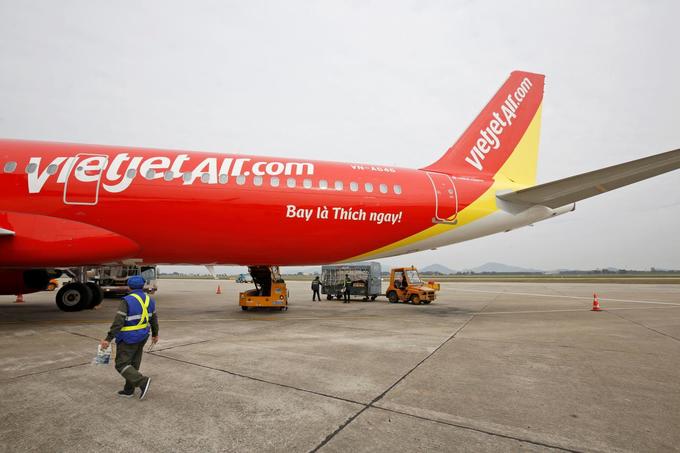
    Vietjet Air CEO Nguyen Thi Phuong Thao is one of 100 most powerful women in the world this year, according to a Forbes listing. The only Vietnamese woman on the list, Thao was placed 52nd, down eight places from last year. This is the third year in a row she has been included in Forbes magazine’s list of 100 most powerful women in the world.

    The list was compiled based on assets, impact, spheres of influence and media presence, the magazine said.

    It estimated that the budget carrier CEO and the richest woman in Vietnam to have a net worth of around $2.7 billion as of December 13.

    Thao, 49, has done business in Vietnam and abroad in many fields, including finance, banking, aviation, real estate, and retail.

    She launched Vietjet in 2011. The airline now leads the domestic market with a 45 percent share. It operates 385 flights daily within Vietnam and to Japan, Hong Kong, South Korea, Taiwan, Singapore, mainland China, Thailand, Myanmar, and Malaysia.

    The carrier launched its IPO on the Ho Chi Minh City Stock Exchange in February 2017, becoming the first airline in Vietnam to list publicly.

    Vietjet has now surpassed national flag carrier Vietnam Airlines in terms of passengers carried. It has a fleet of 80 aircraft flying to 120 destinations.

    German Chancellor Angela Merkel was adjudged the most powerful woman in the world for the ninth consecutive year. She was followed by French politician Christine Lagarde, who serves as the President of European Central Bank, and Speaker of the U.S. House of Representatives Nancy Pelosi.

  • Inmarsat has high hopes for fitting GX to carriers across Asia-Pacific

    Inmarsat has high hopes for fitting GX to carriers across Asia-Pacific

    Even as Indian carriers lag behind in introducing inflight connectivity for passengers, there is action in the Asia-Pacific region, which is expected to account for roughly 40% of new commercial aircraft deliveries over the next 20 years.

    Inmarsat, which has high hopes for the region, says six AirAsia aircraft have been fitted with its GX Aviation Ka-band connectivity system.

    The service offers an improved experience over the Inmarsat SwiftBroadband-powered texting solution on offer at AirAsia.

    Passengers can avail of MB packages of data for the GX service, a model that is being increasingly adopted by airlines but which is not without its detractors. A 200MB package for MYR58 (roughly $14US) is positioned by AirAsia as being the “best for streaming”.

    For its part, AirAsia is thrilled to be offering GX on half-a-dozen aircraft. The company’s RedBeat Ventures subsidiary, ROKKI, manages the service, which has been integrated into its broader entertainment and e-commerce platform.

    “Some people are noticing what we are doing,” enthused AirAsia Group CEO Tony Fernandes in a tweet. He added: “Making products affordable and increasing quality. Bravo!”

    The service is slated to be implemented fleet-wide across AirAsia’s Airbus A320 and A330 models in 2020. This requires installation of the Honeywell JetWave terminals atop AirAsia’s fuselages, a time-consuming endeavor. But AirAsia may be compelled to quickly equip, as passengers are eager to get online.

    Other GX Aviation airline customers in the Asia-Pacific region include Air New Zealand, Singapore Airlines and Philippine Airlines.

    But new business opportunities abound. The Asia-Pacific region is expected to become the largest single market for broadband-enabled services in the next two decades, says Inmarsat regional vice president APAC Chris Rogerson, and Inmarsat believes it is in the right position to help them realize the full potential of a fully connected fleet today.

    “We foresee that by 2021 the majority of airlines will be offering inflight connectivity,” Rogerson tells RGN.

    Whether these carriers will ultimately offer free Internet browsing remains to be seen. Air New Zealand has already done it, and passengers are pleased. Inmarsat Aviation president Philip Balaam tells RGN that when a free WiFi service first goes live, passengers tend to push the system hard, but that “usage tends to settle back into more normal usage” thereafter.

    Regarding the free model, he says, “I strongly suspect that that’s a trend that we will see in general over time” or at least “a component of free. Now whether you provide full free and full free to everyone is something else. That’s more of a segmentation issue than anything else. But the idea of having ubiquitous free service to some level of SLA [service level agreement], I think we are on that journey.”

    In addition to supporting cabin connectivity and connected IFE, airlines are adopting GX for operational benefits, including real-time mapping for pilot electronic flight bags (EFBs) as well as other real-time crew and health monitoring applications.

    But GX is not the only service on offer for Asia-Pacific carriers. Among competitors in the space, Panasonic Avionics has an entrenched position in the region, counting several Chinese airlines as customers for its eXConnect-branded Ku-band connectivity solution, in addition to All Nippon Airways, Cathay Pacific Airways, Garuda Indonesia, Japan Airlines, Singapore Airlines, and Thai Airways.

    Last year, Panasonic further bolstered its connectivity portfolio by becoming a strategic value-added reseller for GX. Intriguingly, Rogerson tells RGN that the deal also enables Inmarsat to offer Panasonic’s NEXT IFE solutions to Inmarsat’s commercial aviation customers.

    “Over the past year, Inmarsat and Panasonic have made significant progress with aligning our processes and systems. This has been our core focus… [covering] important areas such as sales process, contracts, technology, and operations processes,” he says.

    India, meanwhile, one of the fastest-growing countries in civil aviation, is still in a huddle over inflight connectivity. Last year, licenses for In-flight and Maritime Communications (IFMC) were cleared by regulators.

    Inmarsat’s Indian teleco partner, state-owned telco BSNL, holds approval to offer connectivity to Indian airlines operating within and outside India, as well as foreign airlines transiting through Indian airspace. “As a result, Inmarsat will be set to begin offering GX Aviation services over Indian skies from early 2020,” assures Rogerson.

    Some carriers are already primed to offer the GX service to passengers. Indian budget carrier SpiceJet, for instance, has GX equipment installed on 13 Boeing MAX 737s. But these, like the rest of the MAX world fleet, have been grounded since last March.

    Even when the MAX is recertified, a hurdle awaits. Clearances are required from the Indian Space Research Organisation (ISRO) for a foreign satellite to be used.
  • New carrier KiteAir plans June takeoff

    New carrier KiteAir plans June takeoff

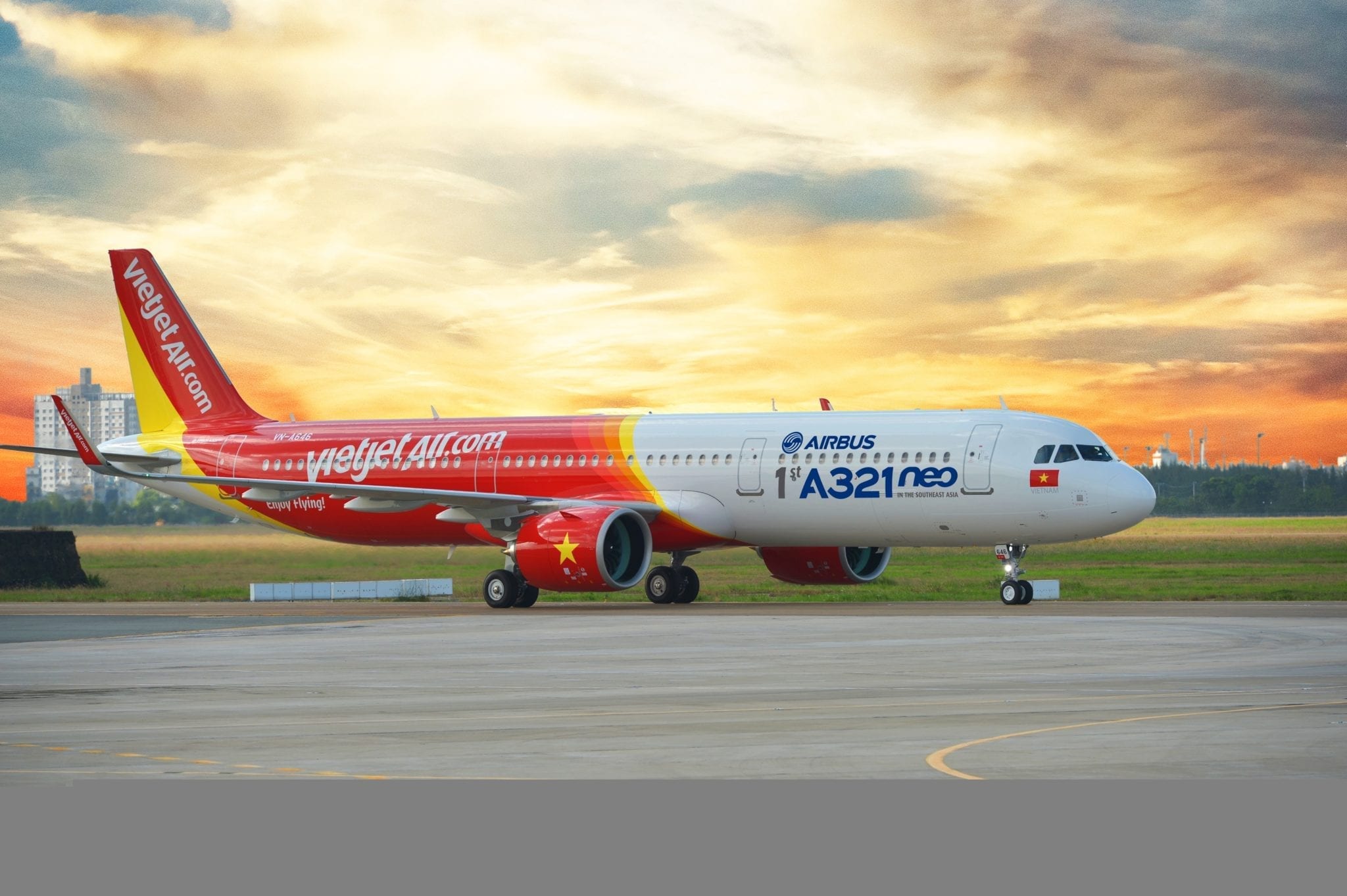
    KiteAir, an airline established by hospitality group Thien Minh, hopes to launch its first flight next June after getting the Prime Minister’s nod.

    The delay of three months over the original schedule was required as Thien Minh Group awaited investment approval from Prime Minister Nguyen Xuan Phuc, its Chairman Tran Trong Kien said.

    The Ministry of Transport had in September voiced support for the establishment of KiteAir, but required that it be more specific in its plans to make profits, as the airline had envisaged a loss of VND350 billion ($15 million) in the first three years of its operations.

    KiteAir is set to be headquartered in the central province of Quang Nam with a charter capital of VND1 trillion ($43 million), entirely invested in by Thien Minh Group.

    It plans to operate six short-haul ATR-72 aircraft with a capacity of 78 seats in the first year of operation, and expand the fleet to 30 jets by the fifth year, including 15 narrow-body Airbus A320/321 aircraft.

    The transport ministry has also supported the establishment of two other airlines, Vinpearl Air, a unit of private conglomerate Vingroup, and Vietravel Airlines, promoted by leading travel agency Vietravel.

    All three airlines have to get approval from the PM, and later the air operator certificate (AOC) from the Civil Aviation Authority of Vietnam before they can launch operations.

    Vietnam now has six licensed airlines: Vietnam Airlines, Vietnam Air Services Company (VASCO), Jetstar Pacific, Vietjet, Bamboo Airways, and military-run Vietstar Airlines, the last two making their debut this year.

    Last year, Vietnam’s 21 state-run airports served 103.5 million passengers, up 11 percent year-on-year, and the figure is set to rise to 112 million this year, according to the Airports Corporation of Vietnam.

  • Vietnam Airlines wants caps removed on domestic ticket prices

    Vietnam Airlines wants caps removed on domestic ticket prices

    National flag carrier Vietnam Airlines has proposed that price caps on domestic air tickets be removed to allow carriers more pricing flexibility.

    The current price ceiling makes it difficult for airlines to diversify their prices, increase profits during certain periods of time like peak seasons, and in turn, lower prices on some routes, Le Hong Ha, Deputy General Director of Vietnam Airlines, said at a tourism forum on Monday.

    Vietnam should abolish the domestic price ceiling, and allow market forces to decide prices. “The aviation market is already operating like a free market, so airlines should be allowed to freely adjust prices based on supply and demand,” Ha said.

    The Civil Aviation Authority of Vietnam (CAAV) supports the proposal, as Vietnam is one of the few countries in the world still have a price cap, said Vo Huy Cuong, deputy head of the authority.

    The CAAV has proposed the removal of the price cap every time amendments or supplements are made to the Civil Aviation Law, but these were not approved because the National Assembly felt it was necessary to protect the interest of many classes of civilians traveling by air, he said.

    If this regulation is not amended, airlines will focus on operating and developing international routes rather than domestic ones, he added.

    In mid-2018, many airlines requested the government to raise domestic price caps because they were losing money on many routes after cost of fuel and labor increased, but this was not approved either.

    Currently, air tickets on routes under 500 km operated to promote socio-economic development have a maximum price of VND1.6 million ($69), ordinary routes under 500 km VND2.2 million ($95), while the highest ceiling is VND3.75 million ($162) for routes of 1,280 km or above.

    According to the government portal, the air distance between the northernmost point of Vietnam to the southernmost point is 1,650 km.

    Local airlines served 50.3 million passengers from January to November, up 10.7 percent year-on-year, according to the General Statistics Office.

  • Nok Air gets new staff and planes

    Nok Air gets new staff and planes

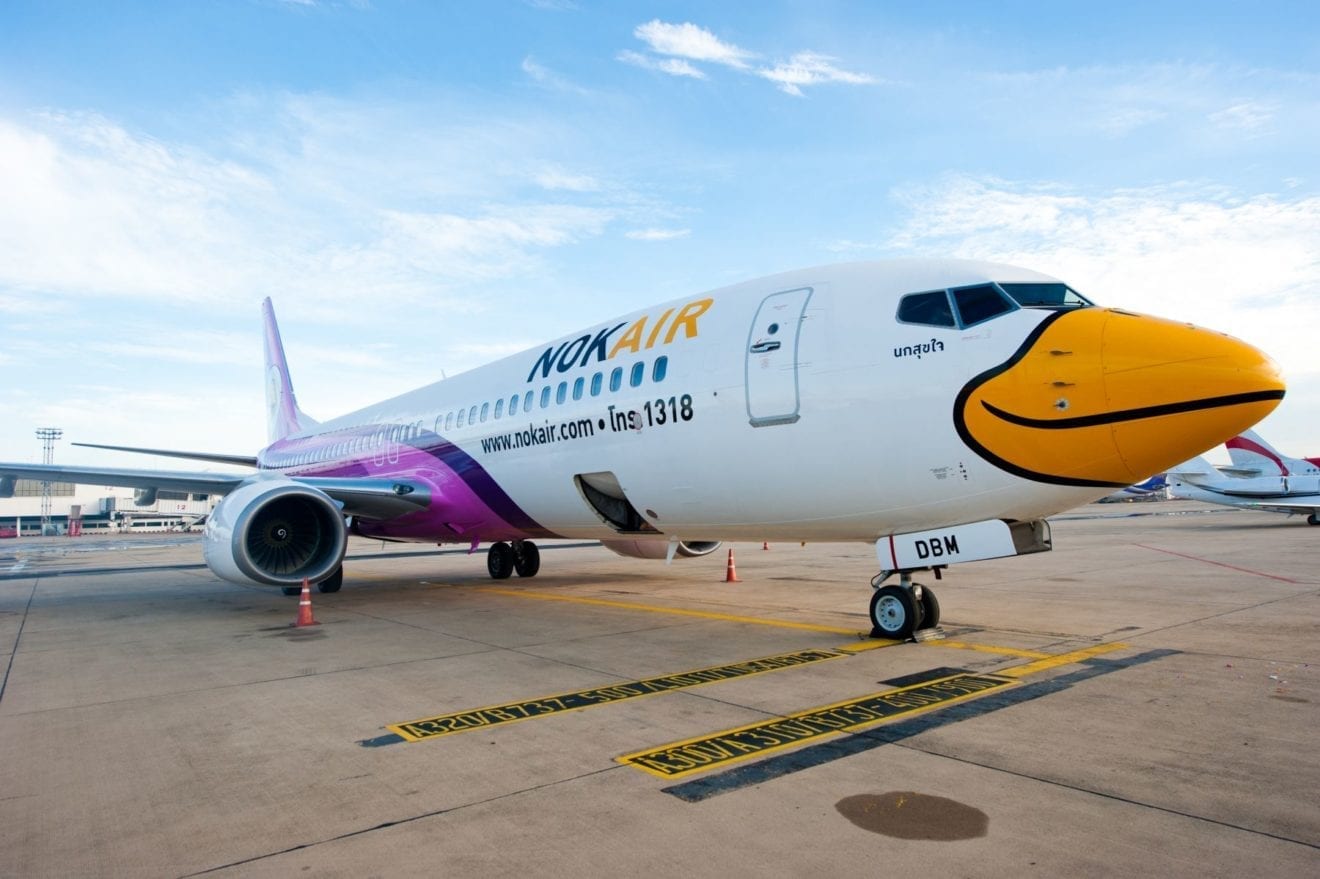
    Loss-ridden budget airline Nok Air is recruiting pilots and flight attendants and will acquire two new planes to serve high-season demand as its rehabilitation plan shows positive effects, its chief executive Wutthiphum Jurangkool said on Wednesday.

    He said that the airline’s recruitment of about 800 new pilots and flight attendants is evidence that its rehabilitation plan has been effectively implemented and has strengthened its financial status.

    Apart from staff recruitment, the airline would acquire two new aircraft to add to its 22-plane fleet by the end of the year.

    Mr Wutthiphum added that Nok Air will launch direct service between Bangkok (Don Mueang) and Hiroshima, Japan. It has increased domestic flight frequencies from three to four daily on the Don Mueang-Buri Ram route and from four to seven flights a week on the Chiang Mai-Ubon Ratchathani route.

    Nok Air’s passenger load factor stood at 88% in the first half this year, down from 91% year-on-year because of the reduction in aircraft numbers from 28 to 22, he said. The reduced fleet saw flight and passenger volume in the second quarter drop by 10.3% and 8.18 respectively.

    Nok Air reported a loss of 470 million baht in the second quarter, down from a loss of 742 million in the same period last year, and a net loss of 751 million for the first six months, down from a loss of 774 million year-on-year.

  • Cebu Pacific offers discounted fares for some local

    Cebu Pacific offers discounted fares for some local

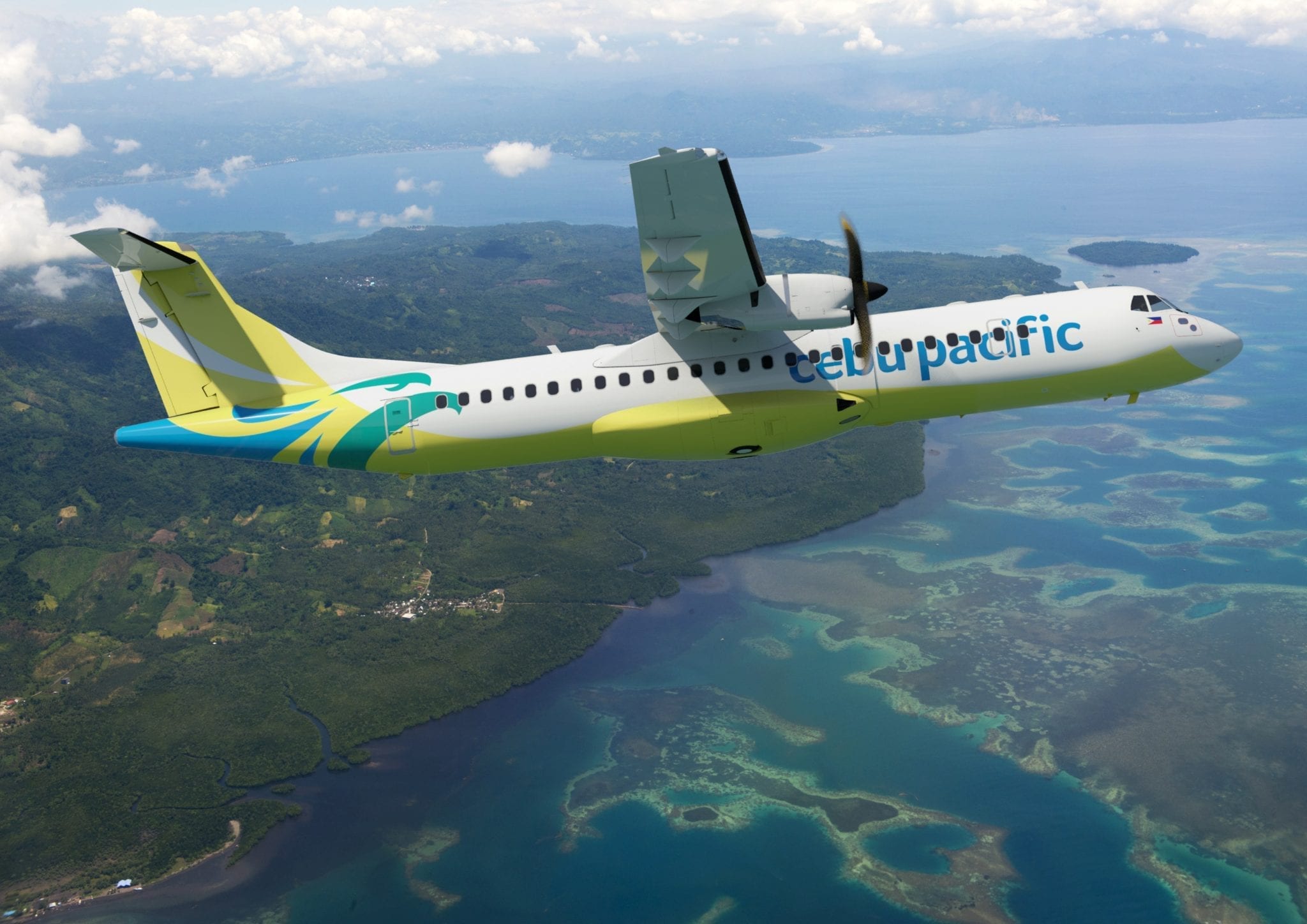
    Cebu Pacific is offering fares as low as P99 for local flights originating from Cagayan de Oro, Cebu and Clark, the airline announced Saturday.

    The so-called seat sale for domestic flights begins Saturday, Nov. 23, and runs until Monday, Nov. 25, with travel period between Jan. 1 and March 31, 2020.

    For international flights, the promo ends on Wednesday, Nov. 27., for travel between Dec. 10, 2019, and May 31 next year.

    The P99 price point is offered for flights departing Cebu for cities such as Bacolod, Boracay (Caticlan), Cagayan De Oro, Clark, Coron (Busunaga), Davao, General Santos, Iloilo, and Puerto Princesa, and more.

    The cheapest flights coming from Manila are P499 heading to Bacolod or Iloilo.

  • Vietnam Airlines asked to spell out details of plan to buy 50 jets

    Vietnam Airlines asked to spell out details of plan to buy 50 jets

    The Ministry of Transport has asked Vietnam Airlines for details about its plan to acquire 50 narrow-body aircraft by 2025.

    The national flag wants to buy 50 Airbus A3210/321 or Boeing 737 MAX 8/9/10 aircraft in 2021-2025 at a cost of VND88.13 trillion ($3.83 billion).

    It seeks to replace its 26 existing aircraft and expand the fleet by 24, with four or five airplanes delivered every year.

    But the ministry said the airline needs to furnish information about the routes it plans to use the new aircraft on and detailed plans about hiring more staff to operate them.

    It warned against the purchase of Boeing 737 MAX 8 saying it is still unclear whether the grounding of the model would be reversed.

    The carrier also needs to consider that technical issues have been reported in some Pratt Whitney engines used in Airbus A320/321 NEO by some airlines, the ministry said.

    Vietnam’s surging travel demand has caused airlines to expand their fleets. Bamboo Airways has inked a deal with Airbus to buy 50 aircraft, while Vietjet last month signed a $140 million loan with foreign banks to finance its Airbus order for 20 aircraft.

    Last year the country’s 21 state-run airports handled 103.5 million passengers, according to the Airports Corporation of Vietnam, and the number is set to rise to 112 million this year.

  • Vietjet Announces New Routes to Seoul to Celebrate 30th Anniversary of ASIAN – South Korea Relations

    Vietjet Announces New Routes to Seoul to Celebrate 30th Anniversary of ASIAN – South Korea Relations

    To celebrate the 30th anniversary of the relations between the Association of Southeast Asian Nations (ASEAN) and South Korea, as well as the recent Mekong – South Korea summit, new-age carrier Vietjet has announced plans for new routes that will connect some of Vietnam’s largest and fast-growing tourist destinations, such as Da Lat, Can Tho, Nha Trang and Phu Quoc with Seoul.

    The announcement ceremony took place during the Vietnam – South Korea Business Forum on 28 November 2019 in Seoul, South Korea, and was attended by Prime Minister of Vietnam Nguyen Xuan Phuc, Deputy Prime Minister of South Korea Hong Nam-Ki and senior leaders from both the South Korean and Vietnamese governments.

    Connecting Seoul, the dynamic capital of South Korea, with Dalat in Vietnam’s Central Highlands, Can Tho in Southwest Vietnam’s Mekong Delta, Nha Trang on the south-central coast of Vietnam and Phu Quoc, also known as Vietnam’s “Pearl Island”, means that Vietjet’s new routes will boost tourism and trade in the two regions. It will also boost cultural exchanges between the two countries while forging closer ties between South Korea and ASEAN, one of the world’s fastest-growing economic blocks.

    Starting from January 2020, the new Seoul (Incheon) – Can Tho route is planned to operate three return flights per week, while the new Seoul (Incheon) – Da Lat route will fly four return flights per week, each with a flight time of more than five hours per leg. The two current routes linking Seoul (Incheon) to Nha Trang and Phu Quoc will also increase frequencies to meet the increasing passenger demands.

    Speaking at the ceremony announcing the launch of the new routes, Vice Chairman of Vietjet Nguyen Thanh Hung thanked the governments of Vietnam and South Korea for creating opportunities for business investment and cooperation between the countries. He also pledged that the airline will continue its mission to offer more flights with new upcoming routes with Vietjet’s modern fleet. He added that all Vietjet passengers can look forward to being served by a team of dedicated and friendly cabin crew, pointing out Vietjet’s stellar standards for safety and technical reliability.

    Mr. Nguyen Thanh Hung also expects that the close relations between Vietnam, the rest of ASEAN and South Korea will contribute to the expansion of the regional aviation sector around the globe.

    With the two new routes, Vietjet operates the most number flights connecting Vietnam and South Korea with a total of 11 routes and up to 480 flights per month. The airline’s growing network has helped to boost bilateral ties and improve strategic cooperation between the two nations, creating a positive impact on the relations between ASEAN and South Korea.

  • AirAsia boosts third-quarter profit 5% amid strong revenue rise

    AirAsia boosts third-quarter profit 5% amid strong revenue rise

    AirAsia Group‘s third-quarter profit rose 4.6% to more than MYR264 million ($63.3 million) as revenue and passenger numbers increased.

    Revenue for the quarter ended 30 September was up 18% at MYR3.07 billion. Group-wide traffic likewise grew 18%, slightly lower than the 19% increase in capacity. This resulted in a two-point load-factor decline, to 84%.

    Expenses related to staff, maintenance and user charges rose amid expansion. Depreciation costs meanwhile grew, reflecting the adoption of a new accounting standard on leases.

    AirAsia made a net loss of MYR67.5 million as it took hits from foreign exchange and fair-value losses on derivatives. The previous year, it had made a MYR804 million net profit in the third quarter.

    On a nine-month basis, AirAsia‘s operating profit halved to MYR707 million, despite a 17% lift in revenue to MYR9.09 billion. Net profit shrunk 96% to MYR99.5 million.

    Across the airline operations, third-quarter EBITDA more than doubled to MYR662 million. The group’s overseas units in Indonesia, Philippines and Thailand all improved their performance, while the one in India narrowed its losses.

    Thai AirAsia‘s EBITDAR rose 20.5% to Bt1.32 billion ($43.7 million), while revenue grew 5.3% to Bt9.42 billion. The airline attributes a Bt761 million loss after tax to exchange-rate effects and notes that unit revenue is under pressure as a result of competitors’ low pricing.

    Indonesia AirAsia‘s third-quarter EBITDA was narrowly positive at Rp415 million ($29,000); revenue swelled 72% to Rp1.83 trillion. Net profit came in at Rp61.2 billion, reversing a Rp214 billion net loss in the same period last year.

    Philippines AirAsia‘s EBITDA came in at nearly Ps1 billion ($19.7 million), reversing a Ps1.32 billion loss in the same quarter of 2018. Revenue jumped 40% to Ps6.23 billion, and the operation’s net loss narrowed to Ps367 million.

    AirAsia India narrowed its EBITDA loss to Rs1.2 billion ($16.8 million), as revenue climbed 58% to Rs7.24 billion. Loss after tax was flat at Rs3.1 billion. AirAsia says the unit’s costs grew in line with capacity increases.

    Meanwhile, AirAsia Japan made a net loss of Y3.71 billion ($33.9 million).

    As of 30 September, the AirAsia Group had MYR2.18 billion in cash and cash equivalents – some MYR4.43 billion less than it had on the same date last year.

    AirAsia Group says newly delivered Airbus A321neos will be deployed on routes with high demand and constrained infrastructure, in an effort to reduce unit cost.

    In 2020, the group will make a net addition of 12 aircraft to its fleet. Malaysia AirAsia will not take any aircraft, while Thai AirAsia will remove three jets. Indonesia AirAsia and AirAsia Japan will each receive three jets, and Philippines AirAsia two. The bulk of the growth will be at AirAsia India, which will add seven aircraft.

    The airline group foresees a “positive… core performance” during the fourth quarter. It says: “As the group repositions the business to adapt to the evolving business environment along with new accounting treatment and restructured aircraft ownership, we look forward to a better year in 2020.”

  • AirAsia India plots growth to 100 aircraft by 2025

    AirAsia India plots growth to 100 aircraft by 2025

    AirAsia India is planning to accelerate its growth and hopes to increase its fleet fourfold to 100 aircraft in the next five years, an unnamed company source told industry publication TravelBiz Monitor.

    “We have firmed up plans to add 14-15 planes every year starting next year for the next five years. We have remained a small player in the Indian market till now with just 23 planes, which will increase to 29 planes by the end of December,” the executive said.

    According to the ch-aviation fleets advanced module, the Indian LCC, a 51/49 joint venture between Tata Sons and AirAsia Group, currently operates twenty-three A320-200s and is in the process of adding the twenty-fourth unit.

    The airline will be adding aircraft both transferred from other AirAsia Group units and directly from lessors. Out of its current 23-strong fleet, 11 aircraft were previously operated by AirAsia, while the remaining 12 came from other carriers.

    The carrier said earlier this year that its growth plans for 2020 include the addition of the first A320-200neo.

    AirAsia India will focus its growth on existing routes as it plans to add more frequencies rather than launch new, low-frequency routes.

    “There is no point staying a marginal airline on various routes. The focus will rather be on strengthening our position on routes that we are in,” the executive said.

    According to the ch-aviation capacities module, AirAsia India has a 6.8% market share by capacity on the Indian domestic market, compared to 46.4%, 16.0%, and 10.5% shares of its LCC rivals IndiGo Airlines, SpiceJet, and GoAir.

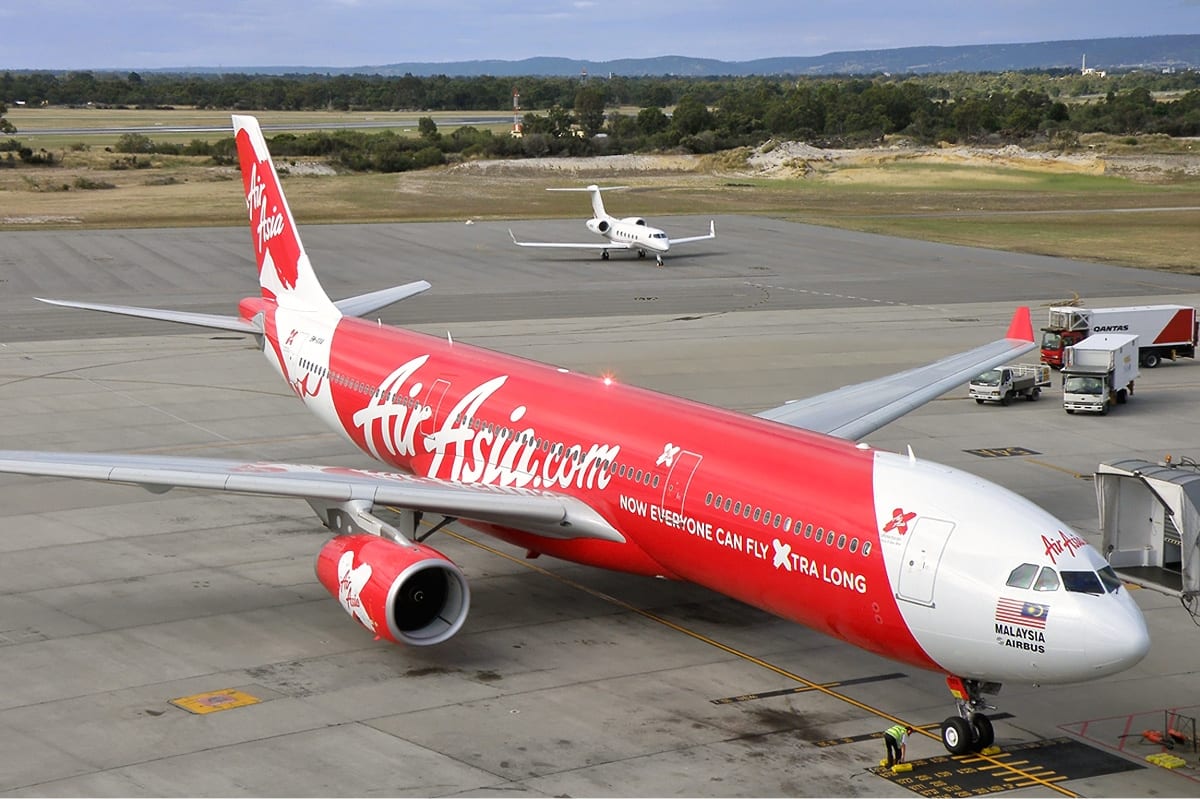
    Meanwhile, the carrier’s Malaysian parent said it will add capacity on its Kuala Lumpur Int’l-Singapore Changi route, using A330-300s operated by AirAsia X to launch an additional two daily services between the cities. According to the ch-aviation schedules module, AirAsia currently operates 59x weekly between Kuala Lumpur and Singapore with all flights operated by A320-200s.

    The carrier’s A320s seat up to 180 passengers, while AirAsia X’s A330-300s have 365 economy class seats and 12 premium class seats. AirAsia has a 21.6% market share by capacity on the Kuala Lumpur Int’l-Singapore Changi market.

  • Tigerair expands PBH contract with AJW Group

    Tigerair expands PBH contract with AJW Group

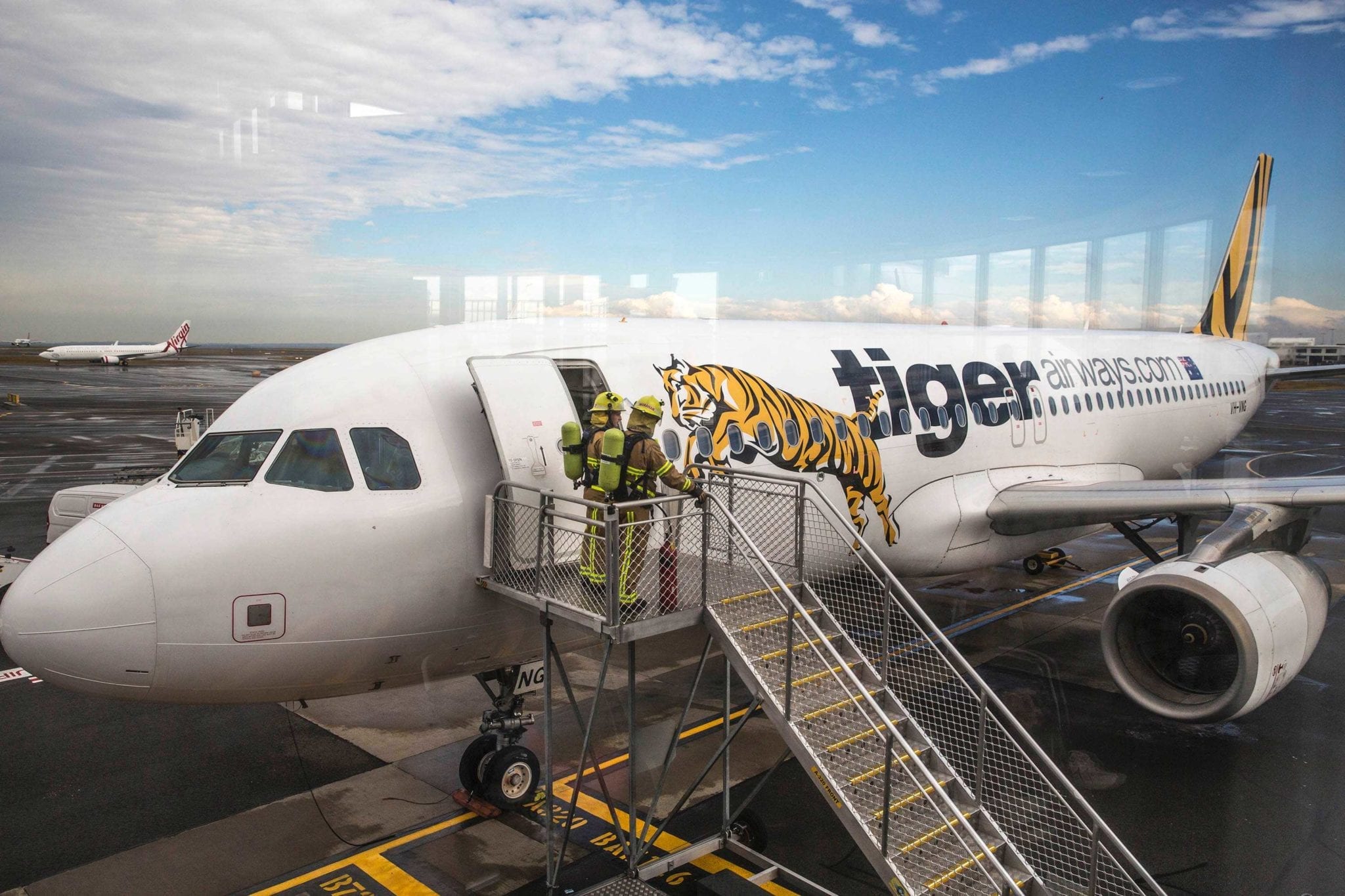
    Australian low-cost airline Tigerair has extended Power-by-the-Hour (PBH) contract with AJW Group. AJW Group specializes in the global management of aircraft spares.

    The company has been providing an integrated component pooling, repair and logistics support program to Tigerair since 2014. The PBH agreement covers Tigerair’s fleet of A320 aircraft.

    Under the support program, AJW will satisfy the airline’s material requirements across a variety of component groups including airframe and engine LRU’s, major assemblies, wheels and brakes, auxiliary power units (APU), thrust reversers and consumables.

    Tigerair is an Australian low-cost airline headquartered in Melbourne with two additional established service bases at Sydney and Brisbane Airports. Tigerair operates a fleet of Airbus A320 and Boeing 737 aircraft, across 21 domestic routes out of 12 destinations around Australia.

    Christopher Whiteside, chief executive officer of AJW Group said: “Tigerair was AJW’s first major contract in Australia and our work over the past five years has demonstrated the Group’s strength across the Australasia region.”

    Over the past five years, AJW Group has successfully delivered improved operational efficiency and cost savings, which according to AJW Group, are ‘key focus areas for the airline’.

  • AirAsia India plans to take fleet size to 100 in five years

    AirAsia India plans to take fleet size to 100 in five years

    New Delhi: After growing at a very slow rate in its first five years of operations, AirAsia India plans to expand its fleet more than fourfold to 100 aircraft in the next five years. “We have firmed up plans to add 14-15 planes every year starting next year for the next five years. We have remained a small player in the Indian market till now with just 23 planes, which will increase to 29 planes by the end of December,” said a senior executive, who did not wish to be identified.

    The executive said the lowcost carrier, a 51:49 joint venture between Tata Sons and Malaysia’s AirAsia Berhard, will become an impactful player in the market once its fleet grows to 50 aircraft. The market is dominated by IndiGo, which operates a fleet of about 250 aircraft. “While we will continue to add aircraft under the current model by getting aircraft from AirAsia Berhad, we will also look at leasing planes directly from lessors,” said the executive.

    The airline’s expansion plans focus on strengthening the network on existing routes rather than adding new routes. “The philosophy is simple: There is no point staying a marginal airline on various routes. The focus will rather be on strengthening our position on routes that we are in,” said the executive, adding that both the promoters would put in funds for expansion. AirAsia India, which started operations in 2014, is the smallest scheduled commercial airline in the country. In the ongoing winter schedule, which began at October-end, the airline has increased its flights by 326 departures to 1,345 departures per week.

    With a reduction of nearly 3,600 weekly departures because of the sudden suspension of operations by cash-strapped Jet Airways on April 17, other airlines are seeking to fill the gap by launching new flights.

  • Vietnam Airlines Jan-Sept profit highest in five years

    Vietnam Airlines Jan-Sept profit highest in five years

    Vietnam Airlines Group posted pretax profits of VND3.29 trillion ($142 million) in Jan-Sept, up 35.7 percent year-on-year.

    This is the highest profit it has earned in the last five years. The group, comprising Vietnam Airlines, Jetstar Pacific and Vietnam Air Services Company (VASCO), saw its net revenue rise 3 percent to VND76.7 trillion ($3.3 billion).

    The group managed to reduce sales and financial costs down by 30 percent in Q3, resulting in this quarter’s profit surging 2.5 times year-on-year to VND1.13 trillion ($48.88 million).

    The group, accounting for 51.7 percent of Vietnam’s aviation market, served 21.4 million passengers in nine months, up 3.2 percent year-on-year.

    Vietnam Airlines this year has received two new wide-body Boeing 787-10 aircraft and 10 Airbus A321neo jets. It is set to get one more Boeing 787-10 and four more Airbus A321neos by the end of the year.

    The group targets serving 23.4 million passengers this year, earning revenues of VND104.59 trillion ($4.52 billion).

  • Vietnam aircraft fleet to quadruple in 20 years

    Vietnam aircraft fleet to quadruple in 20 years

    Vietnam’s aircraft fleet, at 200 now, will quadruple by 2038 as air travel demand increases and the market sees new players.

    These figures were cited by Darren Hulst, aircraft manufacturer Boeing’s marketing director for China & Northeast Asia, at a recent press briefing.

    The current number of aircraft in the country is set to double in the next two years. Single-aisle aircraft are set to be the main type used for Vietnam’s domestic and regional flights, Hulst said.

    He noted that aviation growth has been rapid in Vietnam for several years now. In 2009, all Vietnamese airlines provided 800,000 seats a month, but by this year, the figure had reached 3.3 million.

    In the last five years, the number of passengers taking flights has tripled and the number of aircraft doubled, he added.

    Southeast Asia will need 4,500 new aircraft by 2038, and Vietnam is set to account for a large portion of that demand, Hulst said.

    Vietnam now has six domestic carriers and three companies that have applied for aviation permits.

    Last year, Vietnam’s 21 state-run airports served 103.5 million passengers, up 11 percent year-on-year, and the figure is set to rise to 112 million this year, according to the Airports Corporation of Vietnam.

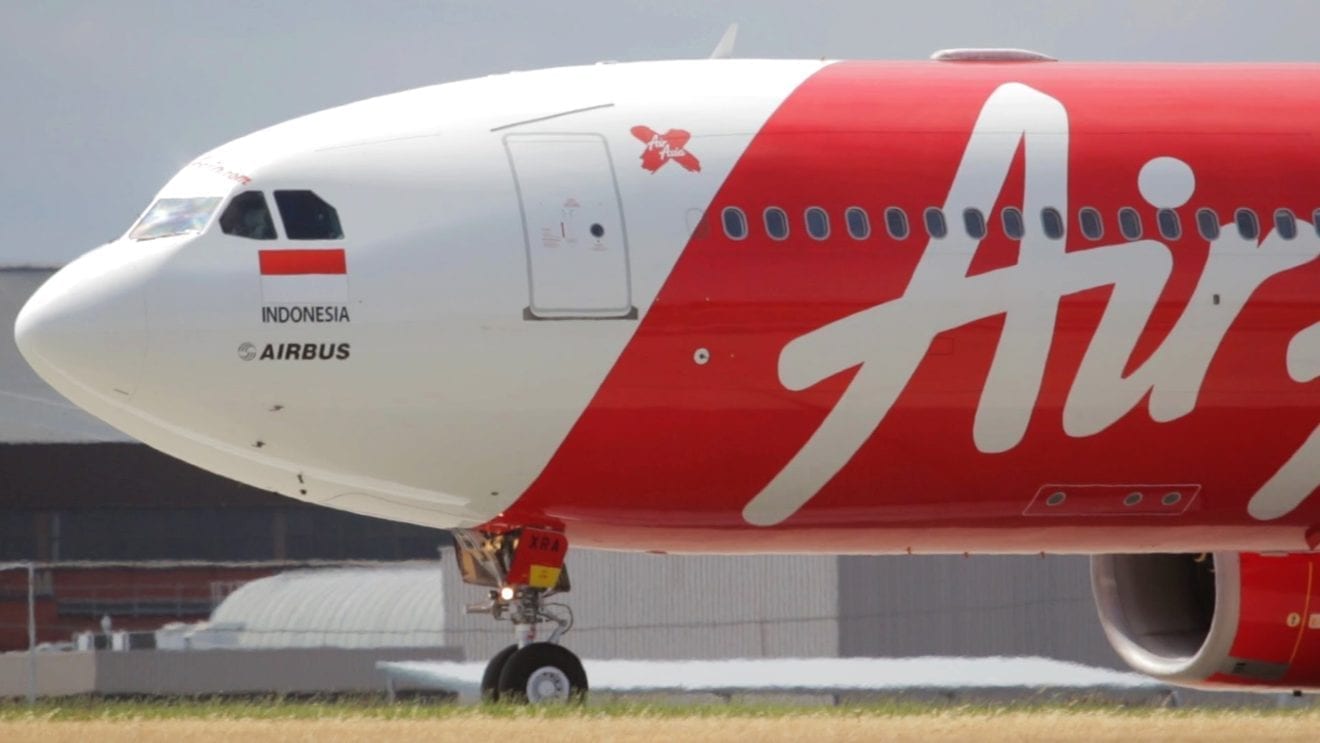
  • AirAsia X plans for direct flights into Kazakhstan

    AirAsia X plans for direct flights into Kazakhstan

    AirAsia X , the long-haul arm of AirAsia Group Bhd, has met with the Civil Aviation Committee (CAA) of Kazakhstan to discuss the possibility of the airline introducing a direct flight from Malaysia to the Central Asian country.

    The New Straits Times learnt that the meeting was held between AirAsia Group executive chairman Datuk Kamarudin Meranun, AAX chief executive Benyamin Ismail and Kazakhstan CAA chairman Talgat Lastayev as well as representatives from Almaty, Nur-Sultan and Karaganda airports and Kazakhstan embassy to Malaysia.

    The meeting includes discussions on the potential for AAX to introduce a direct route from Kuala Lumpur to Kazakhstan as well as a presentation on the development of the aviation industry in Kazakhstan and the country’s adoption to the Open Skies policy.

    “The interest is there but we must do further research on how to introduce this plan. They (AAX) have expressed interest to use Kazakhstan as a hub for them to fly to the US and Europe,” a source said.

    The potential US and European cities that AAX might fly into include New York, Rome, Milan and Nice.

    The meeting was held at AirAsia’s RedQ office in Sepang on Tuesday.

    Recently, Kazakhstan President Kassym-Jomart Tokayev asked the country to adopt Open Skies policy and expand its international routes while attracting more foreign airlines.

    The sources said that although the move will pose a big competition to Kazakhstan-based airlines, it was time to open the country to the world with more flight connections.

    The move will also help to develop the Astana International Financial Center as well as the country’s tourism industry.

    “Kazakhstan is very excited to have AAX to introduce a direct flight, but of course this is all preliminary. But on Kazakhstan’s side, the country is ready to fully support them (AAX),” another source said, adding that the discussion also included incentives that would be given to the airline such as airport and tariff fees, and marketing support for flight promotion.

    Currently, the only direct flight available is from Almaty to Kuala Lumpur and vice versa via Kazakhstan’s national carrier, Air Astana.

    AAX would be the first international budget airline to fly into Kazakhstan should the carrier introduces the direct flight.

    Meanwhile, Kamarudin expressed his gratitude to Kazakhstan for showing strong interest and offering attractive airport incentives for the airline to fly to various airports in the country.

    “Having been to Kazakhstan, both Nur-Sultan and Almaty, it definitely suits our expansion plan and we have agreed in forming a working team from both parties to seriously explore this possibility.”

    “I would not be surprised to see the flights into Kazakhstan from any of our various hubs some time next year,” he said yesterday.