Retail News CRM

Tag: airline

  • AirAsia India to increase fleet size to 29 by year-end

    AirAsia India to increase fleet size to 29 by year-end

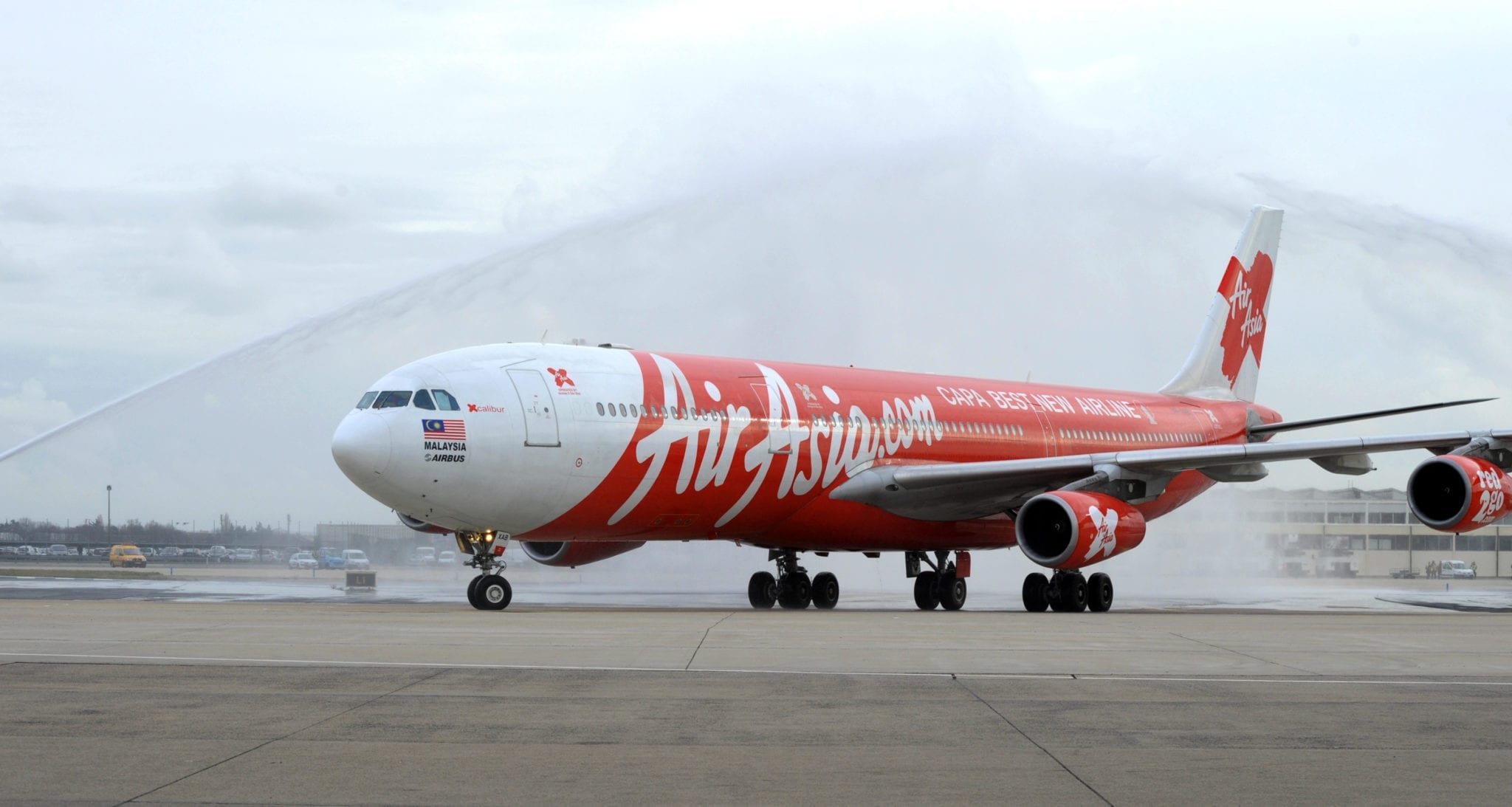
    Budget carrier AirAsia India will increase its fleet size to 29 aircraft by December-end, as it aims to increase frequencies to metro cities and prune unprofitable routes in the upcoming winter schedule, said Sanjay Kumar, chief operating officer of the airline.

    AirAsia, a joint venture between Tata Sons Pvt. Ltd and Malaysia-based AirAsia Berhad, has 23 aircraft and will induct two aircraft in the next fortnight, he added.

    Tata Sons holds a 51% stake in the airline, while AirAsia Berhad holds a 49% stake.

    AirAsia India operates 175 daily flights to over 20 destinations across the country, including New Delhi, Mumbai, Bengaluru, Hyderabad, Kolkata and Ahmedabad.

    The airline operates an Airbus A320 fleet that’s powered by CFM engines. CFM International is a joint venture between US-based GE Aviation and French aerospace engine manufacturer Safran Aircraft Engines.

    “We don’t want to spread too thin and operate at stations with only one flight or so. Our aim is to strengthen our network, especially in metros, and have multiple frequencies between two cities,” said Kumar.

    The directorate general of civil aviation (DGCA) has approved the operation of 1,345 departures every week by AirAsia India in the upcoming winter schedule between 27 October 2019 and 28 March 2020. This is an increase of 326 departures every week compared to the corresponding period of the previous year.

    This will lead to the airline increasing the frequencies of flights on busy metro routes, including Mumbai-Pune, New Delhi-Chennai, Delhi-Bengaluru, New Delhi-Hyderabad, Guwahati-New Delhi, Guwahati-Kolkata, Guwahati-Bengaluru, and New Delhi-Srinagar.

    AirAsia India recently started a daily flight on the Delhi-Jaipur route and flights from Agartala to destinations such as Guwahati, Imphal, Kolkata and New Delhi from 20 October.

    “Agartala is now connected to four destinations in the country on the very first day of the operations. This is the kind of philosophy we are going to follow, especially when we open a (new) station and network,” Kumar said.

    All the airline’s upcoming new stations will be connected to other destinations across its network.

    During the winter schedule, Indian airlines are set to operate 23,403 departures per week covering 103 airports, as compared to 23,117 departures a week during the winter schedule of the previous year.

    About 3,600 weekly departures were reduced because of the sudden suspension of operations by Jet Airways (India) Ltd from the scheduled domestic aviation, DGCA had recently said. “Prompt steps by the government has filled the void created by Jet Airways and has helped to achieve growth of 1.2% compared to winter schedule 2018,” it had added.

    Jet Airways had grounded its operations in April 2019 following an acute cash crunch.

    AirAsia India has temporarily been allocated some of the slots at major airports that earlier belonged to Jet Airways, Kumar said. “This has helped us increase frequencies between key metro cities.”

    AirAsia India carried 725,000 domestic passengers during September to register 6.3% market share. The airline had carried 498,000 passengers during September 2018 with a market share of 4.4%.
  • Tigerair eyes Davao-Taipei flights

    Tigerair eyes Davao-Taipei flights

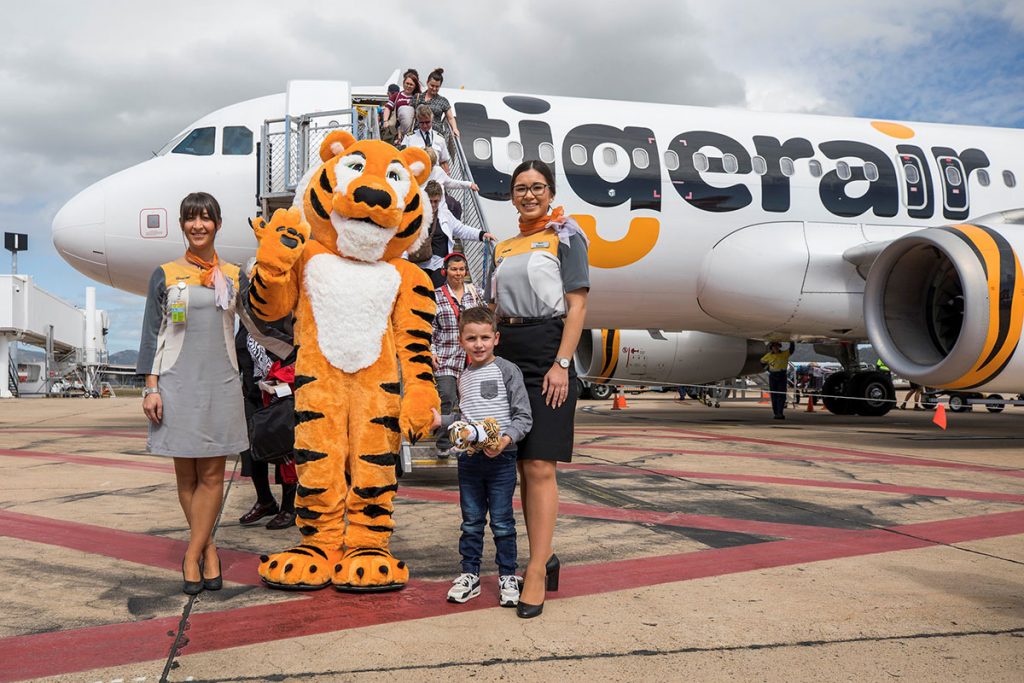
    Another international air link will be added to Davao City as Tigerair Taiwan plans to service the Davao-Taipei route within the year or early 2020.

    Department of Tourism Davao Regional Director Tanya Rabat-Tan revealed that the new route will boost the region’s tourism, trade, and investments

    She said a group of 12 Taiwanese travel agents and an executive from the airline visited Davao Region in July.

    “We tour(ed) them around the city and region. The highlight of our tour was our beach destinations especially in Samal, Davao del Norte,” she said during the agency’s presentation of its accomplishments and updates on Monday, October 7, at Seda Abreeza Hotel in Davao City.

    The regional director said the Taiwanese visitors were impressed with Davao’s tourism destinations.

    “They appreciate more about the people’s hospitality and the food. The tour has strengthened their intention to set up Davao-Taipei route,”she said.

    Rabat-Tan added that Tigerair Taiwan initially planned to launch a chartered flight only but later on decided to push regular direct flights due to the routes viability.

    “If it is not going to push through this year, it will be early next year. Also, we are expecting another visit from them any time within the year but most likely a bigger group will be coming,” she said.

    Sustaining flights

    Following the launch of more direct flights to the city, Rabat-Tan acknowledged the necessity of programs and plans to sustain these flights.

    Trade and tourism roadshows and missions are already set to promote Davao Region and Mindanao as a whole to international markets where Davao has direct link and vice versa.

    “A mission to Taipei composed of Davao tour operators and other stakeholders including city officials is presently being organized. It is more like a Business-To-Business (B2B) meeting. We are in constant communication with the Taiwan group,” she said.

    She also mentioned a Manado, Indonesia travel roadshow with Mindanao Development Authority (MinDA) and Department of Trade and Industry (DTI) is happening this month or in November.

    How are other flights doing?

    Rabat-Tan shared that, in a meeting last week, the Qatar Airways country manager said he was happy with how the Davao-Doha route is performing. She said plans of increasing the flight frequency of the route is being discussed.

    Qatar Airways’ Doha-Davao route, the first long-haul flight in Mindanao, was launched on June 18. It is operating once a week, every Friday.

    Meanwhile, around 50 travel agents from Hong Kong are also set to visit Davao City sometime in November to promote the Davao-Hong Kong link.

    She also shared that Davao-Tokyo route is currently being discussed with the City Government of Davao and Davao City Chamber of Commerce and Industry, Inc.

    At present, Davao City has five international direct air links – Singapore; Hong Kong; Quanzhou, China; Qatar; and Manado, Indonesia.

    These routes are currently being served by six airlines namely Cebu Pacific, SilkAir, XiamenAir, Qatar Airways, Cathay Dragon, and Garuda Indonesia.

  • Nok Air gets serious about turnaround

    Nok Air gets serious about turnaround

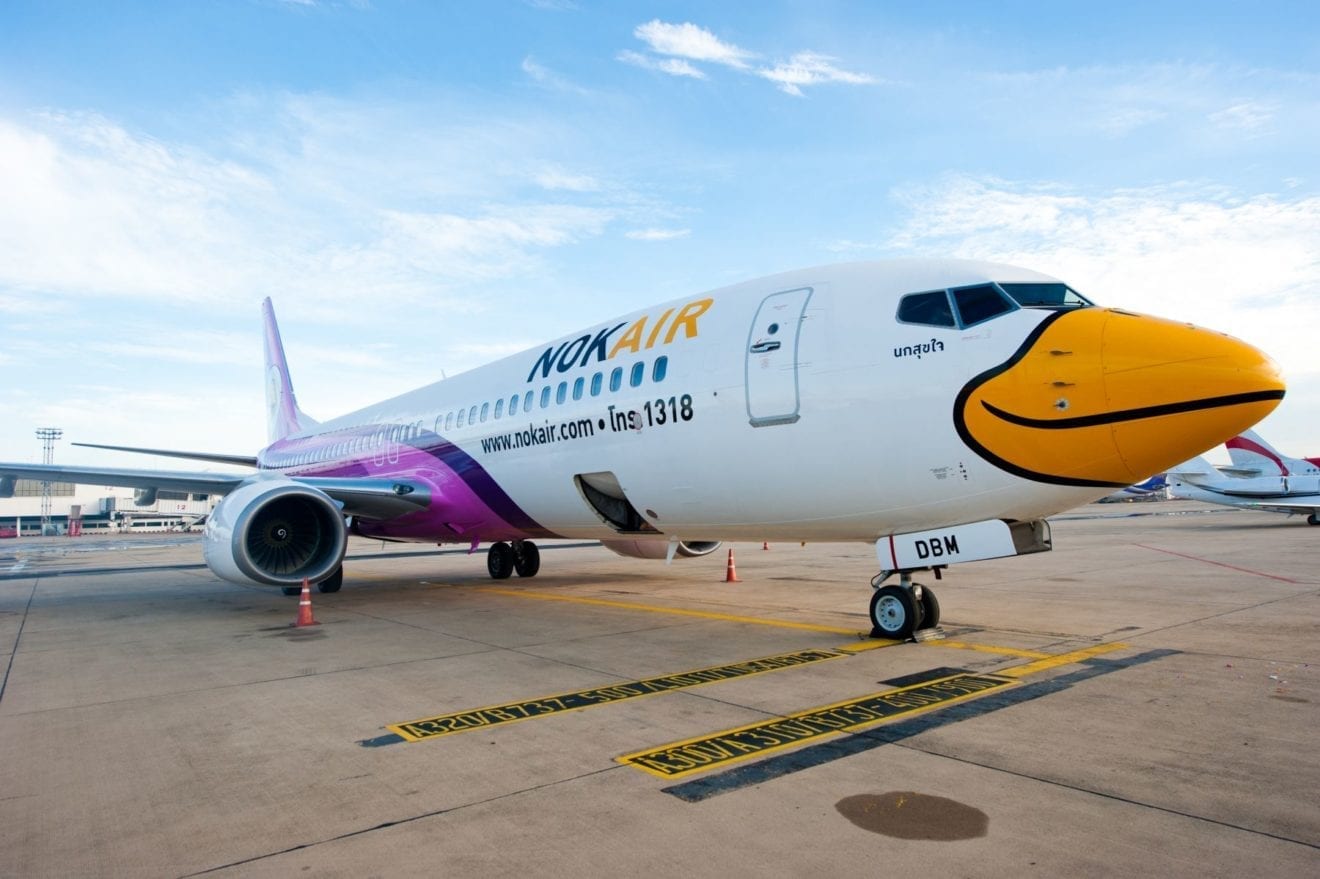
    Nok Air, a loss-ridden budget airline, has pledged to implement plans to revive its business, increasing income and overhauling flights to prevent delays that have damaged the carrier’s image.

    The turnaround is set to start in the final quarter this year, said chief executive Wutthiphum Jurangkool.

    He said apart from airfare, the airline plans to create additional revenue from value-added services by partnering with tourism operators such as hotels, car rental companies, department stores and tour agencies on domestic routes.

    To prevent flight delays, Mr Wutthiphum said the airline has invested in a home-based stock worth 100 million baht at Don Mueang airport to install spare parts for immediate use if needed. Spare parts from abroad take around three days to reach Thailand, which is the main reason for the delays, he said.

    “Nok Air’s home-based stock will not only speed up maintenance work, but also reduce maintenance expenses by 30% in the latter half of this year,” said Mr Wutthiphum.

    Rearranging flight schedules and adding spare aircraft to stand by in the morning or busy times should also help avoid delays, he said.

    “Even though the airline will reduce flight numbers and income by operating with only 22 aircraft, we must fix this urgent problem,” said Mr Wutthiphum.

    He said the airline is set to increase aircraft utilisation from red-eye flights to international destinations, aiming to use them for 12 hours of operation in the fourth quarter, up from 10-11 hours.

    In November, the carrier plans to launch a Bangkok-Hiroshima route. On Sept 21 it added a flight from Bangkok to Guwahati in Assam state, India. Other second-tier cities in China will be added to the airline’s expansion plans, said Mr Wutthiphum.

    He said Nok Air will not open new international routes to popular destinations to avoid price wars with other airlines.

    The Jurangkool family is the major shareholder of SET-listed Nok Airlines, holding about a 52% stake, while Thai Airways International holds 15.94%.

    Nok Air’s cabin factor stood at 88% in the first half this year, down from 91% year-on-year because of a lower number of aircraft, from 28 to 22. The reduced fleet saw lower volumes of flights and passengers in the second quarter by 10.3% and 8.18%, respectively.

    Mr Wutthiphum said Nok Air expects to expand its fleet with two new aircraft this year and at least two more in 2020.

    Nok Air reported a loss of 470 million baht in the second quarter, down from a loss of 742 million in the same period last year, and a net loss of 751 million for the first six months, down from a loss of 774 million year-on-year.

    On Thursday, the budget airline announced a partnership with Bangpakok 9 International Hospital, the Social Development and Human Security Ministry and Ruamkatanyu Foundation to support rescue operations in the flooded areas of Ubon Ratchathani province, while other affected provinces will be considered later.

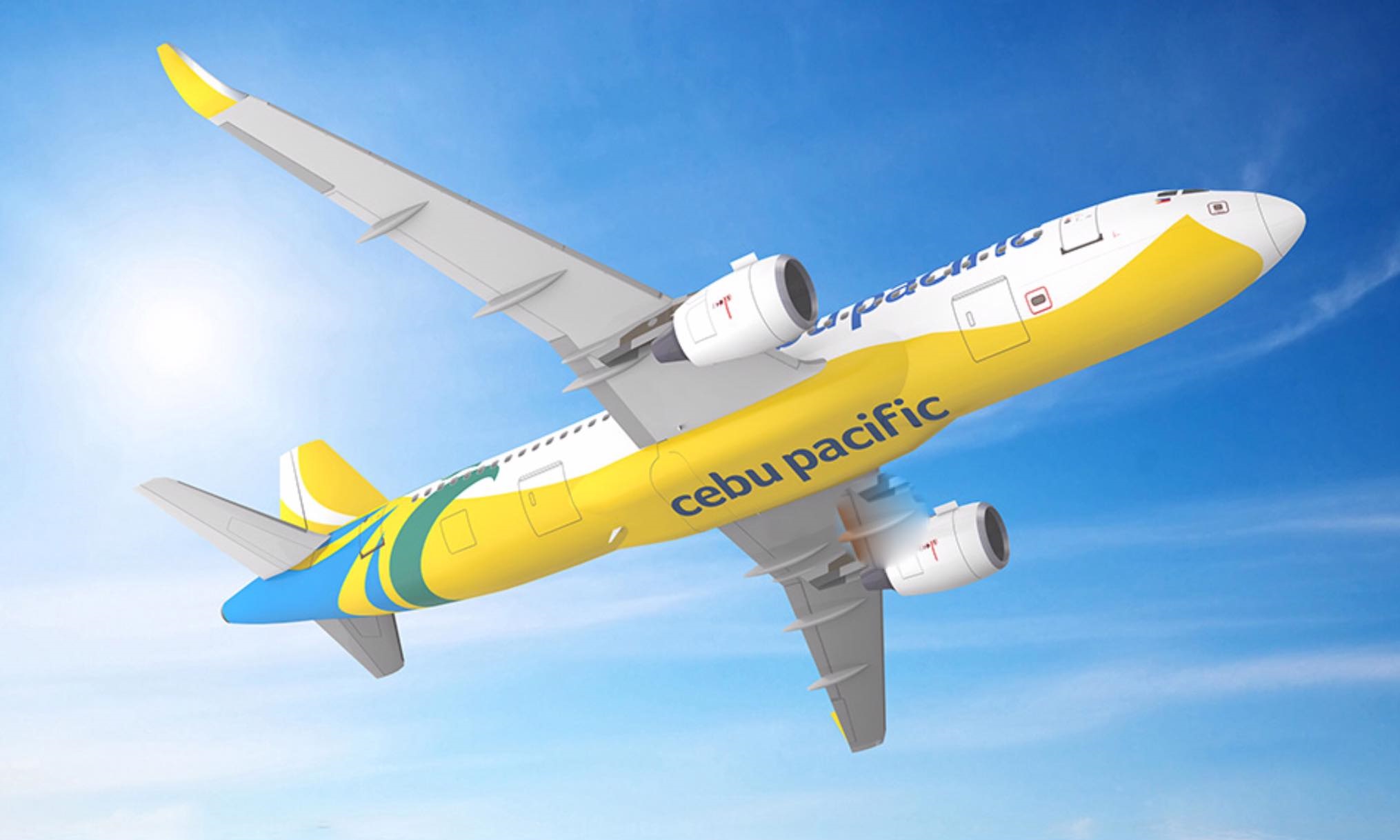
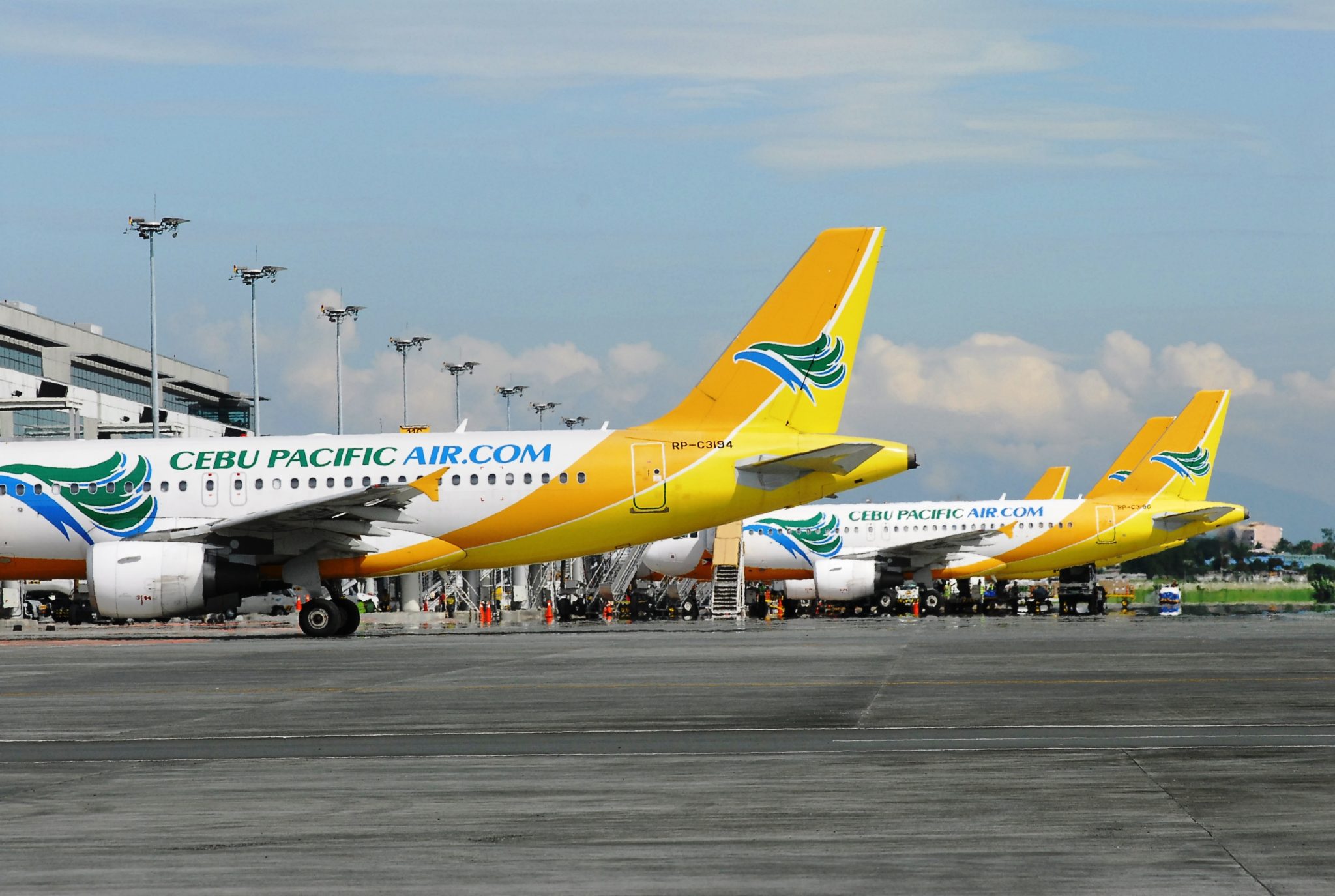
  • Cebu Pacific introduces online chatbot for customer support

    Cebu Pacific introduces online chatbot for customer support

    Philippines-based low-cost carrier Cebu Pacific has launched its online travel assistant, Charlie the Chatbot, to provide 24/7 support for customers.

    Charlie, now available on the airline’s website and official Facebook page, can help answer customers’ frequently asked questions, which include flight bookings, inflight meals, baggage allowance and so on.

    Customers who need help can type in their queries in English one at a time, or choose from a variety of suggested topic options when they open the chatbox.

    Charlie’s capabilities also include assisting passengers with their flight check-in, providing flight itineraries and boarding passes, and sharing details of the airline’s ongoing seat sales and promotions.

    “We’ve always talked about being an enabler of fun and accessible travels, and as part of our thrust to enhance customer experience with the airline, we created Charlie,” said Candice Iyog, vice president for marketing and customer experience at Cebu Pacific.

    “As we officially launch our chatbot, we hope to offer convenience and helpful information within our travelers’ fingertips.

    “Charlie still has a long way to go in terms of learning – just like any chatbot. Rest assured, we are continuously working on expanding Charlie’s knowledge in order to provide our passengers with the best customer experience possible.”

    The airline says Charlie has engaged with more than 393,000 passengers since its inception in January this year.

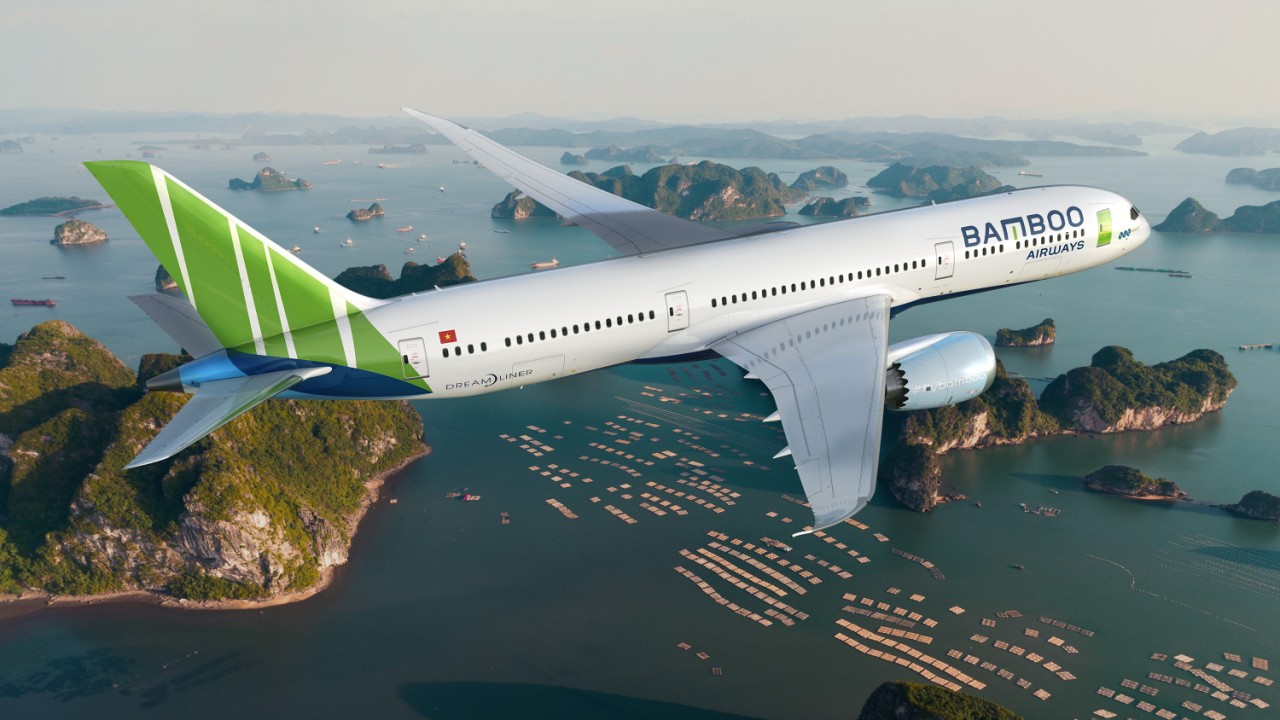
  • Bamboo Airways hopes to triple market share to 30 pct

    Bamboo Airways hopes to triple market share to 30 pct

    New kid on the block Bamboo Airways wants to expand its current 10 percent market share to 30 percent by next year. For this, it first plans to expand its fleet and increase the number of domestic routes before starting international services to destinations like South Korea, Thailand and Taiwan.

    Its chairman Trinh Van Quyet last month said it would be the first Vietnamese airline to fly directly to the U.S.

    The carrier is preparing for an evaluation by the International Air Transport Association for issuing a safety certificate, which would allow it to partner with international airlines, the statement said.

    It is preparing to file for permission to operate direct flights to the U.S. using wide-bodied Boeing 787-9 aircraft.

    The firm plans to raise $100 million next year in an initial public offering, Reuters reported recently.

    Its entry has eaten into the market share of other airlines. The passenger market share of national flag carrier Vietnam Airlines and its two affiliates, Jetstar Pacific and VASCO, as of June was down 5 percentage points from last year to 51 percent.

    Budget carrier Vietjet suffered a 2.7 percentage point drop from 44 percent to 41.3 percent.

    Bamboo Airways, which began flying in January, last month received permission from the government to expand its fleet from 10 to 30.

    Vietnam expects the aviation market to grow by 16 percent a year in 2015-20 and 8 percent in 2020-30.

    This means there will be a possible 117 million air travelers by 2023, 85 percent by Vietnamese carriers, which will require 340 aircraft, according to the Civil Aviation Authority of Vietnam.

  • Eros Now partners AirAsia’s in-flight WiFi service provider

    Eros Now partners AirAsia’s in-flight WiFi service provider

    Eros Now, the Indian over-the-top (OTT) entertainment platform, has entered into a partnership with Rokki – AirAsia’s in-flight WiFi service provider. The deal will provide flyers access to Eros Now’s content on their own devices, while onboard WiFi-enabled AirAsia flights.

    With the deal in place, AirAsia WiFi will host Eros Now’s content for free. It will also host a microsite that will enable guests to discover more of the OTT platform’s offerings and purchase discounted subscription plan vouchers on-board, offering one-month access to the OTT platform’s premium content including over 12,000 Bollywood movies, original shows, Quickies, music, and other content.

    “On-the-go consumers are always on the lookout for interesting content. Our intent has always been to deliver the best of services to meet end-users’ demands and expectations. By partnering with Rokki we plan to attract the in-flight consumers by offering Eros Now’s vast collection,” said Rishika Lulla Singh, CEO, Eros Digital.

    “In line with Rokki’s continuous efforts to transform the in-flight experience through our key offerings – entertainment, connectivity, and e-commerce – our partnership with Eros Now is another step towards creating a dynamic and engaging experience through content-driven commerce,” said Sargunan Seenivasan, head of Rokki.
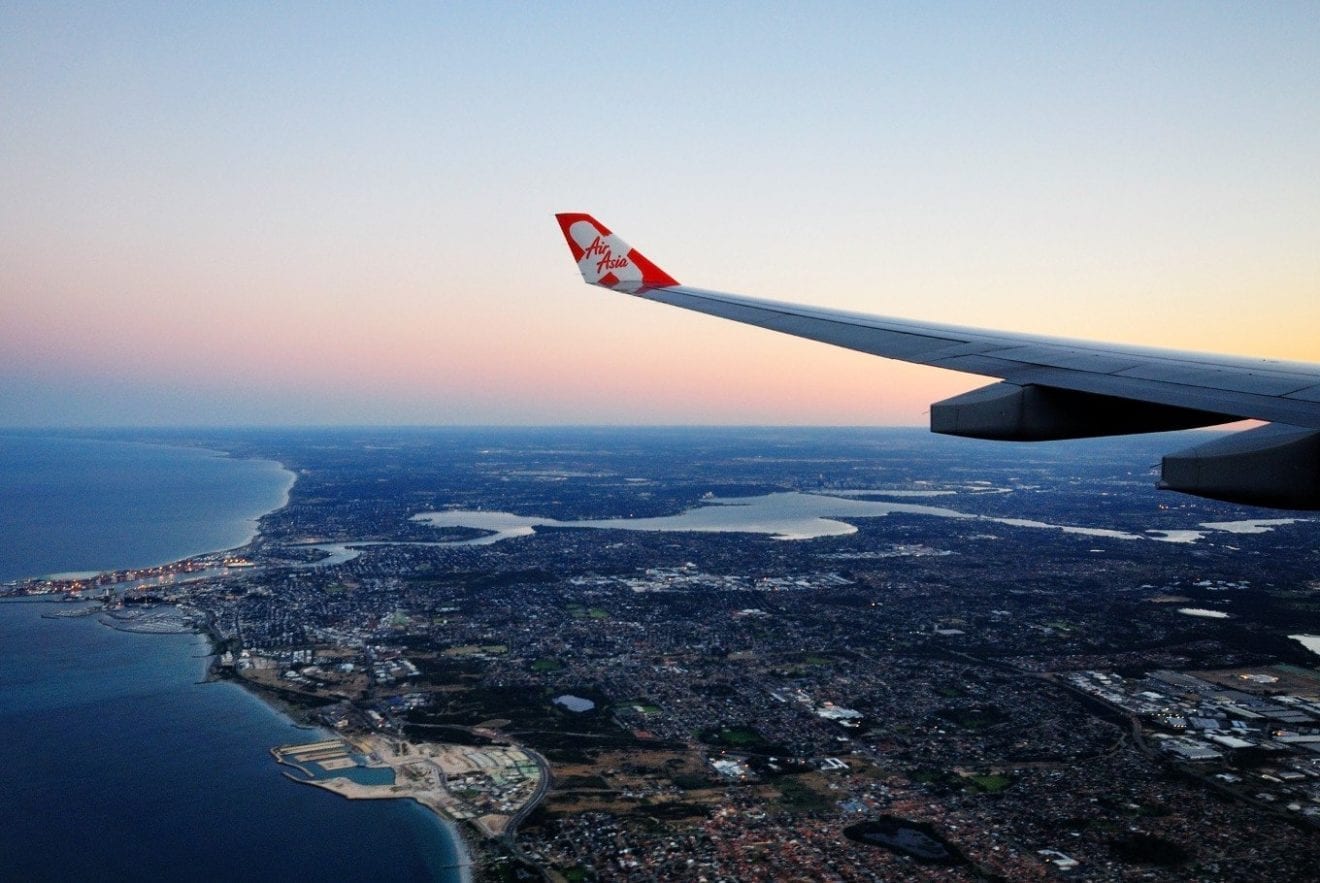
  • AirAsia launches new sustainability livery

    AirAsia launches new sustainability livery

    Air Asia unveiled its new livery design for their Airbus A320 in Bangkok last week, to promote the message of “Sustainable ASEAN Tourism”.

    The launch coincided with the ASEAN Day celebrations on August 8, marking the 52nd anniversary of the original declaration in 1967, and was attended by Thailand’s Director General of the Department of ASEAN Affairs, the AirAsia Group CEO Tan Sri Tony Fernandes, as well as staff and press from around the region.

    Alongside its signature red wings and tail, the fuselage portrays a stylistic green landscape with a river linking all the major ASEAN landmarks – from the Marina Bay Sands in Singapore to the boats of Ha Long Bay in Hanoi. Myanmar’s famous Kyaikhtiyo and Shwedagon pagodas sit at the very top of the design, beside the tail.

    The ASEAN logo is embedded in the puang malai garland, which is associated with good luck and hospitality in Thailand, appropriately located beside the front passenger door. “Ten trestles hanging from the garland symbolise the ten member states. They collectively form the shape of an outward arrow, representing their striving together in advancing partnership towards sustainability,” said Mr. Vijavat Isarabhakdi, Director General of the Department of ASEAN Affairs in Thailand.

    The design was chosen from over 300 submissions by groups of young artists across Thailand, and will now feature on two aircraft based in Thailand and Malaysia.

    Sustainability has been at the forefront of the company’s brand image in recent years, from its aims to reduce carbon emissions to the recycling of aircraft parts and life-vests.

    The company also participates in engagement programs like the recent Journey-D promotion, which challenges travelers to stay in a community in rural Thailand to help clean up the environment, and “live in peace” for two days – without a mobile phone.

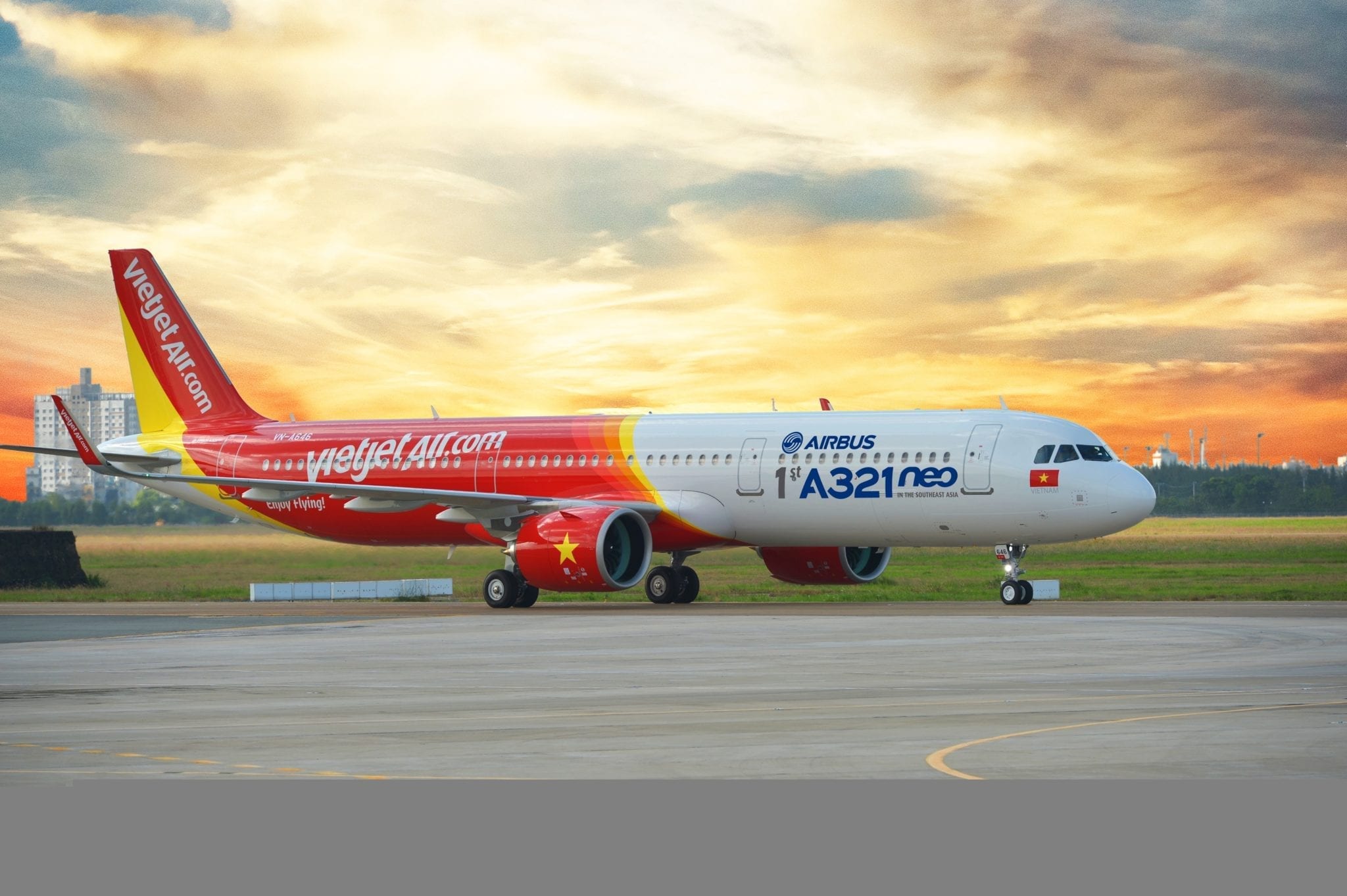
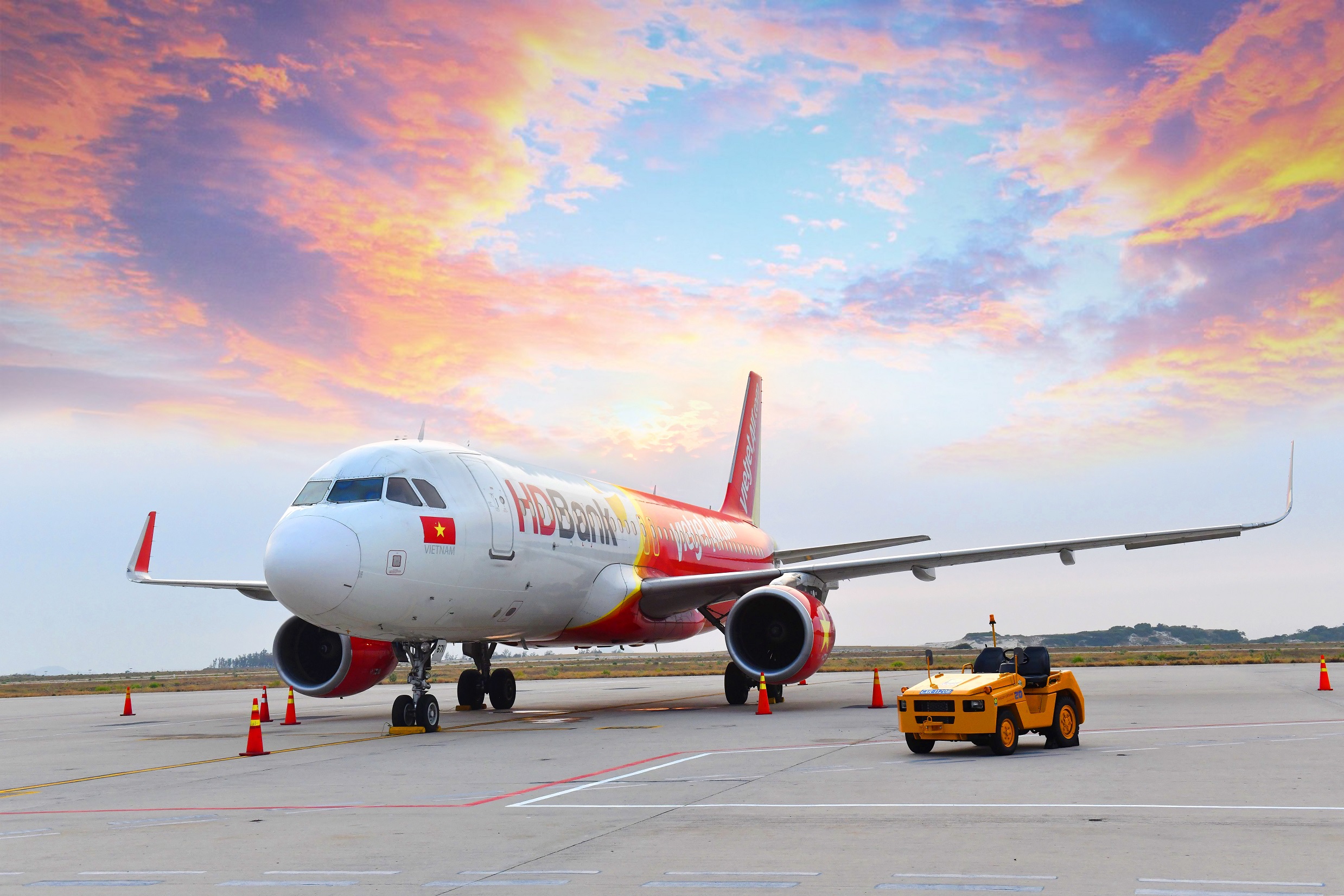
  • Vietjet is named Forbe’s Vietnam’s Best 50 Listed Companies

    Vietjet is named Forbe’s Vietnam’s Best 50 Listed Companies

    New-age carrier Vietjet has been named one of Forbes’ Vietnam’s Best 50 Listed Companies. This is the third consecutive year that Vietjet has been included in Forbes’ “50 Best” List since it was officially listed on the Ho Chi Minh City Stock Exchange (HOSE) in February 2017. The award ceremony was held by Forbes Magazine during the Business Forum 2019 in Ho Chi Minh City on August 15.

    Forbes’ seventh “50 best listed companies in Vietnam” gathered leading companies on HOSE and Hanoi Stock Exchanges (HNX), including Vinamilk, Sabeco, FPT, Vietjet, DHG Pharmaceutical, Bao Viet, Mobile World and Vingroup. The chosen companies this year were evaluated by industry standards, based on compound annual growth rate, profit, return on equity, earnings per share growth between 2013 to 2018, branding, quality of corporate management, source of profit and the prospect of sustainable development.

    According to Forbes, the companies chosen this year has shown impressive growth. All 50 companies in this year’s list accumulated VND 127,530 billion (approximately USD 546 million) in profit after tax, an increase of 19.2 per cent year on year. The total capitalisation of the 50 companies reached USD 94 billion, equivalent to 63% of the total market capitalisation on HOSE and HNX.

    The 50 best listed companies in Vietnam this year recognised in particular the growth of the private sector, highlighting companies such as Vietjet, Vingroup, Masan and Hoa Phat. HOSE companies dominated the list with 45 companies, while five HNX companies were included.

    With outstanding business results, Vietjet’s shares have attracted the attention of investors, being listed in VN30 in the first year of its listing. In 2018, Vietjet had year of high and sustainable growth, with its revenue at VND 53,577 billion (approximately USD 2.3 billion) and profit before tax at VND 5,816 billion (approximately USD 249 million).

    In the first six months of 2019, Vietjet’s air transport revenue increased sharply by 22 per cent to reach VND 20,148 billion (approximately USD 863 million), while the pre-tax profit of air transport reached VND 1,563 billion (approximately USD 67 million), up 16 per cent year on year. Consolidated revenue reached VND 26,301 billion (approximately USD 1.1 billion), an increase of 24 per cent, and profit before tax reached VND 2,398 billion (approximately USD 103 million), up 11 per cent year on year. Vietjet operated a total of 68,821 flights and transported 13.5 million passengers in the first half of 2019, accounting for up to 45 per cent of the total number of flights operated by all Vietnamese airlines. As a result, Vietjet has maintained its leading position in domestic transport.

    To date, the new age carrier has operated 129 domestic and international routes to countries such as Singapore, Japan, South Korea, China, Indonesia, Malaysia, Myanmar, Cambodia, Thailand and Taiwan.  Vietjet also maintains the one of the highest safety and operation requirements in the world and region. With remarkable business and operation results, Vietjet’s CEO is also the first ‘self-made’ female billionaire in Southeast Asia, and the first and only Vietnamese female billionaire in Forbes’ and Bloomberg’s top lists. She has been mentioned in the world’s Top 100 most powerful women in 2017 and 2018. With all the successes of Vietjet, she was also mentioned in a research case study from Harvard University.

  • Singapore Airlines launches new mobile app

    Singapore Airlines launches new mobile app

    Singapore Airlines has launched a new mobile app for Android and iOS smartphones.

    The app, based on a ground-up rebuild and all-new underlying technical architecture, is designed to significantly enhance booking and check-in flows, and improve transaction time by up to 60%.

    In addition to significant improvements in existing functions, the new app introduces several entirely new features, including:

    • ‘Capture & Discover’ – a new search function that uses image recognition as well as speech and natural language processing to identify user intent, match it to a Singapore Airlines destination, and present relevant destination content and fair deals.

    • ‘Translation Assistant’ – a feature that uses real-time language translation by voice to help travelers communicate better when they are overseas.

    • ‘Measure Your Baggage’ – to help travelers determine if the size of their bag is within cabin baggage limitations.

    Amongst the many improvements in existing functionality, real-time information such as boarding gate details, the destination’s weather, and currency, and baggage belt information have been added to the “My Trips” function.

    The new app also sees enhancements such as a newly designed KrisFlyer account dashboard and the introduction of an ‘Inbox’ feature, which stores push notifications as well as KrisFlyer messages for easy reference.

    “Singapore Airlines has been investing heavily to enhance our digital capabilities. With new user interface designs and insourcing of developer and customer experience talent, we are working to provide faster and more customer-centric products and services to improve the customer experience,” said Senior Vice President Sales and Marketing, Mr Campbell Wilson. “The launch of our new app follows many other digital innovation initiatives, such as KrisPay, the world’s first blockchain-based airline loyalty digital wallet, and the progressive redesign of our website and its underlying architecture. Improvements to our mobile app will not stop here and we will continue to invest our efforts to add value to our customers’ experience.”

    The new app will be available for download progressively, following the beta launch that began in October 2018. For Android users, the new app is being released by countries progressively between July and September 2019, while iOS users may download the new app from the App Store in September 2019. The beta version will continue to be available for download in the meantime.

  • Why Cebu Pacific plans to suspend flights to and from Guam in December

    Why Cebu Pacific plans to suspend flights to and from Guam in December

    Philippine-based low-cost airline Cebu Pacific will suspend its service to and from Guam in December, saying the Guam route “is no longer viable.”

    The last round-trip flights between Manila and Guam will be on Dec. 7, 2019, more than three years since Cebu Pacific’s March 2016 inaugural flight to the island. Cebu Pacific’s entry into the Guam market in 2016 was its first U.S. destination.

    With Cebu Pacific suspending its Manila-Guam service, travelers on the route will be down to two airlines to choose from: United Airlines; and Philippine Airlines.

    “The entry of Cebu Pacific into the market gave the traveling public more choices and a more affordable alternative to fly between these two destinations. However, despite all efforts, the Guam route is no longer viable,” Cebu Pacific said in a July 18 statement.

    Passengers affected by the suspension of the services to Guam are being notified, the airline said.

    To minimize the changes, affected passengers can:

    • re-book on earlier travel dates with Cebu Pacific;
    • get a full refund; or
    • place the full value of the ticket in a travel fund for future use.

    “With limited slots in Manila, Cebu Pacific will reallocate these slots and re-deploy the aircraft to routes where these can serve higher passenger demand,” Cebu Pacific said.

  • Vietjet Recognised as One of the “Best Companies to Work for in Asia 2019”

    Vietjet Recognised as One of the “Best Companies to Work for in Asia 2019”

    Vietjet has been recognised as one of the best employers in Asia at the ” HR Asia – Best companies to work for in Asia 2019″ awards. Held in Ho Chi Minh City and organised by Asia’s leading human resource magazine, HR Asia Magazine, the awards recognise Vietnamese companies with the best working culture.-

    The HR Asia Awards is a prestigious regional award that evaluates and recognises companies with excellent working environments throughout Asia and has been held annually in various Asian countries such as Hong Kong, Singapore, China, Malaysia, Indonesia and Taiwan. Other companies in Ho Chi Minh City such as HDBank and Sun Group also received the award this year. HR Asia carries out in-depth surveys with senior executives and HR managers at leading Vietnamese companies to evaluate their HR policies, recruitment and strategies put in place to cultivate excellent working environments, among other factors to determine the winners of the award.

    Speaking about the award, Vietjet Managing Director Luu Duc Khanh said: “Our company’s greatest asset is our employees, and thus, we take great pride in creating a work environment and culture that fosters success. Vietjet’s success is contributed to by the performance of each employee and team work and this award is especially exciting as an employee survey is used as part of the evaluation. We will continue our commitment to investing in employee well-being and engagement in order to ensure our further success.” 

    The new-age airline Vietjet has not only created a “revolution” in the aviation industry by offering flying opportunities for millions of passengers all around the region and the world, but has also offered countless opportunities to its staff with a young, dynamic working environment, good benefits and good HR policies.

    Vietjet has been honored to be the best employer brand in Asia for many consecutive years and one of the top 50 airlines worldwide by Air Finance Journal for financing and operations. The company has also been recognised with many other domestic and international awards. 

  • AirAsia crowned world’s best Airline again

    AirAsia crowned world’s best Airline again

    AirAsia has been named the World’s Best Low-Cost Airline at the Skytrax World Airline Awards 2019 for the 11th consecutive year.

    The airline won the title based on a survey of over 21.6 million passengers of 100 nationalities and over 300 airlines between September last year and May.

    AirAsia also won Asia’s Best Low-Cost Airline award and the World’s Best Low-Cost Airline Premium Cabin award for its premium flatbed on widebody long-haul AirAsia X aircraft.

    The prestigious Skytrax World Airline Awards are considered the global benchmark of airline excellence.

    AirAsia Group Berhad executive chairman Datuk Kamarudin Meranun and AirAsia X Berhad chairman Tan Sri Rafidah Aziz were among those who accepted the awards at the Paris International Air Show yesterday.

    Kamarudin said it was an honour for the airline to be recognised for its commitment to provide “affordable travel and guest-obsessed service”.

    “The fact that these awards are based on direct feedback is a gratifying and wonderful recognition for the Allstars who put so much effort and commitment into service excellence for our guests,” he said, referring to AirAsia employees.

    Rafidah also expressed her appreciation for the airline’s employees for AirAsia’s win in the World’s Best Low-Cost Carrier Premium Cabin category.

    “(This year’s) win represents nine years of being the world’s best in this category, and is dedicated to our Allstars who have been steadfast in upholding our corporate culture, mission and vision,” she said.

    She added that AirAsia X will introduce the new Airbus A330neo, an aircraft which will bring even greater inflight comfort to passengers.

    “Combined with our renowned inflight service as a long-haul low-cost carrier, AirAsia X will strive to continue to offer excellent value for money to our guests to 30 destinations in 10 markets across the AirAsia Group long-haul network,” she said.

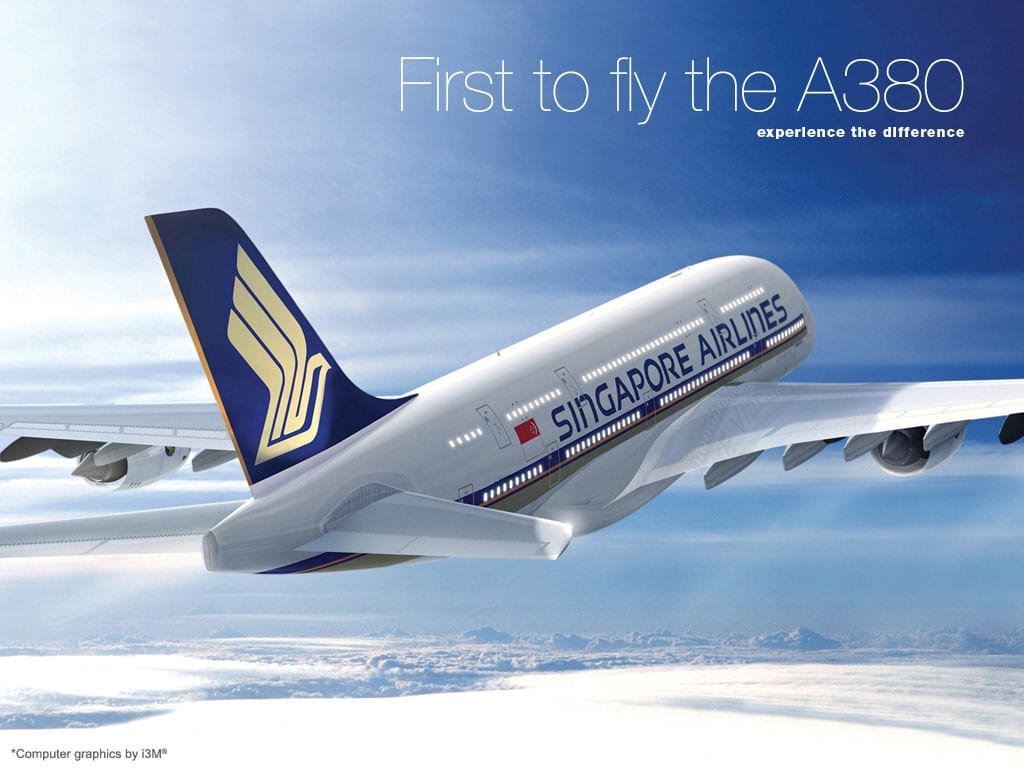
  • Singapore Airlines and the art of airline management

    Singapore Airlines and the art of airline management

    Airlines compete to provide the best flying experience to passengers, in terms of safety, comfort, punctuality, hospitality and meals provided on-board. If you are a business or first-class traveller, you get that extra care and attention from the cabin crew. But behind those services are various training programmes, joint ventures with multiple organisations and immense planning.

    A look at what happens behind the scenes of one of Asia’s best airlines, Singapore Airlines.

    As safety of passengers hinges on the expertise of pilots, most pilots undergo recurrent/refresher training programmes at least twice a year.

    All the pilots from Singapore Airlines, who operate Airbus fleet, are trained in the Airbus Asia Training Centre (AATC) — a joint venture between Singapore Airlines (45 per cent) and Airbus (55 per cent). AATC, located in Singapore, trains about 6,000 pilots every year from 60 different airlines.

    Depending on the qualifications and experience of the pilot, the training programme at AATC spans between three days and one month. The three training technologies used in AATC include interactive training applications such as Airbus Cockpit Experience (ACE), Airbus Pilot Transition (APT) and Full Flight Simulators (FFS).

    ACE replicates the airplane’s cockpit either on a laptop or a tablet from which the pilot learns about aircraft systems and procedures, digitally. The APT is a fixed cockpit set-up that gives an idea about the position and functioning of an Airbus cockpit.

    And FFS simulates the aircraft and the environment in which it flies. It allow pilots to be trained in scenarios, such as take-off, landing, emergency landing and water landing; it may not be possible for pilots to undergo training in a few of these on a real aircraft.

    Behind Singapore Airlines’ in-flight meal, there’s enormous planning on the quantity and quality of meals, menus and meal specification for each class, raw material requirements, introduction or inventory of kitchen equipment, timely delivery and managing food waste.

    To meet the meal requirements for flights departing from Singapore, the Airlines has outsourced these catering services to SATS — the chief ground-handling and in-flight catering service provider at Singapore Changi Airport. SATS, in Singapore, prepares 120,000 meals per day.

    SATS operates with a team of food technologists, dietitians and culinary chefs who work together to develop various menus. Singapore Airlines, on its part,develops meals for the premium cabin classes, in association with celebrity chefs, including Alfred Portale from New York and Sanjeev Kapoor from India.

    Then, the ‘Think Lab’at SATS conducts various tests essential to the product’s development process. Further, the new items are tested in a simulated cabin, that recreates in-flight conditions when it is cruising at 30,000 ft. This is to assess the actual in-flight experience of the food, as our taste buds work differently at different altitudes. To prepare and process the meal, SATS uses new technologies such as omelette vending machine and a rice line that is capable of cooking varieties of rice — Jasmine rice, Japanese rice, Indian basmati rice and flavoured chicken rice.

    Recently, SATS also invested in a pasteurisation and sterilisation technology that can supposedly extend the shelf life of freshly cooked food from two to 90 days.

    Apart from food technologies, SATS is also making use of other scientific advancements, robots within its premises to carry food from one destination to another.

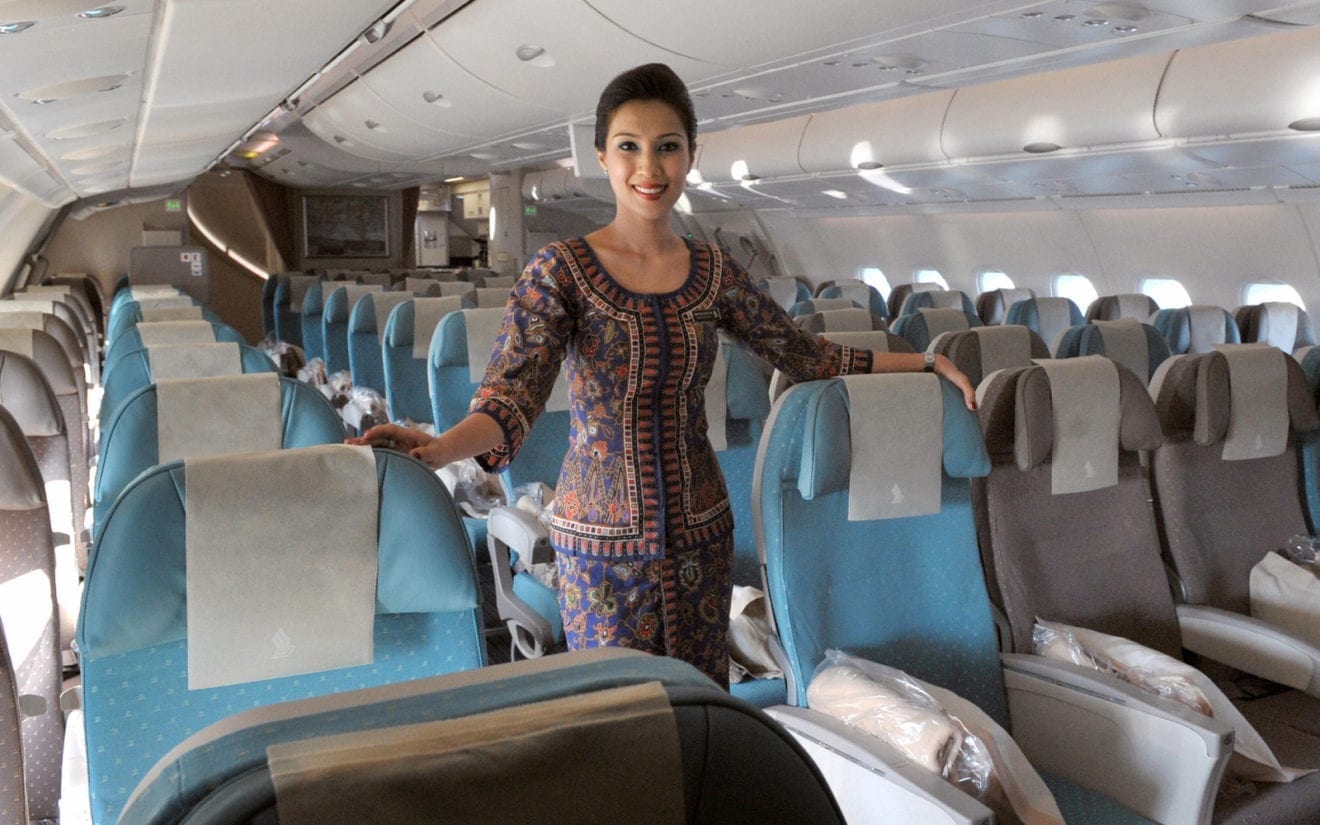
    At Singapore Airlines Training Centre, one can see well-groomed girls and boys training for cabin services, security and emergency evacuation drills at various aircrafts’ cabin mock-ups for first, business, premium economy and economy classes.

    The cabin crew are given training in activities that are construed as trivial, such as arranging news-papers, selecting appropriate glasses for each variant of beverage and serving meals of various cuisines — Indian, Chinese and Japanese. For instance, placing chop-sticks appropriately in Chinese and Japanese meal trays.

    One facility that catches everybody’s attention during a visit to this training centre is the wide swimming pool forsimulating water conditions, should the aircraft have an emergency landing on water. Training for newly-inducted Singapore Airlines’ cabin crew takes over 15 weeks.

  • Cebu Pacific Began Manila-Shenzhen flights on July 1

    Cebu Pacific Began Manila-Shenzhen flights on July 1

    Cebu Pacific will launch direct flights from Manila to the Chinese city of Shenzhen in July, citing “increasing demand for leisure and business travel.”

    In a statement on Monday, June 10, the budget carrier announced that its Manila-Shenzhen route will have flights 4 times a week – every Monday, Wednesday, Friday, and Saturday – beginning July 1.

    “At only two hours and 40 minutes’ flying time, the evening departure of the flights will enable travelers to make full use of business hours, both in Manila and in Shenzhen,” Cebu Pacific said.

    The airline is holding a seat sale for the new route from Monday to Tuesday, June 11, with a base fare of as low as P1. The travel period is from July 1 to October 26 this year.

    Cebu Pacific said Shenzhen is its 5th destination in mainland China, and its 27th international destination.

    “We want to provide our travelers with a viable option to reach some of the most crucial commercial centers in the world. Our new direct service between Manila and Shenzhen will enable faster movement of people and products,” said Cebu Pacific vice president for marketing and distribution Candice Iyog.

    Cebu Pacific and its subsidiary Cebgo currently fly to 37 domestic and 26 international destinations, with over 107 routes spanning Asia, Australia, the Middle East, and the United States.

    The airline had enforced dozens of flight cancellations in April and May, however, citing “an unprecedented level of disruption” to its operations.

    President Rodrigo Duterte conducted a “surprise inspection” at the Ninoy Aquino International Airport Terminal 2 on Monday, and promised to find a solution to flight cancellations and delays within a month.

  • AirAsia transitioning to asset-light business model

    AirAsia transitioning to asset-light business model

    AirAsia is moving from the traditional model of owning aircraft to become an asset-light airline. The company plans to fully shift to the new model by completely withdrawing from aircraft ownership, a move that would bring the obvious benefit of lowering its financial liabilities.

    During AirAsia’s conference call with analysts last Wednesday, its management said it is targeting to sell another 19 aircraft this year.

    AirAsia is also focusing on its “digitalization” agenda, management added.

    The analyst said AirAsia would be looking to secure a deal similar to what it achieved last year when it went into sale and leaseback agreements that helped it raise a lot of funds.

    AirAsia’s management expects to raise around RM1.5bil from the sale and leaseback of its remaining 19 aircraft.

    Last year, the airline group sold 79 aircraft and 14 aircraft engines to US private investment firm Castlelake LP in a deal worth RM4.38bil.

    Following the success of the sale, AirAsia had last week announced a bumper dividend of 90 sen a share, which is worth more than RM3bil in total payout.

    For shareholders of AirAsia, this strategy has worked out well. AirAsia began its aggressive sale and leaseback programme and dishing out dividends around 2017.

    Here’s an interesting fact: AirAsia shareholders who bought the company shares on Jan 2, 2017 would have paid RM1.78 per unit. Since then, that’s exactly how much the airline has paid back in dividends, giving back those investors their entire cost of buying those shares.

    “AirAsia is a different company now. It is transitioning into an asset-light model, focusing its services through its platform and on-the-plane experience as well as its mobile wallet,” an analyst said.

    Going forward, though, not all analysts have a positive view on the airline’s earnings growth prospects.

    Going by Bloomberg data, analysts have a varied target price on AirAsia’s shares, ranging from RM1.56 to RM5.20.

    For the first quarter ended March 31, AirAsia posted a 92% drop in net profit to RM96.09mil compared with RM1.14bil recorded last year, when it recorded extraordinary gains. Its shares closed at RM2.88 last Friday.

    CIMB Research analyst Raymond Yap expects AirAsia’s future earnings to be under pressure, stemming from rising operating costs and higher depreciation as well as interest expenses due to the Malaysian Financial Reporting Standards 16.

    He added that other risks included higher fuel prices and a weaker ringgit against the US dollar.

    “The poor results will likely shock the market and cause analysts to slash their earnings forecasts, although the share price may be supported in the next two months by the 90 sen special dividend per share,” he said in a report.

    Yap has recommended investors to sell their positions in AirAsia prior to the dividend ex-date on June 30.

    “We recommend investors to take advantage of any share price upside post-announcement of the 90 sen special dividend to sell into strength, and to sell their AirAsia holdings prior to the dividend ex-date on June 30, 2019, to avoid the rush out of the door,” he said.

    Although AirAsia’s management has highlighted that it is targeting to continue with special dividend payments to shareholders for every two years, Yap believed the group is unlikely to declare additional special dividends in the near future beyond the 90 sen per share it had announced.

    “Continued losses at AirAsia India and Indonesia AirAsia may require the group to provide further equity injection or continuous working capital support,” he said.

    A different view is held by Nomura Research analyst Ahmad Maghfur Usman, who has the highest target price of RM5.20 for AirAsia shares. He expects AirAsia’s core earnings in financial year 2019 (FY19) to double to RM1.37bil compared with RM656mil last year.

    “We remain optimistic on the earnings outlook on the back of lower fuel costs, coupled with the turnaround from its Asean affiliates, while we expect losses from India to narrow on improved scalability as passenger volumes increase,” he said in a research note.

    For this year, AirAsia is targeting to add 18 aircraft including additional 11 for AirAsia India.

    In terms of its digital business, AirAsia is targeting to roll out remittance and lending products and expand its BigPay offerings to other Asean countries this year.