Retail News CRM

Tag: Australian

  • Australian Fashion Powerhouse Zimmermann Unveils First Boutique in Hong Kong, Accelerating Asian Expansion

    Australian Fashion Powerhouse Zimmermann Unveils First Boutique in Hong Kong, Accelerating Asian Expansion

    Zimmermann, the esteemed Australian fashion label, has unveiled its first boutique in Hong Kong at the upscale Pacific Place, further solidifying its foothold in the Asian market.

    The boutique is strategically situated in the posh sector of Pacific Place, offering a significant contribution to the opulence of the area. The label collaborated with Studio McQualter, a familiar partner, to design the store, resulting in an amalgamation of interconnected spaces. These areas are meticulously curated to showcase Zimmermann’s ready-to-wear and accessories collections.

    A Blend of Elegance and Artistry

    The boutique is a perfect blend of elegance and artistry, featuring an eye-catching glass facade with terrazzo flooring. It is further adorned with stained-oak fixtures and an array of vintage furnishings that enhance the aesthetic appeal. The interior also exhibits pieces from Australian artists Angus Gardner and Elliot Watson, adding a cultural touch to the shopping experience. Taking a step further to offer comfort and exclusivity, the boutique includes a private lounge for clients. The boutique’s debut coincides with the launch of Zimmermann’s High Summer 2026 collection, offering the latest fashionable trends to its customers.

    Over the past couple of years, Zimmermann has rapidly expanded its physical presence in Asia. This started with the inauguration of a flagship store in Beijing at Taikoo Li Sanlitun, which was followed by outlets in Shanghai and Chengdu. More recently, the brand broadened its reach by opening its first boutique in Thailand at IconSiam.

    This latest addition in Hong Kong signifies a new growth phase for Zimmermann under the leadership of CEO Roberto Eggs. Having joined the Australian luxury brand in May, after spending over ten years at Moncler Group, Eggs has been instrumental in Zimmermann’s expansion and success.

    Questions & Answers

    What is unique about Zimmermann’s new boutique in Hong Kong?
    The boutique is designed with interconnected spaces, showcasing the brand’s ready-to-wear and accessories collections. It features a glass facade, terrazzo flooring, stained-oak fixtures, vintage furnishings, and also showcases works by Australian artists.

    When did Zimmermann’s expansion into Asia begin?
    Zimmermann started expanding its physical presence in Asia over the past two years, with the opening of a flagship store in Beijing.

    Who is leading Zimmermann’s expansion?
    The brand’s new phase of growth is being spearheaded by CEO Roberto Eggs, who joined Zimmermann in May after spending over a decade at Moncler Group.

  • Danone Boosts Australian Footprint with Profitable Made Group Takeover

    Danone Boosts Australian Footprint with Profitable Made Group Takeover

    Global food corporation Danone is extending its foothold in Australia by acquiring Made Group, the parent company of Cocobella and Rokeby. This transaction is an element of a two-part acquisition designed to increase Danone’s influence in the Asia Pacific region. In addition to this, Danone has also announced the full ownership of its fresh dairy joint venture with Saputo Dairy Australia by acquiring the remaining 49% stake.

    Made Group’s consistent performance with “appealing profit margins”, backed by its sales of $490.7 million in the last fiscal year, was a driving factor behind the acquisition. Made’s portfolio includes popular brands such as The Collective, Nutrient Water, and Impressed.

    Mutual Values and Profitable Growth

    According to Antoine de Saint-Affrique, CEO of Danone SA, Made Group has had a remarkable history of fast and profitable growth, thanks to its robust brand portfolio and health-focused nutritional products. He notes that both companies share a belief in promoting health through food and expressed excitement about welcoming Made into the Danone family.

    Made Group was sold by US-based TPG Capital in a transaction that earned TPG approximately $2 billion, a mere five years after it had purchased the beverage business.

    Shared Commitment to Health and Innovation

    Amanda Butler, CEO of Made, views this as an exciting new phase for the company. She acknowledged Danone’s shared commitment to health and enthusiasm for innovation, expressing optimism about future prospects. Butler anticipates that their joint efforts will unlock new infrastructure, capabilities, and research and development expertise, spurring growth across the region.

    Questions & Answers

    What companies has Danone recently acquired in Australia?
    Danone has recently acquired Made Group, the parent company of Cocobella and Rokeby.

    What motivated Danone’s acquisition of Made Group?
    Made Group’s consistent “attractive profit margins” and sales performance, coupled with its strong brand portfolio and focus on health-focused nutritional products, influenced Danone’s decision to acquire the company.

    What are the anticipated benefits of this acquisition for Made Group?
    Following the acquisition, Made Group expects to access new infrastructure, capabilities, and research and development expertise to accelerate growth in the region.

  • Prime Minister Albanese Extends Petrol Price Relief for Australian Motorists Amid Middle East Crisis

    Prime Minister Albanese Extends Petrol Price Relief for Australian Motorists Amid Middle East Crisis

    The Australian government has announced plans to further alleviate the financial strain on motorists impacted by the ongoing conflict in the Middle East. The Prime Minister, Anthony Albanese, is expected to confirm that the nation’s petrol price relief measures will be extended.

    Australia, heavily reliant on imported fuel, has taken decisive action to mitigate the impact of soaring global oil prices on its citizens. In response to significant disruption to oil shipments via the Strait of Hormuz, the country reduced its petrol tax for motorists by half and slashed a levy for truck drivers in March. These interim measures, set to expire at the end of June, will now be prolonged for another month, offering some financial respite for drivers throughout July.

    Government’s Commitment to Economic Relief

    Prime Minister Albanese’s decision underlines the government’s commitment to providing economic relief to those affected by the international crisis. “We are cognizant of the continued pressures our citizens face,” Albanese noted in a pre-emptive statement, due to be publicly released soon. The extension of these measures offers a tangible reflection of the government’s efforts to support its citizens during these challenging times.

    Questions & Answers

    What measures has the Australian government taken to alleviate financial pressures on motorists?
    The government has halved the petrol tax for motorists and reduced a levy for truck drivers.

    Why were these measures introduced?
    These measures were introduced in response to rising global oil prices, caused by significant disruption to oil shipments via the Strait of Hormuz.

    Until when will these relief measures be available?
    Originally set to expire at the end of June, these measures will now be extended through the end of July.

  • Australian Spirits Industry Outraged as Tax Relief Measures Favor Beer Over Liquor

    Australian Spirits Industry Outraged as Tax Relief Measures Favor Beer Over Liquor

    In Australia, the spirits industry is set to miss out on tax relief measures currently extended to the beer industry, following a failed debate on alcohol taxation in the Senate.

    The Failed Amendment

    An amendment proposed to extend the excise freeze, currently applied to draught beer, to tap spirits was voted down by the Labor and Greens parties. In addition to this, the amendment suggested a review of the alcohol tax system. The proposed changes, which received support from the opposition and several independent senators, would have served as a cost-of-living measure for patrons of pubs and clubs if approved.

    Steven Fanner, executive director of Spirits & Cocktails Australia, expressed disappointment at the outcome, stating that the amendment had the backing of consumers and also encouraged a review of alcohol taxation in the country.

    He was quoted as saying, “To see the amendment voted down without its supporters even being provided the opportunity to debate it in the Senate is disappointing.” He found it perplexing that the Greens opposed a review of the alcohol tax, considering that tax reform has been part of their policy platform for years.

    Call for Tax System Review

    Industry representatives continue to advocate for a reevaluation of the tax system, highlighting the stark contrast in taxation between different types of alcohol. For instance, a consumer purchasing a gin and tonic is taxed almost three times more than a beer drinker, and up to eight times more than a wine drinker. Fanner believes this system reflects outdated consumption patterns and fails to align with the current market conditions.

    Spirits are increasingly becoming a significant part of the product mix offered in bars, clubs, and smaller venues. The excise on spirits is adjusted bi-annually, and after the most recent adjustment in February, the tax collected on a standard 700ml bottle of gin or whisky stands at about $32.

    During the promotion of the draught beer excise freeze, Government MPs stated that the policy was intended to alleviate cost-of-living pressures and support hospitality businesses. According to Fanner, however, the current measure is only applicable to beer, not all alcohol categories.

    Questions & Answers

    What was the proposed amendment to alcohol taxation in Australia?
    The amendment proposed to extend the excise freeze currently on draught beer to tap spirits. It also called for a review of the alcohol tax system.

    What was the outcome of the debate on the amendment?
    The amendment was voted down in the Senate, with the Labor and Greens parties opposing it.

    What is the current state of alcohol taxation in Australia?
    Currently, the excise freeze is applied only to beer. A gin and tonic consumer pays nearly three times the tax a beer drinker pays, and up to eight times more than a wine drinker. The excise on spirits, which is adjusted twice a year, currently stands at $32 on a standard 700ml bottle of gin or whisky. Industry representatives are calling for a review of this system.

  • Retail Giant AS Watson Eyes Major Move into Australian Market with Potential $500M Pharmacy Acquisition

    Retail Giant AS Watson Eyes Major Move into Australian Market with Potential $500M Pharmacy Acquisition

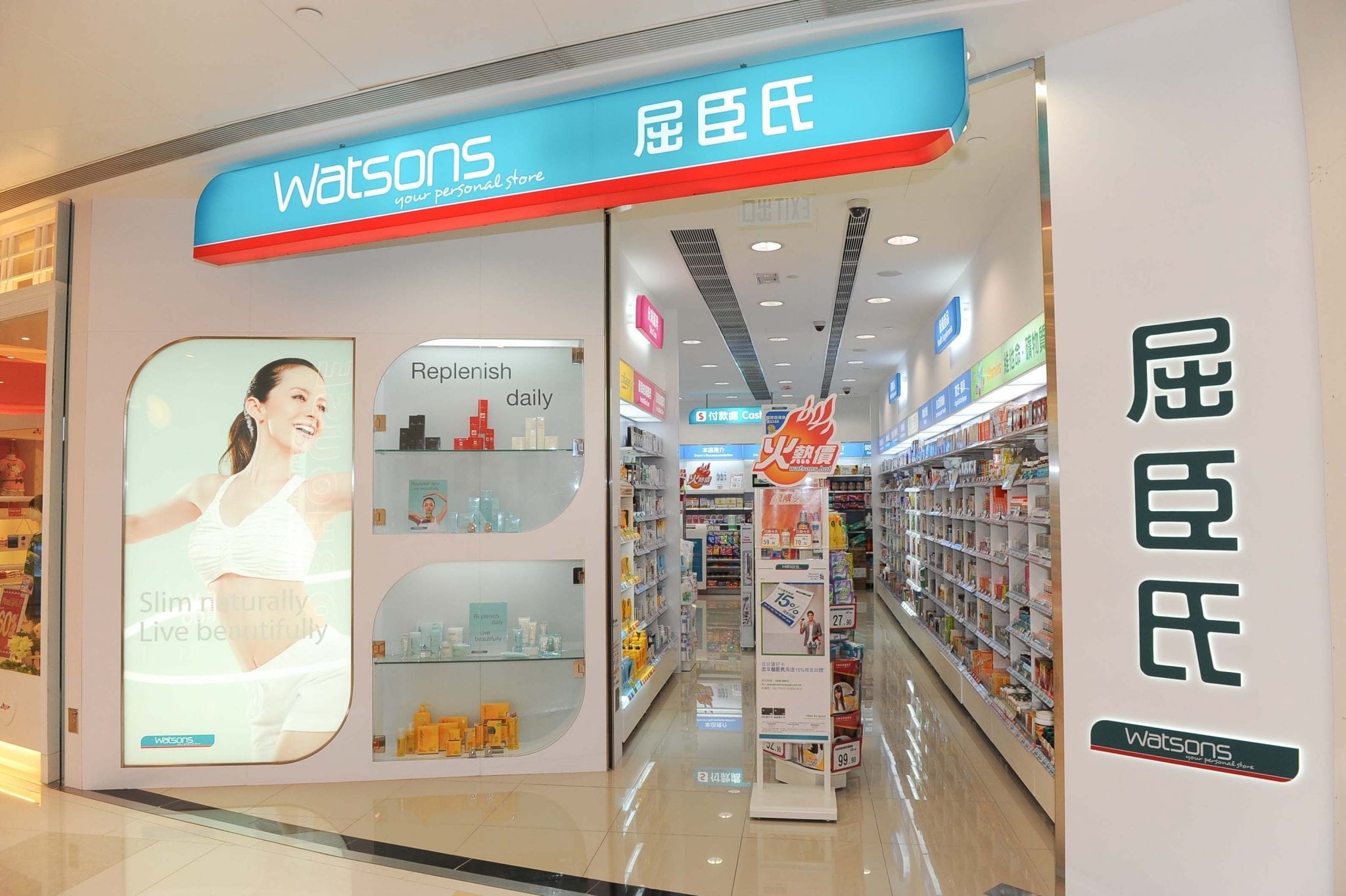
    AS Watson, a Hong Kong-based health and beauty retailer, is potentially planning a move into the Australian market. The company is believed to be considering an acquisition of over 90 pharmacies in Australia.

    Expansion into Australia

    The company’s interest is reportedly focused on 92 Priceline pharmacies, previously under the operation of Infinity Pharmacy Group. This move will represent AS Watson’s debut into the Australian market. The company is said to be planning a comprehensive review of these pharmacies, which indicates serious intent towards the acquisition.

    It is suggested that executives from AS Watson had visited Australia several years prior and had discussions with the founding partner of Infinity. These visits may well have laid the groundwork for the current acquisition proposal. However, a spokesperson for the group declined to provide any comment on these market speculations.

    The Players Involved

    AS Watson is a part of CK Hutchison Holdings – a major commercial conglomerate based in Hong Kong. On the other side of the equation, the Priceline brand is owned by Australian conglomerate, Wesfarmers, while Infinity Pharmacy Group functions as a franchisee of the chain.

    In a recent development, Wesfarmers placed approximately half of Infinity’s stores into receivership, following a period of enduring financial difficulties. These financial struggles have led to the sale of the 92 Priceline stores, managed by Infinity’s administrator, Teneo.

    The Sale Process

    Teneo, responsible for the administration of the sale process, is said to be seeking a minimum sale price of AU$500 million for these 92 Priceline stores.

    Questions & Answers

    What is the significance of this potential acquisition by AS Watson?
    The acquisition could mark AS Watson’s entry into the Australian market, expanding its global footprint.

    Who currently owns the Priceline brand and the affected pharmacies?
    The Priceline brand is owned by Wesfarmers, an Australian conglomerate. The affected pharmacies were previously operated by Infinity Pharmacy Group, a franchisee of the chain.

    What is the expected price for the sale of these 92 Priceline stores?
    The administrator overseeing the sale, Teneo, is reportedly seeking a minimum price of AU$500 million for the stores.

  • AliExpress Joins Forces with Homart to Boost Wellness Category with Quality Australian Products

    AliExpress Joins Forces with Homart to Boost Wellness Category with Quality Australian Products

    AliExpress, a renowned e-commerce platform, recently announced a strategic alliance with Homart Group, a prominent Australian health and wellness manufacturer. This collaboration seeks to enhance AliExpress’s local product offerings through the inclusion of Homart Group’s products.

    Strengthening Local Product Offerings

    As part of the agreement, AliExpress will assist Homart in establishing and promoting its primary store on the platform. The store’s initial launch will feature approximately 40 products from four distinct brands, namely, Top Life, Spring Leaf, Grandpawpaw, and Cheri. The plan is to broaden this to encompass around 200 products over the course of the next three years.

    The product offering will span across different categories, including vitamins, skincare, and wellness products.

    Lynn Yeh, CEO of the Homart Group, expressed excitement about the partnership with AliExpress. She underscored the importance of showcasing the merits of Australian-made products, which are known for their quality, reliability, and innovation, to both local and international consumers.

    Health and Wellness Category

    AliExpress has a dedicated health and wellness category designed to provide Australian consumers with access to regulated supplements and lifestyle products. The collaboration with Homart is in alignment with AliExpress’s larger agenda of investing in Australian businesses.

    The partnership is projected to create numerous opportunities for local brands and distributors to gain international exposure and marketing support via AliExpress’s campaigns. These campaigns include initiatives like 6.18, Double 11, and Black Friday.

    Alfy Zhang, the country manager for AliExpress ANZ, stated that the partnership with Homart is a significant progression in AliExpress’s effort to bring more reliable, Australian-made health and lifestyle products to local consumers. He further added that the blend of AliExpress’s international reach and digital prowess with Homart’s solid product reputation would facilitate the growth of local brands. At the same time, it would provide Australians with access to credible, high-quality products that cater to their daily needs.

    The agreement was officially ratified last week at the China International Import Expo in Shanghai. This was followed by a ribbon-cutting ceremony at Homart’s booth.

    Questions & Answers

    What is the aim of the strategic collaboration between AliExpress and Homart Group?
    The primary goal of the partnership is to broaden AliExpress’s local product offerings by including Homart Group’s health and wellness products.

    What will the product range offered by Homart on AliExpress encompass?
    The product range will initially contain around 40 items from four brands, spanning categories such as vitamins, skincare, and wellness. The plan is to expand this selection to around 200 products within the next three years.

    What are the potential benefits of this agreement for local Australian brands and distributors?
    The partnership is anticipated to provide local brands and distributors with opportunities for global exposure and marketing support through campaigns by AliExpress.

  • Australian Kensington Pride Mangoes Skyrocket in Vietnam: 7.5 Times Costlier than Local Produce

    Australian Kensington Pride Mangoes Skyrocket in Vietnam: 7.5 Times Costlier than Local Produce

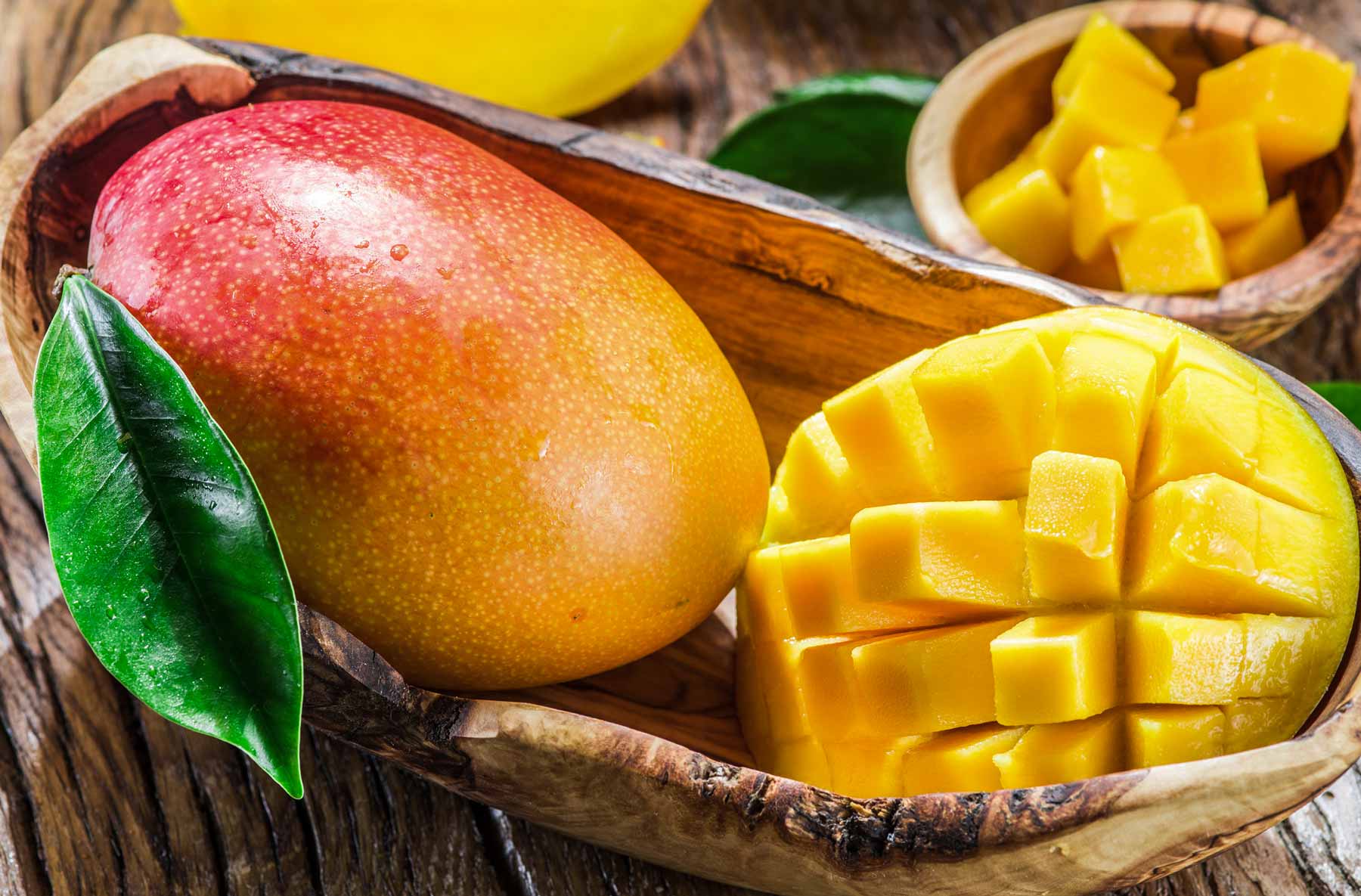
    Kensington Pride mangoes, originally from Australia, have been on sale in Vietnam at an astounding price — VND600,000 (US$22.8) per kilogram, which is 7.5 times more than the price of the local variety. A store owner in Dinh Bo Linh Street, located within the Binh Thanh Ward of Ho Chi Minh City (HCMC), revealed that a seven-kilogram box of these mangoes could bring in a whopping VND 3.7 million.

    Importing Exotic Fruits

    The store owner started importing these mangoes just recently, in late October, and has been conservatively buying only five boxes at a time due to the steep costs of transportation and storage. The Kensington Pride mangoes are characterized by their weight, approximately 500-600 grams per fruit, and their firm flesh and high sugar content that accounts for their exceptional sweetness.

    Similarly, an employee from a store in Hanoi’s West Lake region, which also sells the fruit at the same high price, mentioned that these mangoes need to be kept chilled at all times, which further adds to their cost.

    The Allure of Australian Mangoes

    The Australian mango variety, known for its brilliant golden flesh and gentle aroma, is primarily imported to Vietnam via air. It is also widely cultivated in the Mekong Delta region, specifically in the Tien Giang and Dong Thap provinces along with the Can Tho city. The locally grown variety is sold for VND20,000-25,000 per kilogram at the farm gate and VND80,000 at retail stores.

    In Australia, these mangoes flourish in dry climate regions like certain parts of Queensland and the Northern Territory. The harvest typically happens between October and December. Major Australian supermarkets such as Woolworths, Coles, and Harris Farm usually sell these mangoes for $6.7-8 per kilogram.

    Surge in Fruit and Vegetable Imports

    According to statistics from the customs department, the import of fruits and vegetables from Australia to Vietnam surpassed $100 million in the first nine months of this year, marking a 27% increase from the previous year. Mangoes, followed by cherries, grapes, mandarins, and oranges were the most imported items, each carrying a hefty price tag in Vietnam.

    Questions & Answers

    Why are Kensington Pride mangoes so expensive in Vietnam?
    The high cost is due to the import and cold storage charges, which makes the fruit more expensive than the local variety.

    What makes Kensington Pride mangoes different from other varieties?
    These mangoes are known for their bright golden flesh, mild aroma, and a distinct sweetness. They are also larger in size, weighing approximately 500-600 grams per fruit.

    Which fruits are the most imported from Australia to Vietnam?
    Mangoes top the list, followed by cherries, grapes, mandarins, and oranges. They all carry a high price tag in Vietnam due to import costs.

  • Tea Tonic: Australian Organic Tea Brand Brews Up Expansion in Malaysia with Aeon Retail Partnership

    Tea Tonic: Australian Organic Tea Brand Brews Up Expansion in Malaysia with Aeon Retail Partnership

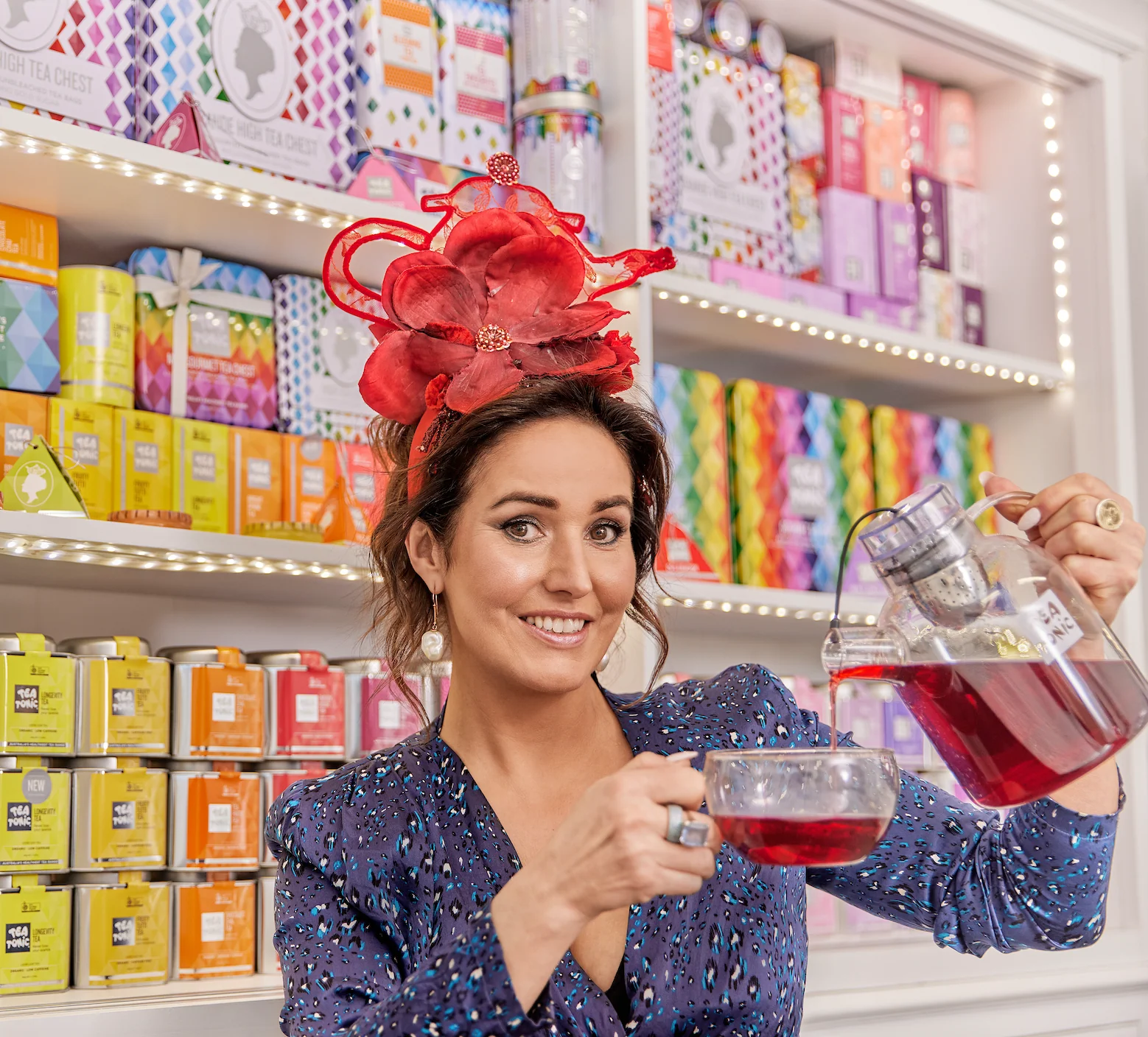
    Tea Tonic, a renowned Australian organic tea brand, is marking its arrival in Aeon Group’s Malaysian outlets, a move that is part of its broader strategy to expand across Southeast Asia.

    Support from Global Victoria

    The brand’s expansion into Malaysia is a result of the support it has received from Global Victoria. This assistance has enabled the Melbourne-based firm to extend its export reach to several countries, including Singapore, Thailand, New Zealand, and now Malaysia.

    About Tea Tonic

    Tea Tonic has its roots in 1998 when it was founded by Lisa Hilbert, a naturopath and herbalist. The brand prides itself on producing certified organic teas that are naturopath-formulated and made from natural ingredients that are Australian-certified organic.

    The company offers its products in two formats – loose-leaf and individually wrapped teabags. Additionally, it also provides tea accessories and gift sets.

    Some of the brand’s most popular blends are the Apple Tree Tea, Blue Magic Tea (with butterfly pea), Body Reset Tea, Chocolate Chai Tea, Chamomile Tea, and French Earl Grey Tea.

    Message from Tea Tonic

    Tea Tonic expressed its excitement about the launch in Malaysia, stating, “Malaysian consumers can now enjoy our colourful range of Melbourne-crafted teas made with organic ingredients that celebrate both flavour and wellbeing.”

    Questions & Answers

    Question: What is Tea Tonic’s expansion strategy?
    Answer: Tea Tonic’s expansion strategy focuses on broadening its reach across Southeast Asia, and its recent launch in Malaysia’s Aeon Group outlets is a part of this plan.

    Question: Who is the founder of Tea Tonic?
    Answer: The Australian organic tea brand, Tea Tonic, was founded by Lisa Hilbert, a naturopath and herbalist, in 1998.

    Question: What products does Tea Tonic offer?
    Answer: Apart from offering a wide variety of tea blends like Apple Tree Tea, Blue Magic Tea, Body Reset Tea, Chocolate Chai Tea, Chamomile Tea, and French Earl Grey Tea, the brand also provides loose-leaf tea, individually wrapped teabags, tea accessories and gift sets.

  • Australian Beef Exports Surge Amid Us-china Trade Tensions: A Shift In Global Market Dynamics

    Australian Beef Exports Surge Amid Us-china Trade Tensions: A Shift In Global Market Dynamics

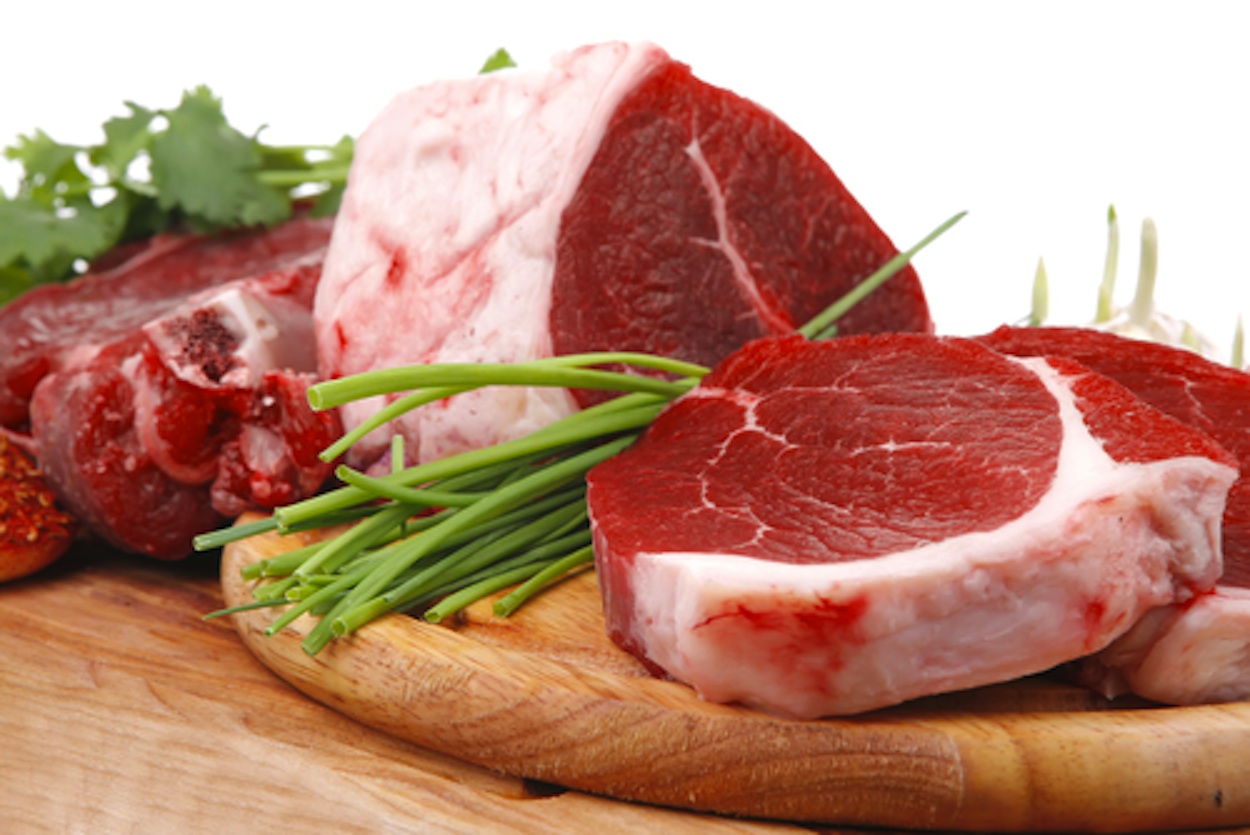
    The Australian beef industry has recently experienced a surge in exports to China, taking market share formerly held by the US. This shift has transpired in the wake of US President Donald Trump’s return to the White House and the ensuing trade tensions between the US and China. The shift of trade from the US to Australia has channelled hundreds of millions of dollars that were once funneled into the US cattle industry into Australian coffers.

    A Shift in Beef Trade

    US beef exports to China, which were valued at approximately A$182 million per month, experienced a significant decline when permits at several American meat facilities were allowed to expire by Beijing in March. This situation was further exacerbated by the trade war initiated by Trump. Other agricultural exports from the US to China have also taken a hit since Trump resumed power. The most notable among these is soybeans, with US farmers missing out on billions of dollars’ worth of exports in the current harvest season.

    In addition to these factors, US beef exports have generally been on a downward trend in recent years due to drought conditions shrinking the national cattle herd, leading to reduced production and record high prices. However, the slump in trade with China has been both more sudden and severe.

    According to Chinese trade data, the value of US beef exports to China dropped dramatically to just $12 million in July and $14 million in August, compared to $179 million and $189 million during the same period a year earlier.

    Australia’s Beef Boom

    Simultaneously, Australia has seen a surge in its beef exports to China. These shipments have soared from $212 million a month in the two years leading up to March to $335 million in July and $342 million in August. From April through August, US beef exports to China were valued at $587 million less than if trade had remained at the average levels from the previous two years. During this same period, Australian shipments were worth $474 million more.

    While Brazil, China’s largest beef supplier, has also increased its exports in recent months, Australia has reaped the most benefits due to its grain-fed beef, which most closely resembles US products.

    Matt Dalgleish, a meat and livestock analyst at Australian consultancy firm Episode 3, noted that this shift has been beneficial for Australia, helping to drive up cattle prices.

    The Future of Beef Trade

    Despite these changes, there is potential for US beef exports to rebound. Trade negotiations between Beijing and Washington could potentially end the current impasse, according to Joe Schuele, a spokesperson for the US Meat Export Federation.

    Even in the case of a trade agreement being reached, it could still take several years for the US to regain its former market share, according to Dalgleish. This is due in part to Australia’s beef production reaching an all-time high and its meat being significantly cheaper than that of the US.

    Adding another layer of complexity to the situation is an ongoing investigation by Beijing into beef imports, which could potentially result in trade restrictions to address a surplus of beef in China. The outcome of this investigation is expected to be released by November 26.

    Questions & Answers

    What caused the shift in beef exports from the US to Australia?
    This shift can be attributed to a combination of expired permits for American meat facilities, initiated trade war by President Donald Trump, and drought conditions in the US which led to reduced beef production.

    How has this shift impacted Australia’s economy?
    This shift has resulted in a boom for the Australian beef industry, driving up cattle prices and channeling hundreds of millions of dollars into the Australian economy.

    What could potentially alter the current state of beef trade?
    Potential changes in the beef trade could be prompted by the ongoing Beijing investigation into beef imports and the outcome of ongoing trade negotiations between the US and China.

  • Bel Group Targets Australia’s Lucrative String Cheese Market With Babybel Mini Rolls Launch

    Bel Group Targets Australia’s Lucrative String Cheese Market With Babybel Mini Rolls Launch

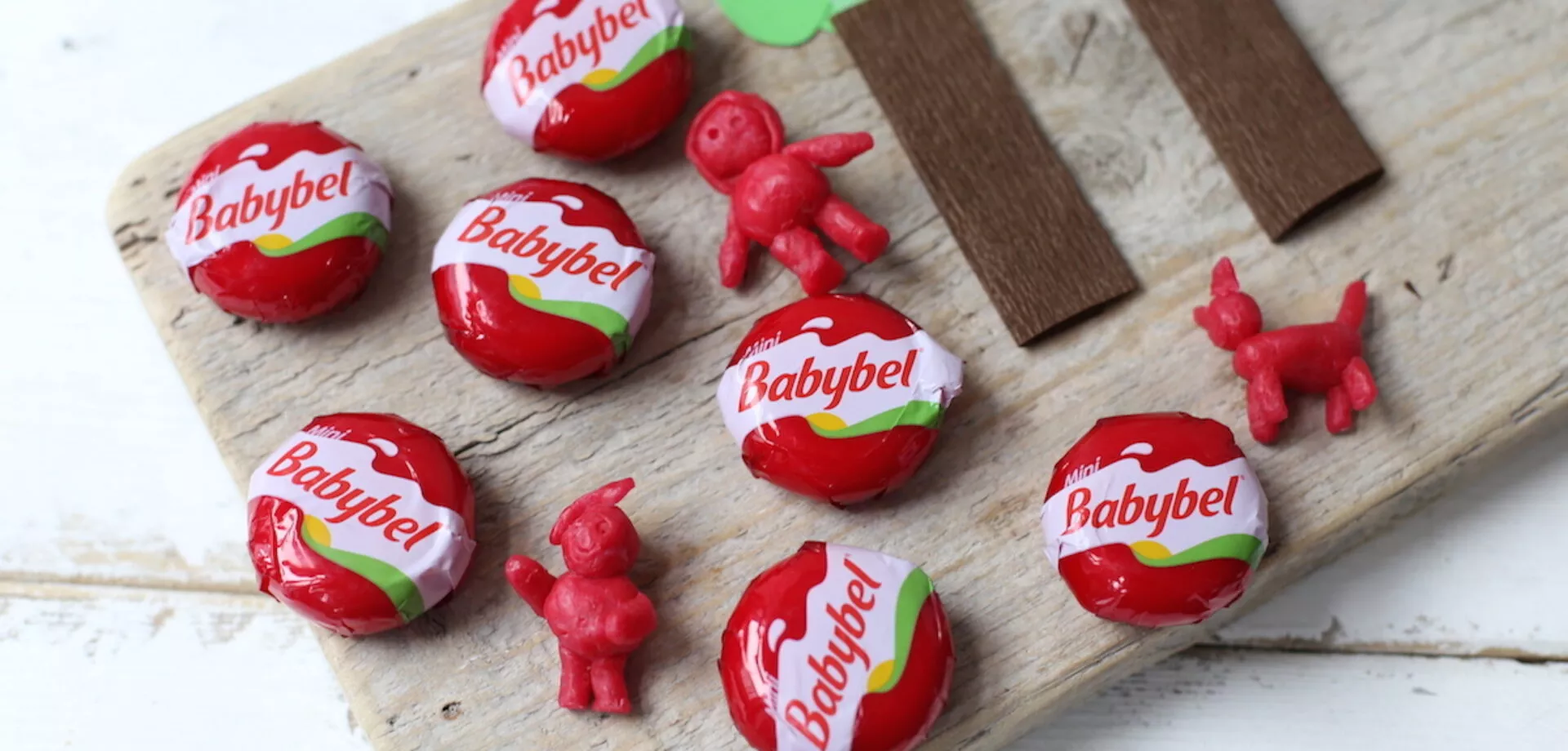
    Bel Group, well-known for their cheese products, is expanding its offerings in Australia’s string cheese segment through the introduction of its Babybel Mini Rolls. These spiral-shaped snacks represent the company’s latest foray into the Australian market.

    Bel Group established their Australian subsidiary, Bel Brands Australia, in November of the previous year. The move was made to directly handle distribution and to strengthen relationships with retailers. Since its inception, Bel Brands Australia has assumed command of nationwide distribution for the brand’s cheese products.

    Babybel Mini Rolls are set to make an impression on Australia’s lucrative string cheese market, which is estimated to be worth between $150 million to $200 million each year.

    The Mini Rolls will be available in packs of six, conveniently pre-portioned for ease of consumption. A special feature of these packs is the inclusion of Disney Pixar characters, making them particularly appealing to young consumers.

    Rucha Sarma, Senior Brand Manager at Bel Brands Australia, commended the spiral design of the new product, citing its interactive appeal. “Mini Rolls carry the same quality and taste of the original Babybel that consumers love; however, they are presented in a playful shape that can be enjoyed by both children and adults,” Sarma explained.

    She further elaborated that like all Babybel products, the Mini Rolls are made from pasteurised milk and are a rich source of calcium. Importantly, they are also free from artificial preservatives, colours, and flavours. Their portable size makes them an ideal addition to children’s lunchboxes or for snacking during travels.

    The Babybel Mini Rolls are set to hit the shelves of Coles supermarkets beginning mid-September. Distribution to independent stores across the country is planned to commence from the following month.

    Questions & Answers

    What is the estimated value of Australia’s string cheese market?
    The Australian string cheese market is estimated to be worth between $150 million and $200 million each year.

    What are the key features of Babybel Mini Rolls?
    Babybel Mini Rolls have the same quality and taste of the original Babybel cheese but are presented in a fun spiral shape. They are made from pasteurised milk and are free from artificial preservatives, colours, and flavours.

    When and where will Babybel Mini Rolls become available?
    The Babybel Mini Rolls will become available at Coles supermarkets from mid-September, with distribution to independent stores set to commence from the following month.

  • Celsius Celebrates First Aussie Anniversary With New Sparkling Mango Lemonade Flavor

    Celsius Celebrates First Aussie Anniversary With New Sparkling Mango Lemonade Flavor

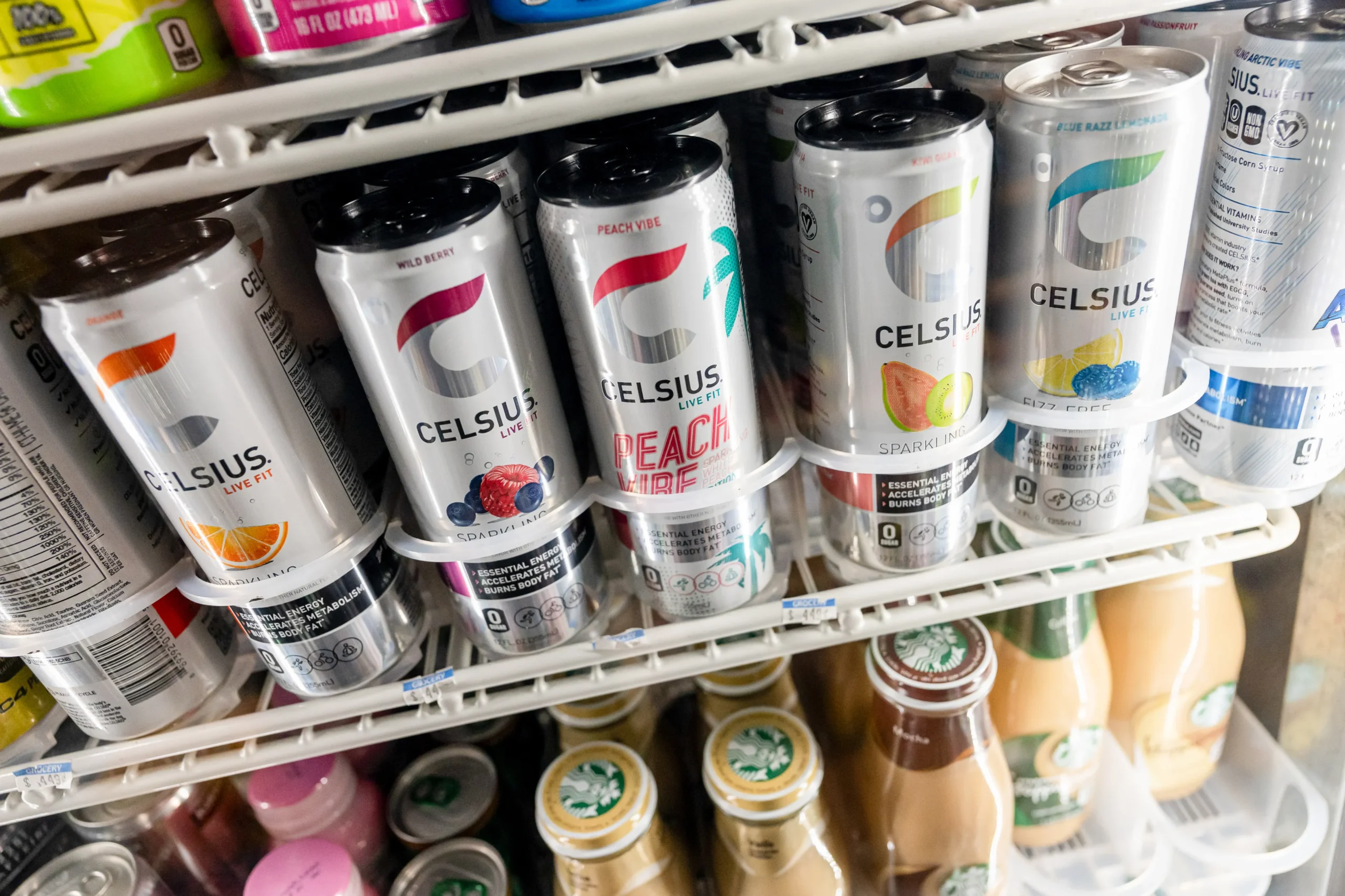
    This year, Celsius, the Swedish energy drink brand, is celebrating its first anniversary in the Australian market by launching a new flavor, Sparkling Mango Lemonade.

    Sparkling Mango Lemonade: A Fusion of Flavors

    The newly introduced Sparkling Mango Lemonade merges the exotic taste of mango with the tanginess of lemonade, resulting in a refreshing and invigorating beverage. As with all Celsius products, this new concoction is not only delicious but also health-conscious, containing B vitamins and being entirely free of sugar.

    As described by Andrew Brooks, the head of marketing for ANZ at Celsius, the Sparkling Mango Lemonade encapsulates the essence of summer. “Whether you’re pursuing the warm sun or in search of a tropical boost, this flavor imbues the vivacity and vitality required to keep moving,” he said.

    Nationwide Availability

    For those eager to try this new offering, the Celsius Sparkling Mango Lemonade is conveniently available in convenience stores, service stations, and Woolworths outlets across Australia. The suggested retail price of this new flavor is $4.

    Questions & Answers

    What is the new flavor introduced by Celsius in Australia?
    The company has launched a new flavor, Sparkling Mango Lemonade, to mark its first anniversary in the Australian market.

    What are the unique features of this new flavor?
    The Sparkling Mango Lemonade combines the taste of mango and lemonade. It also includes B vitamins and is completely sugar-free.

    Where can one buy Celsius Sparkling Mango Lemonade in Australia?
    The drink is available at convenience stores, service stations, and Woolworths stores nationwide.

  • Inaba Breaks Into Australian Market With Innovative Cat Treat Range

    Inaba Breaks Into Australian Market With Innovative Cat Treat Range

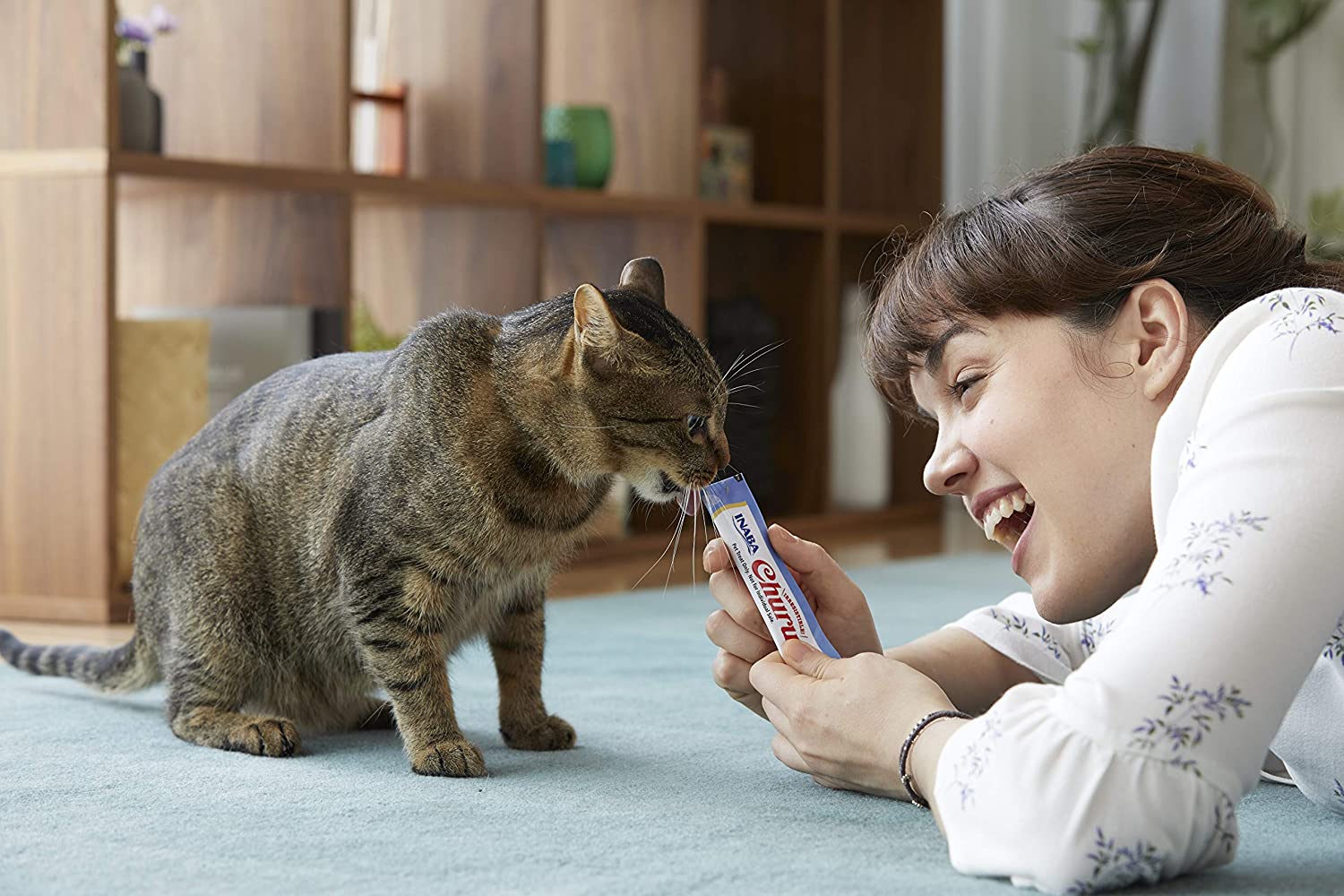
    Inaba, a renowned Japanese pet food brand, has made its debut in the Australian market with the introduction of its Churu cat treat range.

    The Innovative Inaba Churu Treats

    Inaba Churu treats stand out due to their fresh chicken and seafood ingredients, absence of preservatives, and high moisture content. Their unique texture can be either soft or chewy, and they are also low in calories.

    According to Adam Heelis, Inaba Australia’s Country Manager, the cat treat industry has been lacking in novelty for a long time. The introduction of these innovative products is expected to stimulate the growth of the cat treat sector.

    Product Availability

    The Churu treat range, which includes Puree, Bites, Stew, and Sprinkles flavours, will be made available nationwide in Woolworths and Coles supermarkets from September. Customers will also be able to purchase these treats online.

    The Inaba Brand Legacy

    Inaba was established in 1989 and has its roots in the family tradition of Yoshizo Inaba, who was a seafood harvester. The brand has been selling its cat food lineup in the United States since 2016. In 2020, it introduced sustainable tuna for cats.

    Questions & Answers

    What makes Inaba Churu treats unique?
    The Churu treats are created with fresh chicken and seafood, have no preservatives, and are high in moisture. They can be either soft or chewy and are low in calories.

    Where can customers purchase Inaba Churu cat treats in Australia?
    The Churu cat treat range will be available at Woolworths and Coles supermarkets nationwide. They will also be available for online purchase.

    When did Inaba start selling its cat food lineup in the United States?
    The Inaba cat food lineup has been available in the United States since 2016.

  • Mars Wrigley Unveils Snickers Loaded: More Peanuts, More Caramel, Now Available Nationwide

    Mars Wrigley Unveils Snickers Loaded: More Peanuts, More Caramel, Now Available Nationwide

    Mars Wrigley has unveiled a new addition to its product line, Snickers Loaded, in the domestic market. This new variant promises to deliver more peanuts and caramel than the original Snickers bar.

    The Snickers Loaded is manufactured at the company’s Ballarat plant. The revamped chocolate bar boasts up to 10% more peanuts and an impressive 50% more caramel than its predecessor, all enveloped in a rich milk chocolate coating.

    Bianca Werkmeister, the Portfolio Director at Mars Wrigley Bars, commented on the product’s potential appeal to consumers. “Snickers has always been the go-to choice for individuals seeking a satisfying treat,” Werkmeister said. “Now, with Snickers Loaded, we’ve ramped up the texture and flavor, creating a truly indulgent yet fulfilling snack that we believe will resonate with Australians.”

    Snickers Loaded is now available for purchase across the country in supermarkets, gas stations, and convenience stores. The 45g bar is priced at $2.50, while the 66g twin pack retails for $3.

    Questions & Answers

    What is the new product introduced by Mars Wrigley?
    The company has introduced a new chocolate bar called Snickers Loaded.

    What differentiates Snickers Loaded from the original version?
    Snickers Loaded offers up to 10% more peanuts and 50% more caramel than the original Snickers bar.

    Where can consumers purchase Snickers Loaded?
    The product is available nationwide in supermarkets, petrol stations, and convenience stores.

  • Jack Link’s Acquires Kooee! Snack Foods In Strategic Expansion Into Anz Meat Market

    Jack Link’s Acquires Kooee! Snack Foods In Strategic Expansion Into Anz Meat Market

    Jack Link’s, the renowned meat snack company, has recently expanded its reach in the Australia and New Zealand (ANZ) region by acquiring Kooee! Snack Foods, a popular meat snack brand based in Tasmania. Effective immediately, the deal incorporates Kooee!, celebrated for its clean-label, grass-fed beef sticks, into the Link Foods Apac collection, which is Jack Link’s regional division headquartered in Australia.

    Integration and Expansion

    As a result of the acquisition, Kooee! will be integrated into Link Foods’ operations, thereby benefiting from increased production capabilities, wider distribution, and enhanced research and development opportunities. However, the brand will retain its unique identity and the integrity of its products.

    Shannon O’Connell, Managing Director of Link Foods Apac, lauded Kooee!’s brand attributes. He stated, “Kooee! possesses a brand personality that excellently mirrors the present-day snacking preferences of consumers – natural, rich in protein, and created with integrity. Its dedication to quality and clean ingredients is unparalleled and we consider this a significant addition to our expanding portfolio in Apac.”

    Strategic Acquisition

    This acquisition is a strategic move by Jack Link’s to invest in high-growth, health-conscious brands within the $15 billion global meat snacks market. It signifies the company’s commitment to providing healthier snacking alternatives to consumers.

    Kooee!, established by former consultants Shaun Malligan and Andy Fist in 2015, offers its products in Woolworths, Coles, and major health retailers across the country. The brand’s reputation for clean, high-quality ingredients aligns perfectly with Jack Link’s commitment to delivering wholesome, satisfying snacks.

    Questions & Answers

    What is the significance of Jack Link’s acquiring Kooee! Snack Foods?
    The acquisition signifies Jack Link’s strategic move to invest in high-growth, health-conscious brands to expand its portfolio in the global meat snacks market.

    What changes should Kooee! expect following the acquisition?
    Kooee! will be integrated into Link Foods’ operations, gaining increased production capabilities, wider distribution, and enhanced research and development opportunities.

    Will Kooee! maintain its brand identity after the acquisition?
    Yes, despite the acquisition, Kooee! will retain its distinct brand identity and the integrity of its products.

  • Real Pet Food Pledges $1.3m For Safety Upgrades After Epa Directive Following Acid Spill Incident

    Real Pet Food Pledges $1.3m For Safety Upgrades After Epa Directive Following Acid Spill Incident

    Real Pet Food, also recognised as Australian Pet Brands, is set to expend over $1.3 million on safety improvements and equipment upgrades. This decision comes following a directive from the NSW Environment Protection Authority (EPA) after a phosphoric acid leakage incident at the company’s Dubbo location.

    Details of the Incident

    A defective valve is reportedly to blame for the spillage of around 300 litres of phosphoric acid within the production tower of the facility. The acid, a chemical agent used to extend the shelf-life of pet food, spread across several levels of the building. Emergency Hazmat crews were deployed to manage the clean-up operation.

    Company’s Response and Legal Obligations

    In response to the incident, the EPA accepted a legally binding Enforceable Undertaking (EU) from the company. As per this agreement, Real Pet Food is required to disburse over $1.38 million to implement preventive measures against such incidents in the future. Jason Gordon, EPA’s executive director of regulatory operations, emphasised the gravity of the incident, stating that while no environmental harm transpired, the risk potential was significant.

    Enforced Changes

    The impending changes, according to Gordon, will not only enhance safety for the site’s workers but also augment environmental protection by improving how chemicals are stored, monitored, and managed. The company is expected to move its acid dosing system from the top to the ground floor and automate previously manual systems, such as dosing products’ valve controls and holding tanks. Furthermore, it is required to bolster spill containment measures and enhance its training and inspection procedures.

    In addition, as part of its agreement with the EPA, the company will donate $75,000 to the Wambangalang Environmental Education Centre. The funds will be used to carry out repairs and improvements to the centre’s model wetland teaching space.

    Questions & Answers

    What are the changes that Real Pet Food needs to implement as per the agreement?
    The company is required to relocate its acid dosing system from the top to the ground floor, automate manual systems, strengthen spill containment measures and improve training and inspection procedures.

    What was the reason behind the phosphoric acid spill at the facility?
    A faulty valve was identified as the cause of the leakage of approximately 300 litres of phosphoric acid within the facility’s production tower.

    What will be the use of the $75,000 that the company will pay to the Wambangalang Environmental Education Centre?
    The funds will be utilised for repairs and enhancements to the centre’s model wetland teaching space.