Tag: canada

  • Canada imports 50% more Vietnamese garments, seafood

    Canada imports 50% more Vietnamese garments, seafood

    Vietnamese garment and seafood exports to Canada have surged 50% year-on-year, totaling values of $1.1 billion and $334 million, respectively.

    As the two categories saw the most significant increases in exports to Canada of the last three years, other categories such as wood, chemicals, metal, cashew nuts, handbags, and machines also recorded growth of between 3% and 30%, according to statistics from the Vietnam Customs Office.

    Total exports from Vietnam to Canada have risen 28.7% year-on-year to nearly $5.5 billion over the same period.

    Canada is Vietnam’s second-largest export market in the Americas, behind the U.S.

    And Vietnam is Canada biggest export market in ASEAN.

    But Canada has been increasing its trade safeguards against Vietnam recently, and Vietnamese authorities have proposed that the country impose a fairer trade policy with Vietnamese goods in line with regulations of the World Trade Organization, said Vo Tan Thanh, deputy chairman of the Vietnam Chamber of Commerce and Industry (VCCI).

    He said that Canada should be more open to importing competitively priced Vietnamese agricultural products such as vegetables and coffee.

    At the 29th APEC Summit in Thailand, Vietnam President Nguyen Xuan Phuc and Canadian Prime Minister Justin Trudeau agreed to expand and deepen bilateral cooperation in all fields, especially trade and investment.

  • Pork imports nearly triple

    Pork imports nearly triple

    Frozen pork imports nearly tripled in the first 10 months of this year to 332,000 tons, according to the General Department of Vietnam Customs.

    Also imported were 350,000 pigs on the hoof from Thailand, a 50 percent increase year on year.

    Together they cost US$617 million. Its five biggest pork suppliers were Russia, Germany, Brazil, the Netherlands, and Canada.

    Vietnam also imported 50,000 tons of beef worth $220 million, half of it from Australia, the department added.

    Over 800 enterprises from 19 markets have been allowed to export pork to Vietnam, according to the Ministry of Agriculture and Rural Development.

  • Canada Goose names new Asia-Pacific president

    Canada Goose names new Asia-Pacific president

    Canada Goose has appointed Paul Cadman as its new president for the Asia-Pacific region.

    In his new role, Cadman will oversee the business’ activities including commercial, financial, and marketing across Apac markets, including Greater China, Japan, South Korea, Australia, and New Zealand.

    “Paul is a trusted brand advisor, having consulted for us for years,” said Dani Reiss, president, and CEO of Canada Goose. “His extensive knowledge in the luxury sector and his deep experience in developing brands across the region has provided our team with a valuable perspective.”

    Cadman has more than 30 years of strategic luxury goods experience and held leadership positions with global brands, including Salvatore Ferragamo, Asprey & Garrard, Bvlgari, and Estee Lauder.

    “Paul’s experience, entrepreneurial nature, and regionally-specific industry knowledge make him the best fit for the role as we strengthen our brand presence and further execute against our long-term growth strategy,” said Reiss.

    Cadman also founded PMC Global Hong Kong, a strategic management and business consultancy focused on the luxury goods industry.

    The appointment is in line with Canada Goose’s strategy to deepen its influence in the Apac region, including its recent store openings in Harbin, Nanjing, Ningbo, Beijing, Taipei, and Macau.

  • Daiso opens first store in Canada comeback

    Daiso opens first store in Canada comeback

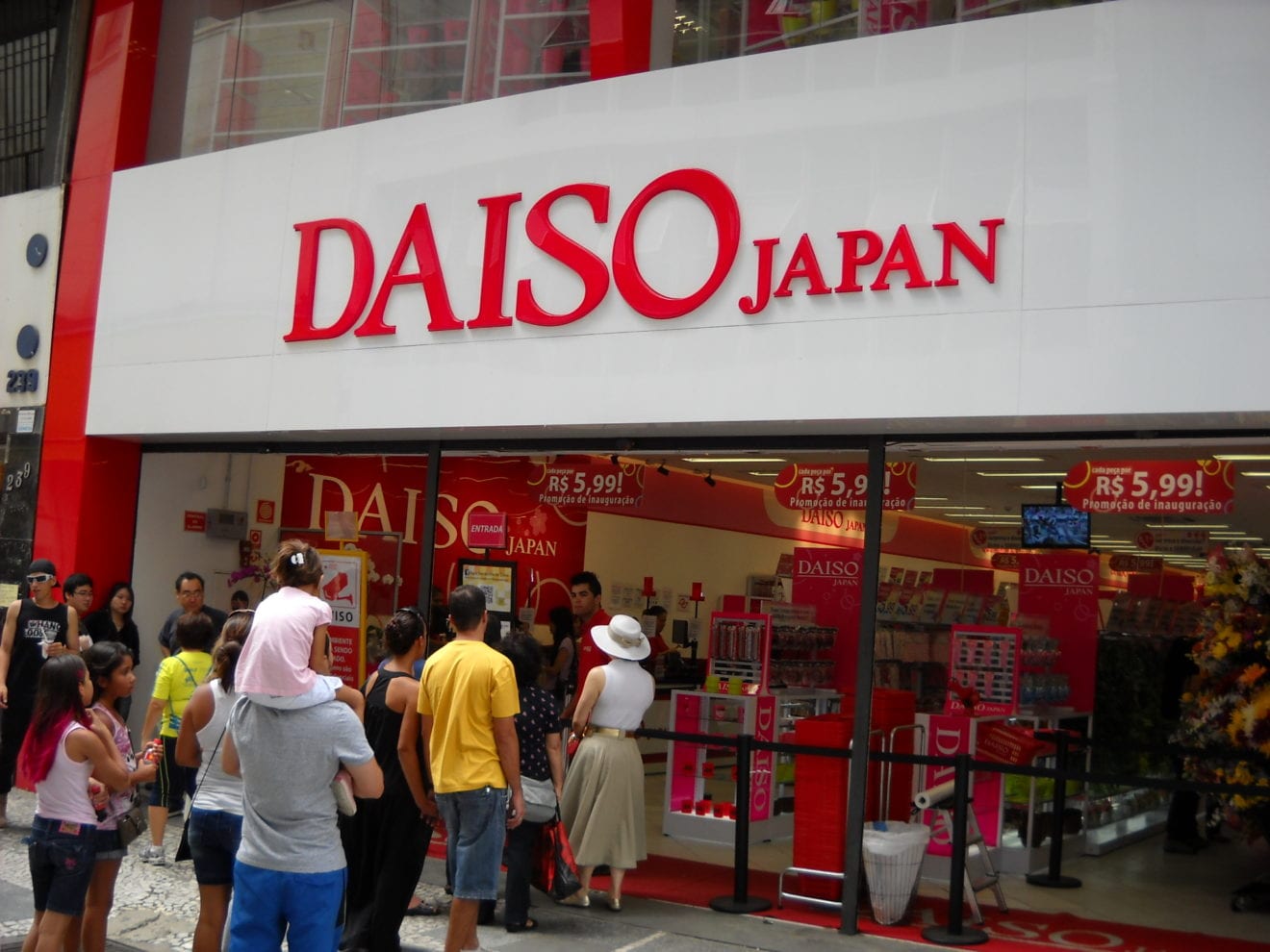
    Japanese retailer Daiso has launched its first directly operated Canada store in downtown Vancouver.

    Taking over a former bookstore space, the debut Daiso Canada spans 4700sqft and features a selection of 12,000 products, ranging from seasonal items, stationery and cosmetics to homewares – mostly imported from Japan.

    JLL Canada will be responsible for Daiso’s further expansion in the country, identifying sites for further stores.

    This is the second time the Japanese retailer has entered Canada. It first launched in 2003 through a franchise agreement with Fairchild Group, however, in 2019, the store was taken over by Japanese variety store Oomomo.

    Daiso now operates more than 3000 stores in its home country and 5000 internationally.

    The company’s business model is the so-called ‘100-yen shop’ concept where all products are priced similarly.

  • Miniso eyes US expansion

    Miniso eyes US expansion

    Miniso, is not, as has been reported, a Chinese dollar store. It is not a Japanese dollar store. In fact, it is not a dollar store.

    But it may give Canadian dollar stores a run for their money.

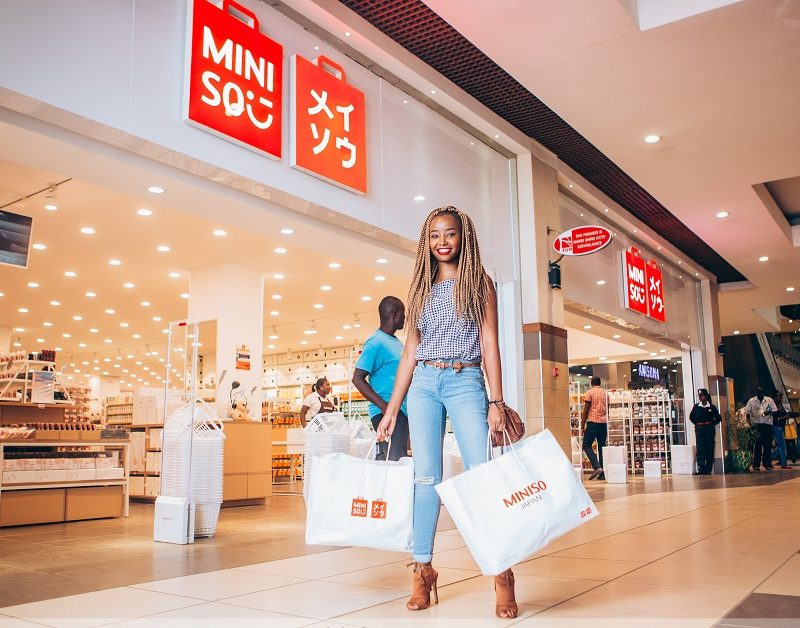
    When the first GTA Miniso opened in October at Pickering Town Centre in a slip of a space — 1,500 square feet — shoppers lined up to buy the retailer’s whimsically designed plushies, cosmetics and homewares and electronics, ranging in price from $2.99 to $34.99.

    “It’s fun, it’s fresh, it’s new,” said Pickering Town Centre general manager Diane Camelford, explaining the appeal.

    “Our philosophy is high-quality goods at an affordable price. So if people call us a dollar store, that’s fine with us, but we’re more of a variety-retail, lifestyle store at a very reasonable price,” said Sherman Leung, district manager, Miniso Canada Investments.

    Miniso, launched in 2013, is the result of a collaboration between a Japanese designer and a Chinese entrepreneur. It is headquartered in China, where it has more than 1,000 stores and is a mainstay in malls and at transit stops, Leung said. The company also has stores in the U.S., Mexico, Australia, Europe and the United Arab Emirates.

    It opened its first Canadian store in the spring in Vancouver and expects to have about 18 in operation in B.C., Ontario and Alberta by 2018, including locations at Oshawa Centre, Hillcrest Mall and Upper Canada Mall.

    It’s aiming for 100 stores in Canada by the end of next year and 500 in three years, which is still less than half as many locations as Canada’s most successful dollar-store operator, Montreal-based Dollarama, with 1,135 locations.

    The other dollar store chains in Canada together operate fewer than 500 locations: Dollar Tree has 226 stores; Dollar Store with More has 125, Great Canadian Dollar Store has 99 and Buck or Two has 47.

    And Dollarama is still expanding, at a current rate of about 60 to 70 new stores per year, with each averaging 10,099 square feet and stocking an estimated 4,400 items. Party supplies and seasonal items are a big draw at Dollarama.

    Miniso stores vary in size, but the largest in Canada to date is at Bramalea City Centre, at 4,300 square feet, selling 2,500 items, just 500 more than the small store at Pickering Town Centre. Plushies are the biggest seller, according to Leung — a hit with the store’s millennial target market.

    Mall managers like the chain because although Miniso’s target market is 18 to 35, the stores hold appeal for shoppers in all demographics.

    “I think it’s for every shopper, to be honest,” said Hillcrest Mall general manager Brian Marentette.

    The Miniso expansion comes at a time when analysts have been questioning the value underpinning Dollarama’s soaring stock price and whether the sector is ripe for change.

    Dollar stores began expanding rapidly after the 2008 financial crisis and the sector is ready for innovation, according to Doug Stephens, founder, Retail Prophet, a Toronto-based retail advisory.

    “I think there’s an opportunity for someone to come in and say: We know you want inexpensive stuff, but that doesn’t mean that you can’t have nice design at the same time — kind of like what Ikea did for furniture,” Stephens said. “If Miniso gets it right . . . I think they could take a chunk out of Dollarama.”

    Dollarama shares, which hit a high of $166.62 on Nov. 28, suffered a setback after third-quarter earnings released on Dec. 6 failed to meet some performance targets set by analysts.

    Same-store sales growth was 4.6 percent, below forecasts of 5 percent and higher, driving share prices to a close of $149.73 for the day.

    BMO Capital Markets analyst Peter Sklar called the initial adverse reaction “overdone.” Desjardins Capital Markets analyst Keith Howlett, meanwhile, kept a buy rating on the stock, calling Dollarama “the best organic growth story within our coverage universe,” with a target of $165.

    Dollarama company executives seem so far unfazed by the threat presented by Miniso.

    “We consider all retailers to be our competition, of course, and as far as Miniso goes, we consider them a pure China-based, Chinese import dollar store,” said Neil Rossy, Dollarama president and chief executive officer, on the company’s earnings call.

    “They do a very nice job in stores about a quarter to a third the size of ours, but their merchandise is focused on a very different customer base than ours. It’s very much design-oriented non-essentials. We’ll continue to watch them, as we do all other retailers in Canada and abroad, and we have been watching them well before they came to Canada, and we will consider them as competition, as we consider all the other retailers in Canada as competition, but there’s nothing for us to react to at this time.”

    Whether Miniso can catch up to Dollarama remains to be seen — for now, analysts aren’t exactly betting on it.

    Retail expert Farla Efros, president, HRC Advisory, believes the future for Dollarama lies in moving the price point as high as $5 to $6 over time, pointing to Five Below in the U.S., founded in 2002 and expanding rapidly across that country, with more than 600 stores in 32 states. The chain sells everything for $5 and under.

    “Like everybody else, quarter-to-quarter Dollarama will go up and down, but I think they still have a good opportunity in the market,” said Efros.

    Alex Arifuzzaman, founder of InterStratics Consultants Inc., says Dollarama is not in mortal peril yet. “It would take a while to ramp up to the number of stores needed to affect Dollarama,” he said.
  • Paris Baguette opening outlets in Canada

    Paris Baguette opening outlets in Canada

    South Korean food-and-beverage company SPC Group says it will launch its bakery-cafe chain Paris Baguette into Canada next year.

    The Canadian operation of Paris Baguette will be set up by the first half of the year, with stores to be launched in the country’s major cities including Toronto and Vancouver, the group said in a statement.

    Paris Baguette’s goal is to establish at least 100 bakery branches in Canada by 2030.

    SPC Group has so far expanded into China, the US, Vietnam, Singapore, France and Cambodia.

    The company runs about 400 Paris Baguette stores globally, with stores in heavily populated areas such as Manhattan, San Francisco, Paris, Ho Chi Minh City and Boston.

  • Canada Goose sees Asia revenue go up despite Hong Kong protests

    Canada Goose sees Asia revenue go up despite Hong Kong protests

    The Hong Kong market has been a tough topic for a lot of retailers, especially those who have the mains consumer base in China. This was one of the reasons behind the fall in stock prices for Tiffany that got acquired by LVMH. Tiffany while not as prominent in the US anymore, relied heavily on its Asian consumer base but amidst the protests, its consumption fell flat. But this doesn’t seem to be the case with the Canada Goose.

    While the shares still sank, the revenues are more than 25% in its most recent quarter in Asia, despite the complicated situation in Hong Kong. Canada Goose shares lost 4.96% on the Toronto Stock Exchange but the consumers seem to be loving the infamous coats still.

    Canada has been going through a crisis of its own. With 71 thousand people losing their jobs, the worst month for job losses in decades. Some industries are struggling while others are still thriving. IGaming hasn’t really taken a hit by all of this and you can still enjoy the best Canadian online casino or real-life gambling venues. But the overall economy while resilient is still not in a great place. Canadian Goose, a luxury parka retailer that has always been popular in Asia also seems to be resilient. Before the value dropped the company warned about this possibility, saying that the wholesale revenues were expected to decrease in the third quarter because orders were advanced leaving fewer remaining winter orders to come.

    Despite this, the Canada Goose reported $60.6 million second-quarter revenues. While the Asian share of their revenue nearly doubled.

    Asian Market Loyal to the Canadian luxury parkas

    The Asian market still loves this product and the decrease of tourists doesn’t seem to be affecting the company all that much since its customer base in the continent is still there.

    The company was founded back in 1957 and since then has been a renowned manufacturer of winter clothes that were always loved in Asia and this new statistic proves just that.

    But still, the Canadian Goose had way higher expectations with the aiming at 43 % profit per share and $267.3 million in revenue. Canada Goose is one of the businesses that more or less survived the major drop caused by the protests and is still staying afloat, and surprisingly largely thanks to the Asian market. It managed to score $48.9 million this year, compared to the 2018 number that got the company $26.2 million in the second quarter of 2018.

    While the numbers are definitely impressive according to the company representative, this does not paint a full picture. According to them the company’s store in Shanghai and Hong Kong have been impacted significantly by the reduction of tourism but luckily real-life stores are not their only viable source of income.

    The company is watching the local events very closely and tries to evaluate the action to streamline its costs base on the grounds. This includes negotiating accommodations from landlords as well. Canadian Goose seems to be in the Asian market for a long haul since according to the representative they have plans to stick around for years, as they have done in the past and even if they don’t perform all that well during one quarter it doesn’t mean that they will give up on the market that has been so loyal to them.

    This attitude definitely makes them stand out in the Asian Market, which has seen far too many companies distressed over one unsuccessful quarter. This is part of the reason why the customer has stayed so loyal to these luxury parkas and have managed to turn their market into one of the key markets for the Canadian Brand.

    Tough times for Canadian brands

    When it comes to Canada and its economic struggle of the moment the situation is a little unstable. Whether or not it will affect the company is yet unclear but the officials are stating that they can bounce back from the biggest cuts in jobs in decades and get their “resilient” economy back on track. With the home market struggling along with its major consumer group also staying back, Canada Goose is in for an interesting quarter, to say the least.

    But since the locals have remained loyal to the Canada goose products company will now probably put even more effort and attention towards the Asian market. The prediction on whether or not the situation in Hong Kong will last much longer are not very reliable. So the Companies must be ready for the worst-case scenarios.

    It seems like even with that setup Canadian Goose is bound to have a better chance of surviving compared to other similar brands. Their main selling point has always been the quality that has stayed consistent throughout the years so it is expected that the customers will keep relying on the Canadian brand despite the economic hardship both in their hometowns of home countries and from the company’s part as well.

    Some even predict a 40% chance of a recession in Canada among two rate cuts but the government officials are staying more positive, at least in the public eye.

  • Jollibee expands into Alberta eyeing 100 new restaurants

    Jollibee expands into Alberta eyeing 100 new restaurants

    Jollibee Canada is continuing its expansion, opening its first store in Alberta this Friday, (August 16) at Edmonton.

    The store will be the Philippine-founded fast-food group’s fifth store in Canada, as it sets out to build a network of 100 outlets there within five years.

    The chain recently opened other locations in Winnipeg and the Greater Toronto Area where it says local consumers lined up for hours.

    “Since opening locations in Scarborough and Mississauga over the past year, Jollibee Canada has been looking forward to serving Edmonton and making it easier for them to satisfy all of their Jollibee cravings,” said Maribeth Dela Cruz, president of Jollibee Foods Corporation North America.

    “Although Jollibee is wildly popular among Filipino-Canadians, the brand also attracts a diverse mix of adventurous foodies, curious locals and families alike.”

    She says that since the company announced plans to enter Canada it has received a high level of feedback from expatriate Filipinos across the country and others who have got to know the Jollibee brand in other countries it already operates, such as Vietnam, Singapore and parts of the US.

    Jollibee is the flagship brand of Jollibee Foods Corporation’s 14 brands, which now has more than 4500 stores in 21 countries.

  • King Living launches showroom in Canada

    King Living launches showroom in Canada

    Australian furniture business King Living has opened its first showroom in Canada, continuing the brand’s global roll-out which has seen stores open in Shanghai, Singapore, Malaysia and New Zealand.

    Located in a newly renovated 1000sqm heritage building in shopping district South Granville, Vancouver, the showroom will offer sofa designs, dining ranges, contemporary bed and mattress ranges and outdoor collections.

    King Living chief executive Anna Carrabs said the Canadian launch is a key component to the furniture retailer’s global growth strategy – with Vancouver being the first of many more showrooms in the American region.

    “King Living has already expanded into the Asian market with showrooms in Singapore, Malaysia and Shanghai, which have proven to be very successful in the roll-out of King Living internationally,” Carrabs said.

    “Showrooms will always be a huge part of the King DNA. We want customers to see, feel, test, and get to know the pieces in the flesh. All our designs are investment pieces made to last, so the tactile experience a showroom offers will always be incredibly important.”

    According to Carrabs, the Australian reputation for quality goods has set them apart from international competitors and has been the driving force behind its global expansion.

    “One of our biggest challenges has been challenges has been ensuring we find the right location for our King Living showrooms,” Carrabs said.

    “It is so important that our stores reflect our core values and Australian way of life. It took a considerable amount of time to find our showroom in Vancouver.

    “We wanted to be part of the vibrant shopping district which features around great galleries and gourmet restaurants so now, King Living is right at home.”

  • Firs Innisfreet Canada store opens in Toronto

    Firs Innisfreet Canada store opens in Toronto

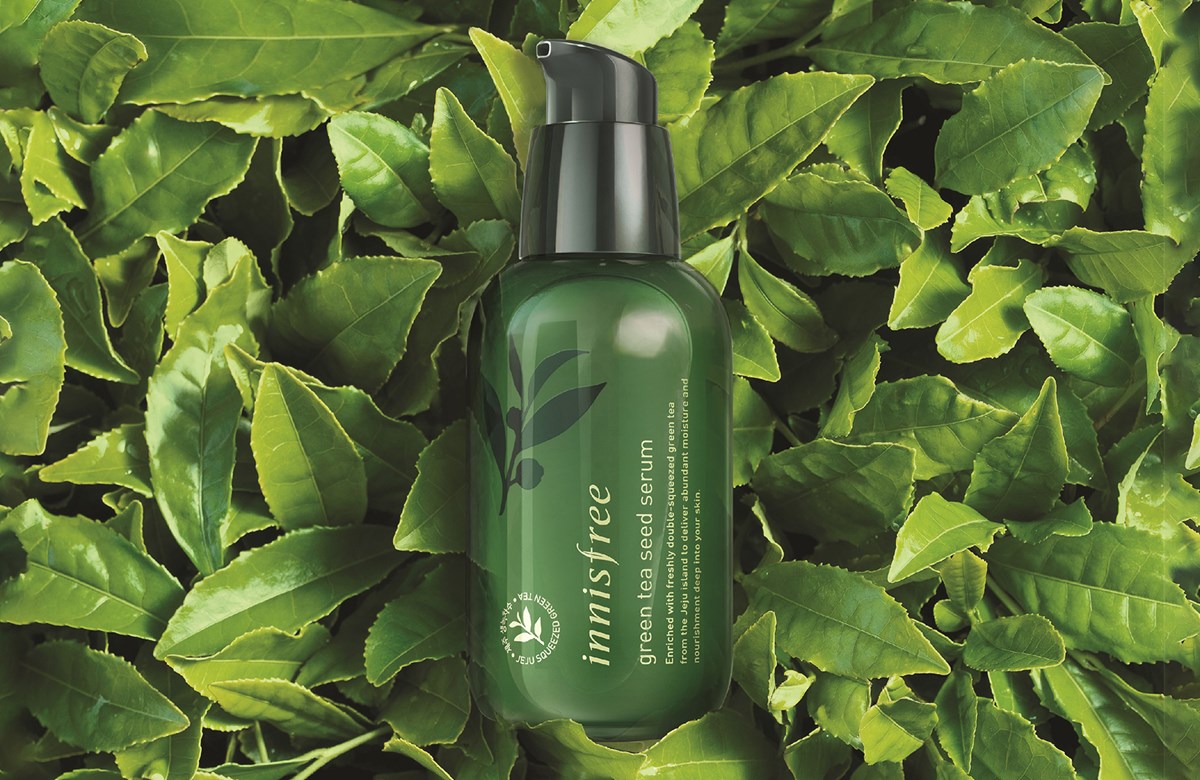
    Innisfree Canada has chosen Toronto for its first standalone store.

    The South Korean natural cosmetics brand’s new store will cover around 2500sqft of Toronto’s Yorkdale Shopping Centre according to designs. It will use a direct-to-consumer retail model designed to meet a competitive marketplace.

    The “plant-to-bottle” brand, operated by Seoul’s Amorepacific Corporation, partnered with CBRE to enter Canada, with initial targets being major mall space in Toronto and Vancouver. Amorepacific currently owns 33 health, beauty and personal brands.

    Innisfree Canada is not alone in targeting the North American nation, with US company Ulta Beauty and French chain Sephora among prominent names in the beauty products industry recently moving in.

    Over the past five years, more than 150 international brands have opened stores in Canada, more than 50 in 2017. Last year more than 30 brands brought a direct-to-consumer retail model to Canada.

  • Sagara launches online Store Concept

    Sagara launches online Store Concept

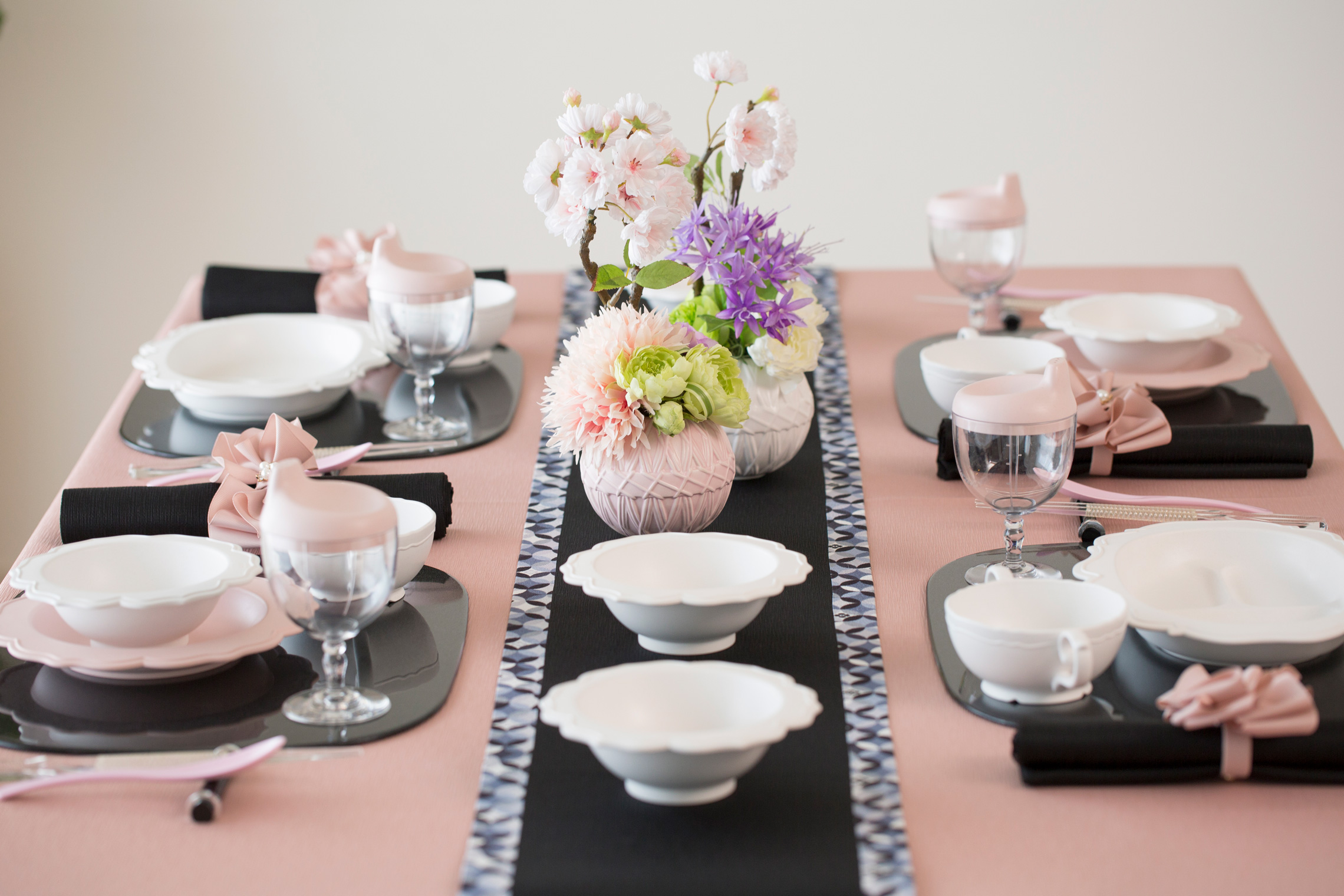
    Tableware firm Sagara Inc has opened a global website after setting up a retail store in New York to market its environmentally conscious tableware for children.

    The firm’s Reale brand, made from a new bioplastic raw material blended with native Japanese bamboo, is being made available for the first time across North America, including the US and Canada.

    The company is scheduled to launch business-to-business and business-to-customer online sales in the territory next month, starting with sales through major department stores as well as retail outlets, online shops and other venues across North America dealing in baby and kid goods, interior products, gifts and other items.

    Sagara embarked on developing Reale in 2014 and started selling the tableware in Japan in November 2016. As of March this year, the brand is on sale in Taiwan, Mainland China and Australia.

    More than 20,000 Reale sets in total have been shipped up to this month. Its designs are inspired by traditional silverware in Europe and the US.

  • New Luk Fook store opens in Vancouver

    New Luk Fook store opens in Vancouver

    Luk Fook Canada has opened a new shop in CF Richmond Centre in Metro Vancouver.

    The new store is the first Oriental jewellery shop in the mall.

    “Adhering to the corporate vision of ‘Brand of Hong Kong, Sparkling the World’, the group has been actively expanding our retail network into the overseas market for new business opportunities as well as provision of superior products and after-sales services to our Chinese customers around the world,” said chairman and CEO of the group Wong Wai Sheung.

    At present, the group has more than 1820 shops in 10 countries and regions, where its footprint covers Hong Kong, Macau, Mainland China, Singapore, Malaysia, Cambodia, the Philippines, the US, Canada and Australia.

    “We open a new shop at CF Richmond Center, Canada with the objective of expanding our customer base while bringing premier shopping experience to our Chinese customers around the globe,” added Wong. “Looking ahead, we will continue to stay enthusiastic to shape us to be the preferred jewellery brand for customers anywhere.”

    The group set its foothold in North America in 2003. Luk Fook Canada opened retail shops in Toronto and Vancouver, which each have a significant Chinese population. The city of Richmond has the largest Chinese population in Canada, and the CF Richmond Centre is considered a shopping hotspot for local and touring Chinese.

  • Roots Canada Gets It’s First Hong Kong Store

    Roots Canada Gets It’s First Hong Kong Store

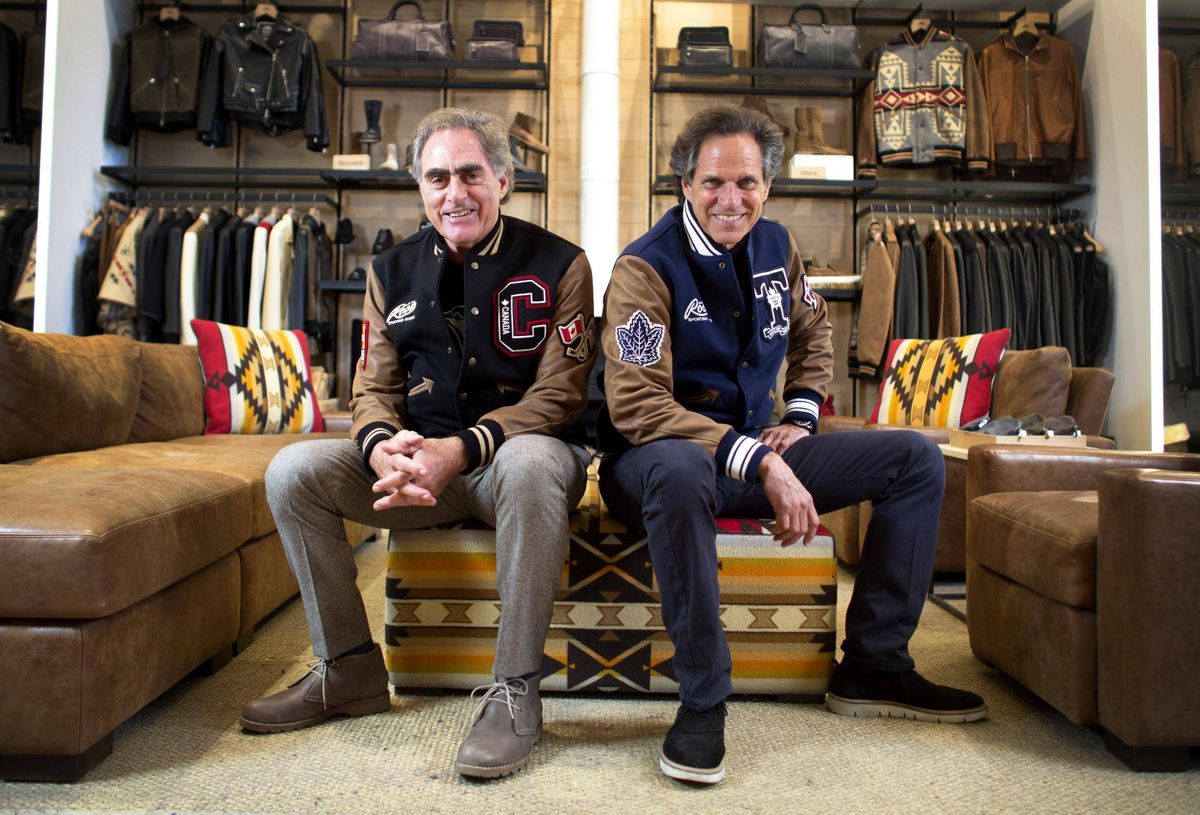
    Premium outdoor lifestyle brand Roots Canada has opened its first Hong Kong store this month, at Harbour City.

    The store was opened with Fung Retailing’s Branded Lifestyle Group, its Asian retail partner.

    Roots Canada’s brick-and-mortar debut in the territory coincided with the launch of an online store with Zalora Hong Kong.

    “Opening a store at the largest and most diverse shopping mall in Hong Kong is an important first step in what has the potential to be a multi-store market for Roots,” said Jim Gabel, president and CEO of Roots Canada.

    “Further, with an online store on Zalora, customers can go beyond the physical location to connect with our brand anytime and from anywhere in Hong Kong. Our expansion into Hong Kong is a testament to the continued success of our longstanding partnership with Branded Lifestyle Group.”

    The new Roots retail space brings together “cabin comforts and city conveniences” to create a space that feels like home, the company said in a statement. The store showcases Roots’ character and heritage by immersing shoppers in the more than 40 years of the brand’s stories and products.

    The brand’s collection is curated into four main areas in store, each telling a different Roots story, including a Cooper Beaver Collection that pays tribute to Roots iconic logo the Cooper Beaver, Roots Original Salt & Pepper Sweats, handcrafted leather, as well as seasonally relevant products that embody Roots unique comfortable cabin-meets-city style.

    “Leveraging our strong network and local resources, we are excited to bring the world-renowned Roots brand to Hong Kong,” said Sunny Wong, CEO of Branded Lifestyle Group.

    “The leisure-and-lifestyle-apparel trend continues to gain momentum in Asia, and we believe Roots focus on comfort and style is a perfect fit for the Hong Kong market.”

    Starting from a small cabin in Algonquin Park, Canada, in 1973, Roots has grown to become a global brand with 114 corporate retail stores in Canada, seven corporate retail stores in the US, 117 partner-operated stores in Taiwan, 37 in China and a global e-commerce platform.

    Branded Lifestyle Holdings represents five brands: Hang Ten, H:Connect, Arnold Palmer, Hunter and now Roots. It owns or franchises more than 1000 retail outlets across Greater China, South Korea, Southeast Asia and the Middle East.

  • Roots Canada To Open First Hong Kong Store

    Roots Canada To Open First Hong Kong Store

    Premium outdoor lifestyle brand Roots Canada has opened its first Hong Kong store this month, at Harbour City.

    The store was opened with Fung Retailing’s Branded Lifestyle Group, its Asian retail partner.

    Roots Canada’s brick-and-mortar debut in the territory coincided with the launch of an online store with Zalora Hong Kong.

    “Opening a store at the largest and most diverse shopping mall in Hong Kong is an important first step in what has the potential to be a multi-store market for Roots,” said Jim Gabel, president and CEO of Roots Canada.

    “Further, with an online store on Zalora, customers can go beyond the physical location to connect with our brand anytime and from anywhere in Hong Kong. Our expansion into Hong Kong is a testament to the continued success of our longstanding partnership with Branded Lifestyle Group.”

    The new Roots retail space brings together “cabin comforts and city conveniences” to create a space that feels like home, the company said in a statement. The store showcases Roots’ character and heritage by immersing shoppers in the more than 40 years of the brand’s stories and products.

    The brand’s collection is curated into four main areas in store, each telling a different Roots story, including a Cooper Beaver Collection that pays tribute to Roots iconic logo the Cooper Beaver, Roots Original Salt & Pepper Sweats, handcrafted leather, as well as seasonally relevant products that embody Roots unique comfortable cabin-meets-city style.

    “Leveraging our strong network and local resources, we are excited to bring the world-renowned Roots brand to Hong Kong,” said Sunny Wong, CEO of Branded Lifestyle Group.

    “The leisure-and-lifestyle-apparel trend continues to gain momentum in Asia, and we believe Roots focus on comfort and style is a perfect fit for the Hong Kong market.”

    Starting from a small cabin in Algonquin Park, Canada, in 1973, Roots has grown to become a global brand with 114 corporate retail stores in Canada, seven corporate retail stores in the US, 117 partner-operated stores in Taiwan, 37 in China and a global e-commerce platform.

    Branded Lifestyle Holdings represents five brands: Hang Ten, H:Connect, Arnold Palmer, Hunter and now Roots. It owns or franchises more than 1000 retail outlets across Greater China, South Korea, Southeast Asia and the Middle East.

  • Fiat Chrysler To Cut 1,500 Jobs At Canadian Minivan Plant

    Fiat Chrysler To Cut 1,500 Jobs At Canadian Minivan Plant

    Fiat Chrysler Automobiles NV said on Thursday it will eliminate one shift at its Windsor, Ontario, assembly plant where it builds minivans, resulting in the loss of 1,500 jobs.

    The Italian-American automaker said in a statement the elimination of a shift, which will take effect on Sept. 30, was to address slowing global demand. The company said it would offer retirement packages to eligible employees and attempt to place indefinitely laid off hourly employees in open full-time positions. Earlier this week, Canadian media outlets reported Fiat Chrysler would idle the plant for two weeks in April, the third time this year the plant has been temporarily closed.