Retail News CRM

Tag: canada

  • Popular Japanese ‘100-yen’ store Oomomo opens in Toronto Canada

    Popular Japanese ‘100-yen’ store Oomomo opens in Toronto Canada

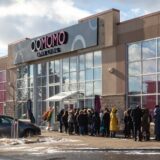
    Japanese discount retailer Oomomo has launched in Canada with plans for stores in most major cities. The first store opened in West Edmonton Mall in Alberta last month and was followed by another in Toronto this week, which attracted queues of customers to check out its eclectic mix of homewares, stationery, snacks and beauty products.

    More stores are planned in Vancouver, Burnaby in British Columbia and North Edmonton and Markham in Ontario.

    Oomomo translates into “big peach” in English and in Japan the chain is one of a group of retailers commonly referred to ‘100-yen’ stores. Most of its stock is priced at less than C$3.

    Some of the stock is sourced from Japanese retailer Daiso.

    View the gallery of the new store below (6 images) :

  • Lululemon founder to join the takeover bid for Amer

    Lululemon founder to join the takeover bid for Amer

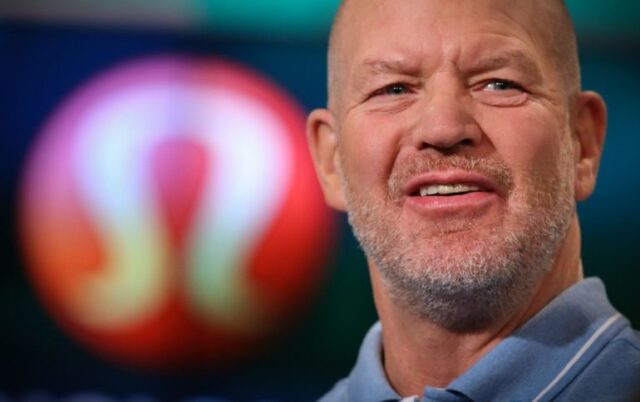
    Canadian founder of yoga-apparel retailer Lululemon Athletica Inc., Chip Wilson, is close to joining the Chinese investor group pursuing a takeover of Amer Sports Oyj. The billionaire is in talks to take around a 20 per cent stake as part of the consortium led by Anta Sports Products Ltd. The buyer group and Helsinki-based Amer could announce a takeover agreement as soon as the next few weeks, a anonymous source reported.

    Shares of Amer climbed by the most in almost three months.

    Chinese internet giant Tencent Holdings Ltd. has been discussing joining the Anta consortium with a stake of roughly 5 to 10 per cent.

    Anta said in September it had teamed up with Chinese buyout firm FountainVest Partners to make an indicative offer valuing Amer at about 4.7 billion euros (US$5.3 billion).

    Negotiations are reportedly ongoing, and precise terms could change. No final decisions have been made, and the talks could still be delayed or fall apart.

    A representative for the Chinese consortium said she couldn’t immediately comment. Wilson couldn’t immediately be reached. A spokeswoman for Tencent declined to comment, while a representative for Amer didn’t immediately respond to a request for comment.

    Shares of Amer surged as much as 9.7 per cent — the most since Sept. 11 — before trading up 7.2 per cent to 35.44 euros as of 1:26 p.m. in Helsinki.

    Wilson’s holding company Hold It All Inc., which manages his family’s investments and real estate, also has a private equity unit and a philanthropic arm. He stepped down from the board of Vancouver-based Lululemon in 2015, two years after resigning as chairman. Wilson has a net worth of about US$3.5 billion, according to the Bloomberg Billionaires Index.

    Anta, which has a market value of about US$12.5 billion, has been working to grow its business overseas amid a Chinese government push to expand in sports ranging from soccer to skiing. Amer’s portfolio of well-known sports brands, including Salomon ski equipment, could be an attractive prospect for Anta ahead of the upcoming Olympic Games in Asia.

  • LNG Canada investor Petronas signs gas supply deal with Vitol

    LNG Canada investor Petronas signs gas supply deal with Vitol

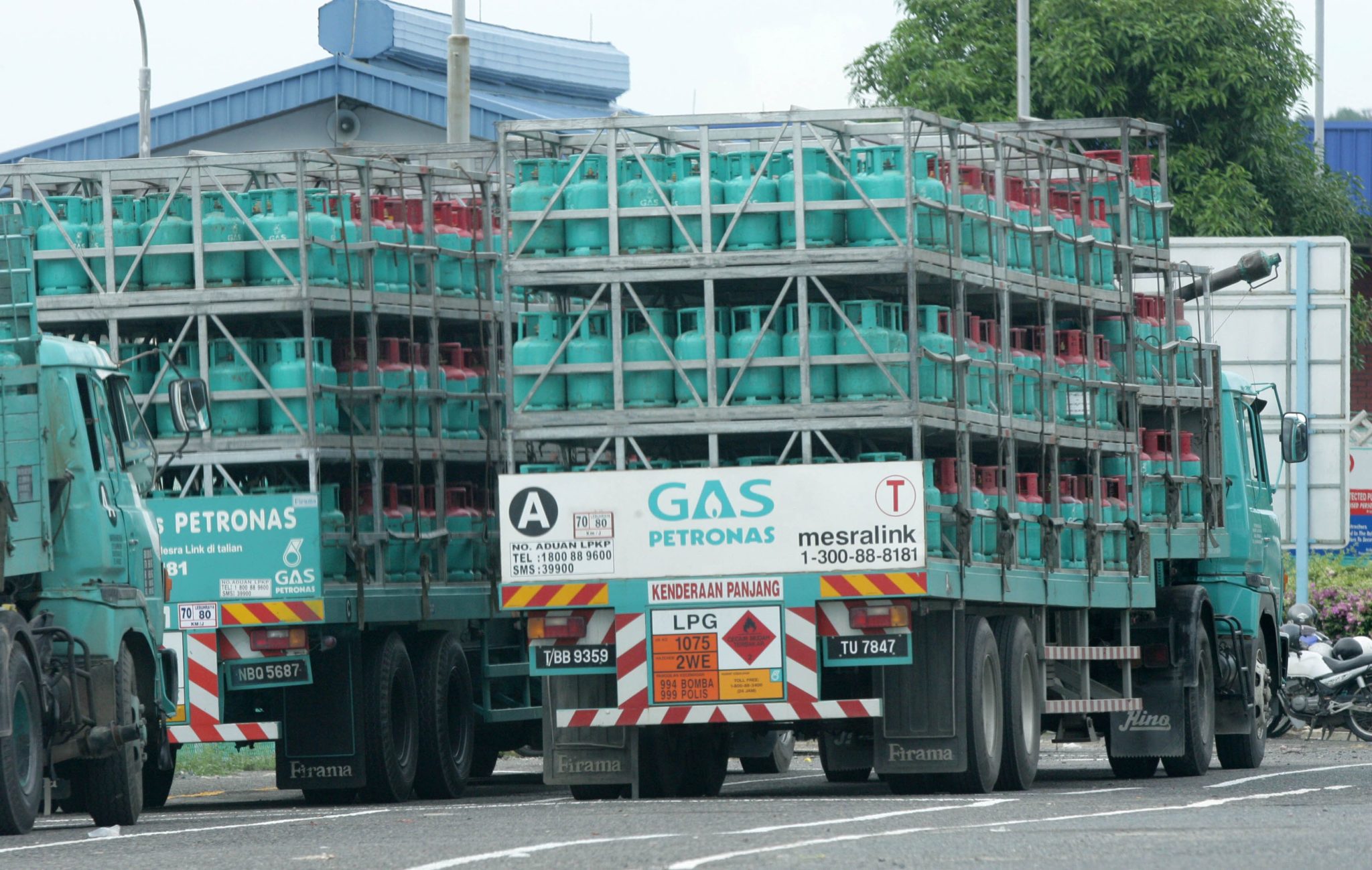
     LNG Canada, the US$30 billion (RM125.7 billion) liquefied natural gas (LNG) export project, has bagged another client after project shareholder Petroliam Nasional Bhd (Petronas) signed an initial sales deal with trading house Vitol.

    Royal Dutch Shell decided in October to construct the export terminal. It was the first major investment decision in a new North American LNG export project for two years and was expected to launch a new wave of such projects in the region.

    Petronas, the Malaysian state-owned oil and gas company that bought a 25% stake in the project in May, will supply Vitol with 0.8 million tonnes per year (mtpa) of LNG starting from 2024 for 15 years, Vitol said in a statement.

    “The primary supply to Vitol will come from LNG Canada as well as from (Petronas’) other global LNG supply portfolio,“ Vitol said.

    Vitol joins Asian utilities Tokyo Gas, Toho Gas and Korea Gas Corp (Kogas) as buyers, committing to offtake around 2.4 mtpa collectively.

    Such long-term agreements normally underpin project finance and are critical before a final investment decision is taken. But because Shell and partners Petronas, PetroChina, Mitsubishi and Kogas are such large players in the LNG market, they can absorb the output into their global portfolios without needing to find significant other buyers.

    Under previously announced deals, Toho Gas will buy 0.3 mtpa, Tokyo Gas 0.6 mtpa and Kogas 0.7 mtpa from LNG Canada.

  • Muji reopen largest store outside Asia

    Muji reopen largest store outside Asia

    Muji Canada is reopening its original Toronto location next week as its first flagship store in the country’s east. The Muji Atrium opened four years ago as the company’s first location in Canada. While the previous store occupied 5658sqft of retail space, the new flagship store will reach 19,110sqft spread over two floors, becoming the largest Muji store outside of Asia.

    “During the four years since we expanded to Canada, we opened seven additional stores and gradually increased our range of products and services,” said Muji Canada president Toru Akita.

    “By allowing us to reach out to more people and to further convey our philosophy, the Atrium flagship store will open a new chapter for Muji in Canada.

    “Through interactive events, innovative projects, and new partnerships, we wish to connect and evolve together with local communities and contribute to the creation of a better quality of life.”

    The location will carry Muji Canada’s full range of merchandise of more than 4000 items – including household goods, apparel, and food – and offer many products and services only available in select Muji flagship stores around the world, such as a coffee counter serving ethically sourced coffee and an aroma bar that will allow customers to create customised fragrances from more than 40 essential oils.

    Muji Atrium will feature two new customisation services for customers to personalise their products for the first time outside of Japan, including a digital fabric printing service and laser engraving service

    Muji Atrium will be the only location in Eastern Canada to carry books, made-to-order curtains and rugs, the Muji Labo collection, maternity wear, a brand new activewear collection and more.

  • Uniqlo Canada network will double

    Uniqlo Canada network will double

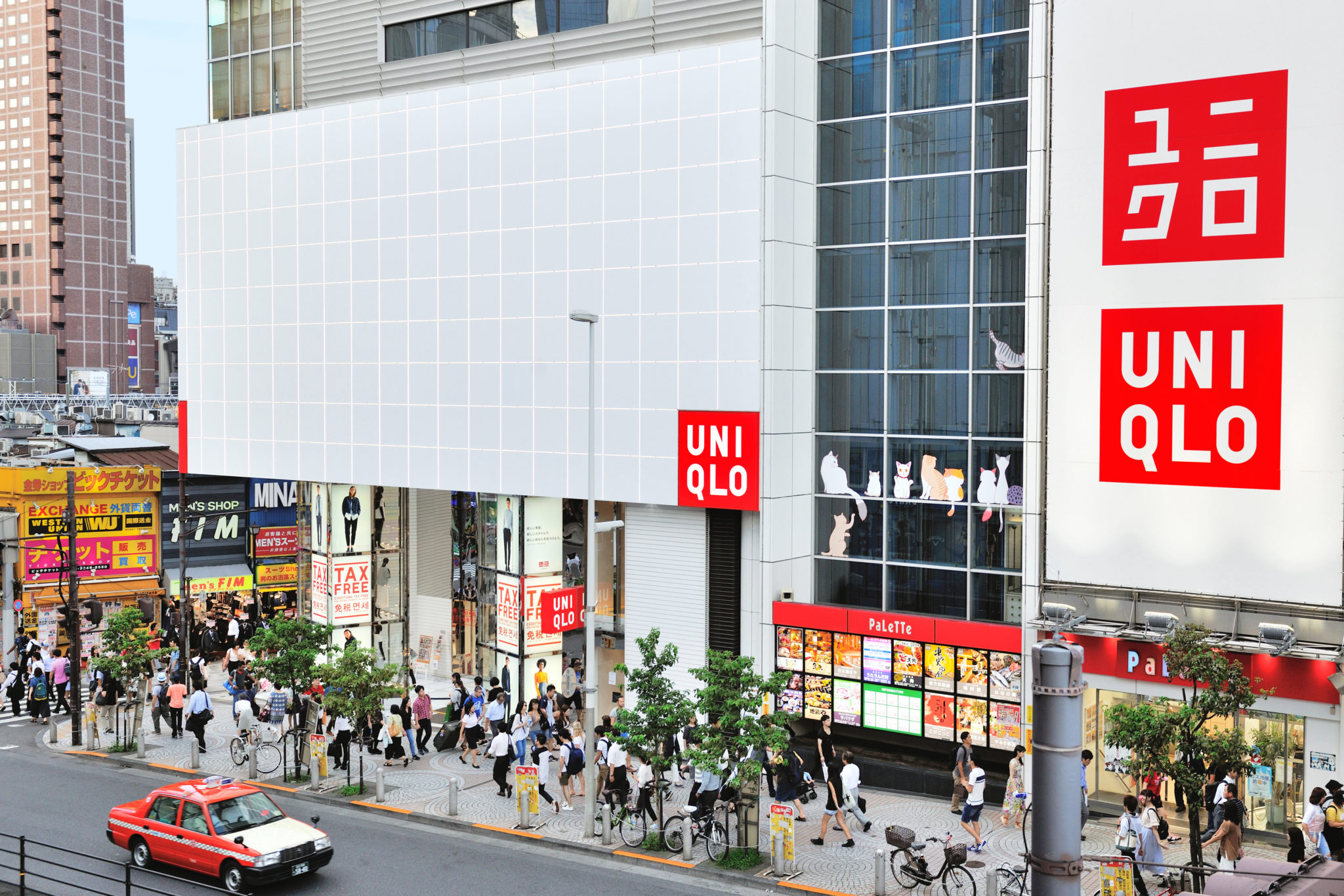
    Uniqlo Canada has announced four new stores, almost doubling its retail footprint within the country.

    COO of Uniqlo Canada Yasuhiro Hayashi said the company was encouraged by the warm welcome the Japanese fast-fashion chain has received to date.

    “We are thrilled to be opening three new stores in the Greater Toronto Area and a fourth new store in Greater Vancouver.”

    The British Columbia location will open at Coquitlam Centre on September 14, while the rest will open in Ontario at Vaughan Mills on September 28; CF Markville on October 12; and Square One Shopping Centre on November 2.

    Consumers outside Toronto and Vancouver can now shop Uniqlo Canada via a newly launched mobile e-commerce platform.

    All Uniqlo Canada stores participate in a recycling initiative in which customers can drop off gently used Uniqlo clothing as donations for those in need.

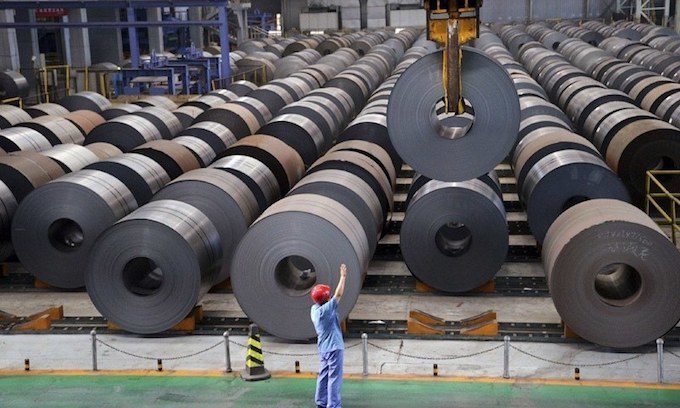
  • Vietnam steel faces protectionism in Canada, EU

    Vietnam steel faces protectionism in Canada, EU

    The EU and Canada are taking safeguard measures to protect their steel companies from exports from Vietnam.

    The EU claimed it is taking the protective measures due to a surge in imports from many countries in recent years.

    Imports of steel products had been 18.8 million tons in 2013 but jumped to 30.5 million last year, according to the Official Journal of the European Nation published on July 18.

    Vietnam is listed among the developing countries which face provisional measures lasting 200 days starting July 19.

    Three of its products – non-alloy and other alloy cold-rolled sheets, metallic coated sheets and stainless cold-rolled sheets and strips — now attract a 25 percent additional tax.

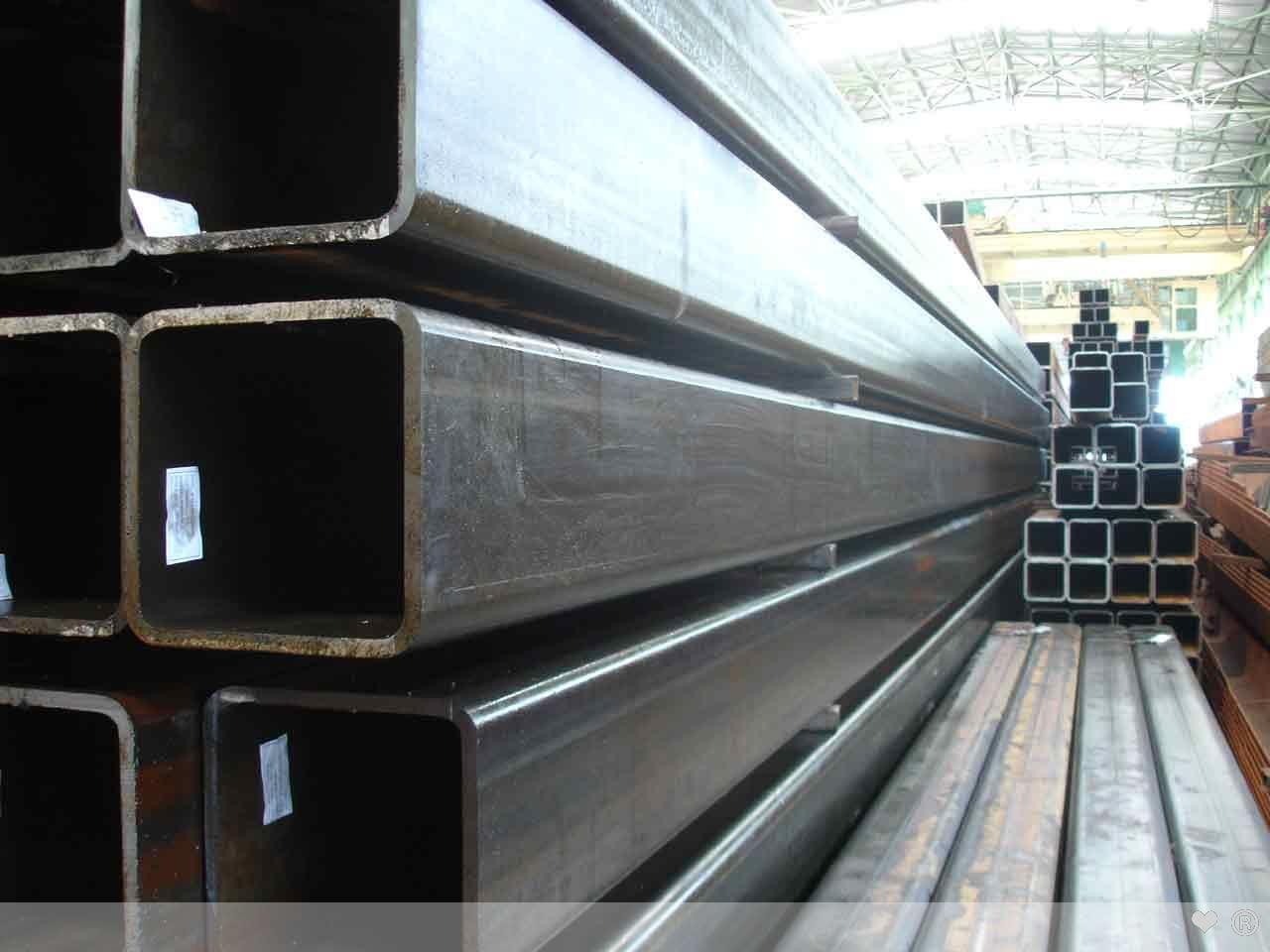
    The Canada Border Services Agency (CBSA) said it is considering if Vietnamese carbon steel-welded pipes are being sold at unreasonable prices making it harder for local companies to compete.

    Other countries are also being investigated, including Pakistan, the Philippines and Turkey.

    The investigation, which began on July 20, came after Novamerican Steel Inc. in Montreal city alleged that local steel companies could not compete because of price undercutting by the countries listed subsequently.

    The CBSA will work with local authorities to investigate and expects to release its preliminary evaluation on October 18.

    Vietnam exported 4.71 million tons of steel worth $3.15 billion last year, 35.6 percent and 55.1 percent up from 2016 in terms of volume and value.

    ASEAN member countries are its main importers, accounting for 59.2 percent of exports, and the U.S. ranks second at 11 percent, a Vietnam Steel Association report said earlier this year.

  • Tim Hortons plans 1500-store China expansion

    Tim Hortons plans 1500-store China expansion

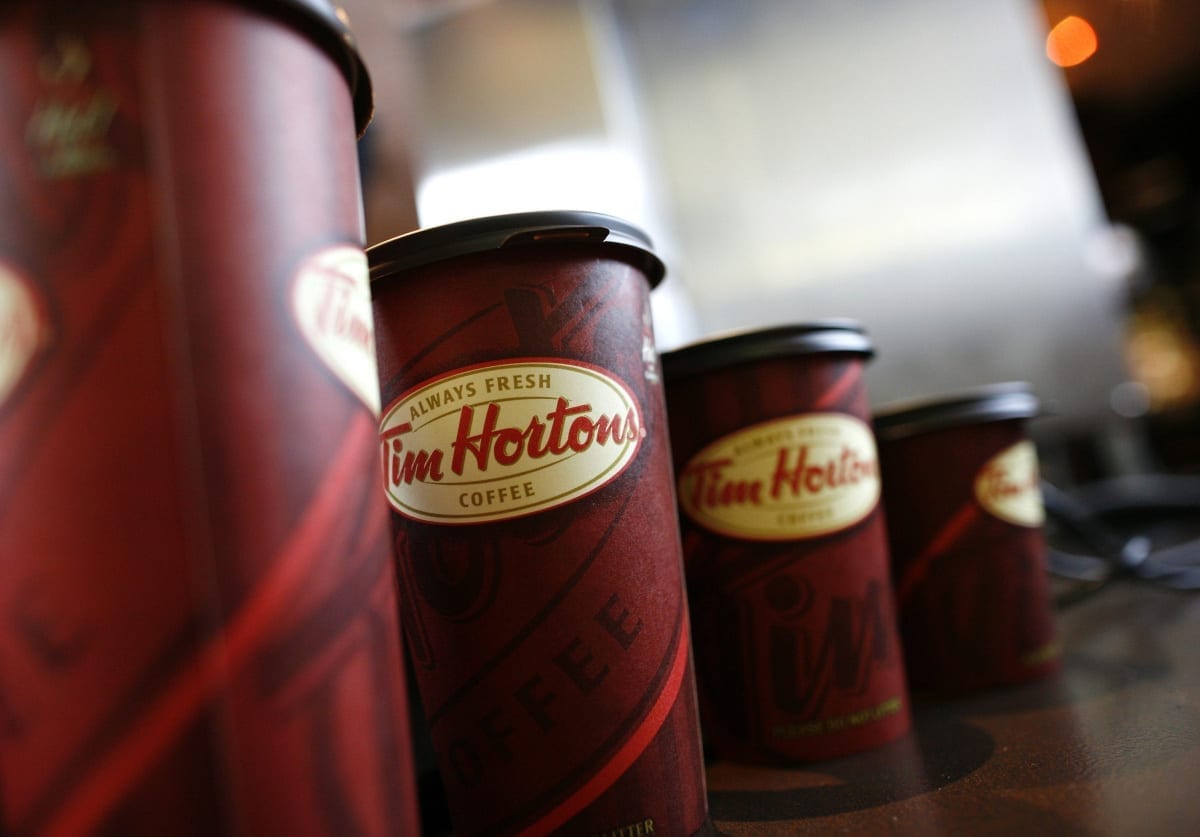
    Tim Hortons plans to open more than 1,500 of its coffee-and-doughnut shops in China over the next decade.

    The expansion seeks to capitalize on the country’s burgeoning coffee culture and is the latest international location for the coffee chain aiming to become a global brand.

    “China’s population and vibrant economy represent an excellent growth opportunity for Tim Hortons in the coming years,” the brand’s president, Alex Macedo, said in a statement.

    The chain signed a master franchise joint venture agreement with private equity firm Cartesian Capital Group for it to develop and open the restaurants. Financial terms were not immediately available.

    In 2012, Cartesian Capital partnered with Tim Hortons parent company Restaurant Brands International, which also owns Burger King and the Popeyes brand, and the Kurdoglu family to develop the burger chain in China. There are now more an 900 Burger King restaurants in China.

    City dwellers, especially young people and white-collar employees, in China increasingly drink coffee and have helped the café industry see strong growth, according to market-research firms.

    The turn to caffeine partly comes from lifestyle changes, people earning more money and more people living in cities, according to the firms.

    Consumers choosing coffee have helped fuel coffee chains’ expansion into China.

    Starbucks had 3,300 stores in 141 cities in China as of May and plans to total 5,000 by 2021.

    China is its fastest growing market and it opens a new store in the country every 15 hours.

    Whitbread, which operates Costa Coffee, has 449 of the coffee chain’s shops in China and plans to have 1,200 by 2022, according to its most recent annual report.

    While Tim Hortons is confident it can appeal to the Chinese, it’s latest international expansion plans haven’t convinced everyone.

    BMO Capital Markets analyst Peter Sklar said the expansion presents a growth opportunity for the company.

    “However, we believe there is significant uncertainty about whether the international rollout of the Tim Horton’s brand will ultimately be successful,” he wrote in a report.

    Tim Hortons has previously announced plans to expand to Spain, Mexico, Britain and the Philippines.

    “We remain concerned about its potential for success given RBI’s challenged expansion into the U.S. in the past,” Sklar wrote.

    The coffee chain is not as well known outside Canada than RBI’s fast-food brand Burger King, he said, adding to the uncertainty.

    Tim Hortons has more than 4,700 restaurants in Canada, the United States and around the world.

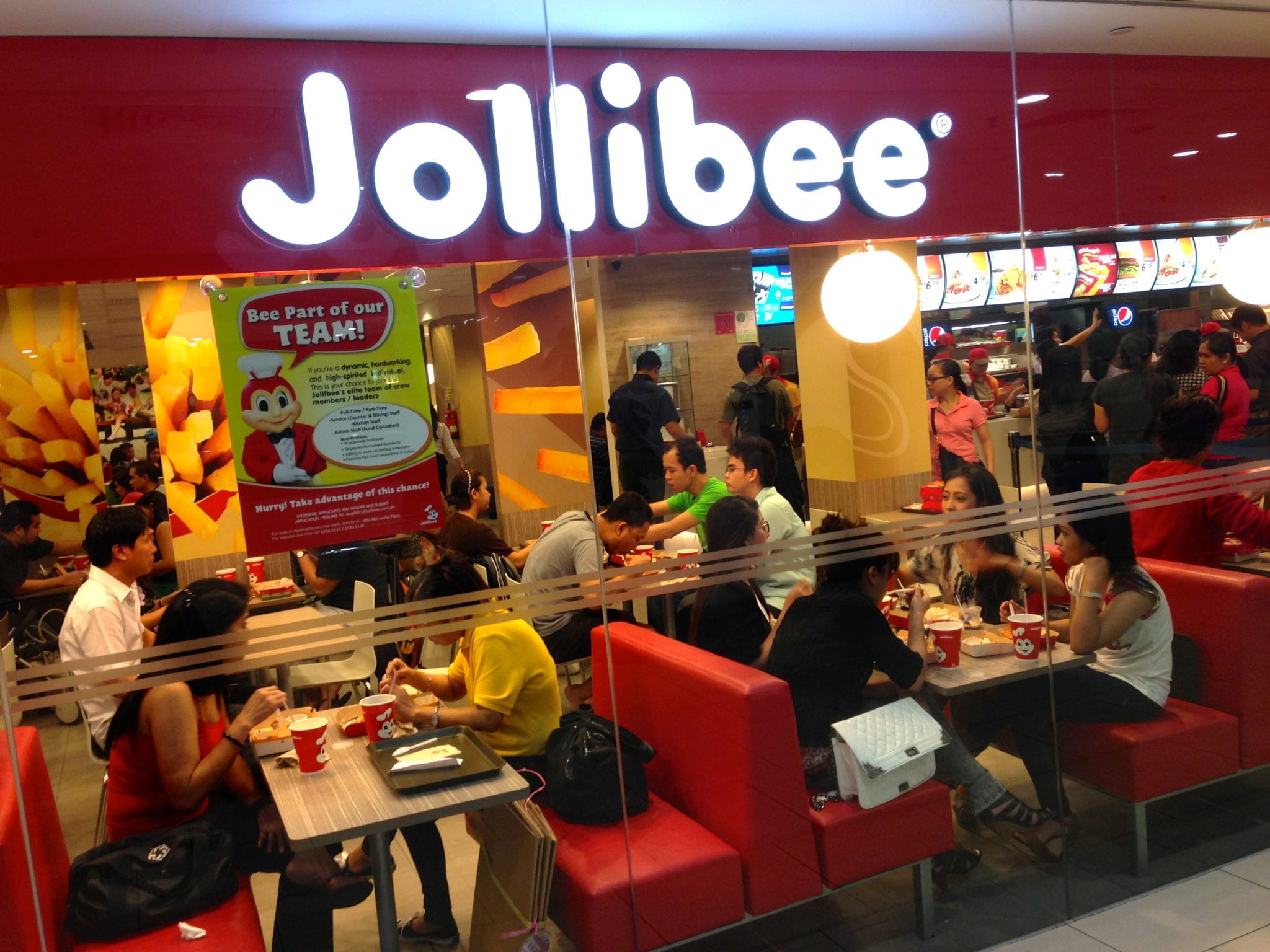
  • Fast food chain Jollibee to open 100 Canadian stores

    Fast food chain Jollibee to open 100 Canadian stores

    Filipino fast-food chain Jollibee Food Corporation plans to open 100 stores in Canada within the next five years.

    The company says it is eyeing the wave of new locations because the country is a key growth market and a big part of its North American expansion plans.

    Jollibee attracted long lines of customers when it entered the Canadian market in 2016, opening two Winnipeg locations and a store in Scarborough, Ont. over the last three years.

    It hopes to expand further in Ontario, but is also exploring stores in Edmonton, Calgary and Vancouver.

    Its aggressive expansion comes as international interest in Filipino food is rising and as Canada is attracting an increasing number of restaurants serving such food.

    Jollibee’s Filipino fare includes spaghetti in a sweet sauce, crispy chicken, burgers and peach mango pies.

  • Petronas buys 25% stake in LNG project in Canada

    Petronas buys 25% stake in LNG project in Canada

    Petroliam Nasional Bhd (Petronas) is acquiring a 25% stake in a liquefied natural gas (LNG) project in Kitimat, Canada after it scrapped plans for the Pacific NorthWest LNG project in the country last July due to challenging market conditions as a result of prolonged depressed prices.

    Petronas said in a statement that its wholly owned entity the North Montney LNG Ltd Partnership had entered into a purchase and sales agreement for the deal. The purchase sum was not disclosed.

    Other shareholders of the project are Royal Dutch Shell plc’s subsidiary Shell Canada Energy (40%), PetroChina Canada Ltd (15%), Mitsubishi Corp’s subsidiary Diamond LNG Canada Ltd (15%) and Kogas Canada LNG Ltd (5%).

    The transaction is subject to international regulatory approvals and the completion of other associated agreement. It is slated for completion in the next few months.

    “Petronas is pleased to be part of the LNG Canada project. As one of the world’s largest LNG producers, Petronas looks forward to adding value to this venture through our long-term expertise and experience across the LNG value chain. We are committed to deliver LNG and natural gas, the cleanest fossil fuel in the world, to the growing global energy market,” said Petronas president and group CEO Tan Sri Wan Zulkiflee Wan Ariffin.

    “Petronas is in Canada for the long-term and we are exploring a number of business opportunities that will allow us to increase our production and accelerate the monetisation of our world-class resources in the North Montney. LNG is just one of those opportunities,” he added.

    The proposed project includes the design, construction and operation of a gas liquefaction plant and facilities for the storage and export of LNG, including marine facilities.

    The plant will initially consist of two world-scale LNG processing units referred to as “trains”, with an option to expand the project in the future to four trains.

    Canada is Petronas’ second largest resource holder after Malaysia, with vast unconventional gas and oil resources in the North Montney.

    Petronas and its North Montney joint venture partners are one of the largest natural gas resource owners in Canada with over 52 trillion cubic feet of reserves and contingent resources.

  • Canada initiates dumping inquiry into steel imports from China, Vietnam, South Korea

    Canada initiates dumping inquiry into steel imports from China, Vietnam, South Korea

    The Canadian International Trade Tribunal (CITT) said on Monday it has initiated a preliminary dumping inquiry into steel imported from China, South Korea and Vietnam.

    The tribunal will investigate whether the alleged dumping and subsidizing of “cold-reduced flat-rolled sheet products of carbon steel” from these countries have harmed Canada’s steel industry.

    CITT, which operates in Canada’s trade remedy system and reports to parliament, said it will determine the results of the investigation on July 24 and will provide the reasons for the same on August 8.

    Canada’s steps follow U.S. actions from last week when the United States Commerce Department had slapped steep import duties on steel products from Vietnam that originated in China after a final finding they evaded U.S. anti-dumping and anti-subsidy orders.

    The global steel industry is struggling with a glut of excess production capacity, much of it located in China, that has pushed down prices.

  • Sulbing dessert about to open new shops in Canada

    Sulbing dessert about to open new shops in Canada

    Korean dessert chain Sulbing will expand into Canada via franchising.

    The chain has signed a deal with a Canadian firm to open the first store in Vancouver by the first half of this year, followed by more stores in major Canadian cities.

    The chain is also planning expansion into Australia, Cambodia and the Philippines.

    Founded in 2013, Sulbing started franchising in China in 2015, followed by Japan and Thailand.

  • Miniso store chain eyes Canadian expansion in 2018

    Miniso store chain eyes Canadian expansion in 2018

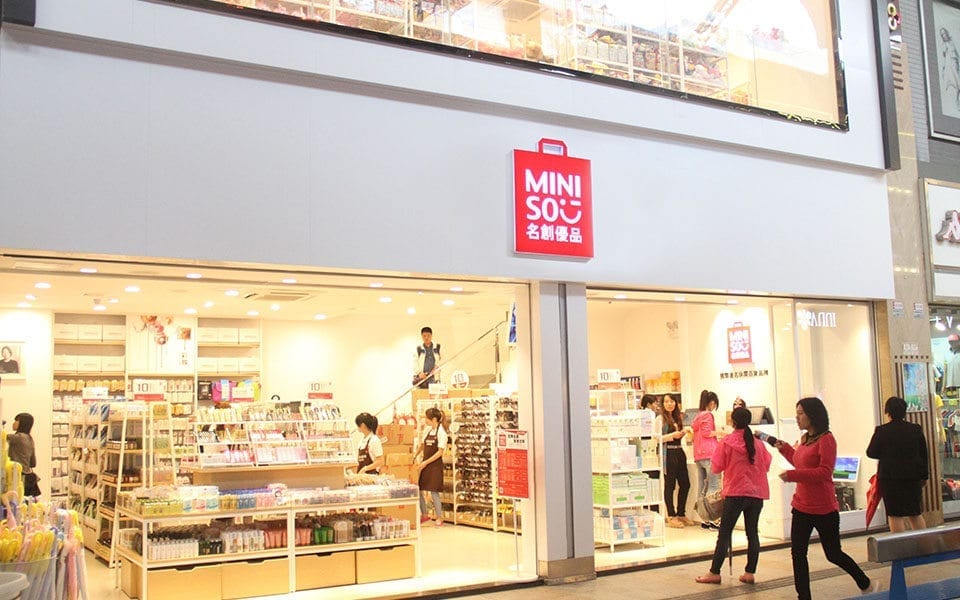
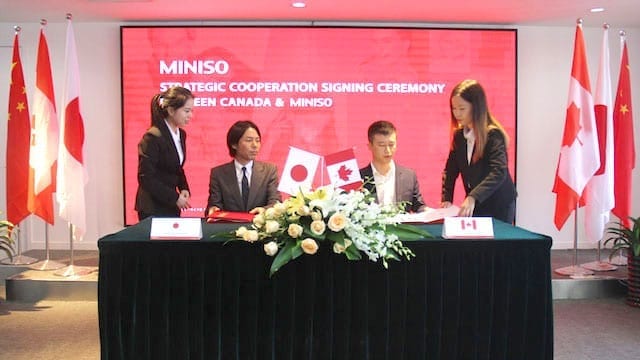
    Chinese discount retailer Miniso is playing a major assault in Canada with 100 stores targeted by year end and 500 within three years.

    Miniso is growing so fast it is difficult to keep an accurate count of its global network, but co-founder/chief designer Miyake Junya said in November he planned to have 10,000 stores trading in 100 countries by 2019, and targets global revenue of US$15 billion. It already has stores in China (1000), Vietnam, Singapore, Hong Kong, the Philippines, Australia, the UAE, Mexico, the US and Europe, among other marketins.

    The first Miniso Canada store opened in Pickering Town Centre last October in a compact 1500sqft (140sqm) space. More have opened since, including a large 4300sqft site in Bramalea City, taking the national tally to about 18.

    “Our philosophy is high-quality goods at an affordable price,” Sherman Leung, district manager, Miniso Canada Investments, said in an interview this month. “We’re a variety-retail, lifestyle store at a very reasonable price.”

    In Canada, concepts like Miniso are seen as a succession of the traditional dollar store model which specialises in cheap goods at just a few rounded-off price points – in the case of Canada’s market-leading Dollarama, which has about 1500 stores, all under C$5. Globally, dollar stores are starting to suffer from quality perceptions in the wake of Miniso’s competitively priced yet reasonable quality goods across many product categories.

  • New Concept for L’Occitane Flagship store

    New Concept for L’Occitane Flagship store

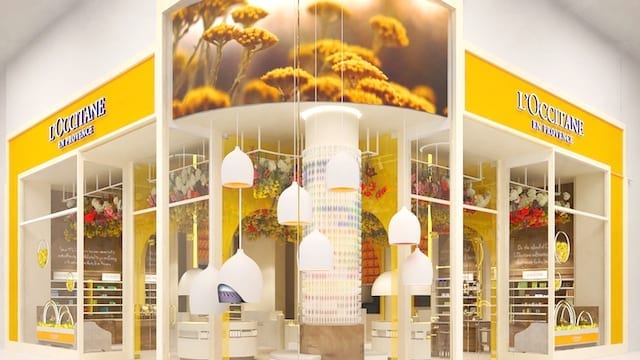
    French-headquartered, Hong Kong-listed L’Occitane en Provence, opens a world-first concept store in Canada  which it says offers an immersive digital experience and connected shopping model.

    Two new L’Occitane flagships based on the concept will open in London’s Regent Street and on the Champs Elysee in Paris later this month, with the format to be rolled out globally from next year.

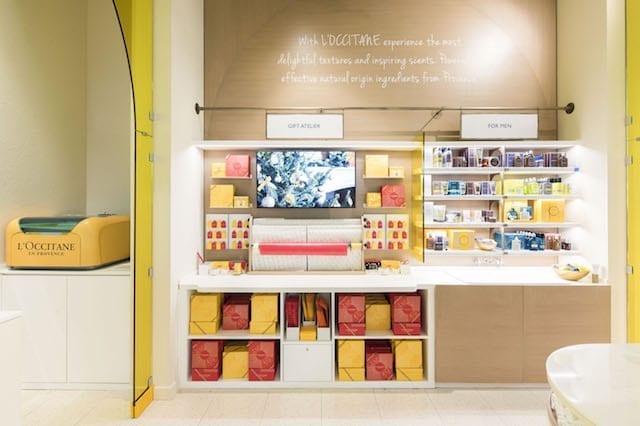
    The skincare, body care and fragrance retailer has completely redesigned its 1600sqft (150sqm) Canadian store, located in the Yorkdale Shopping Centre in Toronto.

    Inspired by the land and culture of Provence, guests are invited to take a multi-sensory journey, setting what the company describes as “a new standard for the L’Occitane in-store customer experience”.

    “Visiting this store will be an experience like no other. Upon entering, guests will feel a sense of wonderment – they will be transported to the lavender fields of Provence, learn about L’Occitane’s expertise in the art of extraction, and visit the land of Corsica, home of the powerful Immortelle flower,” said Paul Blackburn, North American VP of concept design, construction & merchandising.

    “Behind the striking external glass facade, a curved video wall immediately attracts the attention of passersby. Below this eye-catching feature is an immersive digital experience inside a pair of suspended capsules. Within each capsule, a true story unfolds before your eyes combining imagery, scent, light and sound for a truly sensorial experience.”

    L’Occitane says the Toronto redesign is part of a larger expansion and refocus of store concept innovation from the brand. The company will pursue a ‘glocal’ retail strategy, in which it will tailor the customer experience with innovative and personalised services across the globe, while adapting the concepts according to local market specifications.

    The Regent Street store will be the largest L’Occitane store in the world, covering 6450sqft (600sqm), with specialised features to evoke all five human senses and a ‘test and play’ experience.

    “A visceral experience”

    L’Occitane commissioned brand creative and experience agency School House to create the new design.

    “Journeying through Provence is a visceral experience that changes something within you,” says Christopher Skinner, founder and principal of School House. “In 1976, Oliver Baussan experienced a connection to Provence’s land and culture, which he distilled from lavender and rosemary into essential oils. In the same way, we approached Yorkdale as an artistic expression of Provence, served through tactile and digital brand experiences that spark a sense of wonderment.”

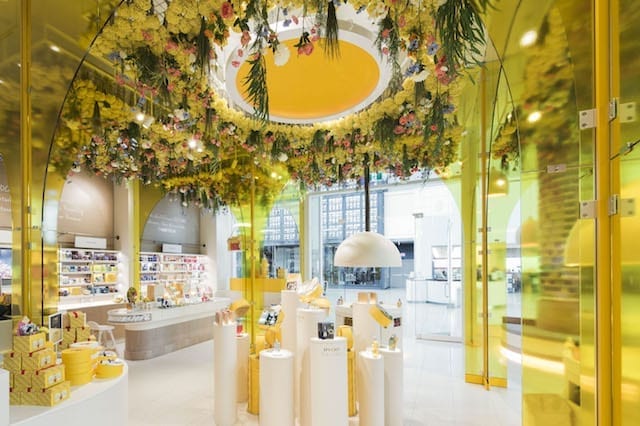
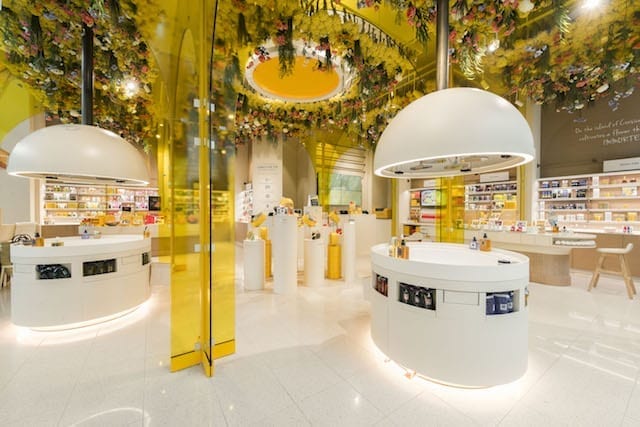
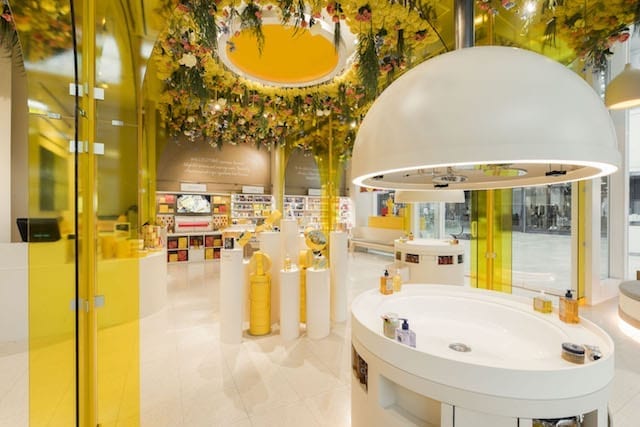
    Described as “a celebration of wonderment and discovery,” the Yorkdale boutique has multiple unique features for an immersive and connected shopping experience. An exterior facade stretching nearly seven metres hosts a curved video wall two metres high, drawing guests in-store. Upon entering, they are greeted by yellow glass archways, inspired by Provencal architecture. Key features include an interactive ‘skincare bistro’, and large hand-cream column wrapped in communal seating.

    “Provence is brought to life through an elevated shopping experience that channels the elements of earth, fire, air and water,” the company’s Canadian spokespeople say in a statement. “The elements are expressed through creative design features, heightening the senses and inviting exploration.

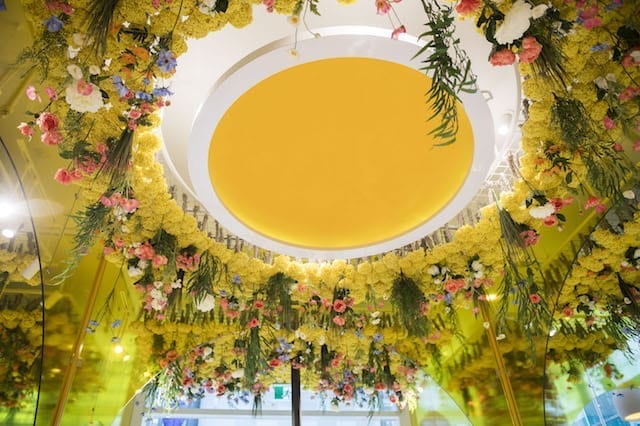
    “Earth is cultivated with a flooring of natural stone and a botanical ceiling installation of a ‘land reversed’. Water is cultivated with automated rain shower sinks, encouraging test-and-play with products beneath showers from hanging illuminated arched domes. Fire is channelled through a radiating sun installation set within the ceiling plane above. Lastly, air is cultivated into fragrance clouds, creating a unique testing experience for fragrances.”

    L’Occitane - new concept 10

    The L’Occitane team has also worked to ensure the store positively impacts the environment. All lighting will be 100 per cent LED, and, for the first time in North America, an in-store bottling recycling program in partnership with Terracycle will be offered. The stone flooring and countertops are made of recycled natural stone aggregates and contain pre-consumer recycled content. The yellow arches are made from co-polyester resin, incorporating 40 per cent pre-consumer recycled content, compatible with one of the largest post-consumer recycle streams.

    L’Occitane Yorkdale, opens on December 7, 2018.

  • South Korea eyes artificial intelligence partners in BC

    South Korea eyes artificial intelligence partners in BC

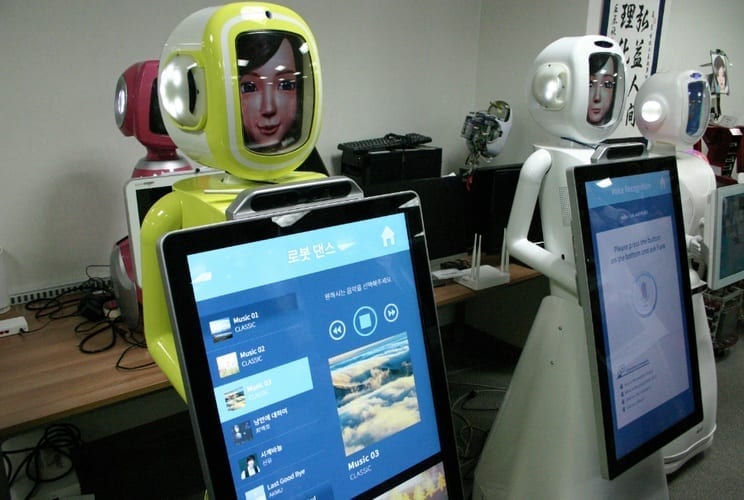
    Future Robot’s latest model at the company’s headquarters in Seongnam, near Seoul, South Korea. The company creates “social AI”: robots that interact with people by interpreting emotional responses, either through facial expressions or tone of speech, and then respond with emotive answers | Chuck Chiang

    At Seoul’s Incheon International Airport – one of the world’s largest international flight hubs – two new “stars” are capturing the attention of passengers who cross their paths.

    They’re not stars of “K-pop,” South Korea’s increasingly ubiquitous cultural exports of boy bands and girl groups that are now household names in most of Asia. Rather, they are robots – one that guides passengers to their flights by scanning their boarding passes, another a giant Roomba-like floor cleaner that asks politely, in Korean and English, to pass pedestrians in the machine’s cleaning path.

    “Where are you going? Have a nice flight!” the robot says cheerfully when a passenger leaves the view of its camera, while another group of travellers inevitably blocks the robot’s path and starts a new wave of photo-taking and hand-waving. (The scene bears a striking resemblance to one of the futuristic scenarios introduced in the Vancouver International Airport’s solicitation for public opinions for its 2037 master plan, although airport representatives said no robots are planned at this time.)

    This is the next industrial revolution as envisioned by leading observers around the world: the advent of artificial intelligence (AI) not only in people’s daily lives, but also in the overall global economy. And South Korea, deeming itself several years behind industry leaders like China and the United States, is looking for like-minded partners such as Canada to help it get back in the race.

    “It’s very hard for Canada and Korea to develop [large-scale] AI technologies in isolation from other markets,” said Kim Deogtae of the Korea Artificial Intelligence Association, who is also a university professor and president of his own AI tech firm DTWARE Inc. “But I do think that there’s an opportunity for companies on the two sides to co-operate, preferably with corresponding government support.”

    That partnership can happen in a number of ways, Kim said. Either Canadian investors can bring Korean-developed technologies like Incheon airport’s robots (made by conglomerate LG) to the North American and European markets through the North American Free Trade Agreement and the Canada-European Union Comprehensive Economic and Trade Agreement  or B.C.-based AI developers and startups can use South Korea’s market access to China, Japan and Southeast Asia to expand.

    B.C. and the rest of Canada can also be the answer for South Korea’s lack of AI-development talent. Kim said the East Asian nation struggles in that area because its traditional education system focuses on memorization rather than critical thinking.

    Canada, in turn, could be a partner in directly supplying AI developers or providing adequate space for Korean students to study the technology.

    “It is difficult to develop high-level AI in the Korean educational environment,” he said. “But Korean students are diligent and fast-learning; that is our strength. So if there’s an environment to learn AI, I believe Koreans will be fast to adopt and excel … and we have to look overseas.”

    The key, Kim said, would be to join forces to overcome each side’s smaller domestic market for sales, capital and talent when compared with the aforementioned “big two,” China and the U.S.

    There are already cases happening in other parts of Canada: a month ago, Korean conglomerate Samsung (KRX:005930) announced it will open its own AI research laboratory in Montreal after three years of working with Canadian teams.

    Major players from other countries have also started moving into Canada to mine its AI-technology talent. Google’s (Nasdaq:GOOGL) DeepMind research team – based in Great Britain – chose Edmonton as its first international lab in July. All this is happening with the backdrop of $125 million in earmarked Canadian federal funding for attracting AI development to Canada, as outlined in the federal Liberal government’s 2017 budget.

    Most of Ottawa’s effort is concentrated in three metropolitan areas: Edmonton, Montreal and Toronto-Waterloo. But one executive from a Vancouver financial technology (fintech) company that uses AI in its proprietary platform connecting lenders and borrowers said B.C. does have its niche in that sector, and it is up to B.C. companies to spearhead collaborations in markets like South Korea.

    “It’s important for anyone who’s not well known in the global market to go out and explain the model and its value proposition,” said Alex Mateesco, CEO of Lendery, which plans to open an office in South Korea to expand its lending platform to Asia.

    “I don’t think we should expect other people to know us more than what we know about ourselves. We have to do our own parts to be present internationally … because if we don’t take initiative on that market [fintech], someone else will go carve it out.”

    Focusing on a niche market to excel is a good idea for Vancouver’s AI sector, said the CEO of one of South Korea’s leading AI startups. Song Sekyong, who has built Future Robot Co. Ltd. from its launch in 2009 to a company with a market valuation of US$20 million this year, said it was able to succeed by carving out a space within AI that’s underserved by American and Chinese companies, which tend to focus on massive, cloud-storage-based systems that process an enormous amount of data over a wide network. Two examples of the latter are Google’s AlphaGo and Amazon’s (Nasdaq:AMZN) AWS.

    Song’s company, however, found its market in creating “social AI”: robots that interact with people by interpreting emotional responses, either through facial expressions or tone of speech, and then responding in kind with emotive answers. In some cases, these “soul-ware” robots even have animated faces to respond with their own emotive reactions.

    Up to 30 of these robots will be deployed at the 2018 Pyeongchang Winter Olympic Games. Other applications could include seniors care, personal organizer/living assistance and front-line customer service in various retail settings.

    “Most people think of AI as one thing,” Song said. “But that’s not true. It’s a lot more than just Amazon and Google, and there are a lot of variations within the potential market. What interests us is how we can apply AI so that people and AI live together and having the technology fill a very human need – a ‘warm’ technology, if you will.”

    Song, whose company employs approximately 35 people, is anticipating Future Robot’s valuation to double next year and hit US$100 million by 2025.

    He is also eyeing an initial public offering in a western market – again, an area that could bring Future Robot’s brand to Canada. But Song also noted that he and other AI developers are aware of some people’s fear of AI and its potential to eliminate human jobs. To those concerns, Song said it’s not that jobs will disappear with AI, but rather they will transform.

    “If you look at history, technology shifts and labour trends have always happened in tandem,” he said, noting AI will require a large number of programmers and technicians to maintain. “A robot can replace human labour, but it can’t replace a human being.”

    Lendery’s Mateesco added that any B.C. companies looking to jump into transpacific AI co-operation deals must always consider the human element to achieve market acceptance.

    “The mistake a lot of companies make is to push a technology and make it a top-down decision, which can be hard on consumers who are not ready. The point of technology is to serve people, to make lives more comfortable; so you have to let people decide what makes them comfortable.”

    [email protected]

    @BIVnews

    Note: Some interviews conducted for the story were completed at Invest Korea in Seoul, for which the reporter’s airfare and accommodations were provided by the Korea Trade-Investment Promotion Agency.

  • Uniqlo Canada expanding to British Columbia

    Uniqlo Canada expanding to British Columbia

    Uniqlo Canada has announced plans to open its third store.

    Its debut in British Columbia, the store will open late this year, 12 months after Uniqlo entered Canada with an outlet in Toronto.

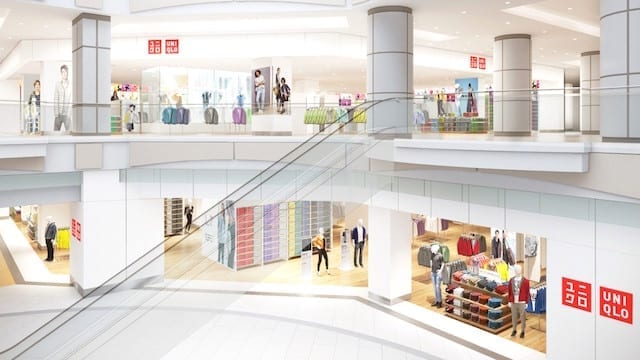
    Opening at Metropolis at Metrotown in Burnaby, British Columbia, the casual apparel retailer’s store will have 20,630 sqft (1917 sqm) of sales floor and offer its full range of core items.

    “Canada continues to be an important focus for the company globally,” says Uniqlo Canada COO Yasuhiro Hayashi. “This country’s cultural and climatic diversity represents the perfect platform for Uniqlo and our philosophy of LifeWear.”

    Product offerings at the new store will include the brand’s signature collections such as Airism, Cashmere, HeatTech and Ultra Light Down.

    Since opening its first store in Japan in 1984, Uniqlo has expanded to more than 1800 outlets worldwide. It is one of seven brands under the umbrella of Japan’s Fast Retailing.