Retail News CRM

Tag: CapitaLand

  • CapitaLand Malls ‘resilient’ to tough times

    CapitaLand Malls ‘resilient’ to tough times

    CapitaLand Mall Trust says its portfolio of “necessity malls” has proven resilient to the challenging economic and retail period of the last year.

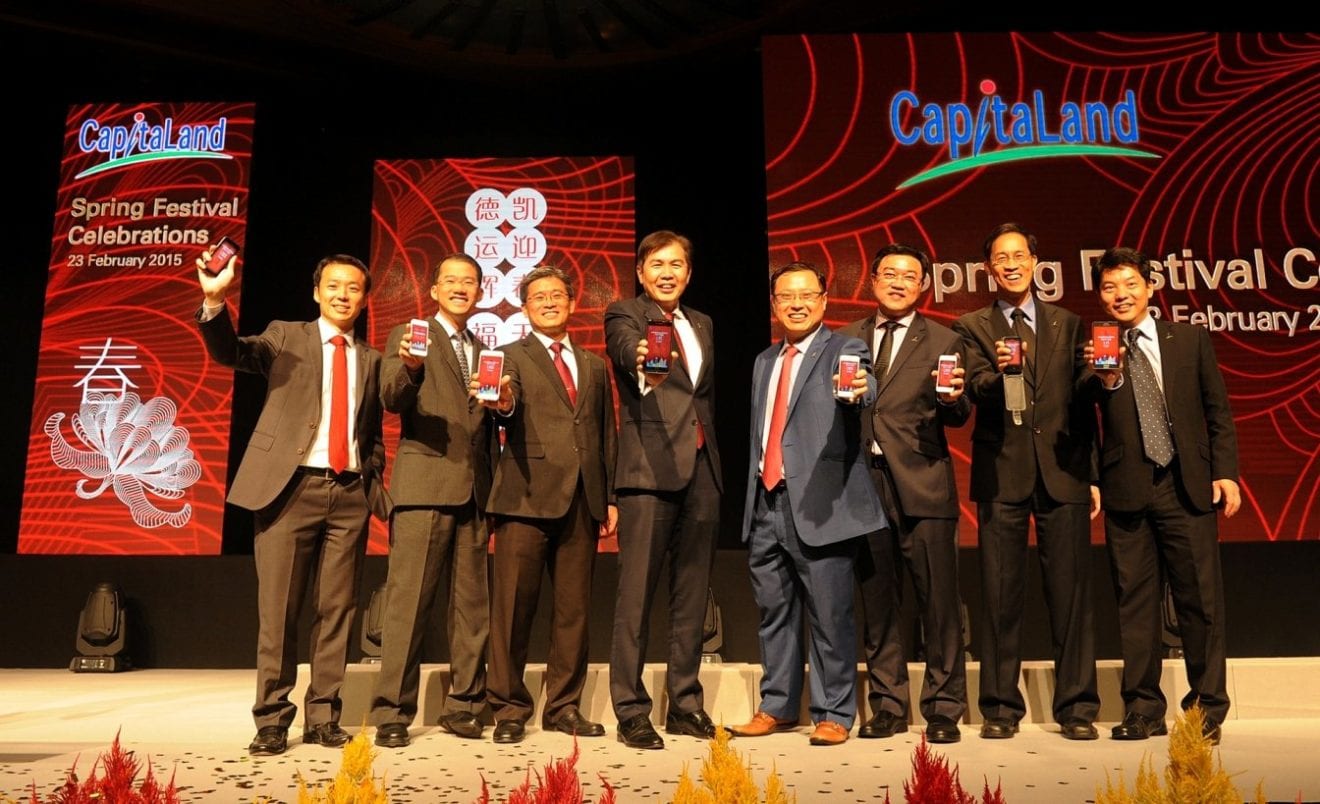
    CapitaLand Mall Trust Management (CMTML), the manager of CapitaLand Mall Trust (CMT), has reported a distributable income for 2015 of S$392.0 million, up 4.4 per cent on 2014.

    Danny Teoh, Chairman of CMTML, said CMT has delivered a good set of financial results in 2015.

    “Distribution per unit to unitholders for 2015 increased 3.8 per cent to 11.25 cents, underscoring the underlying strength of our portfolio – made up of predominantly necessity shopping malls connected to or near transportation hubs serving large catchment areas.”

    Teoh says the trust reinforced its leadership position as Singapore’s largest real estate investment trust with the acquisition of Bedok Mall on October 1.

    “In addition, we unlocked value for unitholders with the sale of Rivervale Mall on December 15, where we recognised a gain of about S$72.7 million. Going forward, CMT’s established track record in proactive mall and asset management will ensure that we remain well-positioned to continually create value for our unitholders.”

    Wilson Tan, CEO of CMTML, said tenants’ sales per square foot and shopper traffic increased by 5.3 per cent and 4.9 per cent respectively last year.

    “Portfolio occupancy remained high, registering 97.6 per cent at December 31.”

    Clarke Quay achieved more than 90 per cent committed occupancy for the reconfigured space in Block C. Anchored by Zouk, a world-class dance club, Block C also comprises popular food and beverage (F&B) and entertainment outlets such as DV8 Club, a top notch live Mandopop concert club; Warehouse, a restaurant and bar with live music; Privé Clarke Quay, a new bar concept by lifestyle group Privé Group; Maziga Café & Bollywood Club, an Indian restaurant helmed by the team behind the Punjab Grill; and the highly anticipated Ramen Keisuke Lobster King, the latest offshoot of the well-known ramen chain Ramen Keisuke.

    “Singapore’s largest outlet mall IMM Building further enhanced its shopping experience and increased its total number of outlet stores to 85 with new designer brands such as Outlet by Club 21, Juicy Couture and Cole Haan. It also boosted its F&B offerings with additions such as Dôme Café. We will continue to transform our malls through asset enhancement initiatives and reinforce our relevance to the communities that we operate in,” said Tan.

    CapitaLand Mall Trust owns 16 shopping malls, strategically located in the suburban areas and downtown core of Singapore, comprise Tampines Mall, Junction 8, Funan DigitaLife Mall, IMM Building, Plaza Singapura, Bugis Junction, Sembawang Shopping Centre, JCube, Raffles City Singapore (40.0% interest), Lot One Shoppers’ Mall, 90 out of 91 strata lots in Bukit Panjang Plaza, The Atrium@Orchard, Clarke Quay, Bugis+, Westgate (30 per cent interest) and Bedok Mall.

    CMT also owns 122.7 million units in CapitaLand Retail China Trust, the first China shopping mall REIT listed on SGX-ST in December 2006.

  • Understanding CapitaLand Limited From An Investor’s Perspective

    Understanding CapitaLand Limited From An Investor’s Perspective

    CapitaLand Limited (SGX: C31) is one of Asia’s largest real estate companies with a presence in Singapore, China, Indonesia, Malaysia and Vietnam. It is listed on the Singapore Exchange with a market capitalization of over S$13 billion.

    The company has a diversified suite of real estate businesses. This includes the development of residential and commercial properties, as well as the ownership and management of retail malls, offices, and hospitality properties. In addition, CapitaLand has a number of Singapore-listed trusts under its umbrella and these include:

    • CapitaLand Mall Trust (SGX: C38U), a real estate investment trust (REIT) that owns and manages mainly retail malls in Singapore.
    • CapitaLand Commercial Trust (SGX: C61U), a REIT with a portfolio of predominantly Singapore commercial/retail buildings.
    • Ascott Residence Trust (SGX: A68U), a REIT that holds hospitality-related properties (such as serviced residences) in the U.S., Europe, Asia, and Australia.
    • CapitaLand Retail China Trust (SGX: AU8U), a China-focused REIT that owns a portfolio of retail malls in the country.

    2015 was a year in which the Singapore stock market, as represented by the Straits Times Index (SGX: ^STI), fell by 14%. CapitaLand, however, bucked the trend with a gain, albeit a meagre one of just 1.4%.

    Let’s analyze the company’s financials to understand if it may be a potential investing opportunity now. For this we will be using four metrics, namely the price to earnings (P/E) ratio, price to book (P/B) ratio, net debt to equity ratio, and dividend yield.

    CapitaLand has a trailing 12 months (TTM) earnings per share of S$0.288, according to S&P Capital IQ. With the company’s current share price of S$3.14, this implies a P/E ratio of 11. This is on par with the P/E ratio of the SPDR STI ETF (SGX: ES3) – an exchange-traded fund tracking the Straits Times Index – which stands at 11.

    As at the end of the third-quarter of 2015, CapitaLand has a net asset value per share of S$4.14. This would mean that the company has a P/B ratio of 0.76 at its current share price. What this means is that investors are able to buy the company’s assets, net of all liabilities, at a discount at the moment. Investors might thus be able to get a margin of safety with CapitaLand.

    Moving on, CapitaLand had net debt (total borrowings minus cash) of S$12.5 billion and equity of S$24.5 billion as of 30 September 2015. This would imply a net debt to equity ratio of 51%, which is on the high side, in my opinion.

    Lastly, the company has a dividend yield of 2.9% based on its 2014 annual dividend of S$0.09 per share. It’s worth noting that CapitaLand’s ordinary dividend has been growing over the past few years, rising in 1 cent per share increments in each year from S$0.06 per share in 2011 to S$0.09 in 2014.

    In looking at the four metrics, the negatives appear to outweigh the positives. While CapitaLand’s low P/B ratio may give investors some margin of safety, its high net debt to equity ratio could add some risk. Moreover, CapitaLand’s P/E ratio and dividend yield are not very attractive.

    To sum it up, the four metrics seem to suggest that CapitaLand may not be a potential investing opportunity for investors currently. That being said, a deeper look will still be required before any firm investing conclusion can be reached – the four metrics only represent a useful starting point for further research.


  • CapitaLand Retail China reports bumper quarter

    CapitaLand Retail China reports bumper quarter

    CapitaLand Retail China Trust has had a bumper quarter to September, its distributable income rising 14.2 per cent year on year.

    CRCT is the only China shopping mall Real Estate Investment Trust (REIT) based in Singapore, with a portfolio of 10 shopping malls located in Mainland China.

    CapitaLand Retail China Trust Management, which manages CRCT, says it achieved a distributable income of S$22.3 million for the period. Distribution per unit (DPU) was 2.64 cents, an increase of 12.3 per cent over a year ago.

    Chairman Victor Liew said China’s economy expanded 6.9 per cent year on year in both the third quarter and the first nine months of 2015, while retail sales in the first nine months of 2015 increased 10.5 per cent to RMB21.6 trillion.

    “With the Chinese government reiterating its commitment to rebalance its economy by driving domestic consumption, CRCT remains upbeat about China’s retail growth prospects.”

    CEO Tony Tan, CEO of CRCTML, said that during the quarter, the trust’s portfolio of malls registered 9.1 per cent growth in net property income as it benefitted from a favourable exchange rate.

    “Rental reversion for the quarter continued to be strong at 10.9 per cent, with the majority of our malls registering double digit growth. Portfolio occupancy as at 30 September 2015 was 94.8 per cent, while tenants’ sales and shopper traffic for the quarter increased 12.7 per cent and 2.4 per cent respectively year-on year.”

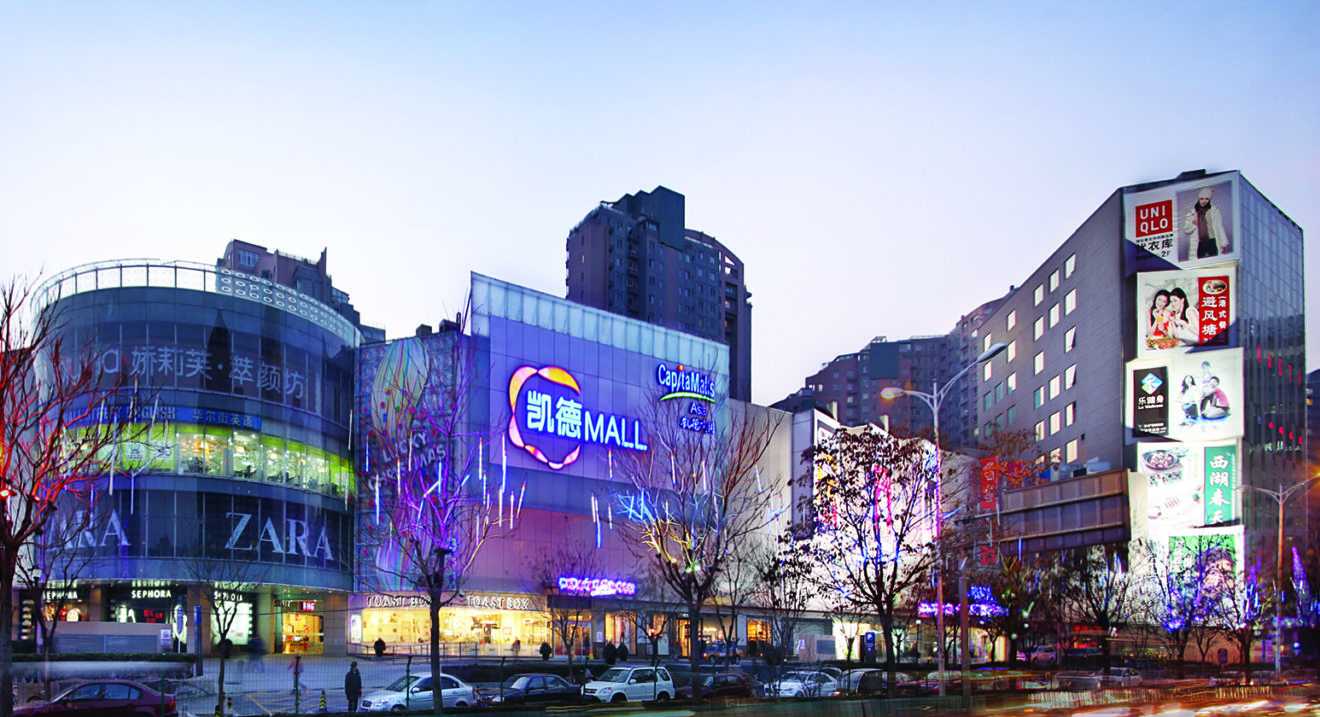
    The trust’s malls are CapitaMall Xizhimen, CapitaMall Wangjing, CapitaMall Grand Canyon, CapitaMall Shuangjing and CapitaMall Anzhen in Beijing; CapitaMall Qibao in Shanghai; CapitaMall Erqi in Zhengzhou, Henan Province; CapitaMall Saihan in Huhhot, Inner Mongolia; CapitaMall Wuhu in Wuhu, Anhui Province; and CapitaMall Minzhongleyuan in Wuhan, Hubei Province.

    “We continue to refresh and improve the trade mix within our multi-tenanted malls,” said Tan.

    “CapitaMall Xizhimen is adding more children-related products and services to cater to growing demand from young families with children. A section of the mall’s Level 3 will be reconfigured into a vibrant kids’ zone and new tenants catering to the varied needs of children, such as apparel stores and enrichment schools, will be added.

    “On the asset enhancement front, CapitaMall Wangjing will be commencing upgrading works to its façade in the coming months, and CapitaMall Grand Canyon is currently undertaking renovation works to improve its common amenities. All these initiatives will further enhance the overall appeal and shopping experience at our malls.”

  • CapitaLand may sell Rivervale Mall

    CapitaLand may sell Rivervale Mall

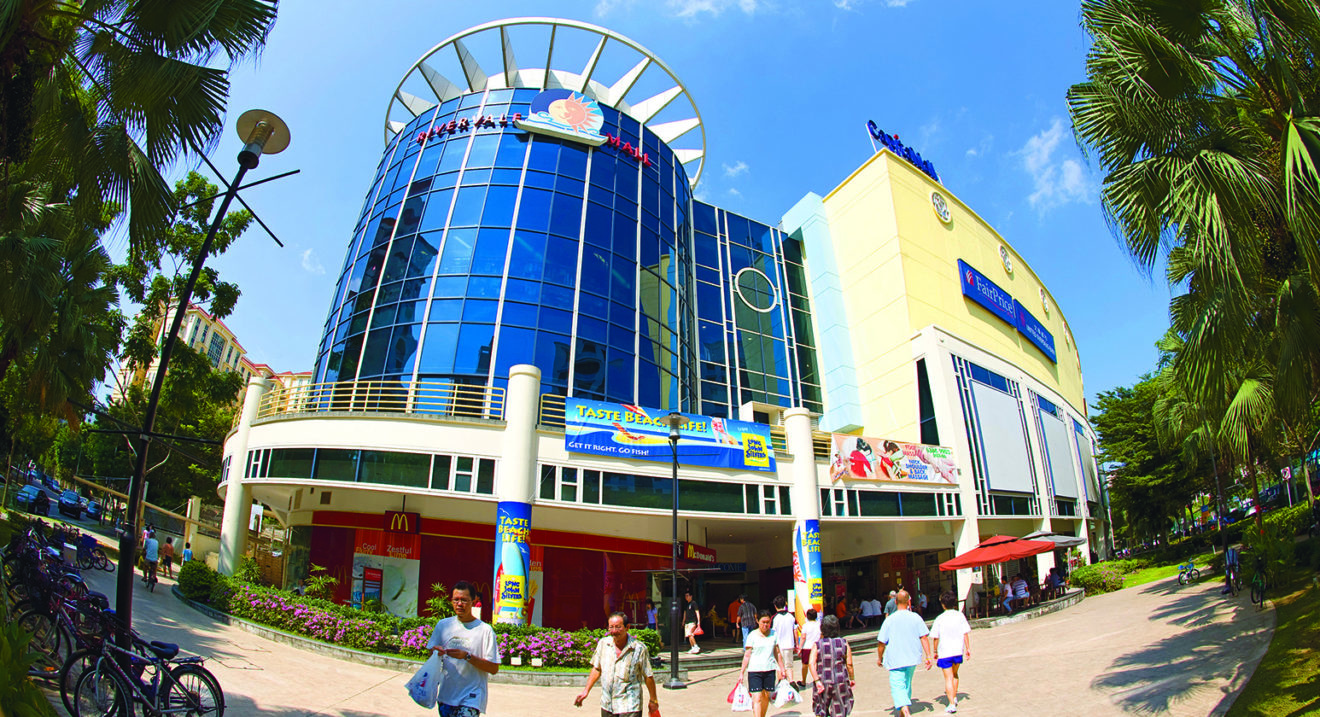
    Singapore property conglomerate CapitaLand has confirmed it is reviewing its options for the future of Rivervale Mall.

    “CapitaLand Mall Trust has not come to any decision or entered into any agreement or transaction in connection with the options, nor is there any certainty or assurance that CMT will enter into or conclude any such transactions,” the company said in a disclosure to the Singapore stock exchange.

    The company said the consideration was in line with its policy of continually evaluating its portfolio of assets “and exploring opportunities to maximise” their value.

    Rivervale Mall is located in the Sengkang housing estate close to Rumbia LRT station in the north-eastern region of Singapore. The three-storey mall has a net lettable area of 81,159 sqft and serves the local community.

    Key tenants include NTUC Foodfare, Daiso, Bata, Eu Yan Sang TCM, McDonald’s, Long John Silver’s, Guardian, KFC, BBQ Chicken, Watsons, Kimage, NTUC Denticare, Unity NTUC Healthcare.

    In 2014, it had a footfall of 9.9 million.

  • CapitaLand posts healthy quarter

    CapitaLand posts healthy quarter

    CapitaLand Limited has today announced a second half after tax group profit of S$464 million – 5.8 per cent up on the same period last year.

    The property giant, which derives 80 per cent of its revenue from Singapore and China, has a portfolio including shopping malls, serviced apartments, office blocks and hotels trading under a variety of banners.

    In a statement, CapitaLand said its operating profit was 87.6 per cent higher than the same quarter last year on account of gains from the change in the use of development properties for sale in China, namely The Paragon (Tower 5 & 6) and Raffles City Changning (Tower 3). These projects are at prime locations in Shanghai and the group has changed its business plans for these projects from strata-sale to leasing as investment properties.

    The result was impacted by an impairment for a development project in China.

    Revenue increased by 17.8 per cent on the back of higher contribution from development projects in China, partially offset by lower revenue from development projects in Singapore and Vietnam.

    The group says it recorded higher rental revenue from its shopping mall and serviced residence businesses during the quarter.

    Lim Ming Yan, president & group CEO, said CapitaLand’s well-balanced portfolio of investment properties and residential projects will continue to generate recurring income and trading profits for the group.

    “While CapitaLand remains focused on Singapore and China as core markets, it is exploring opportunities to expand in growth markets such as Vietnam, Indonesia and Malaysia. CapitaLand has built a significant scale across diversified asset classes and strong expertise in integrated developments, shopping malls, serviced residences and capital management. Coupled with its technology efforts, CapitaLand continues to strengthen its position for growth,” he said.

  • CapitaLand sells Bedok Mall

    CapitaLand sells Bedok Mall

    CapitaLand has sold its 18 month old Bedok Mall in Singapore to a trust.

    CapitaLand subsidiaries Brilliance Residential and CMA Singapore Investments have entered into a sale and purchase agreement with HSBC Institutional Trust Services, trustee of CapitaLand Mall Trust (CMT), for the sale of the entire unitholding interest of Brilliance Mall Trust, which owns Bedok Mall. The sale is based on an agreed value of Bedok Mall of S$780.0 million and other net assets of Brilliance Mall Trust of about S$3.1 million. At the last valuation commissioned by CapitaLand, Bedok Mall was valued at S$775 million.

    Opened in December 2013 on New Upper Changi Rd, Bedok Mall has a net lettable area of 222,464 sq ft and is 99.3 per cent leased. Anchor tenants include Fairprice Finest, Uniqlo, Best Denki, Canton Paradise, Popular, McDonald’s and Din Tai Fung.

    It is the first major mall in the heart of Bedok Town Centre, serving Singapore’s largest estate of about 300,000 residents as well as other residents in the east of Singapore. It is part of an integrated retail-residential-transport development, which also includes the 583-unit condominium Bedok Residences developed by CapitaLand that received its Temporary Occupancy Permit in May 2015. The mall’s Basement 2 is directly linked to the Bedok MRT station while the new air-conditioned Bedok bus interchange, which began operations in January, is integrated with the mall on Level 2.

    Lim Ming Yan, president and group CEO of CapitaLand, said the proposed divestment, which remains subject to unitholder approval, as well as the ongoing divestment of a group of serviced residences and rental housing properties to Ascott Residence Trust and CapitaLand’s 30 per cent stake in PWC Building announced last month, are all examples of the company’s “robust capital recycling strategy”.

    “These transactions allow us to realise our investment value and development profit, and enhance our financial flexibility as we redeploy our capital into other ventures that will generate stronger returns for our shareholders.”

    Jason Leow, CEO of CapitaLand Mall Asia, said his company will continue to manage Bedok Mall.

    “We remain confident in the retail growth prospects in Singapore where we are the market leader with the largest network of 20 shopping malls. We are committed to the Singapore retail market and continue to be on the lookout for suitable new opportunities in Singapore and the region as we seek to strengthen our leadership position as Asia’s leading shopping mall developer, owner and manager.”

  • Capistar loyalty scheme to broaden reach

    Capistar loyalty scheme to broaden reach

    CapitaLand is to expand its Capistar loyalty scheme into three more nations as the program’s membership surpasses 1.5 million.

    CapitaLand properties in Malaysia, Japan and India will be included by the end of this year.

    The Capitastar loyalty scheme is now benefitting 1.5 million members across 60 malls in Singapore and China where the program was launched in 2011 and 2013 respectively.

    In those two markets, more benefits will be offered to members from this year. From May, Capitastar members in China can exchange Star$ for credits on a prepaid card, ‘Expresspay Card’ issued by Bank of China, in addition to the current gift redemption benefits.

    The largest rewards programme by any mall manager in Singapore, Capitastar is available across 17 shopping malls in Singapore since 2011 and 43 malls in China since 2013. To date, shoppers in Singapore have redeemed more than S$1 million worth of CapitaVouchers through the Capitastar programme.

    Jason Leow, CEO of CapitaMalls Asia, CapitaLand’s wholly-owned shopping mall subsidiary, said tenant retailers have been supportive of Capitastar.

    “The rewards program is one way in which we add value to our tenants. It enables our tenants to better understand their customers through their purchase patterns and to tailor products to shoppers, who then get to enjoy more varied and customised experiences.

    “We currently have over 7000 tenants participating in Capitastar in Singapore and China,” he said.

  • CapitaLand China mall sales soar

    CapitaLand China mall sales soar

    CEO of CapitaRetail China Trust Management Limited (CRCT), Tony Tan said the growth was underpinned by the new contribution from CapitaMall Grand Canyon and rental growth from the other multi-tenanted malls.

    “Rental reversion was a robust 20.6 per cent, and portfolio occupancy as at December 31 was a healthy 95.9 per cent. Tenants’ sales and shopper traffic for 2014 increased year-on year by 16.2 per cent and 3.9 per cent respectively.”

    Singapore-based CRCT has 10 income-producing CapitaMall-branded shopping malls in greater China: Xizhimen, Wangjing, Grand Canyon, Shuangjing and Anzhen in Beijing; Qibao in Shanghai; Erqi in Zhengzhou, Henan Province; Saihan in Huhhot, Inner Mongolia; Wuhu in Wuhu, Anhui Province; and Minzhongleyuan in Wuhan, Hubei Province. Total assets are valued at about S$2.4 billion.

    All the malls are positioned as one-stop family-oriented shopping, dining and entertainment destinations for the sizeable population catchment areas in which they are located, and are accessible via major transportation routes or access points. A significant portion of the properties’ tenancies consists of major international and domestic retailers such as Beijing Hualian Group and Carrefour under master leases or long-term leases, which provide unitholders with stable and sustainable returns. Other tenants include KFC, Paris Baguette, Pizza Hut, Sephora, Uniqlo, Vero Moda, Watsons and Zara.

    “For 2014, CapitaMall Xizhimen and CapitaMall Wangjing – our largest revenue contributors – recorded growth of 16.4 per cent and 13.7 per cent in their net property income (NPI) respectively, after a series of tenant mix adjustments,” said Tan.

    “Over at CapitaMall Grand Canyon, new tenants such as Nanjing Impressions opened to strong sales, and plans for further reconfiguration of the mall’s layout to add more retail units are progressing well. CapitaMall Qibao, which achieved 17.5 per cent growth in NPI, strengthened its education and children-related trade offerings on its Level 4 with the introduction of C&S – an enrichment centre which offers baking classes to both adults and children and held well-received thematic marketing activities such as the Shanghai Animation Film Studio Exhibition.

    “The upgrading of the tenant mix at CapitaMall Saihan also showed positive results, with its NPI increasing by 19 per cent in 2014.”

    Tan said CapitaMall Wuhu is also currently undergoing tenant mix adjustments to achieve a stronger positioning and better trade mix.

    “In the short term, CapitaMall Minzhongleyuan’s NPI has been impacted by the road closure for subway construction works, but the mall will stand to benefit from increased shopper traffic when subway Line 6 linking Hankou and Hanyang becomes operational by end-2016. With the financial flexibility provided by our robust balance sheet, we continue to be on the lookout for acquisition opportunities to grow our portfolio further.”

    The trust achieved distributable income of S$20.5 million for the quarter, an increase of 15.6 per cent over the S$17.7 million for the fourth quarter of 2013.

    Chairman Victor Liew said China’s economy expanded by 7.4 per cent in 2014 and retail sales grew 12 per cent to RMB26.2 trillion.

    “The Chinese government has continued to place a strong emphasis on quality and sustainable growth, and we have seen an overall stability in the economy and the labour market in the past year. The country’s efforts at economic restructuring are seeing progress, and the services sector has developed into the largest pillar of China’s economy.

    “Moving forward, with the government’s focus on driving domestic consumption and maintaining long term stability, CRCT remains upbeat about China’s retail growth prospects,” said Liew.