Retail News CRM

Tag: cargo

  • Yusen Logistics standardises global fulfilment operations on Manhattan Associates

    Yusen Logistics standardises global fulfilment operations on Manhattan Associates

    Yusen Logistics is deploying Manhattan Associates, warehouse and distribution management solution Manhattan SCALE as the fulfilment engine to power its expanding global logistics services operation. The Manhattan solution being implemented on the Microsoft Azure cloud platform, is driving revenue, profitability and efficiency improvements for Yusen Logistics and its customers and will support Yusen Logistics’ ongoing business growth across the Europe, Middle East and Africa (EMEA), Asia-Pacific (APAC) and Americas regions.

    Yusen Logistics serves a broad spectrum of industry sectors, offering an extensive range of capabilities including air, sea and road freight services. One of the key business imperatives for Yusen Logistics is an unwavering commitment to delivering solutions that meet the unique requirements of each client. Having operated previously with a number of vendor systems, Yusen Logistics made the decision to standardise on a single Warehouse Management Solution (WMS) that could be deployed globally and provide the requisite level of consistency in service levels its customers increasingly demand.

    Tony Gudger, CIO at Yusen Logistics Europe explains: “We chose Manhattan SCALE as our strategic fulfilment solution based on a number of factors including functionality, extensibility, ease and speed of implementation, global support capability and total cost of solution ownership. Our long-term partnership with Manhattan, which stretches back 14 years and has involved multiple deployments of its various WMS technologies across the globe, also counted significantly in our selection process.”

    Having relied on Microsoft Azure as a cloud services platform since 2012, the deployment of Manhattan SCALE on Azure was a logical decision. During the initial implementations in Southern Europe, Yusen Logistics reported zero issues relating to either Azure or Manhattan SCALE. The company plans to use Manhattan SCALE for the full gamut of local and global customer order fulfilment operations, spanning relatively small, single site distribution hubs to multi-site, multi-channel, high volume throughput supply networks.

    Henri Seroux, senior vice president, EMEA, at Manhattan Associates, commented, “Yusen Logistics’ customers across the globe are increasingly pressured to fulfil orders profitably across multiple sales channels and geographies while simultaneously maximising product availability and customer satisfaction. We are excited to provide the technology, services and support capabilities to drive the next phase of Yusen Logistics’ global success story.”
  • Yusen Logistics taps into CargoSmart for ocean route planning

    Yusen Logistics taps into CargoSmart for ocean route planning

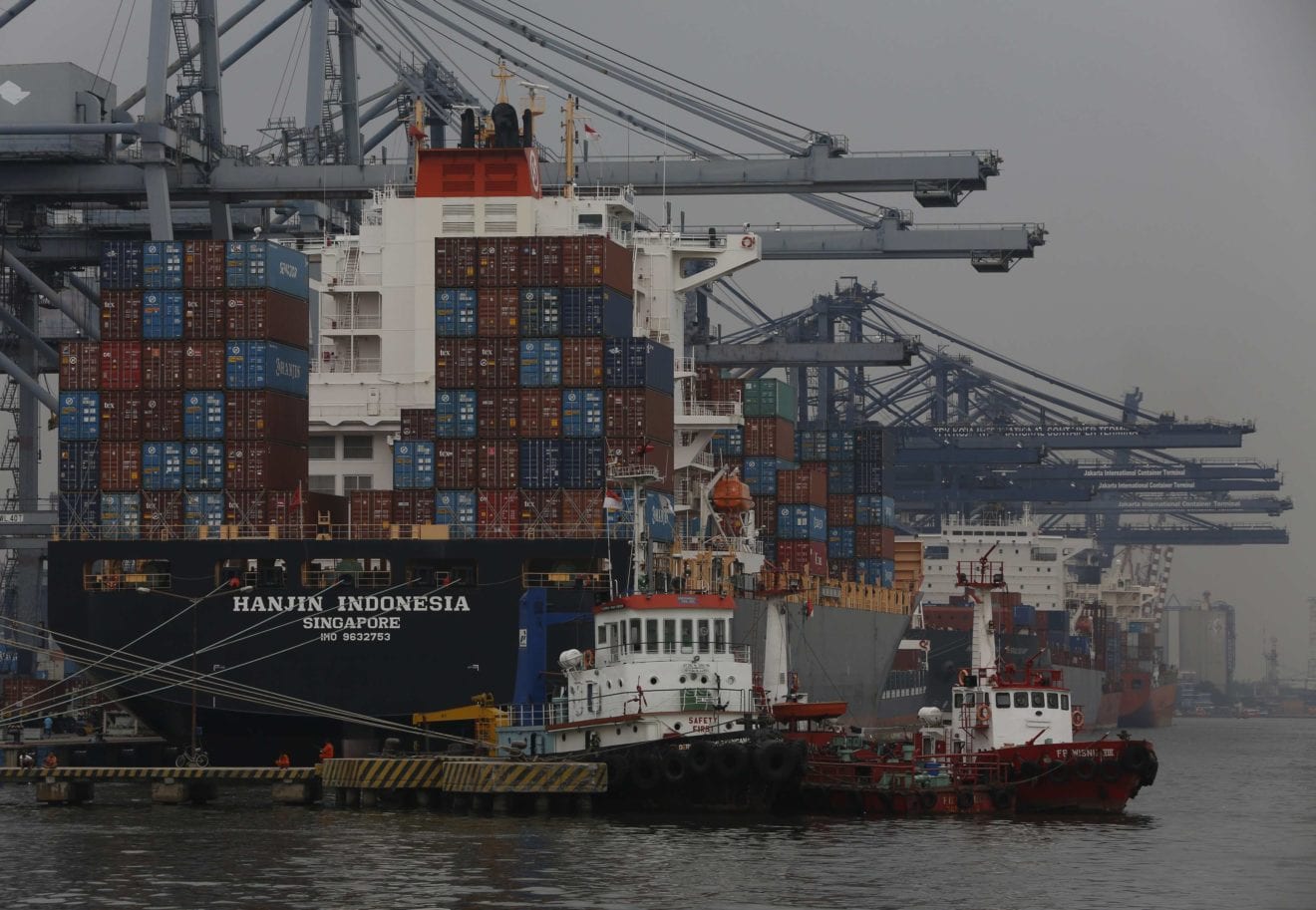
    CargoSmart Limited, a global shipment management software solutions provider that leverages big data for greater visibility and benchmarking, announced that Yusen Logistics Co., Ltd., a global supply chain logistics company, is using Route Master to gain insights to optimise its ocean route planning.

    Providing extensive information about 29 ocean carriers’ available services, Route Master helps Yusen Logistics discover the best routing options to prepare for carrier contract negotiations, make shipment plan recommendations to its customers, and establish routing guides for its internal teams based on the insights.

  • Vietnam logistics firms increase cross-border transport

    Vietnam logistics firms increase cross-border transport

    Amid a growing interest in Vietnam from global garment and technology companies, foreign logistics firms are expanding cross-border transport services between Vietnam, China, and other countries in the region to meet the growing demand.

    Dao Trong Khoa, head of the Vietnam Logistics Business Association’s (VLA) transport division, said at last week’s international seminar on cross-border transport (CBT) between Vietnam and China that CBT has great opportunities to develop.

    Khoa said these opportunities will be driven by the development of regional cross-border e-commerce and transport networks.

    Attention is focused on the development of Shenzhen-Hanoi-Bangkok, and Kunming-Lao Cai-Haiphong networks, which have promising full truckload (FTL) and less truckload (LTL) potential.

    So far, the Chinese-invested ZhenYang Logistics Group (ZYL), which focuses on the ZhenYang-Nanning-Hanoi route and routes between southern China and northern Vietnam, has opened offices in Hanoi and Lang Son province.

    ZYL is the first Chinese logistics firm that has been permitted to cross the border directly without any trans-load at the border.

    “We focus on electronics and high-tech products. Our customers are mainly foreign-invested firms such as Samsung, Foxconn, and global forwarders. We have witnessed the volume of containers grow from 70-80 containers a month in 2013 to 400 containers currently,” Nguyen Quang Tung, branch manager of ZhenYang Logistics Group, said.

    “As the demand continues to increase, ZhenYang is planning to develop LTL services to Vietnam in the third quarter of 2017, while also developing additional multimodal transportation hubs that link Vietnam, China and Europe,” Tung said.

    In another significant move to develop regional CBT routes, Malaysian-invested Overland Total Logistics Services Vietnam JSC (OTL)-which focuses on the Singapore-Malaysia-Thailand-Laos-Vietnam-China route-has partnered with Japan’s Yamato Transport to strengthen its market position.

    Trinh Manh Cuong, general manager at OTL, said “our volume of CBT goods has grown significantly, reaching 700-800 containers per month. We will invest in more facilities, open more hubs, and develop multi-model sea, rail, and cross-border road services in the future.”

    CBT between Vietnam and China is becoming increasingly more popular among international groups and Vietnamese firms alike. The popularity of this market is being driven by the expensive cost of air transport, and the huge risks inherent in sea-based routes.

    According to VLA’s statistics, in 2016, cargo shipped by land transit in Vietnam totalled 19,475 vehicle loads. Cargo shipments between China and Vietnam reached 107,600 loads. The shipping amount between China and Laos, China and Thailand, and China and others is estimated at 2,020, 128,000, and 1,076 loads respectively.

    Notably, cargo throughput at PingXiang and Huu Nghi rose from 1.1 million tonnes in 2013, to 1.5 million tonnes in 2015. At the same time, throughput at HeKou and Lao Cai rose from 650,000 tonnes in 2013, to 1.1 million in 2015.

    As Vietnam is now considered the destination for technology and garments by many multinationals, developing new transport routes has become a lucrative endeavour for CBT firms.

    Multinationals that are currently heavy users of CBT services are the electronics manufacturers Samsung Electronics, LG Electronics and its subsidiaries, Foxconn, Canon, and Foster and its subsidiaries.

    Heavy CBT players in the garment sector include Lear, Adidas, Nike, and Levis, while in the automotive sector Honda, Toyota, Yamaha, and GMV are the primary users of CBT.

    These groups have been expanding their investment in Vietnam, which has led to an exponential increase in their CBT usage.

  • Rhenus expands global services in its sea and air freight business

    Rhenus expands global services in its sea and air freight business

    The process of internationalisation in the Rhenus Group’s sea and air freight business is continuing to gather pace. The company will increase the number of its business sites in the Asia-Pacific region by more than ten percent during 2017. Alongside Asia, Europe and South America are primary target markets this year. Rhenus is also aiming to improve the connections between air and sea freight and overland traffic networks by providing two new gateways.

    Six new offices, including two in the Philippines (Subic and Clark) and one branch each in South Korea (Busan), Indonesia (Semarang), Thailand (Rayong) and Singapore, have already been opened since the beginning of the year. Other business sites in China, Vietnam, Malaysia, Indonesia and the Philippines are due to follow. “We’re involved in a long-term growth course. We’re now continuing this process with our new business sites,” said Tobias Bartz at the “transport logistic” trade fair in Munich.

    Rhenus is planning to consolidate its network both in air and sea freight and overland services this year and offer new routes. Cross-border trucking, which Rhenus provides in Asia, is becoming increasingly important. However, Asia is not the only area of focus of the Freight Logistics business area.

    “Germany, France, Scandinavia, Eastern Europe and South and Central America are also interesting markets for us,” said Tobias Bartz. Rhenus Air has been offering joint customer solutions involving different modes of transport in conjunction with Rhenus Intermodal Systems since April.

    Another goal involves connecting the air and sea freight sites more closely with the Rhenus overland traffic network. Rhenus is opening a sea freight gateway in Germany at Hilden near Düsseldorf this summer, where consignments from all over Europe will be consolidated and shipped via the ports in the west and south of the continent in future. During the course of the year, another consolidation point for air freight consignments is due to open at Frankfurt Airport.

  • SF Express opens branches in Vietnam and Thailand

    SF Express opens branches in Vietnam and Thailand

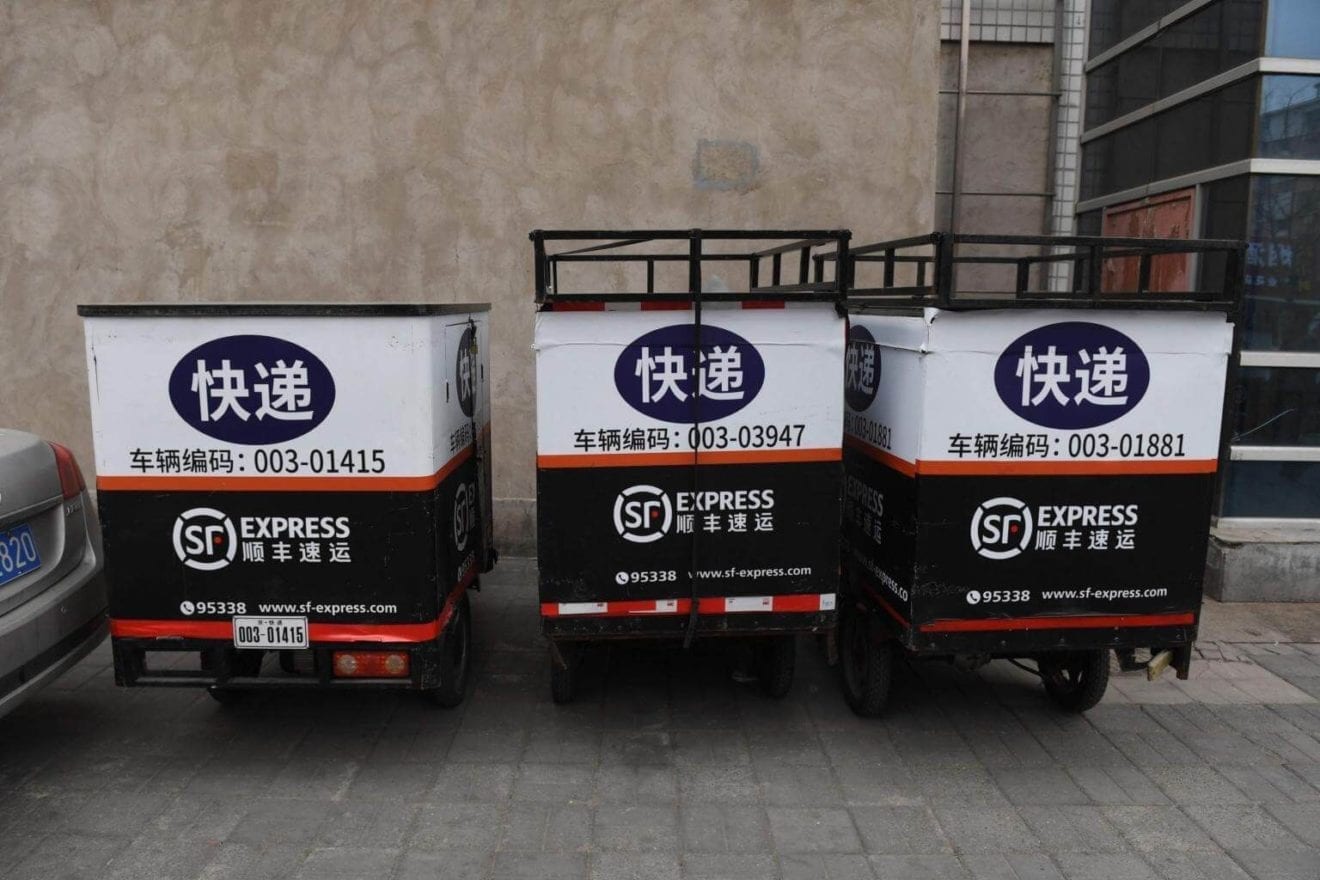
    SF Express, a subsidiary of SF Holdings, a Shenzhen, China-based express delivery firm, recently announced that its service centers in Vietnam and Thailand have formally opened for business, providing export and import express delivery services to local companies and individuals.

    The opening of the two offices are further evidence of the company’s continued efforts to invest in and expand its network in the ASEAN region, on the heels of the opening of service centers in Singapore and Malaysia.

  • DHL Parcel offers Alexa interaction

    DHL Parcel offers Alexa interaction

    DHL Parcel’s customers can now use Amazon’s digital smart speaker “Alexa” for updates on their parcels’ delivery status and location.

    “We want to continually expand and improve service levels for our customers, so of course we’re going to take a close look at any new and innovative technologies available. As an innovation leader in the industry, this is the standard we set for ourselves,” said Michaela Lukas, who heads DHL Parcel’s customer service for private customers. “Voice enabled technologies, including hands-free interaction with online apps, will become more and more prevalent in the future.”

    Depending on user feedback, DHL plans to extend the new voice-controlled service later this year to include information on outlet locations, opening hours, products and prices.

    A number of other delivery companies- including DPD – have also been rolling out applications for Alexa on the Amazon Echo and Amazon Dot platforms.

  • DHL opens China Rail Competence Center

    DHL opens China Rail Competence Center

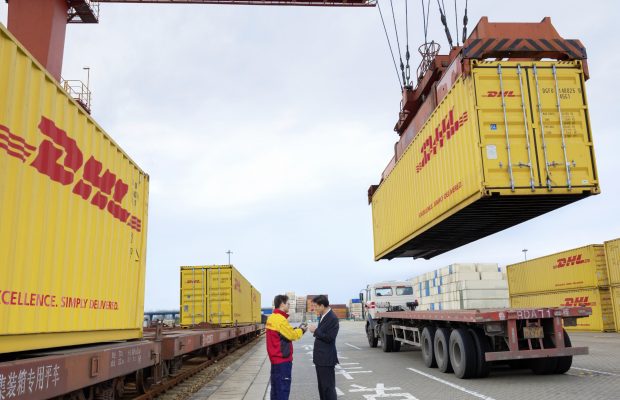
    HL Global Forwarding has opened a central China Rail Competence Center in Stuttgart to help with the coordination of freight transported between Germany and Asia by rail.

    Rail freight volumes between Germany and Asia have increased 10-fold in just one year. In order to meet ever-increasing demand, the onus is on us to grow, optimize processes and create synergies. It is for this very reason that we decided to establish a central China Rail Competence Center,” said Volker Oesau, CEO DHL Global Forwarding Germany and Central Europe.

    In a statement issued today (8 May), DHL said that staff at the Stuttgart Rail Competence Center will develop “appropriate multi-modal transport solutions and coordinating end-to-end transport processes, from collection, export and transit formalities, and the Euro-Asian rail service, right through to customs clearance in the land of arrival and delivery by truck or combined rail transport”.

    DHL Global Forwarding current offers 15 rail connections between Germany and the Far East. The trains follow the course of the trans-Kazakh western corridor and the trans-Siberian northern corridor with a network of rail hubs in the major economic centres of China, Taiwan, Japan and South Korea.

  • Efacec Handling Solutions is now Consoveyo

    Efacec Handling Solutions is now Consoveyo

    Consoveyo, a global expert for automated material handling and storage systems, officially announces its name change. Formerly known as Efacec Handling Solutions S.A. (EHS), Consoveyo previously belonged to the Efacec Group, the largest Portuguese corporation in the field of electromechanics and electronics, with a strong presence across various international markets.

    Acquired by the international technology group, Körber AG, Consoveyo has been part of the Group’s Business Area Logistics Systems since September 2015. All subsidiaries under the company in Europe and Asia will now bear its new name. In Southeast Asia, Consoveyo Singapore Pte. Ltd. will continue to provide automated systems support to its customers in the region.

    Alluding to the Portuguese words, ‘aconselhar’ (for consulting), ‘consenso’ (for consent), and ‘consolidar’ (for strengthening and reinforcing), Consoveyo pays homage to the company’s origins in Porto, Portugal, and underlines the company’s competencies and engineering expertise. Consoveyo is also associated to the word ‘convey’ in English, which describes the act of transporting products, communicating, and advising. The new name aims to bind Consoveyo together with the other brand names within the Business Area Logistics Systems, to achieve better synergy within the Körber Group.

    With more than 30 years of experience, Consoveyo is a global leader for automated material handling and storage systems. The company will continue to supply its customers in Europe and Asia with automated systems for intralogistics.

    “The name change symbolizes an important milestone of our integration into the Business Area Logistics Systems and the Körber Group,” Jorge Couto, Chief Sales Officer at Consoveyo, explained. “Being part of this economically strong and successful Group provides Consoveyo with sustainable and comprehensive future growth prospects – both as a business and as an employer. Our staff are excited about the prospects of this new chapter, where we can leverage on the Group’s international customer network, technologies, and the know-how of our sister companies within the Körber Logistics Systems, all while giving back by supporting them with Consoveyo’s solutions and business relations.”

  • IoT fleet management market worth US$8.28bn by 2021

    IoT fleet management market worth US$8.28bn by 2021

    The global IoT fleet management market is estimated to grow from US$3.16 billion in 2016 to US$8.28 billion by 2021, at a CAGR of 21.26% during the forecast period. According to a report published by MarkesandMarkets, the key factors driving the growth of the market are increased demand for optimised business operations, real-time fleet monitoring, and growing number of government mandates for fleet safety.

    Routing management
    Routing management accounted for the largest share of the IoT fleet management market, by solutions. The growth of this segment can be attributed to rising global road freight traffic and constant R&D activities to develop innovative products.

    According to the Road Freight Transport Statistics of European Commission (EC), the road freight transport of European countries increased by 2.2% in 2015, as compared to 2014, and was the highest in the last five years. Also, the continuous R&D activities by fleet solution providers to develop advanced products help the fleet companies to provide the shortest and less crowded route to fleet vehicles to avoid unnecessary overtime cost.

    Managed services
    The managed services segment is expected to dominate the IoT fleet management market, by services, from 2016 to 2021. Managed services not only offer flexibility but also allow multiple function handling efficiently and, hence, reduce the overall operational cost. These also help to provide the desired operation as per the client’s specific needs, resulting in enhanced customer satisfaction. Further, these services allow work allocation as per the expertise and centralisation of various applications with the data center. The increasing role of IoT in fleet management along with the integration of IoT is resulting in the increased usage of these services. The difficulty for companies to focus on other support functions other than their core business processes has also increased the significance of managed services.

    The Americas region is expected to hold the largest share in the IoT fleet management market. The growth of the market in this region can be attributed to increasing sales of fleet vehicles, high adoption rate of advanced technological products, and regulatory developments by the government. For instance, according to the U.S. Bureau of Transportation Statistics, the number of fleet vehicles includes vans, SUVs, and trucks had increased from 11,550 thousand units in 2010 to 12,276 thousand units in 2015. The increasing number of fleet vehicles propels the demand for IoT fleet management solutions. Also, some of the Original Equipment Manufacturers (OEM) in this region such as Volvo Trucks and Daimler Trucks North America, LLC started offering telematics solutions either independently or in partnership with fleet solution providers. Further, in 2015, Daimler Trucks had successfully completed the testing of truck platooning concept. Also, the U.S. government regulations of Electronic Logging Devices (ELD) mandate makes fleet management solutions a necessary tool for commercial trucks.

  • ALC and NFF agree key freight strategy priorities

    ALC and NFF agree key freight strategy priorities

    With less than a fortnight until the Federal Budget is handed down, it was an opportune moment for the peak bodies representing the nation’s freight logistics and farming sectors to underscore their common interests and agree priority areas for action.

    “This meeting allowed ALC and the NFF to explore the key infrastructure issues involved in getting produce from the farm into our cities and ports,” ALC Managing Director Michael Kilgariff said.

    “We know Australian households want to purchase the freshest possible produce when they do their shopping. We also know that Australia’s high-quality agricultural produce represents an enormous export opportunity. However, industry can only meet the expectations of domestic and international consumers if we have a safe and efficient supply chain.”

    “This requires governments to make the necessary regulatory improvements and infrastructure investments, including constructing major projects such as the Inland Rail linking the ports of Melbourne and Brisbane, with efficient linkages to the ports of Newcastle, Botany and Kembla.

    NFF Chief Executive Officer Tony Mahar said the meeting was a good chance for NFF members to provide their perspective on the National Freight and Supply Chain Strategy.

    “Agriculture is an industry that competes on the global stage. In order to maintain and build our international competitiveness, strategic infrastructure investment is vital.”

    “Farmers are some of the best innovators in growing our produce, but only so much can be done on farm. Once our products leave the farm gate we are heavily reliant on our transport and infrastructure networks to reach consumers. Getting this right is fundamental, which is why we have had these discussions with ALC to identify where key productivity gains can be made.”

    “ALC and NFF will use the outcomes from this meeting to shape our respective contributions to the ongoing development of the National Freight and Supply Chain Strategy. This will help ensure the Strategy is relevant to the needs of the freight and logistics industry, farmers and consumers,” Mr Kilgariff and Mr Mahar concluded.

  • Sadleirs Global Logistics accredited as an ‘Australian Trusted Trader’

    Sadleirs Global Logistics accredited as an ‘Australian Trusted Trader’

    Sadleirs Global Logistics has announced that it is the ‘first’ national customs brokerage and international freight forwarder to be fully accredited as an ‘Australian Trusted Trader’ by the Australian Border Force.

    As one of Australia’s oldest family businesses (Sadleirs was founded in 1895), the certification is another pioneering milestone for the company. Sadleirs was selected due to its strong security practices and very long history of compliant behaviour.

    The ‘Australian Trusted Trader’ is a trade facilitation initiative and Authorised Operator (AEO) programme that recognises businesses with a secure supply chain and compliant trade practices. It also provides accredited businesses with a range of trade facilitation benefits. Through this recognition, Sadleirs will now have a dedicated contact within the Australian Border Force, receive a priority service and prioritised examination clearance.

  • DHL to Invest $268 Million in India as National Tax Spurs Demand

    DHL to Invest $268 Million in India as National Tax Spurs Demand

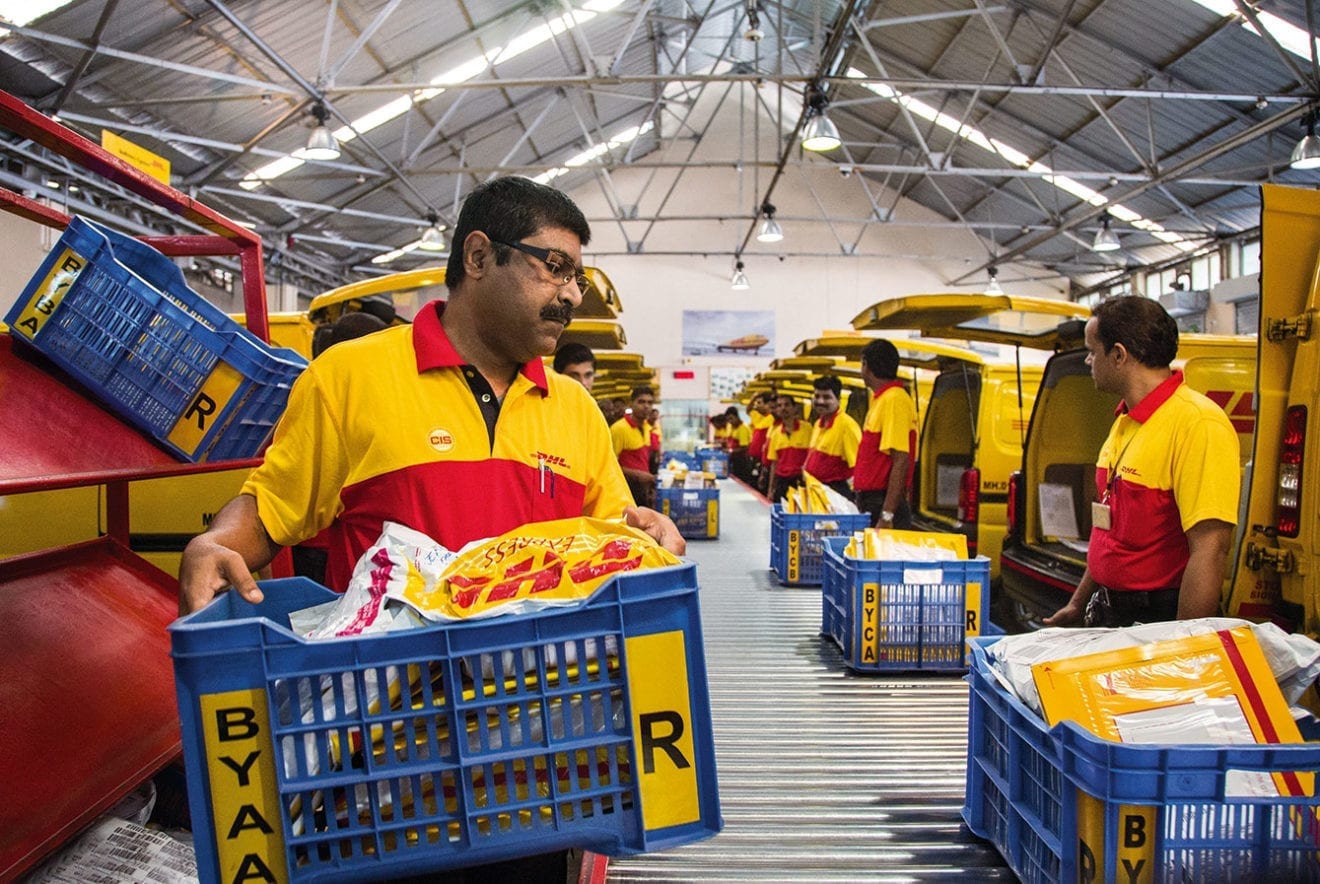
    Deutsche Post DHL Group will invest 250 million euros ($268 million) in India by 2020 to expand its logistics business and tap demand as the South Asian nation introduces a national sales tax that is set to boost movement of freight.

    The goods and services tax will help create bigger distribution centers, Deutsche Post AG Chief Executive Officer Frank Appel said in an interview in Mumbai on Friday. Until now, Indian companies were setting up warehouses in all states to avoid tax burden while the new tax reform may realign the needs of local companies toward larger and fewer mother warehouses, he said.

    The goods and services tax will replace an archaic web of levies and improve ease of doing business in a country with more than 1 billion consumers. Proposed over a decade ago and then refined several times to win bipartisan support under Prime Minister Narendra Modi, the tax is scheduled to be rolled out on July 1.

    “We want to consolidate our distribution centers,” Appel said. “We follow our customers. We adapt to their needs.”

    The 250 million euros will be in addition to the 70 million euros invested in India in the last 18 months, he said. The investment would include all units of DHL Group in India and would cover airport cargo facilities in Mumbai and Delhi of unit Blue Dart Express Ltd.

    The new tax will create an opportunity to optimize the logistics network based on cost and service quality instead of arbitrage tax systems, Appel said. More manufacturers will emerge in India as they don’t have to worry about tax provisions.

    “Goods and Services Tax is a very robust step in realizing ‘Make In India,’” Appel said, citing Prime Minister Modi’s flagship program designed to lure investment in the nation’s manufacturing sector.

  • FedEx documents global citizenship efforts

    FedEx documents global citizenship efforts

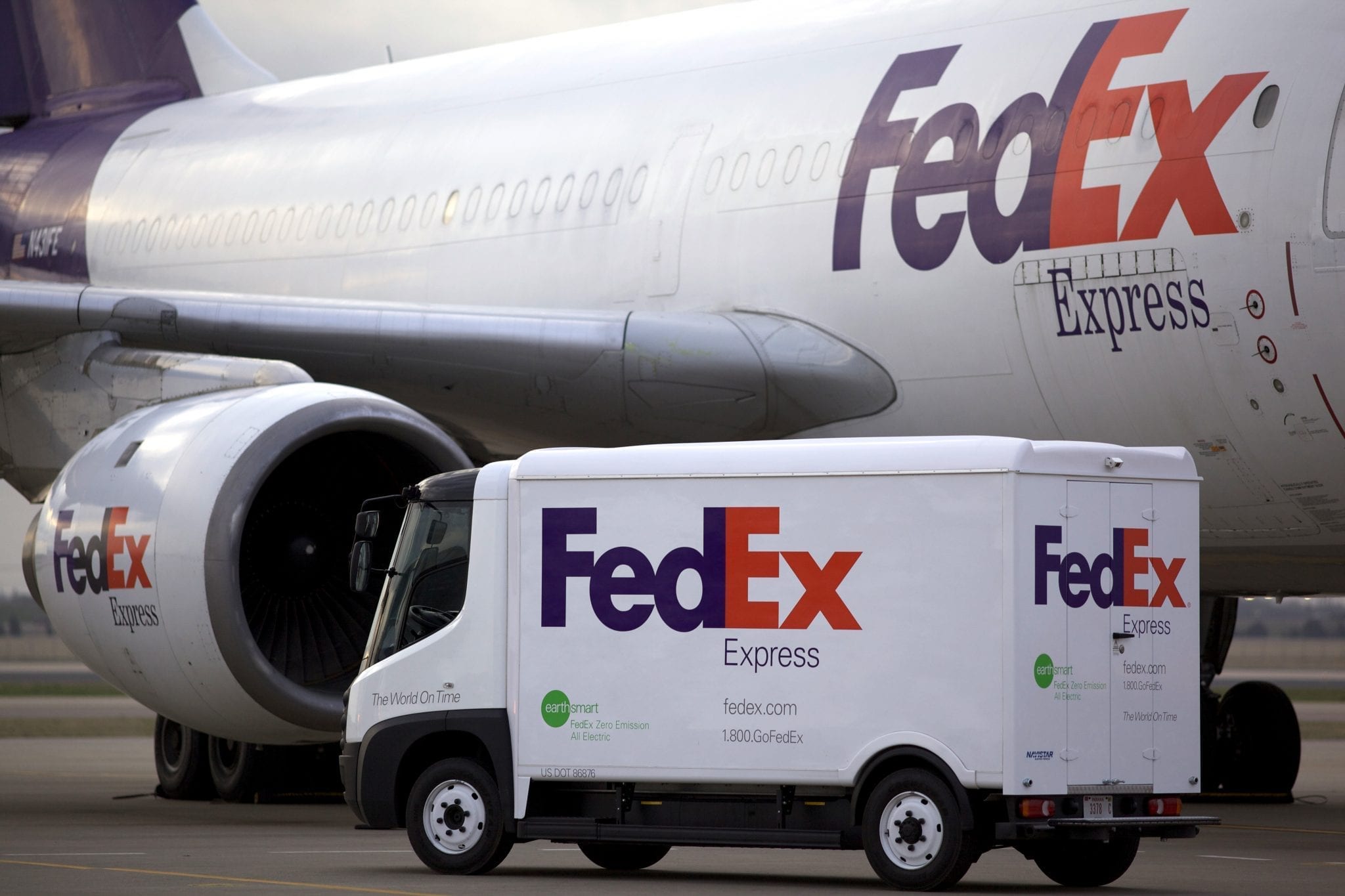
    FedEx Corp. announced the online release of its 2017 Global Citizenship Report (GCR), which details how the company connects the world responsibly and resourcefully.  The annual report includes updates on the company’s strategies, goals, programs and progress in three key areas: Economy, Environment and People.  The report also includes statistics that track the progress of the company’s citizenship goals in fiscal year 2016, which ended on May 31, 2016.

    Highlights from this year’s report include:

    Economy
    FedEx invested more than US$46 million in 97 global communities in FY16 as part of its newly-launched FedEx Cares charitable giving program.  The goal of the initiative: invest US$200 million in 200 communities by 2020 to create opportunities and deliver positive change around the world.  Through FedEx Cares, the company advances entrepreneurship, creates employment pathways for underserved populations, enhances sustainable transportation, makes roads and pedestrians safer, and uses its global network to deliver resources where they are needed most.

    “We constantly challenge ourselves to tackle big problems, in our own backyard and on a global scale, whether it’s helping small businesses expand market reach or investing in communities to help address youth unemployment,” said Neil Gibson, vice president, Corporate Communications, FedEx Services.  “Everything we do to support local economies goes back to our purpose–connecting people and possibilities.”

    A diverse workforce, supplier base and culture enabled FedEx to better serve customers.  In FY16, the company spent US$9.2 billion with small, women-owned and minority-owned suppliers, a 37% increase from FY15.

    Customers who sought information about the company’s corporate citizenship and carbon emissions data as part of their purchasing process accounted for US$6.7 billion in FY16 revenue.

    Environment
    FedEx Express raised the stakes and revised its vehicle fuel efficiency goal.  The company set a new goal to increase vehicle fuel efficiency by 50% by 2025 from a 2005 baseline.  In FY15, FedEx Express met its goal of increasing vehicle fuel efficiency by 30% by 2020, which was achieved five years early.

    “FedEx is committed to advancing our vision of practical sustainability,” said Mitch Jackson, vice president, Environmental Affairs & Sustainability, FedEx Corp.  “Thanks to the innovation and commitment of our team members, we’re changing what is possible and making our goals a reality.”

    As of 2016, the company has more than 2,700 alternative fuel vehicles in its fleet, which is an increase of nearly 44% since FY15.

    FedEx also saved more than 153 million gallons of jet fuel in FY16 by continuing to modernize its aircraft fleet and improve operations.  That’s the equivalent of 230 Olympic-sized swimming pools.

    In FY16, FedEx avoided more than two million metric tons of carbon dioxide emissions through fuel and energy saving initiatives across the company, which is the equivalent to the carbon sequestered by more than 1.9 million acres of U.S. forest in just one year.

    Three new solar installations came online in FY16 bringing the total to 18, helping maintain the company’s ranking as one of the top corporate users of solar power in the U.S., according to the Solar Energy Industries Association.

    People

    Fortune again ranked FedEx as one of the “World’s Most Admired Companies”.  The survey measures nine attributes related to financial performance and corporate reputation.  This is the 17th consecutive year that FedEx has ranked among the top 20.

    Fortune also named FedEx as one of the “10 Best Workplaces for African-Americans.”

    FedEx supports team members who wish to give back to the communities in which they live and work.  In FY16, team members volunteered more than 93,000 hours in more than 500 cities worldwide.

    The company retained 88% of its full-time U.S. team members, up 8% from FY15.

  • Kerry Logistics starts UK-China rail service

    Kerry Logistics starts UK-China rail service

    Kerry Logistics Network participated in the commencement ceremony of the first eastbound freight train from London to Yiwu with the support of a long-standing customer for this service. The project is not only a significant step forward in the Group’s development strategy in line with the ‘One Belt One Road’ Initiative, but also a strategic move advancing the Group’s further expansion into the rail freight and multimodal services.

    The train, which departed on 10 April 2017 from London, is scheduled to arrive eastern China’s Yiwu in around 18 days. The 7,500-mile journey will pass through nine countries, including France, Belgium, Germany, Poland, Belarus, Russia and Kazakhstan. The freight cost is lower than that of air and ocean freight, while it is twice as fast as ocean transport.

    In August 2016, Kerry Logistics delivered a rail freight shipment of over 80 containers from Yiwu to Madrid, Spain, passing through eight countries in 19 days.

    London is the 15th European city and the latest destination added to the China-Europe rail network under the Belt and Road Initiative. The first freight train from Yiwu to London launched on 1 January 2017 took 18 days. It was mainly for carrying clothes, shoes and other consumer goods made in China.

    William Ma, group managing director of Kerry Logistics, said, “We are extremely excited to be the first Asia-based global 3PL to move eastbound freight from Europe along the One Belt One Road trade route, turning part of the roadmap into reality. We are committed to developing an overland transportation network for road, rail and multimodal freight services in China to Central Asia and Europe. We will leverage our global international freight forwarding network to provide end-to-end and cost-effective logistics solutions to connect China with Europe and Asia via air, road, rail and sea.”

    Kerry Logistics will continue to develop under the Belt and Road Initiative to create new form of transportation models, offering more options to customers across various industry segments.

  • Dachser Singapore expands airport office

    Dachser Singapore expands airport office

    Dachser Singapore recently expanded its airport office at the Changi International Airport to accommodate growing business.

    The airport office remains at the same location, but has added another level above the existing office, making the total space five times larger.

    “As a consequence of our constant business development and Singapore’s relevance as a gateway for trade and business, our airport office reached its capacity,” said Christophe Vincent, managing director Air & Sea Logistics Malaysia, Singapore, Thailand and Vietnam.

    The decision to rent more space and group operations, customer service and warehousing under one roof serves to streamline workflows and facilitate internal communication.

    “The Singapore team appreciates the newly renovated modern space that offers a panoramic view of the Changi Airport coastal road and the outlaying islands beyond,” Vincent added.

    DACHSER Singapore’s two locations are fully integrated into the company’s global network. The Singapore branch is at Pioneer on the west side of the city and provides sales, administration and management functions. Together with the airport office and the warehouse, the company can offer top-notch worldwide logistics services to customers.