Retail News CRM

Tag: casino

  • Gambling Development and the Best Land Based Casinos in Singapore

    Gambling Development and the Best Land Based Casinos in Singapore

    Gambling is popular all over Asia, with Macau being the traditional centre for glamorous casinos and high stakes rollers. But Singapore has risen in popularity as a casino destination as well. Singapore is famous for having stringent laws affecting such things as chewing gum and e-cigarettes – possession of either of these things will land you a hefty fine, and possible jail time. So it comes as no surprise that gambling is heavily regulated – in fact it has only been legal for a few years. The authorities have realised that regulated gambling is safer gambling, and also a lucrative, taxable part of the industry. Singapore may only have two active, licensed casinos – Resort World Casino and Marina Bay Sands – but it turns over multiple billions every year.

    History of gambling in Singapore

    Singapore’s rank as the second-largest Asian gambling zone after Macau may seem a little unlikely, especially when you consider that the Casino Regulatory Authority of Singapore was only set up in 2008, and casinos -just two of them- only opened in 2010. But of course, legal or otherwise, gambling has always been a popular pursuit in the city-state. In the early 1800s, the British rulers of Singapore banned cockfights and outlawed gambling dens, bringing in a system of regulation by 1820. In the 20th century, a series of legislative measures were introduced, including the Private Lotteries Act of 1952 and the Common Gaming House Act of 1961. Common gaming houses are illegal operations under Singaporean law. In 2006 the Casino Control Act was passed, lifting a 40-year ban on gambling, and allowing the city to grant special licenses for legal gambling venues. There are only two casinos in Singapore, but they are both enormous and among the two most expensive built in the world.

    Legal status

    There are only two licensed land-based casinos in Singapore. It is illegal to place bets in any other land-based establishment, and as these places are unregulated they put punters at risk. Online casinos were outlawed by the Remote Gambling Bill of 2014, but two companies were given an exemption to operate. A shakeup next year looks likely to define the rules more clearly. Currently, online casinos operating out of other countries are not technically illegal in Singapore. But it makes sense to do some research and find casinos that don’t have restrictions for Singaporeans making withdrawals and accessing special prizes.

    Resort World Casino

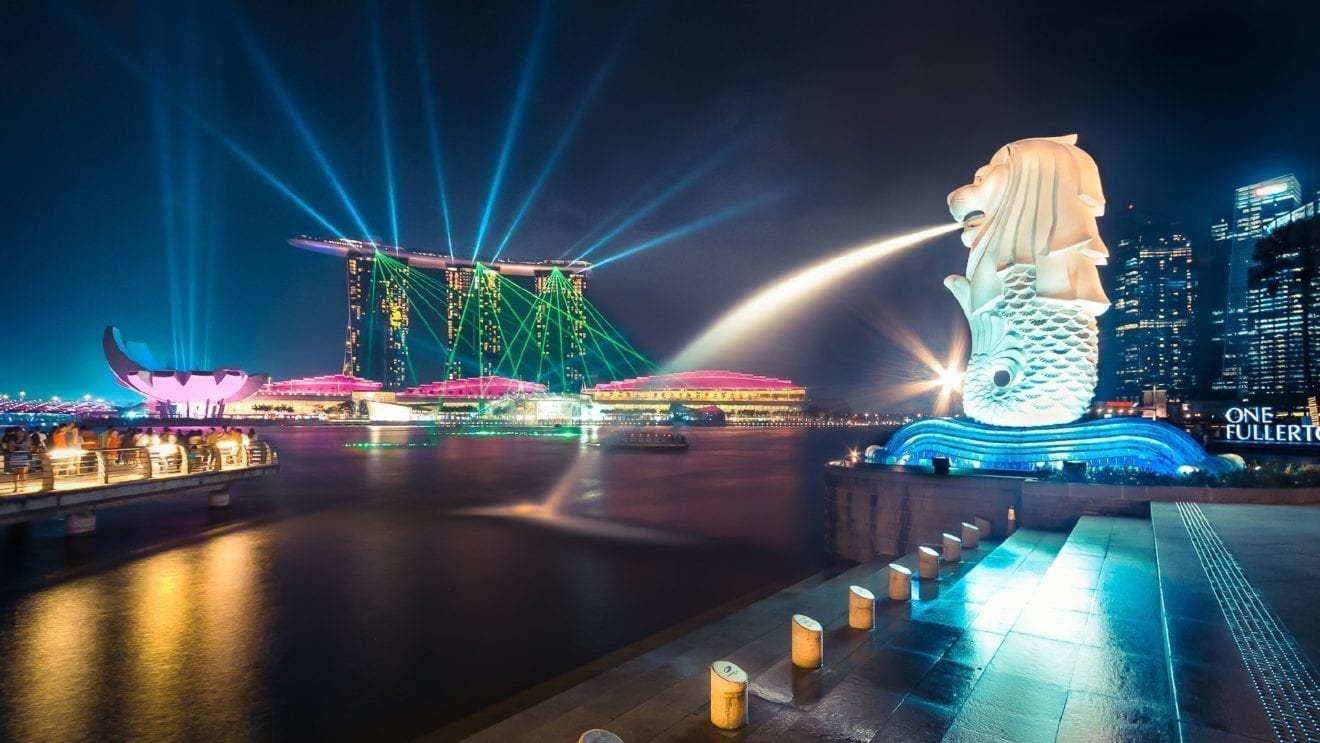
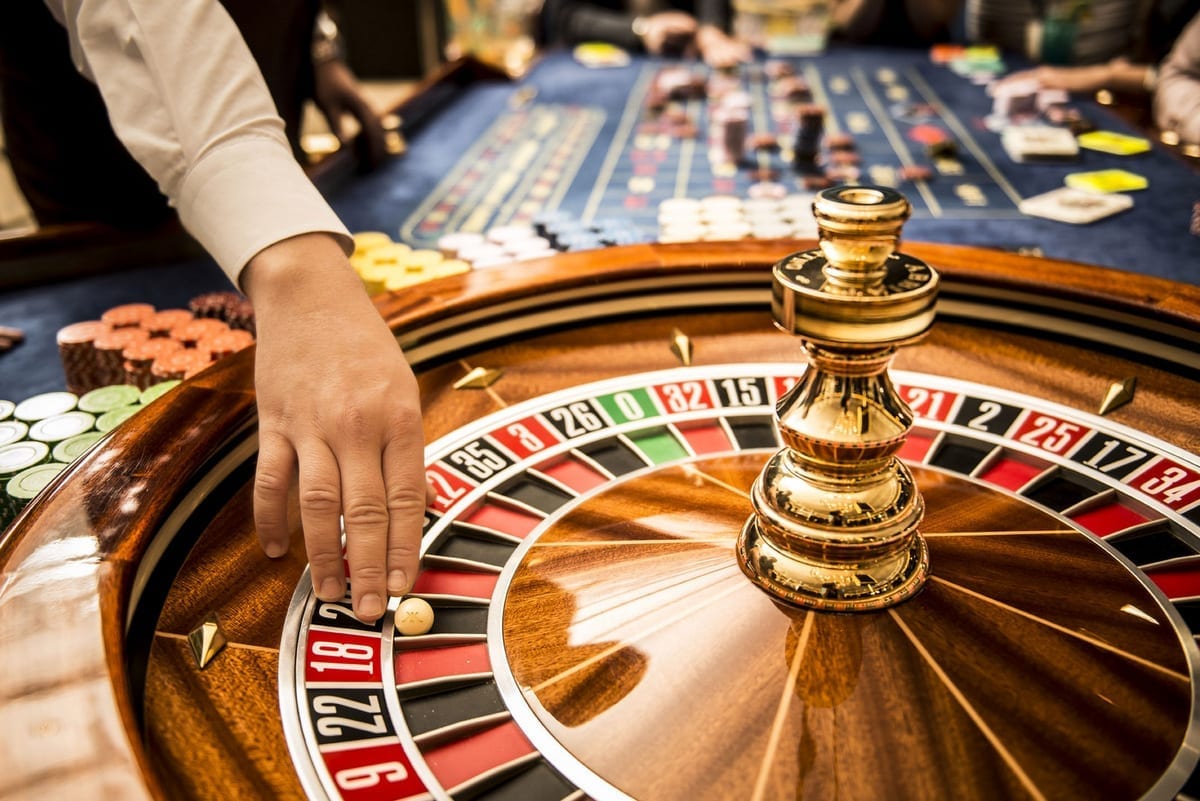
    The world looked on in shock as the Resort World Casino opened in 2010. First, the Singaporean government had allowed dancing in bars. Then they had a Formula One Grand Prix. And now a casino! Famously averse to vice, the moralistic government seems to want to limit the revelry to foreigners – admission price for Singaporeans is an eye-watering $100. Built on Sentosa Island, a mere ten minutes journey from the central business district, Resort World is a vast place, featuring more than just a casino. There are restaurants serving food from all over the globe, but with emphasis on the unique culinary makeup of Singapore itself – Indian flavours mingling with Chinese and Malay influences. There is a beautiful aquarium and an amazing waterpark. But the casino itself is something to behold – 15,000 square metres of glamour and glitz, with no expense spared. Featuring thousands of cutting edge slot machines, with various themes lifted from all facets of popular culture, card tables offering baccarat, blackjack and poker, and roulette wheels aplenty, there is something for everyone in the casino. It cost a massive $4.5 billion to build this gambling colossus, and the results speak for themselves.

    Marina Bay Sands

    Opened mere months after Resort World Casino, Marina Bay Sands will be recognised by all Formula One fans, imposing itself magnificently on the Singapore skyline. Three vast towers, linked together by the iconic ‘Skypark’ – a rooftop deck 200 metres above the marina below. As well as the casino and hotel complex, Marina Bay Sands offers a vast array of other distractions, including the ArtScience museum featuring major exhibitions that blend art, science, culture and technology – recently with an emphasis on conservation and sustainability. Cinemas are dotted about the complex, there is an extensive retail space, and plenty of places to eat. And don’t forget about the famous infinity pool on the deck! As for the casino, well, it is even more monied than its nearby rival, costing $5.5 billion to build. Set over four floors, punters can enjoy the usual range of card games, slot machines, crap tables and roulette wheels, with variants and tournaments available. The casino boasts 2,400 state of the art slot machines, VIP table areas for celebrities and high-rollers, and three noodle bars in case your poker makes you peckish. Free (soft) drinks are available throughout.

    Singapore’s gambling industry adds another feather in its cap as far as tourism goes. But it has also cemented itself as a serious destination for jet-setting casino players, and may usurp Macau in revenue (and appeal) in the years to come.
     

  • Casino operator RIC posts $2.3 mln loss

    Casino operator RIC posts $2.3 mln loss

    Royal International Corporation (RIC), which operates the largest casino in Quang Ninh Province, posted a loss of VND54 billion ($2.3 million) in the first half.

    The second quarter was the third consecutive quarter the HCMC Stock Exchange-listed company had reported a loss. Its accumulated loss by the end of June totaled VND282 billion ($12.2 million).

    Revenue in the first half fell 38 percent year-on-year to VND49 billion ($2.1 million) as its hotel and casino complex in travel hotspot Ha Long Town was closed most of April due to the coronavirus pandemic.

    The company has been cutting down staff and salaries in recent months to reduce costs. In the first six months, its employee numbers fell by 334 to 1,059. It had earlier forecast revenues of VND294 billion ($12.7 million) this year, of which 64 percent would be drawn from the casino and 36 percent from hospitality. Last year Royal International Corporation had posted a loss of VND72 billion ($3.1 million), blaming it on the increasing number of casinos in Ha Long.

  • Shoppers return to Macau’s casino malls

    Shoppers return to Macau’s casino malls

    Macau’s casino malls have seen a welcome resurgence in foot traffic as locals bearing shopping vouchers return to store floors.

    While gamblers have yet to return to the casino venues, government e-voucher handouts to eligible residents of the territory have stimulated the local economy in the wake of the coronavirus pandemic.

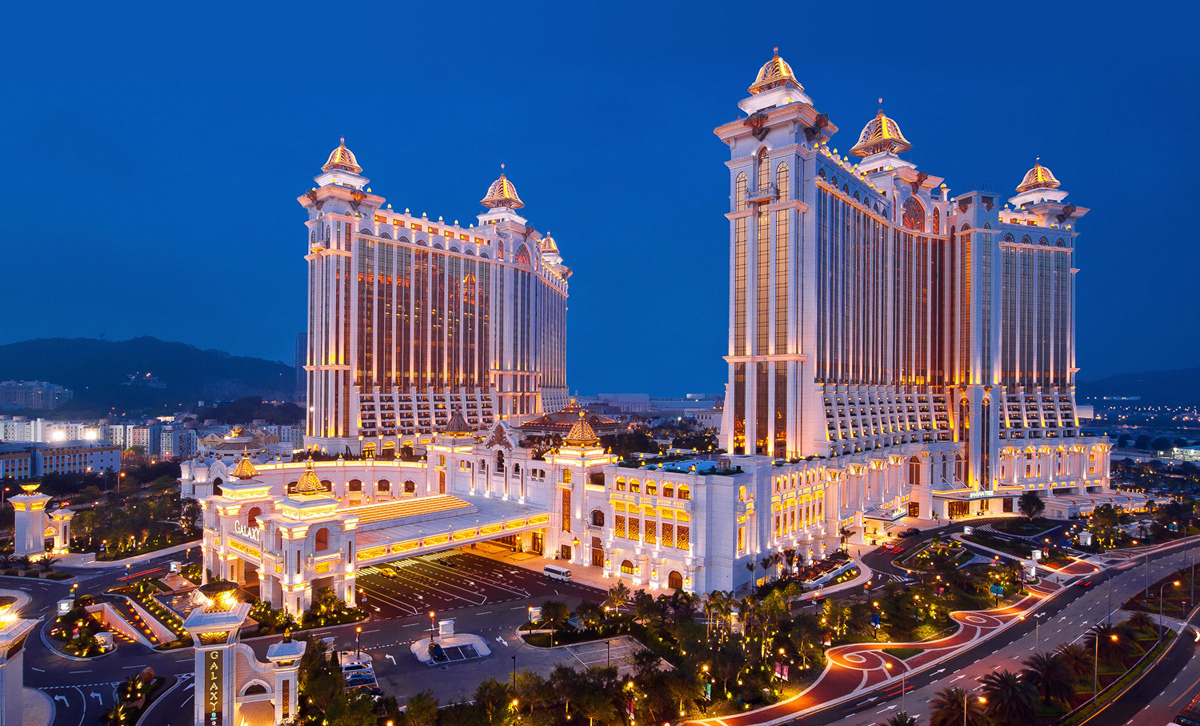
    “Consumption coupons did help,” said JLL Macau head of leasing Oliver Tong. “When you go to casino malls, including The Venetian and Galaxy, during the weekend, the footfall is tremendous. It felt like going back to November or December last year when there were a lot of people. But these were all locals.”

    Visitor numbers to Macau dropped 99.7 percent in April, with retail sales down 45.1 percent for the first quarter to US$1.41 billion.

    Many retail tenants at Macau’s casino malls and adjacent to gaming facilities have been allowed rental waivers for three months.

    Check our partners from BestCasinoSites.me.uk.

  • Macau casinos reopen – how bad was the damage?

    Macau casinos reopen – how bad was the damage?

    Coronavirus hit the world out of the blue and as for now, more than 75,000 people are infected with the deadly virus worldwide. The death toll currently stands at 2012, as France recorded the first one in Europe last week. Macau, one of the world’s largest gambling hubs is also under a great threat due to its proximity to China. In total, 10 people were infected in the city after the outbreak began. However, there has not been a newly recorded case after February 4th.

    The government pushed for the suspension of the casino operations of February 5th in an attempt to stop the spread of the virus in the city. The decision was made after it turned out that 2 out of 10 infected in Macau were casino employees. However, it was now announced that the casinos will be able to go restart operations on Thursday, after an unprecedented 15 day-long shutdown. The ban remains in place for a number of entertainment venues, including cinemas, pubs and karaoke bars. At the same time, casino visitors will have to wear facemasks before entering and will also be scanned for the temperature at the entrances.

    A shutdown is a historical event since the industry generates a significant portion of wealth in the city. Besides being the longest in history, it will likely have a major economic impact on Macau.

    In fact, the shutdown was such a major event for the whole gambling industry that betting options started appearing on multiple foreign platforms on how much the city would lose before the re-opening.

    One of the weirdest platforms that these options appeared on were Norwegian bookmakers, or NYE bookmakere as they’re originally referred to in the Nordics. Due to the extremely restricted environment in the country about sports betting, a wagering option for Macau’s closing was perceived as a small loophole. Similar cases can be seen almost all over the world.

    It was indeed a big hit

    The City’s 41 casinos along with the gaming industry employ an estimated 56,000 people, 8% of its population. Besides them, non-resident workers commuting from mainland China are affected as well. The estimates

    A member of the legislative assembly of Macau Au Kam-san asserted on the matter, stating that the end of suspension was anticipated: “Gaming industry is too important to Macau. The government could not afford to let it close for too long. There could also be pressure from the casino operators. Because they are still paying the staff while the casinos are closed.”

    It has also been said that the workers from mainland China will have to go through special procedures before re-entering Macau. This again is to reduce the risks of further spread of coronavirus. However, the long incubation period requires a 14-day long quarantine, which is very unfeasible for every side. On this, Kam-san commented: “Some 60,000 to 70,000 people travel across the border every day to work in Macau. Your business just can’t operate if they have to be quarantined for 14 days when they enter Macau”.

    high profile Macau health officials also stated that the city’s residents would also have to go through similar procedures if the risks arise. Under such circumstances, the city’s gambling industry would be even under a bigger threat, since the shortage of Chinese workers is already making an outstanding economic impact on Macau’s economy.

    Macau’s casinos took in roughly $37,6 billion in 2018 as total revenues hit historic records. Gambling tourism represents up to 50% of the city’s economy, making it a crucial field for its financial stability. It is difficult to project an exact impact of a 15-day long closure on Macau and its residents, but it is clear that the final outcome will not be positive for the city’s gambling industry this year.


  • Macau closing casinos as coronavirus outbreak widens

    Macau closing casinos as coronavirus outbreak widens

    Macau’s government has ordered the closure of the territory’s casinos for at least two weeks over fears coronavirus might be spread through venues.

    The closures followed a reduction of some 87 percent in the numbers of mainland Chinese visiting Macau during recent weeks, the result of the mainland government banning outbound group tours.

    The casino closure is likely to decimate sales at the territory’s malls, most of which are located in the same mixed-use resorts housing the largest of the casinos.

    As at 10 am ICT Wednesday, 24,503 cases of coronavirus had been reported, the vast majority in Mainland China. To date, 492 have died, all but two of those on the mainland, the other being in the Philippines and Hong Kong.

    Meanwhile, in Hong Kong, tourist destinations Disneyland and Ocean Park have been closed indefinitely and Shanghai Disneyland has also been closed due to the coronavirus outbreak. Disney said in a statement that it expects its theme parks in Shanghai and Hong Kong to be shut for two months, resulting in a US$175 million hit to its operating income this quarter.

    Retailers across Mainland China continue to close stores. Ralph Lauren says it has now closed about half of its 110 stores on the mainland. Tiffany has closed an undisclosed number in areas worst affected by the virus crisis. Hugo Boss has also closed an undisclosed number of stores in the market, where it experienced double-digit growth in the last quarter of last year.

  • Macau’s biggest industry and its various marketing practices

    Macau’s biggest industry and its various marketing practices

    Macau is facing one of the toughest years ever in its presence in China. The enterprise is facing the first time a decline in annual gaming revenues during the last 3 years. Macau first came to  China 20 years ago. Macau has managed to revolutionize the gambling scene and has long been hailed as the world’s biggest gambling hub. But this seems to be changing with the economic slowdown in China, and the migrations of high-rollers towards Vietnam.

    Some of the experts are saying that Macau has now reached its peak and the downfall is inevitable. The gambling hub will have to put in a lot more work than it previously had to promote itself and to secure its existing status in China. The analysts at Bloomberg are saying that Macau’s growth will swing from 14% growth in 2018 to 3% in 2019. According to them, things might turn around in the following year but it’s unlikely that the casino will see the same revenue it saw in the year 2010-2013.

    Macau will probably need to upgrade or better since their various marketing techniques that are quite unique across the industry. When it comes to gambling the marketing has its own perks and little details that you usually don’t have to think about when advertising other services and there are some upsides to this as well.

    Gambling venues often use very modern and less adopted ways of marketing their services and with the growing popularity of online casinos, there’s a whole new realm of advertising technologies that online casinos can use that get very impressive results. Here we’ll break down some of the basic marketing strategies that Macau has used in the past that can help the gambling hub get back to the equilibrium.

    Affiliate marketing

    In this day and age, affiliate marketing is one of the most modern and easy to manage ways to advertise your products. Casinos that usually have a harder time collaborating with traditional advertising agencies or getting their ads on all sorts of content across the web affiliate marketing can be one of the most efficient ways to market.

    You can rely on the best casino affiliate programs to deliver outstanding results. Macau has used this technique as well and it might consider going in more heavily of affiliate marketing since it proves to have a high response rate, it is less over the top and the users are less likely to ignore it and considering some of the past challenges that Macau has faced it is easy to see why this would be a perfect way to go about promoting their service in the time of decline. There is a lot to dissect when we talk about the situation in Macau and why it is now having the worst time it has had as a company in probably decades. As mentioned above some of it has to do with the fact that Macau has been around long enough for it to start feeling a little less exciting and innovative. Introducing affiliate marketing more heavily into the routine could greatly boost the image of the casino and possible even unfold a whole new, yet untapped demographics of users that could help bring the gambling hub back to its prime.

    Promoting the experience rather than a single service

    Macau got used to being the only gambling venue but now the landscape is changing with the regional gaming hub attracting more and more of Macau’s previous clientele. But the inherent advantage that Macau has is that it is more than just a gambling hut.

    It has a rich history of being the top destination for successful Asian people looking to entertain themselves with gambling and they could get the prime experience exclusively in Macau. Macau is no just gambling, it’s nice dinners expensive shops and overall luxurious experience. If Macau only focuses on gambling it’s selling point won’t really strike a chord with the users because they can get gambling in other places too.

    What they cant get is the exclusivity, the high quality of the hotel experience and the luxury of experience Macau fully. If this gambling hub wants to recover from a bad year it is obvious that it needs a different approach so it can still rival the emerging local casinos by offering users something these fresh venues can not, which is the rich history, the idea behind it and the luxurious experience of it all.

    It’s important to consider other factors as well as the Chinese economic slowdown and the reemergence of other, similar experience-based gambling venues for high-rollers. But Macau might be able to recover even easier from this than anticipated because the newness of these other venues will wear off sooner than it did for Macay because the gambling landscape and the customer standards and expectations were completely different then.


    Macau needs to ride out this wave of decline through improved marketing techniques and showing resilience to the newcomers with is unique history, glamorous resorts and the luxurious dinners that have seen the gambling hub through a variety of challenges before. The Gambling industry isn’t going anywhere so if Macau manages to get back on its feet it will then fully secure its spot as the leader and innovator in the field.

  • For Sale: The World’s Most Exclusive Playing Cards

    For Sale: The World’s Most Exclusive Playing Cards

    You might think that a set of playing cards is a fairly cheap item that most people pick up in a convenience store or in an airport shop planning to use them to while away the time. While this is true of most sets, there’s a growing trend for retailers to stock more expensive and exclusive sets for people who also value them as collectors’ items or who want to make playing a card game a more exclusive experience.

    The history of playing cards goes back a long way with the first versions dating back to China in the first century AD. None of these survive and the oldest set currently on display date from the Middle East in the 15th century and can be seen in Istanbul’s Topkapi Palace.

    Whether any of these five examples of today’s most sought after sets will find themselves in a museum in 500 years’ time is impossible to predict.

    1. Smoke and Mirrors Gold Private Reserve

    Only 2,500 sets of these cards have ever been produced by the D & D Card Company and they are only available to those willing to visit the company’s San Diego showroom, which is only open by appointment. Each pack is individually inspected before being wrapped in gold foil and presented in a gold box.

    2. The Black Limited Edition Reserve Note

    Designed as one of series of sets using US banknotes as inspiration, the dramatic red and black design has found particular favour with players of blackjack, even if they’ve honed their skills and knowledge of blackjack rules online and then go on to use their expertise in a “live” game made even more special by these cards.

    3. Scarlett Tally-Ho Legacy Edition

    Funded by a Kickstarter promotion in 2015, the Scarlett Tally-Ho Legacy Edition was limited to just 50 sets, hence their extreme rarity value and prices of around $600 for each one. The cards were designed by Jackson Robinson making wide use of his favourite colour, red, and packed in a wooden case personally signed by the designer.

    4. White Centurions

    These cards really captured the public imagination when illusionist Chris Kenner used them in his famous Blueprint trick. As a result all of the 1,100 sets that had been produced sold out pretty much immediately and when they do appear for resale today you can expect to pay well over $300 to get your hands on them.

    5. Zenith

    Zenith was the very first design to be released by manufacturer Encarded‘s Signature Series in 2014 and has proved to be the rarest and most sought-after. The cards were designed by Paul Carpenter and use a silver holographic design on the back – thought to still be a unique playing card feature today.

    While these are all cards which have been on sale for some time now, rest assured that many more limited editions are still being produced which make superb retail items with a ready and willing group of customers prepared to pay the price. So why not start your search for some now?


  • Ha Long casino operator mostly dependent on lodging income

    Ha Long casino operator mostly dependent on lodging income

    The operator of The Royal Casino in Ha Long Town posted VND8 billion ($345,000) in Q3 post-tax profit, mostly from its lodging business.

    This is the first quarterly profit that the company, Royal International, has made, even though all four quarters last year ended in the black, its third-quarter financial report shows.

    However, the company’s casino business still suffers losses. January-September casino revenue at The Royal Casino, the largest in the northern Quang Ninh Province, was just VND60 billion ($2.6 million), or 36.8 percent of the total, with the rest coming from its hotel and villas.

    As the casino business is seasonal, the revenue generated from it is unstable as it depends on the number of players and on luck, the company said.

    Another reason is the increasing number of casinos in neighboring countries such as Cambodia, the Philippines, and Myanmar, scattering potential gamblers.

    The company plans to find a partner this year to invest in a 33-story twin-tower hotel to increase revenues from lodging, as well as karaoke, massage and other services.

    In the first nine months of this year, Royal International’s revenue was VND163 billion ($7 million), less than half of the year’s target.

    It suffered a loss of over VND70 billion ($3 million) after-tax, compared to a profit of VND18 billion ($776,000) in the same period last year.

    The company’s still some distance away from achieving its target of VND38 billion ($1.64 million) in after-tax profit for the whole year.

    Vietnam has seven casinos, six of which are open only to foreign passport holders

     The government still treats gambling as a social evil, although it has loosened its restrictions on it in recent years.

    Last year the government approved a three-year trial project allowing Vietnamese residents to enter a casino on Phu Quoc Island on a pilot basis if they can meet certain conditions.

    Vietnamese who want to gamble must be over 21 years, earn a minimum of VND10 million ($430) a month and have no criminal record or objections from family. The entry fee is VND1 million ($43) for 24 hours or VND25 million ($1,077) a month.

  • Crown Casino Scandal in China

    Crown Casino Scandal in China

    Australia’s biggest casino company, Crown Resorts is responsible for the horrible memories Jenny Jiang will have to live with as she spent four weeks in a Chinese prison with prostitutes, pickpockets and drug dealers.

    Shanghai resident, Ms. Jiang says that having a criminal record whilst living in China is a huge obstacle, although where is it not?

    Jiang is the first employee of Crown Resorts, belonging to one of Australia’s top billionaires James Packer, to break ranks and openly talk about the incidents that happened to her and her colleagues. Jiang is claiming that Crown Resorts set up multiple offices across the mainland in China back in 2010 and the casino cashback bonuses for Australians were given to staff as huge incentives. This resulted in breaking Chinese law but the company abandoned them as authorities closed in and got involved.

    Jiang’s claims regarding the incentives can be backed up in Chinese court documents. The latter describes how the Crown’s sales staff received their appropriate incomes as commissions to be paid out when their high-roller customers presumably reached appraisal targets by in turn gambling billions of dollars.

    The information revealed by Jiang is important in many ways. One reason could potentially question the fitness and compatibility of the Crown to hold gaming licenses. Some of the revelations additionally raise questions about corporate governance practices within the gaming company.

    Bigger Problems

    Ms. Jiang, alongside her 18 colleagues were convicted of breaching mainland Chinese laws and was held in custody. The said laws prohibit gambling as well as its promotion. This involves tempting the groups of high rollers to offshore casinos.

    The issue is problematic enough in and of itself. However, matters with the aftermath of the Casino scandal may be far more reaching than we can imagine. According to Jiang, the false promise made by Crown to bring revenue to the Australian government through its gaming operations led to the rubber-stamping of visas for a multitude of Chinese nationals, vouched for by Crown, for they had promised to gamble tens or even hundreds of millions of dollars on single trips to its casinos in Melbourne or Perth. Apparently, some applications were rubber-stamped and some visas got fast-tracked by Australian consulate offices in China.

    The spokesperson from the Department of Home Affairs declared that all visa applications were assessed against the law. The department did not seem to have a hold of evidence in relation to the conditions being waived for Crown. The appropriate offices in China, he added, are doing everything to properly scrutinize and manage applications accordingly.

    Jiang made continuous remarks with regard to the way staff members are treated under Crown Resorts. The vivid analogy used by her compared staff to a used napkin that can safely be discarded in a garbage bin. She went on to add that money matters far more than human beings who are employed. Reportedly, Jiang refused a $60,000 payment which was offered to her from Crown. As if it were not scandalous enough already, the sources claim that the condition required her to remain quiet on the matter. It seems like she is taking quite a bit of risk by breaking the silence in order to report the story of a police crackdown which is still cloaked in secrecy.

    Exclusive interview with 60 minutes came amid separate accusations directed towards Crown. It appears that the company has worked with tour operators that are backed by international organized crime syndicates. This includes a triad-controlled drug trafficking group.

    Surprisingly, and despite such blatant exhibitions of evidence and revelations, Crown Resorts does not want to admit to any sort of breaching of the Chinese law. The company refutes any suggestion that it deliberately introduced its staff members to the risk of detention in China

    While Crown employees were detained, the company’s share price plunged considerably followed by lodging a class action by law firm Maurice Blackburn. This action is defended by Crown Resorts which seems like a good base for the allegation that it should have known better about the probable risks.

    As for the relationships with junket individuals and operators, Crown’s statement implied that the company is not willing to comment in any way about its business affairs with concrete individuals or businesses. Nevertheless, it has a legible program that finances counter-terrorism and is aimed at decreasing money laundering subjected to regulatory supervision by AUSTRAC.

    Indifference or Ignorance

    The most notable shareholder of Crown Resorts, Mr. James Packer, on the other hand, claims that he had no knowledge of the company’s conduct in China which does not seem like an effective statement considering the fact that it led to the prosecution of the company’s employees accompanied with numerous controversial revelations. Packer has not worked as an executive director at the Crown Resorts since 2012 and officially resigned from the position of chairman in August of 2015. According to his lawyer’s letter, Pecker is not to be blamed since he is not even a board member and only had a passive role at Crown.

    Although, Jiang accused the company of not only violating Chinese law but also disregarding the welfare of Chinese employees as senior managers continuously offered sales staff bonuses with the intention of luring Chinese high-rollers to gamble at Crown’s Australian casinos.

    Multiple internal sources additionally reported that the largest VIP gamblers were offered help securing immigration in Australia and not only that. The property investments in Melbourne and Sydney, as well as their children’s schooling, would also be taken care of. The staff members who would refuse to comply with such conditions, claims Jiang, were sacked. Higher management authorities were pushing every single sales staff member to meet more customers and drum up business in questionable ways, recalls ex-employee.

    Finally, Jiang reflects on how the Crown treated them even when it became clear that the Chinese police had gotten their hands on the matter. The directive implied the promotion of gambling but doing so under the radar while refusing to assist police in the event they were raided.

    Numerous sources confirm the truth of Jiang’s claims as it appears that before the events, Resorts casino repeatedly told its Chinese staff to make false claims with regards to their job locations when communicating with the Chinese authorities.

  • Breaking Down The Biggest Asian Companies

    Breaking Down The Biggest Asian Companies

    Are you aware of the fact that Asia is home to some of the biggest companies in the world? Over the years, Asia has managed to build and attract many successful businessmen and women. These individuals have gone on to create many profitable businesses. There is a good chance that you’ve encountered a few of these businesses at some point. However, you may not have realized that they were Asian. With that being said, you’ll want to read this comprehensive guide and learn about the biggest Asian companies on the planet.

    Alibaba

    First and foremost, you should take a look at Alibaba. Most people have heard of this company. If not, there is a good chance that you know about the company’s founder, Jack Ma. He has become one of the most successful businessmen in the world. Alibaba was founded in early April of 1999. It is more than twenty years old and the company has become immensely successful during the past few years. In fact, it is now traded publicly on the New York Stock Exchange under the ticker BABA. The company is similar to Amazon but they offer many other services.

    Alibaba is one of the biggest companies in the world. At the end of March 2019, it was said that the company had more than 101,000 employees. If you take a look at the latest Australian pokies news, you will find out that most believe Alibaba will be around for many years to come.

    Avenue Supermarts

    Next, you have Avenue Supermarts. You’ve likely never heard of this company. Nevertheless, they’re very successful in India. The company was founded in 2002 by Radhakishan Damani. The company is publicly traded and it currently operates more than 180 stores. As you can tell by the name, the company operates hyper markets. They’ve been around for more than 17 years and they’ve found great success over the years. It is estimated that the company will generate more than 2.7 billion dollars in 2019 with a net income of more than 133 million. The is very impressive. Remember that this company’s stock is traded on the National Stock Market.

    Tencent

    Tencent is a little different. This is an investment holding conglomerate that has found big success in the past few years. The company is currently based out of China. They’ve been around for more than 20 years. The company was founded in mid November of 1998. They’re publicly traded and they are involved in numerous industries. For instance, you should know that Tencent has become the biggest gaming company in the world. They’re considered one of the most valuable technology companies in the world. Plus, they run one of the world’s biggest social media networks.

    As you can already see, the company is involved in a little bit of everything. They are involved in the smartphone, payment system, social media, music, and mobile games market. This is a very diverse company that is going to continue thriving in the future. They currently employ more than 54,000 employees.

    Samsung

    Next, you have Samsung. This company competes directly with Apple and many American consumers will agree that Samsung is better. The company offers a little bit of everything from televisions to smartphones. They’ve had a few problems during the past few years but they’re grown steadily nevertheless. You can guarantee that Samsung is going to be around for many years. They’re very successful all around the world. If you’re not a fan of the Apple iPhone, you should strongly consider making the switch to a Samsung phone. You’ll be glad that you did in the long run.

    Either way, you can guarantee that Samsung is one of the most successful Asian companies ever.

    Toyota

    Finally, you have Toyota. There is a possibility that you’ve owned a Toyota vehicle in the past. If you have, you likely loved the automobile. The company is very popular because they produce high-quality vehicles that will withstand the test of time. Just remember that the company’s vehicles are slightly expensive. Nevertheless, they’ll prove to be well worth it in the long run. Toyota is capable of producing vehicles that are going to be safe and reliable. On top of that, their vehicles are fun to drive too. Be sure to check out their vehicles!

  • Singapore Popular Games

    Singapore Popular Games

    Gaming is growing quickly in Singapore. This is due to a number of different reasons. The economy is now booming in Singapore which means that there a range of different games for customers to play. Also, they have more leisure time which makes them seek out the most entertaining games. Also, playing baccarat online is getting popular in Singapore. This is one of the most popular games due to its intense gameplay. In this article, we will look at why baccarat is so popular and also explore other popular games in Singapore. We will also detail the specific business conditions which have led to a gaming boom within Singapore.

    What is Baccarat

    Baccarat is a card game which has become popular around the world. It can be played in casinos, however recently there have been many online baccarat games being developed. These provide an engaging and realistic gameplay experience. One of the reasons why it is so popular is because the rules are simple to learn. It does not have the same complexity as other games, which makes it highly accessible. However, there are also many strategies and side-bets that come into play. This makes the game exciting to learn and to master.  You can find the best baccarat gaming websites on baccarat.net. They have a wide selection of websites on view. Additionally, they also go in depth about the rules and also discuss the best strategies for winning.

    Most Popular Games in Singapore

    Even though online gambling is illegal in Singapore, many have been enjoying legal casinos operating worldwide that accept players from Singapore. Some of the most popular casino games include the classics such as poker and blackjack. However, many Singapore players have also been enjoying highly engaging video slots. Mobile phone gaming is also very popular in Singapore. Smartphones offer a way for people to enjoy the gaming experience wherever they go. Hence, mobile casinos and other mobile games have become very popular. The high powered graphics and engaging gameplay on smartphones is a major reason for this.

    Alongside gambling games, video games are also highly popular. Singapore is the country where people spend the most hours on gaming in the South-East Asia region. On average they spend 7.44 hours on gaming. Some of the most played games include Overwatch which is an online game that is available on all platforms such as PC, PS4, and Xbox ONE. Role-playing games such as Devil May Cry 5 are also very popular. The Singapore public is fond of these games because they provide an immersive and enthralling experience. The storyline and quests are highly engaging.

    Business Conditions in Singapore

    The current business and retail conditions have been positive for Singapore. Traditional retailers have been facing stiff competition from innovative e-commerce companies. This has forced them to change their ways to evolve in order to compete in the new marketplace. They are creating new shopping experiences that are tailored to the customer. Physical stores aim to recapture the customer base from Amazon and Alibaba. The demand for necessity goods has remained as high as ever. Another key development is unmanned stores which could become even more common in the near future. Overall, there have been a few bumps, however, the long term economic and retail outlook is positive. The people of Singapore like to enjoy their earnings on playing games that allow them to relax.

    Conclusion

    You will now have a better idea on which games are most popular in Singapore. You will also have an understanding of what is causing a surge in popularity for many games. Baccarat continues to be one of the most played games in Singapore due to its exciting and addicting gameplay. However, other games are also being enjoyed, and the business boom means that gaming will continue to grow in Singapore. We look forward to new innovations and developments of gaming in Singapore.

  • CES 2019 Gadgets that will define the online casinos of tomorrow

    CES 2019 Gadgets that will define the online casinos of tomorrow

    Consumer Electronics Show or CES serves as the best time of the year when manufacturers and developers all over the world get to showcase their greatest and latest technologies. And none of them disappointed this time around as well, especially with regard to the developments in the augmented in virtual reality technologies, and their application in the gaming industry of tomorrow.

    Right from the latest VR headsets to the system peripherals that are going to completely transform the way we interact with our surroundings in virtual reality, there were all kinds of impressive offerings in the CES 2019. You could very well see how the future of online slots and various other online casino games is going to unfold in the times to come. Let’s take you through some of the best AR and VR tech products that were showcased in this year’s edition of CES.

    Oculus Quest

    Nothing denying the fact that Oculus Rift is an excellent option for virtual reality enthusiasts, but we all know that it needs continuous tethering to a PC to be able to enjoy it. Oculus Quest does away with that requirement. It’s an all-in-one gaming headset which is absolutely wireless, enabling players to enjoy the VR games to the fullest, even while being on the move.

    Once you set up Oculus Quest with the help of the oculus mobile app, it can start tracking your movements without the need of any external cameras. It instead uses the camera situated on the headset’s front, implying that you’ll be able to play anywhere you like as long as the place has room for the two controllers and the headset. It’s not without a reason that Time.com has called Oculus Quest the Virtual Reality’s best bet yet.  Furthermore, you can operate Oculus Quest both from the sitting and standing positions. Although it lacks the power of Vive or Rift, the PC-powered headsets, the Quest still supports some of the highly popular VR games, including The Climb and Moss.

    Vivo Pro Eye

    This one’s a premium VR headset which is a version better than the earlier one, after integrating the Tobii eye-tracking technology. With Vivo Pro Eye headset you can enjoy an even more immersive VR experience, and get to navigate menus and execute all kinds of functions using nothing but your gaze. The headset is already being used in popular apps such as Major League Baseball’s Home Run Derby VR. It’s also expected to make it easier for businesses to use eye-tracking technology with minimum resources.

    3D Rudder for Playstation VR

    With PlayStation VR you can explore your virtual environment in 360° and PlayStation has done an excellent job in making this experience very realistic. However, people felt that something was slightly off as they were unable to use their feet in this environment. The 3D Rudder for PlayStation VR is meant to fix this problem, and allow the players to apply pressure, spin or tilt using their feet, and move around freely inside their favourite VR environments.


  • Has China’s poker ban affected the Asian market?

    Has China’s poker ban affected the Asian market?

    It’s been almost a year since the government decided to ban online poker apps and promotion in China. In the months since the ban took effect, both the live and online industry continued to rumble on in neighboring countries. But did the local Asian market experience any negative or even positive effects from the ban?

    Chinese Black Friday

    In April of 2018, the Chinese Government shocked the local poker industry by announcing that as of the 1st of June that year, poker would no longer be recognized as a competitive sport. The day the ban was due to take effect was quickly dubbed “Chinese Black Friday,” and Texas Hold ‘em lovers across the nation reeled as they took in the news. But the fact that poker was no longer a competitive sport was the least of their worries.

    The government decided to prohibit any poker-related apps for mobile devices or desktops, too. They also went so far as to prohibit all social media channels from mentioning poker in any way whatsoever. In one fell swoop, they had crippled the local poker community that now had no means of connecting to play or even discuss the game.

    The local poker industry had been experiencing a period of steady growth to make matters worse. Revenues had increased year-on-year, and in 2017, they were projections to increase by 73 percent per paying customer. Not only would players no longer be able to play, but businesses who had invested heavily in the booming industry stood to lose everything.

    What Happened Next

    Poker experts the world over predicted a dire situation for the Asian poker market, and while it didn’t quite pan out that way, the industry did feel the effects. Many neighboring countries that would hold live tournaments in their casinos had previously held online qualifying events in China using play money. The ban resulted in a significant drop in the number of Chinese players making the trips abroad to play.

    The promotion ban had the most far-reaching effects, though. With Chinese tourists providing a massive boost to many neighboring nations, promoting poker events and casino trips were commonplace. But the ban prevented such marketing tactics, and casinos and gambling destinations were no longer able to promote their services to the biggest tourism market in Asia.

    However, all was not lost, especially in Macau. The expectation was that the self-governing region would suffer the most from the ban as much of its tourism business comes from China, with a large portion of that being poker players who have qualified for live events. But surprisingly enough, the tourist numbers increased once the ban took effect.

    It seems that the poker ban had little effect on their tourism figures. Perhaps this was due to Chinese poker players now realizing that their only opportunity to play was while on holiday in Macau. Whatever the reason, it’s clear that the negative impact of China’s ban on its neighbors was temporary.

    Current Online Poker Business Trends

    It’s safe to say that while live events across Asia weren’t affected too badly, the online market was a little different. The biggest negative effects were, of course, felt by the top online providers who had invested heavily in the local online industry. China had the potential to become one of the biggest online poker markets in the world, but unfortunately, that chance has now passed. Local players were no longer able to play in any way, shape or form with the market now closed.
    However, the Asian market has continued to grow, although at a slower rate now that China has left the table. Online poker tournaments are still quite popular, with global tournaments often boasting a large percentage of Asian players, hinting at the fact that there is still a hunger for the online version of the game in Asia. This point brings us to India.

    In 2017, the Indian online gaming industry was worth an estimated $290 million (USD). And with the industry set to grow further, the top players have looked to this market to replace the losses from China. Admittedly, not every one of the nation’s 120 million online gamers play poker, and there are several states where the game is not permitted, but the potential to increase online poker’s share of that rather large pie is there for all to see.

    The Future

    It’s hard to predict what may happen in the future, but since the Chinese ban came into effect, one thing has become abundantly clear: the poker industry both online and live still thrives. Existing poker markets, such as the Philippines, Malaysia and Macau have flourished while emerging markets such as Vietnam are finally starting to see the returns on their investment in poker. And with Japan also set to enter the market with casinos ready to open by 2024, the future does look bright for live poker.

    Such will likely have a positive effect on the online game in the region. Online poker providers usually sponsor major events, and with more casinos opening than closing, there will be a significant market for local online satellites to qualify for live tournaments held throughout the region. The future also looks bright for online poker.

    So, to answer our earlier question on the effects of the Chinese online poker ban, we’d have to say that yes, the ban has affected the Asian market, but not in the way we expected. While local players struggle to play, tourism in neighboring countries has enjoyed a boost while live poker and online poker both look set to boom in the coming years. Perhaps China will retake their seat at the poker table soon, but for now, the industry survives without them.

  • Northern Vietnam casino reports first profit in three years

    Northern Vietnam casino reports first profit in three years

    Royal Casino, the largest in the northern Quang Ninh Province, last year reported a profit for the first time in three years. Royal International Corporation, its operator, said revenues grew by 48 percent from the previous year to VND288 billion ($12.39 million), and profit after tax to VND17 billion ($731,263) in 2018. This is the company’s first profit since 2015.

    The owner of the company is Khai Tiep International Investment Limited, registered in the Cayman Islands.

    The casino accounted for VND178 billion ($7.66 million) with the rest coming from hotel, villas and hospitality-related services.

    The company’s management said in a financial report that the growth in the casino’s revenues was due to the sharp increase in the number of customers after an expressway connecting Quang Ninh’s Ha Long town  with northern Hai Phong City was built last September.

    Linking up with the Hanoi-Hai Phong expressway, it cuts the travel time from the capital to Ha Long by half to just 90 minutes.

    The company also saved VND16 billion ($688,192) last year in sales and management costs.

    At the end of last year the casino had 1,346 employees, 80 fewer than at the beginning of the year.

    On Saturday Corona Resort and Casino in the southern Phu Quoc Island became the first casino in Vietnam to allow Vietnamese to gamble.

    The government has allowed a three-year trial period.

    Vietnamese who gamble here must be over 21, earn a minimum of VND10 million ($430) a month and have no criminal record or objections from family.

  • Vietnam’s first casino for locals opens on three-year trial basis

    Vietnam’s first casino for locals opens on three-year trial basis

    The first casino in Vietnam that allows locals to gamble has opened in Phu Quoc Island off the country’s southern coast. The Corona Resort and Casino is part of an ecotourism and amusement complex built by Phu Quoc Tourism Investment and Development JSC at a cost of VND50 trillion ($2.15 billion). The casino will remain open 24 hours a day during a three-year pilot, and Vietnamese who want to gamble must be over 21, earn a minimum of VND10 million ($430) a month and have no criminal record or objections from family.

    The entry fee is VND1 million ($43) for 24 hours or VND25 million ($1,000) a month (with a maximum play time of 720 hours). Three months ago the government approved the three-year trial period allowing Vietnamese to enter the casino.

    Vietnam, which treats gambling as a “social evil”, has hitherto prohibited locals from gambling in the seven casinos around the country. Only foreign passport holders can enter them.

    Vietnam’s per capita income was around $2,500 last year.

    One of Vietnam’s biggest real estate developers Sungroup is currently building another casino in Van Don in northern Quang Ninh Province, home of popular Ha Long Bay.

    Phu Quoc, Vietnam’s largest island, is one of the top holiday destinations in the country.