Retail News CRM

Tag: ceo

  • Calvin Klein has a new CEO

    Calvin Klein has a new CEO

    PVH Corp has named Cheryl Abel-Hodges as the new Calvin Klein CEO, replacing Steve Shiffman.

    Abel-Hodges had previously served as group president, Calvin Klein North America and The Underwear Group. In her new role, she reports to Stefan Larsson, PVH’s president.

    Since joining PVH in 2006, Abel-Hodges has held various leadership positions across the organisation. As group president for Calvin Klein North America, she helped set the strategic direction for the brand, driving a consumer-centric approach. Within The Underwear Group, Abel-Hodges led the development of PVH’s underwear platform, overseeing design, merchandising, product development and planning for all of PVH’s underwear and women’s intimates businesses.

    “I have great confidence that Cheryl is the right person to lead the Calvin Klein brand,” said PVH Corp chairman and CEO Emanuel Chirico. “Her strong management abilities, together with her consistent track record for operational excellence, will provide strong direction for the Calvin Klein team. I believe this leadership change, coupled with our incredible management teams around the world, will allow us to capture the brand’s long-term growth potential.”

    Outgoing Calvin Klein CEO Steve Shiffman is leaving the company to pursue other interests.

    PVH’s brand portfolio includes Calvin Klein and Tommy Hilfiger.

  • Alibaba signs deal for AliExpress Russia

    Alibaba signs deal for AliExpress Russia

    Alibaba Group has formed a US$2 billion joint venture AliExpress Russia to create a major e-commerce venture in the Russian-speaking market.

    Alibaba and the Russian government-backed RDIF sovereign wealth fund will each invest US$100 million in the venture which will absorb Alibaba’s existing AliExpress business. Russian mobile phone network Megafon will sell its 9.97 per cent interest in internet group Mail.ru to Alibaba in return for a 24.3 per cent stake in the new JV.

    In return, Mail.ru will roll its Pandao e-commerce business into AliExpress Russia and contribute $184 million in cash for a 15 per cent share.

    AliExpress Russia has been created to expand the three companies’ e-commerce offer in both Russia and neighbouring countries.

    Documents to create AliExpress Russia were signed last week. The company will be jointly run by Alibaba and Mail.ru, each of which will appoint a CEO.

    “This partnership will enable the AliExpress Russia JV to accelerate the development of the digital consumer economy of Russia and CIS countries in ways that no one party could accomplish alone,” said Daniel Zhang, CEO of Alibaba Group. “Together, we are uniquely positioned to offer consumers in Russia and neighbouring countries an innovative shopping experience by combining social platforms with commerce, as well as enabling regional brands and SMEs to sell their products locally and globally.”

    He said Alibaba’s mission is to make it easy to do business anywhere. “This JV is an important part of Alibaba’s international expansion and step toward our goal of supporting 10 million small businesses reach profitability and serving 2 billion consumers around the world.”

  • Jaguar’s Director of Design Ian Callum Steps Down After 20 Years

    Jaguar’s Director of Design Ian Callum Steps Down After 20 Years

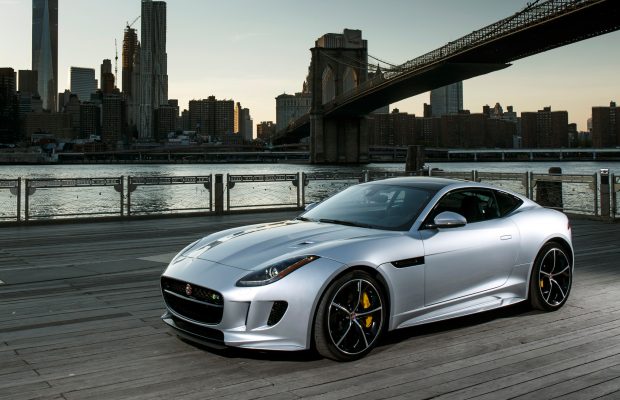
    Jaguar has announced that Ian Callum, its Director of Design, has decided to step down from his position after 20 years. A legend within the company, as well as in the industry, Cullum, has been responsible for creating a new design philosophy and reviving the company product range with award-winning designs for the Tata Motors-owned British carmaker. Julian Thomson, who currently serves as the Creative Design Director for Jaguar, has been now been appointed as Ian Callum’s successor and will take charge as Director of Design from July 1, 2019. Callum will continue to work with Jaguar as a Design Consultant.

    Talking about his decision to step down as Jaguar’s Director of Design, Ian Callum said, “I came into this role with a mission to take Jaguar design back to where it deserved to be. It has taken 20 years, but I believe I have achieved what I set out to do. Given the strength of both our products and the design team, I feel that now is the right time to move on, both personally and professionally and explore other design projects. Designing Jaguar cars was a lifelong dream for me and I’m delighted to remain involved as a consultant for the brand.” He further added, “I have worked closely with Julian Thomson for 18 years – he is a hugely talented designer and absolutely the right person to lead Jaguar design into its next chapter.”

    Over the years, Ian Callum has been responsible for some of the most popular Jaguar cars, including the F-Type two-seater sports car, the XE, XF and XJ saloons, and the company’s first-ever SUVs, the F-Pace, which as soon followed by its younger sibling the E-Pace. Cullum most recent creation and perhaps the most award-winning model has been the all-electric Jaguar I-Pace. This year the first all-electric Jaguar bagged the 2019 World Car of the Year, World Car Design of the Year, and World Green Car awards.

    Talking about his creations with Jaguar, Callum said, “One of my biggest highlights was creating XF because it represented the beginning of a new era moving Jaguar from tradition to contemporary design – it was a significant turning point in our story. Designing the F-Type was a dream come true for me, and I-PACE was an opportunity to create something hugely innovative that would really challenge the perception of Jaguar – and its success is a testament to just how far the brand has come.”

    Like the cars he has designed over the years, Ian’s journey has been equally spectacular as well. A journey which began back in 1979 with Ford. During the first 12 years of his spent at Ford Design Studios, Callum contribution led to the creation of models like – Ford Escort RS Cosworth and the Ghia Via Concept. After Ford, Callum left the corporate environment to join Peter Stevens and Tom Walkinshaw to form TWR Design as Chief Designer in 1991. At TWR, Callum was partially responsible for the Aston Martin DB7, probably the design he is currently most famous for, followed by the Vanquish. In fact, with TWR, Callum has also worked for other automotive clients like – Volvo, Mazda and HSV and in 1998, he designed the Nissan R390.

    Finally, in 1999, following the death of Jaguar’s then design director, Geoff Lawson, Callum was appointed to succeed him, which back then was a subsidiary Ford Motor Company. At that time, for a short stint, Ian continued to manage Aston Martin Design as well and is said to have played a key role in the creation of both the DB9 and Vantage, however, they are attributed to Henrik Fisker. At Jaguar Design Ian and his team, amongst others, also created the R-Coupe, RD-6 and C-X75 concepts. However, the first all-new model was the XK, followed by the XF and XJ sedans and then in September 2012 the much-anticipated F-Type was launched, Jaguar’s first 2-seater sports car since the iconic E-Type. This was followed later by the Jaguar XE, which Ian designed for a very competitive segment. A bold statement for Jaguar using Ian’s established design philosophy.

    Talking about replacing Ian Callum as the Director of Design, Julian Thomson, Creative Design Director, Jaguar said, “I’m honored to take up the position of Director of Design, Jaguar. It will be a great privilege to lead such a talented team and continue to build on our success. Automotive design has always been fast moving, but today it is changing at a rate faster than ever before. I’m passionate about ensuring Jaguar Design leads that change, and the cars that will drive our future.”

  • New CEO For Zara Owned Inditex

    New CEO For Zara Owned Inditex

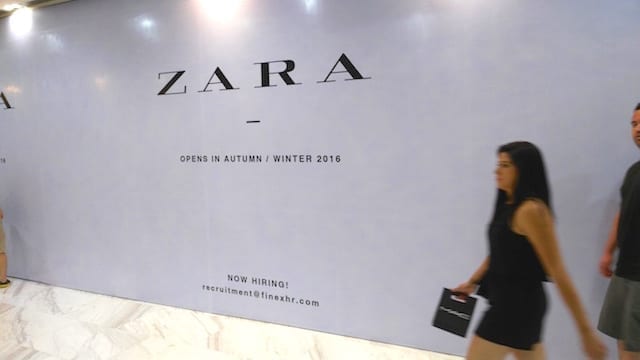
    Zara owner Inditex has named chief operating officer Carlos Crespo as its new chief executive to spearhead a bigger push into e-commerce.

    Crespo will continue in his existing position until his appointment as CEO becomes effective in July, when he will begin taking some of the responsibilities currently held by executive chairman and current CEO Pablo Isla, the company announced.

    The appointment of Crespo, who oversaw the integration of Inditex’s online and bricks-and-mortar stores, puts an emphasis on the retail giant’s digital efforts amid changing consumer habits.

    Isla said Crespo’s contribution to the company in this new role will be vital “at a time marked by Inditex’s strategic digital transformation and far-reaching commitment to sustainability”.

    Isla, who until now has held the positions of both chairman and CEO, will continue to lead the apparel company as executive chair. Crespo will work with Isla to define the overall company strategy, Inditex said.

    The new chief joined Inditex in 2001 as the head of accounting policies in the finance department. Going forward, he will be responsible for technology, procurement and sustainability.

    “I am very excited to play a role at this important time for the company in which digital transformation and sustainability in all its manifestations represent exciting challenges,” Crespo said.

    Last year, Isla announced all products from all Inditex’s brands will be made available online by 2020, including markets where it does not have any stores.

    Other than Zara, the world’s largest clothing retailer also sells the brands Pull & Bear, Massimo Dutti, Bershka, Stradivarius, Oysho and Uterque across its network of almost 7,500 physical shops. It also operates online in 49 markets.

    Isla also said all of the group’s brands will be adopting an integrated stock management system by 2020 in all the countries where there is a physical store presence.

  • Daimler CEO Says His Successor Will Have A Tough Job

    Daimler CEO Says His Successor Will Have A Tough Job

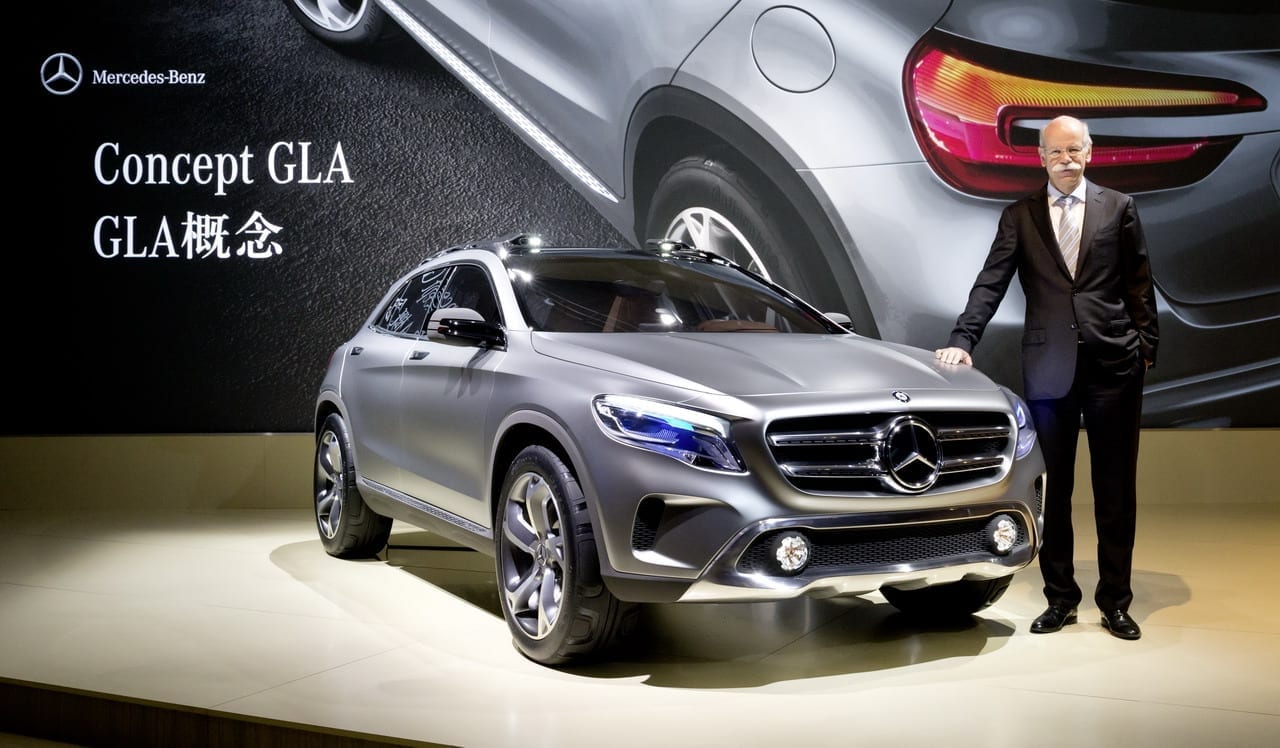
    Daimler’s next chief executive will have a tough job to restore margins at Mercedes-Benz, current boss Dieter Zetsche told Reuters on Wednesday, as Mercedes-Benz launched a new luxury electric car to rival Tesla.

    Zetsche, who bows out as CEO on May 22, said the German luxury carmaker needed to find a way to rebuild margins after research and development (R&D) costs at Mercedes-Benz ballooned.

    “There are many challenges ahead. We are in a situation of an economic slowdown. It is not going to be easier going forward,” he said on the sidelines of the launch event near Oslo.

    Pressure to develop electric and autonomous cars has led R&D costs at Mercedes-Benz passenger cars to rise to 14 billion euros ($15.7 billion) from around 8 billion euros four years ago, Zetsche said.

    At the same time, China, the world’s largest car market, has seen sales momentum slowing for nine months in a row, with a 5.2 percent fall in sales in March.

    Mercedes-Benz’s large electric car will hit showrooms this summer, years after Tesla launched its Model S in 2012.

    Daimler has been cautious about embracing mass production of electric vehicles at Mercedes-Benz amid concerns about operating range and customer acceptance.

    The company took a 9.1 percent stake in Tesla for around $50 million in May 2009 to learn about battery technology but sold its stake for a $780 million profit in 2014.

    Daimler launched an electric car under the smart brand in 2010, but waited until 2014 to build an electric Mercedes-Benz B-Class.

    Daimler, like other manufacturers, has struggled to make electric cars profitable, although the cost of battery packs is expected to fall as they invest in ramping up battery cell production.

    ING analysts say the total cost of ownership, including fuel prices, could reach parity between electric and combustion engined vehicles by 2025.

    In an effort to make a profit with electric cars, Daimler has opted to manufacture the Mercedes EQC in a way that enables it to be built on the same production line as a combustion engined car, retooling existing plants.

    Daimler is investing more than 10 billion euros to expand the electric EQ model range and is building battery cell production facilities.

    The Mercedes EQC will have an operating range of 445-471 kms, with a base version costing below 60,000 euros to make it eligible for Germany’s electric car environmental bonus.

    Asked whether Daimler was too late to the electric vehicle trend, Zetsche said: “For the past 40 years I have heard that German manufacturers have missed all the important trends. But apparently, customers still like cars from manufacturers that have missed the boat.”

    Zetsche took over as CEO of DaimlerChrysler in 2006 and took the decision to sell Chrysler, returning Mercedes to the top-selling luxury brand globally in 2016 and defending the title ever since.

    Zetsche said Daimler’s future hinged on making electric cars profitably.

  • Honestbee CEO Departing to get more Funding

    Honestbee CEO Departing to get more Funding

    Interim replacement from cornerstone investor, suggesting much-needed funds will soon be injected to save the startup.

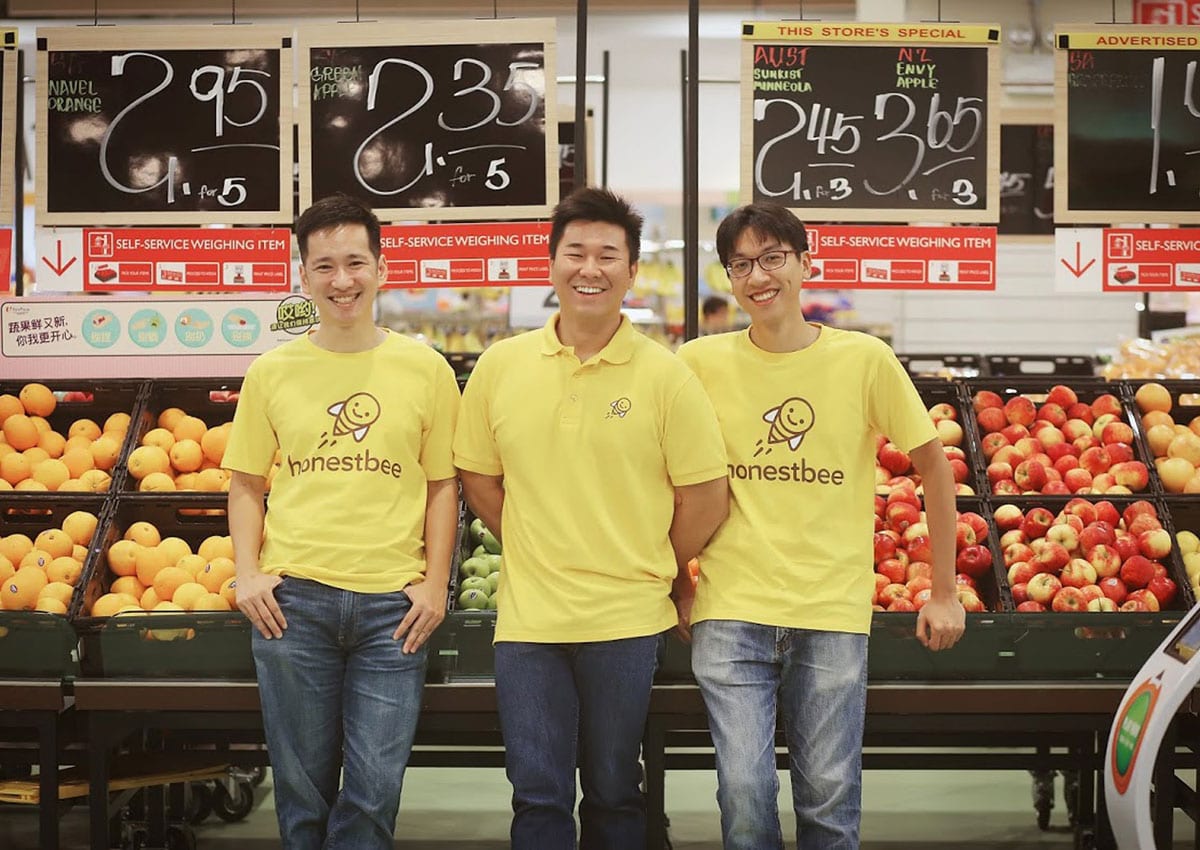
    Honestbee CEO and cofounder Joel Sng has stepped away from the business, clearing the way for a fresh round of investment which would ensure the startup’s survival.

    His place has been taken by Brian Koo, the grandson of the founder of South Korean industrial giant LG and who oversees US-headquartered investment fund Formation Group, one of the key investors and shareholders in Honestbee. Koo’s role has been termed “interim CEO”.

    While Honestbee in an unattributed statement said Sng was “stepping down” as Honestbee CEO the exact circumstances of his departure are less clear.

    The Straits Times reported early yesterday that Sng had sent an email to staff signalling his intention to leave the role, while TechCrunch, which has been reporting extensively on Honestbee’s challenges in recent weeks and is well connected with inside sources, said Sng had been fired and had vacated his desk on Tuesday.

    DealStreetAsia quoted an email from Sng which it had seen, in which Sng apologised to the Honestbee team: “Over the past year, our business has grown significantly, and operating and scaling across eight countries is not without its challenges. We acknowledge that the board could have provided the company more guidance and we apologise for not doing more.

    “…All of you have given blood, tears and sweat to get us this far. These are the moments when we have to be strong. I want all of you to know that I am in this with you, fighting every day beside you. We might be judged by our mistakes, but we will be remembered by our success in the future,” he said.

    Earlier reports had suggested concerns about financial decisions and management of the business had proved a major barrier to attracting urgently needed funds to keep the business running, in particular a scheduled funding round in January from a Japanese investor.

    Brian Koo took over the role yesterday in a move at least one observer is seeing as a precursor to Formation Group injecting more capital.

    Earlier this week, Honestbee confirmed it was shutting its operations in five markets – Thailand, Hong Kong, Japan, Indonesia and the Philippines. However a spokesperson in an emailasked to clarify that the company had not decided to exit those markets, rather it had “halted or temporarily suspended operations” in them.

    Regardless of the exact circumstances of Sng’s departure, Koo was magnanimous in recognising the cofounder’s role in establishing the business.

    “I would like to express my appreciation for Joel, as he steps away from his current role, for taking Honestbee from zero to one,” he said in a statement.

    “I will be working with the executive team to conduct an in-depth review of our business to focus and align our strategic interests across our various geographies and verticals, and take the opportunity to articulate a clear vision for the future of honestbee.”

    In the same statement Sng said Koo had been Honestbee’s earliest supporter and a key investor.

    “He was also instrumental in helping us define Honestbee’s purpose and mission from day one. I am confident that he would (sic) be able to bring the company to the next level, supported by the newly appointed executive team comprising key leaders of our organisation.”

    “We will continue to innovate and improve our business to stay relevant in today’s rapidly changing business environment. We remain committed to making great food experiences accessible to customers across Asia.”

  • Telenor Pakistan CEO to lead Telenor Group’s Emerging Asia Cluster

    Telenor Pakistan CEO to lead Telenor Group’s Emerging Asia Cluster

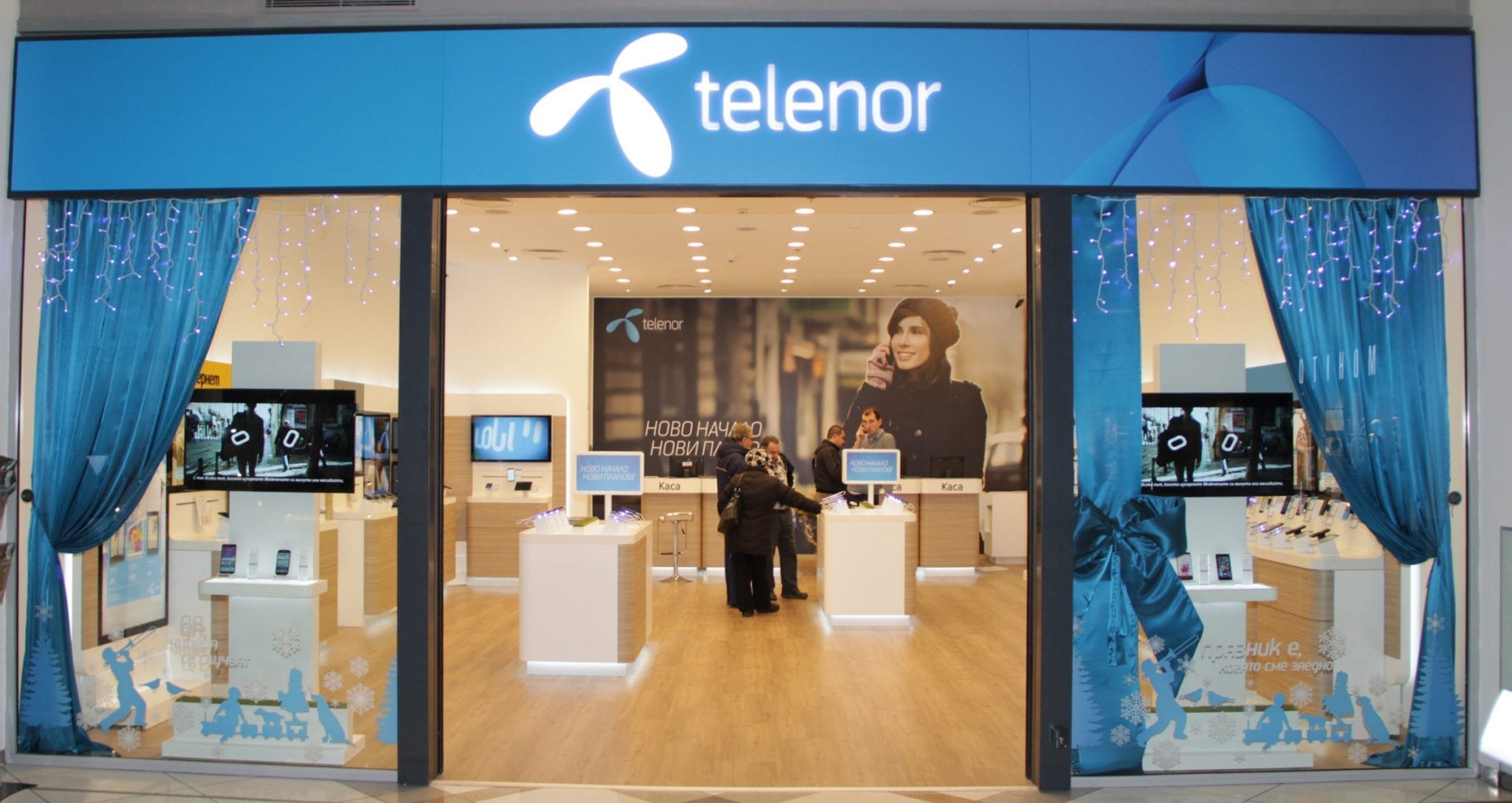
    Telenor Group today announced that effective 1 April, 2019, Irfan Khan, CEO of Telenor Pakistan, will assume additional leadership role as Telenor Group Executive Vice President and Cluster Head for Emerging Asia, joining Telenor Group’s Executive Management Team.

    “Irfan Khan is a valued leader within Telenor Group and has an accomplished history at Telenor Pakistan. I am pleased that he will take lead over our important growth markets in the Emerging Asia Cluster, in addition to retaining his role as Chief Executive Officer of Telenor Pakistan,” says Sigve Brekke, President and CEO of Telenor Group. “I am confident that Irfan will continue to lead our dedicated and talented teams to success, connecting the cluster’s more than 130 million customers with services that matter to them and creating value for our shareholders. I’d like to also thank Irfan’s predecessor in this role, Petter-Børre Furberg, for his leadership and achievements across our Asia region over the last several years.”

    In becoming Head of Telenor Group’s Emerging Asia Cluster, Irfan Khan will join Telenor Group’s Executive Management Team and will report directly to Telenor Group President and CEO, Sigve Brekke. Petter-Børre Furberg will become CEO of Telenor Norway and step out of Telenor Group’s Executive Management.

    Irfan Wahab Khan was appointed Chief Executive Officer of Telenor Pakistan on 1 August 2016. He had served in the position of Deputy CEO and Chief Marketing Officer (CMO) of Telenor Pakistan since April 2013. He has been with Telenor for 14 years and was the first employee in Telenor Pakistan when he started as Executive Vice President and Head of Corporate Affairs Division in 2004. Since then he has served in various positions within Telenor Group both in Asia and Europe, including Vice President Devices and Vice President – Head of Asia Distribution. Mr. Khan is also a Board Member of Telenor Microfinance Bank.

  • Netflix CEO leaks that a major redesign is on the horizon

    Netflix CEO leaks that a major redesign is on the horizon

    Remember when watching a movie from Netflix meant going online your desktop computer, ordering the number of videos that you subscribed to, and waited for them to arrive in the mail while you sent back those discs you already viewed? Back then, Netflix spent a lot of money on distribution centers, and its big claim to fame was that you never paid late fees, the bane of procrastinators around the world.

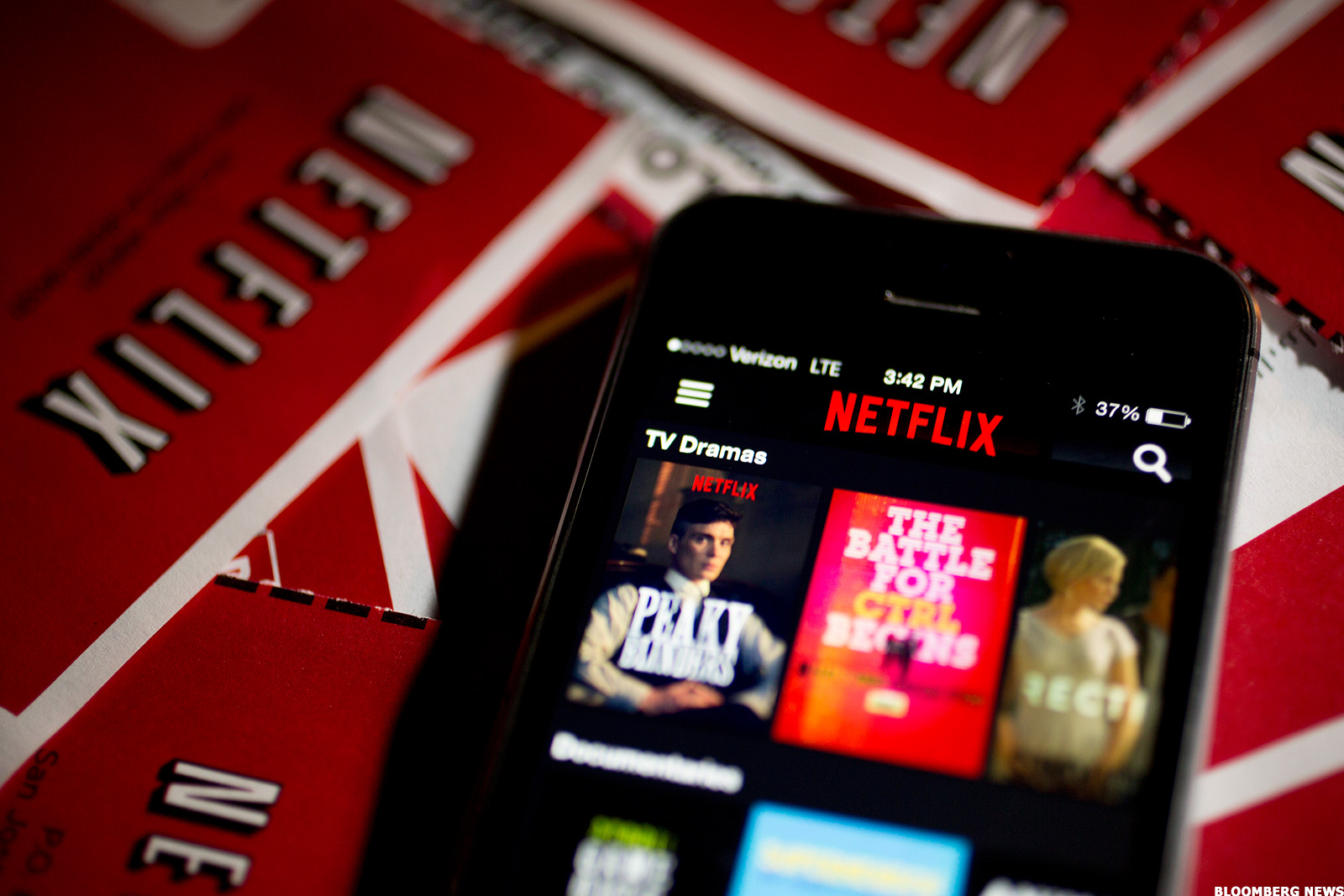
    But once Netflix went digital and launched its mobile apps, the company really took off. And to its credit, Netflix often updates its app to make the whole streaming video content experience more enjoyable for subscribers. According to Mobile Syrup, Netflix CEO Reed Hastings is thinking of releasing a major update that would replace the current grid-like UI with a magazine-style layout. The executive says that the current layout showing small boxes with images from each video in its library reminds him of “classified ads.” Instead, Hastings says that Netflix should be “gloriously laid out” like a magazine in order to spur “visual interest.”

    But even though Hastings wants to see such a change, Netflix vice president of product and studio design Steve Johnson says that the current grid system used by the video streamer has become iconic and makes it easier for people to use Netflix. Johnson said, “What we’re finding is the way that the grid is set up is actually working relatively well around the world.” However, a company’s CEO outranks a VP of product and studio design. So Johnson diplomatically notes that “Now that I’ve said that it’s working, I don’t think it’s working forever. And I think that we need to go deeper and we are going deeper.”

    Netflix is testing is testing a number of UI changes including one that increases the size of movie titles on Friday nights, when the app is used most often. He also said that Netflix could figure out your viewing routine and if you’re in the middle of watching a particular television series, it could start up the next episode immediately when you open the app. Netflix director of TV product innovation, Cameron Johnson, admits that less than 50% of the new features Netflix tries are successful. But he quickly added that the company learns from every test conducted and that keeps improving the service.

  • Spotify says Apple Music has unfair advantages

    Spotify says Apple Music has unfair advantages

    The founder and CEO of Spotify, Daniel Ek, announced today in a blog post that Spotify has filed a complaint against Apple with the European Commission (EC). The executive says that when it comes to Apple Music and the App Store, the company gives itself an unfair advantage, violating EC antitrust regulations. Ek says that Apple does this through the “Apple Tax.” That is the 30% of monthly subscription fees that Apple takes on subscriptions made through its payment system.

    Ek says that because Spotify is forced to pay the “Apple Tax,” it has to raise its price in the App Store above that of Apple Music. Right now, both music streaming platforms have the same prices. That would be $9.99 a month for individuals, $14.99 a month for families with up to six members, and $4.99 a month for verified students. However, if you choose to pay your subscription fee through Apple (an in-app payment), Spotify charges $12.99 a month for individuals, $16.99 a month for families and $7.99 a month for verified students.

    Apple has released a statement criticizing Spotify for using the App Store to help it grow over the years without making any contributions to that marketplace.” The company refutes some of Spotify’s claims. For example, Apple says that it has allowed Spotify to update the app over 200 times. Apple says it rejected updates when Spotify didn’t follow the App Store rules. Apple also points out that 84% of the apps in the marketplace don’t pay it a dime, and accuses Spotify of wanting all the benefits of a free app without being free.”

    Additionally, the executive says that if it bypasses Apple’s payment system, Apple will limit Spotify’s communications with its subscribers. For example, Ek says that in some cases Apple won’t let it send emails to Spotify users who use the service on an Apple device. He states that “Apple also routinely blocks our experience-enhancing upgrades. Over time, this has included locking Spotify and other competitors out of Apple services such as Siri, HomePod, and Apple Watch.”

    “It’s why, after careful consideration, Spotify has filed a complaint against Apple with the European Commission (EC), the regulatory body responsible for keeping competition fair and nondiscriminatory. In recent years, Apple has introduced rules to the App Store that purposely limit choice and stifle innovation at the expense of the user experience—essentially acting as both a player and referee to deliberately disadvantage other app developers. After trying unsuccessfully to resolve the issues directly with Apple, we’re now requesting that the EC take action to ensure fair competition.”-Daniel Ek, founder, CEO, Spotify

    All Spotify wants, says its founder, is to be treated the same as apps that don’t pay the 30% tax such as Uber or Deliveroo. The executive says that all apps should be able to compete fairly, and Apple Music shouldn’t get an advantage because Apple owns the App Store. He adds that all App Store users should have a choice of payment systems, and not be locked into using Apple’s platform. And Ek says that all app stores should not be allowed to control communications, including marketing and promotions, between services like Spotify and its customers.

    If Apple is eventually found to have violated anti-trust regulations in the EU, it can be slapped with a fine and be forced to make some changes to the App Store.

  • Malaysia’s KIP Group plans a few new malls

    Malaysia’s KIP Group plans a few new malls

    Malaysia’s KIP Group will establish three new malls within the coming three years, according to CEO Valerie Ong.

    The new locations in Raub, Kuantan and Sungai Petani will involve RM150 million (US$36.7 million) in gross development costs and cater to middle-mass-market demand. They are being located in growing markets where consumers still prefer physical buying over online purchases.

    “This means we will have a total of 12 shopping malls in our portfolio, including the six properties that had been injected to our listed entity, KIP Reit”, Ong said at the launch of the firm’s ninth shopping mall at Desa Coalfield Sungai Buloh.

    KIP Griup’s portfolio includes a shopping mall in Bangi and five KIP Marts in Tampoi, Kota Tinggi, Masai, Senawang and Malacca. It has also acquired Aeon Mall Kinta City, Ipoh in a RM208 million ($50.9 million) deal.

    According to Ong, Malaysia’s retail sector is expected to grow by 4.5 per cent to RM109 billion this year. She added that the Desa Coalfield mall has already achieved an 80 per cent occupancy rate in advance of its scheduled opening later this year.

  • Ducati CEO Hints At Panigale V4 Streetfighter

    Ducati CEO Hints At Panigale V4 Streetfighter

    Is Ducati planning to introduce a naked version of the Panigale V4 superbike? That’s the question that’s been doing the rounds for some time now, especially after a custom-built naked Ducati Panigale V4 was unveiled by Italian design house Officine GP. That custom naked, called the V4 Penta, isn’t an official Ducati creation, but now Ducati Motor Holding’s CEO Claudio Domenicali himself has hinted that a production naked version of the Panigale V4 may indeed be in the works. Domenicali didn’t exactly spell out that a naked V4 is under production, but his cryptic remarks in an interview have led to speculation that a naked version of the Panigale V4 may indeed be in the making.

    In an interview with Swiss website Acid Moto, the Ducati CEO talked about future plans of the company, including plans of an electric model from Ducati. But Domenicali revealed little and denied reports that a supersport V4 was in the works. When asked about the possibility of a streetfighter-style model based on the Panigale V4 engine, instead of replying to the question, Domenicali replied with another question.

    “Do you think Ducati should produce such a bike?” he asked. When the interviewers replied in the affirmative, and said “yes” to that question, which led Domenicali to conclude that “It will therefore be made as soon as possible!” Now, this doesn’t necessarily confirm whether Ducati has plans to make the V4 streetfighter, or if it’s already under production. But his comments certainly are interesting, more so because just around a month ago, a custom stripped down V4 was unveiled by Officine GP. The V4 Penta as it’s called, was not a Ducati commissioned build, but it certainly gives Ducati the chance to gauge market reaction, and it seems a naked V4 could see production sooner than later.

  • Dairy Farm Group CEO says restructure will take some years

    Dairy Farm Group CEO says restructure will take some years

    Dairy Farm Group has warned shareholders that its restructure will take five years to complete.

    “There are few ‘quick fixes’ and no ‘silver bullets’,” CEO Ian McLeod told shareholders in the company’s results filing last week. “Continuous improvement against a deliverable, long-term strategic and operational plan is needed.”

    McLeod says the Strategic Review launched soon after his arrival has created a three-step process to restore strong profitability to the Hong Kong-listed, multinational retail business: Building a Solid Foundation, Delivering Consistently Well, and Driving the Dairy Farm Difference.

    “We began the urgent work required to assess and address the significant issues faced by the group, especially those within our food business, to support the changing demands of the customers. While the Strategic Review also highlighted opportunities to improve performance in other parts of the group, the food business is clearly the one requiring the greatest level of focus and short-term action,” he said.

    “It is very clear that the level of change necessary to deliver the required improvements will take at least five years to deliver in a sustainable way.”

    Phase one is now underway with the first step to bring in the right leadership talent with the capability and determination to deliver significant and meaningful transformational change. Seven of the 10-strong leadership team are new to the business, and two have revised responsibilities.

    McLeod said they have already begun to instil the right functional discipline, efficiency and business capabilities to deliver on the turnaround plan.

    A key finding from the Strategic Review was that the company was organised and deployed as multiple business units by banner, country or format – or all of those.

    “While allowing for locally based decision-making, our way of working was to act as a series of small businesses, without shared learning, quality functional specialism, or the consistency of scale and expertise one might expect from one of Asia’s largest retailers. Our businesses have now been centralised into two core trading divisions, covering North Asia and Southeast Asia,” said McLeod.

    No more hypermarkets

    “As new leaders have joined, we have begun to address key areas where we have fallen behind, most notably in store format development and digital expansion. As an example, having used stronger consumer insights and intelligence to analyse our customer offering and product selection, we have decided no longer to build hypermarkets. While some of these stores remain successful and continue to show growth, it is clear that this format has struggled to deliver effective returns across the food retail industry in Southeast Asia and needs to be reshaped.

    “We are now introducing pilot stores, redefining space allocation and trialling new innovations in our formats, to place greater emphasis on fresh food, demographic range optimisation and, where relevant, even repurposing the space altogether.”

    One of the group’s hypermarkets in Indonesia is being repurposed as an Ikea this year, with the prospect of this conversion offering an opportunity to accelerate the expansion of Ikea in that market, while also addressing an underperforming food store.

    “While we have strengthened our digital capability to better respond to expanding opportunities in e-commerce, we are starting from a very low base and are playing catch up,” said McLeod.

    Last financial year, Dairy Farm Group took a US$453 million hit from writedowns relating to restructuring costs, but McLeod says this was the down side of an essential shift towards delivering quality service, value and trust to the company’s customers.

    Five priorities

    The company has set five strategic priorities it says will enable it to grow moving forward:

    • Grow in China.
    • Maintain strength in Hong Kong.
    • Revitalise Southeast Asia.
    • Build capability.
    • Drive digital innovation.

    Grow in China: “China is one of the largest and fastest growing consumer markets in the world, and one where convenience, health and brand trust represent encouraging market potential for our businesses there. While we have been represented in China for more than 25 years with 7-Eleven and 14 years with Mannings, our scale of growth has not fulfilled its potential. With both businesses centred in Guangdong province, which is home to 100 million people, we should be able to pool resources and grow these businesses more successfully.

    “By more effective definition of range, space, store size and location, we believe there are opportunities for both businesses to achieve stronger growth in scale in the coming years. We have developed a strong and growing relationship with Yonghui, which continues to impress, and we anticipate further shared learning and idea generation between the two businesses going forward. We also continue to develop relationships with China’s technology companies, with a series of trials taking place to better understand the changes in customer expectations as regards the use of technology in this market and beyond.”

    Maintain strength in Hong Kong: “We are in the fortunate position that, within our home market of Hong Kong, we have a series of very strong brands with a track record of effective performance. Each of Wellcome, Mannings, 7-Eleven and Ikea have high brand presence, strong brand awareness with consumers and importantly, high degrees of brand trust.

    “We have the further benefit of our long-standing relationship with Maxim’s, which continues to be a thriving business with effective presence in each area of the market and a growing portfolio of renowned international brands such as Starbucks, Genki Sushi, The Cheesecake Factory and the recently added Shake Shack, which has exceeded all performance expectations.

    “Mannings had an exceptional year in 2018, but Wellcome’s performance disappointed. While the underlying business remains strong, substantial cost rises, particularly on rents, have had a material effect on year-on-year profitability. As a result of the Strategic Review, we will reconsider our approach to opening new space, where we open it, and seek to deliver greater range clarity by demographic across the Wellcome portfolio of retail brands.

    “Ikea benefitted from a full year of operation by a fourth store opened in the last quarter of 2017, which cemented our leading position within the home furnishings market in Hong Kong. While we have faced some cost offsets with currency fluctuations on cost of goods and new startup costs, we are very confident about our underlying position for Ikea and its growth potential not only in Hong Kong but also in the other markets where we operate the franchise.

    “We will also drive further innovation with a planned relaunch of e-commerce and building on the recent experience of a pop-up Christmas store in Hong Kong.

    Revitalise Southeast Asia: “We have some serious problems in our food business that require radical solutions and actions. This will necessitate a fundamental re-engineering of our food offer and our customer proposition plus significant rationalisation of space and of our general merchandise offer, converting hypermarkets to large food format stores over time.

    “In Southeast Asia our core issue rests within our Giant brand and particularly hypermarkets in Malaysia, Indonesia and Singapore. We have significantly underinvested in these hypermarkets in the past and they now need a course correction to reshape and resize our offering, to ensure it is fit for purpose to meet the demands of modern-day consumers and keep pace with the rising middle class.

    “We have already begun the process of redesigning our proposition in fresh and grocery and we have pilot propositions already on the ground. Our Malaysian pilot is a redefined hypermarket where we have halved the general merchandise range size and achieved double-digit sales growth. We are also putting more emphasis on fresh food, investing in value on grocery and streamlining general merchandise and apparel to optimise our range and space by category. In another pilot conversion, general merchandise has been reduced by a third while fresh space has been increased by more than 70 per cent.

    “While it remains very early days for the pilots being developed in each key market of Indonesia, Malaysia and Singapore, we have been encouraged by their early performance. The predominant challenges rest within mass-market hypermarkets and supermarkets where locations have been lacking in investment for years, or were simply built in the wrong place, or the competitive landscape has changed. These fundamental retail errors are now being addressed head on.

    “Encouragingly, our upscale stores within these markets are showing signs of recovery as we raise operating standards of quality, freshness, availability and even hygiene. That said, the challenge that we face in right-sizing our food business in Southeast Asia is substantial and will take considerable time to achieve.

    “Our Guardian Health and Beauty business remains a significant opportunity for us in Southeast Asia. Countries which were demonstrating trading difficulties a couple of years ago are beginning to grow, if not thrive, under new leadership and we will more aggressively invest in the expansion and format development of our health and beauty business in the region.”

    Build capability: McLeod says the new management team has brought increased experience and capability “absolutely key” to the success of the work ahead.

    “Embedding their knowledge and expertise right across the group is now the priority. With around 200 years of retail and consumer experience collectively across the leadership team we now have the ability to drive the considerable changes necessary to not only improve Dairy Farm’s performance, but to transform the business to a modern-day retailer focused on delivering what customers want, where and how they want it.”

    The new team is supported by more than 30 new senior management appointments across the group, “adding further experience and energy to the transformation effort”.

    Drive digital innovation: “Retail is seeing rapid change and Dairy Farm has been slow in responding to the pace of digital change. We have significantly underinvested in digital (people and technology) and as a result are behind the curve. Last year, we began to change this.”

    Two new roles have been created: chief digital officer and chief technology officer, both people taking up their appointments in the last quarter of last year.

    “They have already begun to review all our current ad-hoc programmes and initiatives, to reset and reshape our group approach to a badly needed IT infrastructure upgrade and accelerate our core SAP system rollout, as well as carrying out a review of our digital priorities within each business and region. We have made some improvements in developing our digital offer, with numerous initiatives and pilot schemes now in place, as well as developing partnerships with key Chinese technology companies. The reality, though, is that our digital capability is in its infancy; something we believe is vital that we change.”

    Writedowns

    Dairy Farm Group’s $453 million hit in last year’s results comprise a write down for goodwill associated with the Giant business across the region, along with impairing underperforming assets, booking onerous lease provisions relating to underperforming stores, writing off poor-quality stock, and incurring various business correction costs. McLeod said this allows the company to build for the future and draw a line under the weakness of the past.

    Most of the $453 million comprised non-cash items, with the net cash impact estimated at less than $50 million.

    However, this amount was partially offset by a gain from the exchange of Dairy Farm Group’s food business in the Philippines for a share in Robinsons Retail and the exit of its Giant hypermarket in Vietnam which was taken over by Auchan. An an impairment of goodwill was realised relating to Rose Pharmacy in the Philippines while taking full ownership of this business.

    Elsewhere, there were gains on the sale of several food properties which the company did not consider strategic assets to own moving forward.

    These positive factors reduced the overall impact of non-trading items to $332 million for the year.
  • Apple appoints former Microsoft executive

    Apple appoints former Microsoft executive

    Apple has appointed Microsoft’s former Corporate Vice President Sam Jadallah to lead the “Home” products category at Apple. Even though Apple has not officially announced the appointment, Jadallah updated his LinkedIn bio to read – “Working on Home at Apple”, reflecting his new role with the iPhone-maker. However, along with Apple, Jadallah has also been tight-lipped over his hiring by the company.

    After Microsoft, Jadallah ran a smart lock start-up called ‘Otto’ that shut down in January 2018.

    “Hiring Jadallah is the latest signal that Apple plans to get serious about its own efforts in the ‘Home’ category,” the report said.

    Apple has a range of “Home’ products including HomeKit — its software service that connects with a variety of third-party products; and HomePod — a smart speaker for the home with voice recognition and music.

    Currently, Apple’s HomePod constitutes a small share of the home products market as compared to Amazon’s Echo and Google Home.

    Recently, Apple acquired a voicetech start-up called Pullstring to strengthen Siri against Amazon’s Alexa.

    “That purchase could help the smartphone-maker become the centre of a connected living room,” the report added.

  • Pandora appoints Alexander Lacik as chief executive officer

    Pandora appoints Alexander Lacik as chief executive officer

    The Board of Directors of Pandora has appointed Alexander Lacik as President and Chief Executive Officer. Mr. Lacik’s strong track-record as a consumer marketer and brand architect will help drive the execution of Programme now and assert Pandora’s position as the world’s largest jewellery brand. He will join Pandora as soon as possible.

    Alexander Lacik (54) brings international experience from growth and brand building in global consumer companies. He joins Pandora from the position as CEO of Britax Ltd., a world leader in child safety products. Prior to this, he was President of North America at RB (Reckitt Benckiser) from 2013-2017 and has held key management positions with the leading global consumer goods company since 2004. Previously, Lacik held positions in sales and marketing with Procter & Gamble from 1992 to 2004.

    At RB, Lacik contributed significantly to the company’s growth turnaround in a competitive global consumer business where brand distinction and brand equity are critical components. He successfully drove strategic brand positioning and above market growth in the group’s largest region with more than USD 3.5 billion in revenue and a full value chain. Lacik has lived and worked in five countries and managed businesses in regions across the world, covering manufacturing, product development, sales, marketing, and retail partnering.

    Peder Tuborgh, Chairman of the Board of Directors says: “I am delighted that we have secured Alexander Lacik as CEO of Pandora. Alexander is a strong match for our recently announced strategic direction and will be instrumental in executing Programme NOW. Alexander is a brilliant marketer and brand architect and has throughout his career shown himself as a great leader and a highly effective executor. His skills and experience will be key to revitalising the Pandora brand.”

    “I am honoured and excited to join Pandora. Pandora is an incredible company that has grown to be the world’s largest jewellery brand at unprecedented speed. I am encouraged by the current direction with a strong focus on brand reignition to restore growth. These are business aspects that I am particularly passionate about, and I look forward to joining and supporting the management team in the execution of Programme NOW”, says Alexander Lacik.

    Following the appointment, The Executive Management team of Pandora will consist of Alexander Lacik (CEO), Anders Boyer (CFO) and Jeremy Schwartz (COO). Until Lacik joins, the joint leadership of Anders Boyer and Jeremy Schwartz will continue unchanged.

  • Guess announces new CEO

    Guess announces new CEO

    Iconic American fashion brand Guess Inc. announced that its chief executive officer and director, Victor Herrero, is leaving the company effective February 2, 2019. Carlos Alberini, who served as Guess’s president and chief operating officer more than ten years ago, will replace Herrero.

    “On behalf of the Board of Directors, I want to thank Victor for his contributions during his tenure and wish him well in his endeavors,” said Maurice Marciano, chairman of the board.

    Alberini has been appointed as the new CEO and a Director of the company, “effective upon his separation from his current employer,” said Guess in a press release detailing the new hire on January 28.

    Alberini served as COO for the Californian company from 2000 to 2010. He was co-CEO of Restoration Hardware until 2014, and a director on the board of Restoration Hardware from 2010 until present.

    More recently, Alberini has been the Chairman and CEO of Lucky Brand, a role he took on from 2014.

    “I am very excited to have Carlos coming back as CEO at Guess. He was instrumental in building the international business in Europe and Asia during his 10-year tenure with the company,” said Maurice Marciano.

    The company also announced that Marciano has agreed to remain as Chief Creative Officer. His employment will be “at will”, according to Guess.
    During the transition, Marciano will be acting as interim Chief Executive Officer.

    In 2017-2018 financial year, Guess witnessed a steady growth track in Asia, notably in China.

    In March last year, the brand said it planned to open 60 stores in Asia, after also opening its first subsidiary in Singapore.

    In same financial year, the group said it improved its gross margin in Asia by 470 base points, with sales up 40 percent.