Retail News CRM

Tag: ceo

  • President and CEO of Vietjet honored with ASEAN Entrepreneurs Award 2018

    President and CEO of Vietjet honored with ASEAN Entrepreneurs Award 2018

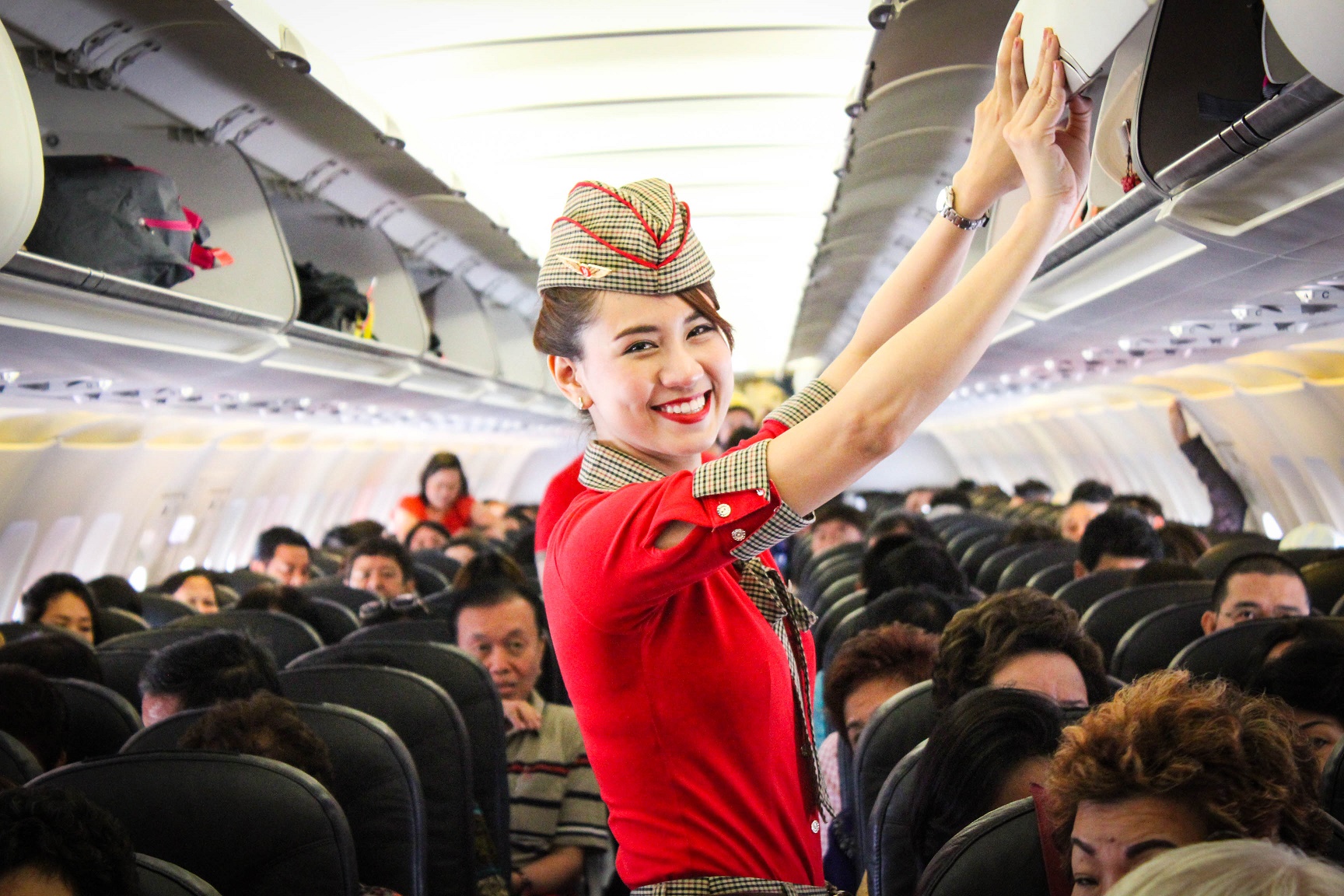
    President and CEO of Vietjet, Nguyen Thi Phuong Thao was recently honoured as one of two winners of the ASEAN Entrepreneurs Award 2018 for her significant contributions in bolstering the economic trade exchange between South Korea and ASEAN at the 19th World Knowledge Forum held in Seoul, South Korea.

    The awards ceremony was co-organized by the ASEAN – Korea Center and Maekyung Media Group, one of the most influential media groups in Korea.

    Speaking at the ceremony, Mr. Lee Hyuk, Secretary General of the ASEAN – Korea Center said, “We are very delighted that President and CEO of Vietjet, Nguyen Thi Phuong Thao was selected as one of two winners of the ASEAN Entrepreneurs Award 2018. This is an acknowledgement of Vietjet’s high-quality operation, its creative services and meaningful contributions during the past few years. I firmly believe that the award will serve as a springboard for Vietjet to promote its business and to expand its presence in Korea as well as make greater contribution to the economic and trade cooperation between ASEAN and Korea.”

    On delivering the Vietjet story at the Forum, Vietjet Vice President Nguyen Thi Thuy Binh said, “Vietjet commenced its debut flight connecting Vietnam and South Korea in 2013, and since then, it has been our great pride to have positively contributed to the development of travel and trade exchange between the two countries. As of 2017, the passenger turnover to and from both countries reached over five million passengers, a triple increase compared to that of 2013. The number of airlines commencing routes in the Vietnam to South Korea network increased from three in 2013 to ten in 2017. There were around 750 flights per week, eight times higher than that of 2013. Vietjet itself carried more than two million passengers, many of whom were first–time air travellers. Realising people’s flying dreams has certainly been our greatest pleasure.”

    Established in 2000, the World Knowledge Forum gathers over 200 political heads, business leaders and prominent public figures to discuss pressing global issues and seek ways to promote a balanced prosperity of the global economy.

    This year, the forum had the pleasure of hearing from world renowned speakers which included the likes of Janet Yellen, Chair of the Board of Governors of the Federal Reserve System (2014-2018); Kersti Kaljulaid, President of Estonia; Wang Zhenghua, President of Spring Airlines; and many other outstanding speakers.
  • AirAsia’s Spencer Lee takes CEO title at travel360.com

    AirAsia’s Spencer Lee takes CEO title at travel360.com

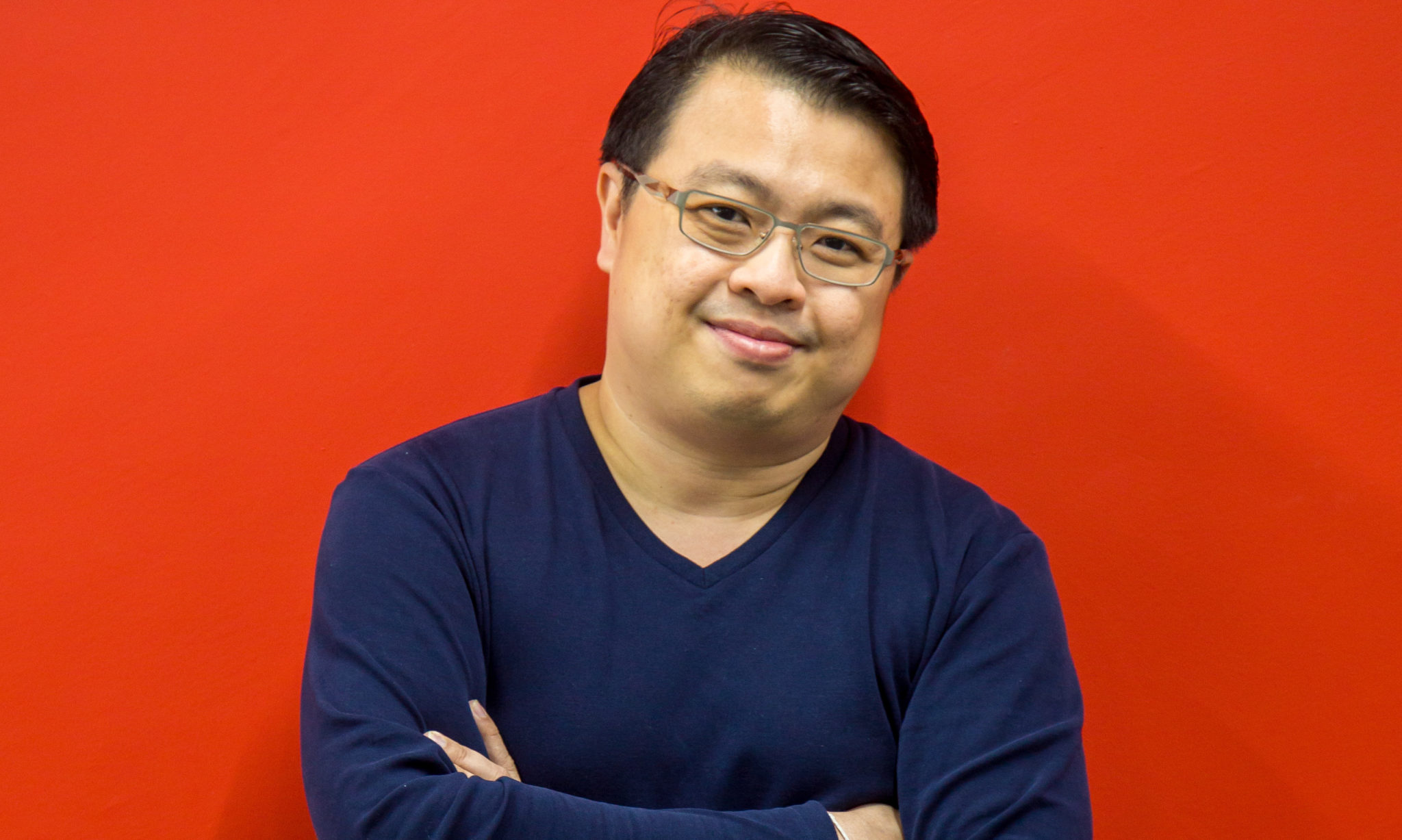
    AirAsia’s head of commercial, Spencer Lee, has been named CEO of travel360.com, the digital expansion of the airline’s inflight magazine travel360. The airline declined to comment on A+M‘s queries on whether he will be helming a dual role or who his replacement will be.

    According to his LinkedIn, Lee has been the head of commercial since 2015, overseeing all commercial functions covering Asia markets. Before that, he was the head of marketing for a year, during which he was responsible for all marketing activations including digital and social strategy and partnerships for all short-haul routes. Lee also helmed the role of regional head of marketing.

    Travel360.com recently partnered with non-profit grassroots community organisation Yellow House and the Dewan Bandaraya Kuala Lumpur to further beautify the city and empower its people. It hopes to provide an even more experiential travelling journey by integrating real communities and their stories.

    It also tied up with Malaysian film company We are KIX to launch a new travel series titled “VitaminSEA” that aims to inspire people to explore the lesser known islands and beaches around Southeast Asia. The series showcases six amazing yet relatively unknown beach destinations in Southeast Asia served by AirAsia.

    Meanwhile, the airline also recently appointed IPG Mediabrands’ BPN to manage media and communications planning, buying, and analytics on a global level for AirAsia and AirAsia X. This followed a pitch process that spanned 23 markets. The account will be managed via a dedicated team called Red Wings in Malaysia.

  • With a new CEO, AirAsia India hopes to have turned a new page

    With a new CEO, AirAsia India hopes to have turned a new page

    A steel industry veteran at the helm of an airline may come across as strange, but the appointment of Sunil Bhaskaran as the AirAsia India chief is more than just that. It signals a change in control at the company, from Tony Fernandes and his AirAsia, to the Tatas.

    And with that change, shareholders would hope that AirAsia’s so-far-controversial stint in India, since it started operating here in 2014, will be a thing of the past.

    While the airline may now have a slightly higher market share than rival Vistara – the joint venture between the Tata Group and Singapore Airlines that was launched in 2015 – its losses have increased in the first half of 2018.

    By appointing Bhaskaran, the airline has followed its tradition of appointing a non-aviation professional to run its operations. Mittu Chandilya, AirAsia India’s first CEO, previously headed the services practices for Asia Pacific at advisory firm Egon Zehnder International.

    It didn’t turn out to be a memorable stint for Chandilya, who was embroiled in a controversy over the appointment of a lobbyist to get an aviation rule modified, which would enable AirAsia India to begin international operations. The controversy boiled over when Tata Trusts trustee Venkatramanan got drawn into it.

    Earlier this year, CBI registered a case against Fernandes, and AirAsia’s offices in India were raided.

    While Venkatramanan holds 1.5 percent stake in AirAsia India, the airline’s chairman S Ramadorai owns 0.5 percent stake. Tata Sons and AirAsia hold 49 percent each. Since early this year, there have been talks of Tata Sons buying out the stakes of Venkataramanan and Ramadorai. “The process will now quicken after the appointment of the new CEO,” said sources.

    Chandilya gave way to Amar Abrol, who was heading a start-up before taking up the CEO role in 2016. Abrol stepped down in May this year to go back to the parent company in Malaysia.

    Now in Bhaskaran, the airline has found its third consecutive CEO from outside the industry. While it is not an unusual occurrence, not everyone is amused. “Some never learn!” exclaimed a senior official at an airline.

    What would differentiate Bhaskaran though is that he is the first Tata Sons appointee as the airline’s CEO, and therefore, may have a longer stint at the airline than his predecessors. A Tata Group lifer, Bhaskaran joined Tata Steel in 1987 as a management trainee. He has been with the steelmaker ever since, except for a four year-stint at Tata International.

    Bhaskaran is currently the  Vice President of Corporate Services at Tata Steel.

    “He is an old timer, and has dealt with government and can handle change,” said an executive from the industry.

    Those will be important attributes for AirAsia India, which will be keen to have stability at the top and focus on building its India business, which hasn’t taken off as spectacularly as was hoped.

    Mixed results

    Air Asia India’s revenue has been on the rise. Its June quarter revenue jumped 86 percent from a year ago, helped by an 82 percent increase in the number of passengers flying on its aircraft.

    The airline’s fleet has expanded to 19 now, and there are talks of taking the number to 70 aircraft in five years.

    The fourth quarter of 2017 brought happy news for the airline, as it reported a net profit of Rs 13 crore. But in the ensuing two quarters, losses have mounted.

    Despite an 86 percent jump in its revenue, the airline reported losses of Rs 61 crore for the June quarter, as against a loss of Rs 24 crore a year earlier.

    Its market share has risen gradually, which is reflective of the intense competition in the Indian aviation market. AirAsia India had a share of 4.8 percent at the end of August 2018, up from 3.4 percent a year ago.

    “We are not going to be a 4-5 percent market share airline… We plan to become India’s second-largest low-cost carrier (LCC) within four to five years’ time,” Bhaskaran’s predecessor Abrol had told Financial Express earlier this year.

    While he moved back to Malaysia within two months of making that statement, the onus may be now on Bhaskaran to meet the target.

  • PepsiCo India’s Indra Nooyi to step down as CEO in October

    PepsiCo India’s Indra Nooyi to step down as CEO in October

    Indian American business executive Indra K. Nooyi will step down as the Chief Executive of food and beverage major PepsiCo Inc in October, the company said on Monday.

    According to the US-based multinational, Nooyi, 62, will step down on October 3 after 24 years with the company, the last 12 as the CEO. However, Nooyi will remain the Chairman of the company until early 2019, Pepsico said.

    She will be succeeded by Ramon Laguarta, 54, as the Chief Executive Officer.

    “Growing up in India, I never imagined I’d have the opportunity to lead such an extraordinary company,” Nooyi was quoted as saying in a company statement.

    “Guided by our philosophy of ‘Performance with Purpose’ – delivering sustained performance while making more nutritious products, limiting our environmental footprint and lifting up all the communities we serve, we’ve made a more meaningful impact in people’s lives than I ever dreamed possible.

    “PepsiCo today is in a strong position for continued growth with its brightest days still ahead.”

    While Nooyi departs, the rest of PepsiCo’s senior leadership team will remain unchanged.

    Speaking on behalf of PepsiCo’s Board of Directors, presiding Director Ian Cook said: “As Chairman and CEO, Indra has provided outstanding leadership over the past 12 years, serving as a model both within our industry and beyond for responsible corporate stewardship in the 21st century.

    “As CEO, she grew revenue more than 80 percent, outperforming our peers and adding a new billion-dollar brand almost every other year. And shareholders have benefited: US $1,000 invested in PepsiCo in 2006 is worth more than two-and-a-half times that amount today.”

    Cook pointed out that under her leadership the company invested “for the future, leading the way on corporate sustainability and responsibility, and embedding a sense of purpose in everything the company does.

    “As one of the first Fortune 100 CEOs to embed sustainability targets into business operations, Indra was a pioneer, paving the way for a new generation of business leaders who seek to ‘do well by doing good’.

    “Under her leadership, PepsiCo grew its portfolio of ‘Good for You and Better for You’ options from about 38 percent of revenue in 2006 to roughly 50 percent in 2017, almost tripled its investments in research and development to expand its more nutritious offerings and minimize its environmental impact, and achieved global recognition for the company’s work in communities around the world.”

  • Sephora top executive named CEO of Lululemon

    Sephora top executive named CEO of Lululemon

    Calvin McDonald has been named CEO of Lululemon, replacing Laurent Potdevin, who was ousted earlier this year amid allegations of conduct violations.

    The Canadian-born McDonald earned his MBA at the University of Toronto and prior to joining Sephora in 2013, he spent two years as president and CEO of Sears Canada and 17 years in various roles with Loblaw Companies Ltd.

    Vancouver-based clothing company Lululemon’s stock jumped almost 80 percent in the past year. Analysts say it is one of the bright spots in apparel retail and in May, despite having no CEO, the firm reported a net revenue rise of 23 percent from the previous year, to $649.7 million in the first quarter.

    “I’m joining lululemon at an exciting time, with the brand’s strong business momentum, guest loyalty and passionate employees,” McDonald said in a statement.

    McDonald helped Sephora become a “mobile-first” brand during his time there, and he is expected to bring the same mindset and focus to Lululemon.

  • Campbell Soup CEO Gets Fired

    Campbell Soup CEO Gets Fired

    Denise Morrison, Campbell Soup CEO since 2011, has retired, effective immediately, following four straight years of sales declines. Board member Keith McLoughlin will serve as interim CEO.

    Campbell Soup continues to face particularly strong competitive pressure from premium niche brands and brands with a naturally healthy positioning, according to Raphael Moreau, senior analyst at Euromonitor. “Private label also remains a major threat, especially in soup in the US,” he says, “and may also be used as a negotiating tool by retailers to obtain more favorable conditions.”

    Morrison faced an uphill struggle to heat up tepid soup sales as consumers shun processed and canned foods. Moreau says the acquisitions made under Morrison have made strong contributions toward reducing the group’s reliance on shelf-stable soup. “The acquisition of Snyder’s-Lance marked the most important step toward diversifying the business into snacks,” he explains, “although its successful integration brings challenges, with few opportunities for brand synergies.”

    Expanding its offerings of “clean label” foods, as it did by buying up organic brands such as Pacific Foods (acquired in 2017), also bring the company potential for growth, but maybe not enough. “Although the Campbell Fresh division accounts for a sizeable share of the group’s sales, its contribution to the group’s overall growth remains too modest to turn around the group’s performance,” states Moreau. “Containing the erosion of soup sales also needs to be addressed.”

    Within soup, Moreau suggests there is potential to continue a shift toward premium products—particularly focusing on organic soup and fresh soup in the US and growth opportunities in emerging markets, notably Latin America. Sweet biscuits in Asia might also help reverse the sales dive.

    Having been with Campbell for 15 years, Morrison outlasted the “15 minutes of fame” prophesized by Andy Warhol, whose pop-art Campbell’s Soup Cans provided priceless publicity for the iconic brand. Maybe Campbell should call on the art world to make its packaged foods popular again.

  • Govt said to be looking to replace CEO of Bursa Malaysia

    Malaysia is looking to replace the chief executive officer of the national stock exchange, two sources said today, the latest in a series of top management changes initiated by the newly elected government.

    The sources gave no reason why the government was considering replacing Datuk Seri Tajuddin Atan at Bursa Malaysia. His term is due to end in March next year.

    A government adviser briefed by a minister said that the matter had been “one of the priorities” raised during a weekly Cabinet meeting today, but no conclusion was
    reached.

    “It was discussed … it’s just that they could not come to a decision,” said the source, who requested anonymity.

    Addressing a news conference after the Cabinet meeting, Prime Minister Tun Dr Mahathir Mohamad said the issue had not been tabled. “I did not see it on the table,” he said.

    Two sources have said among the names being considered as potential replacements for Tajuddin include an external candidate based in Hong Kong, and two internal candidates.

    Bursa Malaysia declined to comment. “We do not comment on speculative news,” a spokesman said.

  • Revlon appoints first-ever female CEO

    Revlon appoints first-ever female CEO

    Revlon Inc. has appointed Debbie Perelman as its new chief executive officer, in move that sees the U.S. cosmetics company welcome in its first female CEO.

    Perelman, who was also named president, is the daughter of Revlon board chairman Ronald Perelman and has spent more than 20 years at the company.

    She replaces Paul Meister, who has been overseeing daily operations at Revlon. Meister will stay on as executive vice-chairman of the board.

    Previously chief operating officer of Revlon, a role that commenced in January, Perelman has worked in a varying capacity for Revlon, across finance, distribution, sales and marketing, and as a board member, for the last two decades

    The 44-year-old has also served as a board member and executive vice president of strategic and new business development at Revlon’s majority owner, MacAndrews & Forbes.

    In her new role, Perelman will continue to oversee the company’s digital transformation, after successfully forming a data and analytics group developed to facilitate and boost Revlon’s e-commerce business.

    She has been pivotal in the training of several hundred Revlon employees globally, as well as making key hires for content creation, search-engine optimization and search-engine marketing, plus shifting content creation in-house, and fostering a culture of innovation.

    “Revlon is a brand of firsts — the first to match lips and fingertips, the first to be inclusive, the first to develop colour stay technology and the first brand to embody women empowerment in the beauty industry,” Ronald Perelman, chairman of the board and Perelman’s father, said in a statement.

    “Debbie’s global perspective, financial acumen and holistic approach to brands, consumers and technology will help Revlon reclaim its leadership position. I have always trusted Debbie to bring fresh vision, innovation and success to companies, and I have no doubt she will do the same for Revlon. Debbie’s extensive experience at both MacAndrews & Forbes and Revlon, as well as her track record for innovation and breaking paradigms to compete in today’s digital and consumer-first environment, make her the ideal leader for Revlon. She is thoughtful, team-oriented and decisive, and I can think of no better way to express MacAndrews & Forbes’ support of Revlon and belief in its future than by appointing Debbie to lead the company.”

    Founded in 1932 in New York, Revlon Inc. today operates brands Revlon, Elizabeth Arden, Almay and Sinful Colors.

  • Eash Sundaram of JetBlue top choice for AirAsia India CEO

    Eash Sundaram of JetBlue top choice for AirAsia India CEO

    Eash Sundaram, chief technology officer of American airline JetBlue , has emerged a s a top contender for the corner room at at AirAsia India. Amar Abrol resigned on Wednesday as chief executive officer (CE0) of AirAsia India, a joint venture between the Tata’s and Malaysia’s AirAsia. Sundaram’s association with the Tata group is not new. He has closely worked with Tata Consultancy Services (TCS) on JetBlue’s digital initiatives earlier. A source said the Tata group was keen on hiring Sundaram for his international aviation experience at a time when AirAsia India was planning to fly abroad within a few months. “Sundaram’s hardcore aviation background is unlike that of the previous two CEOs (Abrol and Mittu Chandilya), the source added.

    The appointment of the new CEO has to be vetted by the boards of AirAsia India as well as Tata Sons. Tatas hold a majority stake in the airline.While the official reason given for Abrol’s resignation was his wish to spend more time with family in Malaysia, sources suggest that the Tata group had reservations over his way of functioning.

    “Tatas were not happy because the airline was losing money despite being a low-cost carrier,” said a person aware of the development. According to the Article of Association, Tata Sons has the right to appoint CEO of the company. So far, both CEOs of the airline were appointed by Tony Fernandes, group head of AirAsia. If Sundaram is appointed, it would indicate Tatas’ growing involvement with the operation of AirAsia India.

    Tata Sons and AirAsia India refused to comment on specific queries regarding reasons for Abrol’s resignation or any detail about his successor. While the airline managed to increase its fleet size and launch new routes, it could not break even. During inception of the airline, Fernandes had said the airline would break even in 12 months. According to numbers of 2016-17, the airline clocked a loss Rs 1.4 billion. It earned Rs 2.90 from flying one seat for one kilometer, against IndiGo’s Rs 3.40.

    Problems aggravated middle of last year after five senior executives raised objections regarding Abrol’s way of functioning. I R Srinivas (head of human resources) Navdeep Lamba (head of security), Vidhu Nair (head of ancillary and cargo), Nantha Kumar (head of engineering), and G Sampath (director of engineering) ultimately resigned but not before ensuring an enquiry into the matter. Abrol was backed by the AirAsia promoter Fernandes. Abrol, in his previous role, was CEO of Tune Money — a Fernandes-owned financial services company.

    Due to the growing tension, Tatas refused to invest money in the form of equity if things did not change. According to regulatory filings, the promoters invested Rs 1 billion only in March, 18 months after the last round of funding. In this period, Tata Sons invested more than Rs 6 billion in its other airline venture Vistara. In the past too, there have been differences among the AirAsia India board members over the choice of senior level executives, a former official said.

    Exchange of emails shows that in 2015, Bharat Vasani, then chief legal counsel of Tata Sons and a former director at the AirAsia India board, raised objections to the selection of at least two senior executives. The objection was on the ground that executives were being hired without sufficient corporate experience. “Tatas will now put a man with sufficient global experience in aviation to handle things at AirAsia. Hope things turn around,” another source said.

  • AirAsia India CEO steps down

    AirAsia India CEO steps down

    AirAsia India Managing Director and Chief Executive Officer (CEO) Amar Abrol is stepping down after being in his current job for almost two years, and will move back to Malaysia to be based at the group’s head office.

    Abrol “had expressed his desire to return to Malaysia to be closer to his family. The Board of AirAsia India would like to thank him for his contributions and will work closely with him to ensure a smooth transition,” AirAsia India said in a statement.

    Before joining as the CEO of AirAsia India, a joint-venture between AirAsia Bhd and India’s Tata Sons conglomerate, Abrol was the CEO of financial products start-up Tune Money.

    He had replaced Mittu Chandilya, who was handpicked by Air Asia Group chief Tan Sri Tony Fernandes in 2013 to head AirAsia India.

    AirAsia India, which started operations in mid-2014, has a fleet of 18 aircraft and serves 19 destinations in India.

    The airline carried more than 1.46 million passengers between January and March this year and recorded a load factor or 83 per cent.

    The budget carrier competes with IndiGo, SpiceJet and GoAir in India’s growing air travel market.

  • StarHub appoints Peter Kaliaropoulos as CEO

    StarHub appoints Peter Kaliaropoulos as CEO

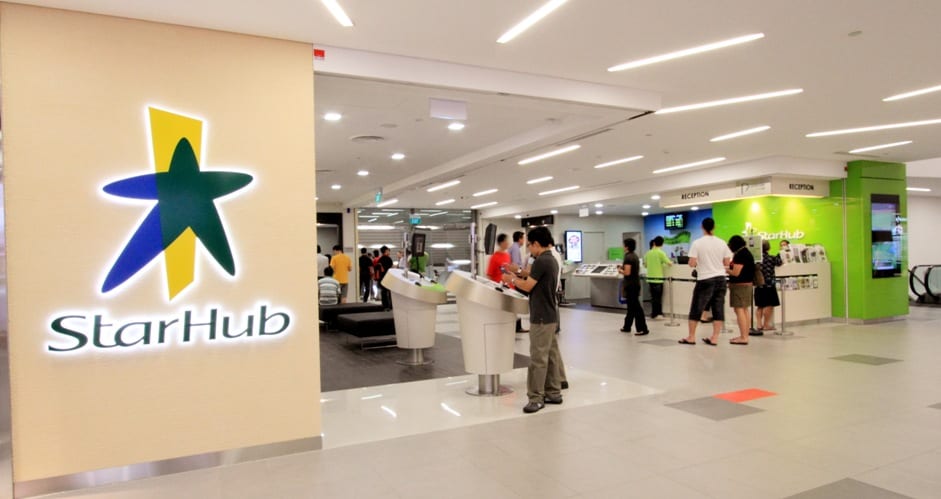
    Singaporean telecoms operator StarHub has appointed Peter Kaliaropoulos (pictured)  as its next chief executive officer.

    In a statement, StarHub said Kaliaropoulos will take over as Group CEO on July 9. He replaces Tan Tong Hai, who will step down from his roles as CEO and executive director from May 1.

    Kaliaropoulos, who was most recently CEO of Zain Saudi Arabia, has 35 years of experience in the global Information and communication technology sector.

    He has previously worked at telcos across Asia Pacific and the Middle East including BT, Telstra, Optus, Clear, Batelco and Ooredoo. Kaliaropoulos was even with StarHub way back in 2000 when the company began operations in Singapore, the Singapore telco said.

    Kaliaropoulos has also led a significant number of acquisitions and contributed as a board director to a number of telcos and ICT start-ups in Australia, USA, Singapore, India and the Middle East.

    In selecting its new CEO, StarHub said key criteria included strong leadership beyond conventional frameworks; understanding of the new market dynamics around intense competition; and one with diverse experience in the telco industry to better lead the team to deal with the rapid changes in the highly competitive environment.

    “This appointment is the result of an extensive and rigorous global executive search. As a telco veteran with a proven track record of achievements across a wide range of markets, and broad industry knowledge, the board is confident that Peter is well qualified to lead StarHub in pursuing new opportunities and managing the challenges that operators face today,” Terry Clontz, chairman of StarHub, commented.

    “My fellow directors and I are delighted to welcome Peter to the StarHub Group and look forward to working closely with him.”

  • Lovisa shares tank as CEO exits the brand

    Lovisa shares tank as CEO exits the brand

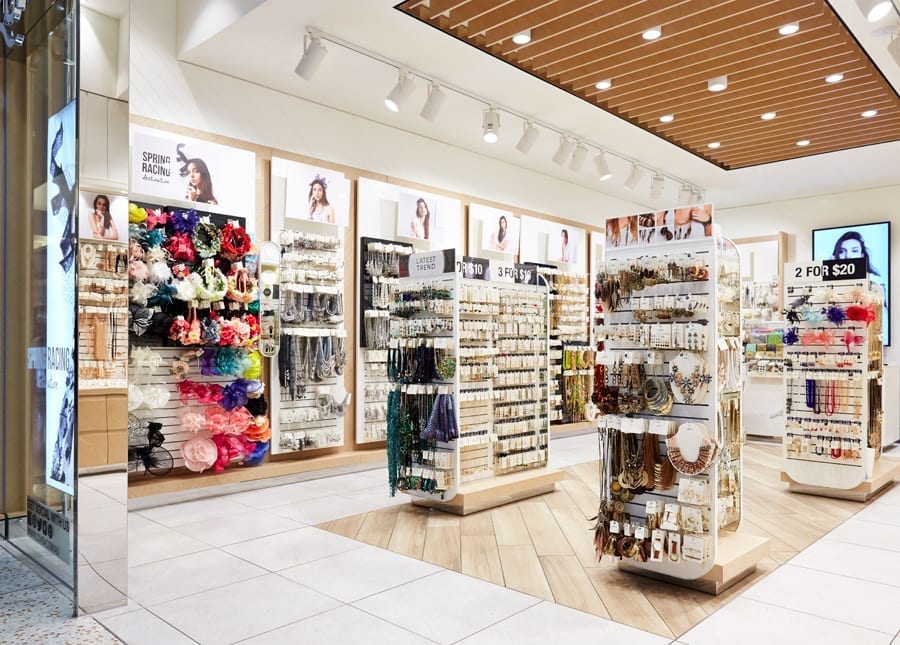
    Lovisa has lost its second senior executive in just over six months, announcing on Tuesday evening that chief executive Steve Doyle has resigned to pursue other interests, effective 20 April.

    Shares in Lovisa fell 8 per cent in early Wednesday trading to $9.20 as the news set in.

    Doyle’s departure comes after the resignation of former chief financial officer Graeme Fallet last September after just one and a half years with the business.

    The accessories retailer broke the news to the market alongside a trading update, which shows that the business has booked year to date comparable store sales of 7.6 per cent to the end of the third quarter and a 20.3 per cent increase in top line revenue.

    Lovisa booked a 7.4 per cent increase in comparable store sales for the first half of FY18 and top line sales growth of 18.8 per cent compared to the prior corresponding period.

    At the time Doyle said Lovisa had experienced a “pleasing start to the year”.

    “It’s pleasing that the business has been able to maintain the solid start to the year as we continue our global rollout, helping to deliver both sales growth and gross margin expansion,” Doyle said in January.

    No information was provided on whether a search for a new CEO had been completed or begun, but founder and managing director Shane Fallscheer will continue to lead the company.

    “On behalf of the board, I thank Steve for his tireless work and commitment during the past two and a half years in driving the continued success of the business, including playing a key role in its international expansion to date,” Fallscheer said in a statement.

    “Steve has been a great asset to the company and leaves the business in excellent shape.”

    Doyle had been at the helm of Lovisa since October 2016 after joining to oversee the company’s increasingly international ambitions.

    Lovisa also said on Tuesday that it had opened 5 new stores during the half and closed 4 – with 320 stores now trading.

  • Esprit Holdings to announce new leader

    Esprit Holdings to announce new leader

    Leadership changes have been announced by apparel brand Esprit Holdings in Hong Kong.

    Jose Manuel Martínez Gutierrez will step down as group CEO and executive director of the company on June 1, with Anders Kristiansen appointed as his successor.

    As a precursor to the change of CEO, chairman Dr Raymond Or Ching Fai will assume the role of executive director on April 1, to play a more active role in the next phase of the group’s strategy, including an ambitious expansion plan for China, the company said in a regulatory filing.

    “We very much regret losing Mr Martinez, as his contribution has been most valuable to Esprit,” said Or.

    Over the past five years Martinez had reversed a severe decline in the group’s results by stabilising procedures, restructuring and improving overall profitability.

    “After this phase of bottomline recovery, the group enjoys a sound financial position, with no debt and net cash of HK$4.5 billion.”

    Martinez, whose resignation is for personal reasons, said he was leaving the group “strong and well equipped” and he believes the new leadership will bring a positive impulse to take on the challenges ahead.

    “I will stay on to support a smooth transition into the new scheme.”

    Or says incoming CEO Kristiansen is a well-rounded and seasoned executive in the fashion industry with extensive experience in business development both in Europe and Asia, especially China.

    “Our objective will be to recapture market share and ultimately return the company to growth,” said Kristiansen.

    Or, 68, was appointed as independent non-executive director in March 1996 and became chairman in June 2012.

    Or is also a director of Chow Tai Fook Jewellery Group, Industrial and Commercial Bank of China, Regina Miracle International (Holdings) and Television Broadcasts. He has entered into a service contract with Esprit, which may be terminated by either party on 12 months’ notice.

    Kristiansen, 51, is an industrial advisor for a global private equity fund Permira. He was previously CEO and director of New Look, a global fast-fashion apparel company based in London. Before this, he held senior executive roles in the Bestseller Fashion Group China, Staples China, and Lyreco, an office supplies company.

    Kristiansen has also entered into an employment contract with Esprit subject to 12 months’ notice of termination by either party.

  • ZALORA Group CEO Parker Gundersen resigned

    ZALORA Group CEO Parker Gundersen resigned

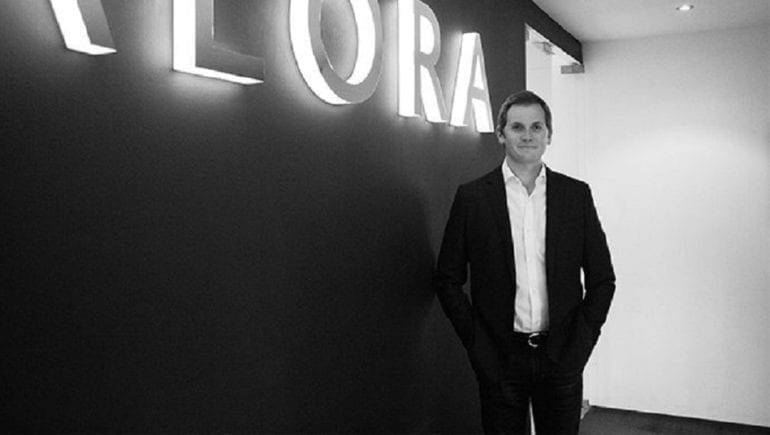
    Online fashion platform ZALORA announced that ZALORA Group CEO Parker Gundersen has made the decision to leave the company at the end of May 2018 for personal reasons.

    Parker joined ZALORA in 2016 and has since worked with the leadership team to grow the brand, improve overall profitability and affirm the position of ZALORA as the leading online fashion destination in Greater Southeast Asia.

    Said Parker, “ZALORA’s evolution as a fashion platform is unrivaled in the region and is a testament to the great progress we have made improving our product offering, building stronger relationships with our brand partners and strengthening our positioning in the market. I want to thank the team for all of the hard work getting ZALORA to where it is today and wish them continued success moving forward.”

    ZALORA now offers the widest online selection of International and local fashion and lifestyle brands in the region, including latest additions Calvin Klein, J.Crew, Hugo Boss, Abercrombie & Fitch and Adidas. ZALORA’s brand positioning has been greatly strengthened through a revamped site and catalogue, television and online partnerships including Asia’s Next Top Model and How Do I Look Asia?, and a number of exclusive product launches with local and international brand partners. ZALORA has also made significant progress in improving its profitability by optimizing back office and supply chain operations.

    Patrick Schmidt, Co-CEO of Global Fashion Group commented “Parker has reinforced ZALORA’s strength as the preferred multi-brand fashion platform in Southeast Asia. I want to thank Parker for his leadership and ongoing commitment to ZALORA, and for supporting a smooth transition in the coming months.”

  • Safilo appoints new CEO

    Safilo appoints new CEO

    Eyewear manufacturer Safilo has appointed a new CEO this week, following the sudden departure Luisa Delgado, who relinquishes her role at the Italian firm for personal reasons, as of 28 February 2018.

    The maker and distribution of luxury sunglasses has named Andrea Trocchia as its new CEO. Trocchia will become director of the Safilo group on 1 April 2018.

    Until a new CEO is appointed, Safilo’s President Eugenio Ranzelli will take charge of the business in the interim, Safilo said in a press release. The firm added that Delgado’s contract was terminated by mutual agreement with the group’s board.

    Delgado’s severance package will be worth €1 million, plus vested stock options and other non-monetary benefits.

    Trocchia will join Safilo Group S.p.a. as a director at the beginning of April. He will be included in the list put forward by Multibrands Italy BV, the eyewear group’s holding company, to be appointed CEO of Safilo Group S.p.a. at the next AGM on 24 April 2018.

    Trocchia was previously chairman and CEO of Unilever Italia, a role he held since 2013. Before this, he was chairman and CEO of Unilever Israel. After an MBA at the STOA’/MIT in Naples and a PhD in aeronautical engineering at the University La Sapienza in Rome, Trocchia began his career at Unilever in 1991, in the supply chain and sales departments.

    Safilo has been experiencing difficulties for several quarters. It claims to be still affected by the termination of its Gucci eyewear licence, which took place in December 2016.

    At the end of the 2017 financial year, consolidated net sales were €1.047 billion, down €194 million (-15.6%) at constant exchange rates compared to the 2016 financial year. At the time of reporting last months, Safilo said the “sales decrease reflects both the transformation of the Gucci licence into a supply contract, for a total of €155 million (-12%), and the deployment of a new IT system for the global management of orders and stocks at the start of the year.”