Retail News CRM

Tag: challenges

  • HCMC’s Overseas Remittances Drop 23% Amid Global Economic Challenges in H1 of 2026

    HCMC’s Overseas Remittances Drop 23% Amid Global Economic Challenges in H1 of 2026

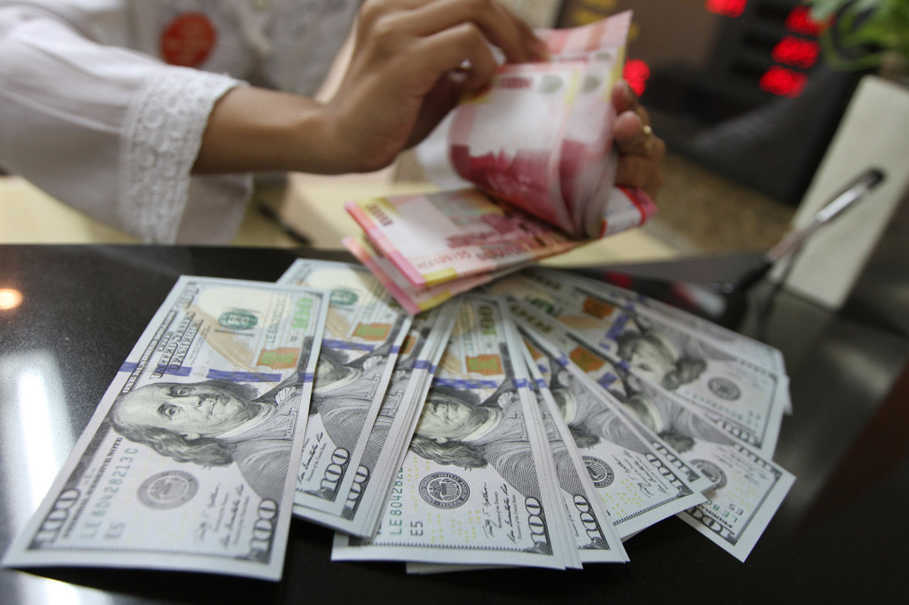
    In the first half of 2026, Ho Chi Minh City (HCMC) received over $4 billion in remittances, marking a considerable decrease of almost 23% compared to the same period in the previous year. Factors contributing to this downward trend include a sluggish global economy, more restrictive immigration policies, and shifts in capital flows, all of which negatively affected overseas Vietnamese transfers.

    During the second quarter, remittances that were transferred via credit institutions and economic organizations amounted to $2.03 billion. Although this reflects a slight increase of 1.4% from the first quarter, it is a significant decrease of 27.9% compared to the same quarter last year, as reported by the State Bank of Vietnam (SBV)’s Region 2 Branch.

    Geographical Distribution of Remittances

    Tran Thi Ngoc Lien, the Deputy Director of the SBV’s Region 2 Branch, disclosed that Asia continued to be the most significant source of remittances, contributing over $1 billion, representing 49.3% of total inflows. This figure is up by 9.8% from the previous quarter. The Americas came in second, contributing $672.6 million, making up over 33% of the total.

    In the first quarter, remittances from Asia increased by 9.8%, becoming the primary force of recovery. However, inflows from Europe, the Americas, and Oceania decreased.

    For the first six months, Asia and the Americas remained the leading sources, accounting for over 81% of total remittances. Asia led the way with $1.92 billion, accounting for 47.5% of the total. The Americas followed with $1.38 billion, or 34.1%, and Oceania contributed $418.3 million or 10.4% of the total.

    Contributing Factors and Future Projections

    According to Lien, the decline in remittances is attributed to a mix of international and domestic factors. Slow global economic growth, the strong U.S. dollar, and stricter immigration policies in several countries have all affected employment and income, impeding the ability of overseas Vietnamese to send money home.

    Inflationary pressures, increased living costs, labor market changes, and tax policy adjustments related to certain money transfer transactions have also impacted the Americas, particularly the U.S. – a significant remittance market for HCMC.

    Domestically, the SBV’s Region 2 Branch pointed out that some investment channels have not been attractive enough to absorb remittance capital. Moreover, the interest rates for foreign currency deposits have remained at 0%, leading some overseas Vietnamese to keep their funds abroad or shift them to other investment assets.

    Nevertheless, the SBV’s Region 2 Branch predicts a potential recovery, provided the global economy avoids major disruptions, and the current recovery trend persists in the second half of the year. The projections suggest that HCMC’s total remittance inflows in 2026 could reach between $8.6 and $8.9 billion.

    Despite being below levels recorded in previous years, remittances are expected to recover more noticeably on a quarterly basis, bolstered by the easing of international interest rate conditions, exchange rate stability, and the continued effectiveness of banks’ remittance promotion programs.

    Questions & Answers

    Why have remittances to HCMC reduced significantly in the first half of 2026?
    The decline can be attributed to global economic challenges, tighter immigration policies, and shifts in capital flows that have affected overseas Vietnamese transfers.

    Which regions are the main contributors to remittances to HCMC?
    Asia and the Americas are the two principal sources of remittances to HCMC, collectively accounting for over 81% of total remittances.

    What are the expectations for HCMC’s remittances in the second half of 2026?
    If the global economy remains stable and the current recovery trend continues, HCMC’s total remittance inflows are projected to reach between $8.6 and $8.9 billion in 2026.

  • Vietnam’s Coffee Exports Hit $4.78B Despite Challenges: A Closer Look at H1 2026 Results

    Vietnam’s Coffee Exports Hit $4.78B Despite Challenges: A Closer Look at H1 2026 Results

    In the first half of 2026, Vietnam’s coffee exports amounted to US$4.78 billion, marking a decrease of 14.4% compared to the same period in the previous year. This decline in value comes despite a 9.7% year-on-year increase in exported volume, reaching 1.1 million metric tons. June alone accounted for shipments of 150,000 tons, valued at $552.6 million.

    Coffee Export Market Dynamics

    The average coffee export price during the first half of the year was around $4,435 per ton, a 22% year-on-year decrease after a period of elevated prices in 2024-25, as reported by the Ministry of Agriculture and Environment. The three largest markets for Vietnam’s coffee exports remained Germany, Italy, and the U.S., accounting for 14.1%, 7.9% and 6.9% of total exports, respectively. However, the first five months of the year saw a decline in shipments to these markets by 21.7%, 9.6% and 2.2% in value respectively, compared to the previous year.
    On the other hand, exports to China experienced a significant 70.7% surge in value, representing the strongest growth among the top fifteen importers of Vietnamese coffee.

    Domestic Coffee Market and Global Trends

    Domestically, coffee prices have rebounded to over VND90,000 (US$3.42) per kilogram, but trading remains cautious as the remaining inventory is limited. The Vietnam Coffee Cocoa Association indicates that the global coffee market is moving into a challenging phase where supply growth, largely driven by Brazil, is outpacing moderate consumption growth.

    Moreover, the association predicts that the large supply will continue to put downward pressure on prices in the coming months, particularly in the Robusta segment, which is Vietnam’s principal export product. This situation poses a challenge to achieving the year’s export revenue target due to the continuous fall in export prices and the historically lower shipments in the second half of the year.

    However, the association also highlights an opportunity for the industry to shift its focus from increasing output to enhancing value. This can be done by exporting higher quality coffee beans with sustainability certifications, and increasing exports of roasted, instant, and blended coffee products. Currently, around 30% of Vietnam’s coffee-growing area is certified under sustainable production standards, which provides a strong basis for meeting the increasingly rigorous requirements in export markets.

    In addition to this, the association recommends stronger trade promotion in promising markets such as China, Russia, South Korea, Algeria, and Nordic countries. It also encourages expanding connections with major retail chains in Asia and Europe to foster processed coffee exports.

    Questions & Answers

    What is the current state of Vietnam’s coffee exports?
    The value of coffee exports from Vietnam declined by 14.4% in the first half of 2026 despite an increase in export volume.

    Who are the major importers of Vietnamese coffee?
    Germany, Italy, and the U.S. are the three largest markets for Vietnam’s coffee exports, but exports to these markets have declined in value. Alternatively, exports to China have surged by 70.7%.

    What adjustments does the Vietnam Coffee Cocoa Association suggest for the coffee industry?
    The association suggests a shift in focus from output expansion to value enhancement. This could be achieved by increasing exports of sustainably certified, high-quality coffee beans and boosting shipments of roasted, instant, and blended coffee products.

  • Nestlé Triumphs in Q1 Amidst Foreign Exchange and Recall Challenges: Coffee, Food, and Snacks Lead the Charge

    Nestlé Triumphs in Q1 Amidst Foreign Exchange and Recall Challenges: Coffee, Food, and Snacks Lead the Charge

    Nestlé, the multinational FMCG powerhouse, began the year with consistent growth. It did so despite a decline in sales attributed to currency fluctuations and the residual effects of a product recall involving infant formula.

    First Quarter Performance

    During the first quarter of the year, Nestlé’s performance illustrated the efficacy of its internal strategy. According to CEO Philipp Navratil, the company experienced strength across multiple sectors and categories, with coffee, food, and snacks being the standout performers. The company experienced notable growth in emerging markets, while in Europe and the United States, the performance remained solid despite the prevailing conditions.

    The reported total sales for the first quarter amounted to $27 billion (or CHF $21.3 billion). This represents a year-on-year decrease of 5.7 percent. In addition, foreign exchange fluctuations resulted in a 9.3 percent reduction in sales.

    Category Performance

    In terms of categories, coffee, food, and snacks were the leading performers. All sectors experienced positive growth, with the exception of infant formula within the nutrition business. The company reported that the infant formula recall caused a reduction in organic growth of approximately 90 basis points during the quarter. However, they also noted that product availability has since returned to normal.

    Emerging markets continued to excel, producing organic growth of 6.8 percent, excluding China. Europe demonstrated consistent trends, while the United States proved robust.

    Future Projections

    Navratil spoke about the momentum built in the first quarter and the company’s continued efforts to execute its strategy for a stronger Nestlé. In light of the complex and uncertain climate, he expressed gratitude to the teams for their commitment and customers for their trust.

    Looking to the future, the company anticipates organic growth of around 3 to 4 percent. This projection has been made despite the increasing global economic and geopolitical uncertainty. Profit margins are also expected to improve in comparison to last year, with gains likely to pick up speed in the second half of the year. Nestlé forecasts that free cash flow will exceed $11.4 billion.

    Questions & Answers

    What factors have led to Nestlé’s sales decline in the first quarter?
    The decline in sales has been attributed to currency fluctuations and the residual effects of a product recall involving infant formula.

    What categories have been the standout performers for Nestlé?
    According to the company, the categories that have led performance are coffee, food, and snacks.

    What are Nestlé’s expectations for future growth?
    Despite increasing global economic and geopolitical uncertainty, the company anticipates organic growth of around 3 to 4 percent. Profit margins are also expected to improve in comparison to last year.

  • Alibaba’s Profits Tumble Amid Unsuccessful Retail Promotions and Emerging AI Challenges

    Alibaba’s Profits Tumble Amid Unsuccessful Retail Promotions and Emerging AI Challenges

    Alibaba, China’s largest e-commerce firm, reported a modest 1.7% increase in third-quarter revenue, significantly below expectations. However, more concerning was the staggering 66.3% drop in net income, largely due to heavy spending on one-hour delivery and extensive promotional activities during peak shopping periods, which did not translate into higher demand as anticipated.

    The company’s US-listed shares fell over 6% in early trading following the report. Alibaba’s revenue for the quarter, which ended in December, reached 284.84 billion yuan (US$41.28 billion), a far cry from the predicted 3.7% rise. The company’s adjusted earnings amounted to 7.09 yuan per American Depository Share, significantly below the estimated 11.64 yuan.

    Focusing on AI Profitability

    On a brighter note, Alibaba’s cloud revenue exceeded expectations, posting a growth of 36%. This growth was driven by the company’s aggressive integration of AI agents into the consumer-facing aspects of its business, along with increased investments.

    The tech industry, both in China and globally, is closely monitoring the progress of AI monetization as firms grapple with turning this revolutionary technology into a profitable venture. In line with this, Alibaba recently announced its decision to segregate its AI businesses from its cloud computing division.

    The newly created Alibaba Token Hub business group, under the leadership of CEO Eddie Wu, marks the company’s clear shift towards AI-based digital assistants. These AI models use significantly more tokens, or data units for generating language, compared to traditional Q&A chatbots.

    Alibaba recently launched a pre-Chinese New Year promotional campaign featuring its chatbot Qwen. This has now evolved from answering questions to assisting consumers with ordering food and e-commerce products. This strategy led to a significant increase in daily active users to around 50 million. However, usage has since declined.

    “Unfortunately, 30-day retention remains relatively low, as users are primarily engaging in general entertainment and consumer-related scenarios, which indicates low user loyalty,” commented Jamie Chen of Third Bridge.

    CEO Eddie Wu shared the company’s ambitious vision during a call with analysts, stating, “Over the next five years, our goal is to surpass $100 billion in combined cloud and AI external revenue.”

    The Impact of the Ongoing Property Crisis

    By the end of last year, a drawn-out property crisis and income stability concerns continued to negatively impact consumer sentiment. This resulted in reduced spending, even during traditional periods of high expenditure.

    Even an extended Singles’ Day sales event in November, that lasted over a month, received a lukewarm response. Retailers increased discounts and subsidies to boost spending, but cautious consumers and year-round deals diluted the event’s traditional sales spike.

    Aggressive spending by Alibaba and JD to provide discounts and faster delivery to capture market share from food-delivery leader Meituan led to pressure on profit margins.

    In upcoming quarters, the focus for Alibaba will be on improving unit economics for its Taobao Quick Commerce division. Executives have reiterated their aim to achieve a gross merchandise volume of 1 trillion yuan and predict that the business will turn profitable by the fiscal year 2029.

    Questions & Answers

    What were the Q3 results for Alibaba?
    Alibaba reported a 1.7% rise in third-quarter revenue and a 66.3% drop in net income, both below analysts’ estimates.

    What is Alibaba’s focus in the tech industry?
    Alibaba is focusing on AI monetization, integrating AI agents into the consumer-facing side of its business, and separating its AI businesses from its cloud computing arm.

    How did the property crisis affect Alibaba’s performance?
    A prolonged property crisis and concerns about income stability weighed on consumer sentiment, limiting spending even during traditional periods of high expenditure. This resulted in lower-than-expected revenues for Alibaba.

  • Hugo Boss Triumphs Amid Challenges: Sees Uplift in Annual Sales Regardless of China’s Downturn

    Hugo Boss Triumphs Amid Challenges: Sees Uplift in Annual Sales Regardless of China’s Downturn

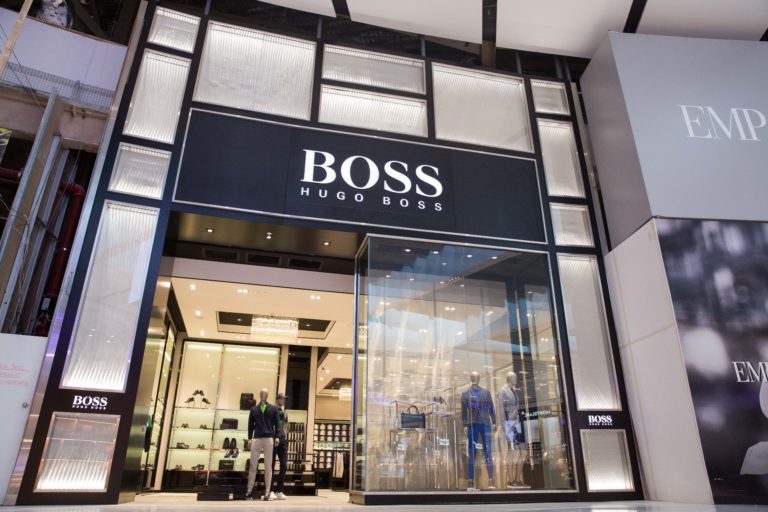
    Hugo Boss, a renowned German fashion company, recently disclosed a slight increase in sales for the preceding fiscal year, which concluded with a robust last quarter.

    The company’s sales for the fiscal year 2025 demonstrated a 1% drop, reaching EUR 4.27 billion (US$4.97 billion). This decrease is attributed to unfavorable currency fluctuations and subdued consumer confidence triggered by macroeconomic and geopolitical instability. However, after considering the impact of currency exchange, there was a 2% rise in sales.

    Geographical Sales Breakdown

    Examining sales by region, Hugo Boss saw a 5% decrease in currency-adjusted sales in the Asia-Pacific region, largely due to restrained local demand in China. In contrast, the company enjoyed a 2% increase in revenues in the EMEA region, propelled by advancements in major European markets such as Germany and France.

    Company management emphasized the remarkable growth in the fourth quarter, with a reported 2% sales increase and 7% rise on a constant currency basis.

    Growth Factors

    This positive performance is credited to a resurgence in physical retail, a modest uptick in comparable-store sales, a fruitful holiday season, and impactful brand and product initiatives.

    The Boss Menswear brand saw a 3% increase in currency-adjusted revenues for the year. However, sales for Boss Womenswear and Hugo dropped by 5% and 4% respectively.

    Americas and Licensing Business Performance

    In the Americas, revenues saw a 3% increase, indicative of progressive improvements in the US market. Conversely, the company’s licensing business experienced a 5% decline in sales.

    The fiscal year ended on a high note, with EBIT (Earnings Before Interest and Taxes) growing 8% to reach EUR 391 million. This figure includes a significant 22% uplift in the fourth quarter.

    Hugo Boss CEO, Daniel Grieder, highlighted the rapid transformation of the fashion industry throughout the year. He pointed towards technological innovation, changing consumer preferences, and persistent macroeconomic and geopolitical instability as key influencers on the industry’s trajectory.

    Future Prospects

    Looking ahead to fiscal year 2026, Hugo Boss anticipates a mid- to high-single digit decline in currency-adjusted sales. This projection is based on the initiation of brand and channel realignments.

    Questions & Answers

    What were Hugo Boss’s sales for fiscal year 2025?
    Hugo Boss reported sales of EUR 4.27 billion (US$4.97 billion) for the fiscal year 2025.

    Which region experienced sales growth for Hugo Boss?
    The EMEA region saw a 2% increase in revenues, driven by performance in key European markets such as Germany and France.

    What are the company’s sales expectations for fiscal year 2026?
    Hugo Boss is forecasting a mid- to high-single digit decline in currency-adjusted sales for fiscal year 2026, due to brand and channel realignments.

  • Starbucks Eyes Major Global Expansion: China in Spotlight Despite Market Challenges

    Starbucks Eyes Major Global Expansion: China in Spotlight Despite Market Challenges

    Starbucks, the renowned coffee chain, is fast-tracking global expansion plans that extend beyond fiscal year 2028. The company considers China as the bedrock of its long-term development strategy, notwithstanding the increasingly competitive landscape and looming economic challenges.

    During the 2026 Investor Day, the coffee behemoth announced plans for significant expansion in both domestic and international markets.

    International Growth

    Starbucks intends to double its international cafe presence over time, aiming for nearly 40,000 non-US stores. China is anticipated to play a major role in this planned growth. Starbucks plans to open between 15,000 and 20,000 additional stores in the Chinese market over the long term.

    Brady Brewer, CEO at Starbucks International, provided insights on the company’s international strategy. He stated, “Our international business fills a very clear role. We are an asset-light growth driver for Starbucks that bolsters the company’s margins.”

    Challenges and Opportunities in China

    China, while being a strategic priority, continues to be one of the most challenging markets for Starbucks. Local competitors such as Luckin Coffee and Cotti Coffee are gaining traction via aggressive pricing strategies, swift expansion, and localized innovation. Simultaneously, economic slowdown is causing increased price sensitivity, challenging Starbucks’ premium positioning.

    In response to these challenges, Starbucks has reorganized its operations in China. The company has established a joint venture with Boyu Capital, transitioning to a licensed business model while maintaining a 40% stake.

    First Quarter Financials

    For the first quarter of fiscal 2026, Starbucks reported a revenue of US$9.9 billion. This shows an upward sales trajectory and continuous growth across the coffee giant’s global network of stores.

    Questions & Answers

    What is Starbucks’ plan for international growth?
    Starbucks intends to double its international store presence, targeting nearly 40,000 non-US locations.

    What role does China play in Starbucks’ expansion strategy?
    China is expected to account for a major portion of Starbucks’ international expansion. The company plans to open between 15,000 and 20,000 additional stores in the Chinese market.

    What changes has Starbucks made in its China operations?
    In response to increasing competition and economic challenges, Starbucks has restructured its China operations through a joint venture with Boyu Capital, transitioning to a licensed business model and retaining a 40% stake.

  • Malaysia’s Strategic Moves to Regain Palm Oil Dominance in China Amid Market Challenges

    Malaysia’s Strategic Moves to Regain Palm Oil Dominance in China Amid Market Challenges

    Malaysia is taking proactive measures to reclaim its portion of China’s palm oil market, following a precipitous drop of almost 39% in export volumes year-on-year in the first ten months of 2025.

    Factors Influencing the Decline

    According to Malaysia’s Plantation and Commodities Minister, Datuk Seri Johari Abdul Ghani, this dramatic decrease can be attributed in part to logistics issues and a surge in palm oil prices. The latter has overtaken the costs of soybean oil, making soybean oil more attractive to Chinese buyers.

    Chinese Market Significance

    China holds a pivotal role as a strategic market for Malaysia, having consistently been one of the leading destinations for Malaysian palm oil exports for over a decade. Ghani remarked that the steep decrease points to deeper problems, extending beyond simply competitiveness and logistics. The issues also involve pricing dynamics and market positioning.

    Transparent Export Policies

    Ghani underscored that Malaysia remains committed to maintaining clear and predictable export policies. This approach is designed to ensure that the nation’s activities do not interfere with the interests of its key trading partners.

    Promoting Continuous Dialogue

    In addition, Malaysia is open to ongoing discussions to better synchronize expectations regarding pricing trends, market developments, and long-term supply planning, the minister added.

    Questions & Answers

    What has caused the drop in Malaysia’s palm oil exports to China?
    The drop in exports has primarily been attributed to two factors: challenges in logistics and a rise in palm oil prices, which have made soybean oil a more attractive choice for Chinese buyers.

    Why is the Chinese market significant to Malaysia?
    China is a key and strategic market for Malaysia, consistently standing as one of the top destinations for Malaysian palm oil exports for over a decade.

    How does Malaysia plan to address the current challenges and regain its market share?
    Malaysia intends to maintain transparent and predictable export policies and is open to continuous dialogue on pricing trends, market developments, and long-term supply planning to better align expectations.

  • Michelin-Starred Terra Tokyo Italian Announces Closure Amid Market Challenges: A Decade-Long Journey Ends in December

    Michelin-Starred Terra Tokyo Italian Announces Closure Amid Market Challenges: A Decade-Long Journey Ends in December

    Terra Tokyo Italian, a unique fusion of Japanese and Italian dining in Singapore, has announced it will be saying farewell this coming December. The Michelin-star restaurant broadcasted the disheartening news in an Instagram post earlier this week, stating that its final day of service will be December 20, 2025.

    A Fond Farewell

    The restaurant’s statement expressed a heartfelt goodbye, reminiscing over its journey that was marked by shared meals, warm conversations, celebrations, and memorable moments. It extended gratitude to its loyal patrons who have shaped the establishment over the past decade.

    “We are deeply grateful for the decade we have spent together. Your trust, your smiles, your support has meant everything to us. We hope to spend these remaining days together, just as we have done for the past ten years. We welcome you wholeheartedly until our very last service,” the statement said.

    Reason For Closure

    The restaurant attributed its impending closure to the challenges imposed by the current market conditions.

    Terra Tokyo Italian was originally established as an omakase-style restaurant by Japanese chef Seita Nakahara, who later left the establishment in 2023. It first earned a Michelin star in 2016, lost it the subsequent year, but managed to reclaim it from 2019 through 2024. Despite losing its star this year, the restaurant still remains a Michelin-selected establishment for its quality.

    Other Closures and Changes

    Terra Tokyo Italian is not alone, as eight other one-star Michelin restaurants also closed their doors between 2024 and now. Several other establishments that managed to retain their stars have also ceased operations or announced their closures, including restaurants like Alma by Juan Amador, Restaurant Euphoria, and Esora.

    In addition, other Michelin-starred restaurants are undergoing changes. For instance, Sushi Sakuta, a two-star restaurant, is moving from the Capitol Kempinski Hotel Singapore to Millenia Walk this month, while three-star French restaurant Odette is currently undergoing renovations and is set to reopen next month.

    The broader food and beverage industry in Singapore is also experiencing significant closures. Last year saw the closure of some 3,047 eateries, the highest figure in last two decades. The first ten months of this year already witnessed 2,431 closures, 63% of which did not last more than five years.

    Questions & Answers

    When will Terra Tokyo Italian close its doors?
    The restaurant plans to cease operations on December 20, 2025.

    What has been the impact of current market conditions on the restaurant scene in Singapore?
    The food and beverage industry in Singapore has seen a significant number of closures due to market conditions. In the past year, over 3,000 eateries have shut down, marking the highest closure rate in two decades.

    How has the Michelin Guide impacted Terra Tokyo Italian?
    The restaurant first earned a Michelin star in 2016, lost it the following year, but reclaimed it from 2019 to 2024. Despite losing its star in 2025, the restaurant still remains a Michelin-recognized establishment for its quality.

  • UBS Challenges Swiss Court Verdict on Credit Suisse’s AT1 Bond Valuation: A Game Changer in Bank Recovery?

    UBS Challenges Swiss Court Verdict on Credit Suisse’s AT1 Bond Valuation: A Game Changer in Bank Recovery?

    The Swiss Federal Administrative Court issued a partial ruling on October 13, 2025, which put up for debate the legality associated with deeming Credit Suisse’s Additional Tier 1 (AT1) bonds as worthless. The ruling came in response to an appeal lodged by Switzerland’s financial regulator, Finma. Now, UBS has declared its intention to lodge their appeal as well.

    UBS to Appeal Ruling

    In line with the release of its results for the third quarter of 2025, UBS announced its plan to challenge the partial ruling of the Federal Administrative Court relating to the AT1 litigation. The bank clarified that this step is being undertaken with the aim of ensuring that the court considers its perspective regarding the relevant facts associated with the acquisition of the AT1 bonds.

    UBS also emphasized that the appeal is essential in order to preserve the credibility of AT1 instruments, considering the integral role these play in the resolution and recovery process of banks.

    Key Component of the Bailout Package

    UBS highlighted that the devaluation of Credit Suisse’s AT1 instruments was an important part of the bailout package. The bank maintained that the devaluation was in line with the contractual terms of the AT1 instruments and the applicable legislation. It also asserted that the decision taken by Finma was lawful.

    UBS pointed to the conclusions reached by the Parliamentary Inquiry Commission, which determined that Credit Suisse would have faced insolvency without the bailout package and would not have been able to continue its operations after Monday, March 20, 2023.

    Challenging A Questionable Verdict

    In October, the Federal Administrative Court ruled that the legal foundation for Finma’s decision to deem Credit Suisse’s AT1 bonds as worthless was inadequate. Finma has already taken a step to challenge this decision at the Federal Supreme Court, and UBS has now announced its decision to do the same.

    UBS has also addressed several questions related to the AT1 issue on its FAQ page.

    Questions & Answers

    Why is UBS appealing the ruling?
    UBS is appealing the ruling to ensure the court considers their view regarding the acquisition of the AT1 bonds and to safeguard the credibility of AT1 instruments due to their key role in the resolution and recovery of banks.

    Why was the devaluation of Credit Suisse’s AT1 instruments a critical part of the bailout package?
    The devaluation was crucial as it was in line with the contractual terms of the AT1 instruments and the applicable law. Without the bailout package, Credit Suisse would have faced insolvency.

    What was Finma’s decision regarding Credit Suisse’s AT1 bonds?
    Finma decided to render Credit Suisse’s AT1 bonds worthless. However, the Federal Administrative Court ruled that the legal basis for this decision was insufficient. Finma and UBS have both decided to appeal this decision.

  • Bank Negara Indonesia Faces Ongoing NIM Challenges in Second Quarter: What Lies Ahead?

    Bank Negara Indonesia Faces Ongoing NIM Challenges in Second Quarter: What Lies Ahead?

    Over the past few years, the retail industry has endured a whirlwind of transformation, especially in Asia, where adaptation and resilience have been put to the test. Amid the ongoing evolution shaped by technological advancements and shifting consumer behaviors, companies are redefining their strategies to stay ahead in this dynamic sector.

    Embracing Technology: The Retail Revolution

    From mobile payments to virtual fitting rooms, technology is not just an addition to retail; it’s reshaping its very foundation. Asian consumers, known for their swift adoption of new digital tools, are now more empowered than ever. Retailers are responding with innovative solutions that enhance in-store and online experiences, appealing to an increasingly tech-savvy audience. Even traditional markets have found ways to digitize their operations, proving that innovation knows no bounds.

    Interestingly, amidst all this digital transformation, a few retailers are choosing to go old school—think cash transactions and handwritten receipts. It’s a reminder that sometimes, simplicity holds its own charm.

    The Luxury Segment’s New Frontier

    The luxury retail sector is experiencing rejuvenation as well, particularly in markets like China and Japan. High-end brands are tapping into the growing affluent middle class, curating exclusive experiences that blend both tradition and modernity. Events are no longer just about showcasing products; they’re immersive experiences that engage customers on an emotional level. Whether it’s a pop-up shop in a trendy Shanghai district or an exclusive virtual tasting in Tokyo, luxury retail is all about creating memorable moments.

    Sustainability Takes the Spotlight

    As environmentally conscious consumers on the rise, retailers are scrambling to adopt sustainable practices. Many are integrating eco-friendly materials into their products and adopting more transparent supply chains. In a climate where shoppers want to know the story behind their purchases, brands that prioritize sustainability aren’t just making a “greener” choice—they’re also amplifying their appeal. Embracing sustainability could spell the difference between staying relevant or fading into oblivion.

    The Future of Shopping: Omnichannel Strategies

    As the lines blur between online and offline shopping, retailers are leaning into omnichannel strategies more than ever. The seamless integration of physical and digital platforms is no longer a luxury but a necessity. Consumers expect a consistent experience whether they shop via mobile apps, websites, or brick-and-mortar stores. Retailers that fail to meet these expectations face the risk of losing their customer base to more agile competitors.

    While it’s easy to get caught up in forecasts and projections, the heart of retail is still about fostering connections. Whether it’s a brief chat with a store associate or classic customer service, businesses that understand this human element will stand the test of time.

    Questions & Answers

    What role does technology play in the transformation of retail in Asia?
    Technology is fundamentally reshaping retail by enhancing customer experiences through innovations such as mobile payments and virtual fitting rooms, reflecting the swift digital adoption among Asian consumers.

    How is the luxury retail sector adapting to modern consumer demands?
    Luxury retail is focusing on creating exclusive and immersive experiences that engage customers emotionally, appealing to a growing affluent middle class in markets like China and Japan.

    Why is sustainability becoming increasingly important for retailers?
    With the rise of environmentally conscious consumers, retailers are prioritizing sustainable practices and transparent supply chains, as these factors significantly enhance brand appeal and relevance in today’s market.

  • India’s Banks Set to Thrive Amidst Margin Challenges and Rising Costs

    India’s Banks Set to Thrive Amidst Margin Challenges and Rising Costs

    According to Fitch Ratings, India’s banking sector is on a promising trajectory, poised for growth bolstered by enhanced asset quality, robust capital reserves, and a stable profitability outlook. As banks maneuver through the financial landscape, analysts suggest that credit metrics will largely hold steady into fiscal year 2026, although earnings could be impacted by cyclical pressures on margins and credit costs.

    Slowdown or Steady Forward March?

    Currently, the sector is experiencing its slowest loan growth in four years, hovering at just 10.6%. Lending to non-bank financial institutions (NBFIs) and unsecured retail customers has particularly softened, a shift attributed to stricter regulatory oversight and challenging funding conditions. However, optimism remains. Fitch projects a rebound in loan growth to between 12% and 13% in FY2026, fueled by an accommodating monetary policy and gradually easing funding constraints.

    Deposits and Ratios: The Balancing Act

    Despite this optimistic outlook, banks must enhance their deposit mobilization to sustain the nearly 120 basis points improvement in loan-to-deposit (LDR) ratios they have achieved. A notable decrease in the impaired loans ratio, falling by 60 basis points to 2.2% in FY2025, indicates a positive shift. Bad loans saw a decline of 12%, further painting a brighter picture for the sector as a whole.

    A Brave New Banking Era?

    Fitch emphasizes that the impaired-loan ratios and credit costs for most banks have likely hit their lowest point. There remains potential for gains as some banks might improve their standings through write-offs of legacy bad loans, which would further shrink the outstanding bad loan stock. In Fitch’s eyes, the Indian banking sector’s strong performance is not merely a flash in the pan; expectations are set for sustained progress, contingent on banks maintaining solid core financial metrics that enhance their resilience against economic fluctuations.

    Questions & Answers

    What does Fitch Ratings predict for India’s banking sector in FY2026?
    Fitch Ratings forecasts a rebound in loan growth to 12% to 13% in FY2026, supported by an accommodative monetary policy and improved funding conditions, while projecting that credit metrics will remain stable.

    Why is the current loan growth considered the slowest in four years?
    The current loan growth rate of 10.6% is primarily due to tighter regulatory scrutiny and tougher funding conditions impacting lending, particularly to NBFIs and unsecured retail customers.

    What improvements have been observed regarding banks’ impaired loans?
    The impaired loans ratio has fallen by 60 basis points to 2.2% in FY2025, accompanied by a 12% reduction in bad loans, indicating a trend towards better asset quality in the banking sector.

  • S&P: Chinese Banks Show Resilience Amid Trade-Related Challenges

    S&P: Chinese Banks Show Resilience Amid Trade-Related Challenges

    China’s banking landscape is currently holding up under the strain of tariff-related challenges, but not all financial institutions are created equal. According to S&P Global Ratings, while the larger megabanks are expected to bolster their financial defenses thanks to government support, regional banks situated in coastal provinces may face a tougher road ahead. This could lead to more pronounced pressures for these smaller institutions as they navigate the economic fallout.

    The Strength of Diversity

    S&P noted that most rated banks benefit from portfolio diversity across the country, which serves as a stabilizing factor in uncertain times. The government’s recent injection plan is set to enhance the loss buffer for megabanks, allowing them to maintain strong capitalization levels even amid economic turbulence.

    Challenges Among Small Enterprises

    However, the bank ratings agency cautioned that their stress scenario paints a sobering picture for inclusive micro and small enterprises (MSEs). These businesses, characterized by tight profit margins and limited financial flexibility, are expected to bear the brunt of economic turbulence with a projected 20% nonperforming asset (NPA) ratio for MSE loans. Furthermore, trade finance may see challenges as well, with the NPA ratio for discounted bills lending estimated at 5%. Although normally low, this figure is worrisome given that defaults in this lending category are usually minimal because the counterparties involved are financial institutions. Yet, the bright side is that a significant portion of discounted bills stems from domestic trade, which remains relatively insulated from the impacts of increased U.S. tariffs. Who knew tariffs could be so picky in their effects?

    Forecast Ahead

    In light of these mixed signals, banks will need to employ strategic methods to shield their assets and support their SMEs effectively. The resilience of China’s banking system will be tested as it adapts to a rapidly changing landscape, balancing pressures from tariffs against the inherent strengths found in diversity and domestic trade.

    Questions & Answers

    What is the expected impact of U.S. tariffs on Chinese banks?
    Most banks are anticipated to withstand tariff-related strains, although megabanks will likely benefit more from government support than regional banks.

    Why are regional banks particularly at risk?
    Regional banks in coastal provinces may experience greater pressure due to their reliance on small enterprises, which face challenges in maintaining profit margins amid economic fluctuations.

    How are nonperforming asset ratios expected to vary?
    S&P predicts a 20% NPA ratio for MSE loans and a 5% ratio for discounted bills lending, underscoring the challenges posed by small enterprises and trade financial dynamics.

  • UBS Faces Harsh Realities in Challenging Financial Landscape

    UBS Faces Harsh Realities in Challenging Financial Landscape

    Today marks a pivotal moment for UBS as the Swiss Federal Council is set to unveil its stance on capital requirements for systemically important banks. For UBS, the outlook is likely grim, but this narrative is far from over.

    Capital Requirements: A Much-Needed Clarification

    The spotlight today is on Finance Minister Karin Keller-Sutter, who is anticipated to clarify how much capital Switzerland’s major banks will need to hold. The proposed regulation primarily targets UBS, which has transformed into the nation’s largest bank after integrating Credit Suisse. With total assets amounting to 1.7 trillion francs, UBS’s balance sheet now towers over Switzerland’s annual GDP, representing a significant risk in times of crisis.

    UBS Group CEO Sergio Ermotti has been vocal about the importance of the bank’s business model over its sheer size. The lingering question, however, is whether this message has struck a chord in Bern, and doubts linger.

    What’s on the Horizon?

    Most analysts predict that the Federal Council will recommend tougher capital requirements for UBS. The expectation is that the bank will need to bolster its foreign subsidiaries with 100 percent capital, up from the current 60 percent. This move aligns with suggestions from the Swiss Financial Market Supervisory Authority (Finma) and the Swiss National Bank (SNB).

    Reports hinting that Finance Minister Keller-Sutter might appease lobbying efforts from UBS’s top brass are being dismissed as mere speculation, grounded in information available prior to the bank stability report presented back on April 10, 2024.

    Implications for UBS

    The prospect of stricter regulations presents a sobering outlook for UBS’s leadership, who have invested significant effort over the past year and a half to avert such a scenario. Heightened capital requirements hinder the bank’s ambition to rival U.S. banking titans on a global scale. UBS believes the stricter rules could inflate its Common Equity Tier 1 (CET1) ratio, a key indicator of capital health, to between 17 and 19 percent. For context, American banks like Morgan Stanley trail with a CET1 ratio of 13.5 percent.

    These proposed changes are not likely to sit well with UBS’s shareholders, as they could exert downward pressure on the bank’s stock. A crucial factor will be the timeline provided for UBS to boost its capital ratio; periods shorter than ten years are generally viewed unfavorably by financial analysts. Moreover, these higher requirements could jeopardize future share buyback initiatives, with UBS previously aiming to surpass a $5.6 billion buyback volume by 2026. Yet, bank officials have asserted that such programs would only proceed if the CET1 ratio remains at 14 percent and significant changes to capital requirements do not arise immediately.

    UBS’s Potential Moves

    Media speculations suggest that UBS may consider relocating its headquarters should it be compelled to hold more capital. Nonetheless, UBS Executive Board member Markus Ronner dismissed these rumors as baseless during a recent appearance on Swiss TV’s Arena program. Yet, it’s conceivable that higher capital regulations could render UBS a tempting acquisition target, especially if its stock price declines significantly.

    Another potential strategy could see UBS adopt the so-called Holcim principle, perhaps spinning off riskier operations and relocating them abroad. One plausible path might involve separating its investment banking division and migrating it to London, a concept recalling the pre-2008 discussions around the Glass-Steagall Act that once mandated such divisions in the U.S.

    The Road Ahead

    The Federal Council’s proposals will transition into a consultation phase, with a final proposal expected by year’s end. Subsequently, it will be in the hands of the National Council and the Council of States. Gauging the sentiment in Parliament remains challenging at this stage, and a public referendum could also be on the table. As it stands, clarity on this matter remains elusive and will likely take considerable time to emerge.

    Questions & Answers

    What is the expected change in UBS’s capital requirements?
    The Federal Council is likely to require UBS to back its foreign subsidiaries with 100 percent capital, up from the current 60 percent.

    How might the capital requirements impact UBS’s ambitions?
    Stricter regulations could hinder UBS’s competitiveness against U.S. banks and may pressure its stock, impacting potential share buyback programs.

    Is relocation a serious consideration for UBS?
    While there are speculations about relocating its headquarters, UBS has dismissed such plans, highlighting that no concrete decisions have been made.

  • Addressing Security Challenges: The Upsurge of AI in Business Operations

    Addressing Security Challenges: The Upsurge of AI in Business Operations

    The global marketplace is undergoing a seismic shift as companies rapidly embrace artificial intelligence. A recent McKinsey report reveals that 78% of organizations are already utilizing AI, and a staggering 92% plan to ramp up their investments in this transformative technology over the next three years. Gartner even predicts that by 2029, AI agents will take charge of a whopping 80% of customer interactions.

    However, riding the AI wave isn’t all sunshine and rainbows. The reality is that only 1% of firms can be classified as AI-mature. Alarmingly, a significant 70% of businesses falter during AI deployment, and about 85% of projects fail to meet expectations. Rather than being the panacea many hoped for, AI has entangled companies in a web of challenges, including breaches of sensitive data, mishandled operations, and sophisticated security attacks—each leading to reputational damage and financial hits that could sink a ship.

    Addressing the Challenges of AI Adoption

    These pressing challenges raise an essential question: How can businesses successfully and safely integrate AI into their operations? In today’s fast-paced tech environment, speed alone isn’t enough. The new gold standards are robust security, data privacy, and user protection.

    In a proactive move, OplaCRM—a growing SaaS company specializing in AI-driven CRM and B2B sales solutions—has forged a partnership with VinCSS, a prominent regional cybersecurity firm. This collaboration aims to establish a standard for cybersecurity across OplaCRM’s AI offerings.

    Innovating with Security in Focus

    As part of this partnership, OplaCRM will subject its products to rigorous penetration testing by VinCSS before they hit the market. This will enable swift identification and resolution of any security vulnerabilities lurking beneath the surface. Additionally, VinCSS will help incorporate password-free authentication, utilizing FIDO2-compliant passkeys to boost user experience while fortifying defenses against emerging threats tied to traditional credential systems.

    Through this alliance, OplaCRM doesn’t just bolster its own security measures; it also enhances the safety of its customers and end users. This synergistic approach is a win-win, proving that collaboration can yield significant benefits.

    Educating for a Secure Future

    The two companies are committed to engaging the wider business community through educational events focused on the secure adoption of AI. These sessions arm participants with practical insights to navigate risks, stay informed on industry trends, and develop secure roadmaps for AI deployment. In an era where AI is becoming part and parcel of business strategy, VinCSS and OplaCRM make it clear: cybersecurity is no longer optional—it’s imperative.

    Their collaborative efforts stand as a model of how technological innovation and robust security can go hand in hand, empowering businesses to tap into the full potential of AI while safeguarding their operations and customers.

    What would happen if an AI program gave an unexpected answer during a critical moment? Well, it might be a good time to double-check those security measures!

    Questions & Answers

    What percentage of companies are currently using AI?
    According to McKinsey, 78% of organizations utilize AI, with 92% planning to invest further in the next three years.

    What are the main challenges companies face when deploying AI?
    Major challenges include AI-induced data breaches, incorrect AI actions, and overall deployment failures, with 70% of companies facing struggles in this area.

    How does the partnership between OplaCRM and VinCSS enhance AI security?
    Their collaboration involves penetration testing of OplaCRM products, integration of password-free authentication, and a shared commitment to educating businesses on secure AI adoption.

  • Navigating the Retail Landscape in Southeast Asia: Key Challenges for 2025

    Navigating the Retail Landscape in Southeast Asia: Key Challenges for 2025

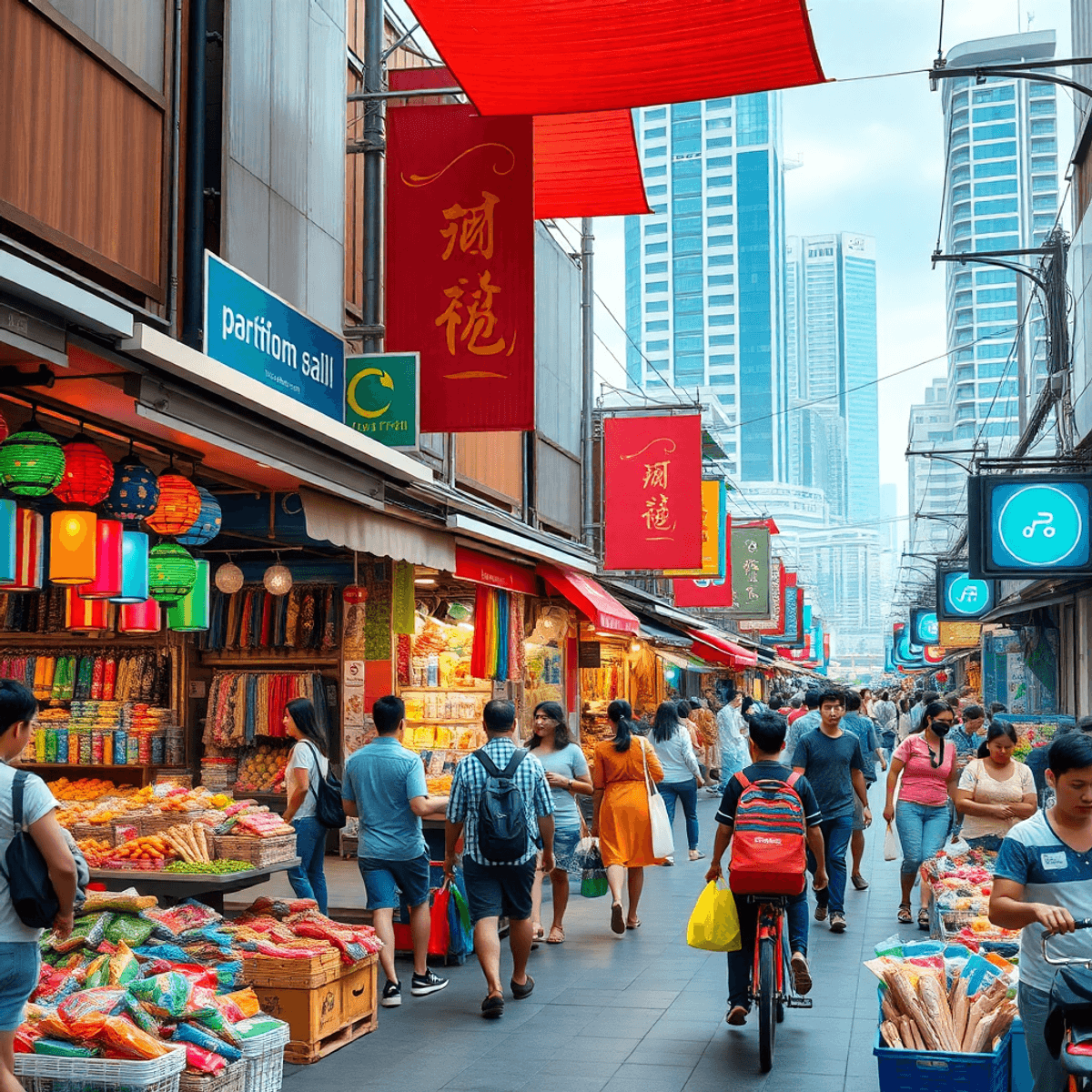
    Southeast Asia’s retail scene in 2025 is a booming hub of growth and potential, fueled by a young, tech-savvy population of over 600 million consumers. The region’s retail market has evolved into a vibrant ecosystem where traditional shopping meets digital innovation.

    The numbers tell a compelling story:

    • Modern grocery retail growth: 6-7% annual increase
    • Rising middle class: 350 million by 2025
    • Digital economy value: Projected to reach $300 billion

    Southeast Asia has become an important retail center, attracting both global brands and local entrepreneurs. The region’s diverse features – from bustling traditional markets in Jakarta to upscale shopping centers in Singapore – offer a wide range of retail experiences.

    However, this promising landscape also comes with its own challenges:

    • Market Fragmentation: Each country has its own unique consumer behaviors
    • Digital Transformation: Rapid shift towards omnichannel retail
    • Economic Pressures: Inflation and changing consumer spending patterns
    • Infrastructure Gaps: Varying levels of development across regions

    For retailers aiming for success in Southeast Asia’s 2025 market, understanding these dynamics is crucial. The combination of traditional retail practices with emerging technologies, along with changing consumer preferences, presents both opportunities and obstacles that require strategic navigation.

    Economic and Consumer Factors Impacting Retail Growth in Southeast Asia

    The retail landscape in Southeast Asia is facing significant challenges due to ongoing economic issues, particularly inflation, which is influencing how consumers behave. Recent data indicates that inflation rates are hovering between 3.5% to 6% in major Southeast Asian markets, directly affecting the volume of retail sales.

    Key Inflation Effects on Retail:

    • Reduced discretionary spending
    • Shift towards essential goods
    • Increased price sensitivity
    • Trading down to cheaper alternatives

    The expected trend of decreasing inflation in 2025 brings some hope for retailers. Economic forecasts suggest that inflation rates will drop to 2-3% across the region, potentially releasing pent-up consumer demand. This easing could lead to increased spending in previously affected categories such as electronics, fashion, and dining.

    Consumer confidence remains fragile due to ongoing financial pressures. A recent Nielsen survey reveals that 65% of Southeast Asian consumers are actively looking for ways to save money. This change in behavior has created distinct market dynamics:

    Impact on Retail Segments:

    • Discount retailers are seeing a 15-20% growth in their customer base
    • Fast-food chains are experiencing an 8-12% decline in average transaction value
    • Private label products are gaining a 25% market share
    • Budget-friendly retail formats are expanding their presence

    The current economic situation has altered how people make purchases, with 72% of consumers prioritizing value over brand loyalty. Retailers who adapt their pricing strategies and product offerings to align with these changing preferences are better positioned to capture market share.

    Navigating Market Structure and Competitive Landscape Challenges

    Southeast Asia’s retail landscape presents a unique contrast between traditional and modern retail formats. Traditional trade channels – wet markets, mom-and-pop stores, and street vendors – account for 70-80% of grocery spending across the region. These establishments maintain their dominance through personalized service, convenient locations, and cultural familiarity.

    Modern retail formats have gained significant momentum, growing at 15-20% annually in key markets like Indonesia, Vietnam, and the Philippines. Key drivers include:

    • Rising middle-class populations
    • Increasing urbanization
    • Growing preference for organized shopping experiences
    • Enhanced product variety and quality assurance

    Digital ecosystem players have intensified market competition. Companies like Grab, GoTo, and Sea Limited leverage their extensive user bases to expand into retail services. These tech giants offer:

    • Integrated shopping experiences
    • Sophisticated loyalty programs
    • Advanced data analytics capabilities
    • Seamless payment solutions

    The retail sector’s focus has shifted from aggressive expansion to sustainable profitability. This transition brings operational challenges:

    • Supply chain optimization across multiple channels
    • Last-mile delivery efficiency
    • Inventory management across online and offline platforms
    • Integration of legacy systems with new digital infrastructure

    Physical retailers face mounting pressure to develop omnichannel capabilities. Success requires balancing traditional retail strengths with digital innovation while maintaining operational efficiency in an increasingly complex market environment.

    Overcoming Operational and Technological Hurdles for Retail Success

    Digital transformation is crucial for Southeast Asian retailers in 2025. With the help of advanced data analytics, retailers can:

    • Create highly personalized marketing campaigns
    • Predict inventory needs accurately
    • Optimize pricing strategies on the spot

    Key Digital Transformation Priorities:

    Retailers should focus on the following areas for their digital transformation efforts:

    1. Implementing AI-powered demand forecasting systems
    2. Integrating cloud-based inventory management solutions
    3. Deploying smart POS systems with built-in analytics
    4. Developing customer data platforms for personalized experiences

    The automation of value chains brings great opportunities for improving operations. Leading retailers are putting their money into:

    • Robotic process automation for warehouse operations
    • Smart shelving systems with electronic price tags
    • Automated replenishment systems
    • AI-powered quality control mechanisms

    Strategic partnerships are essential for creating flexible supply chains throughout Southeast Asia. Successful retailers are doing the following:

    1. Working together with local logistics providers for last-mile delivery
    2. Joining forces with tech startups to find innovative solutions
    3. Building connections with multiple suppliers to ensure resilience
    4. Establishing data-sharing networks with key stakeholders

    Implementing these technological solutions requires a significant investment in infrastructure and talent development. Retailers need to find a balance between the costs of implementation and the long-term benefits of improved operational efficiency and enhanced customer experience.

    Emerging Tech Solutions in SEA Retail:

    Here are some emerging technologies that have the potential to revolutionize the retail industry in Southeast Asia:

    • Blockchain for supply chain transparency
    • IoT devices for real-time inventory tracking
    • Machine learning for predictive maintenance
    • Edge computing for faster data processing

    Addressing Regulatory Environment and Property Development Issues in Southeast Asian Retail Markets

    Southeast Asian retail markets have a complicated set of rules that are different in each country. For example, in Vietnam, foreign retailers must go through strict requirements called Economic Needs Testing (ENT) before they can open stores. Malaysia has specific policies for Bumiputera ownership, while Indonesia requires certain retail operations to have local partnerships.

    Key Regulatory Challenges:

    • Different licensing requirements per country
    • Foreign ownership restrictions
    • Local content requirements
    • Varying tax structures
    • Complex import regulations

    Property development for retail spaces is facing increasing pressures in 2025:

    Rising Costs and Space Constraints:

    • Construction material costs up 15-20% due to inflation
    • Prime retail space rental increases in major cities
    • Limited land availability in urban centers
    • Strict zoning regulations

    Infrastructure gaps create additional hurdles for retail development. Bangkok’s traffic congestion impacts delivery times, while Manila’s port congestion affects supply chain efficiency. Jakarta’s flooding risks require extensive mitigation measures in retail property development.

    Local partnerships emerge as a vital strategy to navigate these challenges. Retailers like Aeon and Central Group demonstrate success through joint ventures with local property developers, enabling better understanding of regulatory nuances and access to prime locations.

    The regulatory landscape pushes retailers toward innovative solutions. Mixed-use developments gain popularity, combining retail spaces with residential and office components to maximize land use efficiency. Smart building technologies help optimize space utilization and reduce operational costs amid rising inflation.

    Meeting Evolving Consumer Expectations: Strategies for Retailers in 2025

    Southeast Asian consumers in 2025 have sophisticated preferences, pushing retailers to adapt their strategies. Market research indicates a 70% increase in demand for fresh, organic produce and sustainable products across major urban centers like Singapore, Jakarta, and Bangkok.

    Key consumer trends shaping retail strategies:

    Health-conscious purchasing

    • Premium fresh produce sections
    • Organic food departments
    • Plant-based alternatives
    • Wellness product ranges

    Sustainability focus

    • Eco-friendly packaging
    • Locally sourced products
    • Transparent supply chains
    • Carbon footprint labeling

    Private-label offerings emerge as a critical strategy for retailers to meet these evolving preferences while managing inflation pressures. Leading retailers in Thailand and Malaysia have expanded their private-label ranges by 40%, introducing premium sustainable product lines at competitive price points.

    Successful retailers implement:

    1. Clear product origin labeling
    2. Digital tracking systems for supply chain transparency
    3. Partnerships with local organic farmers
    4. Sustainability certification programs
    5. Personalized healthy lifestyle recommendations

    Vietnamese retail chain VinMart exemplifies this adaptation, launching a “Green Living” private label that combines affordable pricing with sustainable packaging, capturing a 15% market share in their fresh produce category within six months.

    Exploring Emerging Opportunities in Southeast Asian Retail Markets

    Southeast Asian retailers can tap into significant growth potential through strategic technological integration and innovative revenue streams. The digital transformation of retail presents lucrative opportunities for businesses ready to embrace change.

    Building Integrated Tech Ecosystems

    • Smart retail solutions powered by AI and IoT
    • Unified commerce platforms connecting online and offline channels
    • Mobile-first payment solutions catering to the region’s digital natives
    • Data analytics platforms for real-time inventory management
    • Virtual try-on experiences using AR technology

    Retail Media Networks: A New Revenue Frontier

    • Digital advertising spaces within retail apps and websites
    • Targeted promotional campaigns using first-party customer data
    • Brand partnerships through in-store digital displays
    • Personalized shopping recommendations based on purchase history
    • Location-based marketing initiatives

    The rise of super apps in Southeast Asia creates opportunities for retailers to integrate their services into existing digital ecosystems. Companies like Grab and Gojek demonstrate the potential of combining retail, delivery, and financial services into unified platforms.

    Local retailers can differentiate themselves by developing proprietary tech solutions tailored to regional preferences. Examples include:

    • QR code payment integration
    • Voice commerce in local languages
    • Social commerce features
    • Live shopping capabilities
    • Cross-border e-commerce solutions

    These technological advancements position Southeast Asian retailers to capture market share while building sustainable competitive advantages in an increasingly digital retail landscape.

    Conclusion

    The retail landscape in Southeast Asia presents a complex mix of challenges and opportunities for 2025. Success depends on retailers’ ability to find a delicate balance between aggressive growth strategies and sustainable operational practices.

    Key success factors for retailers include:

    • Maintaining operational efficiency while navigating diverse regulatory frameworks
    • Building robust technological infrastructure for seamless customer experiences
    • Implementing sustainable practices that resonate with conscious consumers
    • Creating agile business models adaptable to market shifts

    The future belongs to retailers who can harmonize these elements while staying true to local market nuances. Those who master this balancing act will emerge as leaders in Southeast Asia’s promising retail sector, turning challenges into stepping stones for sustainable growth and market leadership.