Retail News CRM

Tag: chicken

  • Chicken Cottage starts expansion rapidly

    Chicken Cottage starts expansion rapidly

    Fast-food chain Chicken Cottage has opened its second outlet in Malaysia, in Taman Tun Dr Ismail (TTDI), taking its total to 90 stores worldwide.

    Its first outlet in Malaysia was in Kuala Terengganu, with others to follow in Putrajaya and Johor soon, says the Menteri Besar of Terengganu, Datuk Seri Ahmad Razif Abd Rahman. Chicken Cottage is owned by a subsidiary of the state government’s investment arm Terengganu Inc.

    Launched in the UK in 1994, the chain was taken over by Global Food Holdings, the Terengganu subsidiary, with a 70 per cent stake in 2014. It acquired full ownership in April last year.

    Ahmad Razif says it would cost franchisees around RM1 million ($US258,500) to open an outlet in Malaysia, plus the company plans to open 250 Chicken Cottages internationally. Target countries include China, India, Singapore and Thailand. The brand has halal certification from religious departments in both Malaysia and abroad.

    Meanwhile, Chicken Cottage Holdings chairman Datuk Wan Nawawi Wan Ismail says TTDI was chosen for the Klang Valley’s first outlet as the residential area borders Kuala Lumpur and Petaling Jaya, Selangor.

  • Jollibee poultry plant gives chicken farmers new income opportunity

    Jollibee poultry plant gives chicken farmers new income opportunity

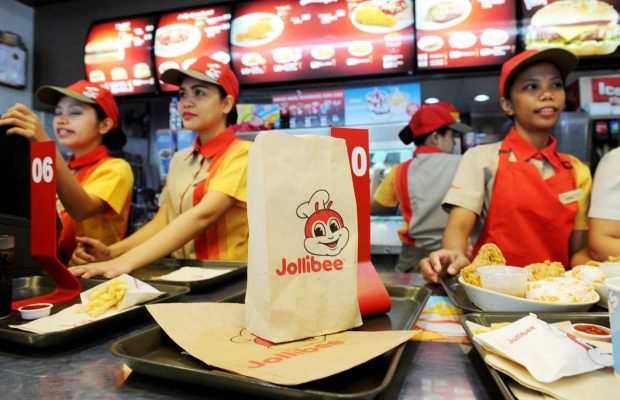
    Cargill Joy Poultry Meat Production Inc. opened on Tuesday, giving chicken farmers in Batangas and nearby provinces new income opportunities, Jollibee Foods said Wednesday.

    A joint venture between Jollibee Foods and Minneapolis, USA-based Cargill , the largest poultry processing plant in the country has a yearly capacity of 45 million chickens.

    “The plant increases income opportunities for local poultry farmers in Batangas and nearby provinces as they will supply the chickens to be processed at the JFC facility,” according to Jollibee Foods.

    The poultry plant in Santo Tomas, Batangas will supply the demand of JFC bands with dressed and marinated chicken.

    “C-Joy is partnering with local poultry farmers in Batangas and nearby provinces to supply the new facility with chicken,” according to Cargill.

    “We are looking forward to producing the chickens that will be supplied to the C-Joy plant to meet the poultry meat requirements of Jollibee,” said Vic Lao, president of Highcrest Corp., a partner-grower of the C-Joy.

    Cargill and Jollibee Foods revealed the partnership in May last year, saying the processing plant will create an estimated 1,000 new full-time jobs in Batangas.

    They said the plant will be 70-percent owned by Cargill Philippines which will oversee the setting up, management, and operations, with Jollibee Foods owning 30 percent.

    JFC invested P244.9 million in the processing plant, and P15.2 million in Cargill Joy Poultry Realty Inc. from which C-Joy leased the land to build the facility.

    The poultry processing plant is industry positive, according to the United Broilers Raisers Association.

    “This is positive for the industry as this will promote competition among big market players like San Miguel and Bounty fresh,” UBRA president Bong Inciong told GMA News Online.

    “Maganda rin ‘yan kasi kaunti lang ‘yung big players. So, healthy for the industry na may competition sila. Also, ‘yung mga small farmers will be given opportunity to grow kasi meron silang bagong malaking client,” he added.

    Summit Securities Inc. president Harry Liu said the development will have an impact on the financial condition of Jollibee Foods.

    “I think it will help the bottom line. I am sure they are doing this investment for future requirement and steady supply for the business now and in the future,” he said in a separate text message.

    JFC closed the third quarter with a net profit of P1.62 billion, up 21.1 percent from a year earlier.

  • KFC offering finger-clickin’ goodies

    KFC offering finger-clickin’ goodies

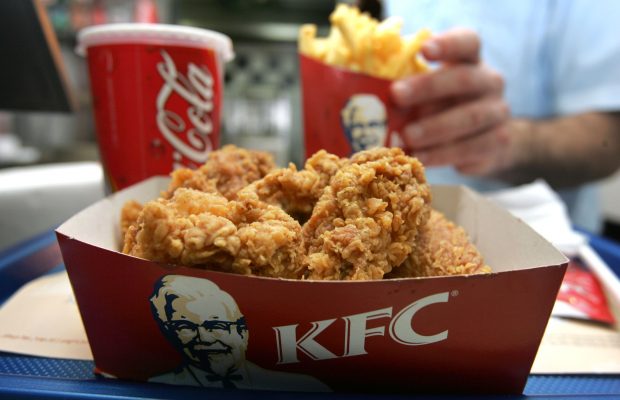
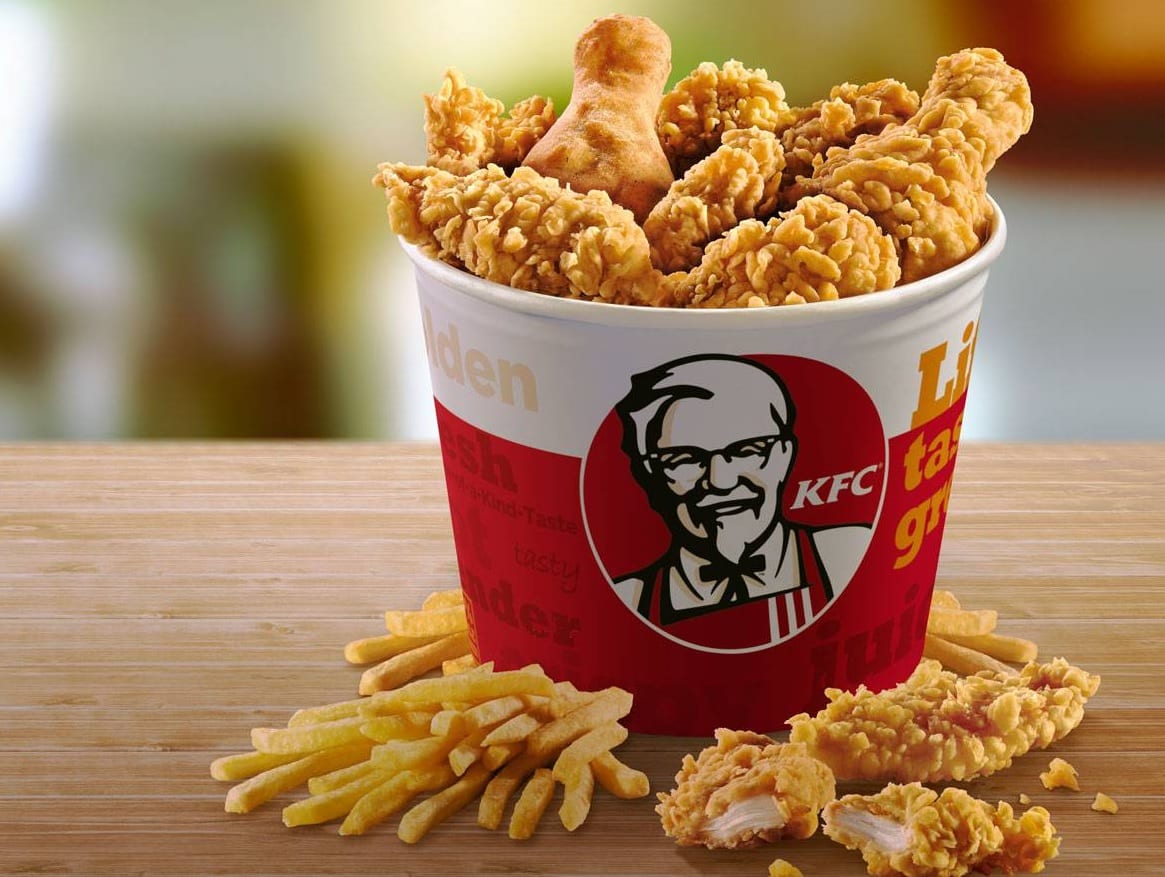
    Kentucky Fried Chicken has launched an online merchandise shop, KFC Ltd, which features the fast-food company’s first collection of “quality fried-chicken apparel” and limited-edition items.

    Starting from US$8, the debut collection includes t-shirts, enamel pins and framed artwork inspired by KFC and Colonel Sanders. The items are produced in limited-edition quantities.

    Here’s what KFC has to say about its collectibles…

    “Need to keep it classy for the office? Fried-chicken socks will add a pop of drumstick to any ensemble. If you’re looking for a matching tie, you can’t go wrong with a classic Colonel Sanders string bowtie.

    “The ‘Finger-Lickin’ Good’ gold-plated necklace will let you proudly proclaim your embrace of the fried-chicken lifestyle.

    “The Colonel Sanders pillowcase will let the dreamers in your life fall asleep each night next to the man who turned his dream of building a fried-chicken empire into a reality.

    And to go right off the planet, the online store offers a 400-year-old meteorite. Retailing for $20,000, the one-of-a-kind space rock has been shaped to resemble a Zinger chicken sandwich.

    KFC US director of media and digital Steve Kelly says the company plans to partner with apparel and lifestyle brands to create exclusive one-of-a-kind collaborations.

    Based in Louisville, Kentucky, the KFC Corporation has more than 20,500 outlets in more than 125 countries and territories. It is a subsidiary of Yum! Brands.

  • 4Fingers to open first delivery-dedicated outlet

    4Fingers to open first delivery-dedicated outlet

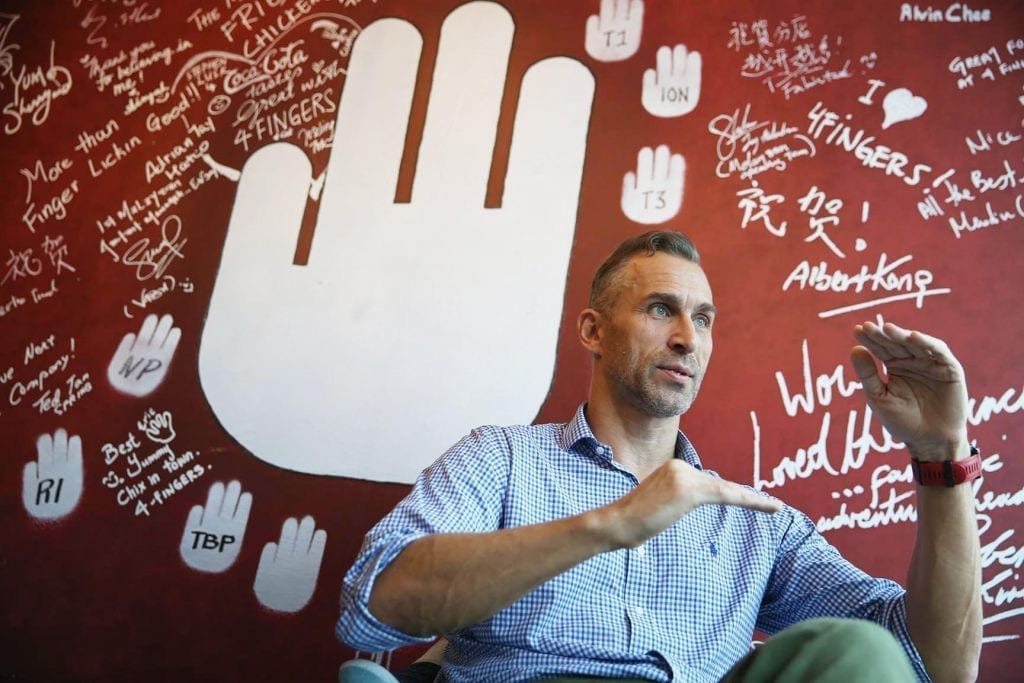
    Seeking to cash in on the rising demand for food delivery, crispy chicken restaurant chain 4Fingers will soon open its first delivery-dedicated outlet in the Clementi area. The Singapore brand also plans to handle some of its deliveries in-house to help mitigate the profit leakage from selling through food delivery companies, its Chief Executive Steen Puggaard said in an interview.

    The new thrust is expected to result in shorter delivery times while reaching out to more customers. The new outlet will be about two-thirds of the size of its current shops, but will also have a small shopfront and some seats for eat-in customers. There are plans to open more of such outlets across Singapore in the next one or two years.

    “We recognise that home delivery is only going to grow, so we need to make sure that we match our business model to the way that people are changing in spending their money,” Mr Puggaard said. “We see that as an important change in our strategy to accommodate the fact that people will be eating more and more food at home.”

    The west side of the island was chosen because it was easier to get a good location and the area has seen strong demand in home deliveries, he said. Home deliveries have helped the business by “a lot” and have been growing “faster than anticipated,” he added.

    4Fingers has seen its delivery segment grow to become a seven-digit business this year after the service was introduced early in 2016. The segment can take up to 30 per cent of a shop’s volume. The service is provided only in about half of the fried chicken chain’s stores, mainly those in the central and western areas of Singapore.

    At present, most of 4Fingers’ home deliveries are carried out by Foodpanda. It has recently joined Deliveroo and is also in talks to sign up with Ubereats. Depending on traffic and weather conditions, orders via the food delivery apps usually to take about 30 to 45 minutes to reach the customer.

    However, selling through these food delivery companies means low or even no profit margin for 4Fingers. “Food delivery comes with an additional cost – the commission for delivery companies. All of a sudden, the revenue we are generating with our food is weighed down by the additional cost,” said Mr Puggaard.

    “Companies like Foodpanda, Deliveroo, Ubereats: they basically deal with the customer, then they will tell us what we need to supply, then they will take care of the rest and send us a cheque once a month. We now say that that model does not really work for us. So we are saying, while we are opening up our first delivery-skewed kitchen in the west of Singapore, we will also test our handling of orders from customers and the payment, then using a third party to deliver food to people’s homes.

    “Right now, the cost structure linked with home deliveries actually doesn’t make us any money. It’s something we do for our customers because they want to eat 4Fingers. As long as we don’t lose money, we have to go along with it. But because it has now grown to seven digits this year, we say now is the time for us to begin to find a way where the cost structure makes more sense for us,” he said.

    Mr Puggaard has more than 20 years’ experience in food and beverage, much of it in Singapore, where he is now a Permanent Resident. The Dane began his F&B career with McDonald’s in 1996 in Eastern Europe before coming to Singapore in 1999 to run the regional marketing for the brand. He then made subsequent moves to Burger King and Les Amis.

    Mr Puggaard joined 4Fingers in February 2013 after the previous owners reached out to him to help expand the brand that made its debut in 2009. However, he left after only seven months because he felt the company was not structured for growth then. He rejoined the company in 2014 after a change in ownership and also took a 3 per cent stake in the venture.

    Since then, 4Fingers has expanded to 12 outlets across Singapore, and several more in Malay-sia and Indonesia. Revenue has grown from about S$2 million to S$30 million from its owned outlets, excluding franchised outlets. A majority of the stores are owned by the company. Besides quality food, what makes the brand stand out for eat-in customers is the dining experience, said Mr Puggaard. 4Fingers focuses on details such as design, lighting and music as well as service to enhance the overall experience.

    Even while the business grows in Singapore and the region, 4Fingers is looking to expand fur-ther afar: It will be launching in Australia in the next few weeks. It is also scouring locations in the US and expects to open one outlet there by the end of the year, said Mr Puggaard. There are also plans to open outlets in the United Kingdom and Germany in the first quarter next year.
  • Vietnamese firm to ship first batch of chicken products to Japan in August

    Vietnamese firm to ship first batch of chicken products to Japan in August

    It has taken the company two years to meet Japan’s strict quality control processes. A Vietnamese firm has completed the necessary procedures to start shipping processed chicken products to Japan.

    Koyu&Unitek Co. Ltd is the first poultry firm in the country to gain access to the Japanese market, and plans to export around 300-400 tons in August this year.

    Nguyen Van Quyen, head of the company’s export division, told that the Japanese market is very demanding and has strict control processes, so it had taken nearly two years to complete the necessary procedures.

    The most difficult phase was building the company’s own management oversight program following criteria laid out by the World Organization for Animal Health and Japan.

    Japanese importers pay special attention to antibiotic residue in products, banned microorganisms and bird flu, among others, said Quyen.

    In additon to Japan, his company is also seeking export opportunities in Europe, Australia and Canada. Each market requires its own strategy to meet the respective criteria of each country, said the official.

    According to Pham Van Dong, director of the Ministry of Agriculture and Rural Development’s Department of Animal Health, Vietnamese chickens are usually consumed in the domestic market and are not bred for export.

    Only two local companies have registered to export processed chicken to Japan: Koyu&Unitek in July 2016 and CP Vietnam Co. Ltd in late May 2017.

    Since the beginning of this year, Vietnam has exported $13.7 billion worth of farm produce, forestry products and seafood to the world market, up 9.5 percent against the same period last year, according to the ministry.

  • Incurring big losses, fast food giants open fewer shops

    Incurring big losses, fast food giants open fewer shops

    The heyday of fast food chains seems to be over in Vietnam. The number of fast food shops has been decreasing in an era when people are trying to ‘live slowly’.

    Ten years ago, Hanoians and Saigonese could easily find fried chicken shops along main streets. At that time, eating fried chicken at fast food shops was in fashion. More and more fast food shops opened, not only in large cities, but also in small cities and provinces.

    In 2012, Burger King, encouraged by the fast growing market of Vietnam, announced a plan to spend $40 million to develop a chain with shops located in advantageous positions in many cities and provinces throughout Vietnam.

    A representative of Burger King once stated that Vietnam was one of its key markets.

    Nguyen Bao Hoang, who brought McDonald’s to Vietnam, said he would open about 100 shops in Vietnam within one decade, and employ hundreds of workers. Lotteria and KFC are believed to be the brands with the highest number of fast food shops in Vietnam.

    Analysts once believed that the potential of the Vietnamese market was great with the Vietnamese income on a rapid rise. Fast food chains targeted the Vietnamese middle class with average household income of $500-1,000.

    MOIT has granted licenses to 148 foreign brands to enter the Vietnamese market in the last eight years.

    This includes 42 fast food, bakery, coffee, beverage and restaurant brands, accounting for 43.7 percent of the total.

    Some fast food shops have shut down quietly after the boom. The number of shops of each fast food chain is on the decrease.

    In mid-February 2016, a Burger King shop at No 1B-1B1 on Cong Hoa street in HCMC announced its closure. One month before, another shop at the Dien Bien Phu – Cao Thang crossroads in district 3 also shut down.

    In 2015, two Burger King shops at No 26-28 Pham Hong Thai street in HCMC and 125 Lo Duc street in Hanoi stopped operation. In mid-2014, a shop closed in Da Nang.

    McDonald’s, a well known brand from the US, has set up several shops in HCMC but still hasn’t opened a restaurant in Hanoi.

    A branding expert commented that food chains can develop only if their products fit locals’ taste.

    This explains why fast food chain development has slowed down, while banh my (Vietnamese sandwich) chains have been prospering.

  • Hong Kong’s fresh retail chicken shops may make a comeback

    Hong Kong’s fresh retail chicken shops may make a comeback

    Chicken rules the roost when it comes to Cantonese cuisine, and the fresher the better. But past government efforts to discourage retail sales of live chickens had almost put the once ubiquitous chicken shop on the endangered list.

    In the not so distant past, people in Hong Kong would visit their neighborhood chicken shop — easily identified by the cages of squawking chickens out front — where they had the butcher ‘process’ their chosen bird on the spot.

    “Live poultry is much tastier than frozen meat, especially when steamed,” says a local woman in her 60s, presumably reflecting the sentiments of the territory’s residents, who like their chicken steamed, boiled or as a base for soups.

    But having so many live chickens around increases the possibility of an avian flu epidemic, which can be devastating to both birds and people. Since the late 1990s, with each outbreak of the bird-born disease that resulted in human deaths, government officials have ordered the wholesale slaughter of chicken stocks.

    Because of this, the government had stepped up measures over the years to restrict the live poultry business, including encouraging poultry farms and chicken retailers to relinquish their live poultry licenses. At the same time, safety measures, such as vaccinations and inspections, were implemented to halt the spread of the disease at production and distribution centers.

    As a result, there have been no recent outbreaks of bird flu in the territories, prompting the Hong Kong Food and Health Bureau earlier this month to change its stance and let the live poultry trade flourish again.

    Meanwhile, the number of chicken retailers — once numbering more than 800 shops — has fallen to about 130 as of the end of 2016, putting a premium on live poultry, which has been trading at the high range of 200 Hong Kong dollars ($25.72) per chicken. This price surge has forced Hong Kong shoppers to turn to cheaper frozen birds available in supermarkets.

    But with the government’s new recommendations, there may soon come a time when Hong Kong’s chicken lovers can buy their birds fresh without putting a dent in their wallets.

  • Certified Humane Chicken Arrives in Hong Kong Supermarkets

    Certified Humane Chicken Arrives in Hong Kong Supermarkets

    Humane Farm Animal Care (HFAC), the leading international nonprofit certification program improving the lives of millions of farm animals in food production, announced that Korin Agropecuária, the largest organic chicken producer in Brazil and the first Brazilian company to attain Certified Humane certification in 2009, will export Earth and Barrow frozen chicken pieces with the Certified Humane label to more than 80 PARKnSHOP supermarkets operating in Hong Kong initially and Singapore/Macau afterwards.

    “Hong Kong is a very demanding market, with a high interest in changing food trends,” says Luiz Demattê, Industrial Director for Korin Agropecuária, “Animal welfare certification is a strong selling point for our expanding market. It wasn’t so a few years ago, so we are pleased to be playing a role in bringing this concept to more countries. Our goal is to educate consumers about the Certified Humane® label and the importance of raising food animals humanely.”

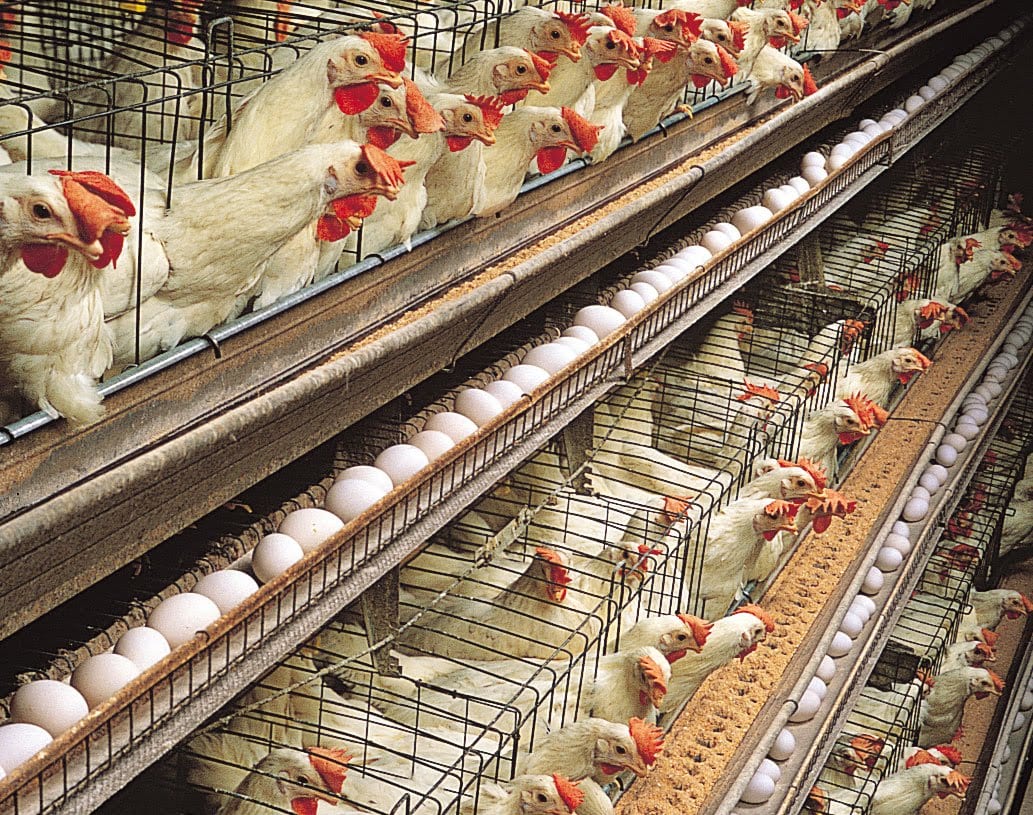
    HFAC’s Certified Humane label assures consumers that the meat, poultry, egg, or dairy products they purchase have been produced by farms according to HFAC’s precise Animal Care Standards. Farm animals in the Certified Humane Raised and Handled program must be fed nutritious diets without antibiotics, hormones, and animal by-products. They must also receive proper shelter, resting areas and space sufficient to support natural behaviors, like flapping their wings.

    A scientific committee of 40 farm animal welfare scientists and veterinarians from around the world developed HFAC’s Animal Care Standards to ensure the most humane care of farm animals possible.

    “Consumers are finally becoming more aware of how their food is raised and are demanding more humanely-raised food,” says Adele Douglass, Executive Director for HFAC. “Farm animals don’t have to be mistreated or confined in ways that cause suffering. We’re thrilled at this global awakening and that Hong Kong and Singapore will be the next markets to receive Certified Humane products.”

    Since 2003, more than 514 million farm animals have been raised Certified Humane in the U.S., Canada, Brazil, Peru and Chile. Consumers can download the Certified Humane app in English, French, Spanish and Portuguese to find stores near them that sell Certified Humane products.

  • Indonesia to export chicken due to overproduction

    Indonesia to export chicken due to overproduction

    Indonesia will soon export chicken as production has doubled, Agriculture Minister Amran Sulaiman said.

    “Right now, we are campaigning for self-reliance in protein which is found in abundance in our husbandry and fishery commodities,” he stated here on Saturday.

    Amran Sulaiman, along with Chief of the Business Competition Supervisory Commission (KPPU) Syarkawi Rauf and Deputy Chairman of the House Commission IV Viva Yoga, was in Makassar to address a workshop, titled, “Developing Husbandry Industry in Pursuit of Self Reliance in Animal Protein.”

    The minister underscored the importance of maintaining food stocks in support of the country self-reliance.

    The Agriculture Ministry has made various breakthroughs and innovations along with other parties to support the governments program to achieve self-reliance in food production, thus adding to national resilience, he added.

    He believed that Indonesia would achieve the goal of self-reliance in animal protein by the time the country celebrates the 100th anniversary of its independence.

    Livestock and marine products have already helped achieve self-reliance in animal protein, he reminded.

    “We have changed our policy so that we are no longer self-reliance in meat but are self-reliance in protein. In fact, we have exported chicken to Vietnam and Japan,” he noted.

  • KFC wins China payout over mutant chicken rumours

    KFC wins China payout over mutant chicken rumours

    A Shanghai court has fined three local tech firms for helping spread rumours about Yum Brands Inc’s KFC fast food chain that included doctored photos of deformed chickens and allegations the birds had six wings and eight legs.

    In a statement on its official microblog, the Xuhui District People’s Court said Yingchenanzhi Success and Culture Communication, Taiyuan Zero Point Technology and Shanxi Weilukuang Technology had “damaged KFC’s reputation” and “caused it economic losses” by permitting the allegations to be posted on their social messaging accounts.

    The companies were ordered to make an official apology and fined a combined 600,000 yuan ($91,191), an amount that fell far short of the 1.5 million yuan ($227,977) Yum had asked each company to pay in damages.

    “We brought suit against these individuals for making false statements about the quality of our food and we are pleased with the outcome,” China-based Yum spokeswoman Cindy Wei said in emailed comments sent to Reuters.

    Reuters was unable to find contact numbers or websites for the three companies fined by the court.

    Yum is battling to turn around its fortunes in China, its largest market, where its sales have taken a serious hit after a series of food safety scares since the end of 2012. The firm is planning to spin off its China unit by the end of this year.

    KFC China brought the suit against the firms in June last year for using ten accounts on Tencent Holdings Ltd’s popular messaging platform WeChat to spread the defamatory posts.

    Food safety is a major concern in China, with frequent scandals ranging from recycled “gutter oil” and years-old “zombie meat”, to dairy laced with industrial chemicals.

    A food scandal in 2014 that dented Yum and rival McDonald’s Corp came to a close earlier this week when a Chinese court fined US food supplier OSI Group and handed jail terms to ten of its executives over allegations it had reused returned food products to avoid losses.