Retail News CRM

Tag: chicken

  • KFC India to sell 61 another stores

    KFC India to sell 61 another stores

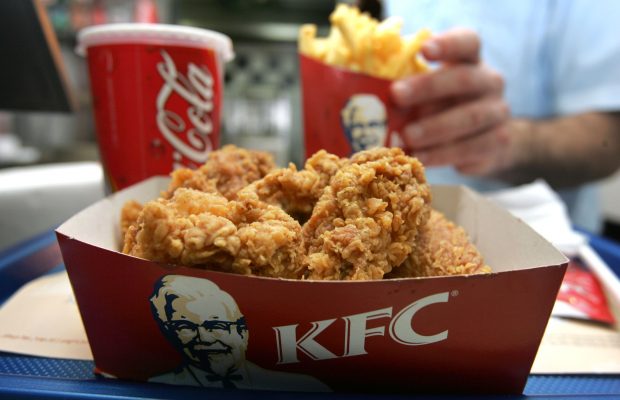
    KFC India will offload 61 equity-owned restaurants to Devyani International as part of its international strategy to withdraw from capital-intensive operations while further developing its brand.

    Devyani, KFC owner Yum!’s biggest franchise partner in the territory, will take over the locations in Karnataka, AP and Telangana, dropping Yum!’s company-operated KFC locations within India to less than 10 per cent. Yum!’s other brand in India, Pizza Hut, is already fully franchised out, and Devyani operates almost 500 outlets under both brands in India.

    “We continue to re-evaluate ownership strategy as part of an annual process and in line with business growth,” said KFC India MD Samir Menon. “The strategic intent is to unlock growth for the brand.”

    “At this point, there is no intent to set up more equity restaurants, unless the market dynamics demand,” he added.

    “KFC is one of the fastest growing brands in our portfolio,” commented Devyani’s CEO Virag Joshi. “Our partnership with Yum! is driven by commitment to build the brand by expanding geographic presence and driving world-class operations.”

    More than 98 per cent of KFC’s 140-country international store network is operated under franchise agreements.

  • Serving You in Style with KFC x Thomas Wee

    Serving You in Style with KFC x Thomas Wee

    What’s cookin’, good lookin’? Following the success of our first-time limited edition sneaker drop, KFC Singapore is launching a collection of stylish apparel in collaboration with one of Singapore’s award-winning designers, Thomas Wee. And this time, in the form of brand-new on-fleek uniforms for every member of the KFC family.

    More than a sartorial overhaul, the launch of KFC x Thomas Wee is a tribute to the phenomenal people who built KFC to what it is today, and an appreciation of their individual roles, contribution, and dedication to excellence every day.

    With the launch of KFC’s new uniforms, we hope that every one of our KFC family members will feel the pride and appreciation that we have for them. Because it’s all about being our best selves and so that we can make a difference   Lynette Lee, General Manager of KFC Singapore

    Designed and created by Thomas Wee, the new uniforms mark the first time that KFC will be collaborating with a local fashion designer on such an endeavor, as well as the first time Thomas Wee will be designing for a local F&B brand in almost 40 years of his illustrious career. As opposed to the previously standard uniform of a red dry-fit polo tee, this latest venture boasts not one, not two, but four different types of designs that cohere with each KFC crew member’s role and responsibilities so that you’ll know who to look for when you’re dining at KFC. In addition, all designs were thoughtfully crafted to maximize peak comfort and functionality for every member of the KFC family.

    I was inspired by KFC’s show of appreciation for every single one of their staff members and this translated to my approach to the designs. I wanted to create a collection of uniforms that will look smart on every one of the KFC team, regardless of gender, age, skin tone or size. I hope the new uniforms will boost the morale of the service team and allow everyone to feel confident and excited to wear them in the day-to-day! Thomas Wee, veteran designer

    What’s more, in conjunction with the launch of KFC x Thomas Wee collaboration, we are working with KFC crew members and local visual artist Izzraimy, co-founder of the Island Boys Collective, on a photoshoot that celebrates our diverse KFC family.

    Pop over to check out these uniforms in action in all KFC outlets across Singapore come July, while tucking into your favorite finger-lickin’ good chicken!

  • Restaurant Brands is Expanding Again

    Restaurant Brands is Expanding Again

    KFC Australia enjoyed a 6 per cent increase in same-store sales in its first quarter of FY19 and a 1.9 per cent increase in total sales, despite the temporary closure of several stores for refurbishments.

    KFC saw $37.3 million (NZ$39.7m) in same-store sales and $40.7 million in total sales in the quarter.

    This helped drive total sales for parent company Restaurant Brands up 1.6 per cent to $182.8 million, due to increased same-store-sales in all of its markets; Australia, New Zealand, and Hawaii.

    In New Zealand, KFC saw a same-store sales increase of 5.2 per cent to $73.8 million (NZ$78.4m), up from $70.2 million (NZ$74.6m) during Q1 of FY18. Restaurant Brand’s Pizza Hut operations in New Zealand, however, saw a significant drop in sales over the period.

    While same-store sales fell 4.6 per cent, the pizza chain’s total sales fell 16.1 per cent to $7.2 million (NZ$7.7m), compared to the $8.57 million (NZ$9.1m) seen during the same period of FY18.

    Looking forward, Restaurant Brands’ management notes that it is no secret they intend to turn the operation into a billion-dollar company, in both market capitalisation and in total revenue.

    “As to our total revenue, in just over two years we’re well on the way having doubled in size through international acquisitions,” the group wrote in a statement to shareholders.

    “Now that consolidating new operations and transitioning the company to a new ownership structure are behind us, we are set to resume our aggressive expansion strategy with gusto.”

    Over the next five years, the group expects to open 30 new KFC stores across Australia and New Zealand, acquire independent KFC franchises in Australia, launch and roll out Taco Bell in New Zealand and Australia and establish a larger presence in the United States.

  • Chinese KFC restaurants struggles as chicken prices Increases

    Chinese KFC restaurants struggles as chicken prices Increases

    Chinese KFC restaurants have begun serving parts of chickens not used before in response to rising costs.

    According to Yum China CEO Joey Wat, the KFC brand introduced new chicken cuts in the first quarter from “a part of the chicken that we somehow have not used in the last 30-some years”. The cut is a portion between the wing and the breast.

    The elevated poultry costs are largely attributed to a spin-off effect from the impact of African Swine Fever on the pork market as well as the current trade war with the US.

    The costs have seen KFC’s operating margin reduced to 18.7 per cent from the previous 20.6 per cent, despite a rise in same-store sales of 5 per cent. KFC has faced commodity inflation of 5 per cent in the first quarter, according to the company’s earnings call.

    “We expect poultry inflation to weigh on margins for the rest of the year,” said Yum China CFO Jacky Lo.

    Wat stated that the chain may be turning to new technology to save its declining margins in the hope that such technology can provide “another way to cut out chicken.”

    The brand may also introduce “some sort of ingredient” other than chicken “that probably has not been used before.”

  • Vietnam Poultry industry needed to further develop

    Vietnam Poultry industry needed to further develop

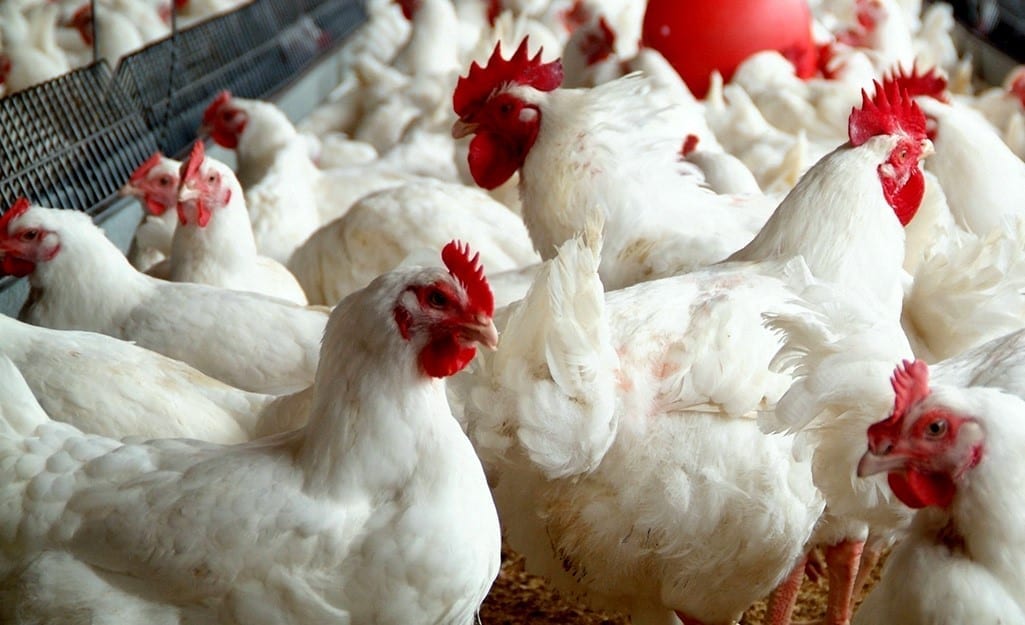
    Vietnam needed to promote the development of it’s poultry industry due to rising demand for eggs and meat in the domestic and global markets. Experts made the comments at a meeting organised by the Ministry of Agriculture and Rural Development (MARD) in Hà Nội on April 12.

    Deputy Minister of Agriculture and Rural Development Phùng Đức Tiến said it was necessary to focus on production to meet quality standards at home and abroad.

    This would create favourable conditions for domestic poultry products to meet hygiene and safety standards in export markets such as Japan, Republic of Korea (RoK) and some ASEAN countries, Tiến said.

    It would also help local businesses expand their production scale and export to potential markets including China and the Philippines, he said.

    However, experts said the industry needed a strategy to increase other processed poultry products including processed chicken and duck and other products processed from eggs.

    They said this year, localities should draw up support policies for farmers, owners and enterprises to invest in poultry development.

    Deputy Head of MARD’s Animal Husbandry Department Nguyễn Văn Trọng said Vietnam held huge potential for poultry production because of domestic high demand with a population of nearly 100 million, excluding export demand.

    According to Trọng, output had increased to 1 million tonnes of meat and 11 billion eggs.

    Current trends in consumption of animal products show that pork accounts for 65 per cent of Vietnamese meals while chicken is just 20 per cent, therefore, the domestic poultry industry needs to enhance chicken farming for domestic consumption and export.

    Nguyễn Quang Hiếu, deputy general director of De Heus Co, Ltd, said to boost exports, the industry should build safe areas free from disease and have mechanisms to protect livestock farms, ensuring quality standards of export markets.

    According to the ministry, joining international organisations as well as bilateral, multilateral and free trade agreements would help domestic poultry production meet domestic consumption and export demands.

    The average consumption for the average person is 89 eggs per year while the figure is 125-340 eggs in Thailand and Indonesia and 404 in Israel.

    In addition, the domestic confectionery and processed food industry was also developing an increasing demand for eggs.

    Global production in 2019 was expected to increase by 3 per cent compared to 2018 to reach 98.4 million tonnes, marking the strongest growth rate over the past five years mainly due to rising demand in China. That was a great opportunity for the nation to promote poultry meat and egg exports, according to the ministry.

    The poultry production industry was applying scientific and technological advances in production to improve quality of products and competitiveness.

    However, there was an imbalance between supply and demand because there were small scale farms with high production costs and risk of disease.

  • KFC Singapore debuts open-kitchen restaurant at Tampines Mall

    KFC Singapore debuts open-kitchen restaurant at Tampines Mall

    KFC Singapore has launched its first Southeast Asian open-kitchen restaurant at Tampines Mall, revealing how its chicken is prepared.

    The fast-food giant’s Open Kitchen program, also called ‘The Tank’, has already been rolled out in the UK, Ireland, Australia and Japan.

    “With the rollout of the ‘The Tank’ at KFC Tampines Mall and the KFC Open Kitchen program, I hope to proudly share KFC’s heritage and Colonel Sanders’ obsessive passion in cooking the best-tasting chicken,” said Lynette Lee, KFC Singapore GM.

    The chain also plans to host guests on ‘insider tours’ where visitors can watch staff perform Colonel Harlan Sanders’ “7-10-7” technique.

    Beginning today, guided 35-minute tour sessions of KFC kitchens at selected outlets, including Kallang, Waterway Point, Toa Payoh Lorong 6, Jurong Point and Northpoint City, will be available for booking online through KFC Singapore’s website.

    Tours cost $15, including a two-piece KFC chicken meal and a goodie bag. Visitors will get to see the kitchen’s storage area, the chicken breading and preparation stations, and the service counter area.

  • Shakey’s to buy Peri-Peri Charcoal Chicken chain

    Shakey’s to buy Peri-Peri Charcoal Chicken chain

    Philippines restaurant chain operator Shakey’s Pizza Asia is buying the Peri-Peri Charcoal Chicken brand.

    The firm filed details of the deal with Peri-Peri’s operator I-Foods at the Philippine Stock Exchange this week, although the transaction cost has not been released. A representative for the business said the price was not substantial relative to the firm’s market capitalisation, and that the acquisition will be financed by a combination of internally generated cash and debt, most likely to be completed by mid-year.

    The deal is expected to affect Shakey’s bottom line this year, but boost profits in the long run.

    Peri-Peri Charcoal Chicken operates 23 outlets in metropolitan Manila, 40 per cent of which are run under franchise agreements.

    “The brand now has a strong following and recently gained even more traction,” said Shakey’s president and CEO Vicente Gregorio, “evident in its strong same-store sales growth last year amidst the more challenging macroeconomic environment, and the amount of interest in new stores from potential lessors and franchisees.”

    “We are excited by the potential of Peri to scale,” added  Shakey’s chairman Christopher Po. “We expect it to be an important future growth driver for our fast casual chain restaurant business.”

    The firm also has plans to expand its core offering – US brand Shakey’s Pizza, for which the firm has perpetual rights in several broad territories, including most of Asia. It plans to open 20 new branches this year, which will see it operating 248 locations by next year.

  • KFC poised to expand after strong full year sales

    KFC poised to expand after strong full year sales

    Restaurant Brands is planning to expand the number of KFC restaurants it operates across Australia and New Zealand off the back of strong sales over the 12 months to February 2019, which contributed to the group’s overall 7.2 per cent increase in full-year sales of $764.6 million (NZ$794 million).

    In Australia, KFC’s sales grew 27.8 per cent to $178.3 million, thanks to new store acquisitions in the period. Same-store-sales grew 4.7 per cent.

    Starbucks saw a 4 per cent increase in sales to $15.4 million, and was sold to Tahua Capital on 23 October 2018.

    Carl’s Jr., however, saw an 8.8 per cent decline in total sales to $30.7 million. Same-store-sales also fell 3.3 per cent over the year.

    The group’s performance in New Zealand was more varied.

    KFC’s New Zealand operations improved 5.3 per cent over the period to $324 million (NZ$336.5 million), and 4.3 per cent on a same-store basis, while Pizza Hut faltered – seeing a 14 per cent decrease in sales over the year to $34 million (NZ$35.4 million), down 6.1 per cent on a same-store basis.

    The group is currently in the midst of a partial takeover, with investor Finaccess Capital having proposed to acquire up to 75 per cent of the group’s shares for a premium of NZ$9.45 ($8.68) cash per share.

    Restaurant Brands shares currently sit at $7.33 on the ASX, and $NZ8.62 on the NZX. Currently, Finaccess has secured 33.71 per cent, or just over 42 million, shares.

    The board of Restaurant Brands “unanimously” recommends shareholders accept the partial takeover offer, which closes on 12 March 2019, based on the absence of a superior proposal.

  • KFC China opens tribute to Lei Feng

    KFC China opens tribute to Lei Feng

    KFC China has held a promotion honouring Communist Lei Feng. The “Lei Feng Spirit” promotion was first launched in the legendary young soldier’s home province of Hunan on the national holiday dedicated to his memory. The figure of Lei Feng has been considered an inspiration to the Chinese people since he was first held up as a figurative icon of the communist movement by leader chairman Mao Zedong.

    KFC China is celebrating “the Lei Feng spirit in its over 250 outlets in the province and encouraging its staff to learn from the role model,” according to local news outlet Xinhua.

    KFC’s operator Yum China has also opened a 27,000sqft innovation centre in downtown Shanghai. The integrated R&D facility is designed to generate new ideas and concepts and enable the rapid roll out of localised and innovative products.

    The centre features a test kitchen, a sensory test area, as well as a suite of labs covering quality assurance, equipment and restaurant technology testing, packaging innovation, new store model prototypes, and content production.

    “The establishment of the Innovation Centre is testament to our commitment and vision to become the world’s most innovative pioneer in the restaurant industry,” said Yum China CEO Joey Wat.

    “Through creating an integrated hub, we look forward to continuing to explore innovative ways to drive growth, deliver value, and enhance every aspect of the customer experience.”

  • Chicken rice eatery Liao Fan opens in Malaysia

    Chicken rice eatery Liao Fan opens in Malaysia

    Michelin-starred chicken rice restaurant Liao Fan has opened its first Malaysia outlet. Located in Ipoh, Chan Hon Meng’s birthplace, the outlet attracted a big crowd and all the food sold out on the soft-opening day last week.

    Singapore’s street food hawker Chan Hon Meng made headlines in 2016 when his soy-sauce chicken rice dish received a Michelin star. The Liao Fan Hawker Chan stall became one of the first street-food stands in the world to receive the award and also the cheapest Michelin-star meal in the world.

    The Liao Fan Hawker Chan Malaysia is non-halal as the restaurant also sells pork dishes.

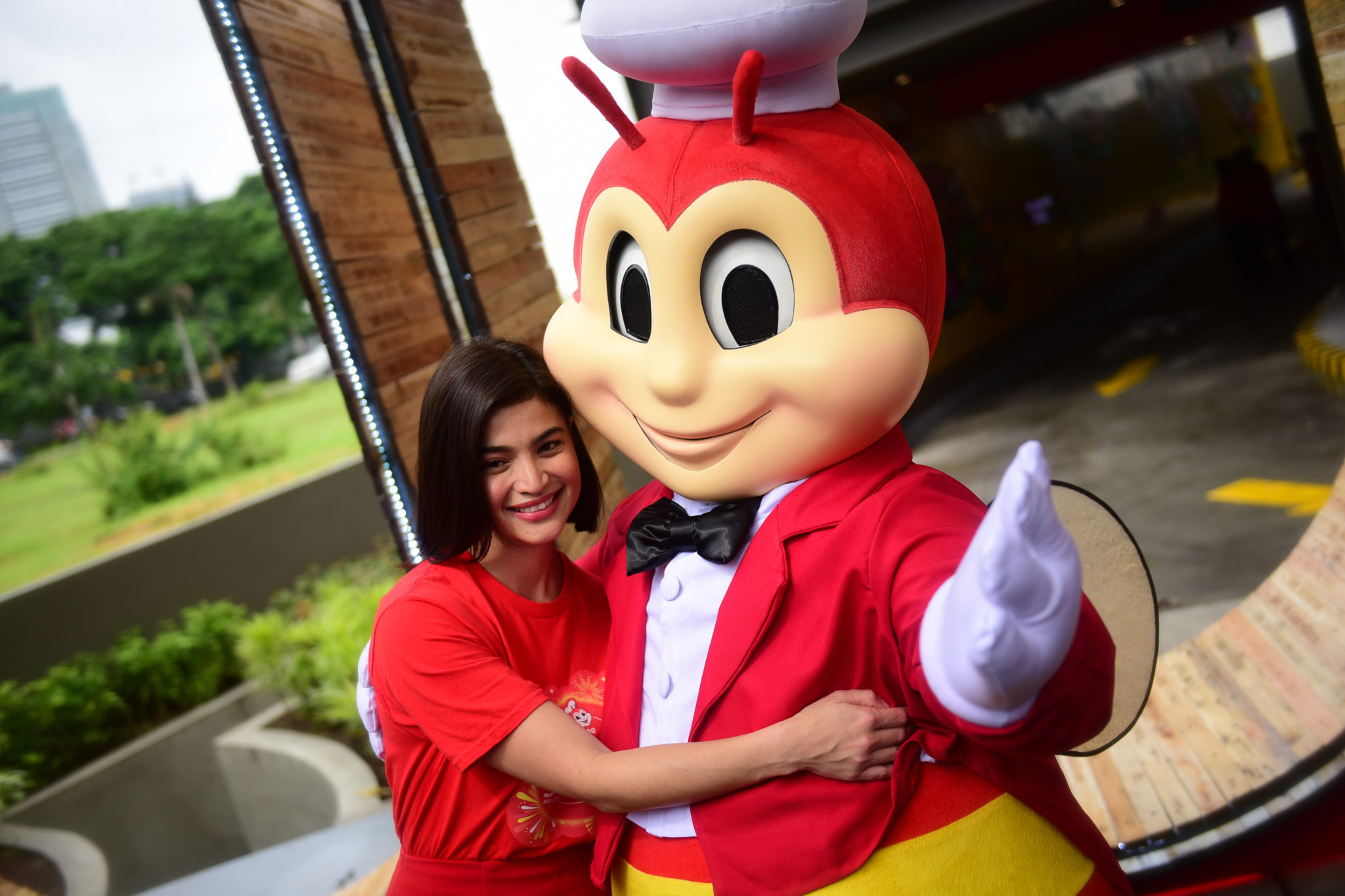
  • Jollibee aims for international growth

    Jollibee aims for international growth

    It’s been called the “McDonald’s of the Philippines,” and the late Anthony Bourdain dubbed it “the wackiest, jolliest place on earth.” Jollibee, a fast food chain based in the Philippines, has become one of the world’s largest restaurant franchises, with more than 4,000 stores in 23 countries, including 37 in the United States. (For comparison, McDonald’s has more than 37,000 worldwide and 14,000 in the U.S.)

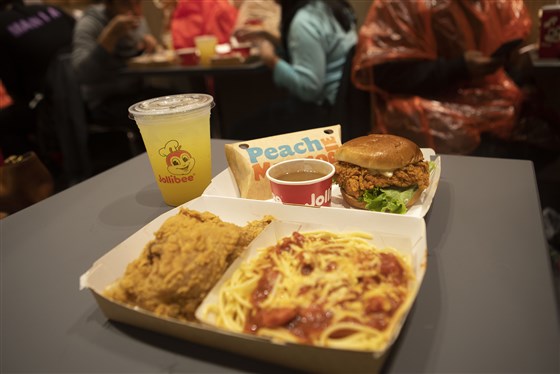
    Known for its fried chicken, sweet spaghetti and “Aloha burger,” Jollibee serves fast-food with a Filipino twist: The spaghetti, for instance, includes cheese and mini hot dogs, and the fried chicken is meant to be eaten with rice and gravy.

    While Jollibee first came to the U.S. in 1998, opening locations in areas with large Asian populations including California, Hawaii and Illinois, the company’s latest investments and openings, including one near Manhattan’s Times Square, are part of a new strategy that the company hopes will make it one of the “top five restaurant companies in the world.”

    Incorporated in 1978, the company started as a pair of ice cream parlors before adding hot meals to its menu when McDonald’s announced they were coming to the Philippines.

    “We told our friends back then that we wanted to compete with McDonald’s, and they told us not to confront the giant,” Ernesto Tanmantiong, Jollibee’s CEO and younger brother of founder Tony Tan Caktiong, said. “Instead of chickening out, we served Chickenjoy.”

    The company now owns 14 global brands. In February, it acquired stakes in Smashburger and fast-casual Mexican chain Tortas Frontera, both U.S.-based companies.

    Arthur Dong, professor of strategy and economics at Georgetown’s McDonough School of Business, said the acquisitions gives them “a bigger media footprint into the North American market, and a push into becoming one of the biggest companies in the world.”

    Dong added that Jollibee’s success in the North American market, as well as its other overseas locations, makes a huge impact on the Philippine economy.

    “Any success anywhere contributes to the company’s success overall and would make Jollibee at home more successful and endure a lot more things, in terms of their future expansion opportunities,” he said.

    Jollibee’s most recent opening in New York City was highly anticipated, with some customers lining up for 20 hours.

    Dong said that the New York opening is a wise move in line with what some economists call the “dense market theory,” which suggests that when a franchise opens a location in an urban area with populations that reside and work in high-rise buildings, it increases the chances of one’s success because of that population density.

    “It’s perfect because rather than putting a billboard up to advertise their brand, Times Square is like a billboards haven itself,” Dong said. “In cities, they go from zero to 60 very quickly because of the sheer amount of foot traffic. Because this new location is near Times Square, the result of that is they’re able to capture the attention of not only natives, but people who don’t even reside from New York City, and that gives exposure to the Jollibee menu and their concept.”

    Justin Callan from the New York City neighborhood of Coney Island said that, as a non-Filipino, he has always felt welcomed at Jollibee. He and his girlfriend, Faye, were the first customers in line for Jollibee’s Manhattan grand opening on Oct. 27. “All you have to do is open up the door and let the people smell it — that’s what got me,” he said.

    Jollibee executives hope to open 150 stores in the U.S. and 100 stores in Canada over the next five years.

    “This is our entry into the mainstream, not just Filipino, market — we are catering to a bigger spectrum, and want to keep strengthening our foothold both in the U.S. and globally,” Tanmantiong, the CEO, said.

  • Jollibee Sets Up Shop in Manhattan, NY

    Jollibee Sets Up Shop in Manhattan, NY

    Fried chicken fans in New York City will have another option to crow about, as Philippines-based restaurant chain Jollibee will open its first location in Manhattan later this month. Of course, the menu at Jollibee doesn’t stop at its Chickenjoy, as it encompasses an eclectic range of dishes from Jolly Spaghetti topped with a sweet sauce along with pieces of ham and hot dog, to burgers, Spam sandwiches, and desserts like halo halo and Peach Mango Pie.

    For the unfamiliar, Jollibee is the largest fast food chain in the Phillipines, with more than 1,000 stores, and another 200 locations worldwide. Jollibee’s U.S. operation spans ten states and 36 locations, with the Manhattan outpost bringing that total to 37. Additionally, the chain recently cut the ribbon on two new storefronts in the Toronto area, which both saw lines around the block for their grand openings. Jollibee was even featured on Parts Unknown when Anthony Bourdain visited in Los Angeles with Roy Choi and later on his own in Manila when he referred to it as “the wackiest, jolliest place on earth.”

    “We are excited to finally open our doors in the heart of bustling Manhattan, which is not just a center of business and finance, but a major cultural and entertainment hub that receives millions of visitors from around the world each year,” Jose Miñana, Jollibee Foods Corporation’s Group President for North America, said in a statement. “The diversity of the food culture and the fast pace of living here make it perfect for our new Jollibee store location.”

    Jollibee also happens to be celebrating its 40th anniversary, which means there’s an added bonus for some lucky New Yorkers: The first 40 people in line at the opening will get free Chickenjoy for a year. Additionally, a Jollibee Funko Pop! figure and other collectibles will be available.

    New York City already has a Jollibee located in Woodside, Queens, but as most of the thinking goes in New York, you haven’t made it until you’ve made it in Manhattan.

  • Jollibee expanding in Hong Kong

    Jollibee expanding in Hong Kong

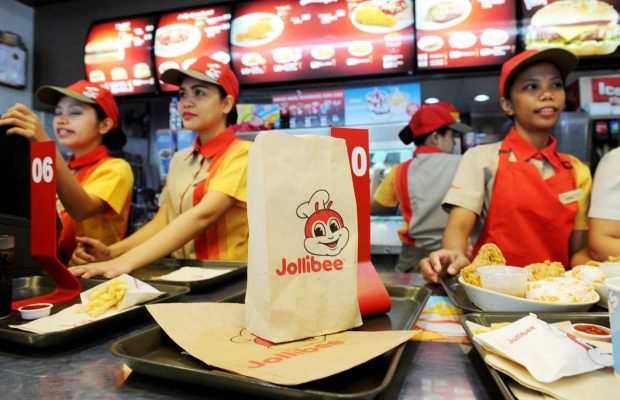
    “It feels like you’re back home,” said Filipino Joanna Galabay, a long-time foreign domestic worker in Hong Kong, as she munched on a drumstick at a Jollibee’s branch on Connaught Road.

    Singaporean bags-and-shoes chain Charles & Keith opened its first branch in the upscale New Town Plaza in Sha Tin last month, and will open its second outlet – at Parker House in Central – in November. It has committed to opening another store in the city, and told it plans to “expand cautiously to 10 locations in the next five years.” It has branches in the Philippines and Indonesia so is well known to the city’s domestic helpers

    Potato Corner, which now has four outlets in Hong Kong, said a branch in Central is in the pipeline. The restaurant chain started in the Philippines but, as part of its international expansion, took off as well in Indonesia.

    “For Southeast Asian brands in particular, Hong Kong has a unique advantage for having a long-established Southeast Asian population,” said retail analyst Lawrence Wan of CBRE Hong Kong. “ … You can see their restaurants opening in prime areas. The lifestyle and trendy fast fashion brands from Southeast Asia are also gaining steam.”

    The number of Southeast Asian companies in Hong Kong rose 17 per cent between 2013 and 2017, with the city now having 586 such businesses, according to the government’s Census & Statistics Department. In addition to players like J. CO Donuts & Coffee of Indonesia, and Bread Talk and Irvins Salted Egg, both from Singapore, they include big multinationals, such as the Development Bank of Singapore and the United Overseas Bank, also from the Southeast Asian city state.

    Hundreds of thousands of maids fan out on their Sunday day off in this city of 7.4 million people. Filipino maids often meet their friends at Jollibee, for example, chatting, eating, snapping selfies and calling family back home. In April, visiting Philippine President Rodrigo Duterte created quite a stir when he sat down at the Hung Hom outlet of Jollibee and chatted with a Filipino maid. Indonesian helpers are also fans of Jollibee.

    The women have expanded the customer base of the brands by bringing home drumsticks, doughnuts and other treats with them when they return to their employers’ homes on Sunday nights. The Southeast Asian businesses have also simply grown by word of mouth.

    “We initially entered Hong Kong because of the large Filipino population in the market,” Jollibee’s media office said. “However, we are now seeing that our new stores have majority local customers, with more Hong Kong locals loving our Chickenjoy [chicken meals].”

    Potato Corner, which markets itself as the maker of the “world’s best flavoured fries”, said its Hong Kong stores achieved the “all-time record for highest single day sales” in the brand’s 25 years of operation. It didn’t give specifics.

    “Potato Corner is popular among Filipinos, and some of our most loyal regulars are Filipinos. Indonesians [are our loyal customers], too, as Potato Corner has a strong presence in Indonesia,” said Ryan Asis Maniago, managing director of UpFive Corporation Ltd., the master franchisee in Hong Kong.

    As Hong Kong’s population ages, its need for foreign domestic helpers will grow, with the number of helpers expected to jump to 600,000 over the next three decades, the government says. While their wages are modest – HK$4,520 (US$577) a month, plus living space in their employer’s home and food – their sheer number makes them a serious consumer base. They spend about a quarter of their wages in Hong Kong, according to a study by NGO Mission for Migrant Workers released in August. That would mean they are dropping about HK$5 billion (US$640 million) a year in the city.

    The number of Southeast Asian businesses is expected to grow under two free trade agreement between Hong Kong and the Association of Southeast Asian Nations, which represents the 10 countries of the region: Indonesia, Thailand, Vietnam, Singapore, Malaysia, Philippines, Myanmar (also known as Burma), Cambodia, Laos and Brunei. The agreements go into effect next year.

    Consulate officials from the Philippines, Singapore and Thailand also noted that Hong Kong serves as a strategic gateway to China’s huge number of consumers, elevating its importance to businesses of the Asean member countries.

    However, businesses said in interviews that expansion is hampered by the city’s high rents. Also, some complained that it is difficult for them to set up bank accounts for their operations.

    “The cost of doing business in Hong Kong is more expensive compared with other countries, especially in rent,” Irvins Salted Egg said.

    The snack company said it is negotiating with a few landlords for some prime retail spaces in popular shopping malls.

    In 2017, Hong Kong’s Causeway Bay, home to one of Potato Corner’s branches, had the most expensive retail space in Asia, and second in the world behind New York.

    Property consultant Cushman & Wakefield said annual retail rentals in the trendy and popular shopping district on Hong Kong Island reached HK$21,255 (US$2,712) per square foot, just behind Upper 5th Avenue’s HK$23,400 (US$2,986) per square foot.

    While rents are high, the Thai Consulate applauded the city’s business-friendly tax system.

    “The simple tax system with no VAT and importing tax is also a selling point to Thai exporters,” the Thai Consulate-General said.

    There were 154 existing trademark registrations from Thailand in Hong Kong as of last year, a 77-per cent increase compared to 2016. Leading Thai brands in Hong Kong include Bangkok Bank, spa and spa products retailer Thann, and restaurant Blue Elephant.

    Thais have opened many small business in the city, including massage parlours and beauty and nail salons.

    The city’s attractiveness has grown to Southeast Asian businesses, some of which were quick to thank Filipino and Indonesian domestic helpers for getting them off to a solid start.

    Noemi Morgado, a Filipino maid working in Pok Fu Lam, is one such helpful ambassador. “Ever since I brought my employer’s family a bucket of Jollibee fried chicken on New Year’s, they have regularly asked me to bring some home after my day off,” said Morgado, holding three buckets of the chain’s fried chicken.
  • KFC Singapore finally Drops Plastic Straws in Restaurants

    KFC Singapore finally Drops Plastic Straws in Restaurants

    KFC Singapore is jettisoning plastic straws and drink-cup lids in its restaurants in a sustainability initiative it says will cut 17.9 tonnes of single-use plastic waste in a year.

    Dine-in guests of its 84 restaurants in Singapore will not be served lids and straws from June 20, but they will be supplied with takeaway orders.

    “We acknowledge the strain that single-use plastics put on our environment and are taking steps to do our part in endeavouring a change,” said KFC Singapore GM Lynette Lee in a statement.

    “We recognise that every little bit counts and are proud to be the first fast-food restaurant in Singapore to champion this movement, one straw at a time.”

    Lee says the company will also investigate more biodegradable packaging for its products.

    KFC Singapore’s move comes at the same time as Starbucks in Hong Kong starts to phase out disposable plastic items, although the items will be available on request.

    And McDonald’s has confirmed it is looking at more environmentally friendly disposable items in its stores.

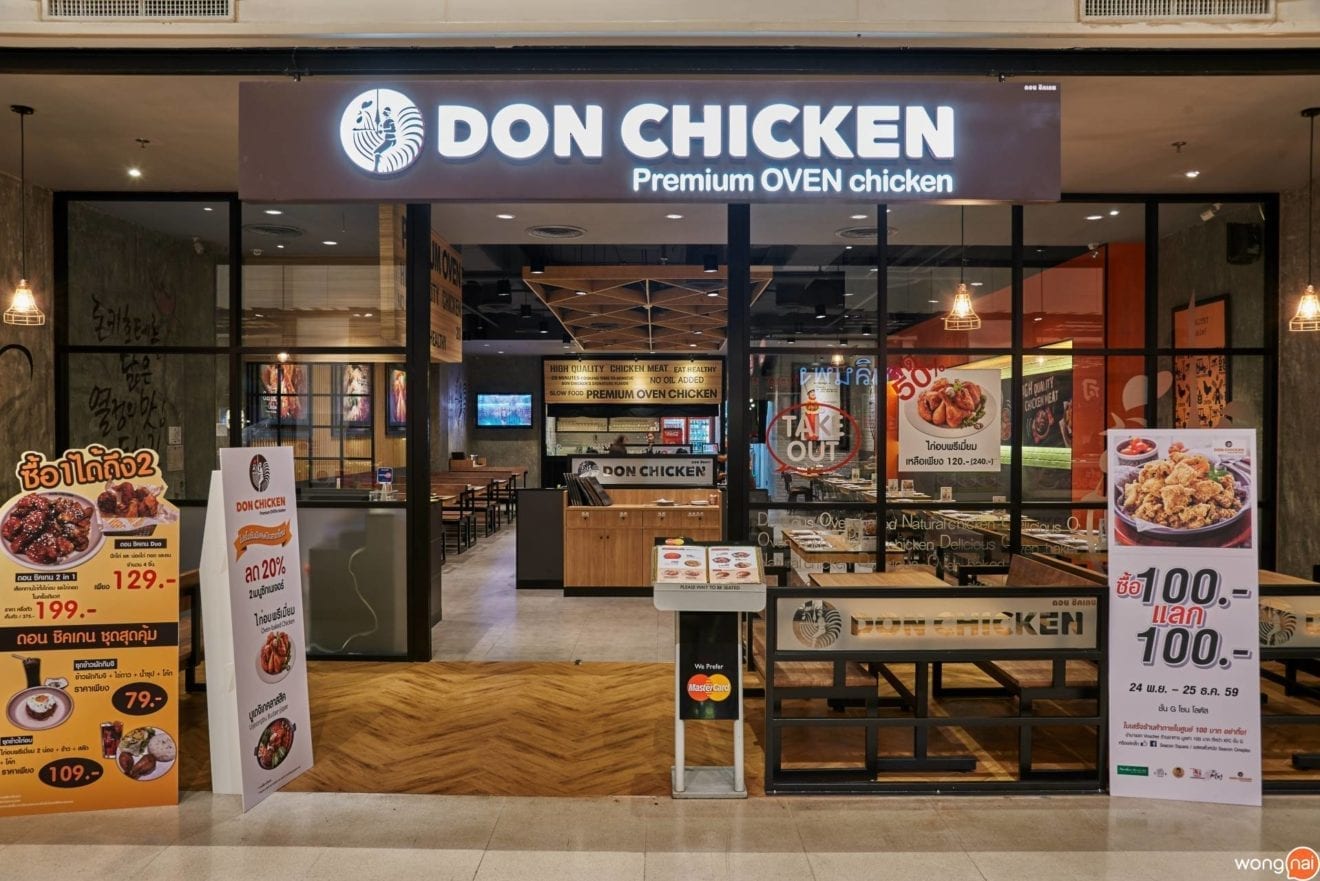
  • Don Chicken Vietnam adding more restaurants

    Don Chicken Vietnam adding more restaurants

    Don Chicken Vietnam is planning to expand its Hanoi portfolio through franchising.

    There are two branches of the Korean fast-food chain in the capital, one in Vincom Royal City.

    As a first move for its expansion in Hanoi and the north, Don Chicken has launched an event to find partners experienced in the dining sector, and will offer franchisees training and marketing support.

    Founded by Apgujeong Group in 2007, Don Chicken has 400 stores across Korea and has also expanded into China and Thailand.

    Don Chicken opened its first store in Vietnam in 2015, in Ho Chi Minh City. It started franchising from 2016 and now has 13 stores nationwide.