Retail News CRM

Tag: chicken

  • KFC Indonesia shutters 47 outlets, lays off thousands of employees

    KFC Indonesia shutters 47 outlets, lays off thousands of employees

    KFC Indonesia reported a net loss of IDR557.08 billion (over US$36 million) as of the third quarter of this year, resulting in the company’s closure of 47 outlets and sack of 2,274 employees.

    In its financial report, KFC Indonesia’s owner, Gelael and Salim Group under PT Fast Food Indonesia Tbk (FAST), disclosed that in the first nine months of this year, the company reduced its operational store count to 715 from the 2023 figure of 762. Its workforce has also significantly decreased, now standing at over 13,700 employees compared to nearly 16,000 previously.

    The most substantial factor in FAST’s revenue decline was a sharp drop in food and beverage sales, totaling 3.57 trillion IDR as of the third quarter, an annual decrease of 22.4%.

    FAST’s leaders attributed these downturns to the prolonged negative impacts of the COVID-19 pandemic. Recovery has yet to help the company reach its expected sale targets, while market conditions have further deteriorated.

  • Yum Restaurants India to sell stake in local Yum Brands franchisee

    Yum Restaurants India to sell stake in local Yum Brands franchisee

    Yum Restaurants India is reported to have sold its 4.4 per cent share in Devyani International for US$105 million.

    Devyani International, from which Yum Restaurant acquired the stake in 2021, is the main franchisee of Yum Brands in China, operating KFC, Pizza Hut and Taco Bell.

    SBI Mutual Fund (MF), Axis MF, Franklin Templeton MF, Nippon India MF, and Goldman Sachs are among the investors in Devyani International’s stock.

    Devyani is planning to push the expansion of these brands, strengthening its growth strategy in FY24 by purchasing 274 KFC restaurants in Thailand, marking its first foray into Thailand’s quick-service and limited-service restaurant markets.

    The business also plans 2000 stores across the globe by the end of this year, ahead of the previous target date of 2026.

  • KFC operator Collins Foods breaks $1 billion sales threshold

    KFC operator Collins Foods breaks $1 billion sales threshold

    The boss of major KFC franchisor in Australia, Collins Foods, still believes that the company’s quick-service Mexican food business Taco Bell can succeed in the Australian market despite the brand’s results hitting the group’s full-year profits.

    Revenue at Collins Foods was up 14.2 percent to $1.3 billion in the 12 months to April 30. KFC stores hit $1 billion in revenue for the first time, but the company’s net profit declined by 76.7 per cent to $12.7 million.

    A $36.7 million impairment against the Taco Bell business impacted the results, with Taco Bell stores posting a same-store sales decline of 4.8 percent for the year.

    Collins Foods’ shares surged 16.7 percent to $9.17 in late afternoon trade on Tuesday despite the drop in net profit for the year, with analysts saying the strength of KFC sales was impressive and the outlook for the group’s brands was positive.

    UBS analysts said the numbers were stronger than expected, with a key surprise being the strength of the company’s growth and earnings margins in Europe.

    Australia’s quick-service Mexican food market has become increasingly crowded over the past few years, with brands like Guzman y Gomez growing strongly, but Collins Foods chief executive Drew O’Malley said there was still a place for Taco Bell in the Australian market.

    “New brands can take time to gain traction. We have seen similar trends in other markets in the early years, where the brand [Taco Bell] is now thriving today,” he said.

    But the company acknowledges that it has had to invest in “enhancements to product quality” to bring more Australian consumers into Taco Bell stores.

    O’Malley said one key area of recent investment been in the quality of the brand’s chips.

    “One of my favorite examples is on French fries – we had gotten a number of complaints from our customers around chips being soggy. We have very recently launched an ultra-premium, sure-crisp French fry with McCain,” he said.

    “We have seen an immediate change in customer perception … Especially since we do so much customer delivery, we think that’s really important for the brand.”

    Collins Foods pointed to sustained inflationary pressures when releasing its full-year numbers on Tuesday, and O’Malley said the impacts of rising input costs is expected to be felt into next year.

    But he was upbeat about the value position of KFC in the current economic environment, saying customers view the fast food retailer as providing the best value in the market.

    “If you look at the consumer today, it’s like 12 straight rate increases, [which] has meant 12 straight letters from your bank saying your mortgage is going up. We are very sensitive to that, and we want to make sure our brands excel at a time like this,” he said.

  • Coles launches Southern Style Hot Roast Chicken

    Coles launches Southern Style Hot Roast Chicken

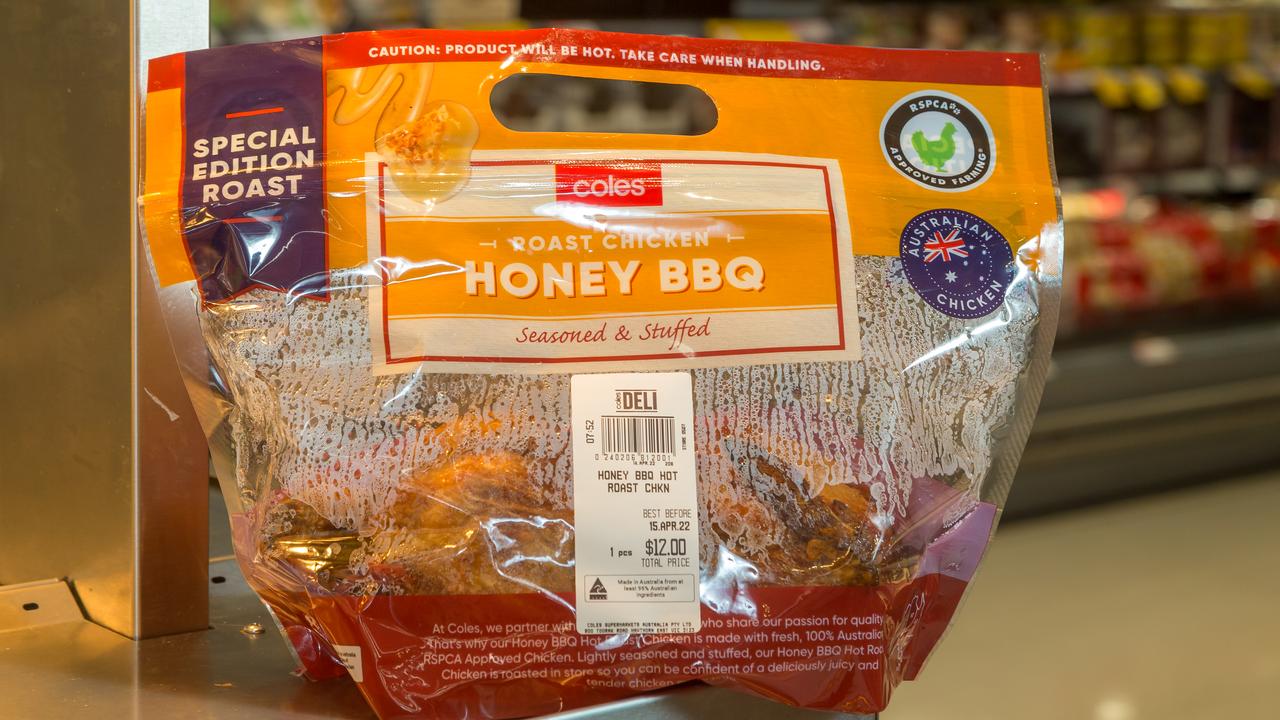
    Coles has announced a major new flavor for its famous hot roast chickens – and it’s sure to be a hit with KFC fans. For the first time, the supermarket giant will release a Southern Style version of the family favorite.

    Coles tells 7Life it “wanted to create a tasty and tangy flavor” to build on its “best-selling” roast chooks.

    “As the weather is cooling down, Aussies want comforting and hearty meals that are easy to prepare but won’t break the bank,” a spokesman said.

    “With a smokey buttermilk marinade and herby stuffing, our Southern Style hot roast chicken is delicious when paired with traditional BBQ-style sides or even a simple green salad and potatoes.”

    The new flavour adds to the existing range of Southern Style products, which includes the Southern Fried Chicken Portions.

    They are prepared with a buttermilk marinade, complete with a “flavor-packed” Southern-inspired stuffing including onion, garlic and a secret blend of herbs and spices.

    The Southern Style inspired Hot Roast Chicken, $13, is now available at all Coles stores nationwide.

  • Collins Foods expands its Dutch KFC network

    Collins Foods expands its Dutch KFC network

    Collins Food’s wholly-owned Dutch subsidiary (Collins Foods Netherlands Operations) has entered into a share purchase agreement to acquire eight KFC restaurants in the Netherlands from R. Sambo Holding.

    The purchase price, which will be funded from Collins Foods’ existing debt facilities, is structured with an initial payment of €8 million (A$12.33 million) and an additional €4.6 million (A$7.1 million) tied to the restaurants’ EBITDA during the next two years.

    Collins Foods MD & CEO Drew O’Malley said the acquisition is another “step forward” for the business’ European growth strategy.

    “The eight restaurants we are acquiring in the Netherlands add another quality network of restaurants to our portfolio, as well as enhance our people capability as we continue to grow and increase our operational scale in the Netherlands,” he said.

    The deal is subject to the satisfaction of various conditions, including obtaining all relevant government permits and the franchisor’s consent to the purchase. If prerequisites are fulfilled, the business will be fully acquired by May.

    Once completed, Collins Foods’ KFC Netherlands store count will reach 56 restaurants, accounting for 64 percent of the brand’s network there.

  • Popeyes re-enters China with TH International

    Popeyes re-enters China with TH International

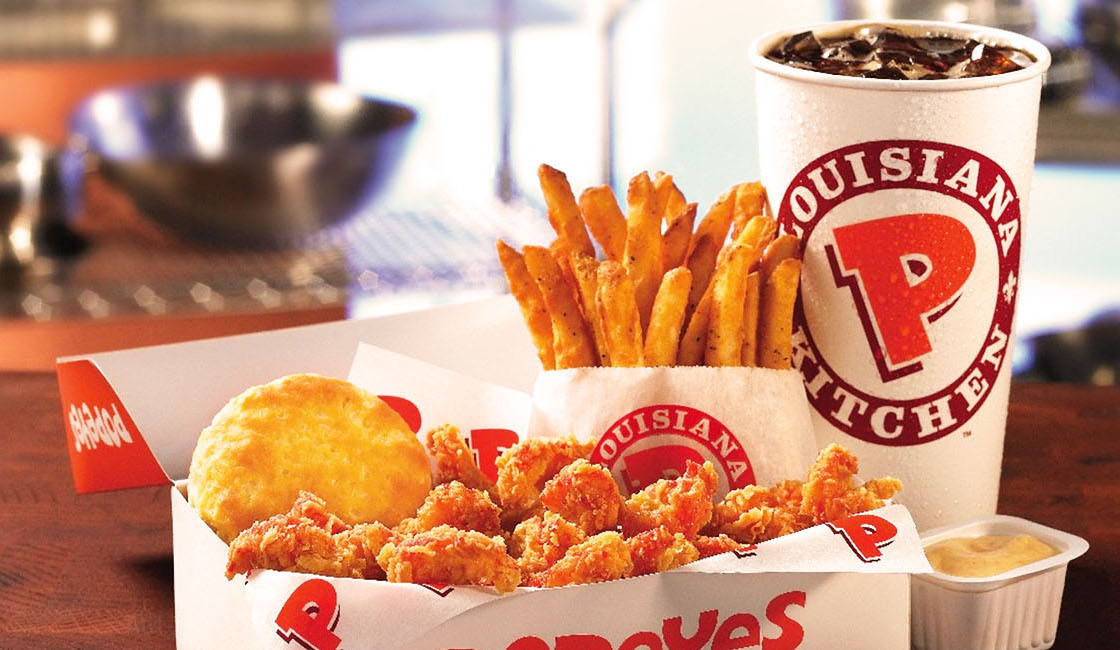
    Tim Hortons China’s exclusive operator, TH International (Tims China), is to relaunch the fried chicken chain Popeyes in China and Macau by acquiring exclusive rights to develop and sub-franchise the brand.

    The transaction, which the company expected to bring significant cash to Tims China and strengthen the company’s balance sheet, is subject to customary closing conditions.

    Popeyes entered China in 2020 under the partnership with Tab Foods Investments with an ambition to open 1500 locations across China in 10 years. However, the chain faltered after opening just nine stores, due to the prolonged impact of Covid-19 in the country.

    Peter Yu, chairman of Tims China, said the company plans to expand its store network of Tim Hortons and Popeyes stores in China to 1000 by the end of the year.

    “The two brands are a natural fit, with complementary product offerings and exceptional growth potential,” said Yongchen Lu, CEO of Tims China. “Both brands will benefit from greater scale, a stronger financial model, and synergies, including in the supply chain and new restaurant development.”

    TH International Limited was founded by Cartesian Capital Group and Tim Hortons Restaurants International, a subsidiary of Canadian-headquartered Restaurant Brands International which owns the Popeyes, Burger King and Tim Hortons brands.

    Last August, the US fried chicken retailer appointed Cartesian Capital Group as its partner to relaunch the Popeyes brand in China. The chain has also relaunched in South Korea under a partnership with local operator Silla Co, two years after closing its business there.

    Popeyes has more than 3900 stores globally.

  • Bonchon stays in the Korean fried chicken game in Vietnam

    Bonchon stays in the Korean fried chicken game in Vietnam

    Bonchon, the global restaurant concept known for its Korean fried chicken, celebrates a year with market expansion, sales growth, and a new fast-casual model.

    Despite continued industry challenges due to the pandemic, Bonchon retained its strong year-to-date sales performance. In October, the company registered a 76% same-store sales increase compared to 2021. Bonchon has 15% same-store sales as of Dec. 25, 2021.

    “Sales growth has steadily increased due to strategic enhancements in operations, supply chain, and technological innovation. These strategic shifts have not only allowed Bonchon to build our revenue even further, but also to continue expanding our footprint with new openings across Vietnam,” said Bonchon Vietnam CEO, Mark Kim.

    Innovation of the store design and fine-tuning of the operating system also greatly contributed to Bonchon Vietnam’s performance.

    The store’s innovation in terms of design boasts advantages in brand identity and introduces the image of our Bonchon stores to a younger, trendier customer base. In addition, simplified adjustment and focus on important factors in the operating system have enhanced service quality and customer experience across Bonchon stores nationwide.

    Moreover, with the ability to enter the zeitgeist and respond quickly to market sensitivities, Bonchon Vietnam stayed in the game of the door-to-door delivery era by working closely with home delivery units. This particular delivery service adjustment brought about a significant source of revenue, accounting for 40% of Bonchon Vietnam’s monthly revenue in 2022.

    Additional franchise support has been driven by the integration of newly acquired experienced team members and field business consultants who guide best practices, customer service, food quality, and menu strategy.

    “In the next five years, we will be implementing ongoing strategic shifts in operations, the supply chain, and technological innovation to remain on the current growth trajectory,” Kim added.

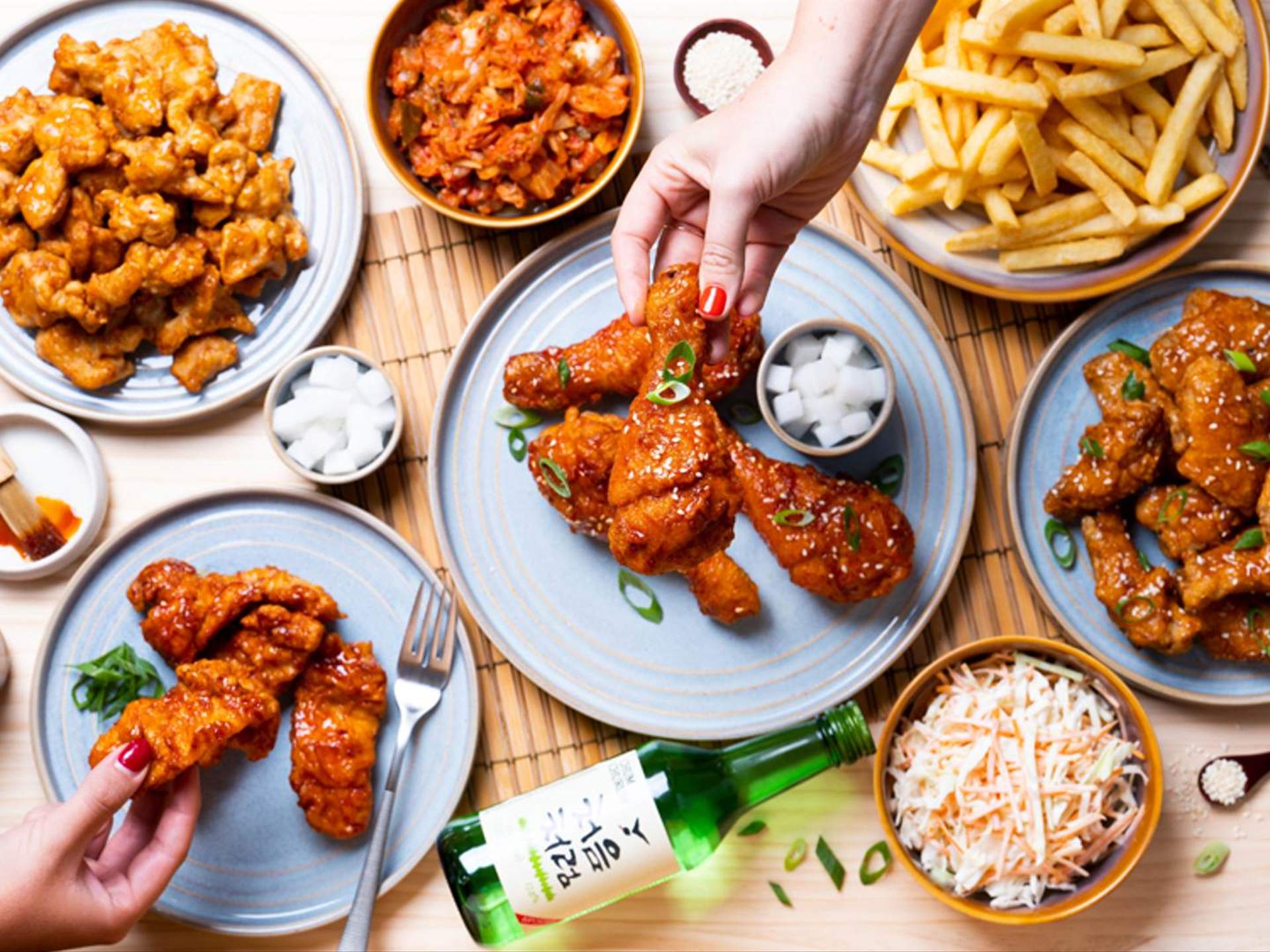
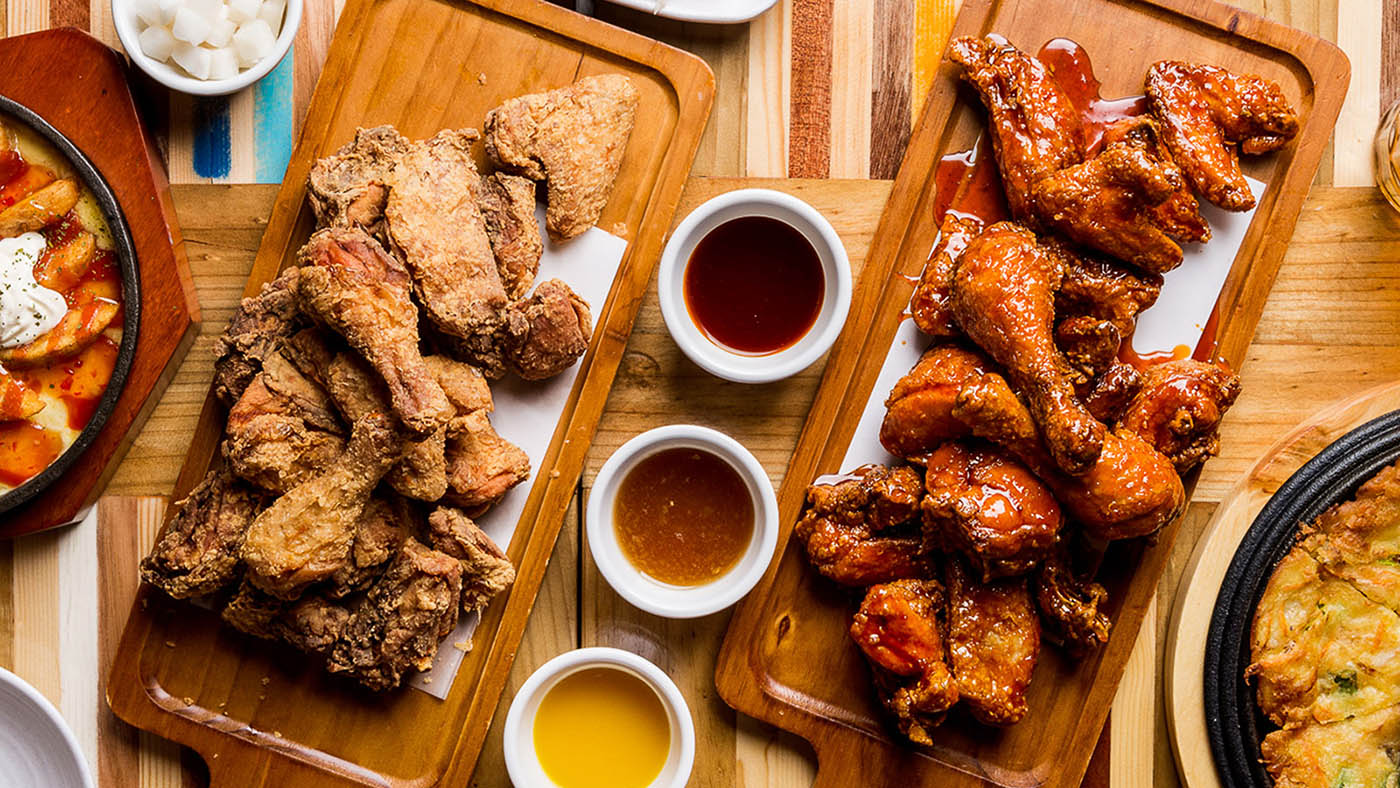
    Bonchon is known for its signature made-to-order Korean fried chicken that is hand battered and double-fried to achieve its signature, crave-worthy crunch, and proprietary sauces crafted in the Bonchon global kitchen in Busan. Every piece of chicken is hand brushed to make each bite perfectly flavorful. Bonchon also offers an authentic Korean fusion menu with Bibimbap, Japchae, Bulgogi, and more.

    Born in Busan, South Korea in 2002, Bonchon’s founder, Jinduk Seo, dreamed of sharing his favorite flavors with the world. Just four short years later, in 2006, Bonchon went on to establish itself in the U.S. The global franchise has been spreading its reach around the world ever since with a notable presence spanning nine countries with more than 400 locations. With no indication of slowing down, Bonchon has recently confirmed new development agreements in France and Australia.

    In 2019, the brand continued to expand to Vietnam. In April 2022, Bonchon celebrated the opening of its ninth store and is preparing to welcome its 10th and 11th this November.

  • South Korea’s franchise BHC Chicken to enter Malaysia and Singapore

    South Korea’s franchise BHC Chicken to enter Malaysia and Singapore

    South Korea’s second-largest chicken franchise by sales, bhc Group, said Tuesday it will open its third store in Malaysia next month as part of its strategy to expand into Southeast Asia.

    The new restaurant, which is set to open in a shopping complex located inside the capital of Kuala Lumpur, will be operated by a local logistics company under a master franchise agreement, it said.

    This is the third overseas restaurant by the South Korean chicken franchise company. The group operates two bhc chicken restaurants in Hong Kong. The chicken franchise also said it is in talks with a retail company in Singapore to open a bhc chicken restaurant in the city-state by April next year.

    “With our bhc chicken taking the lead, our ultimate goal is to promote Korean food and culture globally by bringing our various restaurant brands to other countries,” an official from the company said.

    Bhc operates a host of restaurant brands including the fried chicken franchise bhc chicken, Korean barbecue franchise Chango 43 and Outback Steakhouse.

    The company is also the South Korean operator of San Francisco-based Super Duper burgers, which is set to open the first Seoul store in October.

  • Egg producers claim 14 years is not long enough to phase out battery cages

    Egg producers claim 14 years is not long enough to phase out battery cages

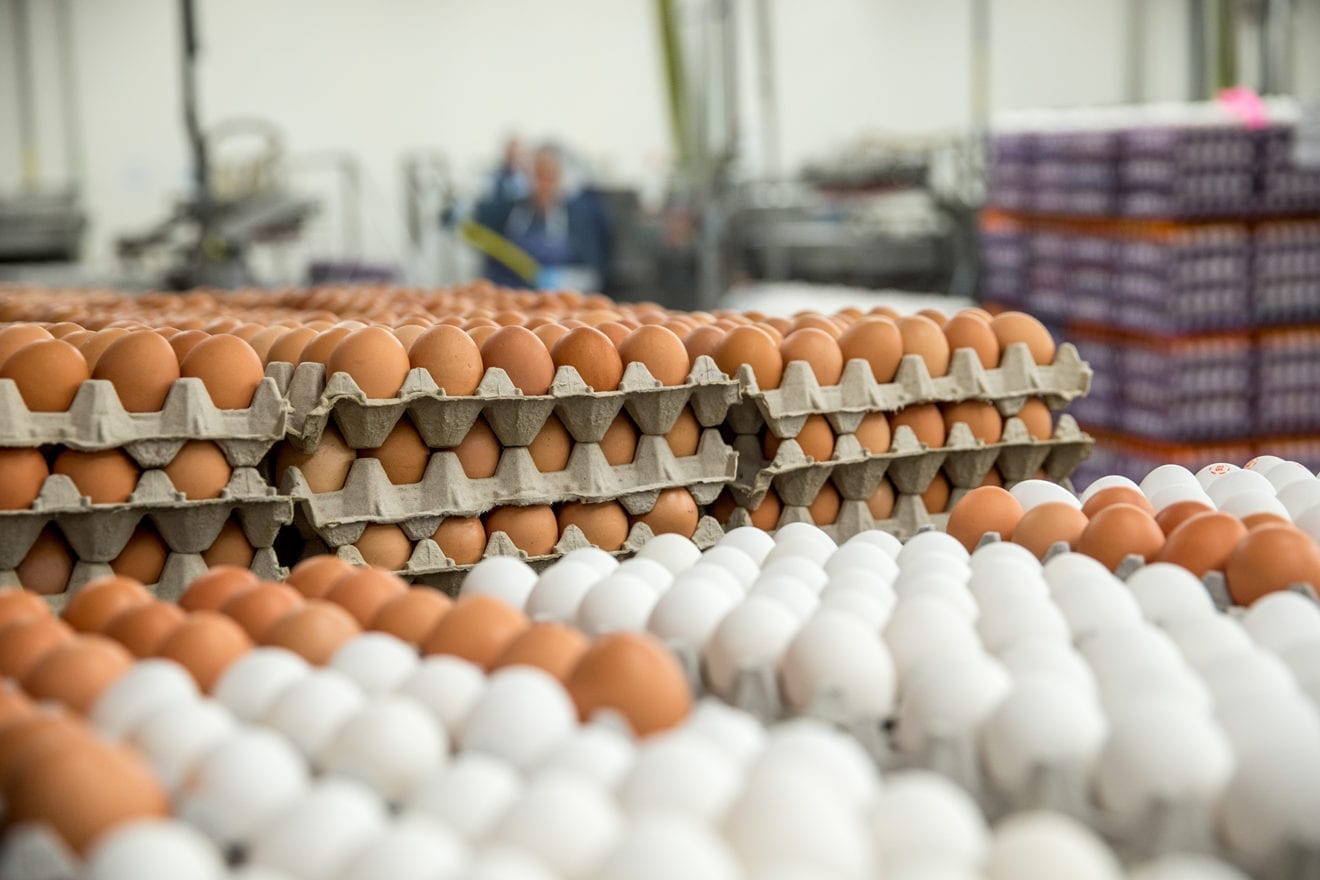
    Australia will phase out battery eggs by 2036, after a lengthy battle between the egg industry and animal welfare groups that the latter says will finally bring the country into line with Europe and New Zealand.

    The reform was quietly announced on Thursday with the publication of the Australian Animal Welfare Standards and Guidelines for Poultry, a framework that has been in negotiations between governments and industry for seven years.

    The new guidelines state that egg producers will phase out the use of conventional layer hen cages over the next 10 to 15 years, and by 2036 at the latest, depending on the age of their current infrastructure.

    From that point, all caged laying hens must have 750cm sq of usable space for each bird, if kept in a cage with two or more others. If the hen is caged alone, the cage must allow for 1m sq of usable space.

    While animal welfare groups say the 14-year timeline is too long, industry group Egg Farmers of Australia released a statement that said it was “dissatisfied” the guidelines “fail to allow the option for conventional cage egg production to continue for a further 24 years”.

    CEO Melinda Hashimoto said the guidelines were a “slap in the face” to egg farmers and “totally ignored evidence on why conventional cage eggs should continue to 2046”. Farmers rely on 30-year loans to pay for cages and other infrastructure, she said, and a 2036 deadline “could derive many family egg farmers to the wall”.

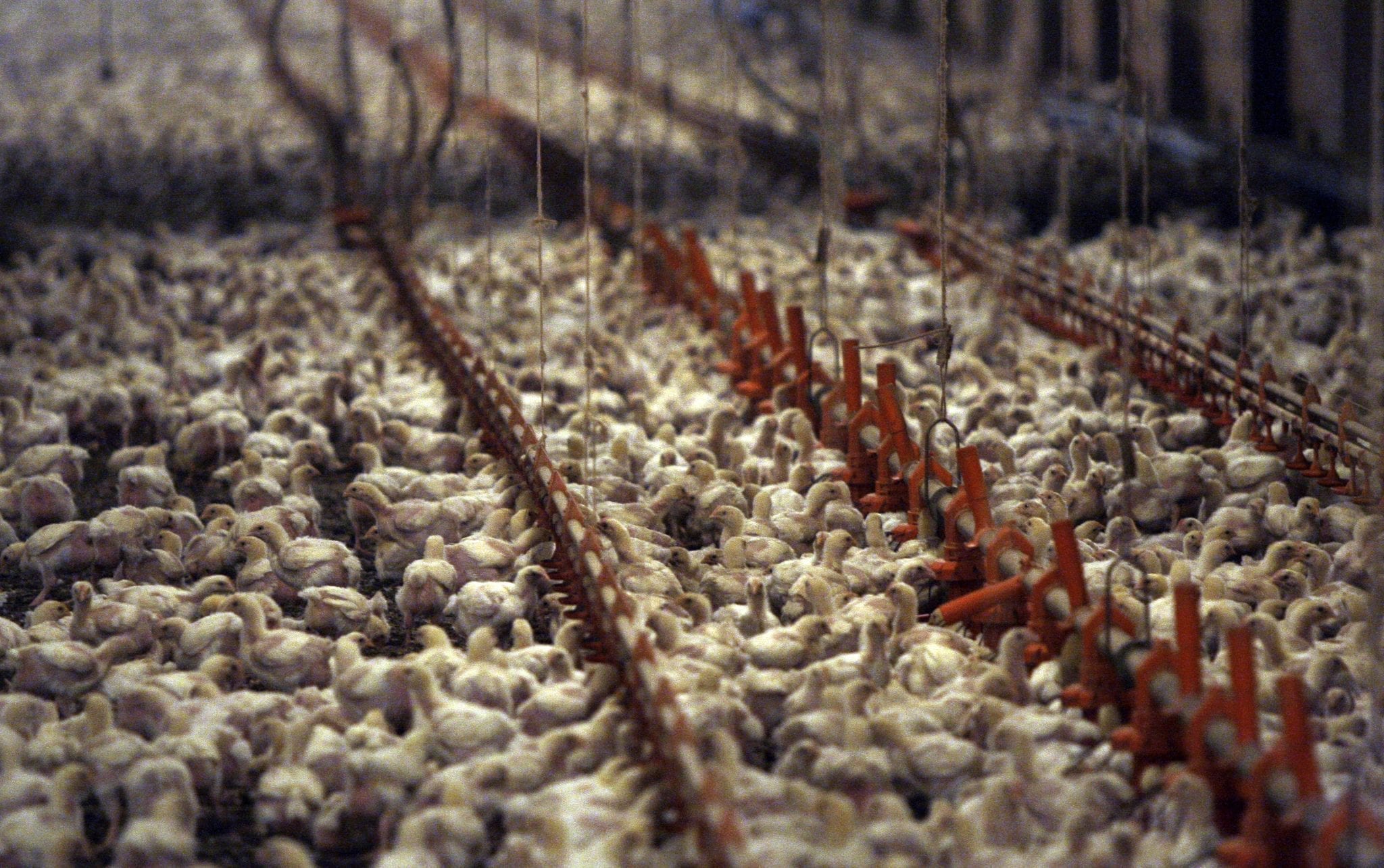
    The new guidelines also require that ducks be provided with access to water to bathe in, and that chickens that are used in the meat industry be provided with “environmental enrichment” such as perches, hay or straw to scratch in, objects to peck and “dust-bathing materials”.

    There is currently no regulatory requirement that ducks be provided with water other than drinking water.

    RSPCA Australia’s chief executive, Richard Mussell, said it was a significant win for animal welfare.

    “But most importantly, it will eventually be a win for the millions of layer hens confined to battery cages,” he said.

    According to the Australian Bureau of Statistics, 5.36 million layer hens, or 32% of the national flock, was caged in 2020-2021. In egg production alone, 50% of birds are caged.

    Mussell said that he hoped state and territory governments would act to enforce the new guidelines long before 2036. The Australian Capital Territory banned the use of battery hen cages and sow stalls in 2014 but no other Australian jurisdiction has begun the legislative process to ban cage eggs.

    New Zealand ended the use of battery cages this year after announcing a 10-year phase-out process in 2012. Most of Europe, including the UK, banned the use of battery cages in 2012; Mexico, Israel, and Canada have also banned battery cages.

    Mussell said the slow pace of the reform – which included a public consultation process that received more than 160,000 submissions – was frustrating.

    “These poultry standards and guidelines were under review for nearly seven years,” he said. “The phase out is the right result, and it should have been put in place six years ago. Millions more layer hens have had to endure barren battery cages as a result of these delays.”

    The Humane Society of Australia, Animals Australia, and the Australian Alliance for Animals all welcomed the announcements that battery cages would be banned, but criticised the 14-year phase-out period.
  • KFC operator in Thailand explores sale of business

    KFC operator in Thailand explores sale of business

    Restaurants Development Company is exploring the sale of its KFC franchise business in Thailand, valued at roughly $300 million, as revenue rebounds with a recovery in Southeast Asia’s second-largest economy, three sources aware of the matter said.

    The Bangkok-based firm, backed by a consortium led by Southeast Asian focused private equity firm AIGF Advisors Pte Ltd, is in talks with at least one advisor on the potential sale, said the sources, who asked not to be named as they were not authorised to speak to the media.

    Restaurants Development was considering the sale of its KFC business in 2020 but the process was shelved due to the impact of the coronavirus pandemic, two of the sources said.

    Restaurants Development and AIGF did not respond to a request for comment.

    The revival of the sale comes with a pick up in Thai consumer confidence in June, for the first time in six months, boosted by improved economic activity following an easing of COVID-19 curbs.

    Restaurants Development recorded its highest ever quarterly sales in the first three months of 2022, it said on its website, and also the highest annual same-store sales growth rate.

    Its KFC business is expected to grow further over the next few quarters on the back of the economic recovery and easing of travel restrictions, one of the sources said.

    Two sources said potential suitors could include Central Restaurants Group and The QSR of Asia Co Ltd, a unit of Thai Beverage, which run the other KFC franchises in Thailand.

    Thai Beverage declined to comment and there was no response from Central Group to a request for comment.

    Founded in 2016, Restaurants Development employs more than 5,000 people and operates more than 240 restaurants across Thailand. This compared with the 4,000 people and 200 restaurants it employed and managed two years ago.

    It currently owns 236 KFC stores, according to its website.

    As in other markets, Southeast Asian mergers and acquisitions activity is going through a soft patch, hit by high inflation, rising interest rates and weak equity markets.

    Last week, Thailand’s central bank chief said the central bank will ensure the recovery is not interrupted by efforts to tackle higher inflation, amid expectations of an increase in interest rates.

  • New chicken welfare standards raised across Australia and New Zealand

    New chicken welfare standards raised across Australia and New Zealand

    Restaurants across Australia and New Zealand are being encouraged to sign on to a new set of standards that aims to provide better welfare for chickens raised for meat.

    The New Zealand Society for the Prevention of Cruelty to Animals (SPCE) has established The Better Chicken Commitment, a set of welfare standards prohibiting the use of abnormally fast-growing poultry breeds killed at just six weeks old in favour of healthier breeds that grow naturally. It also ensures that the chickens have more space, natural lights, enrichments, and “less suffering” at slaughter.

    SPCE consulted the non-profit global organisation, World Animal Protection (WAP), in developing the new chicken welfare standards, together with Animals Aotearoa and The Humane League, and is supported by nine national and global animal welfare organisations.

    Rochelle Flood, campaigns manager for WAP in Australia and New Zealand, said this is a huge opportunity for the region to step up and raise the bar for chicken welfare.

    “Right now, millions of chickens are suffering from chronic pain and organ failure, often unable to move freely, collapsing under the weight of their unnaturally large bodies,” she said

    “Compassionate consumers deserve a higher welfare choice at the checkout, and it’s time for the industry to align with consumer expectations.”

  • Collins Foods’ sales rebound as Europe reopens

    Collins Foods’ sales rebound as Europe reopens

    Listed fast-food chain operator Collins Foods has reported positive same-store sales growth across both its European and Australian markets despite a turbulent economic climate.

    The company’s Taco Bell and KFC franchisees in Australia achieved revenue growth of 11 per cent to $1.2 billion with KFC Australia delivering $955.5 million, up 6.1 per cent.

    KFC’s same-store sales have recovered in Europe with the Netherlands business registering an 18.8 per cent increase followed by Germany at 11.7 per cent. In the Netherlands, Collins Foods will likely open 130 net new restaurants during the next 10 years.

    Taco Bell’s revenue increased 27.5 per cent to $35.8 million with the addition of four new restaurants registering positive growth in the fourth quarter.

    Drew O’Malley, MD and CEO, said significant reinvestments in the business have helped support strong operating cash flow, strengthening the balance sheet.

    “The proven track record of consumer appeal regardless of economic conditions, combined with our relentless pursuit of operational excellence, ensures we are well-positioned to manage through the current inflationary environment,” the company said in its results announcement.

    “With our restaurants performing well and a strong pipeline of new sites, we will continue to grow our store footprint across our QSR brands.”

    The business has plans to open up to 12 more KFC stores in Australia and scale its Taco Bell business alongside.

  • KFC Australia pilots drone-delivery service in Queensland

    KFC Australia pilots drone-delivery service in Queensland

    In an Australian-first, KFC has enlisted a drone delivery company to bring Zingers and other fried faves to homes and workplaces in the Logan area between Brisbane and the Gold Coast.

    Wing, owned by Google parent Alphabet, launched in Canberra in 2019 in a world-first, and in Logan the following year.

    Since then, suburbs within a 10km radius have been having burgers, groceries, pharmacy items, hardware products, coffee and other products zoomed in via 5kg styrofoam drones that can carry up to 1.5kg.

    Under a pilot program kicking off on Friday, the world’s most famous fried chicken brand will initially be available to a small number of households in the South East Queensland suburbs of Kingston, Logan Central, Slacks Creek, Underwood, and Woodridge.

    The service will gradually expand to include other nearby locations, Wing says, dubbing Logan “the drone delivery capital of the world”.

    “You know the future truly is here when you can get hot, fresh Kentucky Fried Chicken delivered by a drone from the click of a few buttons,” KFC Australia chief marketing officer Kristi Woolrych said.

    Wing says the number of deliveries rocketed last year as the pandemic raged on and strong demand has continued in 2022.

    Earlier this week, spokesman Jesse Suskin said the company was planning expansion in Australia.

    “We’ll be in more places in southeast Queensland. We’ve submitted for those permissions from our regulators,” Mr. Suskin said.

    “For other states, we’re actively starting to have those conversations right now.”

  • Restaurant Brands sales exceed $1 billion, despite Covid-19 impact

    Restaurant Brands sales exceed $1 billion, despite Covid-19 impact

    Restaurant Brands NZ Limited reported a 19.7% increase in sales for the year ended 31 December 2021, making total sales of NZ$1.06 billion in 2021. While same-store deals stayed strong in the period, nearly NZ$100 million of the rise in annual sales came from the extra 8 months of trading from the California acquisition.

    The Group released sales numbers for Q4 FY21 on Thursday, reporting total sales of NZ$284 million for the period (+5.5% on pcp). All regions posted positive same-store growth despite the present COVID-19 impact.

    The Group faced COVID-19 impact strongly despite several government curbs, challenging trading atmosphere and altering consumer habits. Subsequently, RBD’s annual sales numbers surpassed NZ$1 billion, setting a robust footing for further growth in sales in all its 4 regions.

    RBD-owned store numbers increased by 11 in Q4 compared to the same period in the previous year to 359. This was majorly due to the purchase of 5 KFC stores in Sydney in early 2021as well as the present construction of new Taco Bell shops in Australia and NZ.

    Restaurant Brands is due to announce its year-end trading results on 28 February 2022.

  • KFC China draws wrath over Pop Mart frenzy that ‘wastes food’

    KFC China draws wrath over Pop Mart frenzy that ‘wastes food’

    KFC is under scrutiny in China over the popularity of an anniversary promotion that allowed customers to collect limited-edition toys with their meals.

    The fried chicken chain partnered with Chinese toymaker Pop Mart to give away Dimoo toy dolls with select KFC orders in celebration of the brand’s 35th anniversary of its first restaurant in China. The giveaway prompted a frenzy to collect the dolls, with at least one customer spending $1,649 to buy 106 meals, according to a statement from The China Consumers Association.

    Some would-be collectors hired helpers to buy meals and find toys for them, in some cases throwing away the food they were required to buy, the group said.

    “KFC, as a food operator, uses the limited-edition blind box sales method to induce and condone consumers’ irrational and excessive purchase of food packages,” the organization wrote, which is “contrary to public order, good customs and the spirit of the law.”

    KFC’s parent company Yum! Brands did not immediately respond to Insider’s request for comment.

    China has taken legal steps in recent years to curb food waste from promotions, including a major campaign in 2020 banning influencers from posting “wasteful binge eating” videos on social media.

    Spending sprees around limited-edition fast-food items aren’t exclusive to China. In 2021, McDonald’s included limited-edition Pokemon cards in some Happy Meals in the US, and fans quickly began buying up 50 to 100 cards at once to keep or resell, prompting some locations to begin limiting order sizes.

    Fan excitement over McDonald’s “Rick and Morty”inspired Szechuan sauce was even more extreme, with some dedicated customers buying sauce packets online for hundreds of dollars, or even purchasing photos of the packets.