Retail News CRM

Tag: Chocolate

  • Ferrero introduces recyclable box for Ferrero Rocher range

    Ferrero introduces recyclable box for Ferrero Rocher range

    Italian brand Ferrero has moved another step towards sustainability with the launch of its new eco-designed box for the Ferrero Rocher range.

    After trialing 29 different plastics and working with leading materials expert Milliken, the new packaging is sourced from polypropylene (PP), which is easy to recycle and can help reduce the use of plastic as well as its impact on the climate.

    Packaging for a box of 16 pieces will have 40-per-cent less plastic content, while the 30-piece box contains 38 percent less. Both are said to have at least 30 percent lower carbon footprint, reaching 70 percent less when recycled, compared to the previous box.

    “The Ferrero Rocher eco-designed box is a clear example of our dedication to enhancing packaging circularity,” said Fabio Mora, global packaging director of The Ferrero Group. “We worked in close partnership with Milliken which brought its innovative and critical thinking to help reduce the environmental impact through the use of a new polypropylene material for the Ferrero Rocher box.”

    According to the company, Ferrero Rocher can save approximately 2000 tonnes of plastics in the first year from the introduction this month. Once the innovation extends across the whole range of Ferrero Rocher, the full impact of the extension can reduce up to approximately 10,000 tons less plastic used.

    The new eco-designed box is part of Ferrero’s commitment to making 100 percent of its packaging reusable, recyclable or compostable by 2025.

  • FruChocs range expanded with White Choc Raspberry

    FruChocs range expanded with White Choc Raspberry

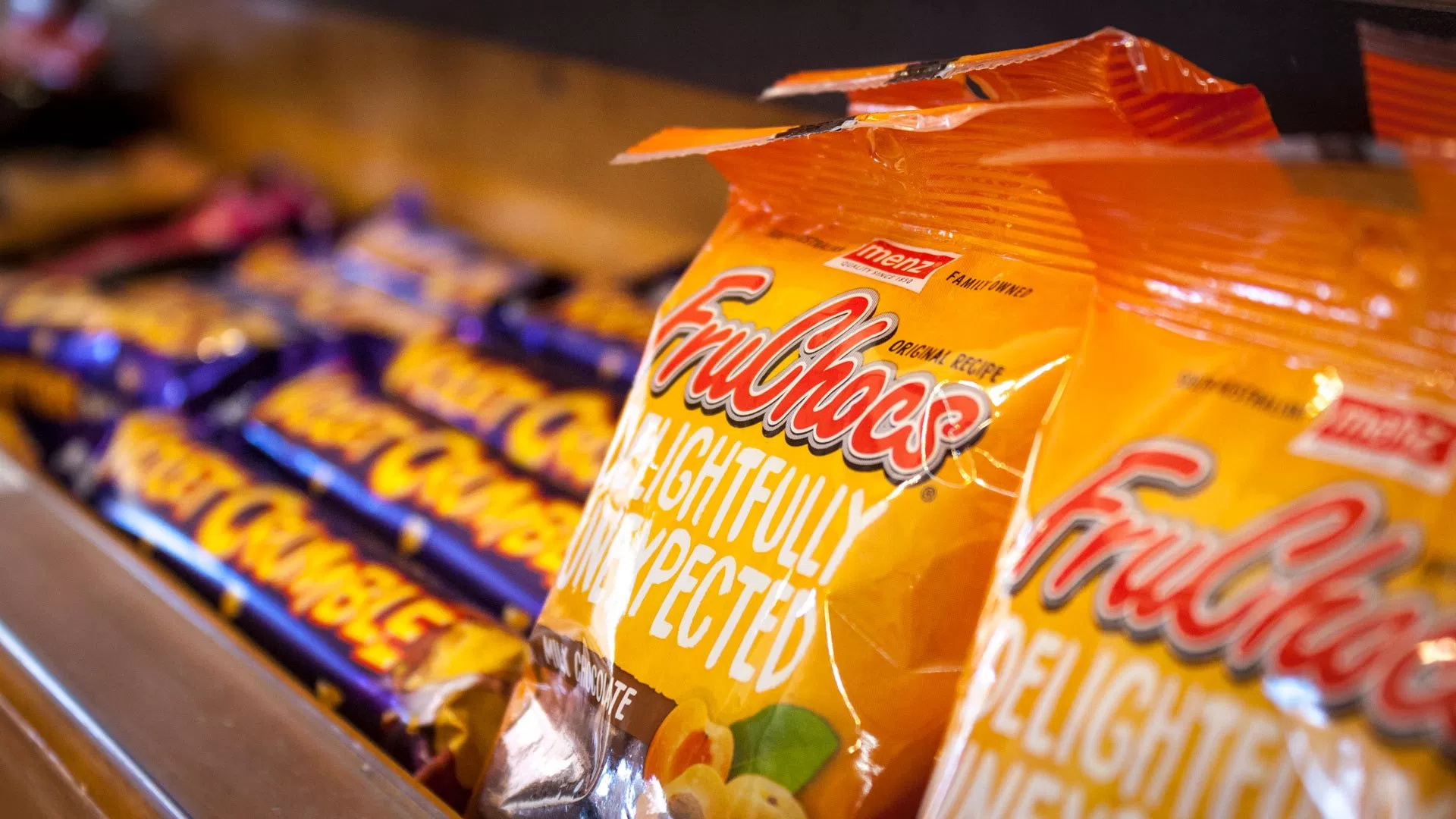
    Confectionery company Robert Menz has added a new variety to its FruChocs range, the White Choc Raspberry.

    Rolling out in supermarkets this month, the new chocolate combines “sumptuous tangy real apricot centres mixed with a sweet, natural raspberry flavor in luscious white chocolate coating”.

    The chocolatier will launch the 135g White Choc Raspberry FruChoc in Coles South Australia and The FruChocs Shop on June 22.

    Robert Menz CEO Phil Sims said that raspberries with white chocolate is a classic combination for a reason, and the company loved the opportunity to give this a FruChocs twist.

    “As we approach the 10th annual FruChocs Appreciation Day, we wanted to make sure it was one to remember,” said Sims.

    Menz White Choc Rasberry FruChocs is available at RRP $4.20 in Coles South Australia, Drakes, Foodland, IGA, On The Run, X-Convenience, Liberty Tip Top, BP AM-PM, and Cheap As Chips.

  • Kinder releases Happy Hippo biscuits in Australia

    Kinder releases Happy Hippo biscuits in Australia

    Confectionery brand Kinder has rolled out Kinder Happy Hippo biscuits in Australian supermarkets. The hippo-shaped biscuits have a crispy wafer shell with a creamy filling and coated in meringue sprinkles.

    Kinder Happy Hippo comes in two flavors – Cocoa and Hazelnut – in bite-sized snack packaging.

    “Happy Hippo delivers the signature Kinder taste and quality ingredients in delicious, crispy biscuit form – free from artificial colors or preservatives,” said Gina Yuwana, senior brand manager at Kinder.

    Kinder Happy Hippo is sold at RRP $1 for a single pack and $4.50 for a five-pack in supermarkets and convenience stores nationwide.

  • Barry Callebaut names new MD for Australia and New Zealand

    Barry Callebaut names new MD for Australia and New Zealand

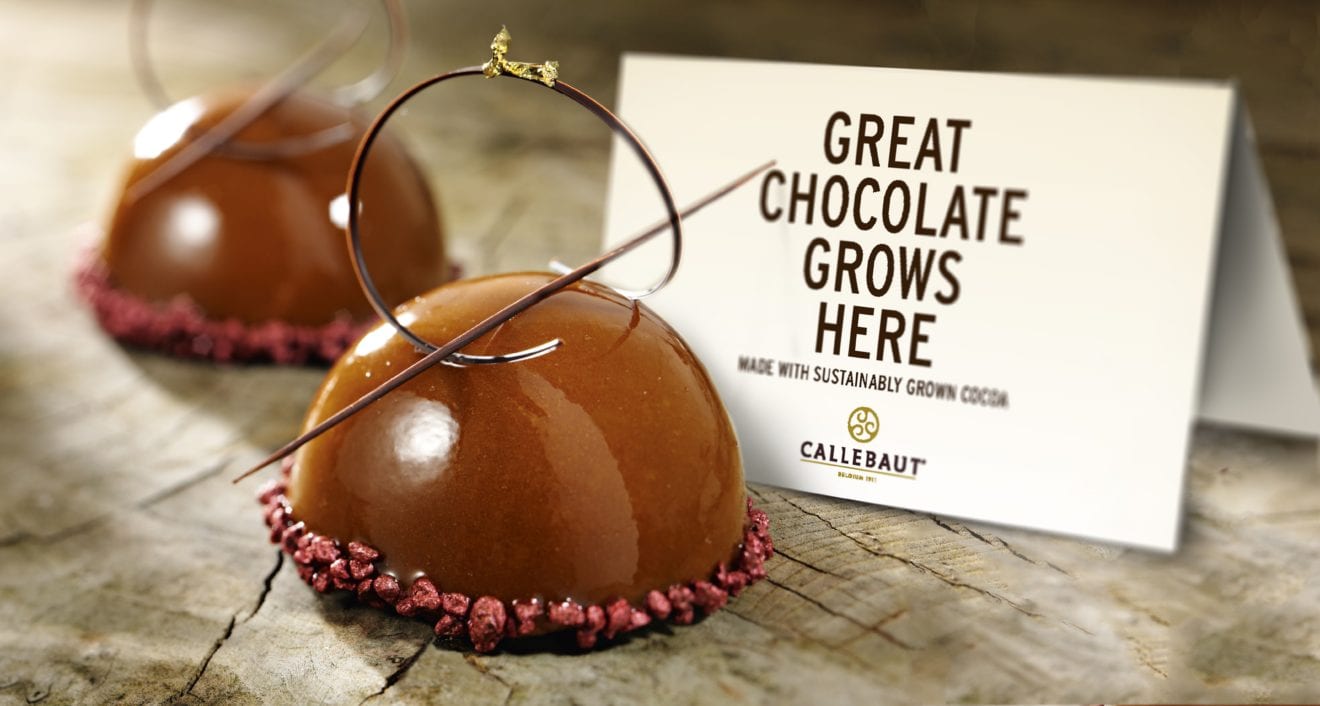
    Chocolate and cocoa products manufacturer Barry Callebaut Group has named Denis Convert as its new MD for ANZ.

    Convert will start his new role on August 1 and will be based in the GKC Foods office in Melbourne. As MD, he will oversee operations and sales teams in growing sales volume and expanding Barry Callebaut’s footprint in the region.

    “The appointment will steer Barry Callebaut’s further growth in Australia and New Zealand,” the company said in a statement.

    Barry Callebaut bought GKC Foods last year.

    Having joined the group in 2014 as VP of gourmet for Asia Pacific, Convert led sales and marketing teams in the region. Prior to Barry Callebaut, he held senior roles at Mars in Europe for 14 years.

  • Japanese chocolatier Royce closing South Korea stores

    Japanese chocolatier Royce closing South Korea stores

    Japanese chocolatier Royce is shuttering its operations in South Korea.

    The brand’s local retailer Royce’ Confect Korea said in an announcement last Wednesday that it will close all nine of its locations in the territory, including five shops in Seoul.

    The closures will be completed by the end of next month.

    Sales for the brand’s chocolates have sharply declined in recent months and were strongly affected by a recent general boycott of Japanese products in the country.

    A company statement read: “Thank you very much for loving Royce’ chocolate. We will try our best to the very end with the best possible services”.

  • Handmade KitKat goes on sale in Manila

    Handmade KitKat goes on sale in Manila

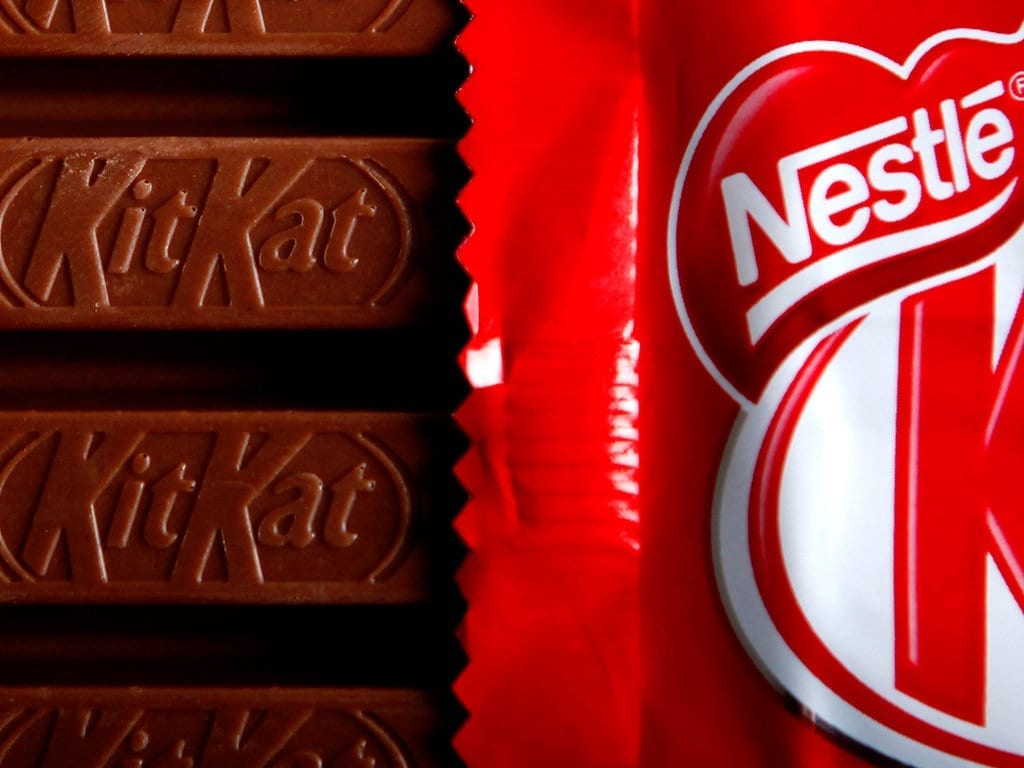
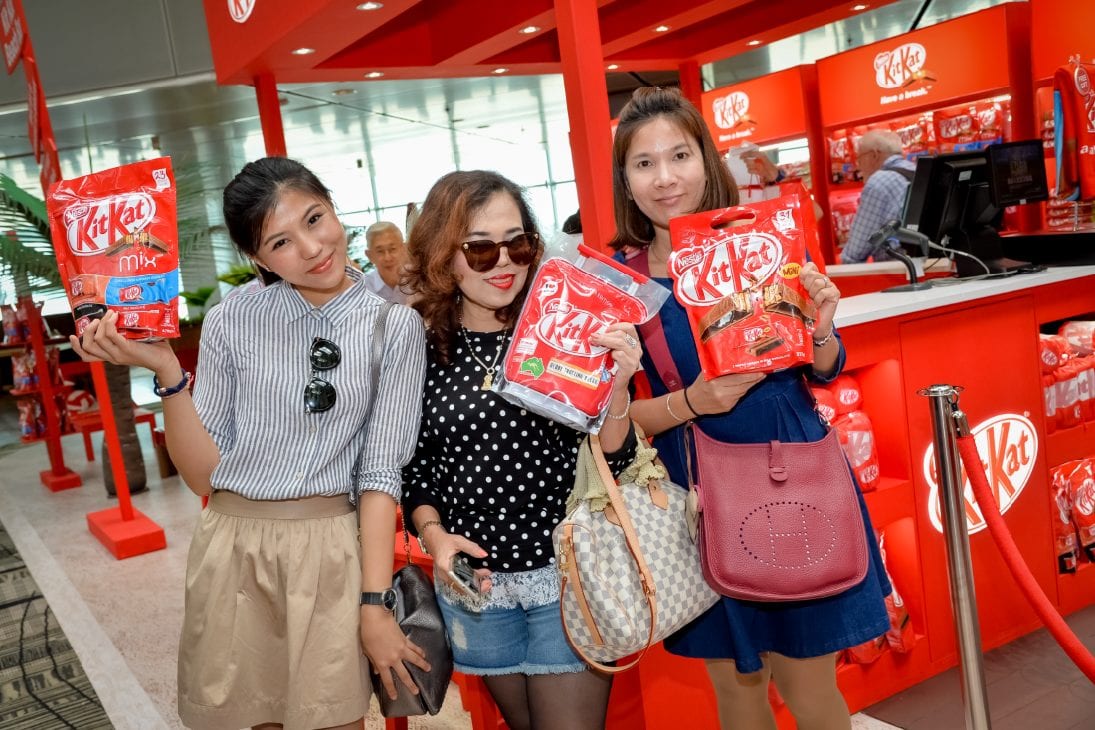
    Nestle-owned global chocolate brand KitKat is running a pop-up concept at SM Megamall in Manila until December 25.

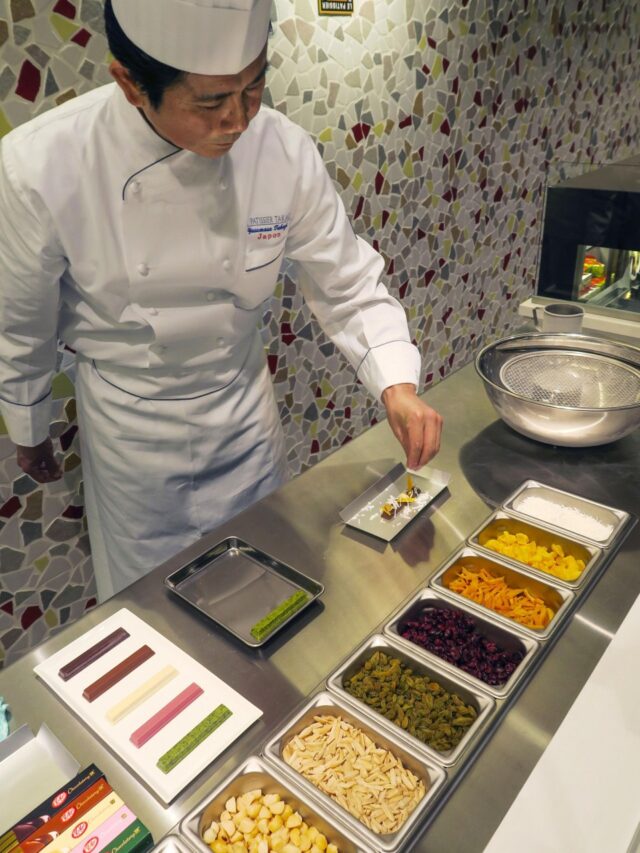
    Called KitKat Chocolatory, the concept store allows customers to customize their own KitKat creations by choosing from a range of ingredients including almonds, macadamias and pretzels. It also offers limited edition local flavors such as mango graham, ube, saba and quezo.

    “Filipinos can enjoy their own KitKat break and enjoy exclusive KitKat. This is definitely something that every chocolate lover should not miss,” said Nestle Confectionery CEO Gerard Poa.

    KitKat Chocolatory concept also exists in countries including Japan, Thailand and some parts in Europe.

    First launched in 1935 in the UK, chocolate-covered wafer bar KitKat is present in more than 80 countries today.

  • Fumihiko Sano Studio creates cedar-lined Dandelion Chocolate cafe

    Fumihiko Sano Studio creates cedar-lined Dandelion Chocolate cafe

    A Dandelion Chocolate boutique has launched in a century-old house in Kyoto, Japan.

    Dandelion Chocolate is a bean-to-bar craft chocolatier that operates small-scale locations throughout the US and Japan.

    The San Francisco brand hired Fumihiko Sano Studio to create the 200sqm outlet’s design, which was shortlisted for this year’s Dezeen Awards. The two-storey interior in the heritage timber-framed property features a cacao bar serving alcoholic drinks paired with chocolate, a retail store and a traditional courtyard.

    “Considering the parallels between craft chocolate and cedar, both require authentic craftsmanship and carefully selected natural ingredients – so I made the decision to place cedar at the centre of materials used for this project,” said Tokyo architect Fumihiko Sano in an interview with Dezeen. “Cedarwood is also one of the main materials of Japanese architecture.”

    “It is my pleasure to give a new purpose to a building that has stood there for more than one hundred years. May it thrive for another hundred, full of new memories.”

  • Godiva New York City store a launchpad for Global Dominance

    Godiva New York City store a launchpad for Global Dominance

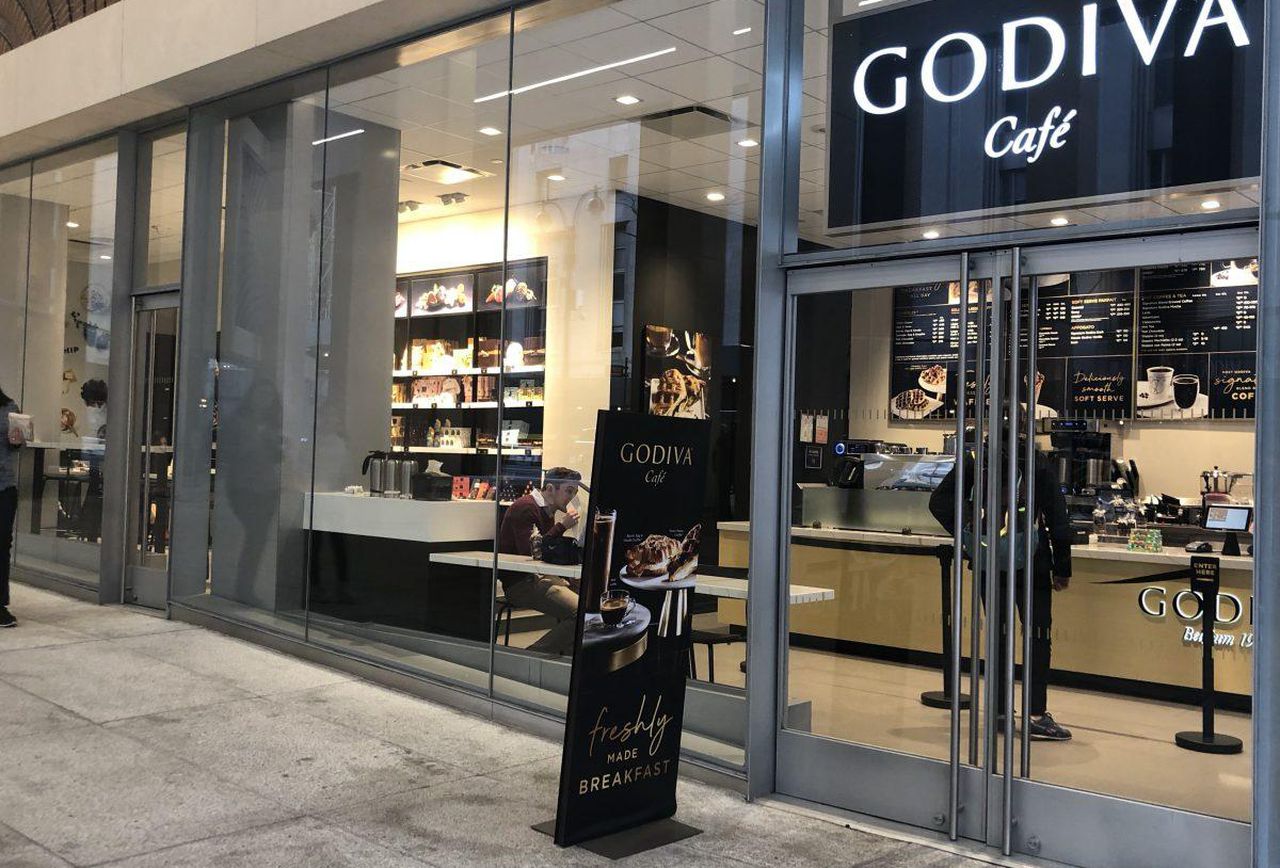
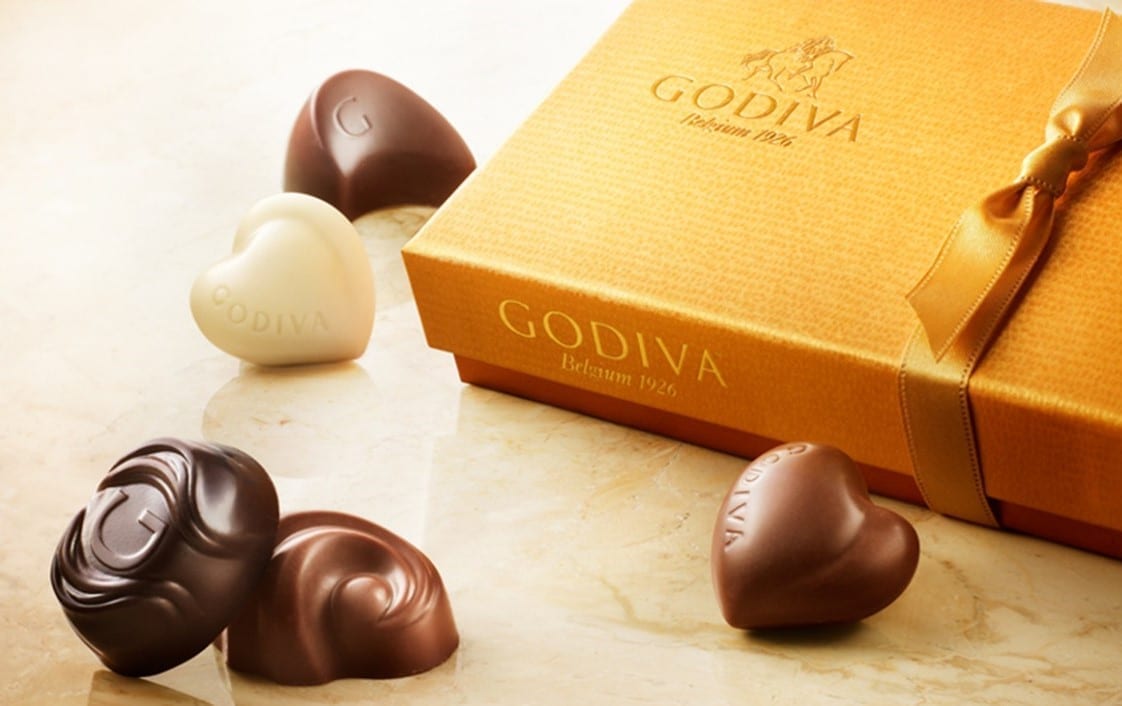
    The Godiva New York City store not only presents the newest store look, it serves as a launching pad for the brand to expand into new product categories, part of the brand’s larger global strategy in achieving a fivefold growth plan in the next six years. By the end of the year, 10 more cafes are slated to open in New York State, and the plan is to launch more than 400 locations in the Americas.

    “This is a very pivotal time for Godiva as we transition to align with the ever-changing consumer behavior,” said Godiva Chocolatier CEO Annie Young-Scrivner. “We have an aggressive growth plan for the next six years, which includes expanding our footprint of 2000 cafes worldwide with a focus on growth in the Americas.”

    Godiva’s cafes have seen international success, with locations currently open in Japan, China, Belgium and the Middle East. In February, the company sold its retail and distribution operations in four markets – Japan, South Korea, Australia and the future rights to develop New Zealand – to private equity company MBK.

    The overall concept has shifted with the Godvia New York City location, featuring a refreshed design and a wide array of new menu items that will shape and be replicated in the course of expansion over the next few years.

    “Godiva’s plan to open more cafes is a smart move from a customer loyalty perspective,” said Clarus Commerce CEO Tom Caporaso, a loyalty program expert with 20 years of experience. “One of the greatest assets that brick and mortar brands like Godiva have is their physical real estate, and adding a refreshed component to the in-store experience will create renewed excitement for both long-standing and new customers.

    “The chocolatier has already established itself as a premier brand for special occasions, but these eateries now also allow it to be a staple in its customers’ everyday lives. This will help create a deeper, more meaningful connection to the brand, and build consumer loyalty over time.”
    The Godiva New York City store not only presents the newest store look, it serves as a launching pad for the brand to expand into new product categories, part of the brand’s larger global strategy in achieving a fivefold growth plan in the next six years. By the end of the year, 10 more cafes are slated to open in New York State, and the plan is to launch more than 400 locations in the Americas.

    “This is a very pivotal time for Godiva as we transition to align with the ever-changing consumer behavior,” said Godiva Chocolatier CEO Annie Young-Scrivner. “We have an aggressive growth plan for the next six years, which includes expanding our footprint of 2000 cafes worldwide with a focus on growth in the Americas.”

    Godiva’s cafes have seen international success, with locations currently open in Japan, China, Belgium and the Middle East. In February, the company sold its retail and distribution operations in four markets – Japan, South Korea, Australia and the future rights to develop New Zealand – to private equity company MBK.

    The overall concept has shifted with the Godvia New York City location, featuring a refreshed design and a wide array of new menu items that will shape and be replicated in the course of expansion over the next few years.

    “Godiva’s plan to open more cafes is a smart move from a customer loyalty perspective,” said Clarus Commerce CEO Tom Caporaso, a loyalty program expert with 20 years of experience. “One of the greatest assets that brick and mortar brands like Godiva have is their physical real estate, and adding a refreshed component to the in-store experience will create renewed excitement for both long-standing and new customers.

    “The chocolatier has already established itself as a premier brand for special occasions, but these eateries now also allow it to be a staple in its customers’ everyday lives. This will help create a deeper, more meaningful connection to the brand, and build consumer loyalty over time.”
  • Godiva sells Asia business to South Korea’s MBK for $1bn

    Godiva sells Asia business to South Korea’s MBK for $1bn

    Belgian chocolatier Godiva has sold select assets to MBK Partners as part of a global strategy to grow the business fivefold. Under the terms of the transaction, MBK will purchase the retail and distribution operations in four of Godiva’s more than 100 markets: Japan, South Korea, Australia and the future rights to develop New Zealand. The transaction, anticipated to close mid year, includes consumer packaged goods (CPG), digital commerce, travel retail (for Japan and South Korea) and more than 300 retail stores, as well as the Godiva production facility in Brussels that supplies product to these markets. All remaining 100-plus markets will continue to be owned and operated by Godiva.

    While the terms of the deal were not disclosed and completion is conditional on the necessary approvals, once settled Godiva Chocolatier will retain exclusive brand ownership in all global markets, granting a perpetual license to MBK Partners. Godiva will continue to source its products from the Belgian facility together with the production facility it owns in the US, and its affiliate facilities in Istanbul, Turkey.

    “Since 2008, we have been very pleased with the performance of Godiva, having nearly doubled its revenue and the number of stores operating globally, and we continue to see tremendous upside for this brand moving forward,” said Murat Ulker, chairman of Godiva’s owner Yildiz Holding.

    “Realising the potential ahead, together with Godiva leadership, we conducted a strategic review to explore new ways for generating the necessary cash flow to fuel the robust growth. This transaction is an ideal solution that provides the momentum to fuel expansion in other high potential areas of our portfolio.”

    “We believe this deal is a win-win for everyone,” added Godiva CEO Annie Young-Scrivner. “It gives us the financial flexibility we need to execute our fivefold growth strategy by accelerating efforts in new and existing markets and supporting the plan of opening of more than 2000 cafes globally, while preserving our Belgian legacy, quality, and craftsmanship that have helped to make our brand iconic.”

    Among Godiva’s various markets, Japan, South Korea, Australia and New Zealand collectively have some of the strongest brand equity and include more than 300 retail stores, making these regions the most compelling areas for monetisation. In Japan, Godiva has almost 90 per cent aided brand awareness and is the number one retail brand in the country, with the highest premium time spent in stores, according to 2017 research by the Nikkei Marketing Journal.

    At the same time, Yildiz sees significant unrealised opportunity for the brand that, when coupled with the infusion of capital, infrastructure and capabilities from MBK Partners, is expected to deliver a strong return on investment.

  • Black Thunder pop-up store opens in Japan

    Black Thunder pop-up store opens in Japan

    Yuraku Confectionery has opened a Black Thunder pop-up store in Tokyo, selling chocolate to women for the men they’re not attracted to. The “obligation chocolate” business goes to the Japanese expectation that women should buy chocolate for male coworkers on Valentine’s Day and to express gratitude at other times of the year, without hinting at romantic attraction. The Black Thunder store is designed to save time for women observing the social nicety.

    The Black Thunder chocolate range is designed to be low-cost and sufficiently sweet to please recipients, while avoiding any fancy designs that might be mistaken for signs of hidden passion.

    The Black Thunder Obligation Chocolate Shop is located in the Tokyo Station Ichibangai underground shopping centre, connected to Tokyo Station, so that women can pick up several boxes or a large pack of individually-wrapped chocolates in one visit. It will remain open until Valentine’s Day.

  • KitKat opens Osaka shop for made-to-order premium chocolate bars

    KitKat opens Osaka shop for made-to-order premium chocolate bars

    Nestle Japan has opened a permanent made-to-order Kit Kat store in Osaka. The new specialty store is the first and only permanent location in Japan where personalised Kit Kats can be made. It offers customised creations chilled on-the-spot with liquid nitrogen, with customers choosing from three types of chocolate and nine toppings.

    The store is located just outside Nankai Electric Railway’s Namba Station, a prominent Osaka sightseeing location, given the expected popularity of bespoke Kit Kats among tourists.

    Japan has developed a reputation internationally for its unique Kit Kat flavours, which have proved popular with visitors to the country. The confectionery originally comes from the UK.

    Nestle Japan says its made-to-order Kit Kats are sold from ¥702 (US$6.25).

  • I.T Limited sales goes up in China and Japan, but down in HK

    I.T Limited sales goes up in China and Japan, but down in HK

    Solid growth in Japan and China compensate for subdued sales in Hong Kong for fashion retailer I.T Limited.

    While Hong Kong sales slipped 5.1 per cent to HK$3.28 billion, much of that was related to store network rationalisation, with like-for-like sales down just 0.9 per cent. Mainland China sales rose by 10.9 per cent to HK$3.837 billion and in Japan, sales soared 29.3 per cent in Hong Kong currency, or 31.6 per cent in local currency, to HK$945.8 million.

    Total group turnover was up 4.8 per cent to HK$8.383 billion and net profit by 37.1 per cent to HK$431.9 million.

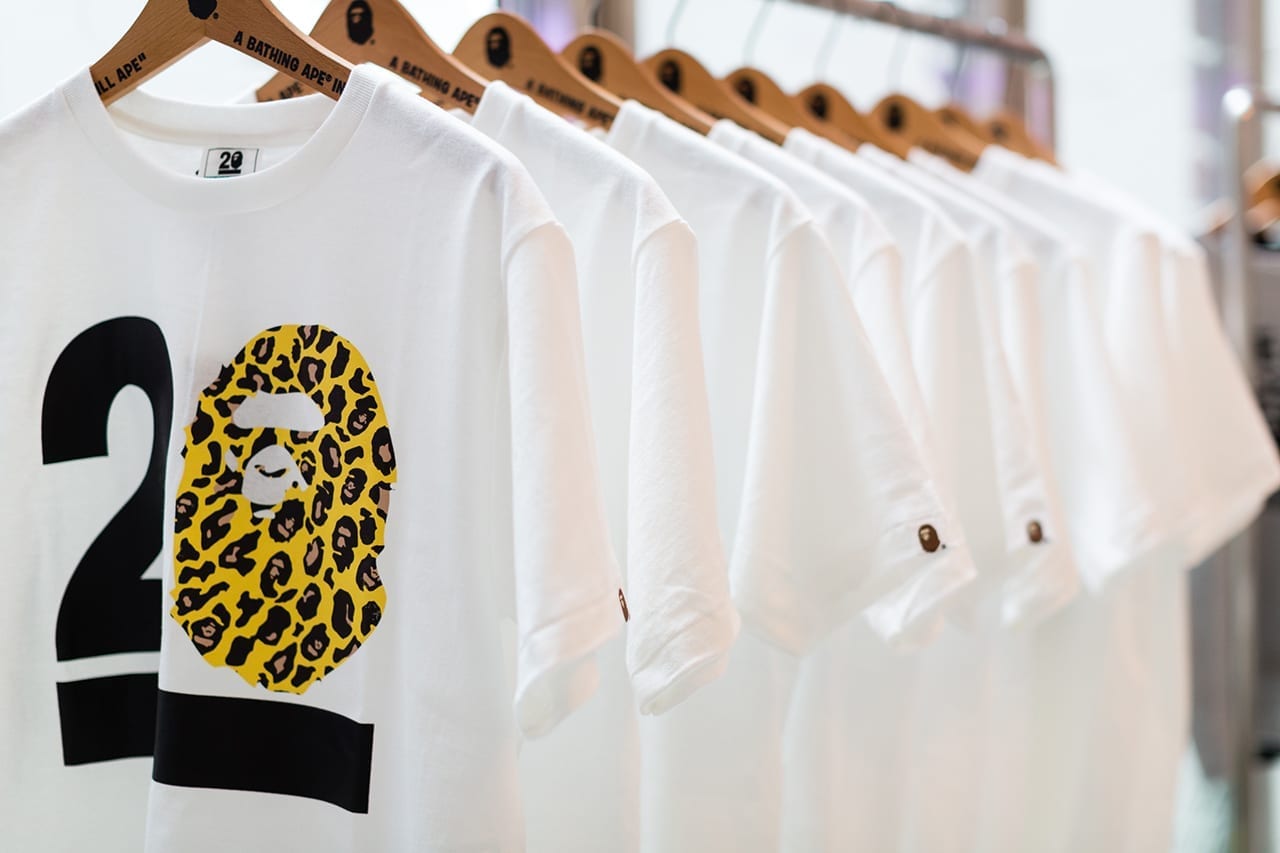
    I.T Group operates its own brands, including Chocolate and 5cm, concept stores Izzue and Double-Park; international brands it has local licences for including Kurt Geiger and Camper; and A Bathing Ape, which the company rescued from Japanese owners in 2011.

    I.T Limited’s total trading area shrunk by just 0.3 per cent in Hong Kong, reflecting the sheer size of its various brands’ network. But the company said the consolidation exercise and controlled discounting initiatives helped profitability. Same-store sales growth turned positive in the second half of the year.

    “The results in our Hong Kong and Macau segment are particularly noteworthy,” said chairman Sham Kar Wai.

    “They are not only due to the fact that Hong Kong is the home of the group and is one of the leading fashion marketplaces in Asia. They also reflected the determined efforts we made to move the business in our Hong Kong and Macau segment into positive territory in the second half of the financial year. We are also particularly encouraged by the recent relevant data showing signs of gradual recovery in the fashion retail industry in Hong Kong.”

    On the mainland, the group now has 492 stores and an online business. While same-store growth of less than 1 per cent was far lower than the previous year’s 17 per cent, it was against an unusually high base.

    I.T Limited is also experiencing solid growth in the US,m where it opened two new stores in Los Angeles.

    “Our business in Japan and the US continued to outperform, and we are particularly gratified that the responses to the two new Los Angeles shops have been overwhelmingly positive.”

  • The Dark Gallery opens a second cafe and boutique on Orchard Road

    The Dark Gallery opens a second cafe and boutique on Orchard Road

    The Dark Gallery has launched a second cafe and boutique on Orchard Road, featuring a menu that differs from its debut outpost at Millenia Walk.

    In the basement of Takashimaya Shopping Centre, The Dark Gallery is set up to tempt window shoppers with its showcase of ice cream, bon bons, cakes and pastries.

    Its 40-seat dine-in area has a black and gold colour scheme with marble tabletops. The store features Singapore’s first Mod-Bar pour-over and steam system, which is said to extract and render a top brew and milk foam for coffee or chocolate.

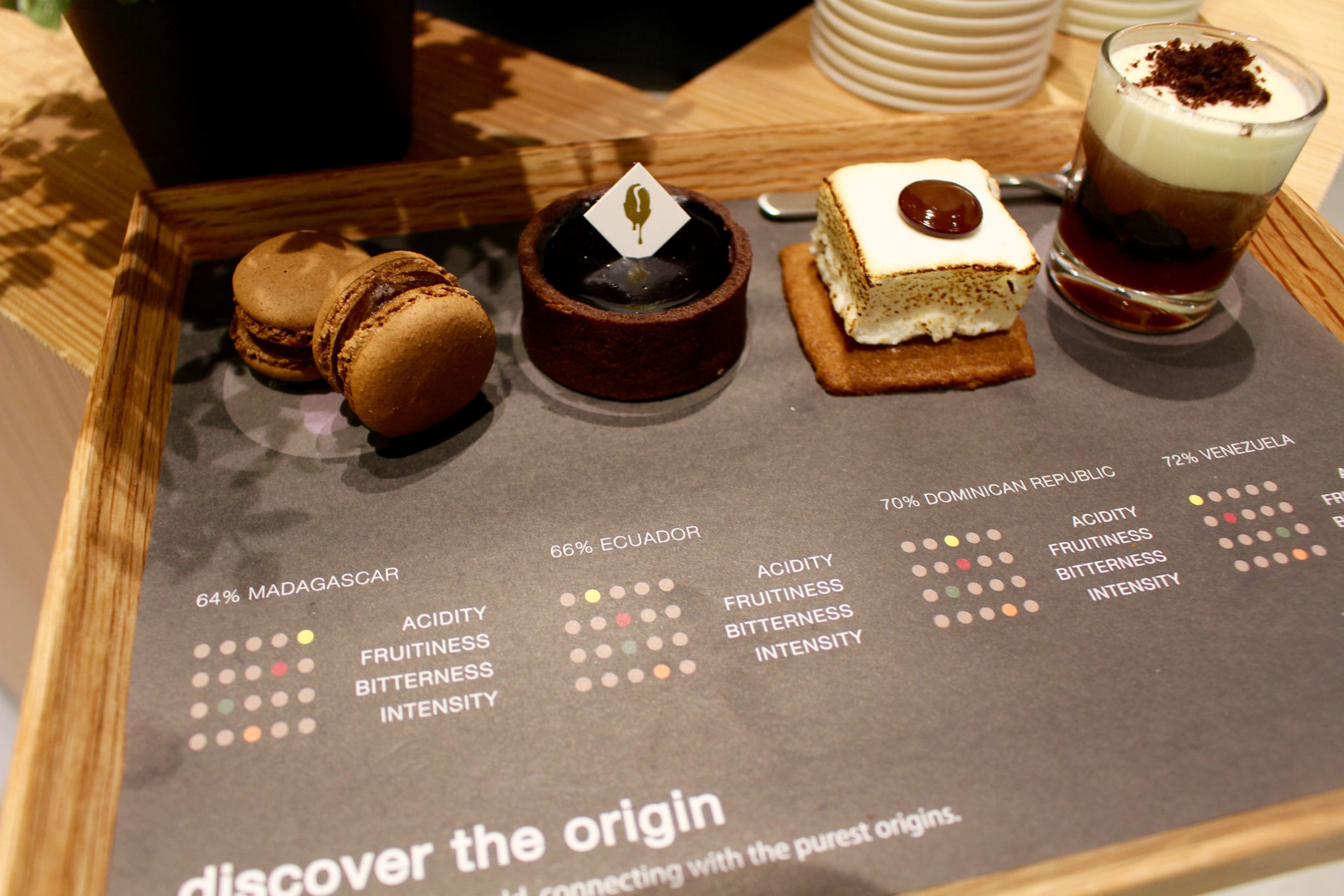
    Exclusive is the Four Senses of Chocolate, concoctions of The Dark Gallery’s signature 66 per cent dark chocolate in four drink varieties (Savoury, Sangria, Sucre and Spice).

    Pastries on offer include chocolate croissants, maple chocolate brioche, dark chocolate scone, ice cream cookie, chocolate soufflé, bon bons, pralines and cakes – even a Croque Monsieur.

  • I.T group positive sales despite store closures

    I.T group positive sales despite store closures

    Improved consumer sentiment across Greater China and strong sales growth in Hong Kong helped boost third-quarter business for Hong Kong multi-brand fashion group I.T Limited.

    With fewer discounts offered, the group also enhanced its gross margin for the three months to the end of November.

    However, store closures continued in Hong Kong in the face of a persistent upsurge in running costs, causing downward pressure on sales.

    I.T Group operates its own brands, including Chocolate and 5cm, concept stores Izzue and Double-Park; international brands it has local licences for including Kurt Geiger and Camper; and A Bathing Ape, which the company rescued from Japanese owners in 2011.

    While comparable-store sales growth in Hong Kong and Macau rose 2.4 per cent for the quarter, there was a 3.9 per cent dip for the first nine months.

    For Japan and the US, sales growth soared by 25.5 per cent for the quarter and 30.7 per cent for the nine months, while for China the growth was 1.5 and 1.1 per cent respectively.

    Gross profit margin for the quarter was up 1.6 points to 62.9 per cent in Hong Kong and Macau, edging up 0.8 points to 60.9 per cent for the nine months.

    For Japan and the US, the margin fell 0.8 points to 68.9 per cent, and eased 0.1 points to 70.8 per cent for the nine months, while in Mainland China it edged up 0.3 points to 64.8 per cent for the quarter, and rose 2.1 points to 62.8 per cent for the nine months.

    For the group overall, the rise was 1 point to 64.9 per cent for the quarter, and 1.6 points to 63.4 per cent for the nine months.

  • The BonBonist bringing sweet touch to Pacific Place

    The BonBonist bringing sweet touch to Pacific Place

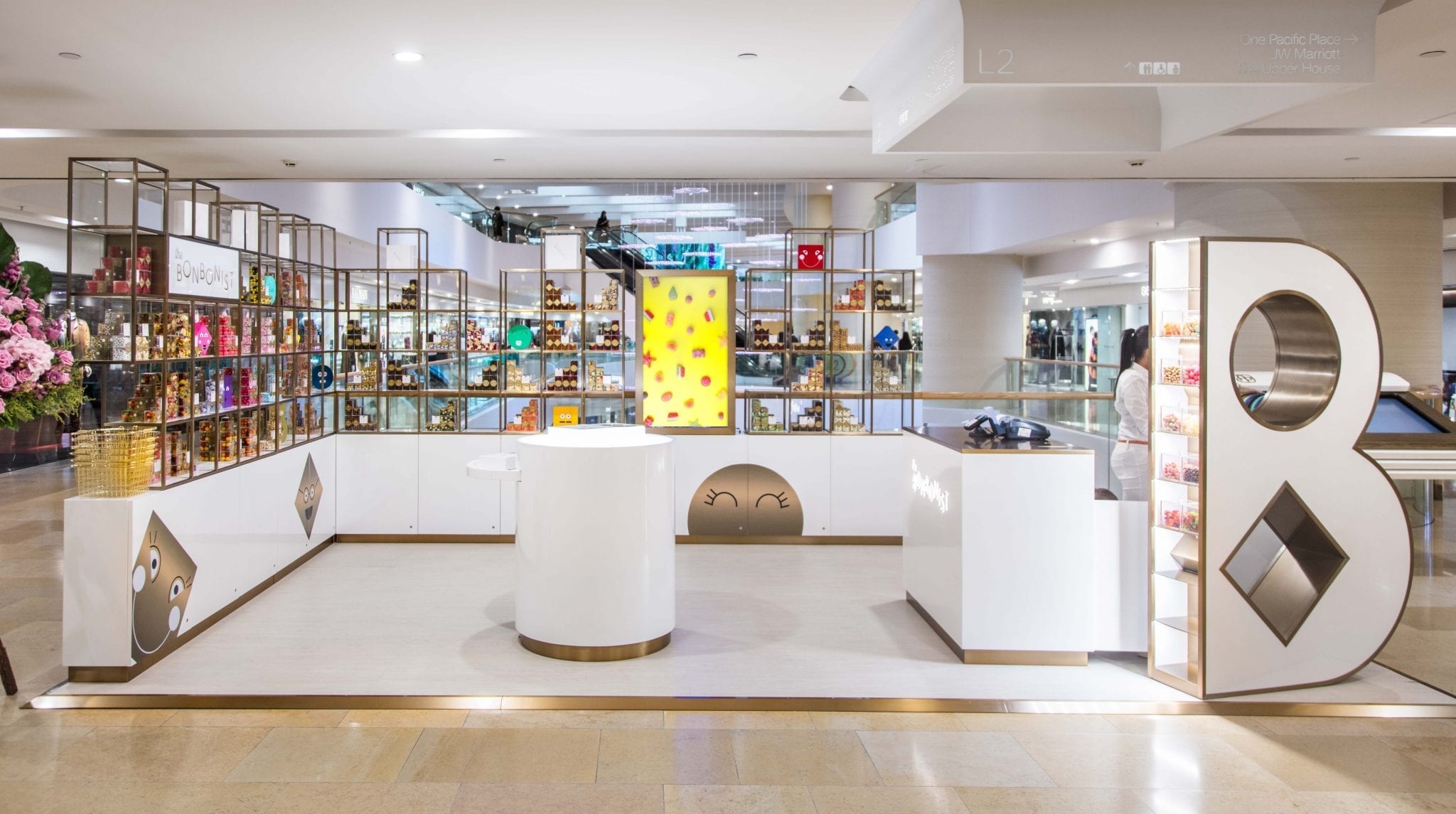
    Offering more than 70 different sweets and chocolates, The BonBonist will launch in Pacific Place next month.

    It is the brainchild of French confectionery expert Olivia Niddam, the former GM of French chocolatier Jean-Paul Hevin Hong Kong.

    Presented in 10 themes, each with a virtual character, the treats are sourced from all over Europe, ranging from low-fat Guilt-Free Gloria to Sour Ninja Nino.

    Customised packaging is available, and customers can mix and match to suit themselves, or for gifts or corporate occasions.

    There will also be festive-season specials.

    Niddam has had more than 10 years’ experience in France, Hong Kong and Japan, and has also worked for confectionary brand L’Eclair de Genie.

    “The BonBonist combines luxury, sophistication and playfulness,” she says.