Retail News CRM

Tag: clothes

  • Booming Secondhand Market In Asia Signals New Era For Sustainable Shopping

    Booming Secondhand Market In Asia Signals New Era For Sustainable Shopping

    The ongoing transformation in the retail landscape across Asia takes a tantalizing turn as reports emerge about the booming secondhand clothing market, particularly in countries like South Korea and Japan. This rise, spurred by a growing thrift culture and shifted consumer attitudes, signals a new era in sustainable shopping practices. Shoppers are no longer just looking for bargains; they are becoming increasingly mindful of their consumption habits and the environmental implications of their purchases.

    Secondhand Shopping Takes Center Stage

    The phenomenon of thrifting has captured the hearts of many, with platforms like Carousell, Depop, and Mercari leading the charge. In Japan, where the concept of ‘mottainai’—a term expressing a sense of regret regarding waste—resonates deeply, consumers are diving headfirst into used goods. South Korea is not far behind, with its vibrant “seconhand” market thriving amidst a cultural shift toward sustainable fashion.

    As discussions of environmental impacts become more prevalent, retailers and brands are aligning their values with those of eco-conscious consumers. Notably, this shift has turbocharged sales in thrift stores, which are witnessing a remarkable uptick in foot traffic and online engagement. It’s almost as if shopping for used clothes has become the new black.

    Corporate Moves to Support Sustainability

    Major brands are also recognizing this trend. For instance, companies like Uniqlo are launching recycling programs, encouraging customers to bring in old garments in exchange for store credits. These initiatives not only lower waste but also foster a sense of community as shoppers engage in a circular economy. With reports indicating a 40% increase in secondhand purchases from the previous year, it’s clear that both consumers and businesses are embracing this evolution.

    The Thrifting Experience: More Than Just a Trend

    The allure of secondhand shopping goes beyond mere savings; it’s about the thrill of discovery and the unique stories woven into each vintage piece. It’s not uncommon for shoppers to stumble upon rare finds—from classic designer pieces to quirky local designs—that offer a glimpse into the past and a sustainable future. In the words of one dedicated thrifter, “It feels like a treasure hunt, but with less stress and more style!”

    Challenges Ahead: Bridging Quality and Affordability

    Despite the growth, the secondhand sector faces challenges. Quality control and standardization remain critical as this market expands. Consumers demand not just affordability but reliability; they want to trust that what they’re purchasing meets certain standards. As platforms and retailers grapple with these expectations, innovation will be vital in smoothing the shopping experience while keeping sustainability at the forefront.

    The journey towards a greener retail landscape is undeniably on the upswing in Asia, with secondhand shopping leading the charge. As more consumers opt for sustainable choices, the retail industry is poised for an exciting transformation.

    Questions & Answers

    What factors are driving the growth of the secondhand market in Asia?
    A combination of rising awareness about sustainability, changing consumer behavior, and innovative online platforms has propelled the secondhand market forward, making it a popular choice among eco-conscious shoppers.

    How are major fashion brands responding to this trend?
    Brands like Uniqlo are implementing recycling programs to encourage customers to give back old clothing, thus aligning with the growing consumer demand for sustainable practices and contributing to a circular economy.

    What challenges does the secondhand market face as it continues to expand?
    Quality control and standardization are significant hurdles for the expanding secondhand market as consumers increasingly seek reliable products that provide value and assurance.

  • Issa Rae Pens Anthem For Beyond Yoga’s New Retail Brand Launch: Seek Beyond

    Issa Rae Pens Anthem For Beyond Yoga’s New Retail Brand Launch: Seek Beyond

    Beyond Yoga has introduced a fresh retail brand, Seek Beyond, unveiled in conjunction with a marketing campaign that includes an original anthem penned and sung by Issa Rae. The initiative runs parallel to the launch of Beyond Yoga’s latest Outdoor collection and will be amplified through digital media and various community engagements.

    Issa Rae shared that the collaboration with Beyond Yoga feels instinctive. She believes that the Seek Beyond ethos mirrors her approach to life, which is a preference for progress over flawlessness, executed with purpose, delight, and humor. The anthem she wrote is her expression of this sentiment.

    Nancy Green, Beyond Yoga’s CEO, expressed that the new platform embodies the company’s fundamental principles. According to her, it mirrors the manner their community participates – with receptivity, empathy, and a strong conviction that the act of moving is not merely physical but is also a method of personal growth.

    Beyond Yoga was established in Los Angeles in the year 2005. The brand provides a variety of lifestyle necessities such as outerwear, fleece, and performance trousers.

    Currently, the brand manages over 1200 wholesale accounts throughout the United States and international markets. Levi Strauss & Co acquired it in September 2021.

    Questions & Answers

    What is Beyond Yoga’s new retail brand?
    Beyond Yoga’s new retail brand is called Seek Beyond.

    Who wrote and performed the anthem for the Seek Beyond campaign?
    The anthem for the Seek Beyond campaign was written and performed by Issa Rae.

    When and where was the Beyond Yoga established?
    Beyond Yoga was established in Los Angeles, in the year 2005.

  • Lululemon Partners With Tata Cliq To Expand Global Reach Into India

    Lululemon Partners With Tata Cliq To Expand Global Reach Into India

    Lululemon, a prominent Canadian athleisure brand, is preparing to penetrate the Indian market. This development comes as a result of a franchise agreement with domestic distributor Tata Cliq, signaling a crucial phase in Lululemon’s strategy for global expansion.

    Brick-and-Mortar Store Set to Launch in India

    The first physical Lululemon store in India is expected to open its doors in the latter half of next year. To complement this physical presence, the athleisure brand will also carve out a digital space on Tata Cliq Luxury and Tata Cliq Fashion.

    Gopal Asthana, in his capacity as CEO of Tata Cliq, expressed his excitement about the partnership. He emphasized that the collaboration is aimed at acquainting the Indian consumer with Lululemon’s superior-quality athletic wear and lifestyle products.

    Lululemon’s Product Range

    Asthana further elaborated on the range of products Lululemon will introduce in India. These include innovative athletic and lifestyle apparel, shoes, and accessories. The brand’s high-performance items are designed for a variety of activities, including yoga, running, training, tennis, and golf.

    Lululemon’s Global Presence

    Since its inception in 1998, Lululemon has spread its wings to operate over 760 stores across the globe. Its presence is felt in North America, Europe, and the Asia-Pacific region.

    The upcoming launch in India aligns with the broader vision of Lululemon’s CEO, Calvin McDonald. He anticipates expanding the brand’s global reach to a total of 1,000 locations.

    Questions & Answers

    Who is Lululemon partnering with to break into the Indian market?
    Lululemon has entered into a franchise agreement with Tata Cliq, a local distributor, to make inroads into the Indian market.

    What range of products will Lululemon be introducing in India?
    Lululemon will present an array of products to the Indian consumer, including innovative athletic and lifestyle apparel, shoes, and accessories designed for activities such as yoga, running, training, tennis, and golf.

    What is the broader vision of Lululemon’s CEO, Calvin McDonald?
    Calvin McDonald has expressed his goal of expanding Lululemon’s global footprint to encompass 1,000 locations.

  • Mountain Dew And Pyra Unveil High-performance Urbanwear In Unique Fashion Collaboration

    Mountain Dew And Pyra Unveil High-performance Urbanwear In Unique Fashion Collaboration

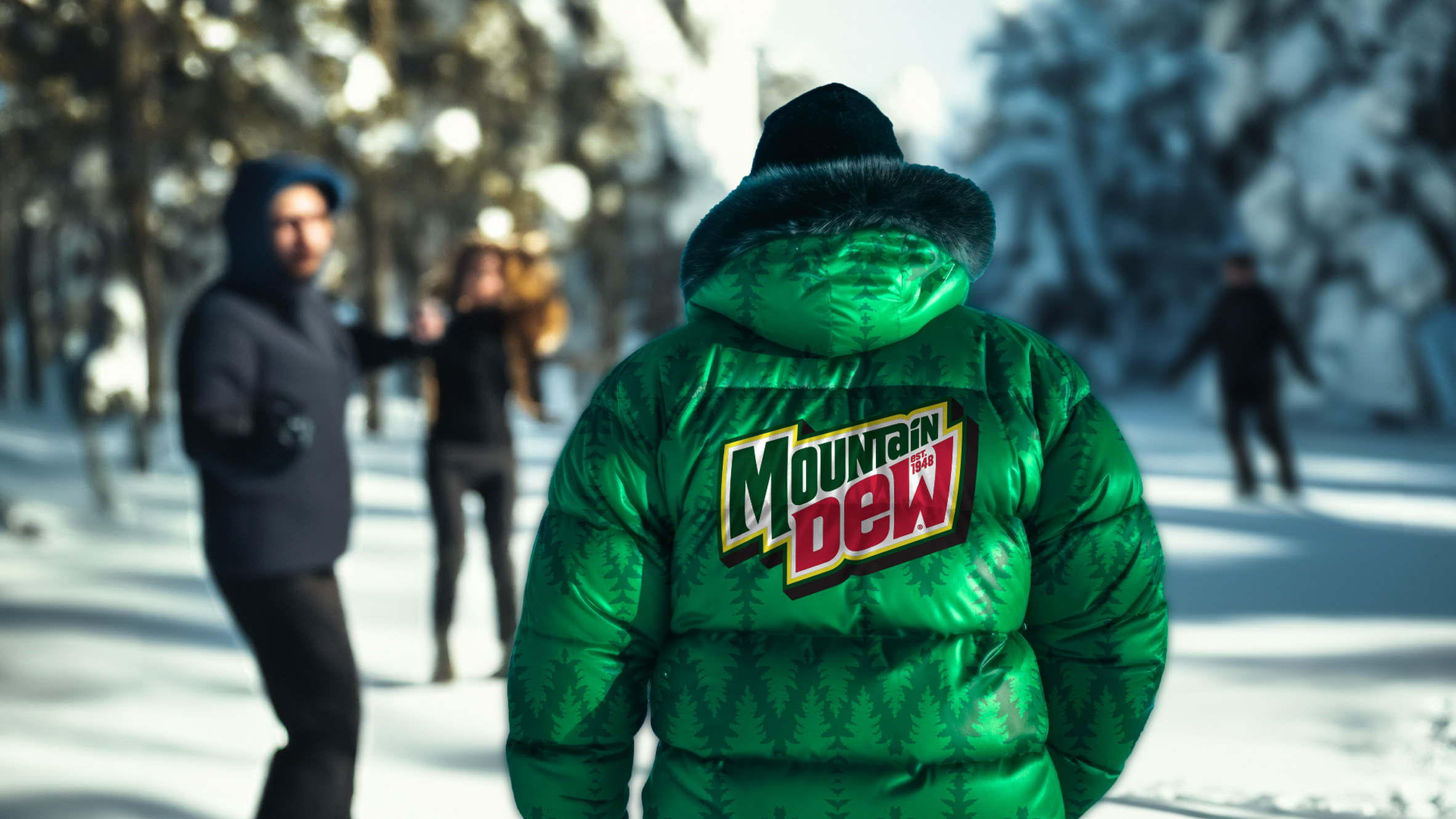
    Mountain Dew, in collaboration with the acclaimed Australian outdoor brand, Pyra, is launching its inaugural apparel line. This innovative collection harmoniously fuses practical, high-performance elements with an urban, stylish aesthetic.

    Artful Blend of Performance and Style

    Drawing inspiration from the iconic Volt Green color, symbolic of both brands, the collection contains a wide variety of unique pieces. Highlights include a versatile, reversible puffer jacket insulated with 3M Thinsulate featherless down, a sherpa fleece balaclava hoodie and a versatile multi-pocket camouflage vest bearing a Realtree print.

    A Fresh Take on Streetwear

    The collection also features a range of organic cotton graphic tees, generously cut nylon cargo pants, and innovative antimicrobial accessories. These items are not only trail-ready but also promise to make a significant style statement on city streets.

    Rachel Siu, Mountain Dew’s brand manager, spoke enthusiastically about the new collection. “Mountain Dew has always represented a vibrant, bold approach to life. This collection allows us to extend that ethos into the world of fashion. While the gear is indeed technically proficient, it also captures a fun, playful spirit in the best way imaginable.”

    Building on Previous Success

    This new Mountain Dew x Pyra collection comes on the heels of the brand’s previous viral hit: the Mountain Dew Djorts. The success of this previous launch has generated significant anticipation for the brand’s latest venture into the fashion world.

    This limited-edition collection is currently available exclusively through the Pyra online store.

    Questions & Answers

    What inspired the new clothing line by Mountain Dew and Pyra?
    The line is inspired by the iconic Volt Green color, symbolic of both brands, and a desire to blend high-performance outdoor gear with street-smart design.

    What are some standout pieces in the collection?
    The collection features a reversible puffer jacket, a sherpa fleece balaclava hoodie, a multi-pocket vest in Realtree print, organic cotton graphic tees, nylon cargo pants, and antimicrobial accessories.

    Where can consumers purchase items from the collection?
    The limited-edition collection is currently available exclusively through the Pyra online store.

  • Uniqlo Seeks Advantage from US-Vietnam Tariff Agreement to Boost Market Position

    Uniqlo Seeks Advantage from US-Vietnam Tariff Agreement to Boost Market Position

    In a significant shift for the retail landscape, tariff reductions between the U.S. and Vietnam are set to ease the financial pressure on companies like Uniqlo, the popular casualwear brand that heavily relies on Vietnamese manufacturing. This move comes at a crucial time as global supply chains continue to navigate the challenges posed by rising tariffs.

    Tariffs Take a Tumble

    Speaking on Wednesday, U.S. President Donald Trump announced that the previously proposed 46% tariff on imports from Vietnam would be slashed to a more manageable 20%. This news has been met with optimism from various sectors, particularly in retail, where the costs of sourcing apparel can make or break profit margins. While the Vietnamese government has yet to reveal details on the agreed tariff levels, the reduction is undoubtedly a welcome gift for Uniqlo, which has built a robust supply chain in Vietnam.

    Impact on Supply Chains

    This tariff cut is expected to bolster Uniqlo’s operations as it continues to harness the efficiency and productivity of Vietnamese manufacturers. With Vietnam already being a linchpin in Uniqlo’s supply chain strategy, these new developments may allow the retailer to further reduce costs and potentially pass on savings to consumers. In an age when customers are more price-conscious than ever, this could prove to be a savvy move.

    A Surprising Twist in Trade Relations

    The ongoing trade dynamics between these two nations have undergone numerous twists and turns, making this reduction a somewhat unexpected yet delightful surprise. Retail brands aiming for a competitive edge will likely keep a close eye on these changes, translating these potential savings into strategic business decisions.

    Looking Ahead

    As retailers like Uniqlo brace for a changing tide in tariffs, stakeholders are watching how this newfound flexibility will influence pricing strategies and market competitiveness in Asia. The ramifications of these tariff modifications extend beyond simple numbers, hinting at a broader narrative of increasing collaboration between the U.S. and Vietnam in the retail sector.

    Questions & Answers

    How will the reduced tariff affect Uniqlo’s pricing strategy?
    The tariff reduction is likely to allow Uniqlo to lower costs associated with its supply chain, which could enable the brand to offer more competitive pricing to customers.

    What prompted the U.S. to lower the tariff on Vietnamese imports?
    The decision comes amid ongoing negotiations and assessments of trade relationships, reflecting a need for a more balanced approach in tariffs that supports both nations’ economic interests.

    What broader implications could this tariff reduction have?
    This reduction could foster stronger trade relations between the U.S. and Vietnam, setting a precedent for further cooperation in the retail sector and beyond, potentially encouraging additional U.S. investments in Vietnam.

  • H&M Founding Persson Family Increases Stake, Sparking Privatization Rumors

    H&M Founding Persson Family Increases Stake, Sparking Privatization Rumors

    The Persson family, one of Sweden’s wealthiest clans, has made quite the splash in the fashion world. Since 2016, they’ve poured over US$6.6 billion into H&M, claiming nearly two-thirds ownership of the brand. This move has sparked lively speculation about a possible return to private ownership, even though the family asserts otherwise, as reported by Bloomberg.

    Increasing their stake through Ramsbury Invest, the Perssons have offered minimal insight into their intentions, merely stating their unwavering belief in H&M.

    Despite their denials about taking H&M private, their steady accumulation of shares is raising eyebrows among minority shareholders. “This is something we’ve been discussing for years, and few would doubt that this is the direction things are headed,” remarked Sverre Linton, chief legal officer and spokesperson for the Swedish Shareholders’ Association.

    Linton urged the family to clarify their intentions and consider halting their share acquisitions if they truly aren’t planning a switch to private ownership.

    Thanks to reinvested dividends, the Perssons have inflated their H&M stake from 35.5% to nearly 64% over the past nine years. When considering extended family holdings, the Perssons command about 70% of the capital and roughly 85% of the voting rights, according to H&M’s own website.

    In an interview with Bloomberg last year, H&M Chairman Karl-Johan Persson, the founder’s grandson, brushed aside rumors of privatization, asserting, “There are no plans. We just buy because we believe in the company.”

    However, competition is heating up, with H&M wrestling against heavyweights like Zara and the rapid-fire fashion disruptor Shein. Last year, this iconic Swedish brand, nearly 80 years in the making, dropped its margin targets for 2024 as higher discounting, increased costs, and stiff competition eroded their operating profits, as Reuters reported.

    Analysts, such as Niklas Ekman at DNB Carnegie, speculate that the family’s ongoing share purchases might signify intentions that extend beyond mere confidence. In a recent note to clients, he indicated a buyout could materialize within two years if the family’s current pace continues, with the potential for a delisting after reaching 90% ownership.

    Ekman mused that a transition to private ownership would likely stem from “emotional rather than financial motives,” given the family’s existing dominance and historical penchant for prioritizing their vision over that of minority shareholders.

    At the heart of this drive is Stefan Persson, 77, who transformed H&M into a global fast-fashion behemoth during his 16-year CEO stint and subsequent two decades as chairman. He remains heavily engaged in the brand’s future. With a fortune of $18.6 billion, largely in H&M stock, he stands as Sweden’s wealthiest individual, according to the Bloomberg Billionaires Index.

    As H&M’s shares have plummeted by about 60% since peaking a decade ago, the company now holds a valuation of around US$23 billion, a stark contrast to its former glory.

    Questions & Answers

    What is the Persson family’s current stake in H&M?
    The Persson family’s stake has risen from 35.5% to almost 64% over the past nine years, giving them control of around 70% of the capital.

    Why are minority shareholders concerned?
    Their concerns stem from the family’s ongoing share purchases, which some believe could indicate intentions to take H&M private, despite family denials.

    How has H&M been performing recently?
    H&M has struggled against fierce competition and has dropped its margin targets for 2024 due to increased costs, higher discounting, and declining operating profits.

  • Uniqlo parent expects profit lift ahead of tariff disruption

    Uniqlo parent expects profit lift ahead of tariff disruption

    The operator of Uniqlo, Japan’s Fast Retailing, is expected to post another quarter of strong earnings on Thursday, but the focus will be on how the global clothing chain navigates a trade environment thrown into disarray by new US tariffs.

    Based on the LSEG consensus forecast drawn from six analysts, Fast Retailing is expected to post a 14 percent rise in operating profit to US$866 million in the three months through February from a year earlier.

    That would be a record for the second quarter and a near doubling of the 7.4 per cent profit growth of the first quarter.

    From one store in Hiroshima, western Japan, 40 years ago, Uniqlo has grown to more than 2,500 locations across the world, selling inexpensive fleeces and cotton shirts made primarily in China and other Asian manufacturing hubs.

    But that business model has been upended by widespread tariffs announced by US President Donald Trump, along with retaliation by some of America’s trading partners.

    The company has recently looked to North America and Europe for growth due to a slowing economy in China, its largest overseas consumer market with more than 900 Uniqlo stores on the mainland.

    The tariffs will certainly be a negative for Fast Retailing, said independent analyst Mark Chadwick, but the measures will have the same impact on its retail peers and have a worse effect on other industries.

    “Textile supply chains are probably more flexible than, say auto supply chains,” said Chadwick, who writes on the Smartkarma platform. “In short, US tariffs will have a negative impact on Fast earnings looking out over the next 12 months, but less so than other global firms like Nintendo, Toyota.”

    Fast Retailing shares have fallen more than 4 percent this month as Trump laid out his tariffs plan. They are down 19 percent in 2025 after surging nearly 50 percent last year.

    Its founder Tadashi Yanai, Japan’s richest man, aims to make his company the world’s No. 1 clothing brand. Yanai, due to speak at Thursday’s earnings briefing, has long been an advocate of free trade and has defended the company’s business dealings in China when human rights concerns there have sprung up.

    Trump said Japan would be hit with a 24 percent reciprocal tariff on non-auto products, while duties on Chinese goods would rise to 104 percent.

    UBS analysts said that Uniqlo goods shipped to North America are procured from sources outside China, and Fast Retailing’s tariff costs would be an estimated $236,011 million next fiscal year, curbing business profit by about 6 per cent.

    “We will be watching closely whether a heightened price consciousness among consumers leads them to re-rate the balance between value and pricing at Uniqlo, potentially translating into business opportunities over the medium term,” UBS’s Takahiro Kazahaya wrote in a report this week.

    Fast Retailing expects operating profit to reach 530 billion yen in the fiscal year ending in August, which would be a fourth straight year of record earnings.

    Domestic sales have recently gotten a boost from a surge in duty-free shopping amid a tourism boom in Japan fuelled by a weak yen.

  • Cristiano Ronaldo to launch CR7 Life flagship store in Hong Kong

    Cristiano Ronaldo to launch CR7 Life flagship store in Hong Kong

    Football icon Cristiano Ronaldo is expanding his lifestyle brand globally with the debut of the CR7 Life flagship in Hong Kong.

    Located on the seventh floor of Times Square Mall, the outlet will showcase a curated range of products, including apparel, accessories, shoes, eyewear, fragrances, and homeware. Many of the featured items have been handpicked and signed by Ronaldo.

    A dedicated CR7 Life Museum will also open alongside the store, celebrating the football star’s career, achievements, and influence on global sports culture.

    The flagship will also feature a Portuguese cafe serving traditional Portuguese delicacies such as Pasteis de Nata (custard tarts), premium coffee, and artisanal pastries.

    “This is more than just a shopping destination. It’s a full-sensory, cultural encounter that brings together sport, style, and travel – positioning Hong Kong as Asia’s new home of football lifestyle,” said the company.

  • Zara to open first cafe in South Korea

    Zara to open first cafe in South Korea

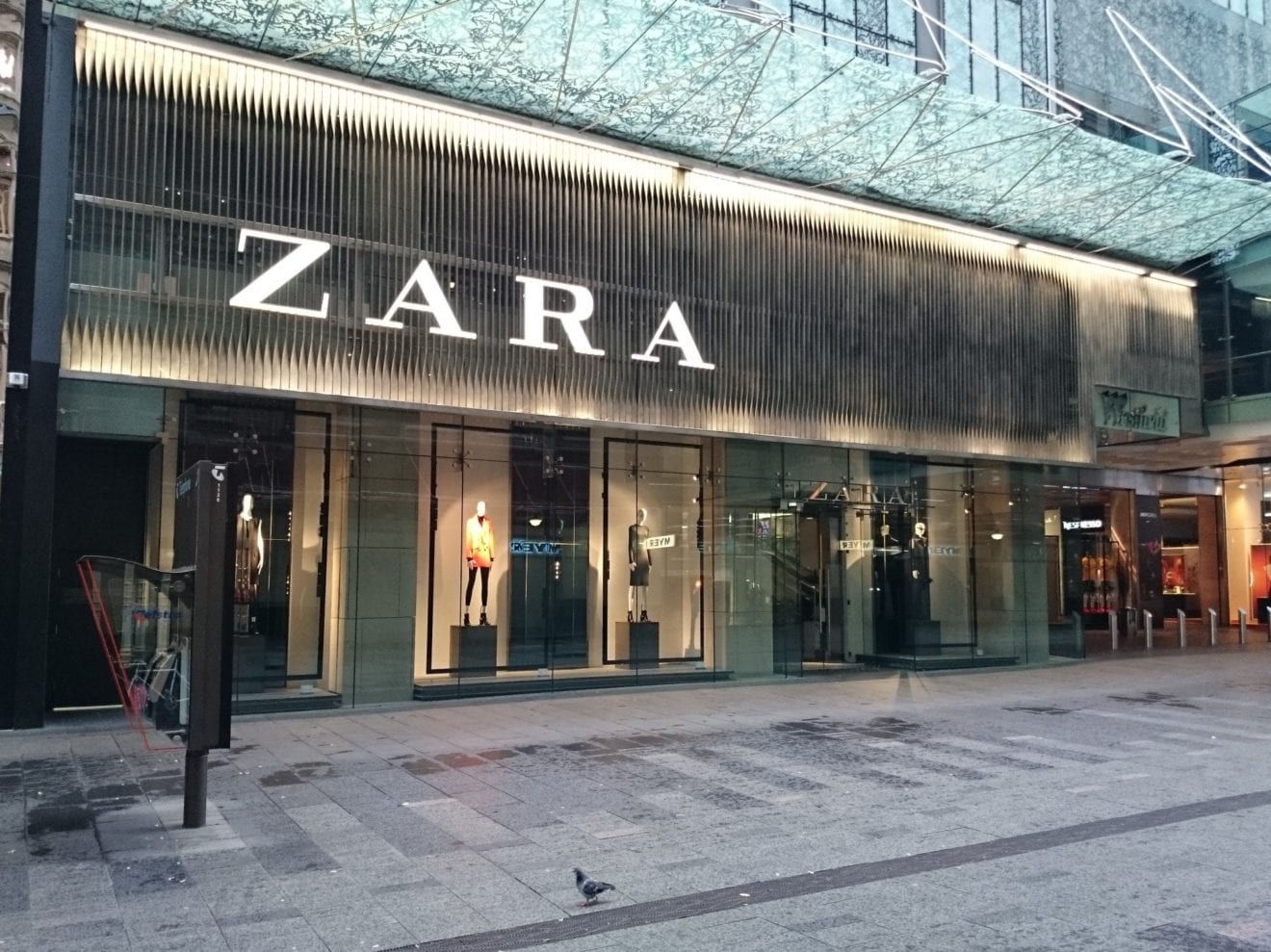
    Zara, the Spanish fashion giant, is set to open its first Zacaffe location in South Korea this May, launching inside the brand’s newly renovated flagship store in Myeong-dong, Seoul.

    The move reflects a growing trend among global fashion brands incorporating cafes into their retail spaces, offering customers a more immersive brand experience.Zara introduced Zacaffe in Madrid in November 2024, integrating a cafe space within select stores to serve coffee, desserts, and branded merchandise, including tumblers, hats, eco-bags, and t-shirts. Following its China debut in Nanjing this month, the Seoul location will be its third global outpost, with an Osaka store also in the pipeline.

    “Myeong-dong is a prime shopping and fashion district, attracting both locals and tourists, making it the perfect location for a flagship Zara store and our cafe experience,” a Zara representative said.

    Zara also plans to introduce Korean-inspired desserts and a cafe design that reflects local aesthetics, aiming to attract both domestic customers and international visitors. The company is considering further expansion within South Korea.Zara is not alone in blending retail and café culture. Luxury fashion brands have increasingly adopted coffeehouse ventures to strengthen their brand presence and enhance customer engagement.

    Ralph Lauren introduced Ralph’s Coffee to South Korea in September 2024, opening a cafe in Seoul’s Garosu-gil district, a decade after launching the brand in New York in 2014. The cafe, featuring classic green-and-white interiors and American-style menu offerings, has drawn long queues, even on weekdays. Ralph’s Coffee also opened a popular pop-up store at The Hyundai Seoul last month.
    Maison Kitsune, the Parisian-Japanese brand under Samsung C&T fashion division, launched cafe Kitsune in Seoul’s Garosu-gil in 2018. The brand has since expanded to Hyundai Department Store’s Mokdong and Pangyo locations, as well as Shinsegae’s Centum City branch, where the cafe welcomes over 400 customer groups daily on weekends.

    Gelato Pique, a Japanese homewear brand, entered the cafe scene in September 2024 by opening Pique cafe in Hannam-dong, Seoul. The cafe offers specialty crepes and gelato, aligning with the brand’s “comfortable luxury” ethos and attracting foot traffic to the store.The trend underscores a strategic shift in the fashion industry. With the rise of e-commerce reducing in-store foot traffic, brands are reinventing retail spaces as lifestyle destinations.

    “Online shopping has made it harder for brands to showcase their identity in physical stores,” a fashion industry insider noted. “By launching cafés and selling branded merchandise, fashion labels create a more tangible, memorable experience for customers.”

    As more brands adopt cafe-driven retail strategies, the industry’s shift toward experiential shopping is expected to accelerate, blurring the lines between fashion, lifestyle, and hospitality.

  • Guess Jeans to launch in India

    Guess Jeans to launch in India

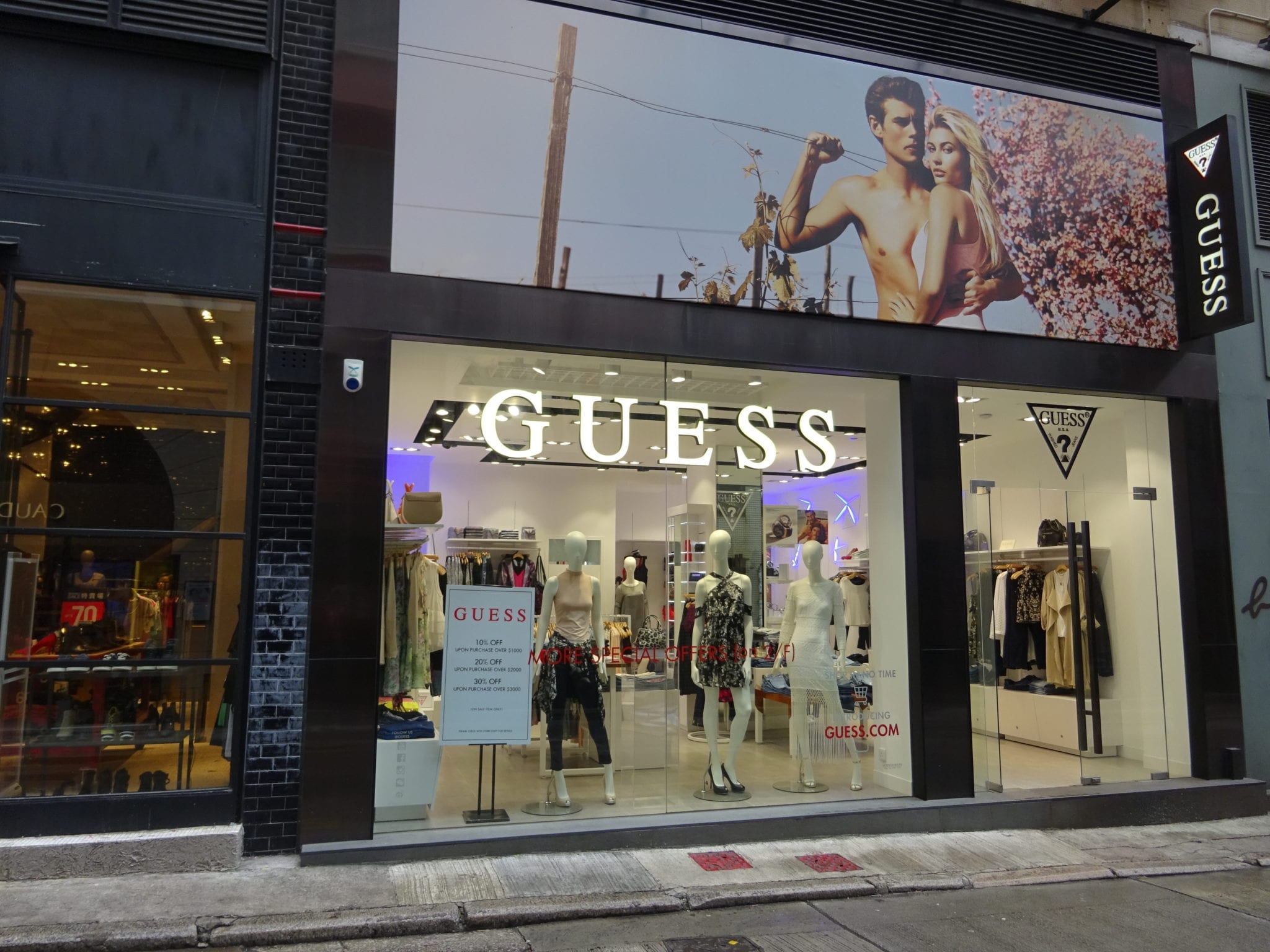
    GUESS? Inc. is bringing its California-based denim lifestyle label, Guess Jeans, in India.

    The move comes as part of a long-term strategic franchise partnership with Tata Group’s multi-category e-commerce platform, Tata CLiQ, operated by Tata UniStore Limited.

    Under the partnership, Tata CLiQ will serve as the exclusive retailer for Guess Jeans in India, offering the brand’s products through both physical stores and online platforms. The collaboration is aimed at establishing an omnichannel presence, providing Indian customers with seamless access to the latest collections.

    The partnership is expected to drive significant growth for Guess Jeans by expanding its retail footprint across the country.

  • Inditex posts solid nine-month revenue growth

    Inditex posts solid nine-month revenue growth

    Apparel giant Inditex says its net revenue grew by 7.1 per cent, reaching US$29.04 billion (€27.4 billion) for its first nine months.

    The company says the results reflect strong growth for its physical stores and online channels.

    Inditex’s gross profit increased by 7.2 per cent, totalling $17.33 billion (€16.3 billion), while its EBITDA jumped by 9.3 per cent, reaching $6.09 billion (€5.7 billion).

    The company continued its expansion, with 45 new store openings across multiple markets. By the end of the period, Inditex operated 5659 stores globally.

    Looking ahead, Inditex said it’s focused on its long-term growth, with an investment of $951 million (€900 million) annually in logistics for this year and the next. This investment aims to improve the company’s logistics capacity and enhance its integrated business model.

    Zara, Inditex’s flagship brand, continues to lead the portfolio, along with other brands such as Bershka, Massimo Dutti, Oysho, Pull&Bear, Stradivarius, Uterqüe, and Lefties.

  • Zara opens first tech-forward concept store in Thailand

    Zara opens first tech-forward concept store in Thailand

    Zara has renovated its store in Central Phuket, making it the brand’s first tech-forward concept store in Thailand.

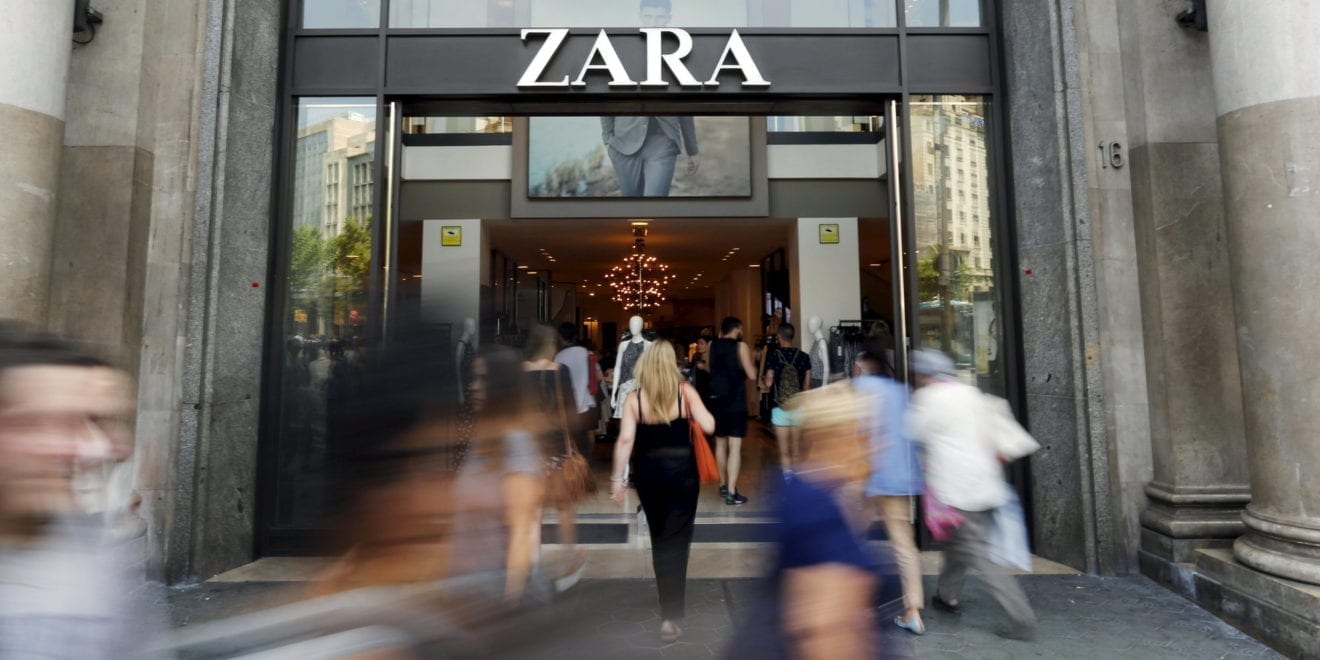
    The store, which first opened in 2011, features a white minimalist interior design and has more than doubled in size, from 840sqm to more than 1700sqm. It features technology tools that allow customers to integrate online and physical store platforms.

    This is part of the brand’s global rollout of its new concept, which aims to provide customers with a more spacious, innovative, and sustainable shopping experience.

    The Inditex-owned company unveiled its first tech-forward concept store in Madrid, Spain, which it characterised as the “most advanced” store in 2022. The store concept focuses primarily on technology tools that allow consumers to browse the store of their choice online, check available stock, shop online, and pick up their products in just two hours.

    It also promotes sustainability in store, where it uses eco-friendly products and “some of the most advanced environmental eco-efficient systems”

    Zara has also launched this model with stores in the US, India, and Portugal.

  • Uniqlo to open global flagship in former Bicqlo site in Shinjuku

    Uniqlo to open global flagship in former Bicqlo site in Shinjuku

    Uniqlo is set to open a new global flagship store in Shinjuku, replacing the former Bicqlo location, as part of its aggressive expansion plan.

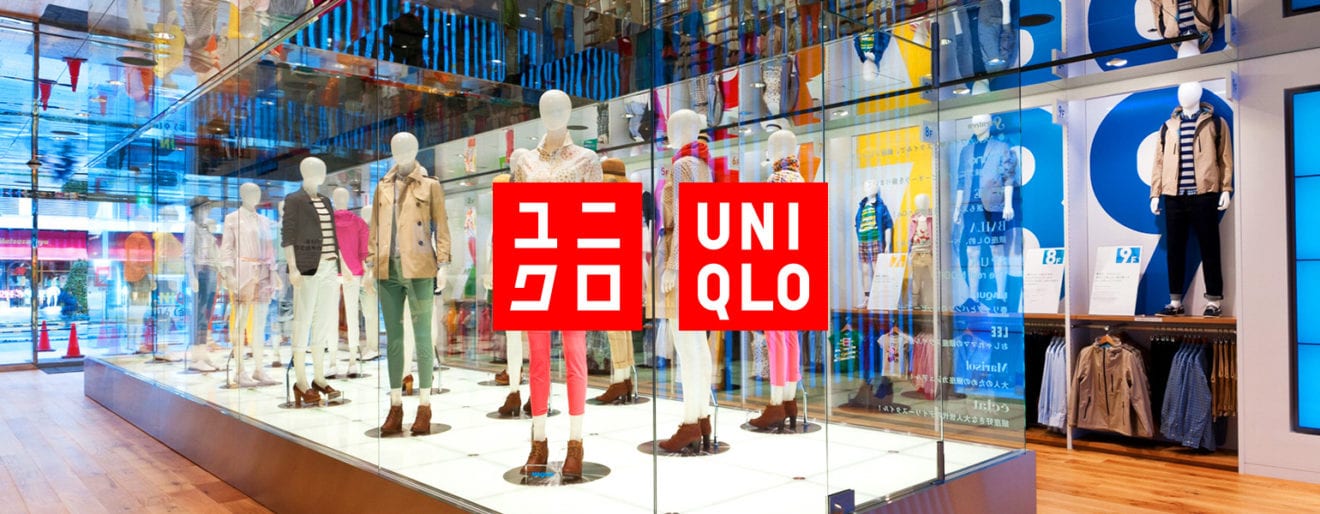
    In addition to offering its range of clothing and accessories, the store will feature unique elements such as Uniqlo Flower, Uniqlo Coffee, and Re:Uniqlo.

    Uniqlo Flower is located on the first floor, selling seasonal flowers and will be displayed at the store’s entrance. On the second floor, Uniqlo Coffee will serve beverages and local sweets.

    Additionally, the third floor will house Re:Uniqlo Studio where customers can access embroidery and clothing repair services, encouraging shoppers to care for and extend the life of their garments.

    To celebrate its opening, Uniqlo will release an exclusive Shinjuku Mainstore Special, which will feature select Western products not previously available in Japan; and a Shinjuku Department Store Guidebook, a booklet introducing the town, insights from staff from long-established local stores, and cultural figures from the district.

  • Dior opens reinvented Galaxy Macau boutique

    Dior opens reinvented Galaxy Macau boutique

    Luxury fashion house Dior has launched its revamped Galaxy Macau boutique, offering more exclusive shopping experiences.

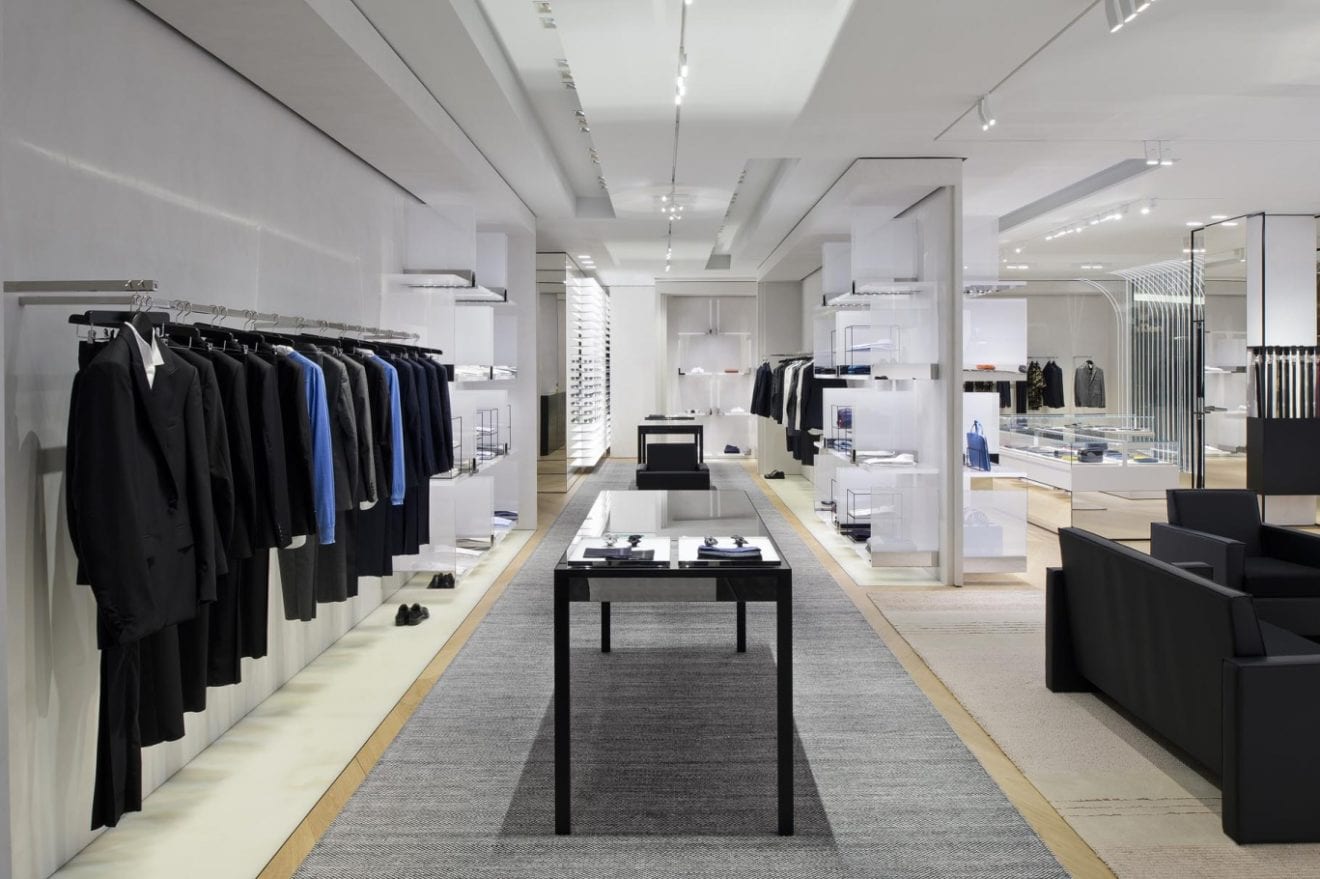
    The store, located at one of the finest shopping locations, Galaxy Promenade, has two floors and offers a varied range of items such as ready-to-wear and accessories designed by Maria Grazia Chiuri and Kim Jones, as well as watches and jewellery.

    The venue also features the My Dior fine jewellery line, the Dior autumn-winter 2024-2025 ready-to-wear collection with 30 Montaigne models, and Victoire de Castellane’s Rose des Vents and My Dior designs.

    The second store features men’s clothes from the Dior Winter 2024-2025 collection, as well as the Lifestyle Capsule, which focuses on board sports.

    In addition, the boutique offers VIP private shopping spaces.

  • Ralph Lauren bucks subdued luxury market with higher sales

    Ralph Lauren bucks subdued luxury market with higher sales

    Ralph Lauren has posted a modest increase in sales and a surge in profit for the first quarter despite a challenging luxury market.

    The company’s revenue for the quarter ended June 29 was $1.5 billion, up 1 percent on a reported basis and 3 percent in constant currency.

    According to GlobalData MD Neil Saunders, the slight increase was delivered against a very difficult environment for luxury and consumer spending. This shows the company has “bucked the performance of many other high-end brands”, setting it apart as one of the few players still driving growth in a more subdued market.

    The sales growth was led by Europe with a 6 percent increase on a reported basis, followed by Asia with 4 percent improvement. Sales in North America, however, declined 4 percent as stronger direct-to-consumer performance was more than offset by planned declines in wholesale.

    While Ralph Lauren will need to wait for the NA market to bounce back, Saunders believes the Europe and Asia regions will continue to drive some good numbers. The company has more control over distribution and the brand is less mature in these markets, he added.

    Comparable store sales rose 5 percent, reflecting a strong performance in a muted market. The brand is benefitting from attracting more younger consumers, while its focus on classic, quiet luxury is favorable to current trends, according to the analyst.

    The results were even more robust on the bottom line, with net income jumping 27.6 percent to  $169 million. “Lower cotton costs, some better margins from a shift to retail, and general cost savings all helped to produce the outsized performance,” Saunders explained.

    For FY25, the company expects revenue to increase 2-3 percent given the current geopolitical and macroeconomic environment.

    “The powerful combination of our brand strength and diverse growth drivers — together with our culture of agility and operating discipline — gives us confidence that our long-term strategy will continue to deliver even through these dynamic times,” commented Patrice Louvet, president and CEO of Ralph Lauren.