Retail News CRM

Tag: clothes

  • Uniqlo owner to raise prices on fleece products due to weak yen

    Uniqlo owner to raise prices on fleece products due to weak yen

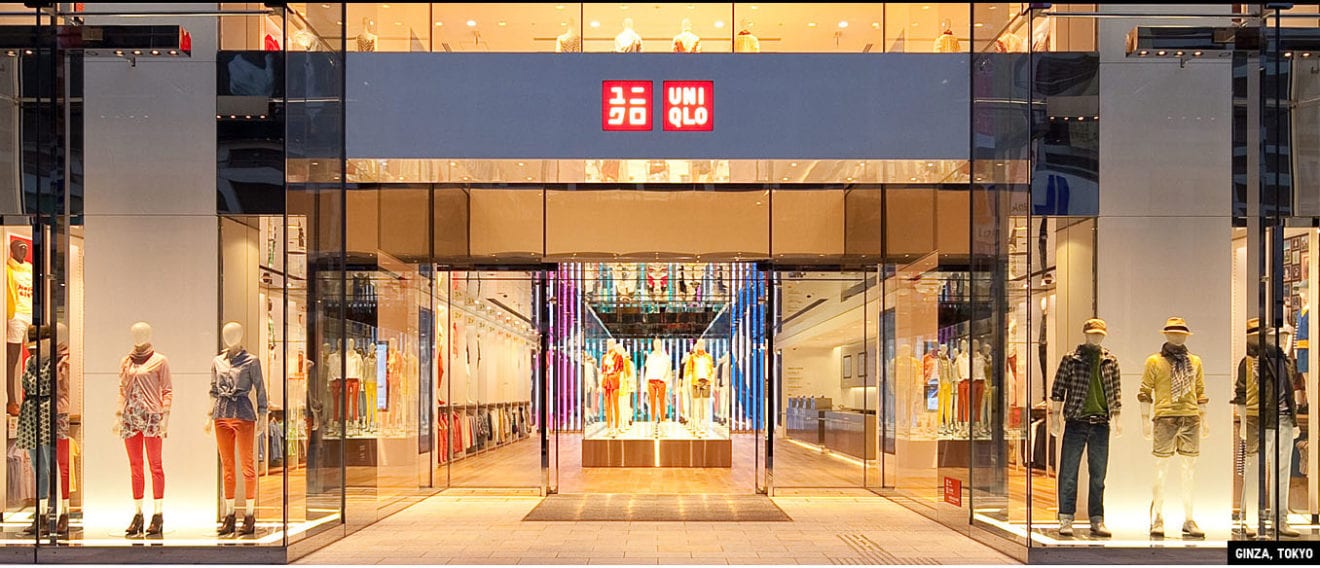
    The owner of Japanese clothing brand Uniqlo said on Tuesday it will raise prices on some goods this fall, reflecting increasing cost pressures from the weak yen and logistical hurdles.

    Prices on fleece goods and down jackets in the fall/winter product lines will go up by 1,000 yen (US$7.54), a spokesperson confirmed, after an earlier report by the Jiji news service. The company is also increasing the use of recycled polyester in its fleece products to keep costs down.

    Consumer prices are surging in Japan after decades of deflation, driven by the yen’s drop to a 20-year low against the dollar and soaring energy costs.

    Fast Retailing has competed on low-cost basics like socks and underwear for decades, but its executives have warned recently that rising production costs would necessitate price hikes.

    Founder Tadashi Yanai in April railed against the decline in Japan’s currency, saying there was “absolutely no merit” in a weak yen.

  • Shein overtakes Intidex, H&M with $100 billion valuation

    Shein overtakes Intidex, H&M with $100 billion valuation

    A Chinese fast-fashion company without a global network of physical stores of its own is seeking a valuation that could be more than the combined worth of high-street staples Hennes & Mauritz AB and Inditex SA’s Zara.

    Shein, an online-only retailer of inexpensive clothes, beauty and lifestyle products that pumps out over 6,000 new items daily, is in talks with potential investors including General Atlantic for a funding round that could value the company at about $100 billion, Bloomberg News reported Sunday.

    Should Shein succeed with the round, it would make the decade-old brand about twice as valuable as Tokyo-based Fast Retailing Co. — the owner of Uniqlo — which last year had more than 2,300 outlets in 25 countries and regions. It would also make Shein the world’s most valuable startup after ByteDance Ltd. and SpaceX, according to data provider CB Insights.

    While funding rounds indicate the value of a business broadly, initial public offerings offer a sharper peek into whether a wider base of investors shares the same enthusiasm, especially after the books are thrown open to the public for scrutiny. Most manage to get the valuation they seek, if not better, but some fail. Shein hasn’t unveiled any plans for an IPO.

    Since its launch in 2012, Shein has developed an extensive network of low-cost suppliers in southern China. During the pandemic, it worked with celebrities like Lil Nas X and Katy Perry to boost its profile among Gen Z shoppers outside China.

    Early in the pandemic, Shein benefited from changes in consumer behavior, as shoppers made even more of their purchases on phones or computers. Sales more than tripled in 2020 to $10 billion, making Shein the biggest web-only fashion brand in the world.

    The new investment round would reflect the impact of a surge in sales for Shein. At the time of a funding round in August 2020, Shein had a valuation of $15 billion, according to PitchBook.

    Shein’s potentially astonishing valuation also masks some of the adverse impacts the fast-fashion industry has on the environment. Though the closely held company hasn’t commented on its carbon footprint, the sector is often blamed for its heavy reliance on petrochemicals derived from oil. Fashion accounts for up to 10% of global carbon dioxide output, according to the United Nations Environment Programme. It also accounts for a fifth of the 300 million tons of plastic produced globally each year — a product that is the backbone of polyester, which has overtaken cotton as the primary material in textile production.

    In its 2021 “Sustainability and Social Impact Report,” Shein said fashion has an undeniable impact on the planet’s health and said it’s striving for zero waste and would announce its goal by the end of this year. In December, it announced a $10 million fund to support global non-profit organizations focused on empowering entrepreneurs, supporting underserved communities, ensuring animal health and welfare, and promoting recycling.

    The Chinese brand is also facing headwinds in the U.S., with lawmakers in Washington considering legislation that could hinder its sales in the world’s No. 1 economy. The House of Representatives in February approved the America Competes Act, which includes language that would prevent Chinese companies from using a current exemption that allows tariff-free imports of packages worth less than $800.

    The Senate passed a bill without that change, though, and lawmakers have yet to reveal the terms of the final version.

    In a sign that Shein expects to enjoy continued growth in the U.S., the company recently announced plans to open a distribution center in Indiana that will employ 850 workers. Last month, Shein also agreed to a new program with Indiana University to offer fellowships to students in the university’s business school.

  • Uniqlo set to come to Hai Phong

    Uniqlo set to come to Hai Phong

    Japanese fashion brand Uniqlo plans to open its first store in the northern city of Hai Phong this summer.

    It will be a 2,000-square-meter outlet at Aeon Mall Le Chan.

    Uniqlo, which came to the Vietnamese market two years ago, now has 10 stores in Hanoi and HCMC.

    Globally, it has over 2,300 in 25 countries and territories.

    German research firm Statista estimates Vietnam’s fashion industry to grow at an average annual rate of 22.5 percent in 2017-22 to reach US$988 million.

  • China and South Korea boost Burberry sales

    China and South Korea boost Burberry sales

    Double-digit sales growth in China, South Korea, and the Americas underpinned a 37-per-cent lift in first-half sales for luxury fashion group Burberry to US$1.63 billion.

    The lift reflected a recovery in-store sales as Covid-related lockdowns and trading restrictions eased in the six months to September 25, compared with the same period a year earlier when a swathe of stores was closed across key markets.

    “We have made strong progress in the half,” said Burberry chair Gerry Murphy in a statement.

    “Full-price sales are growing at a double-digit percentage, driving margin expansion and strong free cash generation. We are seeing an acceleration in performance in countries less impacted by travel restrictions and we remain confident of achieving our medium-term goals.”

    The company reported an adjusted operating profit of $263 million, up 16.2 percent year on year.

    While the Americas, Korea, and China buoyed sales, the company said other regions continued to be impacted by reduced tourist levels.

    The company said its new store format – of which 15 are now complete with a target of 50 by the end of next March – was drawing higher-spending customers through the doors. Online sales were performing well with sales of goods at a full price almost doubling year on year.

    During the six months, Burberry announced its CEO Marco Gobbetti was to stand down early next year, to be replaced by Jonathan Akeroyd in April.

    Murphy paid tribute to Gobbetti’s “vision and leadership” during Burberry’s transformation and said the board expects Akeroyd will build on the strong foundations to accelerate growth and deliver further value for shareholders.

  • Foot Locker promises strong growth for Atmos as takeover completed

    Foot Locker promises strong growth for Atmos as takeover completed

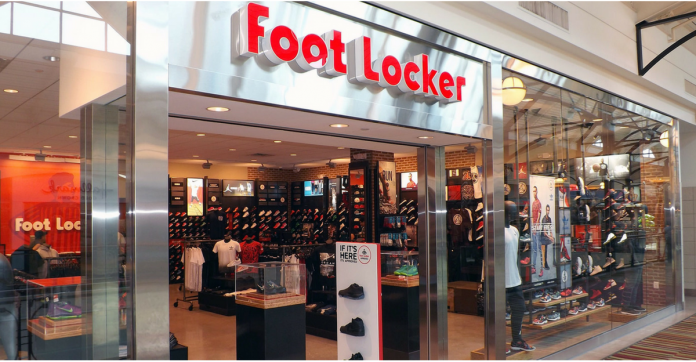
    Foot Locker, the New York-based specialty athletic retailer, today announced that, through certain subsidiaries, it has completed the acquisition of atmos, a digitally-led, premium, global retailer headquartered in Japan, for $360 million, subject to certain customary adjustments.

    Richard Johnson, Chairman and Chief Executive Officer of Foot Locker, said, “We are delighted to officially welcome atmos’s iconic founder, Hidefumi Hommyo, and the entire atmos team to the Foot Locker family. We deeply value atmos’s unique brand, innovative, experiential stores, premium offerings, collaborations, and understanding of sneakerhead culture. atmos expands our global reach in the rapidly growing Asia-Pacific market, establishes a critical entry point in Japan, and allows us to benefit from an immediate scale.

    We are excited about the many opportunities we will collectively be able to capture as a result of this partnership as we continue creating significant long-term value for our shareholders, consumers, vendor partners, and employees.”

    Mr. Hidefumi, CEO, Chief Creative Officer for atmos, said, “Today atmos enters a new era, well-positioned to bring our dynamic and exciting sneakers to more people around the world. atmos was founded with a love of sneakers and a passion for innovation, and with Foot Locker as our partner, we have the opportunity to drive global growth while maintaining what makes us unique.

    We have worked with Foot Locker for years on product collaborations and partnerships, and we are excited about what is ahead as we pursue our shared passion for sneaker culture, streetwear, creativity and self-expression.”

  • Valentino names new CEO for Southeast Asia, Australia

    Valentino names new CEO for Southeast Asia, Australia

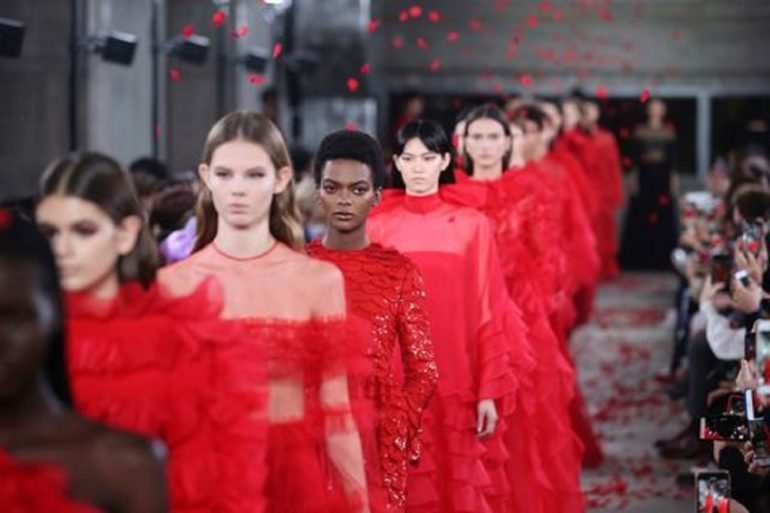
    Valentino has named Alessandra Andreani their new CEO for Southeast Asia and Australia. Andreani will be based in Singapore, and will report to Marco Giacometti, Valentino’s chief commercial officer. The news was reported by WWD.

    In her new role, Andreani will working on growing Valentino’s presence throughout Singapore, Malaysia, Australia, and Thailand. She takes over the duties of Mika Bailey, who was general manager of Southeast Asia and Australia.

    Andreani’s resume includes stints at Prada, Marc Jacobs, and Loewe. She is just one of many hires under new Valentino CEO Jacopo Venturini who has also appointed Mitchell Bacha CEO of Greater China and Laurent Bergamo as CEO of Americas.

    While most of Valentino’s growth has been driven by China, the U.S., and the Middle East, Southeast Asia and Australia are considered new target markets for growth. E-commerce is also now pivotal to Valentino’s growth as it is for most luxury brands.

  • Esprit chief exits after less than a year

    Esprit chief exits after less than a year

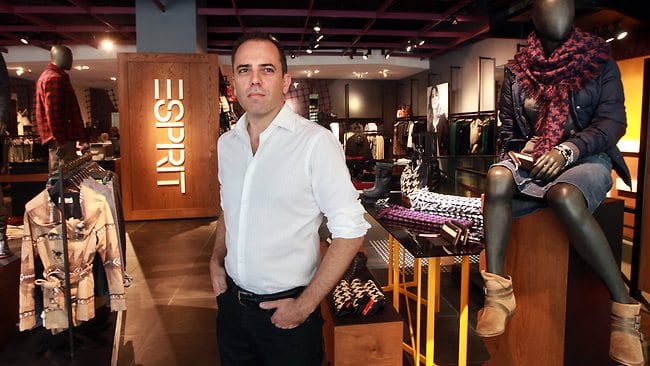
    Esprit CEO, president, and executive director Mark Daley has exited the company after less than a year at its helm due to personal family matters.

    “Mr Daley has confirmed that he has no disagreement with the board and there are no matters in relation to his resignation that need to be brought to the attention of the shareholders of the company,” the retailer announced on Thursday.

    Daley, who was previously CEO of Billy Reid and group president of Ralph Lauren’s Asia-Pacific region, was appointed to the top job at Esprit at the beginning of 2021 as part of a major restructuring at the business which had suffered from years of revenue decline.

    Daley joined as part of a shake-up that saw the departure of then-CEO Anders Kristiansen, who had been at the helm since 2018, as well as then-chief financial officer Johannes Schmidt-Schultes.

    “The board would like to take this opportunity to express its sincere gratitude to Mr Daley for his contribution to the company during his tenure of office,” Esprit said.

    William Eui Won Pak, who joined the company in September as executive director and chief operating officer, will take on the CEO position on an interim basis.

    He is a New York attorney with over a decade of experience in leading companies in the financial services and fund management industry, and also has expertise in technology, alternative energy, mining, and real estate.

    Pak is also the spouse of Esprit’s executive director and chair, Christin Su Yi Chiu.

  • Uniqlo owner Fast Retailing forecasts profit recovery as pandemic abates

    Uniqlo owner Fast Retailing forecasts profit recovery as pandemic abates

    Japan’s Fast Retailing expects continued recovery in sales and profits in the year to August 2022 as the pandemic abates, the owner of clothing brand Uniqlo said on Thursday.

    The company said it expects operating profit to climb 8.4% to 270 billion yen ($2.4 billion) in fiscal 2021-22.

    For the year ended in August, it reported 249 billion yen in operating profit, topping the 245.7 billion forecast in a Refinitiv poll of 13 analysts.

    “Vaccinations are being carried out all over the world to control the spread of the disease, and the economy is growing in earnest,” chief executive Tadashi Yanai told reporters.

    Fast Retailing expects the pandemic will still drag on results in the first half of the fiscal year but will then recover in the second half as shopping habits return to normal.

    The company said it expects some negative effects from production or logistic delays, problems that have plagued major clothiers and their global supply lines in recent months.

    In September, Fast Retailing said The company said in late September that its clothing releases will be delayed due to COVID-19 lockdowns at partner factories in Vietnam some clothing releases would be delayed due to pandemic-related lockdowns at partner factories in Vietnam.

    That followed crises in Myanmar and China that upset supply lines and created reputational challenges.

    Fast Retailing halted operations at some partner facilities in Myanmar as a military coup led to social unrest and lockdowns. In China, the company and other foreign brands faced a customer backlash over criticisms of alleged human rights abuses in Xinjiang province.

    Fast Retailing operates about 800 Uniqlo stores on the Chinese mainland, about the same number as in Japan.

    Yanai said the company carried out regular inspections of production sites and had built up a team to improve monitoring of how it gets raw materials for its clothes.

    “In the future, we will ensure a higher level of traceability of the materials we procure, including the farmers who produce the raw goods,” Yanai said.

  • Garment exports hit hard by labor shortage

    Garment exports hit hard by labor shortage

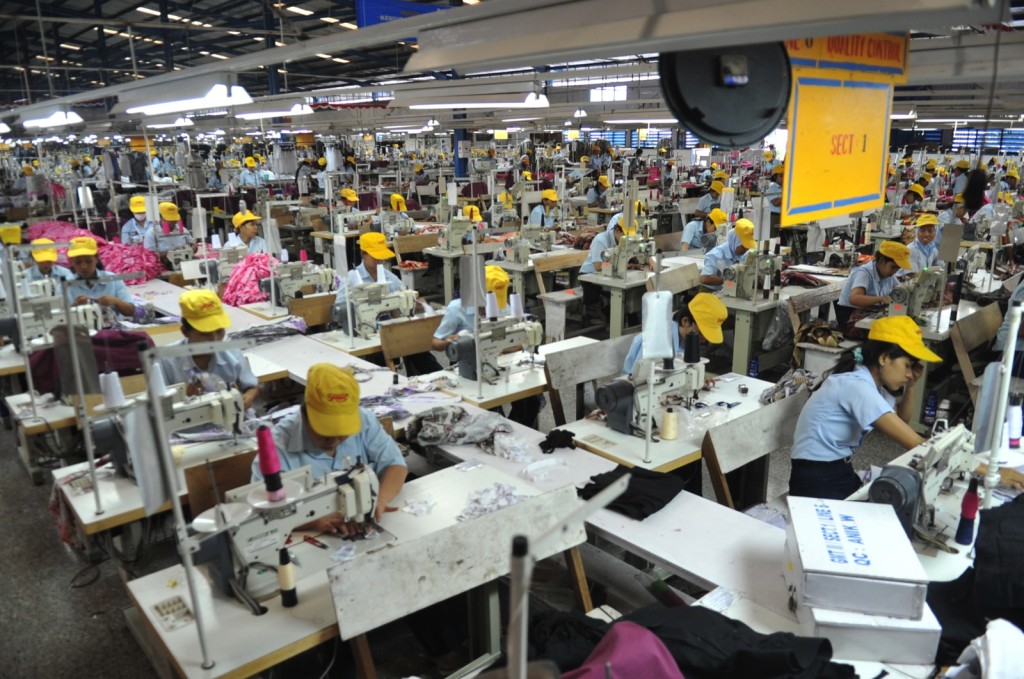
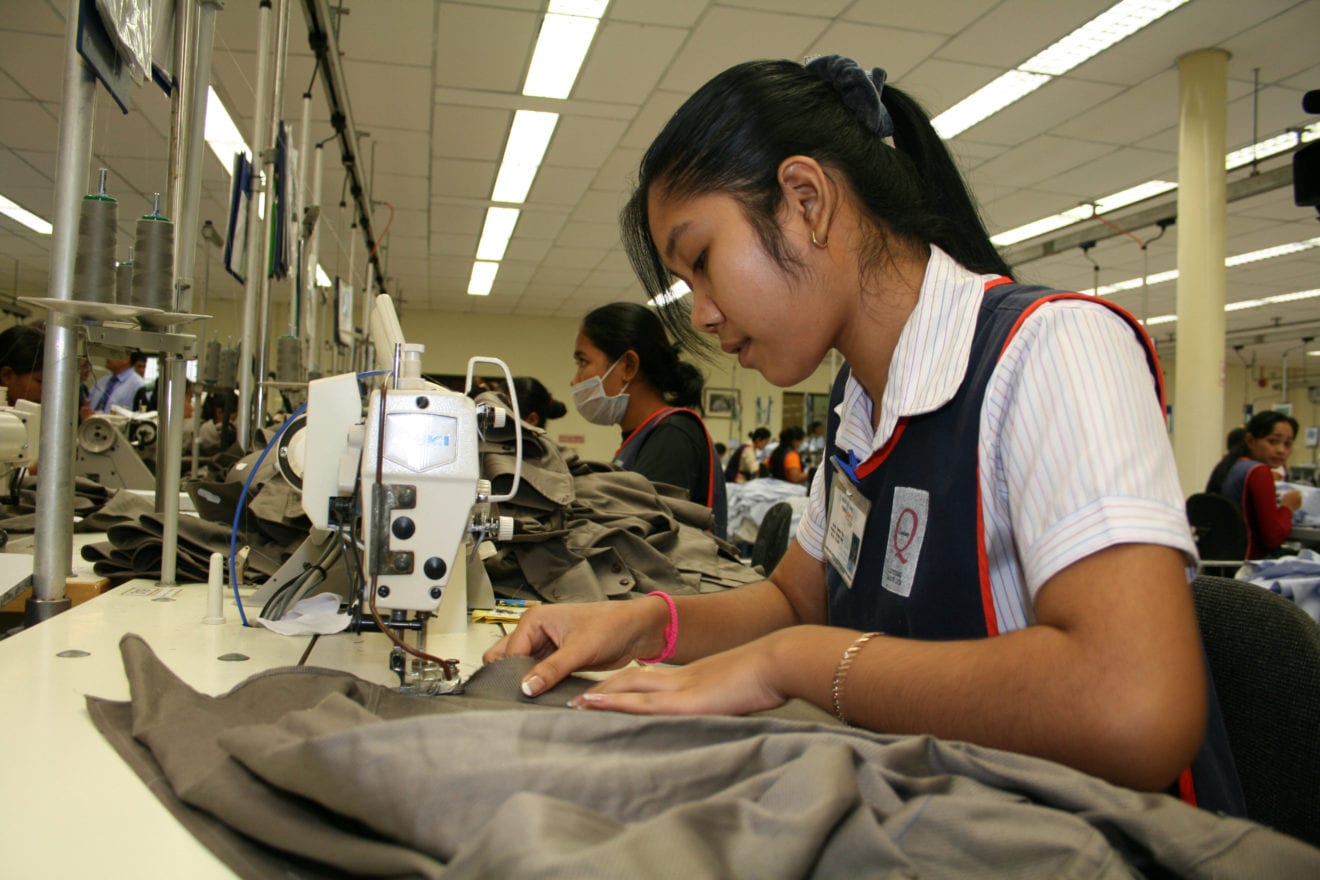
    Garment and textile firms face labor shortages and broken supply chains, and find it hard to fulfill their export orders, the Vietnam Textile & Apparel Association has said.

    The fourth and most intense wave of Covid-19, which caused many textile companies to close down or operate at partial capacity between July and September, remains a severe problem in many cities and provinces, especially in the south, and so migrant workers are making an exodus to their hometowns.

    Some one million workers in the sector, or one third the total number employed, have quit their jobs or are staying away from work with or without pay, VITAS estimated.

    Meanwhile, supply chains continue to be broken as a number of foreign clients shift their orders to other countries.

    Many companies in the south have adopted the stay-at-work and commute-to-work models, but managed to get only 10-30 percent of their employees, meaning they have found it hard to maintain production and ensure timely delivery of goods, VITAS said.

    Garment and textile exports fell 9 percent month-on-month in September to $3 billion. The figure for the year-to-date was $29 billion.

    VITAS has three different export scenarios depending on how the Covid situation pans out: it expects shipments of $33.5-34 billion this year if the pandemic continues until early December, $36-36.5 billion if until November and $37.5-38 billion if it is controlled by October.

    “It is very difficult for the sector to realize the export target of $39 billion set for this year,” Vitas vice chairman Truong Van Cam said.

  • Giordano opens store in Ghana

    Giordano opens store in Ghana

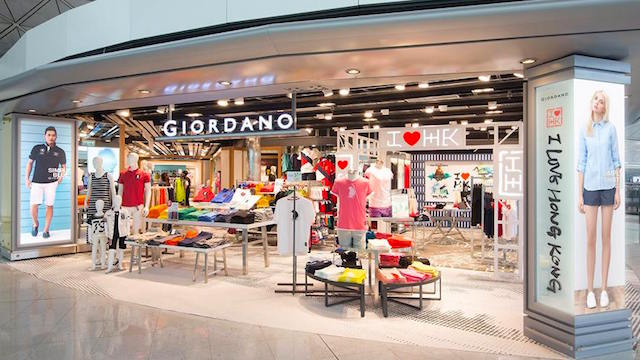
    Hong Kong-headquartered apparel brand Giordano has launched its first store in Ghana, adding to its African footprint, which already includes Kenya, Mauritius, South Africa, and Zambia.

    Partnering with local retail chain Melcom Plus, Giordano is planning to open more stores in the country this year at Achimota, Frafrah, Tema, and Weija – all inside in Melcom Department Stores.

    The first store includes wardrobe essentials and aims to “redefine simplicity” with maximised space for product displays.

    Mark Loynd, executive director and head of overseas market development in Giordano, said that the company is pleased to work with Melcom Plus, having a network of more than 50 wholesale and retail outlets.

    “We pride ourselves on being a ‘world brand’, and our overseas expansion initiative, which commenced several years ago, is now bearing fruit,” he added.

    Ramesh Sadhwani, joint group MD at Melcom, said there is a surge in demand for international fashion labels in Ghana, and they are looking forward to building a new retail landscape in West Africa by bringing in brands like Giordano.

    “With Giordano having over 2200 stores around the world, we are excited to carry the brand.” he said.

  • Adidas sells Reebok to Authentic Brands

    Adidas sells Reebok to Authentic Brands

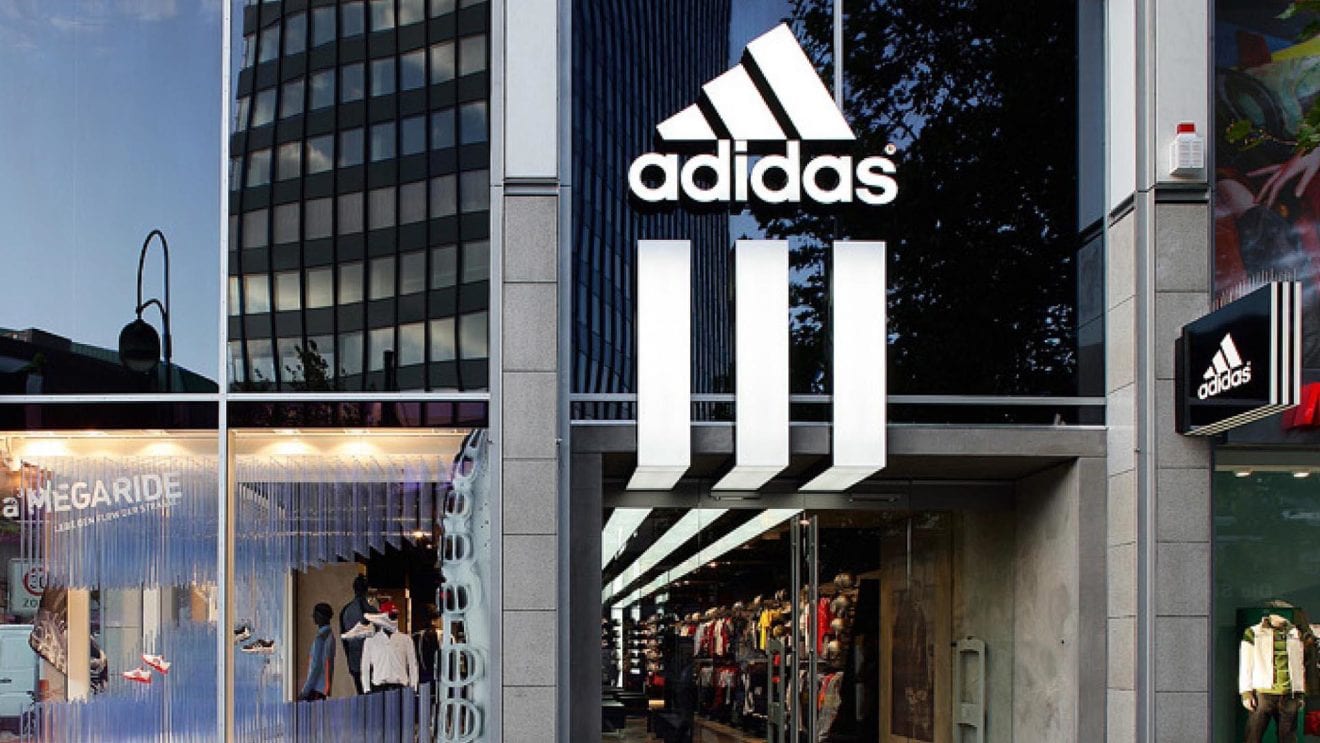
    Authentic Brands has cemented its position as a major player in American retail after what one analyst described as a “massive acquisition” – the successful $2.456 billion bid for Reebok.

    Adidas confirmed the sale overnight after six months of negotiations with prospective bidders.

    Neil Saunders, MD of GlobalData, said Authentic Brands has proven its ability to turn around struggling brands like Aéropostale and so it will be confident that it can achieve a similar result with Reebok.

    But he warned the new owner needs to take a different approach to ensure Reebok’s future success.

    “If, under Authentic Brands, Reebok focuses less on competing with Nike and more on developing a credible brand that can be offered via its various stores and other third-party retailers it should be able to build sales. However, the market remains extremely competitive so coming up with a differentiated offer that has clear customer focus and a strong distribution strategy will be key to future success.”

    Reports emerged in May that Authentic had lodged a bid for Reebok. At the time the New York Post said the $1 billion fell far short of the $3.8 billion Adidas paid for Reebok five years ago and the $2.4 billion Adidas was thought to be seeking.

    Adidas CEO Kasper Rorsted said he believed the change in ownership would position the brand well for long-term success.

    “As for Adidas, we will continue to focus our efforts on executing our ‘Own the Game’ strategy that will enable us to grow in an attractive industry, gain market share, and create sustainable value for all of our stakeholders,” he said.

    Adidas acquired Reebok back in 2006. Saunders said the German company originally saw it as a vehicle with which to take on the might of Nike, especially in the US.

    “While Adidas did manage to restore Reebok to profitability it was far less successful in building a brand that was able to steal share and capture the hearts and minds of consumers. Part of the issue was a lack of clarity around what Adidas wanted Reebok to be. As a result, it was neither seen as the go-to brand for sporting professionals nor for those looking for athleisure fashion and style,” said Saunders.

    Adidas’ sale of Reebok for less than it paid for it – and after years of difficulty and disappointment – underlines the degree to which the brand’s equity has been eroded, he said.

    “The decision to sell should not solely be chalked up to the pandemic. Indeed, the footwear and sports apparel market has performed extremely well over the past 18 or so months.

    “However, the market is becoming much more competitive, with Nike and others doubling down on direct-to-consumer sales, brands like Lululemon eating up large slices of growth, and retailers launching a multitude of sporting own labels,” said Saunders.

    Jamie Salter, founder, chairman and CEO of Authentic Brands Group described it as “an honour” to be carrying Reebok’s legacy forward.

    “This is an important milestone for ABG, and we are committed to preserving Reebok’s integrity, innovation, and values – including its presence in bricks and mortar. We look forward to working closely with the Reebok team to build on the brand’s success.”

    The closing of the transaction is subject to customary closing conditions and is expected to occur in the first quarter of next year. Adidas intends to share the majority of the cash proceeds from the sale with its shareholders.

    When Adidas bought Reebok in 2006, the brand came along with the Rockport, CCM Hockey and Greg Norman brands, which were subsequently divested for €400 million (US$470 million at today’s exchange rate).

    In 2016 Reebok initiated a turnaround plan called ‘Muscle Up’ which saw the label significantly improve its growth and profitability prospects, according to Adidas.

    In March of this year, Adidas unveiled its 2025 ‘Own the Game’ strategy designed to significantly increase sales and profitability and build market share. As part of the process of developing that strategy, the company assessed options for Reebok, which in February led the company to opt to divest Reebok, rather than dilute its focus across two brands.
  • Giordano sales rebound, delivering first-half profit despite fewer stores

    Giordano sales rebound, delivering first-half profit despite fewer stores

    Hong Kong-listed apparel retailer Giordano is back in the black after first-half sales rose 19 percent against the prior year – including 44 percent in the second quarter.

    Giordano, which now has 2094 stores across Southeast Asia, Greater China, and the Middle East, reported a post-tax profit of HKD60 million (US$7.71 million) for the half, in which its gross margin grew by 2.4 percentage points to 57 percent. The profit was a stark contrast to the Covid-impacted comparable period’s loss of HKD175 million ($22.5 million).

    And despite ongoing disruption to sales in various markets, the company pared back its inventory turn from 138 days to 124.

    The retailer closed a net 93 stores during the period, but its online sales soared 21.6 percent and now represent 10.1 percent of total group sales. Wholesale sales to franchises rose by 21.1 percent.

    While the company incurred a loss in Hong Kong and Macau – where mainland tourists were effectively barred for the entire period – increased sales to local consumers, the closure of unprofitable stores and rent reductions helped lessen the impact.

    “The average rental is still high despite gloomy consumer sentiment and the absence of incoming tourists,” said chairman and CEO Peter Lau in a results filing. “Management is continuing to negotiate with landlords for more affordable rental arrangements.”

    However, sales in Mainland China delivered a double-digit increase despite fewer stores.

    “Online sales and the franchising business continue to be our focus of development,” said Lau. “The online gross margin improved with increases in selling prices and fewer discounts.”

  • Garment firms fear order plunge

    Garment firms fear order plunge

    Vietnam, the world’s second-biggest garment exporter, is facing the risk of losing orders to competitors amid the complicated Covid-19 situation in August.

    Gia Dinh Group JSC in the southern province of Binh Duong has secured orders till the end of December, but face higher material prices plus late shipments, along with higher logistics costs. The company’s management board said if the pandemic prolongs, it would fail to fulfill its orders.

    Over 80 percent of garment and textile enterprises in the southern region have had to either lower labor productivity or suspend operations to combat the disease.

    Vu Duc Giang, chairman of the Vietnam Textile and Apparel Association (VITAS), said production in August is “extremely difficult”, especially for firms in southern localities imposing social distancing. Up to 90 percent of production chains in the south have been broken.

    Meanwhile, only 70-80 percent of garment and textile companies in the northern region are still operating.

    Delivery pressure amid outbreaks is a big challenge for garment and textile enterprises now, he said, stating that if they fail to meet delivery deadlines, their customers would cancel orders, which will affect production both this year and the next.

    “If the Vietnamese market is not stable, partners will shift orders (to other countries). Garments are seasonal. Nobody wants to buy outdated clothes though they are on sale,” the VITAS chairman said.

    The Ministry of Industry and Trade also stated garment and textile enterprises in Vietnam are facing the risk of international clients postponing or canceling orders, and shifting their focus to other countries. “When the pandemic is controlled, it will be very difficult to resume business relations, and that will take time,” the ministry said.

    The VITAS chairman also mentioned the risk of labor shortages. Many workers have left Ho Chi Mih City for their hometowns to avoid being infected with the coronavirus, and only 60-65 percent may return to the city when the Covid-19 outbreak is pushed back, according to Giang. “There will be rather severe labor shortages in the coming time,” he predicted.

    Vietnam exported $18.6 billion worth of textile and garment products in the first seven months of this year, a year-on-year increase of 14.1 percent, according to the General Statistics Office.

  • H&M to open first store in Cambodia next year

    H&M to open first store in Cambodia next year

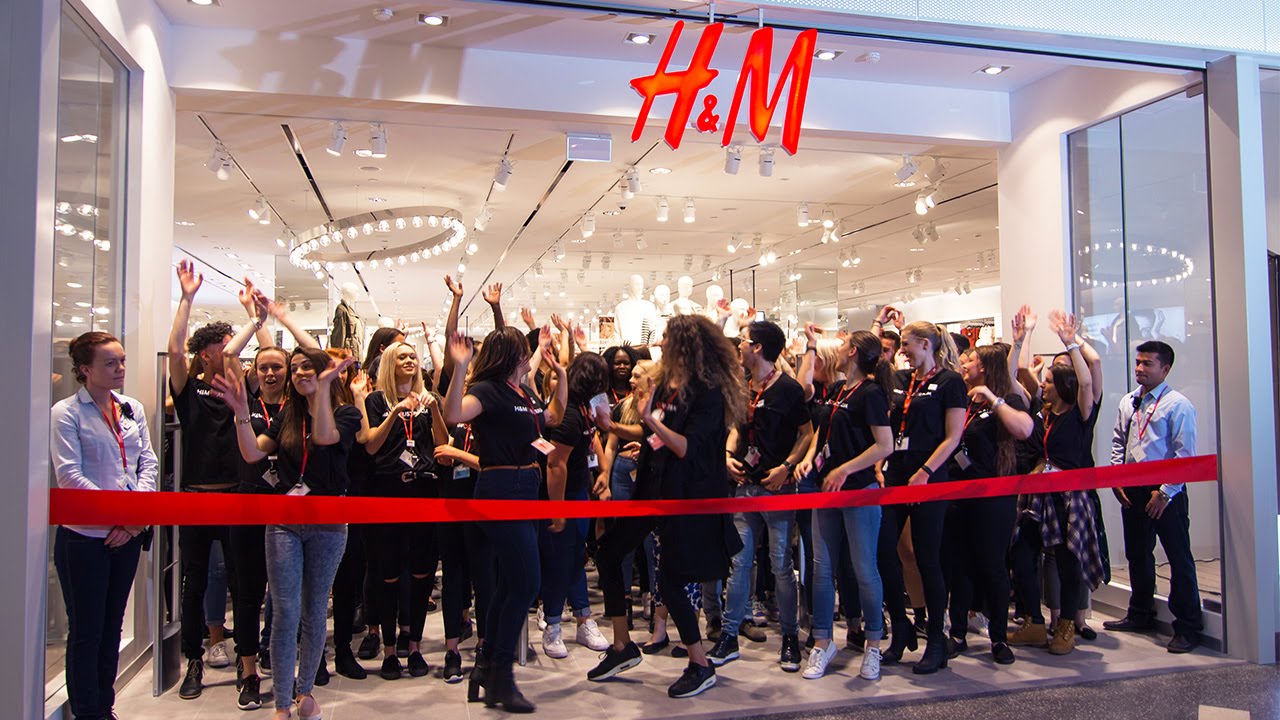
    Swedish multinational clothing retail company Hennes & Mauritz AB (H&M) has announced the opening of its first store in Cambodia next year, according to a press release issued in early July.

    The firm, however, did not disclose the specific date and location of this first store.

    H&M already has a large presence in the region with 11 stores in Vietnam and 43 in Thailand.

    The decision to expand its stores to Cambodia was made after the company assessed the potential of Cambodia given the gradual increase of local purchasing power.

    The firm has been manufacturing its products in Cambodia since the 1990s.

  • China sales help Armani bounce back from pandemic

    China sales help Armani bounce back from pandemic

    Sales at Giorgio Armani jumped 34% in the first half of 2021 as business in China and the United States helped the Italian fashion group bounce back, although it said it could be next year before it fully recovers from the pandemic.

    “The goal is to return to pre-pandemic levels by 2022, with… over 2 billion euros in direct consolidated revenues,” Chairman and CEO Giorgio Armani said on Sunday in a statement announcing 2020 results and the trend for January-June.

    The luxury group said consolidated net sales had fallen 25% last year to 1.6 billion euros ($1.9 billion), with most of the decline occurring in the first half of 2020.

    Luxury goods sales around the world fell sharply last year for the first time in years as the pandemic forced shop closures and brought international tourism to a virtual halt.

    “The drop in revenues in 2020 should be read not only as a consequence of the pandemic but also in line with Giorgio Armani’s own strategic principle of ‘less is more’,” said Armani Deputy Managing Director Giuseppe Marsocci.

    The Milan-based group did not give the value of total sales in January-June but said the positive sales trend so far this year pointed to a much better profitability scenario for 2021.

    For the whole of last year the group made a consolidated net profit of 90 million euros but an operating loss (EBIT) of 29 million euros.

    It also said on Sunday that its financial position improved significantly in the first half with net cash and cash equivalents of 1.088 billion euros “ensuring the financial resources necessary for the Group’s medium to long-term stability and growth”.

    Speculation about succession plans at Armani has come to the fore recently, especially after the 87-year-old designer said he could consider teaming up with another Italian company.

    Sources said earlier this month that John Elkann, scion of Italy’s Agnelli family, had explored a possible tie-up as part of plans to build a luxury conglomerate.