Retail News CRM

Tag: cross-border

  • China’s Cross-Border E-Commerce Booming to $85.76B in 2016

    China’s Cross-Border E-Commerce Booming to $85.76B in 2016

    Cross-border e-commerce in China will hit $85.76 billion this year, up from $57.13 billion in 2015, as 40 percent of China’s online consumers buy foreign goods, according to a new analysis by digital marketing researcher eMarketer.

    EMarketer estimates that each of China’s digital shoppers this year will spend an average of $473.26 on foreign goods, up from $446.33 last year. By 2020, half of China’s digital shoppers–or more than a quarter of the country’s population of about 1.4 billion–will be buying foreign products online, eMarketer estimates, with total sales of $157.7 billion.

    This growth is part of an overall increase in online shopping in China, which soared more than 70 percent in 2015 to $672.01 billion driven in part by a higher standard of living and the advent of global digital sales platforms such as Alibaba’s Tmall Global, launched in 2014.

    ecom graphic copy

    Cross-Border Retail E-Commerce Buyers in China

    Tmall Global and other business-to-consumer, or B2C, platforms allow international brands to sell their products directly to China’s digital shoppers and break into the market. Online retail remains the easiest channel for all types of consumers to obtain products that are otherwise difficult or expensive to access within China. China’s consumers tend to prefer foreign goods in specific categories such as milk powder, diapers and pet food, perceiving them to be of higher quality and more trustworthy.

    Cross-border e-commerce remains on the rise despite April’s implementation of a new tax on overseas purchases, noted eMarketer analyst Shelleen Shum. While it increases prices slightly for some product categories such as jewelry and infant formula, “the demand for foreign goods via the cross-border e-commerce channel is still expected to remain strong due to better prices compared to offline retailers, perceived quality and better variety,” she said.

    Shum added that B2C channels are also integral to the growth of foreign goods sales in China, because they help customers feel they are getting more bang for their buck. B2C platform sales are expected to take up a growing share of the cross-border e-commerce market in 2016 as consumers shift to channels they regard as more professional and organized. “Since the merchants selling on these B2C platforms have to be authorized, they are considered more trustworthy,” noted Shum.

    Globally, cross-border e-commerce habits vary. But when it comes to China, the demand for foreign products is surging, thanks to the combination of overseas travel, increased internet usage, exposure to foreign brands and convenience of online retail. China is projected to become the largest cross-border B2C market by 2020.

  • China Shun Ke Long Reaches Cooperation Agreement with Hengli To Advance Into Cross-Border e-Commerce

    China Shun Ke Long Reaches Cooperation Agreement with Hengli To Advance Into Cross-Border e-Commerce

    China Shun Ke Long, a supermarket chain store operator in Guangdong province, entered into a cooperation agreement with Hengli Limited, the wholly-owned subsidiary of Foshan Shunde Shente Trading Limited. The Group will sell cross-border goods, general goods and imported goods through the e-commerce platform “Hellogou” (www.hellogou.com), and the retail outlets of Hengli, advancing into the cross-border sales market.

    Pursuant to the agreement, the Group agreed to sell cross-border goods, general goods and imported goods through “Hellogou” and the retail outlets of Hengli. In addition, the Group agreed to provide various advisory services to Hengli, including to (i) look for new vendors for Hellogou and franchisees for its retail outlet; (ii) promote “Hellogou”; (iii) monitor the vendor portfolio and product mix of “Hellogou”; and (iv) provide training to the staff of Hengli Limited. With the duration of agreement of 5 years, the Group shall pay 2% commission to Hengli for those goods sold through “Hellogou”, and Hengli shall pay advisory fee equivalent to 70% of its revenue to the Group.

    “Hellogou” obtained the approval from Guangzhou Custom Bureau to operate cross-border online sale of goods and the approval from Guangdong Telecommunication Management Bureau to run value-added services online, which made “Hellogou” different from other ordinary e-commerce platforms. Hengli also had set up counters in 10 retail outlets of the Group to promote its “Hellogou” and display samples of oversea products. Customers could access “Hellogou” to complete the transaction online by using their mobile phones to scan the “Quick Respond Code” on the price tags of the samples of overseas products, and the goods will be delivered to the customers directly either from overseas or custom controlled warehouses.

    Mr. LAO Songsheng, Chairman and Executive Director of the Group, stated, “With a strong foothold in the third and fourth-tier cities in Guangdong province of the PRC, SKL possesses in-depth knowledge in the local market. In recent years, the Group has been committed to developing online-to-offline (O2O) retail business and accumulated extensive experience. With Chinese customers’ increasing demand for high-quality imported food and goods, the Group is optimistic towards the cross-border shopping industry. As we reached the agreement with Hengli, at a relatively low commission rate, we could sell high-quality fresh food and other goods through ‘Hellogou’, bringing consumers a wide range of cross-border goods. In the future, the Group will continue to focus on the development of O2O business in response to market trends. We will also enhance the operating platform to improve efficiency and drive revenue growth for the Group.”


  • China’s cross-border online retail shows strong progress

    China’s cross-border online retail shows strong progress

    China’s cross-border e-commerce market has shown a strong growth during the six-month period ending November 2015, according to research firm Mintel.

    Boosted by favourable government policies and an increasing Chinese propensity for foreign goods, many Chinese consumers are now interested in buying foreign products online. Mintel’s new report ‘Haitao Retailing’ reveals that almost 58 per cent consumers bought foreign products online from domestic shopping websites, with quality of products (63 per cent) and pricing (38 per cent) as the prime concerns when shopping for imported products online.

    The cross-border online shopping market value grew at a compound annual growth rate (CAGR) of 63.3 per cent in 2015, while the total online retail market during the same period saw 48.8 per cent CAGR growth.

    “The continued growth of online retail, backed by increased consumer interest in spending time online, especially in rural areas, combined with the government’s support of online sales and an uptake of m-commerce and online payment systems, indicate that online retail will continue strong growth in the near future. Indeed, the future outlook for ‘haitao’ shopping looks good. However, it is an increasingly competitive market. Brands need to stand out by offering something different. Chinese consumers want top quality, and they need to have that quality proven through good information and good service,” said Matthew Crabbe, APAC research director at Mintel.

    Comparing Chinese domestic and overseas online shopping websites, foreign sites are perceived by shoppers to do better in terms of product quality, while domestic websites do better in most other areas, such as good value for money spent and fast delivery.

    “Not all Chinese consumers feel the need to have foreign products or services. However, fashion, furniture, food and drinks are much more significant online shopping categories, representing opportunity for online retail market growth. And we are seeing there is another great opportunity for niche brands, with specialist products having the potential to make an initial market entry into China via overseas online retail channels,” added Crabbe.

    “Consumer attitudes to cross-border online shopping can be summarised with reputation, reviews and recommendations. Helpful advice and information about products, a good return policy and a variety of delivery options are important in building reputation. Good service and good products are the key areas where online retailers must learn to compete in the future,” Crabbe concluded. (NA)

  • 7-Eleven Taiwan in MyDay eCommerce partnership

    7-Eleven Taiwan in MyDay eCommerce partnership

    Taiwan’s largest convenience store chain, 7-Eleven, says it will work with local shopping website MyDay to have online purchases from overseas delivered to its 5000-plus stores around Taiwan.

    The convenience store introduced the delivery service on Wednesday (November 25), allowing shoppers on the MyDay website to have their purchases delivered from Japan, the US and South Korea in as little as five days.

    Myday has over 10 years’ experience in cross-border eCommerce services and also partners with other sites such as Amazon in the US, Rakuten in Japan, and Gmarket in South Korea, said 7-Eleven.

    7-Eleven is the second convenience store chain in Taiwan to offer such a service, following FamilyMart, which established a similar partnership with the Japanese shopping site Tenso in September.

    Registered members of Tenso can have their purchases delivered to FamilyMart stores in Taiwan in about six days.

    Over 43 per cent of online shoppers in Taiwan buy products on overseas sites six times per year on average, according to a 2013 survey by the Market Intelligence & Consulting Institute under the Institute for Information Industry.

  • Sa Sa plans new store concepts

    Sa Sa plans new store concepts

    Hit by falling sales in the tourist downturn, Hong Kong beauty retailer Sa Sa plans new store concepts and diversification to restore growth.

    Reporting a 10.6 per cent decline in sales to HK$3.778 billion in the first half of the current year, and a 55 per cent plunge in profit to $153 million, Sa Sa revealed a strategy to “develop other businesses beyond traditional operations”, including tapping the opportunities of O2O and cross-border eCommerce.

    “The group’s O2O initiatives will initially launch in Hong Kong and gradually extend to mainland China. For the China market, the O2O initiatives will significantly broaden product offerings in its physical stores through online sales and cross border fulfillment. The group aims to use different channels and to leverage a variety of online partners to increase online exposure, including operating physical stores to promote O2O in Free Trade Zones, and cooperating closely with major China online operators, all with their unique positioning and correspondingly different opportunities,” the company said in its interim report.

    New store concepts are also on the drawing board.

    “The group’s strategy for new store concepts includes introducing more trendy and lifestyle concepts to attract young and trend-setting customers, much improved product display, and more emphasis on enhancing the shopping experience.”

    Sa sa says it also aims to place more emphasis on the unique shopping experience with Sa Sa through improved product displays, while changing the mindset of its beauty consultants to one that is more receptive to consumer preferences.

    “In addition, the group will substantially strengthen its online marketing efforts, including the use of social media channels to improve interactivity.”

    Hong Kong & Macau

    Sa Sa says its first half year was marked by pressure from a series of negative factors in the retail market of Hong Kong during the first half of the year. Retail sales in Hong Kong and Macau decreased by 11.1 per cent to $3.010 billion.

    “The cosmetics market in Hong Kong continues to face strong headwinds due to the slowing of mainland China tourist arrivals, their reduced spending, and weak local consumption sentiment. The one-visit-one-week policy for mainland visitors is gradually taking its toll on the market, while the strength of the Hong Kong dollar and depreciating yuan will continue to make shopping overseas more attractive for both mainland China and local consumers. Intensifying competition within the cosmetic industry is a further challenge, with ongoing discount and promotion programmes having an ongoing impact on profitability,” the company reported.

    “Although rental pressure is expected to moderate in a slowing market, rental reductions still lag behind weak sales performance. In the face of these challenges, The group rationalised its retail network from 287 to 281, a net decrease of three stores each for both “Sasa” stores and single-brand counters.”

    Mainland China

    In Mainland China, the stores’ profitability continued to improve, but weak operational and product management led to a decline in turnover, as well as an increase in the inventory provision. Overall turnover for Mainland China operations decreased to HK$148.9 million, a decrease of 8.7 per cent in local currency terms, while same store sales growth in local currency decreased by 9.8 per cent for the period. Loss for the period amounted to HK$24.5 million. The group has recognised the need for more management resources to improved management, and is currently using external management resources on a contract basis to allow for more time to develop its own management structure and training. The group is also seconding experienced staff from Hong Kong to improve attractiveness of product offerings and inventory management.

    Taiwan

    Turnover in the group’s Taiwan business decreased to HK$130.2 million during the period, representing a drop of 2.2 per cent in local currency terms. Same store sales fell 8.7 per cent in local currency. The number of mainland China consumers in Taiwan is expected to increase in view of the country’s enhanced infrastructure and retail space, and the introduction of unlimited visa quotas for high-end Mainland Chinese tourists who have greater spending capacity. The group has already opened stores in tourist locations to tap the potential of increasing in mainland Chinese tourist arrivals.

    Singapore & Malaysia

    Flat sales across the Sa Sa Singapore network has prompted a rethink of the brand’s local network.

    In the first half year, Sa Sa reported turnover of HK$112.8 million (S$20.445 million) in Singapore, remaining flat in local currency terms over the same period last year.

    “The group will continue to build scalability and profit potential by closing inefficient stores and opening stores in new malls with good potential,” the company said in its interim trading statement.

    Meanwhile, turnover for Sa Sa Malaysia was HK$141.9 million, an increase of 2.5 per cent in local currency terms over the same period last year. However, same store sales decreased 8.5 per cent in local currency.

    “Sales and profit growth were restrained by the implementation of GST [on April 1], which adversely impacted store productivity during the transitional period. This effect is expected to be normalised in the second half.”

    Chairman’s view

    Chairman and CEO Dr Simon Kwok put on a brave face on the results:

    “Sa Sa has a long track record of delivering outstanding success in all economic climates and in the face of the most severe headwinds and difficulties. We firmly believe that in spite of the current difficult business environment we are now facing, we can still turn challenges into opportunities and further consolidate our competitive advantages. The flexibility of our business model, with an ability to rapidly adapt to new circumstances, markets and trends, will continue to support our position as a leading provider of beauty products in the Asia Pacific. We also believe that the resilience and adaptability of our loyal staff and the forward vision of our outstanding management team will ensure that we deliver sustained, satisfying growth for many years to come.”

  • New Yahoo Hong Kong-Taiwan cross-border eCommerce platform

    New Yahoo Hong Kong-Taiwan cross-border eCommerce platform

    Yahoo Hong Kong has launched its Yahoo Hong Kong-Taiwan cross-border eCommerce platform today.

    In the first stage, more than 100 Taiwanese brands accredited with the Made in Taiwan Smile Logo will enter the Hong Kong market – in categories ranging from food to fashion and to beauty and cosmetics.

    Stage two will see Yahoo adding Hong Kong products for sale into Taiwan.

    Yahoo says it wants to create the largest cross-border eCommerce network between the two markets.

    Jacky Wang, VP, eCommerce group, Yahoo Taiwan & Hong Kong said that with the launch of the new platform, geographical boundaries are eliminated.

    “We are delighted to bring Hong Kong consumers the best, original quality products of Taiwan through the 11.11 Online Shopping Festival. This allows e-merchants from both places to reach the huge online buying customer base, which is extremely beneficial to them in increasing sales and for online branding.

    “Yahoo Hong Kong’s B2B2C Flagship store will start operating this month, through which Hong Kong consumers can purchase a wide variety of Made In Taiwan products on the platform,” said Wang.

    “Soon, Taiwan consumers will also be able to purchase Hong Kong’s popular products, such as cookies and palmiers which are popular with Taiwanese.”

    All of the more than 100 Taiwanese e-merchants joining the Yahoo Hong Kong eCommerce platform are selling 100 per cent original, Made In Taiwan Smile logo-accredited quality brands.  These include Dr Morita facial masks, Taiwan’s famous pineapple cake brand SunnyHills and other brands, including meat jerky, tea leaves and noodles.

    The e-merchants crossing the border to Hong Kong with Yahoo will receive all-round cross-border one-stop merchant solutions from Yahoo Taiwan and Yahoo Hong Kong. These range from a special starter package to support for logistics, cash flow and store operations and management, offering detailed guidance to help their brand to take the initial step in cross-border eCommerce, and satisfying the expectations of the online shoppers in Hong Kong and Taiwan.

    SunnyHills has sold more than 10,000 boxes of cakes online into Hong Kong this year already.

    Damian Lee, GM, said Yahoo Hong Kong and Taiwan have the highest reach rates and Yahoo’s online shopping platform is the best one in Taiwan.

    “With the largest volume of traffic flow and the highest popularity, it offers us the best virtual support for our products and backing for our brand. It also provides one-stop logistics and cash flow solutions that lower our cross-border costs and management time, offering the best O2O eCommerce shopping experience to consumers in the most effective way.”

    What Hongkongers and Taiwanese want

    Francis Che, head of insights, strategy and research with Yahoo APAC shared the latest eCommerce promotion and analysis research.

    • Hong Kong has an online buying population of 2.9 million, representing 53 per cent of the total online population.
    • 74 per cent of Hongkongers have used overseas buying services, or overseas cargo or shipping services to buy products from all over the world.
    • Over 30 per cent of the online buying population hopes that online buying apps can proactively notify them of the offers and discounts of nearby stores and recommend some stores for purchases.
    • The older buying population (aged 40 plus) use mobile devices to browse online shopping sites is growing rapidly.
    • The most sought after items purchased online in both markets is the same: Apparel. For the full top 10 list, refer to the chart below:

    Yahoo

    Meanwhile, Yahoo Hong Kong will launch the 11.11 Online Shopping Festival offers on November 11, including the sale of an Oto Adelle One Massage Chair at just $999 (Value: $14,800), with the Oto Lite Footie (Value: $1680) bundled together as a gift.

  • Robinson Thailand plans more border stores

    Robinson Thailand plans more border stores

    Thai department store chain Robinson says it will open outlets in planned special economic zones to encourage cross-border trading.

    The Central Retail Corporation subsidiary says it will open a new Lifestyle Centre at Mae Sot in the Tak province, on the border with Myanmar. It follows a similar store which opened in Mukdahan, on the border with Laos, last year.

    “These stores are being built to take greater advantage of cross-border trade,” CRC international business director, and Robinson president Alan Thomson said in an interview published in The Nation.

    “SEZ projects are good initiatives but will take time to develop and for us to realise any opportunities,” he said.

    CRC operates 42 department stores in Thailand; and two more in Vietnam – one in each of Ho Chi Minh City and Hanoi – which trade under the Robins brand name. Its 15 Lifestyle Centres are additional to those.

    In the interview, Thomson talks about the company’s performance in Vietnam to date, its plan to add a well known US apparel brand to its store-in-store brand portfolio next year and how the company is coping with the stagnant Thai economy.

  • China’s Jollychic.com branches into homewares

    China’s Jollychic.com branches into homewares

    Chinese eCommerce company Jollychic.com, an online global fashion destination, has unveiled a new line of homeware products called J.Home.

    “Increasing demand and lower prices have made Jollychic’s promotional furniture products a viable alternative for clients all around the world, according to Siwei Ma, furniture manager at JollyChic.com.

    “The growing public awareness about global eCommerce and other major advantages of the internet enables our customers to shop for more than 6000 products from different categories, including home decor, bed & bath, dining and pet care.”

    Jollychic.com is a global fashion destination, selling fast fashion and publishing a wide variety of fashion-related content, positioning the website as a growing fashion community. We sell over 50,000 branded and own-brand products through localized mobile and web experiences, delivering from our fulfillment centers in China to almost every country in the world. It runs sites in nine languages: English, French, Spanish, Arabic, Polish and Chinese.

    With the expansion into homewares, shoppers can take advantage of a free interior design consultation with dedicated customer service. An expanded customer loyalty program has been expanded to include a free gift offer that includes mugs and more.

  • Vipshop doubles income

    Vipshop doubles income

    Chinese online discounter Vipshop Holdings has doubled its profit in the second quarter to June 30.

    It reported total net revenue soared 77.6 per cent to US$1.5 billion, its gross profit by 78.6 per cent to $360 million and its income by 192.5 per cent to $70.6 million.

    Chairman and CEO Eric Shen said the strong quarter was largely driven by expansion of mobile operations and continuing growth in customers and orders in its our core flash sales business.

    “Our smooth and swift execution on the mobile front – with 76 per cent of our gross merchandise value now coming from mobile devices – has helped set us apart in the market, and further clarifies the unique value of our flash sale model for on-the-go shoppers,” he said.

    “Our cross-border expansion, supplier financing initiatives and logistical enhancements have further improved our ecosystem for brands and customers. Going forward, we will focus on expanding our market share and scaling our operations through enhancing the customer shopping experience, attracting new customers and elevating our brand value in China and globally.”

    Donghao Yang, CFO, said Vipshop was on track to meet its 1.5 million sqm warehouse target by the end of the year.

    “We also continue to expand our local delivery and services network, which we are currently using to deliver over 70 per cent of our total orders across almost all provinces in mainland China.”

    The number of active customers for the second quarter of 2015 increased by 47.2 per cent to 14.2 million from 9.7 million in the prior year period. The number of total orders for the second quarter of 2015 increased by 55.2 per cent to 44.9 million from 28.9 million in the prior year period.

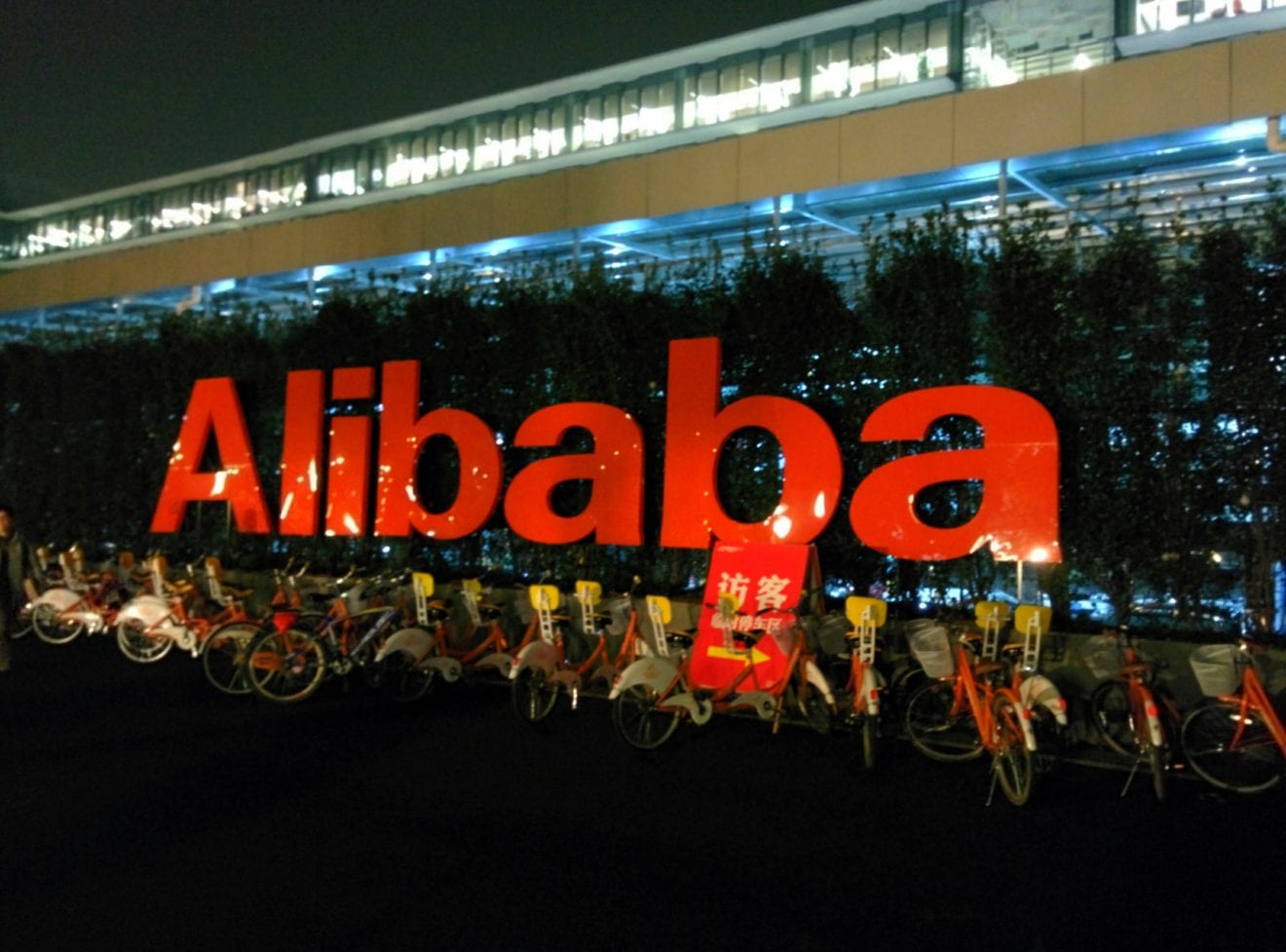
  • Alibaba.com reduces cross-border risk

    Alibaba.com reduces cross-border risk

    Alibaba.com has expanded a free service that offers refunds to disgruntled buyers who use the international wholesale trading platform to purchase goods from overseas suppliers.

    Under the B2B website’s upgraded Trade Assurance program, buyers who make purchases from participating Alibaba.com suppliers will be entitled to full refunds of their deposits, or if applicable the total value of their orders, if suppliers ship products late or if product quality does not meet contract specifications.

    Launched in May, the program initially included only Chinese suppliers with reliable track records of trading on Alibaba.com who volunteered to participate. Within a month, coverage will be expanded to all suppliers who volunteer and are qualified to participate regardless of home country. About 50,000 suppliers have joined the program, according to Alibaba.com, a subsidiary of Hangzhou, China-based Alibaba Group.

    Trade Assurance protects buyers by holding deposits or payments in escrow until they are satisfied that suppliers have lived up to the terms of their sales contracts. The program is designed to reduce risk and foster greater trust and trade among Alibaba.com buyers and suppliers, most of whom conduct business over the Internet and never meet in person. Alibaba.com sells no products itself; the company runs an online marketplace that hosts virtual stores of manufacturers, distributors and other sellers, the majority of them based in China.

    “By providing maximum trade protection, Alibaba.com aims to make cross-border trading easier, therefore empowering small-and medium-sized businesses to engage in global trading,” said Alibaba Group senior VP Wu Min Zhi.

    “By lessening concerns and building trust in international trade, we are committed to introducing more trade opportunities to Alibaba.com members,” Wu said in a statement.

    “As a result, small businesses will not miss out the benefits of international trading due to trust concerns over product quality or payment security.”

    Trade Assurance protection is available to all of Alibaba.com’s millions of global buyers, provided the supplier they want to do business with is approved for the program. To vet suppliers, Alibaba.com uses data analytics to assess past performance and trading histories over six-month periods. The program currently only covers payments made by telegraphic transfer (T/T), but other payment methods will be covered in the future, Alibaba.com said.

    To help make it easier for small businesses to identify reliable trading partners, Alibaba.com encourages suppliers who qualify for the Trade Assurance program to display a Trade Assurance icon on their Alibaba.com virtual storefronts. To further improve transparency, storefronts also display the total number of transactions and total value of deals the supplier has completed over the previous 12 months. In addition, Alibaba.com will show how often and how quickly qualified suppliers respond to customers.

    Meanwhile, Alibaba.com says its “e-Credit Line” service – which provides trade financing to small businesses using Alibaba.com – is now expanded into Australia.

    Through a partnership between Alibaba.com and Australian finance company AUSvance, Australia-based small businesses can apply for loans and lines of credit in under five minutes through a streamlined process and obtain a line of credit from AU$5000 to AU$300,000 to pay suppliers for purchases on Alibaba.com.

    A decision based on an automated credit scoring model will be made within 60 seconds, and full approval can be granted within 24 hours after verification of documentation from the applicants, according to Alibaba.com. The interest rate is as low as 1.15 per cent per month for Alibaba.com customers.

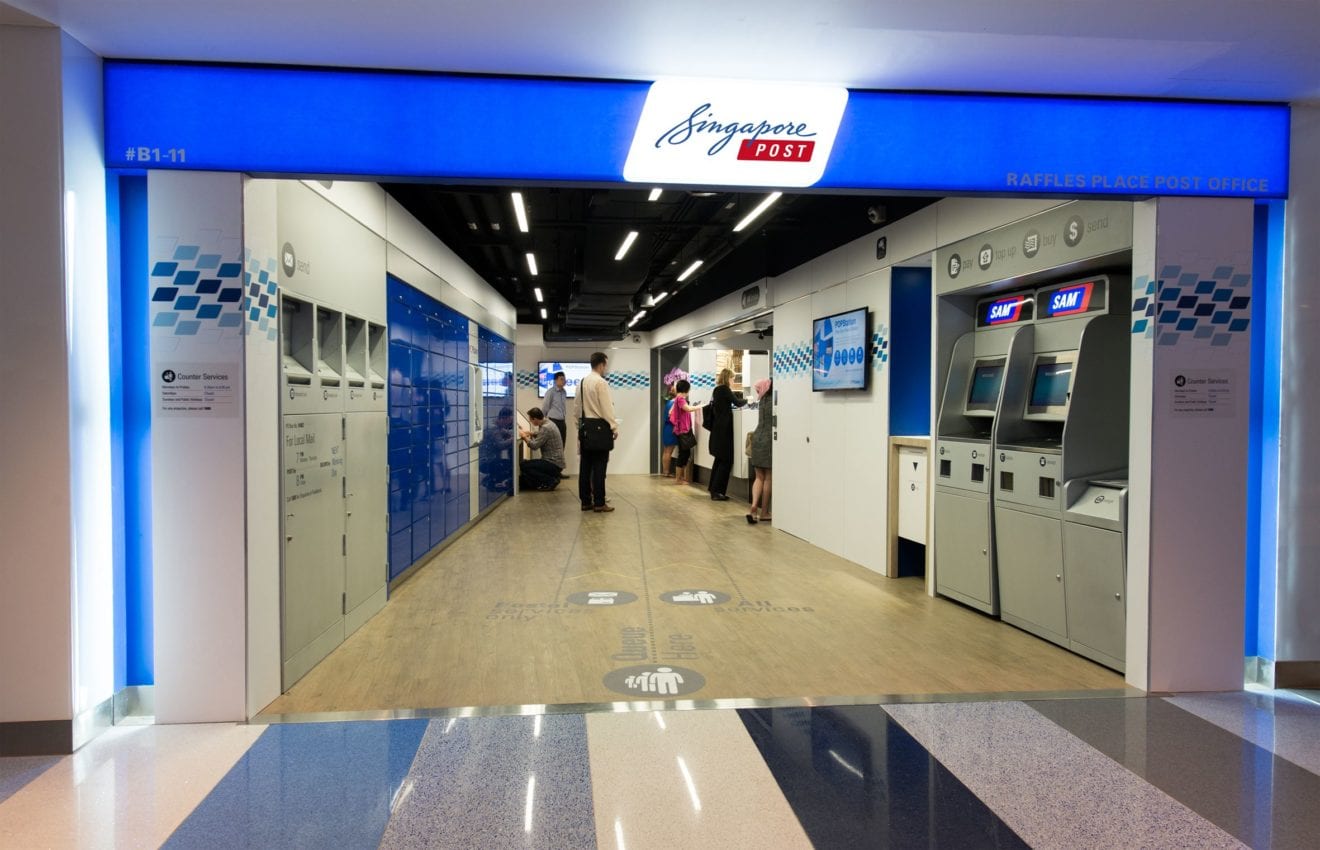
  • Alibaba boosts stake in SingPost

    Alibaba boosts stake in SingPost

    Alibaba Group has agreed to take a larger stake in Singapore Post and invest in a subsidiary of the publicly traded post office to strengthen their joint development of eCommerce logistics services in the Asia Pacific region.

    The deal, announced today, calls for Alibaba Group to buy an additional five per cent of SingPost shares for $138.6 million, increasing its ownership position in the mail and parcel carrier to 14.51 per cent. Alibaba will also invest $67.85 million in SingPost’s Quantium Solutions International (QSI), which runs a logistics and fulfilment network in more than 10 Asia Pacific countries.

    Alibaba, China’s largest eCommerce company, has been aggressively courting businesses outside the mainland in order to promote cross-border e-commerce, working with companies such as SingPost to reduce some of the barriers to efficient worldwide delivery of small parcels ordered online-impediments such as relatively high shipping costs, lengthy delivery times and complications in getting orders through customs.

    Cross-border online shopping – consumers buying products directly from overseas retailers via the Web – will see compound annual growth of 27 perc ent over the next five years, double the rate of worldwide B2C shopping as a whole, according to a recent report from Accenture and AliResearch, Alibaba’s research arm.  While Alibaba Group currently makes less than five per cent of its revenue outside of China, Jack Ma, the company’s executive chairman, said his goal is for overseas eCommerce to eventually make up half of company revenue.

    Alibaba and SingPost began collaborating last year when Alibaba, through an investment vehicle, acquired an initial stake in SingPost. The deal announced today deepens their relationship, the companies said, with Alibaba taking a 34 per cent stake in QSI, while SingPost will hold 66 per cent.

    Under the agreement, QSI, which offers eCommerce logistics and warehousing across Asia Pacific, will be reorganised as a joint venture between SingPost and Alibaba Group. In addition, QSI will also become a platform for both parties to increase collaboration, with QSI providing eCommerce warehousing, last-mile delivery and other end-to-end eCommerce solutions. Alibaba and SingPost also entered into a joint strategic business development framework to further improve efficiency and integration between the companies, according to a press release.

    Alibaba “started as our customer and then last year became our shareholder and business partner,” said SingPost group executive officer Wolfgang Baier.

    “We are now taking the next step by building a regional e-commerce logistics platform and infrastructure for e-commerce players across Asia Pacific, based on Quantium Solutions.”

    Confronted with dwindling revenue in the digital era, national mail carriers such as SingPost have been increasingly trying to adapt by expanding services into the high-growth e-commerce arena.

    “The pace of transformation at SingPost has been accelerating steadily,” said SingPost chairman Lim Ho Kee. “As a postal service provider, we are on a burning platform, facing a global decline in mail revenue with trends like e-substitution and lifestyle changes.”

    Lim called the partnership with Alibaba “a win-win situation for both of us because we share similar goals and have a natural fit between our operations across Asia”.

    Alibaba Group CEO Daniel Zhang said his company and SingPost have in the past year “devised a series of customized logistics solutions in various markets. With these new initiatives, we hope to further drive synergies to help global brands and merchants with convenient access to China and at the same time help Chinese businesses sell and ship easily around the world.”

    The investment agreement, which must be approved by SingPost shareholders and regulators, calls for Alibaba Group to purchase 107,553,907 existing shares in SingPost, which trades on the Singapore’s stock exchange. Upon completion of the deal, Alibaba’s deemed interest on a fully diluted basis in SingPost will rise from 10.23 percent to 14.51 percent.

    Alibaba Group has agreed to take a larger stake in Singapore Post and invest in a subsidiary of the publicly traded post office to strengthen their joint development of eCommerce logistics services in the Asia Pacific region.

    The deal, announced today, calls for Alibaba Group to buy an additional five per cent of SingPost shares for $138.6 million, increasing its ownership position in the mail and parcel carrier to 14.51 per cent. Alibaba will also invest $67.85 million in SingPost’s Quantium Solutions International (QSI), which runs a logistics and fulfilment network in more than 10 Asia Pacific countries.

    Alibaba, China’s largest eCommerce company, has been aggressively courting businesses outside the mainland in order to promote cross-border e-commerce, working with companies such as SingPost to reduce some of the barriers to efficient worldwide delivery of small parcels ordered online-impediments such as relatively high shipping costs, lengthy delivery times and complications in getting orders through customs.

    Cross-border online shopping – consumers buying products directly from overseas retailers via the Web – will see compound annual growth of 27 perc ent over the next five years, double the rate of worldwide B2C shopping as a whole, according to a recent report from Accenture and AliResearch, Alibaba’s research arm.  While Alibaba Group currently makes less than five per cent of its revenue outside of China, Jack Ma, the company’s executive chairman, said his goal is for overseas eCommerce to eventually make up half of company revenue.

    Alibaba and SingPost began collaborating last year when Alibaba, through an investment vehicle, acquired an initial stake in SingPost. The deal announced today deepens their relationship, the companies said, with Alibaba taking a 34 per cent stake in QSI, while SingPost will hold 66 per cent.

    Under the agreement, QSI, which offers eCommerce logistics and warehousing across Asia Pacific, will be reorganised as a joint venture between SingPost and Alibaba Group. In addition, QSI will also become a platform for both parties to increase collaboration, with QSI providing eCommerce warehousing, last-mile delivery and other end-to-end eCommerce solutions. Alibaba and SingPost also entered into a joint strategic business development framework to further improve efficiency and integration between the companies, according to a press release.

    Alibaba “started as our customer and then last year became our shareholder and business partner,” said SingPost group executive officer Wolfgang Baier.

    “We are now taking the next step by building a regional e-commerce logistics platform and infrastructure for e-commerce players across Asia Pacific, based on Quantium Solutions.”

    Confronted with dwindling revenue in the digital era, national mail carriers such as SingPost have been increasingly trying to adapt by expanding services into the high-growth e-commerce arena.

    “The pace of transformation at SingPost has been accelerating steadily,” said SingPost chairman Lim Ho Kee. “As a postal service provider, we are on a burning platform, facing a global decline in mail revenue with trends like e-substitution and lifestyle changes.”

    Lim called the partnership with Alibaba “a win-win situation for both of us because we share similar goals and have a natural fit between our operations across Asia”.

    Alibaba Group CEO Daniel Zhang said his company and SingPost have in the past year “devised a series of customized logistics solutions in various markets. With these new initiatives, we hope to further drive synergies to help global brands and merchants with convenient access to China and at the same time help Chinese businesses sell and ship easily around the world.”

    The investment agreement, which must be approved by SingPost shareholders and regulators, calls for Alibaba Group to purchase 107,553,907 existing shares in SingPost, which trades on the Singapore’s stock exchange. Upon completion of the deal, Alibaba’s deemed interest on a fully diluted basis in SingPost will rise from 10.23 percent to 14.51 percent.

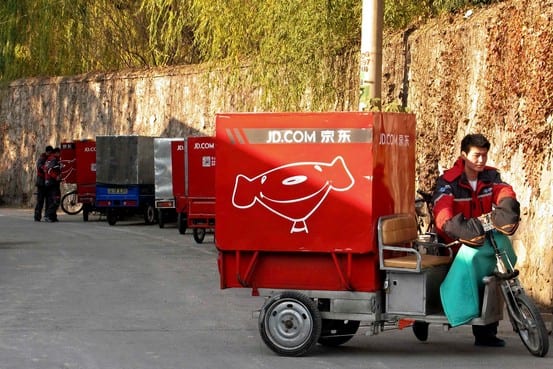
  • JD.com launches Australian Mall

    JD.com launches Australian Mall

    Chinese language eCommerce gaint JD.com has launched an Australian Mall platform to convey “genuine, imported merchandise” to China.

    The Nasdaq-listed e-tailer says the brand new ‘mall’ might be a brand new channel on its JD Worldwide cross-border platform. The corporate additionally introduced cooperative agreements with Australia Submit and Treasury Wine Estates as a part of its Australia push.

    The corporate launched its Australian Mall at an occasion in Melbourne hosted by Richard Liu, founder and CEO of JD.com.

    Following the signing of China-Australia Free Commerce Settlement on June 17, the occasion additionally kicked off Genuine Australia Yr to advertise the eCommerce improvement between Chinese language and Australian enterprises.

    “Chinese language shoppers are more and more captivated with making an attempt, shopping for and utilizing merchandise from everywhere in the world, and Australian merchandise like milk and wine have lengthy been huge sellers on our platform,” stated Liu. “Now that our Australian Mall is out there, JD.com clients can additional fulfill their rising curiosity in recent Australian meals and high-quality merchandise, safe within the information they’re shopping for via China’s premier trusted supply of real merchandise.”

    The partnership with Australia Publish will make it simpler for corporations on JD Worldwide to leverage the postal service’s providers, together with package deal decide up, abroad warehousing, air and sea transportation, and small package deal junk mail from Australia to China, amongst different potential providers.

    Stated Andrew Walduck, EGM, info, digital & know-how (and CIO) of Australia Submit: “We’re additionally happy to play a number one position in connecting Chinese language shoppers with fabulous and premium Australian merchandise via JD.com.”

    The brand new Australian Mall builds on JD.com’s partnership with Austrade to advertise gross sales of Australian meals merchandise and in collaboration with Australian companions like Australia Publish and AustCham will supply a wider vary of meals together with recent milk, seafood, recent fruits and different gadgets in excessive demand amongst JD.com’s clients.

    JD.com’s Australian Mall may even function many well-known Australian manufacturers and merchandise masking numerous classes, together with healthcare, maternity, child, private care, cosmetics, sportswear and footwear.

    As a part of its Australian Mall launch, JD.com additionally introduced a brand new settlement with Treasury Wine Estates, certainly one of Australia’s premier wineries. Underneath the settlement, JD.com will start providing the corporate’s wines to its greater than 100 million lively clients.

    Because it does with its different worldwide channels on JD Worldwide, together with its lately launched on-line nation malls that provide genuine merchandise from France, South Korea and Japan, the corporate will join Australian suppliers and sellers with worldwide logistics companions, together with Australia Publish, to assist simplify cross-border transactions, thereby permitting clients in China to order and obtain the products they need in a seamless, speedy and worry-free method.

    “As a long-time associate of JD.com, we couldn’t be extra delighted to welcome Richard and his staff to Australia to additional increase their enterprise with corporations right here,” stated Phil Wohlsen GM Asia of The a2 Milk Firm.

    “As China and Australia launch a brand new period of elevated financial cooperation, I hope that extra Australians will use this chance to leverage the super assets of JD.com to faucet the large potential of Chinese language market as we now have.”

    Australian manufacturers serious about reaching JD.com’s 100 million-plus clients ought to contact JD Worldwide’s model administration group at: [email protected].

  • Alibaba to launch ‘nation pavilions’

    Alibaba to launch ‘nation pavilions’

    Chinese language etailing big Alibaba says it’ll launch 11 ‘nation pavilions’ on its Tmall International on-line market to spice up cross-border eCommerce commerce.

    On the similar time, Alibaba’s group-buying platform, Juhuasuan, is becoming a member of the corporate’s cross-border drive. Alibaba has entered into partnerships with the embassies of 26 nations on advertising and promotion of their nation’s merchandise by way of Juhuasuan.

    On Tmall International, 11 nations – the US, New Zealand, Australia, Switzerland, France, Britain, Spain, Singapore, Thailand, Malaysia and Turkey are working to construct out their pavilions – described as “curated, vertical buying websites designed to advertise fashionable merchandise and genuine specialties from chosen SMEs from every nation”, in addition to present journey and cultural info to China’s internet buyers.

    South Korea’s authorities turned the primary nation to launch an official pavilion on Alibaba’s Tmall.com in Might.

    “Alibaba Group has been incubating this nation pavilion undertaking for a while now,” stated Jeff Zhang, president of China retail marketplaces for Alibaba Group, calling the 11 websites launched this week because the “first fruit of this ongoing challenge to make international commerce simpler.”

    Retailers which are already promoting on Tmall.com and Tmall International marketplaces can choose to hitch their nation’s pavilion in the event that they meet sure necessities, based on Alibaba.

    Alibaba Group in current months has been aggressively selling the expansion of cross-border on-line purchasing with authorities officers and enterprise leaders all over the world. Earlier this month, Alibaba government chairman Jack Ma visited the US to speak about Alibaba’s worldwide technique and the way small companies can use the Net to promote on to Chinese language shoppers, who’re more and more in search of top quality, imported merchandise.

    Based on a current report on cross-border eCommerce by Accenture, China is predicted to grow to be the world’s largest cross-border B2C market by 2020.

    In the meantime, the businesses becoming a member of the Juhuasuan initiative are the US, Canada, Russia, New Zealand, South Korea, Japan, Italy, Australia, Thailand, Bulgaria, Ukraine, Greece, Mexico, Singapore, Finland, Indonesia, Norway, the Czech Republic, Slovakia, Costa Rica, Brazil, Chile, Nepal, Israel, South Africa, and Malaysia.

  • Korean online malls draw global shoppers

    Korean online malls draw global shoppers

    The number of customers using Korean online malls is sharply increasing not just in China and North America, but in new markets around the globe.

    SimpleX Internet, which runs Korean eCommerce solutions specialist cafe24, says Korean cross-border shopping malls are tapping into markets in Southeast Asia, Europe, South America and Australia.

    President Lee Jae-suk says while making the best use of the online environment that provides an easy way to reach customers around the world compared with the offline market, many Korean shopping malls have had success from customising their website experience and offer to each country.

    Funny Love, an online shopping mall specialising in ‘family looks’ has become so successful online, it opened an offline shop in Kazakhstan recently. This is the outcome of the cross-border shopping mall that has drawn great attention among local consumers since 2013. The company’s belief that ‘Korean style family look’ would fit perfectly into the sentiment of Asian people has come true, and thus, the expansion of their sales channels to Vietnam and Singapore.

    Mother’s Corn which specialises in eco-friendly tableware for children, made from plant materials, has acquired the strict CE mark and the Federal Institute for Drugs and Medical Devices certificate through its own manufacturing technology. As a result, this has enabled the company to make inroad into markets in over 10 countries in Southeast Asia and Europe, including the Philippines, Indonesia, France, Poland and Germany. It has doubled its overseas sales as of May of this year compared with the same period last year.

    President Kim Mi-jin explained: “We won the trust of consumers around the world by providing details of the products using various online contents. We will expand the demand in Europe by releasing new products such as dishwashers.”

    Jam Studio, the design props dealer, boosted its business through cross-border shopping mall targeting Southeast Asia. Even slightly more expensive products are selling well due to the popularity of the Korean Wave in Southeast Asia. The customised marketing using Social Networking Services (SNS) such as Facebook and Instagram also played a part.

    In addition, shopping malls carrying environment-friendly organic products for Canadian and Australian consumers and those carrying moisturising cream for consumers in hot regions of Southeast Asia are also examples of marketing based on the characteristics of each country.

    Language is no barrier for consumers using Korean crossover shopping malls around the globe. Korean companies setting up cross-border shopping malls through cafe24 can do so in English, Chinese, Japanese, Spanish, and Portuguese through cafe24, and French and German will be available within this year as well.

    “7 billion people around the world are purchasing Korean products through the experienced eCommerce infrastructure,” said Lee Jae-suk of cafe24 parent SimpleX Internet.

    “Korean cross-border shopping malls will strengthen their competitive edge with strategies customised to each country.”