Retail News CRM

Tag: diner

  • KFC expands delivery offer with Menulog

    KFC expands delivery offer with Menulog

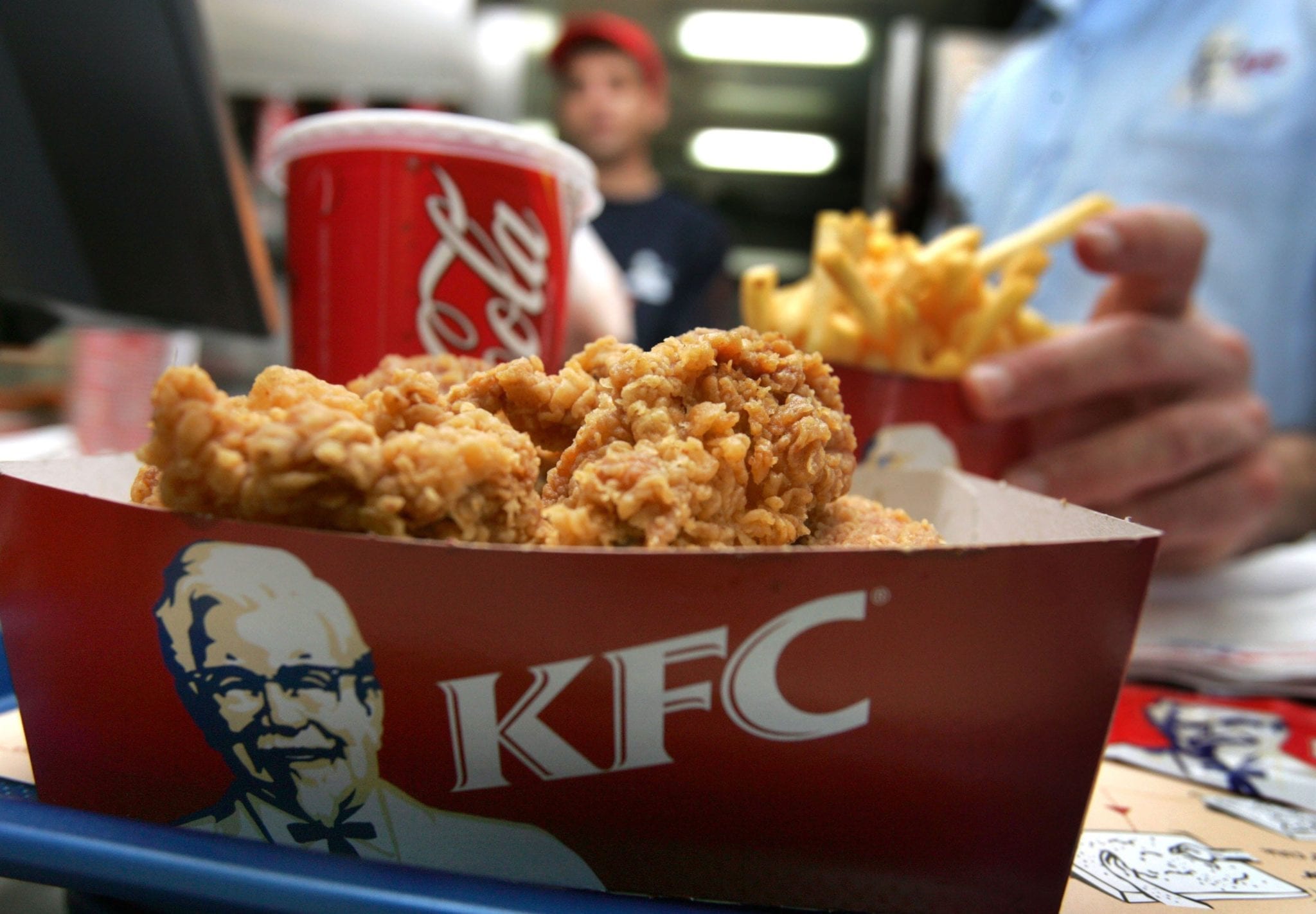
    QSR chain KFC has extended its partnership with Menulog for three more years after seeing a strong response to its offer on the food delivery platform over the past 12 months.

    The agreement will see the chicken chain offering delivery in more suburban and regional areas as it brings more restaurants onto the platform. More than 360 KFC restaurants currently offer delivery through Menulog, and that figure is set to rise by almost 10 per cent by the end of this year. KFC also offers delivery through rival platform Deliveroo.

    Competition in Australia’s food delivery space is intense, and the key players – Menulog, Deliveroo and Uber Eats, the market leader – all see restaurant chains with national footprints and sizeable marketing budgets, such as KFC, McDonald’s and Hungry Jack’s, as an important path to expansion.

    Since US delivery giant DoorDash entered the local market in September, the race to strike deals with QSR brands has only heated up. DoorDash recently offered free Oporto burgers as part of a promotion to mark its launch into Sydney. And Menulog’s managing director Ben Carter said the platform will continue to take advantage of co-marketing opportunities with KFC.

    “Kentucky Fried Chicken is a favourite with our customers and so there is a very compelling co-marketing opportunity that we will continue to take advantage of over the next three years,” Carter said in a statement.

    “Customers can expect to see some very exciting, creative and truly integrated work that will add value and enjoyment to the KFC and Menulog delivery experience.”

    Menulog recently announced it had signed its 16,000th restaurant in Australia. The platform is owned by UK-based company Just Eat, which is in the middle of a merger with the Dutch Takeaway.com.

  • Hong Kong restaurant sales fall as protests deter diners

    Hong Kong restaurant sales fall as protests deter diners

    Hong Kong restaurant sales slumped by 11.7 percent in the third quarter as protests deterred foreign visitors and locals dined in more often.

    The value of receipts was provisionally estimated at HK$26.4 billion (US$3.37 billion), and the value of purchases by restaurants decreased by 10.9 percent to HK$8.5 billion ($1.086 billion).

    After netting out the effect of price changes over the same period, the provisional estimate of the volume of restaurant receipts decreased by 13.6 percent year on year in the third quarter.

    Quarter on quarter, restaurant receipts decreased by 10.6 percent in value and by 11.4 percent.

    Comparing the first three quarters of this year with the same period last year, Hong Kong restaurant sales decreased by 3 percent in value and by 5.2 percent in volume.

    A government spokesman said the sharp deterioration of Hong Kong restaurant sales in the third quarter represented the largest year-on-year decline since the outbreak of Sars in the second quarter of 2003.

    “The plunge in restaurant receipts in the third quarter mainly reflected the severe disruptions to food and beverage businesses caused by the local social incidents, while weak consumer sentiment amid subdued economic conditions also played a part.”

    The spokesman said food-and-beverage businesses will continue to face “immense pressure” in the near term “amid continued protests involving violence and the subdued economic outlook”.

  • Giant Vietnam restaurant chain Mon Hue shuts down

    Giant Vietnam restaurant chain Mon Hue shuts down

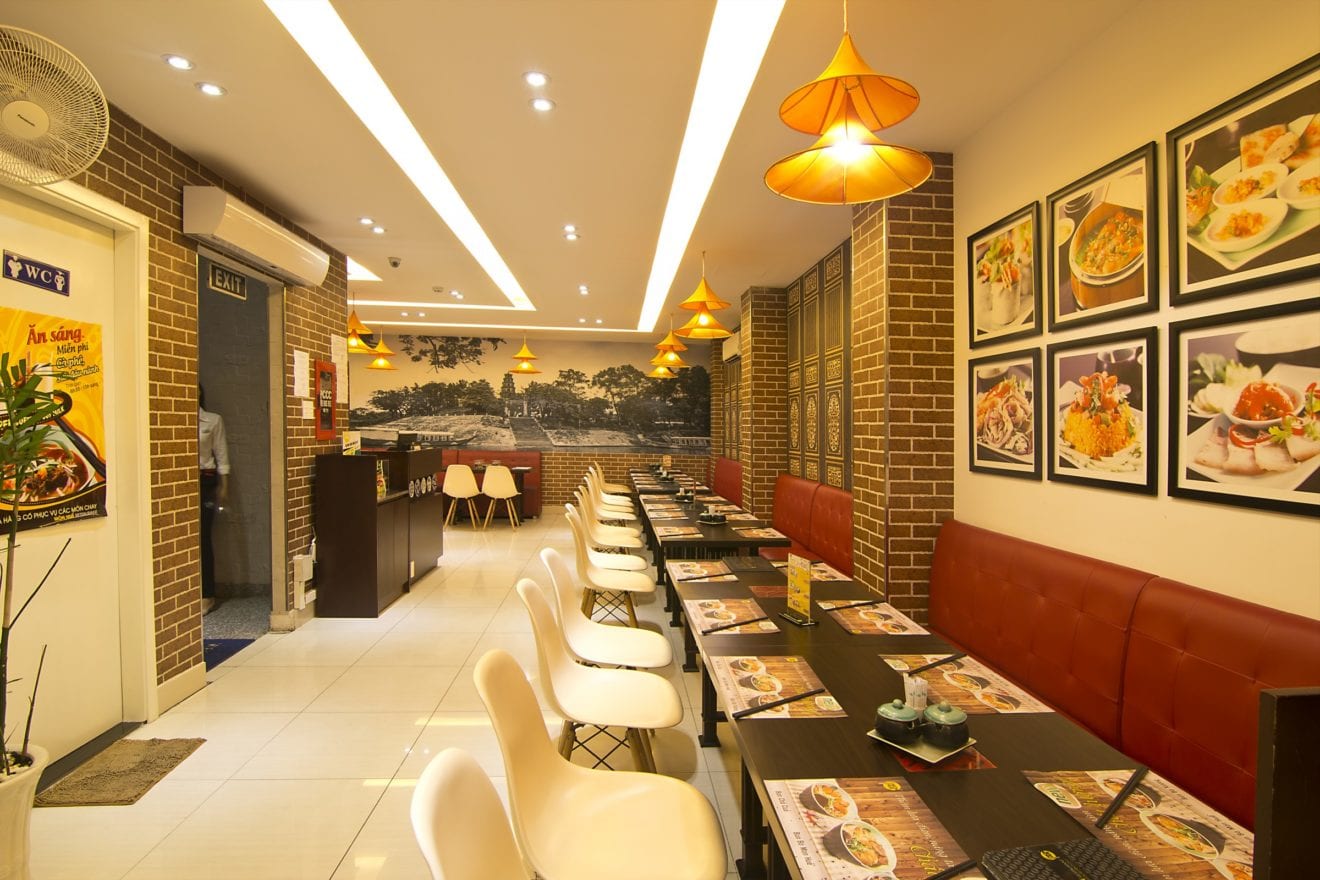
    Vietnam restaurant chain Mon Hue has closed down without notice, evidently unable to pay its debt.

    Restaurants under the Mon Hue brand along with sister chains including Pho Ong Hung and 99 House of Pho, have been shuttered and the company’s websites and social media channels have been switched off. Many of the abandoned stores in downtown Ho Chi Minh City already have for-lease signs on them.

    The company’s headquarters has been abandoned.

    The exact number of stores in the company’s network is hard to clarify. By the end of 2015 the company operated 110 and then embarked on a massive expansion program which may have peaked at 200 before closures began. Local media reported that 80 closed this week, but there is evidence that a long-term cull has been underway for at least several months.

    Several Mon Hue employees and suppliers have told local news media that they haven’t been paid “for months”.

    “Since about a week ago, the company stopped taking our supplies or paying for them. We couldn’t contact the procurement managers, directors of Mon Hue or its owner, Huy Nhat,” said Thuan, a supplier of the restaurant.

    DealStreet Asia reported today that private equity investors in Huy Vietnam have commenced a lawsuit in People’s Court of HCMC on behalf of the business against its founder and chairman Huy Nhat.

    According to VN Express, Mon Hue achieved a profit of VND300 million ($12,950) in 2016, but since then losses have accumulated to almost VND107 billion ($4.62 million) as expansion costs rose much faster than revenue.

    Meanwhile, dozens of the restaurant group’s suppliers owed money gathered in front of Ho Chi Minh City police headquarters to file complaints against the company, alleging Mon Hue had committed fraud.

    Staff, landlords, and suppliers have been left unpaid. Trade suppliers are owed at least US$430,000 including a production company whose $55,940 debt traces back three months. Others reduced their exposure by ceasing supplies but a promised installment repayment plan by Mon Huse was allegedly not honored.

    In addition to enormous debts, Mon Hue Restaurant accounts have been frozen by Vietnam’s tax authority.

    Mon Hue was operated by Nha hang Mon Hue Co, which is now wholly owned by Hong Kong-registered Huy Vietnam.

    In late 2015, Huy Vietnam announced it was planning to list on the Hong Kong Stock Exchange.  At the time it had already attracted US$65 million in investment from global investors such as AIF Capital Asia, Fortress Capital Asset Management, Welkin Capital, Prosperous Alliance and Templeton Emerging Markets Group. The company reported estimated it could raise up to $100 million from an IPO to fund expansion both inside and outside Vietnam. That plan was later abandoned.

  • Crystal Jade restaurants opening in the Philippines

    Crystal Jade restaurants opening in the Philippines

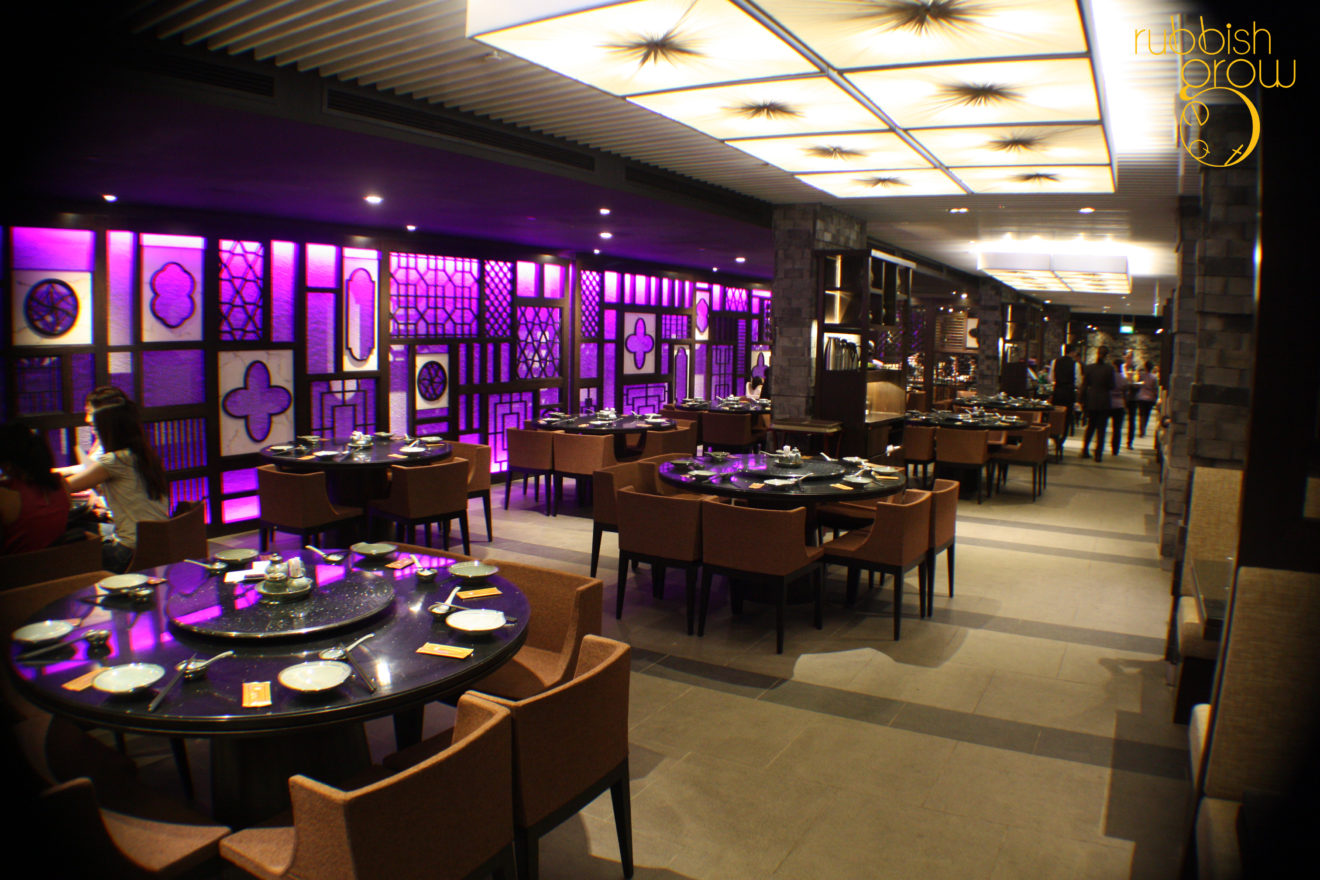
    Philippines specialty store retailer SSI Group will play host to Chinese restaurant chain Crystal Jade in the territory.

    The firm has contracted with Crystal Jade Management to own and operate the brand in the Philippines as part of its expanding F&B portfolio.

    “The strategic partnership with SSI group is yet another proud moment for Crystal Jade,” said Crystal Jade Culinary Concepts Holdings CEO Douglas DeBoer. “We are excited to join in partnership with such a renowned specialty retailer which has successfully brought so many iconic international brands to the Philippines. Crystal Jade is dedicated to bringing authentic, quality Chinese cuisine to contemporary audiences around the world, and we look forward to delighting consumers across the Philippines very soon.”

    SSI president Anthony Huang said the opening of Crystal Jade in the Philippines is aligned with his company’s desire to provide consumers with complete lifestyle offerings through global partnerships “that cater to the eclectic and sophisticated taste of the Filipino consumer”.

    SSI will initially open a Crystal Jade Hong Kong Kitchen outlet early next year at Central Square in Bonifacio Global City, before rolling out Crystal Jade’s other three international dining concepts – which include Crystal Jade Golden Palace, Crystal Jade La Mian Xiao Long Bao and Crystal Jade Go.

  • Shake Shack openening second store in Philippines soon

    Shake Shack openening second store in Philippines soon

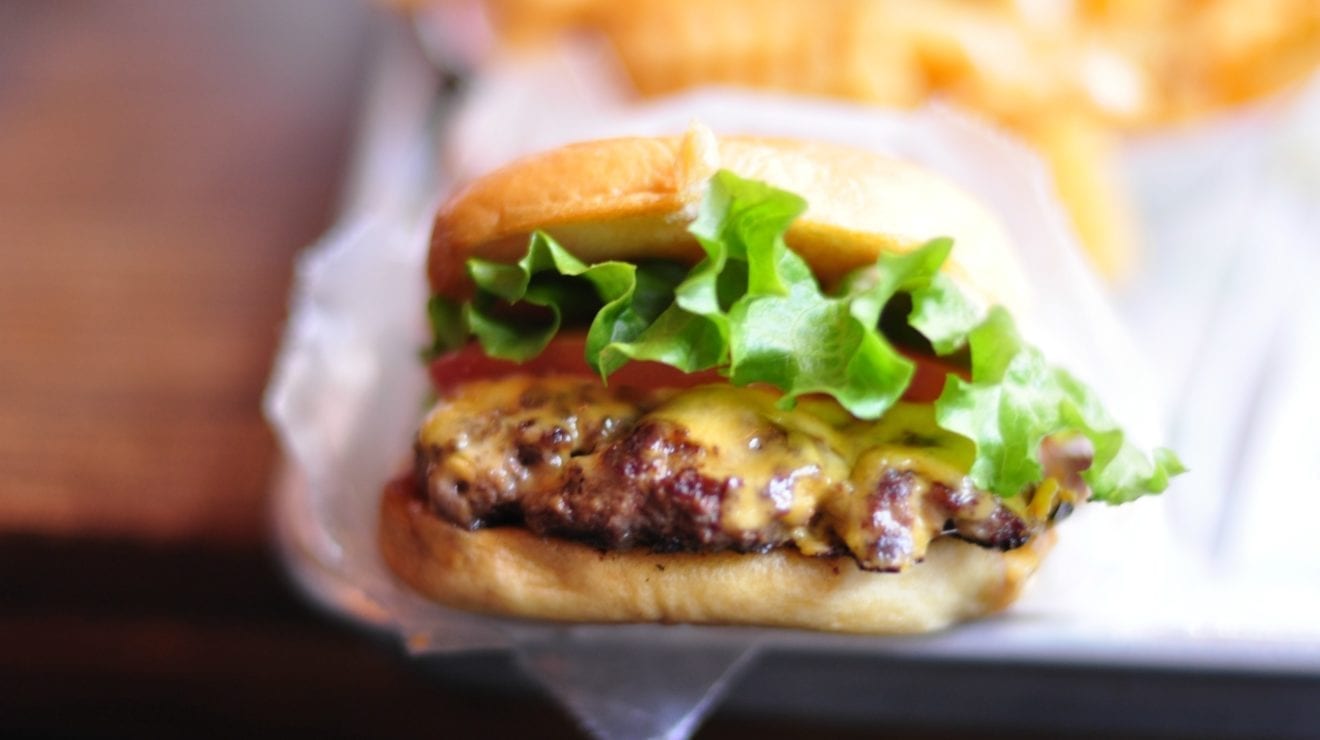
    Shake Shack is launching its second Philippines outlet at the Mega Fashion Hall at SM Megamall.

    The restaurant is expected to open before the end of the year, with construction on the new venue already underway following a board up made by artist Kris Abrigo, which features a “reimagined Ortigas skyline showcasing gradient colours as day shifts into night, and a multi-faceted community through textures and geometric shapes,” according to reporting in the Manila Standard.

    Brand enthusiasts are invited to interact with sliding panels in the board to reveal “surprises” during the lead-up period to the store’s opening.

  • Increasing pork prices in China a magnet for Vietnamese traders

    Increasing pork prices in China a magnet for Vietnamese traders

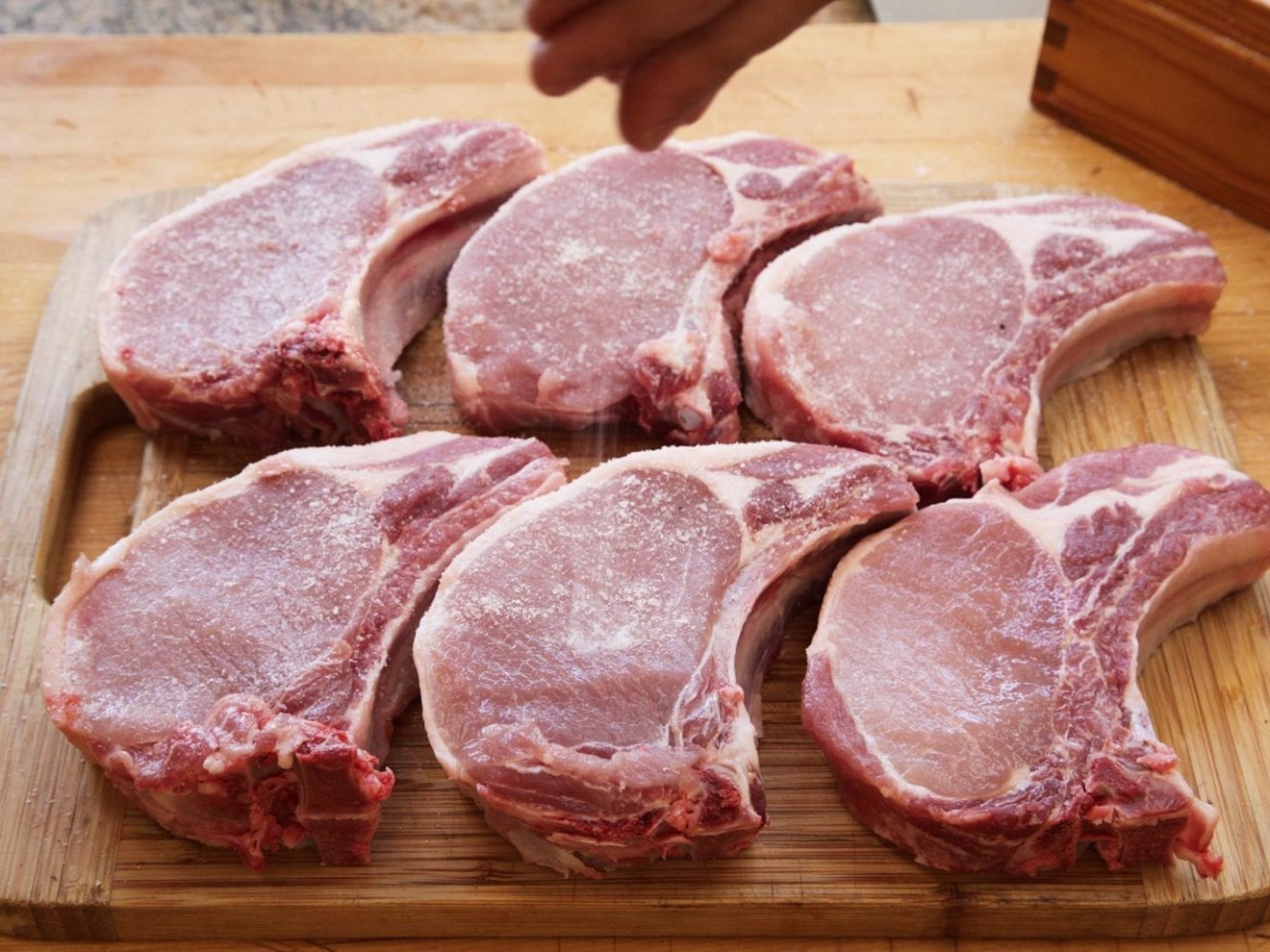
    Vietnamese traders are exporting pork to China despite forecasts of declining domestic supply due to outbreaks of the African swine fever.

    Tam, who buys pork in the south, said his exports to China have increased in the last two months, and fetch a margin of VND500,000-1 million ($22-43) per pig. “Prices are high in China because it stopped buying from the U.S.”

    Nguyen Kim Doan, deputy chairman of the Dong Nai Breeding Association, said traders are selling Vietnamese pork to China because of the large gaps in prices in the two countries.

    Pork costs CNY26.67 ($3.7) in China and just VND50,000 ($2.2) in Vietnam, a 43 percent difference.

    China, the world’s top pork consuming nation, earlier this month canceled orders to buy 14,700 tonnes of U.S. pork as the trade war between the two largest economies continued. Industry insiders have forecast prices in China to increase by 70 percent from last year in the coming months.

    In Vietnam, they have risen by up to 28 percent to VND50,000 ($2.2) in the north and VND40,000 ($1.7) in the south since supply has been falling after African swine fever swept the country.

    Some 4.7 million pigs have been culled since the disease was first detected in February this year.

    Producers are reluctant to return to the business after having to cull infected animals, the Department of Processing and Market Development of Agriculture Products said.

    It estimated prices to rise further, especially during Lunar New Year Festival (Tet) next January.

    Vietnam could face a shortage of 500,000 tons in the second half of this year, or 20 percent of demand, according to market research firm Ipsos Business Consulting.

    In January-August the country exported $449 million worth of meat, up 3.6 percent year-on-year from 2018, mostly because of the rise in pork exports to China.

    All provinces and cities have reported the disease, which does not pose a risk to humans but is fatal to pigs.

    Pork accounts for three-quarters of meat consumption in Vietnam, a country of 95 million.

    African swine fever was first detected in Asia last year in China, the world’s largest pork producer. Half of its breeding pigs have died or been slaughtered because of the disease, twice as many as officially reported.

  • Cebu Pacific launches new inflight menu

    Cebu Pacific launches new inflight menu

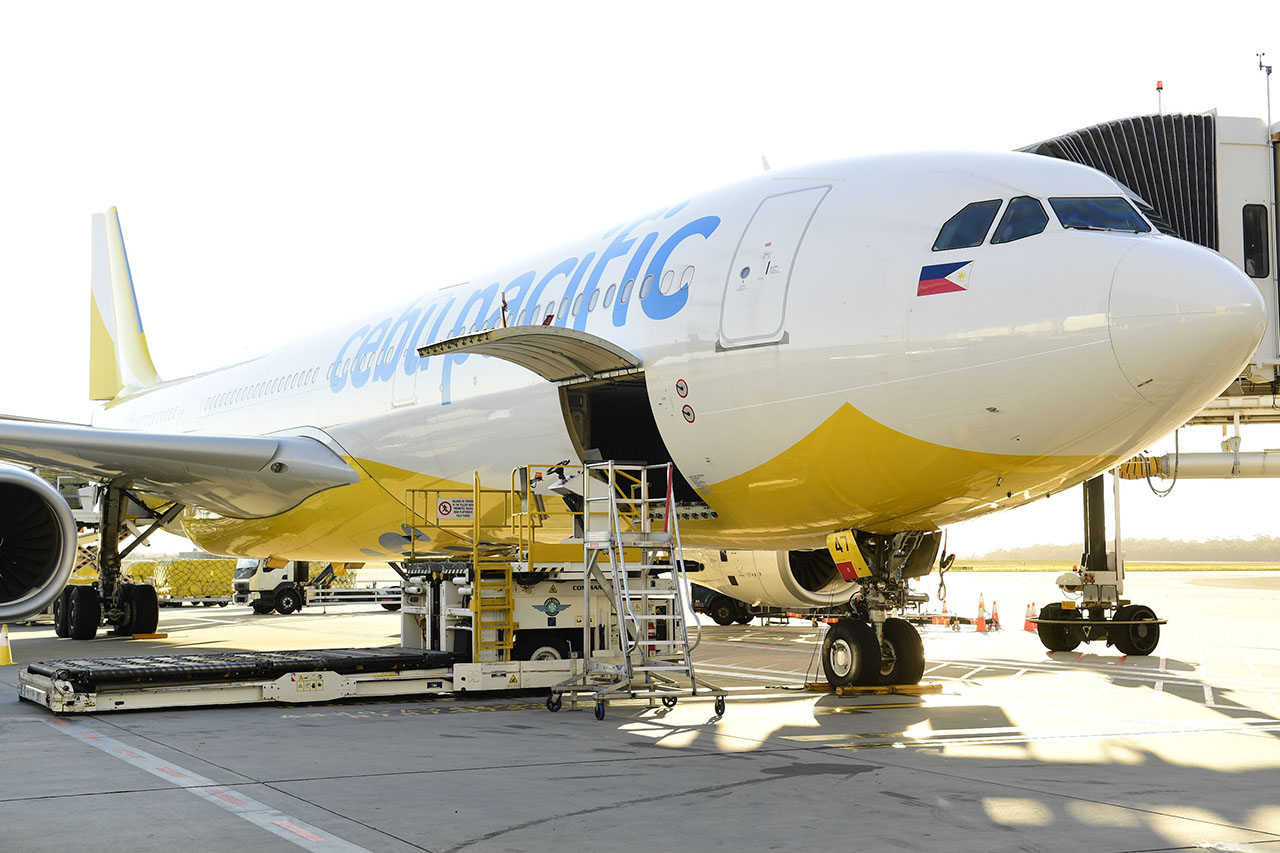
    Cebu Pacific is launching a new selection of inflight meals for purchase starting October this year.

    The new meals include a Singaporean dish (Hainanese Chicken Rice shown above), Filipino cuisine, and a vegetarian option.

    “As every Cebu Pacific flight is a journey to or from home, we have designed this refreshed inflight menu to bring a feeling of comfort in the form of simple meals and familiar tastes,” said JB Bueno, director for inflight catering and sales at Cebu Pacific.

    Below are some of the meals passengers traveling with the airline can buy starting next month:

    Roasted Chicken Sandwich (toasted panini bread with roasted chicken, sautéed spinach, and grated cheddar cheese with a garlic aioli spread).

    Lechon Paksiw (slices of roasted suckling pig stewed in a blend of vinegar, sugar, and spices, served with white rice).

    Other meals include the following:

    • Pinoy Spaghetti
    • Beef Salpicao
    • Chicken Yakisoba
    • Crab Salad Sandwich

    In addition to being available for purchase on flight, passengers can also pre-order the meals before the flight, according to Cebu Pacific. The carrier also added that the meals come with information on nutrition to cater to health-conscious travelers flying with Cebu Pacific.

  • First Wolfgang Puck Kitchen opening in in Hong Kong

    First Wolfgang Puck Kitchen opening in in Hong Kong

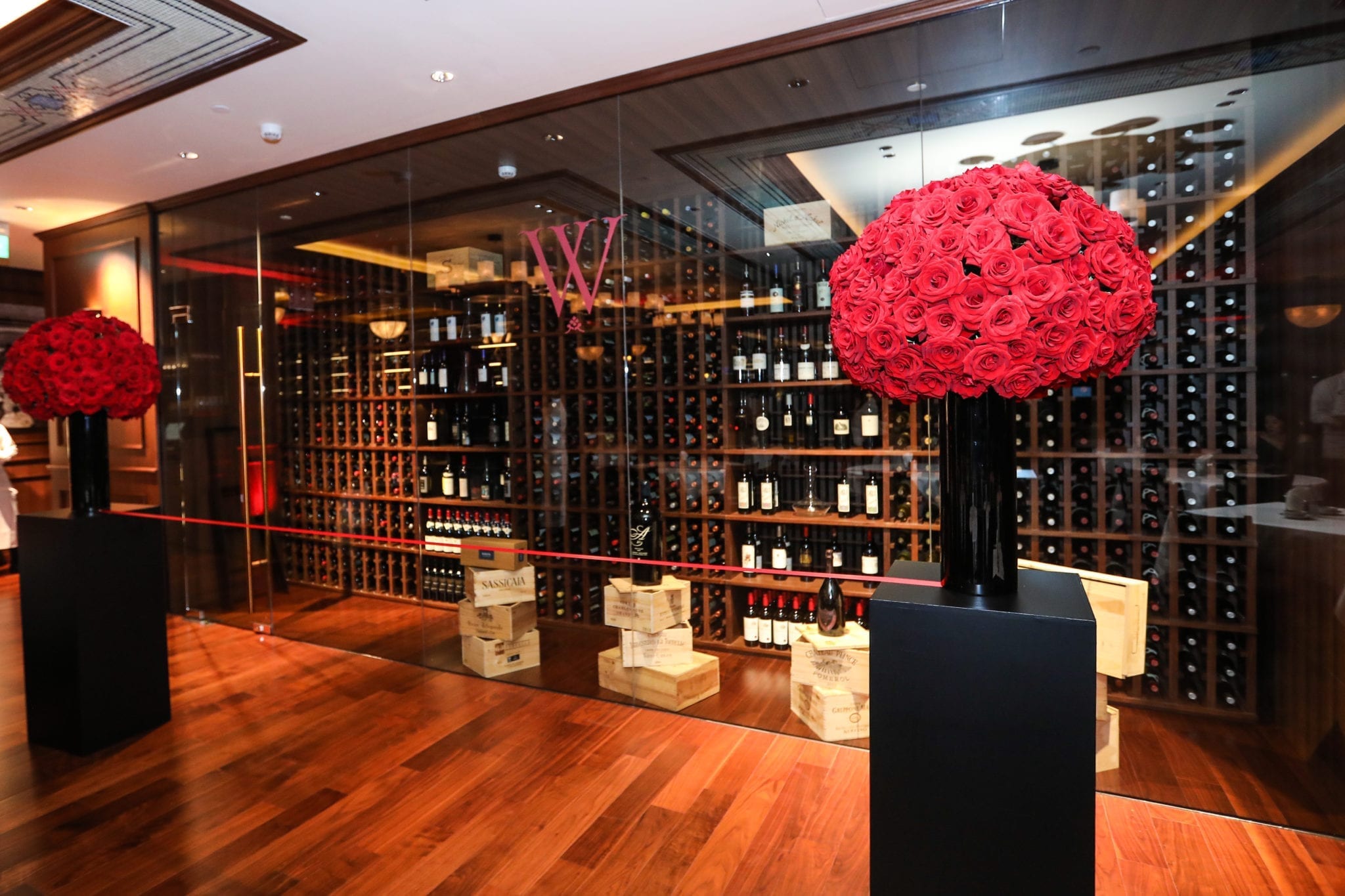
    The first Wolfgang Puck Kitchen in Hong Kong has opened its doors.

    The founder of popular Hollywood eatery Spago is steadily rolling out a network of fast-casual dining concepts across the US and more recently internationally, with outlets in Singapore and Sydney.

    This month he has opened Wolfgang Puck Kitchen on level 5 of the arrivals hall of Terminal 1 at Hong Kong International Airport. A grand opening is planned for October 9.

    The restaurant, in collaboration with Lagardere Travel Retail, features a grab-and-go collection for consuming on the plane, as well as booths and bar seating, serving breakfasts, pizzas, salads, burgers and other fast-casual fare, all influenced by California cuisine.

    The Wolfgang Puck Kitchen in Hong Kong will trade daily from 6.30am to 12.30am.

    The Austrian-born chef’s Wolfgang Puck Kitchen brand now has more than 50 outlets, located in airports, casinos, universities and amusement parks. He also owns the high-end steakhouse Cut, has authored multiple books and is a part-time actor.

  • Cebu Pacific’s New In-Flight Meals Will Make You Look Forward To Eating During Your Flight

    Cebu Pacific’s New In-Flight Meals Will Make You Look Forward To Eating During Your Flight

    Traveling is a double-edged sword. You’re both excited and stressed, even before you get to the airport. One of the things I’ve been taught to do is to eat a full meal before I even leave the house because airport food is too expensive and airplane food is bad. Barely edible, they say!

    Cebu Pacific is here to silence the haters! They recently introduced a new inflight menu that’s all about your favorite Pinoy comfort foods. Described as “homey,” their selection includes Beef Salpicao, Lechon Paksiw, and even Pinoy Spaghetti!

    I know I’m always craving Singaporean food so I was elated to also see Hainanese Chicken Rice on the menu.

    If, however, you don’t feel like having anything heavy, opt for their new sandwiches instead: the Roasted Chicken Sandwich and the Crab Salad Sandwich.

    Vegetarians need not worry: Cebu Pacific didn’t forget about you! Enjoy their Veggie Pesto Sandwich, which consists of tomato, lettuce and mozzarella, and ciabatta bread.

    All of these and more are available for pre-order once you’ve booked a flight with Cebu Pacific. Director for Inflight Catering and Sales JB Bueno shared in a press release, “Our meals being on pre-order also helps us guarantee less food wastage, and is in line with efforts towards more sustainable practices and operations.”

  • BreadTalk Group to buy Food Junction

    BreadTalk Group to buy Food Junction

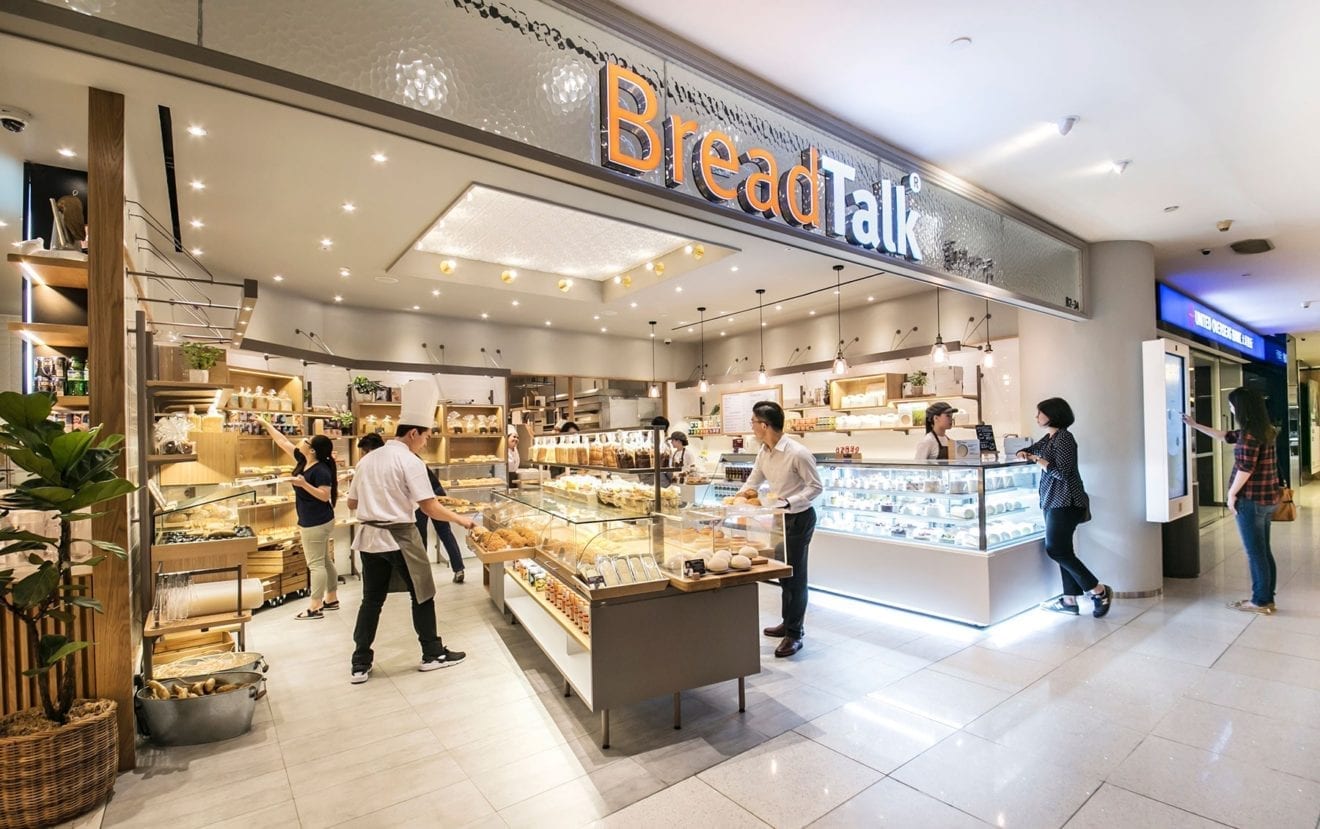
    Listed Singapore food-and-beverage company BreadTalk Group is to buy foodcourt operator Food Junction Management (FJM).

    A subsidiary of BreadTalk, Topwin Investment, has signed a sale and purchase agreement to pay S$80 million for FJM, which operates 12 foodcourts in Singapore and three in Malaysia. A fourth is on track to open next year at The Mall in Johor Bahru.

    BreadTalk Group sees synergies between the FJM business and its own foodcourt operations – it owns Food Republic and Food Opera-branded sites in Singapore, Greater China, Thailand, Cambodia and Malaysia. The combined operation could share support services and rationalise supply arrangements.

    FJM is owned by Singapore investment company Auric Pacific Group Limited.

  • Impossible Foods and The Butchers Club commission 3D art work at K11

    Impossible Foods and The Butchers Club commission 3D art work at K11

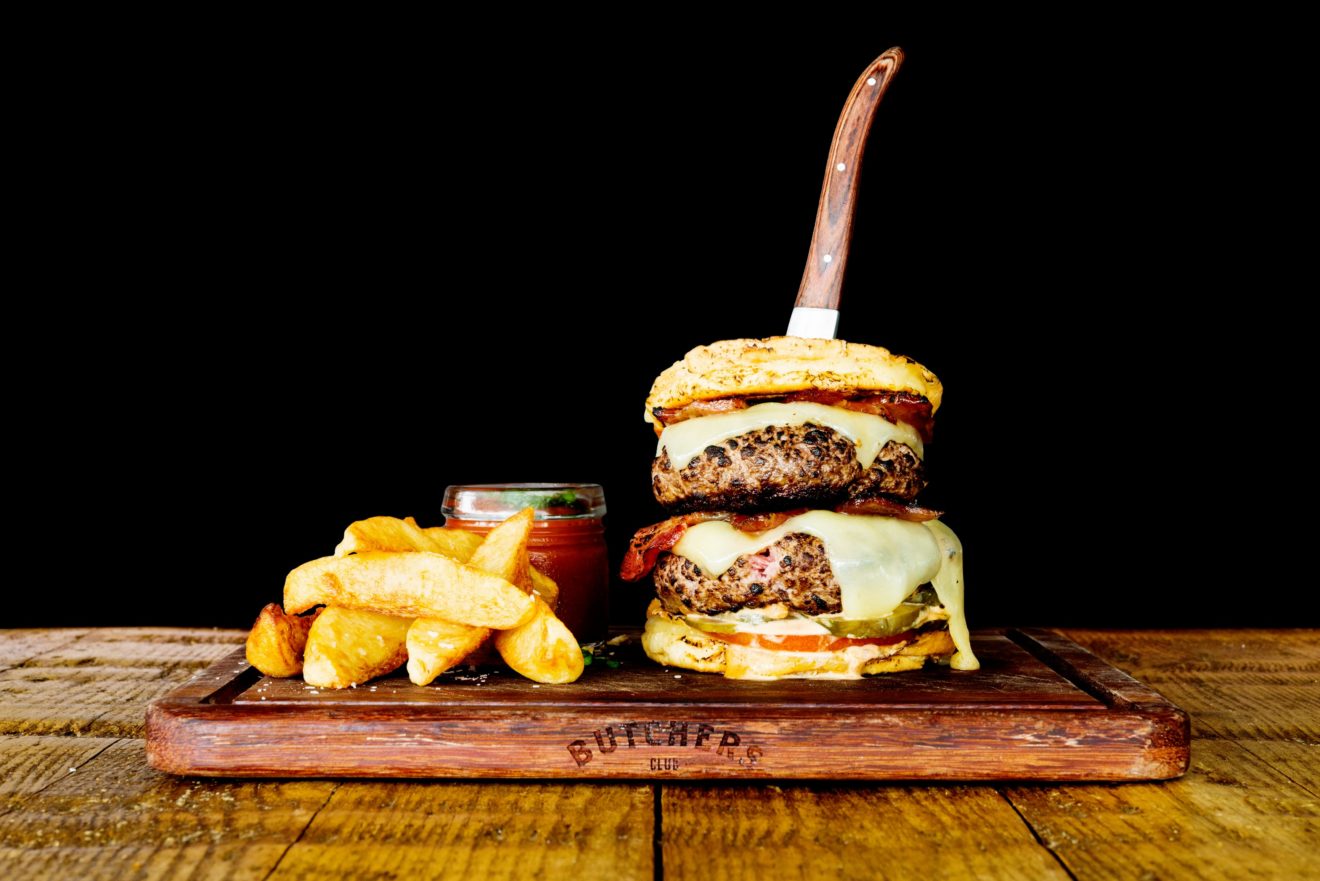
    The “Impossible Burger”, featured plant-based ‘meat’ from Impossible Foods, can now be bought at all The Butchers Club locations in Hong Kong.

    To celebrate the launch of The Butchers Club Impossible Classic Burger, the two companies have commissioned local artist Terena Wong to create a thought-provoking 3D artwork in the Piazza at K11.

    The artwork is a symbolic representation of Impossible Food’s stated mission to restore biodiversity and reduce the impact of climate change by transforming the global food system, as well as The Butchers Club’s ongoing commitment to being more sustainable.

    Impossible Foods’ long-term goal is to accelerate the switch to a more sustainable food system, starting with its burger offering and expanding to a range of pork, chicken, fish and dairy products made directly from plants.

    Served in more than 15,000 restaurants in the US, Hong Kong, Macau and Singapore, the Impossible Burger uses a fraction of natural resources needed to produce animal beef: 96-per-cent less land, 87-per-cent less water and 89-per-cent fewer greenhouse gas emissions.

    Terena Wong has completed more than 40 community art projects, street art works, 3D mural paintings and 3D floor paintings in Hong Kong, the US and China, and has worked with many different parties including the government and non-profit organisations.

    The artwork is available to view and interact with until August 31.

  • Japanese conveyor belt sushi chain Sushiro makes debut in Hong Kong

    Japanese conveyor belt sushi chain Sushiro makes debut in Hong Kong

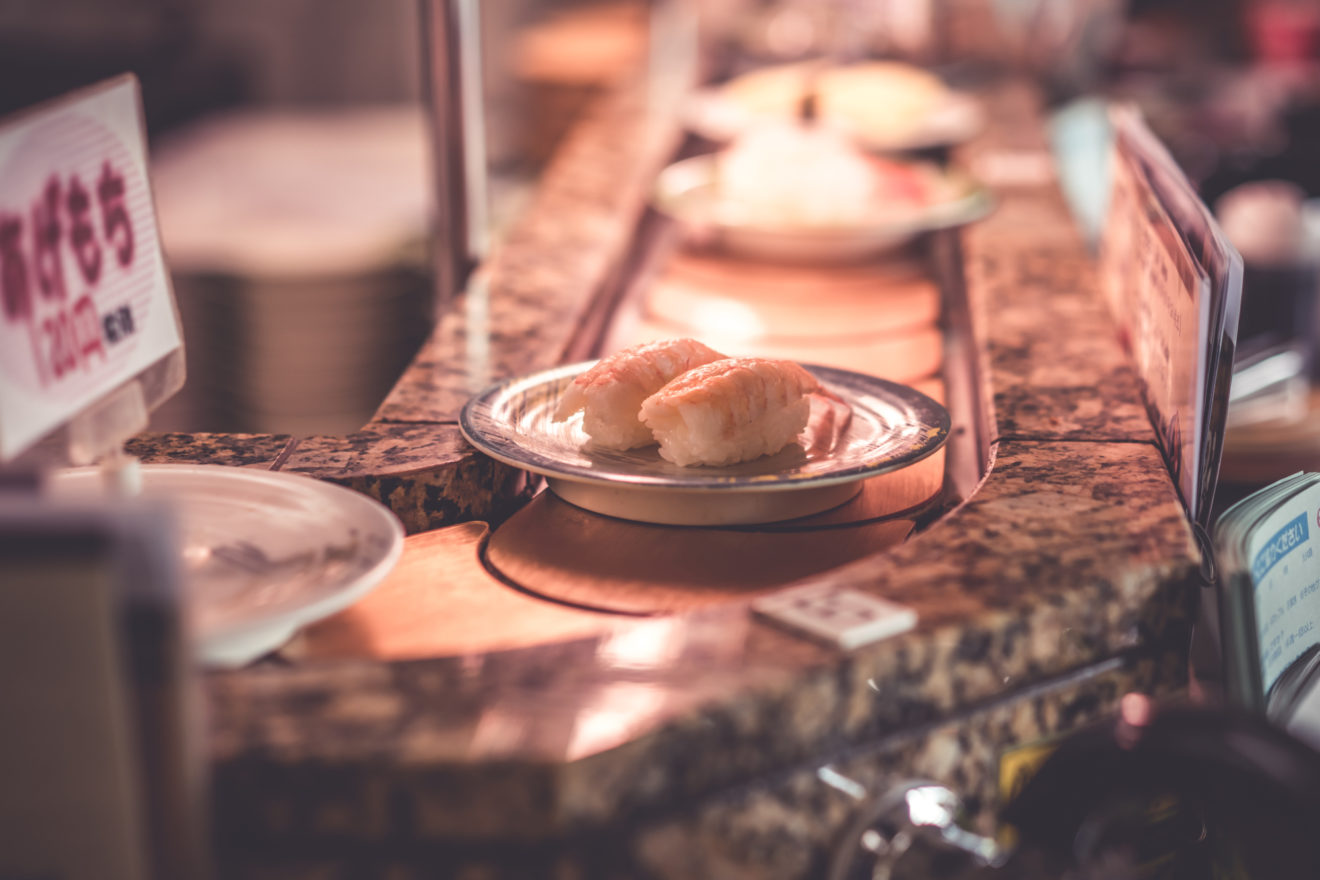
    Japanese conveyor belt sushi restaurant chain Sushiro has opened its first Hong Kong outlet.

    The franchise is moving for a foothold in the local market and aiming to use the city’s international status to expand across the region.

    The flagship store, located at a commercial building near Jordan MTR Station, offers traditional sushi alongside other side dishes and desserts. To ensure freshness, it will soon deploy a high-tech system currently used in Japan, that can automatically remove unclaimed plates after they travel more than 350 metres on the belt and replace them with new ones.

    “Hong Kong has a sophisticated Japanese cuisine market,” said Sushiro Hong Kong president Kazuo Aratani. “People here love sushi and demand the best.

    “All of these conditions work perfectly with our competitive advantages. We are dedicated to offering customers the highest quality sushi at affordable prices.”

    “We are happy to see that a popular Japanese sushi restaurant chain has set up a presence in Hong Kong and joined our dynamic food and beverage scene,” said investment promotion associate director-general Dr Jimmy Chiang. “We wish it every success in leveraging on Hong Kong’s business advantages to expand in the region.”

  • Restaurant openings sap Jumbo Group profit

    Restaurant openings sap Jumbo Group profit

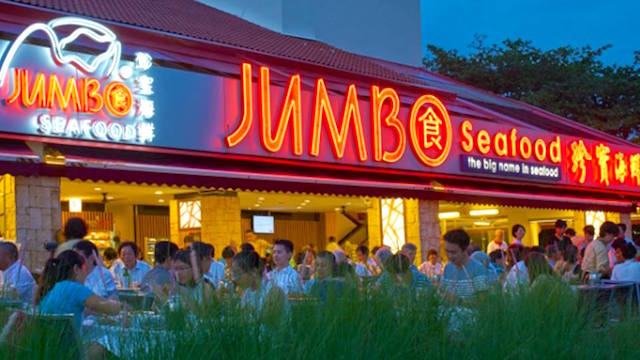
    Jumbo Group profit fell 24.8 percent in the third quarter to S$1.7 million (US$1.2 million) as new restaurant openings added to expenses.

    The Singapore-listed restaurant group opened three new outlets in Singapore: a Jumbo Seafood at Jewel Changi, along with Zui Yu Xuan Teochew Cuisine and Chao Ting Teochew Pao Fan eateries at Far East Square.

    Sales were affected by the closure of the Jumbo Seafood restaurant on Riverwalk for one month during renovations.

    Group sales rose by 0.8 percent to $36.4 million.

    For the first nine months of the financial year, Jumbo Group profit was up 6.2 percent to $9.1 million on revenue down 0.4 per cent to $113.1 million.

    The company said in its results announcement that operating costs and tough competition across its Southeast Asian markets will continue to pose a challenge. However, the company expects new restaurants will help strengthen its market position in Singapore, “the bedrock of earnings growth”.

  • Hong Kong Restaurant Profits Rise

    Hong Kong Restaurant Profits Rise

    Retail sales may be down but Hong Kong restaurant sales rose by 3 percent in the first quarter of this year.

    The Census and Statistics Department (C&SD) provisionally estimates the value of restaurants receipts at HK$31.5 billion, while the value of purchases by restaurants increased by 3.1 percent to $10 billion.

    After netting out the effect of price changes over the same period, the provisional estimate of restaurant receipts rose by 0.5 percent compared with a year earlier.

    By comparison, Hong Kong retail sales for the quarter fell by 1.2 percent.

    Analyzed by restaurant type, Chinese restaurant sales decreased by 0.6 percent in value and by 2.7 percent in volume. Total receipts of non-Chinese restaurants increased by 4.8 percent in value and by 2.4 percent in volume. Fast food shop sales rose by 5.8 percent in value and by 2.8 percent in volume.

    Sales in bars rose by 2.6 percent in value and by 0.4 percent in volume, while “miscellaneous eating and drinking places” saw sales rise by 11.2 percent in value and by 7 percent in volume.

    C&SD also released figures for restaurant receipts and purchases for each month during the quarter. Receipts rose by 6.7 percent in January, by 0.8 percent in February and by 1.4 percent in March, compared with the same months last year.

    However, after factoring in inflation, it estimated restaurant sales rose by 3.8 percent in January but decreased by 1.3 percent in February and by 1 percent in March.

  • International Food Business: Current scenario and future in India

    International Food Business: Current scenario and future in India

    The misconception about Gourmet Food in India is amazing. There are many who equate gourmet with imported food, which is far from the reality. To encapsulate what the concept of gourmet is all about, let me say that it is less about the food than about the person who is the subject of the word. The term and its associated connotations are used positively to describe people with a refined taste and passion towards food.

    Add the word gourmet to any food or drink and, voila, it feels fancier, more upscale and generally more desirable. Gourmet food connotes food and drink that takes extra care to make or acquire. Gourmet food has a certain flair around it as it is usually found or made only in certain locations. The ingredients used are usually exotic, hard to find in regular grocery stores, and they are usually unique in flavor and/ or texture. Gourmet ingredients usually blend herbs and spices in an interesting manner to add flavour to the food. For example, lemon olive oil spray, black truffle balsamic glaze, and white wine vinegar are a unique take on the otherwise simple ingredients.

    Being an advocate of international food business for over 20 years now, I have seen the F&B sector in India go through various highs and lows over the years. But the one thing that I can say with absolute certainty is that the gourmet food category in the country has a tremendous scope and potential to grow in multiple areas, many of which still remain a virgin territory for food companies wanting to explore the business of international foods. We have been working diligently to bring new and exciting global gourmet food brands from all around the world to India. We have built our reputation through a commitment to offer unique products at competitive prices and we strive to never compromise on the quality of products or services that we offer. It is a passion for many of us who function in the realm of international food business and we aim to bring diversity to our Indian consumer base.

    Two-Way Trade is the Key to Future

    We firmly believe in two-way trade and in the current globalized world, it is a grave mistake to keep our consumers deprived of food options and opportunities available elsewhere in the world – from gourmet cheese to epicurean chocolates to the varieties of rice or spices or fresh fruits or exotic vegetables. The list is never ending and we must continue to explore to make it even more expansive. Unfortunately, our trade figures have been none too encouraging on this count. In the calendar year (CY) 2016, India exported consumer foods worth US$ 11 billion and imported consumer foods valued at US$ 4.25 billion. While our exports grew by 0.50 percent over the previous year, imports showed a decline of about five percent.

    The low takeoff of international food in India is surprising considering that there are quite a few success narratives around it: Italian pasta, Vietnamese basa, mayonnaise, Californian almonds, Canadian canola oil, Chileans walnuts and Washington apples, to name a few. When we look at Italian pasta, considered to be one of the most gourmet ingredients in Italian cuisine, the product is widely available in the country – from hand made to artisanal to commercially made – and it has penetrated the deepest corners of the Indian market with extensive marketing, transforming the kitchens of the aspirational Indians.

    A commodity like Californian almonds, which has about 80 percent of almond market share in India, touched a whopping US$ 693 million sales figure in India for 2016.

    For imported foods to expand their consumer base in India, it must be kept in mind that Indian consumers are rational shoppers who want value for money.

    Obviously, there is no one-size fits-all concept for a country as big as India but to have a deeper market penetration it is important to learn from the market leaders and try to do things the right way. Many of us confuse India with China, which is just not the case as the Indian market has its own set of business dynamics and consumption patterns here continue to evolve and offer valuable lessons in business.

    Teething Issues and Role of Associations like FIFI

    While on the one hand, we are facing teething issues like those associated with demonetization or Goods and Service Tax (GST), on the other hand, we also have government agencies like the Food Safety and Standards Authority of India that is willing to think out of the box and listen to the version of the trade side. We, at the Forum of Indian Food Importers (FIFI), have given numerous representations to Government of India and are pleased to note that several of our suggestions have been entertained as we always had a logical and scientific presentation to make. We still have some pending areas of concerns but are pretty confident that the regulator and trade will be able to come together on a common ground in the interest of the greater good of the food industry and consumers. Food safety is of utmost priority for us and, as industry representatives, we want global suppliers to understand the fact that Indian consumers have become very demanding and want only quality products. We are clearly out of the era when international companies looked at India as a not very important market for their food products. For many global food companies, India is now a critical country for doing international trade.

    Government’s Initiatives

    The Food and Beverage sector is governed by several Government of India agencies like Ministry of Health’s Food Safety and Standards Authority of India (FSSAI), Ministry of Food Processing and Industries (MoFPI), Ministry of Consumer Welfare, Food and Public Distribution, Ministry of Agriculture, Ministry of Commerce and Industries, and Ministry of Finance.

    With Government of India’s “Make in India” campaign, MoFPI aims to boost growth in the food processing sector by leveraging reforms such as 100 per cent foreign direct investment (FDI) in marketing of food products and by offering various incentives at the central and state government level along with a strong focus on supply chain infrastructure.

    – Government of India has relaxed foreign direct investment (FDI) norms for the sector, allowing up to 100 percent FDI in food product e-commerce through the automatic route.

    – FSSAI plans to invest around Rs 482 crore (US$ 72.3 million) to strengthen the food testing infrastructure in India, by upgrading 59 existing food testing laboratories and setting up 62 new mobile testing labs across the country. Additionally, FSSAI has been aggressively introducing numerous notifications pertaining to imported Food and Beverage category.

    – The Indian Council for Fertilizer and Nutrient Research (ICFNR) will adopt international best practices for research in the fertiliser sector, which will enable farmers to get good quality fertilizers at affordable rates and thereby achieve food security for the common man.

    International Chains Entering Indian Market

    With India opening the doors to numerous international restaurant chains, the youth is able to break the tradition and try several new international cuisines. This exposure is generating employment, changing the F&B scenario in India, bringing in international business practices, world-class technology, standard operating procedures and opening the way for trade. These chains buy imported ingredients or products to get a marketing edge or when such ingredients are not available domestically. They are able to lead the way for upscale manufacturing in the country and create more avenues for employment. It is important for us as an industry to understand that our strategy should be to grow hand-in-hand with these international chains and to open more ways for doing business with all stakeholders. Some of these chains, which already have a sizable market presence in India, are Chilli’s, Barista, Café Coffee Day, Au Bon Pain, McDonald’s, Subway, KFC, Starbucks, Tacobell, among others.

    Market Size Growing Despite all Odds:

    Despite numerous challenges such as high base tariffs and the fallout from the implementation of new regulations like demonetization and GST, the Indian market for imported and international foods is showing a noticeable growth trend. India is emerging as a favorite market destination for many national and international players in the food business. The Indian foodservice sector is valued at US$ 48 billion and is anticipated to grow to US$ 77 billion at a Compound Annual Growth Rate (CAGR) of 10 percent by 2021. The Indian food and grocery market is the world’s sixth largest, with retail contributing 70 percent of the sales. The Indian food processing industry accounts for 32 per cent of the country’s total food market, is one of the largest industries in India and is ranked fifth in terms of production, consumption, export and expected growth. The Indian gourmet food market is currently valued at USD 1.3 billion and is growing at a CAGR of 20 percent. India’s organic food market is expected to increase three times its current size by 2020.

    The online food ordering business in India is in a nascent stage but has a huge potential and a promising future. The online food delivery industry grew at 150 percent year-on-year with an estimated Gross Merchandise Value (GMV) of US$ 300 million in 2016.

    Emergence of Social Media

    We should not underestimate the role of the new generation bloggers and social media enthusiasts who are instrumental in shaping the trends and are helping brands and products to get visibility and gain popularity with the consumers. They are emerging as an alternative to the traditional media and are a less expensive media tool. However, they also act as watchdogs of quality and standards for the foodservice industry. Social media is helping to generate exciting stories around the foodservice industry but at the same time, we need more honest voices that understand the food business and its nuances better.

    Traditional Marketing Avenues Still Hold True

    While new marketing tools are becoming popular, the traditional methods should not be considered obsolete as they continue to have deeper penetration and visibility. Participation at trade shows and conferences, print and electronic media activities continue to rule the game and offer a range of visibility without comparable alternatives.

    Way Forward for the Imported F&B Industry

    The Indian consumers represent a community of diverse sentiments. A majority of them favour an experimental palate, which creates a plethora of opportunities for the international F&B sector in country. While maintaining a balance between aspiration and tradition agrees perfectly with the Indian palate, culinary trends originating in the West are promptly picked up by Indian social media and are translated on the ground with an instant recognition. The earlier practice of trends coming to India after three to five years of introduction in the Western world is now a thing of the past. This willingness to accept international trends without any inhibition has played a pivotal role in the marketing of international brands in India and has opened up the entire market for international foods. As a result, recent years have seen the launch of numerous new categories like gluten-free breads, organic chocolates and many others products in country. However, as mentioned earlier, it is important for us to ensure quality delivery to our consumers and adhere to the food safety regulations. We need a more organized voice in trade to echo the this message and to take the India story to many more global markets.