Tag: diner

  • Seafood firms net big catch from export recovery

    Seafood firms net big catch from export recovery

    A seafood export recovery has helped bigger firms boost profits while smaller ones have struggled with the spike in shipping rates.

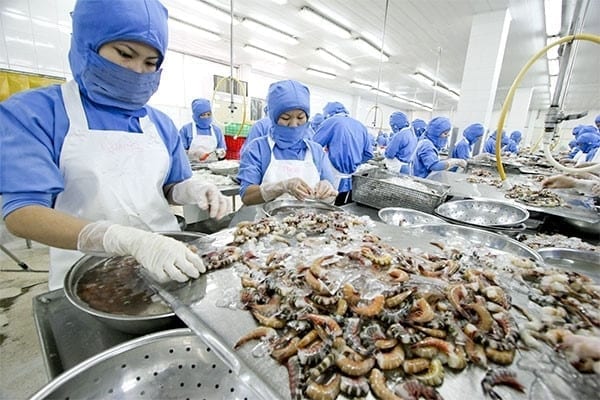
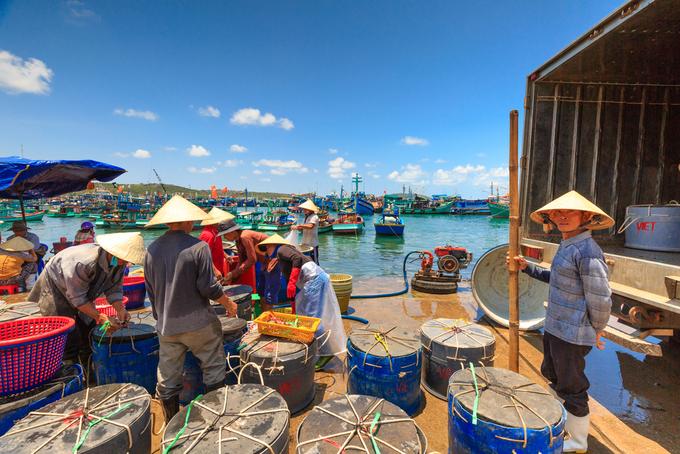
    Seafood exports topped $4 billion in H1, a year-on-year increase of 15 percent, according to the General Department of Vietnam Customs. In Q2 particularly, seafood export turnover increased by more than 21 percent over the same period last year, reaching nearly $2.4 billion. This led to firms reporting positive business results.

    Vinh Hoan JSC earned over VND2.3 trillion in revenue and over VND260 billion in post-tax profit, up 41 percent and 16 percent year-on-year, respectively. According to its monthly report, VHC’s exports to most markets increased, with the two largest ones being the U.S. and China.

    The Kien Hung JSC (KHS) said its net profit increased 10 times in Q2 as demand from Europe, America, Japan and South Korea temporarily recovered and stabilized. The firm also actively sought imported materials at competitive prices to maintain stable production.

    The Minh Phu Seafood Corporation has yet to announce its H1 business results, but estimates a pre-tax profit of over VND300 billion, a year-on-year increase of 11 percent.

    However, not all seafood exporters reported positive business results, partly because of high freight rates. The Vietnam Association of Seafood Exporters and Producers (VASEP) said that by May, freight rates in some ports had doubled compared to late 2020 and sextupled compared to early 2020.

    The Nam Viet Corporation reported an increase of over 20 percent in revenue in Q2 but a decrease of 26 percent in net profit year-on-year. The corporation attributed the decline in profit to a sharp rise in financial and selling expenses, that latter shooting up 137 percent compared to last year due to a hike in freight and transportation rates.

    The Thuan Phuoc Seafood and Trading Corporation (THP) saw its profit fall even further to VND10 billion, half that of the same period last year, because of rising selling expenses.

    The sea freight, which ups nearly times, cost the firm VND26 billion.

    In early July, VASEP requested the Ministry of Agriculture and Rural Development to report to PM the issues of container shortage and sea freight rates, seeking intervention to have the latter reduced to pre-November 2020 levels.

  • Seafood processor Vinh Hoan buys 51 pct stake in snack company

    Seafood processor Vinh Hoan buys 51 pct stake in snack company

    Seafood processing company Vinh Hoan Corporation has bought a 51.29 percent stake in the Sa Giang Import-Export Corporation.

    It bought 3.56 million shares from the State Capital Investment Corporation (SCIC) at VND97,500 per share in a deal worth almost VND350 billion.

    SCIC had planned to auction the shares in July 2020 at a starting price of VND111,700 ($4.80), but failed to attract investor interest.

    Sa Giang makes ready-to-eat foods such as prawn crackers and instant noodles and newer products such as crackers made from crab, fish and squid.

    It mainly exports its products to Europe, especially Germany and the Netherlands, and some Asian countries.

    Last year it reported revenues of VND310 billion and a net profit of VND31 billion.

    The company has convened an extraordinary general meeting at the beginning of February to dismiss some members.

  • Jollibee increases stake in Tim Ho Wan

    Jollibee increases stake in Tim Ho Wan

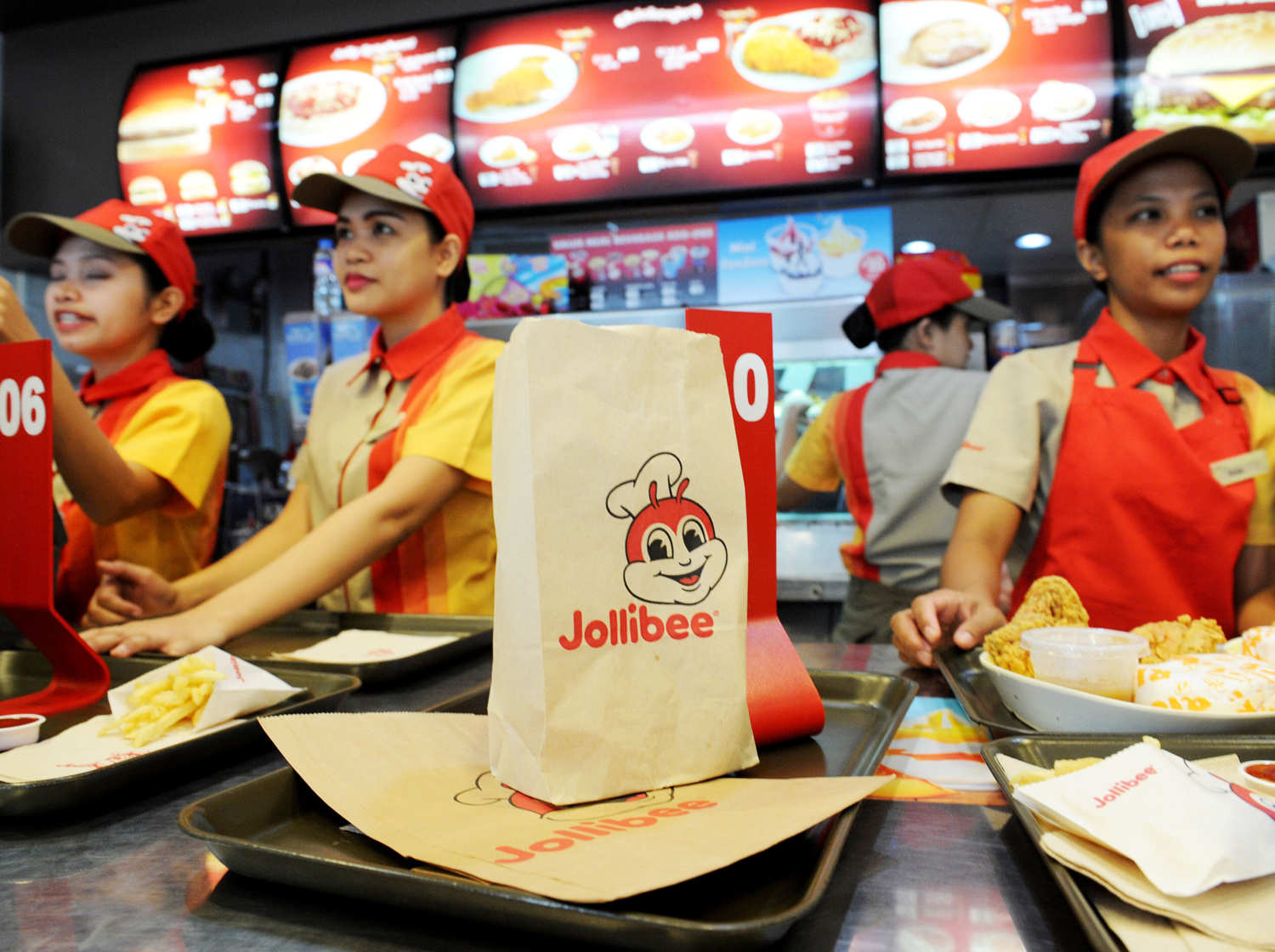
    Despite uncertainties in the food industry due to the coronavirus pandemic, Jollibee Foods Corporation is increasing its stake in the ultimate holding entity of popular restaurant chain Tim Ho Wan.

    Through its subsidiary Jollibee Worldwide, it increased its stake in the Michelin-starred restaurant to 85% from 60% by purchasing the 25% interest of Aragon Investments in Titan Dining, the private equity fund and ultimate holding entity of Tim Ho Wan.

    The transaction worth SGD36.3 million to be paid in cash is expected to be completed on October 30.

    In May 2018, Jollibee invested SGD45 million in Titan Dining, representing a 45% stake. The deal gave Jollibee an opportunity to acquire a “substantial ownership” in the dim sum restaurant chain’s master franchisee in the Asia Pacific in 7 years.

    When the deal was made, Tim Ho Wan and its affiliate Dim Sum Pte Ltd, which owns and operates Tim Ho Wan stores in Singapore, also had franchisees in Cambodia, Indonesia, Japan, Macau, Taiwan, Thailand, Vietnam, Australia, and the Philippines.

    In October 2019, Jollibee increased its investment to SGD120 million, representing a 60% stake.

    Jollibee then opened the first Tim Ho Wan restaurant in China in September 2020.

    Jollibee currently has 3,247 restaurants in the Philippines and 2,566 stores overseas.

  • Locals help rebooting Macau retail and restaurant activity

    Locals help rebooting Macau retail and restaurant activity

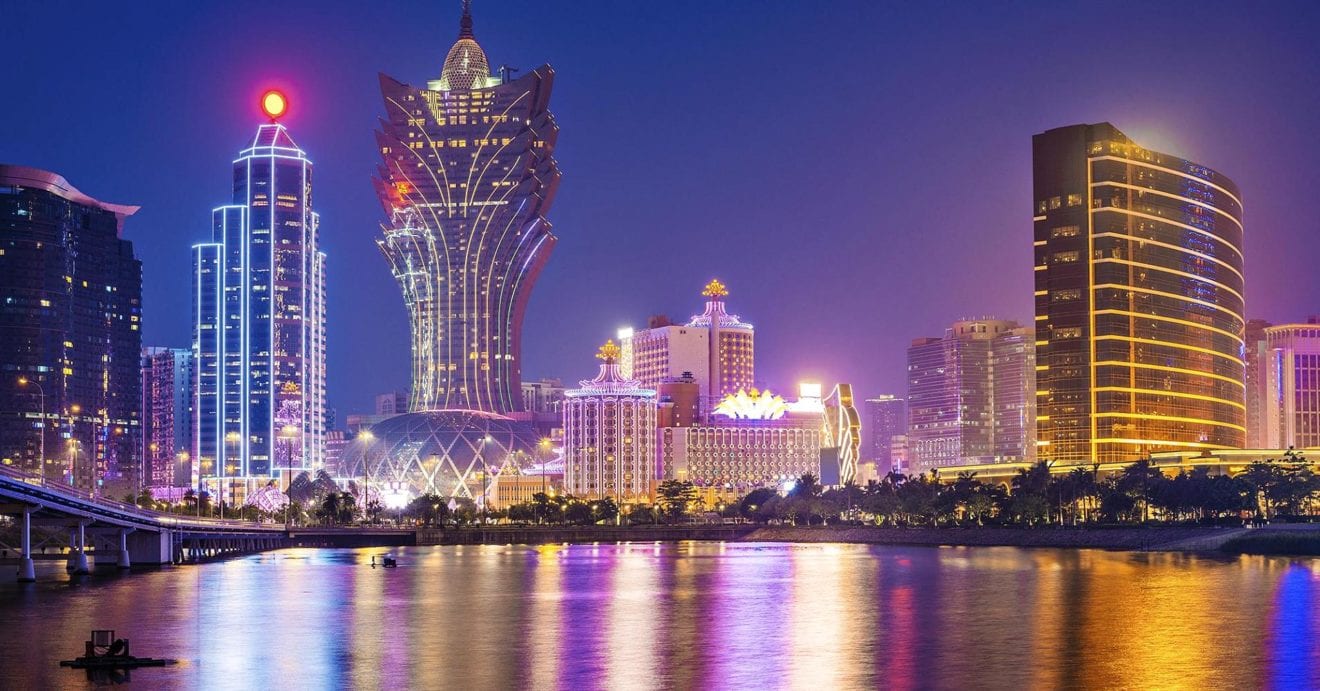
    Supportive measures for the Macau retail and restaurant trade resulted in a mild improvement in business during May, according to official data.

    According to a Statistics and Census Service report, 17 percent of restaurants surveyed in the special administrative region recorded a year-on-year increase in revenue during the period, 12-per-cent higher than those reporting increases during the previous month.

    The remaining restaurants continued to see declines in revenue during a period that continued to suffer from the heavy impact of the coronavirus pandemic.

    Similarly, 16 percent of retailers questioned saw sales increases during May this year compared to the same period last year, 7 percent higher than reported year-on-year rises during April.

    A quarter of restaurant businesses are now anticipating comparative upticks in revenue or steady revenues to be reflected in their June results – while 21 percent of retailers expect the same.

  • KFC Thailand for sale

    KFC Thailand for sale

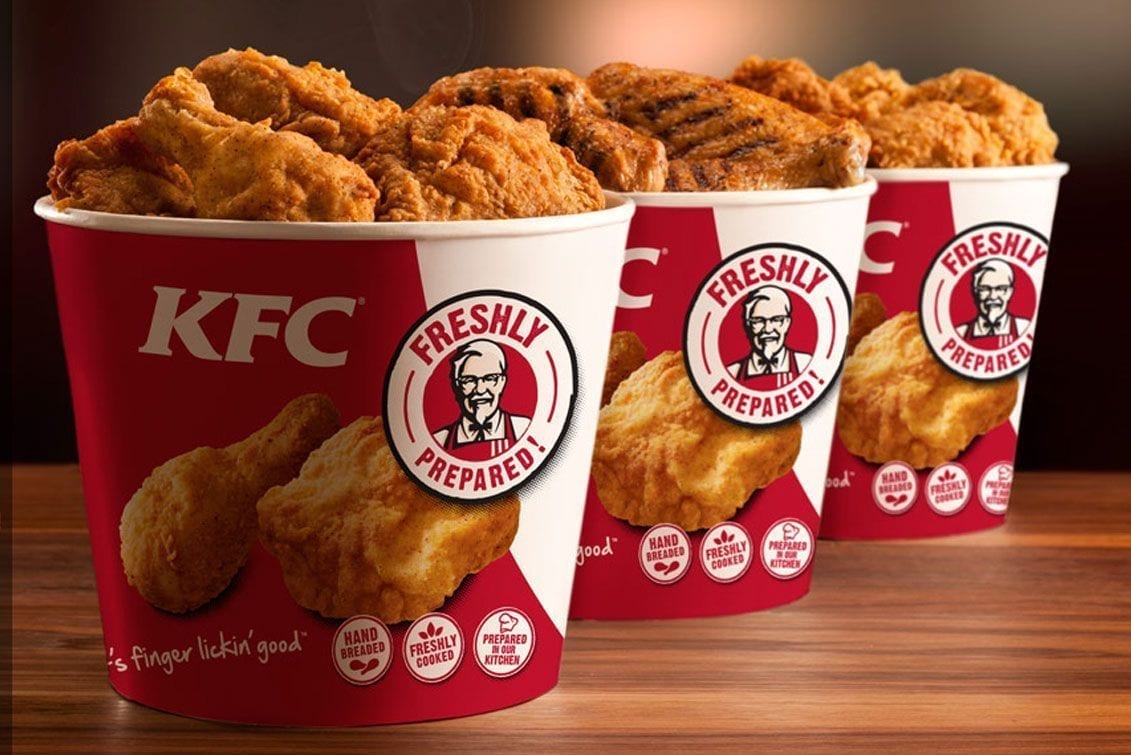
    A slice of KFC Thailand is being considered for sale by franchise owner Restaurants Development in a deal that could net $200 million.

    Sourcing people with knowledge of the matter, the firm is taking advice on a potential sale of the operation – which involves roughly 200 locations and 4000 staff. There is no certainty a sale will proceed and the source said discussions remained at an early stage with no formal bid yet tabled.

    Restaurants Development is backed by investors throughout Asia and operates KFC Thailand alongside Central Group (running 275 stores) and Thai Beverage – which purchased more than 240 KFC restaurants three years ago for roughly $361 million.

    Yum Restaurants International (Thailand) transformed itself into a 100-per-cent franchisor business in 2018 in an effort to yield optimal efficiency across the entire business operation.

  • QSR chain Pepper Lunch sold to J-Star

    QSR chain Pepper Lunch sold to J-Star

    Japanese restaurant operator Pepper Food Service is selling its profitable Pepper Lunch chain to J-Star investment fund for US$79 million.

    The sale is expected to provide a much-needed cash injection to the debt-ridden Pepper Food business in the hopes of restoring investor confidence in the firm, which also operates the struggling Ikinari Steak brand.

    Pepper Lunch, which serves sizzling platters of meat-based dishes with sauces, has expanded throughout Asia on a franchised basis, including in Vietnam, Singapore, and Thailand.

    The acquisition also includes the Pepper Lunch Diner, 92’s, Charcoal-Grilled Hamburger Steak Kuni, Tokyo 634 Berg, Musashi Hamburg, and CAB Steak restaurant brands. Collectively, the business operates 181 stores in Japan and 333 overseas.

    In a statement announcing the purchase, J-Star said the 26-year-old restaurant concept has a strong market position in food courts, where affordable prices and quick delivery are required, by combining customer satisfaction and high productivity, with a unique cooking system in which selected steak meat is cooked right in front of customers.

    “We will support the management team to establish a corporate foundation as an independent business, to accelerate domestic growth by leveraging its competitive advantage, as well as growth strategy through global expansion,” J-Star’s statement said.

    Meanwhile, Pepper Food is expected to use the funds to sustain the remaining business in the hope it can stabilize and return to profit. Ikinari Steak currently runs an operating margin of 3 percent, a fraction of the 14 percent of Pepper Lunch and the other businesses sold.

    Pepper Food is reportedly considering switching more of its owner-operated locations into franchises – although the appeal of the Inikari brand may be limited.

    J-Star is an independent and partner-owned Japanese alternative asset manager with $300 million of assets under management.

  • Maxim set to open 15 Shake Shacks in Southern China

    Maxim set to open 15 Shake Shacks in Southern China

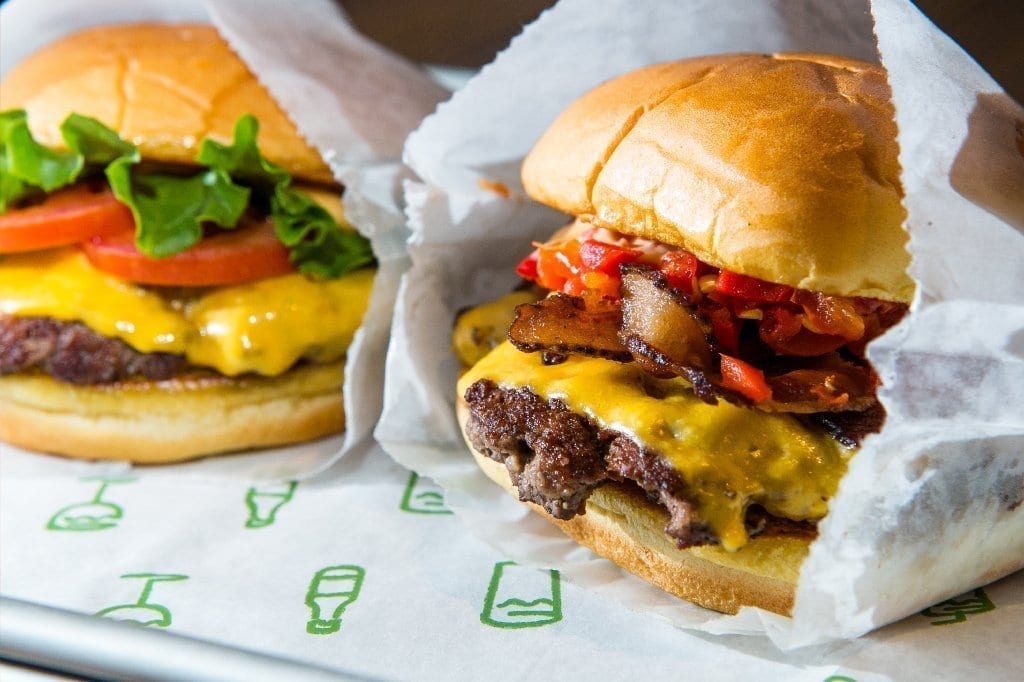
    American fast-casual restaurant chain Shake Shack is planning to open at least 15 new venues in South China by 2030.

    The chain, working through local licensee Maxim’s Caterers, a company controlled by Hong Kong’s Dairy Farm Group, will open restaurants in cities including Shenzhen, Guangzhou, Fuzhou, and Xiamen, with a goal of 55 Shake Shacks nationwide by 2030.

    Maxim’s currently operates Shake Shacks in Shanghai and Hong Kong, with Beijing and Macau under development and due to open later this year.

    “We remain humbled by our fans in China and continue to be encouraged by the performance of our Chinese business through this recovery,” said Shake Shack chief global licensing officer Michael Kark.

    “It’s a great time to deepen our roots in this market.”

    “Maxim’s partnership with Shake Shack has taken the brand on an exciting journey to Hong Kong in 2018 and Shanghai in 2019, with Beijing and Macau on the horizon,” said Maxim’s Caterers chairman and MD Michael Wu.

    “We look forward to bringing our boundless hospitality to more guests across South China in 2021 with our new expansion plans.”

  • Country Garden builds world-first robotic restaurant

    Country Garden builds world-first robotic restaurant

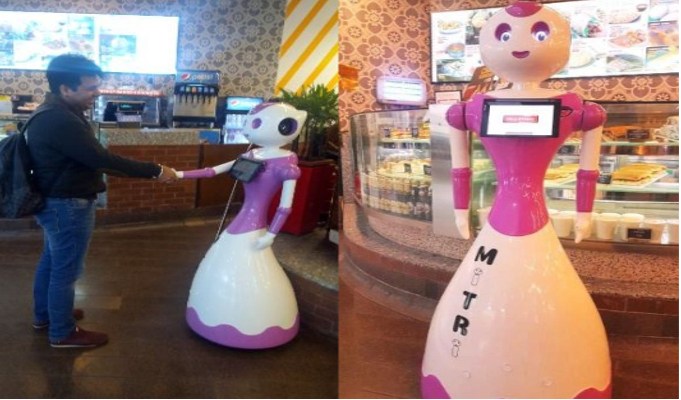
    Chinese property-development company Country Garden has launched the world’s first robotic restaurant, in Guangdong.

    Built by Country Garden’s subsidiary Qianxi Group, the restaurant occupies a 2000sqm area, featuring sections including Chinese food, hot pot and fast food. Diners are served by more than 20 in-house robots designed for different tasks including cooking and serving food.

    “The Qianxi robot restaurant has innovatively achieved both software-hardware integration and man-machine cooperation,” said Zhao Chunsheng, mechanical engineering specialist, and academician at the Chinese Academy of Sciences.

    “It helps to better run a smooth operation through the practical application of robots. Qianxi has the most advanced technology with a vast product lineup. It fills the market gap and will have a significant impact on benchmarking in adding value to industry development as well,” he said.

    According to the company, the Qianxi robotic restaurant can serve some 600 customers with 200 menu items thanks to fast serving time. The launch of the robotic restaurant is in line with efforts to reduce physical contact between people during the Covid-19 pandemic.

    Meanwhile, Qianxi Group says it aims to build centralized kitchens in Hong Kong and Macau.

  • Singapore startup opening ghost kitchens globally

    Singapore startup opening ghost kitchens globally

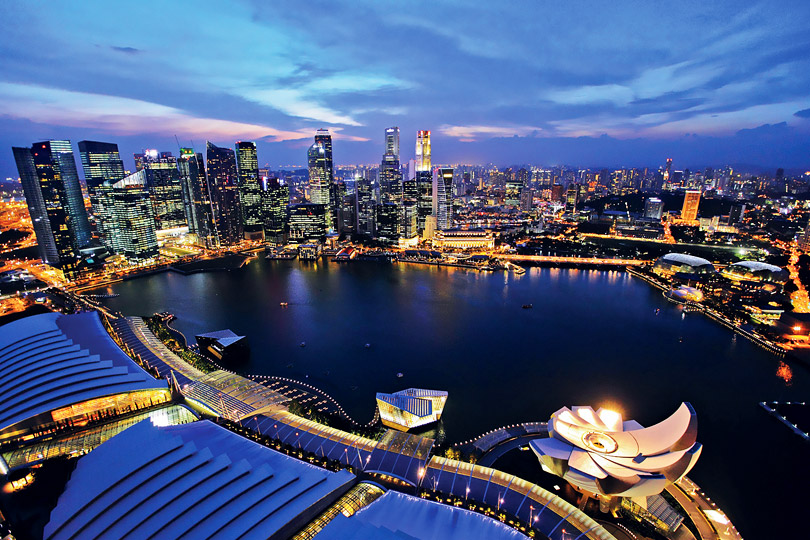
    Singaporean food tech firm TiffinLabs is creating an international network of ghost kitchens based in more than 1000 locations across the US, Europe and Asia.

    The move is designed to take advantage of the rapid global transformation and growth of the online food-delivery market, with the kitchens rolling out progressively from the last quarter of this year following 12 months of negotiations.

    According to material released by the firm, the traditional restaurant industry – largely structured for dine-in – has led to a mismatch between customer demand and the supply of cuisines due to current production capability. TiffinLabs’ solution, focused on creating cuisines linked to consumer needs, is an attempt to innovate in the food delivery and restaurant industry in reshaping the business model and tapping new growth opportunities.

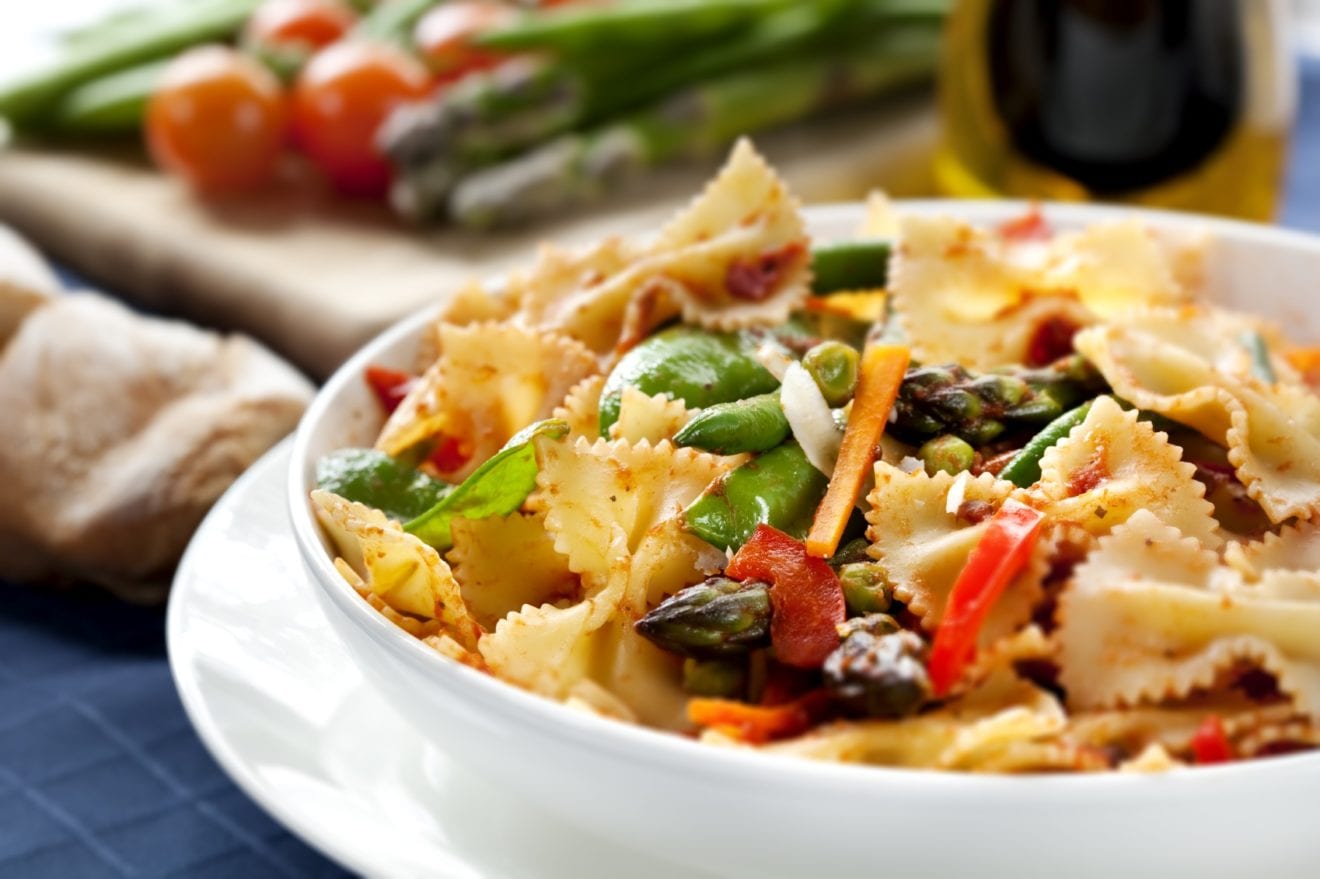
    TiffinLabs currently operates nine digital-first restaurant brands out of its kitchens in Singapore, including Publico Pastabar and Hureideu – Korean Fried Chicken, as well as soon-to-be-launched Singapore Makan.

    “Singapore is known globally for its quality standards and as a food lover’s paradise, with its wide mix of local and western foods,” said Tiffin Labs founder & chairman Kishin RK, “and TiffinLabs looks forward to sharing this globally.”

    TiffinLabs will leverage its AI-driven kitchen operating and management system across its network to deliver an international menu from digital-first restaurant brands, with a potential reach of more than 15 million households. The team also harnesses data analytics to identify food trends and changing consumer preferences while optimizing its supply chains with local smart kitchens to fill gaps in delivery zones.

    “What customers get when they order food for delivery is dramatically different from a dine-in experience,” said Kishin. “By enabling over 1000 kitchens for delivery-focused operations globally, we are making food ordering relevant for the future, at scale. In the next three years, we see two very different winners in this space – the local niche specialty cuisine player that can create value through distinction for a specific segment of the market.

    “The other will be global delivery businesses which will scale brands and menus with suppliers and delivery platforms and invest in innovation specifically to create food for delivery, reinventing customers’ experience of in-home dining.

    “As someone who has been in this industry for the last 10 years, I strongly feel that the value of real estate and the monetization capability of its adjacent business models will be determined by how well it integrates into the digital economy. Our business aims to help all players in the food industry tap into the growth of this sector.”

    The online food delivery market is expected to more than double to US$200 billion by 2024.

  • BeChef plans 50-strong shared kitchen network across Japan

    BeChef plans 50-strong shared kitchen network across Japan

    BeChef has launched a shared kitchen in Kyoto, with plans to host 300 eateries across Japan within the next three years.

    The first BeChef + Kyoto-branded shared kitchen occupies a 50sqm area which features three separate kitchens. There is available space for up to six stores, which can work with different delivery services, including UberEats and Rakuten.

    The Kyoto shared kitchen also houses a dine-in space for customers.

    “For those involved in the restaurant business, I think opening a business independently is a big dream,” said Masafumi Tobe, representative director. “However, about 70 percent of restaurants close after three years of operation, and it is said that only about 10 percent of the stores are still open after 10 years.”

    According to BeChef, brands opening at the BeChef + Kyoto shared kitchen will not be charged fees to move in or out and restaurants affected by Covid-19 will be exempted from administrative fees.

    BeChef is to open more facilities in Fukuoka, Tokyo, and Osaka later this year. The company said that it aims to host 300 eateries in 50 facilities nationwide within three year

  • Taiwan’s Hung Rui Chen sandwich chain opening in Hong Kong

    Taiwan’s Hung Rui Chen sandwich chain opening in Hong Kong

    Local and tourist favorite sandwich maker Hung Rui Chen will be opening a flagship store in Hong Kong this August.

    Hung Rui Chen is a 73-year-old brand, known for its signature sandwiches and recognized as a national local delicacy for its soft bread and unique spread.

    After an incident of suspected food poisoning from counterfeit operators in Hong Kong and Taiwan, the real Hung Rui Chen company issued a statement on Facebook to clarify that its own brand will open its first official store in Hong Kong.

    The location has yet to be confirmed.

    Back in 2015, Hung Rui Chen sandwiches imported from Taiwan and sold in grocery stores and on the Groupon platform led to 46 Hongkongers contracting food poisoning. The brand was subsequently banned by the Centre for Food Safety.

  • Google launches restaurants menu-sharing app in Singapore

    Google launches restaurants menu-sharing app in Singapore

    Google in Singapore has launched a new menu discovery feature on its Google Pay app to make it easier for consumers to interact with local eateries and order food for delivery.

    Using the app, Singaporeans can browse menus, choose what they want, and contact the retailer director to order and pay. Depending on the vendor, customers can choose to pick up or have food delivered. A link in the app allows sharing with friends.

    More than 100 small food businesses such as coffee shops, hawker stalls, and restaurants have joined 150 large chains already on the platform, including Burger King, Canadian Pizza, Cedele, Da Paolo Group, The Daily Cut and Tuk Tuk Cha.

    “Quick food pick-ups and door-to-door deliveries are now a necessity, as Singaporeans stay home during this critical period,” explained Patrick Teo, director of engineering for payments and engineering site lead at Google in Singapore.

    “Like others in Singapore, we were sharing food menus among family and friends. So we thought, what if we could scale this and make this easier for consumers and restaurants? We rallied our employees to come together quickly and discussed ways in which we could offer a solution.”

    Early partners in the menu discovery feature include Kok Sen, O Banh Mi, Outram Park Ya Hua Rou Gu Cha, Blue Ginger, O.Bba BBQ Jjajang, and Nude Seafood.

    “We hope to make the process of discovering local eateries simple and easy, and support even the smallest businesses – like hawkers – and minimize disruptions to their business,” said Teo.

    “We have rushed to get this out and will continue to improve the experience and hope that the easy access to a variety of food options will help Singaporeans enjoy their meals safely at home and support small businesses during these tough times.”

    Samuel Phan Chee Chiat, the owner of Vietnamese eatery O Banh Mi, located at Tiong Bahru Plaza, says having an online presence during the lockdown period is critical as he turns to online delivery and takeaways to keep the business going.

    “O Banh Mi hopes to leverage this platform to reach out to both new and existing patrons, offer a more seamless mobile experience and ultimately contribute to our bottom line. It is with help from government agencies, landlords, and major players like Google that we are able to continue serving our signature Vietnamese dishes during this trying time, and in turn, protect the jobs of our valuable staff.”

    “Our world’s been turned upside down” added Hong Junchen, a partner in Nude Seafood, which has two restaurants in the city. “But it’s also an opportunity to transform.

    “We made early plans before the circuit breaker to introduce our delivery service, and that has helped to widen our customer pool beyond the office crowd and into the neighborhoods. We’re no longer limited by our physical location and can serve good seafood islandwide. With this new feature on Google Pay, we hope to tap on the app’s existing user base to create relevant exposure and visibility for our business, as well as to continue establishing a personal relationship with our customers during this trying period.”

  • McDonald’s, The Cheesecake Factory find the perfect recipe for staying relevant during crisis

    McDonald’s, The Cheesecake Factory find the perfect recipe for staying relevant during crisis

    With customers subjected to stay-at-home orders or lockdowns around the world, major brands are facing unprecedented challenges staying relevant and connected – especially fast-food retailers and theme parks.

    At the same time, the lockdowns have spurred an unprecedented demand for baking ingredients as consumers try their hand at creating food and snacks at home – either to kill time or save money.

    At least four international corporate giants have linked these two features of the Covid-19 pandemic into feel-good marketing initiatives that help consumers, subtly reinforce brand ‘feel-good factors’ and drive traffic to their social media accounts. McDonald’s, Disney, The Cheesecake Factory and hotel chain DoubleTree have each shared recipes for foods they serve to customers so they can make them at home.

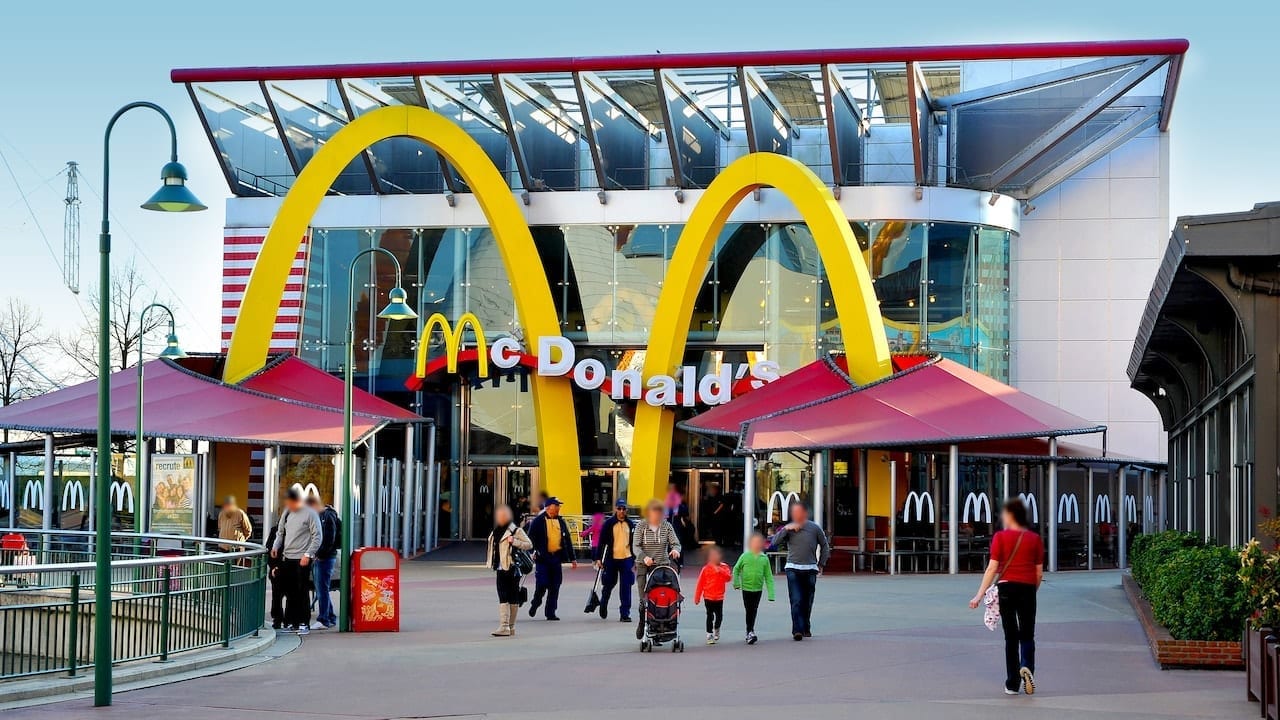
    Fast-food giant McDonald’s in the UK, which closed all of its restaurants last month, released a recipe for its Sausage and Egg McMuffin for fans to recreate in their own kitchens. This was in response to viral tweets from internet users who had tried to make their own McMuffin breakfast sandwiches while unable to visit restaurants.

    The chain produced a recipe card (below) revealing the five ingredients and full cooking instructions in order to promote its brand while outlets are closed – and included a step-by-step guide on how to prepare its crispy hash browns.

    In the US, hotel chain DoubleTree has released the recipe for the popular chocolate chip cookies presented to travelers fresh from the oven upon arrival at the firm’s properties. More than 30 million of the cookies are baked and shared with customers each year, and the cookie carries the distinction of being the first food baked in orbit at the International Space Station.

    “We know this is an anxious time for everyone,” said DoubleTree by Hilton senior VP and global head Shawn McAteer. “A warm chocolate chip cookie can’t solve everything, but it can bring a moment of comfort and happiness … we look forward to welcoming all our guests with a warm DoubleTree cookie when travel resumes.”

    Disney Parks – the theme park division of the giant Disney entertainment empire – has similarly released a recipe inspired by the churro snacks available at all its parks worldwide, most of which are closed during the pandemic.

    “These past few weeks, we’ve seen many of you sharing Disney recipes and creating your very own magical moments right at home,” wrote Alex Dunlap, food & beverage communications coordinator at Disney Parks in a blog post for fans. “This has inspired us to share one of my favorite recipes so you can continue creating #DisneyMagicMoments.”

    The company also shared on a blog how to make the grilled three-cheese sandwich offered at Woody’s Lunch Box at Toy Story Land in Disney World, on the occasion of National Grilled Cheese Day.

    Restaurants and bakeries are joining the trend as well. US casual-dining chain The Cheesecake Factory has published recipes online for many of its dishes, including its lemon-ricotta pancakes, Tuscan chicken, (pictured above), almond-crusted salmon salad, California guacamole salad, and chicken Bellagio.

    Other chains to post recipes online include Pret-A-Manger in the UK and US bakery Panera Bread.

    Meanwhile, The Hustle is reporting how one US bakery supplying restaurants pivoted into creating home-baking kits for consumers, in order to keep its factory operating and staff employed.

    Aaron Caddel was forced to close his San Francisco and Los Angeles bakeries Mr. Holmes Bakehouse after all 60 of his wholesale customers canceled their orders within 72 hours, equivalent to about $3 million of business.

    “I had single mothers on staff begging me to keep their jobs,” he told The Hustle. “So I just had to turn to solution mode: How can I create an insurance policy against this economy?”

    His solution was to create an all-inclusive kit including yeast, flour and detailed instructions to help consumers bake their own Mr. Holmes loaves. He had no e-commerce experience, but he did have 121,000 followers on his Instagram account.

    “Caddel is one of many small business owners recalibrating to serve a rapidly growing class of housebound bakers,” wrote Zachary Crockett, senior writer at The Hustle. You can read his full feature here.

    The demand for information about baking at home has surged since lockdown orders were put in place. One overseas columnist described flour as “the new toilet paper” in terms of consumer demand, with stocks running low in supermarkets as demand outstripped usual supply volumes.

    This chart below shows the rate of Google searches for bread-making instructions since stay-at-home orders were put in place in parts of the US last month.

    It seems some global brands have found the perfect recipe to delight consumers they would otherwise have had little opportunity to connect with during the coronavirus pandemic…
  • Jollibee Singapore fined for flouting social-distancing rules

    Jollibee Singapore fined for flouting social-distancing rules

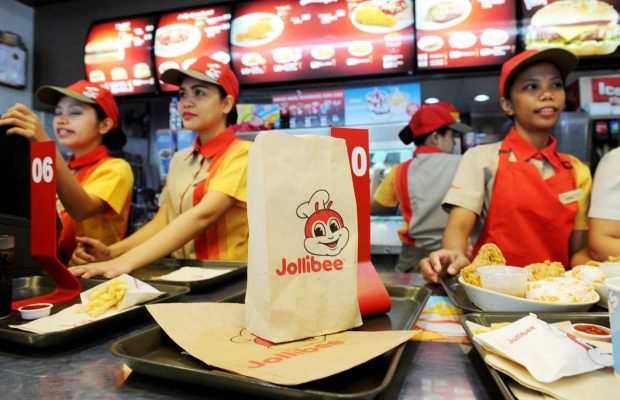
    A Jollibee Singapore outlet is among several businesses fined SG$1000 for breaches of the government’s social distancing mandate.

    Official enforcement measures found the franchise’s Woodlands MRT branch had neglected to ensure queueing customers and food delivery workers maintained one-meter spacing between them, despite issuing previous warnings.

    “The infringements included failure to implement a crowd management system and allowing customers and delivery personnel to crowd together without one-meter spacing between one another,” read a statement by the Singapore Tourism Board and Enterprise Singapore. “If these stores continue to flout the rules, they will face higher fines and can be charged in court.”

    In an official apology, Jollibee explained that a staff member on duty had been unable to control the queue due to “a strong surge in delivery orders and a corresponding increase in third-party delivery riders in the store.”

    The one-meter distance requirement, as well as mandatory wearing of face masks, has been in effect since April 12. Members of the Singapore public are encouraged to report infringements by email to [email protected].

  • Gordon Ramsay closing three Hong Kong city restaurants

    Gordon Ramsay closing three Hong Kong city restaurants

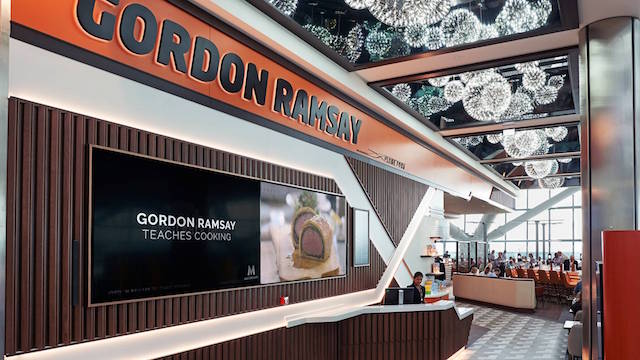
    British celebrity chef and restaurateur Gordon Ramsay have quit Hong Kong, following the footsteps of compatriot Jamie Oliver last month.

    Three of his restaurants – Bread Street Kitchen & Bar, London House and Maze Grill – will shut today, April 1. These eateries are currently operated by his Hong Kong partner, Dining Concepts.

    However, an official statement about the closures did not refer to the status of his Hong Kong International Airport branch Gordon Ramsay Plane Food To Go, which opened last year in partnership with SSP Group.

    In the UK, Gordon Ramsay will close 16 of his outlets, but these are described as temporary closures relating to government lockdowns and have caused the suspension of more than 500 jobs.

    Hong Kong has introduced regulations requiring restaurants to place tables 1.5 meters apart and set a limit of four diners per table, with stringent enforcement. This week, Chinese restaurant operator Tao Heung shuttered 48 of its venues as a result of the new health-and-safety measures.

    In other news, American luxury jeweler Tiffany & Co has closed its 4000sqft store at 1881 Heritage in Tsim Sha Tsui permanently. With retail sales affected by last year’s social unrest and the advent of the pandemic this year, the company decided not to release its lease at the premium shopping destination. The retailer still has 11 stores remaining in the city.