Retail News CRM

Tag: drink

  • Chivas Celebrates Blended is Better with Manchester United Team at ICC 2019 Tournament

    Chivas Celebrates Blended is Better with Manchester United Team at ICC 2019 Tournament

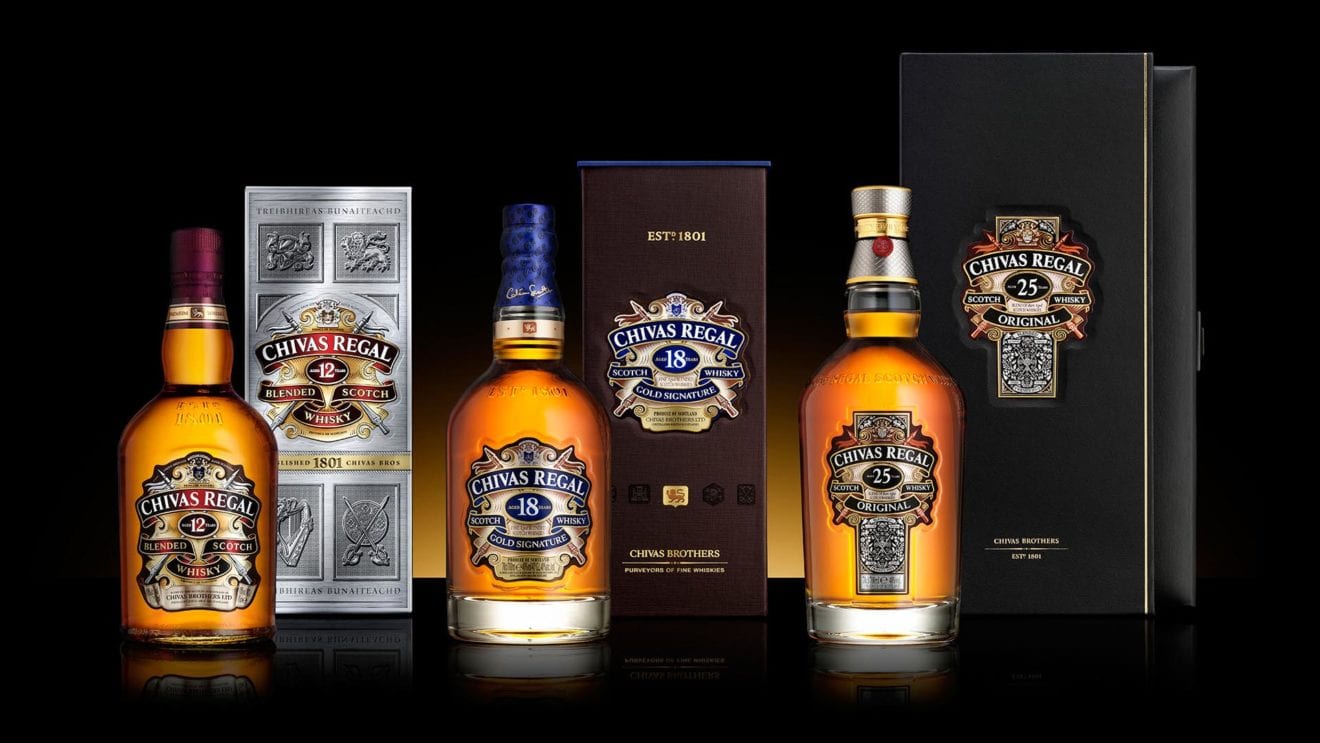
    Original luxury blended Scotch whisky, Chivas will welcome one of the world’s biggest football clubs, Manchester United to Singapore, when the team arrives to participate in the International Champions Cup (ICC) from 20th-21st 2019. Fans of premium blended whisky and Manchester United will be hosted a special Chivas Party at one of the Singapore’s premium music clubs, where guests will be treated to a special meet-and-greet with selected first team players as well as Manchester United Ambassador, Denis Irwin.

    “We are excited to present to our Asian football fans the football extravagance from Chivas with the ICC 2019 Tournament showcasing one of the world’s greatest football teams, Manchester United. The collaboration between Chivas and Manchester United reinforces the collective belief that great things can be achieved when we come together – blended is better – in life, football and Scotch. From balancing the perfect blend of malt and grain whiskies that go into our Scotch, to using the perfect combination of players’ on the pitch.. We look forward to using our spirit to help showcase the spirit of the Club and its fans in the Asian region.” Janelle Tong, Marketing Director for Pernod Ricard Singapore commented.

    To demonstrate that blended is better, Chivas hopes to encourage fans to celebrate the blend that makes them unique. Chivas football supporters from around the region will be treated to the best seats to watch the ICC 2019 football match between Manchester United team and Inter Milan. The match will be held on 20 July 2019, 7.30pm at the Singapore National Stadium.

    Chivas guests can also anticipate an exciting exclusive after-match party, lined-up at Singapore’ renowned music club. Party-goers can expect a unique experience featuring a dazzling 3D light showcase, a delectable treat of unique Chivas cocktails, and dance to non-stop to the beats of a renowned DJ to celebrate the special occasion.

    Closing the exciting weekend on a high, die-hard fans are invited to spend the Sunday afternoon off-pitch, with three of the club’s first team players, at a post-game Meet-and-Greet session hosted by Chivas. The exclusive by-invite only session will be on 21 July 2019. Attendees can also look forward to exclusive limited edition autographed mementos to commemorate this special occasion.

    As a lead-up to the exciting ICC 2019 weekend, Chivas will bring to life the message that ‘Blended is better’ through a campaign activated across all local bars and partners from now till 12 July 2019. Chivas will be giving away five (5) pairs of VIP tickets for Manchester United fans to have a chance to watch their favourite players on pitch, off-pitch as well as a chance to enjoy the Chivas party.  Chivas branding will also be displayed on digital perimeter boards at Singapore Stadium as well as throughout the stadium during the showcase game on Saturday.
  • Pernod Ricard calls for Hong Kong to mind its throw-away fashion and glass this Responsib’ALL Day

    Pernod Ricard calls for Hong Kong to mind its throw-away fashion and glass this Responsib’ALL Day

    Hong Kong-based entities of Pernod Ricard – Pernod Ricard Asia HQ, Pernod Ricard Hong Kong and Macau and Pernod Ricard Travel Retail Asia – will be helping to tackle the growing problem of throw-away fashion and glass by partnering over 200 of its employees with non-profit organisation ‘HandsOn Hong Kong’, turning waste into reusable items for people in need.

    Known globally as ‘Responsib’ALL Day’, it will see local employees creating street mats for the homeless and bath mats for the elderly out of discarded t-shirts and upcycling unwanted bottles into glass lamps that will all be donated to four respective non-profit organizations and schools in need.

    Cyril Sayag, Vice President, Corporate Affairs of Pernod Ricard Asia, says that by participating in upcycling workshops such as these, we all have the chance to bring life back to glassware and textiles that would otherwise be going to landfill.

    “Sustainability and Responsibility have always been at the heart of Pernod Ricard and that’s why we want to foster circularity across the business, to encourage employees to reimagine the way they use, dispose, and minimise waste,” says Mr Sayag.

    “For the 9th consecutive year, all 19,000 employees of Pernod Ricard in 86 countries are mobilized on the Responsib’ALL Day to minimizing waste and make the most of resources in their local community.”

    Every minute in Hong Kong, 1,400 t-shirts are being sent to landfill as a wasted resource, adding up to 110,000 tonnes of textiles thrown away each year. Textile waste is also the second largest source of pollution in the world.*

    This is in addition to the 300 tonnes of glass, mostly bottles, sent to landfills every day, despite a local levy on imports made of them into Hong Kong.**

    Sue Toomey, Executive Director of HandsOn Hong Kong, says that the generation of waste has been growing at an increasingly alarming rate and Hong Kong’s consumption-led lifestyle is putting enormous pressure on local landfills.

    “With more than 300 tonnes of textile waste discarded in the city’s landfills each day, there is a greater need than ever to raise awareness around the importance of reclaiming discarded items and recycling them for local use,” says Ms Toomey. “That’s why partnerships such as this with Pernod Ricard are so valuable to the environmental health of the local community.”

    The initiative follows Pernod Ricard’s 2030 Sustainability & Responsibility roadmap , “Good Time from a Good Place”,  which focuses on all aspects of the business from ‘grain to glass’ and supports the United Nations’ Sustainable Development Goals.

    Its four pillars, Nurturing Terroir, Valuing People, Circular Making and Responsible Hosting, bring alive the Group’s vision ‘créateurs de convivialité’ by mobilising all employees to engage with local communities on Responsib’ALL Day across the world on the same day.

  • DFS launches fourth Whisky Festival

    DFS launches fourth Whisky Festival

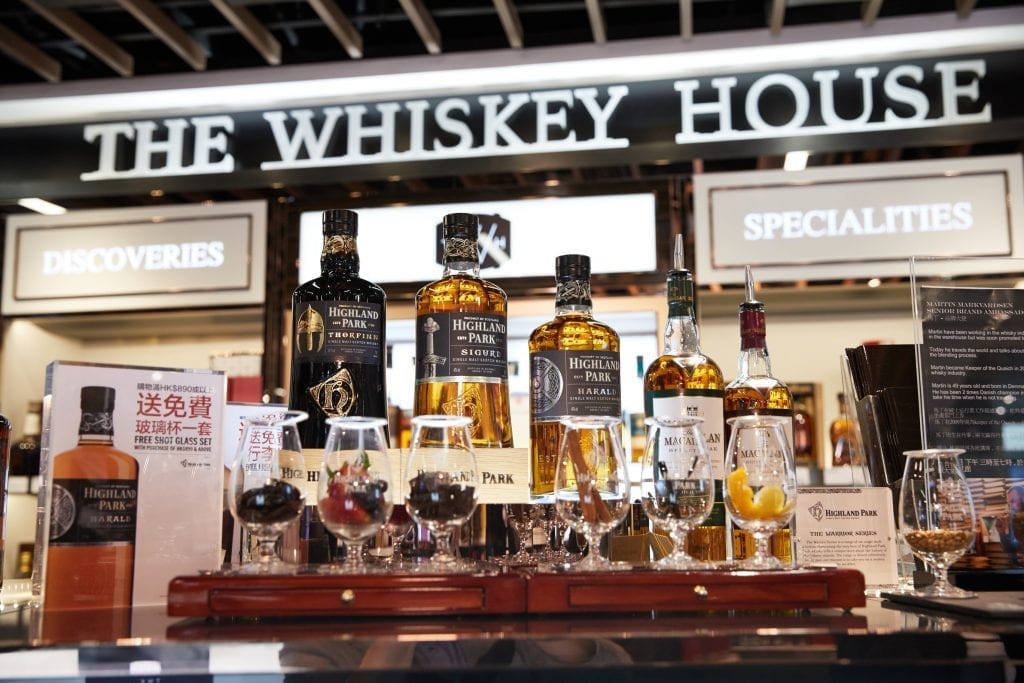
    DFS Group has launched the fourth Whisky Festival at Changi Airport, this one with a pop-up bar. Aiming to “demystify the whiskey-making process”, the festival offers a selection of more than 400 whiskeys and many exclusive offers.

    Highlights include Bruichladdich Port Charlotte 10, Compass Box No Name, No 2, Glenmorangie Rare Cask 1399, Johnnie Walker Black Triple Cask Edition and Royal Salute 21 Year Old Lost Blend.

    “The Whisky Festival is one of our favorite celebrations at DFS, providing a great opportunity to showcase this wonderful spirit in a fun and engaging way to whiskey connoisseurs and enthusiasts alike,” said Brooke Supernaw, senior VP spirits, wines, tobacco, food and gifts at DFS Group.

    “We are delighted to work with some of the best whiskey makers in the world to bring this event to life again this year in partnership with Changi Airport Group.”

    The pop-up bar, reminiscent of the speakeasy bars of the 1920s Jazz Era, will remain open until June 10. At the bar, travelers can enjoy interactive experiences with whiskey tastings, and vaporizers producing scents from floral all the way to smoky and intense.

    Live performances by jazz singers including Carol Gomez, Ywenna Carolin, and Richard Jackson will feature.

    “We are thrilled to partner with DFS Changi once again and bring the annual Whisky Festival to the next level with a pop-up bar for the first time ever. This 1920s-themed bar with its unique interior and collection of never-before-seen whiskeys will offer travelers a multi-sensorial travel retail experience, in celebration of all things whiskey,” said Teo Chew Hoon, group senior VP, airside concessions, at Changi Airport Group.

    After Singapore, the festival will relocate to seven DFS locations across Asia, the Middle East, North America, and Hawaii.

  • Habeco forecasts profit to drop a third to 10-year low

    Habeco forecasts profit to drop a third to 10-year low

    The Hà Nội Beer-Alcohol-Beverage JSC (Habeco) has forecast its post-tax profit will fall 36 per cent year-on-year to VNĐ310 billion (US$13.3 million) in 2019, the lowest in 10 years.

    The announcement will be reported at the firm’s annual shareholder.

    Other topics that will be brought up at the meeting include the projection of total production, total revenue and dividend payouts.

    In 2019, total production is projected at 438 million litres, including 434.5 million litres of beer and 3.6 million litres of mineral water.

    Total revenue for 2019 is predicted to reach VNĐ8.27 trillion and pre-tax profit is expected to touch VNĐ384.5 billion.

    The company will also ask shareholders to pass a 10 per cent dividend payout for 2019.

    According to the company’s board of directors, the beer industry has gradually approached its break-even point with annual growth rate of 5 per cent.

    Habeco’s sales volume in the north and central regions in 2018 fell 3 per cent year-on-year. The company has also encountered strong competition from other firms such as the Saigon Beer-Alcohol-Beverage JSC (Sabeco) and Heineken Vietnam.

    In addition, increases to the special consumption tax and production costs had also hit home.

    In 2019, the board of directors will keep restructuring the company and developing local retailers in the central and southern regions.

    The company will strive to maintain its market share in the traditional markets in the northern and northern coastal regions.

    In 2018, Habeco recorded VNĐ484 billion in total post-tax profit, down 26.4 per cent year-on-year. It plans to pay a 8 per cent dividend for 2018.

  • Emart24 ups the booze to capture solo drinker market

    Emart24 ups the booze to capture solo drinker market

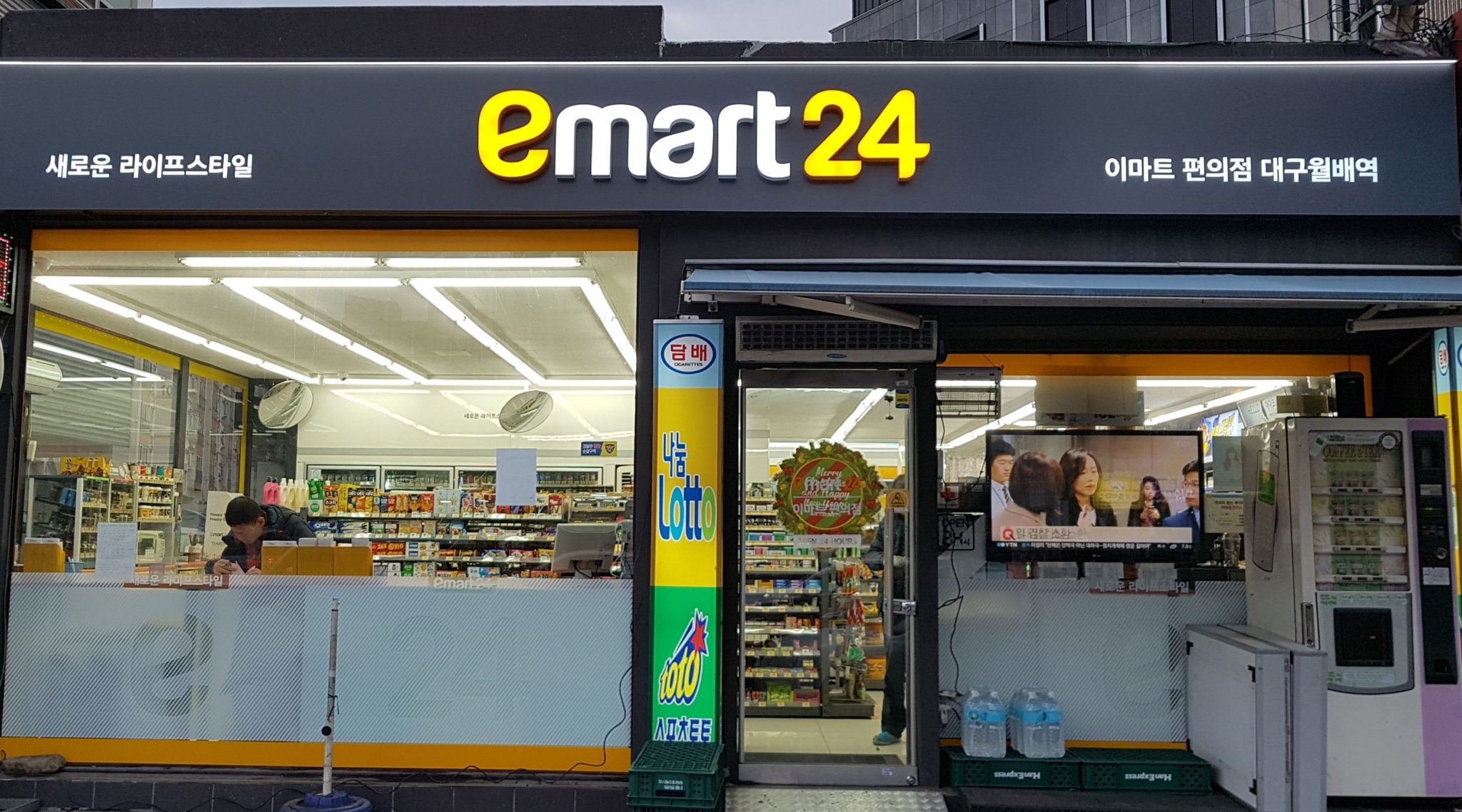
    Convenience store chain Emart24 will expand its alcohol selection tenfold at around 500 branches this year, the brand said Wednesday. The products will be offered using the shop-in-shop model with 120 products, including wine, whiskey and micro-beers, displayed in a dedicated corner. Three to six racks will be added at each outlet to hold the products.

    The company explained the efforts are motivated by the rise of solo drinkers, those who enjoy a few drinks after work as opposed to drinking in larger groups.

    The reduction of the workweek to 52 hours and changing lifestyles, which prioritize work-life balance, have further driven up the number of solo drinkers. Before the announcement, the convenience store tested the shop-in-shop model at 19 branches for two months from November. Sales of wine, craft beer and whiskey increased 20-fold. Overall sales at these 19 branches doubled.

    Emart24 said it plans to expand the shop-in-shop concept to products other than alcohol in the future. It is considering fresh food and imported snacks.

  • Heineken Malaysia 2018 net profit up 4.6%

    Heineken Malaysia 2018 net profit up 4.6%

    Heineken Malaysia Bhd, which posted a 4.6% jump in its net profit for the financial year ended Dec 31, 2018 (FY18), remains cautious about its outlook given the challenging environment due to intense competition, implementation of the sales & service tax (SST), and the continued presence of contraband beer in the market. In line with rising global commodity prices, the group also expects an increase in cost of operations including raw materials and packaging.

    Finance director Szilard Voros said how the group will perform in FY19 also depend on the market, adding that it will benefit if consumers remain optimistic and if efforts to curb illicit trade are stepped up.

    “But we remain cautious because SST was just introduced in September so that also comes with a lag… we also need to see how things settle down after Chinese New Year and see what is the normalised performance and if there’s a growth continuation,” he told reporters at a media and analyst briefing today after announcing the group’s financial results.

    Managing director Roland Bala (pix) said the external environment remains challenging. Amidst slowing global growth rates, currency volatility and uncertainty in the commodity markets, he said the group will need to adopt a cautious approach in cost management.

    “Moving forward, we will continue to invest in our core brands and leverage on our portfolio. As consumer taste profile changes, we will make bets on brands that we believe will have scale,” he added.

    Heineken’s net profit for the fourth quarter ended Dec 31, 2018 grew 6.8% to RM100 million compared with RM93.64 million in the same quarter last year due to higher revenue as well as efficient and effective management of commercial spend and overheads.

    Group revenue grew 12.3% to RM662.28 million as compared to RM589.96 million in the same quarter in 2017 mainly due to increase in sales volume driven by the flagship Tiger brand.

    For the full year period, net profit grew 4.6% to RM282.2 million from RM270.06 million a year ago, while revenue rose 8.3% to RM2.03 billion from RM1.87 billion.

    It has proposed a final dividend of 54 sen per share for the quarter under review, bringing the full-year dividend payout to 94 sen.

  • PepsiCo franchise rights to be acquired in South, West India

    PepsiCo franchise rights to be acquired in South, West India

    PepsiCo India’s bottling partner Varun Beverages Monday said its board has approved plans to acquire franchise rights of the beverages and snacks major in South and West regions. The board has approved the company’s intent to enter into a binding agreement with PepsiCo India Holdings to acquire franchise rights in the two regions for a national bottling, sales and distribution footprint in seven states and five UTs, Varun Beverages Ltd (VBL) said in a regulatory filing.

    According to a report, upon completion of these acquisitions, VBL will be a franchise of PepsiCo beverages business across 27 states and seven Union Territories (UTs), it added.

    “The proposed acquisitions are in line with the company’s strategy to expand into contiguous territories and will help to acquire greater scale, operational productivity and efficiency leading to higher revenues and profitable growth,” it said.

    VBL, however, did not disclose financial details of the proposed acquisitions.

    The company further said its board will meet on February 26 to consider raising of capital through Qualified Institutions Placement (QIP).

    Last year in January, VBL had entered into a pact with PepsiCo to sell and distribute the latter’s entire Tropicana range of juices along with Gatorade and Quaker Value-Added Dairy in North and East India.

    VBL already held manufacturing, sales and distribution rights for Tropicana Slice and Tropicana Frutz in the two regions.

    PepsiCo had then stated that North and East regions together accounted for 80 percent of the juice market in India and VBL’s contiguous reach would help it more than double the distribution reach in these states.

  • Cola, sugar prices shoot up 10% in Korea

    Cola, sugar prices shoot up 10% in Korea

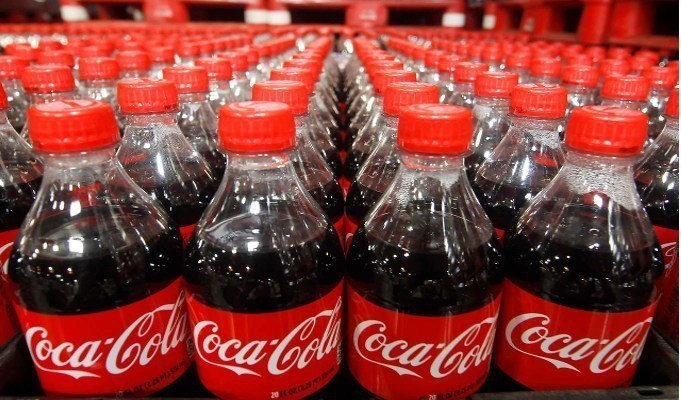
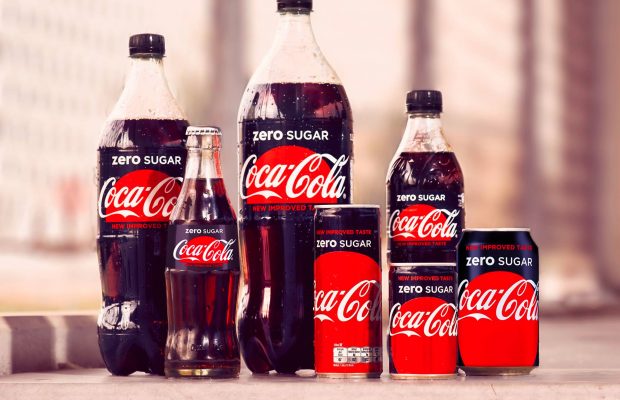
    Processed food prices rose in January, with soybean paste, sugar and cola all jumping up around 10 percent compared to a year earlier. The Korea Consumer Agency (KCA) said Monday that 18 of 26 major processed foods measured both in 2018 and 2019 cost more in January than the previous year. The highest price hikes on year included sugar at 11 percent, soybean paste at 9.8 percent and cola at 9.7 percent. Among processed grain foods, instant rice products rose the most, by 5.6 percent. Prices for cup ramyeon noodles, one of the country’s favorite snacks, rose 3.4 percent.

    The KCA releases prices for a basket of around 30 major processed food categories every month. The basket price data serves as a separate indicator of real price changes for consumers. Other tracked products include beer, coffee mix and curry.

    Compared to the previous month, the average basket price for January rose 0.2 percent to 122,686 won ($109) from 122,491 won. Soybean paste prices rose on month by 4.7 percent and curry by 1.4 percent. Average cola prices rose 6.0 percent from December. The soft drink’s price rose last month after two months of declines.

    The KCA reported that the basket’s price was most affordable from large retail stores compared to traditional markets, department stores and large-size supermarkets.

    Meanwhile, products that declined in price on year included cooking oil at minus 6.1 percent, orange juice at minus 5.3 percent and red pepper paste at minus 4.9 percent.

    The data comes as consumer prices for January rose by 0.8 percent from 2018, according to Statistics Korea. The consumer price index for “living necessity food” rose 2.6 percent last month from the previous year.

  • Coca-Cola India launches grape based sparkling drink Colour

    Coca-Cola India launches grape based sparkling drink Colour

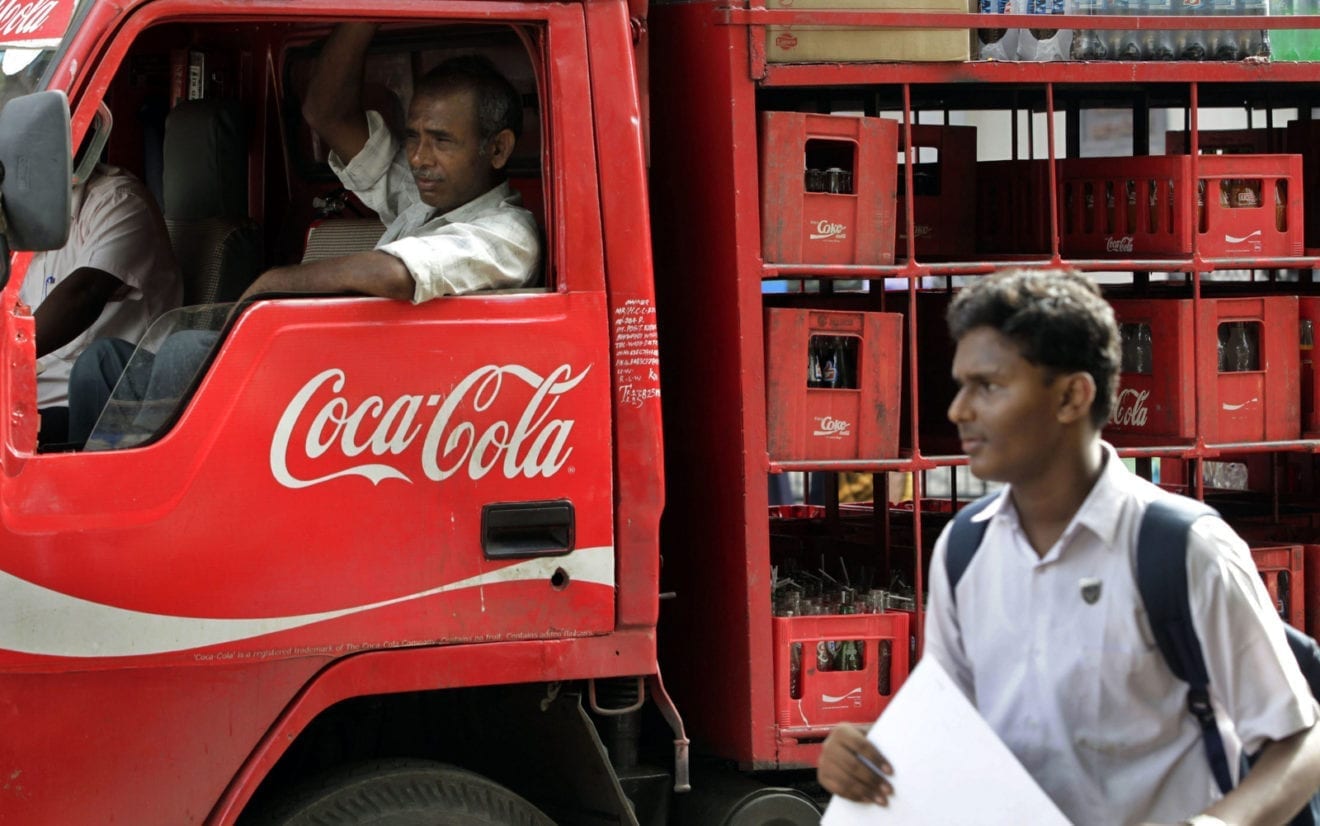
    Beverages major Coca-Cola India on Friday expanded its Minute Maid product range by launching a grape fruit based sparkling drink branded as Colour, said a top company official. People in Tamil Nadu towns and villages used to call soft drink ‘Colour’. Coca-Cola India has branded its new grape juice sparkler as ‘Colour’ to resonate with the local lingo.

    He also said the company would launch a new product in Andhra Pradesh that would be branded under a similar philosophy.

    “The new grape juice based Colour is launched here and will be focused on Tamilian population within India. The product is part of our strategy of expanding our fruit based beverages,” T.Krishnakumar, President, Coca-Cola India and South West Asia said.

    He said the company apart from focusing on its core products – carbonated drinks – also concentrates on launching products preferred in regional markets and also on expanding the ‘fruit circular economy’ – launching fruit based drinks made with domestically grown fruits.

    “The black grapes for the drink are sourced from grape farmers in South India,” Krishnakumar said.

    He did not agree that the new brand ‘Colour’ under the broader Minute Maid brand would reduce the latter’s brand equity. Minute Maid brand is known as a fruit based beverage brand.

    “We are expanding the products under the Minute Maid brand. The new product has 12 per cent grape juice content,” Krishnakumar said.

    According to Srideep Kesavan, Director-Juices, Coca-Cola India and South West Asia, research showed that grape juice was a fast moving product at fruit juice stalls in Tamil Nadu.

    Queried about cutting down on the sugar content in the company’s beverages, Krishnakumar said it will come down soon and a start has been made with the grape sparkler Colour with 9.5 grams of sugar.

    On the value of fruit pulp/products that Coca-Cola India would source under its ‘fruit circular economy’ he said the company had committed that a sum of Rs 5,000 crore would be spent on that head by 2023 and the company is in line with that commitment.

  • LVMH sues Hong Kong merchant over XLV wine range

    LVMH sues Hong Kong merchant over XLV wine range

    French luxury group LVMH is suing a wine merchant in Hong Kong over an alleged trademark infringement.bThe plaintiffs are suing over a wine range named “XLV”, established in collaboration between Cuvee XLV French Wine and Quentin-Louis, the son of fifth generation family member Xavier-Louis Vuitton.

    During a January 16 hearing in the High Court, LVMH claimed that the wine’s label design deliberately mimics the Louis Vuitton logo to mislead consumers. Cuvee XLV’s owner Wong Sau Ying has previously stated that the range has no relationship with the LV business, although the family connection is a factor in the wine sales.

    “The family is involved and that is important. In China trust is important – there are many imitations, but this brand can be trusted,” said Wong in a 2012 interview.

    Wong is pleading that the font size used on the XLV label differs from that of LV products.

    The case has been pending since 2008 when the label became apparent to the LVMH group.

  • Chun Yang Tea expands into Canada

    Chun Yang Tea expands into Canada

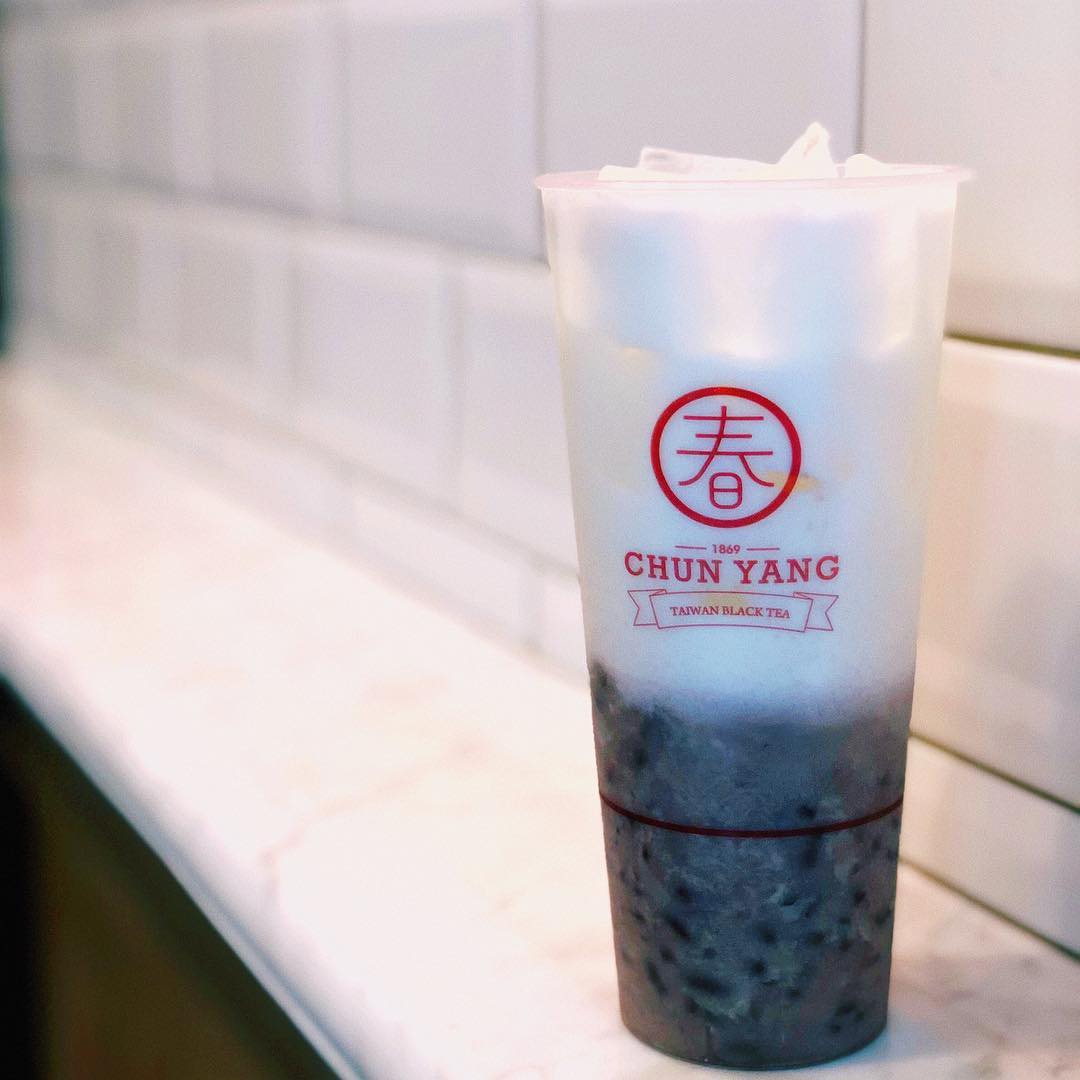
    Taiwanese bubble-tea brand Chun Yang Tea is launching its first store in Canada. With operations across Taiwan as well as in Mainland China, Hong Kong, Macau and Malaysia, the brand is now planning two new store locations in Toronto and one in Vancouver. While the Canadian market has been judged as saturated for bubble-tea retailers, Chun Yang claims its product is authentic and traditional, offering beverages made without any artificial milk powder to achieve a more natural taste.

    So far no information has been released as to exact launch dates, although the brand’s website claims the stores are “coming soon”.

  • The Coca-Cola Company completes acquisition of Costa

    The Coca-Cola Company completes acquisition of Costa

    The Coca-Cola Company has announced that it has completed the acquisition of Costa Limited from Whitbread PLC. The US$ 4.9 billion transaction follows approval from regulatory authorities in the European Union and China. The acquisition was first announced on August 31, 2018. Costa, which has operations in more than 30 countries, gives Coca-Cola a significant footprint in the global coffee business. Worldwide, the coffee segment is growing 6 percent annually. Costa has a scalable platform across multiple formats and channels, from the existing Costa Express vending system to opportunities to introduce ready-to-drink products.

    “We see great opportunities for value creation through the combination of Costa’s capabilities and Coca-Cola’s marketing expertise and global reach,” said James Quincey, CEO of The Coca-Cola Company. “Our vision is to use the strong Costa platform to expand our portfolio in the growing coffee category.”

    “We wish our friends and colleagues at Costa all the very best for their future success,” said Alison Brittain, Whitbread Chief Executive. “Whitbread acquired Costa 23 years ago, when it had only 39 shops. Costa has grown to become a leading, international coffee brand, and Coca-Cola is the right partner to take Costa to the next stage of expansion.”

  • Vietnam’s 2018 coffee exports at 1.88 mln tonnes, surges from last year

    Vietnam’s 2018 coffee exports at 1.88 mln tonnes, surges from last year

    Vietnam’s coffee export volumes for 2018 are expected to increase 20.1 percent from last year, while rice exports are estimated to rise 4.6 percent.

    Coffee

    Coffee exports from Vietnam will climb an estimated 20.1 percent this year to 1.88 million tonnes, equal to 31.37 million 60-kg bags, the General Statistics Office said in a report on Thursday.

    Coffee export revenue for Vietnam, the world’s biggest producer of the robusta bean, will edge up 1.2 percent to $3.54 billion in the year, the report said.

    December coffee exports were estimated at 160,000 tonnes, worth $287 million.

    Rice

    Rice exports in 2018 from Vietnam were forecast to rise 4.6 percent from last year to 6.09 million tonnes. Revenue from rice exports in the period was expected to grow 16 percent to $3.05 billion.

    December rice exports from Vietnam, the world’s third-largest shipper of the grain, were estimated at 450,000 tonnes, worth $220 million.

    Energy 

    Vietnam’s 2018 crude oil exports were seen plunging 39.5 percent from last year to an estimated 4.12 million tonnes. Crude oil export revenue in the year is expected to decline 21.2 percent to $2.27 billion.

    Oil product imports in the year were estimated at 11.35 million tonnes, falling 12.1 percent from the same period last year, while the value of product imports rose 7.8 percent to $7.61 billion.

    Vietnam’s 2018 liquefied petroleum gas imports were seen increasing 4.9 percent from last year to 1.43 million tonnes.

  • Niche market of coffee lover in Korea

    Niche market of coffee lover in Korea

    South Korea’s cafe market is notoriously crowded pushing some large players to the brink and suffering from price attacks from convenience store operators. Yet niche is still a nice place to be, judging by the experiences of a small Seoul startup.

    Two young entrepreneurs have shared their vision of launching a coffee franchise called That Coffee Roasters.

    Co-CEOs Chin Kyo-hwa and Lee Chang-hoon reported that redecorating their first coffee shop to appeal more to female customers was key to their initial success.

    According to Chin, low early revenues escalated after the change.

    “It took more than three years for our coffee shop to gain popularity,” he said. “The store’s monthly sales more than doubled in the past two months on the back of word-of-mouth online and the new interior design.

    “The store is tiny and small, but we hope to launch at least three more stores in less than five years in Seoul.”

    Chin and Lee also run a roastery factory in Guro, Seoul for direct sale to clients. While the business currently serves a small client base, the pair are already planning to expand operations as the company gains more traction.

  • The ThickShake Factory eyes 1,000 plus outlets across India

    The ThickShake Factory eyes 1,000 plus outlets across India

    The ThickShake Factory, a premium thick shake brand that recently completed a century of being operational with more than 100 outlets in India, is planning to expand its footprint in Telangana, Tamil Nadu, Andhra Pradesh, Karnataka, Gujarat, Maharashtra and many more states in the coming few months.

    According to a ANI report: The brand, which brings the concept of running a cold dessert beverage quick service business (QSB) for the first time in the country, has won a number of accolades in the recent past, including ‘The Times Nightlife – Best Beverages, 2015 & 2018’, ‘Coca-Cola Golden Spoon Awards 2018’, ‘IMAGES, Most Admired Startup of the Year’, Best Shakes Parlour Award at ‘Indian Restaurant Awards 2018’, ‘Best Business Growth in F&B’, ‘Best Beverages Swiggy Award 2018’, ‘Franchisor of the Year Award, Franchise India 2016’, and many more.

    The ThickShake Factory serves over 50 types of shakes with more than 40 topping/ mix-ins. It is famous for their ‘Shape your Shake’ feature where customers can choose what they want from the variety of toppings. The brand brings the best flavours in the form of not just ThickShakes, but a complete range of cold coffee varieties, slushies, chocolate and fruit-flavoured drinks.

    The ThickShake Factory has had an excellent journey and has only moved forward since the opening of its first outlet in 2013 with winning ‘Franchisor of the Year’ award twice, one in 2016 and the other in 2018 along with many other awards.

    The company has the vision to have over 1,000 outlets pan-India, along with a strong global presence and has created more than 300 jobs so far, mostly at the bottom of the pyramid and the lesser privileged sections of the society. Recognised as one of the fastest growing QSR chains in India, the company’s current business model is such that the outlets which are currently operational, most of them are franchise-operated and some are company operated.

    “With each day passing, we at The ThickShake Factory are only going ahead as there is no looking behind. We started with our first outlet in 2013 in Hyderabad and have come a long way from there with more than 100 outlets already. Our main focus is to provide the customers with the thickest and most delicious shakes and hence that’s the only thing in our menu. With over 50 types of shakes on the menu, we have something for everyone to suit their palate. We are excited to serve the tastiest and thickest ice cream based shakes in more cities across India,” M. Yeshwanth Nag, Founder of The ThickShake Factory said.

    The founders, M. Yeshwanth Nag and Ashwin Mocherla, were inspired by the global trend of growing appetite for sweet savouries and therefore brought the most appealing range of tastiest ‘Thick’ Shakes to India. The brand never ceases to impress with their heavenly ‘ThickShakes’ through its wide range of offerings.