Retail News CRM

Tag: driving

  • David Beckham Receives A 6 Month Driving Ban For Using Mobile Phone Behind The Wheel

    David Beckham Receives A 6 Month Driving Ban For Using Mobile Phone Behind The Wheel

    English footballer David Beckham has been handed a six-month driving ban for using his mobile when he was behind the wheel. The former England captain pleaded guilty to the charge after he was photographed by a member of the public holding a phone as he drove his Bentley in “slow moving” traffic in London on November 21, last year. Beckham was at Bromley Magistrates Court, south of London earlier this week, where he was given the six-month ban, fined 750 Pounds, and was ordered to pay 100 Pounds to prosecution costs and a 75 Pound surcharge fee within seven days.

    The 44-year-old already has six points on his license from his previous offenses for speeding and now gets six more. Beckham pleaded guilty to the charge and said there is no excuse for what happened. However, the former Manchester United player also said that he had “no recollection of the particular incident.”

    While the district court Judge Catherine Moore said she acknowledged the slow pace of the traffic, she did also say that there was “no excuse” under the law. Prosecutor Matthew Spratt said: “Instead of looking straight forward, paying attention to the road he appeared to be looking at his lap.” Beckham’s lawyer Gerrard Tyrrell further stated that the footballer found driving relaxing. He said, “He takes his children to school each day and picks them up when he can. To deprive him of that is something he will acknowledge.”

    The short but important ban on David Beckham reiterates why need to avoid using our phones behind the wheel. The incident should serve as an example to drivers across the globe that safety can’t be ignored even if it is in slow moving traffic.

  • Alphabet partners with Avis to manage self-driving car fleet

    Alphabet partners with Avis to manage self-driving car fleet

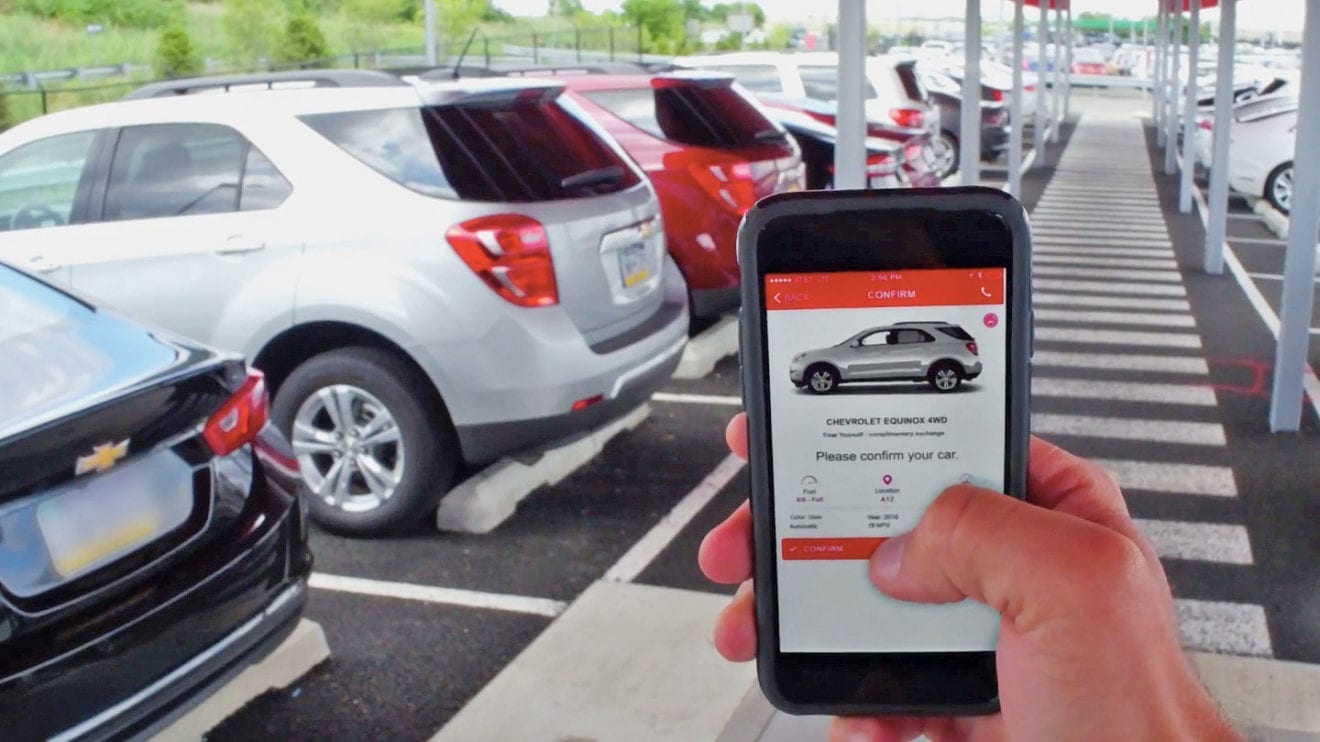
    Waymo, the self-driving car unit of Alphabet Inc, said on Monday it signed a multi-year agreement with Avis Budget Group Inc for the car rental firm to manage its growing fleet of autonomous vehicles, sparking a surge in Avis Budget’s stock.

    Investors bid Avis shares up by as much as 21 percent on Monday, the biggest intraday percentage gain for the stock in more than five years. The shares closed at $27.67, up about 14 percent.

    Shares in traditional rental car companies such as Avis and Hertz Global Holdings have taken a beating as more travelers use ride services such as Lyft and Uber Technologies The Waymo-Avis deal points to a potential future for rental car companies as managers for fleets of shared and autonomous vehicles require their services changing tires, cleaning interiors, and securing vehicles when they are not in operation.

    A Bloomberg report on Monday that Apple was using vehicles supplied by rival rental car company Hertz Global Holdings to test its self-driving car technology prompted a surge in that company’s shares.

    Also on Monday, General Motors Co Chief Financial Officer Chuck Stevens told analysts during a conference call that the automaker has “done a lot of thinking” about how to manage its growing fleet of self-driving vehicles. But he said “it’s early days on how that business model may play out.” GM has a large network of franchised dealers that could provide fleet management services, as well as an alliance with Lyft and its own Maven car-sharing unit.

    Waymo and Avis said they will launch their partnership in Phoenix, Arizona, where Waymo is allowing selected members of the public take rides in self-driving cars, including modified Chrysler Pacifica minivans built by Fiat Chrysler Automobiles NV. Waymo has said it plans to expand its fleet of Chrysler minivans to about 600 vehicles.

    Waymo and Avis did not say whether their partnership will expand to other cities, but John Krafcik, the head of Waymo, said in a statement that “with thousands of locations around the world, Avis Budget Group can help us bring our technology to more people, in more places.”

  • Delphi, Mobileye to use Intel chip for self-driving car system

    Delphi, Mobileye to use Intel chip for self-driving car system

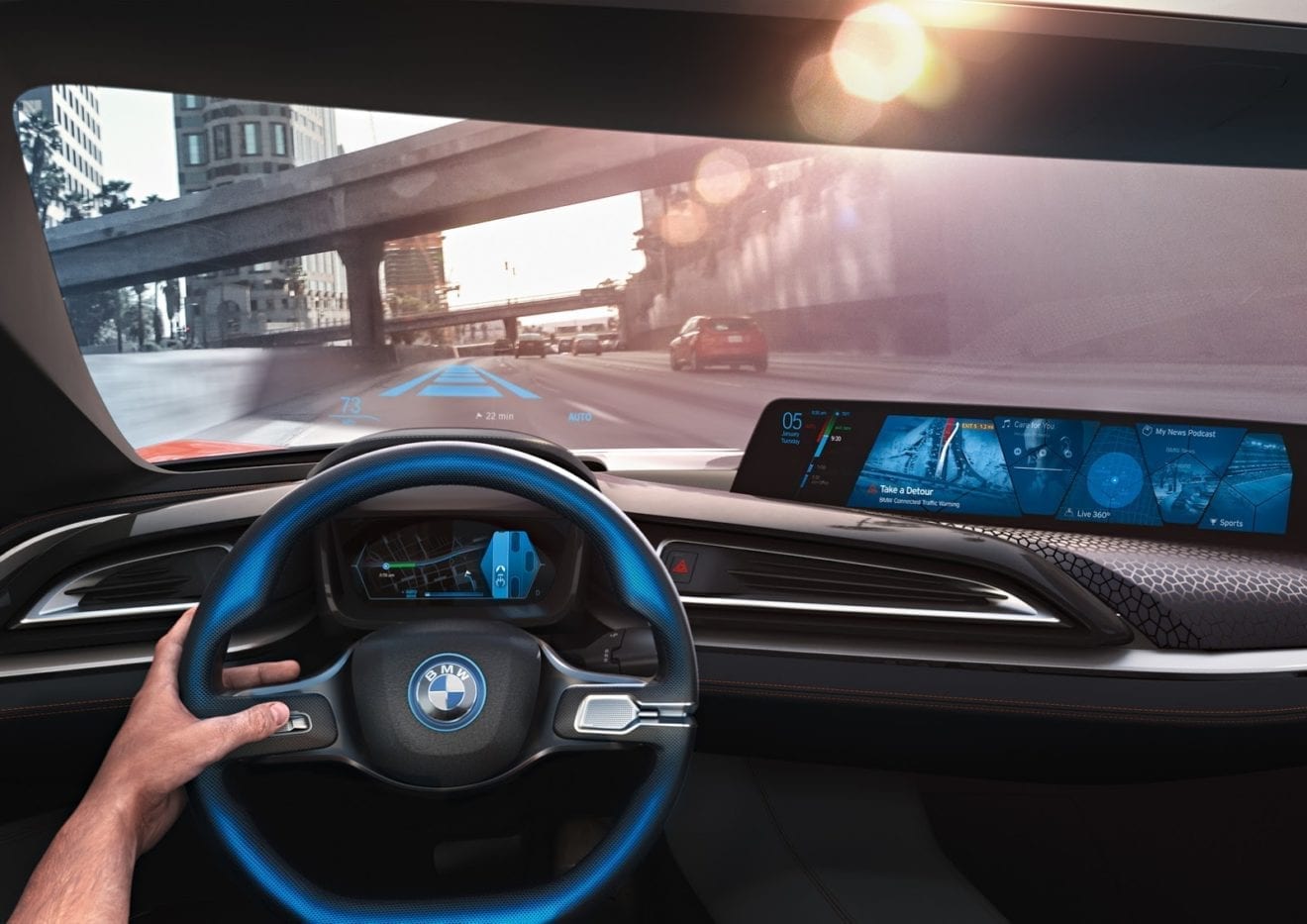
    Auto parts maker Delphi Automotive and Israeli technology firm Mobileye NV will put an Intel Corp chip at the heart of their joint effort to produce self-driving vehicles by 2019, the companies said on Tuesday.

    The move is a boost for the world’s largest semiconductor maker, which is also working with German luxury car maker BMW AG and Mobileye on self-driving technology, but has not been able to extend its broader chip dominance into the fast-emerging autonomous vehicle market.

    Companies from Alphabet Inc’s Google to Uber Technologies and Tesla Motors are vying to put autonomous vehicles on U.S. roads, which could radically reshape transportation across the country.

    Intel will provide a “system on chip” for autonomous vehicle systems that Delphi and Mobileye are developing together, Glen De Vos, Delphi’s vice president of engineering, told Reuters.

    UK-based Delphi is talking with established automakers and new or niche vehicle companies, such as manufacturers of commercial vehicles, interested in automating vehicles, De Vos said.

    The system Delphi and Mobileye are developing would likely come to market first in a commercial vehicle operating in a limited area, such as an airport shuttle or a ride-hailing service, DeVos said.

    Delphi is testing autonomous driving technology in vehicles in Singapore. By the end of this year, Delphi hopes to choose a city in the United States to launch a test fleet of self-driving cars during 2017, De Vos said. The company is also looking for test site in a European city.

    “We are looking at Pittsburgh and Boston and a couple of others,” De Vos said. Pittsburgh is where ride services company Uber is testing its own self-driving vehicles.

    Delphi and Mobileye will stage a demonstration of their self-driving vehicle system at the Consumer Electronics Show in Las Vegas in January, De Vos said. That system will use current, electromechanical laser imaging technology, or LIDAR, that is too expensive for use in consumer vehicles, he said.

    Delphi is also working with Quanergy Systems, a maker of solid-state LIDAR systems, De Vos said.

  • Is There a Tech Bubble in China?

    Is There a Tech Bubble in China?

    Wealthy Chinese investors are in a bind. All the usual, typically safe investment vehicles—commodities, stocks, even stable real estate—have been anything but usual or safe over the last couple months. The Chinese economy has slowed and inflation has picked up, the yuan has been under pressure, oil has tanked, and gold markets have been rattled. Real-estate markets in previously inviolable zip codes like Manhattan, a longtime sure bet for foreign investors looking to park their money in the stability of multi-million-dollar apartments, have started to sway.

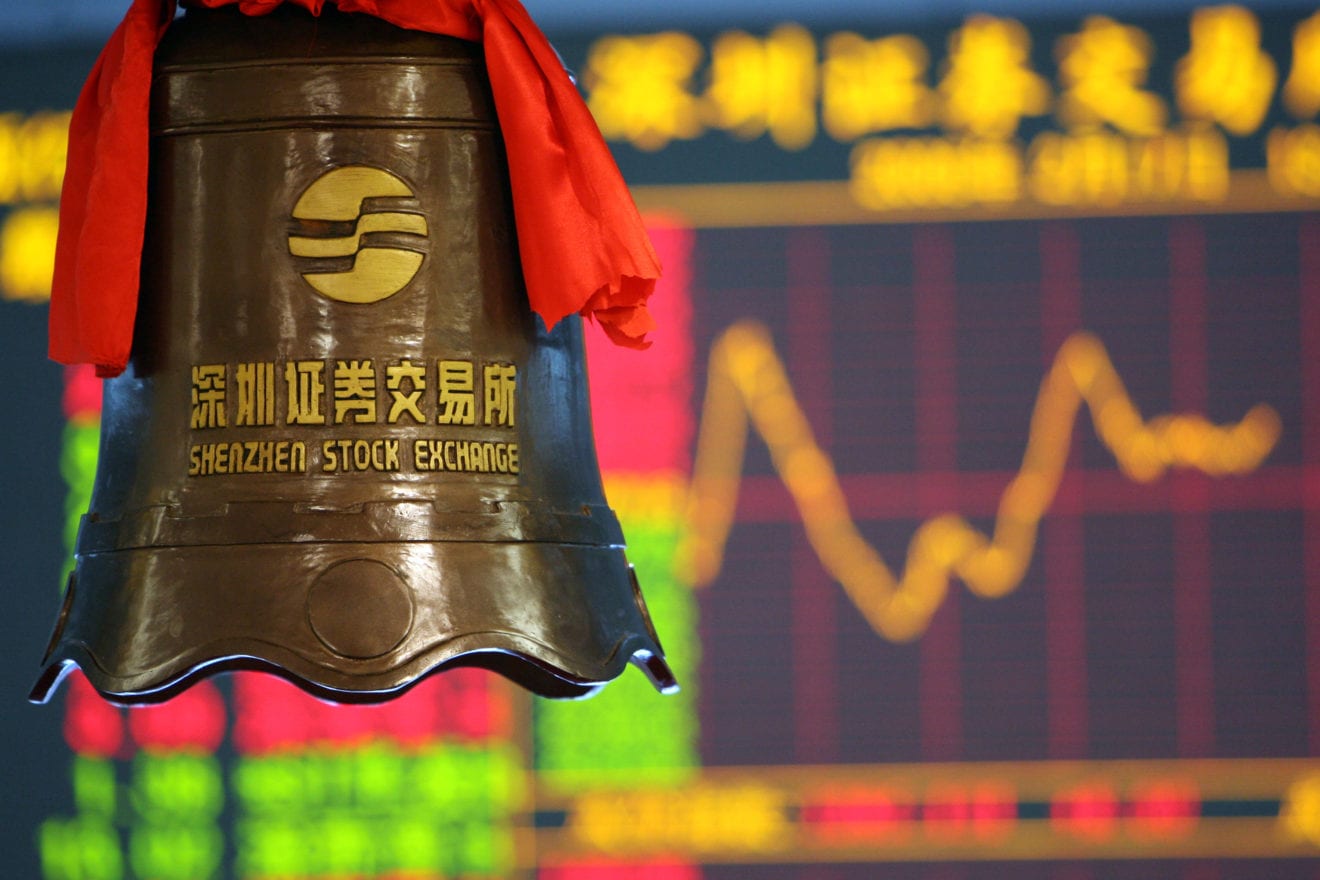
    With the new reality of so much risk and little hope for returns in these markets, Chinese investors are pushing their money toward technology start-ups, according to Reuters. Investments in these companies more than doubled last year, according to CB Insights research, leaping to $32.2 billion. So far this year, venture-capital investments have already climbed to $4.7 billion. That stands in stark contrast to the Shanghai Composite Index, which is down nearly 20 percent in 2016. Established-enough Chinese start-ups like the ride-hailing Uber competitor Didi Kuaidi have benefited the most. The company saw its valuation jump 25 percent to about $20 billion—dwarfing its American competitors.

    We’ve watched this movie before in the U.S. As investors got tired of waiting to wade back into the muck of traditional markets in the wake of the financial crisis, they looked for new places to strike gold. They set their sights out West, to Silicon Valley, pouring their money into small start-ups with huge funding rounds, hoping for a payday. The result was the birth of dozens of new billion-dollar companies. On a hope, a prayer, and the blood, sweat, and tears of many a millennial, these unicorns hung on and continued to raise money. But now, the chickens are coming home to roost.

    Last month, Fidelity marked down investments in 19 start-ups, including onetime Silicon Valley standouts Dropbox and Zenefits (the markdown, however, seems like the least of Zenefits’s worries). Millennial darling Snapchat got similar treatment from Fidelity last fall. Others, like Jawbone, and again, Zenefits, have laid off workers. Funding has started to dry up, yet even those able to raise capital are struggling. Oscar, the health-care app pegged to Obamacare exchanges, closed a round last month that boosted its valuation to $2.7 billion. But on Tuesday, the company reported that it was bleeding money, losing more than $100 million in 2015.

    American investors thought they were trading risky investments for the kinds of returns they could only dream of, but it appears the risk in their their start-up bets were just as great. Now, as Chinese investors make similar calculations, they may face a similar fate.

  • Hyundai raids Bentley to turbo-charge Genesis luxury drive

    Hyundai raids Bentley to turbo-charge Genesis luxury drive

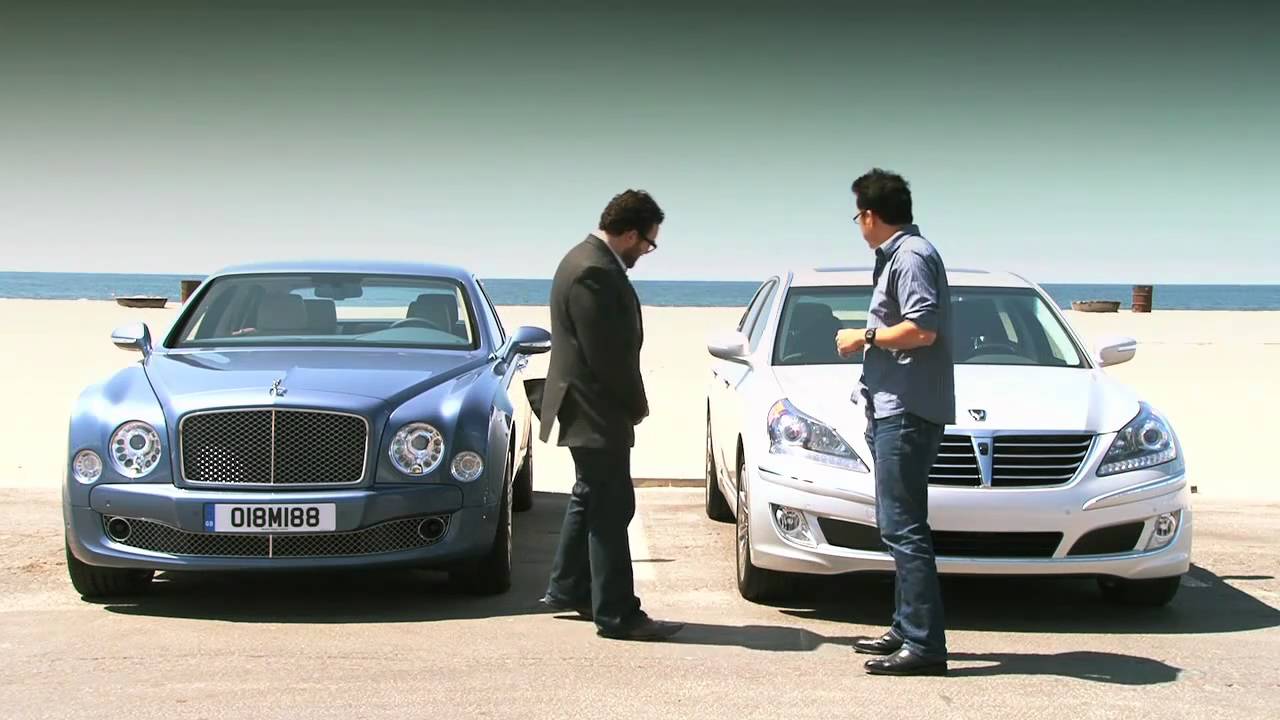
    After poaching Bentley’s design chief last year, Hyundai Motor said on Monday that it has also secured the services of the luxury marquee’s exterior designer.

    Hyundai issued a statement saying Sangyup Lee will start work next month as its head of design, after Reuters reported the hiring of the Korean designer by the South Korean auto giant.

    Lee is being brought in to work with Luc Donckerwolke, a Peruvian-born Belgian, to lead Hyundai’s development of its Genesis premium car brand – a project driven by Chung Euisun, heir-apparent to the Hyundai Group.

    “Lee will help…enhance the design competitiveness of both the Hyundai and Genesis brands with his abundant experience in designing high-end luxury vehicles,” Hyundai said in its statement.

    “His challenging and innovative design languages fit well with the DNA of Hyundai Motor.”

    Hyundai Motor, which sells some 8 million cars a year, sees limited growth unless it breaks into new markets, a person close to the automaker told Reuters. For the South Korean firm, that means premium cars and maybe pick-up trucks and parts of Southeast Asia.

    Lee said he has joined Hyundai Motor as a vice president in charge of Hyundai and Genesis design, reporting to Donckerwolke, who will head up Hyundai’s new Prestige Design Division, as well as being global head of Hyundai design – a reporting arrangement that Hyundai also confirmed on Monday.

    Bentley spokesman Andrew Roberts confirmed Lee “has resigned from Bentley to take a position at another brand.”

    Lee, 46, ran Bentley’s exterior design since 2012 having previously worked at Volkswagen group’s design center in California, and General Motors. He played a lead role in designing the Chevrolet Corvette, Stingray and Camaro – which featured in the “Transformers” movies – and Bentley’s Bentayga SUV.

    “CLEAN SHEET”

    Lee told Reuters the ex-Bentley design duo aim to make Genesis a recognized global premium brand as new disruptive technologies such as autonomous, connected cars and alternative propulsion systems alter the auto design landscape.

    “Because of these technologies, the car industry is about to hit a crossroads. The future is truly open,” he said. “It’s difficult to say if all the prestigious brands today will still be around in 10-20 years.”

    Lee, who says he was first approached by Hyundai two years ago, said he and Donckerwolke plan to design Genesis cars from a “clean sheet of paper”.

    “For decades, luxury brands such as Bentley, Aston Martin and Maserati have been about possession,” he said. “In the future, as disruptive technologies kick in, luxury is going to be about experience. People are going to look for a special experience rather than something special to own.”

    GLOBAL LEGACY

    As “mobility on demand” – the once futuristic concept of calling up a robot-car by smartphone – takes hold, Hyundai predicts many households in the United States, its biggest market, will no longer own two, or three cars, but spend more on one car, said the person close to the company.

    “That means upscale cars,” he said, adding “profitability-wise, the luxury segment is much better, too.”

    That fits with Chung’s aspiration to not just drive the Genesis brand but elevate the Hyundai name to an elite global corporate league alongside the likes of BMW, Boeing and Apple.

    “That’s his legacy. ES (Euisun) wants to make Hyundai a truly globally recognized and respected company,” the person said.

    Chung was involved with hiring both Donckerwolke and Lee, as well as Manfred Fitzgerald, former brand and design director at Lamborghini who was named earlier this year as head of Genesis, said another person with knowledge of the matter.