Retail News CRM

Tag: drop

  • HCMC’s Overseas Remittances Drop 23% Amid Global Economic Challenges in H1 of 2026

    HCMC’s Overseas Remittances Drop 23% Amid Global Economic Challenges in H1 of 2026

    In the first half of 2026, Ho Chi Minh City (HCMC) received over $4 billion in remittances, marking a considerable decrease of almost 23% compared to the same period in the previous year. Factors contributing to this downward trend include a sluggish global economy, more restrictive immigration policies, and shifts in capital flows, all of which negatively affected overseas Vietnamese transfers.

    During the second quarter, remittances that were transferred via credit institutions and economic organizations amounted to $2.03 billion. Although this reflects a slight increase of 1.4% from the first quarter, it is a significant decrease of 27.9% compared to the same quarter last year, as reported by the State Bank of Vietnam (SBV)’s Region 2 Branch.

    Geographical Distribution of Remittances

    Tran Thi Ngoc Lien, the Deputy Director of the SBV’s Region 2 Branch, disclosed that Asia continued to be the most significant source of remittances, contributing over $1 billion, representing 49.3% of total inflows. This figure is up by 9.8% from the previous quarter. The Americas came in second, contributing $672.6 million, making up over 33% of the total.

    In the first quarter, remittances from Asia increased by 9.8%, becoming the primary force of recovery. However, inflows from Europe, the Americas, and Oceania decreased.

    For the first six months, Asia and the Americas remained the leading sources, accounting for over 81% of total remittances. Asia led the way with $1.92 billion, accounting for 47.5% of the total. The Americas followed with $1.38 billion, or 34.1%, and Oceania contributed $418.3 million or 10.4% of the total.

    Contributing Factors and Future Projections

    According to Lien, the decline in remittances is attributed to a mix of international and domestic factors. Slow global economic growth, the strong U.S. dollar, and stricter immigration policies in several countries have all affected employment and income, impeding the ability of overseas Vietnamese to send money home.

    Inflationary pressures, increased living costs, labor market changes, and tax policy adjustments related to certain money transfer transactions have also impacted the Americas, particularly the U.S. – a significant remittance market for HCMC.

    Domestically, the SBV’s Region 2 Branch pointed out that some investment channels have not been attractive enough to absorb remittance capital. Moreover, the interest rates for foreign currency deposits have remained at 0%, leading some overseas Vietnamese to keep their funds abroad or shift them to other investment assets.

    Nevertheless, the SBV’s Region 2 Branch predicts a potential recovery, provided the global economy avoids major disruptions, and the current recovery trend persists in the second half of the year. The projections suggest that HCMC’s total remittance inflows in 2026 could reach between $8.6 and $8.9 billion.

    Despite being below levels recorded in previous years, remittances are expected to recover more noticeably on a quarterly basis, bolstered by the easing of international interest rate conditions, exchange rate stability, and the continued effectiveness of banks’ remittance promotion programs.

    Questions & Answers

    Why have remittances to HCMC reduced significantly in the first half of 2026?
    The decline can be attributed to global economic challenges, tighter immigration policies, and shifts in capital flows that have affected overseas Vietnamese transfers.

    Which regions are the main contributors to remittances to HCMC?
    Asia and the Americas are the two principal sources of remittances to HCMC, collectively accounting for over 81% of total remittances.

    What are the expectations for HCMC’s remittances in the second half of 2026?
    If the global economy remains stable and the current recovery trend continues, HCMC’s total remittance inflows are projected to reach between $8.6 and $8.9 billion in 2026.
  • ThaiBev Mulls Over Sale of Thailands Premier KFC Franchise Amid Profit Drop

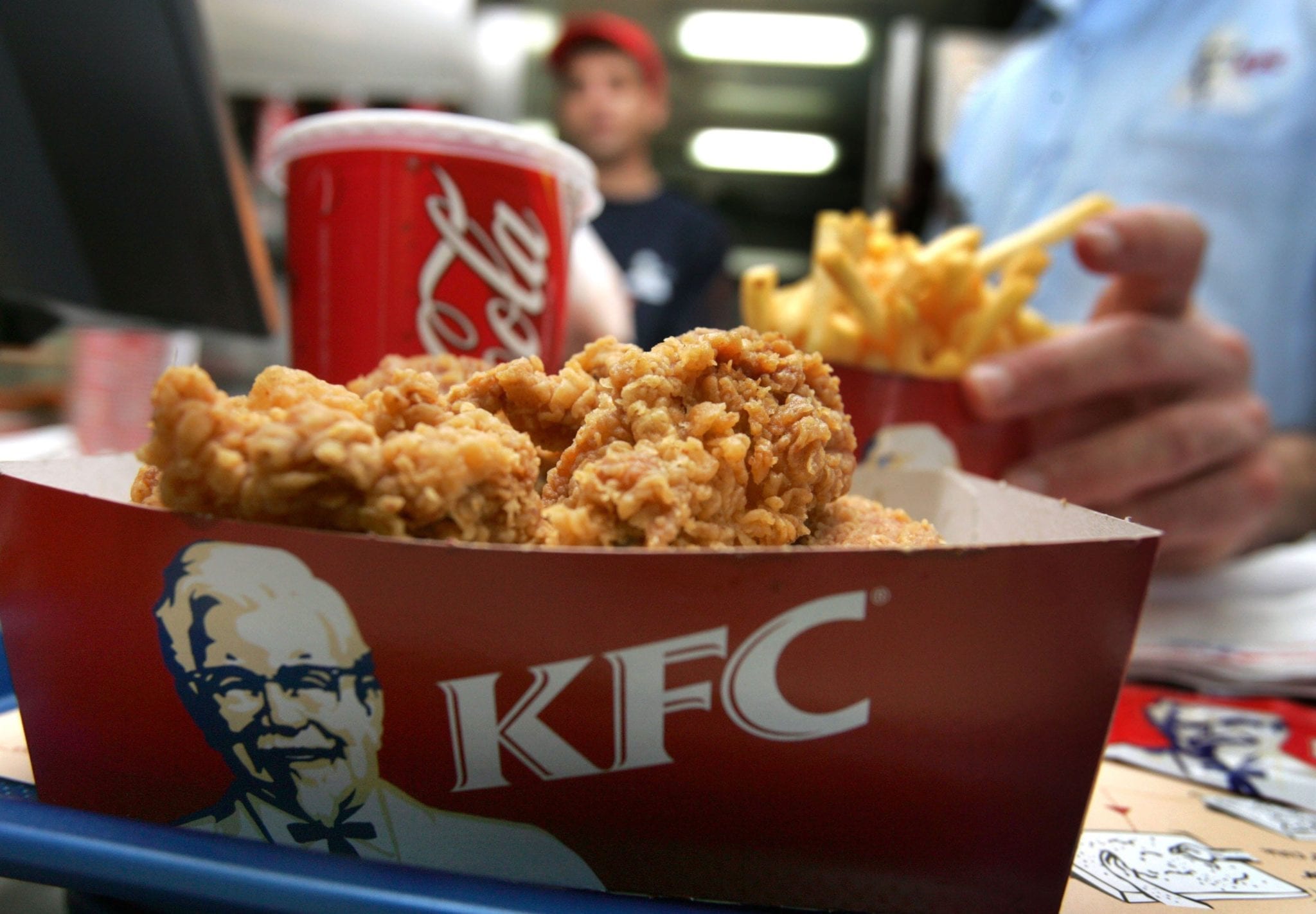
    ThaiBev Mulls Over Sale of Thailands Premier KFC Franchise Amid Profit Drop

    ThaiBev, owned by Charoen Sirivadhanabhakdi, is reportedly contemplating the sale of its KFC franchise business in Thailand – the largest of its kind in the country. The fast-food chain’s operations are overseen by The QSR of Asia. This takeover was initiated when the subsidiary purchased 240 restaurants from Yum Restaurants International in 2017 for an estimated US$335 million.

    ThaiBev’s Expanding Portfolio and Challenging Profits

    Since the initial acquisition, the number of outlets has more than doubled to over 500 across Thailand, solidifying QSR’s position as the country’s largest franchise. However, this expansion has brought its own set of challenges for ThaiBev. The company, known for producing Chang, has experienced a 21.7% decrease in profits, according to its latest annual fiscal statements.

    The drop in profits is reportedly due to the expenses incurred from the continual expansion of the restaurant chain. Nonetheless, ThaiBev remains a significant player in the market, despite the challenges and costs associated with operating a booming fast-food business.

    The Future of ThaiBev’s KFC Franchise

    Currently, ThaiBev is working with the Bank of America Corp to gauge interest in potential transactions relating to the KFC franchise. However, it is important to note that there are no guaranteed sales at this point. The future of the KFC franchise under ThaiBev’s ownership remains uncertain.

    Questions & Answers

    Who currently owns the largest KFC franchise business in Thailand?
    ThaiBev, owned by Charoen Sirivadhanabhakdi, currently holds the largest KFC franchise business in Thailand.

    What has been the impact of the franchise expansion on ThaiBev’s profits?
    The expansion of the franchise has led to a 21.7% drop in ThaiBev’s profits, largely due to the costs associated with the ongoing growth of the restaurant chain.

    What is the future of ThaiBev’s KFC franchise?
    ThaiBev is contemplating the sale of its KFC franchise and is working with the Bank of America Corp to assess interest in potential transactions. However, no sale is guaranteed at this time.

  • Global Gold Rush Stumbles: Vietnam Witnesses Gold Price Drop Amid Rising Crude Oil Rates

    Global Gold Rush Stumbles: Vietnam Witnesses Gold Price Drop Amid Rising Crude Oil Rates

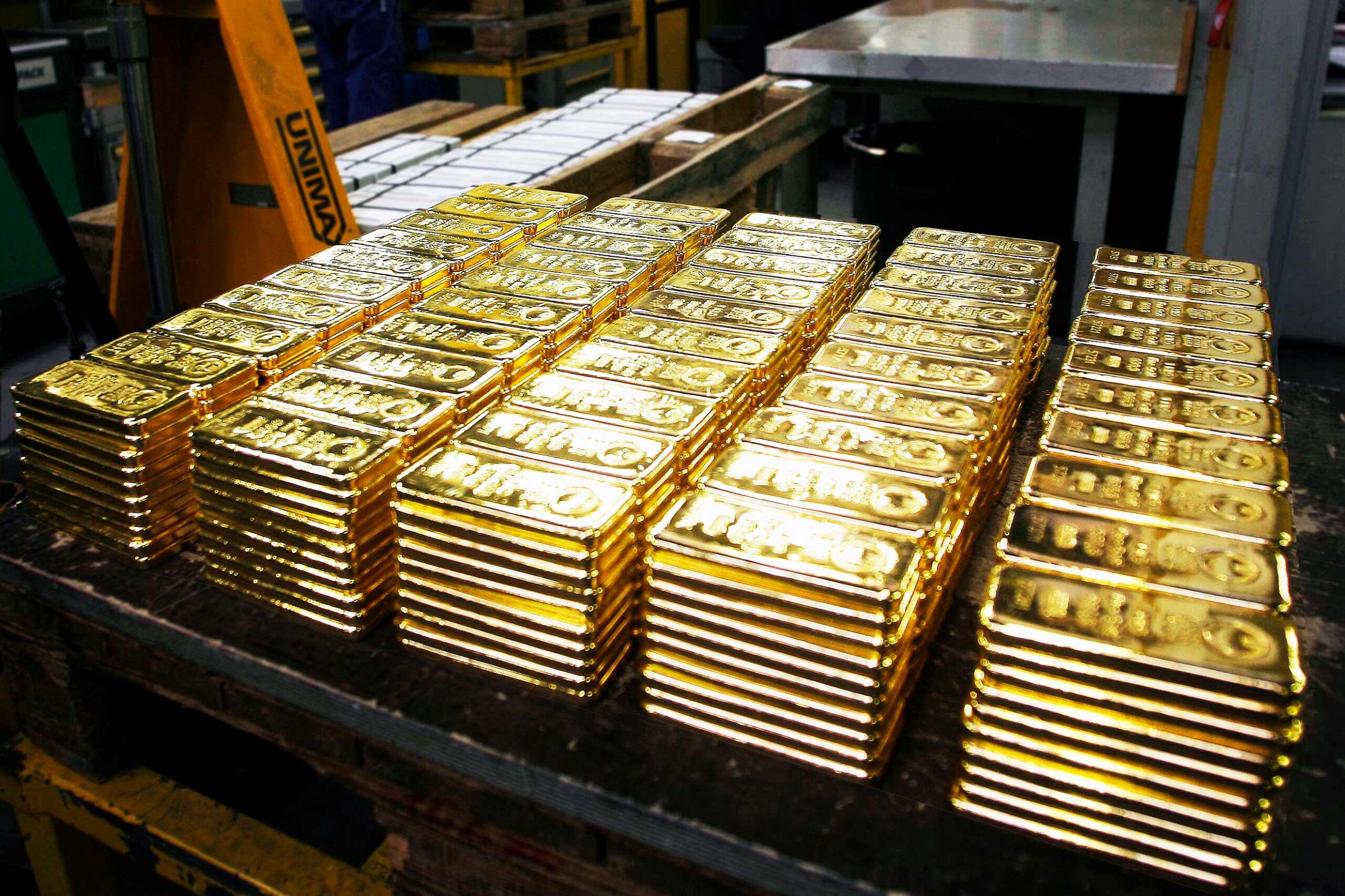
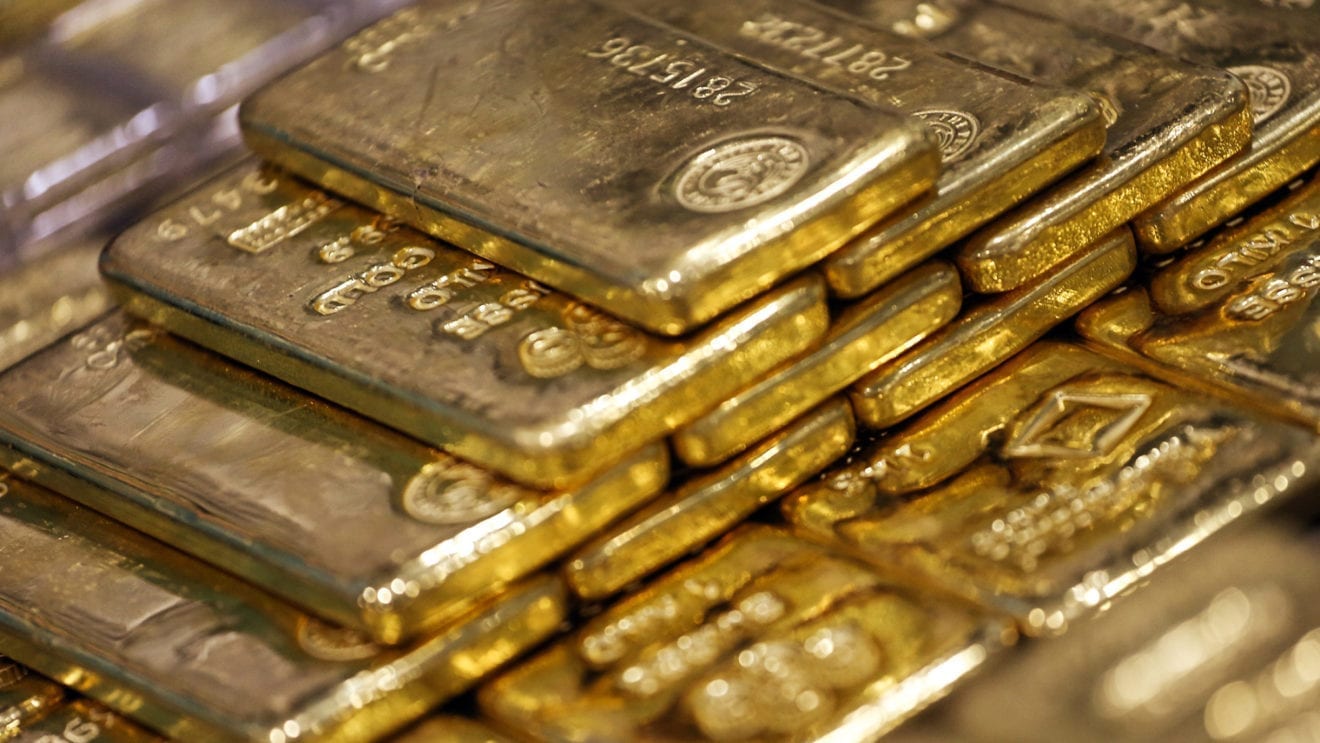
    In Vietnam, the price of gold took a hit on Wednesday morning, coinciding with a global decrease in bullion rates. Saigon Jewelry Company, a prominent gold dealer, experienced a 0.32% drop in the price of their gold bars. This translated to a new rate of VND157 million, equivalent to US$5,960.5 per tael.

    In a parallel development, the cost of gold rings also witnessed a similar decline, ending up at approximately VND156.8 million per tael. It should be noted that one tael is equivalent to 37.5 grams, or 1.2 ounces.

    Global Downturn in Gold Prices

    Internationally, the price of gold experienced a downturn on Wednesday. The renewed tension in the Middle East, which resulted in a surge in crude oil prices, sparked fears of prolonged high-interest rates. This fear was intended to curb inflation.

    Spot gold registered a 0.2% decline to stand at $4,476.50 per ounce. Meanwhile, U.S. gold futures set for August delivery also echoed the downward trend, falling 0.3% to land at $4,504.40.

    The Middle East saw renewed hostilities on Wednesday. The U.S. military reported thwarted or otherwise unsuccessful Iranian missile attacks on Bahrain, Kuwait, and other regional targets. The lack of diplomatic progress between Washington and Tehran seemed to contribute to the situation.

    As a result, oil prices marked an increase of more than 1% in early trading on Wednesday. This development deepened concerns about inflation and potential interest rate hikes, factors that tend to negatively impact non-yielding gold.

    Questions & Answers

    What was the percentage decrease in the price of gold in Vietnam?
    The price of gold in Vietnam fell by 0.32%.

    What were the global factors contributing to the decline in gold prices?
    Several global factors contributed to the decline in gold prices, including renewed tensions in the Middle East, a rise in crude oil prices, and fears of prolonged high interest rates intended to curb inflation.

    How did the situation in the Middle East affect oil prices?
    The renewed hostilities in the Middle East led to an increase in crude oil prices by more than 1% in early trade on Wednesday.

  • Vietnam Gold Prices Leap Amid Global Gold Slump: Largest Monthly Drop in Nearly Two Decades

    Vietnam Gold Prices Leap Amid Global Gold Slump: Largest Monthly Drop in Nearly Two Decades

    On Tuesday morning, gold prices in Vietnam experienced an increase, despite global bullion rates experiencing their sharpest monthly fall in nearly two decades. The Saigon Jewelry Company reflected this trend with its gold bar prices ascending 0.63% to VND174.9 million (US$6,640.34) per tael. This price adjustment was echoed by other sellers in the local market.

    Despite a 6.47% decrease this month, local bullion rates have still gained an impressive 14.5% since the beginning of the year.

    The price of gold rings also experienced a similar surge, reaching a price of VND174.7 million per tael. It’s important to note that a tael is equivalent to 37.5 grams or 1.2 ounces.

    Global Bullion Trends

    On the global stage, gold prices experienced an increase on Tuesday. This rise was fueled by the optimism of a de-escalation in the Middle East conflict. However, gold is also facing its worst month in over 17 years due to increased energy prices. These circumstances have diminished hopes for a U.S. interest rate cut within this year.

    Spot gold saw an increase of 1.5%, reaching $4,578.89 per ounce. Similarly, U.S. gold futures for April delivery experienced a 1.2% rise, leveling at $4,611.30.

    Despite these positive changes, bullion has experienced a 13% decrease this month. This puts it on track for its most significant drop since October 2008, largely due to a stronger dollar and dwindling expectations of a U.S. interest rate cut within this year. Despite these challenges, prices remain up by approximately 5% for the quarter.

    The dollar experienced a drop, making commodities priced in the greenback more affordable for holders of other currencies.

    A notable factor influencing gold prices was an announcement from the U.S. President, Donald Trump, stating his willingness to end the U.S. military campaign against Iran. This news triggered a positive response from the financial markets and saw gold prices bounce in the early Asia-Pacific trade, according to Ilya Spivak, the head of global macro at Tastylive.

    Questions & Answers

    What sparked the increase in gold prices in Vietnam?
    The rise in gold prices in Vietnam was primarily due to optimism about a de-escalation in the Middle East conflict and an announcement from the U.S. President about his willingness to end the military campaign against Iran.

    What factors have contributed to the global drop in bullion rates this month?
    The steep drop in global bullion rates has been largely due to a stronger dollar and diminished expectations of a U.S. interest rate cut within this year.

    How has the dollar’s decrease impacted the commodities market?
    As the dollar has fallen, commodities priced in the greenback have become more affordable for holders of other currencies, which can stimulate demand.

  • Vietnam Experiences Significant Fuel Price Drop Amidst Global Declines and Tax Adjustments

    Vietnam Experiences Significant Fuel Price Drop Amidst Global Declines and Tax Adjustments

    In a notable development, gasoline prices in Vietnam saw a significant drop ranging from 6.47% to 18.8% late on Thursday. The widely used RON95 fuel recorded the highest decrease of 18.8%, reducing its price from Wednesday to VND24,330 (equivalent to US$0.92) per litre.

    Decrease in other fuel prices

    Along with RON95, other fuels also witnessed a price drop. Biofuel E5 RON92 plunged 16.9%, bringing its price down to VND28,070 per litre. Diesel, another essential fuel, recorded a 6.47% decrease to VND35,440 per litre.

    Global fuel price trend

    The decline in Vietnam’s fuel prices aligns with the global trend. Internationally, RON95 gasoline decreased by 7.4% from Wednesday, reaching $135.6 per barrel, and diesel fell 6.5% to $204.6 per barrel. These global price changes were reported by the Ministry of Industry and Trade and the Ministry of Finance.

    Tax Changes Influence

    However, the global price drop is not the sole cause for the fall in Vietnam’s fuel prices. A series of tax adjustments implemented late on Thursday also contributed to the decrease in local rates. The environmental protection tax on gasoline, excluding ethanol, diesel, and aviation fuel, has been reduced to zero from the previous VND1,500–2,000, as per a decision of the Prime Minister.

    Additionally, the excise tax on all types of gasoline and the value-added tax on gasoline, diesel, and aviation fuel have been modified, with the former being cut to 0% from an earlier 10%.

    Local Fuel Market Situation

    Despite the ongoing conflict in the Middle East, which has put added pressure on the domestic fuel market, the local fuel supply in Vietnam remains stable, according to an earlier statement by the trade ministry.

    Questions & Answers

    What was the percentage decrease in the price of RON95 fuel in Vietnam?
    The price of RON95 fuel in Vietnam decreased by 18.8%.

    What other factors contributed to the decrease in fuel prices apart from the global price drop?
    A series of tax adjustments, including a reduction in the environmental protection tax and excise tax on gasoline, also influenced the decrease in fuel prices.

    Despite the conflict in the Middle East, how is the domestic fuel supply in Vietnam?
    Despite the escalating conflict in the Middle East, the domestic fuel supply in Vietnam remains secure and stable.

  • UBS Unveils New Managing Directors: A 11% Drop from Last Year Reveals Strategic Shift

    UBS Unveils New Managing Directors: A 11% Drop from Last Year Reveals Strategic Shift

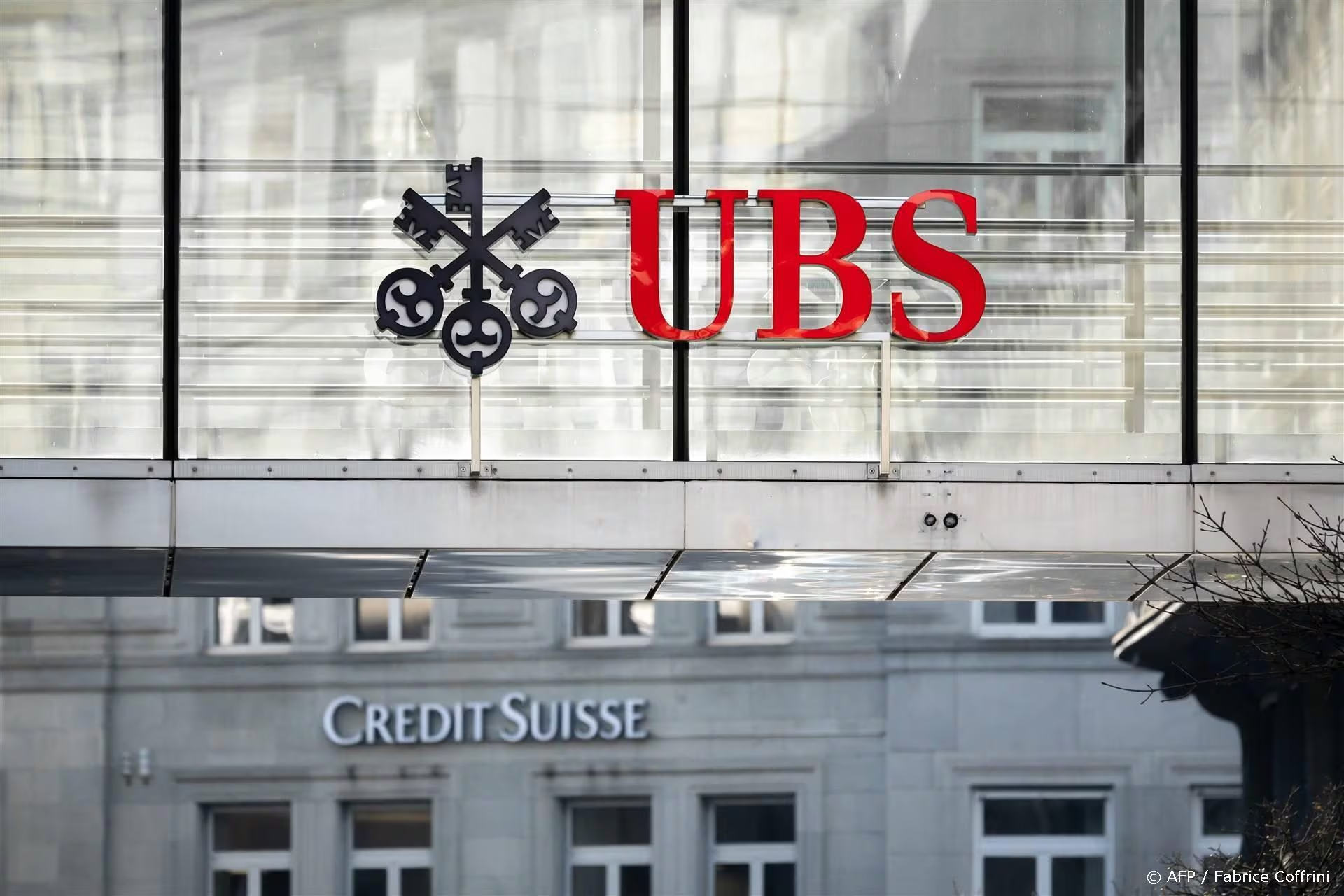
    UBS, the banking behemoth based in Zurich, has unveiled its new cohort of managing directors. With a total of 155 appointments, this year’s list is smaller than the preceding year’s, representing an 11% drop from the 174 managing directors appointed last year.

    The geographic distribution of the new managing directors reveals a global spread. Switzerland had the highest number, with 43 individuals, closely followed by the Asia Pacific region, which had 40. Europe, the Middle East, and Africa had a combined total of 36, as did the Americas. In a noteworthy mention, 92 financial advisors in the Americas have been elevated to the position of managing director within the wealth management division.

    In a statement from the bank, it was noted that the new managing directors embody the robust culture of the institution, as well as uphold the three key tenets of success. The bank emphasized the pivotal role these directors will play in strengthening the firm. The efforts will focus on consolidating the bank’s industry-leading position and delivering superior value for its clients.

    Questions & Answers

    How many new managing directors have been appointed by UBS this year?
    UBS has announced the appointment of 155 new managing directors.

    How does this year’s number of new managing directors compare to last year?
    This year has seen an 11% decrease in the number of managing directors compared to the previous year, which had 174 appointments.

    Which regions have the most significant number of new managing directors?
    Switzerland leads with 43 appointments, followed by Asia Pacific with 40, and Europe, the Middle East and Africa, and the Americas, each with 36.

  • Drop By Dough: Thailand’s Doughnut Sensation Makes Sweet International Debut in Hong Kong

    Drop By Dough: Thailand’s Doughnut Sensation Makes Sweet International Debut in Hong Kong

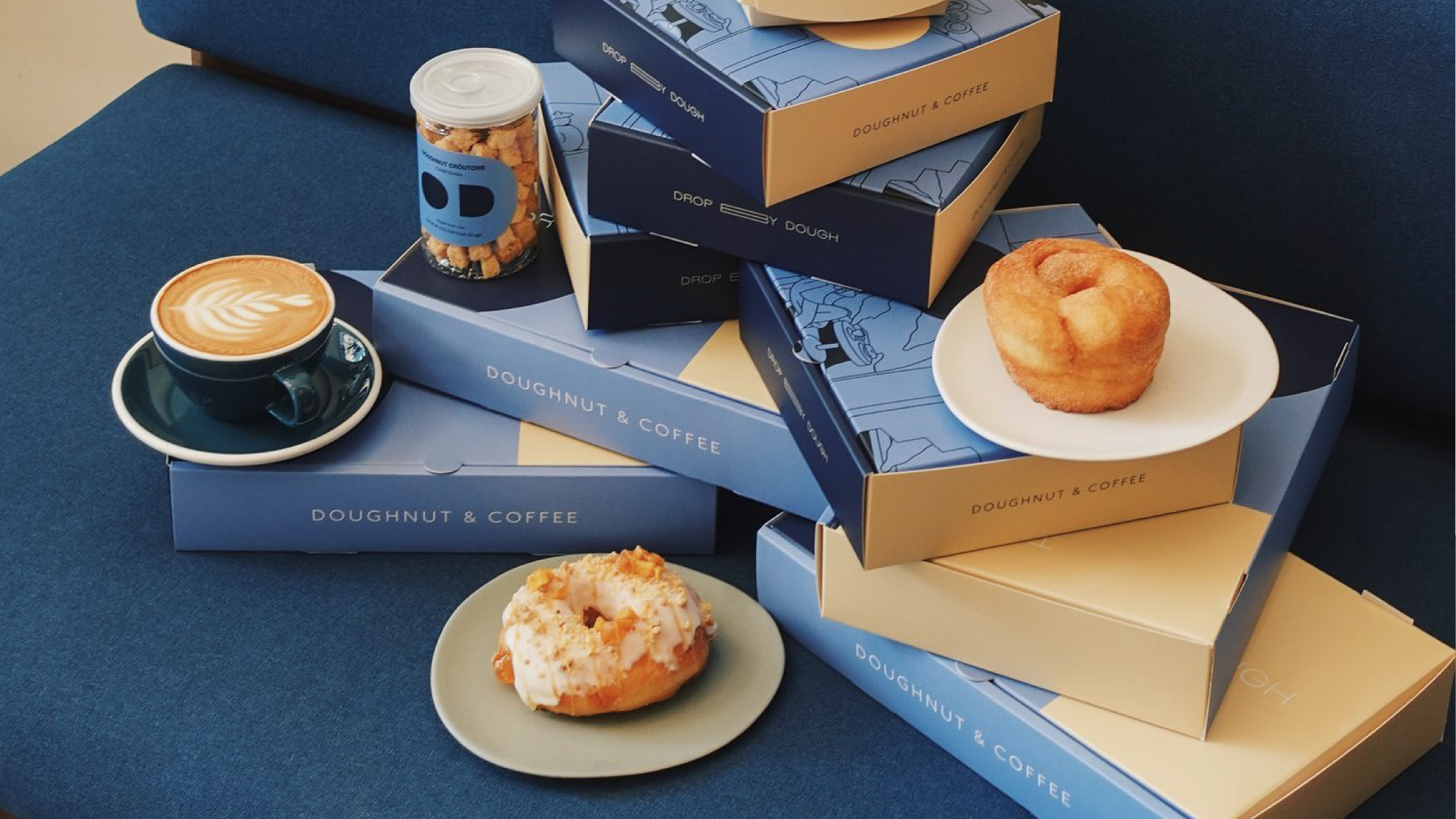
    Drop By Dough, a renowned doughnut brand from Thailand, has launched its first international outlet in Hong Kong.

    Store Design and Location

    Situated in Central Hong Kong, the shop’s interior combines terracotta tiles and wooden furniture to create a warm and inviting atmosphere. The founders aim to provide a haven of relaxation where customers can momentarily escape the frenetic pace of the city while indulging in freshly made doughnuts and coffee.

    Origins of Drop By Dough

    Drop By Dough was established in Bangkok in December 2019 by Narongrit Sritalanon and Chalermphol Akkarapinyokul. The brand was born out of their mutual love for visiting doughnut shops during their travels.

    Expansion to Hong Kong

    Arnold Lau, associate director-general of investment promotion at InvestHK, commented that Drop By Dough’s decision to choose Hong Kong as their first international location further cements the city’s status as a leading hub for global retailers. He also expressed InvestHK’s eagerness to support Drop By Dough’s development and success.

    Product Offering

    Drop By Dough takes pride in crafting their doughnuts every day using a blend of international and native ingredients. Their signature varieties include Raspberry Rose, Classic Vanilla, Nutella Hazelnut, and Kyoto Matcha & Red Bean.

    Special flavors unique to the Hong Kong branch include Pistachioooooo – a doughnut filled with pistachio custard and topped with roasted pistachios – and Mango Kati, which features a distinctive Thai flavor profile.

    Questions & Answers

    Where is Drop By Dough’s first international outlet located?
    The first international outlet of Drop By Dough is located in Central Hong Kong.

    Who are the founders of Drop By Dough?
    Drop By Dough was founded by Narongrit Sritalanon and Chalermphol Akkarapinyokul.

    What unique flavors does the Hong Kong branch of Drop By Dough offer?
    The Hong Kong branch of Drop By Dough offers exclusive flavors such as Pistachioooooo and Mango Kati.

  • Gold Prices Plunge In Record Daily Drop: Market Volatility And Increased Dollar Index To Blame

    Gold Prices Plunge In Record Daily Drop: Market Volatility And Increased Dollar Index To Blame

    In a shocking turn of events, gold prices experienced their most significant daily drop in five years, resulting from investors cashing in their gains after the precious metal reached an unrivaled high in the preceding trading session. On Tuesday, spot gold fell by 5.5% to a one-week low of US$4,115.26 per ounce, marking its steepest decline since August 2020. Meanwhile, U.S. gold futures for December saw a slightly steeper dip, settling 5.7% lower at $4,109.10 per ounce.

    A Year of Substantial Gains

    After reaching a record-breaking peak of $4,381.21 on Monday, gold prices have seen an approximate 60% increase over the year. This impressive surge is primarily attributed to factors such as geopolitical instability, economic uncertainty, predictions of interest rate cuts, and continued purchasing by central banks.

    Independent metals trader, Tai Wong, remarked on the recent fluctuations in gold prices. “As recently as yesterday, gold dips were being purchased,” he said. “But the sharp increase in volatility at the highs over the past week is a warning sign that may prompt some short-term profit-taking.”

    A rise of 0.4% in the dollar index also played a role in this situation, as it made gold a more expensive investment for individuals holding other currencies.

    Other Factors at Play

    Senior analyst at Kitco Metals, Jim Wyckoff, highlighted the impact of improved risk appetite in the marketplace on precious metals. He noted, “The better risk appetite observed in the general marketplace earlier this week is bearish for safe-haven metals.”

    Further, Citi analysts projected that the resolution of the ongoing U.S. government shutdown and upcoming announcements regarding the U.S.-China trade deal could lead to the stabilization of gold prices in the coming two to three weeks.

    In the same vein as gold, spot silver also experienced a significant dip, falling by 7.6% to $48.49 per ounce. Wong provided his insights on the matter, stating, “Silver is stumbling badly today and has dragged the entire complex lower. It seems we have a short-term peak at $54, and while sentiment wobbles under $50, silver is likely to trade sideways with substantial volatility as long as gold remains relatively firm.”

    Other precious metals such as platinum and palladium also showed a decrease in value, shedding 5.9% and 5.3% respectively.

    Looking Forward

    As we approach the end of the week, traders eagerly anticipate the release of the U.S. consumer price index report for September, previously delayed due to the U.S. government shutdown. Predictions suggest a year-on-year rise of 3.1%.

    Furthermore, market expectations lean towards a 25 basis point cut in interest rates by the Federal Reserve at its policy meeting next week. As a non-yielding asset, gold typically profits in a low-interest-rate environment.

    Questions & Answers

    What was the recent record high for gold prices?
    The record high for gold prices was $4,381.21 per ounce, reached on Monday.

    What are the main factors contributing to the surge in gold prices this year?
    The surge in gold prices this year can be attributed to geopolitical and economic uncertainty, rate-cut predictions, and sustained central bank buying.

    How does the dollar index affect gold prices?
    An increase in the dollar index makes gold more expensive for holders of other currencies, potentially impacting demand and therefore gold prices.

  • Raw C And Pistachio Papi Unveil Unique Coconut-pistachio Beverage: A First In The Market

    Raw C And Pistachio Papi Unveil Unique Coconut-pistachio Beverage: A First In The Market

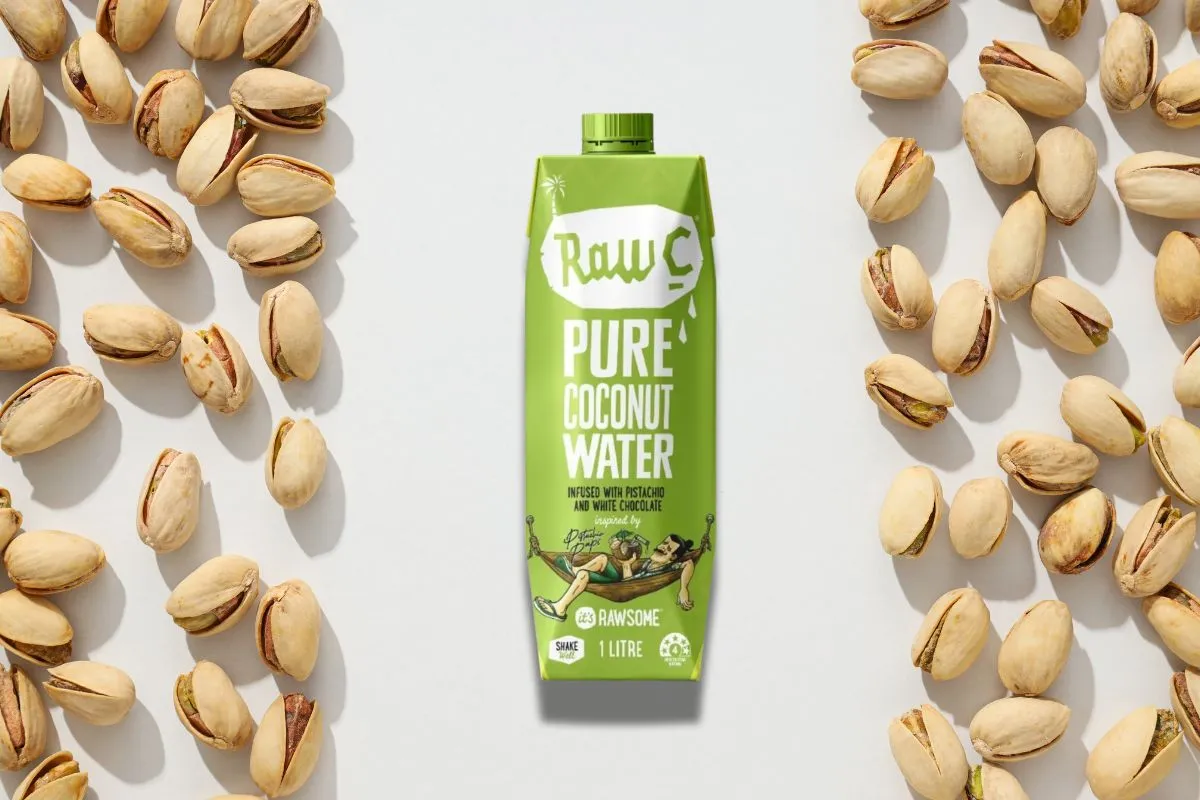
    Raw C, a renowned coconut water brand, has collaborated with Pistachio Papi to introduce a unique limited-edition beverage: pure coconut water blended with natural pistachio and white chocolate. The collaboration, aptly named “Sip The Spread,” will be available nationwide at Woolworths stores. This venture denotes Pistachio Papi’s initial foray into the beverage segment.

    A Perfect Partnership

    Scott Mendelsohn, the founder of Raw C, expressed enthusiasm about the collaboration, describing the partnership with Pistachio Papi as the ideal progression for their brand. Mendelsohn explained that Raw C has always been committed to using authentic ingredients and cultivating natural flavors in their offerings. This alliance is expected to yield products their consumer base genuinely appreciates while introducing an entirely remarkable product to the market.

    The Clean-Label Promise

    The limited-edition beverage continues Raw C’s commitment to not using artificial ingredients or preservatives, upholding their ‘clean-label promise.’ The new product is anticipated to appeal to younger consumers, a demographic often on the lookout for novel and healthier alternatives in the beverage aisle.

    A Refreshing Evolution

    Mark Abdelmalik, the founder of Pistachio Papi, revealed that they’ve always aspired to extend Papi into the drinkable product range. With the burgeoning popularity of coconut water, their partnership with Raw C seemed like an ideal match. He stated, “Together we’ve created a refreshing, natural drink that leaves you wanting more – a first of its kind.”

    Questions & Answers

    What is the new product launched by Raw C and Pistachio Papi?
    The new product is a limited-edition beverage that blends pure coconut water with natural pistachio and white chocolate.

    What is the anticipated target demographic for the new product?
    The product is expected to appeal to a younger demographic seeking innovative and healthier alternatives in the beverage category.

    What is the significance of Raw C’s ‘clean-label promise’?
    Raw C’s ‘clean-label promise’ signifies their commitment to using no artificial ingredients or preservatives in their products.

  • Luxury Giant Lanvin Group Experiences 22% Revenue Drop Amid Global Luxury Demand Downturn

    Luxury Giant Lanvin Group Experiences 22% Revenue Drop Amid Global Luxury Demand Downturn

    Lanvin Group, which houses well-known luxury brands such as Lanvin, Wolford, Sergio Rossi, St John, and Caruso, recorded a decrease in revenue during the first half of the year. The group reported US$155.6 million in revenue, marking a 22% drop in comparison to the previous year. The drop was largely attributed to a global decrease in luxury demand.

    Impact on Sales

    The group’s sales were negatively influenced by a decline in wholesale performance in both EMEA (Europe, the Middle East, and Africa) and Greater China. Market pressures also contributed to the decline. Nevertheless, Lanvin Group expressed optimism, noting the positive impact of disciplined cost management and efficiency measures.

    The group achieved a gross profit of $84.2 million, with a profit margin of 54%. This was supported by efficient inventory management during a period of creative transition. Zhen Huang, chairman of Lanvin Group, stated that the group remained disciplined in cost management and strategic streamlining, despite a challenging luxury market in the first half of the year.

    Individual Brand Performance

    Among the brands under the Lanvin Group, Lanvin experienced the most significant decline, with revenue dropping by 42%. This was primarily due to a lack of enthusiasm from wholesale partners in EMEA. Still, the brand reported resilience in the region’s retail sector and noted progress in the Asia-Pacific region. Lanvin also reported a strong rebound in North American e-commerce, thanks to a new marketplace model.

    Wolford revenue declined by 23%, but wholesale sales rose by 14%. Lower production utilization and inventory clearance impacted the gross margin, but cost-saving measures helped cut general and administrative expenses by 18%.

    Sergio Rossi saw a 25% decrease in sales, with direct-to-consumer revenue and wholesale declining by 21% and 33% respectively. The gross margin narrowed by nine percentage points, but an improved second quarter saw retail sales increase by 17% and e-commerce sales increase by 10% compared to the previous quarter.

    St John maintained steady revenue, with a 4% growth in North America and an 11% increase in wholesale. The brand also managed to maintain a 69% gross margin and an 11% contribution margin.

    Caruso experienced an 11% decline in revenue, primarily due to a temporary slowdown in its Maisons business.

    Strategic Measures for Improvement

    Andy Lew, the executive president of the group, indicated that going forward, they plan to refine their retail footprint, strengthen wholesale partnerships, and invest in new creative leadership to drive growth in the second half of the year.

    Furthermore, the group intends to maintain operational discipline while focusing on future growth. By incorporating fresh creative direction across all their brands, supported by targeted marketing and refined channel strategies, they aim to build brand momentum and increase consumer engagement.

    Questions & Answers

    What was the total revenue reported by Lanvin Group in the first half of the year?
    The group reported a revenue of US$155.6 million.

    Which brand under the Lanvin Group experienced the most significant revenue decline?
    Lanvin brand experienced the sharpest revenue decline at 42%.

    What are some of the strategic measures the group plans to implement in the second half of the year?
    The group plans to refine its retail footprint, strengthen wholesale partnerships, and invest in new creative leadership. In addition, the group aims to maintain operational discipline, introduce fresh creative direction across their brands, and enhance marketing and channel strategies.

  • Lanvin Group Reports 22% Revenue Decline Amid Global Luxury Market Softening

    Lanvin Group Reports 22% Revenue Decline Amid Global Luxury Market Softening

    The luxury fashion conglomerate, Lanvin Group, which houses brands such as Lanvin, Wolford, Sergio Rossi, St John, and Caruso, has reported a decline in first-half revenue to US$155.6 million. This figure represents a 22% decrease compared to the same period last year due to the softening global luxury demand.

    Market Pressures and Cost Management

    The group cited several factors that contributed to the decrease in sales, one of which was weaker wholesale in the EMEA region and Greater China. However, disciplined cost management and efficiency measures have begun to show positive impacts. Despite these challenges, the group’s gross profit stood at $84.2 million, maintaining a margin of 54%, aided by precise inventory management during a challenging period of creative transition.

    Zhen Huang, the chairman of Lanvin Group, stated, “Despite facing a challenging luxury market in the first half, we remained disciplined in cost management and strategic streamlining. With new creative leadership and ongoing investment in product innovation, we are well-positioned to capture opportunities as the market environment improves.”

    Individual Brand Performance

    Lanvin saw the most significant drop in the group, with its revenue down by 42%, as wholesale partners in EMEA were more restrained. The brand noted some resilience in the retail sector in the same region and that its North American e-commerce platform showed strong recovery under a new marketplace model.

    Wolford’s revenue declined by 23%, although its wholesale sales rose by 14%. The brand’s gross margin was affected by lower production utilization and inventory clearance, but the company managed to cut general and administrative expenses by 18% under cost-saving measures.

    Sergio Rossi’s sales fell by 25%, with direct-to-consumer revenue down by 21% and wholesale sliding by 33%. It managed, however, to show some progress in Q2, with retail sales up by 17% and e-commerce climbing 10% from the previous quarter.

    St John maintained a stable performance, with revenues remaining broadly flat. The brand sustained a 69% gross margin and an 11% contribution margin.

    Caruso saw an 11% decline in its revenue, primarily due to a temporary slowdown in its Maisons business.

    Adjusted EBITDA for the period was a negative $60.8 million, reflecting the lower revenue. This figure was less favorable than the negative $49.1 million reported for the previous year.

    Future Plans

    Andy Lew, the group’s executive president, stated that the group plans to refine its retail footprint in the future, strengthen wholesale partnerships, and invest in new creative leadership to drive momentum in the second half of the year. “Our focus in the first half was on operational discipline and laying the foundation for future growth. We expect to build brand momentum and increase consumer engagement in the second half with fresh creative direction across our houses, supported by targeted marketing and refined channel strategies.”

    Questions & Answers

    What factors contributed to Lanvin Group’s decline in revenue?
    Answer: The decline in revenue was primarily due to weaker wholesale in the EMEA region and Greater China, along with general market pressures.

    Which brand in the Lanvin Group saw the most significant drop in revenue?
    Answer: Lanvin reported the most significant drop in revenue, with a decrease of 42%.

    What are Lanvin Group’s plans for the future?
    Answer: The group plans to refine its retail footprint, strengthen wholesale partnerships, and invest in new creative leadership to drive momentum in the second half of the year.

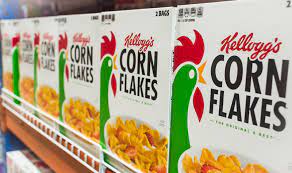
  • WK Kellogg reports sharp drop in Q2 earnings amid Ferrero takeover

    WK Kellogg reports sharp drop in Q2 earnings amid Ferrero takeover

    The major breakfast cereal and snack producer, WK Kellogg, has revealed a significant drop in its net income for the second quarter as it readies itself for an upcoming acquisition by Ferrero Group.

    Drop in Earnings

    The company’s net income for the quarter was a mere $8 million, a significant decrease from the $37 million earned in the same period last year. This represents a year-over-year decrease of 78.4%.

    The company’s net sales for the second quarter also dipped by 8.8%, coming in at $613 million. This slump reflects the weakening consumer demand across all of WK Kellogg’s markets.

    Pending Acquisition by Ferrero Group

    WK Kellogg had previously announced a definitive agreement to be purchased by Italy-based Ferrero Group in an all-cash deal worth $3.1 billion. The deal is anticipated to close in the latter half of the present year, provided it receives the required approval from regulators and shareholders.

    Gary Pilnick, chairman and CEO of WK Kellogg, stated, “Despite the challenging operating environment, we experienced in the second quarter, we are making tangible progress against our long-term strategic priorities, including our supply chain modernization initiative.” He continued, “Our team remains committed to executing our plans for the remainder of the year and preparing for the future as we look forward to merging with Ferrero and commencing this exciting new chapter for WK.”

    The acquisition is viewed as a crucial move to expedite WK Kellogg’s transformation under Ferrero’s stewardship, capitalizing on complementary product portfolios and global outreach.

    Questions & Answers

    Why did WK Kellogg’s net income decrease in this quarter?
    The decline in net income is attributed to weaker consumer demand across all of WK Kellogg’s markets.

    What is the value of Ferrero Group’s acquisition deal with WK Kellogg?
    Ferrero Group has agreed to acquire WK Kellogg in an all-cash deal worth $3.1 billion.

    What does WK Kellogg anticipate from the prospective merger with Ferrero Group?
    The merger with Ferrero Group is expected to fast-track WK Kellogg’s transformation, leveraging the combined strength of their product portfolios and global reach.

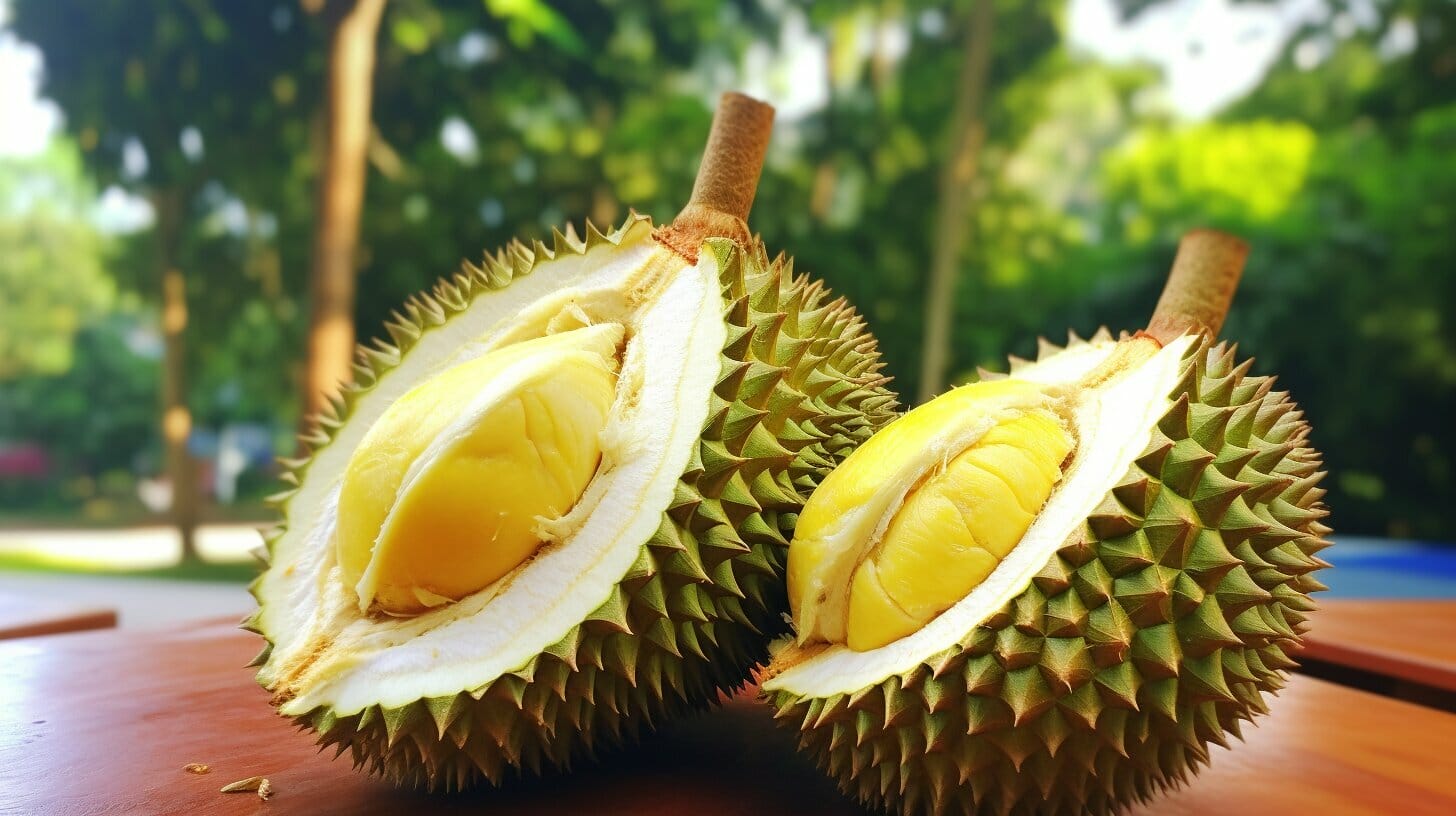
  • Durian prices drop up to 30%

    Durian prices drop up to 30%

    Farmers are now selling top-grade Monthong durians for VND65,000-70,000 (US$2.64-$2.84) per kilogram, down 25-30% compared to the prices at the start of the season in July.

    Grade B durians are priced at VND55,000-63,000 per kilogram, with a similar decrease from July and approximately 10% lower than the same period last year.

    Minh Thanh, a farmer in the Central Highlands province of Dak Lak, hopes that durian prices will recover by the season’s end. However, prolonged heavy rains have compromised the fruit’s quality, leading to low selling prices at the garden.

    Similarly, Hong Anh, owner of 0.5-hectare crop in the Central Highlands province of Gia Lai, encounters challenges as buyers rescind their offers of VND80,000 per kilogram, even forfeiting deposits, compelling her to sell at only VND65,000 due to poor quality.

    Anh attributes the price drop to the fruit’s diminished quality from excessive rainfall, particularly in new orchards that lack proper cultivation techniques. The hardened fruits complicate exports, with most being consumed domestically.

    Manh Hoang, a trader in the Central Highlands, observes that durian quality suffers when grown alongside pepper and coffee. As the prices for pepper and coffee increase, many farmers prioritize them and apply unregulated fertilization, which degrades the durian quality. Some buyers only purchase durian for use in ice cream or for extracting the pulp, further complicating the export of whole fruits.

    “I buy a few tons each day, but only 50% of the fruits meet export standards,” says Hoang. “The rest are sold in HCMC, Hanoi, and Da Nang.”

    The General Department of Vietnam Customs reports that in the first seven months of 2024, Vietnam exported 476,130 tons of durian, valued at US$1.6 billion, representing a 50.5% increase in volume and 49.4% increase in value compared to the same period last year.

    However, July saw a 30.8% decrease in both value and volume compared to June, totaling only US$280 million. Exports further declined to US$200 million in August.

    Despite weather-related slowdowns, businesses note that durian export demand from China is recovering due to festive occasions. Improved weather from October is anticipated to enhance the quality of durian. Additionally, the volume of off-season produce has increased potentially, increasing export turnover.

    Dang Phuc Nguyen, Secretary General of the Vietnam Fruit and Vegetable Association, explains that the reduction in export volume during July and August is temporary. From September, durian export turnover is expected to surge, potentially reaching nearly US$3 billion this year.

    On Aug. 19, during a visit to China by Party General Secretary and State President To Lam, the two countries signed a protocol on exporting frozen durian, offering substantial opportunities for Vietnamese agriculture. Exports of frozen durian are anticipated to generate US$400-500 million this year.

    In 2023, Vietnam exported approximately 500,000 tons of fresh durian, valued at US$2.3 billion, with 90% destined for China. The area planted with durian encompassed 154,000 hectares, yielding nearly 1.2 million tons, an annual increase of 15%.

    Vietnam has around 151,000 hectares under durian, with the Central Highlands accounting for half of it. Other large growing areas include the southeast and the Mekong Delta regions with 25,000 ha and 42,000 ha.

  • LVMH sales up 15 per cent despite global tensions

    LVMH sales up 15 per cent despite global tensions

    Luxury brand owner LVMH has reported a solid 15 percent increase in sales in the first half of this year, shrugging off gloomy consumer sentiment in many markets.

    The parent of Louis Vuitton, Christian Dior, Bulgari, Sephora, DFS, Moet and a raft of other brands recorded sales of €25.1 billion. Organic growth was 12 percent ahead of the same period a year earlier.

    Second quarter growth was also up by 15 per cent of the beginning of the year, with the US, Asia and Europe all showing good growth and an obvious rebound in France in the second quarter.

    While the company noted a slowdown in demand in Hong Kong and Macau over the past few months, its DFS department-store subsidiary recorded “good” performance during the first half of the year.

    Profit from recurring operations was €5.295 billion for the first half, up by 14 percent, with an operating margin reaching 21.1 per cent – about the same as last year.

    “These results once again illustrate the effectiveness of our strategy and the exceptional desirability of our Maisons, whose products transcend time,” said chairman and CEO Bernard Arnault.

    “Their constant demand for quality and their consistently refreshed creativity are key to LVMH’s success, always guided by a long-term vision, combining exemplarity and responsibility in all the company’s actions. Despite buoyant demand, we will continue to manage costs and remain vigilant into the second half of the year. We are therefore entering the second half of the year with confidence and count on the talent of our teams and their shared entrepreneurial passion to further increase, once again in 2019, our leadership in the world of high-quality products.”

    The company’s fashion and leather goods business group recorded organic sales growth of 18 percent and profit from recurring operations was up 17 percent. The Louis Vuitton brand business achieved growth in all businesses and regions. Christian Dior had “a remarkable performance during the first half,” the company said, with its new 30 Montaigne line a standout.

    The selective retailing business group achieved organic revenue growth of 8 percent, with profit from recurring operations up 17 percent. Within that group, Sephora recorded strong revenue growth and gained market share in all of its locations, LVMH reported.

  • Mahindra Sales Grow By 11% Last Year

    Mahindra Sales Grow By 11% Last Year

    Indian auto giant Mahindra & Mahindra (M&M) registered a growth of 11 per cent in auto sales for the financial year 2018-19. The automaker sold 608,596 units in the previous fiscal, as opposed to 549,153 units sold in FY2017-18. The company’s steady growth was visible in the March 2019 sales results as well with Mahindra selling 62,952 units, as against 62,076 units in March 2018. The automaker saw a hike of one per cent in its sales for the previous month.

    Commenting on the performance, Rajan Wadhera, President, Automotive Sector, Mahindra said, “We have closed FY-19 with robust double digit growth of 11 per cent at an overall level, despite strong headwinds faced by the Indian automotive industry this year. This growth has been supported by our three new product launches, which have been well received in the market. The commercial vehicles segment and exports have also posted strong growth rates of 15 per cent and 37 per cent respectively.”

    Mahindra’s domestic sales stood at 59,012 units for March 2019, growing by one per cent over 58,652 units sold in March last year. The Passenger Vehicle segment that includes UVs, cars and vans contributed 27,646 units to last month’s sales, registering a growth of four per cent over 26,555 units sold in March 2018. The commercial vehicle segment meanwhile saw sales decline by four per cent with 24,423 units sold in March this year, as against 25,495 units sold in March last year.

    The Medium and Heavy Commercial Vehicles segment saw Mahindra sell sold 917 units, which also saw sluggish volumes with a decline of 33 per cent in year-on-year sales. Nevertheless, exports dor March 2019 stood at 3940 vehicles, growing by 15 per cent, while three wheeler sales for the previous month grew by five per cent at 6943 units.