Retail News CRM

Tag: dubai

  • Marie France Van Damme opens first store in the Middle East

    Marie France Van Damme opens first store in the Middle East

    Marie France Van Damme, the Hong Kong-based designer known for her globally influenced line of luxury resort, swim, and ready-to-wear, continues to expand her presence worldwide with the opening of the brand’s first store in the Middle East in November 2018 in Dubai, its thirteenth boutique worldwide. With boutiques in some of the world’s most iconic luxury travel and shopping capitals, Marie France Van Damme’s new store will be located in downtown Dubai in the exclusive Dubai Mall, the world’s largest luxury shopping destination.

    Situated within Fashion Avenue of The Dubai Mall (Financial Center Rd, Dubai, United Arab Emirates) a section that’s home to more than 200 luxury shops including Cartier, Chanel, and Valentino, the new 1000 square-foot boutique will offer Marie France Van Damme’s extensive luxury resort, Beach Bridal, and ready to wear lines and range of accessories, including evening dresses, resort wear, and caftans.

    As Marie France Van Damme only introduces limited productions of her collections each season, each store in itself is unique, with exclusive items at each location you won’t find anywhere else. With a focus on exclusive pieces inspired by the Dubai lifestyle, the new boutique will offer the best of both worlds: luxe day resort wear and chic evening wear.

    Made for Dubai and the elegant, modern Middle Eastern lifestyle, Marie France Van Damme’s striking collections are a return to the glamorous roots of resort wear with a muted palette of silver and gold, hand embroidery and opulent fabrics, from French lace to metallic-toned Italian weaves and featherweight Chinese silks. Signature pieces such as the Boubou caftan provide instant glamour. New this season is an exclusive “Black Gold Rose” jacquard collection of delicate evening dresses crafted in the softest crinkle silk chiffon; and short jackets, and skirts designed to be layered with long metallic blouses and worn from city to resort and from day to night, a perfect mix-and-match wardrobe.

    Collections are not distinguished by season, but relevance. Whether it’s evening wear or day dress; a silk caftan, city pajama or swimwear, Marie France Van Damme’s philosophy remains the same: “What you wear should always give you glamour. Glamour without the fuss and bother,” says Marie France Van Damme.

    We are excited to open our first boutique in the Middle East in The Dubai Mall,” says Marie France Van Damme. “I could not have imagined a better location to provide our clients with an exceptional atmosphere in one of the most beautiful shopping destinations in the world. We have many clients in Dubai including those who travel to here to shop. Like me, our customer travels around the world, and she needs to find things that will look beautiful day as well as night. Our collection was made for Dubai and the elegant, modern Middle Eastern lifestyle, from day to evening, poolside to dinner.”

    The new boutique will incorporate Marie France Van Damme’s signature aesthetic, which blends subtle Asian influences and elegant simplicity with marble floors, teak wood, bronze panels, and embossed crocodile leathers with textiles and finishes that can be found in the designer’s home as well as her flagships in Hong Kong and London.

    Marie France Van Damme will join The Dubai Mall’s 3.77 million square feet of leasable space and 1,300 retail outlets, including Galeries Lafayette, Cartier, Chanel, Valentino, Balenciaga, Gucci, Lanvin, Saint Laurent, and many more. The Dubai Mall, a luxury shopping destination that welcomes 80 million visitors each year, also has dining, entertainment, and leisure attractions including the Dubai Aquarium & Underwater Zoo, the Olympic-sized Dubai Ice Rink, and adjoining five-star hotels, including the Armani Hotel Dubai. In addition to Fashion Avenue, there is also The Souk, the open-air walkway The Village, and more.

    Marie France Van Damme has rapidly expanded since its inception in 2011 to include an impressive range of ready-to-wear, resort wear, swimwear, sunglasses, perfume, and candles. The designer just announced her twelfth boutique opening this October at the Wynn Las Vegas. She recently opened her eleventh boutique in Miami at Bal Harbour Shops and a store in Marrakech at La Mamounia in January 2018, a Los Angeles boutique in September 2017 at the Peninsula Beverly Hills, a boutique in Bangkok’s luxury shopping and entertainment complex Gaysorn Village in 2017, and her seventh store in December 2016 in Hong Kong’s prestigious Elements shopping mall, which is Marie France Van Damme’s second Hong Kong store. The company opened its very first store in Hong Kong’s acclaimed International Finance Centre (IFC) mall in September 2013. Five years later, Marie France Van Damme has twelve stores worldwide, proving that small curated stores are still very relevant. The company currently has 100 retail locations in some of the world’s most desirable shopping destinations.

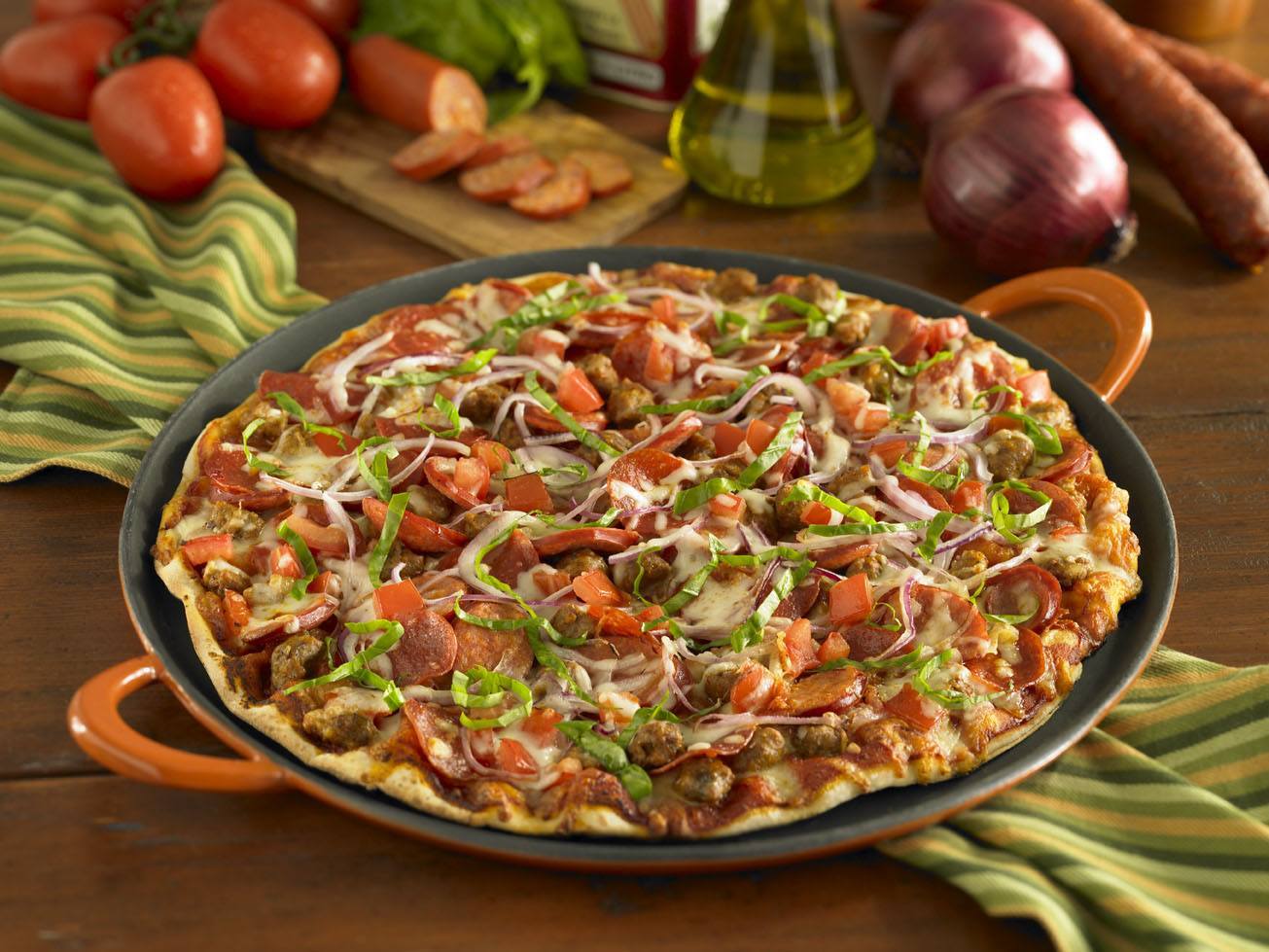
  • Shakey’s Pizza Asia first Dubai store opened

    Shakey’s Pizza Asia first Dubai store opened

    Shakey’s Pizza Asia Ventures has followed archrival Yellow Cab into Dubai.

    The Philippine pizza brand says it has opened a store targeting the ranks of Filipinos working in the Middle East.

    Shakey’s Pizza Asia’s Dubai franchisee Aljeel Capital plans to open 10 stores over the next five years.

    “Dubai, UAE, and the rest of the Middle East are great markets for us,” Shakey’s Pizza Asia Ventures president and CEO Vic Gregorio said in a stock exchange filing.

    Shakey’s Pizza Asia Ventures has the rights to the US brand in Asia (excluding Malaysia and Japan), Australia, the Middle East, China and Oceania. Besides moving into offshore markets, the company plans to open a further 20 stores in the Philippines by 2020.

    Founded in 1954, Shakeys was the first US pizza chain to adopt a franchise model. But its growth since has been slow compared to its rivals, and store numbers in North America have shrunk to the double-digits. The Philippines is the brand’s biggest market with more than 160 stores already.

  • Samsung Experience Zone now available at HIA

    Samsung Experience Zone now available at HIA

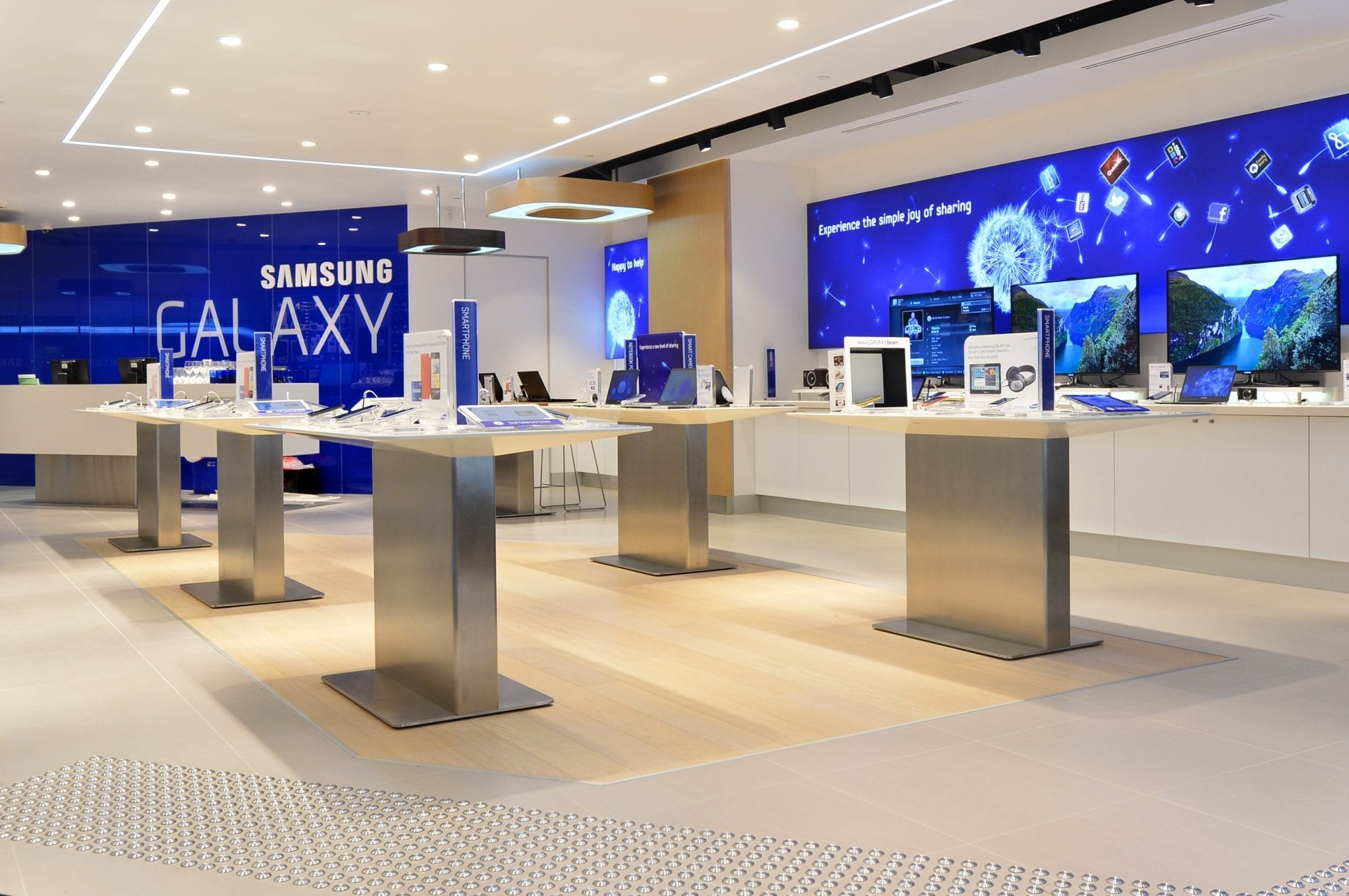
    Qatar Duty Free (QDF) has launched a one-of-a-kind Samsung Experience Zone in Hamad International Airport (HIA). The Experience Zone, which is located at Concourse C, showcases the newest Samsung products for passengers to experience first hand.

    The Samsung Experience Zone, measuring approximately 150 square metres, showcases the latest mobile phones and accessories, such as Samsung Galaxy S9 and S9 Plus, Samsung Note 8, Samsung Gear VR, and much more.

    Head of Qatar Duty Free, Mr. Thabet Musleh, said: “Qatar Duty Free is proud to be the first airport retailer to introduce the Samsung Experience Zone in the Gulf region. QDF understands the power of technology, innovation and creativity now and for the future, in alignment with the Qatar National Vision 2030. It is a privilege to work with our key partner, Samsung Gulf Electronics, to bring the latest technology to HIA, providing our passengers with even more engaging experiences and making HIA a world-class shopping destination in itself.”


    The innovative duty free operator is now the second-largest duty free operator in the Middle East and was recently awarded ‘Airport Retailer of the Year’ at the DFNI Global Awards 2018 who recognise and accolade international retailers for being best-in-class.

  • Switch Made  expands operations with global hub office in Dubai

    Switch Made expands operations with global hub office in Dubai

    In a significant move that underlines the strong UAE-French business ties, SWITCH MADE, a French company and world leader in providing efficient, innovative and stylish lighting solutions, is further expanding its operations in the UAE with the opening of a brand-new global hub office in Dubai.

    This coincides with the 10th anniversary of SWITCH MADE’s operations in the UAE, with the new global office being beefed up with a dedicated team of experts from SWITCH MADE’s France office taking up positions in Dubai.

    The unveiling of the global base of SWITCH MADE in the UAE complements the call by French President Emmanuel Macron to enhance the role of French companies in international entrepreneurship.

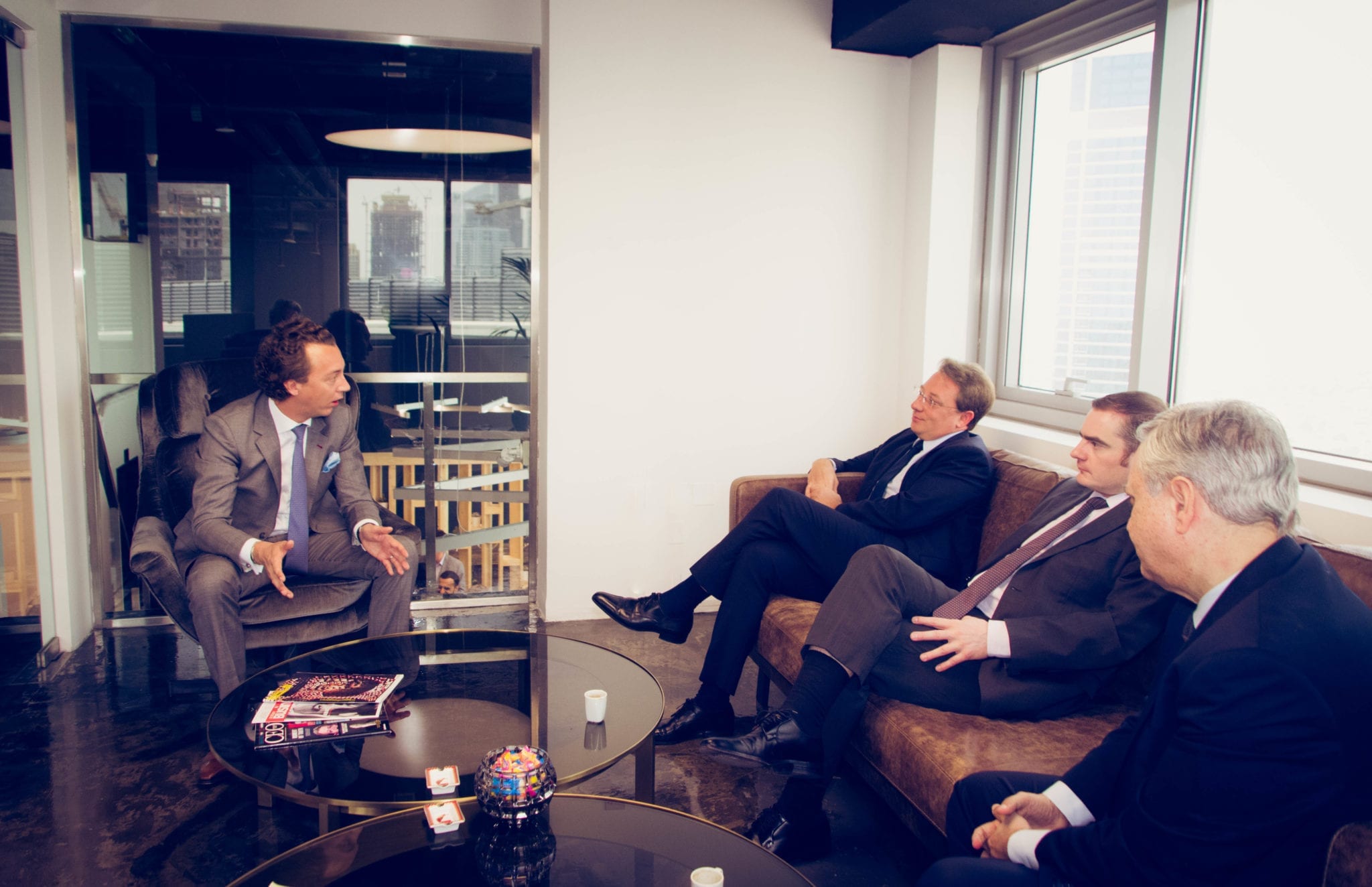
    The French Ambassador to the UAE, HE Ludovic Pouille, marked the new expansion and opening of the global office and congratulated the company for its strategic focus on expanding its presence in the country. He was accompanied by H.E. Emmanuel Mayer, Vice Consul General of the France in Dubai and other dignitaries and business leaders.

    “This is a commendable example of French companies strengthening their international footprint and sharing invaluable French expertise for supporting the development of the UAE,” HE Ludovic Pouille said. “Over the past years, French-UAE ties have grown manifold, with French business expertise, especially in areas such as sustainable development and renewable energy, complementing the development vision of the UAE. SWITCH MADE has an accomplished track-record in delivering energy-efficient lighting solutions and the new office will enable it to further contribute to the UAE’s Vision 2021.”

    Jeremy Loisel, CEO of SWITCH MADE, said: “With our expanded presence, we are building on 10 strong years of operations in the UAE, marking a new milestone in our growth journey. We are bringing top-notch French experts to support our business growth in the UAE, complementing the development goals of the nation. French companies already play a significant role here by providing cutting edge technology and expertise, and through our enhanced local presence, we can be more agile and closer to our customers in meeting their requirements.”

    “Our French headquarter is currently being restructured, and reflecting the consequent change of business model, focusing on manufacturing LED luminaires for projects. We are also in the final stages of partnering with a reputable industrial group, which will take our growth to the next level. 2018 is a decisive year for our French market.” He added.

    SWITCH MADE has already been associated with several landmark projects in the UAE including the provision of energy-efficient sustainable lighting solutions for the façade of The Dubai Mall, supplying more than 52,000 LED luminaires.  SWITCH MADE also delivered over 8,800 LED light fittings and over 2 Km of linear soluitons for the Swiss International Scientific School in Dubai, which is the Middle East region’s first low-energy building that complies with the MINERGIE Ecolabel, a Swiss sustainable building standard.

    Several flagship projects in the UAE have been developed through close co-operation with France, such as Louvre Abu Dhabi and the Paris-Sorbonne University Abu Dhabi, the only French-language university in the Gulf. Total trade between the two countries was estimated at US$5.6 billion in 2016. The UAE is France’s second-largest trading partner in the Gulf, and is also the second largest Gulf investor in France. There are over 600 French subsidiaries in the UAE.

    “The UAE has outlined a clear vision to be among the best nations in the world, and has set tangible targets in reducing energy consumption and promoting sustainable solutions. As a French company with proven expertise in supporting the needs of nations and companies with sustainable lighting solutions, we are committed to be a partner in the progress of the UAE by bringing French expertise to the nation’s development projects,” concluded Jeremy Loisel

  • The world’s first MasterChef TV restaurant is coming to Dubai

    The world’s first MasterChef TV restaurant is coming to Dubai

    TV’s MasterChef series is to make its live debut in Dubai – as a restaurant.

    A landmark deal for the first MasterChef the TV Experience restaurant has been signed by Dubai property developer and F&B specialist The First Group with global content giant Endemol Shine Group.

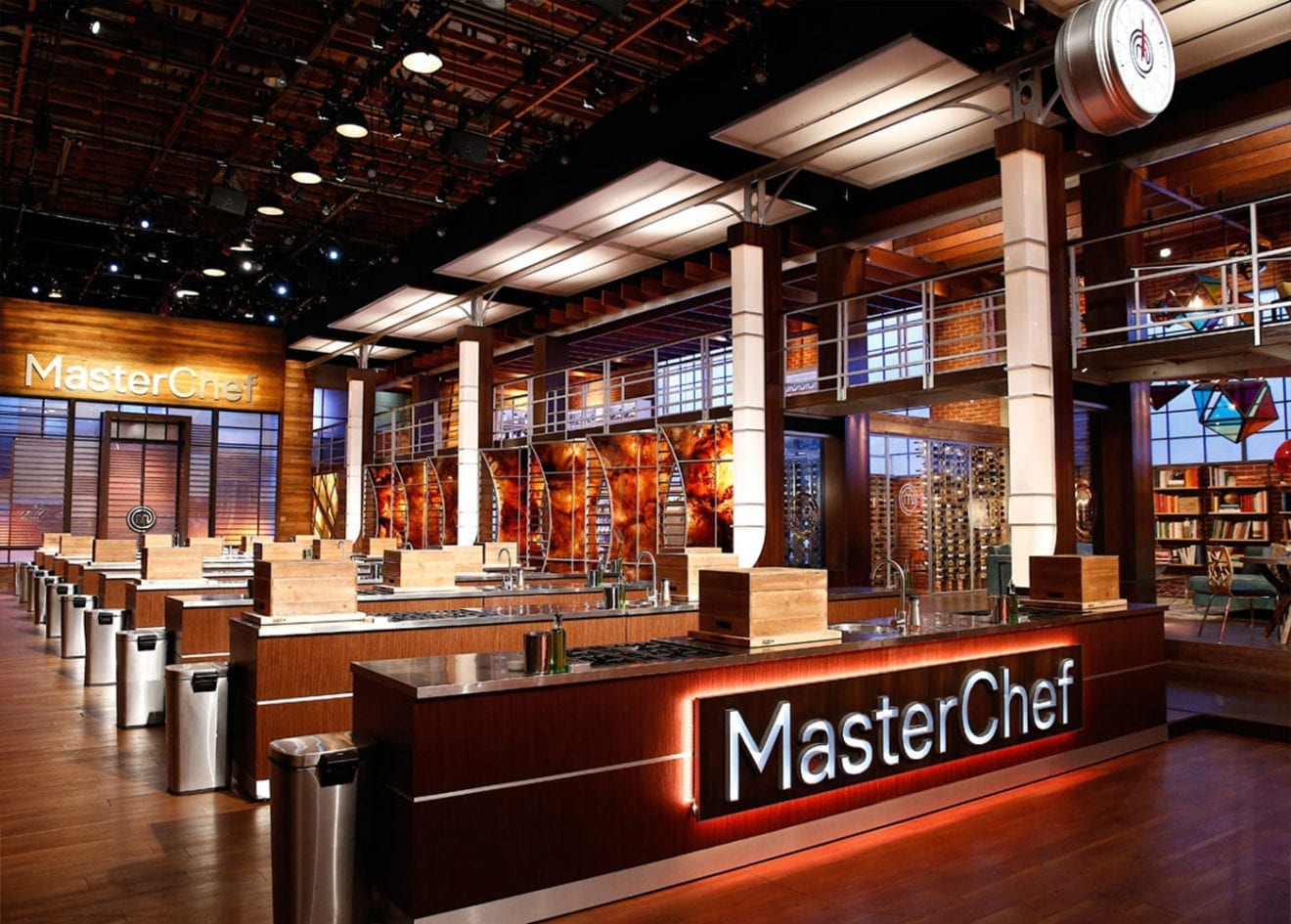
    Based on the reality television series, the restaurant will showcase the talents and recipes of MasterChef contestants from many of the 52 territories where the program is produced.

    Scheduled to open late this year in The First Group’s upcoming Wyndham West Bay Dubai Marina Hotel, the restaurant concept will fully immerse guests in the MasterChef experience with its interior design inspired by the show’s TV set.

    MasterChef is produced and distributed by Endemol Shine Group, a Dutch production company, and has been adapted in 52 countries. It is seen in more than 200 countries and watched globally by more than 250 million viewers.

    “MasterChef has a global fan base keen to engage with the brand in new ways,” says Endemol brand-strategy director Frances Adams. “MasterChef the TV Experience is an exciting opportunity for audiences in this market to enjoy a unique and immersive dining experience.”

    Global F&B director for The First Group Duncan Fraser-Smith says the company will work with Endemol to take the concept to other cities worldwide in coming years.

    He says the signing of the restaurant is a milestone development for The First Group, which aims to introduce up to 40 original and world-first dining concepts to the UAE by 2021.

  • The Macallan targets Indian travellers at Dubai Airport

    The Macallan targets Indian travellers at Dubai Airport

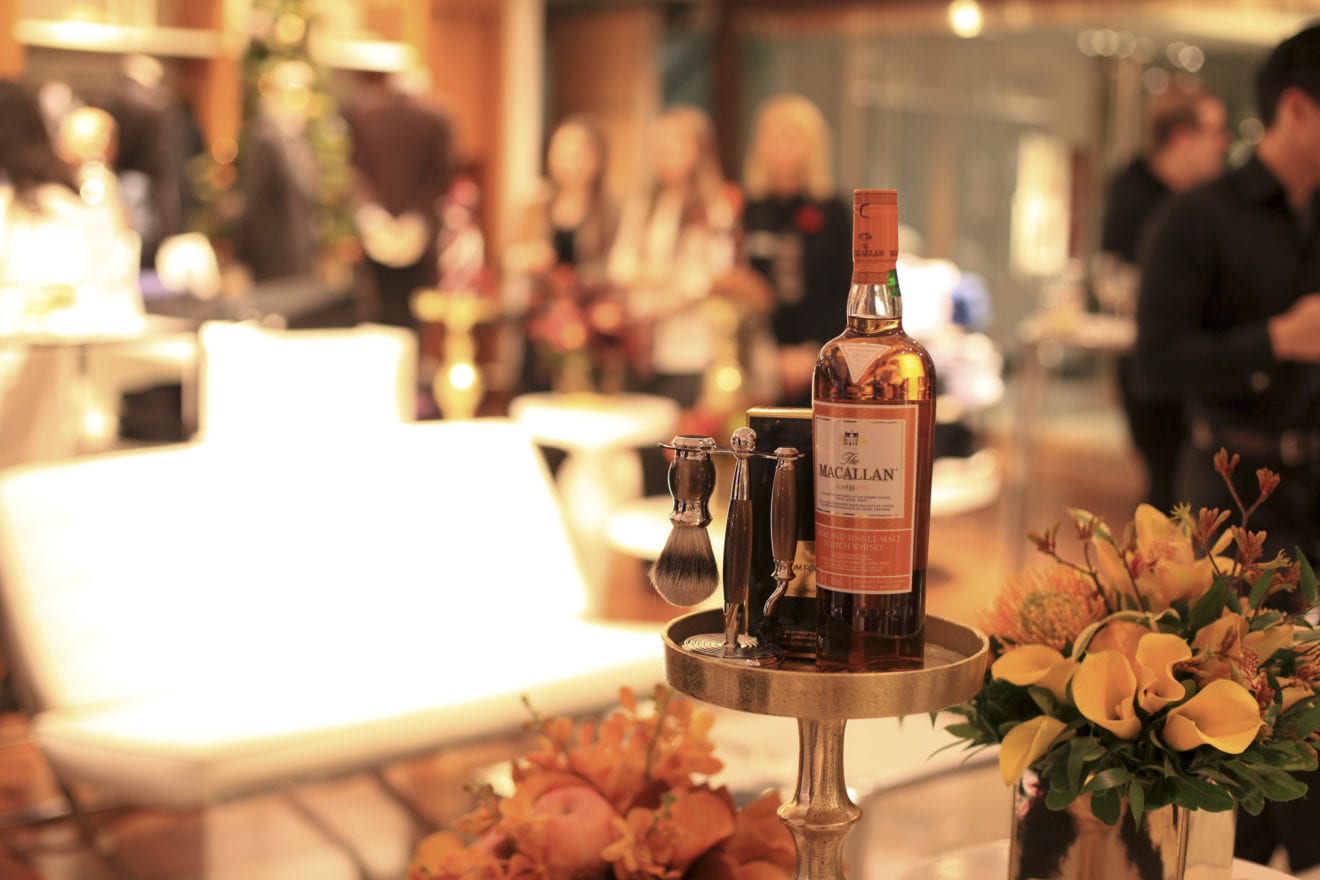
    A recent Diwali-themed activation held by Edrington Europe, Middle East & Africa Travel Retail in partnership with Dubai Duty Free has resulted in a +107% sales uplift in store for The Macallan.

    The activation is the first phase of Edrington’s strategy to drive single-malt recruitment and premiumisation among Indian travellers – traditionally known as blended whisky drinkers. The Macallan is the first single-malt to actively target Indian passengers at Dubai Duty Free during Diwali, said the company.

    Traditionally known as blended whisky drinkers, Indian travellers represent a huge opportunity for the single-malt market

    The ‘Celebrate Diwali With The Macallan’ campaign placed the single malt on promotional pedestals in the centre of Dubai Duty Free’s Concourse B East and West stores, each with a sales consultant on hand to advise.

    Diwali-2-2-e1515768193699-39e9736e149ea751a9901577d393518a25a9baf9

    The campaign’s visual identity centred on the peacock – a symbolic animal in Hindu mythology also used to represent ‘Natural Colour’ – one of The Macallan’s Six Pillars. Premium gift bags featuring the campaign imagery and slogan were offered to customers making a purchase.

    The concept was tested and adapted through research in key Indian cities – Delhi, Mumbai and Bangalore – and in Dubai. India is the number one destination country from Dubai in terms of passenger volume, with over 1 million travellers in August 2017, and Mumbai the number three destination city.

    “India is a market packed with potential; its rapid economic growth and burgeoning middle classes present a major opportunity for us to not only foster single malt consumption in a traditionally strong blended whisky market, but also to drive premiumisation by leveraging the power of The Macallan brand,” said Edrington Middle East & Africa Travel Retail Commercial Manager Florence Chevallier.

    “This Diwali activation was the first stage in our long-term strategy to ‘win India’ through an insight-driven approach, executed at key airports in close partnership with our retail partners.”

    Dubai Duty Free Senior Vice President-Purchasing Saba Tahir commented: “To have a brand with the prestige of The Macallan spearheading the single malt category’s growth amongst the key Indian demographic is extremely exciting. The premium appeal of this activation, combined with the strong gifting elements clearly resonated with shoppers and delivered exceptional initial sales results.”

  • Siemens to set up global logistics HQ in Dubai

    Siemens to set up global logistics HQ in Dubai

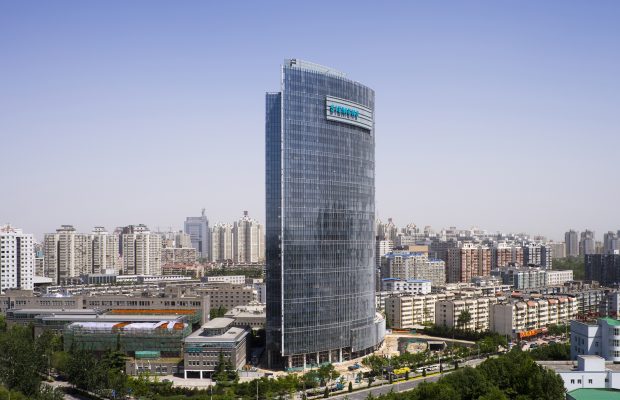
    Highlighting the importance of Dubai as a strategic logistics hub between East and West, North and South, Siemens has announced plans to set up its global logistics headquarters including its portfolio for airports, cargo infrastructure and ports in the emirate in the near future. The company will also target the site of Expo 2020 Dubai as the future location for this business after the exposition ends. The move supports the legacy aspirations of Expo 2020 Dubai, as well as the industrial and logistics developments in the emirate. Siemens sees great growth potential in the Middle East region and in the logistics market globally. The company expects this development to support its Vision 2020 and related logistics businesses, creating new growth opportunities globally.

    “This strategic decision highlights Dubai’s significance as a major player in global transport and logistics, with some of the world’s biggest airlines and ports operating in and around the emirate. Siemens wants to further expand its operations in order to be close to key customers and markets. The Expo site would be a perfect match, featuring state-of-the-art facilities, infrastructure and technology, coupled with enviable transport connections,” said Siemens’ managing board member and chief technology officer Roland Busch. “We are committed to contributing to Dubai’s economic development goals with the latest innovations in technology. By using digitalization and leveraging MindSphere, our open, cloud-based IoT operating system, we support growth and boost efficiencies in logistics.”

    The headquarters in Dubai would include Siemens’ competences in its portfolio fields for airports, cargo infrastructure and ports. All levels of value addition would be represented locally, including global management and strategy, innovation, digitalization software development, sales, assembly and production. The global logistics market is growing at a compounded annual growth rate (CAGR) of 7.5 percent, according to Transparency Market Research. In a recent report, Frost Sullivan estimated the

    UAE’s logistics sector will grow at a CAGR of 5.7 per cent between 2015 and 2020.
    Siemens has been operating in the UAE for more than 40 years across its different businesses, and currently directly employs 2,600 highly-skilled workers of more than 80 nationalities and enables more than 15,600 jobs in the country. Digitalization is one of the company’s key pillars, alongside electrification and automation, and is implemented across its portfolio. The company uses innovative digital technology to merge the physical and virtual worlds, harnessing data to create value for customers.

  • Dnata has inaugurated its customer service centre for cargo at Dubai Airport

    Dnata has inaugurated its customer service centre for cargo at Dubai Airport

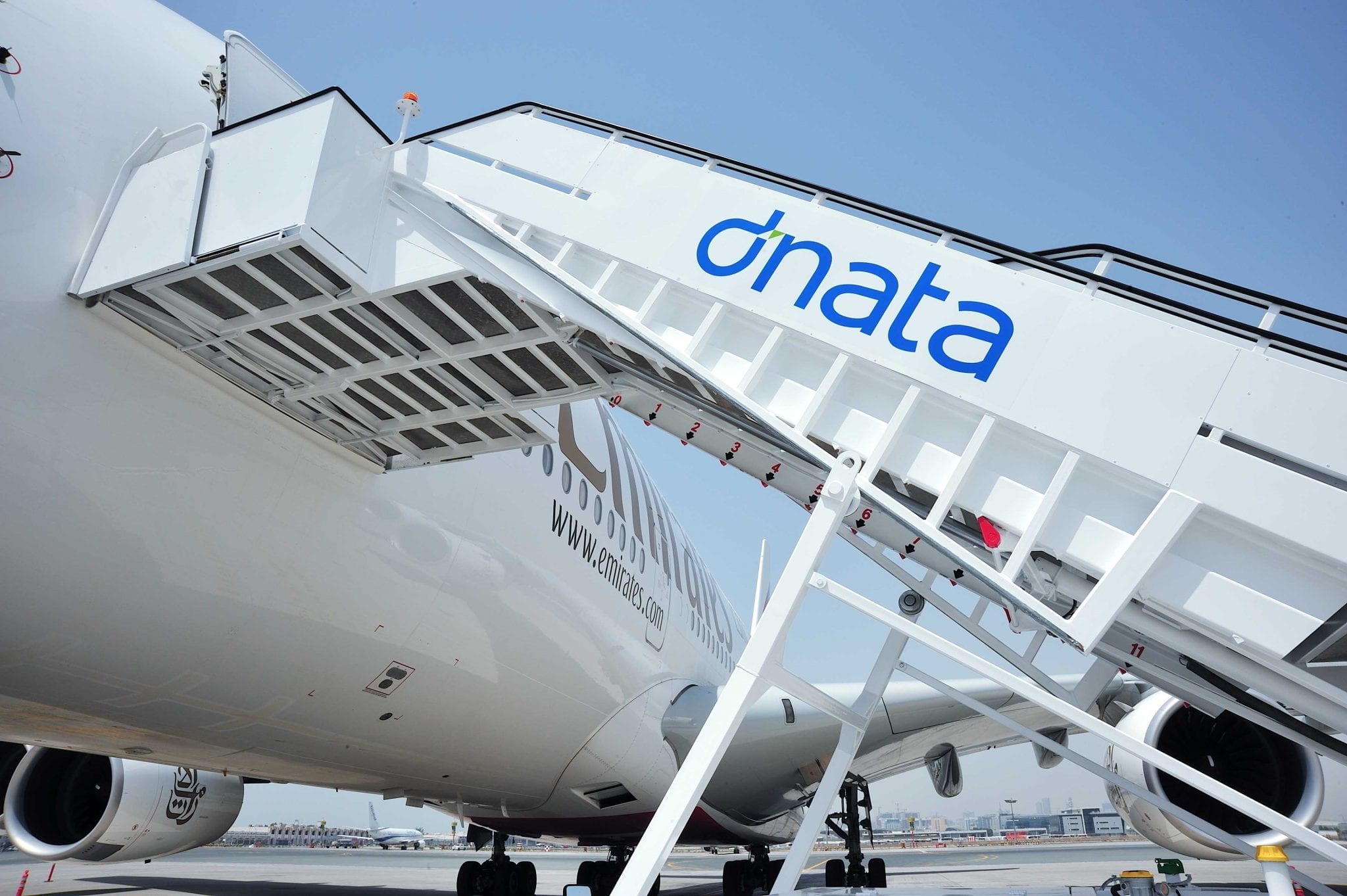
    According to dnata, the new 5,000m2 facility is located at Freight Gate 5 at the Dubai Airport Free Zone and is expected to handle 25,000 tonnes of export cargo every month.

    “What we see today is the result of meticulous planning, creative thinking and most of all, listening to our customers,” said Gary Chapman, president of dnata and group services. “We are looking to bring about further efficiency, cost-saving and surpass our customers’ expectations.  We take pride in being a leader in cargo handling, and it’s important to constantly raise the bar when it comes to innovation and customer service. I believe this new centre really demonstrates our commitment to providing a secure and efficient environment for our customers’ cargo needs.”

    According to dnata, the service centre features new export counters, government agencies, a special cargo acceptance area, a new office space for airline and freight forwarders, as well as dnata’s new Cargo Integrated Control Centre, which operates 24/7 and simplifies information flow between all stakeholders. The CICC also monitors, troubleshoots and enables quick decision-making to improve efficiency.

    “While we have accomplished a great deal, we are always looking to innovate and offer better service to our customers,” said Chapman. “They have come to expect that of us, and we are constantly looking at ways to improve. We have exciting plans ahead. The evolution of this facility will see the opening of an import customer service centre, as well as additional storage and handling capacity for our export customers.”

  • Emirates has launched SkyPharma, its new facility at Dubai International Airport

    Emirates has launched SkyPharma, its new facility at Dubai International Airport

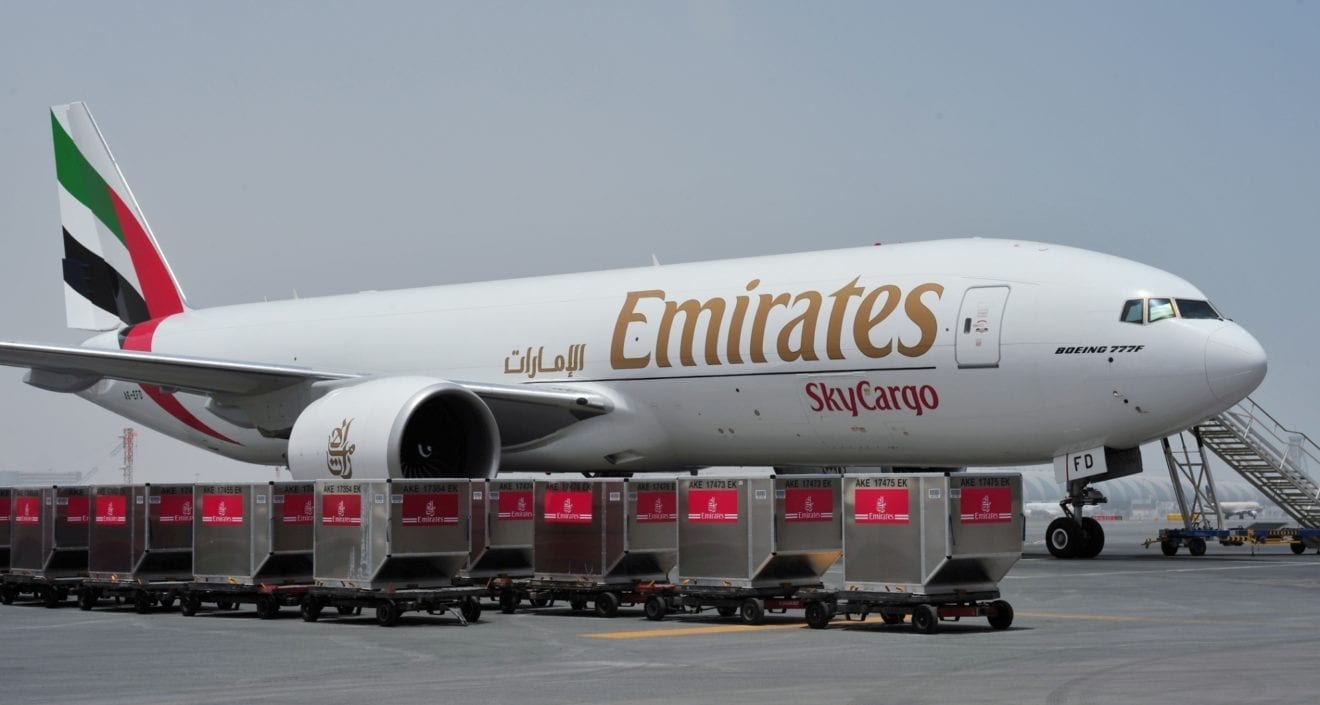
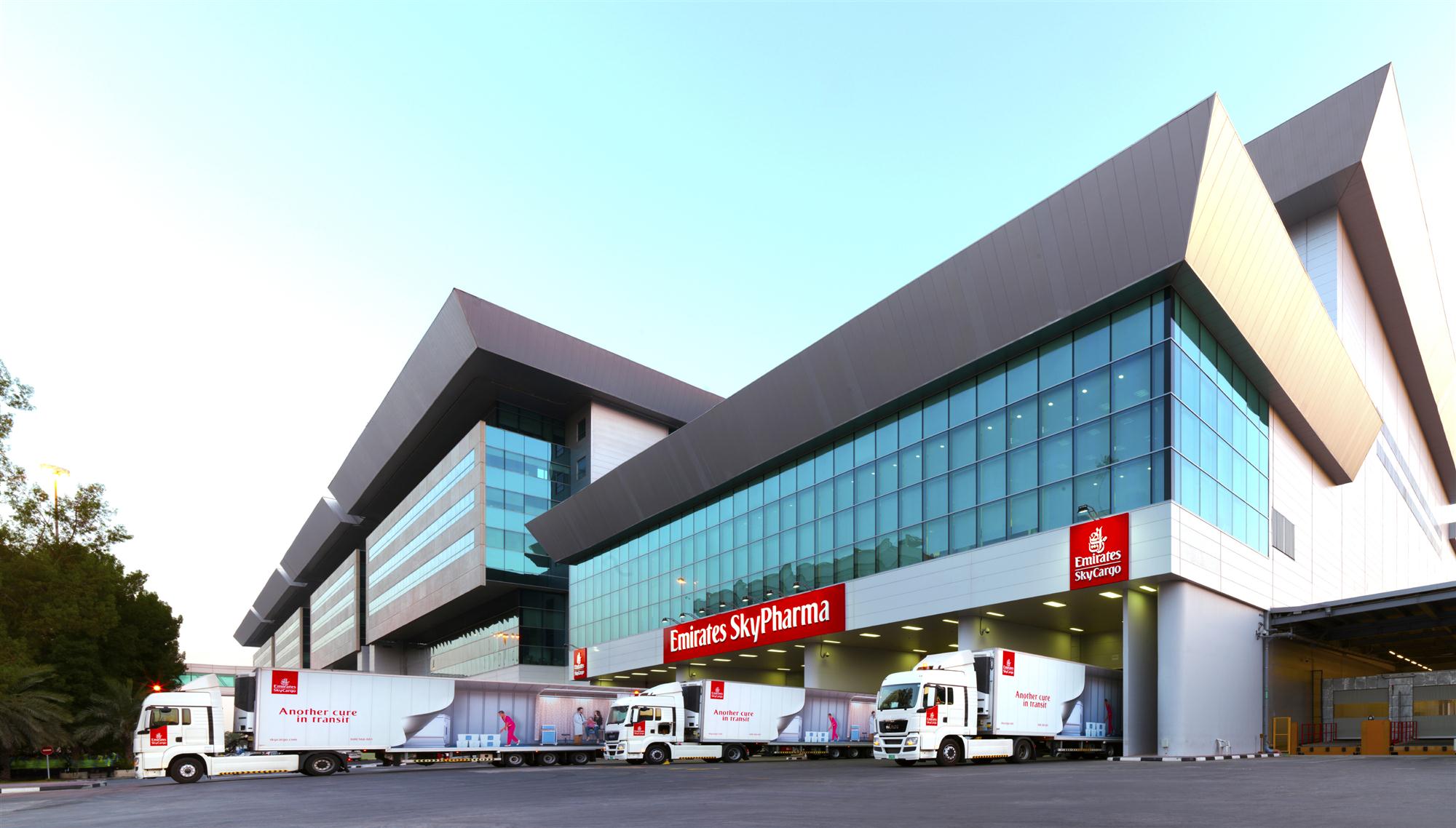
    Emirates has launched SkyPharma, its new facility at Dubai International Airport dedicated to temperature-sensitive pharmaceutical shipments.

    Self Photos / Files - IMG_20160918_093847

    “Every day, pharmaceutical products are critical to the health and well-being of people, and are transported from their place of manufacture to destinations across the world,” said Nabil Sultan, divisional senior vice president of cargo at Emirates. “For many of these products, such as vaccines, the time taken to transport the product from its origin to the destination is of critical importance and the air cargo industry plays an important role.”

    The new, 4,000m2 facility features two temperature-controlled zones of 2°C to 8°C and 15°C to 25°C, 88 cool cells and five temperature-controlled acceptance and delivery truck docks.

    Self Photos / Files - Emirates SkyPharma DXB

    SkyCargo has also been certified under the European Union’s Good Distribution Practice guidelines for medicinal products for human use, covering all of the carrier’s handling of pharmaceutical shipments at both SkyPharma at Dubai International Airport and SkyCentral, Emirates’ freighter hub at Al Maktoum International Airport, connected by a bonded trucking service consisting of 12 dedicated reefers.

    “The GDP guidelines are today considered the benchmark in the pharmaceutical industry for ensuring that the quality and integrity of the pharmaceutical product are maintained during the transportation,” said Sultan. “Emirates SkyCargo is the first cargo airline in the world that has obtained GDP certification for its multi-airport hub operation.”

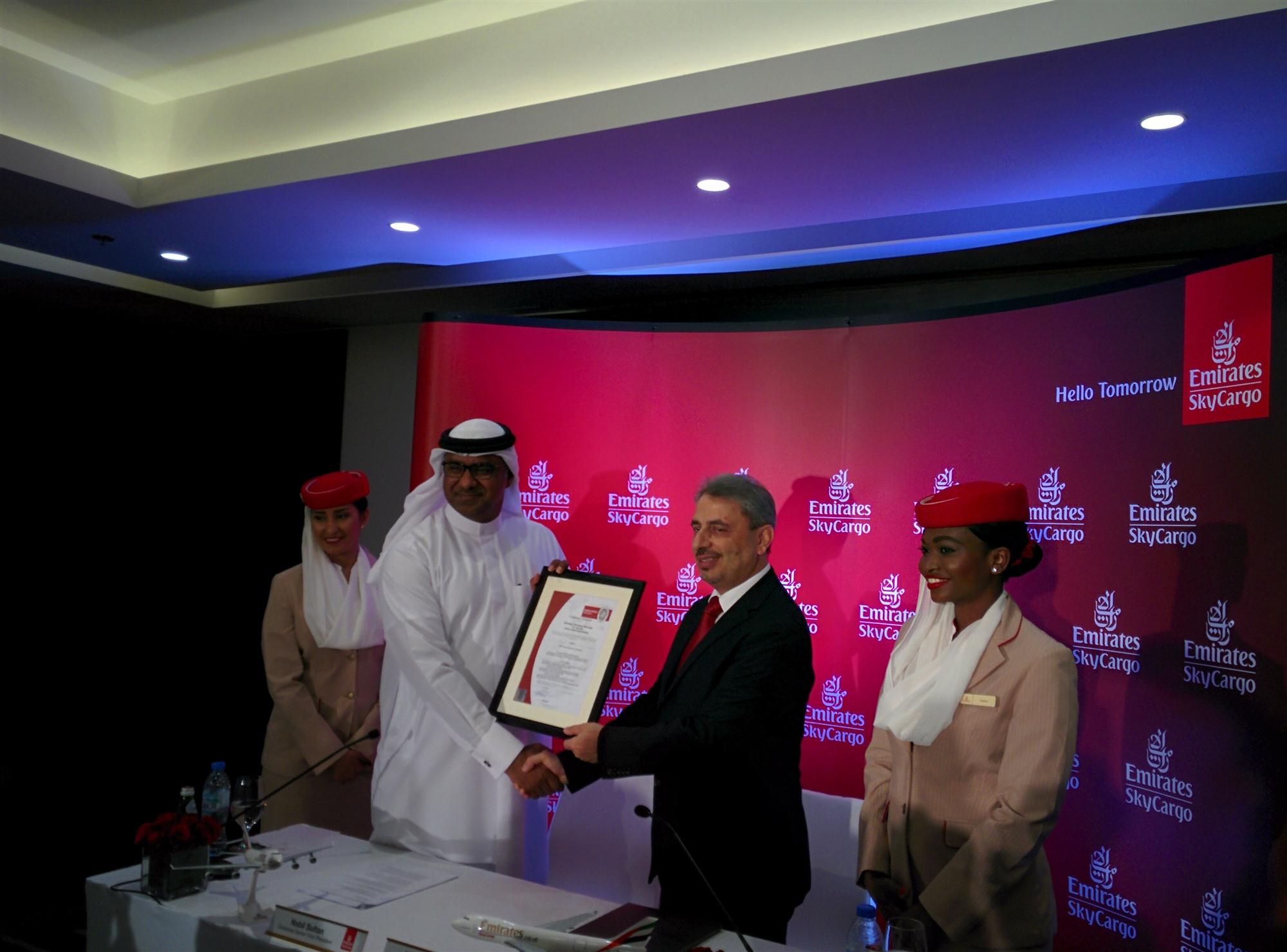
    The certification was awarded by Bureau Veritas after an audit process carried out by the agency’s team from Germany.

    “Our new Emirates SkyPharma facility and our new GDP certification will allow us to work even more closely with our partners in the pharmaceutical industry,” said Sultan. “In addition, our dedicated pharma-handling facility at Dubai will further consolidate Dubai’s position as a leading transportation hub for healthcare and pharma logistics.”

    Cargolux was the first airline in the world to awarded the GDP certification for pharmaceuticals in 2014.

  • Babyshop mulls major GCC expansion to reach 270 stores in 2016

    Babyshop mulls major GCC expansion to reach 270 stores in 2016

    Babyshop is looking to launch 25 stores in Saudi Arabia alone in two years, says Vinod Talreja, CEO of the retail unit under Dubai-based Landmark Group.

    Retail sector data from various markets, including the US, highlights the current global economic outlook. The markets in the MENA region, the UAE in particular, have already been hit by the dip in tourist flow. What are your projections?

    The retail sector in the MENA region has witnessed strong growth over the years, driven by strong economies, high disposable incomes and increased population, and will continue to see growth in the coming years.

    Having said this, in business, there could be periods where markets and situations could be a little slower than the other highly aggressive times. Such situations only give us retailers the opportunity to fuel innovation and strive even harder, working towards improved business growth using various different channels and activities that are in sync with the objectives of the business. Enhancing value propositions while closely catering to customers’ needs and requirements is one way of dealing with situations such as these.

    At Babyshop, we are continuing to expand. We are a company that has been expanding consistently for the past many years and our growth plans will not be affected by any short-term market challenges, as our business plans are laid out with long-term future strategy in mind.

    In terms of tourism to the region and to the UAE in particular, the upcoming Expo 2020 will definitely propel economic growth, thereby boosting the overall retail sector.

    The emirate is targeting 20 million visitors per year by 2020 and this will clearly have a tremendous impact on the sales of every category, proportionate with this massive number of visitors and thus taking retail to new heights.

    In 2015 alone, Dubai attracted more than 14.2 million overnight visitors, recording a solid 7.5 per cent increase over 2014, which is double the United Nations World Travel Organisation’s (UNWTO) projected three to four per cent global travel growth for the same period.

    These numbers clearly reiterate that the region is geared and well-positioned for the expected huge numbers which in turn will surge sales to significant levels across, thus fostering growth and invigorating the local economy.

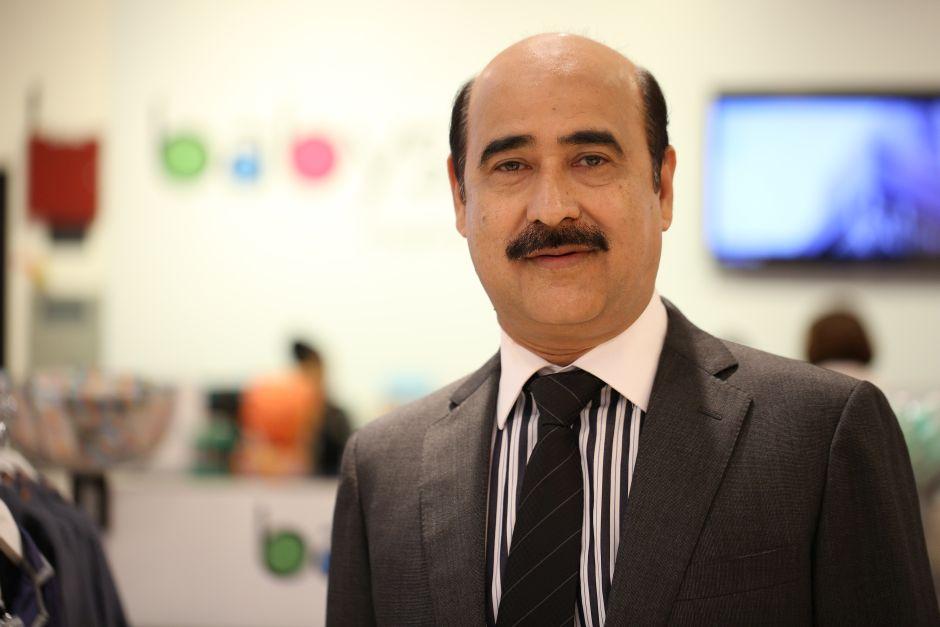
    Vinod Talreja, CEO Babyshop

    Babyshop, as well as its parent group Landmark, has an impressive footprint in the GCC. Although it has a few stores in the regions beyond MENA, the presence there is not much felt.

    Is it that the mid-market retailer is not so optimistic about those markets or is it that the “comfort zone” in the home region pulls it back?

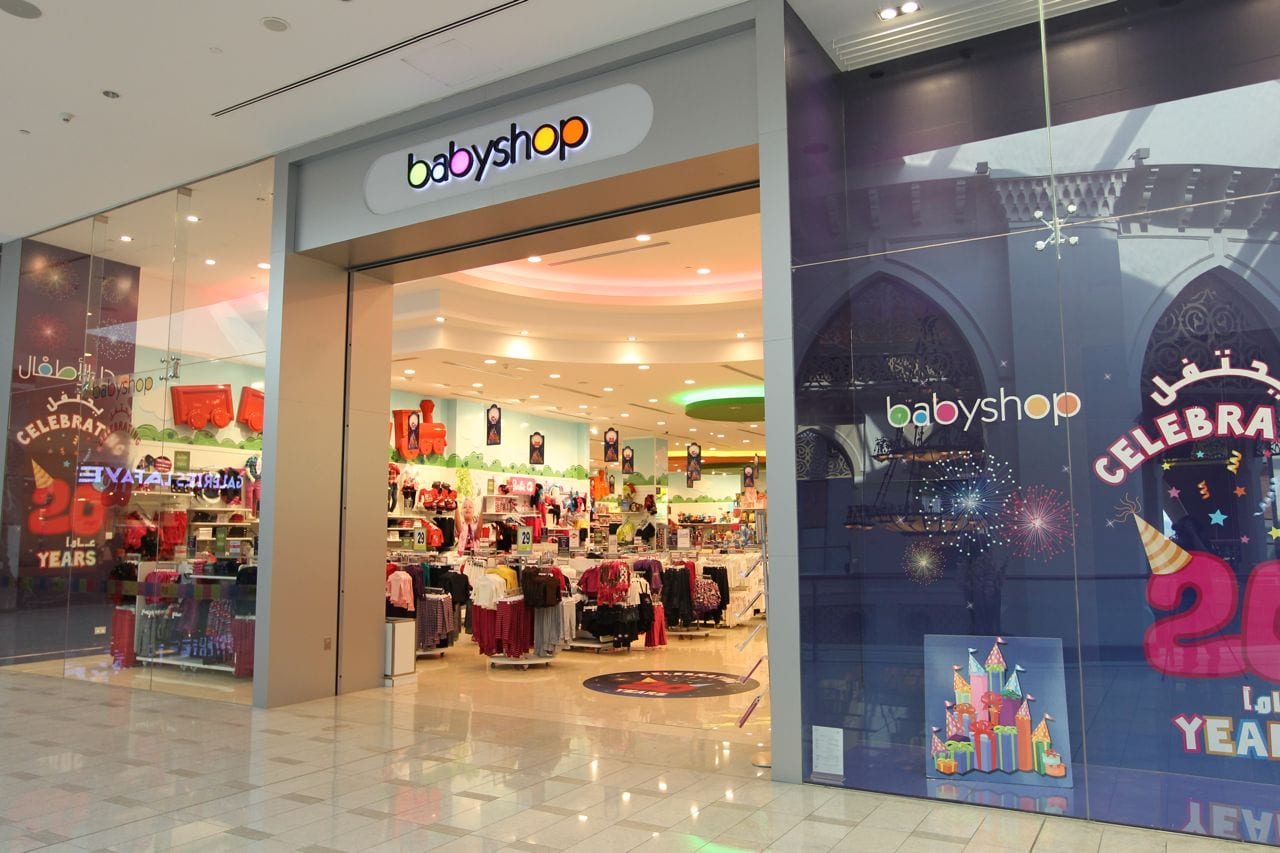
    Babyshop, started in 1973, has 235 stores across 19 countries in the MENA region. The number is expected to reach 270 by end 2016. The brand is also well on track to achieve its target of 300 stores by end 2017, expanding into regions beyond the GCC.

    With a strong retail sector, Saudi Arabia today stands as our largest market, with 116 stores, followed by the UAE with 47 stores. We also have significant presence across the rest of the GCC and Egypt, Jordan, Lebanon, Iraq, Yemen, Libya, Kenya, Nigeria, Tanzania, Pakistan, Thailand and Kazakhstan.

    With a long-term vision of having significant footprint across the world, Babyshop has plans to expand into three new territories in 2017, with a major focus on the GCC, predominantly Saudi Arabia; Africa, with an emphasis on North Africa; and Thailand.

    We are extremely optimistic about our foray into newer markets in the MENA region and beyond, where retail sales are expected to continue and the retail space pipeline remains strong. These markets continue to be hotspots for the growth of retailers at both the regional and international levels.

    In a clear indication of the fundamental role the brand plays, this noteworthy presence of Babyshop and the aggressive expansion plans beyond this region into newer territories confirms its leading position at the frontline of the retail industry.

    What factors do you consider when choosing a new market for entry?

    Entering a new geography is a very important decision any brand can make and requires significant effort and commitment to implement an appropriate entry plan. In fact, target-marketing selection is a key part of our overall strategy at Babyshop and typically involves a significant in-depth analysis to understand various factors.

    Keeping in mind the vision and mission of Babyshop, the key factors that we consider before entering any market are the size of the market, its growth potential, the consumers and their purchase patterns and habits, competition, ease of accessibility to the local residents and, most importantly, the capital investment required to enter the chosen market.

    Is India on the list of new markets that you will be entering as part of your expansion plans, bearing in mind that it is going to be one of the fastest-growing economies this year?

    Our expansion plans set for the coming years are focused on the GCC, Africa and Thailand. These are highly favourable regions, with continued backing and support of the local governments, increased business prospects and growing population.

    As per AT Kearney’s Global Retail Development Index 2015, with a population of 30.8 million in Saudi Arabia, total retail sales grew at a CAGR of 7.7 per cent during 2010-2014 to reach $103 billion. In the next two years, we are looking to launch 25 stores in that market alone.

    India is currently not on the cards; however, with the market being a promising retail segment, we might consider it within our strategy in the future.

    Is franchising in retail by regional brands a new direction that is being witnessed? Landmark is seen to be taking the lead on this. How is Babyshop doing this?

    Franchising in general is just another way of reaching out to larger and booming retail segments, while being able to respond to local tastes, the changing needs of consumers and catering to distinct consumer groups by offering them a different product mix of high-quality products.

    Today, we are present in Nigeria, a market that we tapped into in January 2016 in a franchising model with Artee Group, along with Splash and Lifestyle, the other leading fashion and lifestyle brands of Landmark Group. We also have a presence in Thailand under the same model with Robinson, the exclusive distributor for Babyshop products in the market, as well as in Kenya, where The Junction and Sarit Centre are a franchise held with Deacons, a leading retail company in the East Africa region.

    The fresh approach adopted for the brand has showcased incredible success so far with great consumer feedback garnered. In Thailand alone, we plan to open ten stores over the next year.   We will be continuing to launch in various other regions under the franchising model in the coming years as well.

  • Luxury prevails in Dubai’s retail space

    Luxury prevails in Dubai’s retail space

    Despite suggestions to the contrary, luxury retail spending is still rising in the UAE, albeit at a slower pace.

    Dubai, in particular, is leading the way. In a survey carried out before the World Retail Congress last month, Dubai Chamber said the retail sector in the emirate was expected to grow by 5 percent annually until 2017, by which point it was forecast to reach $55bn in value.

    The research, based on data from Euromonitor and an AT Kearney Research study, suggests luxury retail still offers multiple opportunities in the UAE.

    “There is growth of wealthy and ultra-rich consumers, the main potential customers of the luxury segment. All in all, consumption is going up and retailing in the UAE is a major sector, which is supportive of economic growth and offers a lot of business opportunities,” the analysis says.

    The research is supported by Savills, which ranked Dubai at number four in the world in its Global Retail Destination Index 2016, behind New York, London’s West End and Hong Kong.

    The report focused on Dubai Mall, and ranked it higher than London’s Regent Street, New York’s Fifth Avenue and the Champs-Elysees in Paris in terms of the overall quality of its retail facilities and amenities. Further enhancing Dubai Chamber’s findings, the Savills report says, “Dubai is forecast to report the strongest growth in retail sales over the next five years of the seven Global Cities examined, potentially challenging London’s West End’s current global position.”

    The growth is supported by a strong tourism sector, with 14.3 million overnight visitors to Dubai last year, according to the Mastercard Global Destination Cities Index 2015, which led to a total spend of $11.7bn, an average of $819 per visitor.

    “Dubai is now perceived as a top global retail destination,” says David Godchaux, CEO of Core Savills, the UAE associate of Savills. “But this is only the tip of the iceberg as we now start seeing developers trying to improve the shopping experience not only for tourists as in the past 15 years, but also for residents.

    “This trend of moving away from the ‘bigger is better’ approach, to more user and resident friendly retail developments, bringing a real city experience and European-style shopping to areas of Dubai similar to those found in London, Paris and Milan, is something that was much awaited by the market and that we see finally happening.”

    Dubai Chamber estimates the emirate’s retail market reached $35.4bn last year, and says it is expected to grow by 7.7 percent in 2016 and an average 8.1 percent annually between 2017 and 2020, when retailing sales turnover are expected to surpass $52bn.
     This predicted growth comes despite the backdrop of uncertainties surrounding economic conditions due to the drop in oil price, and the obvious currency effects of a strong dollar and a weak rouble affecting the number of high-spending visitors coming to the emirate.

    That effect was reflected in last year’s Luxury Goods Worldwide Market Monitor, compiled each year by Bain & Co, which said the luxury goods retail market in the Middle East had plateaued, driven by a reduction in tourism spending.

    However, the report’s author Cyrille Fabre, partner and head of Bain’s Retail and Consumer Products practices in the Middle East, said at the time the report was released: “Going forward, we expect the Middle East market to show new signs of life driven by mall openings, but the region’s growth will occur at a much slower level versus the last five years.

    “A sustainable high single-digit growth rate will become a new normal for the market with important implications of the required capabilities for success.”

    Knight Frank’s head of commercial and retail, Matthew Dadd agrees: “At the moment in the UAE, we’re not seeing much take-up of new luxury retail space.”

    The confidence in the luxury retail market, however, has been fairly evident at the city’s two key shopping malls, he says, with other cities keen to develop their luxury retail offerings as well, which have continuously lagged behind Dubai in the luxury segment.

    “Within the major malls there is the configuration-extension of the luxury segment offering, both within Mall of the Emirates and Dubai Mall,” he says. “Also, when you look regionally, there is the provision of quality, prime retail centres such as Mall of Qatar or the forthcoming Majid Al Futtaim centres in Riyadh regarding new luxury space for the market segments which have traditionally been under-served.”

    Looking to the year ahead, Dadd says the single-figure growth is quite likely, but confidence remained high. “It’s going to remain fairly stable in its current state, which has been more subdued than it has been in previous years,” he says.

    “We’ve still got a high GDP per capita for locals across the GCC. There is still a lot of personal wealth that can be spent in the luxury segment. You will see the mall developers looking to position themselves as the focal go-to destination of luxury spend and the access and the add-on amenities in terms of leisure that really make the mall appealing for the whole family will be paramount to obviously increasing the spend per head in these malls and retaining that spend within Dubai, UAE or the region rather than going internationally.”

    That confidence is also reflected in the ability of some malls to increase their rent.
    According to Knight Frank, Emaar Malls Group has 18.5 percent of the emirate’s 3 million square feet (sq ft) of retail gross leasable area. The publicly-listed company, 84 percent owned by Emaar Properties, said it raised rent prices for renewals by 25 percent in 2015. It is also planning to add 92,900 sq ft to its “trophy asset” Dubai Mall this year, further underlining its confidence in luxury retail.

    “The Dubai Mall, our trophy asset, is today the first choice for luxury retail for high net worth individuals [HNWIs] from a wider catchment area of the Middle East, Africa, South Asia and China, thus serving over 2.5 billion people,” chairman of Emaar Malls and Emaar Properties, Mohamed Alabbar said while announcing Emaar Malls’ annual figures for 2015. The division recorded a $451m net profit and rental income growth of 11 percent to $815m.

    However, Dadd says the rental increases have been limited to “the core markets”.

    “Across the markets, you’re not seeing exorbitant rent increases,” he says. “I think the market is being more realistic in terms of where spend is and it has got to be truly reflective of the overall performance of the mall before they can actually start putting in any increments.”

    The perennial issue for luxury retailers is exodus of HNWIs from the Gulf region to cities in Europe and the US, as they escape the desert summer.

    The Saudi government estimated that in 2014, tourists travelling outside the kingdom spent at least $20bn on shopping trips abroad every year.

    A report towards the end of last year, by the Travel & Tourism Intelligence Centre, said GCC outbound expenditure would reach $100bn by 2018, up from $65bn in 2013.

    Knight Frank’s recent wealth report emphasised the seasonal fluctuations of multi-millionaire ($10m-plus) populations around the world, showing a 571 percent difference in the number of multi-millionaires in Dubai between the winter and summer months (10,470 at peak, 1,560 at low).

    Maintaining brand loyalty has been an important facet when it comes to luxury retailers. Luxury brand public displays and activations are a weekly occurrence in Dubai’s malls. Dadd says it is important to enhance customer consumer experience in order to develop brand loyalty.

    “When you go into any shop, it doesn’t matter if it’s luxury or mainstream trade, your experience is paramount to your return visit,” Dadd says. “When you look at international brands that have local stores that experience has got to be the same level of standard and quality [as the home market] in terms of customer experience with the staff and the shop, the fit-out, the apparel or the merchandise that are being sold. So you’ve really got to ensure that is kept to a high standard when you’re talking about an international brand.”
    An extension of the brand loyalty is the need for luxury retail brands to implement an omni-channel experience into their customer engagement strategies, which means engaging in e-commerce.

    “If you’re looking at the base case scenarios of where online trends are at the moment, they’re obviously coming from a very low base,” Dadd says. “I think they are picking up and if you look at where the UAE is in terms of digital accessibility, it’s number three in the world after UK and US, so when you look at where the take-up is in terms of mobile access and access to retail platforms, that is growing very quickly.”

    While still in its infancy in the region, recent moves by high profile companies based in the Middle East have underlined the need to develop and grow an online presence.

    “You can look at where Marka VIP have launched their new online portal and obviously we see Mohamed Alabbar taking a stake in [European online luxury fashion site] Net-a-Porter to expand that across the Middle East. It’s showing how the market is developing, maturing and following the trends that we’re seeing in Europe, US and Asia.

    “But I still don’t think it will necessarily be of concern yet to any of the bricks-and-mortar of the retail industry, because it’s still very much an experience when you’re going to buy a luxury product.”

    A natural extension of that has been social media, in particular Instagram, which has become one of the most influential online tools for luxury brands.

    “Instagram is obviously a visual tool and when you’re looking at the luxury segment — IWC or Prada — these brands can very much sell a lifestyle through images which is a very quick and easy way of targeting large proportions of the population which has access to social media,” Dadd says.

    “The influence of Twitter can’t be underestimated in Saudi Arabia, which has the highest penetration of Twitter followers.”

    At the heart of brand loyalty — online or in the malls — is the customer.

    “Customer experience is paramount and it has to transcend everything — online or in-shop,” Dadd says. “The brand is core to any business, and in the luxury segment it is key. Brands have got to work a little bit hard to make sure they position themselves correctly throughout all platforms.”
  • Dubai retail sales to beat global cities in 5 years

    Dubai retail sales to beat global cities in 5 years

    The Dubai Mall ranks higher than London’s Regent Street and New York’s Fifth Avenue in the overall quality of its retail offerings. It’s also ahead of the Champs-Elysees in Paris, according to the latest Global Retail Destination from Savills, a UK consultancy.

    In terms of city rankings, New York leads the way, ahead of London and Hong Kong (tied in second place) and followed by Dubai.

    “Dubai is forecast to report the strongest growth in retail sales over the next five years of the seven global cities examined, potentially challenging London’s West End’s current global position,” the Savills report says.

    According to a survey in the report, 88.4 per cent of people said Dubai has the best choice and quality of shops in the world.

    The number of overnight visitors to Dubai, between 2016 and 2020, is expected to increase by 9.7 per cent.

    Mastercard’s Global Destination Cities Index 2015 estimates there were 14.3 million overnight visitors to Dubai last year, who spent $11.7 billion at an average of $819 per person. This is behind New York’s average spend of $1,416.

    “Dubai is now perceived as a top global retail destination,” said David Godchaux, who heads Core which is the local partner of Savills. “But this is only the tip of the iceberg as we now start seeing developers trying to improve the shopping experience not only for tourists as in the past 15 years, but also for residents.

    “This trend of moving away from the ‘bigger is better’ approach, to more user and resident friendly retail developments, bringing a real city experience and European-style shopping to areas of Dubai similar to those found in London, Paris and Milan.”

  • Dubai Mall named world’s best for shopping experience

    Dubai Mall named world’s best for shopping experience

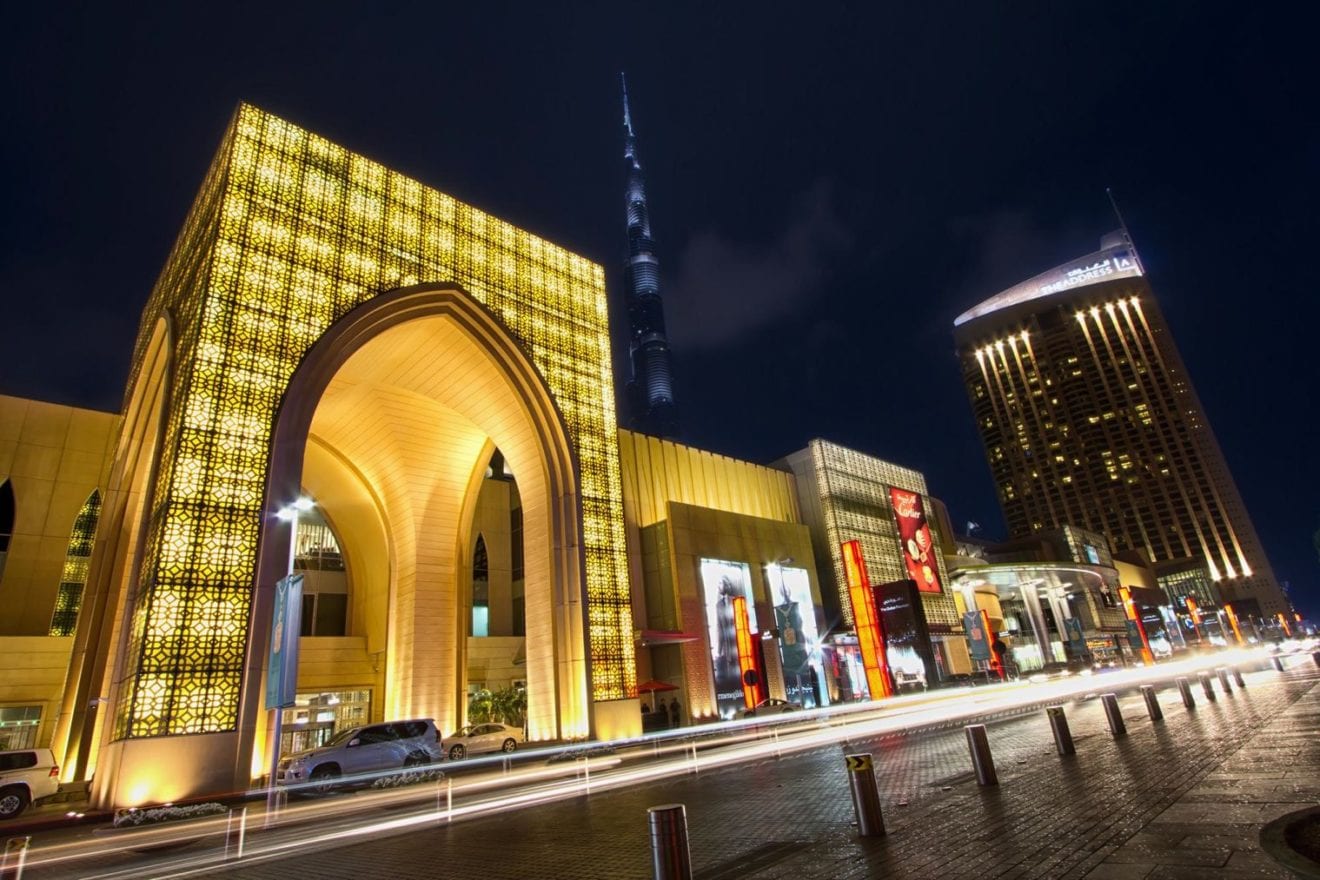
    Dubai Mall has ranked higher than London’s Regent Street, New York’s Fifth Avenue and the Champs-Elysees in Paris in terms of the overall quality of its retail facilities and amenities, according to the latest Global Retail Destination Index 2016 from Savills.

    The report measures the various retail attributes held by London’s West End and compares them to six other leading cities – Dubai, New York, Paris, Milan, Hong Kong and Singapore.

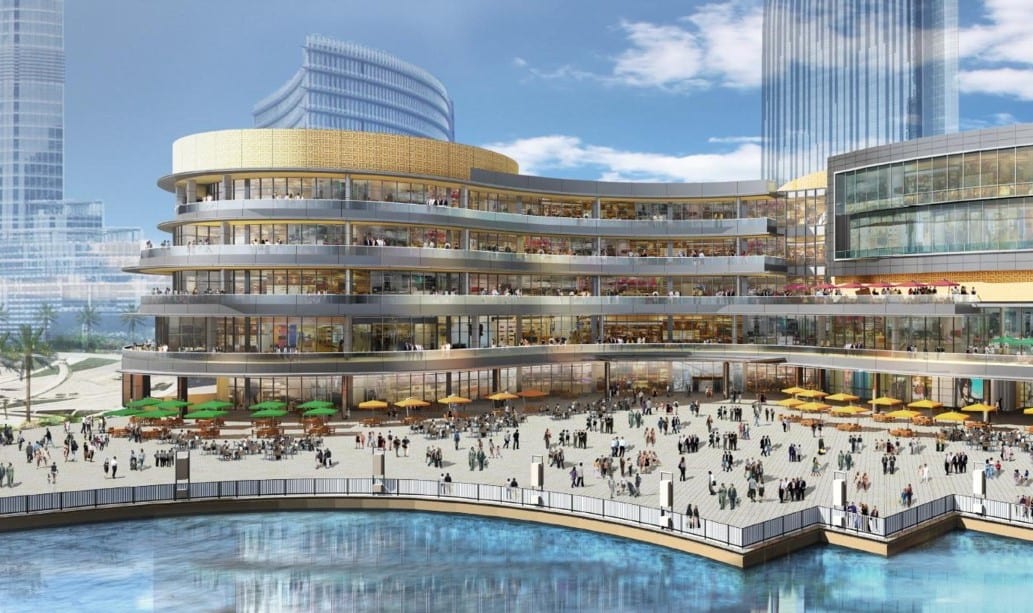
    The Dubai Mall locations were based on their brand positioning in comparison to the key retail destinations in the West End. As a result, each strip of the mall – Star/Grand Atrium strip, Fashion Catwalk and Fashion Avenue – was treated like a ‘street’.

    The report said: “Dubai is forecast to report the strongest growth in retail sales over the next five years of the seven global cities examined, potentially challenging London’s West End’s current global position.”

    The top ranking global retail city from the analysis was New York. London’s West End ranked second alongside Hong Kong, followed by Dubai.

    According to the Mastercard Global Destination Cities Index 2015, there were 14.3 million overnight visitors to Dubai last year, which commanded a total spend of $11.7 billion, an average of $819 spent per visitor. This was some way behind New York’s average spend of $1,416.

    Dubai Mall was named the least expensive in terms of indicative prime total occupational costs as of Q4 2015 – prime rent per sq ft $240; additional occupational costs per sq ft $60; total occupational costs per sq ft $300. This compared to the total occupational costs per sq ft in New York’s Fifth Avenue of $3,900.

    According to a survey response in the report, 88.4 percent of people said Dubai has the best choice and quality of shops in the world.

    Dubai outperformed London, Paris, Singapore and Milan for shopper experience, which included ease of shopping, connectivity, service levels and directional signage.

    David Godchaux, CEO of Core Savills, said: “Dubai is now perceived as a top global retail destination. But this is only the tip of the iceberg as we now start seeing developers trying to improve the shopping experience not only for tourists as in the past 15 years, but also for residents.

    “This trend of moving away from the ‘bigger is better’ approach, to more user and resident friendly retail developments, bringing a real city experience and European-style shopping to areas of Dubai similar to those found in London, Paris and Milan, is something that was much awaited by the market and that we see finally happening.”

  • Dubai-based group behind Robinsons and Zara to refresh retail offerings

    Dubai-based group behind Robinsons and Zara to refresh retail offerings

    Dubai-based conglomerate Al-Futtaim Group is embarking on a slate of moves to refresh the offerings at its stable of retail brands here, such as household names Robinsons department store and the Marks & Spencer chain.

    The multi-faceted efforts to draw more shoppers are part of a drive by its Asia group chief executive, Mr Christophe Cann, who was appointed to the role in January to grow the company’s business in the region.

    “The strategy is to build a profitable long-term business, to bring new brands to the market and to keep the strength of the group which is quite diversified,” said Mr Cann, at the Robinsons store at The Heeren.

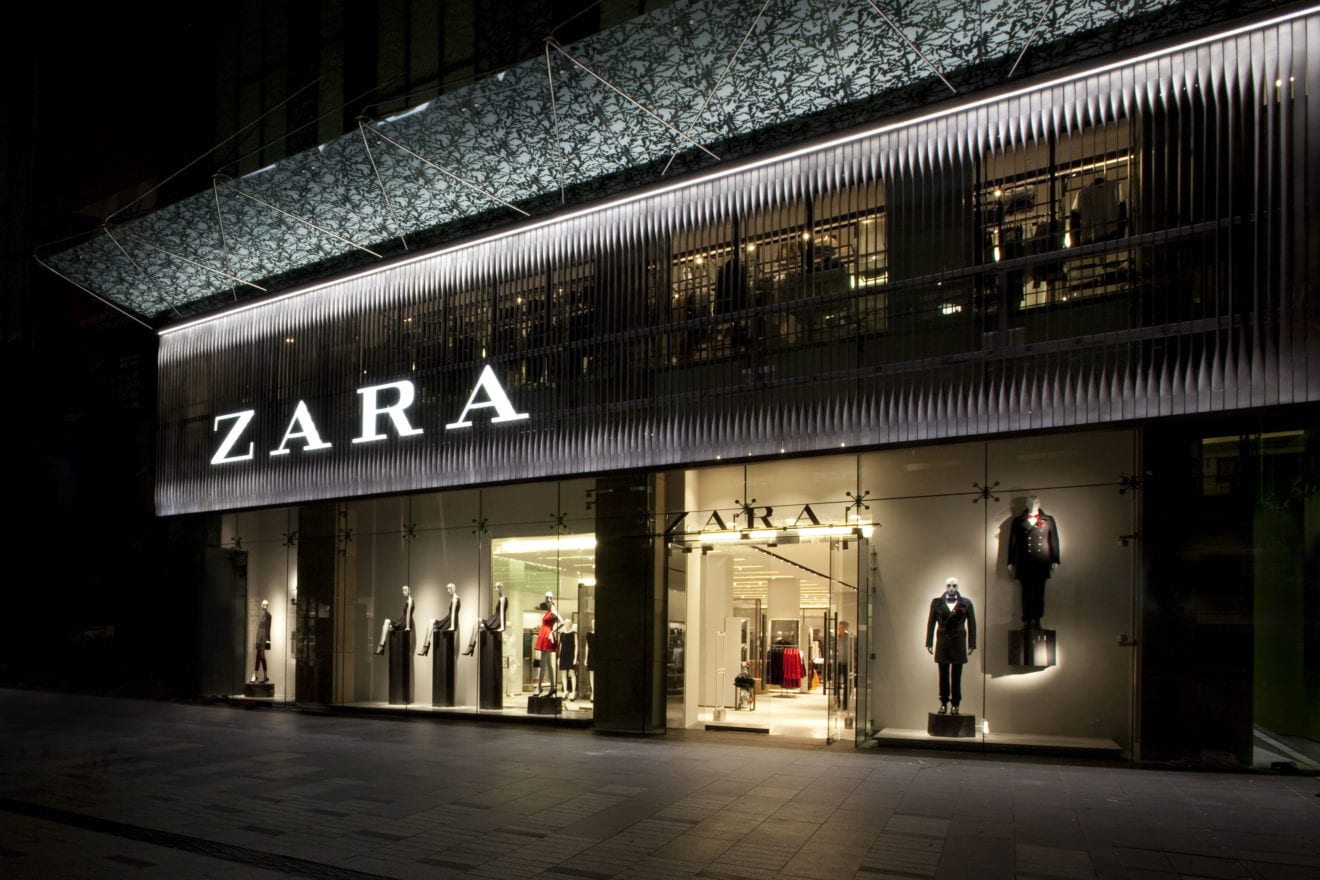
    The group’s diversified retail portfolio also includes sports brands such as Royal Sporting House, Reebok, and fashion labels such as Zara, Pull and Bear, and Massimo Dutti.

    For a start, it will inject $12 million to renovate Robinsons at Raffles City in phases over one year, starting in July. Upgrading plans are also afoot for Marks & Spencer stores at shopping malls – Parkway Parade, Paragon and Raffles City.

    Shoppers will also be able to take a pit stop at a new 1,000 sq ft cafe at the Marks & Spencer outlet at Wheelock Place in Orchard Road, set to open in the third quarter.

    “Having new concepts and new brands are ways to keep customers’ money in Singapore… We need to give more reasons for customers to visit us, to stay longer in the store,” said Singapore-based Mr Cann.

    The group is also adding more food and beverage offerings at Robinsons at The Heeren, with a new restaurant by chef and TV personality Angela May due to open on level two of the store next month.

    Mr Cann also flagged an upcoming outdoor F&B area at The Heeren – where T.G.I. Friday’s outlet used to be – to be connected to level two of Robinsons via a bridge. The F&B area will be up and running in the third quarter.

    Apart from culinary offerings, Al-Futtaim will be trying out new retail concepts, with the opening of a “sneakers bar” at Orchard Central later this year. The new store, spanning about 1,000 sq ft, will carry limited-edition footwear.

    Mr Cann added that the Royal Sporting House outlet at VivoCity will also be given a makeover and will open next month.

    “Sports is not just about products these days, it is about lifestyle. The new shop will look more fashionable and appeal to a younger crowd. We will also downsize on the number of brands, carrying only the best performing ones,” he said.

    This big revamp of its stores across various brands is expected to boost profitability.

    For example, Mr Cann said Robinsons, which has three outlets here – at The Heeren, Raffles City and Jem mall – booked a loss of “a few million dollars” last year, but is likely to break even this year; while its Marks & Spencer chain here is already profitable.

    Singapore is Al-Futtaim’s second- largest market in the region after Malaysia, followed by Thailand and Indonesia.

    Mr Cann said the company expects to invest around $80 million a year across the four markets to enhance its offerings.

  • London sandwich chain Pret A Manger opens shop at Dubai airport

    London sandwich chain Pret A Manger opens shop at Dubai airport

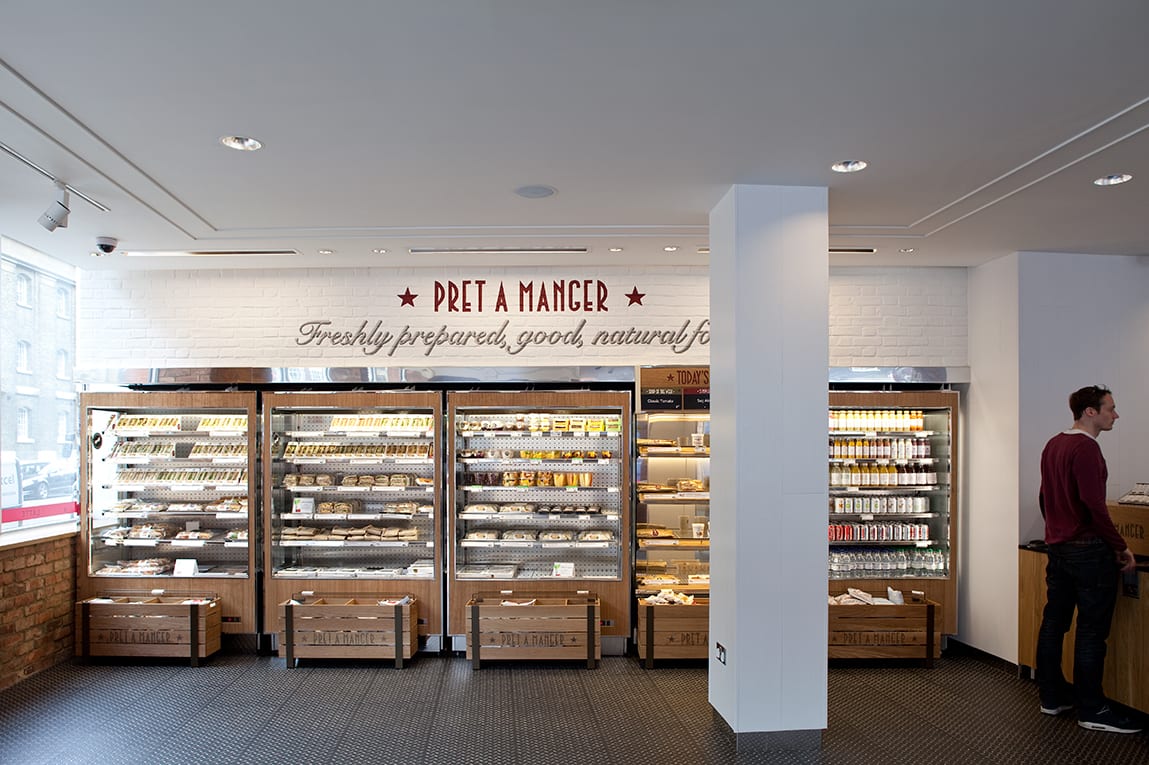
    Pret A Manger, the sandwich shop beloved by London office workers for its freshly made rolls and organic coffee, has opened its first UAE store.

    The chain whose magenta star sign, chrome furniture and daily donations to the homeless have become a staple of many a central London street, announced yesterday it has opened its first store in the Emirates at Dubai International Airport through a franchise deal with Emirates Leisure Retail.

    The new store, located in the new Concourse D, will include the concept’s trademark large kitchen and will be open 24 hours a day.

    Emirates Leisure Retail, a unit of Emirates Group, which also operates the UAE shops of Costa Coffee, Giraffe and The Noodle House, is understood to be looking at opening further Pret A Manger stores across the UAE.

    “We’ve had a lot of fun developing our new menu,” said Caroline Cromar, Pret’s group director of food. “We will be bringing plenty of existing Pret favourites over, with some special new products and fantastic locally sourced ingredients, such as falafel and hummus.”

    The opening brings Pret’s sandwich empire to about 400 shops worldwide, including the US, France, Hong Kong and China, although about three- quarters of the shops are still located in the UK capital.

    According to Pret’s new UAE website, the brand’s Dubai team has been training in Pret shops around the world.

    The arrival of the sandwich chain comes as the similarly named Pret to Go is attempting to take a healthy sized bite out of the domestic sandwich market.

    This month, Pret To Go, a sandwich chain founded in late 2014 by the entrepreneur Kunal Lahori, opened its eighth store in the Dubai airport free zone, Dafza. The chain also operates in Emaar Square, DIFC, Media City, Jebel Ali and Abu Dhabi International Airport. Pret A Manger declined to comment on its rival.

    The expansion of both chains in the UAE comes at a time when industry experts are predicting that up to a fifth of the country’s food and beverage operators could close by the end of next year, as more and more firms attempt to break into an already overcrowded market.