Retail News CRM

Tag: Korean

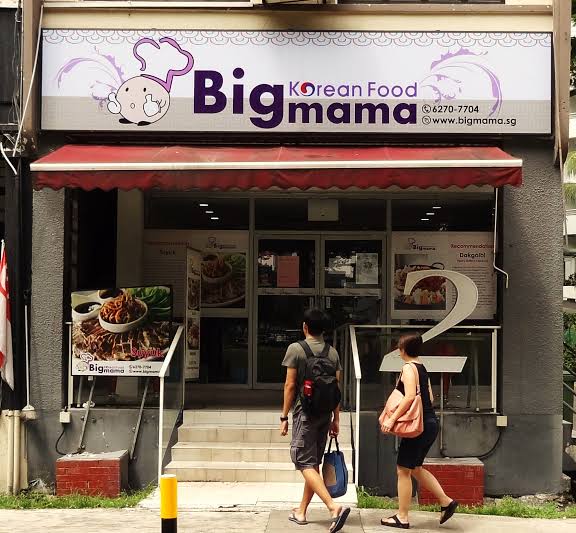
  • End of an Era: Beloved Singapore Korean Eatery Bigmama Bids Farewell After 16 Flavorful Years

    End of an Era: Beloved Singapore Korean Eatery Bigmama Bids Farewell After 16 Flavorful Years

    Bigmama, a beloved Korean eatery in Singapore, has officially closed its doors after a successful run of more than a decade. The owner made the sad announcement in a series of heartfelt social media posts and comments on Monday, revealing that the restaurant had served its final meal the previous day.

    End of an Era

    The proprietor of the popular restaurant, situated on Kim Tian Road, wrote, “After 16 glorious years, it’s time to conclude the beautiful journey of Bigmama.” She also mentioned that she was preparing for her return to South Korea.

    The restaurant was initiated in January 2012 by a former caretaker and tutor who had spent numerous years whipping up meals for her Korean students who were studying in Singapore. Bigmama quickly garnered a reputation for its delicious and authentic Korean dishes, with patrons particularly praising its suyuk (steamed pork belly) and dakgalbi (pan-fried chicken).

    A Heartfelt Farewell

    The posts expressed heartfelt gratitude towards the customers who had supported Bigmama throughout its journey. “Words cannot depict how grateful I am for your consistent love and the cherished memories we’ve created,” the post read. “Thank you for filling a significant chapter of my life with your warm smiles.”

    Questions & Answers

    How long had Bigmama been in business?

    Bigmama had been in business for over a decade, specifically 16 years.

    Who was the founder of Bigmama?

    Bigmama was started by a former caretaker and tutor who used to cook for her Korean students studying in Singapore.

    What were the signature dishes of Bigmama?

    Bigmama was particularly known for its suyuk (steamed pork belly) and dakgalbi (pan-fried chicken).

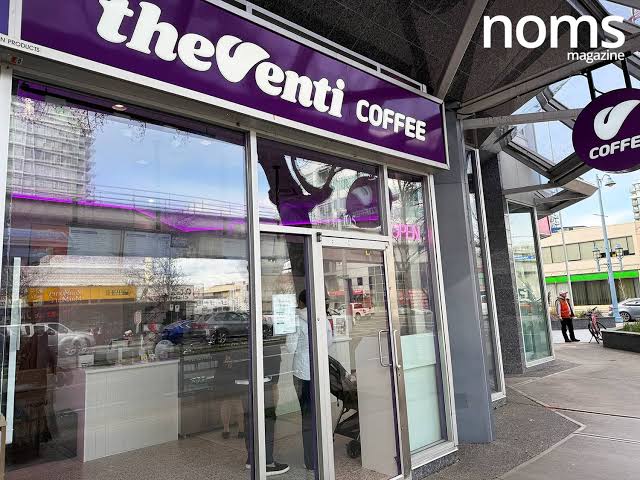
  • Korean Coffee Giant, TheVenti, Brews up Philippine Expansion with Local Franchise Deal

    Korean Coffee Giant, TheVenti, Brews up Philippine Expansion with Local Franchise Deal

    TheVenti, a leading coffee chain from South Korea, has recently announced its introduction to the Philippine market in partnership with JJR Brothers, a local distributor of food and beverages.

    Known for its large 20-ounce servings, TheVenti was established in 2014 and has since become popular for its unique offerings such as espresso drinks, Korean grain lattes, and fruit teas. It currently operates over 1,600 stores in South Korea and has expanded its footprint to various international markets including Vietnam, Canada, and Jordan.

    Adapting to Local Preferences

    The coffee chain has shared plans to adjust its menu and store operations progressively in line with local consumer tastes and trade locations. This initiative aims to strengthen its foothold in the country and ensure the successful integration of its brand into the local market.

    TheVenti views its Philippine venture as a stepping stone towards further expansion in the Southeast Asian market. “We are thrilled to introduce TheVenti’s unique coffee and beverage experience to local consumers, with the goal of progressively augmenting our global brand’s competitive edge,” stated the company spokesperson.

    TheVenti is set to open its inaugural Philippine store in the third quarter of this year.

    Questions & Answers

    What is TheVenti known for?
    TheVenti is renowned for its sizeable 20-ounce servings and a unique menu that includes espresso drinks, Korean grain lattes, and fruit teas.

    What is TheVenti’s plan for the Philippines?
    TheVenti plans to adapt its menu and store operations gradually in line with local tastes and trading locations in the Philippines. It aims to build its presence by catering to local consumer preferences.

    When is TheVenti opening its first store in the Philippines?
    TheVenti plans to open its first store in the Philippines in the third quarter of this year.

  • Musinsa: Powering Korean Fashion Invasion in China with Dual Tmall Presence

    Musinsa: Powering Korean Fashion Invasion in China with Dual Tmall Presence

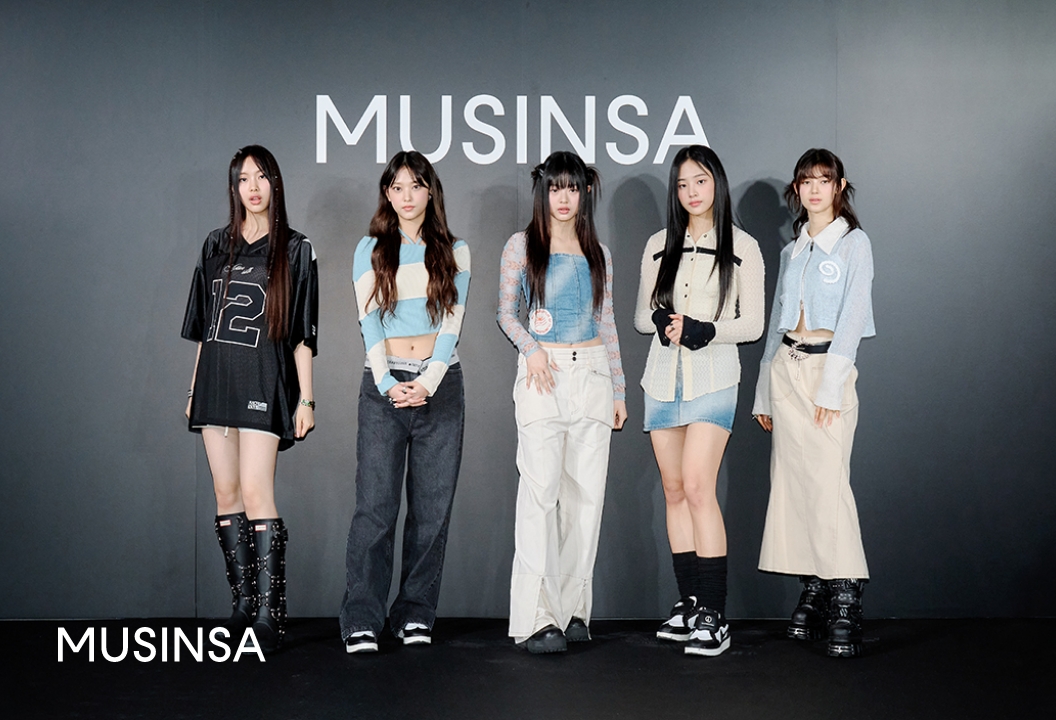
    South Korean fashion marketplace, Musinsa, is advancing its business strategy in China by launching on Tmall Global, the cross-border e-commerce platform owned by Alibaba Group. This step builds upon Musinsa’s initial foray into the Chinese market last year through the domestic Tmall marketplace. This dual-platform presence gives Musinsa the advantage of permeating both the local Chinese e-commerce ecosystem and the cross-border shopping channel.

    Musinsa’s aim is to assist small and mid-sized Korean fashion brands who have traditionally encountered high barriers to China’s market entry, such as regulatory complexity, logistical hurdles, and the high costs associated with establishing local operations. By leveraging the platform model, these brands can sell their products directly to Chinese consumers without the need to establish a local entity. Musinsa is also in a position to extend comprehensive services to participating brands. These services include platform integration, logistics coordination, marketing, and customer service.

    Content-Led Curation Strategy and Promotional Initiatives

    Musinsa is adopting a content-led curation strategy to introduce Korean fashion trends to Chinese consumers. Alongside this, the company is outlining various marketing initiatives. These include co-branded campaigns with Tmall Global, promotional events, and livestream shopping activations.

    Musinsa had already made headway into the Chinese market through a joint venture with Anta Sports, establishing Musinsa China to expand through both online and offline channels. The company launched its flagship store on Tmall last year, introducing its modern basic casual wear brand, Musinsa Standard, as well as Musinsa Store.

    A representative from Musinsa China stated that the opening of the online flagship store was the first step towards introducing competitive emerging Korean brands to China’s younger generation. The representative also indicated that Musinsa would utilize its vast experience in the fashion industry and localization strategies to quicken the global expansion of K-fashion.

    Questions & Answers

    What is Musinsa’s plan for the Chinese market?
    Musinsa plans to aid small and medium-sized Korean fashion brands in accessing the Chinese market by providing a platform for them to sell directly to Chinese customers.

    What services is Musinsa offering to participating brands?
    Musinsa is providing comprehensive services including platform integration, logistics coordination, marketing, and customer service.

    What is Musinsa’s strategy to promote Korean fashion trends in China?
    Musinsa is adopting a content-led curation strategy to introduce Korean fashion trends to Chinese consumers and is planning various marketing initiatives such as co-branded campaigns with Tmall Global, promotional events, and livestream shopping activations.

  • ZWC Partners Fuels Global Expansion of Korean Lifestyle Group Iicombined and Flagship Brand Gentle Monster

    ZWC Partners Fuels Global Expansion of Korean Lifestyle Group Iicombined and Flagship Brand Gentle Monster

    Asian private equity firm, ZWC Partners, has recently made an investment in the South Korea-based company, Iicombined, the force behind the renowned eyewear brand, Gentle Monster. This move is part of the firm’s plan to expedite its global expansion across the fashion, beauty, and experiential retail sectors.

    Investment to Bolster International Growth

    Established in 2011 and based in Seoul, Iicombined has evolved from being a single eyewear brand to a multi-brand lifestyle conglomerate. Its diverse portfolio includes the fragrance and beauty brand Tamburins, the experiential cafe concept Nudake, the headwear label Atiissu, and the tableware brand Nuflaat. These are in addition to its flagship business, Gentle Monster.

    The investment is intended to facilitate the group’s ongoing global growth, especially across Asia, encompassing regions such as China and Southeast Asia. Moreover, it aims to further the expansion into European and North American markets.

    ZWC Partners has expressed strong confidence in Iicombined’s capability to expand globally whilst preserving its design-first identity. According to Michael Yao, a partner at ZWC Partners, the firm believes that Iicombined is favorably positioned for rapid expansion, primarily in thriving consumer sectors like eyewear and fragrances, across China and Southeast Asia. This perspective aligns well with ZWC Partners’ long-standing emphasis on consumer and technology sectors.

    Driving Forward a Global Fashion Powerhouse

    Yao further stated that with the support of their offices and resources in Europe, Japan, and other key Asian markets, they are excited to aid Iicombined’s expansion across the Asia-Pacific region and further afield. Their assistance will include providing prime retail locations and brand elevation support as the group continues its journey towards becoming a global fashion powerhouse.

    The deal enhances ZWC Partners’ consumer portfolio, which already encompasses investments in global sports group Amer Sports, which owns brands such as Arc’teryx and Salomon, and the Italian luxury linen brand Frette. It also includes logistics, technology, and cross-border commerce companies such as J&T Express, GoTo, and Vevor. The financial specifics of the deal have not been disclosed.

    Questions & Answers

    **What is Iicombined’s flagship business?**

    Iicombined’s flagship business is the eyewear brand Gentle Monster.

    **How is ZWC Partners assisting Iicombined’s expansion?**

    ZWC Partners is aiding Iicombined’s expansion by providing prime retail locations, brand elevation support, and leveraging their offices and resources in key markets.

    **What are some other brands in ZWC Partners’ consumer portfolio?**

    ZWC Partners’ consumer portfolio includes global sports group Amer Sports, Italian luxury linen brand Frette, and logistics and technology companies like J&T Express, GoTo, and Vevor.

  • South Korean Scent Sensation Tamburins Unveils Fairy-tale Flagship Store in Daikanyama, Tokyo

    South Korean Scent Sensation Tamburins Unveils Fairy-tale Flagship Store in Daikanyama, Tokyo

    Tamburins, a prominent fragrance brand based in South Korea, has recently inaugurated its latest flagship store in Daikanyama, marking its fifth establishment in Tokyo.

    A Modern-Day Wonderland

    The two-story venue is designed to resemble a whimsical fairytale, complete with a 13-meter tall sculpture of a dachshund dog. The brand invites customers to immerse themselves in a unique and sensory-rich environment that blends scent and spatial design. The store’s launch also includes the release of an exclusive egg perfume and other special gift items.

    Tamburins was established in Seoul in 2017. Initially launched as a beauty-focused offshoot of Iicombined – the parent organization of the renowned eyewear brand, Gentle Monster, the brand has flourished under the leadership of Hankook Kim. Its first flagship store was opened in the Sinsa-dong district of Seoul.

    Store Features and Product Range

    The store boasts an array of features designed to enhance the shopping experience. This includes a photo booth for customers to capture their visit, a relaxing lounge area for them to unwind, and ample display spaces. The company affirms that the flagship store carries the complete range of Tamburins products.

    Questions & Answers

    What is the concept behind the design of Tamburins’ newest store?
    The Daikanyama flagship store is designed to resemble a whimsical fairytale, with a 13-metre tall sculpture of a dachshund dog.

    What unique features does the Daikanyama flagship store offer?
    Besides its unique design, the store includes a photo booth, a lounge space, and large display areas to enhance the shopping experience.

    What is special about the launch of the new Tamburins store?
    The store’s launch includes the release of an exclusive egg perfume and other special gift items.

  • Citi Unveils New Chicago Desk to Bolster Support for Korean Corporates in the US Market

    Citi Unveils New Chicago Desk to Bolster Support for Korean Corporates in the US Market

    Citi, the American multinational investment bank, is set to enhance its service to Korean corporate clientele with the inauguration of a new desk in Chicago.

    Expanding Coverage of Korean Corporates

    The newly launched Korea desk in Chicago is part of Citi’s strategic plan to augment its local financial support for Korean corporate clients who are penetrating the North American market. This addition builds upon Citi’s existing US coverage of Korean corporations, which was initiated in New York in 1993.

    Currently, Citi operates Korea desks around the world, including in London, Prague, Dubai, Singapore, Warsaw, Chennai, Hong Kong, Atlanta, and Monterrey.

    Growth of Korean Corporates in North America

    Citi reports that Korean corporates are quickly spreading their influence across North America, spanning a broad range of industries such as manufacturing, power, semiconductors, and services. The expansion into the United States extends beyond specific regions as businesses set up production and sales bases throughout the country, making their operations progressively widespread.

    Kyoungho Kim, the head of the corporate banking group at Citi Korea, noted the bank’s history of aiding Korean corporates. He highlighted how Citi Korea has been instrumental in bridging the financial operations of these clients’ headquarters in Korea with their overseas subsidiaries through its Korea Desks in key global markets.

    Enhanced Support for Korean Corporates in the Midwest

    The Chicago Korea Desk’s introduction marks a step forward in extending this crucial service in North America. It aims to provide ample support for Korean corporates operating in the US Midwest, guiding them through their funding and financial transactions in alignment with the local financial environment.

    Questions & Answers

    What is the purpose of the new Korea desk in Chicago launched by Citi?

    The Korea desk in Chicago is intended to expand Citi’s local financial support for Korean corporate clients penetrating the North American market.

    What industries are Korean corporate clients involved in?

    Korean corporate clients are involved in a wide range of industries, including manufacturing, power, semiconductors, and services.

    What are Citi Korea’s efforts in supporting Korean corporate clients?

    Citi Korea has been pivotal in connecting the financial operations of Korean corporates’ headquarters with their overseas subsidiaries, providing consistent financial support in key global markets.

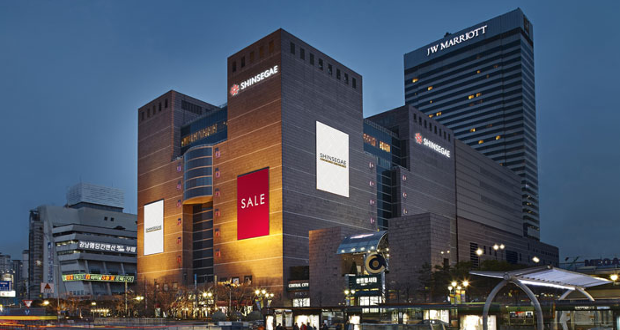
  • Shinsegae-Alibaba Alliance: A New Chapter in South Korean E-commerce Landscape

    Shinsegae-Alibaba Alliance: A New Chapter in South Korean E-commerce Landscape

    The commencement of a new joint venture between South Korea’s Shinsegae Group and China’s Alibaba International has been viewed by many as an indication of impending transformation in the country’s e-commerce market.

    The New Venture: Grand Opus Holdings

    Recently, the joint venture, Grand Opus Holdings, finalized its board structure. Shinsegae’s chairman, Chung Yong-jin, will take on the role of board chair. The board will also include four other directors, three of whom are representatives of Alibaba-affiliated entities. This board composition brings to light the significant influence of the Chinese group within the partnership.

    Retail industry experts consider this joint venture as Alibaba’s most direct expansion into South Korea’s domestic market. They believe that Shinsegae’s local brand power will be used as a conduit for this expansion. There are concerns that the introduction of highly affordable Chinese goods, which have been a driving force in the global e-commerce market, will exacerbate price competition and put additional pressure on local manufacturers.

    The Expansion of Chinese Commerce Platforms

    Chinese commerce platforms are steadily growing within the market. Based on data from WiseApp Retail, AliExpress and Temu have the second and third highest number of monthly active users nationwide. They have surpassed 11th Street and are closing in on the market leader, Coupang. Furthermore, Jingdong, another Chinese commerce platform, is gearing up to start logistics operations in Korea, implying yet another possible market entrant.

    In a bid to maintain its leading position, Coupang is planning new investments. Its founder, Bom Kim, has acknowledged Korea as a resilient market with high potential, assuring the introduction of more products, an expanded marketplace, and improved automation in logistics. Coupang also unveiled plans to invest 3 trillion won (about 2 billion USD) in the upcoming year to enhance domestic infrastructure.

    Intensifying Competition and Public Concerns

    Another major competitor in the market, Naver, announced its shift towards an e-commerce-focused strategy earlier this year. The company launched its new open marketplace application, Naver Plus Store, in March and teamed up with fresh-food delivery company Kurly to launch the ‘Kurly N Mart’ service in September.

    The escalating competition has raised concerns about Shinsegae’s collaboration with Alibaba. Some marketing specialists cautioned that a leading Korean retail conglomerate partnering with a Chinese e-commerce behemoth may lead to consumer backlash. Public perceptions of Chinese platforms have been tarnished by issues related to counterfeit goods, safety hazards, and inferior quality products.

    A recent survey conducted in Seoul to evaluate “consumer trust” in major online platforms ranked Shinsegae’s SSG.com at the top and AliExpress at the bottom. Consumer advocates have also warned of potential personal data risks, particularly in relation to overseas data access.

    In a recent Gmarket media event, executives tried to allay these concerns. Kim Jung-woo, head of the company’s PX division, stressed that customer information is exclusively managed by Gmarket and that AI training data is kept in a separate cloud system.

    Looking Ahead

    As the Shinsegae–Alibaba venture officially commences, industry analysts foresee Korea’s e-commerce market, which is already one of the world’s most competitive, to experience further disruption. This upheaval is expected to be instigated by global players seeking to penetrate the market and domestic giants striving to retain their territory.

    Questions & Answers

    What is the new joint venture between South Korea’s Shinsegae Group and China’s Alibaba International?
    The new joint venture, named Grand Opus Holdings, is expected to reshape South Korea’s e-commerce market.

    How is Alibaba planning to expand into South Korea’s market?
    Industry experts believe Alibaba will utilize Shinsegae’s domestic brand power as a bridge to penetrate the South Korean e-commerce market.

    What are some concerns about the partnership between Shinsegae and Alibaba?
    Some people worry that this partnership might lead to consumer backlash due to issues associated with Chinese platforms, such as counterfeit goods, safety hazards, and inferior quality products. Additionally, there are concerns related to the potential risks of personal data, especially regarding overseas data access.
  • Global Expansion Fuels 41% Profit Surge for Korean Beauty Mogul, Amorepacific

    Global Expansion Fuels 41% Profit Surge for Korean Beauty Mogul, Amorepacific

    Amorepacific, a renowned South Korean health and beauty conglomerate, has reported robust results for the third quarter. The company attributes this success to the global expansion of its primary beauty brands.

    For the quarter that concluded in September, the consolidated revenue witnessed a 4% increase year on year, reaching US$752 million, whereas the operating profit experienced a significant surge of 41%, amounting to $71 million.

    Domestic Market Performance

    The domestic market also performed well, presenting a 4% increase in revenue and a 24% rise in operating profit. The company credits this rise to increased sales across various channels such as online platforms, department stores, multi-brand shops, and duty-free and cross-border platforms.

    International Market Performance

    Internationally, the company saw a 3% growth in revenue and an impressive 73% leap in operating profit. This growth is seen as a result of the company’s consistent expansion efforts in global markets.

    Brand Performances

    In terms of individual brands, Innisfree topped with a revenue of $338.6 million. This was closely followed by Etude with a revenue of $192.4 million, Amos Professional at $138.7 million, Osulloc at $185.6 million, and Espoir at $129.2 million.

    The company stated, “The robust performance of our flagship brands, coupled with continued efficiency measures, has allowed us to bolster both growth and profitability across markets.”

    Questions & Answers

    What is the key factor behind Amorepacific’s robust Q3 results?
    The company attributes its solid Q3 performance to the global expansion of its main beauty brands.

    Which brand performed the best in terms of revenue?
    Innisfree topped the chart with a revenue of $338.6 million.

    How did the company perform in the domestic and international markets?
    Amorepacific saw a 4% increase in domestic revenue and a 3% growth in international revenue. The operating profit rose 24% domestically and jumped 73% internationally.

  • South Korean Cafe Giant ‘A Twosome Place’ Readies for Sweet US Debut

    South Korean Cafe Giant ‘A Twosome Place’ Readies for Sweet US Debut

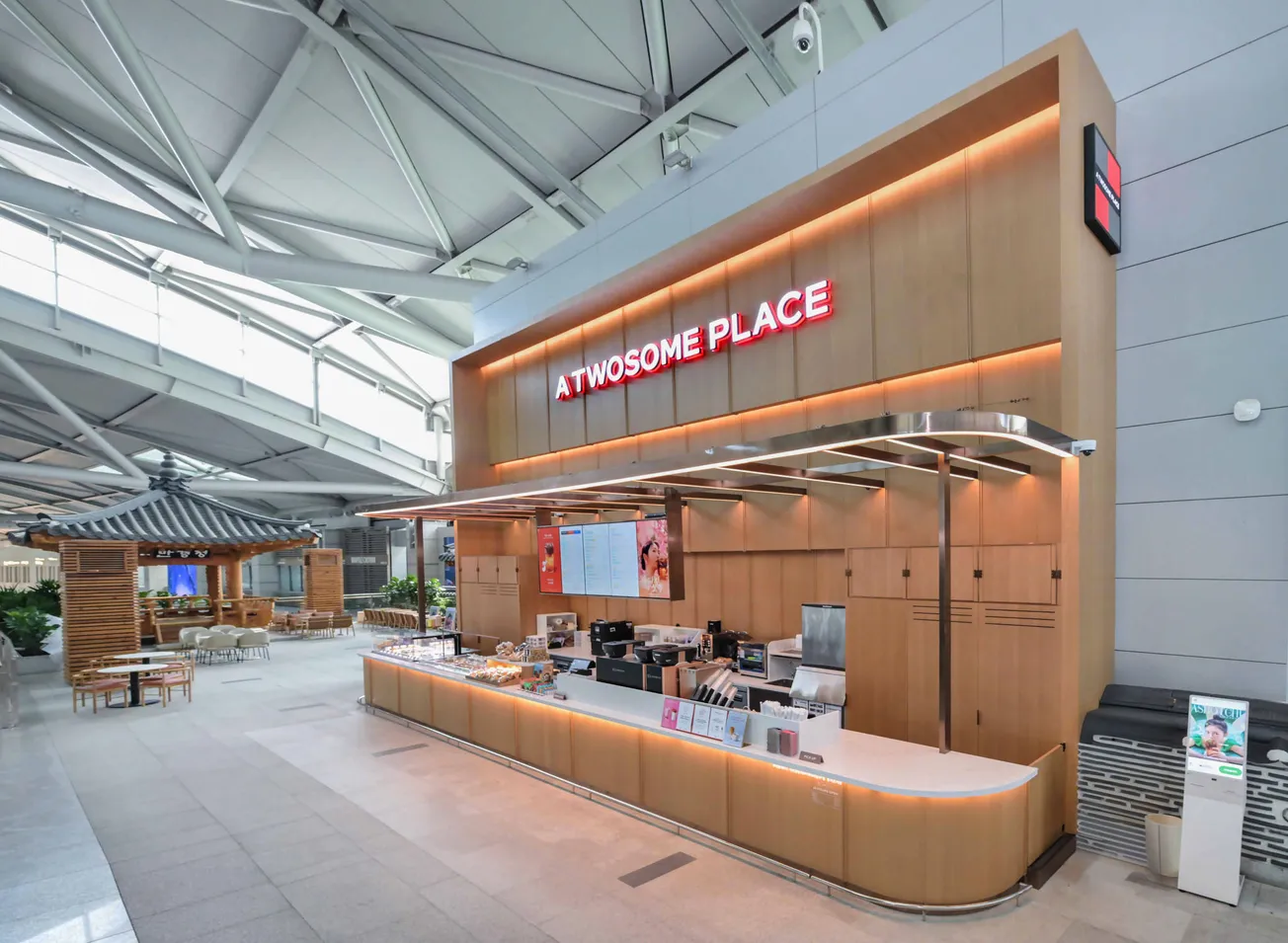
    Renowned South Korean café chain, A Twosome Place, is gearing up to launch its first company-owned branch in the United States in the coming year. This move signifies a re-energized push for international expansion, following the café’s exit from the Chinese market three years prior.

    Global Expansion Strategy

    While the exact location and timeline for the U.S. launch have not yet been disclosed, it is clear that this move is part of A Twosome Place’s comprehensive strategy to disseminate Korean-style café culture worldwide.

    A Twosome Place, established in 2002, currently operates over 1700 outlets across South Korea, and is recognized for its exceptional dessert offerings. The chain embarked on franchising in 2008 and was later purchased by The Carlyle Group in 2021.

    Domestic Developments

    On the domestic front, A Twosome Place is introducing the ‘Twosome 2.0’ concept: a high-end store design that is being implemented in key districts of Seoul. There are plans already underway to propagate this concept nationally, while infusing new elements into pre-existing stores.

    The café chain retreated from the Chinese market after shuttering over 40 outlets in 2022, which came as a result of a sustained period of lackluster sales in the region.

    Questions & Answers

    What is the significance of A Twosome Place’s expansion into the U.S.?
    The planned move to open a branch in the U.S. is part of A Twosome Place’s wider strategy to introduce Korean-style café culture to international markets.

    What is ‘Twosome 2.0’, the concept A Twosome Place is implementing domestically?
    ‘Twosome 2.0’ is a new store design concept that provides a premium aesthetic. The company plans to implement this design across their stores in South Korea.

    Why did A Twosome Place withdraw from the Chinese market?
    A Twosome Place withdrew from China after experiencing several years of slow sales, leading to the closure of more than 40 stores in 2022.

  • Korean Air Takes Flight with A350F: New Era of Eco-Friendly and Efficient Cargo Transport Unveiled

    Korean Air Takes Flight with A350F: New Era of Eco-Friendly and Efficient Cargo Transport Unveiled

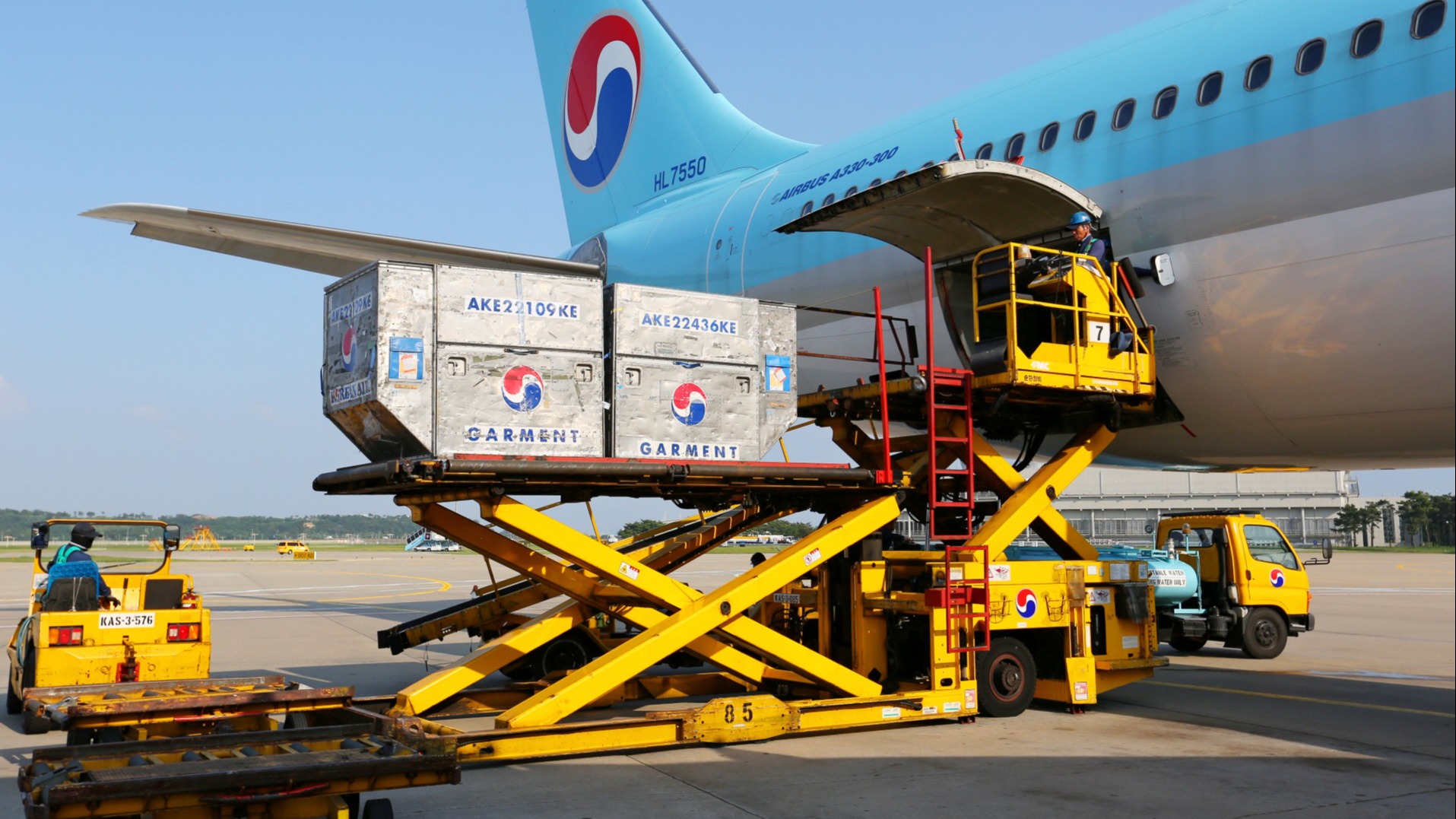
    Korean Air has joined the ranks of customers for the world’s only newly designed large freighter, the A350F, by modifying seven of its current A350-1000 passenger aircraft orders to the freighter model.

    Endorsement from a Major Cargo Operator

    Korean Air is a leading global cargo operator, making its choice to incorporate the A350F into its fleet a significant endorsement of the freighter’s unique capabilities. The A350F is set to provide Korean Air with the most efficient solution in the large freighter segment.

    The A350F’s Unique Features

    The A350F stands out with the industry’s largest main deck cargo door, its fuselage length and capacity optimally designed for standard pallets and containers. More than 70% of its airframe boasts advanced materials, resulting in a take-off weight that is 46 tonnes lighter than its nearest competitor. Indeed, the A350F is the only freighter aircraft that completely complies with the International Civil Aviation Organization’s (ICAO) forthcoming CO₂ emissions standards, set to take effect in 2027.

    Technological Advancements and Payload Capacity

    The A350F, which is currently under development, can carry an impressive payload of up to 111 tonnes and can fly up to 4,700 nautical miles or 8,700 kilometers. It’s equipped with the latest Rolls-Royce Trent XWB-97 engines, which will enable the aircraft to reduce its fuel consumption and carbon emissions by up to 40% compared to previous generation aircraft with similar payload-range capabilities.

    A350 Family’s Growing Popularity

    As of the end of September 2025, the newest generation A350 family had secured 1,445 orders from 63 global customers. This includes 65 orders for the brand-new A350F from 10 cargo carriers and one leasing company.

    Korean Air’s total order of A350 aircraft now stands at 33, which includes 20 A350-1000s, seven A350Fs, and six A350-900s. The first two of these have already been delivered.

    Questions & Answers

    What is significant about Korean Air’s decision to incorporate the A350F into its fleet?
    Korean Air is a major global cargo operator. Its decision to include the A350F in its fleet is seen as a significant endorsement of the aircraft’s unique capabilities.

    What sets the A350F apart from other freighter aircraft?
    The A350F has the industry’s largest main deck cargo door and has a fuselage length and capacity designed to optimize standard pallets and containers. The airframe uses advanced materials in more than 70% of its construction, making the aircraft lighter and more efficient.

    What can be expected from the A350F in terms of its payload and emissions?
    The A350F can carry a payload of up to 111 tonnes and fly up to 4,700 nautical miles or 8,700 kilometers. Powered by the latest Rolls-Royce Trent XWB-97 engines, the aircraft is expected to reduce fuel consumption and carbon emissions by up to 40%, meeting the ICAO’s enhanced CO₂ emissions standards due in 2027.

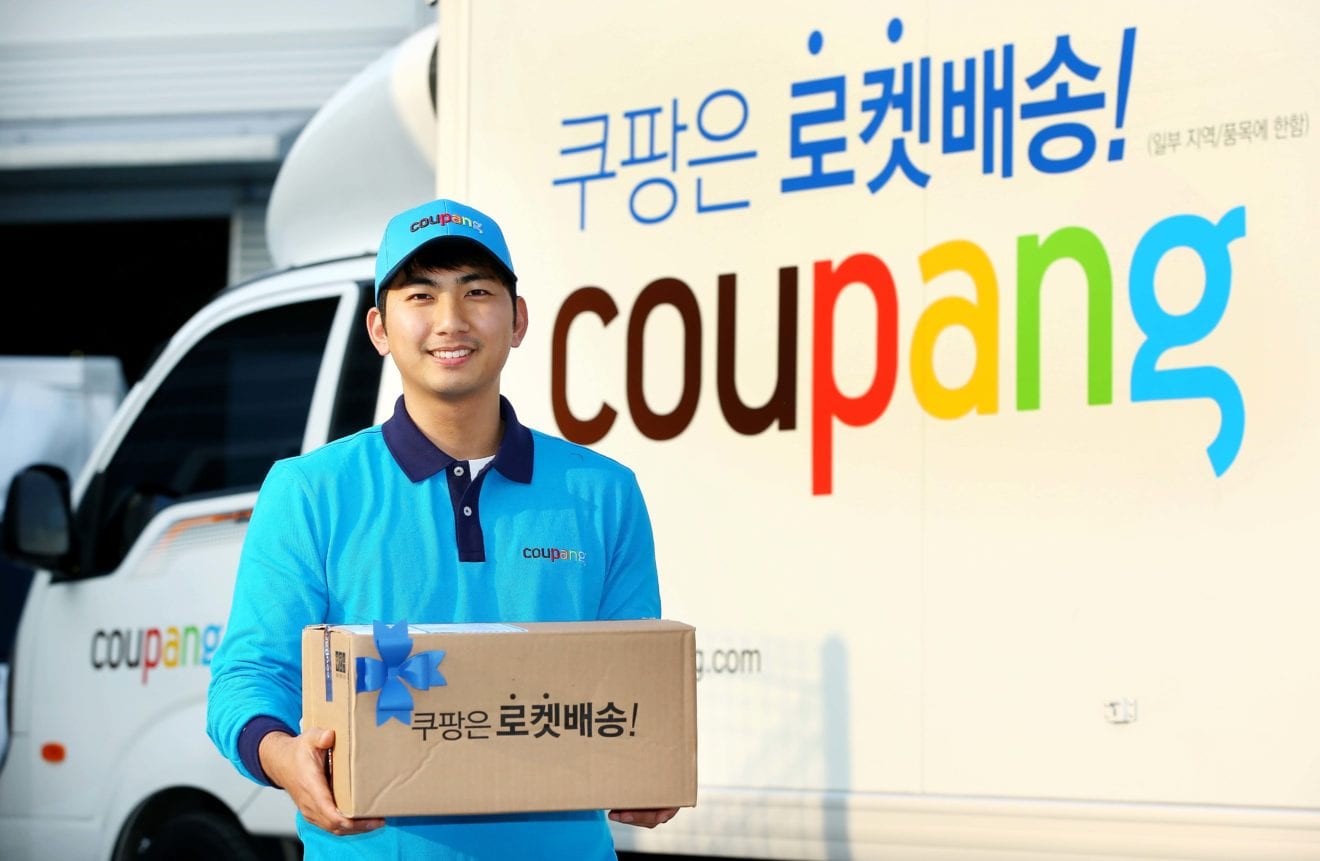
  • Surging Sales Propel Coupang’s Q3 Profits: Detailed Insights into the South Korean E-commerce Giant’s Stellar Performance

    Surging Sales Propel Coupang’s Q3 Profits: Detailed Insights into the South Korean E-commerce Giant’s Stellar Performance

    South Korea’s premier online retailer, Coupang, has witnessed an increase in profits in the third quarter, reflecting a sustained momentum in sales growth.

    Revenue and Profit Analysis

    The firm’s net revenues have experienced an 18% upsurge to reach $9.3 billion for the quarter that ended on September 30, marking a 20% rise when assessed on a constant currency basis. The net income and net income attributable to Coupang shareholders have also witnessed notable growth, with a 48% and 36% increment respectively, to reach $95 million.

    Segment Details

    The product commerce segment of the company’s operations reported a 16% surge in net revenues, amounting to $8 billion. This was matched by a 10% increment in active customers, bringing the total to 24.7 million.

    The developing offerings segment, encompassing international operations and innovative initiatives like Eats, Play, Fintech, and Farfetch, recorded commendable growth with a 32% rise in revenues, equating to $1.3 billion.

    Profit Margins

    The gross profit margins of the company expanded over 50 basis points, touching 29.4%. This was primarily driven by the product commerce segment. Additionally, the adjusted EBITDA margins saw an increase of 10 basis points, reaching 4.5%.

    CEO’s Statement

    Bom Kim, the CEO of Coupang, has expressed optimism and conviction in the consistent performance and growth potential of the Korean market. “Korea remains a remarkably durable growth opportunity with a largely untapped runway ahead,” he stated. He further emphasized the company’s continued strength across all customer segments.

    Kim also noted the firm’s accelerating progress in Taiwan, highlighting impressive year-over-year and quarter-over-quarter revenue growth. The levels of customer adoption in Taiwan, he added, are reminiscent of the early stages of their retail business in Korea, reinforcing the company’s confidence in Taiwan’s long-term potential.

    Questions & Answers

    What was the net revenue reported by Coupang for the third quarter?
    The net revenue reported by Coupang for the third quarter was $9.3 billion.

    How much did the company’s active customer base grow in the product commerce segment?
    In the product commerce segment, Coupang’s active customer base grew by 10%.

    What are the key factors behind the expansion of Coupang’s gross profit margins?
    The expansion of Coupang’s gross profit margins was primarily driven by the product commerce segment.

  • South Korean Beauty Brands Leverage Immersive Experiences For Enhanced Customer Engagement

    South Korean Beauty Brands Leverage Immersive Experiences For Enhanced Customer Engagement

    As the beauty industry becomes more competitive, leading South Korean beauty brands are transforming their stores into immersive spaces. These spaces offer customers an opportunity to trial products and gain a deeper understanding of the brand’s ethos.

    Space Dosan: A Unique Testing Ground

    APR Co, a significant player in the beauty industry, operates ‘Space Dosan’ in Seoul’s Sinsa-dong. Here, customers can try the Medicube skincare range and experiment with the brand’s beauty device – Age-R. Trying creams or perfumes can be straightforward, but the opportunity to test electronic skincare appliances, which call for time and careful instruction, has garnered special interest. Staff members are present to help customers with product applications and device usage. This service was so well-received in the store’s initial phase that appointments had to be made by reservation. According to an APR official, some international visitors said they visited specifically to see and try the products personally. “Offering a direct, in-person experience is becoming crucial to expressing a brand’s complete value,” they said.

    Sulwhasoo: Storytelling and Ginseng Classes

    Amorepacific’s Sulwhasoo brand is placing a focus on experiences that tell a story and reflect its heritage. The brand’s Bukchon Sulwhasoo House in central Seoul hosts the popular ‘Ginseng Class.’ This hands-on workshop underscores six decades of ginseng research. Here, participants can make tailored ginseng-scented sachets and bath soaks using Sulwhasoo’s signature ‘Beauty Saponin’ and ‘Jaumdan’ ingredients. Since the reservations opened in July, more than 1,800 people have signed up in just a few days. The sessions continue to sell out within an hour each month, and a modest participation fee was introduced this month. The program, which will soon be available to foreign tourists, aims to increase awareness of the cultural and cosmetic importance of ginseng.

    The History of Whoo: Beauty Classes

    LG Household & Health Care is another beauty industry stalwart providing beauty classes for its product line, The History of Whoo. These classes are offered to department store VIP clients, who have achieved a specific spending level at luxury stores like Lotte and Shinsegae. Each session, with around ten participants, includes traditional experiences such as crafting a royal pouch and enjoying private catering. Since January, approximately 900 customers have participated. An LG H&H representative said, “These classes allow VIPs to connect with our brand identity as a ‘royal dermatology’ cosmetics line.” Meanwhile, LG H&H plans to expand such offline experiences to provide a distinct, premium interaction that reinforces The History of Whoo’s prestige.

    This trend in South Korea’s beauty sector mirrors a broader transition: the sale of not just products but sensory experiences that connect brand identity, tradition, and technology. This strategy is seen as critical in maintaining customer loyalty in an increasingly crowded global market.

    Questions & Answers

    What are the unique experiences Korean beauty brands are providing?
    Korean beauty brands are offering unique experiences that combine product trials with brand storytelling. Examples include the trial of skincare devices at Space Dosan, the ginseng classes provided by Sulwhasoo, and The History of Whoo beauty classes catered to VIP clients.

    What is the purpose of these experiences?
    These experiences aim to create a direct, offline connection between the customer and the brand. They allow customers to understand and appreciate the brand’s complete value, heritage, and identity.

    How are these experiences impacting customer engagement and loyalty?
    These immersive experiences are helping brands stand out in a crowded market and are seen as key to retaining customer loyalty. They provide a unique, sensory encounter that allows customers to connect more deeply with the brand.

  • Escalating Dropout Rate Among South Korean Teacher-training Students Raises Concerns

    Escalating Dropout Rate Among South Korean Teacher-training Students Raises Concerns

    There has been an escalating trend of South Korean students abandoning their teacher-training colleges due to progressively unfavorable working conditions, static wages, and dwindling career outlooks. According to the Korea Educational Development Institute, the student attrition rate in education colleges reached a record high of 4.2% last year, a rate that has remained constant since the preceding year.

    Even Top Schools Are Not Spared

    Data from the Ministry of Education indicates that this issue is prevalent even among top-tier institutions. Both Seoul National University of Education and Gyeongin National University of Education experienced over 100 students opting out of their programs, in spite of these institutions being renowned for producing elementary school teachers.

    The dropout rate among students in education universities has seen a gradual increase over the years. In 2018, the dropout rate was less than 1%, which increased to 1.5% in 2019 and 1.7% in 2020, rose to 2.4% in 2021 and 3.2% in 2022, and eventually leveled at approximately 4% in 2023 and 2024.

    Factors Driving the Trend

    Surveys suggest that the key factors contributing to this trend are the diminishing authority of teachers and increased parental pressure. A poll conducted by the Korean Federation of Teachers’ Unions in May, involving 8,254 teachers across elementary, middle, and high schools, showed that 58% considered transferring or resigning within a year. Of these, a whopping 77.5% cited excessive parental complaints as the primary reason.

    A different survey by the Korea Federation of Teachers’ Associations revealed that only 19.7% would pursue teaching again given the opportunity. This is the lowest percentage since the poll’s inception in 2012.

    Experts attribute this disillusionment to more challenging classroom environments, heightened emotional labor, and relatively mediocre salaries, especially in comparison with major corporations. Furthermore, there is a deficiency in safeguards for teachers’ authority.

    Increased Attention to the Issue

    The spotlight on this issue intensified following a tragic incident in 2023 at Seoul’s Seoi Elementary School, where a young teacher took her own life reportedly due to mounting parental pressure. A similar case occurred on Jeju Island this year involving a teacher who allegedly faced ceaseless complaints prior to her death.

    The future prospects for teaching jobs are also becoming less promising. Along with the dwindling school-age population resulting from the low birthrate, the teacher certification exam increasingly fails to guarantee employment, thereby further dissuading potential educators.

    Questions & Answers

    What factors are contributing to the increasing dropout rate among South Korean education university students?
    Several factors are contributing to this trend, including worsening working conditions, stagnant wages, diminishing teacher authority, and escalating parental pressure.

    How is this dropout trend affecting even the leading education universities?
    Despite the prestigious status of institutions like Seoul National University of Education and Gyeongin National University of Education, they have not been spared from this trend. Both universities have seen over 100 students leaving their programs.

    Are the job prospects for teachers in South Korea getting worse?
    Yes, job prospects are declining for teachers in South Korea. This is largely due to the decreasing school-age population resulting from the low birthrate, which makes the teacher certification exam less effective in securing employment.

  • Korean Air Leverages Airbus’ Advanced Data-driven Maintenance Program To Boost Operational Efficiency

    Korean Air Leverages Airbus’ Advanced Data-driven Maintenance Program To Boost Operational Efficiency

    Korean Air recently entered into a contract to implement Airbus’ sophisticated data-driven predictive maintenance program, Skywise Fleet Performance+ (S.FP+). The agreement was finalized on October 16.

    Upgraded Platform

    This advanced solution is an enhancement of the airline’s existing systems, Skywise Predictive Maintenance+ (SPM+) and Skywise Health Monitoring (SHM). Through the introduction of S.FP+, the airline aims to improve operational efficiency and harmonize maintenance systems. This move is critical in preparing for the anticipated expansion of the airline’s fleet, which will occur following the merger with Asiana Airlines.

    S.FP+ is designed to optimize aircraft availability and operational reliability by employing advanced data analytics. This system identifies potential component issues before they arise. The “Control” tier, chosen by Korean Air, offers features like pre-departure check support and smart troubleshooting tools powered by natural language processing (NLP). The proactive strategy is projected to noticeably decrease Aircraft on the Ground (AOG) situations and their related costs.

    Application to Fleets

    This solution will be used on Korean Air’s A321neo, A330, A350, and A380 fleets. After the full integration of Korean Air and Asiana Airlines, the tool will also be applied to the Asiana Airlines’ Airbus fleet.

    The head of the Predictive Maintenance Team at Korean Air, Jong Hoon Oh, highlighted the success of their data-driven maintenance strategy. He said, “This approach has successfully prevented over 100 potential flight disruptions in 2024 alone. This advancement to S.FP+ is a strategic move as we prepare for the incorporation of the Asiana fleet. We aim to uphold the highest levels of operational reliability and efficiency on a larger scale.”

    The partnership underscores a mutual dedication to innovative solutions, and Airbus is honored to assist Korean Air in achieving higher levels of operational reliability through data-driven maintenance.

    Questions & Answers

    What is the Skywise Fleet Performance+ (S.FP+) program?

    The S.FP+ program is an advanced data-driven predictive maintenance solution developed by Airbus to enhance operational efficiency and unify maintenance systems.

    What benefits does the “Control” tier of S.FP+ offer?

    The “Control” tier, chosen by Korean Air, provides pre-departure check support and intelligent troubleshooting tools powered by natural language processing. This proactive approach is aimed at decreasing Aircraft on the Ground (AOG) situations and associated costs.

    What is the impact of the data-driven maintenance strategy on Korean Air’s operations?

    The data-driven maintenance strategy has proved effective in preventing potential flight disruptions. In 2024 alone, it averted over 100 possible flight interruptions. This strategy is anticipated to maintain high levels of operational reliability and efficiency as the airline expands.

  • Shinsegae And Metro Unveil Unique Korean Fashion Collaboration In Singapore

    Shinsegae And Metro Unveil Unique Korean Fashion Collaboration In Singapore

    South Korean fashion giant, Shinsegae, is set to make its entrance into the Singaporean market through a unique collaboration with Metro. This partnership will entail the launch of a pop-up store at Paragon, scheduled to run from September 25 until October 5.

    Introducing Six Korean Brands

    The pop-up shop aims to unveil six Korean lifestyle and fashion brands to Singapore’s fashion-forward audience. The brands include Studio Tomboy, Man on the Boon, Jaju, Voice of Voices, Rawrow, and Vidivici. Following the pop-up, these collections will continue to be available at Metro Paragon until the end of October. In this way, shoppers will have ample time to explore and shop from Shinsegae’s expertly curated portfolio.

    Collaborative Design Partnership

    The collaboration will also bring forth a unique amalgamation of design elements from both Singapore and Korea. This will be achieved through a design partnership between Singapore’s Phunk Studio and Korea’s Studio Tomboy. The design inspiration will borrow heavily from Peranakan florals, Korea’s hibiscus, the durian fruit, and the yin-yang symbol.

    Transition to a Fashion-centric Retail Model

    According to Erwin Wuysang-Oei, the CEO of Metro Singapore, this partnership signifies Metro’s strategic transformation from a traditional department store to a more fashion-focused retail model. He expressed that this collaboration with Shinsegae International marks a critical milestone in Metro’s evolution and brings a new model for international retail collaboration. The partnership not only brings Korean fashion to Singapore but also celebrates both cultures while setting new benchmarks for fashion retail in Southeast Asia.

    Questions & Answers

    What is the timeline of Shinsegae’s pop-up in Singapore?
    The pop-up is scheduled to run from September 25 until October 5.

    Which Korean brands will be introduced by Shinsegae in Singapore?
    The brands include Studio Tomboy, Man on the Boon, Jaju, Voice of Voices, Rawrow, and Vidivici.

    What does this partnership signify for Metro?
    According to the CEO of Metro Singapore, this partnership signifies a shift from being a traditional department store to adopting a more fashion-focused retail model.