Retail News CRM

Tag: mercedes benz

  • Mercedes-Benz to overtake BMW as largest premium carmaker

    Mercedes-Benz to overtake BMW as largest premium carmaker

    Mercedes-Benz is expected to reach its goal of becoming the largest premium carmaker four years early – a feat achieved, ironically, only after it stopped chasing market share and focused on making stylish high-tech cars loved by consumers.

    Introducing an elegant, sporty design and establishing itself as a pioneer in new technologies like autonomous driving has helped revive the Mercedes brand which analysts say will help keep the Stuttgart-based carmaker ahead of the pack.

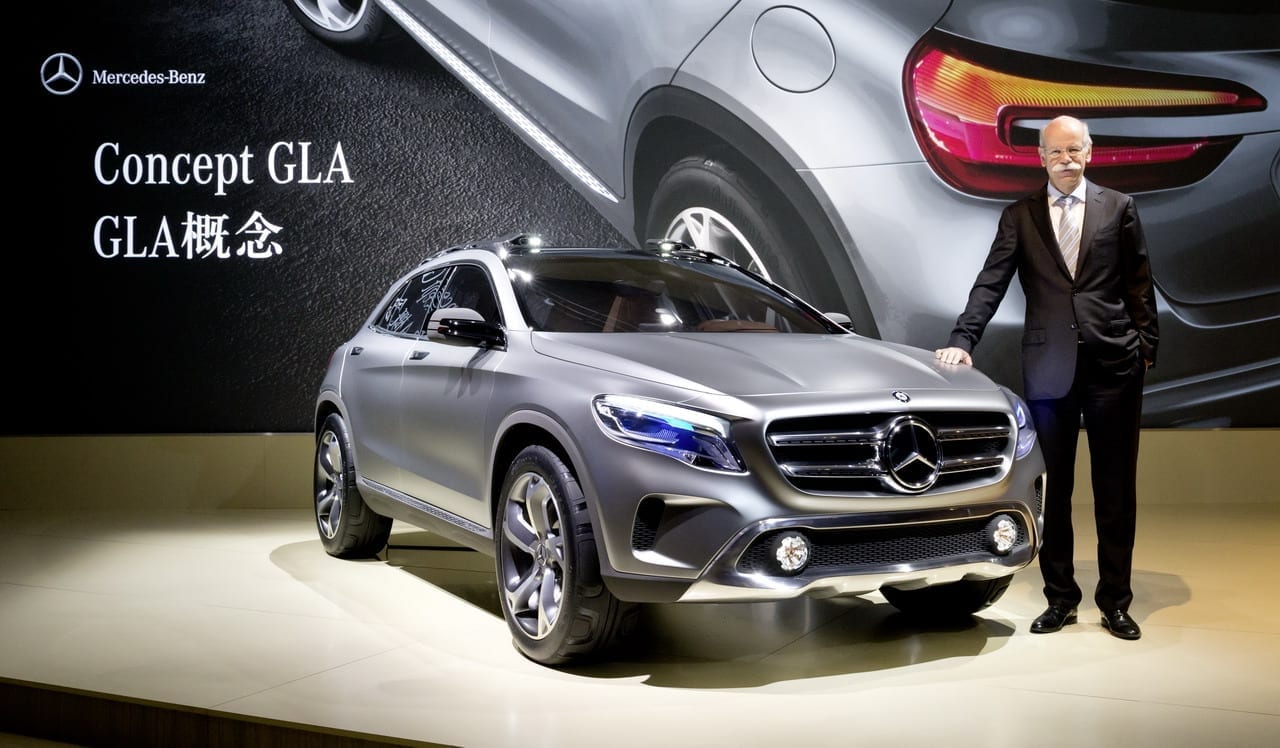
    The achievement is a coup for Daimler Chief Executive Dieter Zetsche, who struggled to revive the company following a messy divorce from mass market brand Chrysler in 2007. Less than four years ago Zetsche faced restive shareholders, worried that the automaker was lagging behind rivals BMW and Volkswagen AG’s Audi brand.

    “We had some deficits, cost and quality problems. Design was not top-notch. And with Chrysler we were no longer a pure premium carmaker,” Zetsche told Reuters in an interview held late in 2016 in his office at Daimler’s headquarters in Stuttgart, Germany.

    On Sunday, Daimler said it had sold 2.08 million Mercedes-Benz branded passenger cars in 2016, a lead that BMW, which has held the premium sales crown since 2005 and is due to release annual sales figures on Monday, is not expected to beat.

    Including sales of the Smart brand, Daimler sold 2.23 million passenger cars last year, the company said.

    Zetsche has presided over a renaissance in the design and technology of Mercedes vehicles, refocused the company on technological superiority instead of short-term sales goals, and adapted the entrepreneurial mindset of Silicon Valley to the traditionally risk averse culture of Stuttgart.

    Daimler is also preparing for a new era when the auto industry’s business model moves beyond manufacturing and selling cars, to lure customers interested in pay-per-minute transport solutions provided by autonomous cars.

    Zetsche set the goal of making Mercedes the best-selling luxury carmaker by 2020 at the company’s 125th anniversary in 2011, a year when even Audi sales overtook those of Mercedes, pushing it into third place.

    “Since then we worked hard and today we are leading or among the leaders when it comes to innovation, quality, design and security,” Zetsche said.

    Daimler traditionalists were shocked by the volume target, fearing that selling too many vehicles may dilute the exclusivity of their cars and reduce the appeal of the Mercedes brand in the long run.

    But consumer electronics companies like Apple had already proven that the pull of their brand did not suffer with increased volume sales so long as they offered the best customer experience.

    Audi was gaining traction with customers thanks to cool designs, so Zetsche appointed a young designer, Gorden Wagener to head up Mercedes design. He introduced an elegant and sporty style to spruce up Stuttgart’s Teutonic limousines. Mercedes cars were also equipped with state-of-the-art digital display technology, luring smartphone savvy customers.

    It was a change for Mercedes where engineers always believed they were producing the best cars in the world, but measured quality mainly using technical or engineering criteria, a strategy which often led to powerful cars with expensive and complex technical innovations.

    Today, Mercedes-Benz follows its motto “the best or nothing” by thinking about whether customers would notice or benefit from a new technological innovation, and by benchmarking the brand against competitors, Zetsche said.

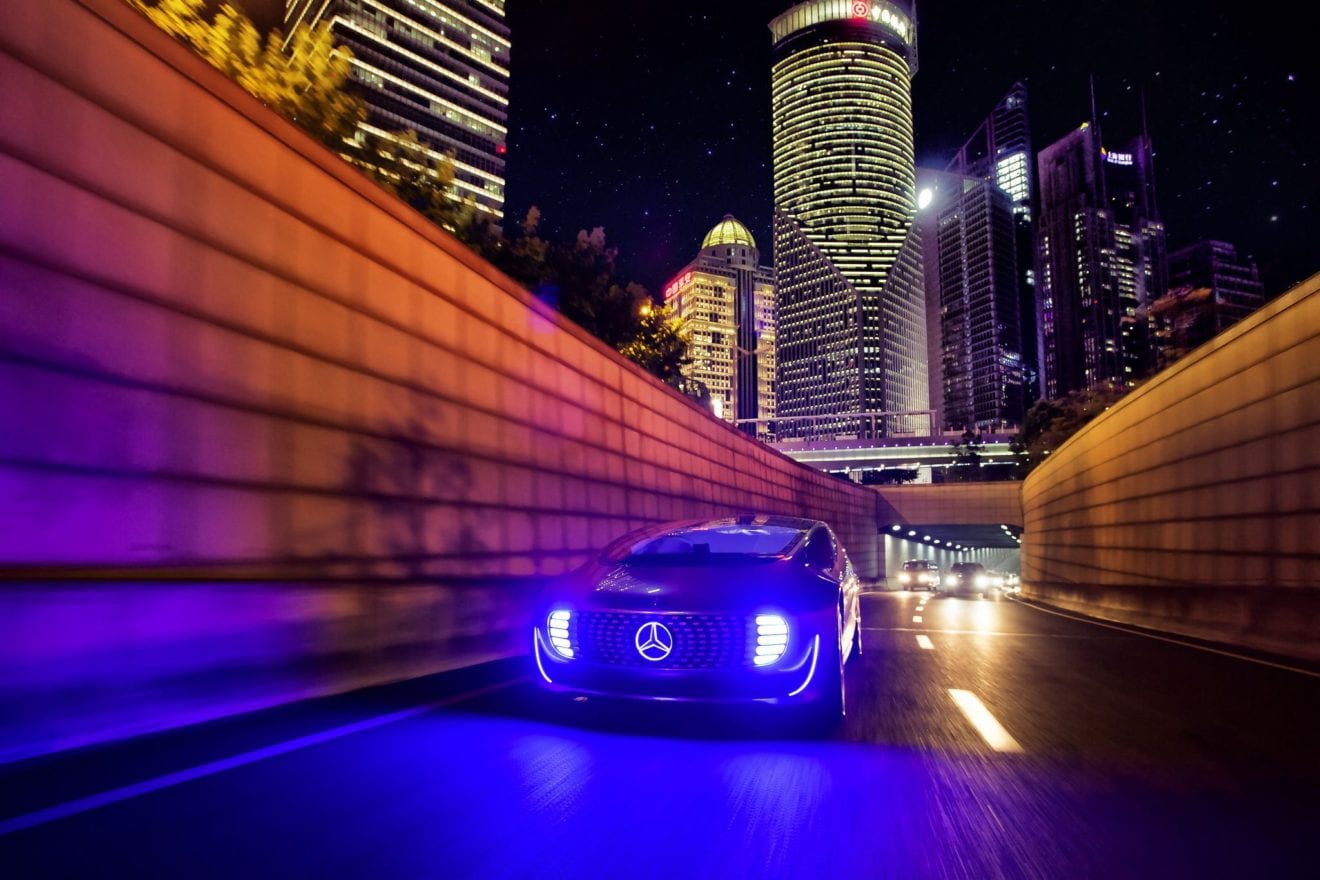
    The company’s renaissance began in earnest in May 2013 with the launch of a new flagship S-class. To burnish its credentials as a technology leader, Mercedes developed a prototype version which drove around 100 kilometres (62 miles) autonomously the same year.

    Rather than designing a limousine which appealed mainly to rear seat passengers, the new S-Class featured large digital display screens on the dashboard, a deliberate attempt to appeal to a younger, driver-focused audience.

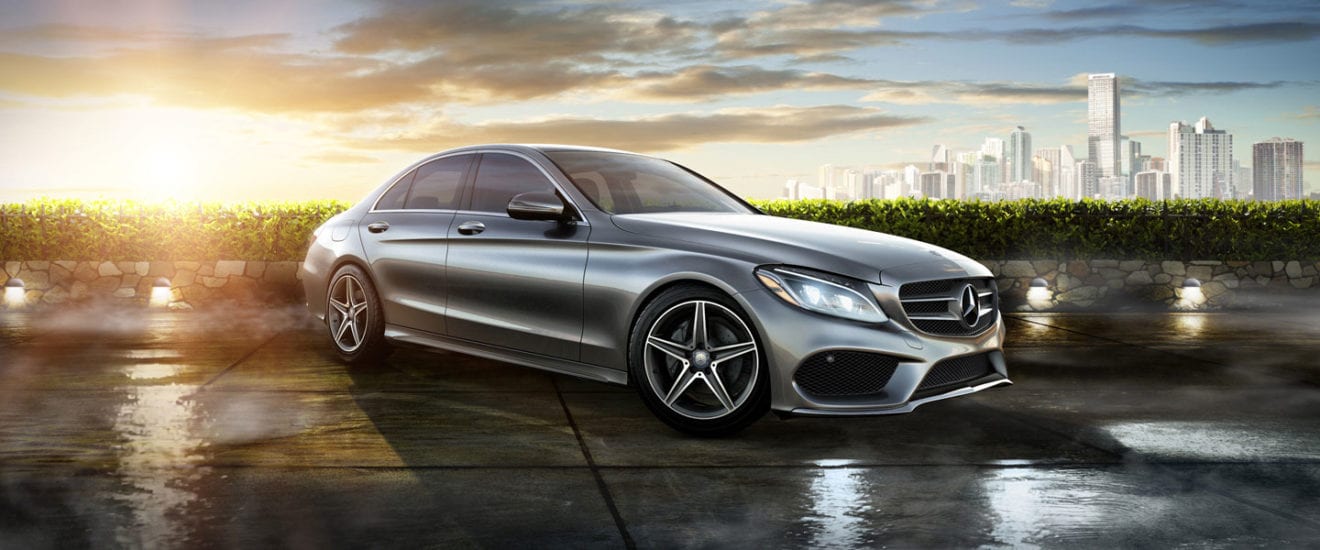
    The same youthful design approach was used for the new C-Class and E-class designs, which are now the company’s volume sellers.

    Mercedes also revived the Maybach brand, a marque targeting the ultra-luxury sector which the company had stopped making after the prior bespoke design failed to gain traction, leading the car to sell only 200 times in its final year of production.

    Since Maybach’s latest revival in February 2015, Daimler has sold 15,000 cars.

    “The rewards we are reaping today are the logical consequence of careful preparation,” Zetsche said.

  • Mercedes Benz Japan sells noodles

    Mercedes Benz Japan sells noodles

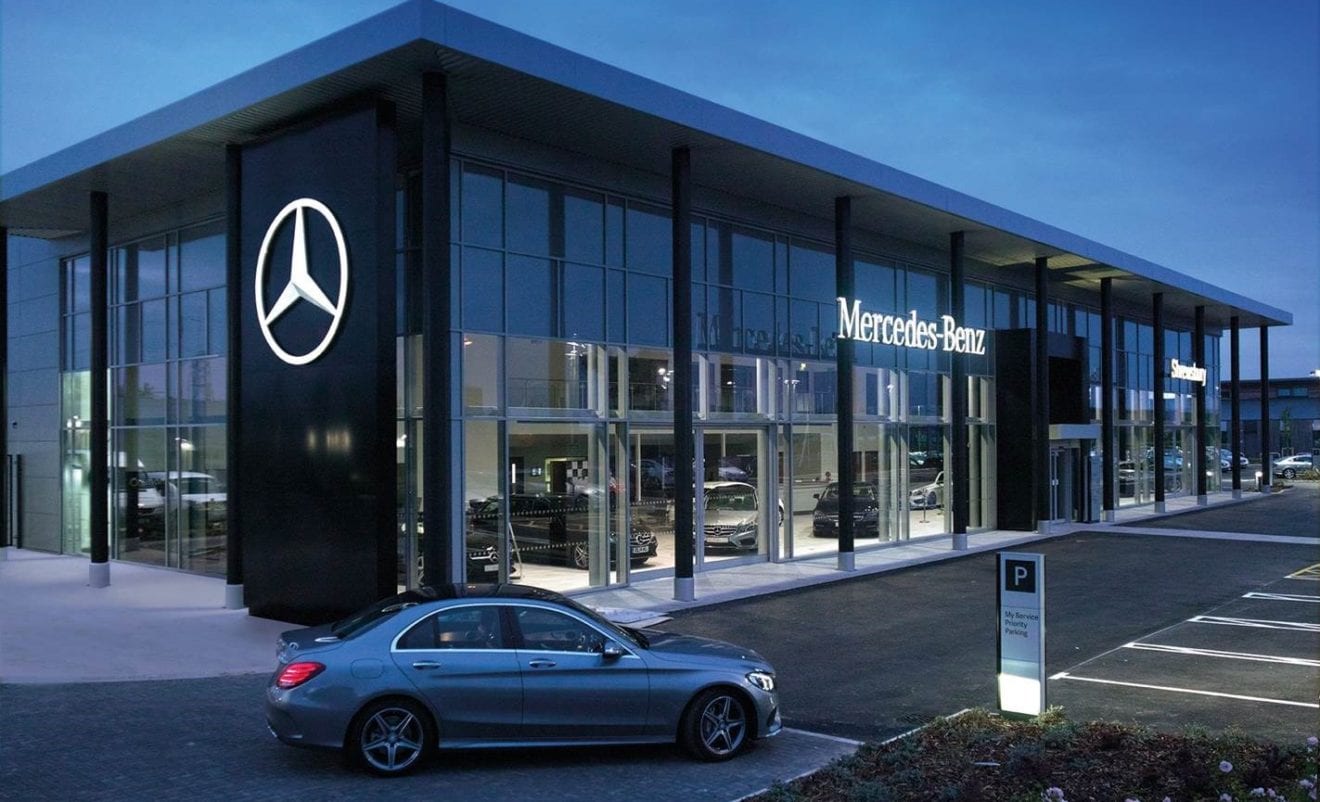
    German luxury car dealer Mercedes Benz Japan has opened a restaurant in its Tokyo showroom.

    But diners can forget caviar – bowls of noodles are the order of the day with a choice of two varieties of ramen, largely considered cheap, fortifying comfort food in Japan.

    All lit up for Christmas, the restaurant is in the showroom of Mercedes Connection Tokyo in the swanky Roppongi neighbourhood.

    mercedes-benz-japan-sells-noodles

    In its usual offhand style, Rocketnews sent its intrepid reporters to test drive the restaurant…

    “While our paychecks put us in less expensive transportation than what is parked in the showroom, we could afford to try both varieties of Mercedes-Benz ramen, which are identically priced at 1200 yen (US$10.60).

    mercedes-benz-japan-sells-noodles-1

    “We started with the Umi (‘ocean’). True to its name, it has a seafood-based broth, made in the Frenchfumet de poisson style, and the nautical theme continues with a pair of scallops being the star toppings. The thin noodles tasted great with the broth, which had notes of grilled fish in its flavour profile.

    “With grilled fish and rice being such a common meal in Japan, we couldn’t resist putting our grilled rice ball, which comes with the Umi ramen, into our leftover broth, providing an excellent finish to the first act.

    mercedes-benz-japan-sells-noodles-3

    “Moving on, the Riku (‘land’) was the polar opposite to the Umi. Even the colour schemes of the bowls are reversed. The noodles are much thicker, and the broth is made from duck ham. It is flavourful and delicious, with no hint of gaminess.


    mercedes-benz-japan-sells-noodles-4

    “Instead of a grilled rice ball, the Riku is accompanied by baguette slices, along with foie gras butter and blackcurrant compote as a dip. If you’re looking for one more way to indulge, you can mix the condiments with the ramen broth, then use their combined form to flavour the bread.

    “Both types of Mercedes-Benz ramen left us fully satisfied.”

    The showroom restaurant is serving ramen until December 25.

  • Do recent acquisitions signal investor confidence?

    Do recent acquisitions signal investor confidence?

    News of Mercedes-Benz Retail selling its Manchester and Birmingham businesses to Hong-Kong auto retailer Lei Shing Hong could be seen as proof that the UK auto retail sector is worth investing in. This comes despite the underperforming share prices of some PLCs in the market, financial jitters surrounding the forthcoming EU vote and the general state of the domestic economy.

    And while the Mercedes deal was something of a surprise, the acquisition wasn’t an isolated one. With Wessex Garages also being snapped up by a Far East business recently – this time Japanese auto group VT Holdings – clearly there’s value in investing in UK PLC.

    However, the money is from the Far East, not the EU or homegrown. It begs the question: do these investors know something we don’t? With industry in general in flux thanks in the part to issues over the forthcoming EU referendum, stagnant interest rates, a downturn in construction activities and consumer confidence, uncertainty has become the new normal. Granted, some of this depressed mood could be short term but no one knows for sure.

    Still, it could be that these canny investors have decided to look past June 23 and set their sights on the long term. With projections of another strong year in terms of new car registrations and positive light commercial sales, these deals could be the start of a long and prosperous adventure.

  • Mercedes-Benz Malaysia hits highest ever record sales for 2015

    Mercedes-Benz Malaysia hits highest ever record sales for 2015

    The Mercedes-Benz brand recorded an all-time high of 10,845 units sold for 2015, which also represents a year-on-year growth of a massive 56 per cent growth over 2014 sales units of 6,932.

    Locally-assembled models, namely the C Class, E Class and the S Class made up the bulk of the total sales, accounting for 7,989 units, while the remaining 2,856 were made up of imported units. Of the imported (CBU) units, 2,811 units were made up of the A Class, CLA and the GLA models, which helped to pump up the total to make Mercedes-Benz the leading Premium brand in Malaysia. The latter three models represent Mercedes-Benz Malaysia’s (MBM) very successful foray into the compact size passenger car segment.

    Locally assembled Mercedes-Benz models accounted for 74 per cent of total sales for 2015. — Picture by YS Khong

    Locally assembled Mercedes-Benz models accounted for 74 per cent of total sales for 2015. — Picture by YS KhongThe highest volume, surprisingly, came from the E-Class, which maintains its tradition for being the most popular “Towkay” (meaning ‘boss’ in the Chinese Hokkien dialect) sedan, with 3,383 units sold. Following closely behind was the C Class, also a highly desired aspiration of newly-successful businessmen and corporate executives, which accounted for 2,697 units sold. The highest growth segment was in the flagship model, the S400L hybrid, which grew 201 percent in 2015 compared to the same period in 2014, accounting for 1,909 units.

    The timely introduction of the new compact vehicles series, which includes the A Class, CLA, and GLA models, and these models, together with MBM’s EEV strategy that actually saw a reduction in retail prices across certain key models, helped Mercedes-Benz Malaysia to achieve its record-breaking sales numbers. With a recent announcement that it will continue to pass on the benefits derived from certain tax exemptions back to its customers, MBM looks forward to continued leadership for 2016.

  • Mercedes-Benz to invest RM200m in retail network

    Mercedes-Benz to invest RM200m in retail network

    Mercedes-Benz Malaysia will be looking to invest a further RM200 million until end-2016 to enhance its retail network to deepen the group’s presence nationwide, as Malaysia currently represents the biggest market for Mercedes-Benz passenger cars in Southeast Asia, according to the company.

    The German automaker has invested over RM250 million here since 2012, and has been reaping the benefits of its investment as market development for its brand has grown significantly. Its annual passenger car sales grew from 5,809 units in 2012 to 6,932 units in 2014 — a record annual number for the company.

    As at early October this year, its passenger vehicle sales hit about 8,200 units, exceeding the total volume for 2014, and setting 2015 up as another record-breaking year in terms of sales.

    Its year-to-early-October sales were 70% higher over the same period last year, president and chief executive officer Dr Claus Weidner told The Edge Financial Daily in an interview recently.

    However, he was cautiously optimistic about going into 2016, given the rising cost of living and continued weakening of the ringgit against the US dollar.

    “To repeat that sort of growth … we can’t do it every year. Nevertheless, we are confident we can keep up with the expected high level of sales in 2016, and will look into the macroeconomic situation and plan accordingly,” Weidner said.

    He declined to disclose if the group will raise prices of its cars next year, saying that it is too early to tell if the group should.

    “We have several financial instruments in place, together with our group from Daimler. But at the current stage, I cannot say which way we will take,” Weidner explained.

    He added that the group’s investment in local production since 2012 will help counterbalance the carmaker’s exposure to foreign exchange to a certain extent.

    Together with its authorised dealer, Hap Seng Star Sdn Bhd, Mercedes-Benz Malaysia recently launched the seventh Autohaus, or Mercedes-Benz showroom, in Kota Kinabalu, Sabah.

    Known as Hap Seng Star Kota Kinabalu Autohaus, the showroom saw Hap Seng putting in an investment of RM2 million. The sum is part of the RM30 million that the dealer has put aside for its long-term expansion in East Malaysia, which includes an Autohaus in Miri, Sarawak, that opened in May, and a new one in Kuching, Sarawak, slated for launch by end-2016.

    Weidner: We are confident we can keep up with the expected high level of sales in 2016, and will look into the macroeconomic situation and plan accordingly.

    Hap Seng’s latest venture in East Malaysia will help grow Mercedes-Benz Malaysia’s customer base in the premium automotive segment. Mercedes-Benz Malaysia believes that a focused partner in the auto industry is what will help drive growth.

    “In this situation, we have good progress in terms of putting in good landmarks and strategic points for the main market in East Malaysia. We want to provide the same standard of service as we do in Peninsular [Malaysia] to our customers here.

    “Hence, having partners who are very focused on the automotive business and show their professionalism is crucial for us to expand because it is a really detailed set-up and we have to establish quite a lot of processes,” Weidner explained.

    He added that Mercedes-Benz Malaysia had been investing in its processes and talent, in addition to the hardware aspects of the business.

    “Our customers are very demanding, and this is one of the challenges that we face, and we train our front-liners to be able to cater to these customers and continuously improve our processes. Training and upgrading — these are where we invest in heavily,” Weidner said.

    Mercedes-Benz Malaysia and Hap Seng began their collaboration some 46 years ago in Sabah, where they started their commercial vehicle operations in East Malaysia.

  • Restaurant operators regain a presence in Hong Kong

    Restaurant operators regain a presence in Hong Kong

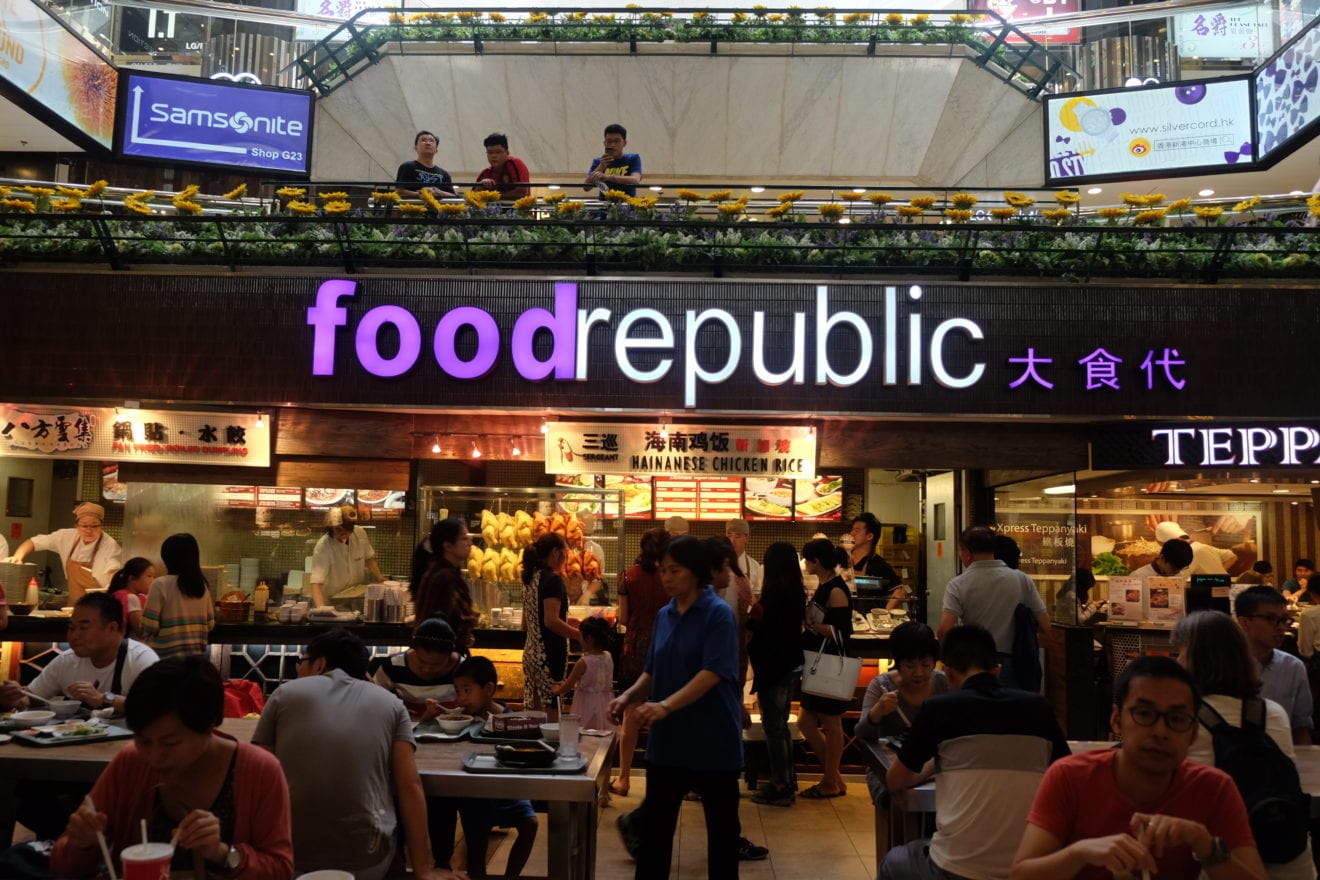
    Restaurant operators have regained their presence in Hong Kong’s retail market where an increasing number of top-end retailers have surrendered their spaces in the wake of weakening spending on luxury items and a decline in tourist arrivals.

    JLL said that in 2013 food and beverage operators accounted for only 29 per cent of the leasing deals it handled. This year, that figure has increased to more than 50 per cent.

    “There are in discussions with a number of overseas restaurants to open their first outlets in Hong Kong as part of their their Asian expansion plans,” said Michelle Chiu, an associate director at JLL’s retail department. “They come from the United States, Europe and Southeast Asia.”

    A new trend of incorporating food and beverage elements into their retail businesses has been seen among luxury fashion brands, including Franck Muller and Vivienne Westwood. And then, there is the lifestyle concept, such as the collaboration between Mercedes-Benz and Maximal Concepts, which has led to the creation of Mercedes Me.

    At more than 4,000 square feet, Mercedes Me has taken the space formerly occupied by Porsche Design and Geox on the ground floor of Entertainment Building in Central at an estimated monthly rental of HK$4 million. Meanwhile, Vivienne Westwood opened its first cafe in Tsim Sha Tsui and Swiss luxury watch maker Frank Muller has launched a fine-dining restaurant in Causeway Bay.

    To capture growing leasing demand among restaurants, JLL has formed a seasoned food and beverage team to cater for the industry.

    Terence Chan, head of retail at JLL, said the team will offer specialist services to local operators, international restaurant groups and new-to-market entrepreneurs alike.

    “Apart from the traditional F&B agency services including site introduction, lease negotiation, location analysis, tenant representation and market entry strategy and analysis, we also provide project coordination services. We will assist the clients in liaising with the interior designers, licensing consultants, contractors and maintenance vendors for set-up of their restaurants,” Chan said.

    Helen Mak, the retail services group head at Colliers International, believes the softening retail leasing market will provide more opportunities for the return of restaurants given the high rents the international brands could afford to pay just a few years ago.

    “With a restaurant inside the shop, it will also help to retain customers inside longer as well as serving as a venue for promotional events,” Mak said.

    She said shopping centres intend to allocate more space for restaurants in view of the difficult retail market.

    But the rapid expansion of restaurants could increase direct competition as most shopping centres plan to devote more space for food and beverage operators.

  • Mercedes-Benz Shakes Off ‘Dad’s Car’ Image in Indonesia

    Mercedes-Benz Shakes Off ‘Dad’s Car’ Image in Indonesia

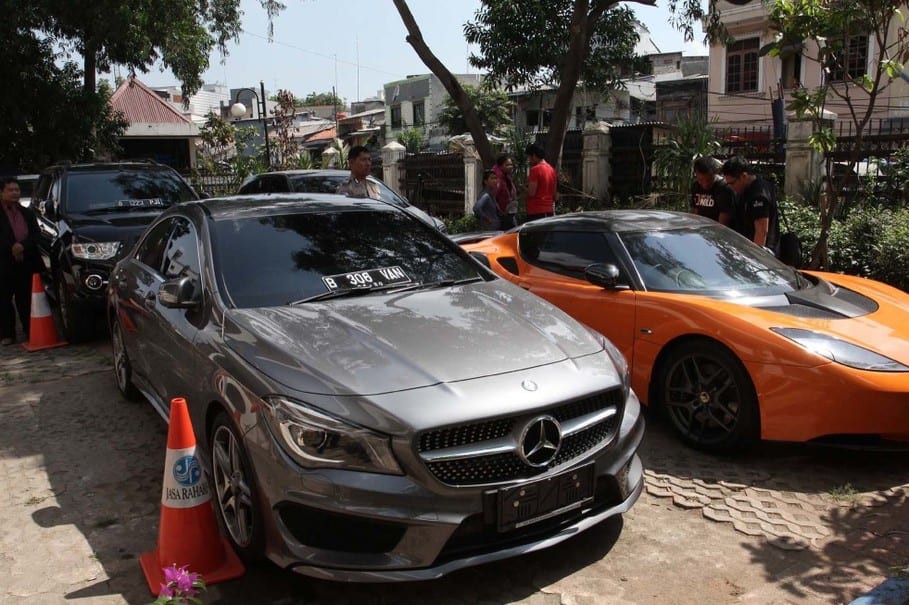
    German automaker Mercedes-Benz is focusing on young Indonesians as part of its strategy to boost sales in the country, shaking off the “dad’s car” image along the way.

    “We’re opening up new segments that are characterized by younger buyers, people who may not have considered Mercedes-Benz previously,” Roelof Lamberts, Mercedes-Benz Indonesia’s sales and marketing director, said on Thursday.

    The company has rolled out six new models so far this year including the latest B-Class and CLA-class, catering to young entrepreneurs’ demand for more sporty and compact premium cars.

    “We are shifting generations,” said Ananta Wisesa, a Mercedes-Benz spokesman, “So, [Mercedes-Benz] will lose its dad’s car image.”

    Cars introduced this year, including the A-Class and GLA-Class, are sold for less than Rp 1 billion ($71,000), and “have seen very positive demand,” said Lamberts. The introduction of these models has helped the company buck the trend of a shrinking auto market in Indonesia amid slowing economic expansion.

    The German company sold 1,800 cars during the first seven months this year, a 20 percent increase from the 1,500 cars it sold in the same period last year.

    In contrast, total car sales in Indonesia shrunk 21 percent to 581,106 units during the period, according to the Indonesian Automotive Manufacturers Association, or Gaikindo.

    Mercedes-Benz now controls 49 percent of the premium car market, up from 38 percent in the same period last year.

    “Our strategy basically is in line with the overall Mercedes-Benz strategy, and that is to become number one in the premium segment,” Lamberts said. “In Indonesia, we’re number one. Our objective is to defend that position.”