Tag: million

  • Clementi Mall Hits Singapore Market With S$750 Million Price Tag Amid Cuscaden Peak’s Portfolio Optimization Strategy

    Clementi Mall Hits Singapore Market With S$750 Million Price Tag Amid Cuscaden Peak’s Portfolio Optimization Strategy

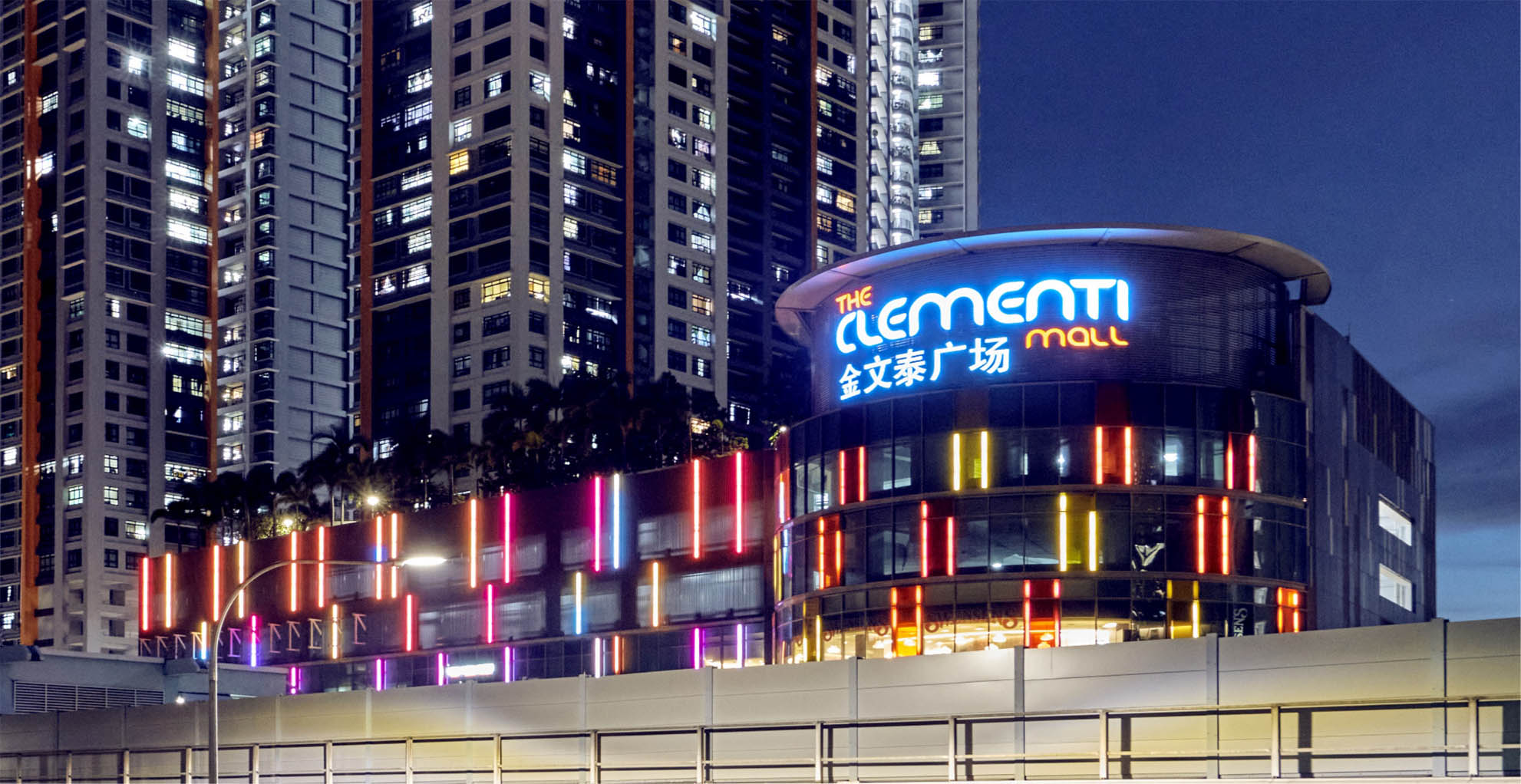
    Cuscaden Peak Investments has made the decision to put the Clementi Mall, located in Singapore, on the market. The asking price for the suburban, mid-range shopping hub is expected to be around S$750 million, as per sources privy to the matter.

    Property Details and Background

    The Clementi Mall is a bustling hub of activity, featuring a six-storey retail podium along with a basement level. The mall is home to approximately 160 tenants, providing a wide range of services and products to meet various consumer needs. A key selling point for the commercial property is its direct link to the Clementi MRT station, which attracts an impressive footfall of around 300 million visitors annually.

    The rumored sale is reportedly a part of Cuscaden Peak Investments’ larger business strategy of portfolio optimization and capital recycling.

    The mall’s current asking price represents an increase of about 15% compared to its previous valuation of approximately $645 million in December of the previous year.

    Managing the Sale

    To streamline the sale process, two renowned real estate service providers, Cushman & Wakefield and Savills, have been appointed.

    Cuscaden Peak Investments, the current owner of the mall, is a wholly-owned subsidiary of Cuscaden Peak. The latter, a consortium, was initially founded by Hotel Properties Ltd (HPL), CLA Real Estate Holdings of CapitaLand, and a Mapletree Investments unit.

    In 2022, this consortium made headlines by acquiring Singapore Press Holdings (SPH), which included The Clementi Mall within its portfolio. The mall was a part of SPH Real Estate Investment Trust and was later rebranded as Paragon Reit.

    Over time, HPL chose to exit the consortium. Subsequently, Paragon Reit underwent privatization in April and was delisted in June.

    Questions & Answers

    What is the estimated value of the Clementi Mall?
    The current asking price for the Clementi Mall is around S$750 million, which is a 15% increase from its valuation in December of the previous year.

    Who are the managers appointed for the sale of the mall?
    Real estate service providers Cushman & Wakefield and Savills have been tasked with managing the sale of the mall.

    Who are the current owners of the Clementi Mall?
    The Clementi Mall is currently owned by Cuscaden Peak Investments, a subsidiary of Cuscaden Peak.
  • Lenskart Eyes Expansion With $247.6m IPO; Major Shareholders To Sell Off Shares

    Lenskart Eyes Expansion With $247.6m IPO; Major Shareholders To Sell Off Shares

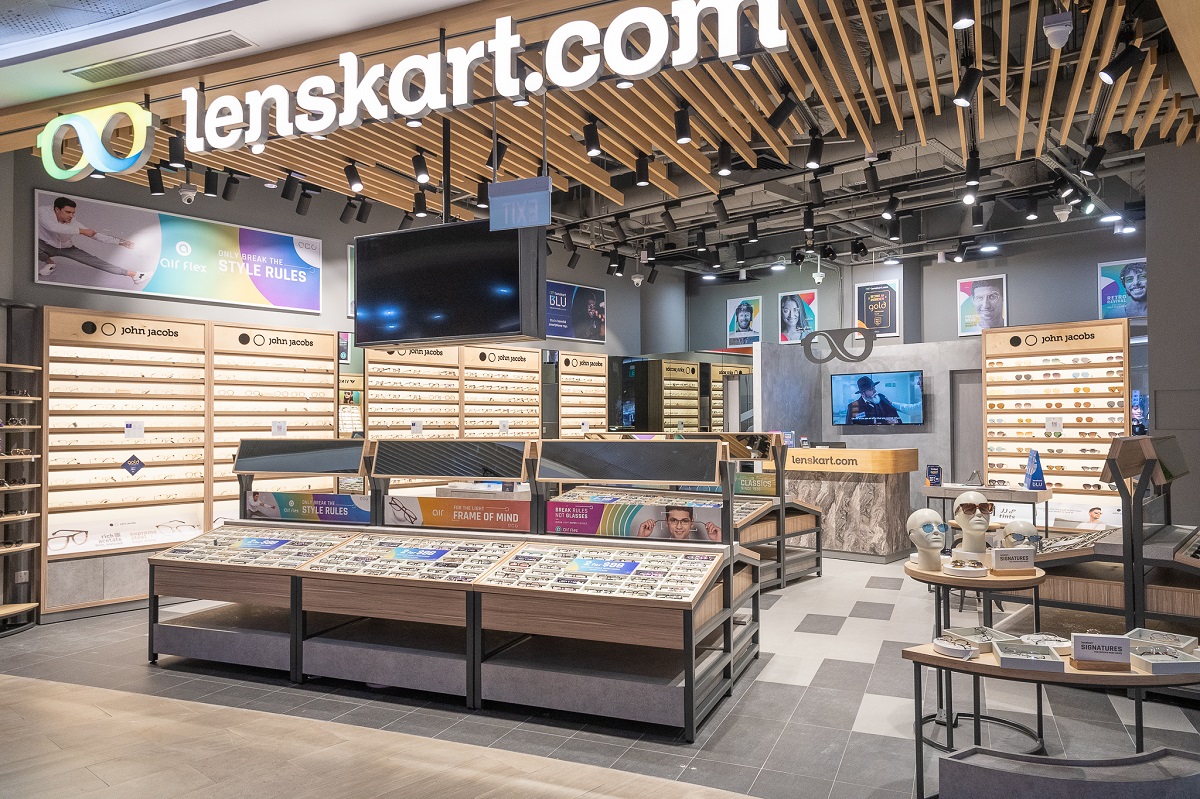
    India’s leading eyewear retailer, Lenskart, has recently submitted an application for an initial public offering (IPO), aiming to issue fresh shares valued at US$247.6 million as outlined in their draft prospectus.

    Major Shareholders Selling Shares

    The firm’s major shareholders, termed as ‘promoters’, will collectively sell off approximately 132.3 million shares. This group of promoters includes noteworthy investment firms such as Mumbai’s Kedaara Capital, Singapore’s state investment body Temasek, and SoftBank from Japan.

    Management of the IPO

    The IPO will be managed by a team of prominent financial firms. Among them are Morgan Stanley, Kotak Mahindra Capital, Axis Capital Holdings, and Citi.

    Allocation of Capital Raised

    As per the draft prospectus submitted to the Securities and Exchange Board of India (SEBI), the revenue generated from this new share issuance will be invested in establishing additional company-owned and operated stores nationwide.

    The funds from the IPO will also be allocated towards the enhancement of technology, the improvement of cloud infrastructure, and to cater for various other corporate purposes.

    Closer Look at Lenskart

    Established in 2010, Lenskart holds an impressive valuation of US$6.1 billion as of June 13. However, the company also carries a debt of US$57 million as of March 2024, as per the data provided by Tracxn.

    Questions & Answers

    What is the purpose of Lenskart’s IPO?
    Lenskart’s IPO is aimed at raising funds to invest in new company-owned and operated stores across India, as well as to enhance their technological capabilities and improve their cloud infrastructure.

    Who are the major shareholders, or ‘promoters’ of Lenskart?
    The major shareholders include Mumbai’s Kedaara Capital, Singapore’s state investment company Temasek, and Japan’s SoftBank.

    What is Lenskart’s current valuation and debt?
    Lenskart’s valuation stands at US$6.1 billion as of June 13. However, the company carries a debt amounting to US$57 million as of March 2024.

  • McDonald’s to sell Hong Kong retail spaces valued at US$153 million

    McDonald’s to sell Hong Kong retail spaces valued at US$153 million

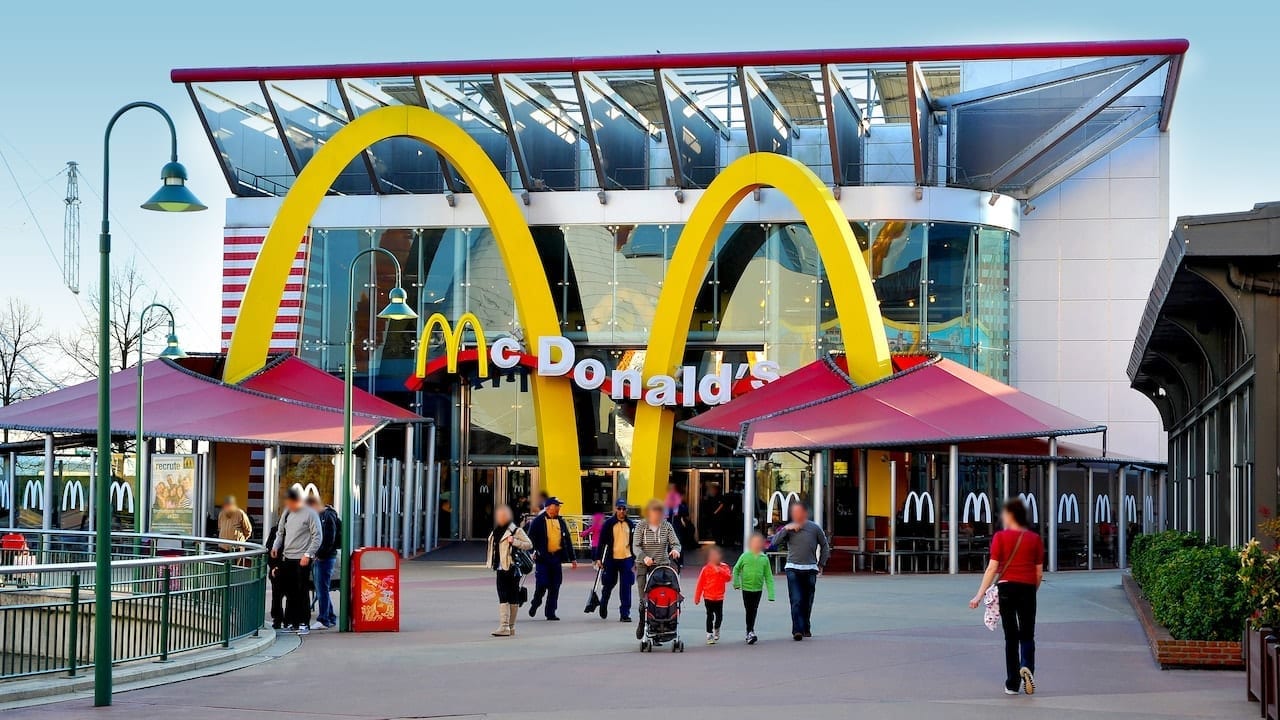
    Fast-food giant McDonald’s has announced plans to sell eight top-tier retail properties in Hong Kong, collectively estimated to be worth HK$1.2 billion (US$152.89 million). Jones Lang LaSalle (JLL), appointed as the exclusive agent for the sale, reported the news earlier this week.

    The properties will be sold via public tender, with the process scheduled to conclude on September 16. Buyers will have the flexibility to purchase the properties either separately or as a comprehensive portfolio. All the properties come with enduring leases with McDonald’s, which adds to their appeal.

    Previously, there had been reports that McDonald’s was considering selling all of its 23 stores in Hong Kong, the total market value of which is roughly HK$3 billion (US$382 million). The current sale of eight stores represents the first phase of this broader asset disposal strategy.

    This move is part of McDonald’s larger efforts to refine its asset base in the region. In 2017, McDonald’s sold its 20-year master franchise rights for China and Hong Kong to a consortium led by Citic Group and private equity firm Carlyle, while maintaining ownership of its real estate portfolio.

    Questions & Answers

    What is the estimated market value of the eight Hong Kong properties that McDonald’s plans to sell?
    The total market value of the eight properties is estimated to be around HK$1.2 billion (US$152.89 million).

    How will the sale of these properties be conducted?
    The sale will occur via public tender and is scheduled to conclude on September 16.

    What is McDonald’s broader strategy for its assets in the region?
    This sale is part of McDonald’s larger efforts to optimize its regional asset base. The company previously sold its 20-year master franchise rights for China and Hong Kong to a consortium, while retaining ownership of its real estate portfolio.

  • US-based Rover Group Acquires Mad Paws For $62m, Excludes Associated Brands

    US-based Rover Group Acquires Mad Paws For $62m, Excludes Associated Brands

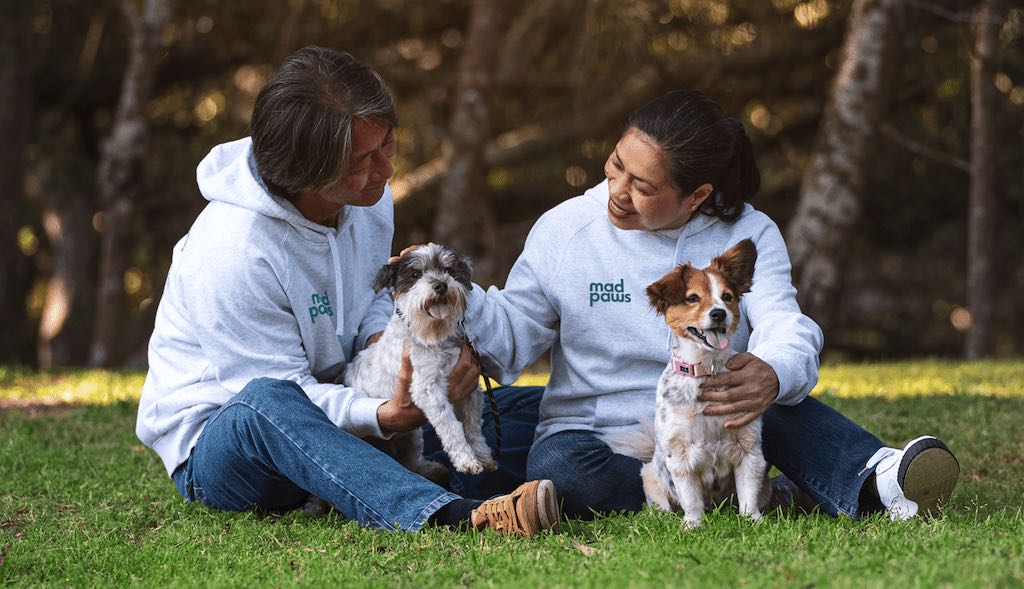
    Mad Paws, a pet services provider, has agreed to a takeover by US-based Rover Group in a deal valued at around $62 million. The planned acquisition will see Rover obtain complete ownership of Mad Paws through a scheme of arrangement, with each Mad Paws shareholder receiving $0.14 per share in cash. This offer reflects an 87% premium on the closing price of Mad Paws shares as of Monday. The deal puts the transaction equity value at $62 million.

    Deal Specifics

    Rover Group’s interest lies solely in the online marketplace business of Mad Paws, and does not include its associated brands, namely the online pet pharmacy Pet Chemist, pet treat enterprise Waggly, and e-commerce brand Sash. Consequently, Mad Paws has agreed to sell its Pet Chemist division to VetPartners Australia for approximately $13 million and terminate the operations of Sash and Waggly. Upon finalization of the Pet Chemist sale, Howard Humphreys will step down from his role as an executive director of Mad Paws.

    Looking Ahead

    The CEO, executive director, and co-founder of Mad Paws Group, Justus Hammer, expressed his enthusiasm for the impending partnership with Rover. He stated that the company takes pride in the community of pet enthusiasts it has built over the last decade, and looks forward to leveraging Rover’s expertise to continue advancing towards their shared objective.

    Mad Paws, which was established in 2014, operates a pet care marketplace that enables users to find and offer pet sitting, hosting, walking, training, and grooming services. Even after the acquisition, the company plans to continue to function independently, retaining its own brand identity and Sydney-based operations under Hammer’s leadership.

    The completion of the deal is subject to various customary conditions, including approval from shareholders, the court, and the Foreign Investment Review Board (FIRB).

    Rover, founded in 2011 and stationed in Seattle, runs an online marketplace for pet care, with a presence in 16 countries across North America and Europe.

    Questions & Answers

    What is the valuation of the Mad Paws acquisition by Rover Group?
    The deal is valued at approximately $62 million.

    What happens to Mad Paws’ associated brands after the acquisition?
    Mad Paws’ Pet Chemist division will be sold to VetPartners Australia and the operations of Sash and Waggly will be terminated.

    What is the future of Mad Paws following the acquisition?
    Post-acquisition, Mad Paws plans to continue operating independently, maintaining its brand identity and base in Sydney under the leadership of Justus Hammer.

  • Real Pet Food Pledges $1.3m For Safety Upgrades After Epa Directive Following Acid Spill Incident

    Real Pet Food Pledges $1.3m For Safety Upgrades After Epa Directive Following Acid Spill Incident

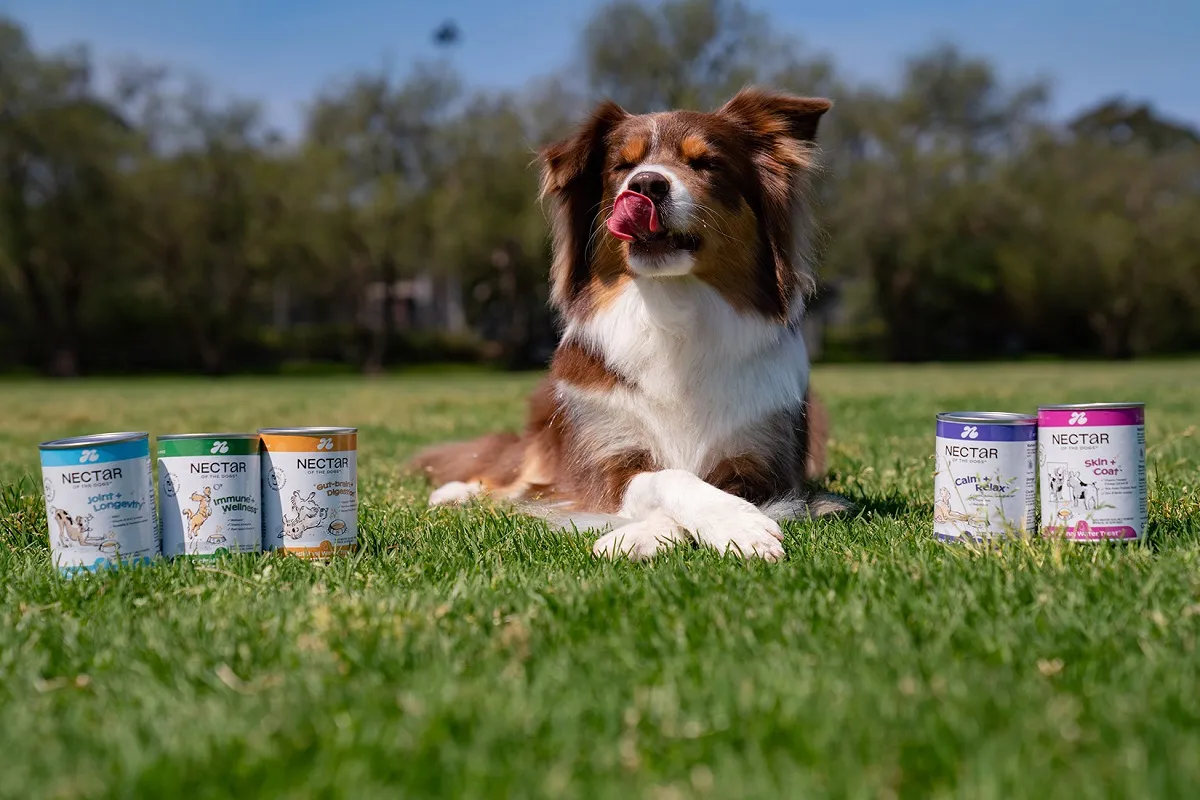
    Real Pet Food, also recognised as Australian Pet Brands, is set to expend over $1.3 million on safety improvements and equipment upgrades. This decision comes following a directive from the NSW Environment Protection Authority (EPA) after a phosphoric acid leakage incident at the company’s Dubbo location.

    Details of the Incident

    A defective valve is reportedly to blame for the spillage of around 300 litres of phosphoric acid within the production tower of the facility. The acid, a chemical agent used to extend the shelf-life of pet food, spread across several levels of the building. Emergency Hazmat crews were deployed to manage the clean-up operation.

    Company’s Response and Legal Obligations

    In response to the incident, the EPA accepted a legally binding Enforceable Undertaking (EU) from the company. As per this agreement, Real Pet Food is required to disburse over $1.38 million to implement preventive measures against such incidents in the future. Jason Gordon, EPA’s executive director of regulatory operations, emphasised the gravity of the incident, stating that while no environmental harm transpired, the risk potential was significant.

    Enforced Changes

    The impending changes, according to Gordon, will not only enhance safety for the site’s workers but also augment environmental protection by improving how chemicals are stored, monitored, and managed. The company is expected to move its acid dosing system from the top to the ground floor and automate previously manual systems, such as dosing products’ valve controls and holding tanks. Furthermore, it is required to bolster spill containment measures and enhance its training and inspection procedures.

    In addition, as part of its agreement with the EPA, the company will donate $75,000 to the Wambangalang Environmental Education Centre. The funds will be used to carry out repairs and improvements to the centre’s model wetland teaching space.

    Questions & Answers

    What are the changes that Real Pet Food needs to implement as per the agreement?
    The company is required to relocate its acid dosing system from the top to the ground floor, automate manual systems, strengthen spill containment measures and improve training and inspection procedures.

    What was the reason behind the phosphoric acid spill at the facility?
    A faulty valve was identified as the cause of the leakage of approximately 300 litres of phosphoric acid within the facility’s production tower.

    What will be the use of the $75,000 that the company will pay to the Wambangalang Environmental Education Centre?
    The funds will be utilised for repairs and enhancements to the centre’s model wetland teaching space.

  • Titan Acquires 67% Stake In Damas Jewellery: A Strategic Move To Expand Beyond Gulf Market

    Titan Acquires 67% Stake In Damas Jewellery: A Strategic Move To Expand Beyond Gulf Market

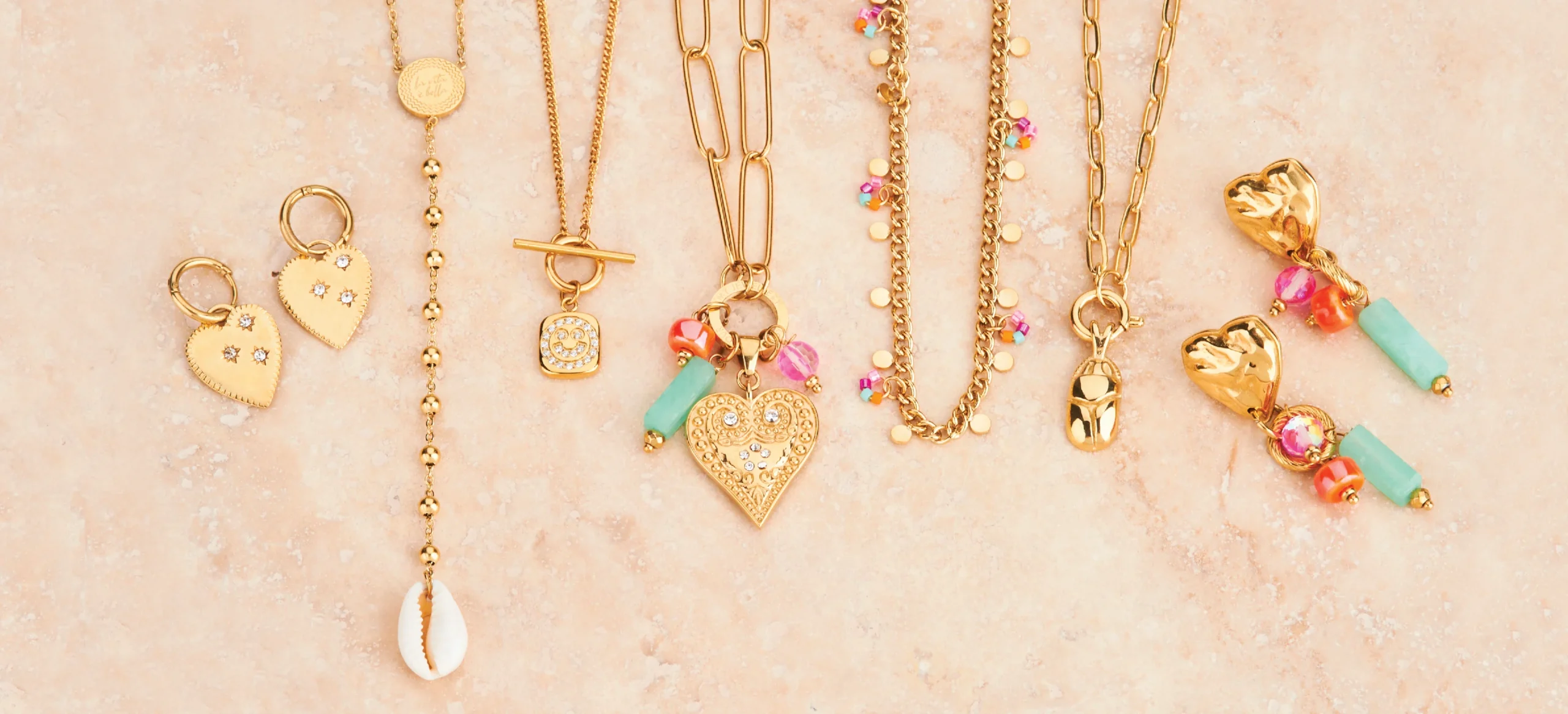
    The Indian lifestyle retail giant, Titan, known for owning the Tanishq jewellery brand, has recently made a significant acquisition. The company bought a 67% stake in Damas Jewellery, which is based in Dubai, for a total of US$189 million (AED695 million). This purchase from Qatar’s Mannai Corporation is the second-largest acquisition Titan has made thus far and represents a major strategic move for the company to grow beyond its principal customer base in the Gulf region.

    Damas Jewellery Background

    Damas Jewellery has a long and storied history that began in 1907. The company currently operates 146 stores in six Gulf Cooperation Council (GCC) countries, including the UAE, Saudi Arabia, Qatar, Oman, Kuwait, and Bahrain. However, the British brand Graff’s franchise business is not part of the acquisition agreement with Titan.

    The Impact of Acquisition

    Titan’s Managing Director, C K Venkataraman, has been quite vocal about the benefits of this acquisition for the company. According to him, this strategic move not only opens up significant new global opportunities but also boosts the company’s standing in the GCC’s jewelry market.

    “After successfully establishing Tanishq in the GCC and the US, our ambition for global jewelry play is moving to the next stage,” Venkataraman said. “With the Damas acquisition, Titan is expanding its focus beyond its traditional diaspora customers to target other nationalities and ethnicities.”

    Transaction Details

    The acquisition transaction was based on Damas’ enterprise valuation of $283 million. Additionally, it includes a provision for Titan to buy the remaining 33% stake from Mannai after December 31, 2029, subject to certain conditions.

    Titan, a joint venture between the Tata Group and the Tamil Nadu Industrial Development Corporation (TIDCO), first entered the GCC market in 1993 with Tanishq. Today, it operates 15 stores across the region, with a flagship store in Dubai that was launched in 2020.

    Questions & Answers

    What is the significance of Titan’s acquisition of Damas?
    The acquisition enables Titan to expand its customer base, enhance its position in the GCC jewelry market, and increase its global market opportunities.

    What does Damas bring to the table?
    Damas, founded in 1907, brings longevity and a strong presence in the GCC region with 146 stores in six countries.

    What future options does the acquisition offer?
    The agreement includes an option for Titan to acquire the remaining 33% stake in Damas from Mannai after December 31, 2029, subject to certain conditions.

  • Amazon To Inject $233m Into India Operations: Aims For Infrastructure Expansion And Enhanced Delivery Safety

    Amazon To Inject $233m Into India Operations: Aims For Infrastructure Expansion And Enhanced Delivery Safety

    By 2025, Amazon is planning to inject more than 20 billion rupees (equivalent to US$233 million) into its operations in India. This significant investment will be used to enhance and widen the scope of its operational infrastructure, as well as devise innovative technology for its product fulfillment networks and augment delivery safety procedures.

    The Aim of the Investment

    This substantial financial commitment comes in continuation of Amazon’s previous investments aimed at constructing a comprehensive operations network that can cater to all serviceable postal codes within the nation.

    A key player in the Indian e-commerce market, Amazon competes with other heavyweights such as Walmart’s Flipkart and Reliance Retail, owned by billionaire Mukesh Ambani. The corporation had previously announced that by 2030, its total investment in the Indian market would reach $26 billion, however, the specifics regarding this allocation were not disclosed.

    Investment Implementation

    The new funding will be allocated toward the establishment of new sites and modernization of existing facilities across its fulfillment and delivery network to enhance processing speed and capacity.

    In addition to infrastructural developments, Amazon also has plans to incorporate technology that will ensure the safety of its delivery associates. This includes implementing systems that will notify associates of unsafe speeds and enable the equitable distribution of delivery routes.

    Investing in Employee Welfare

    Part of the funding will also be directed toward initiatives designed to improve the health and financial stability of Amazon’s employees. This showcases the company’s commitment to not just expand its market presence, but also to enhance the welfare of its workforce.

    Earlier this year, it was announced that Amazon’s cloud services provider, Amazon Web Services, was earmarked to invest approximately US$8.2 billion in India.

    Questions & Answers

    What is the purpose of Amazon’s planned investment in India?
    The investment is intended to expand and modernize Amazon’s operational infrastructure, develop new technology for its product fulfilment networks, and boost delivery safety.

    How will Amazon’s new investment benefit its delivery associates?
    Amazon plans to implement technology that will alert delivery associates about unsafe speeds and ensure fair distribution of delivery routes, enhancing their safety and work experience.

    What commitment has Amazon made towards the welfare of its employees?
    Amazon has pledged to allocate a portion of its new investment to initiatives aimed at improving the health and financial well-being of its employees in India.