Tag: million

  • Manila’s Record-Breaking 12% Minimum Wage Boost Benefits Over a Million Workers

    Manila’s Record-Breaking 12% Minimum Wage Boost Benefits Over a Million Workers

    The Philippine government has sanctioned an unprecedented 12% increase in the daily minimum wage for Metro Manila, providing an additional 85 pesos (US$1.4) in two separate instalments beginning later this month. This decision is set to impact over 1.1 million minimum wage workers in Metro Manila with the largest single wage adjustment ever made in the capital region.

    Increased Wages and Phased Approach

    The wage hike will be implemented in two parts, with an initial 60 pesos increase on July 19, and a follow-up rise of 25 pesos on January 20, 2027. Once both increases have been fully enacted, non-agriculture workers will earn a daily minimum wage of 780 pesos (US$12.73). The hike also extends to other sectors, with workers in agriculture, service and retail establishments employing 15 or fewer staff, and manufacturing companies with fewer than 10 workers experiencing a 13% increase to their daily minimum wage, reaching 743 pesos.

    The adjustment comes at a time when the price of fuel and basic goods in the Philippines have surged since March, due to the conflict between the U.S. and Iran. This has consequently escalated inflation and diminished consumer purchasing power.

    Inflation in the Southeast Asian nation decreased to 6.8% in May from a three-year peak of 7.2% in April, though it still considerably surpasses the central bank’s maximum target of 4%.

    Metro Manila: Highest Minimum Wage in the Country

    Metro Manila, which is composed of 16 cities, currently holds the record for the country’s highest legislated daily minimum wage. According to research, the living wage for an average family of five in the capital region is 1,289 pesos.

    John Paolo Rivera, a senior research associate at the government-operated Philippine Institute for Development Studies, has expressed that the wage increase will provide “meaningful relief” to workers by “boosting purchasing power in a high-inflation environment and facilitating household consumption.” However, he also cautioned that it could elevate costs for small and medium-sized businesses, which may respond by increasing prices or slowing recruitment.

    “The overall effect will hinge on the adaptability of firms and whether productivity improvements accompany higher wages,” he stated. The Trade Union Congress of the Philippines, however, has criticized the two-part implementation and characterized the increase as “grossly inadequate considering the erosion of workers’ purchasing power.”

    Questions & Answers

    What is the new minimum wage for Metro Manila?
    The new minimum wage for non-agriculture workers in Metro Manila will be 780 pesos (US$12.73) once both increases have been fully implemented.

    When will the wage increase take effect?
    The wage increase will be implemented in two stages, with the first increase of 60 pesos starting on July 19, and the second increase of 25 pesos on January 20, 2027.

    What are the potential impacts of this wage increase?
    While the wage hike is expected to provide “meaningful relief” to workers by boosting purchasing power in a high-inflation environment, it may also raise costs for small and medium-sized enterprises, potentially leading to higher prices or slower hiring.

  • VinFast Powers Green SMs Global Expansion with One Million Electric Cars by 2030

    VinFast Powers Green SMs Global Expansion with One Million Electric Cars by 2030

    VinFast, a prominent electric car manufacturer, has unveiled a bold strategy to supply one million electric vehicles (EVs) to Green SM, a rising ride-hailing service, by 2030. In addition to this, the deal stipulates the addition of four million electric motorcycles to Green SM’s fleet. The announcement was made in VinFast’s first quarter financial report.

    Strategic Collaboration for Global Impact

    The venture is viewed as a strategic collaboration between the two companies, with anticipated benefits for both parties. For VinFast, this partnership signifies a promising opportunity to broaden its international distribution network and augment its brand recognition. Concurrently, it bolsters Green SM’s ambitions to expand its global reach.

    Green SM has recently initiated taxi services in India, marking its fourth international market entry, following Laos, Indonesia, and the Philippines. Pham Nhat Vuong, recognised as Southeast Asia’s wealthiest individual, controls both companies. Green SM was launched in 2023 with a starting capital of $113.9 million, which has since grown exponentially to $1.94 billion.

    Initially, Green SM focused on taxi services and technology-based ride-hailing services, exclusively using VinFast vehicles. However, the company has expanded its offerings to include services such as food and parcel delivery, as well as car and motorcycle rentals.

    Positive Outlook for VinFast

    VinFast experienced substantial financial success in the first quarter, reporting a revenue increase of 42% to $1.04 billion. This surge was primarily attributable to a marked increase in electric vehicle sales both within Vietnam and in international markets, including Indonesia and the Philippines.

    Within the first quarter, VinFast sold 58,600 electric cars, reflecting a year-on-year increase of 61%. Moreover, the company sold 143,000 electric motorcycles and bicycles in the same period. Despite this success, VinFast reported a loss exceeding $1.26 billion, an increase from the previous figure of $798 million.

    In 2023, Vuong anticipated that the company would experience losses for several years. However, there is now a more optimistic outlook, as the company expects to break even next year following the decision to spin off its manufacturing operations to a separate company owned by a consortium of private investors.

    Questions & Answers

    What is VinFast’s strategy for its collaboration with Green SM?
    VinFast plans to supply one million electric vehicles and four million electric motorcycles to Green SM by 2030, expanding its international distribution network and enhancing brand recognition.

    What services does Green SM offer?
    Green SM provides taxi services and technology-based ride-hailing services. The company has also expanded to offer food and parcel delivery, as well as car and motorcycle rentals.

    What is the financial outlook for VinFast?
    Despite experiencing losses, the company anticipates breaking even next year. This follows a decision to spin off manufacturing operations to a separate company owned by private investors.

  • Thai Retail Giant CP Axtra Snaps Up The Food Purveyor in $421.6 Million Deal, Expanding Premium Grocery Footprint in Malaysia

    Thai Retail Giant CP Axtra Snaps Up The Food Purveyor in $421.6 Million Deal, Expanding Premium Grocery Footprint in Malaysia

    Thai retail powerhouse CP Axtra has secured a deal to acquire the Malaysian supermarket operator, The Food Purveyor, for a sum of US$421.6 million.

    The Food Purveyor’s Market Presence

    The Food Purveyor boasts a wide range of premium grocery brands under its umbrella, including Village Grocer, Ben’s Independent Grocer, BSC Fine Foods, OTK, and The Food Merchant. The company currently operates a broad network of 50 stores spread throughout Malaysia.

    CP Axtra’s Growth Trajectory

    CP Axtra, established in 1988, is one of the leading wholesale and grocery conglomerates in Thailand. It expanded into Malaysia by acquiring Tesco in 2020 and subsequently operating it under the brand name Lotus Malaysia. With a sprawling network of more than 2600 outlets spread across countries like Thailand, Malaysia, Cambodia, Vietnam, Singapore, Hong Kong, Oman, and the UAE, the company has established a significant presence worldwide.

    Strategic Acquisition

    This new acquisition forms part of CP Axtra’s comprehensive strategy to penetrate high-potential international markets, such as Malaysia. It also bolsters the company’s foothold in the premium grocery segment. Upon the deal’s completion, CP Axtra will operate in excess of 120 grocery chains nationwide. This figure combines 50 stores from The Food Purveyor and 70 stores from Lotus.

    The transaction is slated for completion in the fourth quarter, dependent on receiving the necessary regulatory approvals.

    Questions & Answers

    What major brands does The Food Purveyor operate under?
    The Food Purveyor operates major premium grocery brands such as Village Grocer, Ben’s Independent Grocer, BSC Fine Foods, OTK, and The Food Merchant.

    How has CP Axtra grown over the years?
    CP Axtra has grown significantly since its establishment in 1988. It now operates more than 2600 outlets across Thailand, Malaysia, Cambodia, Vietnam, Singapore, Hong Kong, Oman, and the UAE.

    What is the significance of this acquisition for CP Axtra?
    The acquisition of The Food Purveyor enables CP Axtra to expand into high-potential overseas markets such as Malaysia and strengthen its position in the premium grocery segment.

  • Playboy Leaps into Massive China Market: Sells Half-Stake for $122 Million to Local Operator UTG

    Playboy Leaps into Massive China Market: Sells Half-Stake for $122 Million to Local Operator UTG

    U.S. entertainment giant, Playboy, is set to sell half of its Chinese operations to UTG Brands Management Group, a local operator of consumer brands. The deal, worth $122 million, will see UTG take responsibility for managing all operational aspects of Playboy’s enterprise in China, Hong Kong, and Macau.

    Details of the Deal

    The agreed sale price is broken down into various segments. UTG will pay $45 million over the course of two years for a 50% stake in a joint venture for Playboy’s Chinese business. An additional $67 million will be paid as guaranteed minimum distribution payments over eight years. Finally, UTG is set to provide $10 million in brand support payments over the coming three years.

    Playboy, the U.S based company, will retain the remaining stake in the joint venture.

    Investing in the Future

    Playboy has detailed plans to use at least $50 million of the income from the deal to further minimize its financial liabilities. It anticipates an immediate increase in earnings following the completion of the transaction.

    Ben Kohn, CEO of Playboy, stated the collaboration with UTG provides an important opportunity to invest in the brand’s future in China. This strategic move will position Playboy for prolonged, steady growth in one of the world’s most significant consumer markets.

    Wenming Zhang, CEO of UTG Brands Management, explained that the company will utilize a global perspective, coupled with strong local insight, to revitalize and enhance Playboy’s brand appeal. While staying true to Playboy’s roots of gentlemanly leisure, UTG will incorporate the spirit of diversity and innovation that characterizes the modern era.

    The deal is forecasted to be finalized by March 31st.

    Background Information

    Playboy was established in 1953 as a men’s lifestyle magazine before expanding into clothing in 1960. The company entered the Asian retail market in the 2000s. Despite reporting a slight decrease in sales to $29 million in the third fiscal quarter, this new venture promises to bring a fresh approach to its operations in Asia.

    UTG Brands Management is part of the Hong Kong-based United Trademark Group, which manages a portfolio of over 10 brands, such as Jeep, Dickies, and Pierre Cardin, across a dozen countries.

    Questions & Answers

    What does the deal encompass?
    UTG Brands Management Group is acquiring a 50% stake in Playboy’s Chinese operations. The deal, valued at $122 million, involves payments for the acquisition, brand support, and guaranteed minimum distributions over a span of years.

    How will Playboy use the proceeds from this transaction?
    Playboy plans to use at least $50 million of the transaction proceeds to further de-leverage its balance sheet, reducing financial liabilities.

    When is the deal expected to close?
    The transaction between Playboy and UTG Brands Management Group is expected to close by March 31st.

  • KFC Loyalty Program Captivates China: 590 Million Members and Counting

    KFC Loyalty Program Captivates China: 590 Million Members and Counting

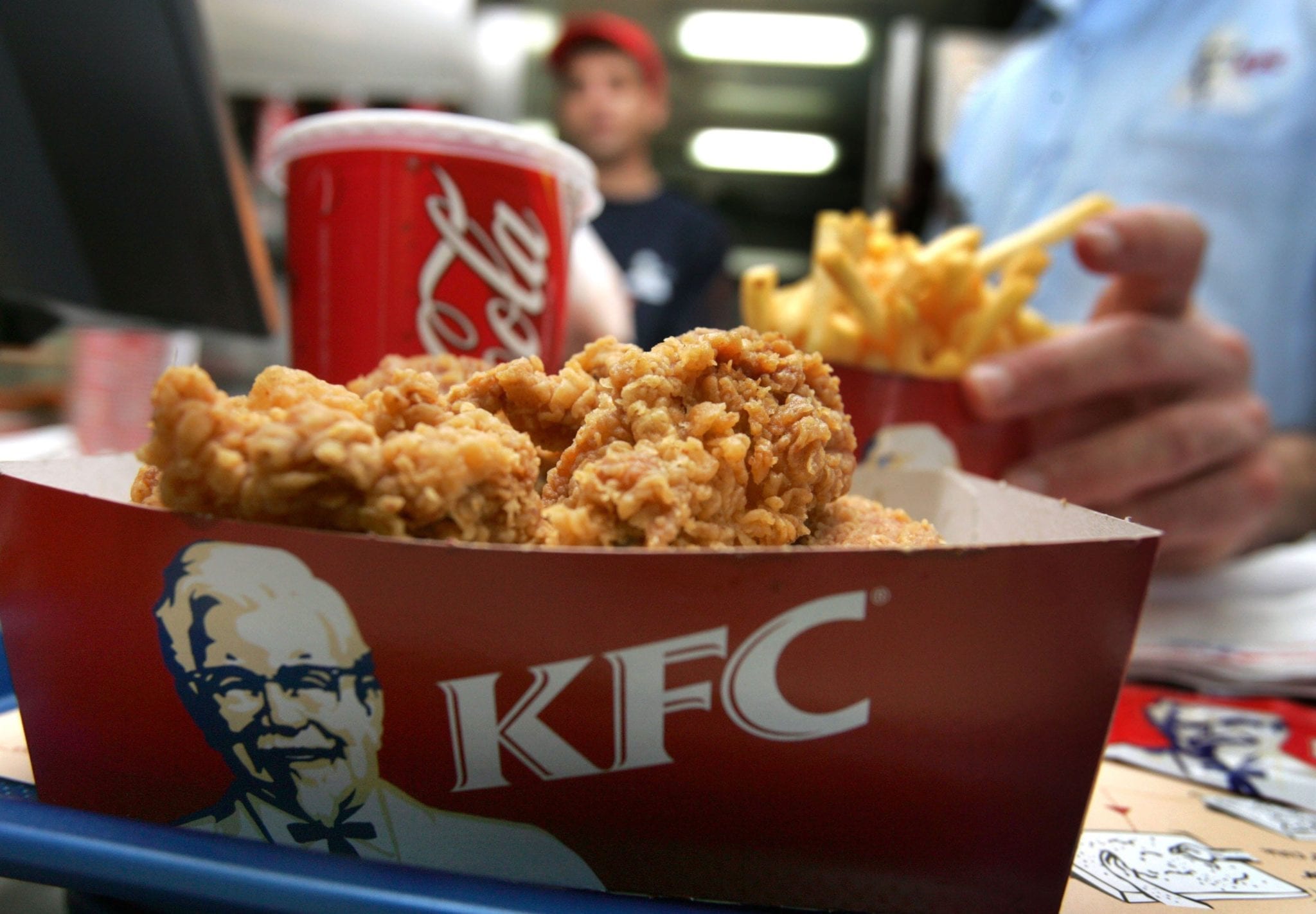
    Yum China, the parent company of KFC in China, reported a significant expansion in its digital loyalty programs which now boast over 590 million members, accounting for over 40% of the country’s population.

    Growth in Loyalty Programs

    According to Yum China’s 2025 earnings report, unique membership in loyalty programs across KFC and Pizza Hut experienced a growth of 13% from the previous year. The report also revealed that 55% of the company’s sales were made through these programs.

    David Slavick, the founder of Ascendant Loyalty Marketing, a US-based consulting firm, referred to the achievement as “the largest loyalty program in the world”.

    Yum China’s Rapid Expansion

    Yum China Holdings, an offshoot of Yum Brands based in Shanghai, owns and franchises more than 18,000 stores across the country. This includes approximately 13,000 KFC locations, which the company claims is the largest restaurant chain in the country.

    The company has pursued a strategy of quick expansion in a market where consumers utilize digital payment apps more extensively than in other consumer markets such as the United States, a trend which has sped up in recent times.

    Impact on Yum China’s Business

    On Wednesday, Yum China’s CEO, Joey Wat, informed investors that the KFC loyalty program was “really helping our long-term and short-term business”. He attributed this to the growth in the popularity of the KPRO brand, a healthier and more upscale version of KFC, which was launched in 2017. Wat revealed that 80 to 90% of KPRO’s sales come from KFC loyalty members.

    Wat also mentioned that the company’s new AI ordering assistant for KFC app users, which was rolled out across the country in January, has been used by two million members so far, mainly by diners ordering breakfast and coffee.

    Increasing Trend of Digital Ordering

    Industry experts indicate that consumers in China use digital ordering apps more frequently than their counterparts in the United States. The market for loyalty programs in China was worth nearly $20 billion in 2025 and is projected to reach almost $33 billion by 2029.

    Yum China reported that 265 million users are active, meaning they have used the program in the past year. The company’s brand-specific loyalty apps, similar to the ones in the US, allow users to order meals and deliveries digitally, and also offer discounts and personalized recommendations. Unlike most restaurant brands in the US, Yum China’s KFC app also has paid and invitation-only tiers in its membership program that provide free deliveries and prioritization in delivery queues.

    Questions & Answers

    What is the scale of Yum China’s digital loyalty programs?
    Yum China’s digital loyalty programs have over 590 million members, which represents over 40% of the population of China.

    How much of Yum China’s sales are made through their loyalty programs?
    According to the company’s report, 55% of their sales are made through their digital loyalty programs.

    What is special about Yum China’s KFC app?
    Unlike most US restaurant brands, Yum China’s KFC app has paid and invitation-only tiers in its membership program. These tiers provide benefits such as free deliveries and prioritization in delivery queues.

  • Australia’s IoT Boom: 5G Evolution to Fuel 22.1 Million Connections by 2030

    Australia’s IoT Boom: 5G Evolution to Fuel 22.1 Million Connections by 2030

    The expansion and modernization of 5G networks, coupled with the increasing use of IoT/M2M connectivity and strong government backing for these ecosystems, is set to significantly increase M2M/IoT cellular connections in Australia. By the end of 2030, it’s projected that there will be 22.1 million such connections. This represents a robust compound annual growth rate (CAGR) of 8.7% from 2025 to 2030.

    5G Growth and Impact on IoT/M2M Market

    Forecasts for Australia’s mobile broadband landscape indicate that 5G mobile subscriptions will see a CAGR of 12.6% between 2025 and 2030. This growth will have positive implications for the M2M/IoT market. The higher capacity, lower latency, and greater scalability of 5G connectivity will enhance M2M/IoT deployments across a range of sectors.

    Telecom analyst Srikanth Vaidya notes that evolving M2M/IoT use cases across industries will also stimulate adoption. Examples of these use cases include telehealth & remote diagnostics, smart retail stores, smart manufacturing, fleet management & logistics, smart cities & infrastructure, automation in agriculture, and cybersecurity-enhanced networks. Dedicated connectivity plans offered by telecommunications companies will further facilitate this growth.

    Government Support and Industry Initiatives

    In 2025, the Australian government, together with IoT Alliance Australia (IoTAA), launched a Labelling Scheme for Smart Devices. This initiative, backed by funding of up to AUD 1.7 million (USD 1.07 million), is designed to improve security and standards in the IT industry. It focuses specifically on M2M/IoT consumer smart devices, opening up new opportunities for telecommunications companies in this sector.

    Telstra is anticipated to dominate Australia’s M2M/IoT market in terms of subscriptions through to 2030. This is largely due to its versatile IoT/M2M data plans, which cater to both low data sensors and high-usage connected devices. Optus also provides a variety of IoT solutions, including telematics, connected cars, emergency lift phones replacing PSTN, and digital signage, all designed to streamline and enhance business processes.

    Conclusion

    Vaidya concludes that the increasing demand for IoT solutions and connectivity will bring about significant changes in Australia’s mobile services market. Operators providing dedicated M2M/IoT connectivity plans and services that cater to emerging use cases will be in a solid position to benefit from this trend.

    Questions & Answers

    What is the projected growth rate for M2M/IoT cellular connections in Australia by 2030?
    The projected compound annual growth rate (CAGR) is 8.7% from 2025 to 2030, with total connections expected to reach 22.1 million.

    What initiatives have been introduced to support the growth of M2M/IoT technologies in Australia?
    In 2025, the Australian government and IoT Alliance Australia (IoTAA) introduced a Labelling Scheme for Smart Devices, an initiative designed to enhance security and standards within the IT industry, particularly for M2M/IoT consumer smart devices.

    Which company is expected to lead the M2M/IoT market in Australia?
    Telstra is expected to lead in terms of subscriptions through 2030, mainly due to its flexible IoT/M2M data plans.

  • Indosat’s AI-Driven Shield: Blocking 200 Million Spam & Scam Contacts in 90 Days!

    Indosat’s AI-Driven Shield: Blocking 200 Million Spam & Scam Contacts in 90 Days!

    Indosat Ooredoo Hutchison (IOH) has announced significant success in the initial months following the launch of its AI-powered Anti-Spam and Anti-Scam feature. Just three months after its introduction, the feature has blocked hundreds of millions of potential digital fraud attempts. Launched on August 7, 2025, the tool has intercepted more than 200 million potentially harmful calls, flagged over 90 million dubious messages, and safeguarded an average of 11.5 million customers per month from possible scams.

    Artificial Intelligence Meets 5G

    This anti-fraud feature is a key component of Indosat’s AIvolusi5G program, an initiative that combines the power of artificial intelligence with cutting-edge 5G technology to enhance the safety and dependability of the network. This system works automatically on a network level, screening calls and messages for possible fraudulent activities. This does not necessitate the installation of additional applications or the use of specific devices by customers.

    According to the Global Anti-Scam Alliance’s 2025 State of Scams in Indonesia report, 66% of Indonesian adults have been the target of scam attempts in the past year, with 14% suffering financial losses totaling IDR 49 trillion (USD 3.3 billion). The majority of these scams have taken place through direct-messaging channels like SMS and chat platforms.

    Impressive Results

    Indosat’s internal data has revealed that the company’s VoLTE network alone has detected over 290 million spam calls. When expanded to encompass Indosat’s entire customer base, this results in more than 500 million identified scam and spam calls and messages within just two and a half months. Additionally, the system has flagged over 145 million spam and scam messages, which includes 110 million confirmed fraudulent messages.

    Bilal Khazmi, Director and Chief Commercial Officer of Indosat Ooredoo Hutchison, commented on the results, saying: “Our technology is designed to help customers of all age groups navigate the digital world with increased confidence. By offering fast connectivity, accessible products, and robust protection, we remain dedicated to delivering superior digital experiences that connect and empower every Indonesian.”

    While the system has not managed to block all malicious communications, Indosat has noted that its early warning alerts have contributed to reducing financial losses and increasing public awareness of online threats. Customers receive alerts about potentially harmful numbers or messages before they interact with them, enabling them to take preventative measures.

    Indosat’s approach to cybersecurity follows the Zero Trust principle, which emphasizes verification over trust assumptions. This principle forms the foundation of Indosat’s efforts to combine technological safeguards with continuous digital literacy programs.

    Questions & Answers

    What is the AIvolusi5G program?
    The AIvolusi5G program is an initiative by Indosat that merges artificial intelligence with 5G technology to improve the security and reliability of their network.

    What is the primary goal of Indosat’s Anti-Spam and Anti-Scam feature?
    The primary goal of this feature is to protect customers from potential digital fraud attempts by screening calls and messages for suspicious activity.

    How does Indosat’s cybersecurity approach work?
    Indosat follows the Zero Trust principle, prioritizing verification over trust assumptions. This approach underpins their efforts to combine technological safeguards with ongoing digital literacy programs.

  • Supreme Court Allows Reassessment of Vodafone Idea’s AGR Dues: A Win for 200 Million Consumers

    Supreme Court Allows Reassessment of Vodafone Idea’s AGR Dues: A Win for 200 Million Consumers

    Vodafone Idea (Vi) recently experienced a substantial win in the Supreme Court after the government agreed to revisit its request for additional adjusted gross revenue (AGR) dues from the corporation. The government’s decision is expected to be in accordance with the law.

    Government’s Interest in Vi

    Tushar Mehta, the Solicitor General representing the Union government, presented the case before a bench chaired by Chief Justice of India B.R. Gavai. Mehta noted an extensive shift in circumstances since the most recent AGR litigation involving Vi in the Supreme Court.

    He informed the Court of the government’s significant 49% equity investment in the company, suggesting that the government’s interests were now tightly intertwined with those of the company and, in turn, the public. He added that the company’s decisions directly affect its 200 million consumers, and the government intended to thoroughly examine any issues, such as over-invoicing, to ensure they are adequately addressed.

    Entering the “Policy Domain”

    According to the Court, the matter has transitioned into the “policy domain” due to the government’s substantial equity investment and the involvement of 200 million customers. The Court had no objections to the government’s decision to revisit its demand for additional AGR dues for the fiscal year 2016-2017 and to make an appropriate decision that would serve the larger public interest.

    Vi’s Appeal to the Supreme Court

    Vi had approached the Supreme Court to contest the additional AGR demand issued by the Department of Telecommunications (DoT) for the 2016-2017 period. The corporation argued that the liabilities had already been calculated and shouldn’t be altered or increased. It sought the Court’s dismissal of the additional DoT demand and requested a comprehensive reassessment and reconciliation of AGR dues up until FY 2016-17.

    Previous Rejections

    This most recent litigation follows only months after the Supreme Court denied earlier appeals by Bharti Airtel, Vi, and Tata Teleservices. These companies were seeking relief from paying interest on dues, penalties, and interest on penalties related to their AGR liabilities, citing significant financial constraints.

    In its May verdict, the Supreme Court labelled their pleas as “misconceived.” The Chief Justice had previously stressed the necessity for a conclusion in the AGR litigation. About a year ago, the Supreme Court rejected a curative petition filed by telecom companies, including Bharti Airtel and Vi, against the court’s October 2019 ruling that upheld the DoT’s move to recover approximately INR 92,000 crore in AGR from them.

    Questions & Answers

    What is the government’s stake in Vi?
    The government holds a significant 49% equity investment in Vi.

    What significant shift in circumstances was noted by the Solicitor General Tushar Mehta?
    Tushar Mehta observed a major change in circumstances since the last AGR litigation involving Vi in the Supreme Court, particularly the government’s large equity investment in the company.

    What was Vi’s argument to the Supreme Court against the additional AGR demand?
    Vi argued that the liabilities had already been calculated and should not be altered or increased. The company sought a comprehensive reassessment and reconciliation of AGR dues up until FY 2016-17.

  • Despite Shipping 7 Million Tonnes, Vietnam Rice Exports Witness Slump Amid Falling Prices and Weak Global Demand

    Despite Shipping 7 Million Tonnes, Vietnam Rice Exports Witness Slump Amid Falling Prices and Weak Global Demand

    From the start of the year through October 15, Vietnam exported more than 7 million tonnes of rice. Despite this significant export volume, domestic paddy and rice prices have seen a decline due to reduced purchases from exporters.

    Rice Export Data

    The cumulative rice exports from Vietnam for the mentioned period were 7.02 million tonnes. These exports were valued at approximately $3.59 billion. When compared to the same time frame from the previous year, there was a 4.4% decrease in volume and a 21.9% reduction in value, according to data from the Vietnam Food Association (VFA).

    Last week, the cost of 5% broken jasmine rice was between $420 and $435 per tonne, which is close to a two-month low. A trader based in Ho Chi Minh City reported that domestic trading activity has been relatively stagnant. This is primarily due to many exporters slowing their paddy purchases from farmers as a result of weak overseas demand.

    Domestic Market Performance

    In the domestic market, jasmine paddy was trading at approximately $0.20 per kilogram, reflecting a decrease from the previous week. Conversely, the price of ordinary paddy saw an increase to an average of $0.20 per kilogram, as reported by the VFA.

    In Can Tho, a city in the Mekong Delta region, prices for various types of paddy remained steady. For instance, jasmine paddy was priced at $0.36 per kilogram, OM 18 at $0.29, IR 5451 at $0.27, and ST25 at $0.40, as per the data shared by the Institute of Policy and Strategy for Agriculture and Environment.

    In An Giang province, the Department of Agriculture and Environment reported that fresh paddy prices ranged from $0.21 to $0.25 per kilogram, depending on the variety. Retail rice prices within the province were observed to range between $0.52 and $0.95 per kilogram.

    Production Updates

    Regarding production, the Ministry of Agriculture and Environment stated that by October 20, nearly 1.24 million hectares of the 2025 summer-autumn crop were sown across the Mekong Delta provinces. Harvesting has been completed with an average yield of approximately 6.06 tonnes per hectare, or an estimated total of 7.51 million tonnes of paddy.

    For the autumn-winter crop, 763,000 hectares were planted, surpassing the planned area by 102.8%. Of this, 263,000 hectares have been harvested with an average yield of 5.68 tonnes per hectare.

    Questions & Answers

    What is the total volume of rice that Vietnam exported from the beginning of the year through October 15?
    Vietnam exported more than 7 million tonnes of rice during this period.

    How have domestic paddy and rice prices in Vietnam been affected?
    Domestic paddy and rice prices have seen a decline due to reduced purchases by exporters.

    What has been the impact on domestic trading?
    Domestic trading activity has been relatively stagnant due to many exporters slowing their paddy purchases from farmers because of weak overseas demand.

  • Siam Paragon Unveils $39m Investment In Three New World-class Attractions

    Siam Paragon Unveils $39m Investment In Three New World-class Attractions

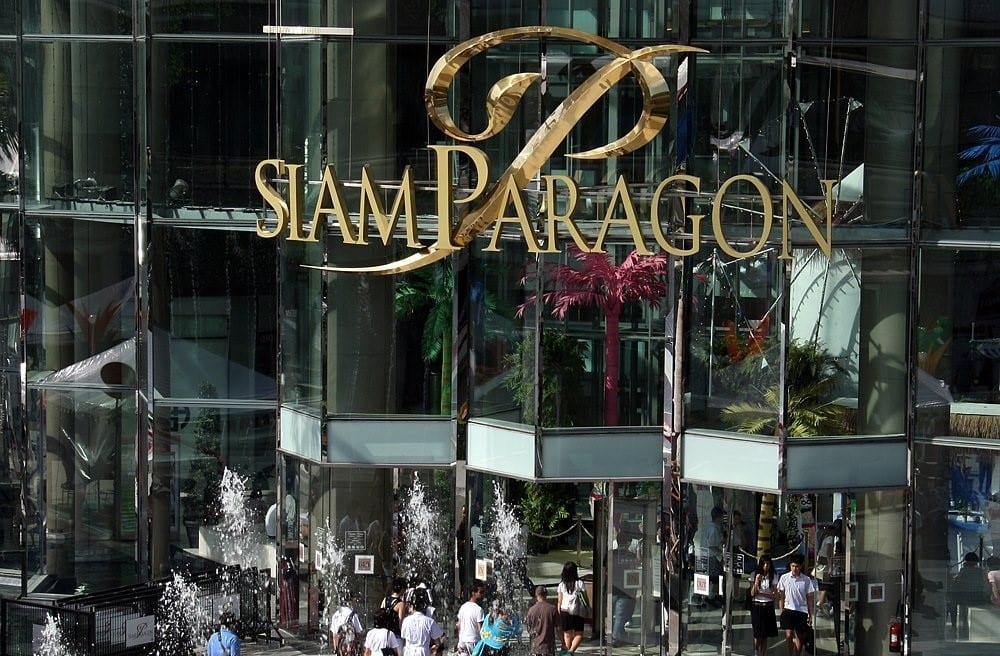
    Siam Paragon, a well-known retail destination situated in Bangkok, Thailand, is set to launch three new world-class attractions later this year.

    The initiative, which represents an investment exceeding THB 1.25 billion (approximately US$39 million) and a marketing budget of THB 200 million (US$6 million), is aligned with Siam Paragon’s objective to provide unique attractions that attract international visitors and boost footfall to its retail spaces.

    For instance, the Sea Life Bangkok, one of the largest aquariums in Southeast Asia, nestled within the basement of Siam Paragon, covers an area of 10,500 sqm and attracts over 2.5 million visitors each year.

    Upcoming Attractions

    Following the success of the aforementioned aquarium, Siam Paragon plans to expand its range of attractions by introducing two additional world-class features. These attractions, spanning across 20,000 sqm, consist of MeLand, the first indoor theme park in Thailand, occupying 5000 sqm, and Nextopia, a unique 15,000 sqm prototype representing the ‘world of tomorrow’.

    The inclusion of these new attractions will integrate a total of 30,500 sqm of unique attractions, making Siam Paragon the most diverse entertainment destination in Thailand, catering to a broad spectrum of visitors.

    Furthermore, the center is preparing to launch Siam Paragon Dining Phenomenal, a vibrant dining hub with a selection of over 700 global and local restaurants, cafes, dessert bars, and kiosks.

    A Sneak Peek into Nextopia and MeLand

    Nextopia, supported by an investment of THB 850 million (approximately $26.3 million), is a collaborative endeavor with 50 ‘innovation partners’ and 30 ‘friends’ of Nextopia communities. This endeavor aims to create a better world that brings meaning, joy, entertainment, and a commitment to quality and sustainable living.

    MeLand, to be constructed on the fifth floor of Siam Paragon with an investment of THB 400 million (approximately US$12.5 million), promises to provide families with a world of boundless imagination, play, and discovery, boasting over 100 attractions and 500 edutainment experiences.

    Siam Paragon Dining Phenomenal: Culinary Delights Await

    Siam Paragon is confident that the launch of Siam Paragon Dining Phenomenal will cement its reputation as Asia’s largest and most comprehensive culinary destination, bringing together over 700 restaurants across every level of the mall.

    Starting from the newly renovated Paragon Food Court and Food Hall, visitors can explore over 100 renowned street food eateries that encapsulate the vibrant flavors of Bangkok. The culinary journey continues with legendary Thai eateries, globally-recognized chefs, and unique international introductions.

    A new zone named Eatelier Dining Entertainment, featuring 30 restaurants, offers an artistic touch to every dining experience. Customers can enjoy live performances by bands and DJs, creating a captivating ambience suitable for both day and night.

    A Significant Step for Siam Paragon

    The unveiling of these three attractions in the last quarter of the year represents a significant step in Siam Paragon’s journey as it celebrates its 20th anniversary.

    A representative from Siam Paragon emphasized that the new developments underscore the center’s commitment to delivering “unparalleled experiences to over 100 million visitors annually” and will further elevate Bangkok’s stature as a top destination for global visitors.

    Questions & Answers

    What are the new attractions at Siam Paragon?
    Siam Paragon is set to launch three new attractions: Nextopia, MeLand, and Siam Paragon Dining Phenomenal.

    What is Nextopia?
    Nextopia is a unique prototype that represents a future world. It aims to inspire every step of life with meaning, joy, entertainment, and a commitment to quality and sustainable living.

    What can visitors expect at MeLand?
    MeLand, an indoor theme park, promises to provide families with a world of boundless imagination, play, and discovery with over 100 attractions and 500 edutainment experiences.

  • Shein Slapped With $176m Fine Over Data Violations, Vows To Appeal

    Shein Slapped With $176m Fine Over Data Violations, Vows To Appeal

    Internet-based, fast-fashion purveyor Shein has come under fire from France’s data protection authority, resulting in a fine of 150 million euros ($175.61 million USD) for the company’s misuse of cookies. This decision has been contested by Shein, who plans to appeal.

    Violation of Data Protection Laws

    The Commission Nationale de l’Informatique et des Libertés (CNIL), a government entity responsible for ensuring consumer data protection, condemned Shein’s website for its failure to abide by regulations. The issue at hand was the collection of consumer data without their explicit consent.

    During a test conducted in August 2023, the CNIL found that even as users of Shein’s French site opted out of cookies – small files utilized by websites and advertisers to identify individual users and track their online activity – the cookies were still present on the user’s computer.

    According to the European Union’s General Data Protection Regulation, cookies are categorized as personal data due to their ability to identify customers and target them with advertisements. Websites are obligated to secure consent to use these cookies.

    Significant Fine Reflects Multiple Breaches

    The CNIL stressed that the hefty fine was a reflection of Shein’s multiple violations. The company was found to be depositing cookies without user permission, ignoring user choices, and failing to provide adequate information.

    Contributing to the size of the penalty was also Shein’s significant reach, with the CNIL pointing out that 12 million French residents visit the site monthly.

    Shein to Contest Decision

    Shein has pushed back against the CNIL’s actions, voicing their intention to file an appeal. The company described the fine as “wholly disproportionate” considering the nature of the purported issues, their current compliance, and the proactive steps they’ve taken towards correction.

    The company stressed that they’ve been fully cooperative with the CNIL since August 2023, and have bolstered all facets of their data protection procedures.

    Founded in China and headquartered in Singapore, Shein suggested that the fine was political in nature, rather than the result of a fair and balanced enforcement.

    Shein, known for its affordable fashion items, has faced backlash in France, where legislators have supported a proposed law to regulate fast-fashion. If this law is enforced, Shein’s advertising would be prohibited.

    The 150-million-euro fine represents approximately 2% of the 7.684 billion euros revenue reported by Shein’s Ireland-registered entity in Europe in 2023, the most recent year for which data is available.

    Questions & Answers

    What was Shein fined for?
    Shein was fined for improperly using cookies on its website, which resulted in the unlawful collection of consumer data.

    Why does the size of the fine matter?
    The size of the fine reflects the severity of Shein’s violations, taking into account multiple instances of non-compliance, including placing cookies without consent, not honoring user choices, and failing to adequately inform users.

    What implications does this have for Shein’s operations in France?
    This incident, coupled with local lawmakers’ consideration of a law to regulate fast fashion, could potentially impact Shein’s ability to advertise and operate in France.

  • Clementi Mall Hits Singapore Market With S$750 Million Price Tag Amid Cuscaden Peak’s Portfolio Optimization Strategy

    Clementi Mall Hits Singapore Market With S$750 Million Price Tag Amid Cuscaden Peak’s Portfolio Optimization Strategy

    Cuscaden Peak Investments has made the decision to put the Clementi Mall, located in Singapore, on the market. The asking price for the suburban, mid-range shopping hub is expected to be around S$750 million, as per sources privy to the matter.

    Property Details and Background

    The Clementi Mall is a bustling hub of activity, featuring a six-storey retail podium along with a basement level. The mall is home to approximately 160 tenants, providing a wide range of services and products to meet various consumer needs. A key selling point for the commercial property is its direct link to the Clementi MRT station, which attracts an impressive footfall of around 300 million visitors annually.

    The rumored sale is reportedly a part of Cuscaden Peak Investments’ larger business strategy of portfolio optimization and capital recycling.

    The mall’s current asking price represents an increase of about 15% compared to its previous valuation of approximately $645 million in December of the previous year.

    Managing the Sale

    To streamline the sale process, two renowned real estate service providers, Cushman & Wakefield and Savills, have been appointed.

    Cuscaden Peak Investments, the current owner of the mall, is a wholly-owned subsidiary of Cuscaden Peak. The latter, a consortium, was initially founded by Hotel Properties Ltd (HPL), CLA Real Estate Holdings of CapitaLand, and a Mapletree Investments unit.

    In 2022, this consortium made headlines by acquiring Singapore Press Holdings (SPH), which included The Clementi Mall within its portfolio. The mall was a part of SPH Real Estate Investment Trust and was later rebranded as Paragon Reit.

    Over time, HPL chose to exit the consortium. Subsequently, Paragon Reit underwent privatization in April and was delisted in June.

    Questions & Answers

    What is the estimated value of the Clementi Mall?
    The current asking price for the Clementi Mall is around S$750 million, which is a 15% increase from its valuation in December of the previous year.

    Who are the managers appointed for the sale of the mall?
    Real estate service providers Cushman & Wakefield and Savills have been tasked with managing the sale of the mall.

    Who are the current owners of the Clementi Mall?
    The Clementi Mall is currently owned by Cuscaden Peak Investments, a subsidiary of Cuscaden Peak.

  • Lenskart Eyes Expansion With $247.6m IPO; Major Shareholders To Sell Off Shares

    Lenskart Eyes Expansion With $247.6m IPO; Major Shareholders To Sell Off Shares

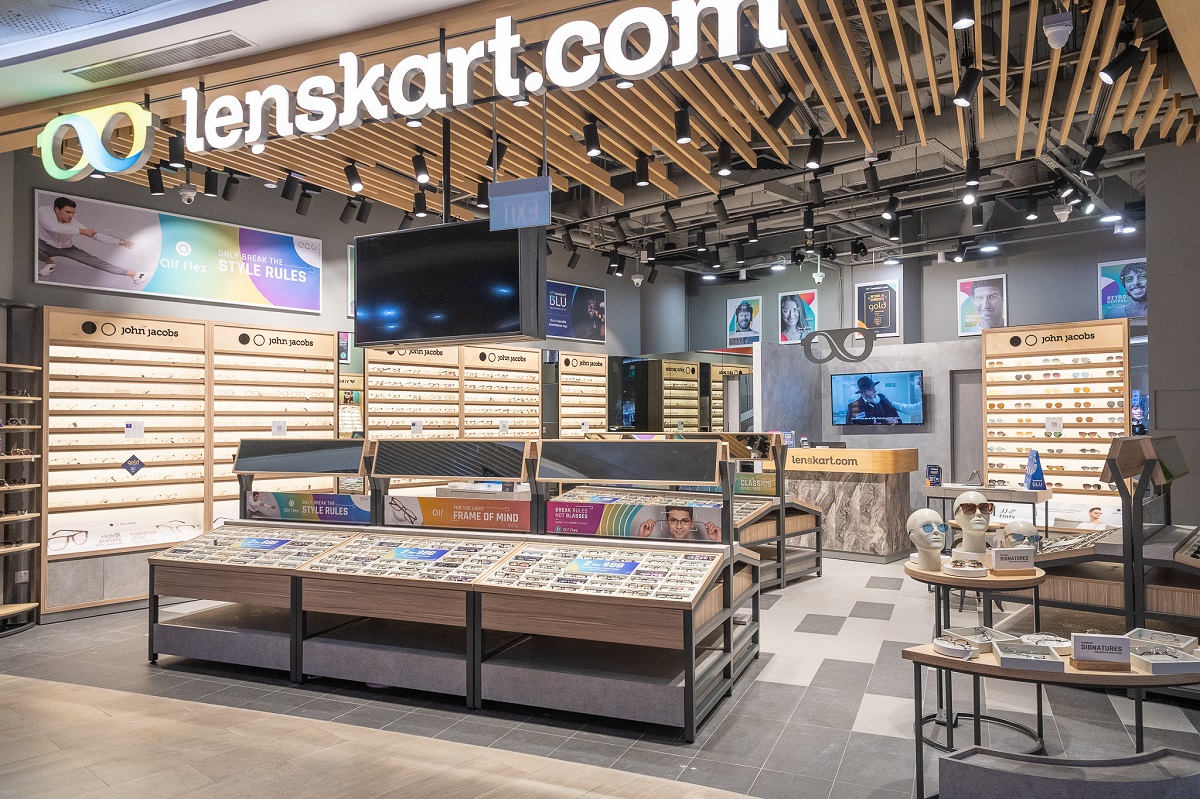
    India’s leading eyewear retailer, Lenskart, has recently submitted an application for an initial public offering (IPO), aiming to issue fresh shares valued at US$247.6 million as outlined in their draft prospectus.

    Major Shareholders Selling Shares

    The firm’s major shareholders, termed as ‘promoters’, will collectively sell off approximately 132.3 million shares. This group of promoters includes noteworthy investment firms such as Mumbai’s Kedaara Capital, Singapore’s state investment body Temasek, and SoftBank from Japan.

    Management of the IPO

    The IPO will be managed by a team of prominent financial firms. Among them are Morgan Stanley, Kotak Mahindra Capital, Axis Capital Holdings, and Citi.

    Allocation of Capital Raised

    As per the draft prospectus submitted to the Securities and Exchange Board of India (SEBI), the revenue generated from this new share issuance will be invested in establishing additional company-owned and operated stores nationwide.

    The funds from the IPO will also be allocated towards the enhancement of technology, the improvement of cloud infrastructure, and to cater for various other corporate purposes.

    Closer Look at Lenskart

    Established in 2010, Lenskart holds an impressive valuation of US$6.1 billion as of June 13. However, the company also carries a debt of US$57 million as of March 2024, as per the data provided by Tracxn.

    Questions & Answers

    What is the purpose of Lenskart’s IPO?
    Lenskart’s IPO is aimed at raising funds to invest in new company-owned and operated stores across India, as well as to enhance their technological capabilities and improve their cloud infrastructure.

    Who are the major shareholders, or ‘promoters’ of Lenskart?
    The major shareholders include Mumbai’s Kedaara Capital, Singapore’s state investment company Temasek, and Japan’s SoftBank.

    What is Lenskart’s current valuation and debt?
    Lenskart’s valuation stands at US$6.1 billion as of June 13. However, the company carries a debt amounting to US$57 million as of March 2024.

  • McDonald’s to sell Hong Kong retail spaces valued at US$153 million

    McDonald’s to sell Hong Kong retail spaces valued at US$153 million

    Fast-food giant McDonald’s has announced plans to sell eight top-tier retail properties in Hong Kong, collectively estimated to be worth HK$1.2 billion (US$152.89 million). Jones Lang LaSalle (JLL), appointed as the exclusive agent for the sale, reported the news earlier this week.

    The properties will be sold via public tender, with the process scheduled to conclude on September 16. Buyers will have the flexibility to purchase the properties either separately or as a comprehensive portfolio. All the properties come with enduring leases with McDonald’s, which adds to their appeal.

    Previously, there had been reports that McDonald’s was considering selling all of its 23 stores in Hong Kong, the total market value of which is roughly HK$3 billion (US$382 million). The current sale of eight stores represents the first phase of this broader asset disposal strategy.

    This move is part of McDonald’s larger efforts to refine its asset base in the region. In 2017, McDonald’s sold its 20-year master franchise rights for China and Hong Kong to a consortium led by Citic Group and private equity firm Carlyle, while maintaining ownership of its real estate portfolio.

    Questions & Answers

    What is the estimated market value of the eight Hong Kong properties that McDonald’s plans to sell?
    The total market value of the eight properties is estimated to be around HK$1.2 billion (US$152.89 million).

    How will the sale of these properties be conducted?
    The sale will occur via public tender and is scheduled to conclude on September 16.

    What is McDonald’s broader strategy for its assets in the region?
    This sale is part of McDonald’s larger efforts to optimize its regional asset base. The company previously sold its 20-year master franchise rights for China and Hong Kong to a consortium, while retaining ownership of its real estate portfolio.

  • US-based Rover Group Acquires Mad Paws For $62m, Excludes Associated Brands

    US-based Rover Group Acquires Mad Paws For $62m, Excludes Associated Brands

    Mad Paws, a pet services provider, has agreed to a takeover by US-based Rover Group in a deal valued at around $62 million. The planned acquisition will see Rover obtain complete ownership of Mad Paws through a scheme of arrangement, with each Mad Paws shareholder receiving $0.14 per share in cash. This offer reflects an 87% premium on the closing price of Mad Paws shares as of Monday. The deal puts the transaction equity value at $62 million.

    Deal Specifics

    Rover Group’s interest lies solely in the online marketplace business of Mad Paws, and does not include its associated brands, namely the online pet pharmacy Pet Chemist, pet treat enterprise Waggly, and e-commerce brand Sash. Consequently, Mad Paws has agreed to sell its Pet Chemist division to VetPartners Australia for approximately $13 million and terminate the operations of Sash and Waggly. Upon finalization of the Pet Chemist sale, Howard Humphreys will step down from his role as an executive director of Mad Paws.

    Looking Ahead

    The CEO, executive director, and co-founder of Mad Paws Group, Justus Hammer, expressed his enthusiasm for the impending partnership with Rover. He stated that the company takes pride in the community of pet enthusiasts it has built over the last decade, and looks forward to leveraging Rover’s expertise to continue advancing towards their shared objective.

    Mad Paws, which was established in 2014, operates a pet care marketplace that enables users to find and offer pet sitting, hosting, walking, training, and grooming services. Even after the acquisition, the company plans to continue to function independently, retaining its own brand identity and Sydney-based operations under Hammer’s leadership.

    The completion of the deal is subject to various customary conditions, including approval from shareholders, the court, and the Foreign Investment Review Board (FIRB).

    Rover, founded in 2011 and stationed in Seattle, runs an online marketplace for pet care, with a presence in 16 countries across North America and Europe.

    Questions & Answers

    What is the valuation of the Mad Paws acquisition by Rover Group?
    The deal is valued at approximately $62 million.

    What happens to Mad Paws’ associated brands after the acquisition?
    Mad Paws’ Pet Chemist division will be sold to VetPartners Australia and the operations of Sash and Waggly will be terminated.

    What is the future of Mad Paws following the acquisition?
    Post-acquisition, Mad Paws plans to continue operating independently, maintaining its brand identity and base in Sydney under the leadership of Justus Hammer.