Retail News CRM

Tag: News

  • UnionPay partners with Latitude19

    UnionPay partners with Latitude19

    Latitude19 Technology says its internet payment gateway is now registered with UnionPay Online Payment, a service for eCommerce transactions that enables UnionPay cards to be accepted over the internet with real-time transaction authorisation.

    The service brings the convenience of transacting over the internet to all Issuers, Acquirers, Merchants, and UnionPay cardholders in a simple and secure way, opening the way for holders of more than 5 billion UnionPay cards to shop online.

    Latitude 19 Technology CEO & founder, Timothy Moore said UnionPay registration is an important milestone in the company’s strategy to become the leading global offshore payment gateway.

    The deal makes Latitude19 the first provider for UnionPay in the Caribbean and Latin America.

    “Our partnership with the world’s largest card association, will fast track our growth and provide valuable solutions for our clients.”

    Latitude19 Technology’s UnionPay International credit card issuing program is based on a globally recognised platform that has been designed to rapidly launch and deploy new programs or expand existing programs in real-time versus taking months with other legacy platforms. It supports debit, credit, or emerging payment programs in plastic, virtual, or mobile form.

    Latitude19 Technology is a Cayman Islands-based secure, international, online payment gateway that offers competitively priced, custom credit card payment solutions for eCommerce merchants.

  • Malaysian GST hammers retail sales

    Malaysian GST hammers retail sales

    Grocery retailers in Malaysia have reported a slump in retail sales of up to 20 per cent in the second quarter of this year – the three months after the introduction of Malaysian GST.

    Malaysian GST of a modest six per cent was imposed on April 1. Prior to that there was evidence of consumers stockpiling products – especially fast moving consumer goods – many of which the new tax was not applied to anyway.

    The nation’s largest convenience store operator, 7-Eleven, says the scale of the downturn took many retailers by surprise.

    “I think all retailers anticipated a slowdown in sales as a result of GST, but they probably did not anticipate the weak consumer sentiment and low consumer confidence at the same time,” 7-Eleven CEO Gary Brown told The Malaysian Reserve.

    With 1840 stores across Malaysia and 80 per cent of the c-store market, 7-Eleven is well placed to gauge the national spending mood.

    It plans to respond to the downturn in sales by broadening the range of services it offers customers and expanding the in-store experience beyond mere convenience.

    “We will continue to expand our innovative promotion activities and campaigns to reward our existing shoppers and to attract new shoppers.

    “This includes expanding our in-store services such as mobile phone reloads, bill payment, Touch n Go reloads and eCommerce.”

    The 7-Eleven CEO’s comments come just weeks after the Malaysia Retailers Association (MRA) lowered its growth projections for retail sales growth this year for the third time – down nearly one per cent to four per cent.

    While the tax has had an arguably short term effect, the local currency, the Ringgit has weakened substantially during the last six months, causing price increases on imported goods and raising transport costs. The arrival of GST weakened consumer sentiment.

    According to the MRA, retail sales overall declined three per cent in the second quarter after a 4.6 per cent increase in the first quarter, partly due to consumers stockpiling or buying big ticket items before April 1.

    The MRA expects third quarter growth of 4.8 per cent and fourth quarter growth of 6.9 per cent.

    “Malaysian consumers will get used to the GST by the last quarter of 2015. Retail spending will return to normal again by this period. This industry is expected to recover strongly with a 6.9% growth rate,” it said.

    But anecdotal feedback from retailers Inside Retail Asia has spoken with suggests those projections may well be overly optimistic.

    Malaysian retailers say consumers have been slow to resume spending even after recognising the overall impact of GST is lower than they feared.

  • CapitaLand posts healthy quarter

    CapitaLand posts healthy quarter

    CapitaLand Limited has today announced a second half after tax group profit of S$464 million – 5.8 per cent up on the same period last year.

    The property giant, which derives 80 per cent of its revenue from Singapore and China, has a portfolio including shopping malls, serviced apartments, office blocks and hotels trading under a variety of banners.

    In a statement, CapitaLand said its operating profit was 87.6 per cent higher than the same quarter last year on account of gains from the change in the use of development properties for sale in China, namely The Paragon (Tower 5 & 6) and Raffles City Changning (Tower 3). These projects are at prime locations in Shanghai and the group has changed its business plans for these projects from strata-sale to leasing as investment properties.

    The result was impacted by an impairment for a development project in China.

    Revenue increased by 17.8 per cent on the back of higher contribution from development projects in China, partially offset by lower revenue from development projects in Singapore and Vietnam.

    The group says it recorded higher rental revenue from its shopping mall and serviced residence businesses during the quarter.

    Lim Ming Yan, president & group CEO, said CapitaLand’s well-balanced portfolio of investment properties and residential projects will continue to generate recurring income and trading profits for the group.

    “While CapitaLand remains focused on Singapore and China as core markets, it is exploring opportunities to expand in growth markets such as Vietnam, Indonesia and Malaysia. CapitaLand has built a significant scale across diversified asset classes and strong expertise in integrated developments, shopping malls, serviced residences and capital management. Coupled with its technology efforts, CapitaLand continues to strengthen its position for growth,” he said.

  • Big differences in Asian travel spending

    Big differences in Asian travel spending

    Koreans travel abroad most frequently, Chinese spent the most money and Japanese visit the most faraway places most often.

    Those are findings from a study by Visa card, 2015 Survey on Travel Plans, in which 13,603 people from 25 different countries shared information about their travels.

    According to the results, Koreans traveled an average of five times during the past two years, ranking the highest in travel frequency – well above the global average of three times.

    Around 90 percent of the Korean respondents answered they had travelled abroad within the past two years. But as travellers, Koreans seem to be of frugal mind when it comes to expenses. They spent an average of $1808, which was way below the global average ($2281). They also have a tendency to set a budget and stick to it. Korean travelers paid 46 per cent of their expenses before departure, and 75 per cent of the payments were made by credit card.

    On the other hand, the average travel expense for Chinese travelers was $4780 – more than double the global average. Unlike Koreans, Chinese people had a tendency to decide what they wanted to do on the trip first and then calculate the expenses.

    While 36 per cent of Korean travelers and 34 per cent of Chinese travellers visited Japan, 36 per cent of Japanese travellers visited the US, showing their preference for long distance travel. The average time taken to get to the destination was longer for Japanese travelers (nine hours), compared to eight hours for Chinese travellers and six hours for Korean travellers.

    The average travelling expense for Japanese was $3165, which was less than the average of Chinese.

    In terms of accommodation, 41 per cent of Korean travellers and 62 per cent of Chinese preferred hotels with more than four stars, while 49 per cent of Japanese preferred one to three star hotels.

    The portion of Koreans who preferred package tours (47 per cent) was similar to the portion of those who liked to travel freely (52 per cent). However, more than half of the Chinese (65 per cent) and Japanese (77 per cent) preferred tour packages.

    Ian Jamieson, head of Visa Korea, said it was impressive that Korean travellers prepare well and frequently go on trips and the purchasing power of Chinese travellers was also interesting.

  • Asia remit for new Tiffany exec

    Asia remit for new Tiffany exec

    Tiffany & Co has appointed Philippe Galtié to the position of senior VP – international.

    Galtie, who is currently with super luxury brand Cartier, will direct all of the sales channels for Greater China, Asia-Pacific, Japan and EMEA.

    He takes up the new post on August 17.

    Frédéric Cumenal, Tiffany & Co CEO, said, Galtie brings to Tiffany & Co a seasoned understanding of the global retail landscape.

    “This knowledge will have a significant impact on the oversight and management of our store design and strategic planning teams.”

    Galtié, 54, began his career with a range of general management and global marketing roles at Moët-Hennessy, Mars Inc, Eridania Beghin Say and the Nestlé Group. For the past 15 years he has worked at Cartier, where he served as country head or other senior positions throughout Japan, Greater China and the Asia Pacific regions. Most recently, Galtié held the role of Cartier’s international retail director.

    Tiffany is the internationally-renowned jeweler founded in New York in 1837. Through its subsidiaries, Tiffany & Co. manufactures products and operates Tiffany & Co retail stores worldwide, and also engages in direct selling through Internet, catalog and business gift operations.

  • Uniqlo ‘modest wear range’ targets Muslims

    Uniqlo ‘modest wear range’ targets Muslims

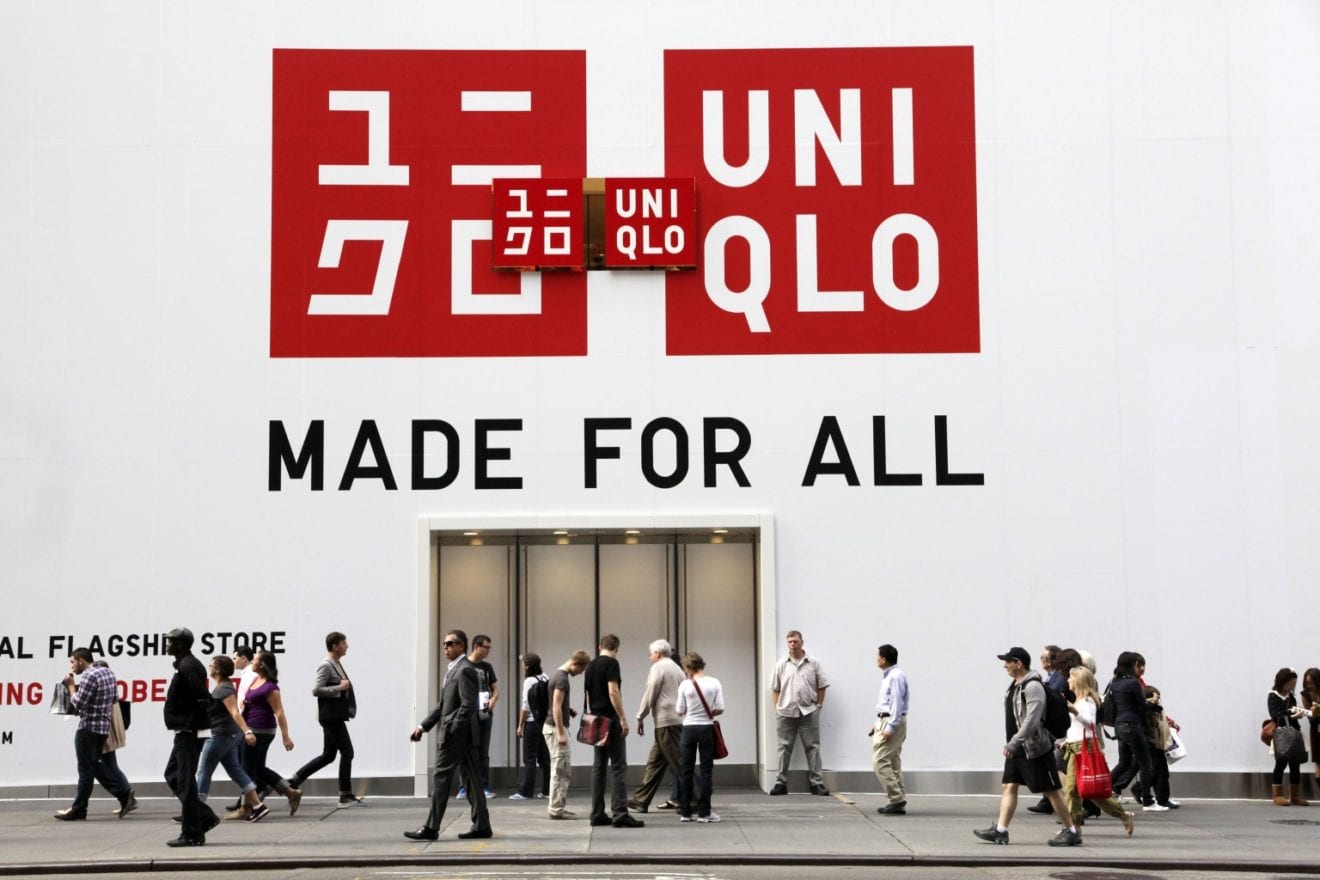
    A new Uniqlo modest wear range designed in partnership with UK designer and blogger Hana Tajima has gone on sale in Malaysia and Singapore.

    The Uniqlo X Hana Tajima Collection is launched today, July 3, at Uniqlo’s 313@Somerset store on Singapore’s Orchard Rd, and online at www.uniqlo.com/sg.

    A promotional campaign is fronted by Malaysian singer Yuna and the range is expected to be launched in Asian markets with large Muslim populations, such as Malaysia and Indonesia.

    Uniqlo says in line with its ‘LifeWear concept’, the collection is designed to meet the needs of women who value comfortable and relaxed wear. This inaugural collection takes inspiration from an international approach in appreciation of diverse culture and style.

    “Although Uniqlo X Hana Tajima caters to ladies who embrace modest fashion, this collection has been carefully designed to suit contemporary tastes and is versatile to complement a fashionista’s wardrobe easily,” the company said in a statement.

    The collection features pants (SG$49.90), skirts ($49.90), rayon blouses ($49.90) and long dresses ($49.90-$59.90) with a comfortable, relaxed fit which Uniqlo says makes them appropriate for an office and perfect as casual outfits.

    “Our conservative customers will certainly delight at the variety of stylish hijab headscarves ($24.90-$29.90), as well as inner AIRism hijab headscarves ($4.90) and headbands ($14.90). AIRism is a Uniqlo patented material that is thin, light and absorbs moisture for extraordinary comfort especially in tropical climates.

    Taku Morikawa, CEO of Uniqlo Singapore, said the Hana Tajima collection illustrates Uniqlo’s ambition of making fashionable, high quality products for all to wear, while enhancing their lifestyle at the same time.

    “We worked with Hana to determine what would be internationally appealing while keeping to the concept of modest wear. We are thrilled with the results of this unique collaboration which produced a desirable collection that does not sacrifice style for utmost comfort.”

    Hana Tajima, who oversaw the design of every piece in this collection, said: “We want to create a collection that not only appeals to modern ladies who prefer to dress modestly, but also an international audience who desire clothes that fit comfortably and look contemporary. My collection is specially designed to allow effortless mix and match for the today’s women to express their own style.”

  • New leadership for Foodpanda Malaysia

    New leadership for Foodpanda Malaysia

    Foodpanda, the global mobile food delivery marketplace has appointed new executives to lead the company’s Malaysian subsidiary.

    Joon Chan and Uffe Jordan have been appointed MDs of Foodpanda Malaysia.

    Chan is described as “a seasoned entrepreneur and executor” who after working in the venture capital industry, founded two regional startups and consulted for many across Southeast Asia for Foodpanda’s parent Rocket Internet.

    With Foodpanda having a virtual monopoly on home delivery food services in Malaysia, Chan says he is focused on improving the overall delivery experience of customers.

    “Our main goal is to be the best food delivery service in Malaysia and we will only strive to be the best”, he said.

    Uffe Jordan holds a Master of Science in Finance and Accounting from Copenhagen Business School. He worked more than five years for a Danish private equity firm before joining Foodpanda Malaysia.

    Uffe believes that there is still room for Foodpanda Malaysia to grow and says he will be expanding “the melting pot of restaurants” on Foodpanda, especially Malaysian favorites, with an emphasis of quality over quantity.

    Including the last funding round of US$100 million, Foodpanda globally has now raised over US$310 million since its launch in 2012. After acquiring key competitors in India, Mexico, Russia, Brazil, Eastern Europe and Southeast Asia, the company will use the recent investment to further expand its own delivery activities and improve overall customer experience across its 40 markets.

    Last-mile delivery has been part of Foodpanda’s operations since the beginning, and it says it will now accelerate its efforts to drive customer satisfaction, aiming to offer the most convenient way of ordering food – from the mobile app and online.

  • Manpower issues harm Sasa Singapore

    Manpower issues harm Sasa Singapore

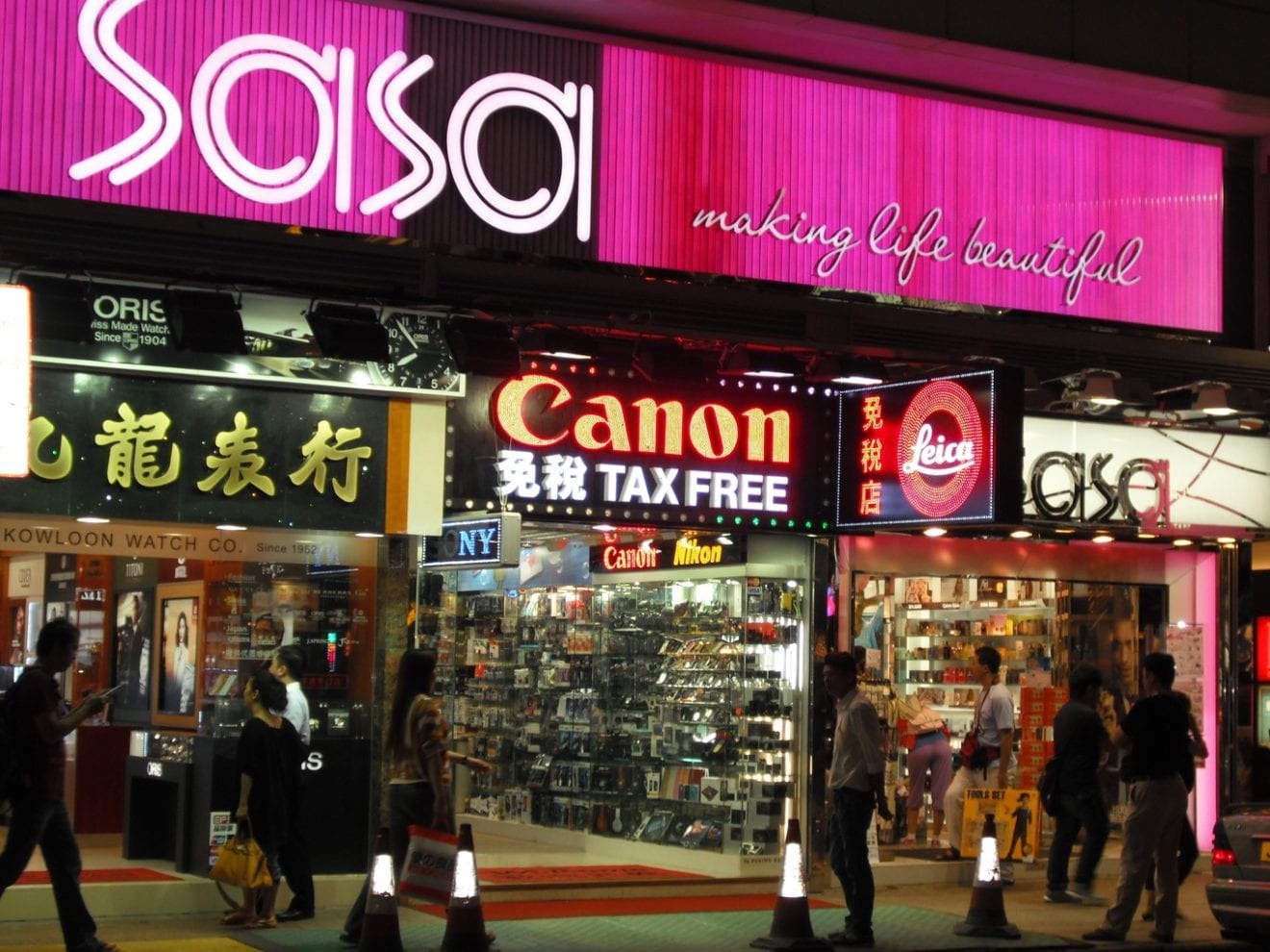
    Sasa Singapore says government restrictions on staff hiring are adversely affecting its business in the city state.

    As a result, the company plans to rationalise its store network and exit some leases early.

    The Hong Kong-headquarter retailer says that during the year to March 31, turnover in Singapore decreased by 2.6 per cent in local currency to HK$243.7 million. Same store sales dropped by 5.9 per cent in local currency.

    “The challenge of filling vacancies for frontline staff and Singapore’s acute manpower constraints adversely affected our store productivity,” the company said in its stock exchange filing in Hong Kong.

    “Moreover, persistent high rental costs and dilution of sales due to the excessive increase in overall Singapore retail space contributed to the losses.”

    In the year ahead, Sasa says it will close inefficient stores, and open stores in new malls with good potential.

    “To cope with the persistent constraints in manpower, we will enhance staff product knowledge and monitor staff productivity. The group will also work on staff retention to minimise the loss of experienced sales staff and convert more job scopes into automation so that employees can concentrate on analytical and quality enhancement.”

    Sasa says its Singapore sales decline was mainly due to slower domestic income growth, resulting in weaker retail sentiment.

    “Tourism was also affected by the tragedy of the missing Malaysian Airlines passenger plane, with the top two tourist originating countries of Indonesia and China both seeing shrinkage in arrivals during the year.”

    In Malaysia, turnover increased 6.1 per cent in local currency to HK$340.3 million. Same store sales decreased 0.2 per cent.

    “Our retail sales and profit growth were impacted by changes in the management team, which adversely affected store productivity and our performance during the transitional period,” the company said.

    Malaysia sales were also affected by the Malaysian Airlines tragedy, resulting in a drop in tourism numbers.

    “We continued to expand our store network to provide enhanced service to our customers and to increase our competitiveness.”

    In Taiwan, Sasa’s turnover grew 5.7 per cent in local currency to HK$289.2 million. Same store sales grew by 1.6 per cent.

    “Sales were boosted by the enhanced house brand product mix and introduction of lower priced products and promotions, which drove traffic and sales through cross-selling. Our strategic store expansion plan began to bear fruit and we were able to capture the growth potential of increasing numbers of Mainland Chinese visitors,” the company reported.

  • Rome to host World Retail Congress 2015

    Rome to host World Retail Congress 2015

    Now in its ninth yr, the World Retail Congress is the important assembly place for senior retail executives.

    After consultations with senior retailers around the globe, the World Retail Congress 2015 introduces many new modifications and initiatives, not the least of which is a brand new location and host metropolis, Rome. The Cavalieri Lodge is a very excellent venue for the 2015 World Retail Congress.

    Created in response to demand for a platform for retailers from all all over the world to debate the important thing points affecting the retail business, the Congress has succeeded in bringing collectively a few of the best possible audio system to assist that course of.

    The World Retail Congress program seeks to not solely mirror however to additionally lead the senior retail agenda. This has by no means been extra necessary than it’s right now because the business undergoes monumental change.

    This yr’s theme summarises the most important problem dealing with all retailers: “Retail transformation as we speak, tomorrow and past”.

    The Congress has put collectively a line-up of main retailers, newer start-ups and disruptors and exterior specialists to offer inspiration. This system will launch a number of unique analysis stories commissioned by the World Retail Congress and steered by main retailers.

    CEOs will have the ability to meet for personal dialogue periods however to additionally profit from conferences with the highest keynote audio system and in addition be a part of a specifically ready management workshop led by Oxford College’s Enterprise Faculty.

    Throughout the three days, delegates will even take pleasure in enterprise streams and workshops which might be extra interactive and intimate to make sure most output.

    And the Congress closes there shall be a Gala dinner open to all delegates and their companions to take pleasure in a really particular night in one in every of Rome’s prime places. The dinner may even reveal the winners of the 2015 World Retail Awards.

    The World Retail Congress 2015 shall be held in Rome from September Eight-10.

    What does the longer term maintain for what you are promoting?

    Over three days the Congress will dive deeper into particular subjects according to the overarching theme of transformation. These embrace:

    The worldwide agenda and retail: Main economists, authorities figures, NGOs, associations and commerce our bodies will take part to offer a future wanting perspective on political, social and environmental actions the world over and their potential impression on the business.

    Management and organisational construction: A variety of key periods will handle how retailers are defining the ‘board of the longer term’ and modernising their enterprise tradition. As well as, a specifically commissioned MBA CEO management workshop led by Oxford College’s Säid Enterprise Faculty will present perception and analysis to help CEOs in managing inner transformation.

    Sustainable Enterprise Fashions: Reworking to create a sustainable progress technique is the order of the day and this system consists of quite a few discussions and debates on this essential theme. With the give attention to worthwhile, sustainable enterprise improvement periods will assess influential elements together with the supplier-retailer relationship and the battle towards promotional ‘fever’.

    Worldwide Enlargement: Periods designed and led by those that have years of expertise on this space will present insightful dialogue on the ‘The place?’ ‘When?’ And ‘How?’ questions; in addition, regional market specialists can be available to offer in depth information on key nations in query.

    Buyer Centric Retailing: An essential a part of retail transformation features a concentrate on getting a single, actual time view of the client to construct a long-term loyal following. To help retailers in this objective, periods will concentrate on offering predictions on shopper behaviour, in addition to exploring how retailers can recapture buyer loyalty, construct belief and develop an efficient communication technique.

    Imaginative and prescient 2020: Uniting main retailers, know-how powerhouses, futurologists, teachers and

    business specialists, key periods will give attention to presenting a imaginative and prescient of retail sooner or later contemplating predictions for particular retail sectors in addition to an image of how digital, in-store, communication and operational capabilities will develop to assist retailers higher serve their corporations.

    Be a part of the Retail Elite

    The World Retail Awards are a chance in your success and achievements to be recognised as the easiest within the international retail business.

    Though these awards happen on a worldwide stage, it’s innovation, nice concepts and confirmed success that we’re rewarding, not the dimensions or location of what you are promoting. For the previous 9 years the Congress has acquired and rewarded retailers, international, nationwide and native, nice and small. 2015 can be no totally different with seven extensive ranging classes providing all retailers the distinctive alternative to be recognised by their friends for the standard of their work and the influence of their concepts.

  • GigaMedia snaps up StrawberryNet.com

    GigaMedia snaps up StrawberryNet.com

    Taiwan’s GigaMedia, a web-based video games and computing providers supplier, is to purchase 70 per cent  of worldwide eCommerce cosmetics retailer Strawberry Cosmetics.

    Taipei-based, Singapore-listed GigaMedia can pay about US$93.1 million for the stake.

    Strawberry Cosmetics owns and operates the web site StrawberryNET.com and the associated cellular software. It has a complete gross sales and distribution community masking main nations worldwide, with growing enterprise in Asia, is translated into 38 languages and has a worldwide buyer base of greater than three million.

    Strawberry Cosmetics has additionally established a worldwide sourcing community of a complete vary of magnificence merchandise with greater than 700 manufacturers and 30,000 SKUs.

    During the last 4 years the web site has achieved annual gross sales exceeding $200 million, largely in Oceania, the US and Europe.

    GigaMedia believes Strawberrynet.com has vital progress potential in Asia.

    “As Strawberry Cosmetics is a longtime and confirmed eCommerce platform with an present buyer base, the corporate is of the view that the transaction would assist diversify the corporate’s general enterprise dangers and broaden the corporate’s enterprise portfolio within the web and know-how sector and permit the corporate to faucet into the quick rising magnificence and cosmetics eCommerce market,” GigaMedia stated in a press release.

    It sees potential vital synergies from leveraging its IT, on-line and offline advertising, in addition to its native connections in numerous Asian nations together with China, Japan and South Korea.

    GigaMedia’s on-line video games enterprise is an progressive chief in Asia with rising recreation improvement, distribution and operation capabilities, in addition to platform providers for video games; focus is on cellular video games and social on line casino video games. The Firm’s cloud computing enterprise is concentrated on offering enterprises in Higher China with essential communications providers and IT options that improve flexibility, effectivity and competitiveness.

  • Korean division retailer gross sales rise

    Korean division retailer gross sales rise

    Korean division retailer gross sales are on the rise.

    Figures launched by the Ministry of Commerce, Business and Power at this time (June 29) present a second consecutive month-to-month improve in Might, boosted by meals and attire.

    However the figures ought to be taken with warning: the impression of the MERS outbreak in Korea gained’t be mirrored within the figures till June, when shoppers began staying house to scale back the danger of an infection.

    Gross sales Development of Korea’s Main Retail Channels for Might reviews a three.1 per cent improve in division retailer gross sales by the main gamers and a extra modest zero.5 per cent improve from low cost department shops.

    In April, gross sales rose 1.three per cent and zero.02 per cent respectively.

    Analysts attribute Might’s will increase to gross sales of luxurious branded items, womens informal attire, childrenswear and golfing gear.

    Meals drove low cost retailer gross sales, fuelled by discounting promotions, however childrenswear and tv gross sales subsided.

    Comfort shops continued to thrive, posting a 31.5 per cent progress, largely because of cigarette worth will increase and greater than regular gross sales of prompt and recent meals.

  • Sa Sa gross sales up, revenue trimmed

    Sa Sa gross sales up, revenue trimmed

    Hong Kong-based magnificence merchandise retailer Sa Sa has elevated gross sales regardless of the home market challenges.

    The group’s complete turnover elevated by 2.7 per cent from HK$eight.756 billion to HK$eight.993 billion within the yr to March 31.

    Retail gross sales in Hong Kong and Macau elevated by three.three per cent to HK$7.259 billion. However revenue slipped 10.three per cent to HK$838.eight million.

    The high-profile chain added a internet seven shops through the yr taking its community to 287, including only one in Hong Kong.

    In a telling signal of the problem dealing with Hong Kong retailers, because the demographic profile of Mainland Chinese language guests modifications, the variety of transactions in Hong Kong and Macau shops rose by 6.eight per cent, however the common ticket worth fell three.three per cent.

    “To put these figures in context, the variety of transactions of Mainland China vacationers elevated by 17.four per cent, whereas common gross sales worth per ticket decreased by 11.three per cent,” Sa Sa stated in its annual outcome.

    “The variety of transactions by native shoppers declined barely by 2.four per cent with a mean spending improve of four.three per cent. Briefly, gross sales progress for as soon as lagged behind the market.”

    In 2014, Mainland vacationer arrivals rose by a gentle 16 per cent. Similar day customer arrivals have been nonetheless the main engine of progress with a rise of 19.1 per cent, elevating gross sales in non-tourist areas, notably within the New Territories close to the border with the remainder of China.

    “Nevertheless, this was offset by an 11.three per cent drop within the common ticket gross sales of Mainland vacationer clients, which in flip was attributable to the weaker buying energy of vacationers originating from decrease tier cities and having much less spending functionality. One other issue was the growing demand for lower cost level merchandise, similar to Korean merchandise, which nonetheless diluted gross sales progress though driving retailer visitors.”

    Sa Sa stated, as well as, there was a better gross sales combine from day trippers whose spending is usually decrease than in a single day vacationers.

    “The change in consumption patterns was additional exacerbated by the rise of cross border eCommerce, which facilitated a lot quicker market penetration of cheaper and quick to market Korean merchandise with ideas which might be nicely appreciated by Asians, and particularly the more and more prosperous Chinese language shoppers.”

    Whereas Sa Sa reported 10.2 per cent retail gross sales progress within the first half of the fiscal yr, gross sales have been dragged by weaker shopper sentiment within the second half. Gross sales progress slowed within the third quarter and additional deteriorated within the fourth quarter with March 2015 being particularly weak due to anti-parallel items merchants incidents in residential areas, turning an in any other case constructive January to February two months’ interval into destructive territory for the fourth quarter.

    “As well as, the appreciation of the US greenback and the relative power of the Renminbi and Hong

    Kong greenback inspired extra Mainland vacationers to journey to markets with weaker currencies resembling Europe and South Korea. The relief of visa insurance policies by different nations strengthened their

    attractiveness to Mainland vacationers, whereas robust outbound travelling led to weaker native spending.”

    Sa Sa stated the Occupy Motion and anti-parallel items merchants incidents in Hong Kong broken Hong Kong’s profile and discouraged vacationers whereas additionally inflicting a drop in gross sales to native clients.

    Sa Sa’s general gross revenue margin dropped from 46.6 per cent to 44.eight per cent resulting from extra promotions being launched to drive gross sales in a slower market.

  • Buffalo Wild Wings critical about Asia

    Buffalo Wild Wings critical about Asia

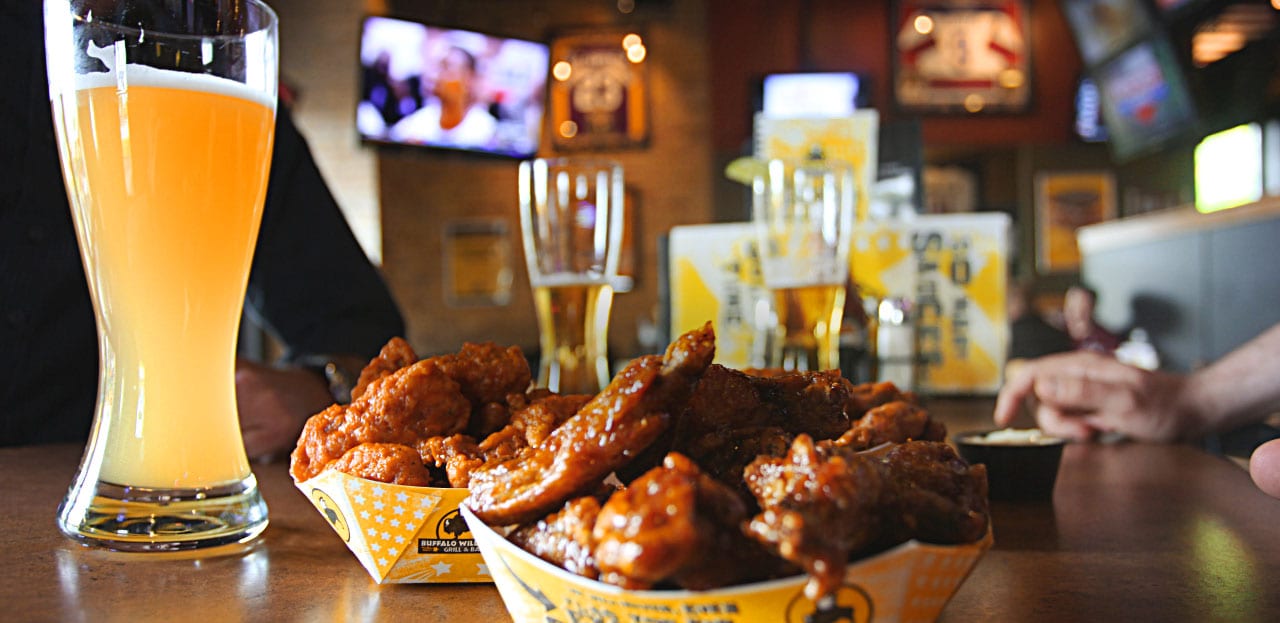
    US informal eating chain Buffalo Wild Wings is within the means of securing grasp franchisees in at the very least six extra Asian nations as its first foray into the area pays off.

    In January BWW opened its first restaurant within the continent, in Manila, in partnership with Philippines grasp franchisee The Bistro Group. That restaurant, in Estancia Mall at Capitol Commons in Pasig Metropolis, proved so profitable inside its first few months two extra websites are beneath improvement already because the rollout plan is accelerated. These eating places will open in Glorietta and Uptown Mall.

    Buffalo Wild Wings CEO, Sally Smith informed Inside Retail Asia in an interview the corporate will probably be signing a grasp franchise settlement in Vietnam in a fortnight with the primary BWW outlet scheduled to open there someday subsequent yr.

    A separate franchise settlement has been concluded for a area in India with the primary restaurant there more likely to be buying and selling inside as little as six months.

    Smith was in Hong Kong this week for talks with suppliers and potential companions and advised Inside Retail Asia the corporate is already speaking with potential companions in Singapore, Malaysia, Thailand and Indonesia. She has additionally been taking a primary hand take a look at the Hong Kong eating scene with a view to contemplating enlargement there, too.

    However she gained’t be dashing into any of those markets.

    “One of many issues that’s necessary to us is discovering the fitting associate, so we’re going to take our time. We need to ensure that our associate understands our enterprise, that they perceive our model and that they share the identical values as we do.

    “Once we choose a companion, they go to us within the US, they practice within the US they usually go to a lot of shops in order that they see how we function – that’s all earlier than they turn out to be a associate.

    “We’re in search of nice franchise companions,” stated Smith. Not simply anybody with a cheque guide.

    Native challenges

    Smith says when getting into a brand new market, BWW understands the necessity to tailor its menu and pricing factors accordingly. Concentrating on locals relatively than expats or vacationers, Smith says the model is lifelike and trusts its franchise companion to work with it on each fronts.

    In Manila, probably the closest Asian market when it comes to dietary habits to North America, BWW has added rice to its menu and it’s contemplating a steak sandwich to satisfy native demand.

    “We definitely work to think about native flavours locals are in search of. However others nonetheless need that genuine Buffalo Wild Wings expertise,” Smith stated.

    In Vietnam, the place the ‘center class’ by definition is on an revenue as little as US$500 a month, BWW is about for an extended, affected person progress cycle.

    “I used to be in Vietnam final yr and I used to be very excited. The overall inhabitants is rising and there’s some nice information on the financial entrance. However we’ll take our time constructing out Vietnam and we’ll attempt to not overbuild.”

    Smith says the franchise companion there’s already evaluating actual property choices.

    A key think about BWW’s portability into new markets is that hen is an accepted a part of the weight-reduction plan in most elements of the world – and sport captures the eye too.

    A key element of the BWW idea is stay sport, with giant screens within the eating places encouraging dwell time. Within the US and the Philippines, American Soccer, basketball and ice hockey are staples on the sports activities menu; in Southeast Asia it is going to be English Premier League. Smith stated in the course of the Superbowl remaining early this yr the Manila restaurant opened early and queues shaped of locals eager to eat and benefit from the match.

    The corporate can also be testing know-how options that may allow clients in its eating places to take part in on-line social gaming, enjoying towards clients of different eating places in the identical nation.

    Buffalo Wild Wings already boasts 1094 eating places serving 21 signature flavors of Buffalo, New York-style hen wings. Its foray into the Philippines was its first step outdoors the Americas.

  • Alibaba aims to slash wine prices

    Alibaba aims to slash wine prices

    Online retailer Alibaba believes it has found a way to cut the retail prices of wine in China.

    Using its business to business website 1688.com Alibaba has commenced selling wine direct to retailers, short-circuiting a raft of middlemen currently adding margins yet no value to the supply chain.

    Buyers from 1688.com are negotiating to buy wine in bulk direct from Spanish exporters which it then sells online to retailers.

    According to China news service Xinhua, in an article published on Alibaba’s own news website, a bottle of wine sold for 10 euros (68.54 yuan) in Spain can cost more than 240 yuan in China. That’s because the wine is often sold and on sold exporters to general agents, regional agencies and wholesalers before it finally reaches the retail shelf for consumers to buy. Each time the wine changes hands some 15 per cent margin is added to the price, along with additional freight charges and duties.

    Alibaba estimates that using 1688.com to link exporter and retailer, the same 10 euro bottle of wine in Spain could be retailed in China at just 116 yuan – that’s less than a half of the price traded through traditional channels, according to Liu Fei, a department manager at 1688.com.

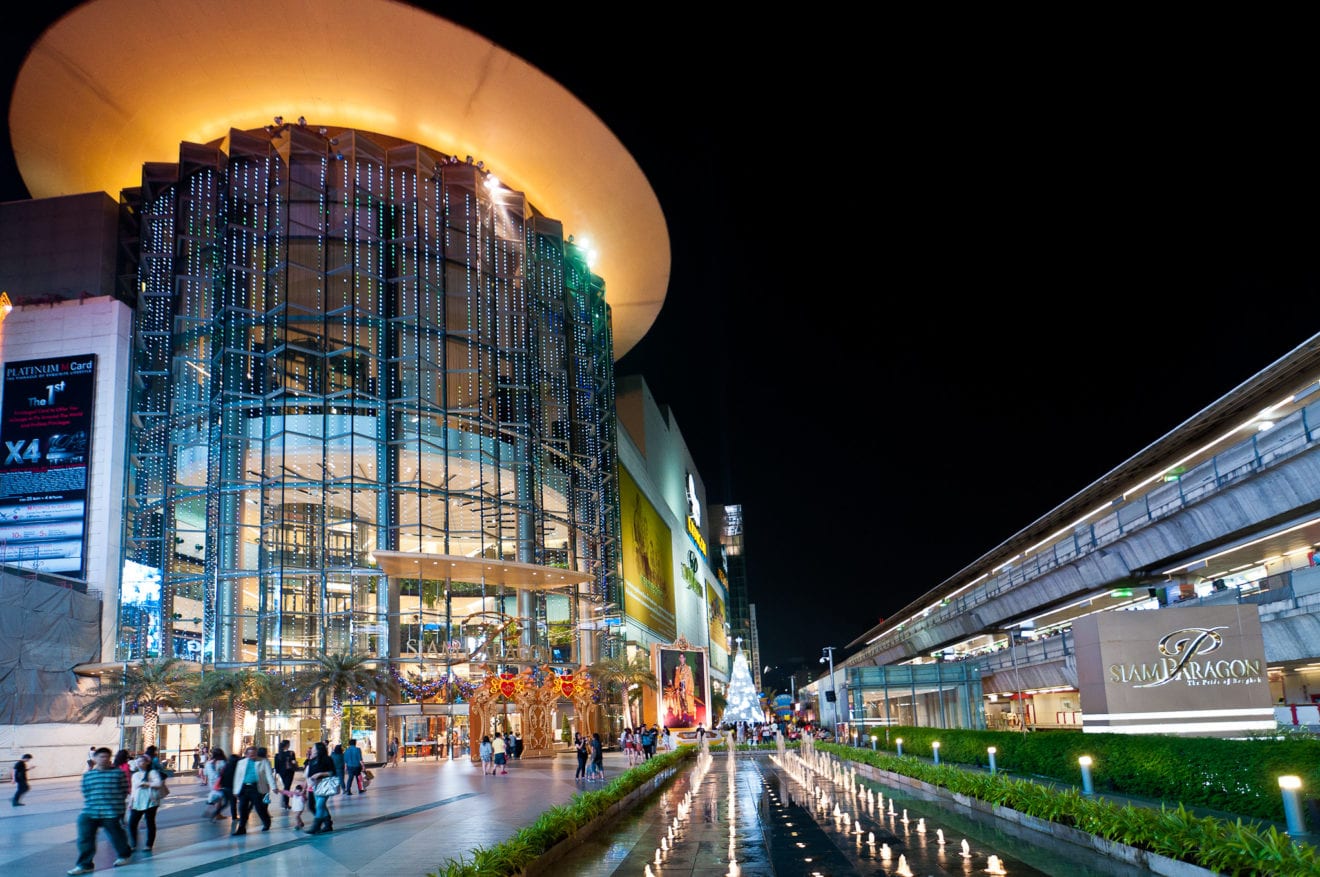
  • Siam Paragon names and shames bad taxis

    Siam Paragon names and shames bad taxis

    The unprofessionality of Bangkok’s taxi drivers is notorious internationally.

    Now a Bangkok shopping centre has teamed with the Department of Land Transport to name and shame bad drivers, in the hope they’ll reform or find fares elsewhere.

    Most residents of, or visitors to, Bangkok relying on taxis to transport them home or to their hotel after a day’s retail therapy have endured frustrating delays due to taxi drivers illegally refusing fares.

    Despite fines and threats of being reported to the hotline – itself overloaded, such is the extent of the problem – drivers try to pick and choose passengers which give them the best profits, leaving others stranded on the pavement.

    DLT has fined 31 of 54 drivers caught refusing fares at the Siam Paragon taxi rank and is hunting down a further 23, according to website Thai Rath Online.

    Meanwhile, the drivers’ taxi registration numbers, taxi co-ops and rental agents have been listed on a sign at the rank so potential passengers are warned, according to DLT director-general Teerapong Rodprasert. The drivers’ names were not listed because drivers often share cars.

    In a crackdown at the rank, DLT officials suspended the licences of two drivers for seven days because it was their second offence.

    Last week, Thai police conducted a blitz on Sukhumvit Rd, catching 34 drivers who refused fares late one night.

    Both locals and tourists report an epidemic of Thai taxi drivers refusing fares or refusing to use the meter and setting flat fees for hires, both illegal.

    A 24 hour hotline – 1584 – allows passengers to lodge complaints, by providing the taxi’s or driver’s registration numbers. There is also a free DLT Check smartphone app available.