Retail News CRM

Tag: News

  • Indonesia to set up agency to combat fake news

    Indonesia to set up agency to combat fake news

    Indonesia is setting up an agency that will tackle fake news after a flood of untrue stories on social media, an official said Thursday, including claims China was waging biological warfare against the country using contaminated chilli seeds.

    The new cyber agency will also seek to protect state institutions from hackers, said presidential spokesman Johan Budi.

    Chief Security Minister Wiranto said that the move was necessary to combat a flood of news on social media that was “slanderous, fake, misleading and spread hate”.

    “Freedom (of speech) is a right in a democracy but there is also an obligation to obey the law,” he said.

    Officials said among the agency’s tasks would be to monitor news circulating online to check for false stories. It will be overseen by the security ministry and will work alongside other government agencies, they said, without giving further details.

    It came after President Joko Widodo declared his intention at a cabinet meeting in December to combat fake news in a country where people are rapidly getting online for the first time, with over 130 million out of 255 million inhabitants now estimated to be internet users.

    One of the most high-profile cases in recent times was a false claim circulating on social media in December that Beijing was seeking to wage biological warfare against Indonesia, after a true story that four Chinese citizens were arrested for using imported chilli seeds infected with bacteria on a farm south of Jakarta.

    The Chinese embassy in Jakarta was forced to issue a statement saying that the reports were “misleading and have caused great concerns”.

    Another fake story that spread online said that millions of Chinese workers had entered Indonesia to replace local workers. It comes as anti-Chinese sentiment is running high with Jakarta’s ethnic Chinese governor standing trial for alleged blasphemy.

    Indonesian internet expert Nukman Luthfie said he hoped the new agency would not breach people’s privacy, but added it was too early to tell.

    “It would be really unfortunate if it was going to be used to monitor public discussions because that’s people’s right,” he said.

    There has been growing global concern about the spread of fake news, with some critics claiming a flood of false stories circulating online may have helped brash billionaire Donald Trump win the US election.

  • Closure of Ralph Lauren Hong Kong flagship store

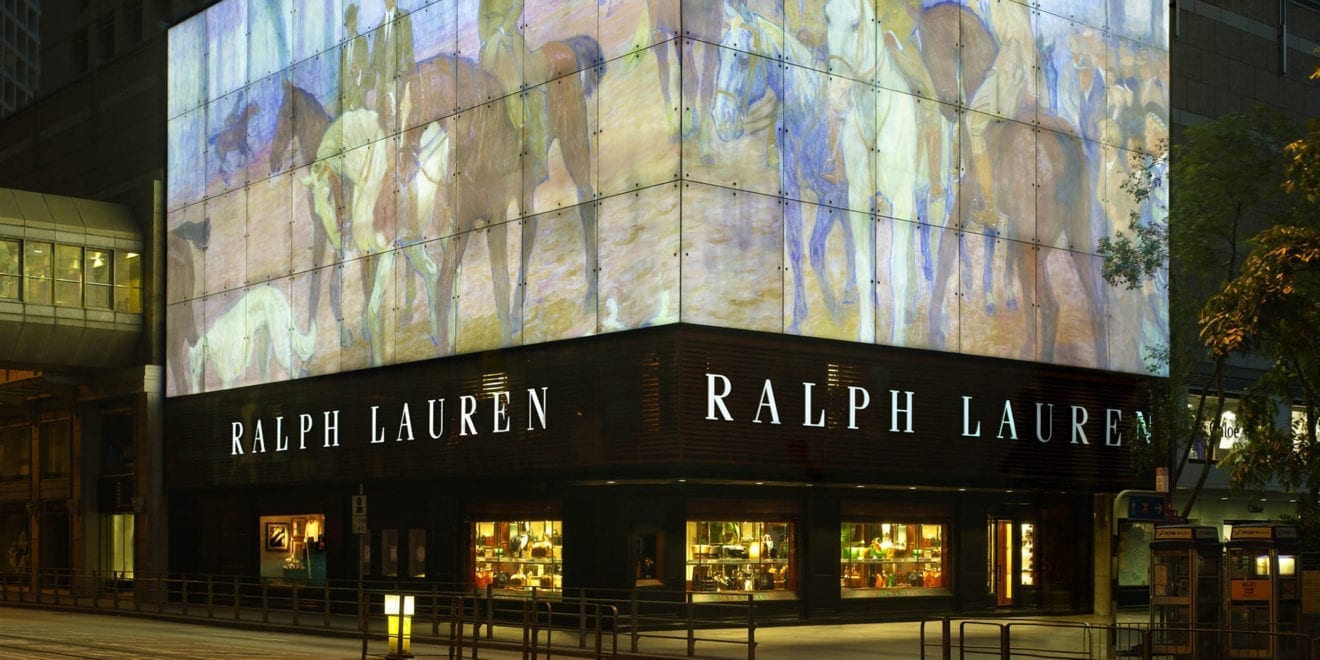
    Closure of Ralph Lauren Hong Kong flagship store

    “We are in the midst of transforming our presence in China, a region that we believe will become an important driver of growth for us over the long term,” Ralph Lauren said in 2012 after the fashion conglomerate of which he was then chief executive announced plans to open 60 stores in greater China by 2015.

    A year later, Ralph Lauren launched its first men’s flagship store in Asia in the Landmark Prince’s in Hong Kong’s Central district, and in October 2014 it opened an enormous “mansion” store at the Lee Gardens complex, presenting accessories, watches and jewellery as well as men’s and women’s fashions.

    Fast forward two years, and the 20,000 sq ft store in Causeway Bay is no more, having closed overnight late last week.

    Contacted for comment about its abandonment of the doubtless expensive space in the Lee Gardens, a representative of the brand said the closure was “part of our strategic and financial plan”, adding: “We are redeploying assets to focus on new concept stores and transition away from unprofitable formats and locations.”

    We are redeploying assets to focus on new concept stores and transition away from unprofitable formats and locations

    Ralph Lauren spokeswoman

    Ralph Lauren is “combining men’s and women’s flagships in the recently renovated Prince’s Building location, as well as remaining focused on providing our customers with the authentic style and luxury shopping experience they expect from us,” the spokeswoman said.

    The move is part of a new strategy from Stefan Larsson, who worked for Swedish fast-fashion retailer H&M for 15 years and who replaced Lauren as chief executive in late 2015 (Lauren remains executive chairman and chief creative officer). The restructuring will, according to reports, cut over 50 stores and 1,000 jobs worldwide and save the publicly traded company between US$180 million and US$220 million a year. Its share price has been under pressure in the past 12 months, twice falling below US$85. Ralph Lauren shares closed at US$108.19 on Monday, down more than 9 per cent on their US$119.59 close on December 7, 2015.

    Ralph Lauren’s sudden exit from its Causeway Bay flagship store is the latest high-profile fashion closure to have occurred or been flagged in 2016. American fast-fashion label Forever 21 has announced it will close its multi-storey Causeway Bay flagship store. British label Paul Smith closed its Times Square store and Abercrombie & Fitch is set to leave its prime location in the Pedder Building in Pedder Street, Central – although, with a flailing brand reputation, poor sales and that famous HK$7 million monthly rent to pay, the move by Abercrombie & Fitch came as no surprise. Italian luxury clothing and accessories label Tonino Lamborghini also shut down more than 10 stores and in-store counters in the city earlier this year.

    Abercrombie’s Pedder Street closure will leave it with no stand-alone stores in Hong Kong, an effective withdrawal from the market, following on the closure of some 50 stores in the US in 2016.

    Although the “umbrella revolution” protests in 2014 that were a factor in a downturn in Hong Kong’s retail sales have long ended, political turmoil continues and visitor numbers, having dropped, have not fully recovered. Competition for high-spending Chinese consumers has been stiff, with destinations such as Japan, South Korea, Milan and London stealing some of the traffic from Hong Kong.

    The city’s retail sales dropped 10.5 per cent in the first half of 2016, their worst performance since 1999.

    Still, for all the negative news there are nuggets of hope. Italian brand Versace is opening a huge flagship store opposite the Landmark in Central next year, and mega brand Louis Vuitton is revamping its Hong Kong stores and continuing to invest in the city. Louis Vuitton chief executive and chairman Michael Burke told me a few months ago that “the leader in the market still believes in Hong Kong”.

    However, Louis Vuitton and Versace are definitely in the minority.

    With little sign of major recovery, Hong Kong’s economic outlook uncertain and retail sales continuing to fall, the fashion industry is on tenterhooks and braced for tougher times ahead. Since I wrote about Gucci’s rent dispute with its landlord Hongkong Land in 2015, there have been a spate of big-brand store closures, and threats by more prestige brands to shut up shop if rents aren’t adjusted.

    A few agile, smaller brands may exploit their departure, and subsequent rent drops, but times continue to be tough for the majority. Ralph Lauren probably won’t be the last big brand to close an expensive Hong Kong flagship store. Swire Properties chief executive Guy Bradley said in August he saw no signs of a retail turnaround.

  • Ferrari boasts rising sales and profit

    Ferrari boasts rising sales and profit

    Italian luxury sports carmaker Ferrari has reported strong third-quarter results despite a challenging market environment. The company logged its steepest sales rise in China, while the rest of Asia proved difficult.Ferrari on Monday booked a record third-quarter profit of 113 million euros ($126 million), marking a 20-percent rise over the same three-month period a year earlier.

    The Maranello, Italy-based automaker said revenue in the quarter was up 8 percent to 783 million euros. It noted the success was attributable to its sales of 12-cylinder models, notably the F12df, the four-seat GTC4Lusso and the newly launched LaFerrari Aperta.

    The Italian carmaker reported shipments of 1,978 vehicles for the July-to-September period, emphasizing that its sales to China had increased by 15 percent.

    Rosy outlook

    Also picking up were sales to Europe and the Americas, while Asia outside of greater China proved a difficult market with shipments there decreasing due to logistical delays caused by a shipment carrier.

    Ferrari confirmed its forecast of shipments for the whole year at around 8,000 units, with revenues to pick up by 3 percent.

    The group revised its earnings guidance upward on the strong third-quarter results, saying that pre-tax profit would come in at above 850 million euros for 2016.

    In the past quarter, Ferrari also booked higher engine revenues on Maserati sales and rentals to other Formula 1 teams as well an increase in sponsorship and brand earnings.

  • Volkswagen’s Audi in talks with China’s SAIC Motor on tie-up

    Volkswagen’s Audi in talks with China’s SAIC Motor on tie-up

    Volkswagen’s Audi premium brand is in talks with China’s largest automaker, SAIC Motor, on a potential long-term collaboration, Audi said in a statement on Monday.

    Reuters reported on Saturday, citing a source familiar with the matter, that the two had signed an agreement that could pave the way for Volkswagen’s joint venture with SAIC to make Audi brand cars.

    An early entrant to China, the world’s largest car market, Audi is the best-selling premium car brand although it is rapidly losing ground to newer car models from Daimler’s Mercedes-Benz and non-German automakers like Toyota’s Lexus and General Motor’s Cadillac.

    Audi cars are now only made in China through a joint venture with China FAW Group, providing a lifeline to a state-owned company whose own brand cars have struggled with falling sales.

    Audi reaffirmed its commitment to FAW in the release announcing the talks with SAIC, saying it had outlined growth plans with FAW for the next 10 years that include making green energy SUVs and sedans in every major segment.

    Audi will also form a new joint venture company with FAW to be based in Beijing and focus on mobility and digital services, according to the statement.

  • UPS has entered into a definitive purchase agreement to acquire Marken

    UPS has entered into a definitive purchase agreement to acquire Marken

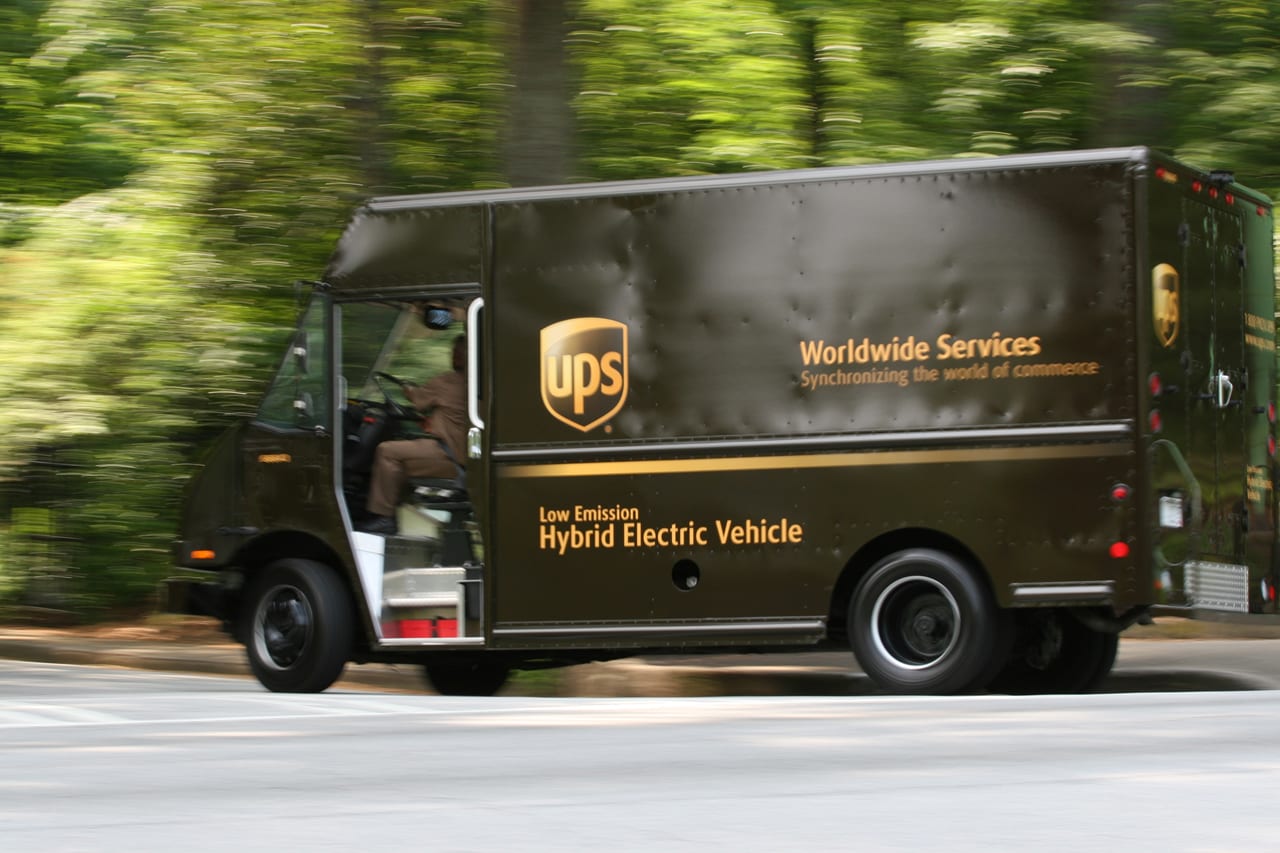
    UPS has entered into a definitive purchase agreement to acquire Marken, a supply chain company dedicated to the pharmaceutical and life sciences industries.

    The transaction is expected to close by December 31, 2016.

    “Healthcare logistics is a strategic market for UPS,” said Teresa Finley, chief marketing and business services officer at UPS. “Our acquisition of Marken strengthens our portfolio and demonstrates our commitment to customers. We plan to offer new solutions to our customers and generate further growth opportunities for UPS.

    Marken will be operated as a wholly owned UPS subsidiary and will have access to the UPS integrated global network.

    “We are excited to join the UPS organization,” said Wes Wheeler, chief executive officer of Marken. “UPS’s capabilities, particularly in mature markets, will provide many opportunities for us to enhance our service offerings in clinical trials logistics. With UPS, we will improve our efficiency, while continuing to provide our clients with the high-touch, personalized services that they have come to expect from us.”

    Marken has more than 650 employees in 44 locations worldwide and operates 10 depots that are compliant with Good Manufacturing Practices, according to UPS.


  • Renault launches two new cars in Indonesia

    Renault launches two new cars in Indonesia

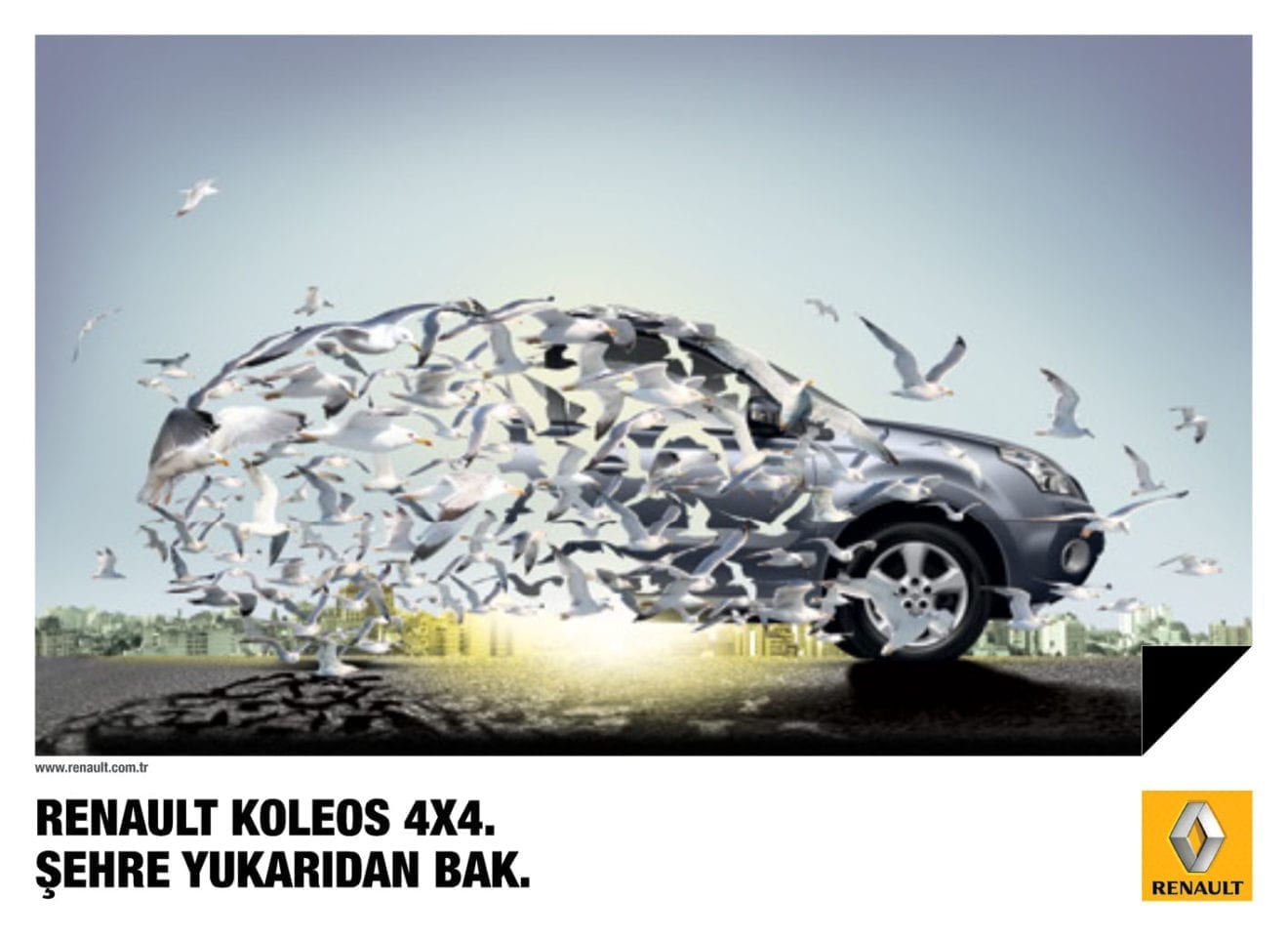
    Despite a bleak forecast for the automotive market in Indonesia, French carmaker Renault and its local partner PT Auto Euro Indonesia launched two new products in Jakarta on Wednesday: the KOLEOS and KWID.

    Serge Yoccoz, Renault ASEAN director of operations, said Indonesia was one of only a few countries to see the launch of the KOLEOS, a medium sport utility vehicle (SUV), ahead of Europe.

    “The new KOLEOS will be [Renault’s] flagship for the Indonesian market,” he said. “It has been redesigned to have unique features and has the ability of an SUV.”

    As for the KWID, Yoccoz added, the mini crossover would be offered for consumers eyeing high fuel efficiency and low maintenance costs. “The KWID will be able to address Indonesian customers’ [demand] for a stylish car,” he said.

    The KOLEOS is offered at Rp 460 million for its standard version and Rp 495 million for the panoramic sunroof version. Meanwhile, the KWID is tagged at Rp 117.7 million and is expected to be able to compete in the compact car segment, which accounts for 16.3 percent of the whole automotive market, according to 2015 data from the Association of Indonesian Automotive Manufacturers (Gaikindo).

    Bambang Subijanto, director of Indomobil Sukses International–an umbrella company of Auto Euro Indonesia, said the Renault-Nissan and Indomobil partnership would create good business synergy and respond to customers’ demands, especially in after-sales services.

    The sales target for both models is set at 1,000 units, until 2017.

  • Daimler Trucks to increase its sales activities in core market Indonesia

    Daimler Trucks to increase its sales activities in core market Indonesia

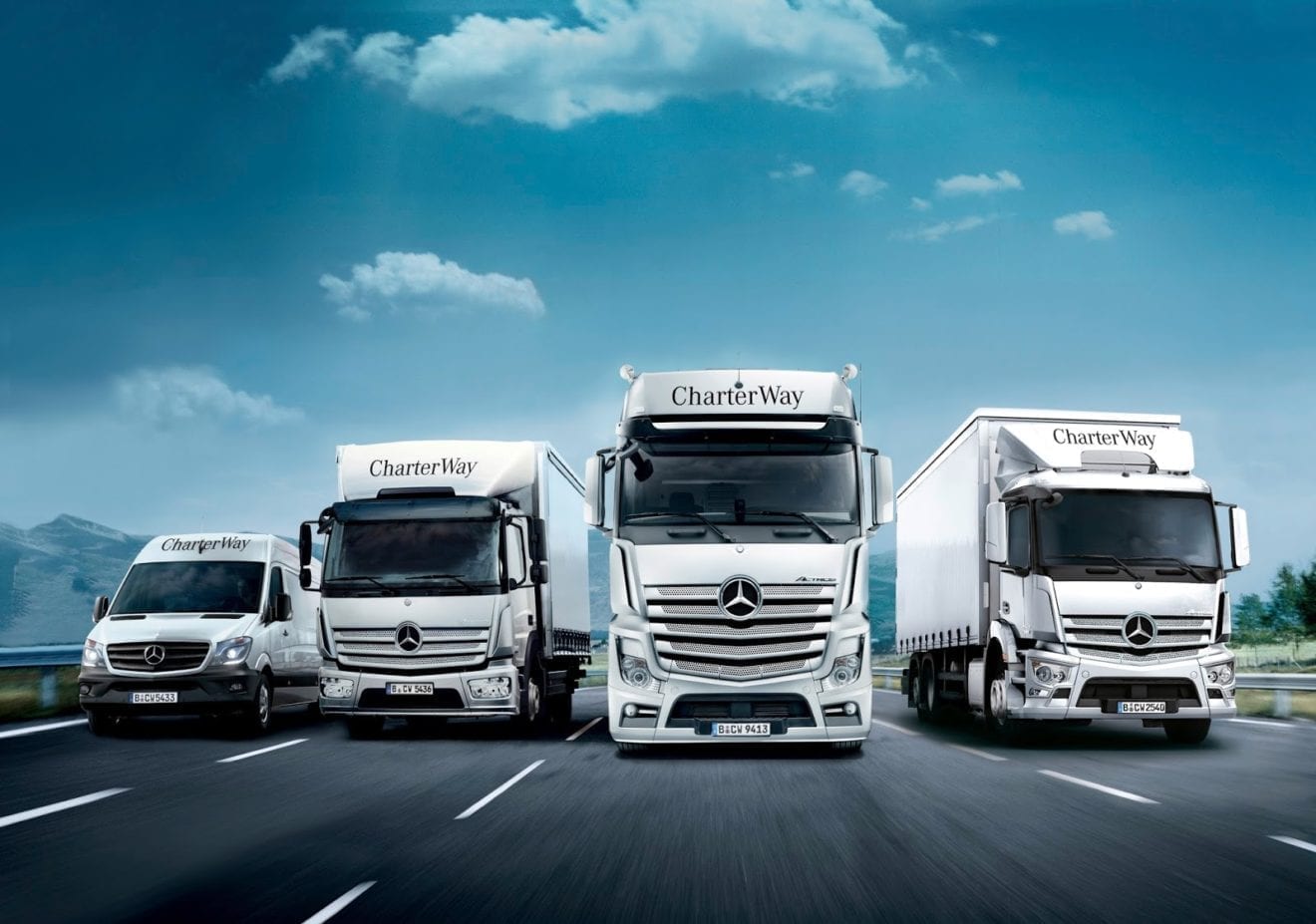
    Daimler Trucks, the world’s leading truck manufacturer with a strong foothold in Asia, is enhancing its position in commercial vehicles in its core market Indonesia. The Daimler Trucks subsidiary FUSO (Mitsubishi Fuso Truck and Bus Corporation, MFTBC), Mitsubishi Corporation (MC), Mitsubishi Motors Corporation (MMC), and the Indonesian company PT Krama Yudha (KY) have signed a respective framework agreement. As part of this agreement, the Indonesian trade and sales partner PT Krama Yudha Tiga Berlian Motors (KTB) will focus exclusively on selling FUSO brand commercial vehicles. KTB’s passenger car business will be transferred to an independent legal entity. At the same time, FUSO will increase its stake in the newly structured company KTB from 18 to 30 percent.

    Dr. Wolfgang Bernhard, Member of the Board of Management of Daimler AG for Daimler Trucks & Buses: “By increasing our stake in our partner KTB, we are underlining the importance of the Indonesian market and can be even more active locally. Concentrating our sales activities completely on the commercial vehicle market fits perfectly into our Daimler Trucks strategy of consistently focusing on the needs of our customers. With this shift, we as market leader are positioning ourselves in order to continue to tap market potential in Indonesia in the best way possible.”

    Marc Llistosella, President and CEO of Mitsubishi Fuso Truck and Bus Corporation and Head of Daimler Trucks Asia: “With our FUSO brand we have been the clear market leader in Indonesia for over 40 years. By increasing our stake in KTB, we can expand on our position even further.”

    With a current market share of about 47 percent, FUSO has been leading the Indonesian market for 46 years in a row since 1970. The country is the largest export market for the FUSO brand. The light duty truck Fuso Canter, which is sold under the name FUSO Colt Diesel, is the absolute top-seller in Indonesia.

    The current restructuring of KTB results in the following shareholder composition: FUSO (MFTBC) holds 30 percent, Krama Yudha (KY) 40 percent and Mitsubishi Corporation (MC) 30 percent. The overall transaction is subject to customary conditions precedent including merger control clearances.

    KTB will serve as dedicated wholesaler and distributor of FUSO vehicles in the Indonesian market and will continue to hold its stake in the related production business, which is responsible for vehicle assembly in Indonesia.

    For Daimler Trucks, this transaction is another important step forward in implementing its strategy of global and consistent orientation towards the requirements of commercial vehicle customers. To this end, Daimler Trucks is partially repositioning its sales and service organizations around the world with a clear focus on the commercial vehicle business. Daimler Trucks is thereby putting regional and national customer orientation at the center of its operations.

    Indonesia has a population of about 250 million people, of which 70 percent are under the age of 40. In 2016, the annual GDP growth rate is at 5.1 percent. The middle class is forecasted to expand to more than 140 million people by the year 2020. Indonesia is the world’s fourth most populous country with growth prospects, which are expected to be supported by a large number of infrastructure projects in the near future. It can be assumed that the infrastructure sector will expand further and result in an increasing demand for commercial vehicles.

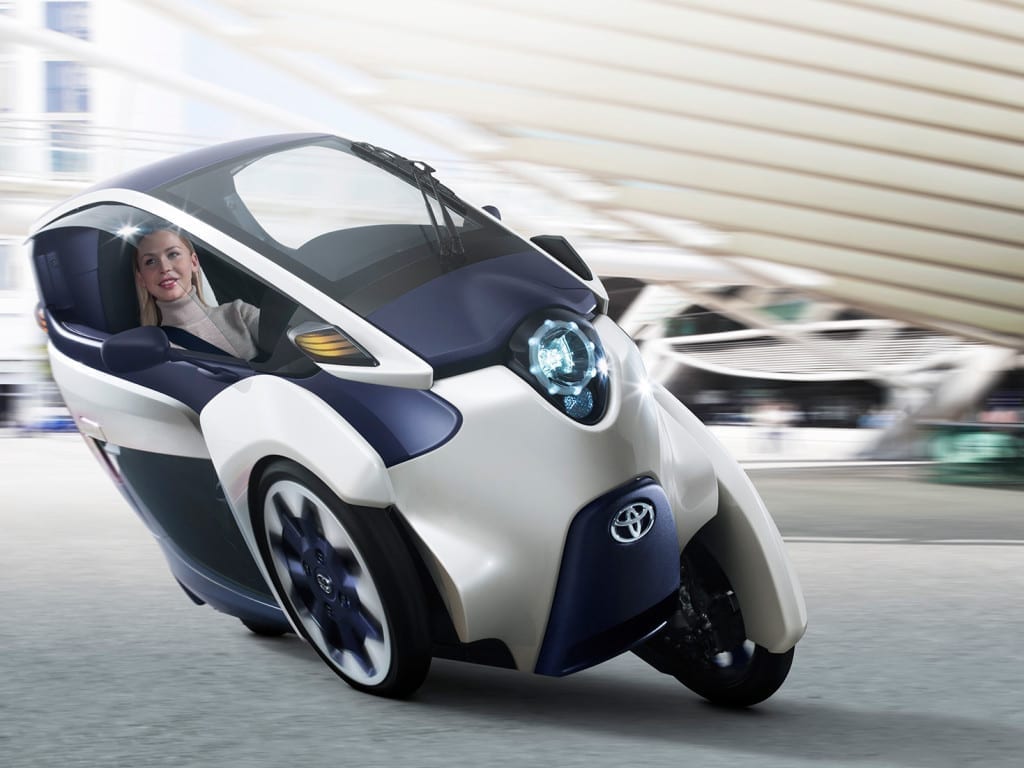
  • Toyota with Daihatsu gets ready to enter small-car market

    Toyota with Daihatsu gets ready to enter small-car market

    The world’s largest carmaker, Toyota Motor, is finally getting ready to enter the Indian small-car market and challenge the dominance of Maruti Suzuki and Hyundai Motor in their bread-and-butter segment. The Japanese automaker and its unit specialising in small cars, Daihatsu Motor, are expected to drive in a new range of vehicles to India starting 2020-2021.

    A few days ago, Toyota and its fully owned Daihatsu unit announced plans to establish an internal company that will be responsible for compact vehicles for emerging markets, from product planning to production preparation. India is an integral part of this move. The structure of this new internal company is likely to be formed by January, 2017.

    The groundwork has already been done through various studies commissioned over the years, said people in the know of the plans. The Toyota-Daihatsu combine will target the A and B segments, where vehicles are typically priced below Rs 10 lakh. This segment, where Toyota currently has only a limited presence here with the Etios range, is the mainstay for Maruti and Hyundai Motor India.

    The branding for the products is yet to be defined. The new cars under the venture may be branded Toyota or Daihatsu, or it could be an all-new brand in line with how Toyota introduced a ‘Scion’ brand in North America in 2003 — the brand was discontinued this year.

    Through the proposed internal organisation, the objective is to develop and launch competitive compact vehicles in emerging markets based on Daihatsu’s approach to manufacturing affordable, high-quality products. While the small car champion will take the lead responsibility in this new initiative, in India, it will seek to gain from the parent’s understanding of the market.

    Vikram Kirloskar, vice chairman of Toyota Kirloskar, the Indian unit of Toyota, told ET that the initial target of the new company would be Asian countries and that joint decisions would be made to enable the effective use of both companies’ existing bases of operation.

    “We are happy to note that India is among the countries being considered as the responsibility of Daihatsu as the Indian market has strong need for compact vehicles in the B Segment and A Segment which is Daihatsu’s strong point. The priority would be to strengthen operations in each country by first enhancing the collective capabilities of the Toyota Group,” he said.

    More details on the initiative will be known by January of 2017, when the formal structure will be defined, Kirloskar said, while declining to comment on products or timelines.

    A person in the know of the plans said the vehicles would come around 2020 and conform to the BS-VI emission guidelines that would come into effect that year.

    It makes sense for Toyota to launch compact cars in India around 2020, by when the market would grow more than 70% from now and the buying power of the middle class would be much higher, said Gaurav Vangaal, senior analyst for forecasting at IHS Markit Automotive. “But then, countering the already strengthening Maruti and Hyundai won’t be an easy task, though the cars will be from Toyota,” he added.

    Daihatsu will be responsible for the development, procurement and production preparation for compact vehicles for emerging markets based on “DNGA”, a Daihatsu vehicle architecture now being defined, and Toyota will support these efforts by providing knowledge and resources. The business plans will be formulated jointly and, in India, the Toyota-Daihatsu combine is likely to use Toyota’s existing facility on the outskirts of Bengaluru. It factory has an annual capacity to produce 3.1 lakh vehicles and is being underutilised.

    Kirloskar said Toyota is learning about Daihatsu’s strengths, such as its work processes and approach to manufacturing at both its production and development workplaces. Daihatsu, on the other hand, is receiving various kinds of support related to the evolution of automobile manufacturing, such as information related to advanced technologies, starting with hybrids.

    “We are hopeful that by sharing and unifying strategies for the future, mutual synergies will be steadily achieved and result would be seen in India as well,” he added.

    Daihatsu has twice in the past attempted to enter the Indian market — first in late 2000 and then a few years later.

    According a person in the know of Toyota’s plans, the sourcing executives of Daihatsu have already met vendors to discuss a few projects.

    Another said future growth for the company would likely come from Asia. “The needs of these markets are different from the developed world; they can be catered only through Daihatsu’s small car,” he added.

    Daihatsu will launch a new generation Agya or Ayla — a small car sold in Indonesia — by 2019 and it is the same car which is being explored for the Indian market, said year another person. “The company has also studied the possibility of launching the B segment SUV for India.”

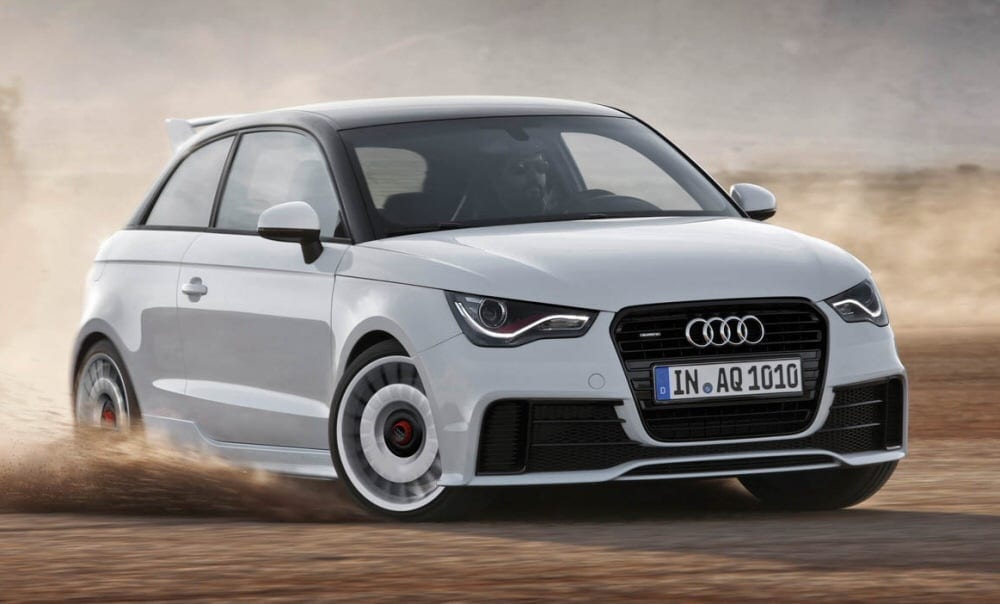
  • Audi says August sales up 2.9 percent on Chinese demand for compact cars

    Audi says August sales up 2.9 percent on Chinese demand for compact cars

    Audi increased global sales 2.9 percent in August on strong demand in its key Chinese market for luxury compact cars including the A3 and Q3 models.

    The Volkswagen-owned division on Tuesday said deliveries rose to 132,350 autos last month from 128,647 a year earlier, with eight-month sales up 4.9 percent at 1.23 million.

    Sales in China were up 8.8 percent at 49,154 cars, expanding year-to-date registrations in Audi’s largest market 6.8 percent to 361,315.

    German luxury rival BMW earlier on Tuesday reported a 5 percent increase in brand sales to 142,554 cars, with eight-month sales up 5.5 percent at 1.28 million.

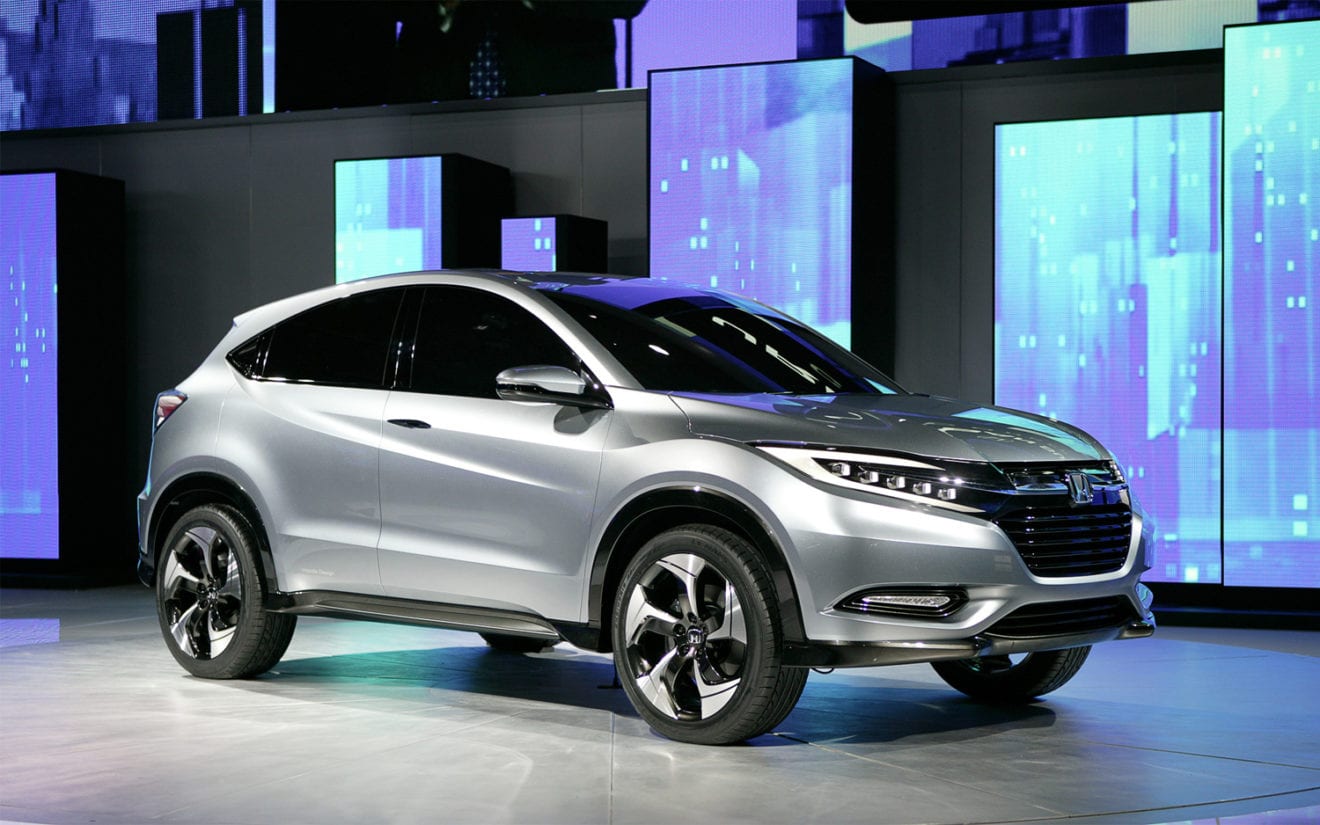
  • Honda recalls 668,000 more cars in Japan over Takata air bags

    Honda recalls 668,000 more cars in Japan over Takata air bags

    Honda Motor Co on Thursday said it was recalling about 668,000 vehicles in Japan to replace air bag inflators supplied by Takata, as part of an expanded nationwide recall announced earlier this year.

    Japan’s second-largest automaker said it had recalled models including its Fit subcompact hatchback model, and the Civic and Accord sedan models over passenger-side air bags. Vehicles produced between 2009 and 2011 were affected, it added.

    The latest announcement takes Honda’s global tally of recalled air bags to about 51 million, around half of the roughly 100 million slated for recall worldwide over inflators which are at risk of exploding with excessive force.

    Defective air bags have been linked to at least 14 deaths and 150 injuries worldwide, and are at the center of the auto industry’s biggest ever product recall.

    Thursday’s recall comes after Japan’s transport ministry in May ordered automakers to recall an additional 7 million vehicles in Japan equipped with Takata air bag inflators which do not contain a drying agent, in phases by 2019, following an expanded recall by U.S. transport authorities.

    Without a drying agent, the ammonium nitrate-based propellant used in Takata inflators has a tendency to explode violently following prolonged exposure to hot, humid conditions, spraying metal shrapnel into vehicle compartments.

    Honda, once Takata’s largest customer, has said that it would stop using Takata-made inflators in its new models, and has stopped procuring replacement inflators from the company.

    Battered by the recalls, Takata is looking for a financial backer to help overhaul its business and carry ballooning costs as its stock price has crumbled almost 90 percent since early 2014 and it faces potentially billions of dollars of liabilities.

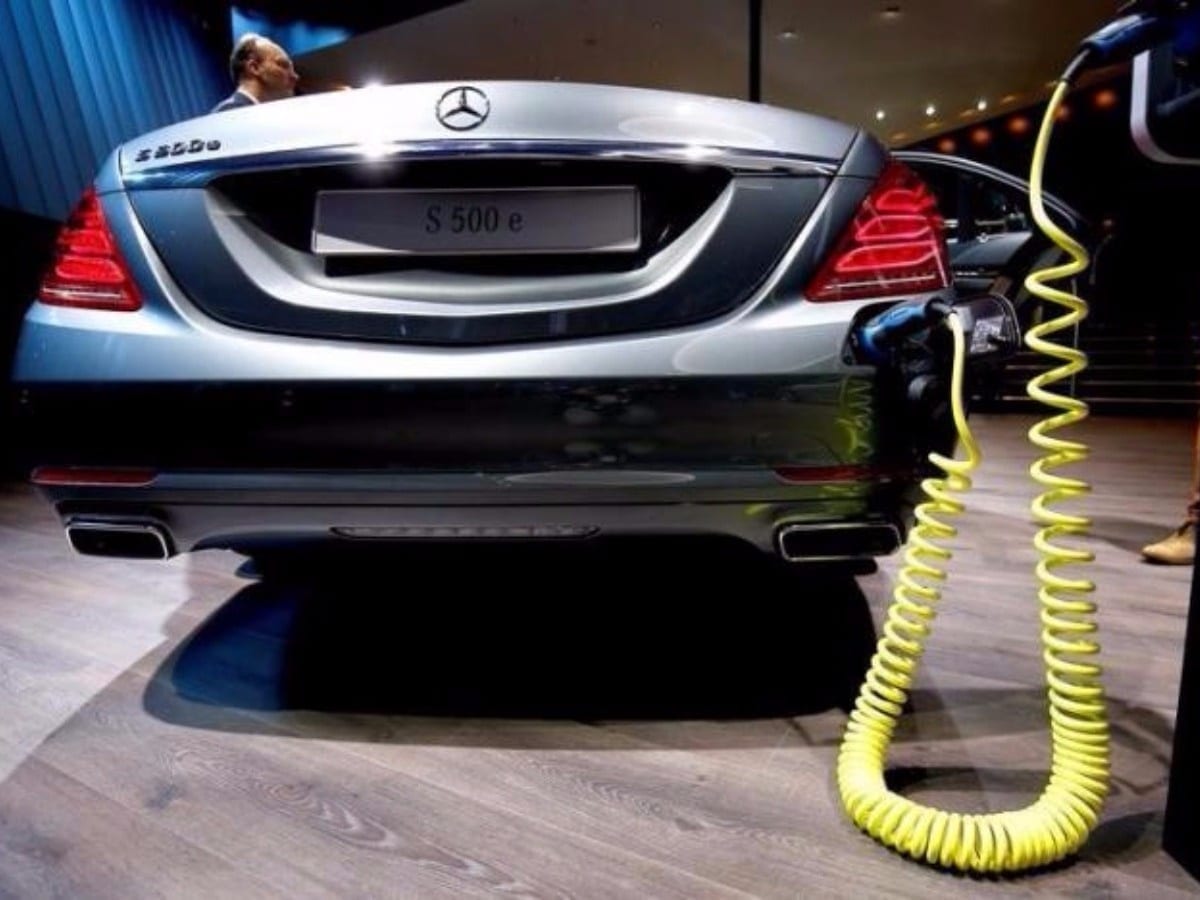
  • Daimler plans at least six electric car models

    Daimler plans at least six electric car models

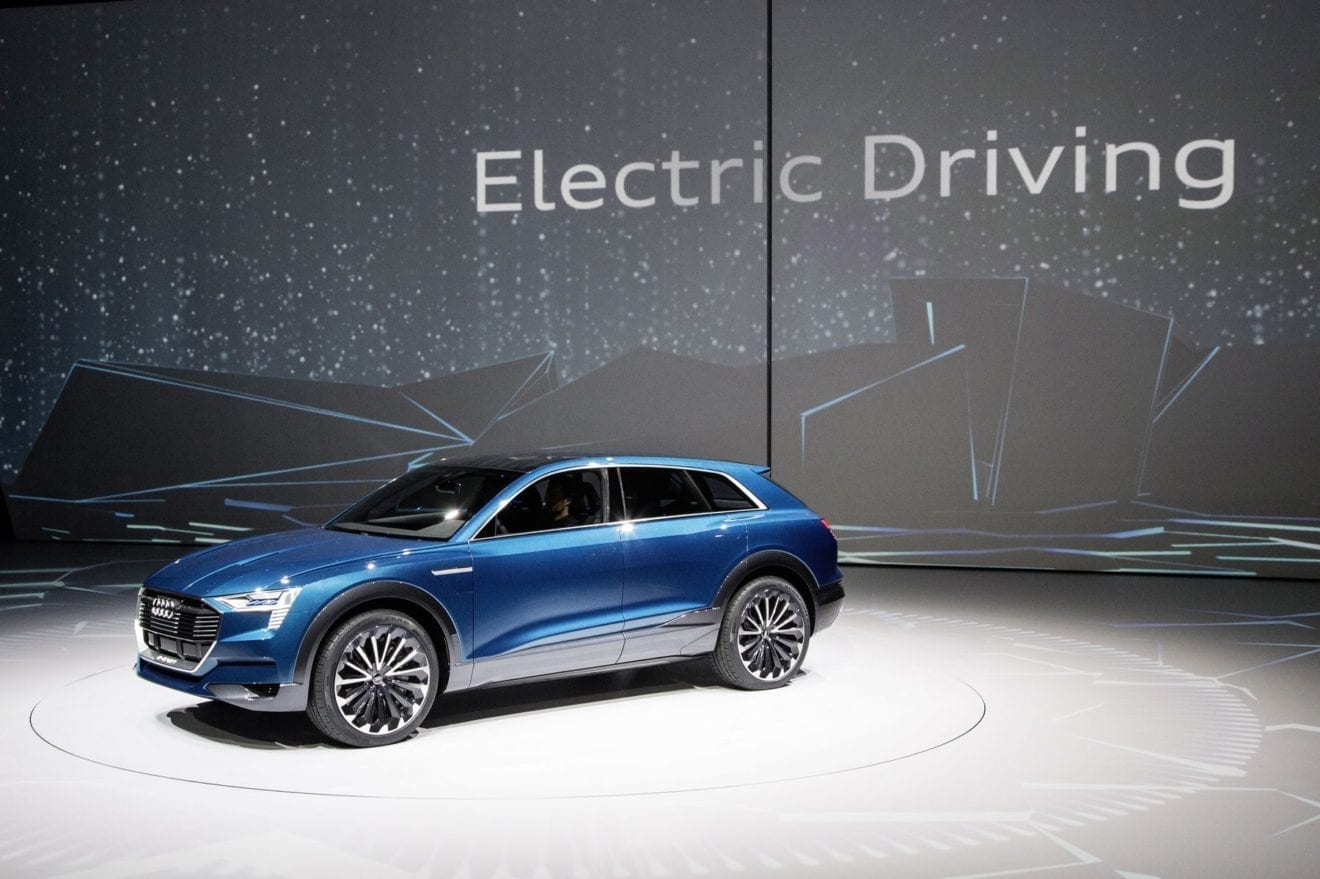
    German carmaker Daimler plans to roll out at least six, and possibly as many as nine, electric car models as part of its push to compete with Tesla and Volkswagen’s Audi, a person familiar with Daimler’s plans told Reuters.

    The maker of Mercedes-Benz cars remains on track to unveil a new electric car at the Paris motor show next month. In July, the German carmaker said it had accelerated development of premium electric cars, a segment currently dominated by United States-based rival Tesla.

    German trade magazine Automobilwoche earlier cited company sources as saying Daimler would bring to market more than six electric car models between 2018 and 2024.

    German firms are investing heavily in electric cars, a segment once neglected by the industry as customers shunned their limited operating range and high cost.

    But a growing political backlash against diesel fumes and recent advances in battery technology to increase the reach of an electric car by up to 50 percent have spurred major investments by Volkswagen, Daimler and suppliers such as Bosch and Continental.

    Reuters’ source said Mercedes would also make an SUV model with a plug-in hybrid engine powered by fuel cells, which would have a range of up to 50 km (30 miles) on battery power and would then run on electricity generated by hydrogen.

  • Korean fashion brands in Zalora pop-up

    Korean fashion brands in Zalora pop-up

    South Korean fashion brands are featuring in an online pop-up store on regional sites of online fashion portal Zalora.

    It’s all part of a concerted bid to expand recognition of Korean fashion bards across the broader Asia-Pacific region.

    Launched in Singapore, the Premium Korean Fashion pop-up shop is open until October in Zalora sites in Singapore, Malaysia, Indonesia, the Philippines, Hong Kong and Taiwan, according to the officials at the Korea Trade-Investment Promotion Agency (Kotra) and the Korea Fashion Association.

    Seventeen South Korean designer brands, which have been recognised for their competitiveness both at home and abroad, are showcasing their products on the pop-up store.

    A launch ceremony was attended by some 80 Southeast Asian fashion journalists and so-called power bloggers. It marks South Korea’s first marketing activity targeting the entire Southeast Asian region.
    At the event, Giulio Xiloyannis said there is growing interest in Korean fashion in Southeast Asia and that the opening of the pop-up store is not only a new attempt but also an important event for Zalora.

    A Kotra official said the trade agency will step up efforts to gain access to major online portals in an effort to make inroads into regional markets.

    “Southeast Asia is emerging as the next eCommerce market after China as youths account for a large portion of its population and regional economies are growing at a fast pace,” Lee Byung-woo, head of Kotra’s office in Kuala Lumpur. “Efforts will be made to help Korean brands gain a foothold there.”

  • From loss to profit for Parkson Retail Asia

    From loss to profit for Parkson Retail Asia

    Department store Parkson Retail Asia has managed a turnaround with profit before tax (PBT) of S$35 million (US$25.8 million) for the year ended June 30, compared to a pre-tax loss of $40.6 million the previous year.

    Profit was boosted by gain from a partial disposal of equity interest in Parkson Hanoi (PHCL) of $45.6 million. A subsidiary of the group, PHCL is now an associate company.

    On a same-store basis, PBT for the year fell by 46.9 per cent year-on-year to $17.4 million.

    For Malaysia, PBT declined by 28.9 per cent through negative same-store sales of -6.5 per cent and weak local currency; Vietnam had a pre-tax loss of $0.5 million with -2.9 per cent same-store sales; there was a pre-tax loss of $3.2 million in Indonesia; while Myanmar’s results were affected by uncertainty arising from redevelopment plans for the FMI Centre where the store is located.

    For the group’s fourth quarter, same-store sales grew 21.5 per cent in Malaysia, attributed to early festive buying arising from a shift in the Hari Raya calendar as well as the same quarter last year being hit by low sales following the introduction of the Goods & Services Tax.

    New concepts

    New concepts have been initiated, such as introducing Korean apparel, affordable private labels, and specialty shoe stores.

    “We have been consolidating our department store space by identifying non-performing stores with the view to closure upon tenancy expiry,” says Parkson.

    In Myanmar, the group had a 25 per cent decline in same-store sales, affected by plans to close the FMI Centre, while Vietnam had a 4.1 per cent decline for the quarter, with the discretionary retail environment difficult amid an increasingly crowded retail scene.

    Indonesia was more positive with 7.3 per cent growth in same-store sales, mainly because of early festive buying as a result of a shift in the Lebaran calendar.

    Overall, gross sales proceeds (GSP) and revenue for the quarter grew by 9.8 per cent and 10.9 per cent respectively to $232.1 million and $93.9 million. However, GSP and revenue declined by 10.2 and 9.4 per cent respectively to $967.7 million and $388.4 million.

    The group’s pre-tax loss for the quarter was $13.4 million. Contributing factors included impairment on fixed assets for two loss-making stores of $5.4 million, impairment on prepaid rental and rental deposit of $3.3 million, provision on deposit for a managed store in Ho Chi Minh City of $2.2 million, and the initial loss-making periods associated with new stores and businesses.

  • Nissan seeks to boost South Korean output on post-Brexit yen surge

    Nissan seeks to boost South Korean output on post-Brexit yen surge

    Nissan Motor wants to increase the output of its Rogue model at Renault’s factory in South Korea this year, as a stronger yen makes exports from Japan less competitive, a Renault executive told Reuters.

    The yen has jumped 20 percent against the dollar this year in the wake of Britain’s decision to leave the European Union, pressuring Japanese exporters. The South Korean won rose 7.4 percent against the dollar this year.

    “We have got a request to boost Rogue production by 8,000 vehicles this year,” Renault Samsung Motor Chief Executive Officer Park Dong-hoon told Reuters, adding that the company was reviewing whether it would be able to meet the additional demand.

    He added that Nissan Motor previously targeted output of 125,000 Rogue vehicles in South Korea this year.

    Rogue is Nissan Motor’s top-selling sport utility vehicle in the United States, with sales jumping 14 percent to 182,181 from January to July this year from a year earlier.

    Nissan Motor currently produces Rogues in South Korea, Japan and the United States.

  • H&M Beauty sets opening date

    H&M Beauty sets opening date

    The Swedish fast-fashion brand, H&M has set September 10 as launch date for its beauty line in Asia.

    After making its debut late last year, H&M beauty line will come to its Asian customers this September, with Singapore as the first destination.

    The first two Singapore stores to present the line are at Orchard Building and H&M Raffles Place.

    The range covers cosmetics, skincare, body-care and haircare products. The makeup range will include more than 700 products for all makeup styles and occasions. The body-care products are said to be made from premium ingredients with ‘Conscious’ collection using recyclable packaging.

    The beauty line is part of H&M’s philosophy to offer shoppers the latest styles and quality with affordable prices.