Retail News CRM

Tag: presence

  • EssilorLuxottica Expands Southeast Asia Presence with Strategic Stake in Thai Optical Powerhouse Top Charoen

    EssilorLuxottica Expands Southeast Asia Presence with Strategic Stake in Thai Optical Powerhouse Top Charoen

    Global eyewear conglomerate EssilorLuxottica has recently acquired a piece of the pie in Thailand’s optical market, Top Charoen. This move is part of EssilorLuxottica’s expansion plan in Southeast Asia, reinforcing its presence in one of the fastest-growing regions for the eyewear industry.

    Partnership At Its Best

    The financial particulars of the deal were kept under wraps. However, the fusion of the world’s leading eyewear group, EssilorLuxottica, with Top Charoen, one of the largest optical chains in Thailand boasting over 2000 stores nationwide, is noteworthy. This partnership is a result of a long-standing commercial relationship between the two companies. The acquisition strengthens this bond and provides EssilorLuxottica with a deep penetration into Thailand’s retail distribution, a strategic move as global eyewear companies increasingly focus on expanding in the rapidly growing Asian markets.

    Aiming High

    Francesco Milleri, the Chairman and CEO, and Paul du Saillant, Deputy CEO at EssilorLuxottica, commented on the partnership. They expressed that their collaboration with Top Charoen is set to bolster their existing dominance in one of Asia’s most significant countries. The partnership aims to elevate vision care standards and foster growth in the emerging wearable category across the region, they added.

    Moreover, the company leadership is committed to prioritizing their customers’ needs, providing high-quality, innovative vision care products and services. With their combined strengths, they plan to drive awareness and take measures to address the increasing visual health needs of Asia.

    A Brief About Top Charoen

    Established in 1947 in Saraburi, Top Charoen has flourished into a nationwide network operating under various banners. The company has an array of brands like Top Charoen, Luxoptic, Eye Class, Eye Bright, Eye Sport, Big C Optical, Robinson Optical, and Beautiful Optic. In addition to its physical stores, Top Charoen also has a strong e-commerce presence through its own platform and local marketplaces.

    Questions & Answers

    What is the significance of EssilorLuxottica’s stake in Top Charoen?
    This acquisition provides EssilorLuxottica a deep penetration into Thailand’s retail distribution, a strategic move as global eyewear companies increasingly focus on expanding in the rapidly growing Asian markets.

    How will this partnership benefit the eyewear industry in Asia?
    The collaboration aims to elevate vision care standards and foster growth in the emerging wearable category across the region.

    What are some of the brands under Top Charoen?
    Top Charoen operates under various banners such as Top Charoen, Luxoptic, Eye Class, Eye Bright, Eye Sport, Big C Optical, Robinson Optical, and Beautiful Optic.
  • New York Luxury Brand Tiffany & Co. Amplifies Presence in Thailand with Opulent IconSiam Store

    New York Luxury Brand Tiffany & Co. Amplifies Presence in Thailand with Opulent IconSiam Store

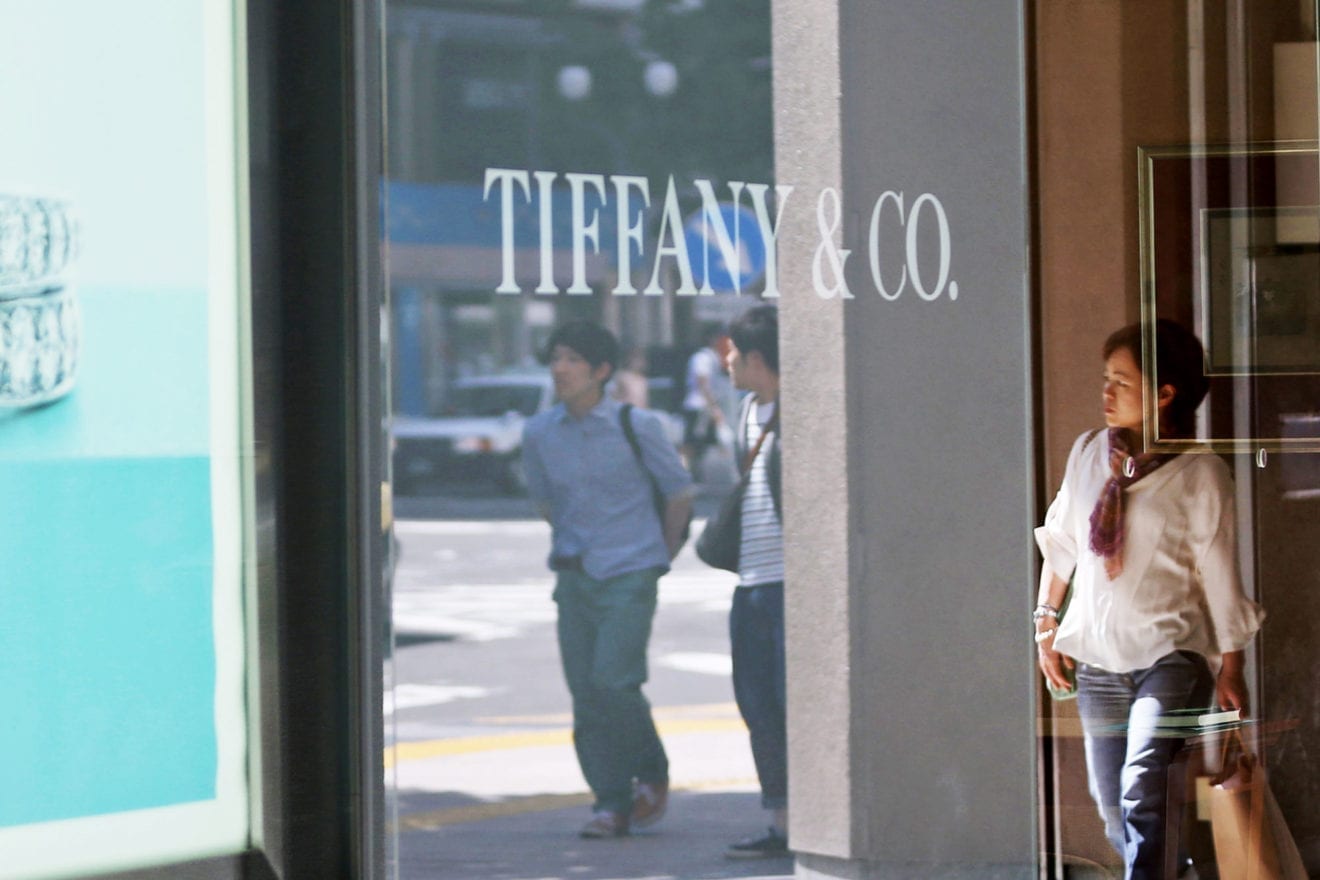
    Tiffany & Co, the renowned luxury jeweller from New York, has further extended its presence in Bangkok by inaugurating a new boutique in IconSiam. This marks the esteemed brand’s third establishment in the capital city of Thailand.

    A Distinctive Boutique

    The latest addition to Tiffany’s outlets stands out as the first in Southeast Asia to showcase a façade inspired by Favrile glass, a creation of Louis Comfort Tiffany. Mr. Tiffany, the company’s inaugural art director, developed this unique type of glass in the late nineteenth century.

    Boasting an area of 256 square meters, the boutique has been tastefully designed with plaster walls that are complemented by ceilings adorned with gold leaf. Complementing this opulent interior are customized furniture pieces replete with hand-woven upholstery.

    Exquisite Collections

    The recently opened boutique provides a dazzling showcase for a wide array of Tiffany’s collections. These include the HardWear, Knot, Lock, and T collections from Tiffany. Alongside these, the boutique displays an array of high jewellery pieces, engagement rings, and home accessories.

    All About Love

    A special space within the boutique, named ‘All About Love’, presents an enchanting display of engagement rings. The ivory and silver walls of this section, combined with a diamond-inspired display, create a mesmerizing backdrop for these symbols of commitment.

    Private Salon

    The boutique also houses a private salon, designed for those seeking a more intimate shopping experience. Decked with bespoke furniture and orchid-patterned wallpaper, the salon offers a tranquil escape from the bustling city outside.

    Continued Investment

    The opening of this boutique is indicative of Tiffany & Co’s ongoing commitment to investing in Thailand. This comes after the company’s establishment of previous boutiques in Bangkok.

    Operating over 300 stores worldwide, the company employs more than 14,000 individuals. Since its founding in 1837, Tiffany & Co has become globally recognized for its premium jewellery, watches, and luxury accessories.

    Questions & Answers

    What is unique about the new Tiffany & Co boutique in IconSiam, Bangkok?
    The boutique is the first in Southeast Asia to feature a façade inspired by Favrile glass, a creation of Tiffany’s first art director, Louis Comfort Tiffany.

    What collections can customers expect to find at the new Tiffany & Co boutique?
    Customers can explore a diverse range of collections, including the HardWear, Knot, Lock, and T collections from Tiffany, alongside high jewellery, engagement rings, and home accessories.

    What kind of shopping experience does the new Tiffany & Co boutique offer?
    The boutique offers a luxurious and intimate shopping experience, with a special section called ‘All About Love’ for engagement rings and a private salon for customers desiring a more private shopping environment.

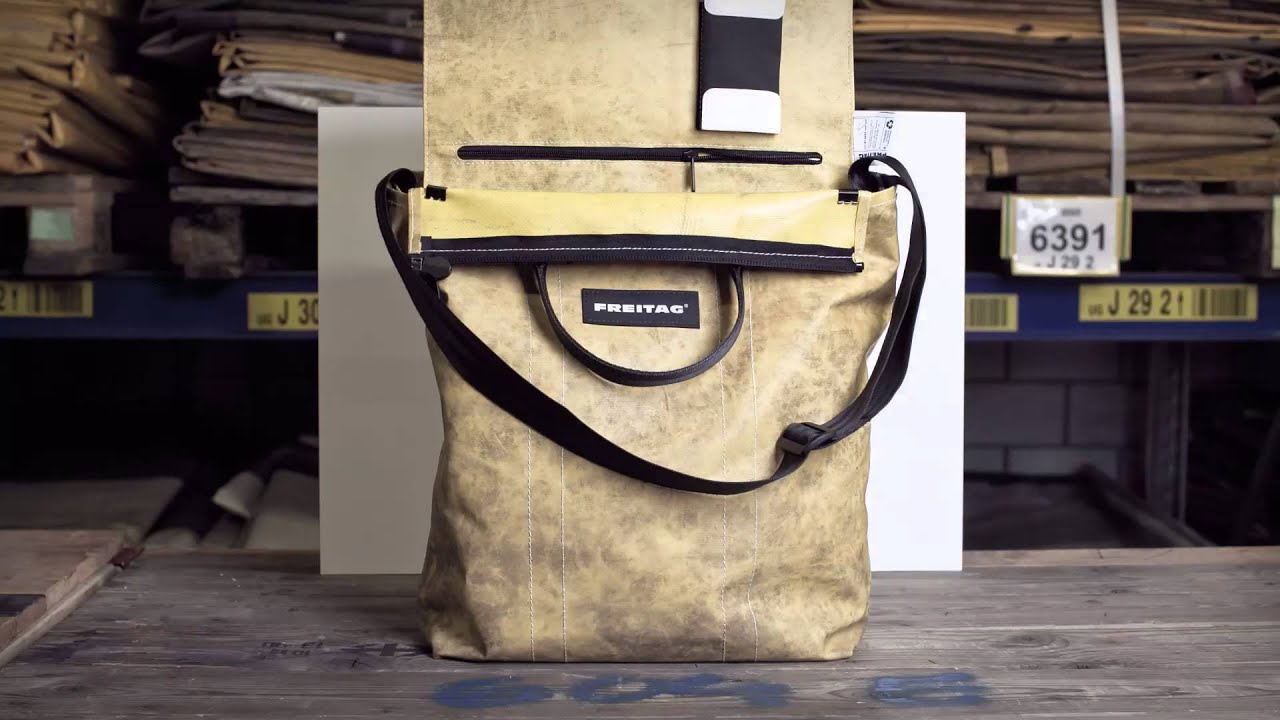
  • Freitag Bolsters Global Presence with Exclusive Dover Street Market Partnership: A New Era in Retail Strategy

    Freitag Bolsters Global Presence with Exclusive Dover Street Market Partnership: A New Era in Retail Strategy

    Swiss accessory brand, Freitag, is expanding its international retail presence through a multi-faceted partnership with Dover Street Market (DSM). The partnership will consist of both permanent and temporary retail establishments, as well as an exclusive product line.

    Expanding Retail Footprint

    The partnership will activate a recently established Freitag Space at Dover Street Market Ginza and a temporary setup at Dover Street Market London. Both of these retail spaces were introduced on March 28, alongside the launch of a three-item, DSM-exclusive product collection.

    Freitag has stated that this collaboration signifies a move towards a deeper integration within influential multi-brand environments, as opposed to singular retail expansion. Freitag’s product manager and project lead, Oliver Fischhaber, expressed that following their 2023 project with Comme des Garçons, further collaboration with the DSM team was the next logical step.

    An Unmatched Aura

    Fischhaber spoke highly of Dover Street Market, highlighting its unique atmosphere and its inspiration from various angles, cultures, and movements. He expressed admiration for DSM’s customers, describing them as possessing a finely-tuned eye and a profound sense of authenticity. These are qualities that resonate with Freitag and the consumers they aim to engage.

    Focusing on Japan

    The opening in Ginza comes at a time when brands are increasingly prioritizing Japan for retail expansion. This focus is driven by a blend of design-aware consumers and a robust desire for unique, concept-based products.

    Established in Zurich in 1993, Freitag currently manages 30 stores globally, with Japan hosting four of these locations.

    Questions & Answers

    What is the nature of Freitag’s partnership with Dover Street Market?
    The partnership will consist of both permanent and temporary retail establishments, as well as an exclusive product line.

    What does this collaboration signify for Freitag?
    This collaboration signifies Freitag’s move towards a deeper integration within influential multi-brand environments, as opposed to singular retail expansion.

    Why is Japan a focus for brands’ retail expansion?
    Japan is a focus for retail expansion due to its blend of design-aware consumers and a robust desire for unique, concept-based products.

  • Central Retail Amplifies Vietnam Presence: Plans for 30 New Stores to Bolster Retail Expansio

    Central Retail Amplifies Vietnam Presence: Plans for 30 New Stores to Bolster Retail Expansio

    Thailand’s Central Retail, a notable force in the retail industry, is gearing up to increase its investments in Vietnam. The company has announced its intentions to initiate the launch of over 30 new large-format stores in the country within the upcoming years.

    Expansion Plans

    In its expansion blueprint, Central Retail plans to introduce 10 to 12 Go! malls and hypermarkets as well as 23 to 25 mini Go! stores in Vietnam. This ambitious expansion project is set to span from 2026 to 2028. The move is indicative of Vietnam’s rapidly growing retail market, which has attracted several international and local retail entities. Companies like Japan’s Aeon, South Korea’s Lotte, and Vietnam’s own WinMart have been escalating their presence to leverage the increasing household expenditure.

    Central Retail’s Growth in Vietnam

    Central Retail made its debut in the Vietnamese market in 2012, starting with a fashion retail business. Since then, the company has evolved into one of the most prominent foreign multi-format retailers in the country. As of now, Central Retail manages 43 Go! hypermarkets, 16 mini Go! malls, nine Tops Market supermarkets, and 23 LanChi Mart stores across Vietnam.

    Digital Capabilities Strengthening

    In addition to its physical expansion, Central Retail is also dedicated to bolstering its digital capabilities. However, the company has identified several challenges that could potentially hinder its growth. Complex land procedures and the intricate licensing requirements for foreign-invested shopping mall projects could potentially impact the development timelines.

    Earlier this year, marking a shift in its business strategy, Central Retail divested its entire stake in Nguyen Kim Electronics. This move saw the company pull out of Vietnam’s consumer electronics segment after enduring years of financial losses.

    Questions & Answers

    When did Central Retail first enter the Vietnamese market?
    Central Retail made its foray into the Vietnamese market in 2012 with a fashion retail business.

    What is Central Retail’s current footprint in Vietnam?
    Central Retail currently operates 43 Go! hypermarkets, 16 mini Go! malls, nine Tops Market supermarkets, and 23 LanChi Mart stores across Vietnam.

    What challenges does Central Retail foresee in its expansion in Vietnam?
    According to Central Retail, complex land procedures and intricate licensing requirements for foreign-invested shopping mall projects could potentially impede its growth and affect its development timelines.

  • Amazon Boosts Indian Market Presence: Cuts Reseller Referral Fees to Propel Small Business Growth

    Amazon Boosts Indian Market Presence: Cuts Reseller Referral Fees to Propel Small Business Growth

    In a bid to strengthen its foothold in India’s highly competitive e-commerce sector, Amazon recently announced that it will cease to charge sellers referral fees for products priced under 1,000 rupees, or US$10.98. This decision, revealed by the company on Monday, is part of an ongoing initiative to attract a broader range of merchants to its online marketplace.

    Enhancing the ‘Zero-Referral Fee’ Policy

    Amazon is building upon its ‘zero-referral fee’ policy that was introduced last year. Initially, this policy was applicable only to about 12 million products that were priced below 300 rupees. However, the implementation of this policy led to a remarkable 50% increase in the number of new sellers joining Amazon’s platform in India.

    A referral fee is essentially a commission that sellers have to pay to Amazon for each product sold through its platform. The newly extended policy, which came into effect on March 16, now applies to more than 125 million products.

    Along with this, Amazon has also announced a reduction in certain shipping charges, making it even more cost-effective for sellers to use their platform.

    Amit Nanda, the director of Selling Partner Services for Amazon India, stated that this move was aimed at “making selling on Amazon more lucrative and simpler, particularly for small businesses and entrepreneurs in tier-2 and tier-3 cities.”

    Amazon’s Crucial Market: India

    India has become an increasingly important market for Amazon due to its expanding base of internet users, which has significantly fueled e-commerce growth in the world’s most populous country.

    However, the e-commerce giant faces stiff competition not just from Walmart-backed Flipkart and the retail division of Mukesh Ambani’s Reliance Industries, but also from quick-commerce platforms such as Eternal’s Blinkit and Swiggy’s Instamart, which have been rapidly gaining market share.

    Amazon revealed plans in December to invest more than $35 billion in India by 2030. The investment will not only be used to expand its AI infrastructure, but also to enhance retail logistics and boost small-business growth.

    Questions & Answers

    What does Amazon’s new decision entail?
    Amazon has decided to stop charging sellers in India referral fees for products priced under 1,000 rupees. It has also reduced certain shipping charges.

    What is the goal behind Amazon’s decision?
    This decision is aimed at attracting more merchants to Amazon’s online marketplace in India, making the platform more lucrative and simpler, especially for small businesses and entrepreneurs in tier-2 and tier-3 cities.

    How does Amazon plan on investing in India’s e-commerce sector?
    Amazon has revealed plans to invest more than $35 billion in India by 2030. The funds will be used to expand its AI infrastructure, improve retail logistics, and boost the growth of small businesses.

  • Hollister Boosts Hong Kong Presence with New Store at K11 Art Mall: A Fusion of American Vintage and Chinese New Year Collections”

    Hollister Boosts Hong Kong Presence with New Store at K11 Art Mall: A Fusion of American Vintage and Chinese New Year Collections”

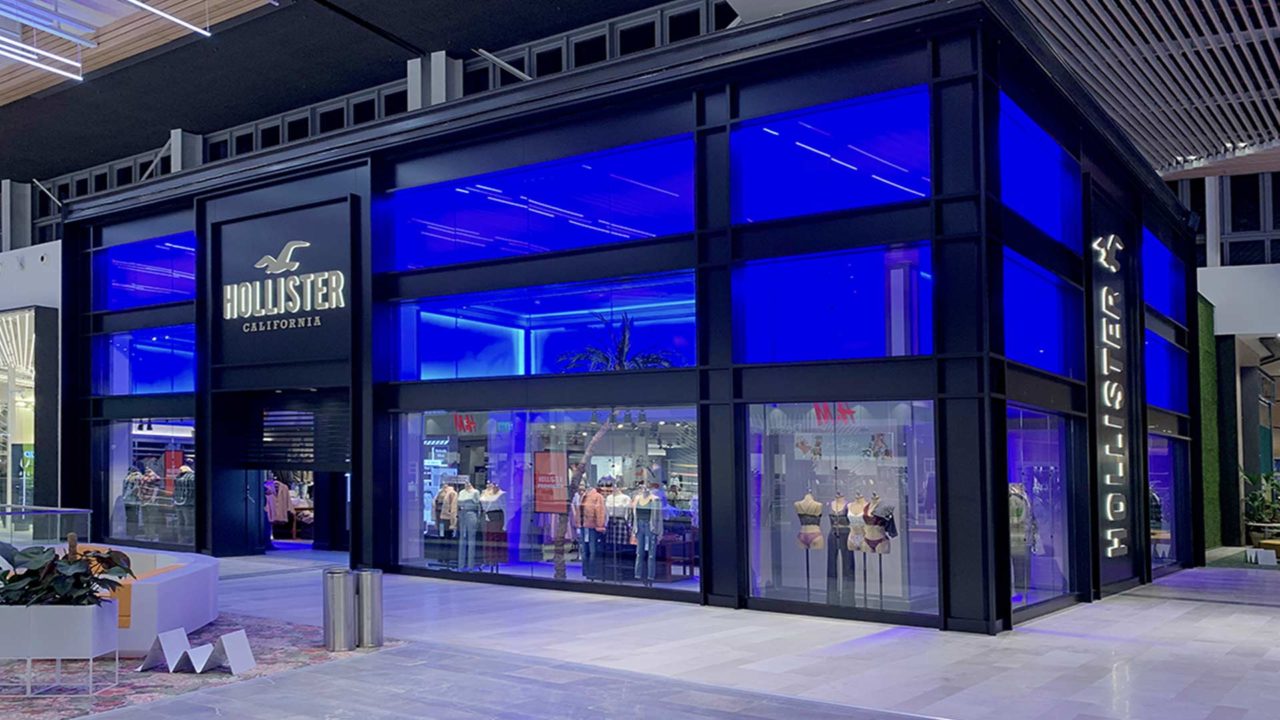
    Hollister, an offspring of Abercrombie & Fitch Co., has broadened its physical retail footprint in Hong Kong with the launch of a new store at K11 Art Mall.

    Store Design and Offerings

    The store’s interior design is a reflection of Hollister’s American-vintage theme, featuring wooden floors, navy accents, and an open layout. The window displays are currently showcasing Chinese New Year merchandise, and the festive design elements can also be observed in the fitting-room areas.

    Hollister’s new store offers a wide range of its core apparel lines, inclusive of denim, casual wear, and seasonal collections. Denim continues to be a major focus at the K11 Art Mall store, boasting a diverse offering of baggy, flare, and straight-leg fits available in multiple sizes.

    In addition to the standard offerings, the store has stocked up on new seasonal ranges. This includes the Love Hollister collection and a Chinese New Year capsule designed to celebrate the Year of the Horse. The latter features hoodies and sweatshirts adorned with red-toned updates.

    Hollister’s Growing Presence in Hong Kong

    The launch of the K11 Art Mall store highlights Hollister’s continued commitment to expanding its brick-and-mortar presence in Hong Kong. This comes at a time when international fashion brands are sustaining their investments in physical stores, parallel to their digital channels.

    Abercrombie & Fitch experienced a surge in sales last year, posting record second-quarter numbers. Hollister played a significant role in this growth, contributing a 19 per cent increase in sales.

    Questions & Answers

    What is the design concept of Hollister’s new store at K11 Art Mall?
    The store follows Hollister’s American-vintage concept with wooden flooring, navy accents, and an open layout.

    What clothing lines does the new Hollister store carry?
    The store carries Hollister’s core apparel lines, including denim, casual wear, and seasonal collections. It also offers a Chinese New Year capsule and the Love Hollister collection.

    How did Hollister contribute to Abercrombie & Fitch’s growth last year?
    Hollister significantly contributed to Abercrombie & Fitch’s growth last year, accounting for a 19 per cent increase in sales.

  • Tim Hortons Brews Up Localization Strategy to Double South Korean Presence in 2022

    Tim Hortons Brews Up Localization Strategy to Double South Korean Presence in 2022

    Renowned Canadian coffee company, Tim Hortons, is ramping up its efforts to establish a stronger operational presence in South Korea. The firm’s objective is to more than double its store tally to a total of 50 locations within this calendar year. This strategy is underpinned by a recognition of the importance of localization in propelling its growth in an increasingly competitive coffee industry.

    Currently, Tim Hortons operates 24 outlets, with the majority situated in Seoul and its surrounding metropolitan areas. This year, the company plans to increase its store count by an additional 26, one of which will be a flagship “signature store”. This special location will feature a larger floor space and a more extensive food menu, setting it apart from the standard outlets.

    An Tae Yeol, the Chief Brand Officer of BKR, stated at a recent press conference that the company’s focus for this year would be on stores directly operated by Tim Hortons. This approach is part of their strategy to successfully navigate the fiercely competitive South Korean coffee market. The introduction of franchising is projected to commence next year, albeit with a select group of partners.

    Tim Hortons’ operations in South Korea are managed by BKR, which is also responsible for the operation of Burger King outlets in the country. Previously, the brand had set a goal to open 150 outlets within the first five years of its entry into the South Korean market in 2023.

    Questions & Answers

    What are Tim Horton’s expansion plans in South Korea?
    Tim Hortons aims to more than double its store presence in South Korea within this year, increasing its footprint from 24 to 50 outlets. The company plans to establish a flagship “signature store” with a larger floor space and a broader food menu.

    How does Tim Hortons plan to manage its growth in the highly competitive South Korean coffee market?
    Tim Hortons plans to focus on company-operated stores for the upcoming year as a strategy to remain competitive in the South Korean coffee industry. The company also plans to introduce franchising by next year with a limited number of partners.

    Who operates Tim Hortons in South Korea?
    Tim Hortons in South Korea is operated by BKR, the same company that runs Burger King outlets in the country.

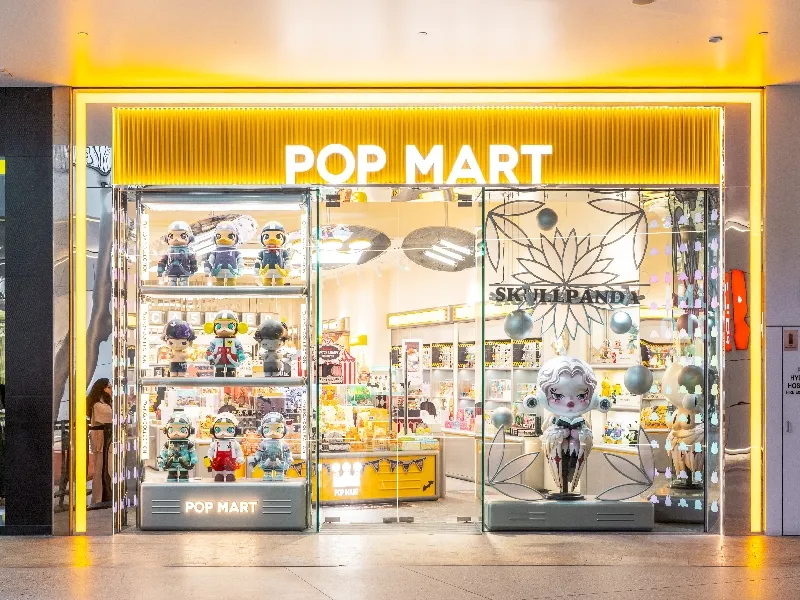
  • Pop Mart’s Aggressive US Expansion: Over 20 New Stores Set to Boost Presence in American Malls

    Pop Mart’s Aggressive US Expansion: Over 20 New Stores Set to Boost Presence in American Malls

    Pop Mart, renowned for producing the popular Labubu figures, is set to expand its presence in the United States. This decision has been well-received by the corporation’s shareholders.

    Pop Mart has unveiled an ambitious plan to inaugurate more than 20 new outlets across malls in the United States. The company intends to join forces with Simon Property Group to realize this expansion. With the completion of this initiative, Pop Mart’s total outlets in the U.S. and Canada will exceed 60.

    Pop Mart marked its initial foray into the U.S. market by launching its first store in the American Dream Mall, New Jersey, in September 2023. By 2024, the firm had expressed intentions to manage as many as 200 stores within the region.

    The company observed a decline in its share price from its peak in August. However, the announcement of the U.S. expansion and subsequent investment brought about a significant turnaround. The company’s shares noticed a single-day increase of 10% – marking the most substantial growth since August 20.

    The first half of the previous year saw a dramatic 1142% year-on-year revenue increase in the U.S., amounting to US$315 million. This figure considerably surpassed the 135% growth recorded in China during the corresponding period.

    Questions & Answers

    What is Pop Mart’s expansion plan in the United States?
    Pop Mart has announced plans to open more than 20 new stores in American malls in collaboration with Simon Property Group.

    What was the response of Pop Mart’s shareholders to the U.S. expansion plan?
    The shareholders responded positively to Pop Mart’s U.S. expansion plans, evident from the 10% single-day increase in the company’s shares following the announcement.

    How did the U.S. market contribute to Pop Mart’s revenues in the first six months of last year?
    The U.S. market contributed significantly to Pop Mart’s revenues during the first half of last year, with a year-on-year increase of 1142% amounting to US$315 million.

  • Hapas Eyes $15M Boost to Amplify Omnichannel Presence and Southeast Asia Expansion

    Hapas Eyes $15M Boost to Amplify Omnichannel Presence and Southeast Asia Expansion

    Hapas, a fashion accessories retailer based in Vietnam, is reportedly setting its sights on raising a minimum of $15 million in a forthcoming funding round. The objective of this fundraising effort is to bolster its omnichannel footprint and facilitate expansion across the Southeast Asia region.

    The Role of Index Partners

    Reports suggest that Index Partners is taking on the role of sell-side advisor for the transaction. This role typically involves providing guidance on the selling strategy, facilitating negotiations, and working to ensure a favorable outcome for Hapas.

    An Impact-Linked Investment

    In 2022, Hapas received an impact-linked investment from Beacon Fund, which is the SME lending branch of Patamar Capital. This investment was reportedly influenced by the fact that 80% of Hapas’ management personnel are women entrepreneurs. Beacon Fund, however, has since withdrawn its investment.

    Specialization and Expansion Strategy

    Hapas was originally established as a provider of affordable luxury products, specializing in bags and accessories. Presently, Hapas manages 16 brick-and-mortar stores in Vietnam, and places emphasis on e-commerce platforms such as the TikTok Shop and Shopee.

    Furthermore, the company is making conscious efforts to fortify its direct-to-consumer channels to help diminish its dependence on third-party marketplaces. As part of this initiative, Hapas has commenced online sales in Thailand and is formulating plans to extend its physical retail presence to other regional markets. These include Thailand and Indonesia, and the expansion is slated to occur within the next few years.

    Questions & Answers

    What is Hapas planning to do with the new funding?
    Hapas aims to use the funds raised to enhance its omnichannel presence and to facilitate its expansion across the Southeast Asian region.

    Who is acting as a sell-side advisor for the transaction?
    Index Partners is reported to be serving as the sell-side advisor for this transaction.

    What is Hapas’ expansion strategy?
    Hapas has recently begun selling online in Thailand and aims to expand its physical retail presence to regional markets like Thailand and Indonesia in the next few years.

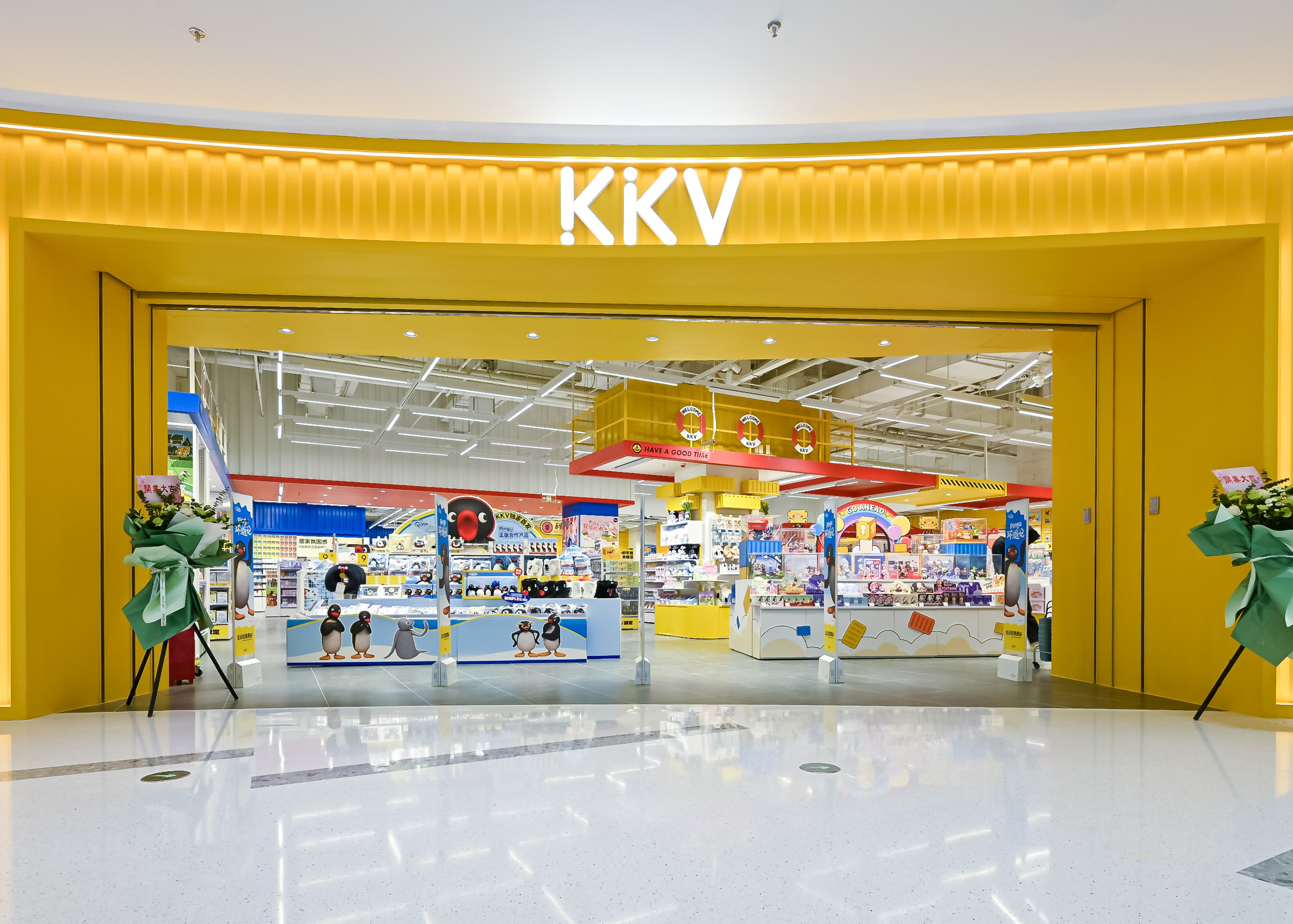
  • KK Group Debuts First KKV Flagship Store in Vietnam, Amplifying Its Southeast Asia Presence

    KK Group Debuts First KKV Flagship Store in Vietnam, Amplifying Its Southeast Asia Presence

    KK Group, a key player in retail, has unveiled its first independent KKV flagship store in Vietnam, signifying the company’s second international flagship venue as it continues its expansion in Southeast Asia.

    Store Location and Features

    The new outlet is strategically situated at 28 Le Loi Street in the bustling city of Ho Chi Minh. This high-end retail location is directly across from Saigon Centre, a prominent shopping hub.

    Breaking away from traditional retail designs, the multi-story store integrates unique themed displays, such as the ‘Colorful KKV Moto Park’. This motorcycle-inspired installation is placed at the entrance, utilizing what was previously a parking space.

    The store boasts an extensive selection of lifestyle goods, including toys, beauty products, food, and household items. Approximately 5,000 additional products will be gradually unveiled, just in time for the Tet (Lunar New Year) holiday season.

    Future Expansion Plans

    Rojen Wu, Chief Operating Officer of KK Group’s international business, expressed the company’s commitment to further global expansion. He stated, “We will continue to open global flagship stores in various countries, offering local consumers an enriched and inspirational shopping experience.”

    Vietnam is a crucial market for KK Group in Southeast Asia. The company presently manages around 20 stores across its three brands—KKV, The Colourist, and X11—in Vietnam, with a goal of reaching 50 outlets within the year.

    Founded in China, KK Group runs over 1,000 stores in more than 200 cities within its home market and more than 150 in Southeast Asia. For this year, the group aims to increase that number to over 300 stores across the region.

    Questions & Answers

    Where is the first standalone KKV flagship store in Vietnam located?
    The store is located at 28 Le Loi Street in Ho Chi Minh City, across from the Saigon Centre.

    What unique feature does the new KKV store in Vietnam possess?
    The store is designed with themed installations such as the ‘Colorful KKV Moto Park’, a motorcycle-themed structure at the entrance.

    What are KK Group’s expansion plans in Southeast Asia?
    KK Group plans to continue opening more flagship stores in various countries across Southeast Asia, with a target of over 300 stores across the region for this year.

  • Citi Bolsters Asian FX Market Presence: Key Hires Spark Momentum in Regional Expansion

    Citi Bolsters Asian FX Market Presence: Key Hires Spark Momentum in Regional Expansion

    Citi is amplifying its efforts to boost its foreign exchange business across Japan, North Asia, Australia, and South Asia with the addition of seven experienced professionals to its foreign exchange sales and trading teams since September. The strategic move aims to capitalize on increasing regional FX flows and further develop relationships with corporate, institutional, and public-sector clients, as indicated in a recent announcement.

    Boosting Corporate FX Presence

    Citi is solidifying its corporate foreign exchange sales capacities with the appointment of Manoj Goel as Head of Corporate FX Sales for the Indian subcontinent. Goel, who brings a wealth of 23 years of experience and a proven track record of spearheading notable cross-border FX transactions in India, will be reporting to Vandana Bhatter and Aditya Bagree. Prior to this, Goel headed Global Markets Corporate Sales at a major global bank. He is an Electronics Engineering graduate from BITS Pilani and holds an MBA from IIM Calcutta, where he was a silver medalist.

    Enhancing Capabilities in Singapore

    Citi has welcomed back Cassalynne Lou to its Singapore Corporate FX Sales team, where she will be reporting to Galvin Phua. Lou, who has over seven years of experience in FX sales across New York, Singapore, and at a major bank, will be focusing on broadening the Citi Commercial Bank North Asia–Singapore FX corridor and enhancing advisory services for corporate clients.

    Powering Up Institutional FX Team

    On the institutional front, Citi has recruited Yusuke Aita as a Director based in Tokyo. Aita, who will be reporting to Anand Goyal, brings 17 years of diverse FX trading and sales experience from several leading banks. He has previously catered to hedge funds and institutional clients.

    Strengthening Hong Kong’s Institutional FX Coverage

    Citi has bolstered its institutional FX coverage in Hong Kong by appointing Renee Gao as Director. Gao, who will report to Chen Ni, has specialized in emerging-markets fixed income and FX products in her previous role at a major global bank. She started her journey at Goldman Sachs in Hong Kong and Sydney, focusing on FX solutions for institutional clients.

    Expanding Regional Bank and Real-Money Coverage in Singapore

    Matthew Lim has joined Citi’s institutional FX sales team in Singapore as Vice President and will report to Timothy Young. With prior experience at UBS and Credit Agricole, Lim has covered banks, private banks, and central banks. He is a Bachelor of Science in Finance degree holder with a minor in Economics from Pennsylvania State University.

    Augmenting FX Trading Bench with Senior Options Talent

    Citi has appointed Nicky Lam as Director in its G10 FX Options trading team in Singapore. Lam, who will report to Akshay Saxena, brings with him two decades of experience across Singapore, London, and Hong Kong. He has previously led G10 options for APAC at both Nomura and Goldman Sachs and has also served at the Royal Bank of Scotland.

    Enhancing SGD and EM Trading Capabilities

    Jonathan Chua has joined Citi’s FX Trading desk in Singapore as an SGD and short-term interest rate trader. He will report to Dany Checrallah. Chua brings over a decade of experience in SGD and emerging-market currencies. He began his career at Citi in G10 spot trading and holds degrees from the University of Exeter and INSEAD.

    Growth Corresponds with Strong Market Performance

    The recruitment momentum aligns with the robust performance in Citi’s markets business. In the third quarter of 2025, markets revenues hit $5.6 billion, marking a 15 percent increase. Fixed income revenues also saw a 12 percent rise to $4.0 billion, aided by a 15 percent surge in rates and currencies and an eight percent increase in spread products and other fixed income. Heightened client activity in rates and stronger mortgage trading contributed to these gains.

    Reaffirming Commitment to Regional FX Growth

    Nathan Swami, Head of FX Trading in Japan, North Asia, Australia, and South Asia, commented, “These appointments underscore our unwavering commitment to strengthening and maintaining our leadership position in these markets. They also reaffirm our deep dedication to our valued corporate and institutional clients, as well as our continued investment in the growth of our business.”

    Questions & Answers

    Question: What is Citi’s strategy for enhancing its foreign exchange business?
    Answer: Citi is appointing experienced professionals to its FX sales and trading teams to capitalize on increasing regional FX flows and further develop relationships with corporate, institutional, and public-sector clients.

    Question: What roles have been filled as part of this strategy?
    Answer: Citi has filled positions such as Head of Corporate FX Sales for the India sub-continent, Director positions in Tokyo and Hong Kong, Vice President in Singapore, and other senior roles.

    Question: What has been the recent performance of Citi’s markets business?
    Answer: In the third quarter of 2025, Citi’s markets revenues reached $5.6 billion, a 15 percent increase. Fixed income revenues also rose by 12 percent to $4.0 billion.

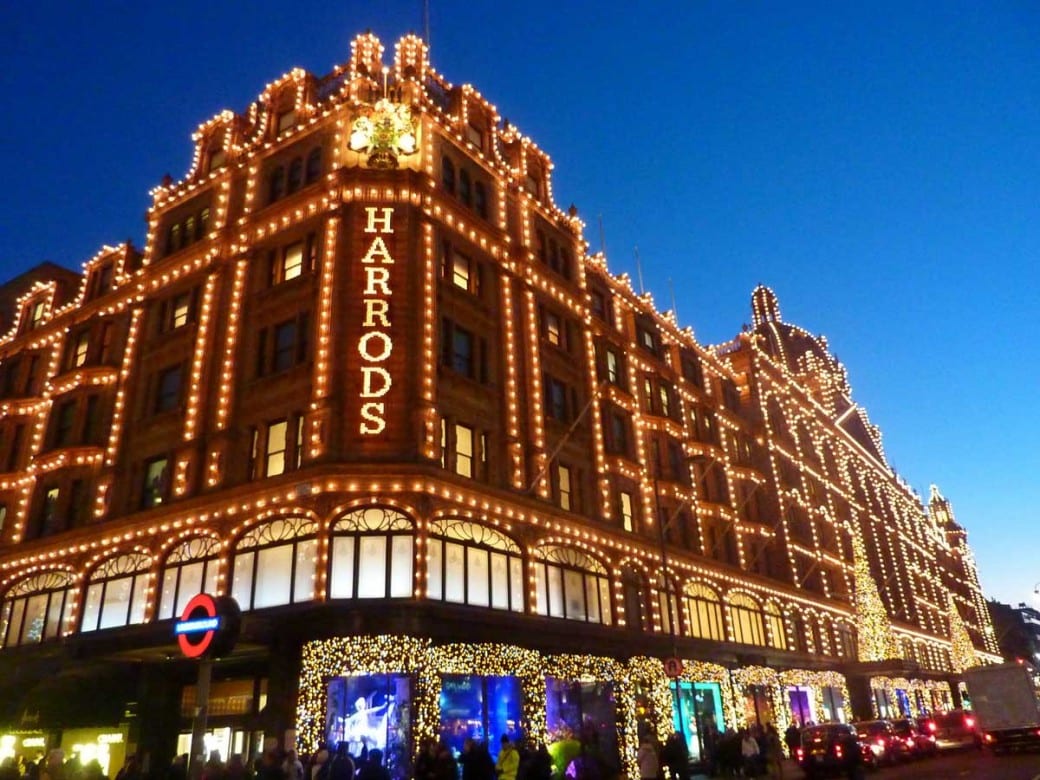
  • Harrods Ramps up Digital Strategy, Scaling Down Physical Presence in China

    Harrods Ramps up Digital Strategy, Scaling Down Physical Presence in China

    The iconic British department store Harrods has decided to scale back its physical presence in China. Its most significant move in this direction is the impending closure of its upscale hospitality spaces in Shanghai.

    Closure of Premium Spaces

    The Shanghai Tea Rooms and the ultra-exclusive private member club, The Residence, are scheduled to shut their doors in January. This move signifies the end of an era that began in 2020, initiated by an exclusive personal shopping concept that was only available via invitation.

    Both the Shanghai Tea Rooms and The Residence were designed with the intention of offering well-heeled Chinese customers a taste of classic British luxury. They were spaces where social, lifestyle, and retail experiences were effectively blended.

    Maintaining Presence through Other Channels

    Despite the closures, Harrods is not completely pulling out of China. The retailer aims to maintain its presence in the country by hosting exclusive pop-up events and activities. They also plan to continue their engagement with Chinese consumers through digital channels and by exploring local wholesale opportunities.

    Harrods has additionally discontinued its membership program, which was specifically designed for Chinese consumers. However, the retailer’s senior leadership is committed to supporting local partners and plans to conduct a series of visits over the next year.

    Earlier Developments

    In 2021, Harrods unveiled a second version of The Residence in Beijing. The brand then embarked on a partnership with The Opposite House, which is part of Swire Hotels’ Upper House Group, to launch The Harrods Residence Suite. This marked the opening of its first hotel suite in Asia.

    Questions & Answers

    Why is Harrods closing its hospitality spaces in Shanghai?

    Harrods is reducing its physical footprint in China and focusing more on digital channels, local wholesale opportunities, and exclusive pop-up events.

    Will Harrods completely withdraw from the Chinese market?

    No, despite the closure of some physical spaces, Harrods intends to maintain its presence in China through various channels and activities.

    What was the purpose of the Shanghai Tea Rooms and The Residence?

    These venues were designed to offer affluent Chinese customers a taste of traditional British luxury, blending elements of social, lifestyle, and retail experiences.

  • HSBC Bolsters ASEAN Presence: Ruby Ho to Spearhead Markets and Securities Services in Singapore

    HSBC Bolsters ASEAN Presence: Ruby Ho to Spearhead Markets and Securities Services in Singapore

    HSBC, the UK-based banking institution, recently undertook a strategic shift in its Southeast Asian operations, assigning an experienced professional to spearhead its markets and securities services across ASEAN.

    Ruby Ho Takes the Reins

    Ruby Ho now holds the reins of HSBC’s Markets and Securities Services (MSS) franchise throughout Singapore and the ASEAN region. She will lead the bank’s regional strategy for markets and securities services, poised at a moment when institutional demand, transnational investment, and treasury needs in Southeast Asia are on the rise.

    Ho comes to the role armed with almost three decades of experience in the financial markets. She joined HSBC in 2011 and has since occupied high-ranking roles across a variety of asset classes and markets, most recently serving as the head of MSS in HSBC Taiwan. Her proven ability to build robust institutional relationships is expected to be instrumental in driving client engagement across the region.

    Fostering HSBC’s ASEAN Growth Goals

    HSBC’s management team sees Ho’s appointment as a significant stride towards deepening the bank’s regional footprint. “Singapore is a high-priority growth market for HSBC. We have been consistently enhancing our regional banking and advisory capabilities, catering to the capital and investment requirements of our ASEAN clients”, said Wong Kee Joo, CEO of HSBC Singapore.

    He further remarked on Ho’s “vast expertise across asset classes and her capacity to foster robust collaboration across our wealth and corporate banking sectors, which will assist us in expanding our market share in this region.”

    Prepared for Growth

    With demographic growth, burgeoning capital markets, and increasing intra-regional investment, ASEAN is one of HSBC’s key areas of focus worldwide.

    The appointment of an experienced markets executive emphasises the bank’s intent to augment its MSS portfolio and seize a larger share of the institutional market across Southeast Asia.

    Questions & Answers

    Who has HSBC appointed to lead its MSS franchise in the ASEAN region?
    Ruby Ho has been appointed to oversee HSBC’s Markets and Securities Services in the ASEAN region.

    What is the significance of Ruby Ho’s appointment to HSBC’s growth strategy in ASEAN?
    Ho’s appointment is seen as a key step in strengthening HSBC’s regional presence and providing a boost to the bank’s growth agenda in the ASEAN market.

    What factors make ASEAN a high-priority area for HSBC?
    ASEAN is a key focus for HSBC due to the region’s demographic growth, expanding capital markets, and rising intra-regional investment.

  • L’Oréal Boosts Chinese Presence with Second Investment in Domestic Beauty Brands

    L’Oréal Boosts Chinese Presence with Second Investment in Domestic Beauty Brands

    French cosmetics giant, L’Oréal, has announced its minority stake acquisition in Chinese skincare brand, Lan, signifying its second investment in China within recent months. This investment comes at a time when local brands in China are experiencing significant growth.

    L’Oréal has chosen not to disclose the size or cost of the stake. However, Vincent Boinay, L’Oréal North Asia president and China CEO, emphasizes the importance of China in the company’s global strategy. Boinay affirms the company’s faith in China as a key player in the future of the industry.

    “This investment demonstrates our belief that investing in China equates to investing in the future. We intend to continue to nurture the Chinese market and collaborate with additional Chinese brands to create a prosperous future. Our aim is to meet the expectations of discerning Chinese consumers,” stated Boinay.

    This investment in Lan follows L’Oréal’s recent acquisition of a 6.67 per cent stake in Chando – a transaction that cost the company 442 million yuan (US$62 million), according to last month’s prospectus for the Shanghai-based company’s Hong Kong IPO.

    China’s Growing Domestic Market

    International brands have encountered challenges in China’s beauty and personal care market. This $75 billion industry has seen a growing proportion of domestic market share, known as C-Beauty, shift to local brands in recent years. This has taken place amid a backdrop of slowing overall growth, attributed to a long-standing property crisis and broad concerns over job stability.

    Investing in popular domestic brands could serve as a shortcut for L’Oréal to capitalize on the momentum of C-beauty, according to Ben Cavender, MD at Shanghai-based China Market Research Group.

    “L’Oréal, along with other international brands, are facing considerable pressure from domestic brands, which are launching new products at a faster rate and often exhibit more aggressiveness in marketing new skincare ingredients, concepts, and routines,” Cavender said.

    Last month, L’Oréal CEO, Nicolas Hieronimus revealed that the group’s China business experienced a quarterly growth of around 3 per cent, marking its first increase in two years.

    Competing with Local Brands

    Consultancy data obtained from Frost & Sullivan indicates that Chando Group ranks as China’s third-largest home-grown beauty player in retail sales, following Proya and Chicmas. Both Chando and Lan emphasize natural, clean ingredients as their unique selling points.

    Yang Hu, Apac insight manager at Euromonitor International, suggests that Chando’s stronghold in the mass-market price range (mainly retailing between 49-390 yuan) and its accessibility in China’s smaller cities could offer resources to aid L’Oréal’s recovery in the country, without directly competing with the group’s central brands.

    Questions & Answers

    Why is L’Oréal investing in Chinese brands?
    L’Oréal is investing in Chinese brands to capitalize on the rapidly growing domestic market, which could provide a platform for their expansion and recovery in China.

    What challenges are international brands facing in China’s beauty market?
    International brands are facing pressure from domestic brands, which are launching new products more rapidly and executing more aggressive marketing strategies for new skincare ingredients, concepts, and routines.

    How is L’Oréal’s investment in Chando aiding their position in the Chinese market?
    Chando’s stronghold in the mass-market price range and its accessibility in China’s smaller cities could offer resources to aid L’Oréal’s recovery in the country, without directly competing with the group’s central brands.

  • Amundi Amplifies Asia Presence with Key Appointment in Investment Specialist Team

    Amundi Amplifies Asia Presence with Key Appointment in Investment Specialist Team

    Leading French asset management company, Amundi, has recently enhanced its team of investment specialists in Asia, welcoming a new addition to their ranks.

    New Appointment Bolsters Team

    Amundi has announced the appointment of Chloe Shea to the position of Head of Investment Specialists, Multi-Asset and Solutions for Asia, excluding Japan. In her new role, Shea will work closely with clients and portfolio managers. Utilizing Amundi’s research and investment platform, Shea is set to develop solutions that generate alpha.

    Hong Kong Base

    Shea will be based in Hong Kong and will report to Florian Neto, the Head of Investment for Asia, and Dan Levy, the Head of Solutions Business Development and Investment Specialists.

    Extensive Industry Experience

    Shea brings with her over 15 years of experience in client consulting, manager research, and multi-asset investments. Her previous roles include an Investment Director position at Schroder Investment Management’s multi-asset team. Earlier in her career, she was also employed at Manulife Asset Management and Towers Watson Investment Services.

    Questions & Answers

    Who has Amundi recently appointed to their investment specialist team in Asia?

    Amundi has recently appointed Chloe Shea as the Head of Investment Specialists, Multi-Asset and Solutions for Asia, excluding Japan.

    What will be Chloe Shea’s role?

    Chloe Shea will work closely with clients and portfolio managers to develop alpha-generating solutions using Amundi’s research and investment platform.

    What is Chloe Shea’s industry experience?

    Shea brings over 15 years of industry experience, including her previous role as an Investment Director at Schroder Investment Management’s multi-asset team. She has also worked at Manulife Asset Management and Towers Watson Investment Services.