Retail News CRM

Tag: riding

  • Grabbing Grab’s share a tough question in Vietnam

    Grabbing Grab’s share a tough question in Vietnam

    Local ride-hailing firms lack deep pockets needed to out-incentivize market leader Grab. After Uber Technologies Inc sold its ride and food-delivery businesses in Southeast Asia to bigger regional rival Grab last March, Vietnamese firms have tried to chip away at Grab’s dominance.

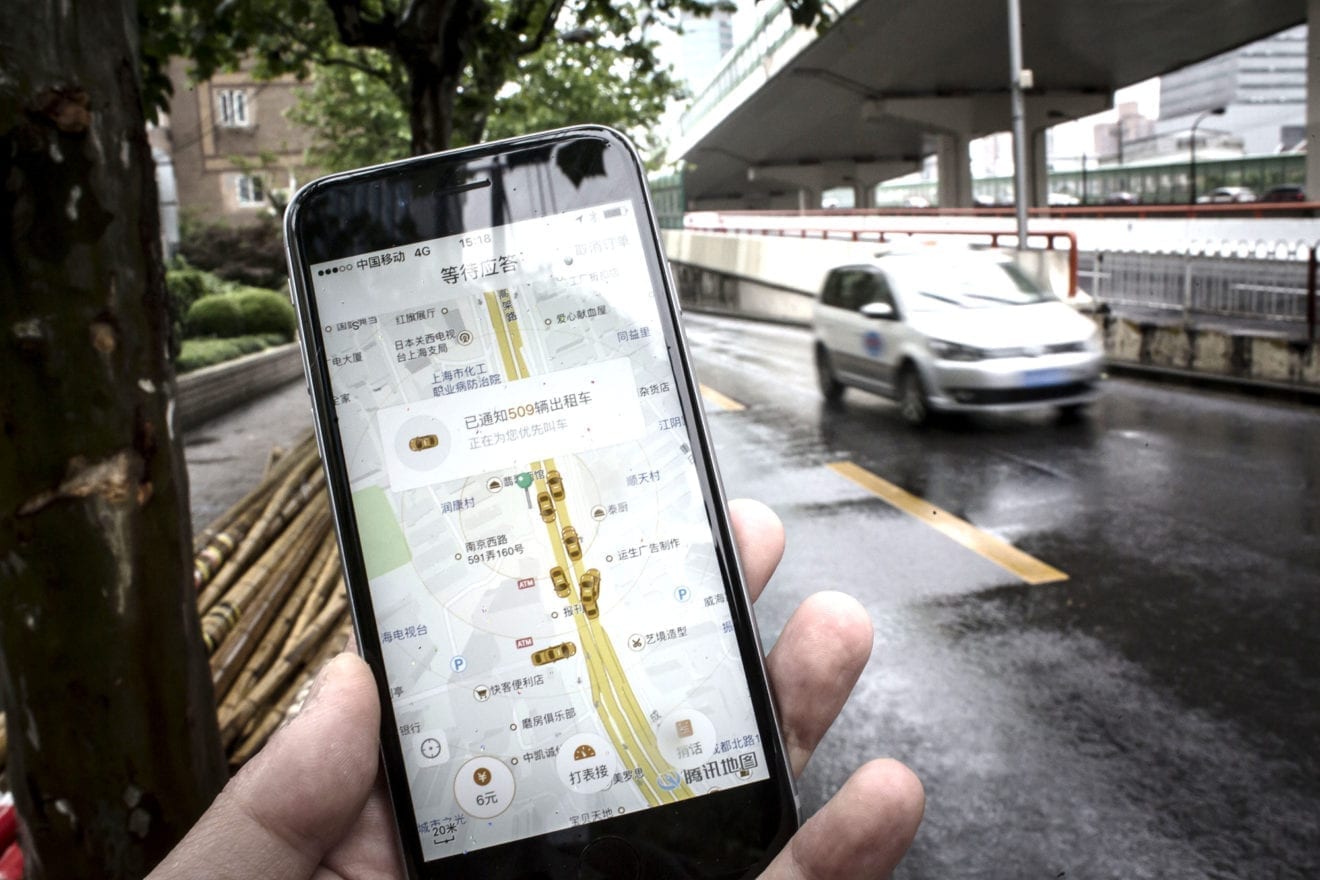
    A number of ride-hailing apps have been introduced recently, like Aber, which was developed by a group of Vietnamese students studying in Europe; FastGo, an affiliate of NextTech Group; and MVLchain – a Singapore-based transportation startup; VATO; Didi; and MaiLinhBike.

    Besides competing in the bike- and car-hailing businesses with dominant player Grab, the new entrants also plan to offer good delivery, car rentals and long-haul ride services.

    But, for the moment, none of them have shown the ability to fill the gap left by Uber or to threaten Grab’s supremacy, because they have not differentiated themselves from the competition.

    Newcomers did look for some “killer features” that are absent from previous apps to lure customers. For instance, VATO allows users to bargain with the driver for the most competitive price and Mai Linh Bike says it will collect lower commissions from its drivers and will not increase ride prices during peak hours.

    But such measures are not enough because ride-hailing is a cash burn business and only those with strong financial resources can endure, experts say.

    EasyTaxi has probably learned how tough this fight is. The Brazil-based company came to Vietnam at the end of 2013, six months before Grab and Uber’s presence in this market. Despite being the first comer, it withdrew from the market just two years later. Money, or the lack of it, was the reason, industry insiders say.

    Cash burn strategy

    Even big players like Grab and Uber have reported heavy losses in Vietnam. According to the General Department of Taxation, Grab, with a total registered capital of only VND20 billion ($881,057), has incurred losses of nearly VND1 trillion in three years of operating in Vietnam.

    But this cash burn strategy is how Grab and Uber are eating up traditional taxi firms’ market share. In 2014-2015, they launched intense promotional programs including free rides and discounts to lure customers. They also expanded their driver networks by providing them with subsidies and big rewards based on performance.

    Limited funding limits the budding competitors’ ability to offer incentives the way the big players can, so the former are always playing catch up. They can’t offer discounts, and can’t expand their network of drivers in order to offer faster, better rides.

    In a price-driven market, customers are always looking to choose the cheapest possible ride. And they have complained that it is not easy to book a ride with the new apps even in downtown areas.

    Duc Huy, a senior student at the Academy of Journalism and Communication in Hanoi, told VnExpress that he found it difficult to get a ride on MaiLinhBike as there are not many drivers around North Tu Liem District where he lives.

    “I have to wait for 10 minutes to get on a MaiLinhBike ride because the river is 2-3 km away,” he said.

    Drivers too see Vietnamese ride-hailing platforms as backup options. They are not ready to switch despite Grab cutting back on drivers’ incentives.

    Taxi driver Duy Ngoc said he operates on both Grab and VATO apps, but gets just two or three rides booked on the VATO platform a day.

    “So, I mainly drive on the Grab platform to ensure my income,” he said.

    “New apps do not have a large customer base. Drivers just sign up to get incentives, so their main driving service remains the previous one (Grab),” said 25-year-old Grab motorcycle driver Quoc Anh.

    Market niches

    With Go-Jek about to set foot in Vietnam with its Go Viet app, competition is only get tougher for local firms. The Indonesian ride-hailing firm is a heavyweight competitor to Grab in the Southeast Asian region. Will local apps stand a chance? The answer is, unlikely, in a head-to-head fight.

    “Capital shortfall is a disadvantage for Vietnamese ride-hailing apps, so they should not enter the cash burn race,” said Dr Nguyen Duc Thanh, head of the Vietnam Institute for Economic and Policy Research.

    He said going head-to-head with bigger rivals is not the right path to follow. There are other ways to succeed, he added.

    “They can enter niche markets like good delivery, car rentals or long-distance ride services. Instead of trying to divide market share in the beginning, newcomers should think of a long-term strategy to build a solid foundation,” Thanh added.

    It was not a fluke that even a well funded Uber lost to a more localized opponent, he said.
  • Grab refuses to release details of Uber buy-out

    Grab refuses to release details of Uber buy-out

    The deal has left tax payments unresolved and questions remaining about a potential market monopoly. Tax authorities in Ho Chi Minh City have once again sent a request to Grab in Vietnam asking the company to provide details concerning its recent acquisition of rival Uber’s Southeast Asia business.

    The reason for the request is due to the fact that Grab is legally obliged to pay tax on the transfer of capital and business market share following the deal.

    Vietnam’s tax law states that all income generated by foreign companies operating in the country should be subject to tax, regardless of where they are based.

    Organizations and individuals that receive capital from foreign organizations are required to declare and pay tax on behalf of those foreign organization, tax authorities cited the law as saying.

    With details of the Uber- Grab deal remaining undisclosed, authorities are still unsure how to calculate how much the latter owes in tax.

    Uber also allegedly still owes Vietnam’s government $2.3 million in taxes required, but claims that according to Vietnam’s agreement on double taxation avoidance with the Netherlands, that figure is inflated.

    Grab has previously said that the $2.3 million is down to Uber, and has refused to pay the firm’s outstanding debt.

    Grab’s decision violates Vietnamese law and international practices, said lawyer Doan Van Hau, chairman of the Vietnam Lawyers’ Commercial Arbitration Center.

    Quoting Vietnamese law, Hau said that Grab was responsible for paying all of Uber’s back taxes.

    Ho Chi Minh’s tax department previously asked five local commercial banks to help it collect the outstanding sum from Uber, but failed to do so as the company did not have a bank account in Vietnam.

    Uber has since filed two lawsuits against Ho Chi Minh’s tax department.

    Grab is also under investigation by Vietnam’s Ministry of Industry and Trade for violating the Competition Law in its acquisition of Uber.

    Malaysia, the Philippines and Singapore are all requesting details of the acquisition.

  • Uber selling Southeast Asian business to regional rival Grab

    Uber selling Southeast Asian business to regional rival Grab

    Ride-hailing giant Uber is selling its business in Southeast Asia to regional rival Grab while gaining a robust stake in the fast-growing ridesharing, food delivery and financial services business.

    Grab said Monday that Uber will take a 27.5 percent stake and a seat on its board as part of the deal. Financial details were not disclosed.

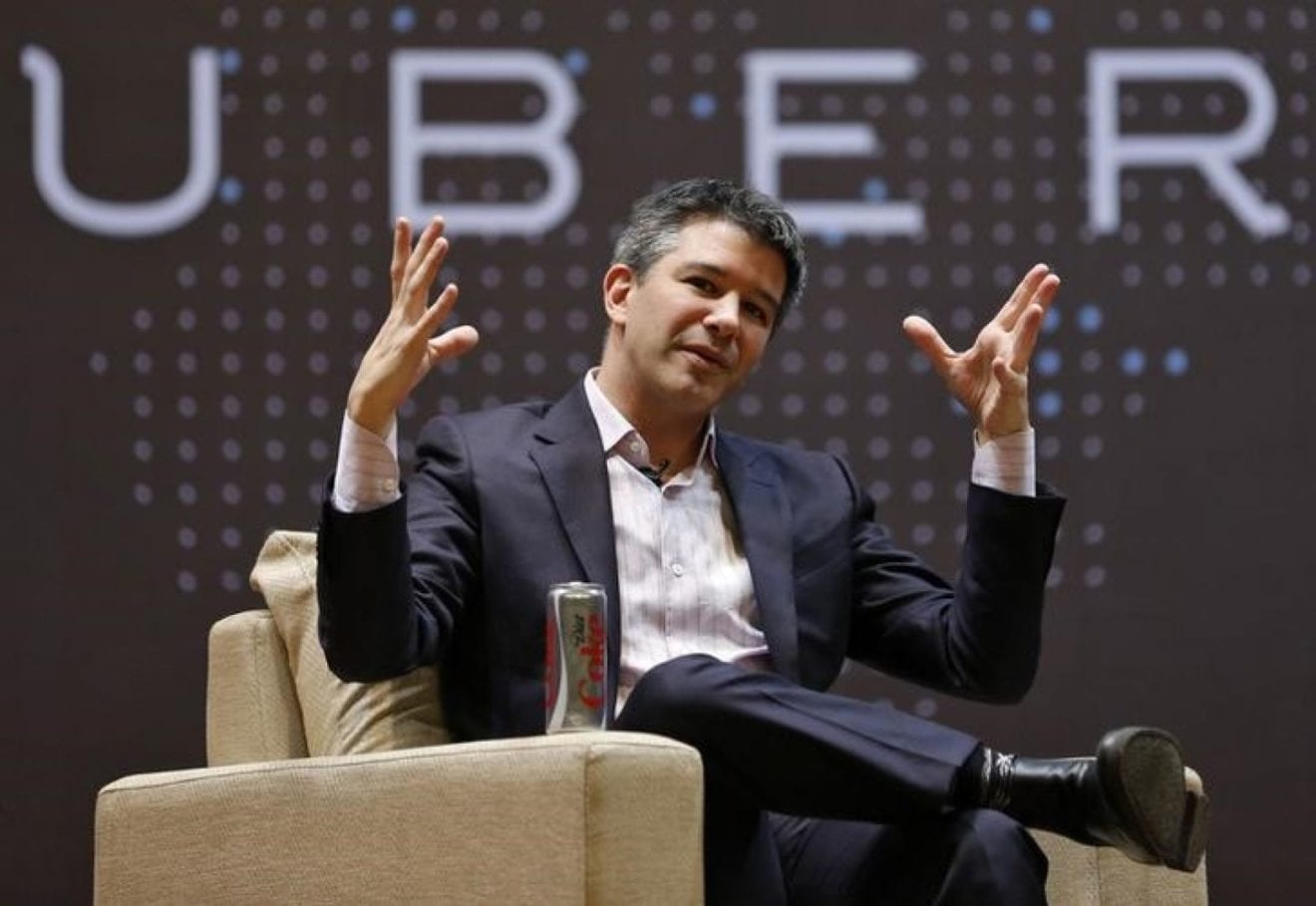
    Since becoming Uber’s CEO in September, Dara Khosrowshahi has been maneuvering to make the company profitable before a planned initial public offering expected next year.

    The company’s full-year net loss widened to $4.5 billion in 2017 as it endured multiple scandals and the departure of its co-founder and former CEO Travis Kalanick.

    The deal enables Uber to keep a foothold in the increasingly affluent market of 640 million people while cutting its losses.

    “It will help us double down on our plans for growth as we invest heavily in our products and technology to create the best customer experience on the planet,” Khosrowshahi said in a statement.

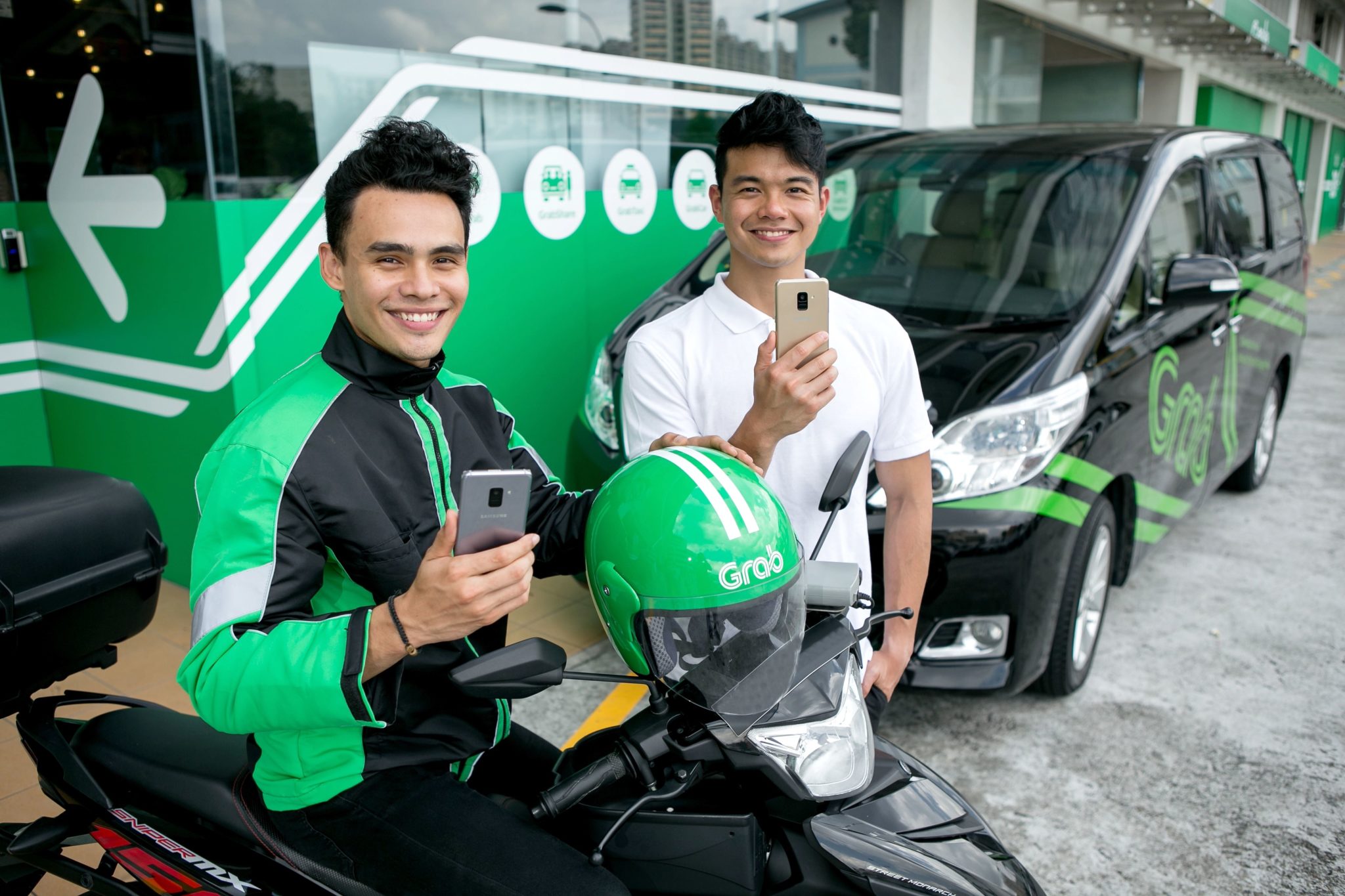
    Grab provides services in Singapore, Indonesia, the Philippines, Malaysia, Thailand, Vietnam, Myanmar and Cambodia. It says it offers access to five million drivers and agents and handles over a billion transactions a year.

    The deal was dismaying to many in Asia who have often compared the rival apps in search of the best deal.

    The Uber app will be discontinued in just two weeks, and in the meantime its drivers have to sign up to drive with Grab. Riders, likewise, will need to download the Grab app and set up accounts, although their Uber accounts will still work outside Southeast Asia.

    The companies said that Uber Eats, the food delivery business, will run in Southeast Asia through May and then shift to the GrabFood platform. Grab has been seeking to dominate the regional market for car and motorbike hailing and has expanded into other areas, recently announcing plans to partner with a Japanese credit card company to provide credit to millions of people without bank accounts.

    In Indonesia, the region’s biggest economy and most populous country with more than 250 million people, it’s in a fierce battle for customers with local app Go-Jek, which has backing from Google and Tencent.

    Grab’s CEO and co-founder Anthony Tan said the acquisition of Uber’s regional business marks the beginning of a new era in using mobile businesses to provide transport, food delivery, payments and other financial services across the region.

    Uber has withdrawn from several big overseas markets. It sold off its China business to a competitor and partner, Didi Chuxing, taking a stake in Didi. In Russia, it agreed to merge its ride-hailing business in the country with Yandex, a local search-engine leader that also runs a popular taxi-booking app.

  • Uber’s ride hailing service is finally legal in Vietnam

    Uber’s ride hailing service is finally legal in Vietnam

    The ride-hailing firm has now secured approval from local authorities after two previous rejections. The Vietnamese government has finally approved Uber’s application to trial its ride hailing services, a minister said, after having rejected requests from the company twice since 2015.

    Deputy Transport Minister Nguyen Hong Truong said on Monday that Uber Vietnam has fulfilled all necessary conditions to pilot its online ride-hailing application. However, the company will still need approval from local authorities before it starts operating, Truong added.

    The main obstacle facing Uber’s quest to legally offer its services in Vietnam was mainly its failure to register Uber Vietnam as a ride service provider since its arrival in June 2014 as the company expanded into Southeast Asia.

    Previously, Uber Vietnam was only registered to offer “consulting and management” and “market research and public opinion polling”. Now, it’s also registered to offer “information technology services and other computer related services.”

    The Transport Ministry previously said that Uber Vietnam’s authorization given by its parent company – the Netherlands-based Uber International Holding BV – which provides the smartphone application for Uber services, was insufficient.

    Market regulators said the parent company should be held responsible for the application rather than its Vietnamese business unit.

    Local regulators outlawed Uber’s smartphone app-based services in November 2015 after they flagged the company for tax avoidance.

    In an attempt to regulate ride-sharing services, Vietnamese regulators have allowed companies to run pilot programs through IT applications under 3-year contracts. Vietnam’s transport authorities earlier approved a pilot scheme for Grab Vietnam, Uber’s main rival, that also entered Vietnam in 2014.

    The Malaysia-based Grab was previously the only foreign-run transport service allowed to operate in five cities across Vietnam using registered private vehicles between 2016 and 2018.