Retail News CRM

Tag: sneakers

  • Why is Farfetch betting on sneakers?

    Why is Farfetch betting on sneakers?

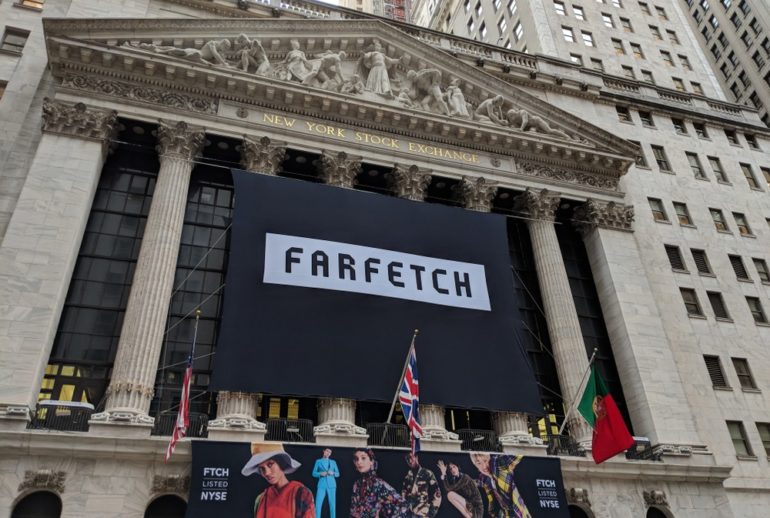
    In its first major move since going public in September, Farfetch announced Wednesday that it is acquiring sneaker and streetwear marketplace Stadium Goods in a deal that values the business at $250 million. The London-based fashion e-commerce platform is aiming to extend its reach in the growing luxury sneakers and streetwear market, as millennials account for a growing percentage of luxury sales and competitors are engaged in a digital land grab.

    Farfetch first partnered with Stadium Goods, a consignment reseller of rare and limited edition products, on a distribution deal in April of 2018, bringing a small selection of products sold on Stadium Goods to the Farfetch platform.

    After the deal closes, Stadium Goods’s full inventory  will be available to Farfetch users. Stadium Goods will continue to operate independently while tapping into Farfetch’s logistics and delivery capabilities.

    The world’s largest fashion e-commerce players, including Farfetch, MatchesFashion and Richemont’s Yoox Net-a-Porter, are locked in a race to add new services and technologies through investments, acquisitions and internal research and development in order to stay ahead of the pack, generate higher margins and become the go-to platform for consumers and brands.

    They’re all chasing a rapidly expanding online luxury market, which Bain & Co. sees growing from an estimated €26 billion ($30 billion) in 2018 to between €80 billion and €91 billion ($90.9 billion to $103 billion) in 2025.

    Sneakers are a key driver of the boom, outpacing overall luxury sales growth to reach $4 billion last year.

    Farfetch founder chief executive Jose Neves said that while his marketplace has built a following around high-end streetwear, “we did not have access to the rare sneakers, to the premium limited editions in the secondary market” that Stadium Goods Offers. The partnership has so far generated “phenomenal, immediate traction” from all of Farfetch’s markets, especially China, Japan, Russia and the Middle East.

    “[Sneakers] are growing faster than other categories and we see the same on Farfetch,” added Neves. “We now have the strongest secondary market brand, in our view.” Stadium Goods competes directly with other streetwear-focused platforms StockX, Grailed and GOAT.

    Stadium Goods co-founder and chief executive John McPheters said Farfetch’s international reach would be a major boost to the business.

    Most of Stadium Goods’ sales happen online, and the marketplace has partnered with larger digital retailers including Amazon, eBay, Zalando and Alibaba to scale its access to sneakerheads. Last year, it turned over $100 million in gross merchandise volume.

    Both Farfetch and Stadium Goods are focused on capitalising on China’s growing luxury market, but they have taken different approaches.

    JD.com, China’s second-largest e-commerce company, has a stake in Farfetch. Meanwhile, Stadium Goods started selling products on JD.com rival Alibaba’s Tmall in 2016, and the company has said the channel now accounts for 15 percent to 20 percent of total sales.

    McPheters said Stadium Goods’s relationships with its existing e-commerce partners will remain “business as usual,” batting away the suggestion of a potential conflict between the two company’s respective alliances with JD.com and Tmall.

    Neves said any re-evaluation of the partnership between Stadium Goods and Tmall would be up to Stadium Goods management.

    Farfetch, which went public on the New York Stock Exchange in September 2018, has aspirations to be the “Amazon for luxury,” adopting the e-commerce giant’s marketplace model. Third-party sellers, from tiny boutiques to global brands and retailers, list products on the site, with Farfetch processing sales and sometimes handling the logistics, but not taking inventory.

    Since going public, Farfetch has made clear its aggressive focus on new markets, pursuing more business in emerging economies such as China and the Middle East, as well as signing on additional retailers and brands. Neves told analysts in November that he wants Farfetch to take the “lion’s share” of new luxury spending online over the next decade.

    The company reported $310 million in sales on its platform in the third quarter, a 53 percent jump from the same time last year, and putting Farfetch on track to handle transactions worth well over $1 billion for the full year.

    Farfetch’s cut of each sale is around 30 percent. Losses are also growing, as it invests heavily in technology, hitting $77 million in the third quarter of 2018, up from $28 million during the same period the previous year.

    On Wednesday, Farfetch shares were up 5.9 percent at $23.90.

    Stadium Goods is Farfetch’s first acquisition since picking up Chinese digital marketing agency CuriosityChina in July. In 2015, it also acquired London boutique Browns.

    “We will continue to look only at world-class absolute leaders in specific markets or technologies or categories, and nothing else,” said Neves, describing his strategy around potential future acquisitions as case-by-case. “I believe first in deals that are win-wins.”

    Stadium Goods opened in New York’s Soho in 2015, reselling limited edition sneakers to a growing market of fans ready and eager to pay thousands of dollars for rare pairs. Founded by McPheters and Stiller, the business raised $4.6 million in January 2017 in a Series A funding round led by Forerunner Ventures. In February 2018, LVMH bought an undisclosed minority stake in the business.
  • Foot Locker’s Newest Store Features a Barber Shop and Gaming Zone

    Foot Locker’s Newest Store Features a Barber Shop and Gaming Zone

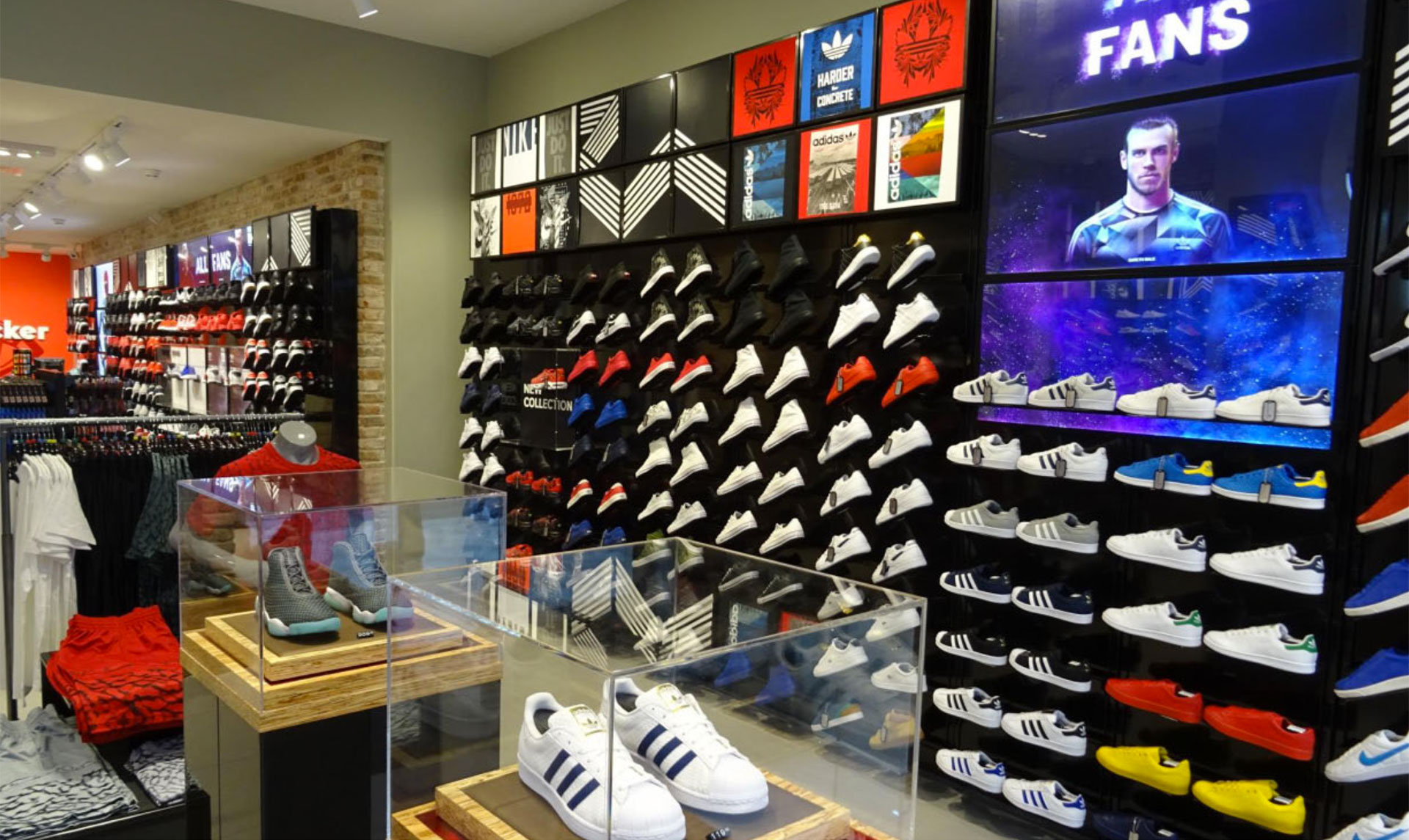
    Foot Locker is diving headfirst into experiential retail with the debut of its Hong Kong “power store,” a 26,000-square-foot sneakerhead paradise where shoppers can get a haircut or hang out and play Xbox in between trying on shoes.

    Located in the city’s bustling Kowloon shopping district, the store is one of four the company plans to open throughout Asia in the 2018 fiscal year, with three in Singapore and one in Malaysia rounding out the pack. Only the Hong Kong location, however, qualifies as a power store, which Foot Locker’s chairman and CEO Dick Johnson described on the company’s last earnings call as an effort “in key markets to create more immersive and community-oriented customer experiences.”

    Power stores in Liverpool, England, and Oxford Street in London likewise feature collaborations with local artists, on-site barber shops, sneaker cleanings and gaming zones, all designed to enhance the in-store experience at a time when many sneaker fans do much of their shopping online or via app.

    The company is betting on its new Asia outposts to help drive sales as its growth in the U.S. and Europe have flagged slightly in recent quarters. It is also launching e-commerce in Singapore for the first time, complementing its in-store offerings.

    Throughout the year, the company plans to open 45 new stores and close 120 less profitable locations, and Johnson said power stores are in the works for the domestic market, with the Detroit area up first. The trick, he said, is finding “the right property, the right lease terms and the right construction period to make it happen.”

  • Aw Lab Malaysia launches Kuala Lumpur flagship Store

    Aw Lab Malaysia launches Kuala Lumpur flagship Store

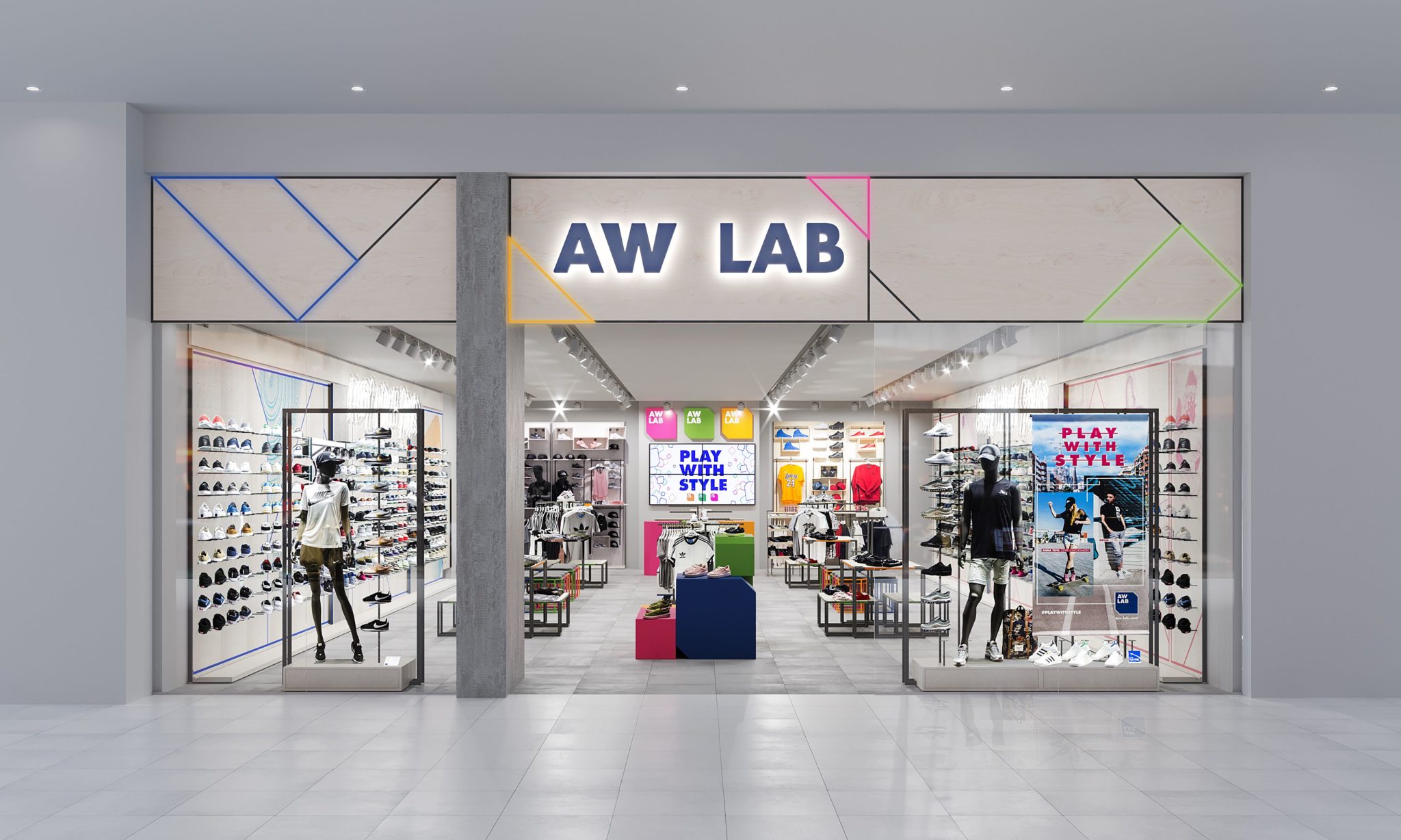
    Sneaker specialist Aw Lab Malaysia has launched a flagship store in Suria KLCC shopping mall, Kuala Lumpur.

    It carries exclusive collections from such brands as Adidas, Nike, Puma and Reebok, and introduces two new labels to the Malaysian streetwear market, Down Up and Two of a Kind.

    Malaysian celebrities Alicia Amin, Caprice, Elizabeth Tan and Juliana Evans attended the store opening.

    Giuseppe Nisi, head of Asia for the Italian company, which is part of the Bata group, says Aw Lab plans to open its second Malaysian store within the year.

    The store takes up two spaces on the third floor of the mall, popular with tourists and local shoppers alike.

  • Peak Sport first Chinese firm to release 3D sneakers

    Peak Sport first Chinese firm to release 3D sneakers

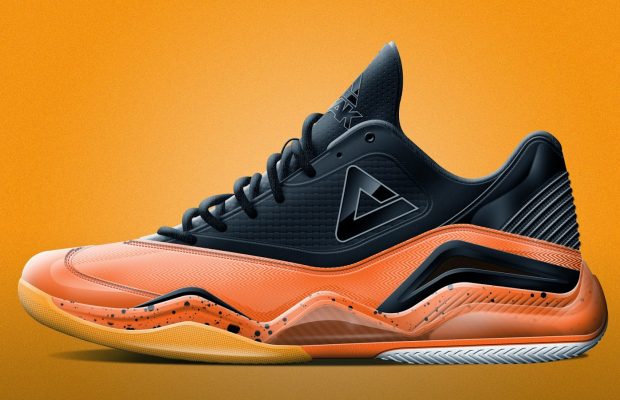
    Sports brand Peak has released its first 3D printed running shoes in Beijing, the first-ever Chinese firm to successfully launch the innovative sneakers.

    Dubbed ‘Future I’, the sneakers are being sold on local e-commerce platform Tmall for RMB1299 (US$188).

    The 3D printed running shoes are based on the most popular Peak FLY V, with 3D printed technology applied to achieve technological innovation. Promoting comfort and breathability, the shoes are made with a special lattice structure insole made via 3D technology.

    In a press release, Peak said its “SLS laser sintering technology shapes the shoes with the more elastic TPU, to ensure the lightness and flexibility… bringing an extraordinary and excellent wearing experience.”

    Peak brought in 3D printing technology in 2013, and over the past 5 years, the firm has used 3D printing technology to produce shoe molds to make 3D printed versions to create exclusive design for athletes such as NBA player Dwight Howard.

    This latest design feat crowns Peak’s design efforts, and harks a promising future in innovative sportswear.

    “This pair of 3D printed shoes is Peak’s latest outcome of Peak Innovation Strategy, our goal is to build Peak as the most international, professional and innovative sports brand in China,” said Zhihua Xu, general manger of Peak Sport.

    Peak owns five research and technology centres in Beijing, Guangzhou, Quanzhou, Xiamen and Los Angeles, with 200 staff across all campuses.

    Based on 3D printed technology, Peak’s ‘Longji’ running shoes were awarded first prize in the first China Industrial Design Competition.

    “In the future, Peak will insist on technological innovation research and release more professional sports products to meet the mass requirements, and become the leading sports brand,” added Zhihua Xu.

    Peak is the third sports brand to release and sell 3D printed running shoes after Adidas and Under Armour.

  • Reebok Launches Tuk Tuk Inspired Sneakers

    Reebok Launches Tuk Tuk Inspired Sneakers

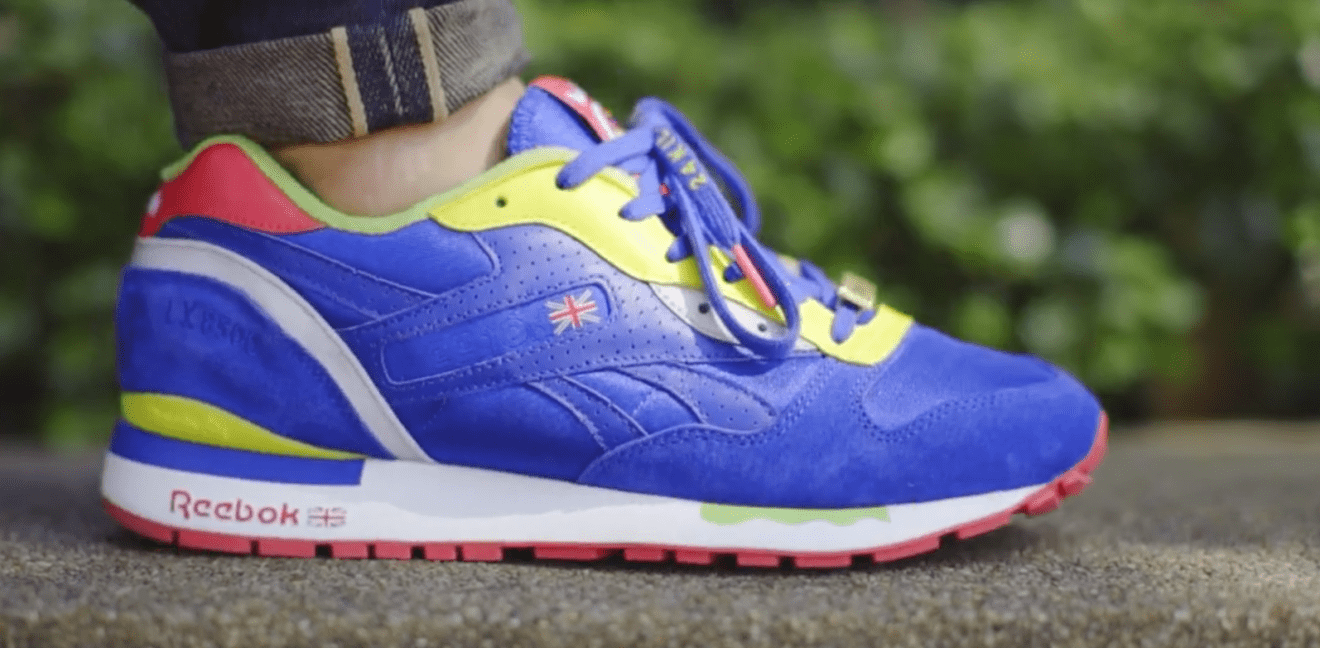
    A new sneaker collaboration between Reebok and international sneaker destination store 24 Kilates in Barcelona pays homage to Bangkok and, even more specifically, to the bright colors of the city’s iconic tuk tuk.

    The video, released a few days ago in advance of the sneaker’s March 12 drop date, plays out like a two minute-long love letter to Bangkok.

    The clip opens with a sunrise over Bangkok and the ambient traffic noise that is the never-ending soundtrack to life in the city. The viewer follows the sneakers as they visit many of Bangkok’s key sites: the Chao Phraya River, the Grand Palace, Wat Arun, the Giant Swing, Asoke intersection and what appears to be Soi Cowboy. The entire homage is set to the driving line of a morlum tune.

    And how does the dude wearing the sneakers get from place to place around our giant city? In a tuk tuk that matches the shoes, of course.

    The sneaker design is the brainchild of the owners of 24 Kilates. The two men come to Bangkok often, saying they have fallen in love with the city and also plan to open their second 24 Kilates location in the capital in the not-too-distant future.

    Whether you care about sneakers or not, seeing the city through their eyes in this video is a worthwhile way to spend a few minutes.

  • Thais battle over limited Adidas trainers

    Thais battle over limited Adidas trainers

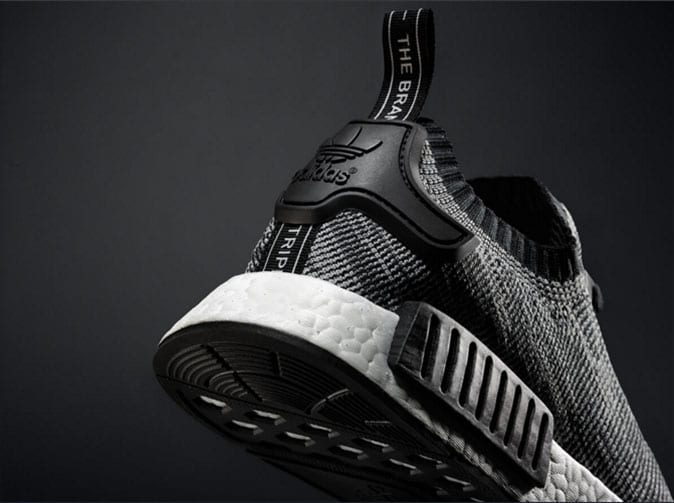
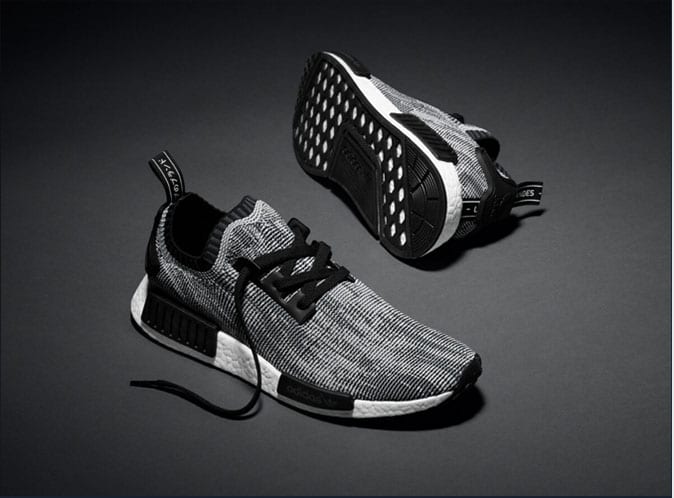
    One person fainted and a shop door was damaged after hundreds of Adidas fans tried to push into its Siam Center store on Saturday morning to get their hands on the limited NMD R1 sneakers.

    The photos and videos, which went viral over the weekend, show Adidas fans crowding in front of the Siam Center store as the employees desperately yelled at customers to step away and refused to open the doors.

    adidas3

    Some of them had reportedly camped out in front of Siam Center overnight as the store only had 51 pairs of NMD R1 in stock.

    One customer at the front reportedly fainted as the shop door was damaged. On the Adidas Facebook page, some users also left comments that they had seen a few people getting injured in the mad event.

    Some customers had their shirts ripped, others had their eye glasses broken, and some even lost their shoes in the scuffle.

    The shoes cost THB6,990.

    “We’re not gonna sell them today! Please don’t push forward. Our shop is now damaged. We can’t open the shop now!” she continued.

    The chaos ended with the store refusing to open, likely to prevent people from stomping each other to death.

    adidas2

    The shop decided it would choose who could buy the shoes by drawing lots. It is unclear if the lucky draw has taken place yet.

    The NMD R1, or “Nomad,” is described as a “gem of the Adidas design team,” combining design and functionalities in its three models Micro Pacer, Rising Star and Boston Super.

    We admit, the shoes are pretty sexy.

    Adidas Thailand has not issued an official statement after several fans went home disappointed. It only replied to angry comments on its Facebook page apologizing for the “inconvenience.”