Retail News CRM

Tag: social media

  • Social media plays crucial role in Chinese consumers’ personal lives

    Social media plays crucial role in Chinese consumers’ personal lives

    ocial media is a fundamental part of Chinese consumers’ personal lives, but it is not used professionally as much as it is in Western countries, according to the Consumer Technology Association’s (CTA) new study, Digital Lifestyles in China.

    The study, unveiled today at CES Asia, explores Chinese consumers’ online behaviors in three key areas: social networks, shopping preferences and video content consumption. Owned and produced by CTA and co-produced by Shanghai Intex Exhibition (Shanghai Intex), CES Asia 2017 takes place June 7-9 in Shanghai, China.

    “In the span of just a decade, China has developed and deployed a world-class online services sector – and Chinese consumers have fully embraced it,” said Steve Koenig, senior director of market research, CTA. “Connectivity is shaping Chinese consumers’ lifestyles faster and more dramatically than we’ve seen in with other countries. Brands must understand how this mobile connection shapes Chinese personal networks, content consumption and buying behavior.”

    Social Networks

    Chinese consumers are highly engaged on social media, using messaging platforms to connect with personal contacts (63 percent). About half engage with social content by liking (49 percent) and commenting (42 percent) daily or even multiple times a day. However, only 28 percent of Chinese use social media for professional purposes.

    Additionally, smartphones are the preferred devices for Chinese consumers when it comes to interacting via social media, because they’re always in-hand. WeChat is the leading social networking site – 95 percent of Chinese have an account and 86 percent of those users connect multiple times a day. WeChat is also a leading platform for mobile payments in China – nine in ten Chinese (88 percent) use their smartphones to shop online.

    “Our research shows that Chinese consumers embrace social media as a necessary part of modern society,” said Koenig. “But the strong delineation we see between consumers’ social and professional social media use is striking. It’s possible that creating reliable firewalls between their personal and professional social networking could help the majority of Chinese express their individuality, while still maintaining a professional persona.”

    Buying Behaviors

    Shopping behavior is another area where CTA’s research identified a significant difference between American and Chinese consumers. Among Chinese consumers, an overwhelming preference exists for shopping online vs. in-store. Sixty-one percent of Chinese say they prefer to shop online, compared to just 11 percent who prefer to shop in-store. Almost all Chinese consumers (90 percent) say they’ve purchased a product from leading Chinese retailer Tmall in the last year. The study also shows there are very few products Chinese consumers can’t, or won’t purchase online — mainly expensive items they need to see, feel or try.

    Video Consumption

    Like many in the world, Chinese consumers use streaming video to relax and pass time. When it comes to content sources, Chinese consumers are generally receptive to engaging with both domestic and foreign content, slightly preferring domestic channels and outlets, especially for news.

  • Daniel Wellington Expands Across Hong Kong

    Daniel Wellington Expands Across Hong Kong

    Leading watch company Daniel Wellington revealed its brand new Classic Petite collection and global marketing campaign featuring four a-list global icons today at LCX, Harbour City. Hong Kong expansion plans are also under way as the brand announced their goal to open around 10 new stores across the city over the next year.  

    Celebrity Cantopop singers Fiona Sit and Pakho Chau helped launch Daniel Wellington new Classic Petite collection and the brand’s global marketing campaign today at LCX, Harbour City.

    The new Daniel Wellington faces are world-famous, incredibly successful, young global icons: model and TV personality Kendall Jenner is featured across Daniel Wellington media wearing the brand new Classic Petite watch alongside highly sought-after model siblings Lucky Blue Smith and Pyper America Smith and model, TV personality, actress and singer ROLA.   

    Kendall Jenner is one of the most influential people on the internet, boasting a staggering 75.9 million Instagram followers. Lucky Blue (2.8 million followers) has been a successful model since a young age while his sister Pyper America’s (722K followers) modelling career has been skyrocketing over the past year. Rola, with 4.4 million Instagram followers, was discovered in Japan at the age of 16 and rose to fame in no time due to her character, sense of style and distinctive beauty.

    The campaign release comes hand in hand with four new watches launched under the brand’s newest Classic Collection named Classic Petite. Available in the signature rose gold and silver, they are inherently Daniel Wellington , the quintessence of classic sophistication and timeless design, intended to match any occasion and outfit. Thin, refined and perfectly round, the Classic Petite 32mm watch is the ideal staple especially for females.

    Inspired by an intriguing gentleman with impeccable style who caught Founder Filip

    Tysander’s eye on a trip across the globe back in 2011, Daniel Wellington watches are known and loved worldwide for their classic, minimalist design and interchangeable straps. Carried in all major cities worldwide, the company has firmly established itself as one of the most beloved watch brands in the industry, which is not traditionally known for being active on social media. Having started the brand with a no-traditional-advertising rule, Daniel Wellington is proof that carefully planned online content truly is the best brand catalyst. With over 2.9 million followers and over 1 million uses of the hashtag #danielwellington, their combined strategy of influencer activity and user generated content has clearly paid off and changed the watch industry forever. 

    The brand celebrated the campaign kick-off at a pop-up event at LCX, Harbour City, with celebrity Cantopop singers Fiona Sit and Pakho Chau taking centre-stage alongside the anticipated global icons campaign and coveted new watches. In line with the way the brand rose to fame, many of Asia’s top social influencers were invited to participate in the pop up event. The store will remain open to the public until Sunday, March 19 th .  

  • McDonald’s social media blitz: 200 staff added to Tweet & Like

    McDonald’s social media blitz: 200 staff added to Tweet & Like

    Gearing up for a McDonald’s social media blitz, the fast food giant has recruited 200 staff from tech-savvy online companies.

    The new recruits have come from companies such as Amazon and PayPal and are stationed in the McDonald’s head office in Oakbrook Illinois, in Singapore and London.

    Their challenge is help the iconic burger brand catch up with rivals in using social media to monitor customer experiences, engage with customers and monitor what is trending online.

    Just two years ago, McDonald’s was not even following or responding to online comments on its brand or products – yet its name is mentioned every one to two seconds.

    “We seemed deaf and mute,” Paul Matson, director of social and digital engagement at McDonald’s US, said in an interview with the Wall Street Journal.

    Matson believes the expanded team will help win business from social media-addicted millennials – some 78 per cent of whom visited a McDonald’s restaurant at least once a month during the first quarter of 2016.

    Besides improved monitoring and communication, the company is using social media to test market products and concepts – replacing more traditional focus group research. The spin-off from that is increased exposure of the concepts, wider engagement and a far great sample base than focus groups allow.

  • Kaskus founder leaves company, says IT sector becoming too risky

    Kaskus founder leaves company, says IT sector becoming too risky

    Kaskus founder Ken Dean Lawadinata has resigned from his position as chairman of PT Darta Media Indonesia, the operator of the Kaskus online community. Ken plans to invest in property and commodities instead of Information Technology (IT).

    Ken released his shares in Kaskus to GDP Ventures.

    “That’s right, I have left Kaskus. I released all my shares to GDP,” he said on Saturday as quoted by kompas.com.

    Ken was one of the founders of Kaskus and elevated Kaskus to its current status as the biggest online community in Indonesia.

    Ken said that after Kaskus, he was not interested in the IT industry anymore. He has his eyes on property and commodity investments such as mining and timber.

    He said the IT industry in Indonesia was still growing and demand was healthy and new ideas kept emerging. However, Ken said the risks in IT were now too high.

    “IT was a sector with low-risk, high-return, but it has now become a high-risk, high-return sector. In this industry, US$10 million is now meaningless,” Ken said.

    Ken also founded Smartmama, a media company for mothers, and Tororo, an online baby products shop. He plans to hold on to these companies.

    “In IT, I will focus on Smartmama and Tororo,” Ken went on to say.

    Another Kaskus founder, Andrew Darwis, who is still chief commercial officer of Kaskus, offered his thanks to Ken for Ken’s dedication in growing Kaskus. He stated that Ken’s resignation would not disturb the company’s performance.

    “Kaskus is focusing on its mission to become the biggest social commerce platform in Indonesia,” Andrew said.

    Kaskus was founded in 1999 by Andrew, Ken and two other friends.

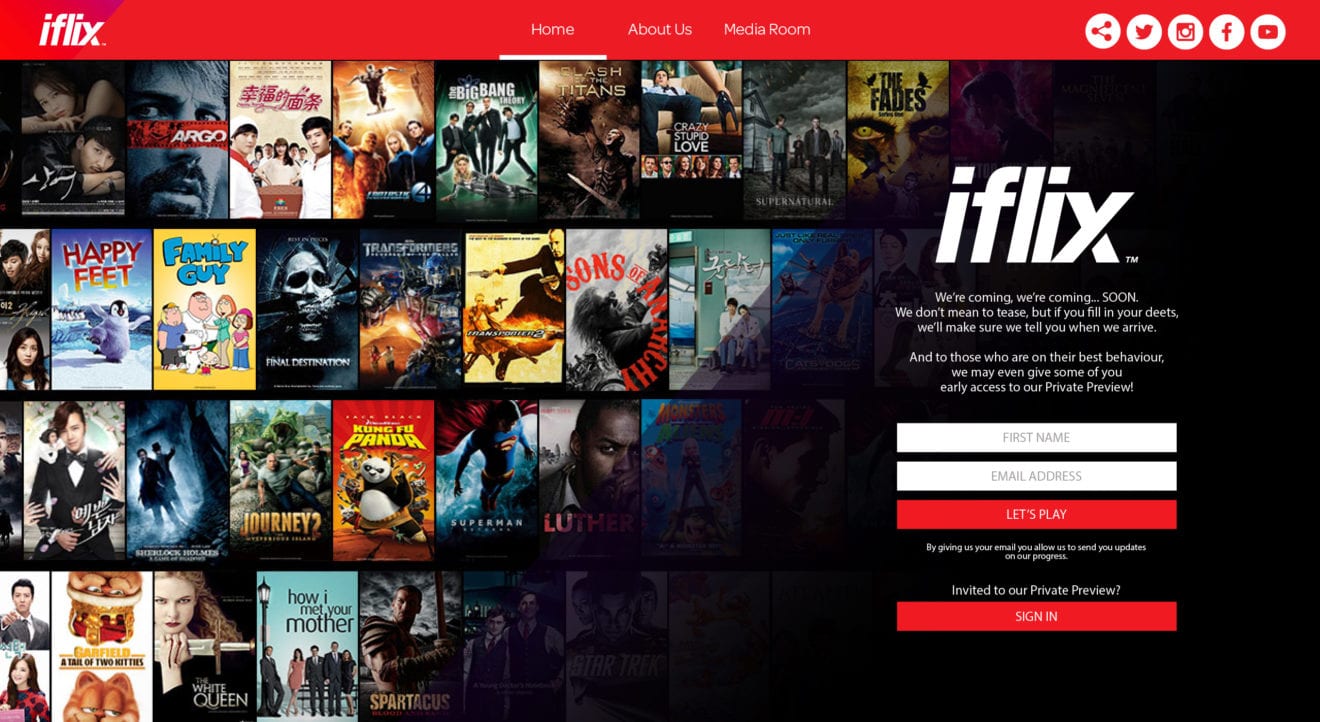
  • Iflix wants to become a social media platform for TV

    Iflix wants to become a social media platform for TV

    Emerging subscription-based streaming video service iflix intends to set itself apart from Netflix by becoming a social media platform for television, according to company executive.

    “Netflix is very much into an original production base… they are really focusing their investment on content and user experience and interface,” Cam Walker, chief executive of iflix Indonesia, told telecomasia.net at the sidelines of Communic Indonesia and Broadcast Indonesia 2016, which kicked off Wednesday at the Jakarta International Expo in Kemayoran, Central Jakarta.

    “We have just most recently decided to venture beyond entertainment into becoming a truly social platform for television.”

    To do that, Walker said the company is planning to introduce more social media components and interactive features to the service. For instance, the company will offer a social feature later this year where users can chat with others or interact with local celebrities who have drawn up movie playlists for them.

    Iflix launched its service in Indonesia in mid-June this year and garnered 250,000 activations in about two-and-a-half months.

    Walker said the Indonesian market is relatively new from an OTT perspective and doesn’t see other streaming services as competitive, as they are all heading in different paths.

    “We’re the new kid on the block. We started a couple of years as a cool internet TV concept, with a vision to provide a better service to piracy and a viable alternative at an affordable price point,” he said.

    iflix is now offering 2,000 seasons of 900 programs, 5,000 episodes of 200 kids programs and local content acquired from partners for its Indonesian viewers.

    Walker said iflix will soon produce its first local Indonesian content that will open more opportunities for local actors, producers, directors, scriptwriters and “the new breed of Indonesian talents.”

    “We’re going to be investing heavily in local productions and local acquisitions as well, which I think will differentiate us from the major international players,” he said.

  • Dloky, new Local Promotion Social Medium for Retail

    Dloky, new Local Promotion Social Medium for Retail

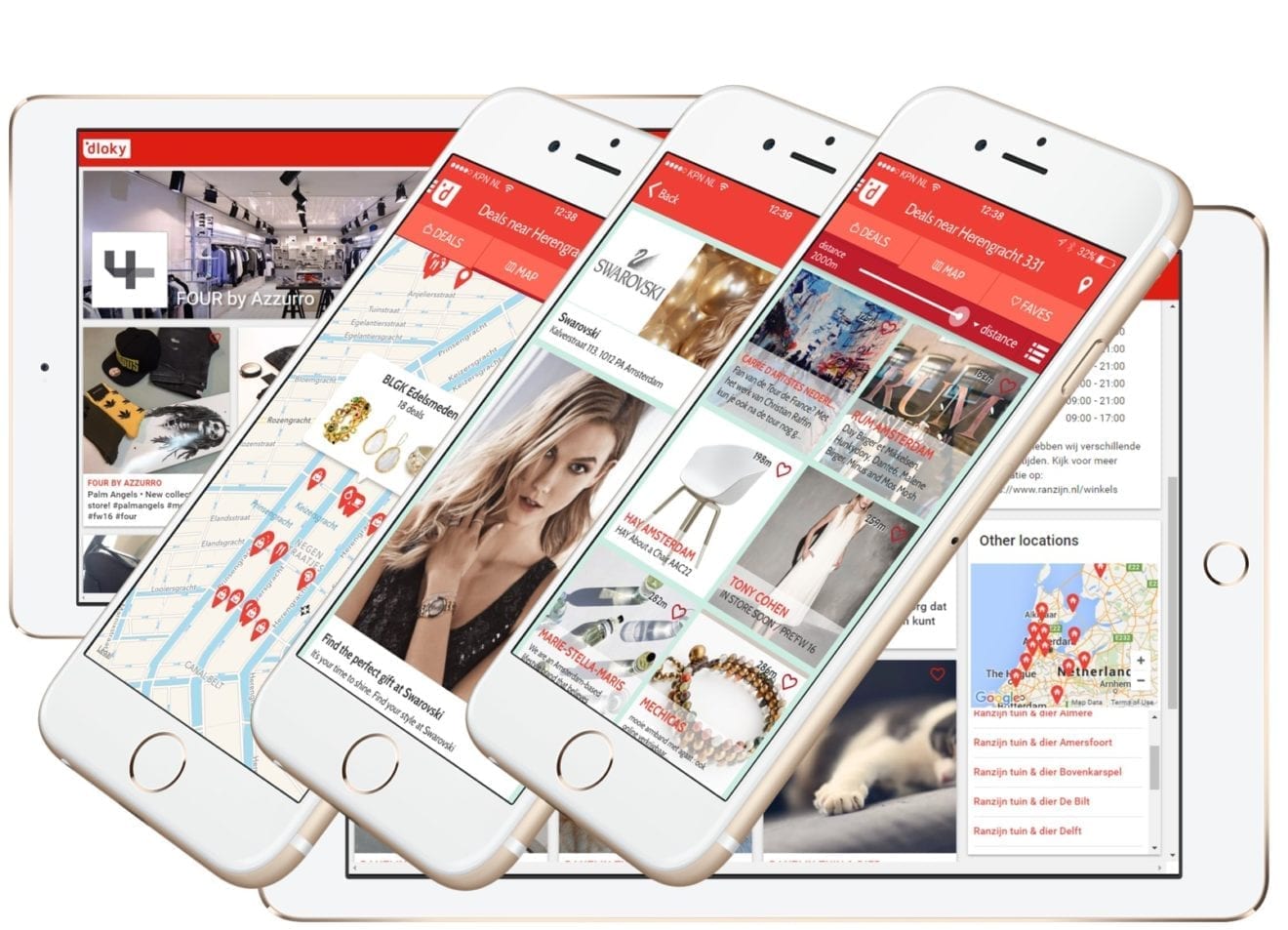
    Dloky is a new Social Media Network for Retail and Hospitality businesses worldwide based on GPS Proximity Marketing and Local Promotion. Dloky started in 2015 as mobile app for iOS and Android and recently the web platform was added.

    Mobile Advertising

    Users can customize their page by setting the search distance, selection of categories, businesses and saving promotions in favorites. Login is not required however possible to save settings over multiple devices and browsers.  

    Proximity Marketing

    Dloky is a free and worldwide open platform for Retail Businesses as well. Businesses can sign up, add and manage all their locations/stores and promotions. Dloky will import large numbers of locations, at no costs. Each store/location and promotion get a dedicated page and relevant URL. Promotions can be posted for all Retail locations combined or for a specific city or location. Accounts can be managed centrally or locally. Dloky is specifically tailored for complex Retail company structures. Many international locations, combinations of franchises, partly or fully owned stores, multiple Admins or multiple Retail Brands or Concepts etc. Apps and Website have the same structure and are linked through App indexing. Dloky plans to offer paid advertisements within relevant categories and locations on the longer term.

    Increase Traffic to physical Stores

    Goal of Dloky is to increase traffic to physical stores. Dloky started in the Netherlands in 2015 and more than 1000 Stores have signed-up such as Fashion; Azzurro, Oger, State of Art Cosmetics: Marie-Stella-Maris Book Stores; Boekenvoordeel Jewelry: Swarovski, BLGK Edelsmeden Galeries: Carré d’Artistes, GaleriesPR2 Shoes: vanHaren, Bristol  Home: Friday Next, HAY  Garden: Ranzijn, Sports, DIY, Beauty etc.

    SEO

    The web application is public and specifically designed for SEO. Each promotion gets an own relevant URL and link back to the Retailers website and web shop, creating relevant and effective backlinks. Retailers have full control on their local promotions. Dloky is currently widely used in the Netherlands by Retail as an alternative for unsolicited physical mail now that the Netherlands is starting to ban unsolicited mail because of environmental reasons.   

    Facebook-coupling

    Also small retailers with a single store love Dloky. With the very efficient Facebook coupling, the Dloky is setup in seconds. The Dloky page can sync with the Facebook page and Facebook posts can be copied automatically in Dloky. Therefor Dloky is a very nice addition to a Local Business Facebook page, post for your followers in Facebook and automatically for potential customers nearby in Dloky. 

  • Social media giants plan new e-payment offerings

    Three new e- payment services from Line and Facebook will become available to Thai mobile users by the end of this year, as the social-media companies gear up with a view to tapping into high growth potential in the domestic market.

    Jin-Woo Lee, chief executive officer of Rabbit Line Pay, told the “Thailand E-commerce Summit 2016” that the company would provide two new services in the near future under the Rabbit Line Pay brand, enabling mobile payments via a smart phone using any operating system.

    Mobile users will simply need to download the Rabbit Line Pay application to their device in order to use the system, he said, adding that the new payment services would be piloted at retail outlets such as McDonald’s in August.

    “I believe Thailand is the first country in which we will provide the new e-payment service. In the next couple of months, we will test it with retail shops, and then with the Skytrain in December, before making it officially available in the market,” the CEO said. Another new offering under Rabbit Line Pay services is a logistics service available to mobile users who already have the Rabbit Line Pay app.

    Under the logistics service, the company has joined hands with Kerry to deliver products to customers when they order from the Line shop. Kerry will provide a same-day delivery service for users located in Bangkok, with cash on delivery being a payment option. The new service will initially be available in Bangkok.

    “For Line, Thailand is the second biggest market, after Japan. I believe there is high market potential in Thailand for the provision of services that support mobile users in a simple and convenient way,” Lee said.

    The company is currently working with four commercial banks – Siam Commercial Bank, TMB Bank, Bangkok Bank and Kasikornbank – to support e-payment transactions under its new offerings, he added.

    Line now has around 40 million users in Thailand, the chief executive said.

  • Amazon Named Top Retailer on Social Media

    Amazon Named Top Retailer on Social Media

    Web giant Amazon have been named as the top retail brand on social media, according to Social Insights on the Retail Industry, a report by social media monitoring firm Brandwatch. Making up the top three were two other retailers, Etsy (2nd) and Ebay (3rd), with Walmart the top Bricks & Mortar retailer in fourth. Target made up the top five.

    A comprehensive study analysing and scoring the world’s top retail brands and their visibility, sentiment and mentions on social media, the Retail Social Report examined over 10 million interactions over four months, giving each retailer a score across five categories: Social VisibilityGeneral VisibilityNet SentimentReach Growth and Social Engagement & Content.

    The key findings from the study, which awarded retailers a total score out of a possible 500, included the following:

    • The top five retailers all scored upwards of 300, with Amazon scoring 349, Etsy 336, eBay331, Walmart328 and Target 320
    • Positions 5-10 in the study were held by Toys R Us (with a score of 320), Lowes (315), Kohls (307), Sephora (299) and Bed, Bath & Beyond (292)
    • The individual category winners were: Amazon (General Visibility), Sanborns (Social visibility), Sams Club (Net Sentiment) Kmart (Reach Growth) and Debenhams (social engagement & content
    • Facebook is the clear leader in engagement, with consumers nearly three times as likely to share brands’ content on the platform than they would on Twitter.
    • Surprisingly, 99% of all content retailers share on Facebook is visual, with only 1% exclusively status copy.
    • The average response time from a retailer on social media is 7hours and 33 minutes, with Petco having the quickest average response time

    The study also found that when it comes to responsiveness, retail brands scored better than other industries, such as automotive and television networks with a retailers’ tweets a third more likely to be a direct response to a consumer.

    When it comes to gender, retailers’ online audiences are predominantly female and in terms of engagement, women are twice as likely to comment on a retail brand’s social media post than men are. As an illustration, Amazon’s online audience is 56% female and primarily interested in books and family, Etsy’s audience is 86% female with a core interest in fashion, fine arts and family while eBay’s online audience is 65% female and interested in shopping, fashion and family.

    The report has also identified that consumers have continued to adopt an additional step in their shopping routine, normalising the behaviour of ‘showrooming’. The art of ‘showrooming’ explores the decision making process that consumers implement before they make a purchase. However, pre-purchase research goes both ways with 80% of consumers researching products online before they buy in store, with 41% looking in store before they ultimately purchase items online.

    James Lovejoy of Brandwatch said: “Customer service has always been core to the reputation of the retail industry, but as the number of communications channels increases, providing a quality experience for consumers is increasingly difficult.

    Most retailers now will recognise the important part digital plays and that it is now imperative to develop a clear social media intelligence strategy if retailers want their customers to remain loyal advocates of their brand.”

  • Dtac launches social media campaign in support of AIS

    Dtac launches social media campaign in support of AIS

    Dtac has launched a social media campaign under the hashtag #fairfight pledging support for AIS and its subscribers.

    The campaign features Dtac CEO Lars Norling saying that he cares for all mobile users and that AIS 2G subscribers are welcome to roam on Dtac and do not have to worry about their SIM cards being cut off. AIS subscribers do not need to port their numbers to any new network to continue using their phones.

    This is a thinly veiled reference to TrueMove’s ongoing campaign to win customers from both their networks.

    However, at the last moment literally minutes before the planned network switch-off, AIS was granted an injunction by administrative court nullifying the NBTC order that AIS would have to switch off its 2G network on midnight of 15 March.

    AIS CEO Somchai Lertsutiwong asked the court that it be allowed to continue to use 5 MHz of Jas’ 900-MHz spectrum (that it is already using). Somchai argued that continuing to use Jasmine’s as yet unclaimed spectrum would have no effect on TrueMove’s 900-MHz licence that was granted on Monday 14 March.

    The court order allowed AIS to continue using the 900-MHz spectrum for another 30 days until 14 April. The deadline for Jasmine to pay for its 900-MHz spectrum is 21 March.

    AIS has an estimated 400,000 users still dependent on its 2G network, most with 3G capable SIMs but old 3G handsets.

    Meanwhile AIS has been ordered by the supreme court to pay state-owned CAT Telecom $200,000 (7 million baht) plus interest for negligence. The court ruled in CAT’s favour that AIS was responsible for negligence in allowing 165 subscribers to take out 185 numbers with incomplete or falsified identity documents or signatures and make overseas calls on CAT’s network that could not be traced and billed.

  • Boom in teenage arrests for selling counterfeit goods online

    Boom in teenage arrests for selling counterfeit goods online

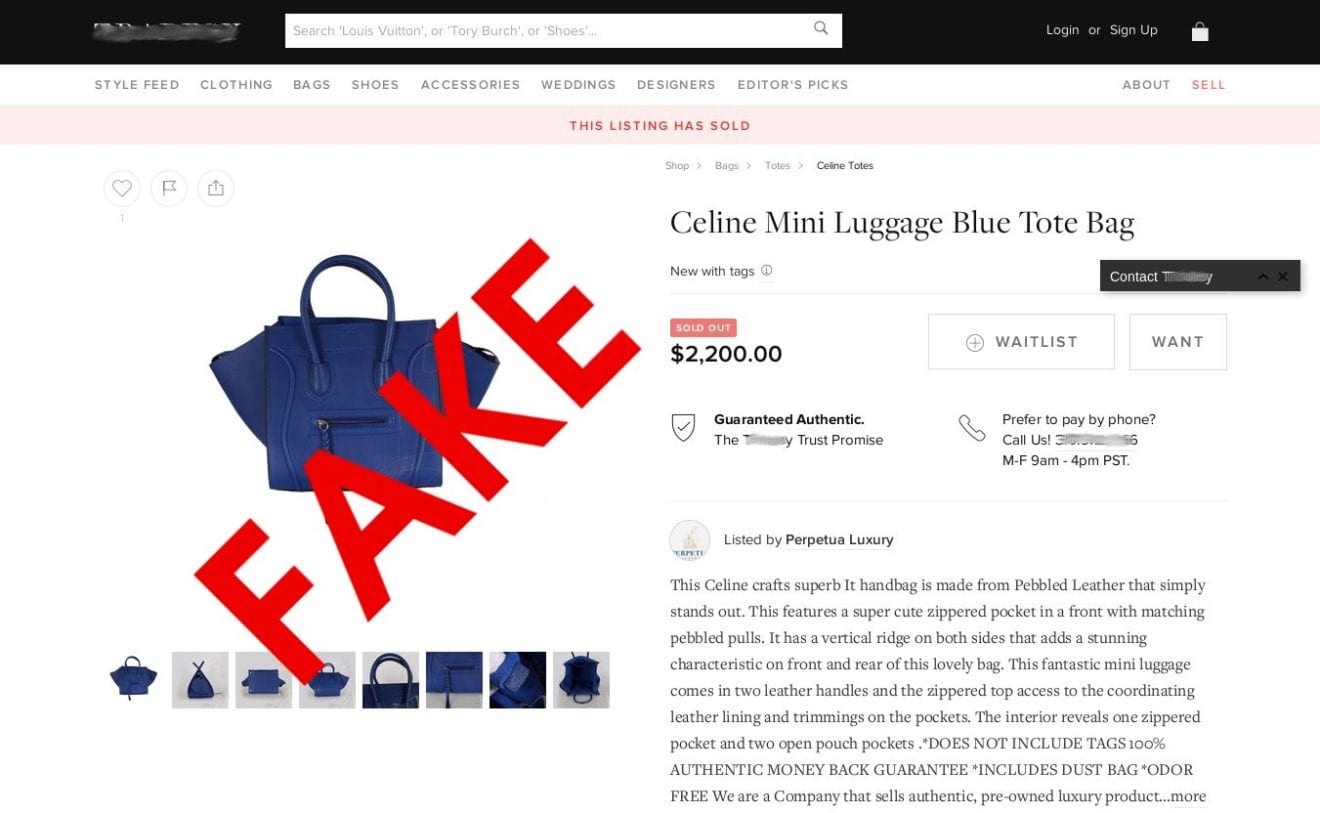
    Hong Kong Customs officials report they have arrested a record number of teenagers for selling counterfeit goods online via social media.

    According to a report in the South China Morning Post, officials have arrested double the number of teenagers in the first 11 months of 2015 as in the entire previous year.

    The majority of the arrested – 54 secondary school pupils and 28 university students – were allegedly selling fake goods on social media, with Facebook an especially popular channel.

    Last year, just 41 arrested were made, according to Louise Ho, head of the intellectual property investigation bureau of the Hong Kong Customs and Excise Department.

    The 82 arrests accounted for nearly 40 per cent of all the counterfeit arrests made by customs this year.

    Ho says students seem unaware of their legal responsibilities and the criminal nature of selling counterfeit goods online, and see the trade as easy money.

    They appear unaware it is insufficient defence legally to disclose the goods are counterfeit.

  • Star Wars: A force to be reckoned with on social media

    Star Wars: A force to be reckoned with on social media

    The force has hit Singapore shores and Star Wars: The Force Awakens fans in Singapore could not be more excited. Whether you’re a hardcore Rebel or an Empire henchman, let’s see what’s been going down on social media in the month leading up to this year’s most highly anticipated movie.

    Already, social media is abuzz with anticipation of Star Wars, whether it’s seeing the droids or the Stormtroopers in action.

    Based on conversations from 1 November to 14 December, Digimind Social’s conversation clusters showed immense interest in the merchandise display at VivoCity, as well as the Battlefront game – good news for Star Wars retailers out there.

    StarWars

    The top hashtags feature also showed the ongoing #starwarsatchangi campaign, which features a life-sized T-70 X-wing and TIE fighter, as well as character appearances at Changi Airport, among the top 10 Star Wars related hashtags in Singapore.

    hashtag SW

    The Force awakens on social media

    Conversations about the 7th installment of Star Wars spiked on 16 November, at more than half a thousand mentions. We suspected it had something to do with it being the day movie tickets went on sale.

    Trend

    Who’s ruling the galaxy on social media?

    Out of the ensemble of characters, it was supervillain Darth Vader, droids R2-D2 and BB-8 and newcomer Kylo Ren that garnered the most traction online. Most of the conversations about Darth Vader were related to games and merchandise.

    SW characters

    A new generation comes to the Force

    While the Star Wars series has been around for decades, most of the conversations online belonged to the 18-25 age group. But it looks like this one belongs to the boys, with 71% of the conversations.

    Social medi sw

    War continues in the online shopping arena

    In the online shopping arena, there has been an­­­other type of lightsaber combat for a share of the SG$4 billion Retail Empire in Singapore.

    Thousands of e-retailers such as ZALORA, Taobao, Expedia, Lazada, and Groupon have recently fought for sales on specific days known as the Retail Holidays. ShopBack has observed some interesting numerical movement this Star Wars season and has pitted it  and has decided to pit the three Retail Holidays – Singles Day, Cyber Monday, and 12.12 against each other in an infographic.

    Take a look on which day came out on top:

    INFOGRAPHIC - Stat Wars_Retail Holidays

    May the Force be with you!

  • More Indian consumer use social media for feedback than Japanese

    More Indian consumer use social media for feedback than Japanese

    Indian consumers are more digital savvy for reporting and resolving customer service experiences over social media than their counterparts in Japan and Hong Kong, says a survey by American Express.

    According to the American Express Global Customer Service Barometer (CSB), which did a random online survey of 1,000 respondents each in the three Asian countries this year, 71% Indians use social media to get a customer response, same as last year but significantly up from 54% in 2012. In Japan, only 29% used social media for customer response while in Hong Kong the number stood at 29%.

    While 41% Indians said they always receive resolution of their customer service issues through social media, for Japan and Hong Kong the numbers stand at 12% and 18%, respectively.

    In selecting a company to do business with, consumers in India and Japan give top priority to ‘good product’ followed by ‘good value for the price’, while the order stood reversed in the case of Hong Kong. All three countries ranked ‘excellent customer service’ third in importance, the survey said.

    While most consumers are willing to give a company at least one more chance after receiving poor service before they consider switching, 33% immediately consider switching after initial poor customer service experience.

    Indians customers are the most reactive with 73% having dropped an intended purchase or transaction due to poor customer service as compared to 56% and 40%, respectively, for Hong Kong and Japan.

    As for sharing their experiences, on an average, consumers tell 39 people about their good experiences (41 in 2014), and 42 people about their bad experiences (48 in 2014), the report said. As much as 98% talk about their good customer service experiences at least some of the time.

  • Customer service in the Retail Revolution

    Customer service in the Retail Revolution

    Traditionally, the retail sector has taken the lead in customer service excellence.

    This is because when retail managers walked about their stores, they interacted with customers and received direct feedback as part of their daily duties. However, technology is revolutionising the retail sector – online stores, social media, mobile shopping and shopping apps are changing customer expectations and the way retailers engage with their customers.

    This has led to new challenges and opportunities for today’s retailers. Through eCommerce, retailers can now reach more customers from all over the world. The fact that someone can order an item one day and have it delivered the next, sets a high bar in terms of expectations. While this can lead to a greater number of complaints that are spread through social media, it also means positive experiences are similarly shared. One thing is certain – in today’s crowded landscape, delivering excellent customer service has become a key differentiator to help retailers maintain their competitiveness.

    The retail revolution is here and retailers need to pay attention to specific issues when it comes to delivering good customer service. These include managing social media, dealing with the holiday spike, representing the customer’s voice, and having the proper tools to scale effectively.

    Social media – the customer megaphone

    Today, no business can cover up bad customer service due to the growing popularity of social media platforms, such as Facebook, Twitter, Instagram and online blogs. Every customer has a megaphone for sharing positive and negative experiences. Savvy retailers can take steps to capitalise on the positive aspects by encouraging the viral nature of social media. They should also mitigate any negative effects, by quickly responding to complaints and addressing concerns.

    Another advantage of social media is that retailers can get more accurate feedback from the customer. Some individuals may be hesitant to giving direct criticism. This means if they are unhappy with a particular product or service, instead of letting the retail manager know, they simply never return. By monitoring the right social media platforms, retailers are given an additional opportunity to discover and fix any problems.

    To leverage on social media, the retail business needs to work out who within the organisations is responsible for managing the different social media platforms. Depending on the size and type of organisation, as well as expertise of employees, this could be the marketing department, customer service teams or even just one employee. The most important thing is that every customer request made over social media needs to be responded to in a timely manner, even if it’s just to say “Thank you!”

    The holiday spike – high sales and high stress levels

    The US-based National Retail Federation revealed that some retailers can bring in 20 to 40 per cent of their annual sales in the period leading up to Christmas. And while this is fantastic news, it brings with it a whole host of problems for the company. In addition to dealing with the sudden, temporary increase in sales volume, retailers must appropriately handle customers that may be more difficult than during other periods of the year. This is because people tend to be more stressed or agitated due to the holiday rush, requiring customer service staff to calm them down. Customers also tend to make purchase decisions less thoughtfully or are less familiar with the product, resulting in more purchase regrets and returns – which also requires additional support from the customer service team.

    Zendesk’s research shows that customer satisfaction with service interactions consistently drops during the holiday season. The main reason for this “dip” in satisfaction is because the increase in shopping means that the number of customer requests per agent also increases, resulting in less time spent per customer.

    Retail businesses can prepare for the holiday spike by temporarily hiring more employees, re-distributing staff responsibilities beyond the regular customer service team, outsourcing to a partner, or investing in a customer service platform that boosts self-service capabilities and streamlines workflow. It is a good idea to have the necessary measures in place at least one month before the rush commences, to reduce likelihood of any hiccups.

    Customer advocacy – become the ‘voice’ of the customer

    Since retail companies are interacting less with their customers face-to-face, it is advisable that a team (typically the customer service department) becomes the customer advocate. This team can proactively push data to senior management on customer satisfaction surveys, reports on interactions with positive or negative ratings and other information captured by the customer service system that will help the company understand the customer better.

    For direct-to-customer retailers, the business can typically manage the customer experience easily, since they manage the entire process – from developing product features to manufacturing, marketing and distribution. For example, if many customers make enquiries about a how certain product feature works, the business can choose to simplify the product, or provide better instructions on how to use the feature.

    For retailers with a more complex distribution process, customer advocacy becomes challenging, as the retailer does not have control over the end-to-end customer experience. In these situations, customers may buy the same product from the retailers’ own outlet, online websites, or at other locations, such as department stores. However, when a problem crops up, customers do not care about the business arrangements with other partners, they just want the issue sorted out. As such, it may make sense to have a central platform (such as the retailer’s website) that deals with all customer inquiries. It also involves good communications with the various partners, to quickly make the referral and ensure the customer’s problem is dealt with.

    Scaling without spending

    As a retail business grows, high volumes of transactions can make customer service challenging. The customer service team must be able to scale to support these increasing transactions, preferably without increasing headcount. This is where good customer service solutions are required – processes that are simple so non tech-savvy customers and agents can use them. These include self service capabilities (like customer FAQs), templates so agents can respond quickly to standard inquiries and the ability to check agent performance, in particular with new employees or during the holiday season.

    Customers should receive a consistent experience, whether they contact the business via email, phone, website or social media. As companies scale, it is also important to have the right reporting tools. These can gather metrics such as top contact reason, contacts per week, average wait time, time to close the request and customer satisfaction. Such information can support key business decisions.

    The retail industry has gone through significant changes in recent years, operating with heightened customer expectations in an environment that is more global and public than ever before. Without doubt, there are likely to be more changing trends in the near future. By continuing to deliver excellent customer service, retailers can leverage on these dynamic trends for positive business outcomes.
  • Yelp Philippines makes debut

    Yelp Philippines makes debut

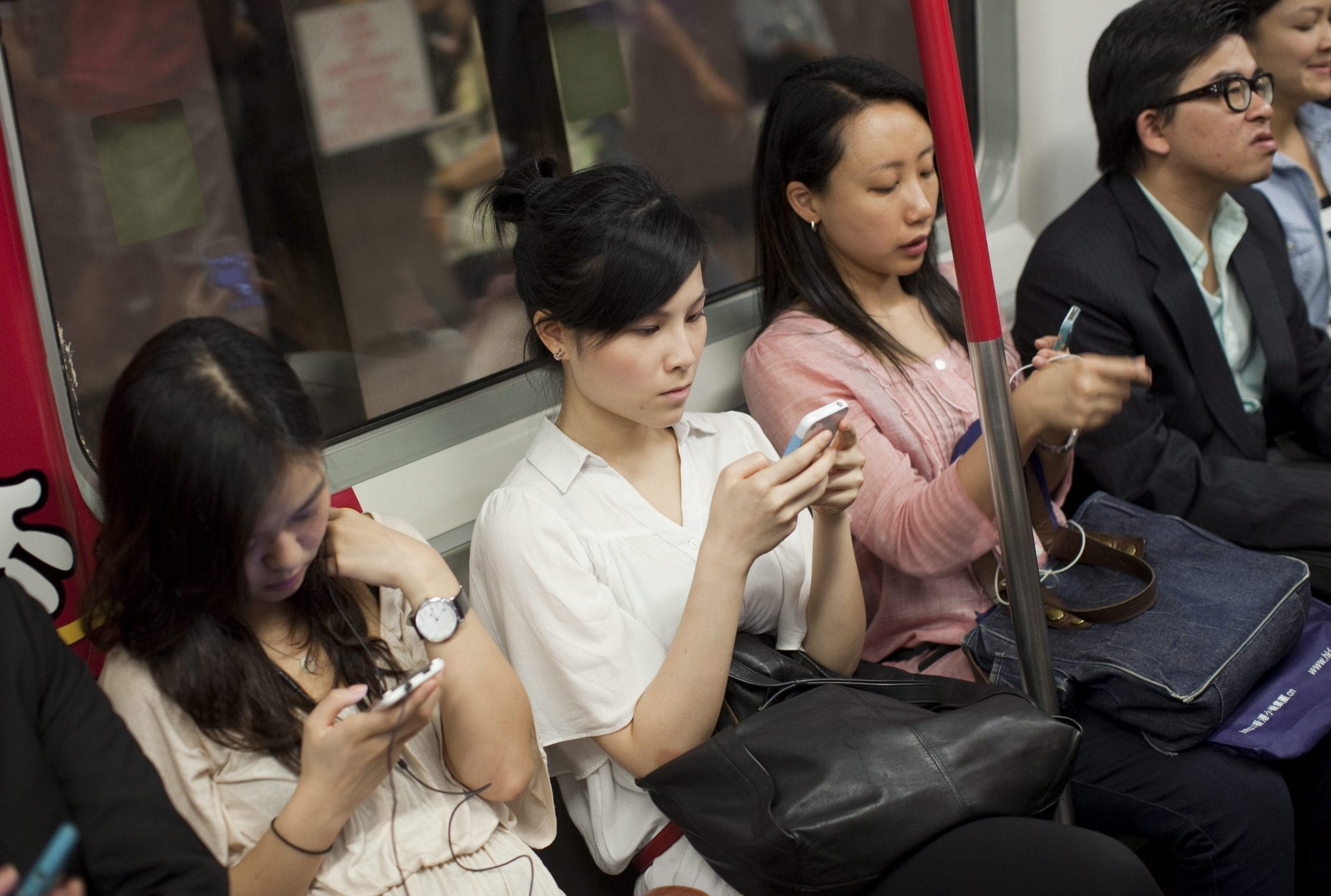
    Yelp, the company that connects consumers with local businesses, has launched Yelp Philippines.

    From this week, people across the Philippines are able to read reviews about local businesses and create accounts on Yelp.com.ph to share their opinions. Yelp’s free iPhone and Android apps will be available as well as its free suite of business owner tools: Yelp for Business Owners.

    The Philippines is Yelp’s 32nd international market and Tagalog, the local language marks the 18th language on the platform.

    The nation is the fourth Asian market for Yelp following Japan, Hong Kong and Taiwan, which itentered in March this year.

    With a population of 100 million people, the Philippines is the sixth largest English-speaking nation in the world, with English widely spoken as a second language. It is also culturally diverse and internet savvy, with Filipinos sending more than 1 billion text messages per day.

    Filipinos are also passionate about food a core category in the social media platform’s consumer recommendation system.

    “Filipinos are so well-connected online and offline that we know they will love using Yelp to find and connect with great local businesses,” says Miriam Warren, Yelp VP of new markets.

    “We will be working hard to make sure Yelp is the most useful and relevant local resource for every Pinoy.”

    Yelp will kick off its community building efforts in Manila – one of the densest cities in the world – and soon bring together Yelpers online and offline to experience the best of Manila. Yelp will also be available across the entire country, so everyone, everywhere in the Philippines with access to the Internet on a desktop computer or a smartphone, now has the ability to share their opinions on what is great (and not-so great) about local businesses in the Philippines.

    Yelp was founded in San Francisco in July 2004. Since then, Yelp communities have taken root in major metropolitan areas across 32 international markets. Yelp had a monthly average of approximately 142 million unique visitors in the first quarter of 2015. By the end of the same quarter, Yelpers had written approximately 77 million rich, local reviews, making Yelp the leading local guide for real word-of-mouth on everything from boutiques and mechanics to restaurants and dentists. Approximately 79 million unique visitors visited Yelp via their mobile device on a monthly average basis during the first quarter of 2015.

  • Skilled Opinion: Making social media work for SMEs

    Skilled Opinion: Making social media work for SMEs

    In at present’s super-connected, always-on period, companies of just about any measurement can attain markets and clients past their borders with unprecedented ease. For a lot of SMEs, the speedy progress of cross-border e-commerce – tipped to be value USD2 trillion this yr within the B2C area alone based on Bigcommerce – makes the chance too worthwhile to disregard. In accordance with Aaron Levie, the CEO and co-founder of Field, a cloud-based on-line storage firm in San Francisco, “A producing start-up in Boston can join with a beforehand impossible-to-reach provider in China; a advertising company in New York can instantaneously collaborate with a shopper in London; a providers agency in France can have software program developed in India.”

    In lots of respects, know-how acts as the good leveler, opening up international commerce that was as soon as the unique protect of huge multinationals. SMEs on eBay are virtually as more likely to export as giant companies, based on Joshuta P. Meltzer from his ebook Utilizing the Web to Promote Providers Exports by Small- and Medium-Sized Enterprises. Nevertheless, the Seizing Cross-Border Alternative by Forrester Consulting believes that SMEs nonetheless should grapple with challenges that their bigger rivals do not face. Servicing a worldwide buyer base means overcoming issues corresponding to time zones, and language and cultural nuances. Small companies not often have the time or assets to spend money on outsourced customer support help, and a few are discovering it extra environment friendly to serve clients by way of social media platforms: one LinkedIn research from 2014 revealed that 81 % of North American SMEs use social media.

    With out the massive devoted digital and social media workforce that many giant manufacturers have, even this will appear daunting. Nevertheless, a couple of easy ideas can generate outcomes for SMEs that make investments the required effort and time.

    Construct a following. Probably the most finely-honed messages and delightful content material will not have a lot influence if solely two dozen social media “followers” ever get to see it. Corporations that transfer into social media want to make sure that they’ve a enough base of followers for his or her social platforms to be an efficient channel. UK-based on-line gaming firm Betfair.com achieved this by establishing an lively Twitter presence in 2009 with frequent updates on all kinds of sports activities and witty, artistic content material that’s related to its followers (who as we speak quantity virtually 120,000 individuals). Constructing a following might imply subsidiary investments – for instance, in promoting. LinkedIn, Fb and Twitter all permit corporations with small budgets of just some US dollars per day to promote by way of recommended posts, beneficial followers and different means.

    Keep in mind, you are the beginner! Penny Energy, writer of the UK’sDigital Enterprise Britain Manifesto and founder the Digital Youth Academy, says “Should you’d simply moved in to a city or village, you would not open the door of your new native pub and shout that you are a plumber or an architect and other people ought to offer you enterprise. You’d take part with what was happening round you, chat to individuals and allow them to know what you do, in order that they find out about you once they want your service. It is precisely the identical in social media.” Present on-line communities similar to Fb pages, LinkedIn communities or Twitter hashtags within the markets an organization is making an attempt to penetrate might present the footholds it must construct a following amongst clients in new markets.

    This was the expertise of Herschel Provide Co., a Canadian producer of backpacks and outside items. By taking the time to study every social platform, the corporate was far better-positioned to attraction to followers on every. “Totally different social networks appeal to totally different audiences,” says Allison Butala, Herschel Provide’s social media supervisor. “Our Instagram account attracts aspiring photographers; our Pinterest following caters extra in the direction of females; Twitter attracts these concerned about our product releases and information tales. Understanding this, we share related content material and develop distinct communities.”

    High quality, not amount. A couple of thousand followers who’re genuinely gained over by your providing are much more priceless than tons of of hundreds who “appreciated” a Fb web page merely to participate in a promotion. Construct a fame for actual experience by researching the individuals and points which have the most important affect within the markets your organization is concentrating on. Use the tone and method of your standing updates to place your organization as having the identical attributes clients would worth in an actual individual – assume friendliness, approachability or a way of humour. These steps will assist your organization to develop a particular social media “voice” and stand out from the gang, in line with The Guardian article How SMEs could make one of the best use of social media.

    Discover out what works via fixed monitoring. The Guardian articles How SMEs could make the perfect use of social media tells us that there is no substitute for expertise, so you’ll want to make sure you’re monitoring the outcomes of your engagements with social media followers. Various free instruments will make it easier to do that. For instance, Socialmention.com is a web-based platform that gives real-time social media search and evaluation. It could trawl the web for mentions of your small business or merchandise. Instruments like this shortly make it easier to to develop a really feel for what techniques work greatest. Christy Ng, founding father of Malaysian shoe design SME Christy Ng Footwear, has two devoted members of employees to handle the corporate’s presence on Fb, Instagram and Pinterest. “We do all our social media administration in-house – from monitoring and listening, to deciding what content material will probably be partaking for our followers,” she says. “For instance, a variety of content material is footage of our merchandise, as a result of we all know that that is what our clients need to see.”

    Finally, social media shouldn’t be an finish in itself – the actual yardstick of success is how a lot enterprise is coming in. However by studying from the specialists, making a acutely aware dedication to social media as a gross sales or customer support channel and leveraging their inherent flexibility and adaptableness as small organizations, SMEs can get it proper and reap the advantages.