Retail News CRM

Tag: vegetables

  • Online and New Retail concepts in China driving FMCG market growth

    Online and New Retail concepts in China driving FMCG market growth

    Online and New Retail concepts in China are driving FMCG growth according to a report by Bain & Company and Kantar Worldpanel.

    As reported The Chinese FMCG market remained robust last year despite talk of economic slowdown.

    According to the latest China Shopper Report produced by the two companies, e-commerce channel growth in China slowed slightly to 30.6 per cent between 2017 and last year (compared with 35.1 per cent annual growth between 2014 and last year), as penetration in tier-1 cities leveled off at around 80 per cent last year. In lower-tier cities, however, growth is expected to continue for at least three or four more years and will serve as the engine of future online expansion.

    While last year didn’t necessarily represent a turning point, the research revealed renewed hope for offline retailers. Previously, offline stores in most formats had been steadily losing share with the rapid rise of online channels. Now there are new and interesting opportunities for offline retailers to regain their momentum, in many cases with smaller and more flexible formats. For example, the share of traditional trade (grocery) food and beverage sales intended for out-of-home consumption has risen by 14 per cent per year since 2016, reaching nearly 80 per cent last year, based on the 10 food and beverage categories analysed in the research. It is similar with convenience stores: their sales for out-of-home consumption grew 17 per cent per year in the last two years, and represent 88 per cent of total convenience store sales, for these same 10 categories.

    Large store formats also show potential for growth, but it will require them to take on new roles, the report found Last year, hypermarkets started to reignite some of their momentum by serving as a logistics base for 30-minute delivery of goods ordered online via the leading delivery platforms. Another opportunity: big chains can reinvent themselves by upping their game in fresh food.

    Insurgent brands punch above their weight

    In addition to examining these ongoing trends, Bain & Company looked at two other developments: the dramatic impact of fast-growing small brands on larger brands, and the emergence of the uniquely Chinese phenomenon of New Retail – futuristic supermarkets devoted in equal measure to in-store dining, online ordering and delivery.

    Last year’s China Shopper Report revealed that China’s insurgent brands are taking a disproportionate share of FMCG growth. As that trend continues, a fundamental question faces many companies: Can big brands get bigger and continue to be successful?

    “The new reality is that many incumbent brands watch small brands doing an impressive job of serving specific consumer needs, responding in everything from R&D to digital marketing with agility and flexibility,” said Kantar Worldpanel Greater China GM Jason Yu.

    “Whether to focus on growing big brands or building a portfolio of different brands to serve different segments nags at every FMCG executive. It’s a decision that sometimes calls for a major strategic transformation; billion-dollar brands are vastly different animals than $25 million brands and require significantly different management approaches.”

    The other big emerging trend involves New Retail. In any of its forms, New Retail blurs the line between online and offline sales, with potentially major implications for how FMCG products are sold. For example, New Retail’s biggest manifestation continues to be the growth of the food service channel, which is fueled by increasingly faster delivery. Now largely limited to Tier-1 and Tier-2 cities, and with penetration levels comparable to regional supermarkets, New Retail stores will become more broadly relevant in the future.

    According to the report, the acceleration of New Retail in multiple ways presents opportunities for retailers to transition from today’s mass-oriented offline approach to tomorrow’s seamless, multichannel world of shopping. Physical stores have a future, but offline retailers need to refine their moves to play in this new environment.

    The report recommends physical stores:

    • Redesign store portfolios in the New Retail format;
    • Make the store experience more attractive by leveraging new technologies like augmented reality; and
    • Digitalise operations to deliver a seamless experience to consumers, whether they buy online or offline, and start to monetise consumer data for better cooperation with brands.

    The three key implications for brands mentioned in last year’s China Shopper Report remain:

    • Take advantage of the channel dynamics, grow with the winning channels and anticipate retailers’ consolidation;
    • Develop high-value and personalised products to make the most of the premiumisation trend; and
    • Become data-driven, consumer-centric organisations by collaborating with platforms but also by developing your own set of consumer data.

    This year, a fourth important implication arose, based on the success of insurgent brands: Develop a portfolio of brands to grow overall share in a category, taking advantage of the fragmentation of consumer needs and shoppers’ thirst for innovations.

    “As the China consumer continues to become more sophisticated and the channels available to them become more advanced, it is essential that companies who want to win in this new era fully understand what it takes to win in this market,” said Bain & Company partner and report co-author Derek Deng.

    “By understanding and incorporating the new retail model and focusing on a consumer-centric mentality, companies will be able to win in this new battleground which is emerging.”
  • KiKi Tea@Sun’s Bazaar Partnering Iconic Chiu Chow Restaurant Chiu Tang with Summer Pop-up Menu

    KiKi Tea@Sun’s Bazaar Partnering Iconic Chiu Chow Restaurant Chiu Tang with Summer Pop-up Menu

    Pacific Place’s popular casual Asian dining concept KiKi Tea@Sun’s Bazaar is presenting a summer pop-up menu in partnership with iconic Hong Kong Chiu Chow restaurant Chiu Tang.

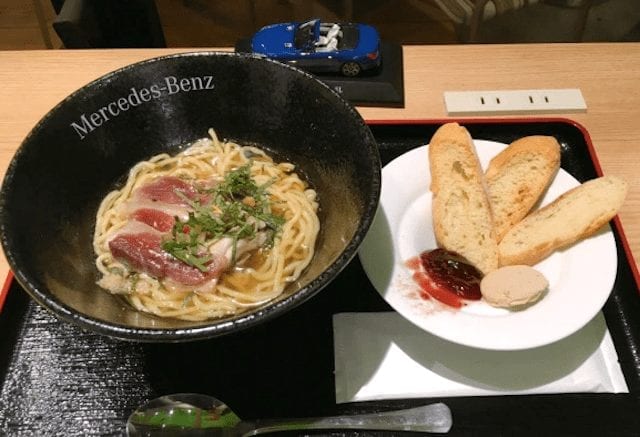
    Chiu Tang’s Executive Chef Cheung Lam Por has created three traditional Chiu Chow specialties incorporating KiKi Tea’s sister brand KiKi Noodles for the seasonal promotion from 6 May to 31 August 2019. The new noodle options for summer also embrace Mother’s Day and Father’s Day for a light, healthy and affordable family gathering for light lunch or supper.

    Chiu Chow Assorted Meat Ball KiKi Noodles in Soup (Fish Balls, Beef Balls, Pork Sausage) (HK$98) redefines classic Chiu Chow fish balls from hawker stands of the 1960s and 1970s with a combo of meat balls and pork sausages homemade by Chef Cheung complimenting KiKi’s famed handmade Taiwan sun-dried noodles.

    Shredded Chicken KiKi Noodles in Soup, Chiu Chow Picked Vegetables, Mushroom (HK$98) showcases the Cantonese region’s fame for appetising cuisine with slightly sour flavour from pickling vegetables – now upgraded with premium mushroom and chicken.

    Pig’s Tripe and Pepper KiKi Noodles in Soup, Chiu Chow Pickled Vegetables (HK$98) pays homage to the resourcefulness of Chiu Chow chefs in creating nutritious yet extremely healthy dishes from humble ingredients like tripe, the stomach lining of a pig. Not only high in protein and fat-free, it aids digestion and strengthens the spleen and stomach – and is a ‘soul food’ adopted worldwide.

    Chef Cheung recommends to spice-up the specialties with KiKi Spicy Sauce, for an additional flavour of authentic Sichuan cuisine, incorporating hot pepper, premium Sichuan pepper and chilli bean sauce – free of MSG and preservatives and ideal for vegans.

    Seasoned chef Cheung Lam Por helmed Chiu Tang to Grade A status in the recent ‘Taste of Hong Kong’ awards and is frequently invited to cook private pop-ups at celebrity and socialite mansions. One of Hong Kong’s most celebrated Chiu Chow chefs, with 30 years’ experience in the craft, he is renowned for sourcing only the freshest, premium seasonal ingredients at the popular restaurant at The Galleria at 9Queen’s Road Central.

    “We select KiKi’s sun-dried handmade noodles for their exceptional texture and high quality, made without salt and dried naturally in sunlight, as authentic and traditional as you can find anywhere,” he said.

    KiKi Tea@Sun’s Bazaar has become an instant hit at Pacific Place, twinning the brand’s premium Taiwanese teas and bubbles with affordable modern Asian favourites. It stands out from the bubble tea crowd using quality natural ingredients including premium Taiwanese tea leaves, black sugar and cane sugar – along with authentic handmade pearls and pressed-to-order House Blend Teapresso.

    Popular favourites include Pineapple Green Teapresso (HK$38), Winter Melon Tea, Sichuan Pepper Flavoured Pearls topped with Cream Mousse(HK$36), Jasmine Tea, Chinese Herbal Tea Pearls (HK$33), KiKi Roasted Tea topped with Caramel and Nuts Cream Mousse (HK$34), and Brown Sugar Milk with Pearls (HK$35).

    Different ‘bubbles’ (add HK$5) beloved by celebrities including Shu Qi and Kimbee Chan include the most popular Brown Sugar Pearls; a favourite in Taiwan; Mini Taro Balls, Sichuan Pepper Flavoured Pearls with a spicy kick of ‘KiKi Sichuan Pepper Seasoning’; and Chinese Herbal Tea Pearls with prunella ‘heal-all’ tea (xia ku cao) used in Chinese medicine.

    All KiKi Tea drink specialities can also be adjusted to preferred levels of sweetness, from regular 50% down to 30% or zero, and also ice level, from regular 70% to 30% or no ice at all.

    KiKi Tea@Sun’s Bazaar is located at Shop 112, 1/F, Pacific Place, 88 Queensway, Hong Kong , opens daily from 11 am to 10:30 pm.

  • JD to grow its own vegetables for sale on and offline

    JD to grow its own vegetables for sale on and offline

    JD has partnered with Japanese chemical manufacturing giant Mitsubishi Chemical to open the largest hydroponic “plant factory” in China. The omnichannel retailer says the premium-quality, fresh produce produced at the new facility will provide its customers with new options for safe, nutritious and environmentally friendly food, online as well as offline at its 7Fresh supermarkets.

    The factory spans 11,040sqm and incorporates a hydroponic culturing system with solar light and a closed seedling production environment using artificial light. Currently it can produce spinach, cabbage, red and green lettuce, coriander, among others.

    All crops produced at the site are tracked from the time they are planted to when they are delivered, a step toward the future of food production and retail as consumers worldwide increasingly demand transparency. In China, in particular, consumers place high importance on food safety while the overuse of fertiliser, environmental deterioration, and rapid population increase have caused soil problems.

    In the new facility, temperature, humidity, light, and liquid fertiliser are automatically controlled by the factory’s management system, enabling more standardised production of high-quality vegetables without the challenge of seasonal changes. For example, spinach produced in the facility contains 80 per cent more folate, 32 per cent more vitamin C, 25 per cent more potassium and 37 per cent more phosphorus than if grown in the field. Meanwhile, the technology makes pesticides and agrochemicals unnecessary, reducing the need for washing.

    The factory can produce a higher output of vegetables than traditional agriculture systems; it can grow 19 batches of spinach in a year, compared to just four batches per year in a field or six per year in a greenhouse. It only requires half a litre of water to grow any of the factory’s vegetables. The factory is integrated with JD’s cold-chain logistics network, so vegetables can be delivered to consumers’ tables as soon as the same day they are harvested.

    “The JD Plant Factory in Tongzhou marks JD’s entry into the very beginning of the fresh-food production chain, allowing us to guarantee that the fresh goods we sell have been treated with the care JD applies to everything we do,” said Xiaosong Wang, president of JD FMCG and food businesses.

    “JD’s supply chain technology, logistics network and e-commerce expertise combined with Mitsubishi Chemical’s sophisticated growing technology puts us in an ideal position to create an entirely new model for agriculture, and cultivates a fresh and healthy lifestyle in China.”

    Fresh vegetables from the plant factory will be available on JD.com and at 7Fresh stores from this month. JD and Mitsubishi Chemical will cooperate to introduce more fruits and vegetables in the future.

  • UnPackt Singapore offers package-free groceries

    UnPackt Singapore offers package-free groceries

    Singapore is about to have its first zero-waste grocery store, UnPackt. It will sell its goods without any packaging, encouraging customers to take along their own containers.

    In self-serve gravity bins to reduce food waste, dried food and cleaning supplies will go on sale first, with plans to introduce fresh fruit and vegetables when sales volumes pick up. Goods will be priced lower than regularly as they are free of packaging.

    The store will also run a recycling scheme offering donated containers for customers who visit the store without their own. Reusable containers can also be bought.

    Co-founded by former business executives Florence Tay and Jeff Lam, UnPackt is a social enterprise that aims to spread the zero-waste message and make packaging-free shopping more accessible in Singapore. The store will hire staff from two disadvantaged groups, seniors and single parents.

    Tay had the idea for the store while exploring how to cut back on plastic waste. She was particularly looking at how to buy food in small quantities to reduce food waste. A survey she ran this month gave her confidence that Singaporean shoppers will support a zero-waste store.

    On Jalan Kuras, in the commuter district of Ang Mo Kio, Unpackt will open early next month. An online version will be introduced later.

    Singaporeans consume at a rate that would need four Earths to support them, using an average of 13 plastic bags a day per person, reports Eco-Business. Last year the island produced more than 800 million kilograms of plastic waste, with only 6 per cent being recycled.

  • Vietnam’s fruit, vegetable exports growing

    Vietnam’s fruit, vegetable exports growing

    Minister of Agriculture and Rural Development, Nguyen Xuan Cuong said the export potential of fruits and vegetables is huge, with the products key to restructuring the sector.

    Cuong said the ministry has focused on promoting the use of modern technologies in agriculture, aiming to create quality products, thus improving the sector’s competitiveness and expanding export markets.

    “Exports of fruits and vegetables will grow in the upcoming time. The sector should develop association models for investing in hi-tech agriculture. Businesses should work with farmer collectives to establish concentrated raw material areas,” he added.

    The minister said growing the agricultural sector, and fruits and vegetables in particular, would largely depend on export value and changes in the market.

    However, if businesses and farmers build production chains of safe fruits and vegetables together with hi-tech agriculture development, the export target of US$3 billion this year will be reached, he said.

    Exports of fruits and vegetables hit $1.38 biliion in the first five months of this year, a year-on-year increase of 38 per cent.

    China, the US, Japan and South Korea markets accounted for nearly 84 per cent of total vegetable and fruit export value. Vietnamese fruits and vegetables have been exported to about 60 markets globally.

    Many farmers have applied the safe agricultural production processes of VietGap and GlobalGap, giving Vietnamese fruits and vegetables a foothold in foreign markets.

    According to the ministry of agriculture, restructuring of the sector is going well, with export structure focused on commodities such as coffee, rubber and fruit.

    Dinh Cao Khue, general director of Dong Giao Food Export Company said their products have been exported to 50 countries thanks to a closed supply chain of materials, collection, processing and trading.

    “We have invested in specialised and concentrated material areas. Product quality should be priorities for both local consumption and exports,” Khue said.

    Experts said export markets such as the US and Europe have potential but also high risk as they have strict requirements on product quality, so domestic producers should strictly follow health and safety requirements.

    Vu Kim Hanh, chairwoman of the Vietnam High-quality Product Association said local agricultural producers should change their mindset in production and organising supply chains. Each segment should have standards to satisfy export markets’ requirements.

  • Vegetables exports bring in $8.2 million per day

    Vegetables exports bring in $8.2 million per day

    Export turnover for vegetables has reached $857 million this year up to April 15, an increase of 30 per cent year-on-year and bringing in $8.2 million to Vietnam each day. Vegetables are therefore Vietnam’s third-highest agricultural and aquatic export, after seafood and coffee.

    Growth in vegetable exports is faster than for aquatic products (7.8 per cent) and coffee (21 per cent), with the gap in export turnover narrowing.

    Vietnamese fruit and vegetables can now be found in many countries and regions such as the US, Japan, Australia, South Korea, and EU countries like Germany and the Netherlands.

    The largest market, however, is China. According to the latest figures from the General Department of Vietnam Customs, exports of fruit and vegetables to Vietnam’s northern neighbor reached $512 million, accounting for 73 per cent of total export value.

    Mr. Nguyen Huu Dat from the Executive Committee of the Vietnam Vegetables and Fruit Association (VINAFRUIT) said this is a positive result for Vietnam’s vegetable exports and is supported by a number of factors.

    The first is the results of the Vietnamese Government’s trade promotion and market expansion efforts, with fruit and vegetables beginning to gain a foothold in fastidious markets like the US, Japan, South Korea, and the EU.

    “Although the value of export turnover to these markets is not large, meeting their high requirements increases the prestige of Vietnam’s fruit and vegetables,” Mr. Dat said.

    He added that high demand among international customers is a good opportunity for Vietnam’s exports in the time to come.

    He emphasized the role of scientists, the business community, and producers and farmers in efforts to diversify products and product quality and promote Vietnam’s brand.

    Total vegetable turnover stood at $2.45 billion in 2016, up 33.6 compared to 2015.

  • Vietnam targets vegetable, fruit export value at $3b

    Vietnam targets vegetable, fruit export value at $3b

    Việt Nam expects to achieve US$3 billion as its total export value of vegetables and fruits this year, exceeding the vegetable and fruit industry’s target of $2.4 billion.

    “After many years of export value under $1 billion, in recent years, the export value has made a breakthrough, which is why it was able to exceed the target this year, although there were many difficulties,” Huỳnh Quang Đấu, deputy chairman of the Việt Nam Vegetable and Fruit Association told.

    This year and beyond, the vegetable and fruit industry will face long-term difficulties, including climate change, which would result in a reduction of vegetable and fruit output and quality, and land accumulation for the industry, Đấu said.

    Meanwhile, most enterprises of the industry are small- and medium-sized units with less capital, said Đấu, adding that technical barriers in vegetable and fruit importing countries have also increased further.

    However, in recent years, Việt Nam’s vegetable and fruits have entered markets with strict ruless, such as the United States, Japan, South Korea and Taiwan, as well as Australia, New Zealand and Chile, following 4-5 years of successful negotiation by the Ministry of Agriculture and Rural Development. Further, farms and enterprises have produced vegetable and fruit products meeting the quality and food safety standards in those countries, he said.

    “That would be the basis for promoting exports this year and beyond,” Đấu said.

    Nguyễn Đỗ Anh Tuấn, head of the ministry’s Institute of Policy and Strategy for Agriculture and Rural Development, said this year, enterprises and farmers would pour in investment into fruit, cashew and shrimp because those products have great potential in production and business.

    In particular, they would invest in high-technological and clean agriculture to create leading brands for the global market, he said. The enterprises would focus on processing farming, forestry and fishery products to create new value and improve the level of Việt Nam’s products in the international market.

    Fruit has great potential as people’s income increases, so does the demand for high-quality fruit, he said.

    Last year, the nation’s total export value of vegetables and fruits was $2.4 billion, $200 million higher than the yearly target.

    Solutions

    Meanwhile, Mai Văn Trị, director of the Southern Fruit Research Institute (SOFRI), said export value of the vegetable and fruit industry has not met the industry’s potential because there are many kinds of fruits with low prices that do not have high export volume despite the high output.

    For instance, Việt Nam mainly exported dried jackfruit or material of fresh jackfruit. Trị said local enterprises could process soft dried jackfruit to reduce the import of this product, Some other kinds of vegetables and fruits such as pomelo and purple sweet potato have output which just meets local demand, but not high enough to export.

    Enterprises have not diversified their fruit processing and not seen sustainable development in material region for export processing, he said.

    Đinh Cao Khuê, general director of Đồng Giao Export Food Joint Stock Company, said, so far, there are a small number of vegetable and fruit material regions nationwide that meet the demand of the processing industry.

    In the north, there are pineapple regions in Đồng Giao, Ninh Bình and Lao Cai provinces, which produce a total of 70,000 tonnes per year, of which 50 per cent is used for local consumption and 50 per cent is for export processing.

    Lục Ngạn District in Bắc Giang Province and Thanh Hà District in Hải Dương Province have high longan output, but the period for harvesting and processing this product is just one-and-a-half months. Meanwhile, other special fruit products, including orange in Hà Giang Province, Hàm Yên-Tuyên Quang Province, Cao Phong-Hòa Bình Province and Lục Ngạn-Bắc Giang Province, have output that is enough to meet domestic consumption requirements.

    In fact, Việt Nam has many areas that can be used develop material regions of vegetable and fruit for export processing, bringing higher economic efficiency to provinces, Khuê said.

    Central highlands provinces such as Đắk Nông and Gia Lai could develop material regions of passion fruit, Japanese sweet potato, sweet corn, spinach and pepper because there is high demand for these products in the global market. Meanwhile, the northern provinces of Lào Cai, Sơn La and Lai Châu are suitable to grow pineapple instead of rubber trees, which have a low level of development in these provinces.

    The state needs to plan and develop material regions connecting with the development of processing factories and expanding the regions to neighbouring provinces, Khuê said. Đồng Giao Export Food JSC has enough material of pineapple for export processing because along with material regions in Ninh Bình Province, the company must combine with regions in the neighbouring provinces of Thanh Hóa, Thái Bình, Hải Dương and Bắc Giang, as well as Hà Giang and Tuyên Quang.

    Additionally, Khuê said Việt Nam should promote advertising at international fairs for farming products to study and expand export markets, including fairs in Germany, France, Russia and Japan.

    Phạm Công Dũng from the Department of Agricultural Forestry and Fishery Processing and Salt Industry said the Ministry of Agriculture and Rural Development has promoted restructuring of agriculture and planned material regions with advantages.

    For export activities, the ministry has cooperated with relevant state offices to enhance trade promotion activities for Vietnamese fruit products to increase market share, he said.

    Each trade office of Việt Nam in foreign countries would conduct marketing activities for local fruits for the Vietnamese community living abroad and the locals.

    The ministry would control further import of fruits through technical barriers under international rules to protect local fruits in a legal manner and stop illegal fruit imports, he said.

  • City begins programme to trace vegetable origins

    City begins programme to trace vegetable origins

    Consumers in HCM City can now use a smartphone app to trace the origin of vegetables sold at Co.opmart, Lotte Mart, Big C and AEON supermarkets under a programme run by the city Department of Agriculture and Rural Development and the Digital Agriculture Association.

    Huỳnh Thị Kim Cúc, the department’s deputy director, said customers could use Zalo on Android or QR code scanning apps to scan the labels on the packages.

    The information they contain includes where and when the vegetables are grown, packaged and distributed and the types of pesticides and fertilisers used, she said.

    The initiative followed growing concerns about food safety, she said.

    The department and the association has surveyed and collected data on vegetable farming models since May last year.

    Now only two co-operatives – Phước An Co-operative in Bình Chánh District and Phú Lộc Co-operative in Củ Chi District – are part of the programme, and they are supplying 18 items, including cabbage, cucurbit, cucumber, bitter melon, broccoli, sweet potato buds, water spinach, and amaranth.

    The programme would be piloted at select supermarkets and VietGap-certificated vegetable co-operatives until March before being expanded to all VietGap-certified co-operatives and more retailers, Cúc said.

    She said her department and other relevant agencies would closely monitor vegetable quality, carrying out surprise tests and quick tests.

    Nguyễn Phước Trung, the department’s director, said a million tonnes of vegetables are consumed in the city every year, with 24 per cent supplied by farms in the city around and the rest by those in other provinces.

    The department said the city was paying more and more attention to the safety of vegetables, resulting in plant protection drug residues decreasing year after year.

    In fact, last year authorities did not detect any plant protection drug residues exceeding permissible levels in key growing areas, down from 1 per cent in 2015, it said.

    Last month, the city launched a programme to enable consumers to trace pork origins at nearly 350 modern outlets by downloading the QR Code decoding application from www.te-food.com to their devices.

  • Improved quality boosts export of fruits, vegetables

    Improved quality boosts export of fruits, vegetables

    Việt Nam’s fruit and vegetable export in 2016 hit US$2.4 billion, a 30 per cent increase over 2015, and exceeding the Ministry of Industry and Trade’s yearly target of $2.2 billion.

    According to the Vietnam Fruit and Vegetables Association, the result was attributed to efforts to seek new markets and keep traditional markets.

    In 2016, five types of fruits gained entry to four new markets — mangoes to Australia, dragon fruits to Taiwan (China), longans and lychees to Thailand and cashew to Peru — thus expanding the market for Việt Nam’s fruit and vegetable to more than 60 countries and territories.

    China continues to be the largest market for Việt Nam’s fruits and vegetables, accounting for some 70 per cent, followed by the Republic of Korea, the United States and Japan.

    Bùi Sỹ Doanh, from the Department of Plant Protection under the Ministry of Agriculture and Rural Development, said the department would continue negotiations on technical barriers to help more Vietnamese fruits and vegetables enter selective markets like the United States, Japan and Australia.

    In 2017, Việt Nam hopes to win import approval from Australia for its dragon fruits, approval from Japan for red-flesh dragon fruits and from the United States for star apples.

    Nguyễn Hữu Đạt from the Vietnam Fruit and Vegetables Association emphasised the need to further improve post-harvest preservation and processing technologies to meet demands for quality and diverse products in foreign markets.

  • Vegetables prices increases threefold in China

    Vegetables prices increases threefold in China

    Severe cold weather affecting in Southern China throughout the weekend as residents are racing to stock up on the essential foods and vegetables so they’ll have the capacity to stay at home in the following couple of days, causing some chaos to local authorities. Pictures from stores across the nation appeared in social media that shows big crowd and empty shelves.

    Ahead of snowmageddon, the price of essentials tripled at supermarket stores.  In some part of the country the cost of pork has surged from 14 yuan for each 600 grams to 19 yuan, while the costs of vegetables have tripled from 5 yuan for every 500 grams to 15 yuan.

    The Local Authorities called residents to relax and stop hoarding. But to little benefit with the coming days forecasted to be the coldest winter in 35 years with the temperature in Shanghai’s urban territories will plunged to minus 7 while it could get as low as less 10 in rural regions.

    The National Meteorological Center forecasts that temperatures will soon dive by as much as 13 degrees across the nation. Even Hainan isn’t getting away from this cool wave with temperatures anticipated that would go down to a comfortable 13 degrees.

    As of now, the frosty climate is bringing about a few issues in Shanghai where two water channels have braked and many long- distance transports have been canceled. Shanghai occupants are reminded to store some water in basins and wrap up outside water channels with fabric.

  • Tesco Lotus confirms expansion plans

    Tesco Lotus confirms expansion plans

    Tesco Lotus remains committed to Thailand and will continue to invest in expanding its retail and online channels, according to a report in the Bangkok Post newspaper.

    Tesco Lotus has previously announced plans to open five large stores and 50 express stores over the coming year.

    But a cloud descended over the company’s future in the wake of parent Tesco UK’s financial turmoil, with talk the Thai division may be sold off to pay off debt in the UK.

    However, in an interview with the Bangkok Post, CEO John Christie said Tesco will also increase investment in programs to help reduce the prices of fresh food, groceries and household items.

    It would appear that any plan to liquidate Tesco’s Asian assets are at least on ice.

    In its annual result announced last week Tesco said its combined Asian operations posted a profit of £565 million, down 18.4 per cent largely on falling sales in China, where the brand is being phased out. That’s considerably more than the £467 million profit in the UK and £164 million in Europe.

    Christie also said Tesco Lotus has so far invested over 4 billion baht (US$30.6 million) under its Roll Back price campaign to help cut product prices, and another 600 million baht ($18.37 million)to help slash the price of fresh food.

    “Tesco Lotus has made huge investments over the years to help Thais save on their cost of living. We are confident that our investment plan will strengthen our leadership in the modern retail sector, while we continue to work with Thai suppliers and business partners to grow together with us and help Thai people cut the cost of living,” Christie said.

    “Thailand is a strategic market for the Tesco Group. Growth opportunities here remain promising and we will continue to invest to grow our business”.